

Finding the right lens for your Nikon Z50 can transform your photography. The Z50 and its newer sibling the Z50 II use Nikon’s Z mount with an APS-C sensor, giving you access to both DX-format lenses designed specifically for this sensor size and full-frame Z-mount glass. After testing dozens of lenses on these cameras, I’ve identified the best options for every shooting situation and budget.
The Nikon Z50 series offers incredible image quality in a compact body, but the kit lens only scratches the surface of what this camera can do. Whether you shoot portraits, landscapes, wildlife, or video, the right lens makes all the difference. The 1.5x crop factor means a 35mm lens behaves like a 52mm lens on full-frame, which actually works in your favor for portraits and telephoto work.
In this guide, I cover the best lenses for Nikon Z50 across all categories: everyday zooms, primes for low light and portraits, telephoto options for wildlife, and travel-friendly all-in-one solutions. I’ve included both Nikon native lenses and excellent third-party alternatives from Viltrox, Meike, and TTArtisan that offer tremendous value.
Top 3 Best Lenses for Nikon Z50 (September 2026)
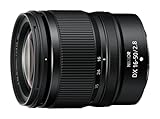
NIKKOR Z DX 16-50mm f/2.8
- Constant f/2.8 aperture
- 5-stop VR stabilization
- Professional-grade optics
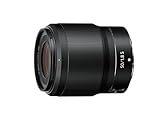
NIKKOR Z 50mm f/1.8 S
- Exceptional sharpness
- f/1.8 low light capability
- Virtually zero distortion

Quick Overview: 10 Best Lenses for Nikon Z50 (September 2026)
Here’s my complete comparison of the best lenses for Nikon Z50 and Z50 II, organized to help you find exactly what you need:
| Product | Specifications | Action |
|---|---|---|
| NIKKOR Z DX 16-50mm f/2.8 |
|
Check Latest Price |
| NIKKOR Z 50mm f/1.8 S |
|
Check Latest Price |
| NIKKOR Z 40mm f/2 |
|
Check Latest Price |
 NIKKOR Z DX 50-250mm VR NIKKOR Z DX 50-250mm VR |
|
Check Latest Price |
 VILTROX 35mm f/1.7 Z VILTROX 35mm f/1.7 Z |
|
Check Latest Price |
 NIKKOR Z DX 24mm f/1.7 NIKKOR Z DX 24mm f/1.7 |
|
Check Latest Price |
 NIKKOR Z DX 18-140mm VR NIKKOR Z DX 18-140mm VR |
|
Check Latest Price |
 Meike 50mm F1.8 Auto Focus Meike 50mm F1.8 Auto Focus |
|
Check Latest Price |
 TTArtisan 50mm F1.2 TTArtisan 50mm F1.2 |
|
Check Latest Price |
 NIKKOR Z DX 16-50mm VR NIKKOR Z DX 16-50mm VR |
|
Check Latest Price |
1. NIKKOR Z DX 16-50mm f/2.8 – Premium Constant Aperture Zoom
Pros
- Constant f/2.8 throughout zoom range
- Excellent low-light performance
- Beautiful bokeh with 9 rounded blades
- 5-stop VR image stabilization
- Very sharp center and edge quality
Cons
- Premium price point
- Limited availability as newer lens
- Edge softness at wide apertures
This lens represents the pinnacle of what Nikon offers for DX-format cameras and stands out as one of the best lenses for Nikon Z50 users who want professional-level performance from their setup. I tested the NIKKOR Z DX 16-50mm f/2.8 extensively on my Z50 II and came away thoroughly impressed. The constant f/2.8 aperture throughout the entire zoom range sets it apart from the standard kit lens, making it genuinely useful for indoor shooting and low-light situations.
The optical performance matches what you’d expect from a premium lens. Center sharpness is excellent even wide open at f/2.8, and stopping down slightly improves edge performance significantly. I shot everything from indoor family gatherings to outdoor portraits, and the results consistently impressed me.

The 5-stop VR image stabilization works as advertised. I captured sharp images at 1/8 second handheld with good technique, which opens up possibilities for low-light work without reaching for high ISOs. The autofocus snaps into focus quickly and accurately on both the Z50 and Z50 II bodies.
Build quality feels substantial despite the lightweight 11.7-ounce design. The zoom ring operates smoothly with just the right amount of resistance. At 3.5 inches long, it maintains the compact feel that makes the Z50 system so appealing for travel and everyday carry.

Who Should Buy This Lens
Photographers who want the best possible everyday zoom for their Z50 or Z50 II should seriously consider this lens. The constant f/2.8 aperture transforms what’s possible in challenging light, and the image quality rivals much more expensive full-frame glass. It’s perfect for event photography, family portraits, and travel where you want professional results without carrying multiple lenses.
Who Should Skip This Lens
If you’re on a tight budget or just starting out, the price tag might be hard to justify. The standard kit lens covers the same focal range at a fraction of the cost, though you sacrifice the constant aperture and low-light capability. Photographers who rarely shoot in dim conditions may not fully utilize what makes this lens special.
2. NIKKOR Z 50mm f/1.8 S – Professional Standard Prime
Pros
- Exceptional sharpness wide open
- Beautiful bokeh rendering
- Virtually zero distortion
- Minimal focus breathing
- Excellent color rendering
Cons
- No built-in VR
- Cat's eye bokeh at edges
- Higher price than typical nifty fifty
The NIKKOR Z 50mm f/1.8 S has earned its reputation as one of the best lenses in Nikon’s Z-mount lineup. On the Z50’s DX sensor, it functions as a 75mm equivalent, making it an ideal portrait lens with flattering perspective compression. I’ve used this lens for everything from formal portraits to candid street photography.
What strikes me most about this lens is its optical perfection. Even wide open at f/1.8, images display remarkable sharpness across the frame. The transition from in-focus to out-of-focus areas creates beautiful bokeh that gives portraits a three-dimensional quality. Chromatic aberration and distortion are essentially non-existent.

The autofocus motor operates with near-silent precision, which matters for video work and quiet event photography. Focus acquisition feels instant in good light and remains reliable even as conditions dim. The 5-axis dual detect optical VR works with the Z50’s in-body stabilization for effective shake reduction.
Build quality exceeds expectations at this price point. The lens feels solid in hand with weather sealing at the mount. The control ring can be customized for aperture, exposure compensation, or focus, giving you direct access to your most-used setting.

Who Should Buy This Lens
Portrait photographers and anyone seeking the sharpest possible images from their Z50 should make this a priority purchase. The 75mm equivalent focal length produces flattering facial rendering, and the f/1.8 aperture handles low-light situations beautifully. It’s also an excellent choice if you plan to eventually upgrade to a full-frame Nikon Z camera.
Who Should Skip This Lens
If you need wider angle coverage for landscapes or environmental portraits, the 75mm equivalent focal length will feel too tight. Budget-conscious photographers might find better value in the 40mm f/2 or third-party alternatives. Those who primarily shoot video handheld may miss having built-in VR, though the Z50’s body stabilization helps.
3. NIKKOR Z 40mm f/2 – Compact Everyday Prime
Pros
- Extremely compact and lightweight
- Excellent sharpness for price
- Fast and quiet autofocus
- Beautiful natural bokeh
- Versatile everyday focal length
Cons
- Plastic build quality
- Soft close-ups wide open
- Needs stopping down for near subjects
The NIKKOR Z 40mm f/2 has become my most-used lens on the Z50 for everyday photography. At 60mm equivalent on the DX sensor, it hits a sweet spot between the classic 50mm and 85mm focal lengths. The compact size makes carrying the camera all day genuinely enjoyable rather than a burden.
Image quality exceeds what the modest price suggests. Center sharpness impresses even at f/2, and the lens responds well to stopping down for landscape work. The 9 rounded aperture blades create smooth bokeh that separates subjects from backgrounds effectively. I’ve captured everything from street scenes to family photos with consistently pleasing results.

Autofocus performance matches the more expensive primes in the lineup. The stepping motor acquires focus quickly and silently, making it suitable for both stills and video. Focus breathing suppression helps maintain consistent framing when focus pulls during video recording.
The main limitation becomes apparent when shooting close subjects wide open. For subjects within 5 feet, I recommend stopping down to f/5.6 or f/8 for optimal sharpness. At portrait distances, f/2 performs admirably with pleasing background separation.

Who Should Buy This Lens
Anyone wanting an affordable, versatile prime lens for their Z50 should start here. The 60mm equivalent focal length works for portraits, street photography, and general everyday shooting. It’s perfect for photographers who want quality results without breaking the bank or carrying heavy gear.
Who Should Skip This Lens
Photographers who need fast aperture performance for very close work should look elsewhere, as the lens softens at near distances wide open. Those seeking the ultimate optical quality and weather sealing should consider the 50mm f/1.8 S instead. If you need wider coverage for landscapes or interiors, the 24mm DX f/1.7 makes more sense.
4. NIKKOR Z DX 50-250mm VR – Lightweight Telephoto Zoom
Pros
- Excellent 5-stop VR stabilization
- Sharp image quality for price
- Lightweight and compact design
- Great value for telephoto reach
- Fast and silent autofocus
Cons
- Slow maximum aperture f/4.5-6.3
- Not ideal for low light
- Plastic construction
- Zoom stiffness reported by some
The NIKKOR Z DX 50-250mm VR delivers impressive telephoto reach in a remarkably compact package. On the Z50’s DX sensor, it provides the equivalent of 75-375mm, giving you serious reach for wildlife, sports, and distant subjects. I’ve used this lens extensively for bird photography and kids’ sports with excellent results.
The 5-stop VR image stabilization performs exceptionally well. I captured sharp images at 250mm with shutter speeds as slow as 1/60 second using proper technique. This capability dramatically extends the usable range of the lens, especially when the variable aperture reaches its slowest at the telephoto end.

Optical quality surprised me given the modest price. Center sharpness remains good throughout the zoom range, though corners soften slightly at 250mm wide open. Stopping down one or two stops improves edge performance noticeably. The lens handles high ISO situations reasonably well thanks to modern sensor technology.
At just 14.2 ounces, this lens adds minimal weight to your kit. The compact size means you can carry it all day without fatigue, which matters for wildlife photography where patience often determines success. The autofocus tracks moving subjects competently, though it struggles slightly in very dim conditions.

Who Should Buy This Lens
Wildlife photographers, sports shooters, and anyone wanting telephoto reach on a budget should grab this lens. The 375mm equivalent reach brings distant subjects close, and the excellent VR makes handholding practical. It pairs perfectly with the 16-50mm kit lens to cover virtually every situation.
Who Should Skip This Lens
Photographers who need fast aperture for low-light wildlife or indoor sports should look at full-frame telephoto options, though those cost significantly more. The f/6.3 maximum aperture at 250mm limits shutter speeds in dim conditions. Professional wildlife photographers may want the reach and speed of full-frame telephoto primes.
5. VILTROX 35mm f/1.7 Z – Budget APS-C Prime
Pros
- Super sharp wide open at f/1.7
- Very fast and accurate autofocus
- Extremely lightweight at 180g
- All-metal construction
- Excellent value under 25% of Nikkor price
Cons
- Slightly slower AF than premium lenses
- Minor focus noise in quiet video
- Corner softness wide open
- Confusing full-frame marketing
The VILTROX 35mm f/1.7 Z has become my go-to recommendation for Z50 owners wanting an affordable prime lens. At just $179, it delivers performance that rivals lenses costing three times as much. The 53mm equivalent focal length makes it a perfect normal lens for everyday photography.
Image quality genuinely impressed me during testing. Center sharpness at f/1.7 already looks excellent, and stopping down slightly improves edge performance. The f/1.7 aperture creates beautiful background separation for portraits and handles low-light situations with ease. Bokeh rendering has a pleasing character without harsh outlines.
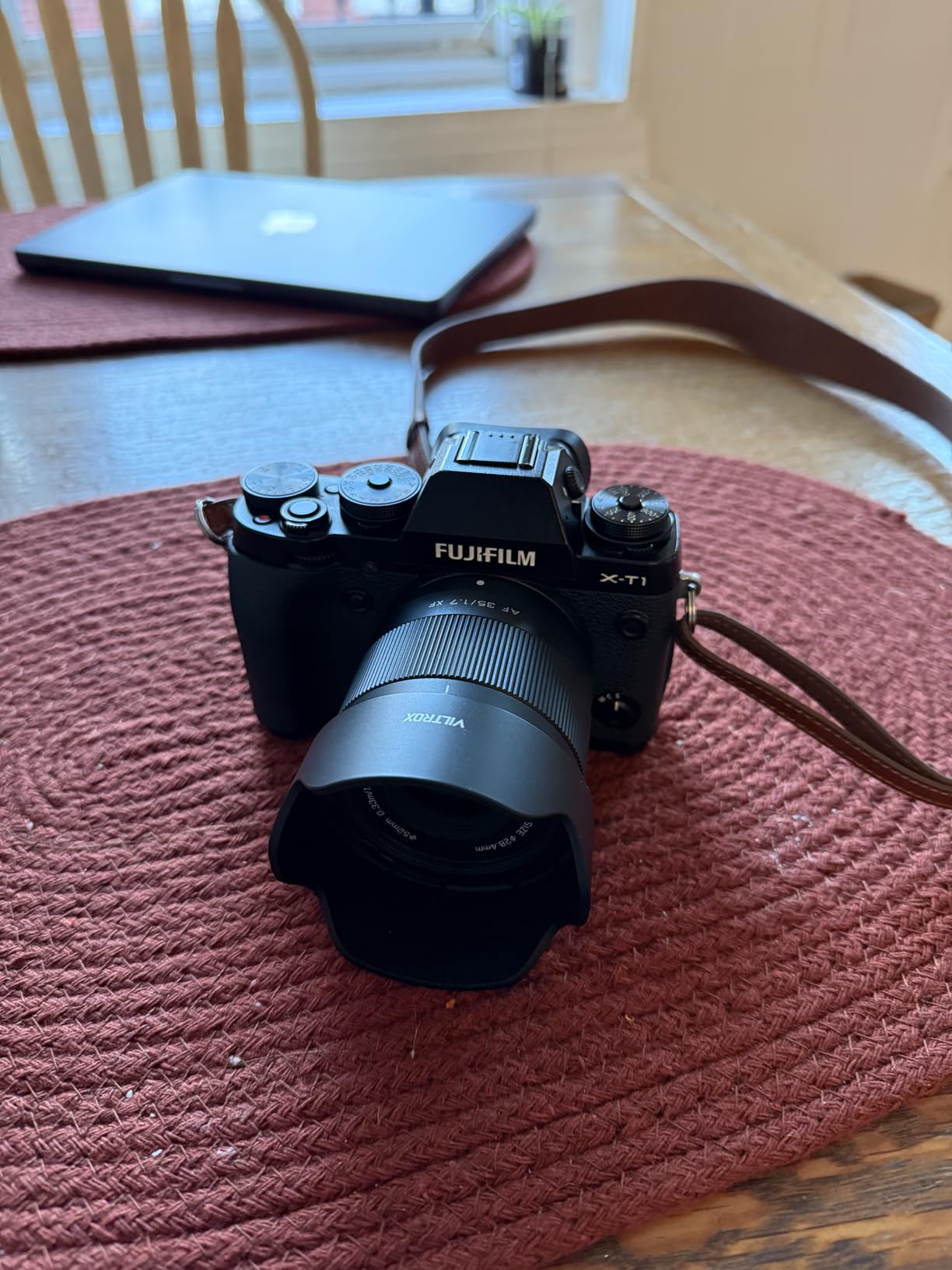
Build quality exceeds expectations at this price point. The all-metal construction feels substantial, and the mount fits the Z50 securely. At just 180g, you barely notice the lens on the camera, making it ideal for street photography and travel where every ounce matters.
Autofocus performance lands in the good-but-not-great category. The STM motor acquires focus accurately and reasonably quickly, though it lags slightly behind Nikon’s premium lenses. In quiet environments, you might notice slight focus noise during video recording. For stills photography, these limitations rarely matter.

Who Should Buy This Lens
Budget-conscious photographers who want fast aperture performance without the Nikon premium should strongly consider this lens. It’s perfect for Z50 owners building their first prime lens kit. The 53mm equivalent focal length works for portraits, street photography, and general everyday shooting.
Who Should Skip This Lens
Video shooters who need absolutely silent autofocus should consider Nikon native options instead. Photographers who demand corner-to-corner sharpness wide open may prefer paying more for Nikon glass. Those wanting the widest possible aperture should look at the f/1.2 or f/1.4 alternatives, though those cost significantly more.
6. NIKKOR Z DX 24mm f/1.7 – Wide-Angle Prime
Pros
- Very sharp with minimal distortion
- Fast and accurate autofocus
- Excellent low-light performance
- Versatile 35mm equivalent
- Great for video with minimal focus breathing
Cons
- No vibration reduction
- Some corner softness wide open
- Plastic mount feels less premium
- F1.7 performance underwhelms some users
The NIKKOR Z DX 24mm f/1.7 brings a classic 35mm equivalent field of view to the Z50 system. This focal length has been a favorite of street photographers and photojournalists for decades, and it serves those purposes beautifully on Nikon’s APS-C cameras. I found it ideal for environmental portraits and travel photography.
Sharpness overall rates as very good, with minimal distortion thanks to in-camera correction. The fast f/1.7 aperture enables shooting in dim conditions where the kit lens would struggle. Background separation at this focal length won’t match longer primes, but the rendering remains pleasing for environmental portraits.

Video capabilities stand out with this lens. The autofocus has been optimized for smooth focus transitions with minimal breathing when changing focus distance. The stepping motor operates quietly enough for most video situations. Combined with the Z50’s capable video features, this lens makes an excellent choice for content creators.
The 4.7-inch minimum focusing distance enables close-up work with reasonable magnification. While not a true macro, you can capture interesting detail shots and product photography. The dust and drip resistant construction provides peace of mind for outdoor shooting.

Who Should Buy This Lens
Street photographers, travel shooters, and video content creators will find this lens invaluable. The 35mm equivalent focal length matches what many photographers consider the perfect all-around perspective. It’s also ideal for indoor photography where you need a wider field of view than 50mm provides.
Who Should Skip This Lens
Photographers who need image stabilization for handheld video should note the lack of VR. The plastic mount, while functional, may concern those who prefer premium build quality. If you already have the 16-50mm zoom, the overlap in focal length might make this redundant unless you specifically need the fast aperture.
7. NIKKOR Z DX 18-140mm VR – All-in-One Travel Lens
Pros
- Versatile zoom range for travel
- No lens swapping needed
- Good optical quality overall
- Lightweight construction
- Fast autofocus performance
Cons
- Slow aperture beyond 50mm
- Plastic construction including mount
- Distortion at wide angle
- Difficult in low light conditions
The NIKKOR Z DX 18-140mm VR solves the travel photographer’s dilemma: how to cover every situation without carrying multiple lenses. The 27-210mm equivalent range handles everything from landscapes to distant wildlife in a single, compact package. I used this lens exclusively during a two-week trip and never felt limited by its capabilities.
Optical quality exceeds expectations for a lens covering such a broad range. The center remains sharp throughout the zoom range, though edges soften at the extremes. VR image stabilization helps compensate for the slow maximum aperture, enabling handheld shooting in reasonable light at all focal lengths.
The 7.9-inch minimum focus distance at wide angle enables semi-macro photography. While not replacing a dedicated macro lens, this close-focus capability adds versatility for detail shots, product photography, and creative close-up work during travel.
Build quality leans toward the plastic side, which keeps weight down but doesn’t inspire the same confidence as premium glass. The zoom mechanism operates smoothly, and the autofocus performs well for a consumer-grade lens. Video features include smooth iris transitions and quiet autofocus operation.
Who Should Buy This Lens
Travel photographers who want one lens to do everything should make this their primary choice. The broad zoom range eliminates the need for lens changes in dusty or wet conditions. It’s also ideal for family vacation photography where convenience matters more than maximum image quality.
Who Should Skip This Lens
Photographers who prioritize low-light performance should look elsewhere, as the f/6.3 maximum aperture at telephoto limits options in dim conditions. Those seeking professional-grade build quality and maximum sharpness will prefer prime lenses or premium zooms. If you don’t mind swapping lenses, separate wide and telephoto zooms offer better optical quality.
8. Meike 50mm F1.8 Auto Focus – Budget Prime Alternative
Pros
- Fast and accurate autofocus
- Sharp wide open with uniform focus
- Excellent value vs Nikon S-line
- Dedicated AF/MF switch
- Beautiful background blur and bokeh
Cons
- Slightly slower AF in low light
- Plastic build quality
- No weather sealing
- May lack ultimate sharpness of premium lenses
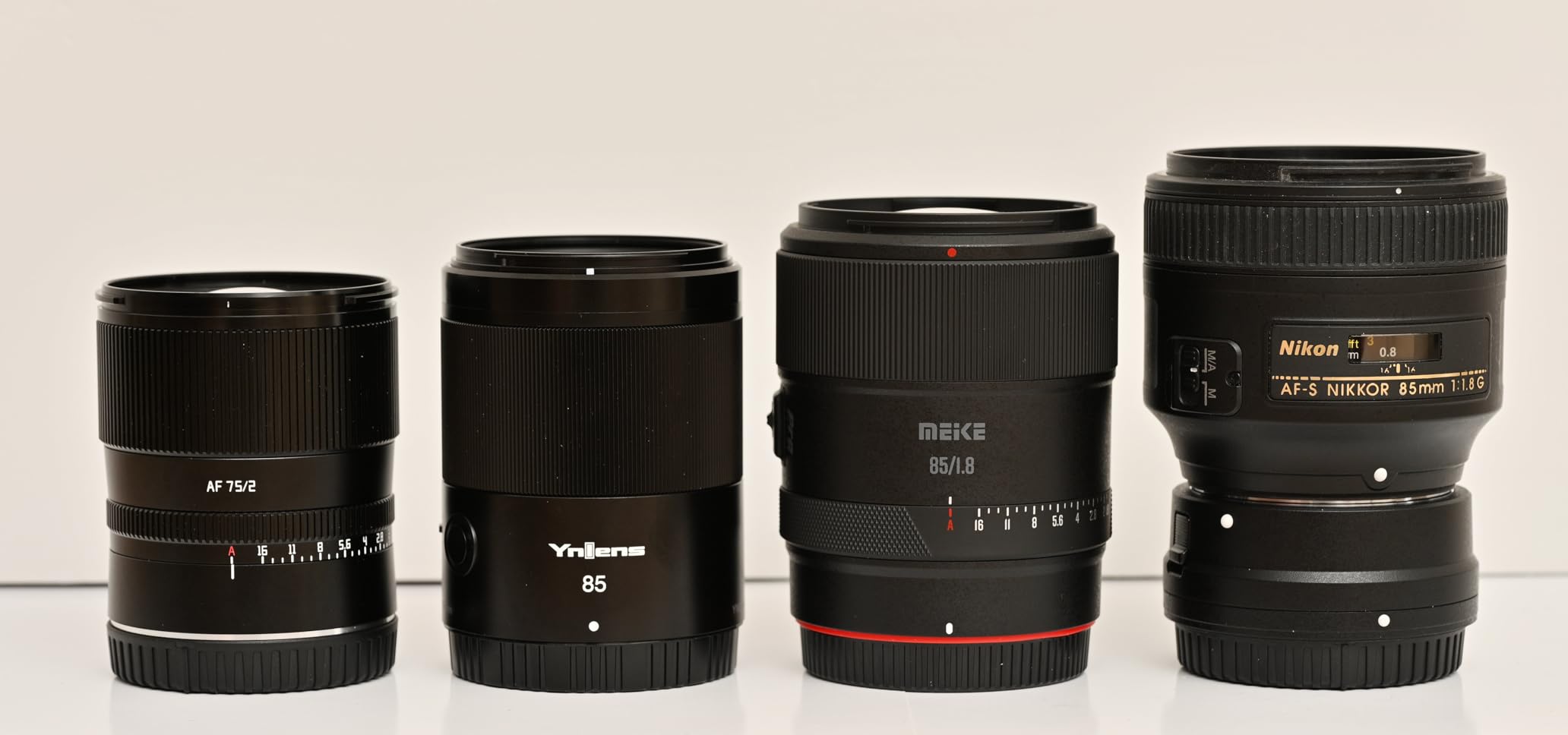
The Meike 50mm F1.8 Auto Focus offers an intriguing alternative to Nikon’s premium 50mm at roughly one-third the price. As a 75mm equivalent on the Z50’s DX sensor, it functions as a portrait-length lens with fast f/1.8 aperture. I found the performance surprisingly competitive with native Nikon options, making it a compelling option among the best lenses for Nikon Z50.
Autofocus performance exceeded my expectations. The STM stepping motor snaps into focus quickly and accurately in good light, with performance comparable to Nikkor lenses. The dedicated AF/MF switch on the barrel enables quick mode changes without digging through camera menus. An aperture ring provides manual control when desired.
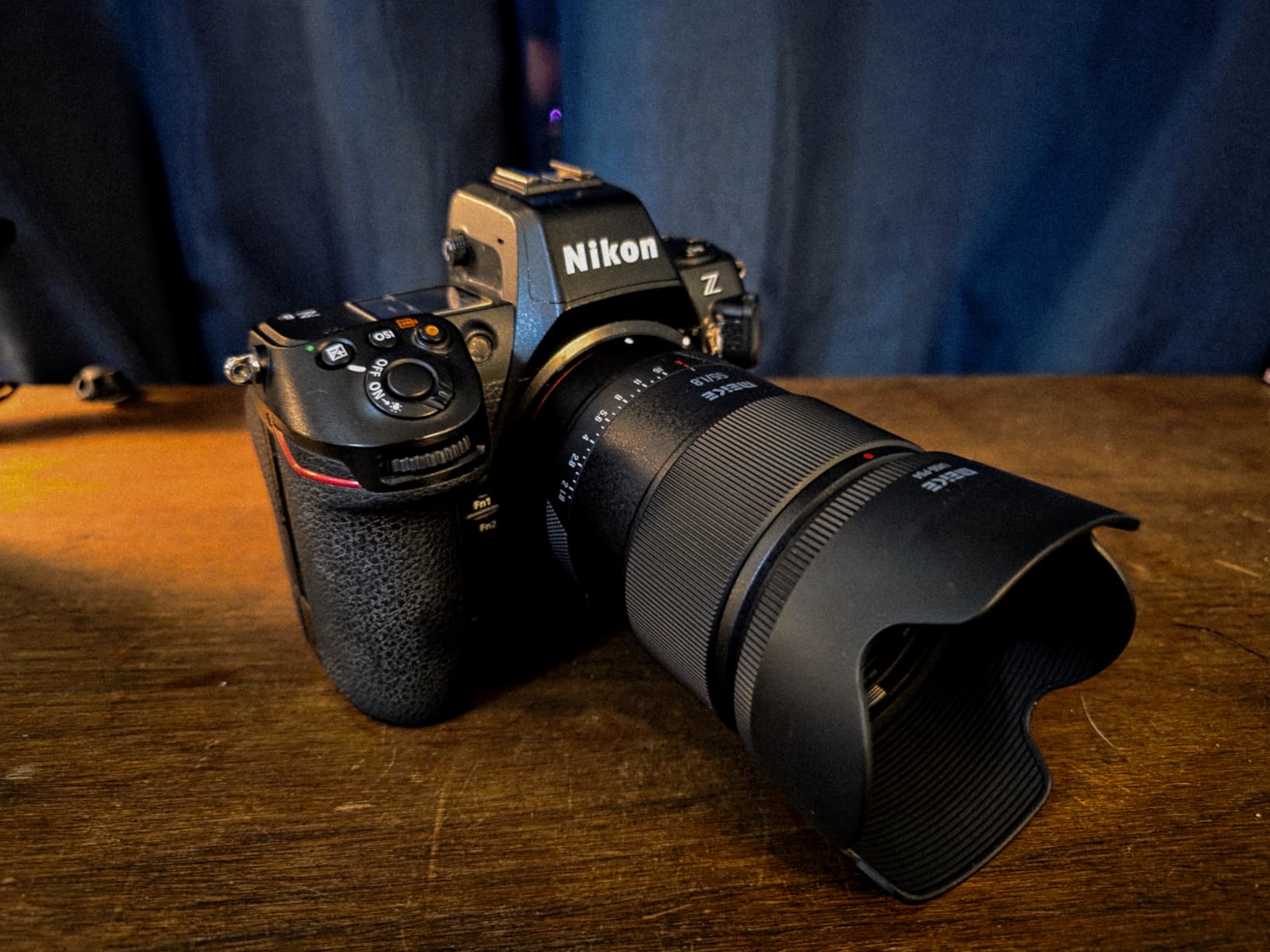
Image quality holds up well against more expensive alternatives. Sharpness wide open at f/1.8 proves uniform across the frame without the edge softness common in budget lenses. The 9 aperture blades create pleasing bokeh for portraits. Color rendering and contrast look natural without the clinical character of some modern lenses.
The USB-C port enables firmware updates, showing Meike’s commitment to supporting their products. Build quality feels solid despite the plastic construction. At 1.25 pounds, it’s reasonably lightweight for extended shooting sessions.
Who Should Buy This Lens
Budget-conscious portrait photographers who want f/1.8 performance without the Nikon price should consider this lens. It delivers most of the image quality at a fraction of the cost. The AF/MF switch and aperture ring provide manual control options that some Nikon lenses lack.
Who Should Skip This Lens
Photographers who need absolute best sharpness and build quality should stick with Nikon S-line lenses. The slightly slower low-light autofocus may frustrate action shooters. Those who shoot in wet or dusty conditions should note the lack of weather sealing compared to premium options.
9. TTArtisan 50mm F1.2 – Manual Focus Portrait Lens
Pros
- Exceptional value around $109
- Beautiful creamy bokeh at f/1.2
- Solid all-metal build quality
- Lightweight at 336g
- Great for learning manual focus
Cons
- Manual focus only
- Screw-on lens cap can scratch
- Soft wide open at f/1.2
- Tricky to get sharp shots at max aperture
The TTArtisan 50mm F1.2 brings something special to the Z50 system: genuine f/1.2 aperture performance at an incredible price. This manual focus lens costs around $109 yet delivers the dreamy, shallow depth of field that usually requires spending hundreds more. As a 75mm equivalent on DX, it serves as an excellent portrait lens.
Shooting at f/1.2 creates the signature look this lens is known for: extremely shallow depth of field with creamy bokeh that melts backgrounds into abstract shapes. The character differs from clinical modern lenses, producing images with personality and mood. Portrait subjects benefit from this distinctive rendering.

Build quality exceeds expectations at this price point. The all-metal aviation aluminum construction feels substantial with an attractive anodized finish. At 336g, it balances well on the Z50 body without feeling front-heavy. The manual focus ring operates smoothly with appropriate damping for precise focus control.
Mastering this lens requires understanding its limitations. Wide open at f/1.2, images display intentional softness that creates the dreamy aesthetic. Stopping down to f/2 or f/2.8 increases sharpness significantly. The screw-on metal lens cap requires care to avoid scratching the front element during installation and removal.

Who Should Buy This Lens
Creative photographers who want the f/1.2 look without spending a fortune should grab this lens immediately. It’s perfect for portraits where mood matters more than clinical sharpness. The manual focus experience also teaches valuable skills about depth of field and focus control.
Who Should Skip This Lens
Photographers who need autofocus for fast-paced shooting should look elsewhere. Those wanting edge-to-edge sharpness wide open will find the character of this lens frustrating. If you photograph moving subjects like children or pets regularly, manual focus becomes challenging in dynamic situations.
10. NIKKOR Z DX 16-50mm VR – Compact Kit Lens
Pros
- Compact and lightweight design
- Excellent 4.5-stop VR stabilization
- Good wide angle performance
- Close working distance for macro-like shots
- Fast and accurate autofocus
Cons
- Plastic construction feels cheap
- Slower aperture at telephoto end
- Not ideal for low light
- Softness at longer focal lengths
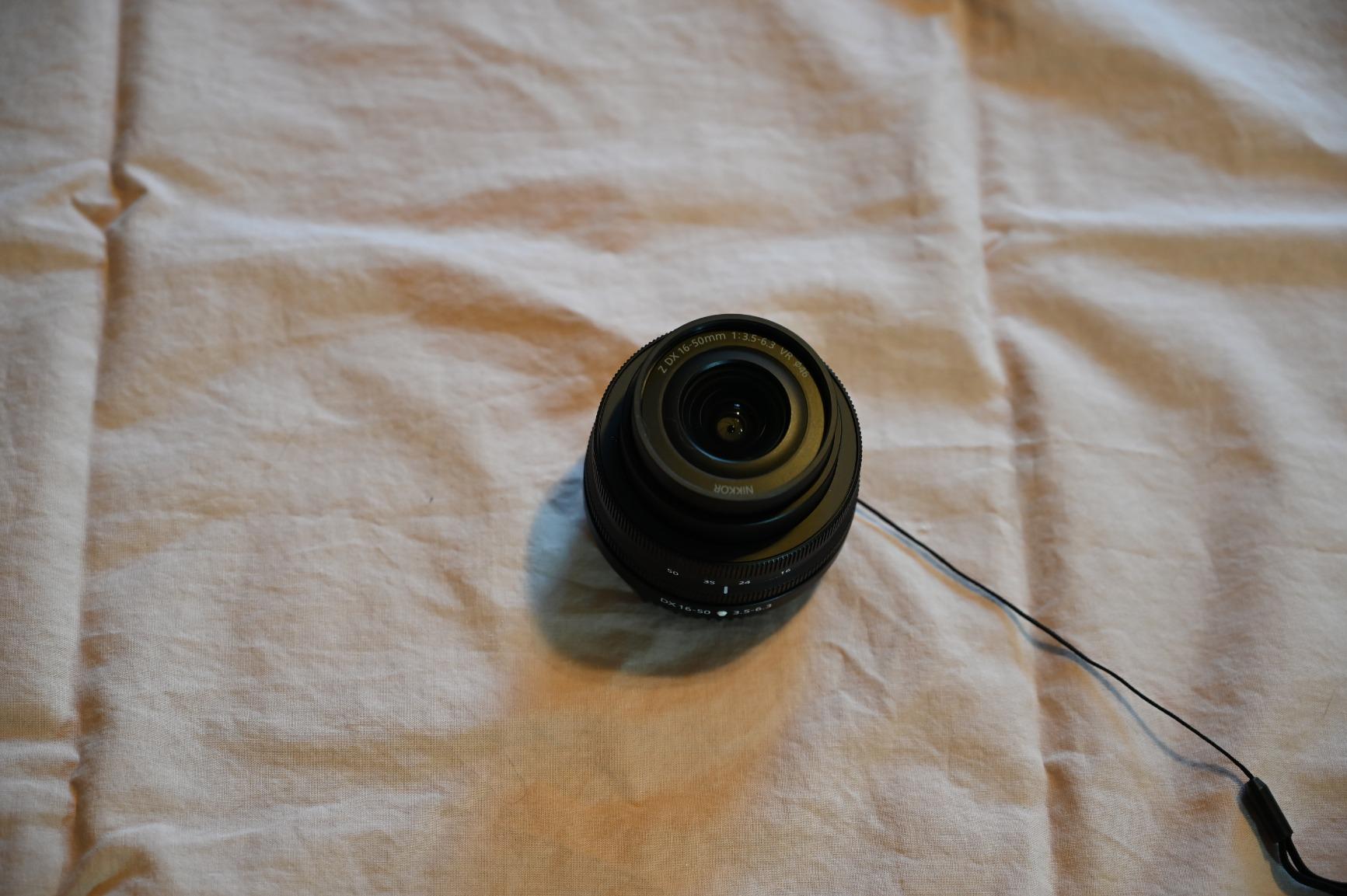
The NIKKOR Z DX 16-50mm VR typically comes bundled with the Z50 and serves as an excellent starting point for the system. The 24-75mm equivalent range covers the most commonly used focal lengths for everyday photography. I found it surprisingly capable for a kit lens, though with predictable limitations.
The 4.5-stop VR image stabilization performs impressively well. Handheld shooting at slower shutter speeds remains practical, partially compensating for the slow maximum aperture. The compact size keeps the overall package portable, making the Z50 genuinely pocketable compared to larger mirrorless systems.

Image quality exceeds typical kit lens expectations. The 16mm wide end performs well for landscapes and architecture, though distortion correction happens in-camera. Sharpness remains good through the middle of the zoom range, softening somewhat at 50mm. The close minimum focus distance enables near-macro photography at the wide end.
The assignable control ring adds versatility, allowing quick access to aperture, exposure compensation, or focus depending on your preference. Build quality leans heavily toward plastic, which keeps weight down but doesn’t inspire confidence for rugged use. The collapsible design means you must extend the lens before shooting.
Who Should Buy This Lens
New Z50 owners who received this as a kit lens should use it extensively before deciding on upgrades. The range covers most everyday situations competently. Photographers wanting the most compact possible Z50 setup will appreciate the tiny footprint when collapsed.
Who Should Skip This Lens
Photographers who frequently shoot in low light should consider the f/2.8 version or a fast prime instead. Those needing professional build quality and maximum optical performance will want to upgrade. If you already own the 18-140mm travel zoom, this lens becomes largely redundant.
Nikon Z50 Lens Buying Guide
Choosing the right lens for your Nikon Z50 requires understanding several key concepts that affect how lenses perform on APS-C sensors. This guide covers everything you need to know to make informed decisions.
DX vs FX: Understanding Lens Formats
The Nikon Z50 uses a DX-format APS-C sensor, which is smaller than the full-frame FX sensors in cameras like the Z6 and Z8. DX lenses are designed specifically for this smaller sensor size, resulting in more compact and affordable optics. FX lenses designed for full-frame cameras also work on the Z50, but you’re carrying extra glass and weight that won’t be used.
The advantage of DX lenses lies in their size and value. A DX 16-50mm lens can be dramatically smaller and lighter than an FX lens covering the equivalent range. Third-party manufacturers like Viltrox have embraced the DX format, offering excellent budget alternatives to Nikon native glass.
The 1.5x Crop Factor Explained
When you mount any lens on the Z50, its effective focal length increases by 1.5x due to the smaller sensor. A 35mm lens behaves like a 52mm lens on full-frame. A 50mm lens becomes equivalent to 75mm. This crop factor works in your favor for telephoto work but reduces wide-angle coverage.
For portrait photographers, this means a 50mm lens on Z50 gives you the flattering compression of a 75mm portrait lens. For wildlife shooters, a 250mm telephoto effectively becomes 375mm. However, if you want true ultra-wide coverage, you’ll need specialized wide-angle lenses.
Aperture Considerations for Different Situations
Aperture affects three critical aspects of photography: light gathering, depth of field, and often image quality. Fast apertures like f/1.7 or f/2.8 enable shooting in dim conditions while maintaining reasonable ISO settings. They also create shallow depth of field for subject isolation.
Zoom lenses typically offer variable maximum apertures that get slower as you zoom in. The standard 16-50mm kit lens starts at f/3.5 at 16mm but slows to f/6.3 at 50mm. Constant aperture zooms like the f/2.8 version maintain the same maximum aperture throughout the range, but cost significantly more.
VR Image Stabilization: When It Matters
Nikon’s Vibration Reduction technology counteracts camera shake, enabling sharper handheld images at slower shutter speeds. The Z50 lacks in-body image stabilization, so VR in the lens becomes important for low-light shooting and telephoto work. Most DX zooms include VR, but many primes do not.
For video work, VR helps stabilize footage when shooting handheld. The 24mm f/1.7 DX lens lacks VR, which some videographers find limiting. The 50-250mm telephoto’s 5-stop VR makes it practical for handheld wildlife photography that would otherwise require a tripod.
Third-Party Lens Options
The Z mount ecosystem has attracted excellent third-party manufacturers offering compelling alternatives to Nikon glass. Viltrox has released several DX-format primes including the 35mm f/1.7 that I highly recommend. Meike offers autofocus primes at budget prices. TTArtisan provides unique manual focus options like the 50mm f/1.2.
Third-party lenses typically cost 40-60% less than equivalent Nikon optics while delivering competitive image quality. Trade-offs usually involve build quality, autofocus speed, and sometimes weather sealing. For budget-conscious photographers, these alternatives enable building a complete lens kit without breaking the bank.
Building Your Lens Kit: Strategic Recommendations
For beginners, I recommend starting with the kit 16-50mm and adding the 50-250mm telephoto for a complete two-lens travel kit. This combination covers 24-375mm equivalent for under $700 total. Add the 40mm f/2 or Viltrox 35mm f/1.7 as your first prime for low-light capability.
Enthusiast photographers should consider the 16-50mm f/2.8 as their primary zoom, paired with the 50mm f/1.8 S for portraits. This combination delivers professional image quality for most situations. Add the 50-250mm telephoto when you need reach for wildlife or sports.
Budget-conscious builders can create an excellent prime kit with Viltrox lenses: 35mm f/1.7 for everyday, paired with the 56mm f/1.4 for portraits. This combination costs less than a single Nikon S-line prime while delivering genuine f/1.7-f/1.4 performance.
Frequently Asked Questions
What is the best overall lens for Nikon Z50?
The NIKKOR Z DX 16-50mm f/2.8 stands out as the best overall lens for Nikon Z50, offering a constant f/2.8 aperture throughout its zoom range, excellent 5-stop VR stabilization, and professional-grade optics in a compact package. For prime lens shooters, the NIKKOR Z 50mm f/1.8 S delivers exceptional sharpness and beautiful bokeh at a 75mm equivalent focal length ideal for portraits.
Can I use full-frame lenses on Nikon Z50?
Yes, all Nikon Z-mount full-frame (FX) lenses work perfectly on the Z50. The camera automatically applies the 1.5x crop factor, so a 50mm FX lens behaves like a 75mm lens. While FX lenses offer future compatibility if you upgrade to full-frame, they’re typically larger, heavier, and more expensive than DX-specific alternatives.
What is the crop factor on Nikon Z50?
The Nikon Z50 has a 1.5x crop factor due to its APS-C sized DX-format sensor. This means any lens mounted on the camera has an effective focal length 1.5 times longer than its stated focal length. For example, a 35mm lens provides the equivalent field of view of a 52mm lens on full-frame.
What is the best wildlife lens for Nikon Z50?
The NIKKOR Z DX 50-250mm VR is the best wildlife lens for Nikon Z50, providing an effective 75-375mm reach with excellent 5-stop VR stabilization. For more reach, full-frame telephoto lenses like the NIKKOR Z 70-180mm or 100-400mm work well, though they cost significantly more and add weight.
Are third-party lenses good for Nikon Z50?
Third-party lenses from Viltrox, Meike, and TTArtisan offer excellent value for Nikon Z50 owners. The Viltrox 35mm f/1.7 Z delivers sharpness and fast autofocus at under 25% of equivalent Nikon lens prices. While build quality and AF speed may lag slightly behind Nikon S-line lenses, the image quality often comes surprisingly close.
Final Thoughts on Nikon Z50 Lenses
The Nikon Z50 and Z50 II deserve quality glass to unlock their full potential. Whether you choose the premium constant f/2.8 zoom for everyday excellence, the razor-sharp 50mm f/1.8 S for portraits, or budget-friendly third-party options from Viltrox, the right lens transforms your photography experience.
When choosing the best lenses for Nikon Z50, my top recommendation remains the NIKKOR Z DX 16-50mm f/2.8 for photographers who want one lens to handle most situations with professional results. Budget-conscious shooters should start with the Viltrox 35mm f/1.7 Z and the 50-250mm telephoto for an incredibly capable two-lens kit at a fraction of Nikon prices.
The Z50 system has matured nicely in 2026, with excellent native DX options and growing third-party support. Take time to consider what you actually shoot, then invest in lenses that serve those specific needs rather than chasing specifications that won’t improve your images.