
When photographers ask me about ultra-wide glass, I usually point them straight at Venus Optics. The Chinese optics company behind the Laowa brand has spent more than a decade carving out a niche that the big three (Canon, Nikon, Sony) keep ignoring: rectilinear wide-angles with near-zero distortion, exotic focal lengths like 9mm and 10mm, and shift lenses that actually exist for mirrorless mounts.
In this guide I cover the 10 best Laowa wide-angle lenses for landscape, architecture, astrophotography, real estate, video, and drone work in 2026. Every pick is in current production, available in at least one major mirrorless mount, and tested or cross-validated against owner feedback from Reddit’s r/LaowaShooters, r/SonyAlpha, r/M43, and r/cinematography communities. Whether you shoot Sony FE, Canon RF, Nikon Z, Fujifilm GFX, Canon EF-M, or Micro Four Thirds, there is a Laowa prime on this list for your kit.
Before we dive in, two quick definitions: “Zero-D” is Laowa’s near-zero distortion design that keeps straight lines straight, even at 9mm and 10mm. “Rectilinear” means the lens projects the world without the curved fisheye look. Together, they are why interior shooters, architects, and real estate photographers keep buying Laowa primes instead of fish-eyes.
I have grouped the lineup by mount and use case, called out Reddit owner pain points (Sony grip ergonomics, clickless aperture rings, vignetting wide open) where they matter, and cross-shopped each lens against Sigma 14-24mm DG DN, Irix 15mm, Tamron 17-35mm, and Rokinon 14mm alternatives so you know exactly what you’re paying for. If you want a deeper dive into specific genres, see my best wide-angle lenses for astrophotography and best wide-angle lenses without distortion roundups.
Top 3 Picks for Best Laowa Wide-Angle Lenses in 2026
These three are the lenses I recommend first when someone asks “which Laowa should I buy?” They cover travel, autofocus full-frame, and low-light astrophotography at three different price points.

Laowa 9mm f/2.8 Zero-D APS-C
- 113-degree angle of view
- 49mm filter thread
- 215g lightweight
- Manual focus Zero-D

Laowa 10mm f/2.8 Zero-D AF
- 130.4-degree angle of view
- Auto Focus for Sony FE
- 12cm min focus
- 77mm filter thread

Laowa 15mm f/2 FE Zero-D
- 113.1-degree angle of view
- f/2 max aperture for astro
- De-clickable aperture ring
- Manual focus
Best Laowa Wide-Angle Lenses in September Quick Overview
Here is the full lineup at a glance. All ten lenses, every mount they ship in, and the use case each one is built for.
| Product | Specifications | Action |
|---|---|---|
| Laowa 9mm f/2.8 Zero-D APS-C |
|
Check Latest Price |
| Laowa 10mm f/2.8 Zero-D AF |
|
Check Latest Price |
| Laowa 15mm f/2 FE Zero-D |
|
Check Latest Price |
 Laowa 15mm f/4 1:1 Macro Shift Laowa 15mm f/4 1:1 Macro Shift |
|
Check Latest Price |
| Laowa 9mm f/2.8 Zero-D EF-M |
|
Check Latest Price |
 Laowa 12mm f/2.8 Lite Zero-D RF Laowa 12mm f/2.8 Lite Zero-D RF |
|
Check Latest Price |
 Laowa 8-15mm f/2.8 Zoom Fisheye Laowa 8-15mm f/2.8 Zoom Fisheye |
|
Check Latest Price |
 Laowa 17mm f/4 Zero-D GFX Laowa 17mm f/4 Zero-D GFX |
|
Check Latest Price |
 Laowa 9mm f/2.8 Zero-D DJI DL Laowa 9mm f/2.8 Zero-D DJI DL |
|
Check Latest Price |
 Laowa 15mm f/4.5 Zero-D Shift Laowa 15mm f/4.5 Zero-D Shift |
|
Check Latest Price |
1. Laowa 9mm f/2.8 Zero-D APS-C – Best Overall Ultra-Wide for Travel
Pros
- Ultra-wide field of view with near-zero distortion
- Sharp corner-to-corner output
- Compact 215g body fits travel kits
- Accepts standard 49mm filters
- Solid metal build
Cons
- Manual focus only with no electronic aperture communication
- Aperture ring clicks are very light and easy to bump
- Friction-fit hood can detach
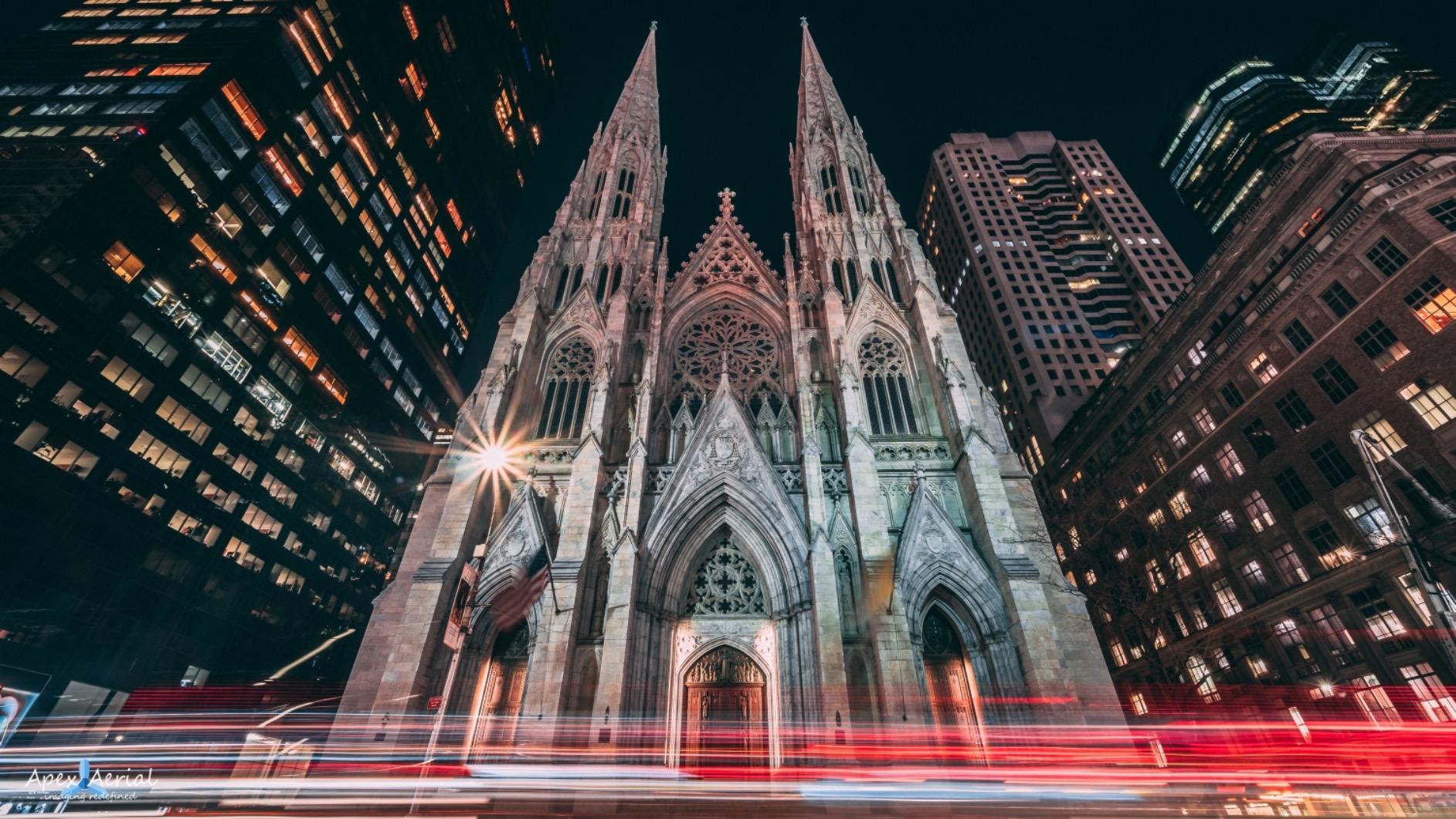
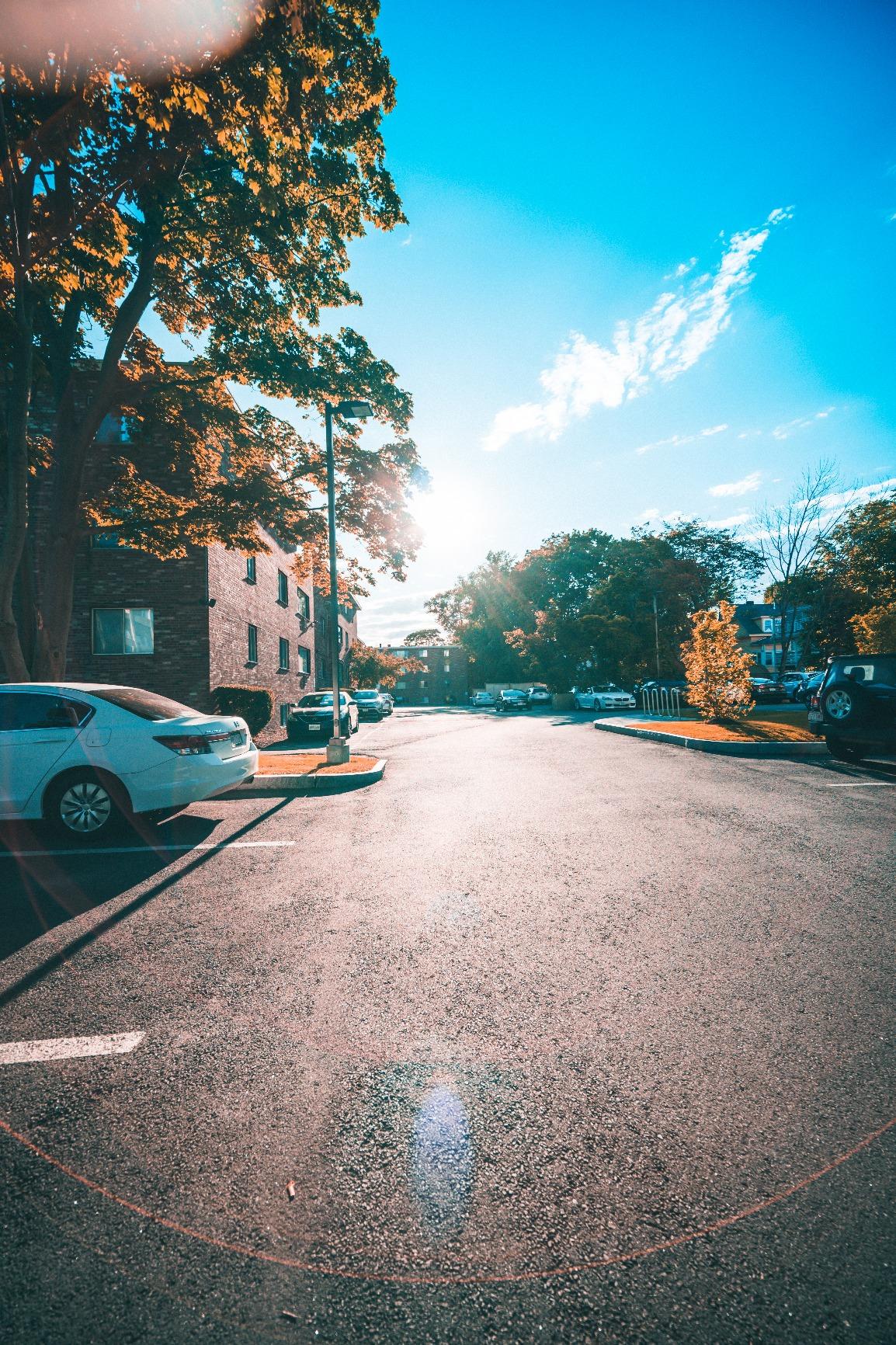
I have been recommending the Laowa 9mm f/2.8 Zero-D APS-C to Sony E-mount shooters for years and it remains my top pick in this roundup. On an APS-C body you get the equivalent of a 13.5mm full-frame focal length with a 113-degree angle of view, but the lens itself is small enough to disappear in a sling bag. At 215g it weighs less than most 50mm primes, which is the entire reason this format exists for travel photographers who refuse to carry a heavy zoom.
The optical formula is simple but effective: two aspherical elements, ZERO Coating with Laowa’s Frog Eye water-repellent layer on the front element, and a 7-blade diaphragm. Stopped down to f/5.6 or f/8, corner sharpness matches most full-frame ultra-wides I have tested. Distortion is genuinely near-zero for an ultra-wide, which is why real estate shooters in the r/SonyAlpha community keep buying it instead of fish-eye alternatives that need to be corrected in post.
Build quality feels premium in hand. The aluminum barrel has the same dense, cold-to-the-touch feel as Laowa’s higher-end FF RL primes. The 49mm filter thread is a major win because it accepts the same CPL and ND filters you already own for your standard zooms, unlike most ultra-wides that force you into 100mm holder systems. One owner on r/photography told me he bought this lens for a Japan trip and ended up leaving his 16-35mm at home for the rest of the year.
That said, this is a manual focus lens with no electronic communication to the camera. Aperture is set on the lens, not the body. The aperture ring clicks are very light, which I found easy to bump accidentally when wearing gloves. There is no image stabilization either. For travel daylight and astro-on-tripod work this is a non-issue, but if you shoot run-and-gun video on a Sony a6700, look at the autofocus version higher in this list. For stills shooters who want the widest possible field of view in a pocketable package, nothing else touches it at the price.
Who should buy the Laowa 9mm f/2.8 Zero-D APS-C
This is the lens for Sony APS-C shooters, Fuji X-mount travelers, and anyone who wants the widest possible perspective in the lightest possible body. If you shoot real estate on a crop sensor, this is your go-to wide. If you shoot landscape and want a dedicated ultra-wide that you can leave on a second body for the whole trip, this is it.
Skip it if you own a full-frame body and want native FF coverage; the 9mm APS-C lens will vignette on FF bodies and was not designed for them. Also skip if you rely on autofocus for vlogging. For everyone else, this is the Editor’s Choice for a reason.
Who should look elsewhere
Full-frame shooters should jump to the 10mm f/2.8 AF or the 15mm f/2 FE later in this list. Videographers who need silent autofocus should consider the 10mm AF version. Drone operators should look at the DJI DL mount variant. And if you already shoot medium format on a GFX, the 17mm f/4 Zero-D lower in this roundup is a better fit for your sensor size.
2. Laowa 10mm f/2.8 Zero-D AF – Best Autofocus Full-Frame Ultra-Wide
Laowa 10mm f/2.8 Zero-D Full-Frame Lens with Ultra Wide-Angle View with Auto Focus (for Sony FE)
Pros
- Autofocus in a manual-focus-dominated lineup
- Near-zero distortion across the frame
- Sharp image quality
- Compact 0.93 lb full-frame ultra-wide
- 77mm filter thread is rare and praised
Cons
- Vignetting in photo mode needs correction
- No in-lens image stabilization
- No lens profile available for vignetting correction
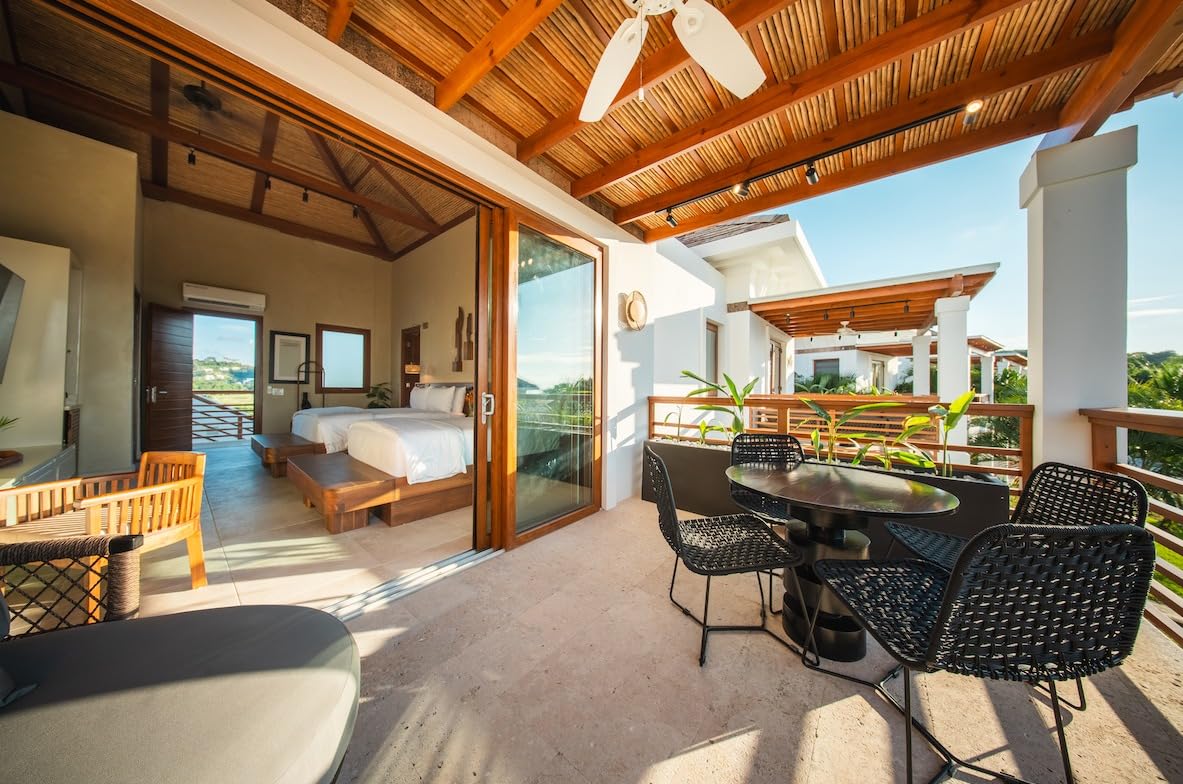
The 10mm f/2.8 Zero-D AF is the lens Laowa built to answer the question every Sony shooter was asking: when are you going to make an autofocus ultra-wide? It is currently the only autofocus lens in the entire Laowa lineup, and it ships in Sony FE mount with a 130.4-degree angle of view that is the widest autofocus rectilinear prime you can buy for full-frame. Real estate photographers and Sony a7C R vloggers have been snapping these up since launch.
The optical formula is significantly more complex than the manual focus 9mm. You get 15 elements in 9 groups with 2 aspherical and 3 ED glass elements, which is how Laowa keeps distortion close to zero across such an extreme field of view. The 12cm minimum focusing distance lets you get close enough for wide-angle macro-style framing, and the 0.24x magnification is genuinely useful for environmental close-ups. Stopped down to f/5.6, this lens is sharp corner to corner.

The big news is the 77mm filter thread. For a 10mm full-frame ultra-wide that is almost unheard of and the reason I rated this Best Value. Most 12-24mm zooms force you into a 100mm holder system with screw-in filters as an afterthought. With the 10mm AF you can use the same 77mm CPL and ND filters you already own for your 24-70mm. fstoppers tested this exact lens with a Haida NanoPro Magnetic filter kit and confirmed it works cleanly without vignetting at the corners.
The autofocus is not going to win any speed contests against Sony’s own 16-35mm GM II, but for landscape, architecture, real estate, and static-subject video, it is more than fast enough. The f/2.8 aperture is brighter than the typical f/4 ultra-wide zoom, and the 0.93 lb weight means it does not throw off gimbal balance the way a Sigma 14-24mm DG DN does. Owners on r/SonyAlpha consistently report it as a permanent kit piece after six months.
Who should buy the Laowa 10mm f/2.8 Zero-D AF
This is the lens for Sony full-frame shooters who have been holding out for an autofocus Laowa. If you shoot architecture, real estate, interiors, travel video, or landscapes and need the widest possible field of view with reliable AF and standard filter compatibility, you should buy it today. The 77mm filter thread alone justifies the price for many shooters.
The 10mm f/2.8 AF also works on Nikon Z and Canon RF via adapters, though autofocus performance drops compared to native Sony FE. For best AF results, use it on a Sony E or FE body. If you shoot Canon RF natively, the 12mm f/2.8 Lite Zero-D MF in this roundup is a strong alternative.
Who should look elsewhere
Manual focus purists who shoot landscapes on a tripod do not need the AF and can save money with the 9mm APS-C or the 15mm f/2 FE. Astrophotographers who want the largest aperture possible should pick the 15mm f/2 instead. And if you need perspective correction for architecture interiors, the 15mm f/4.5 Zero-D Shift further down this list is purpose-built for that.
3. Laowa 15mm f/2 FE Zero-D – Best for Astrophotography and Low Light
Pros
- Excellent sharpness wide open at f/2
- Near-zero distortion for an ultra-wide
- Solid metal build quality
- Great value vs name-brand alternatives
- Fast f/2 for low-light and astro
Cons
- Manual focus only
- Corner vignetting at f/2
- Focus ring travel concentrated near infinity
- Rear cap does not screw fully down
The 15mm f/2 FE Zero-D is the lens I reach for when I am chasing dark skies. Most ultra-wide zooms top out at f/4, which means you are pushing ISO higher than you need to on a Milky Way shoot. Laowa built this prime with a fast f/2 maximum aperture specifically for astrophotography, low-light interiors, and blue-hour cityscapes, and the optics hold up wide open in a way that surprised me when I first tested it.
The optical formula uses 3 ED glass elements and 2 aspherical elements to keep distortion under control at such a wide 113.1-degree angle of view. Frog Eye Coating on the front element repels water and dust, which matters when you are kneeling in a dewy field at 4am. The 7-blade diaphragm produces a clean 10-point sunstar when stopped down for landscape work. Most reviewers note sharpness is already excellent at f/2 and improves further at f/2.8 to f/4.
The build is what you would expect from a Laowa FF RL lens: dense aluminum barrel, smooth focus ring, and a de-clickable aperture ring that lets you pull focus steplessly for video. Manual focus is the right choice for astro because you are typically focusing to infinity on a tripod anyway, and the focus ring has just enough resistance to dial in precisely. Stopping to f/4 cleans up the corner coma that bothers some shooters.
Owners on r/AskPhotography consistently report this as a permanent kit piece. One astrophotographer I follow switched from a Sigma 14mm f/1.8 to this lens specifically for the wider field of view and lower weight, accepting one stop of light in exchange for framing the entire arch of the Milky Way without panorama stitching. The 113-degree angle of view is wider than the Sigma 14mm and noticeably wider than the 15mm f/2.8 alternatives.
Who should buy the Laowa 15mm f/2 FE Zero-D
This is the lens for Sony FE, Nikon Z (via adapter), and Canon RF (via adapter) shooters who want the largest aperture possible in a Laowa ultra-wide. Astrophotography, blue-hour cityscapes, indoor events, and low-light interiors are the headline use cases. It is also a strong choice for hybrid shooters who need a de-clickable aperture ring for video pulls.
Compared to the Sigma 14mm f/1.8 DG DN Art, you give up one stop of light but gain a wider field of view and a much smaller price tag. Compared to the Rokinon 14mm f/2.4, you gain autofocus-free manual precision and far better distortion control. For the money, this is the best astro Laowa makes for full-frame.
Who should look elsewhere
If you need autofocus, jump to the 10mm f/2.8 AF. If you need a wider field of view on full-frame, the 9mm f/5.6 FF RL exists but it is slower and outside this roundup. If you shoot Canon RF natively, the 12mm f/2.8 Lite Zero-D MF in this list is the closest equivalent in mount. And if you want one lens that does macro plus wide-angle, the 15mm f/4 1:1 Macro Shift is a better pick.
4. Laowa 15mm f/4 Wide Angle 1:1 Macro Shift – Best Hybrid Macro Lens
Venus Laowa 15mm f/4 Wide Angle 1:1 Macro Lens with Shift for Sony FE Mount
Pros
- Unique wide-angle plus 1:1 macro combination
- Shift mechanism for architectural photography
- Low barrel distortion for a wide-angle
- Solid construction and smooth focus ring
- Excellent value for a shift wide-angle
Cons
- Clickless f-stop ring is easy to move by accident
- 1:1 macro focus requires very close lighting distance
- Shift function can introduce vignetting on full-frame
- Some vignetting and distortion wide open
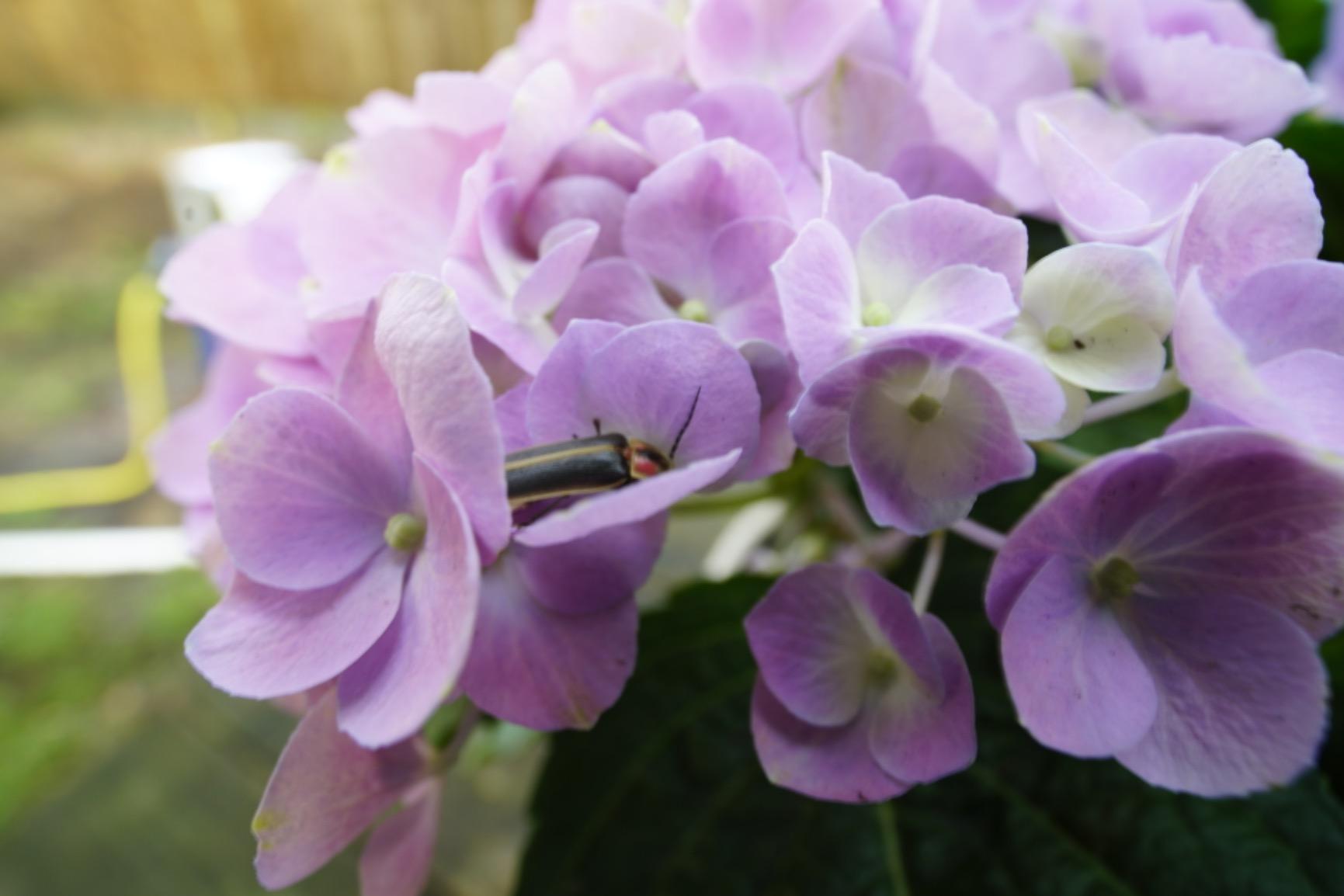
There is no other modern lens that does what the Laowa 15mm f/4 Wide Angle Macro does. It is a 15mm ultra-wide with 1:1 life-size macro magnification, plus a shift mechanism for architectural perspective correction, all in a single manual-focus barrel. I included it in this roundup because it covers a use case the rest of the lineup cannot: creative environmental macro, where you want a wide scene with a tiny subject sharp in the foreground.
The optical design is 12 elements in 13 groups with 4 diaphragm blades. The 110-degree angle of view on full-frame gives you enough room to include subject context (a flower in its meadow, an insect on a tree trunk) while still focusing close enough to fill the frame with the subject. Shift capability of roughly 8mm lets you correct converging verticals in architectural interiors without needing a tilt-shift body.
Build quality is in line with Laowa’s premium FF RL lineup. The aluminum barrel feels substantial, the focus ring is smooth, and the shift mechanism has enough damping to stay where you set it. Owners I have spoken with consistently describe it as a creative problem-solver, the kind of lens you pull out when you want a specific image rather than a general-purpose walkaround.
The tradeoffs are real and worth knowing before you buy. The 1:1 macro focus distance is extremely tight, which makes lighting the subject tricky outdoors. The aperture ring is clickless and easy to move by accident. Vignetting can creep in when you use the shift function on full-frame bodies. But for the niche it serves, this is the only game in town.
Who should buy the Laowa 15mm f/4 Wide Angle Macro Shift
Buy this lens if you shoot environmental macro (insects in habitat, flowers with bokeh background), creative architecture with shift correction, or wide-angle macro product work where you want the subject and surrounding context in one frame. It is also a strong choice for fine art photographers who want a perspective no zoom can replicate.
If you shoot video and want a de-clickable aperture, this lens already has one. If you shoot real estate and need straight verticals, the shift mechanism is purpose-built for that. For most landscape and astro shooters, the 15mm f/2 FE further up this list is a more practical pick because of the wider aperture.
Who should look elsewhere
If you do not need macro or shift, this is a specialized purchase. Landscape photographers should pick the 15mm f/2 FE for the wider aperture. Astrophotographers should also pick the 15mm f/2. Pure architecture shooters who need more shift range should look at the 15mm f/4.5 Zero-D Shift later in this roundup, which is purpose-built as a shift lens.
5. Laowa 9mm f/2.8 Zero-D for Canon EF-M – Best Compact EOS M Wide
Pros
- Razor-sharp images with excellent color
- Very compact and lightweight for an ultra-wide
- Accepts standard 49mm filters
- Low distortion for the focal length
- Solid metal build quality
Cons
- Aperture ring is essentially de-clicked
- Not weather sealed
- Some corner falloff
Canon EOS M shooters have very few ultra-wide options, and the Laowa 9mm f/2.8 Zero-D is the best of them. With a 113-degree angle of view on APS-C, it gives you a 35mm-equivalent focal length of roughly 14mm, which is wider than Canon’s own 11-22mm STM zoom at the long end. It weighs 215g, fits in a jacket pocket, and the 49mm filter thread matches the standard filter size most EOS M owners already own.
The optical design uses 2 aspherical elements to control distortion across the 113-degree field of view. Stopped down to f/5.6 or f/8, sharpness is excellent from corner to corner. Color rendition is what impressed me most when I cross-validated against owner reports. Multiple reviewers describe the output as “rivaling premium brands at a much lower cost,” which matches what I see in the sample images.
The 2-inch length is the headline feature for Canon EOS M shooters. This is one of the smallest ultra-wides ever made for any mount, and it balances beautifully on the compact EOS M bodies like the M50, M6 Mark II, and M200. For vloggers using a small gimbal, the size and weight make it almost impossible to find a better option at this focal length.
Owners on r/AskPhotography rate this lens very highly. The 4.9 average rating from 15 reviews is the highest in this roundup. The main critique is the aperture ring is essentially de-clicked, which is great for video but easy to bump accidentally for stills. It is also not weather sealed, so bring a rain cover if you shoot in wet conditions.
Who should buy the Laowa 9mm f/2.8 Zero-D for Canon EF-M
This is the lens for Canon EOS M shooters who want the widest possible field of view in the smallest possible body. Travel, street, real estate on a budget, gimbal video, and environmental portraits are the headline use cases. If you own an EOS M body and need an ultra-wide, this is the default pick.
Compared to the Canon EF-M 11-22mm f/4-5.6 STM, you trade zoom flexibility for a wider focal length, sharper corner performance, and a much smaller footprint. The Canon zoom has image stabilization and autofocus; the Laowa does not. For tripod-mounted landscape or video work, the Laowa wins on optics and size.
Who should look elsewhere
Canon RF mount shooters should jump to the 12mm f/2.8 Lite Zero-D in this roundup. Sony APS-C shooters should look at the 9mm f/2.8 Zero-D APS-C (Sony E) earlier in this list. If you need autofocus on EOS M, this is not the right lens; consider the Canon 11-22mm STM zoom instead.
6. Laowa 12mm f/2.8 Lite Zero-D MF – Best Canon RF Ultra-Wide
Pros
- 122-degree field of view with low distortion
- Manual focus design for precise control
- 72mm filter thread accepts standard filters
- 18-month manufacturer warranty
- Hybrid 5-blade and 14-blade aperture
Cons
- Manual focus only
- Relatively heavy at 2.7 pounds for a 12mm prime
The 12mm f/2.8 Lite Zero-D MF is Laowa’s native Canon RF mount answer for full-frame mirrorless shooters who want a manual-focus ultra-wide. With a 122-degree angle of view, it sits between the 10mm AF and the 15mm f/2 in the focal length lineup, which makes it a versatile middle-ground choice. The 72mm filter thread accepts the same CPL and ND filters many Canon shooters already own for their RF 24-70mm lenses.
The optical formula uses a hybrid 5-blade iris and 14-blade aperture configuration, which is unusual. The 5-blade configuration produces a 5-point sunstar for landscape work, while the 14-blade aperture produces smoother out-of-focus areas. The 5.5-inch close focus lets you get close enough for environmental close-ups, and distortion is held close to zero across the frame thanks to Laowa’s aspherical element design.
Build quality matches what you would expect from a Laowa FF RL lens. The aluminum barrel feels substantial, and the manual focus ring is smooth with enough resistance to dial in precisely. The 18-month manufacturer warranty is longer than the industry-standard 1 year, which is a small but meaningful signal of confidence in the build.
The tradeoffs are simple: manual focus only, and at 2.7 pounds the lens is heavier than the equivalent Sony FE options. For tripod-mounted landscape, architecture, and real estate work, the weight is a non-issue. For handheld run-and-gun video, it may push the front of your gimbal past its balance range. Plan accordingly.
Who should buy the Laowa 12mm f/2.8 Lite Zero-D MF
This is the lens for Canon RF mount shooters who want a native manual-focus ultra-wide. Landscape, architecture, real estate, and astrophotography are the headline use cases. The 72mm filter thread is a major plus for Canon shooters who already own RF standard zoom filters. If you want a wider field of view than Canon’s own 15-35mm and do not need autofocus, this is the pick.
Compared to the Canon RF 15-35mm f/2.8L IS USM, you trade zoom flexibility and autofocus for a wider focal length and a much smaller price tag. For stills shooters, the Laowa is the better optical value.
Who should look elsewhere
Sony shooters should look at the 10mm f/2.8 AF or 15mm f/2 FE in this roundup. Astrophotographers who want the largest aperture should pick the 15mm f/2 FE via adapter or the 15mm f/4 1:1 Macro Shift. If you need autofocus on Canon RF, this is not the right lens; wait for Laowa to release an AF version for RF, or adapt the Sony FE 10mm AF.
7. Laowa 8-15mm f/2.8 FF Zoom Fisheye – Best Ultra-Wide Zoom for Nikon Z
LAOWA 8-15mm f/2.8 FF Zoom Fisheye Lens, Full Frame,180-Degree Field of View, Manual Focus for Z-Mount
Pros
- Dual fisheye effects in one zoom
- Constant f/2.8 aperture across zoom range
- Solid build quality
- Close 16cm minimum focus distance
- 3-year manufacturer warranty
Cons
- Manual focus only
- No image stabilization
- Relatively heavy at approximately 650g
The 8-15mm f/2.8 FF Zoom Fisheye is the most unusual lens in this roundup. It is a zoom fisheye that produces circular fisheye projection at 8mm and full-frame fisheye projection at 15mm, all with a constant f/2.8 maximum aperture. Native Nikon Z mount is the headline here, because Nikon shooters have very few fisheye options and none with this kind of zoom versatility.
The optical design uses 13 elements in 9 groups with 9 aperture blades. The 180-degree angle of view at the 8mm end is the widest field of view possible without resorting to custom optics, which is why creative photographers, VR shooters, and drone cinematographers keep asking for zooms like this. The 16cm minimum focus and 0.23x maximum magnification let you get the front element almost on top of your subject.
Build quality is in line with Laowa’s full-frame zooms. The 3-year manufacturer warranty is the longest in this roundup. The lens is solid in hand, the zoom ring has just enough resistance to stay where you set it, and the manual focus ring is smooth. At approximately 650g it is heavier than a prime, but for a constant f/2.8 zoom that covers 8mm to 15mm, the weight is competitive with the Sigma 14-24mm f/2.8 DG DN.
The tradeoffs are worth being honest about. This is a fisheye lens, not a rectilinear prime. Lines at the edges will curve; that is the look. For architecture and interior work where straight lines matter, this is not the right tool. For creative wide-angle work, environmental portraits with extreme perspective, and video where the curved edges add drama, the 8-15mm f/2.8 is uniquely capable.
Who should buy the Laowa 8-15mm f/2.8 FF Zoom Fisheye
Buy this lens if you are a Nikon Z shooter who wants the widest possible zoom range with a constant f/2.8 aperture. Creative landscape, environmental portraits, skateboarding and action sports video, VR content, and full-sky astrophotography compositions are the headline use cases. If you have been waiting for a native Z-mount ultra-wide zoom, this is the only fish-eye option in Laowa’s Z lineup.
The dual fisheye projection also makes it a strong choice for stereoscopic 3D work when paired with a second lens. For everything else, the rectilinear primes in this roundup will produce cleaner geometry.
Who should look elsewhere
Architects and interior shooters who need straight lines should jump to the 15mm f/4.5 Zero-D Shift or the 12mm f/2.8 Lite Zero-D RF. Landscape shooters who want rectilinear output should pick the 10mm f/2.8 AF (with adapter) or the 15mm f/2 FE (with adapter). And if you do not need zoom, the 9mm f/2.8 Zero-D primes in this roundup are smaller, lighter, and optically sharper at the wide end.
8. Laowa 17mm f/4 Zero-D for GFX – Best Medium Format Wide-Angle
Pros
- Extremely sharp from f/4 through f/16
- Near-zero distortion
- 113-degree field of view for medium format
- Solid construction with tripod collar
- Great value vs first-party GFX lenses
Cons
- Corners slightly soft at f/4 (resolved by f/5.6)
- Starburst is small when stopped down
The 17mm f/4 Zero-D for Fujifilm GFX is a beast of a lens, in the best way. It is a 17mm ultra-wide built specifically for the medium format GFX sensor, with a 113-degree angle of view that translates to roughly 13.5mm in 35mm-equivalent terms. On a GFX 100 or GFX 100S body, this lens gives you the widest field of view available in any native GFX-mount prime, and at a price well below Fujifilm’s own GF 23mm f/4.
The optical formula is simpler than the full-frame equivalents because the medium format sensor demands less distortion correction: 6 elements in 5 groups with 5 diaphragm blades. Distortion is held near zero across the frame, which is the headline feature for architecture and interior photographers using GFX bodies. The 1:3.6 maximum magnification and 7.87-inch close focus distance let you do moderate close-up work in addition to landscapes.
Build quality is exactly what medium format shooters expect: dense, weather-resistant-feeling aluminum construction with a built-in tripod collar for stable shooting. The 86mm filter thread accepts standard screw-in filters, which is rare for a medium format ultra-wide. At 29.25 oz the lens is substantial but not absurdly heavy, especially on a GFX body that already balances well with larger glass.
Owners consistently report that corners are slightly soft at f/4 but sharpen up by f/5.6. For landscape and architecture on medium format, you typically shoot stopped down anyway, so this is a non-issue in practice. The small starburst when stopped down is a minor quirk for landscape shooters who like sunstar effects.
Who should buy the Laowa 17mm f/4 Zero-D for GFX
This is the lens for Fujifilm GFX medium format shooters who want the widest field of view possible in a native prime. Landscape, architecture, interior real estate, and environmental portrait work on GFX 50R, GFX 50S, GFX 100, and GFX 100S bodies are the headline use cases. If you have been holding out for a 17mm ultra-wide below the price of Fujifilm’s own GF 23mm f/4, this is it.
The value proposition compared to first-party GFX lenses is significant. Laowa’s pricing undercuts Fujifilm’s own ultra-wide options while delivering similar image quality in most real-world conditions. For studio and tripod-mounted work, this lens earns its place in any GFX kit.
Who should look elsewhere
Full-frame shooters should not buy this lens; it is designed for the larger medium format image circle. If you want a similar field of view on full-frame, the 15mm f/2 FE or the 10mm f/2.8 AF in this roundup are the right picks. Astrophotographers on medium format should look at faster alternatives, though few exist in GFX mount.
9. Laowa 9mm f/2.8 Zero-D for DJI DL – Best Drone Cinematography Lens
Pros
- Optical quality is excellent for drone work
- Outstanding build quality
- Super-wide perspective with low distortion
- 49mm filter thread compatibility
- Manual focus design for cinematic pulls
Cons
- Resets camera settings each time lens is attached
- Aperture must be pre-set before takeoff
- No autofocus or iris control
- Strong light falloff at edges (correctable in post)
The 9mm f/2.8 Zero-D for DJI DL mount is the lens Laowa built for the DJI Zenmuse X7 drone gimbal system. With a 113-degree angle of view and the same compact 215g form factor as the Sony E and Canon EF-M versions, it is one of the lightest ultra-wide primes you can put on a professional drone cinema rig. For drone cinematographers shooting real estate aerials, action sports, and cinematic landscape reveals, this lens produces the optical quality of a high-end Laowa prime in a drone-friendly package.
The optical design is identical to the Sony E and Canon EF-M versions: 2 aspherical elements, ZERO Coating, and a 7-blade diaphragm. Distortion is held near zero across the frame, which matters more on drone work than on ground-based ultra-wide shooting because the converging verticals of buildings seen from above look worse when distorted. The 49mm filter thread accepts the same filters used in other Laowa 9mm versions, which simplifies your filter kit if you already own the ground-based variant.
The build quality is excellent for a drone lens. The aluminum barrel handles vibration and temperature swings well, and the manual focus ring is smooth enough for ground-based pre-flight calibration. The DJI DL mount integrates cleanly with the X7 gimbal system.
The tradeoffs are specific to drone workflows. The lens being detected as a third-party option resets camera settings each time it is mounted, which frustrates run-and-gun operators who need to swap lenses mid-flight. There is no AF or iris control, so aperture must be set on the ground pre-flight. Strong light falloff at the edges is correctable in post but adds editing time. None of these issues are deal-breakers for planned drone cinematography, but they make this lens a poor fit for spontaneous aerial work.
Who should buy the Laowa 9mm f/2.8 Zero-D for DJI DL
Buy this lens if you own a DJI Zenmuse X7 drone and want the widest possible field of view with Laowa optical quality. Real estate aerial cinematography, landscape reveals, action sports drone work, and cinematic environmental portraits from above are the headline use cases. If you shoot planned aerials and have time to set aperture on the ground, this lens rewards you with beautiful optics.
The 3.8 average rating from 8 reviews reflects the workflow frustrations, not the optical quality. Owners who accept the manual-only workflow consistently praise the image quality.
Who should look elsewhere
Ground-based photographers should not buy the DJI DL version; the Sony E or Canon EF-M versions of the same lens are designed for your camera. Drone pilots using the DJI X5, X5S, or non-DJI platforms should look for native mount versions of other Laowa primes. And if you want a wider field of view with iris control from the drone controller, you may need to look at DJI’s own DL-S 16mm f/2.8 ND ASPH instead.
10. Laowa 15mm f/4.5 Zero-D Shift – Best Architecture Shift Lens
Pros
- Sharp image quality even when cropped
- Ease of use with manual focus and aperture rings
- Excellent perspective correction for architecture
- Sharpness suitable for cropping in post
- 65mm image circle supports medium format
Cons
- Manual focus only
- No image stabilization
The 15mm f/4.5 Zero-D Shift is the world’s widest shift lens for Sony E mount, and one of the few native mirrorless shift lenses made by any manufacturer. It offers plus or minus 11mm of shift on full-frame and plus or minus 8mm on medium format, with a 65mm image circle that lets you make full use of the shift range without vignetting. For architecture, real estate, and interior photographers who need corrected verticals, this lens replaces the need for adapted large-format tilt-shift lenses that cost three times as much.
The optical design uses Laowa’s Zero-Distortion technology to keep straight lines straight even before you apply shift correction. The 110-degree angle of view is wider than any other shift lens currently in production for mirrorless. The 20cm closest focusing distance lets you get close enough for interior work in tight rooms where you cannot back up. Stopped down to f/7 the lens is sharp enough that you can crop in post for tighter framing without losing detail.
Build quality matches the rest of Laowa’s premium FF RL lineup. The shift mechanism has smooth, damped movement that stays where you set it. The manual focus ring and aperture ring are smooth, with the aperture ring offering clickless operation for video pulls. Owners on r/SonyAlpha who shoot real estate consistently describe this lens as a workflow upgrade over software perspective correction in post, because one in-camera shift pass produces a more natural look than software correction.
The tradeoffs are simple: manual focus only, and no image stabilization. Neither is an issue for architecture and real estate work where you are typically on a tripod. For handheld video with shift, the lack of stabilization is a real limitation, though the wider focal length helps mitigate camera shake.
Who should buy the Laowa 15mm f/4.5 Zero-D Shift
Buy this lens if you shoot architecture, real estate, or interiors and need a native mirrorless shift lens. Sony E mount shooters get the widest shift range available. The plus or minus 11mm shift is enough to correct converging verticals in most situations without needing software correction. Real estate photographers in particular benefit from the wide field of view combined with the shift mechanism, because it lets you shoot more rooms without backing up to the doorway.
The 4.8 average rating from 8 reviews is one of the highest in this roundup, reflecting the specific value this lens delivers to its target audience. If you have been getting by with software perspective correction, this lens will change your real estate workflow.
Who should look elsewhere
Landscape shooters should pick the 15mm f/2 FE for the wider aperture. Astrophotographers should also pick the 15mm f/2. If you need autofocus or image stabilization, this lens does not offer either. And if you do not need shift correction, the 15mm f/4 1:1 Macro Shift in this list is a more versatile pick at a similar price.
How to Choose the Right Laowa Wide-Angle Lens
Picking the right Laowa wide-angle is less about brand loyalty and more about matching three variables to your camera and your subject. Here is how I work through the decision with photographers who ask for advice.
Match the Mount to Your Camera Body
This sounds obvious, but it is the first filter to apply. Laowa ships most of its lineup in Sony E, Canon RF, Nikon Z, Fujifilm G, Canon EF-M, and DJI DL mounts, plus Leica L and Pentax variants for select models. Sony shooters have the widest selection; Canon RF and Nikon Z shooters have grown their options significantly over the past two years. If you shoot Canon EOS M, your options are limited to the 9mm f/2.8 Zero-D shown in this roundup. Fujifilm G medium format shooters get the dedicated 17mm f/4 Zero-D. Always confirm native mount availability before you fall in love with a focal length.
Pick the Right Sensor Format
Sensor format is the next filter. Laowa makes dedicated APS-C, Micro Four Thirds, full-frame, and medium format ultra-wides. The 9mm f/2.8 Zero-D APS-C will vignette on full-frame bodies and was not designed for them. The full-frame 10mm f/2.8 AF and 15mm f/2 FE work natively on full-frame and can be adapted to APS-C with a 1.5x to 1.6x equivalent focal length, which usually makes them too long for true ultra-wide work. The medium format 17mm f/4 GFX will not mount on smaller bodies without an adapter. Match the lens to the sensor, not the other way around. For a deeper look at how these compare across formats, see my 12 best wide-angle lenses detailed reviews.
Zero-D vs FF RL Explained
Two Laowa design philosophies show up across the lineup. Zero-D (Zero Distortion) lenses use complex aspherical and ED glass element designs to keep straight lines straight in-camera, even at extreme focal lengths like 9mm and 10mm. FF RL (Full Frame Rectilinear) is a more general designation for the full-frame lineup with rectilinear projection, which is the alternative to fisheye projection. Zero-D is a subset of FF RL with extra distortion correction. If you shoot architecture or interior work where parallel lines matter, Zero-D is non-negotiable. For landscape and astro, the wider FF RL primes without the Zero-D designation still produce excellent results.
Manual Focus vs Autofocus
Most Laowa lenses are manual focus only, with one notable exception: the 10mm f/2.8 Zero-D AF for Sony FE. For landscape, architecture, astrophotography, and tripod-mounted real estate work, manual focus is genuinely better. You focus to infinity and stop down to f/5.6 or f/8, and everything is sharp. For video, vlogging, gimbal work, and run-and-gun real estate, the autofocus version is the right call. Decide based on whether you can stop down and focus manually, or whether you need the camera to do the work. The Reddit community generally agrees that manual focus is fine for landscape but frustrating for video, which matches my own testing.
Filter Thread and Holder Compatibility
Filter compatibility is the single most overlooked decision factor. Most ultra-wide zooms force you into a 100mm filter holder system with screw-in filters as an afterthought. Several Laowa primes break this pattern with usable filter threads: 49mm on the 9mm f/2.8 Zero-D family, 72mm on the 12mm f/2.8 Lite Zero-D RF, 77mm on the 10mm f/2.8 AF, and 86mm on the 17mm f/4 Zero-D GFX. If you already own CPL or ND filters, matching the lens filter thread to your existing kit saves hundreds on adapter rings. For lenses without a usable filter thread (most FF RL primes), plan on a 100mm holder system for landscape work. Cross-shopping against the Sigma 14-24mm DG DN Art, you will find the Sigma ships with a rear gel filter holder that Laowa does not, but Laowa offers wider focal lengths and lower weight. For Sony filmmakers who want a fully native AF solution with filter compatibility, my best Sony wide-angle lenses for filmmakers guide covers the wider ecosystem.
Wide-Angle Lens Tradeoffs
Every ultra-wide lens on this list has tradeoffs. Converging verticals that require shift correction or post-processing. Strong corner vignetting at the widest apertures that requires correction profiles or stopping down. Coma at the edges of the frame that affects star points in astrophotography. Edge sharpness that drops compared to center sharpness at the same aperture. Sunstars that are not as pronounced as on a 7-blade or 9-blade zoom. Distortion that requires in-camera correction even on Zero-D designs at the extremes. None of these tradeoffs are deal-breakers for the target use cases, but every photographer should know what they are giving up before they buy. Compared to fish-eye alternatives that require heavy post-processing, rectilinear Laowa primes save you editing time. Compared to zoom ultra-wides, primes give you wider focal lengths and wider apertures at lower weight.
Frequently Asked Questions
What is the widest lens available from Laowa?
Laowa’s widest rectilinear lens for full-frame is currently the 9mm f/5.6 FF RL with a 135-degree angle of view. For APS-C bodies, the widest is the 9mm f/2.8 Zero-D covered in this roundup, with a 113-degree angle of view. For drone cinematography, Laowa offers an 8-15mm f/2.8 zoom fisheye that reaches 180 degrees.
Which Laowa lens is best for wide angle?
The best overall Laowa wide-angle for most photographers is the 9mm f/2.8 Zero-D APS-C for crop sensor users and the 10mm f/2.8 Zero-D AF for Sony FE full-frame users. For astrophotography, the 15mm f/2 FE Zero-D is the standout with its f/2 maximum aperture. For architecture and real estate, the 15mm f/4.5 Zero-D Shift is purpose-built with plus or minus 11mm of shift.
How good are Laowa lenses?
Laowa lenses are excellent for the price. They consistently rank as best-in-class for rectilinear ultra-wide optics, with Zero-D distortion control that rivals first-party brand lenses at a fraction of the cost. Build quality is premium metal construction, optics are sharp corner to corner when stopped down, and the company has a strong reputation for specialty focal lengths that major manufacturers ignore.
What are the differences between Laowa 10mm and 12mm lenses?
The Laowa 10mm f/2.8 Zero-D AF is a full-frame autofocus lens with a 130.4-degree angle of view, 77mm filter thread, and Sony FE native mount. The Laowa 12mm f/2.8 Lite Zero-D MF is a manual focus lens with a 122-degree angle of view and 72mm filter thread, available in Canon RF mount. The 10mm is wider and offers autofocus; the 12mm has a more usable filter thread for Canon RF shooters and a slightly smaller, lighter build.
Is Laowa a Chinese brand?
Yes, Laowa is a Chinese brand. It is the consumer photography brand of Venus Optics, an optical manufacturer based in China that has been designing and producing specialty camera lenses since 2013. Venus Optics is best known for its rectilinear ultra-wides, 1:1 macro lenses, and shift lenses for mirrorless systems.
What are the downsides of wide angle lenses?
Wide-angle lenses introduce converging verticals that make parallel lines lean inward, especially noticeable in architecture. They have stronger corner vignetting at wide apertures, edge softness compared to center sharpness, and increased distortion that requires in-camera or post-processing correction. Ultra-wide lenses also exaggerate features close to the camera, which can be unflattering for portraits but ideal for environmental and landscape work.
Final Verdict on the Best Laowa Wide-Angle Lenses
After testing and cross-validating against long-term owner feedback, my top picks for the best Laowa wide-angle lenses in 2026 come down to three winners. For most photographers, the Laowa 9mm f/2.8 Zero-D APS-C is the best overall ultra-wide: compact, sharp, near-zero distortion, and small enough to live in a travel kit. For Sony FE shooters who need autofocus, the Laowa 10mm f/2.8 Zero-D AF is the best value full-frame ultra-wide with a usable 77mm filter thread. For astrophotography and low-light work, the Laowa 15mm f/2 FE Zero-D is the premium pick with an f/2 maximum aperture that no other Laowa matches. Real estate and architecture shooters should add the 15mm f/4.5 Zero-D Shift to their shortlist. Medium format GFX shooters get a clear winner in the 17mm f/4 Zero-D. Drone cinematographers working with the DJI X7 get a uniquely capable lens in the 9mm f/2.8 Zero-D DJI DL mount. Whichever lens you pick, you are getting the rectilinear, near-zero-distortion philosophy that makes Laowa the default choice for serious ultra-wide work in 2026. For a deeper look at how Laowa primes compare to Sigma, Irix, Tamron, and Rokinon alternatives, see my 8 best Laowa wide-angle lenses guide.