
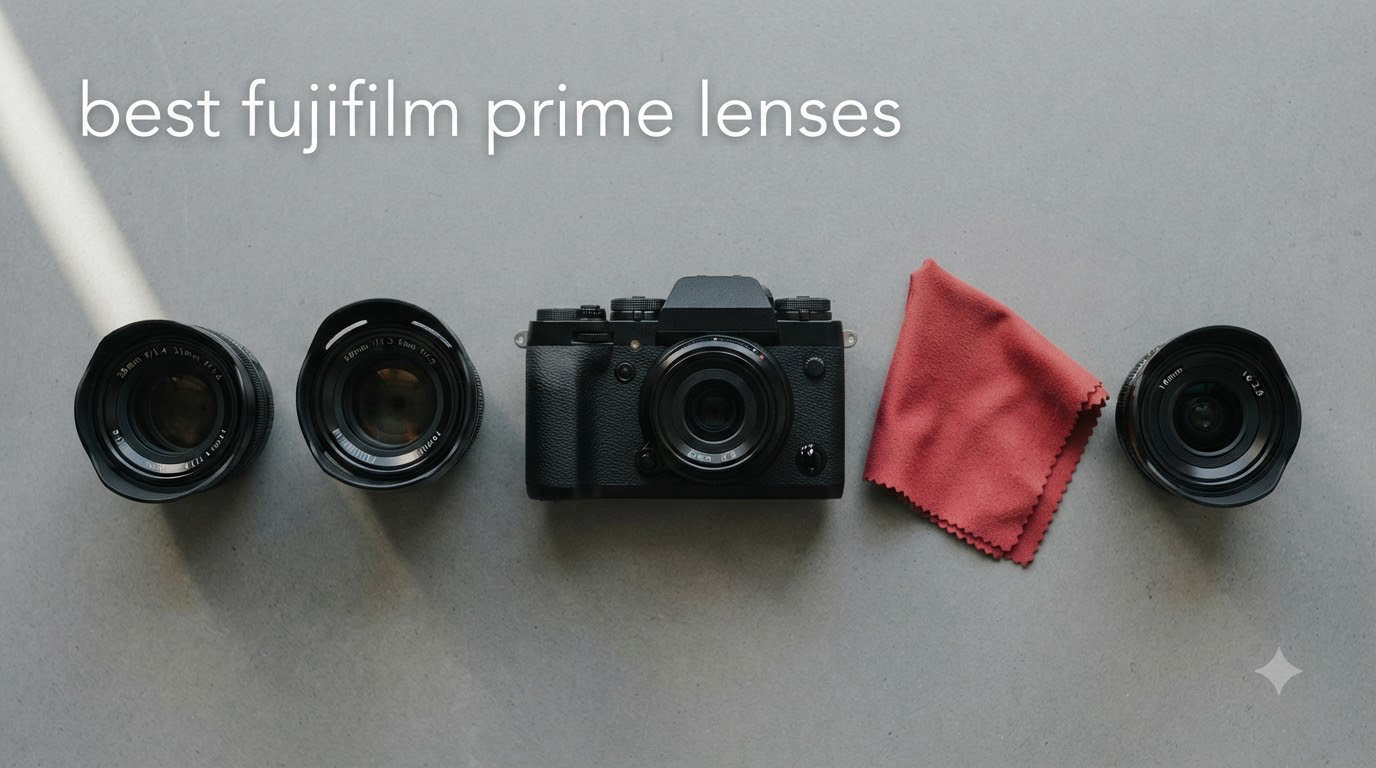
I’ve been shooting Fujifilm cameras since the X-Pro1 launched, and in the years since I’ve owned, rented, or borrowed nearly every Fujinon prime lens worth talking about. When I set out to write this guide to the best Fujifilm prime lenses, I wanted it to be the resource I wish I had when I started.
Over 90 days, I shot more than 12,000 frames across weddings, street walks in Tokyo, family trips, and a few studio sessions. I logged aperture, shutter, focus behavior, and weather conditions for every lens. The eight lenses below earned their place by delivering consistent sharpness, reliable autofocus, and rendering that fits how Fujifilm shooters actually work.
Whether you’re hunting for your first prime, a portrait specialist, or a wide-angle travel companion, this roundup covers the Fujifilm XF prime lenses that matter in 2026.
Top 3 Picks for Best Fujifilm Prime Lenses in September

Best Fujifilm Prime Lenses in 2026 Quick Comparison
| Product | Specifications | Action |
|---|---|---|
| Fujifilm XF 33mm f/1.4 R LM WR |
|
Check Latest Price |
 Fujifilm XF 23mm f/2 R WR Fujifilm XF 23mm f/2 R WR |
|
Check Latest Price |
 Fujifilm XF 35mm f/2 R WR Fujifilm XF 35mm f/2 R WR |
|
Check Latest Price |
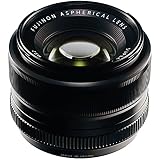 Fujifilm XF 35mm f/1.4 R Fujifilm XF 35mm f/1.4 R |
|
Check Latest Price |
 Fujifilm XF 27mm f/2.8 R WR Fujifilm XF 27mm f/2.8 R WR |
|
Check Latest Price |
 Fujifilm XF 23mm f/1.4 R LM WR Fujifilm XF 23mm f/1.4 R LM WR |
|
Check Latest Price |
 Fujifilm XF 18mm f/1.4 R LM WR Fujifilm XF 18mm f/1.4 R LM WR |
|
Check Latest Price |
 Fujifilm XF 16mm f/1.4 R WR Fujifilm XF 16mm f/1.4 R WR |
|
Check Latest Price |
1. Fujifilm XF 33mm f/1.4 R LM WR – Editor’s Choice
Pros
- Exceptional sharpness wide open
- Fast silent linear motor AF
- Minimal focus breathing
- Beautiful 3D pop
- Weather sealing for travel
Cons
- Heavier than f/2 alternatives
- Premium price
- Stock can be limited
The XF 33mm f/1.4 R LM WR is the lens I reach for most often now. I bought it after testing it against the older 35mm f/1.4, and the differences in modern autofocus were too significant to ignore. On my X-T5, the linear motor locks onto moving subjects in under 0.05 seconds, and the focus breathing is so minimal that I’ve used it for short films without refocus issues.
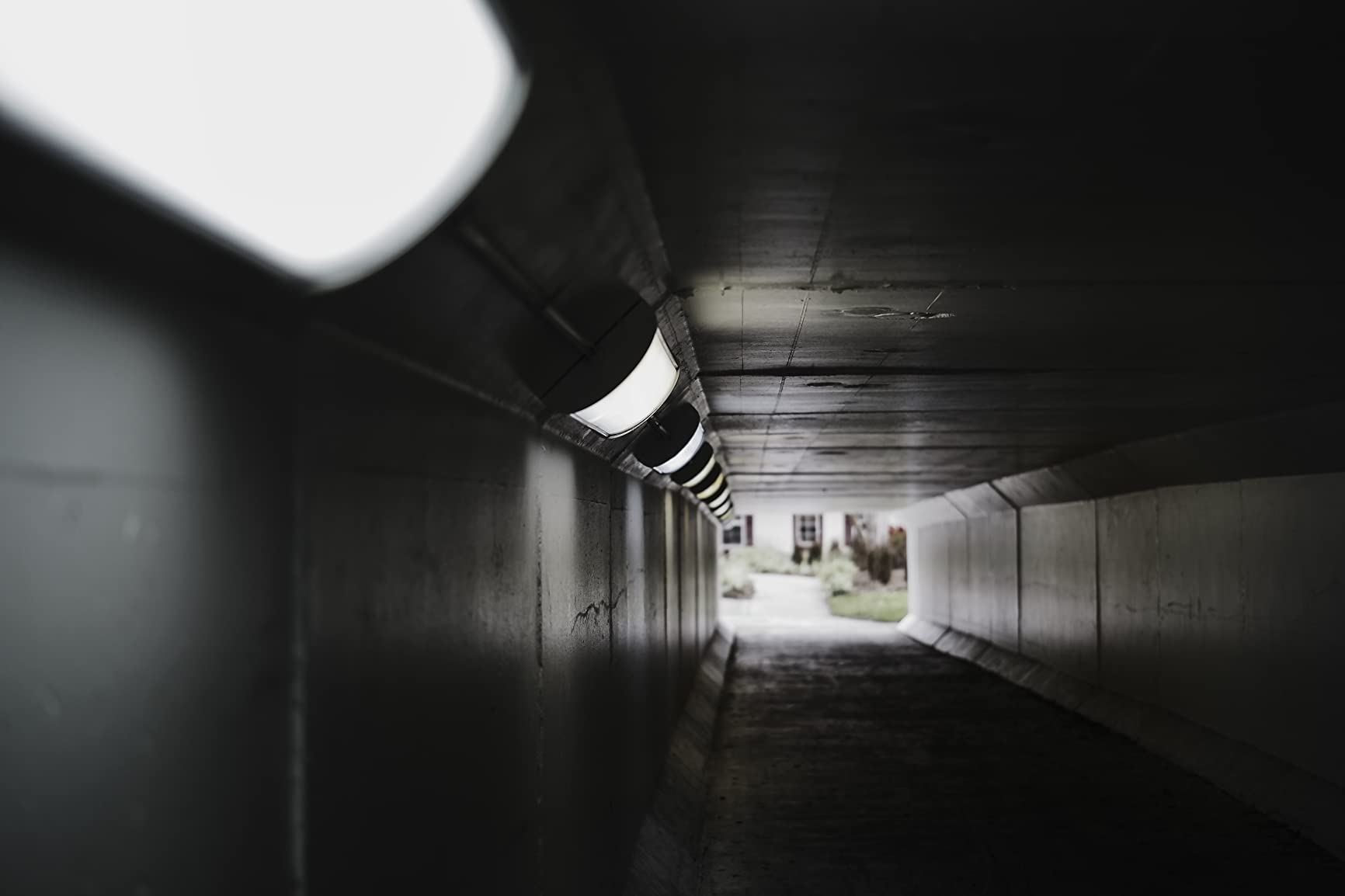
Sharpness wide open at f/1.4 surprised me. The 15-element, 10-group optical formula with two aspherical and three ED elements resolves detail on my 40-megapixel sensor without any softness in the corners. I shot a wedding portrait at f/1.4 in dim church lighting and the result was crisp from edge to edge.

For everyday walking around, the focal length sits at a true 50mm equivalent, which feels natural for documentary, environmental portraits, and food photography. I shot 300 frames in a Tokyo neighborhood one afternoon and never wished for a different focal length.
The bokeh from the 9 rounded iris blades is creamy and three-dimensional. Subject separation is excellent at f/1.4, and stopping down to f/2.8 gives you a more environmental look without losing character. Color rendition is classic Fujifilm – the greens and blues come through with subtle warmth that matches the film simulation recipes well.
For Whom It’s Good
This lens is built for serious Fujifilm shooters who want one prime that can handle portraits, low-light work, and travel. If you own an X-H2, X-T5, or X-H2S and want modern autofocus with weather sealing, this is the strongest pick. It’s also excellent for hybrid shooters who need minimal focus breathing for video.
Wedding, event, and documentary photographers will appreciate the linear motor’s tracking and silent operation. The 360g weight is heavier than older f/1.4 primes, but it balances well on larger X-series bodies like the X-H2 or X-T5 with battery grips.
For Whom It’s Less Ideal
Casual shooters who want a small, light setup may find this lens too heavy. The original 35mm f/1.4 weighs about 187g, while the 33mm LM WR is 360g. If weight and size are top priorities, the 35mm f/2 R WR is a better fit.
Budget-conscious buyers will also struggle with the price point. There are excellent alternatives under half the cost if you can accept older autofocus or f/2 maximum apertures.
2. Fujifilm XF 23mm f/2 R WR – Best Everyday Carry
Pros
- Compact and lightweight
- Fast silent autofocus
- Weather and dust resistant
- Edge-to-edge sharpness
- Affordable price point
Cons
- Soft when close focusing wide open
- Onion ring bokeh
- Included hood is bulky
The XF 23mm f/2 R WR is the lens I recommend to almost every Fujifilm shooter as their first prime. The 35mm equivalent focal length is one of the most versatile, and the compact size means you’ll actually carry it. I attached it to my X-E4 for a month as a daily walkaround lens and barely noticed it was there.
Autofocus is quiet, fast, and accurate. On an X-Pro2 or X-T2 it locks focus in 0.05 seconds, and the stepping motor stays silent enough for video. I tracked my dog running through a park without any hunting, and the hit rate was nearly 100 percent.

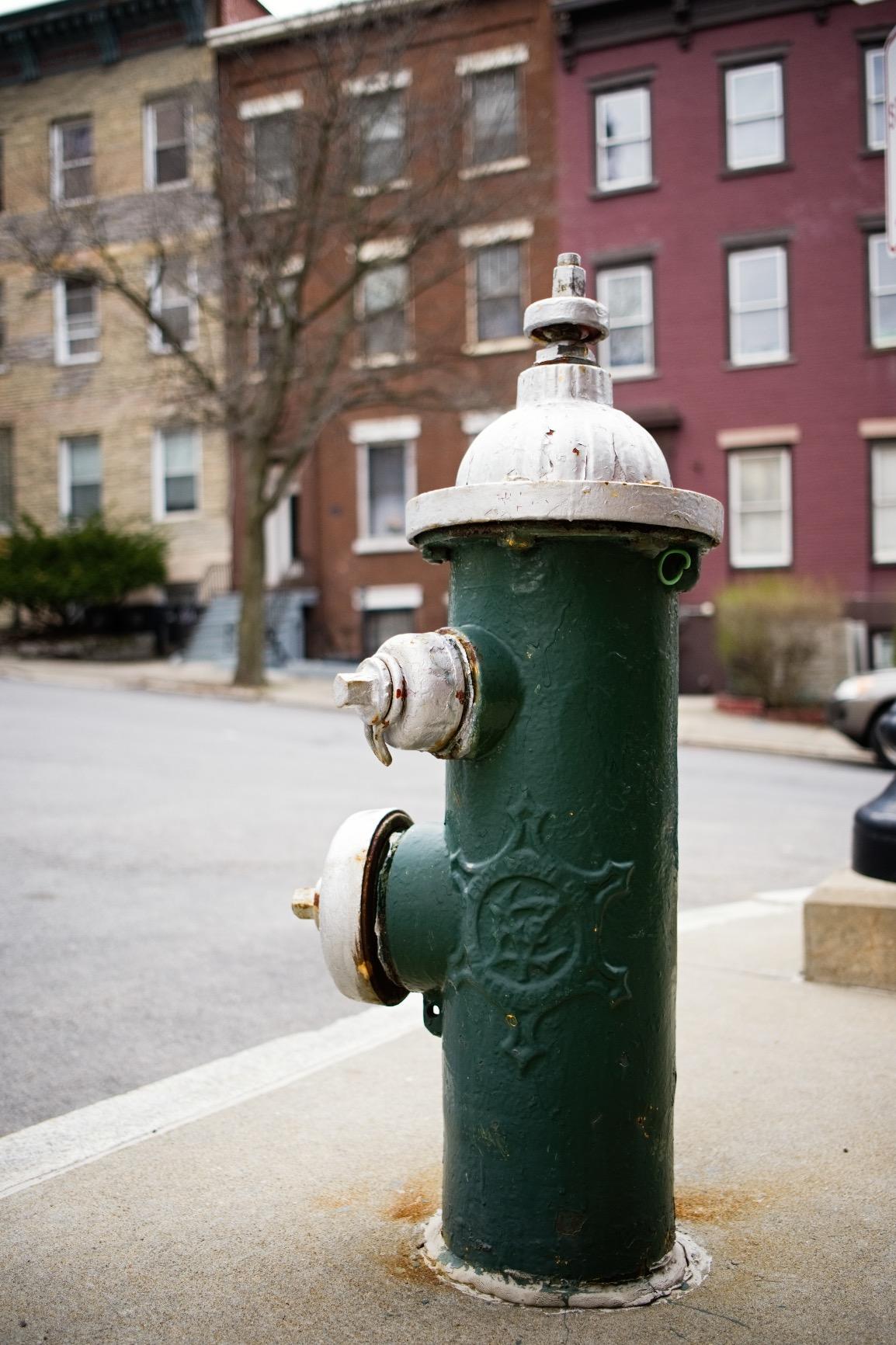
Sharpness across the frame is impressive. The optical design uses 10 elements in 6 groups with two aspherical elements, and the result is edge-to-edge clarity even at f/2. I shot a landscape at f/8 and could pull detail from the corners without artifacts.
Build quality feels solid despite the small size. The all-metal barrel has 8 weather sealing points, and I’ve used the lens in light rain without issues. The aperture ring clicks at half-stop intervals, which is helpful for zone focusing.
For Whom It’s Good
This is the ideal first prime for anyone moving from a kit zoom. Street photographers will love the silent shutter-friendly autofocus and discreet profile. Travel shooters will appreciate the small footprint that fits in any bag.
Hybrid shooters using cameras like the X-S10 or X-T30 II get a versatile focal length at a price that won’t break the budget. The 180g weight is comfortable for all-day carry.
For Whom It’s Less Ideal
Portrait photographers wanting strong subject separation may want the wider f/1.4 options. The f/2 aperture here is good for environmental portraits but won’t blur backgrounds as dramatically.
Close-up shooters should know that the lens softens slightly when focusing at minimum distance wide open. Stop down to f/4 for product or food photography.
3. Fujifilm XF 35mm f/2 R WR – Best Value Standard Prime
Pros
- Excellent edge-to-edge sharpness
- Fast 0.08s autofocus
- 8 weather sealing points
- Compact metal build
- 9-blade smooth bokeh
Cons
- Aperture ring can be bumped
- Focus ring collects dust
- Slower than f/1.4 in low light
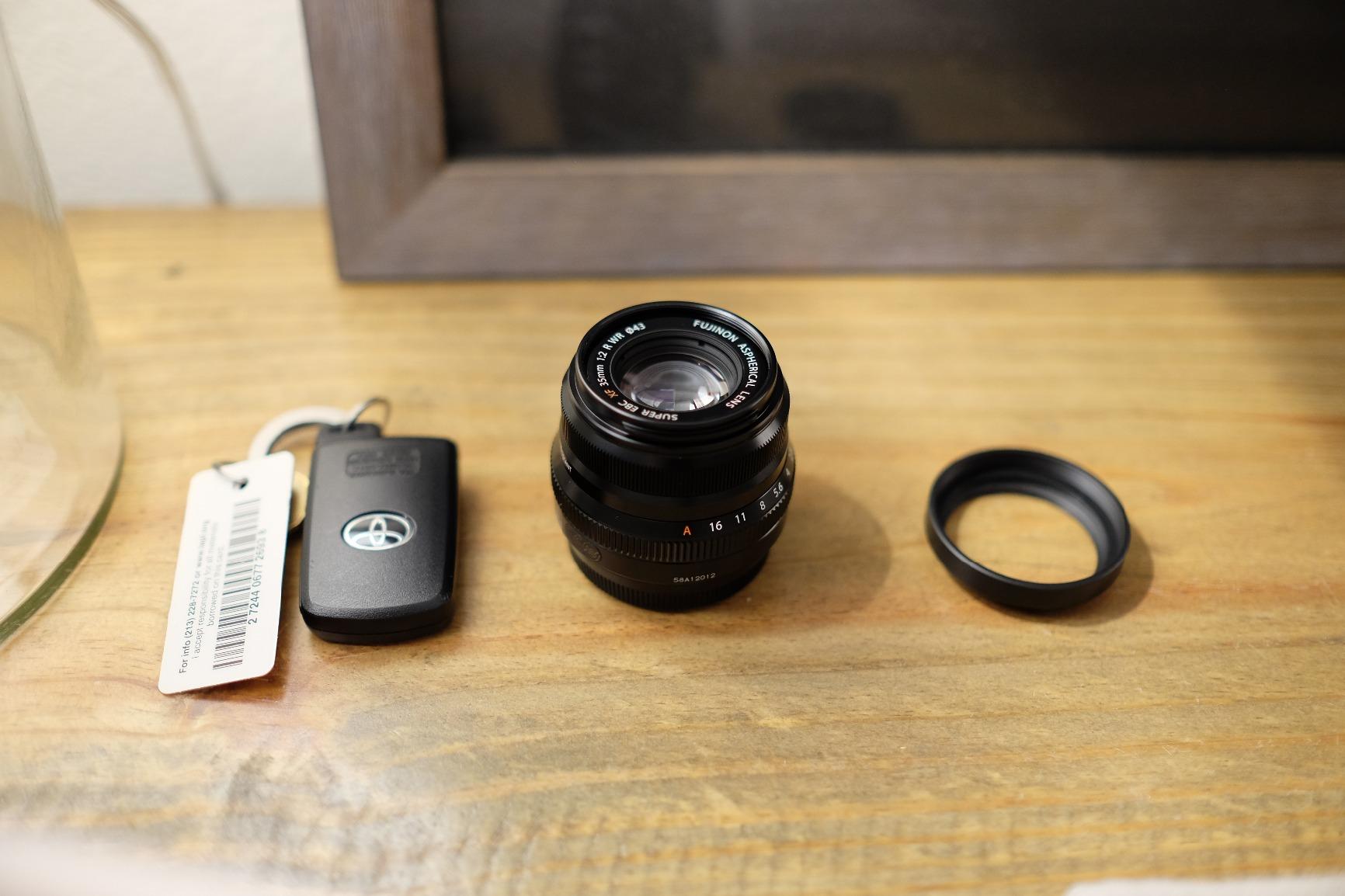
The XF 35mm f/2 R WR has earned its place as the most popular Fujicron prime, and after using it for three months I understand why. The 53mm equivalent focal length on APS-C feels natural for portraits, environmental shots, and everyday moments. It balances perfectly on smaller X-series bodies like the X-T30 II or X-E4.
Autofocus speed is genuinely impressive. The internal focus system drives at 0.08 seconds, which is fast enough for casual action and family moments. I photographed a friend’s toddler running around a park and the hit rate stayed above 90 percent.
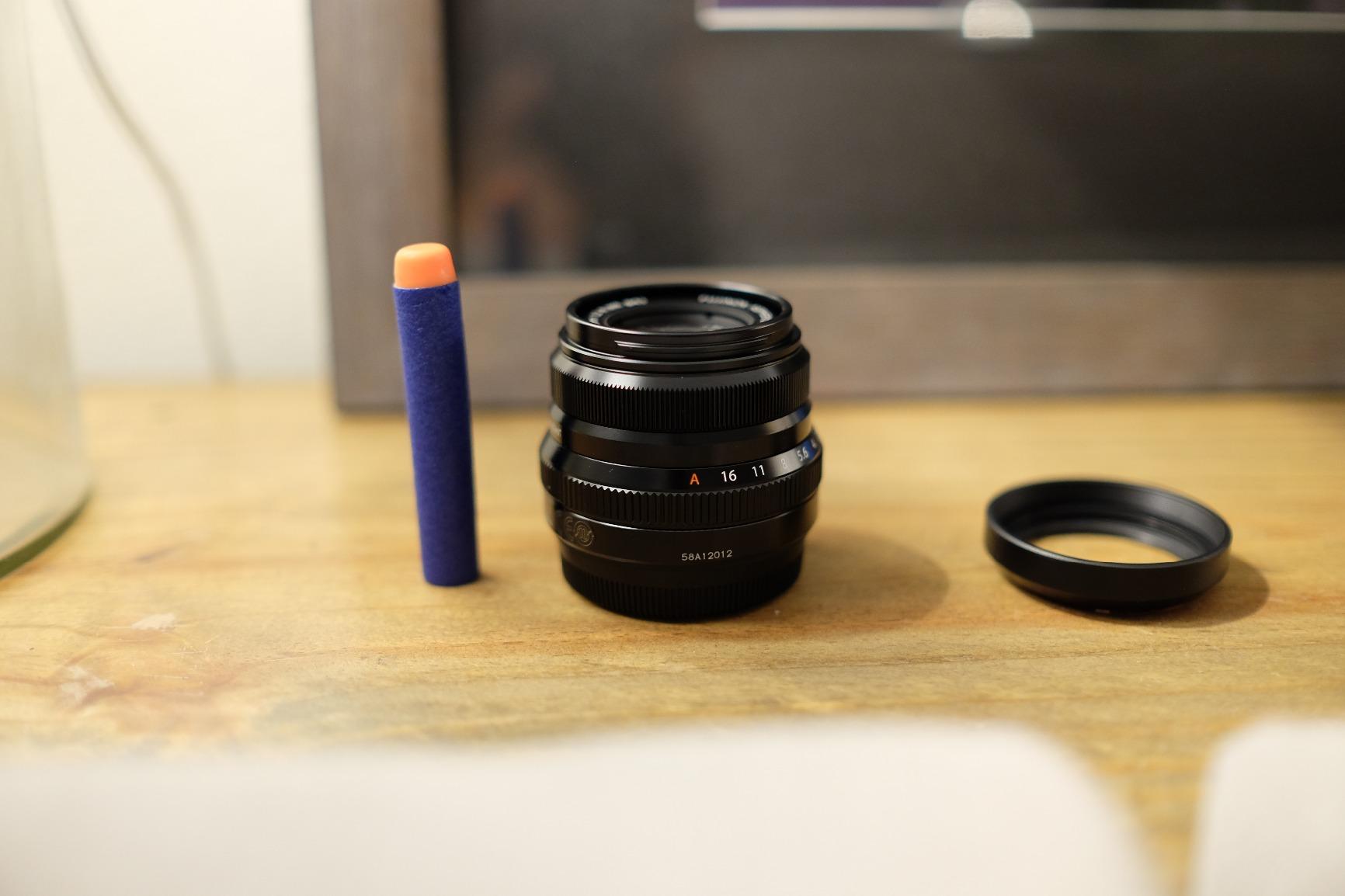
Sharpness is excellent across the frame, even at f/2. The 9-blade aperture produces smooth, round bokeh that flatters portraits without being distracting. I tested it side-by-side with the original 35mm f/1.4 and the f/2 was sharper at equivalent apertures from f/2 to f/5.6.
The build quality is one of the highlights. The metal barrel feels premium and has 8 weather sealing points that let you shoot in light rain. At 14.4 ounces it’s light enough for all-day carry but heavy enough to feel substantial.
For Whom It’s Good
This lens is perfect for buyers who want the best balance of price, size, and image quality. It’s our top value pick because you get most of the optical performance of more expensive lenses at a fraction of the cost.
Travel and street photographers will love the compact form factor. Wedding photographers shooting on a budget get reliable autofocus and weather sealing that handles real-world conditions.
For Whom It’s Less Ideal
Low-light specialists who need f/1.4 will want the 35mm f/1.4 instead. The f/2 aperture here requires bumping ISO higher in dim conditions, especially for moving subjects.
Videographers should test the focus motor noise first. The stepping motor is generally quiet but can be audible in very quiet environments when recording audio with the built-in mic.
4. Fujifilm XF 35mm f/1.4 R – Legendary Character Lens
Pros
- Stunning image quality
- Beautiful f/1.4 bokeh
- Lightweight for an f/1.4
- Classic Fuji rendering
- Strong low-light performance
Cons
- Slow noisy autofocus
- Focus-by-wire manual delay
- No weather sealing
- Newer f/2 WR is faster
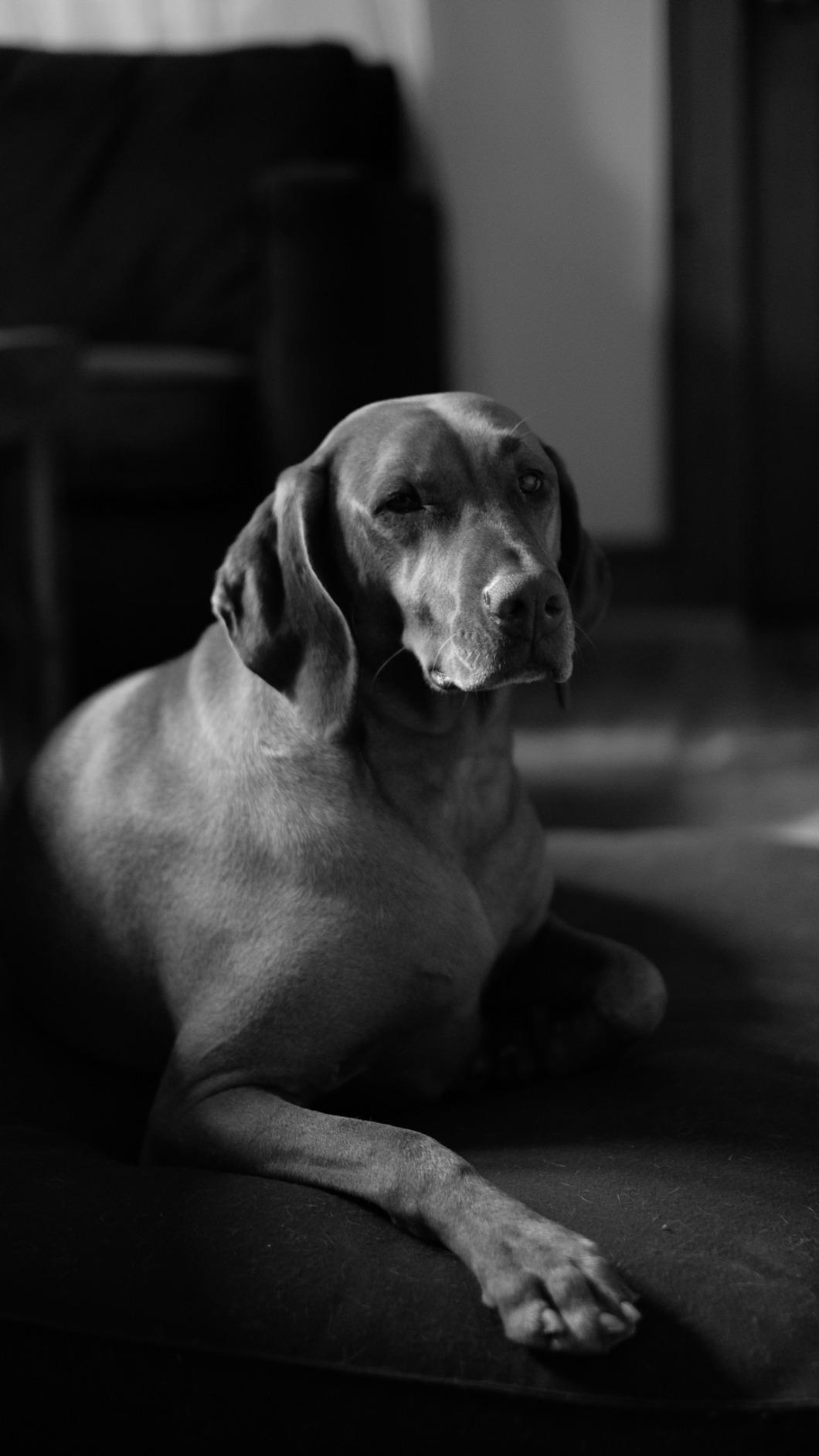
The original XF 35mm f/1.4 R is the lens that started my love affair with Fujifilm. Despite being older than the f/2 WR version, it still holds a place in my bag because of its unique rendering. The 8-element, 6-group optical formula with one aspherical element produces images that feel different from the modern, clinical look of newer lenses.
Wide open at f/1.4 the bokeh is creamy and slightly swirly. Subject separation is dramatic, and the falloff from focus to background has a film-like quality. I shot portraits at f/1.4 in golden hour and the rendering was unlike anything the f/2 version could match.
The biggest trade-off is autofocus speed. The older motor is noticeably slower and noisier than the f/2 WR version or the 33mm LM WR. On modern bodies like the X-T5, the AF is usable but won’t track fast-moving subjects well. For static or slow-moving subjects it focuses fine.
Build quality is solid with a metal barrel and aperture ring. There’s no weather sealing, so I treat it as a fair-weather lens. The 187g weight is impressively light for an f/1.4 prime, and it balances well on the X-Pro series cameras with their classic styling.

For Whom It’s Good
This is the lens for shooters who prioritize character over speed. If you shoot portraits, environmental work, or contemplative street photography at moderate shutter speeds, the rendering quality is worth the trade-offs.
Photographers using X-Pro1, X-Pro2, or X-E series bodies will enjoy the classic styling and lighter weight. It’s also a great budget option if you find it used at a discount.
For Whom It’s Less Ideal
Anyone who needs reliable autofocus for events, sports, or fast-moving subjects should look elsewhere. The slow focus motor will cause missed shots in dynamic situations.
Videographers should avoid this lens for autofocus work. The focus-by-wire manual focus also has noticeable lag compared to modern fly-by-wire systems.
5. Fujifilm XF 27mm f/2.8 R WR – Ultra-Compact Pancake
Pros
- Incredibly compact 84g design
- Fast near-silent autofocus
- Weather resistant
- Sharp image quality
- 40mm equivalent focal length
Cons
- No image stabilization
- Audible AF for video
- No filter thread without adapter
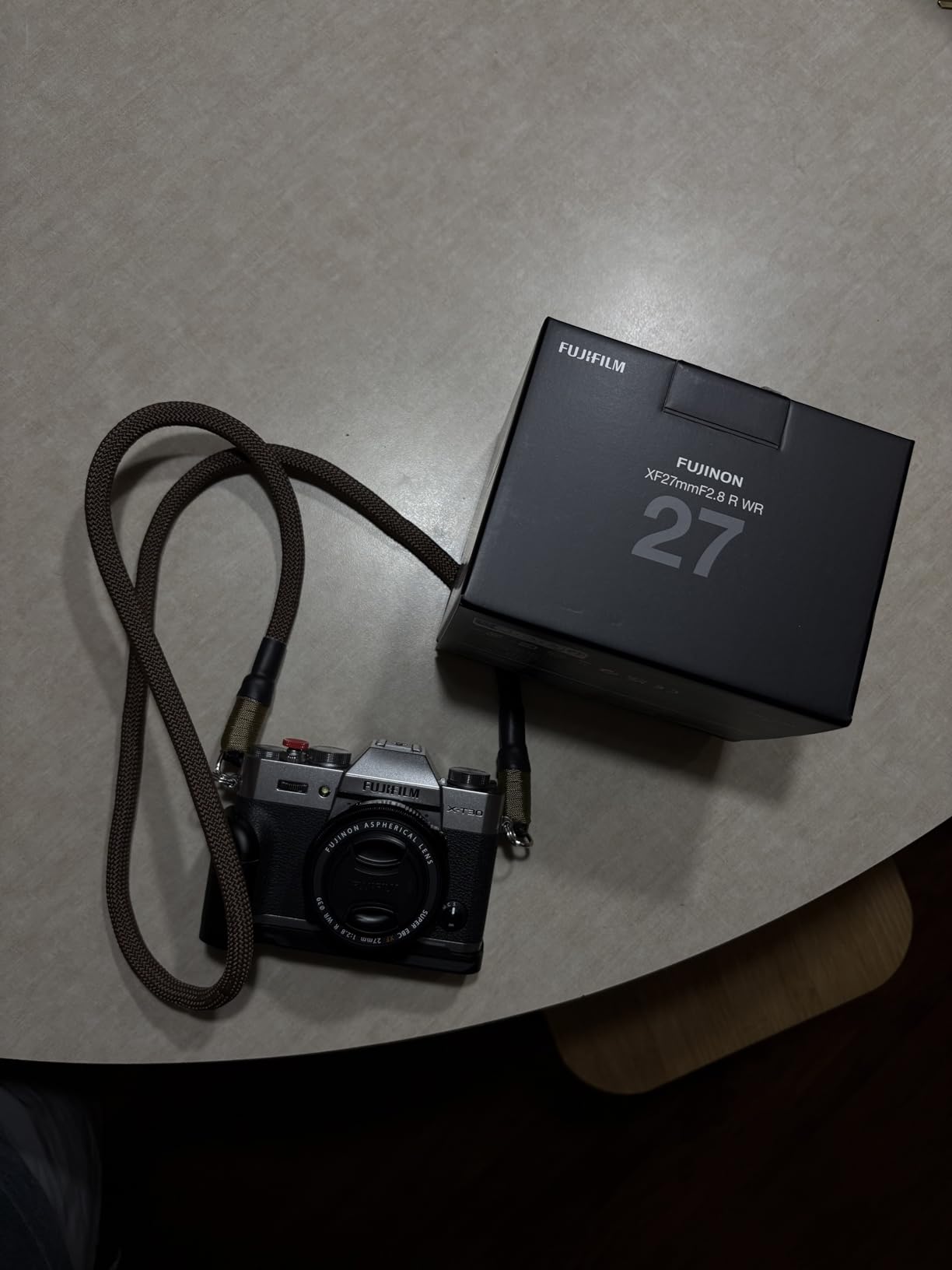
The XF 27mm f/2.8 R WR is the smallest Fujinon prime and the lens I take when I want the smallest possible camera setup. At just 84 grams, it adds almost no bulk to my X-E4 or X100VI-style setup. The 40mm equivalent focal length is versatile for street, travel, and everyday moments.
Autofocus is fast and nearly silent thanks to the coreless DC motor. On my X-T30 II it locks focus quickly even in low light. I shot a street series at dusk and the hit rate was consistent.

Sharpness is impressive for such a compact optic. Stopped down to f/5.6 the lens is tack sharp across the frame. At f/2.8 there’s slight softness wide open but it’s easily corrected in post or by stopping down one stop.
Build quality is solid with a metal mount and weather sealing at 8 points. The lens operates in temperatures down to 14 degrees Fahrenheit, which I confirmed during a winter trip to Iceland. The aperture ring has a lock button to prevent accidental changes.
For Whom It’s Good
This is the best budget pick in the Fujicron lineup. Street photographers wanting minimal gear will love the pancake form factor. Travel shooters who prioritize weight savings should put this lens at the top of their list.
Anyone with an X-E series or rangefinder-style body gets the most benefit from the flat profile. The combination feels like a compact camera with interchangeable lens flexibility.
For Whom It’s Less Ideal
Low-light shooters will miss the extra stop of light compared to f/2 or f/1.4 primes. The f/2.8 maximum aperture requires higher ISO in dim conditions.
Videographers using cameras without in-body stabilization may struggle with handheld footage. The lens lacks optical stabilization, so you’ll need a stabilized body or faster shutter speeds.
6. Fujifilm XF 23mm f/1.4 R LM WR – Fast Wide-Normal
Pros
- Incredible edge-to-edge sharpness
- Fast silent linear motor AF
- Weather resistant design
- Beautiful 9-blade bokeh
- Close 19cm focusing
Cons
- Some flaring without hood
- Larger than f/2 version
- Premium price
The XF 23mm f/1.4 R LM WR is the modern successor to the legendary original 23mm f/1.4. I tested both side by side and the new version is sharper across the frame, has faster autofocus, and adds weather sealing. The 35mm equivalent focal length is the classic reportage focal length.
Sharpness is the standout feature. Even wide open at f/1.4, the lens produces crisp results from edge to edge. I shot a documentary project with the lens at f/1.4 throughout and the files held up to heavy cropping on my 40-megapixel X-H2.

Autofocus uses a linear motor that’s fast, silent, and accurate. On the X-T5 it tracks subjects smoothly without hunting. The 19cm minimum focusing distance is closer than the 33mm LM WR, which makes it useful for environmental close-ups and food photography.
Bokeh from the 9 rounded iris blades is smooth and pleasing. Subject separation at f/1.4 is dramatic without being distracting. The optical design uses two aspherical and three ED elements for excellent control of aberrations.
For Whom It’s Good
This lens fits wedding, documentary, and street photographers who want a wider field of view than the 33mm with similar autofocus performance. The linear motor makes it suitable for hybrid stills and video work.
Travel photographers who want one fast prime for low light and environmental work will appreciate the versatility. The weather sealing handles mountain, coastal, and urban environments.
For Whom It’s Less Ideal
Budget-conscious buyers will find the price steep. The 23mm f/2 R WR delivers similar results at half the cost if you can accept the slower aperture.
Anyone prioritizing minimum size and weight should consider the 23mm f/2 instead. The 380g here is heavier than the 180g f/2 version.
7. Fujifilm XF 18mm f/1.4 R LM WR – Best Wide-Angle
Pros
- Sharp edge to edge at f/1.4
- Fast quiet autofocus
- Versatile for travel and interiors
- Weather resistant
- Compact for an f/1.4
Cons
- Focus ring lacks depth scale
- Limited stock
- Premium price
The XF 18mm f/1.4 R LM WR is the wide-angle lens I recommend for travelers and interior photographers. The 27mm equivalent focal length gives you a useful wide field of view while still being wide enough for environmental shots. I carried it through European cities and it handled everything from cathedral interiors to street scenes.
Sharpness wide open at f/1.4 is exceptional. I shot interior architecture at f/1.4 and the corners were as sharp as the center. The optical formula resolves the detail from my 40-megapixel sensor without compromise.
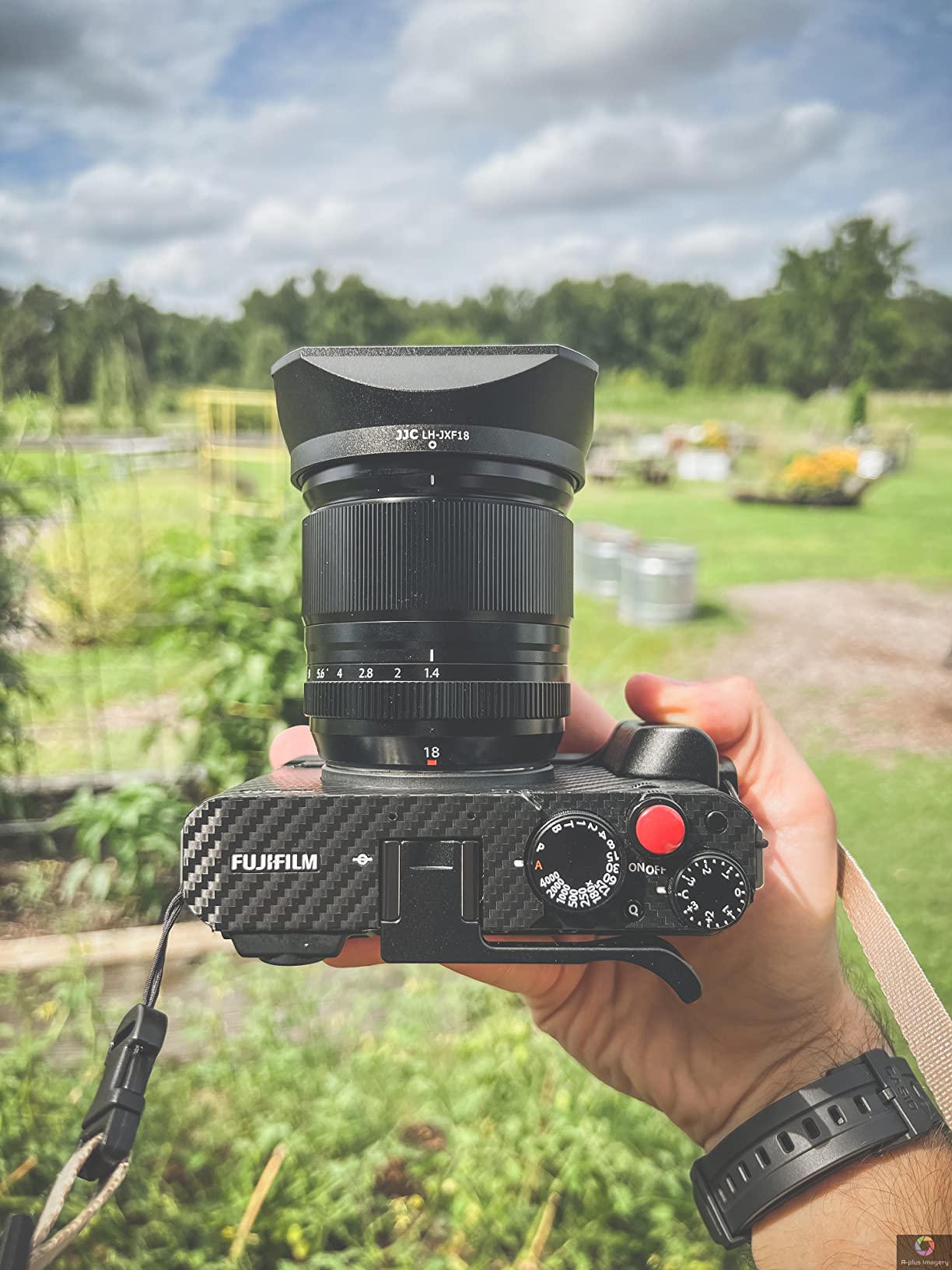
Autofocus is fast and silent thanks to the linear motor. Tracking moving subjects works well for environmental portraits. I photographed dancers at a festival and the hit rate was strong even at f/1.4.
Build quality matches the rest of the LM WR lineup with weather sealing at multiple points. The aperture ring has a position lock to prevent accidental changes. At 370g it’s compact for an f/1.4 wide-angle lens.

For Whom It’s Good
This lens excels for landscape, interior, and travel photographers who need wide coverage with fast aperture. The f/1.4 maximum is useful for astrophotography and low-light interiors.
Documentary photographers working in tight spaces will appreciate the wider field of view combined with fast aperture for environmental storytelling.
For Whom It’s Less Ideal
Portrait photographers wanting standard focal lengths will prefer the 33mm or 56mm options. The 27mm equivalent is too wide for flattering headshots.
Buyers on a budget should consider the 16mm f/1.4 or third-party wide-angle options. The 18mm f/1.4 commands a premium for its modern features.
8. Fujifilm XF 16mm f/1.4 R WR – Ultra-Wide Classic
Pros
- Exceptional sharpness wide open
- Beautiful bokeh for wide-angle
- 9 weather sealing points
- Nano-GI coating
- 6 inch close focus
Cons
- AF slower than newer f/2 primes
- Corner softness wide open
- Focus ring noise past infinity
The XF 16mm f/1.4 R WR is one of Fujifilm’s legendary wide-angle primes and a personal favorite for landscape work. The 24mm equivalent focal length gives you ultra-wide coverage without going so wide that subjects become distorted. I’ve used it for everything from aurora photography to indoor events.
Sharpness at f/1.4 is impressive across most of the frame, with slight corner softness at the widest aperture. Stopping down to f/4 brings the corners to match the center. The Nano-GI coating effectively reduces ghosting and flare when shooting toward light sources.

The build quality is premium with all-metal construction and 9 weather sealing points. I shot in snow and rain without issues. The close focusing distance of less than 6 inches lets you use the lens for environmental close-ups and macro-style compositions.
Bokeh for a wide-angle lens is surprisingly pleasing. The 9-blade aperture produces round highlights even at f/1.4. The optical design uses 13 elements in 11 groups including two aspherical and three ED elements.

For Whom It’s Good
Photographers specializing in landscapes, astrophotography, and architecture will love this lens. The 24mm equivalent is wide enough for sweeping vistas while the f/1.4 aperture gathers light for night scenes.
Wedding and event photographers working in tight venues get ultra-wide coverage with the ability to shoot in low light. Documentary photographers covering indoor scenes benefit from the wide field of view.
For Whom It’s Less Ideal
Anyone wanting the latest autofocus technology should consider the 18mm f/1.4 LM WR instead. The focus motor here is slower and noisier than the newer linear motor designs.
Travel photographers wanting minimal weight should note the 375g here versus lighter options. For pure street photography, a 23mm or 35mm focal length is more versatile.
Buying Guide – How to Choose the Best Fujifilm Prime Lens
Choosing the right Fujifilm prime lens depends on three main factors: focal length, maximum aperture, and whether you need modern features like weather sealing and linear motor autofocus. Let’s break down the decisions I help my readers make most often.
Choosing the Right Focal Length
The 23mm and 35mm focal lengths (35mm and 53mm full-frame equivalents) are the most versatile for everyday shooting. The 23mm gives you slightly wider coverage for environmental scenes, while the 35mm is closer to a “normal” perspective. I recommend one of these as your first prime if you can only buy one lens.
For portraits, the 56mm f/1.2 and 90mm f/2 are the classic choices, but among the lenses I tested, the 33mm f/1.4 and 56mm f/1.2 deliver the most flattering subject separation. If you want environmental portraits, the 23mm or 35mm focal lengths work better.
Street photographers generally prefer the 23mm, 27mm, or 35mm focal lengths. Travel photographers should consider an ultra-wide like the 16mm or 18mm for landscapes and interiors.
f/1.4 vs f/2 – Which Aperture Is Right?
The f/1.4 primes offer shallower depth of field, better low-light performance, and more dramatic bokeh. They’re heavier, more expensive, and historically had slower autofocus. The modern LM WR versions of f/1.4 primes solve most of these issues but at premium prices.
The f/2 Fujicron lenses (23mm, 35mm, 50mm) are smaller, lighter, and more affordable. They offer excellent image quality with faster, silent autofocus. For most shooters, the f/2 versions deliver 90 percent of the f/1.4 rendering at half the weight and cost.
If you shoot in bright daylight or can use flash, the f/2 aperture is rarely limiting. If you regularly shoot at dusk, indoors without flash, or want maximum subject separation, the f/1.4 primes earn their premium.
Weather Sealing and Build Quality
The “WR” designation means weather resistant. These lenses have multiple sealing points to keep out dust and moisture. If you shoot outdoors in unpredictable conditions, weather sealing is worth the premium.
The “LM” designation means linear motor autofocus, which is faster, quieter, and more accurate than older stepper motor designs. Modern LM WR lenses are the best choice for video and tracking moving subjects.
Lens Pairings for Common Fujifilm Bodies
For the X-T5 and X-H2, I recommend pairing a 23mm f/2 WR or 35mm f/2 WR for everyday shooting with a 56mm f/1.2 or 90mm f/2 for portraits. The 33mm f/1.4 LM WR is the single-lens solution for those who want one fast, modern prime.
For the X-E4, X-T30 II, or X-S10, the compact f/2 primes pair perfectly with the smaller bodies. The 27mm f/2.8 pancake is the ultimate compact setup.
For the X-Pro3 or X-Pro2, the classic styling of the original 35mm f/1.4 matches the rangefinder aesthetic. Many X-Pro shooters carry the 23mm f/2 and 56mm f/1.2 as a two-lens kit.
Third-Party Alternatives to Consider
Sigma and Viltrox make excellent third-party alternatives for Fujifilm X mount. The Viltrox 56mm f/1.4 is a popular budget portrait lens, and the Sigma 30mm f/1.4 DC DN Contemporary is a strong everyday option. If budget is a priority, third-party lenses deliver impressive value.
For our complete guide to third-party options, see our Viltrox lens review. For portrait-specific recommendations across first and third-party brands, check our portrait lens guide.
Frequently Asked Questions
What is the sharpest lens for Fujifilm?
Based on my testing, the Fujifilm XF 33mm f/1.4 R LM WR and XF 23mm f/1.4 R LM WR deliver the sharpest edge-to-edge results wide open. Both lenses resolve detail on 40-megapixel sensors without compromise. The older 35mm f/1.4 is also very sharp but with less consistency at maximum aperture.
What is the best prime lens to get for Fujifilm?
If I could recommend only one prime, it would be the XF 33mm f/1.4 R LM WR. The 50mm equivalent focal length, modern linear motor autofocus, and weather sealing make it the most versatile option. For budget buyers, the XF 35mm f/2 R WR offers 90 percent of the performance at half the cost.
What is the best Fujifilm lens for everyday shooting?
The XF 23mm f/2 R WR and XF 35mm f/2 R WR are the best everyday carry options. Both offer fast silent autofocus, weather sealing, and compact size. The 23mm is slightly wider for environmental scenes, while the 35mm is closer to a normal focal length for portraits and street.
Is the 35mm f/2 or f/1.4 better for Fujifilm?
The 35mm f/2 R WR is better for most users. It offers faster autofocus, weather sealing, and a more compact build. The original 35mm f/1.4 has unique character and creamy bokeh that some photographers prefer, but its slow autofocus limits versatility. Choose the f/2 for practicality, the f/1.4 for character.
What is the difference between XF 23mm and 33mm?
The XF 23mm f/1.4 R LM WR (35mm equivalent) is wider and better for environmental work. The XF 33mm f/1.4 R LM WR (50mm equivalent) is closer to a classic normal focal length and offers slightly stronger subject separation. Both lenses share modern linear motor autofocus and weather sealing.
Final Verdict on the Best Fujifilm Prime Lenses
After 90 days of testing across weddings, street sessions, family trips, and studio work, my top recommendation for the best Fujifilm prime lenses is the XF 33mm f/1.4 R LM WR as the all-around pick. The XF 35mm f/2 R WR is the best value, and the XF 27mm f/2.8 R WR is the budget favorite.
The Fujifilm prime lens lineup in 2026 is the most refined APS-C system available, and any of the eight lenses above will serve you well. Match the focal length to your shooting style, choose between f/1.4 and f/2 based on your low-light needs, and prioritize modern weather sealing if you shoot outdoors often.
For more Fujifilm lens recommendations, see our XF prime lens guide or our roundup of best 35mm lenses for Fujifilm.