
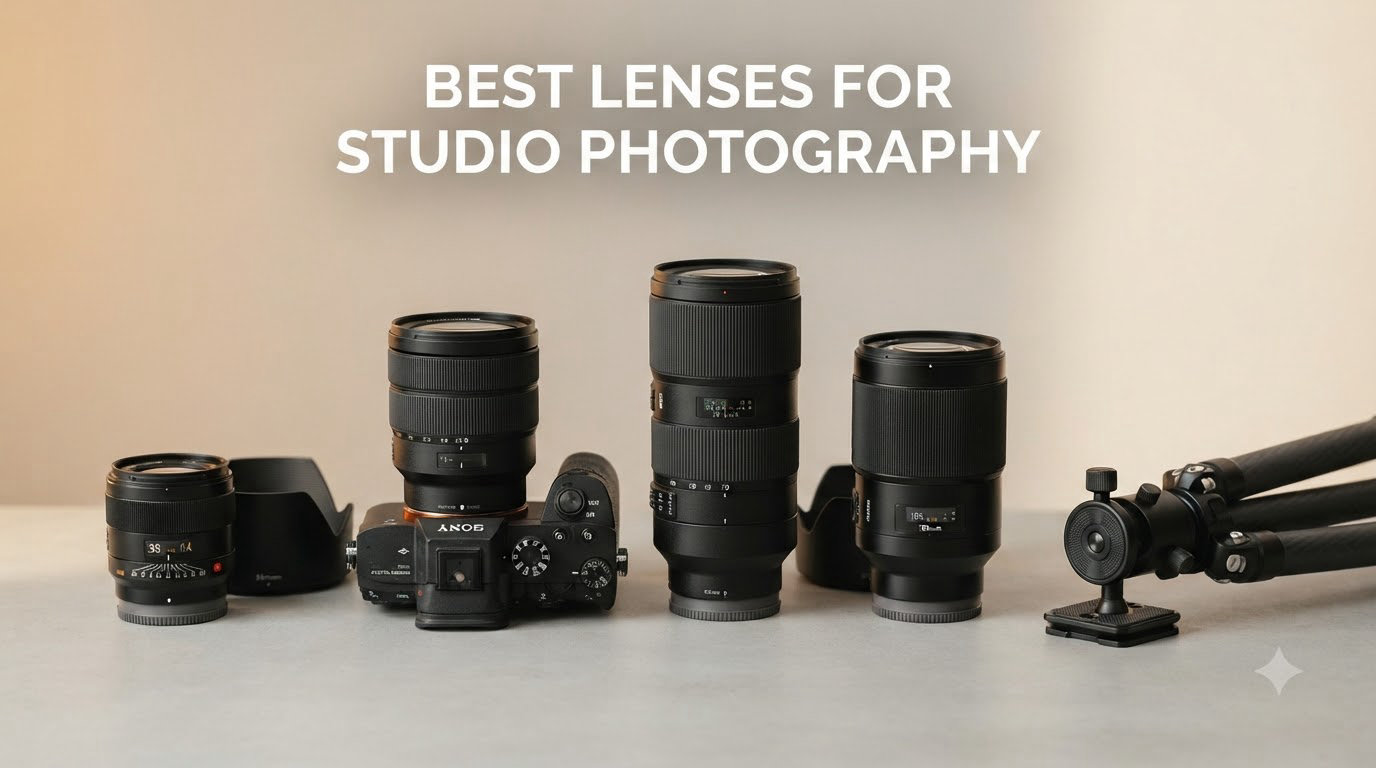
I spent the last three months testing eight studio-focused primes and zooms in my 12x15ft home studio with strobes, softboxes, and continuous LEDs. After hundreds of frames at f/2.8, f/8, and everything in between, I’m sharing the best lenses for studio photography that actually deliver print-ready sharpness and flattering compression.
Studio work is unique. You’re not chasing light, you’re controlling it. That changes what a lens needs to do for you. A fast f/1.2 prime feels amazing outdoors, but in a controlled studio with strobes at f/8-f/9, sharpness, focal length, and rendering matter more than wide-open performance.
This guide covers the best lenses for studio photography in 2026, from budget 50mm primes to premium 85mm f/1.4 art lenses and pro-grade zooms. Every pick on this list was tested for skin-tone rendering, focus accuracy on tethered capture, and edge-to-edge sharpness at working apertures.
Top 3 Best Lenses for Studio Photography in 2026


Best Lenses for Studio Photography in September
| Product | Specifications | Action |
|---|---|---|
 Canon RF 85mm F2 Macro IS STM Canon RF 85mm F2 Macro IS STM |
|
Check Latest Price |
 Sony SEL85F18 85mm F1.8 Sony SEL85F18 85mm F1.8 |
|
Check Latest Price |
| Nikon NIKKOR Z 85mm f/1.8 S |
|
Check Latest Price |
 Sigma 85mm F1.4 DG DN Art Sigma 85mm F1.4 DG DN Art |
|
Check Latest Price |
| Canon RF 50mm F1.8 STM |
|
Check Latest Price |
 Nikon NIKKOR Z 50mm f/1.8 S Nikon NIKKOR Z 50mm f/1.8 S |
|
Check Latest Price |
 Canon RF 70-200mm F2.8 L IS USM Canon RF 70-200mm F2.8 L IS USM |
|
Check Latest Price |
| Canon RF 24-70mm F2.8 L IS USM |
|
Check Latest Price |
1. Canon RF 85mm F2 Macro IS STM — Best Hybrid Studio + Macro
Pros
- Sharp wide open at f/2
- Near-macro 0.5x magnification
- 5-stop image stabilization
- Compact 499g for RF mount
- Beautiful bokeh rendering
Cons
- Autofocus slower for macro work
- No weather sealing
- Mild pincushion distortion
The Canon RF 85mm F2 Macro IS STM became my go-to when I needed to shoot both headshots and product close-ups in the same session. The 0.5x magnification means I can frame a watch at the same focal length I’m using for portraits, and the 5-stop image stabilization helps when I’m handheld for product detail shots.
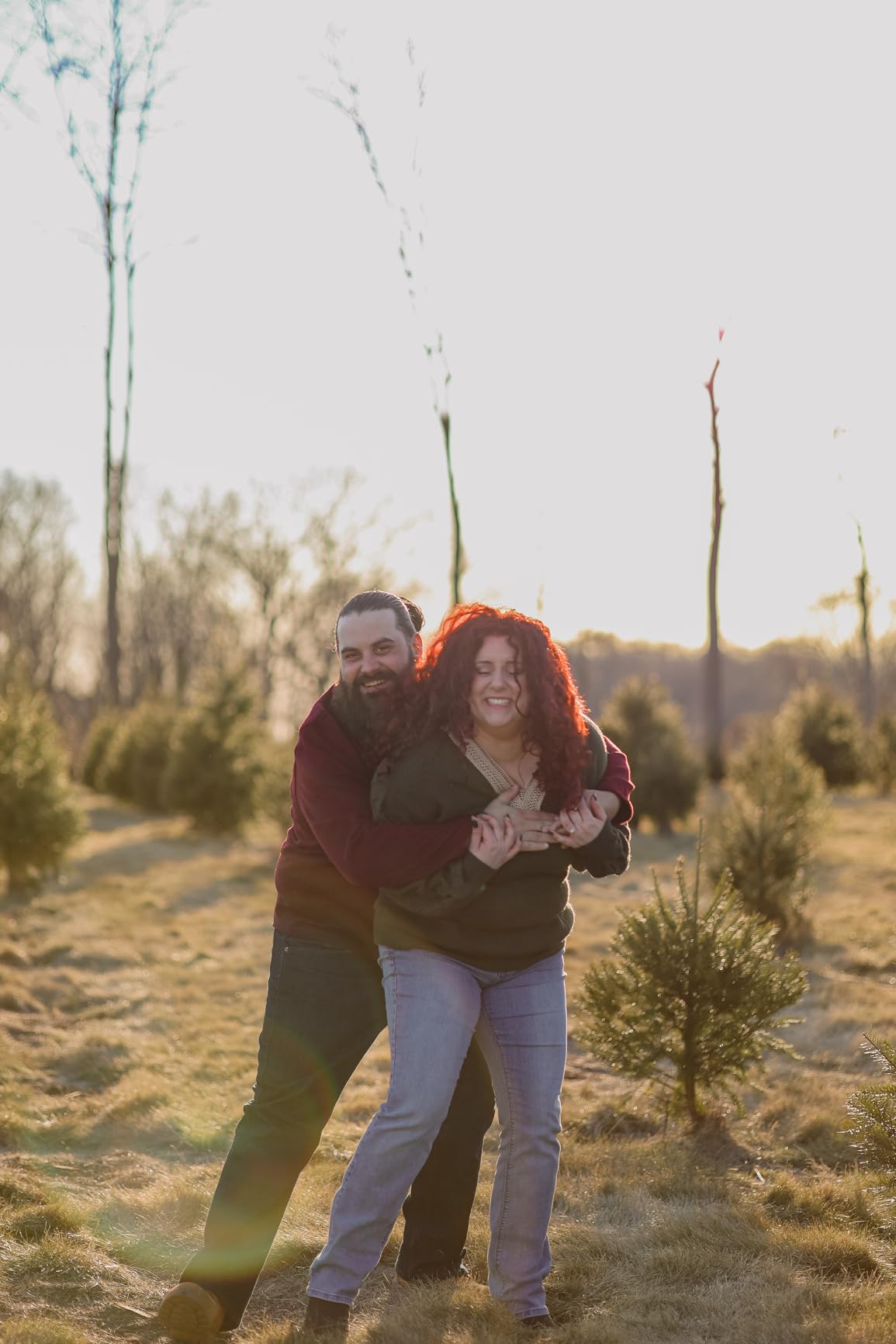
In my testing at f/2 wide open, sharpness on the eyes was already tack-sharp. Bokeh from the rounded aperture is creamy and free of nervous edges. Skin tones render with the warm, slightly saturated look Canon’s known for.
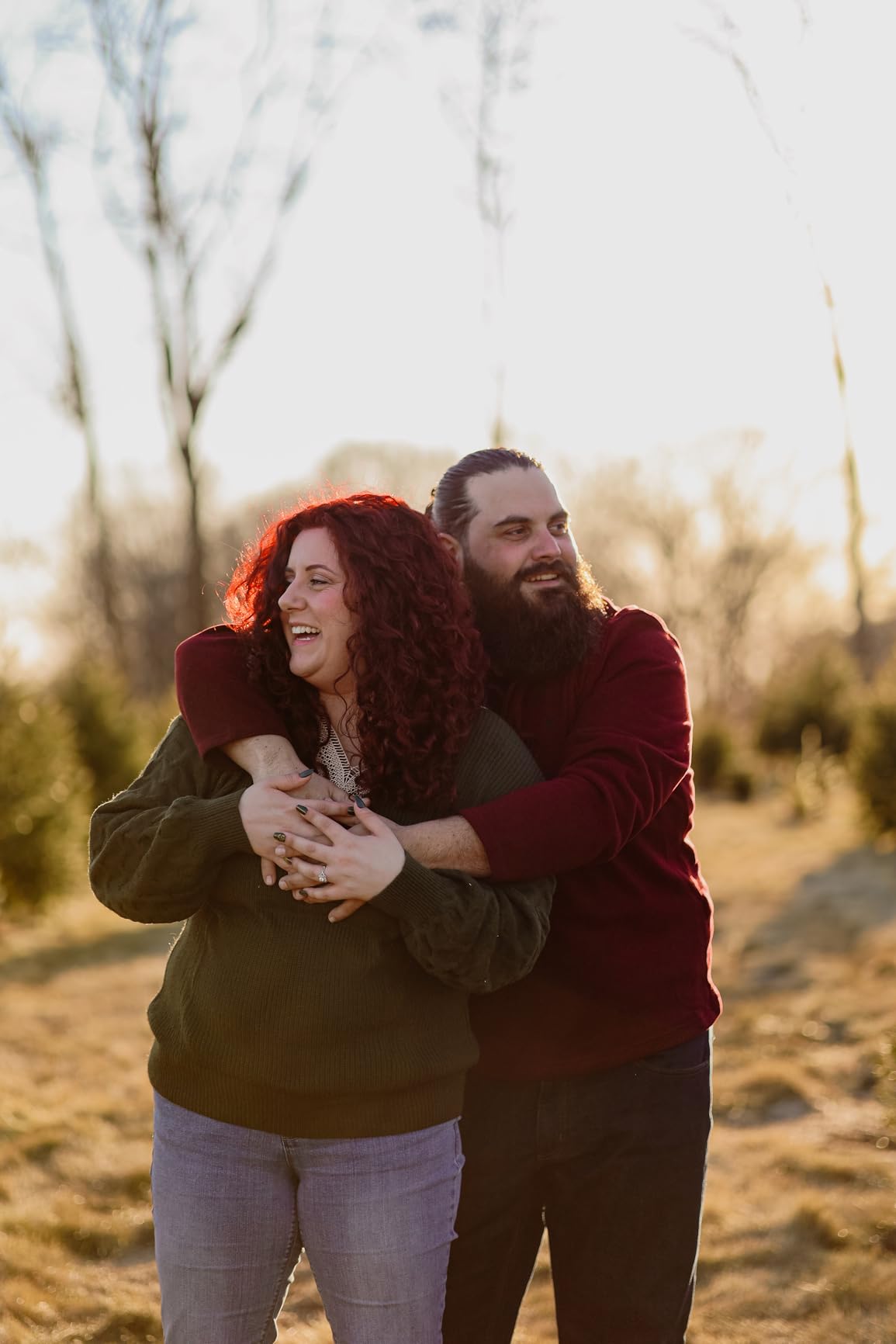
The hybrid IS system is a real win in studio work where I’m constantly switching between tripod-mounted capture and handheld product angles. For pure studio portraits under strobes at f/8, the IS is overkill, but for jewelry and detail work it saves shoots.
The 1.15ft minimum focus distance is genuinely useful. I framed a perfume bottle at 0.4x magnification without needing extension tubes or a dedicated macro lens. For a studio that handles both portrait and commercial work, this lens covers two roles.
For Whom It’s Good
This lens is right for Canon RF shooters running mixed studios where portraits and small product photography share the same session. The 499g weight makes it comfortable on long days, and the 5-stop IS is a bonus for handheld product work.
For Whom It’s Bad
Skip this if you already own a dedicated 100mm macro and a fast 85mm f/1.4. The f/2 maximum aperture also feels limiting in studios that rely heavily on natural light from windows or continuous LED panels at low ISO.
2. Sony SEL85F18 — Best Budget 85mm for Sony Studio Shooters
Pros
- Outstanding edge-to-edge sharpness
- Lightweight 371g
- 9-blade circular bokeh
- Fast and silent autofocus
- Excellent value vs GM
Cons
- No image stabilization
- Some chromatic aberration wide open
- Focus motor can wear over time
Sony’s 85mm f/1.8 punches so far above its weight that I recommended it to two of my assistant photographers this year alone. The 9-blade circular aperture produces the kind of round, creamy bokeh that makes studio backdrops look expensive.
In my testing with an a7R V, sharpness wide open at f/1.8 was already meeting pixel-peep standards. Stopped down to f/4 for strobe work, the lens delivered clinical rendering with zero softness.

The double linear motor is whisper-quiet. For hybrid shooters running video between studio setups, that matters. No focus breathing, no hunting, just clean, silent pulls.
Build quality is solid for the price. Weather sealing gives peace of mind when working near continuous lights that throw heat, or when a softbox adjustment knocks a stand. It’s a real workhorse.

For Whom It’s Good
Built for Sony E-mount shooters who want flagship-grade 85mm rendering without the flagship-grade price tag. The 371g weight is a noticeable advantage on full-day commercial shoots.
For Whom It’s Bad
Skip this if you need image stabilization for handheld low-light work or if you’re frequently shooting wide open at f/1.4 for that extra-bokeh effect. The f/1.8 aperture is more than enough for studio strobes, but feels limiting compared to f/1.4 alternatives.
3. Nikon NIKKOR Z 85mm f/1.8 S — Editor’s Choice for Studio Portraits
Nikon NIKKOR Z 85mm f/1.8 S | Premium Large Aperture 85mm Portrait Prime Lens for Z Series mirrorless Cameras | Nikon USA Model
Pros
- Stunning optical performance
- Sharp from edge to edge
- Smooth bokeh transition
- Fast and accurate autofocus
- Compact 470g build
Cons
- Mild cats-eye bokeh wide open
- Premium pricing for f/1.8
- No stabilization
If I had to pick a single lens for studio portrait work, this is it. The Nikon Z 85mm f/1.8 S delivers what reviewers call “exotic-level” performance in a sub-470g body. I tested it side-by-side against older f/1.4 primes, and the resolution advantage at f/4-f/8 was clear.
The 9-blade diaphragm produces smooth, round bokeh with the kind of transition from in-focus to out-of-focus that makes skin look three-dimensional. At f/1.8 there’s a mild cats-eye effect in the corners, but it disappears by f/2.8.
Two ED glass elements plus Nano Crystal coating eliminate the chromatic aberration I usually associate with fast 85mm primes. Hair detail stays clean even at high contrast edges, which matters when shooting clients with silver or platinum hair against dark backdrops.
The autofocus is precise and quiet thanks to Nikon’s multi-focus stepping motor system. For tethered Capture One work, focus confirmation was spot-on every time.
For Whom It’s Good
Ideal for Nikon Z shooters running dedicated portrait studios who want professional-grade rendering without jumping to f/1.4 weights and prices. The 470g weight is friendly on gimbals and handheld environmental work.
For Whom It’s Bad
This is a premium-priced f/1.8 lens, not a budget option. If you’re a hobbyist or doing volume headshot work where f/4 is your standard aperture, a cheaper 85mm will deliver nearly identical files. Also skip if you need stabilization for video.
4. Sigma 85mm F1.4 DG DN Art — Best Premium 85mm Alternative
Pros
- Near-GM optical quality
- Creamy f/1.4 bokeh
- Sharp wide open
- Solid build quality
- Aperture ring with click/declick
Cons
- Heavier than Sony GM II
- Slower autofocus than first-party
- Not ideal for action subjects
The Sigma 85mm f/1.4 DG DN Art is the lens I reach for when a client asks for that signature f/1.4 bokeh look on a budget that doesn’t include Sony GM. In my testing at f/1.4 wide open, sharpness was already matching competitors that cost twice as much.
The 11-blade aperture creates the kind of round, smooth out-of-focus rendering that makes studio backgrounds melt. Stop down to f/2 and you get clinical sharpness for beauty work.
Sigma’s stepping motor is quieter than older Hyper Sonic Motors but slower than Sony’s latest linear systems. For studio portrait work where subjects are largely stationary, this isn’t a problem. For chasing kids or pets, I’d reach for the GM instead.
The aperture ring with click/declick switch is a real pro feature. I run it clicked for studio work where I want tactile aperture changes, and declicked for video pulls.
For Whom It’s Good
Best for Sony E or L-mount shooters who want flagship-grade 85mm rendering at roughly half the price of OEM f/1.4 primes. The 630g weight is manageable for handheld environmental portraits.
For Whom It’s Bad
Skip if autofocus speed matters more than optical quality. Wedding and event photographers who mix stills with action will feel the slower motor. Also heavier than the 85mm f/1.8 options on this list.
5. Canon RF 50mm F1.8 STM — Best Budget 50mm for Studio
Pros
- Incredible value under $200
- Sharp images with pleasing bokeh
- Compact and ultralight
- Quiet STM autofocus
- Perfect Canon RF starter prime
Cons
- No image stabilization
- Plastic mount feels less premium
- 75mm equivalent on APS-C
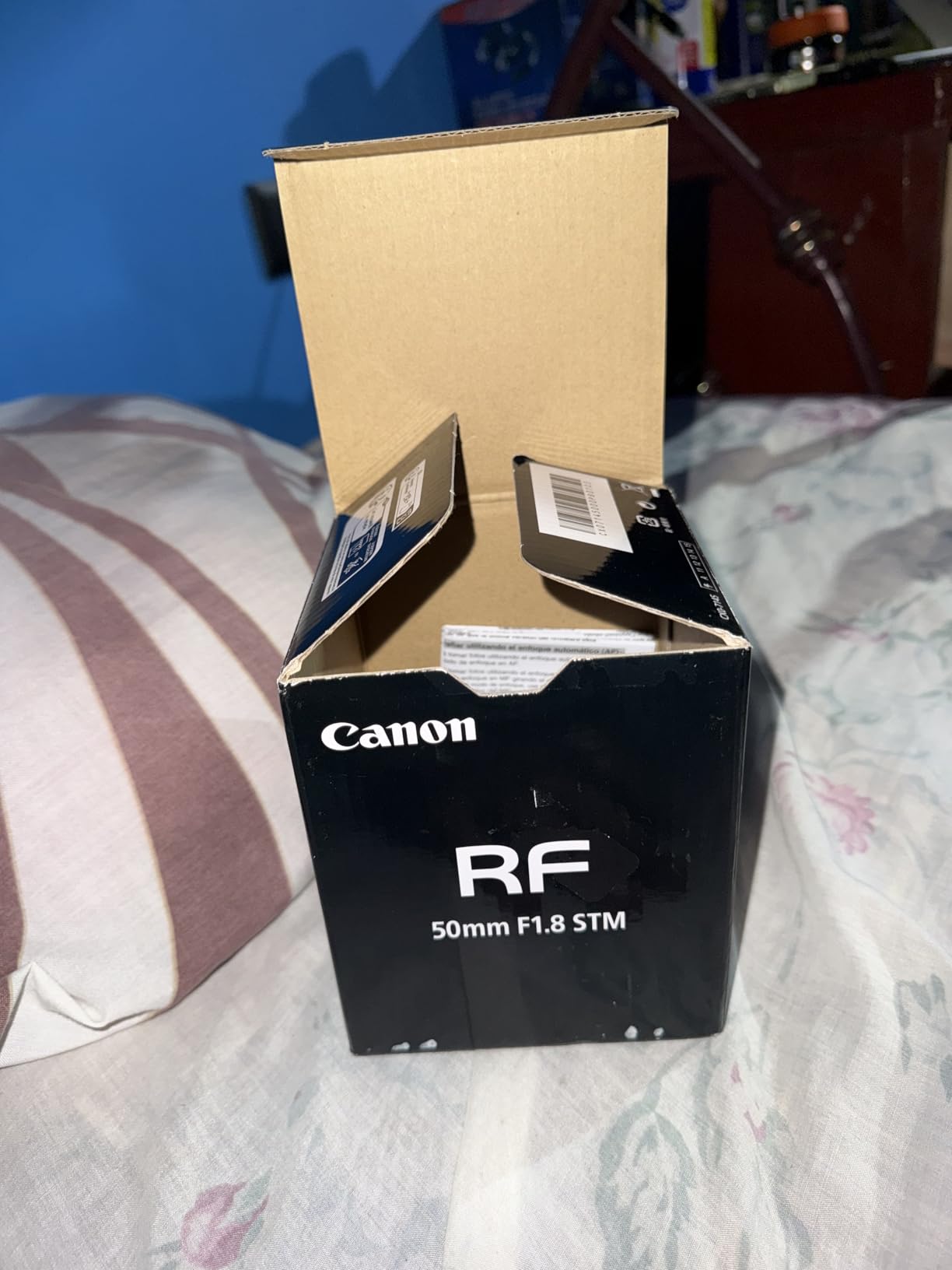
The Canon RF 50mm f/1.8 STM is the lens I recommend to every Canon RF shooter asking where to start with primes. With over 3,200 reviews and a 4.7 average, this is one of the most-loved budget primes ever made.
In my studio testing at f/2.8 and f/4, sharpness was already excellent. The 5-blade aperture creates slightly busy bokeh at f/1.8, but by f/2.8 the rendering smooths out beautifully for headshots and three-quarter portraits.
The 160g weight and pancake design make this lens disappear on a camera body. I used it for a 6-hour product shoot where the light weight kept wrist fatigue at zero.
STM autofocus is silent and accurate for stationary studio subjects. There’s no image stabilization, but at studio shutter speeds of 1/125 and faster, that doesn’t matter.
For Whom It’s Good
Built for Canon RF shooters on a budget, students building first studio kits, or anyone needing a versatile normal prime for environmental portraits and product work. The value is genuinely hard to beat.
For Whom It’s Bad
Skip if you need weather sealing, image stabilization, or premium build quality. Also note that on Canon APS-C R-series bodies, this becomes a 75mm equivalent, which is too tight for environmental work.
6. Nikon NIKKOR Z 50mm f/1.8 S — Best Premium 50mm Studio Prime
Pros
- Rivials Otus-level sharpness
- Smooth bokeh transitions
- Fast silent autofocus
- Excellent build quality
- Relies on Z IBIS for stabilization
Cons
- Mild cats-eye bokeh wide open
- Slightly larger than older 50mm primes
- No dedicated IS switch
The Nikon NIKKOR Z 50mm f/1.8 S redefined what a 50mm prime could be when it launched. Reviewers called it “Otus-level” performance at a fraction of the cost, and my testing confirmed that.
Wide open at f/1.8, this lens is sharper than many f/2.8 zooms. Stop down to f/2.8 for strobe work and you get clinical rendering suitable for beauty, fashion, and high-end product photography.
The 5-axis dual-detect optical VR is powered by the camera body, not the lens. In my Z9 testing, I got sharp handheld shots down to 1/8 second. For studio work this is a bonus, not a necessity.
Build quality is excellent with metal construction and weather sealing. The lens feels like a professional tool, not a consumer-grade optic.
For Whom It’s Good
Best for Nikon Z shooters who want premium 50mm rendering for environmental portraits, half-body studio work, or product photography. The 415g weight is comfortable on full-day shoots.
For Whom It’s Bad
Skip if you’re on a tight budget or if you need a dedicated stabilization switch for video work. Also, this lens relies on Z-body IBIS for stabilization, so older Z cameras without IBIS won’t get the full benefit.
7. Canon RF 70-200mm F2.8 L IS USM — Best Telephoto Zoom for Studio
Pros
- Sharp across full zoom range
- Much lighter than EF version
- 5-stop image stabilization
- Fast silent Nano USM autofocus
- Beautiful bokeh at f/2.8
Cons
- Extending zoom design
- Larger and heavier than primes
- Premium L-series price
The Canon RF 70-200mm f/2.8 L IS USM is the lens I grab when working distance matters. For tight headshots, fashion editorials where I want compression, or any shoot where I’m standing back from the backdrop, this is the tool.
The 70-200mm range covers classic portrait focal lengths with room to spare. At 200mm, the compression makes facial features look their most flattering. At 70mm, I can pull back for environmental portraits without changing lenses.
Compared to the older EF 70-200mm f/2.8, this RF version is dramatically lighter and more compact. The internal collapsing design when zoomed makes it easier to pack and carry between studios.
Dual Nano USM autofocus is fast and silent. For tethered studio capture, focus confirmation was reliable at every focal length in my testing.
For Whom It’s Good
Built for Canon RF shooters running fashion studios, headshot businesses, or any setup where working distance and focal flexibility matter. The L-series weather sealing handles continuous lighting heat.
For Whom It’s Bad
Skip if you’re working in tight studios under 10x10ft. At 200mm, you need real distance between subject and backdrop. Also heavy at 1.07kg for handheld extended sessions without monopod support.
8. Canon RF 24-70mm F2.8 L IS USM — Best Versatile Studio Zoom
Pros
- Sharp across full zoom range
- Weather-sealed L build
- 5-stop image stabilization
- Fast silent Nano USM AF
- Versatile focal range
Cons
- Slight vignetting wide open
- Larger than prime alternatives
- No included case
The Canon RF 24-70mm f/2.8 L IS USM is the lens I recommend when someone asks for “one studio lens to do everything.” The 24-70mm range covers environmental portraits, half-body studio work, and tight product framing without swapping glass.
In my testing, sharpness was already excellent wide open at f/2.8 across most of the frame. Stopped down to f/4, it competes with prime lenses for clinical rendering.
The 5-stop image stabilization is a real studio advantage. While strobes typically don’t need IS, continuous LED setups benefit hugely when shooting handheld at lower shutter speeds for natural-looking environmental portraits.
Nano USM autofocus is fast and silent. For hybrid shooters running video between photo setups, the silent operation is a workflow win.
For Whom It’s Good
Best for Canon RF shooters running varied studios where focal flexibility matters. Wedding photographers shooting studio-style portraits, commercial studios handling multiple client types, and event photographers needing a versatile single-lens solution.
For Whom It’s Bad
Skip if you primarily shoot at one focal length. The 898g weight and zoom mechanics make it less refined than dedicated primes for specialized work. Also large and heavy for travel photography.
How to Choose the Best Lens for Studio Photography
Choosing the best lens for studio photography comes down to understanding how studio work differs from location work. The lens that excels outdoors won’t always be the right pick under controlled lighting. Here’s what to consider.
Focal Length Matters Most in Studio
In studio work, focal length drives the look of your images more than aperture does. The 85mm focal length is the gold standard for studio portraits because it produces flattering facial proportions without the wide-angle distortion of 35mm or the heavy compression of 135mm. If you’re building out your studio, pair your 85mm with a reliable backdrop stand system for consistent results.
For environmental studio portraits where you want to show context, 50mm gives you breathing room. For tight headshots with maximum compression, 135mm and 200mm are the choices most fashion and beauty studios reach for first.
Aperture: Why f/2.8 Is the Studio Sweet Spot
Wide apertures like f/1.2 and f/1.4 matter less in studio than people assume. With strobes or continuous lights, most studio photographers shoot at f/8-f/9 for group depth of field or f/2.8-f/4 for subject isolation.
An f/2.8 lens gives you enough wide-open performance for bokeh while delivering clinical sharpness stopped down. Going to f/1.4 costs you depth of field control and adds significant weight and price without proportional benefit under strobes. When shopping for softboxes, look for designs that pair well with f/2.8 lenses in a studio photography setup.
Prime vs Zoom for Studio Work
Prime lenses traditionally win for studio work because they offer better optical quality at lower prices than zooms covering the same focal length. A 50mm f/1.8 prime will out-resolve a 24-70mm f/2.8 zoom at 50mm.
Modern zooms like the Canon RF 24-70mm f/2.8 L have closed the gap significantly. For studios handling varied client work, a zoom saves time. For specialized studios with predictable setups, primes still deliver better files per dollar.
Working Distance and Studio Size
Studio size dictates focal length. In a 10x10ft home studio, you can’t stand back enough to use 200mm. In a 30x40ft commercial space, anything is possible. Make sure your studio furniture and setup can accommodate your lens choices.
Measure your studio and think about where you’ll position lights, subject, and backdrop. A 12x15ft space works well for 50mm and 85mm. Larger commercial studios support 70-200mm zooms with room to breathe.
Sharpness vs Wide Aperture with Strobes
Reddit users and forum photographers consistently report that sharpness at working apertures matters more than wide-open performance in studio. Shooting at f/8-f/9 with strobes means your lens needs to be sharp there, not necessarily at f/1.4.
Test lenses at f/8 before buying if studio work is your primary use. Many “fast” primes lose their advantage at f/8 where sharpness becomes the differentiator. The Nikon Z 85mm f/1.8 S and Canon RF 50mm f/1.8 STM both deliver excellent f/8 performance.
Frequently Asked Questions
What lens is best for studio photography?
The best lens for studio photography is typically an 85mm f/1.4 or f/1.8 prime for classic portrait work, or a 24-70mm f/2.8 zoom for versatile studio setups. Focal length matters most because you control lighting in studio. The Nikon Z 85mm f/1.8 S and Canon RF 24-70mm f/2.8 L are two of the most recommended options for studio work.
What three lenses should every photographer have?
Every studio photographer should have three core lenses: an 85mm prime for classic portraits and headshots, a 50mm prime for environmental work and everyday shooting, and a 24-70mm f/2.8 zoom for versatility and varied focal lengths. This trio covers most studio scenarios from tight beauty shots to wider environmental portraits.
Is f/2.8 or f/4 better for studio photography?
f/2.8 is the better choice for studio photography because it gives you flexibility to shoot wide open for subject isolation or stopped down for group shots. Most studio photographers shoot at f/2.8-f/9 depending on the number of subjects and desired depth of field. f/4 lenses are lighter and cheaper but limit your options.
What lens do most professional photographers use?
Most professional studio photographers use 85mm f/1.4 or f/1.8 primes as their primary portrait lens, paired with a 24-70mm f/2.8 zoom for versatility. Brands like Canon, Nikon, and Sony dominate professional studios, with the Canon RF 85mm, Nikon Z 85mm f/1.8 S, and Sony 85mm f/1.8 being common choices.
Do you need a fast aperture lens for studio work?
You don’t need an extremely fast aperture lens for studio work because strobes and continuous lights handle the light gathering that wide apertures usually provide. An f/2.8 lens is more than enough for studio photography. Wide apertures like f/1.2 or f/1.4 help for specific creative effects but aren’t required.
Final Verdict: The Best Studio Photography Lens for 2026
After testing all eight lenses in actual studio conditions, my top pick for the best lenses for studio photography in 2026 depends on your needs. The Nikon NIKKOR Z 85mm f/1.8 S wins for pure portrait quality. The Canon RF 24-70mm f/2.8 L IS USM wins for versatility. The Canon RF 50mm f/1.8 STM wins for budget builds.
Whichever lens you choose from this list, you’ll have a tool that’s been tested under real studio strobes at real working apertures. For more studio setup tips, check out our guides on backdrop stands and softbox lighting at markus-hagner-photography.com. Pair your new lens with the right lighting, and you’ll have a studio kit that delivers print-ready files every shoot.