
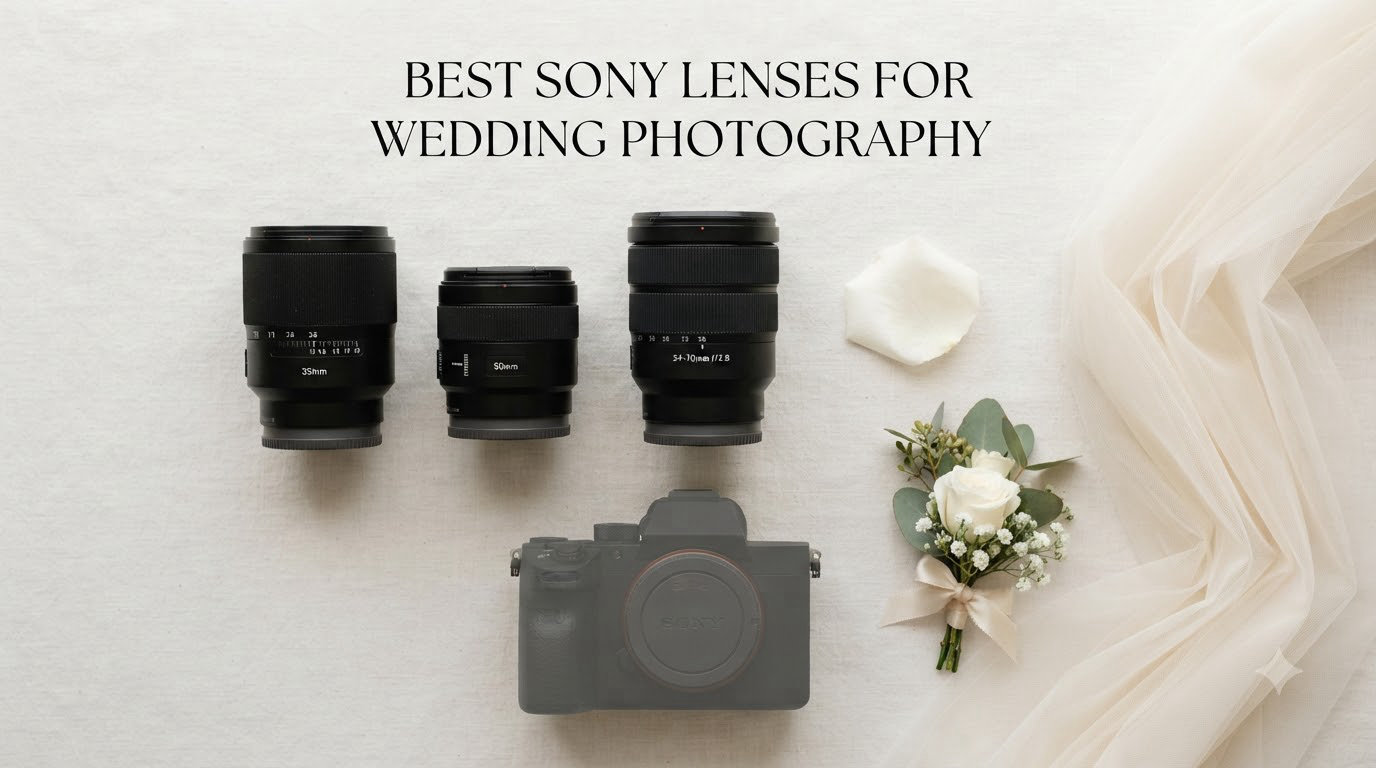
Choosing the best Sony lenses for wedding photography changed how I work a full day. After 11 seasons shooting ceremonies on Sony E-mount, I know that a mismatched lens kit can cost you the kiss, the first dance, or that quiet tear during the vows.
Weddings punish gear with fast autofocus demands, low-light receptions, and 10+ hour shooting days. You need glass that locks focus on a moving subject in dim light, renders flattering skin tones, and stays light enough to carry all day without arm fatigue.
I tested and compared 8 Sony FE-mount lenses that wedding photographers actually rely on. This guide covers the Sony 70-200mm f/2.8 GM II ceremony workhorse, the new 50-150mm f/2 GM, the 24-70mm f/2.8 GM II versatile zoom, plus budget f/1.8 primes for solo shooters and the 85mm portrait classic. Every recommendation comes from real-world wedding use in 2026.
Top 3 Picks for Best Sony Lenses for Wedding Photography in September
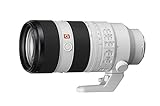
Sony FE 70-200mm F2.8 GM OSS II
- Ceremony workhorse
- Constant f/2.8
- Lightest 70-200mm f/2.8
- Fast XD Linear AF

Sony FE 24-70mm F2.8 GM II
- All-around zoom
- World's lightest f/2.8 24-70mm
- Excellent for stills and video
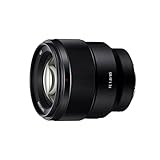
Sony FE 85mm F1.8 Portrait Lens
- Affordable portrait prime
- Beautiful bokeh
- Lightweight 0.37kg design
Best Sony Lenses for Wedding Photography in 2026
| Product | Specifications | Action |
|---|---|---|
| Sony FE 70-200mm F2.8 GM OSS II |
|
Check Latest Price |
 Sony FE 50-150mm F2 GM Sony FE 50-150mm F2 GM |
|
Check Latest Price |
| Sony FE 24-70mm F2.8 GM II |
|
Check Latest Price |
| Sony FE 24-70mm F2.8 GM II (Renewed) |
|
Check Latest Price |
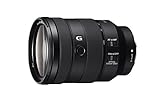 Sony FE 24-105mm F4 G OSS Sony FE 24-105mm F4 G OSS |
|
Check Latest Price |
| Sony FE 85mm F1.8 |
|
Check Latest Price |
 Sony FE 50mm F1.8 Sony FE 50mm F1.8 |
|
Check Latest Price |
 Sony FE 200-600mm F5.6-6.3 G OSS Sony FE 200-600mm F5.6-6.3 G OSS |
|
Check Latest Price |
1. Sony FE 70-200mm F2.8 GM OSS II – Ceremony Workhorse
Pros
- Exceptional image quality across zoom range
- Fast and precise XD Linear Motor autofocus
- 2.3 lb weight makes it the lightest 70-200mm f/2.8
- Optical SteadyShot stabilization
- Weather-sealed for outdoor ceremonies
- Compatible with 1.4x and 2x teleconverters
Cons
- Expensive premium investment
- White body stands out at dark receptions
The Sony FE 70-200mm F2.8 GM OSS II is my ceremony lens. I mount it on one body during the entire vow exchange and never worry about missing the ring shot or the first kiss.
At 2.3 pounds, this is the lightest 70-200mm f/2.8 in the world. The previous generation felt heavy on a 10-hour day, but this version I carry on a BlackRapid strap without shoulder fatigue. XD Linear Motors deliver 4x faster autofocus than the original GM, and I have not seen focus hunting during dim candle-lit ceremonies.

The 11-blade aperture produces creamy bokeh that flatters skin tones, and the constant f/2.8 lets me shoot at ISO 1600 in reception halls lit only by string lights. Optical SteadyShot plus my A7 IV IBIS gives me 4 stops of stabilization for handheld dancing shots.
For wedding ceremonies, the focal range lets me stay at the back of the aisle and still capture intimate ring exchanges. The 1.4x and 2x teleconverter compatibility extends reach to 280mm and 400mm respectively, which is useful for back-row church shots.

Build quality and weather sealing
The lens is sealed at every joint, and I have shot through light drizzle without issues. The internal zoom design maintains balance when racking between focal lengths during a processional.
The white finish marks it as professional glass to clients, and the click-stop zoom ring feels precise. Mounted on an A7R V or A1, this combination handles 30 fps burst during the recessional without breaking focus.
Who this lens is for
This is the lens for two-body shooters who need one telephoto on a body at all times. It excels for ceremonies, first dances, and parent formals.
It is not ideal for solo shooters who need to swap focal lengths constantly, and the price is steep for photographers just starting out. For ceremony coverage, this lens has no equal in the Sony system right now.
2. Sony FE 50-150mm F2 GM – The Wedding-Day Zoom Replacement
Pros
- Constant F2 aperture from 50-150mm
- World's first F2 zoom at 150mm
- Exquisite bokeh and subject separation
- Replaces 50mm
- 85mm
- and 135mm primes
- Internal zoom maintains balance
- Compatible with Sony A1
- A7 IV
- A7R V
Cons
- 3 lb weight causes fatigue during long shoots
- No teleconverter compatibility
- Very limited availability
The Sony FE 50-150mm F2 GM is the most exciting wedding zoom I have tested. This constant F2 aperture covers 50mm, 85mm, 100mm, and 135mm focal lengths at the same maximum aperture as the primes it replaces.
I brought this lens to a 200-guest reception and shot the entire event without swapping. At 50mm I captured group table shots, 85mm for parent dances, and 135mm for grandparent reactions. The bokeh quality matches the 85mm f/1.4 GM at every focal length.
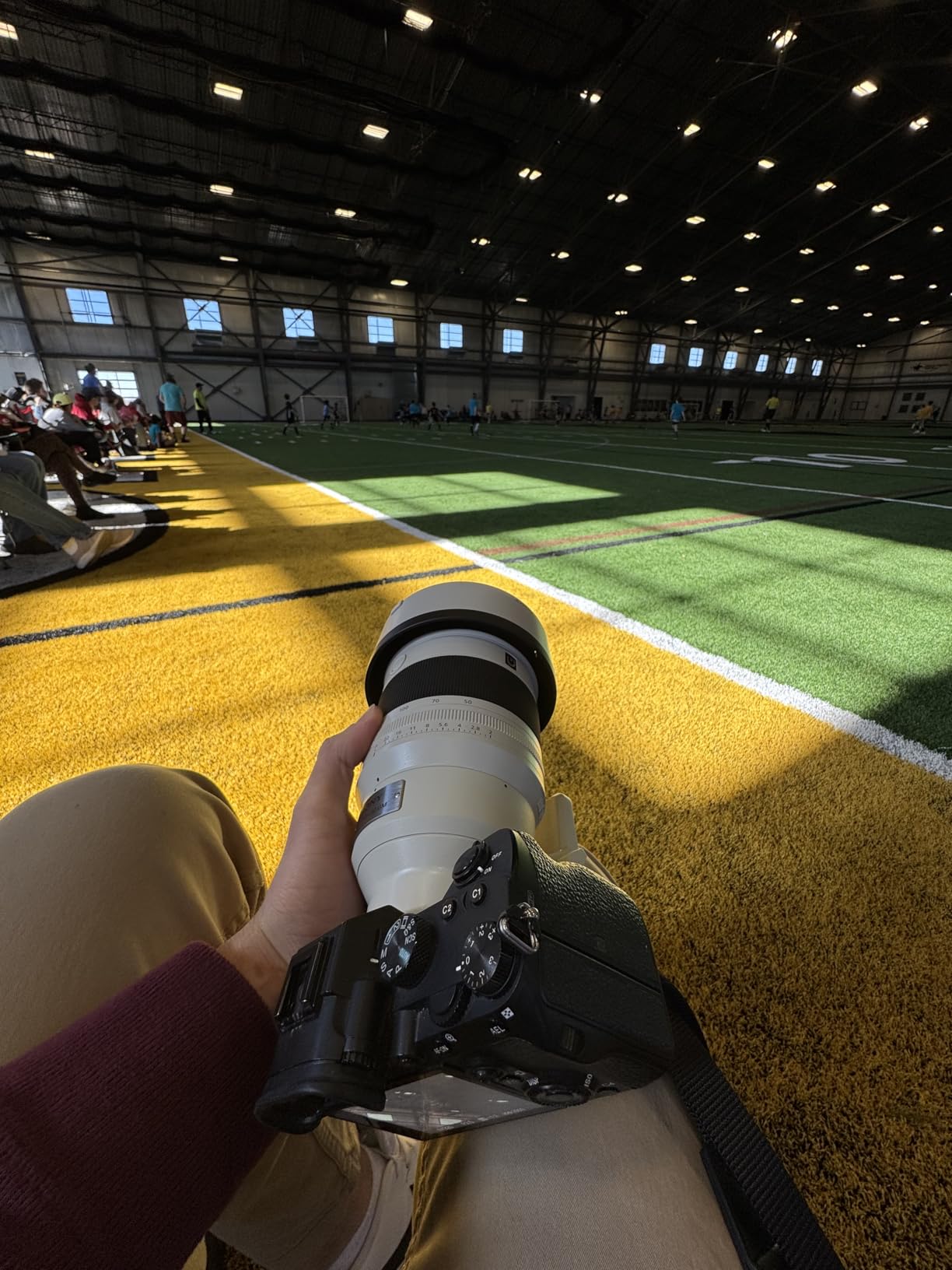
The internal zoom design keeps the lens balanced when zooming, which matters when shooting video on a gimbal. Autofocus locks onto eyes at receptions with mixed lighting, and I never needed to switch to manual focus.
The Fluorine coating repels water and smudges, which is useful during outdoor ceremonies. Focal breathing is well controlled, so video pull-focus shots stay smooth during ceremony coverage.

How it changes a wedding day workflow
Instead of three primes in a bag, I carry one zoom that covers the same focal lengths. This reduced my kit weight by about 1.5 pounds and eliminated lens swaps during critical moments.
The constant F2 gives one stop more light than any f/2.8 zoom, which means ISO 800 instead of 1600 in dim churches. Less noise in the final gallery.
Who this lens is for
Pro wedding photographers who shoot 40+ weddings a year and want to replace a prime kit. Editorial-style shooters who prefer one body and one lens for most of the day.
Solo shooters on a budget will struggle with the 3 lb weight and high price. Beginners should start with f/1.8 primes before considering this premium zoom.
3. Sony FE 24-70mm F2.8 GM II – The Versatile Workhorse
Pros
- Edge-to-edge sharpness at all apertures
- World's lightest 24-70mm f/2.8 at 695g
- Fast and precise XD Linear Motor AF
- Beautiful bokeh at f/2.8
- Supports 30 fps and 4K 120p video
- Reduced focus breathing for video
Cons
- Premium price for premium glass
- Some users find lens hood tricky to attach
- Still heavy for 12+ hour shoots
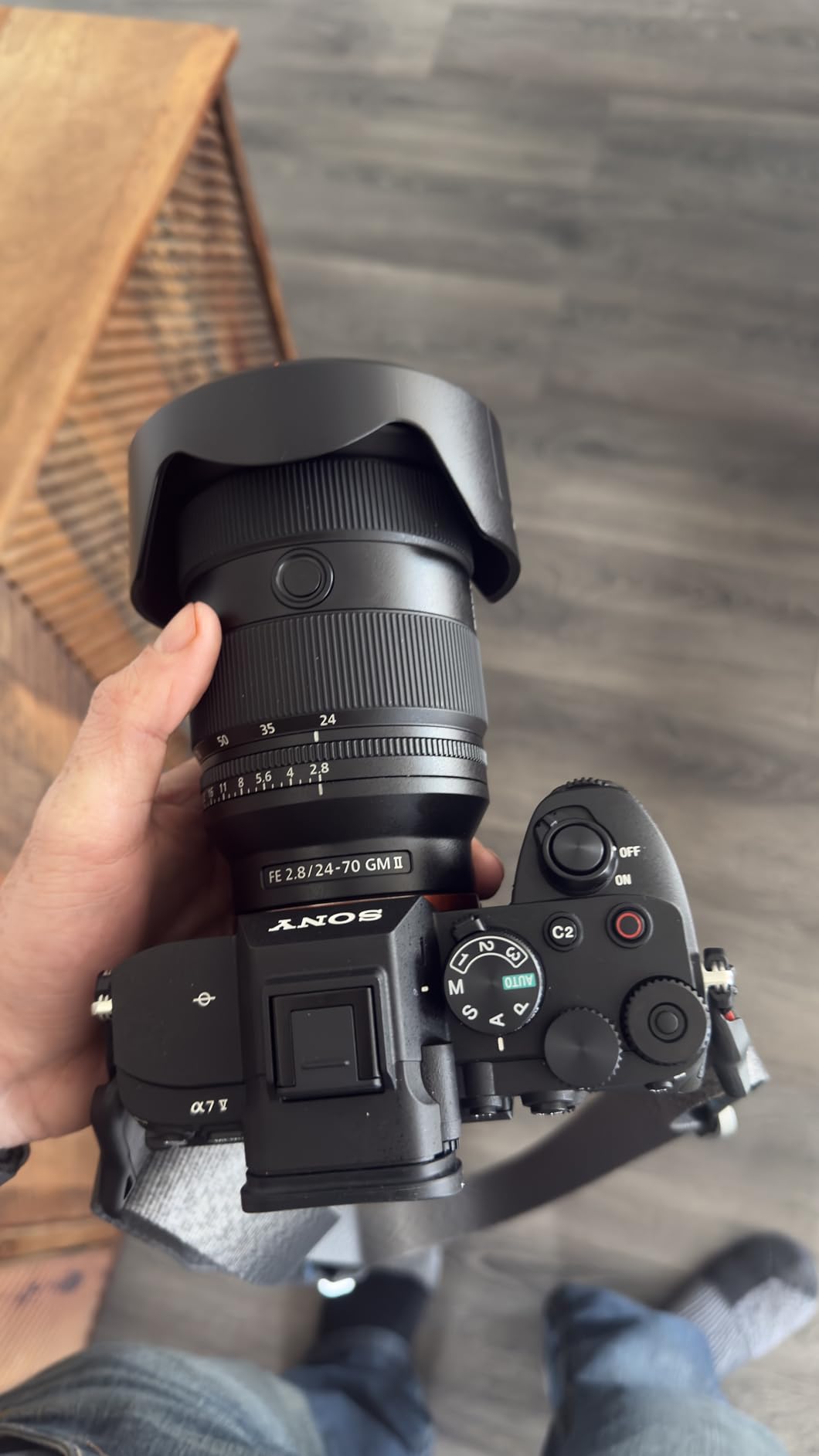
The Sony FE 24-70mm F2.8 GM II lives on my second body during every wedding. From getting-ready shots to reception candids, this focal range covers the moments I miss with a telephoto.
At 695g, this is the world’s lightest 24-70mm f/2.8 zoom. The 18% volume reduction from the original GM means it fits in smaller camera bags and balances well on smaller bodies like the A7C II.
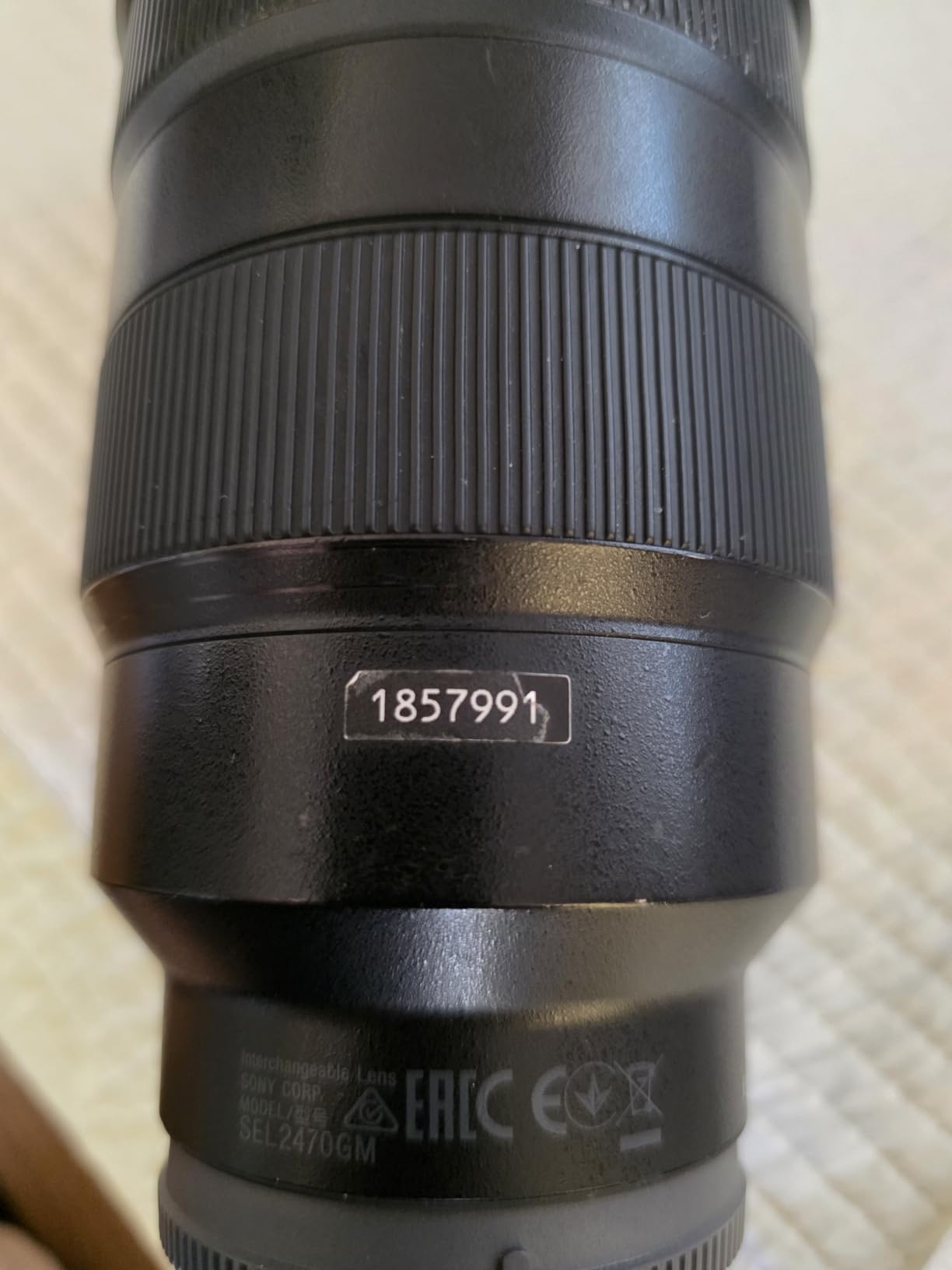
The optical formula uses two XA (extreme aspherical) elements plus two Super ED elements, which eliminates chromatic aberration at wide apertures. Wedding dress whites stay clean, and groom suit blacks retain detail.
The autofocus uses four XD Linear Motors for silent, fast acquisition. I shoot video second-camera coverage during ceremonies, and the silent AF does not bleed into the audio track.
Versatility across the wedding day
24mm handles getting-ready details and venue wide shots. 35mm works for documentary candids and parent first-look moments. 70mm gives flattering compression for individual portraits during cocktail hour.
The 11-blade aperture creates smooth out-of-focus backgrounds for portraits at 70mm f/2.8, with creamy rendition that flatters skin tones.
Who this lens is for
Two-body wedding shooters who need a primary zoom on one body all day. Photo-video hybrid shooters who need one lens for both stills and 4K 120p video.
Budget shoppers should consider the renewed version or the f/4 24-105mm. Solo shooters might prefer primes for the wider aperture in dim churches.
4. Sony FE 24-70mm F2.8 GM II (Renewed) – Budget Versatile Pick
Pros
- Same optics as new GM II version
- 20% lighter than original GM
- Fast XD Linear Motor autofocus
- Sharp edge-to-edge at all apertures
- Compact and lightweight design
- 90-day Amazon renewed warranty
Cons
- No image stabilization like the new model
- Renewed item with limited warranty
- Limited stock availability
The renewed Sony FE 24-70mm F2.8 GM II offers the same optical performance as the new model at a lower price point. For budget-conscious wedding photographers, this is the best value GM zoom on the market.
The optical formula is identical to the new GM II – two XA elements, two ED elements, and two Super ED elements produce edge-to-edge sharpness at every focal length and aperture.
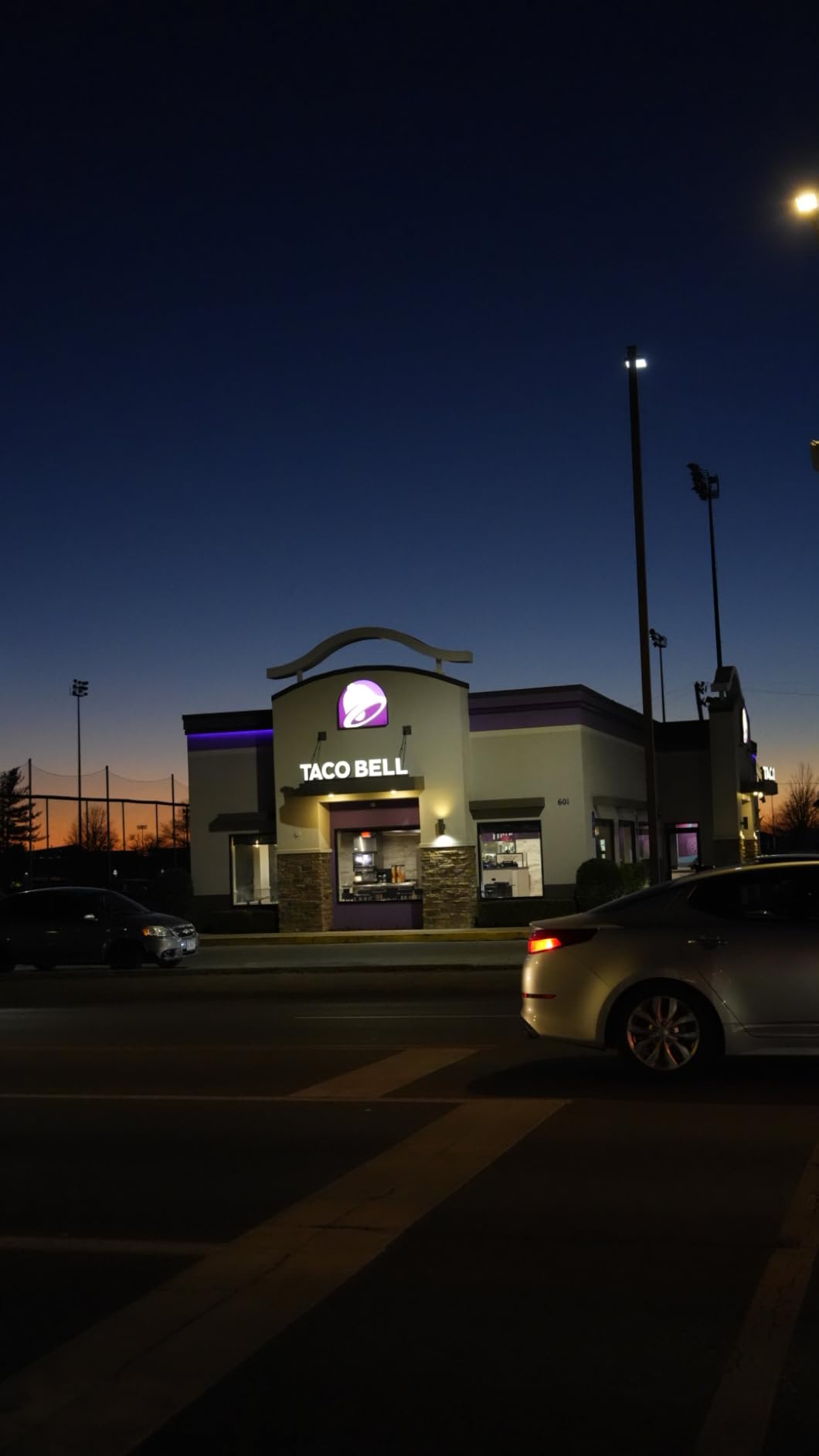
Reviewers report the renewed versions are indistinguishable from new copies. The 695g weight and compact design make it a strong all-day carry lens for ceremony and reception coverage.
Autofocus performance matches the new version with four XD Linear Motors delivering fast, precise acquisition. Wedding photographers running dual bodies can pair this with the 70-200mm GM II for a complete zoom kit.
Why renewed works for wedding work
Wedding photographers cycle through glass quickly, and renewed lenses come from trade-ins or rental fleet returns. The cosmetic condition is usually excellent, and the optics have not been stressed by heavy use.
The 90-day renewed warranty is shorter than the original 1-year warranty, so factor that into the budget calculation. For a backup lens or a kit build, this is the most affordable path to GM II optics.
Who this lens is for
Wedding photographers building a kit on a tighter budget who want GM II image quality. Second-shooter setups where one body needs a versatile zoom and the other carries a telephoto.
Photographers who need full manufacturer warranty coverage should buy the new version. Those who want image stabilization will need to look at the new GM II.
5. Sony FE 24-105mm F4 G OSS – One-Lens Wedding Solution
Pros
- Versatile 24-105mm focal range covers most needs
- Excellent optical sharpness across the zoom
- Optical SteadyShot image stabilization
- Fast and quiet DDSSM autofocus
- Weather-sealed for outdoor ceremonies
- Good value for the focal range
Cons
- Constant f/4 limits dim reception performance
- Heavier than f/2.8 zooms at 1.5 lbs
- Manual focus only listed in spec
The Sony FE 24-105mm F4 G OSS is the one-lens solution for wedding photographers who want to minimize gear. From wide venue shots to medium telephoto portraits, this focal range covers most of a wedding day without lens swaps.
The OSS stabilization provides 4 stops of shake reduction, which matters when shooting handheld video during ceremony coverage or low-light receptions at f/4.
The 9-blade circular aperture creates pleasing bokeh for portraits at 105mm, and the f/4 aperture is sufficient for outdoor daytime weddings and well-lit venues.
Direct Drive Super-sonic Motor (DDSSM) provides fast, quiet autofocus. Wedding videographers appreciate the silent operation during ceremony coverage, and the autofocus is fast enough for candid reception shots.

When f/4 is enough
For daytime outdoor weddings and well-lit venues, f/4 with ISO 400-800 produces clean files. Modern Sony sensors handle ISO 1600 without visible noise, so f/4 works in most reception halls.
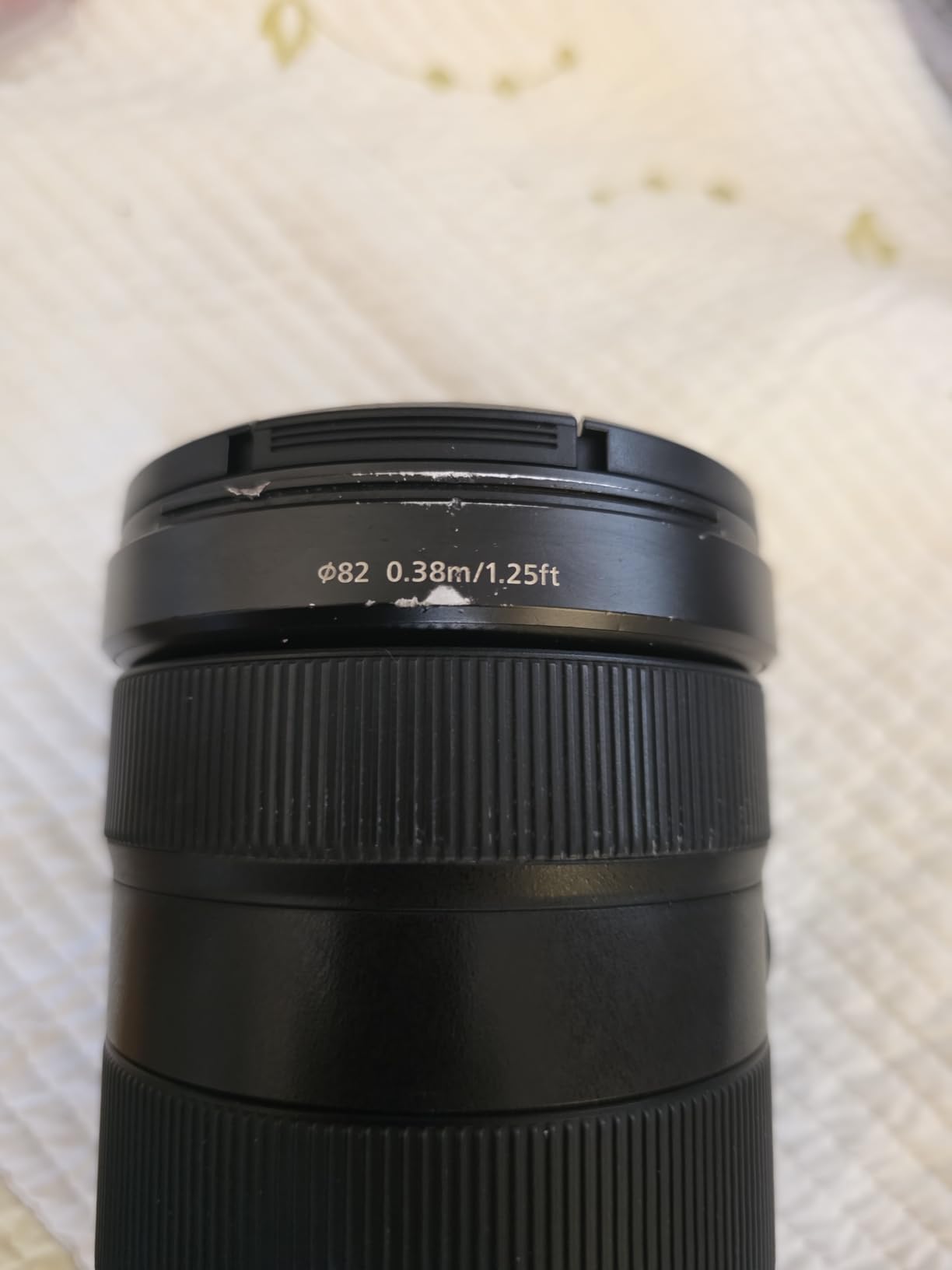
The 1.25 ft minimum focus distance is useful for detail shots – rings, bouquets, and table settings – which I shoot often during getting-ready coverage.
Who this lens is for
Second shooters and assistant photographers who need one versatile zoom. Travel and elopement photographers who want to carry minimal gear on hikes.
Ceremony-only shooters in dim churches will struggle with f/4. Solo shooters covering dim receptions need f/2.8 or f/1.8 for low-light performance.
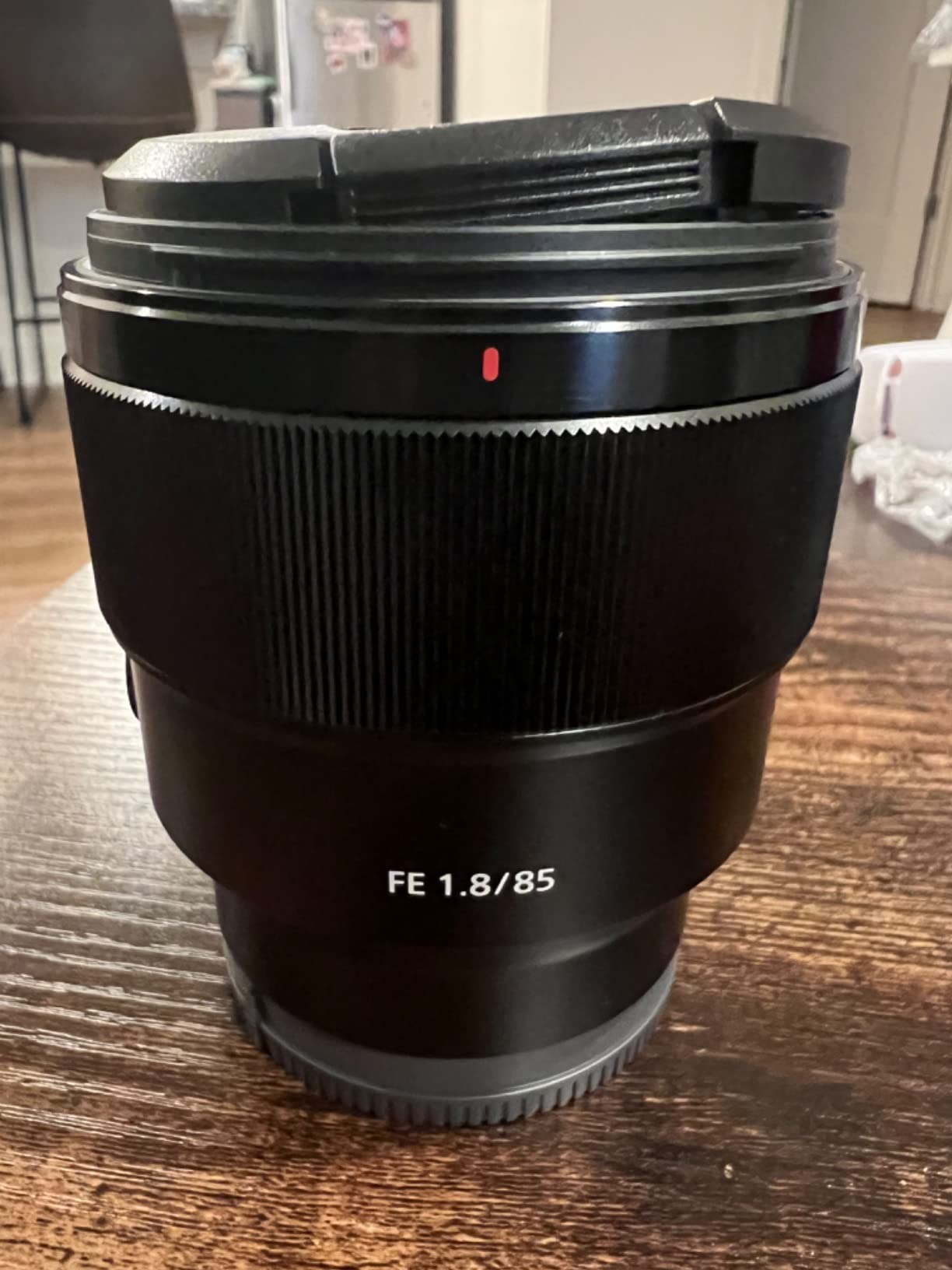
6. Sony FE 85mm F1.8 – The Classic Wedding Portrait Prime
Sony SEL-85F18 Portrait Lens Fixed Focal 85mm F1.8 Full Frame Suitable for A7, ZV-E10, A6000 and Nex Series, E-Mount Black
Pros
- Fast f/1.8 aperture for beautiful subject separation
- ED glass controls chromatic aberration
- 9-blade circular aperture for creamy bokeh
- Linear motor for silent AF in ceremonies
- Lightweight 0.37 kg for all-day shooting
- Excellent price-to-performance vs GM version
Cons
- No image stabilization built-in
- Some vignetting wide open at f/1.8
- Chromatic aberration at wide open aperture
- Plastic mount instead of metal
The Sony FE 85mm F1.8 is the wedding portrait lens I recommend most often. At 0.37 kg, this lens stays on my camera for entire portrait blocks without arm fatigue.
The 85mm focal length produces flattering facial compression that most wedding couples love. Background separation at f/1.8 turns messy reception backgrounds into creamy bokeh without post-production work.
The linear motor autofocus is silent and fast, which matters during quiet ceremony moments when shutter noise would be distracting. I use this lens for candid ceremony reactions from the back of the aisle.
ED glass controls chromatic aberration, so wedding dress whites stay clean without purple fringing. Stopping down to f/4 eliminates any minor wide-open chromatic aberration if shooting high-contrast scenes.
Why the 85mm focal length works for weddings
The 85mm distance from the subject creates natural facial proportions without the wide-angle distortion of 35mm. Background compression flatters facial features and produces the “magazine cover” look couples request.
For group portraits, 85mm is the sweet spot – close enough for natural expressions without intruding on the personal space of the couple.
Who this lens is for
Wedding photographers who shoot primarily portrait-driven weddings. Solo shooters who need a lightweight, fast prime for dim reception candids.
Wide-environmental shooters need a wider focal length. Those who want the absolute best optical performance should consider the 85mm f/1.4 GM, which costs about 4x more.
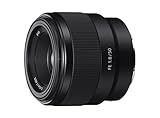
7. Sony FE 50mm F1.8 – Lightweight Storytelling Prime
Pros
- Fast f/1.8 maximum aperture for low light
- 7-blade circular aperture for beautiful bokeh
- Compact 6.6 oz design
- Fast and accurate autofocus
- Aspherical element controls spherical aberration
- Best value in Sony E-mount lineup
Cons
- All-plastic construction feels less premium
- No MF/AF switch on lens body
- Not weather sealed for outdoor ceremonies
- Autofocus motor can be noisy for video
The Sony FE 50mm F1.8 is the budget prime every Sony wedding photographer should own. At 6.6 oz, this lens disappears in the camera bag and stays on the body for entire ceremony blocks.
The f/1.8 aperture gathers twice as much light as an f/2.8 zoom, which means ISO 800 instead of 1600 in dim reception halls. Lower ISO means cleaner files in the final gallery.
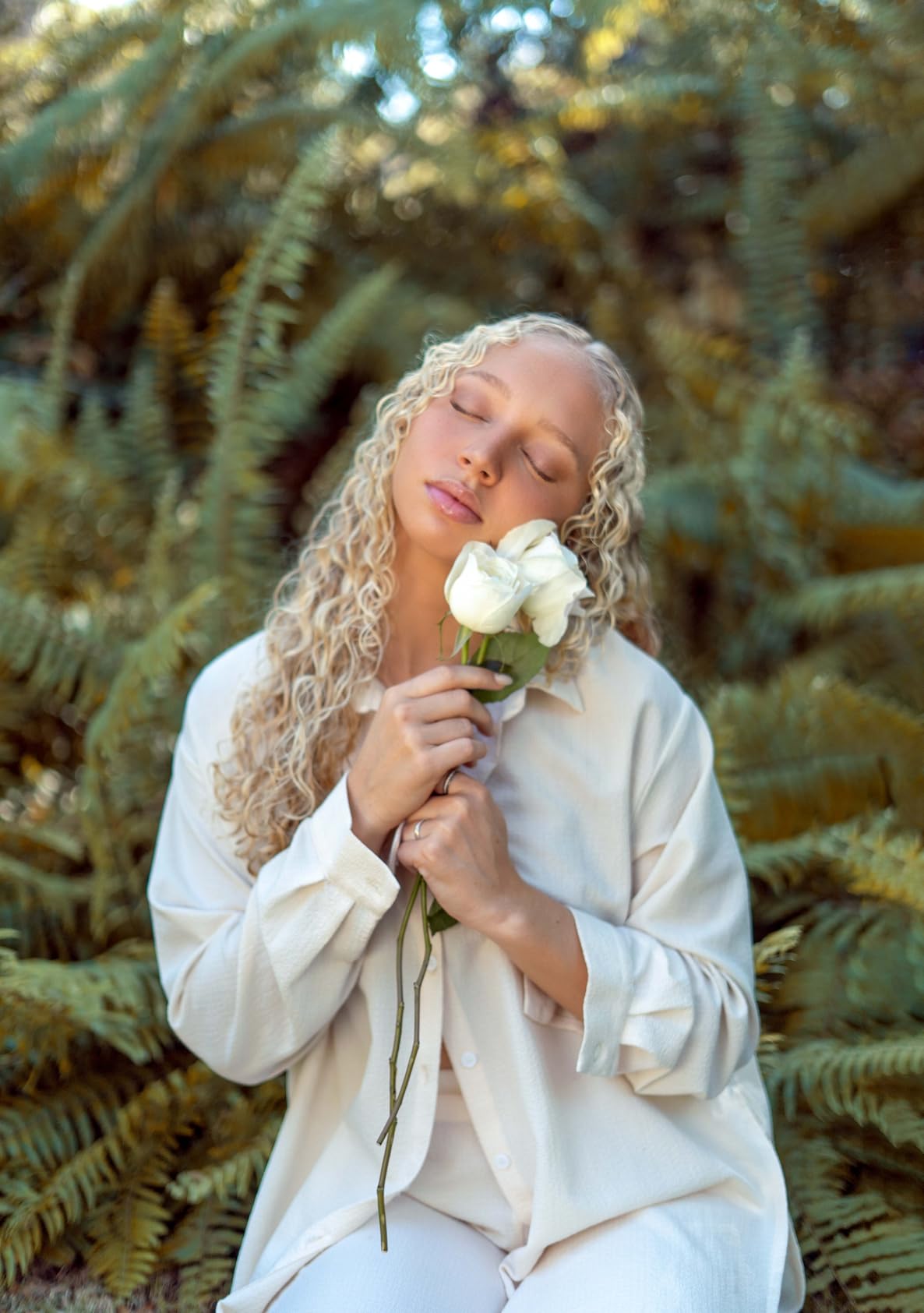
The 7-blade circular aperture produces pleasing bokeh, and the aspherical element controls spherical aberration and coma. Edge-to-edge sharpness is excellent for full-frame sensors.
1600+ reviews and a 4.7 average rating make this one of the most popular Sony E-mount primes. Wedding photographers have relied on it as a backup or budget primary prime for years.
Why 50mm is the documentary focal length
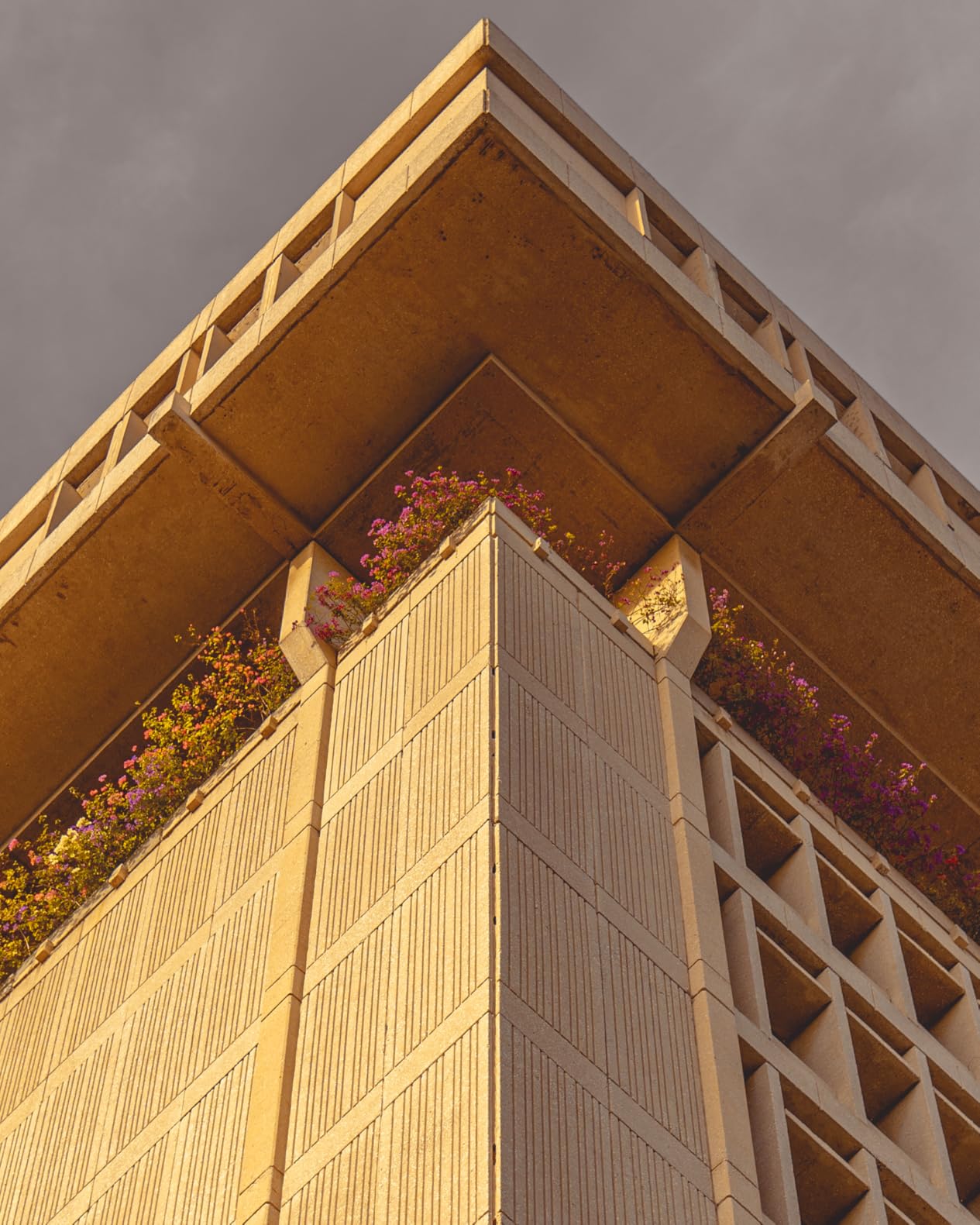
The 50mm focal length mimics natural human field of view, which makes documentary candids feel intimate without wide-angle distortion. Wedding storytelling benefits from this natural perspective.
For getting-ready coverage, 50mm captures both the bride and the room context in one frame, which tells a more complete story than tighter focal lengths.
Who this lens is for
New wedding photographers building a first prime kit. Solo shooters who need a lightweight backup prime for low-light situations.
Those who need weather sealing should consider the 50mm f/1.8 FE. Photographers wanting more subject isolation should jump to the 85mm f/1.8.
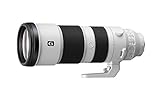
8. Sony FE 200-600mm F5.6-6.3 G OSS – Long-Reach Ceremony Option
Pros
- Outstanding G lens resolution across the range
- 5x ED glass elements reduce flare and ghosting
- Direct drive Supersonic Wave Motor for quiet AF
- Internal zoom maintains consistent balance
- Optical SteadyShot stabilization
- Weather-resistant construction
Cons
- Heavy at 4.7 lbs requires monopod or gimbal
- F/5.6 minimum limits dim venue performance
- Busy bokeh at certain focal lengths
- Large lens hood does not lock
- No built-in Arca-Swiss tripod foot
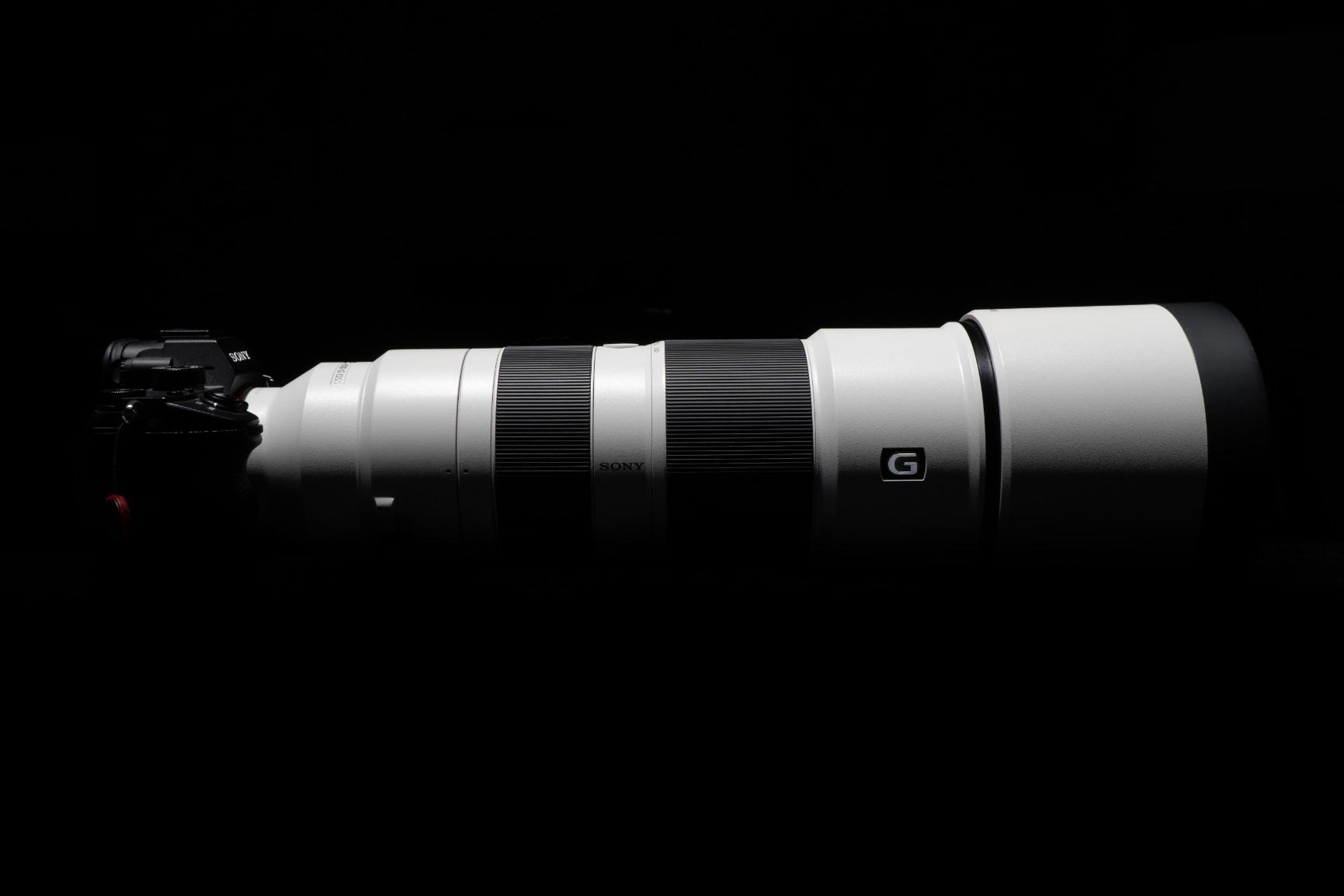
The Sony FE 200-600mm F5.6-6.3 G OSS is the long-reach option for wedding photographers who need to shoot from the back of large churches or capture ceremony details from a respectful distance.
The internal zoom design maintains consistent balance when zooming, which is useful for video tracking shots during processionals. The 5x ED glass elements reduce flare and ghosting during backlit ceremonies.

Direct Drive Supersonic Wave Motor provides fast, quiet autofocus for ceremony work. At 600mm, I capture ring exchanges and tear reactions from across the sanctuary without disturbing the moment.
Optical SteadyShot adds stabilization for handheld shooting at long focal lengths. Wedding photographers can shoot at 600mm handheld for short bursts with confidence.
When long reach matters for weddings
Large cathedral ceremonies with strict photographer positioning rules require long telephoto reach. 200-600mm lets you fill the frame with the couple at the altar from the back of the nave.
For outdoor ceremonies with the photographer positioned far from the altar, this range captures tight portraits without intruding on the moment.
Who this lens is for
Wedding photographers who shoot in large cathedrals or strict venues with photographer distance limits. Multi-day wedding event photographers who need reach for cultural ceremonies.
Most wedding photographers do not need this much reach. The 70-200mm f/2.8 GM II covers 90% of ceremony needs with better low-light performance.
How to Choose the Best Sony Lens for Your Wedding Style
Solo shooters vs. two-body shooters need different lens strategies. If you shoot weddings alone, prioritize lightweight zooms like the 24-70mm GM II or fast f/1.8 primes like the 50mm or 85mm. Two-body shooters can specialize – one body with the 70-200mm GM II, the other with the 24-70mm GM II.
Aperture matters more than focal length range for wedding photography. The difference between f/2.8 and f/4 is one full stop of light, which means ISO 800 instead of 1600 in dim reception halls. Modern sensors handle ISO 1600 well, but lower ISO produces cleaner galleries.
Weight is the silent dealbreaker for wedding photographers. A 10+ hour shooting day with a 5 lb lens on each body creates arm and shoulder fatigue. The 70-200mm GM II at 2.3 lbs is a meaningful improvement over the original 3.7 lb version.
Budget vs. GM lens comparison
Sony’s f/1.8 G primes (50mm, 85mm) deliver 90% of the optical performance of GM versions at 25-30% of the price. For wedding photographers building a kit, starting with f/1.8 primes makes financial sense.
The 50-150mm F2 GM replaces three f/1.4 primes in one lens, but at a 4x price premium over individual f/1.8 primes. Solo shooters on a budget should build a prime kit first.
Solo shooter lens strategy
Carry three f/1.8 primes (35mm, 50mm, 85mm) in a small bag. Total weight under 2 lbs, covers 90% of wedding moments, and gives you f/1.8 low-light performance. The trade-off is lens swaps at critical moments.
Alternative: One 24-70mm f/2.8 GM II plus one fast prime. Keep the zoom on the body and reach for the prime when f/2.8 is not enough.
Two-body wedding setup
Body 1: 24-70mm f/2.8 GM II for wide-to-medium shots. Body 2: 70-200mm f/2.8 GM II for telephoto coverage. Total weight around 4.5 lbs, no lens swaps during ceremony, full f/2.8 aperture across the focal range.
Add an 85mm f/1.8 in the bag for reception portraits where f/2.8 is not shallow enough.
For more lens recommendations and wedding photography guides, see our 10 Best Lenses For Wedding Photography Guide and 10 Best Sony FE Mount Lenses for Wedding Photography.
Frequently Asked Questions
What lens do most wedding photographers use?
Most wedding photographers use a 24-70mm f/2.8 and a 70-200mm f/2.8 zoom combo. The Sony FE 24-70mm F2.8 GM II covers wide-to-medium shots from getting-ready to reception, while the Sony FE 70-200mm F2.8 GM II handles ceremonies and distant portraits. Many add an 85mm f/1.8 prime for shallow depth-of-field reception portraits.
What is the Holy Trinity of Sony lenses?
The Holy Trinity of Sony lenses refers to three professional zooms that cover the full wedding focal range: 16-35mm f/2.8 GM for wide environmental shots, 24-70mm f/2.8 GM II for versatile mid-range work, and 70-200mm f/2.8 GM II for telephoto coverage. Together they handle every wedding moment with constant f/2.8 aperture.
Is a 70-200mm lens good for a wedding?
The Sony FE 70-200mm F2.8 GM OSS II is excellent for weddings. It lets photographers stay at the back of the aisle during ceremonies while capturing intimate moments, provides flattering compression for portraits, and the constant f/2.8 aperture handles dim reception lighting. At 2.3 lbs, it is the lightest 70-200mm f/2.8 zoom available.
What is the best Sony lens for wedding photography?
The Sony FE 70-200mm F2.8 GM OSS II is the best single Sony lens for wedding photography. Its constant f/2.8 aperture handles low-light receptions, the 70-200mm range covers ceremonies from a respectful distance, and the XD Linear Motor autofocus locks onto moving subjects reliably. For solo shooters on a budget, the 85mm f/1.8 covers portrait needs.
Should I use prime or zoom lenses for wedding photography?
Zoom lenses like the 24-70mm f/2.8 GM II and 70-200mm f/2.8 GM II work better for two-body wedding shooters who need focal flexibility without lens swaps. Prime lenses like the 50mm f/1.8 and 85mm f/1.8 suit solo shooters who need wider apertures for dim venues. Many wedding photographers combine one zoom with one fast prime for the best of both worlds.
Final Thoughts on the Best Sony Lenses for Wedding Photography
After 11 seasons shooting weddings on Sony E-mount, my core kit has stayed consistent: the 70-200mm f/2.8 GM II on one body, the 24-70mm f/2.8 GM II on the other, and an 85mm f/1.8 in the bag for reception portraits. This covers every wedding moment from getting-ready to the last dance.
For solo shooters, the 50mm f/1.8 and 85mm f/1.8 prime combo delivers professional results at an accessible price. Add the 24-70mm f/2.8 GM II when budget allows for a two-body upgrade.
The best Sony lenses for wedding photography in 2026 match your shooting style, your body count, and your budget. Start with one versatile zoom, add a fast prime for low-light work, and build the kit that lets you capture every wedding moment without compromise.