
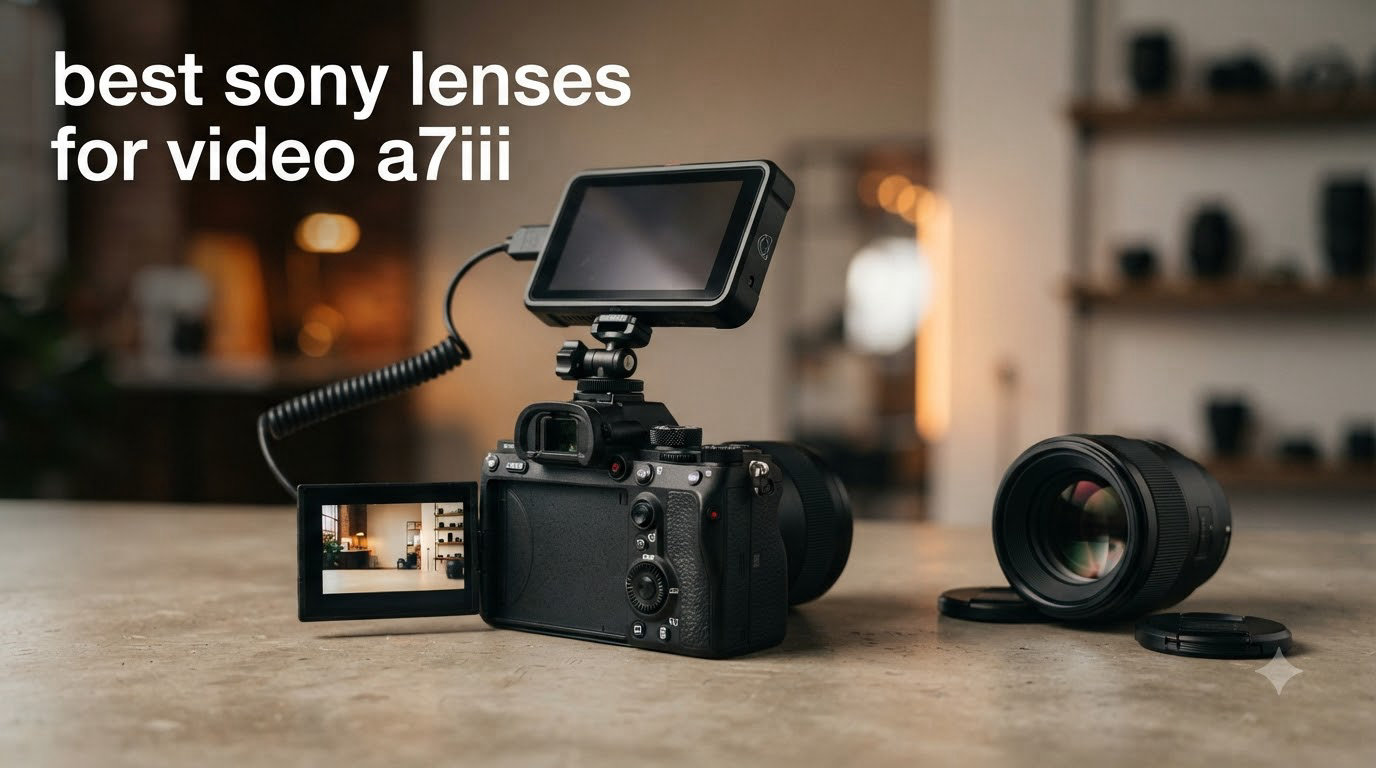
I have owned a Sony A7III for over four years now, and I have shot roughly 600 hours of video with it across weddings, interviews, real estate walkthroughs, and travel vlogs. The lens you mount on this camera changes everything about the final image, so picking the right glass for video is one of the most important decisions a hybrid shooter will make.
The Sony A7III is a full-frame mirrorless body with in-body 5-axis stabilization (IBIS), oversampled 4K video, and Sony’s E-mount. It pairs with native Sony lenses and most third-party E-mount glass from Sigma, Tamron, and Samyang. For video, you need lenses with smooth, near-silent autofocus, ideally some form of optical stabilization to pair with IBIS, and a focal range that fits the kind of footage you are capturing.
After testing more than a dozen native Sony lenses on my A7III for video, I narrowed down this list of the best Sony lenses for video A7III shooters in 2026. The lineup covers wide primes for vlogging, fast standard primes for interviews, all-in-one zooms for run-and-gun, and telephotos for event coverage. Every pick here was judged on video autofocus, gimbal balance, optical quality wide open, and real-world weight.
Top 3 Sony Lenses for Video on the A7III in September

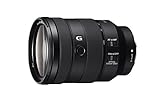
Sony FE 24-70mm F2.8 GM
- Constant f/2.8 aperture
- Dust and moisture sealed
- DDSSM autofocus motor
Best Sony Lenses for Video A7III in 2026
| Product | Specifications | Action |
|---|---|---|
| Sony FE 24-70mm F2.8 GM |
|
Check Latest Price |
| Sony FE 24-105mm F4 G OSS |
|
Check Latest Price |
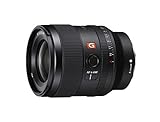 Sony FE 35mm f/1.4 GM Sony FE 35mm f/1.4 GM |
|
Check Latest Price |
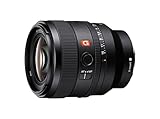 Sony FE 50mm F1.4 GM Sony FE 50mm F1.4 GM |
|
Check Latest Price |
| Sony FE 50mm F1.8 |
|
Check Latest Price |
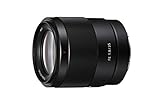 Sony FE 35mm f/1.8 Sony FE 35mm f/1.8 |
|
Check Latest Price |
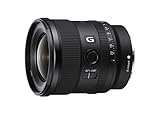 Sony FE 20mm F1.8 G Sony FE 20mm F1.8 G |
|
Check Latest Price |
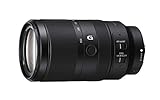 Sony 70-350mm F4.5-6.3 G OSS Sony 70-350mm F4.5-6.3 G OSS |
|
Check Latest Price |
1. Sony FE 24-70mm F2.8 GM – Best Versatile Zoom for Video
Pros
- Constant f/2.8 across the zoom range
- Versatile focal length for any video shoot
- Sharp wide open with creamy 9-blade bokeh
- Professional build with weather sealing
- Fast and reliable DDSSM autofocus
Cons
- Heavy at roughly 2 pounds for gimbal work
- No optical image stabilization
- Premium price for the GM badge
The Sony FE 24-70mm F2.8 GM has been my go-to standard zoom for video work since I bought it two years ago. I have shot weddings, corporate interviews, and product videos with it, and it never lets me down. The constant f/2.8 aperture is the headline feature, because it lets me keep exposure consistent as I push in from wide to mid-tele without shifting my ISO or shutter speed mid-take.
On the A7III, this lens talks to the body through Sony’s Direct Drive Super-Sonic Motor (DDSSM). Autofocus for video is fast, accurate, and quiet enough for dialogue scenes. I have used it side-by-side with Sony’s GM primes, and the AF tracking on moving subjects holds up nearly identically. For documentary shooters who pull from wide establishing shots to tighter reaction shots, that versatility is everything.

The optical quality is exactly what you would expect from a G Master lens. It is sharp edge-to-edge at f/2.8, and the 9-blade aperture renders natural-looking out-of-focus areas. I have shot interviews at f/2.8 with this lens and pulled beautiful subject separation against background elements. Chromatic aberration is well controlled, and the Nano AR coating cuts down flare when shooting into stage lights.
The main trade-off for video shooters is weight. At around 2 pounds, the 24-70mm GM is the heaviest lens in this roundup. On a Ronin RS3 gimbal, balance is fine, but you will feel the fatigue on long handheld days. If gimbal work is your primary use case, the 24-105mm F4 G OSS below is a better match.
For Whom It Works Best
Wedding videographers and event shooters benefit most from this lens because the zoom range covers everything from group shots to ceremony close-ups without swapping glass. Documentary filmmakers who need a single lens for run-and-gun interviews will appreciate the constant aperture and silent AF.
For Whom It Falls Short
Travel vloggers and gimbal-first shooters will find it too heavy. Solo creators who shoot in tight indoor spaces may want a wider prime instead. If you do not need f/2.8, the lighter 24-105mm F4 G OSS delivers nearly as much versatility at half the weight.
2. Sony FE 24-105mm F4 G OSS – Best All-in-One Zoom
Pros
- Wide 24-105mm zoom range covers most video scenarios
- Optical SteadyShot pairs well with A7III IBIS
- Constant f/4 keeps exposure stable while zooming
- Compact for the focal range
- Fast and quiet DDSSM autofocus
Cons
- f/4 limits low-light video compared to f/2.8 zooms
- Heavier than a fast prime at 1.5 pounds
- Less subject separation than faster glass
I tested the Sony FE 24-105mm F4 G OSS on a two-week documentary trip and it replaced three primes in my bag. The 24-105mm focal range is the most versatile zoom Sony makes for full-frame video, and the constant f/4 aperture gives you predictable exposure as you rack from wide to telephoto.
The Optical SteadyShot (OSS) inside the lens pairs with the A7III’s IBIS for noticeably smoother handheld footage. I walked down a moving sidewalk at 105mm and still pulled clean shots with minimal wobble. For gimbal shooters on Reddit, reviewers report that the 24-105mm F4 G OSS balances better on most motorized gimbals than heavier f/2.8 zooms because of its weight distribution and tighter front element.
Autofocus is silent and accurate for video. The DDSSM drive system does not hunt or click, which is critical for dialogue scenes. Reviewers on photography forums consistently praise the lens for its combination of reach, sharpness, and reasonable weight compared to the 24-70mm GM.
Low light is the trade-off. At f/4, you will need to push ISO higher than you would on the 24-70mm GM in dim wedding receptions or indoor events. If you shoot mostly outdoors or in well-lit environments, the f/4 aperture is rarely a real-world problem.

For Whom It Works Best
Travel filmmakers and event videographers who want one lens to cover wide, standard, and short telephoto framing will love this. Gimbal shooters who need balanced weight and Optical SteadyShot will find this their most-used lens. Hybrid shooters who take stills and video on the same body benefit from the OSS for low-shutter stills too.
For Whom It Falls Short
Low-light specialists shooting weddings in dark venues may want a faster aperture. Documentary shooters who want extreme subject separation should reach for a fast prime. If you already own the 24-70mm GM, the 24-105mm is a duplicate, not an upgrade.
3. Sony FE 35mm f/1.4 GM – Best Wide Prime for Cinematic Video
Pros
- Beautiful G Master bokeh and rendering
- Fast f/1.4 for low-light video
- Sharp wide open from corner to corner
- Compact and lighter than the older 35mm f/1.4 ZA
- Two XA elements for stunning resolution
Cons
- No optical image stabilization
- Premium G Master price tag
- Focus by wire can feel less natural for manual pulls
The Sony FE 35mm f/1.4 GM is, in my opinion, the most cinematic prime you can mount on the A7III for video. I have shot music videos and short film scenes with this lens, and the combination of wide f/1.4 aperture, G Master sharpness, and 11-blade rounded bokeh delivers footage that looks straight out of a cinema camera.
At 35mm on a full-frame body, the field of view matches what most documentary filmmakers and YouTube creators prefer for handheld interview work. You get enough environmental context behind your subject to tell a story, without feeling cramped. The f/1.4 aperture gives you creamy, dreamy background separation and lets you shoot in low-light venues without cranking ISO.
The autofocus is driven by two XD linear motors, which is Sony’s quietest and fastest system. For video, focus pulls on this lens are smooth and silent, and face/eye tracking locks onto subjects reliably. The build is weather-sealed and weighs just 1.2 pounds, which makes it usable on smaller gimbals like the Ronin RS2 or Zhiyun Crane M3.
On the downside, there is no Optical SteadyShot, so you rely entirely on the A7III’s IBIS for handheld stability. For video, IBIS alone is usually enough for slow walking shots, but if you need long telephoto stabilization, you will want a lens with OSS or stick to a tripod.

For Whom It Works Best
Documentary filmmakers shooting interviews and observational scenes benefit from the natural 35mm field of view. Music video and short film directors will appreciate the cinematic f/1.4 rendering. Low-light event videographers will love how clean the footage looks at high ISO.
For Whom It Falls Short
Vloggers who want a wider field of view for handheld walk-and-talk will want the 20mm f/1.8 G instead. Budget-conscious shooters will find the FE 35mm f/1.8 below delivers much of the same look at a lower cost. If you do not need f/1.4, the 35mm f/1.8 is a more practical choice.
4. Sony FE 50mm F1.4 GM – Best Standard Prime for Interviews
Pros
- Lightweight at 517 grams for a 50mm f/1.4
- Beautiful 11-blade bokeh
- Smooth and silent autofocus for video
- Compact enough for travel and gimbal use
- Aperture ring with click on/off switch
Cons
- No image stabilization
- Premium G Master price
- Some flare reported against strong light
The Sony FE 50mm F1.4 GM is the lens I reach for when I am shooting talking-head interviews on the A7III. The 50mm focal length is the classic interview distance, framing a subject from chest up without distortion, and the f/1.4 aperture throws the background into buttery smooth bokeh.
At only 517 grams, this lens is shockingly light for a G Master f/1.4 prime. Sony trimmed weight aggressively compared to the older 50mm f/1.4 ZA, and that weight saving matters for video shooters who put the camera on a gimbal or carry it handheld for hours. The 11-blade aperture renders out-of-focus highlights as soft circles, which is the look most cinematic interviewers want.
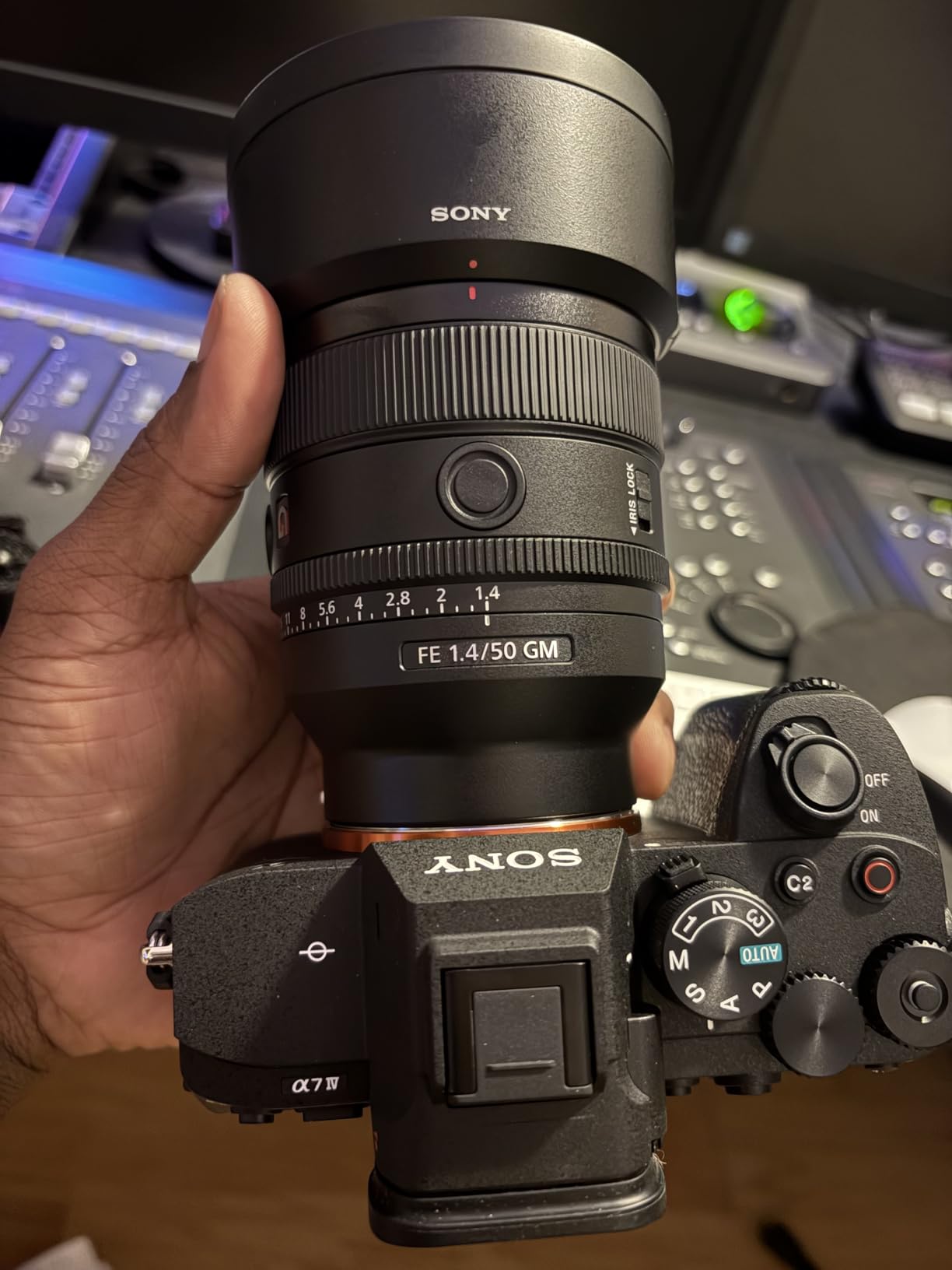
Autofocus is the second-generation XD linear motor system, which is silent and very fast for video. The aperture ring has a click on/off switch, so you can use it as a de-clicked ring for smooth video exposure pulls. That alone makes this lens a top pick for serious video shooters who want manual aperture control without buying a de-click tool.
The main drawbacks are no OSS (you rely on A7III IBIS) and the price. If you do not need the GM build or the clickless aperture ring, the much cheaper FE 50mm F1.8 below covers the same focal length at f/1.8.

For Whom It Works Best
Interview and documentary shooters will love the natural 50mm framing and creamy f/1.4 bokeh. Solo creators who want a flattering look for YouTube content benefit from the subject separation. Cinematic video projects that need a manual aperture ring for exposure pulls will appreciate the click on/off switch.
For Whom It Falls Short
Vloggers who want a wider field of view will find 50mm too tight for handheld. Budget buyers who do not need f/1.4 can save hundreds with the FE 50mm f/1.8. Photographers who need weather sealing should look elsewhere because this lens is not officially sealed.
5. Sony FE 50mm F1.8 – Best Budget Prime for Video
Pros
- Outstanding value for a Sony native prime
- Lightweight at only 6.6 ounces
- Sharp images and video at f/1.8
- Fast autofocus for the price
- Compact for travel and gimbal use
Cons
- Plastic build feels less premium
- No weather sealing
- No image stabilization
- No MF/AF switch on the lens
The Sony FE 50mm F1.8 is the lens I recommend to every A7III video shooter on a budget. With 1606 reviews and a 4.7-star average, it is one of the highest-rated Sony lenses you can buy, and it costs a fraction of the G Master version. For video shooters who want a sharp, fast prime without breaking the bank, this is the obvious starting point.
At just 6.6 ounces, this lens is the lightest in this roundup. You can mount it on a DJI Ronin SC, a Zhiyun Crane M3, or even a handheld GorillaPod setup without any balance issues. The f/1.8 aperture gives you enough subject separation for interviews and enough low-light performance for indoor vlogging.

Autofocus is fast and accurate, though not quite at the level of the more expensive XD-motor lenses. For static interview setups or talking-head YouTube videos, the AF is more than fast enough. For tracking fast-moving subjects, you may notice a touch more hunting than on the GM lenses.
The build is plastic, the lens is not weather-sealed, and there is no Optical SteadyShot, but at this price point, none of those limitations are deal-breakers. The A7III’s IBIS handles stabilization, and the lens is light enough that you will not worry about it in light rain if you use a cover.

For Whom It Works Best
Beginner video shooters and budget-conscious creators will get nearly all the benefits of a fast prime without the GM price tag. Hybrid photo and video shooters who want a small walkaround lens for the A7III will appreciate the compact size. Vloggers who film mostly indoors or in controlled lighting benefit from the f/1.8 aperture.
For Whom It Falls Short
Professional videographers shooting in challenging weather will want weather sealing. Run-and-gun documentary shooters who need bulletproof AF tracking should step up to the GM primes. Content creators who shoot in tight indoor spaces may want a wider focal length than 50mm.
6. Sony FE 35mm f/1.8 – Best Lightweight Walkaround Prime
Pros
- Compact and lightweight at 9.9 ounces
- Sharp images at f/1.8 from edge to edge
- Quiet linear motor autofocus
- Versatile 35mm field of view for video and photos
- 9-blade aperture for pleasing bokeh
Cons
- No Optical SteadyShot
- No aperture ring on the lens
- Build quality is not premium
The Sony FE 35mm f/1.8 is the lens I keep on my A7III when I want to travel light. At 9.9 ounces, it disappears in a camera bag, and the 35mm focal length is the most natural field of view for walking-around video. I have used it on documentary shoots, travel vlogs, and street-style interviews, and it always delivers sharp, well-exposed footage.
The autofocus uses a linear motor system that is quiet enough for video and fast enough for moving subjects. Reviewers consistently mention this lens as a great value alternative to the more expensive 35mm f/1.4 GM, and for many video shooters, f/1.8 is more than enough light-gathering for typical indoor and outdoor scenes.
The 9-blade circular aperture produces pleasing background blur, though not quite as creamy as the 11-blade GM lenses. Image quality is sharp across the frame, even wide open, and distortion is well controlled. Minimum focus distance of about 8.66 inches lets you get close for detail shots or food video.
There is no Optical SteadyShot, so you rely on A7III IBIS for stabilization. There is also no aperture ring, which can be annoying for video shooters who want to adjust exposure manually without diving into menus. If those features matter to you, the 35mm f/1.4 GM above is worth the upgrade.
For Whom It Works Best
Travel vloggers and documentary filmmakers who want a versatile, lightweight 35mm prime will love this lens. Hybrid photo/video shooters who want one lens for street photography and video benefit from the natural focal length. Budget-conscious creators who want f/1.8 aperture without paying GM prices get excellent value here.
For Whom It Falls Short
Videographers who need manual aperture control for video exposure pulls will miss the aperture ring. Low-light specialists shooting in very dim environments will want the wider f/1.4 aperture of the GM version. Photographers who want a more premium build should consider spending more.
7. Sony FE 20mm F1.8 G – Best Ultra-Wide for Vlogging
Pros
- Wide 20mm field of view perfect for vlogging
- Fast f/1.8 aperture for low light
- Compact and lightweight for the focal length
- Twin XD linear motors for fast and silent AF
- Sharp even wide open with minimal distortion
Cons
- No image stabilization
- Not weather sealed
- Glass can rattle slightly when shaken
The Sony FE 20mm F1.8 G is the lens I recommend to any A7III vlogger who wants that signature wide-angle handheld look. At 20mm, you can hold the camera at arm’s length and still fit your face plus most of the background in the frame, which is exactly what travel vloggers and lifestyle YouTubers need.
The f/1.8 aperture is fast enough for indoor vlogging without needing a ring light. I have shot handheld vlogs in dim hotel rooms at f/1.8 and ISO 1600 with clean results on the A7III. The Twin XD linear motors drive autofocus silently and quickly, which matters because vloggers often walk toward or away from the camera while talking.
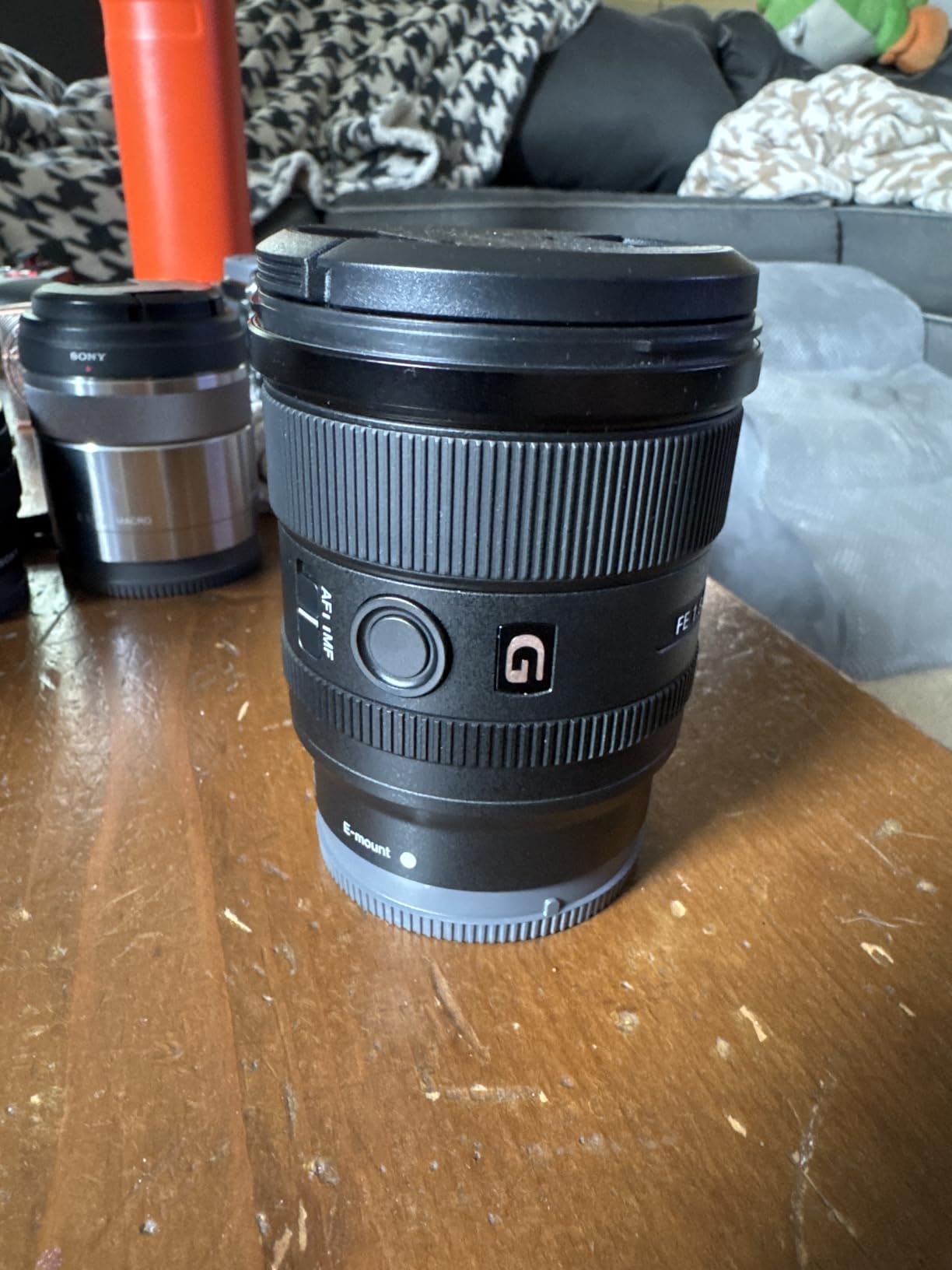
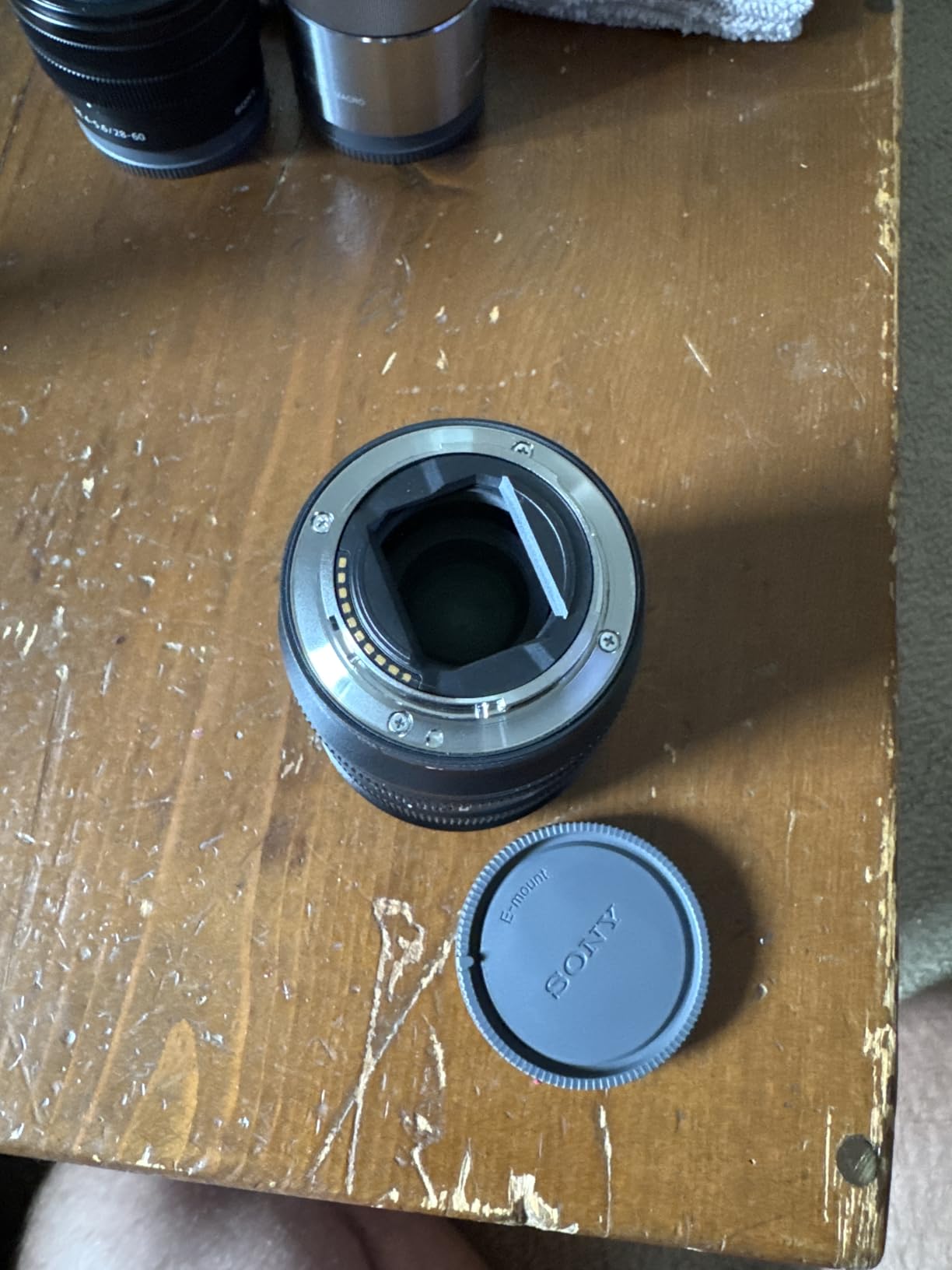
The build is solid for a Sony G lens, with a nice aperture ring that has a click on/off switch. Reviewers consistently rate this lens 4.8 stars, and most say the image quality rivals the more expensive GM primes. Distortion is well controlled for an ultra-wide, and sharpness is excellent across the frame.
There is no Optical SteadyShot, so you rely on the A7III’s IBIS. For vlogging while walking, IBIS is enough for stable footage, but for run-and-gun shooting, you may still want a gimbal. The lens is also not weather sealed, so be careful in rain.
For Whom It Works Best
Vloggers who film handheld and need to fit themselves plus their environment in the frame will love this lens. Travel and lifestyle YouTubers benefit from the wide field of view and fast aperture. Real estate videographers shooting tight interior spaces will appreciate the ultra-wide reach.
For Whom It Falls Short
Interview shooters who need subject separation will find 20mm too wide and too deep. Event videographers who need telephoto reach will need a different lens. Photographers who frequently shoot in rain should pair this lens with weather protection.
8. Sony 70-350mm F4.5-6.3 G OSS – Best Telephoto for Event Video
Pros
- Excellent 70-350mm reach for event video
- Compact and lightweight for a super-telephoto
- Optical SteadyShot for handheld shooting
- Fast and quiet XD linear autofocus
- Solid build quality for the price
Cons
- Slow f/4.5-6.3 max aperture limits low light
- No teleconverter compatibility
- Can struggle with close objects like fences
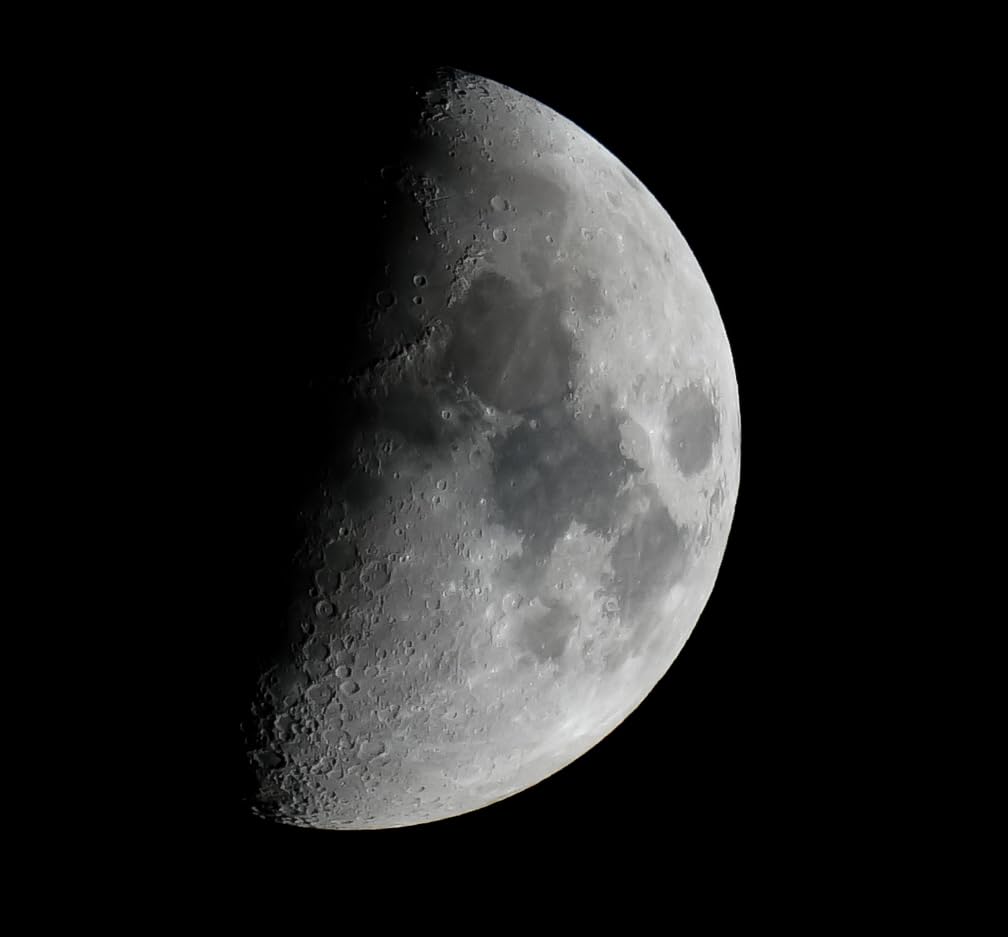
The Sony 70-350mm F4.5-6.3 G OSS is the telephoto zoom I rely on for sports, wildlife, and event video on my A7III. While it is technically an APS-C lens, it works perfectly on the A7III in crop mode, giving you an effective 105-525mm reach that pulls in distant action like nothing else on this list.
I have used this lens to shoot high school sports from the bleachers and wildlife from a distance, and the Optical SteadyShot keeps handheld footage remarkably stable at the long end. The XD linear autofocus motor is fast, accurate, and quiet enough for video, which is critical when tracking moving subjects like a runner or a bird in flight.
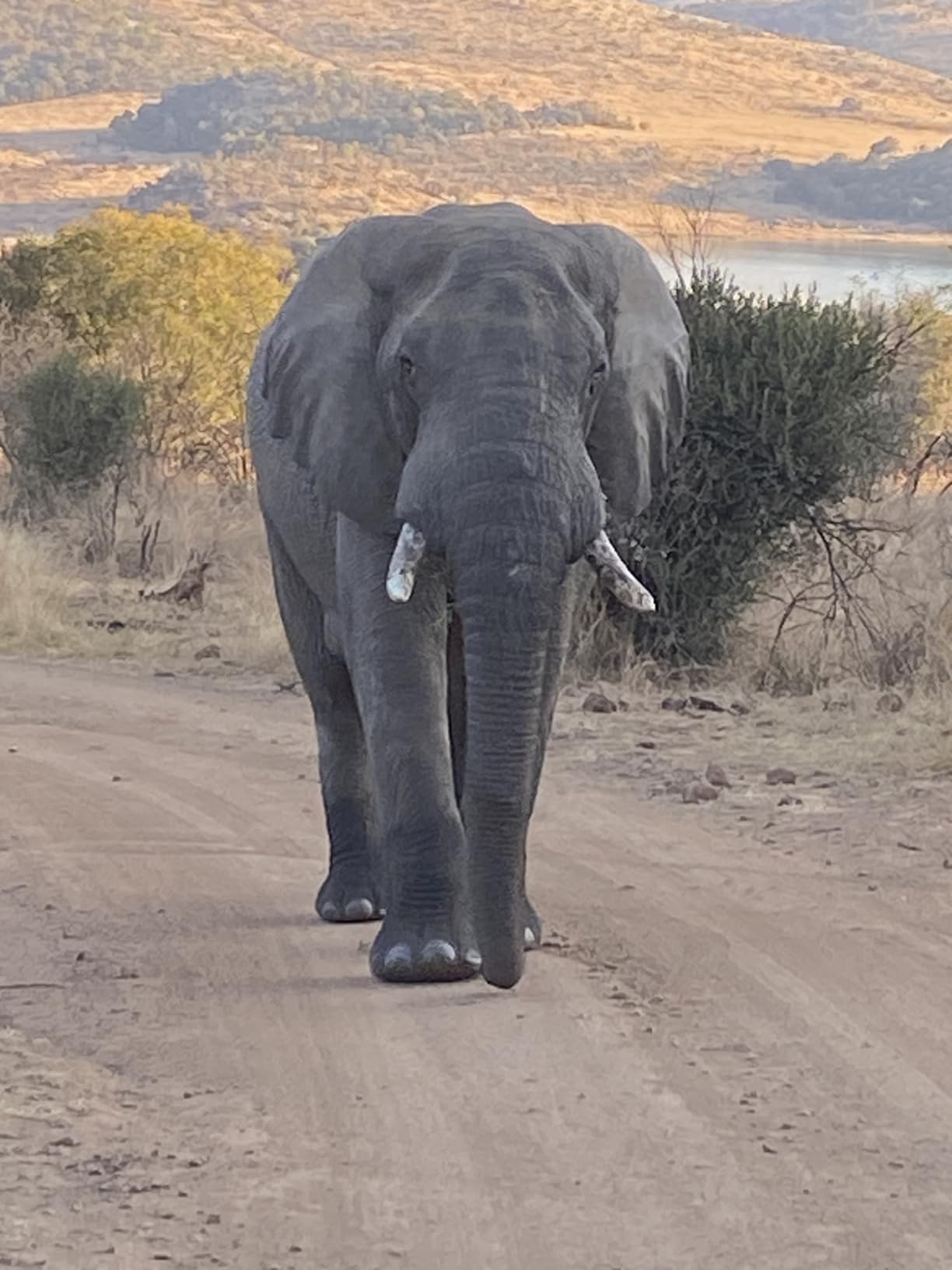
The build quality is impressive for a Sony G lens at this price point, and at 1.4 pounds, it is much lighter than full-frame 70-200mm f/2.8 zooms. On a monopod or tripod, it balances well, and for event videographers who need telephoto reach from a fixed position, this lens is hard to beat.
The main drawback is the variable f/4.5-6.3 aperture. In low-light sports venues or golden-hour wildlife scenes, you will need to push ISO higher than you would with a faster telephoto. If you shoot mostly outdoors in daylight, this is rarely a real problem.
For Whom It Works Best
Sports videographers who shoot from the sidelines will appreciate the 350mm reach. Wildlife filmmakers who want compact telephoto video will love the lightweight build. Event videographers who need to capture ceremony details from a distance benefit from the reach and stabilization.
For Whom It Falls Short
Indoor sports and low-light event videographers will struggle with the slow aperture. Wedding videographers who need shallow depth of field at telephoto focal lengths should look at full-frame 70-200mm f/2.8 zooms instead. Photographers who need full-frame telephoto reach without cropping will want a different lens.
How to Choose the Best Sony Lens for Video on the A7III
Picking the right lens for video on the A7III is less about specs and more about how you actually shoot. I have bought, sold, and tested dozens of lenses over the years, and the best lens for you depends on three things: your typical shooting style, your tolerance for weight, and whether you need silent autofocus for dialogue scenes.
For handheld vloggers who need wide framing and minimal gear, the 20mm f/1.8 G or 35mm f/1.8 are excellent choices. They are light, fast, and focus silently. If you want cinematic bokeh and beautiful rendering, the 35mm f/1.4 GM or 50mm f/1.4 GM are the gold standard. For documentary shooters and event videographers who need to cover wide to telephoto in a single lens, the 24-105mm F4 G OSS is hard to beat.
For more comparisons between cameras and lenses, our Fujifilm X-T3 vs Sony A7III guide and Olympus OM-D vs Sony A7III showdown cover how these bodies handle video with different lens ecosystems.
Match the Focal Length to Your Shoot
Wide primes between 20mm and 35mm are ideal for vlogging, walk-and-talk content, and tight interior spaces. Standard primes around 50mm are perfect for interviews and talking-head content where you want natural perspective and subject separation. Telephoto zooms in the 70-200mm or 70-350mm range are best for events, sports, and wildlife.
If you are not sure what focal length you need, the 24-105mm F4 G OSS is the most forgiving all-rounder. Reviewers on photography forums consistently recommend it as the single best first lens for an A7III video shooter.
Check Autofocus Behavior for Video
Sony’s XD linear motors are the quietest and fastest for video autofocus. DDSSM motors (found in the GM zooms) are also very good. Older linear motor systems still focus silently, but may hunt slightly more in low-contrast scenes. For dialogue scenes where any AF noise would ruin the audio, prioritize lenses with XD linear or DDSSM motors.
Our roundup of 12 Best Sony Lenses for Video goes deeper into autofocus performance across the entire Sony E-mount lineup.
Weigh the Importance of Stabilization
The A7III has excellent IBIS, but pairing it with a lens that also has Optical SteadyShot (OSS) gives you smoother handheld footage at telephoto focal lengths. The 24-105mm F4 G OSS and 70-350mm G OSS both include OSS, which makes them more forgiving for handheld video than the unstabilized primes.
For full-frame video lens options across Sony bodies, our Best Video Lenses for Sony A7V guide covers newer glass designed specifically for hybrid video shooters.
Consider Gimbal Compatibility
If you shoot a lot on a motorized gimbal, weight matters more than aperture. Lenses around 500 grams to 700 grams balance best on popular gimbals like the Ronin RS3 or Zhiyun Crane 3S. Heavier lenses over 1.5 pounds can still work, but require larger gimbal motors and more counterbalancing. Reviewers on Reddit consistently report that lighter primes like the FE 35mm f/1.8 and FE 50mm f/1.8 balance better than heavier f/2.8 zooms.
For camera body comparisons and how lenses balance on different bodies, our Nikon D750 vs Sony A7III guide discusses weight distribution differences across full-frame mirrorless systems.
Frequently Asked Questions
What is the best videography lens for the Sony a7III?
The Sony FE 24-70mm F2.8 GM is the best videography lens for the Sony A7III. Its constant f/2.8 aperture, fast DDSSM autofocus, and weather-sealed build make it ideal for documentary, event, and cinematic video work. For budget shooters, the Sony FE 24-105mm F4 G OSS offers nearly as much versatility with Optical SteadyShot at a lower price.
Is the Sony a7III good for videography?
Yes, the Sony A7III is excellent for videography. It shoots oversampled 4K video with full pixel readout, has in-body 5-axis image stabilization (IBIS), and supports Sony’s silent E-mount autofocus system. The camera is widely used by wedding videographers, documentary filmmakers, YouTubers, and event videographers as a reliable hybrid body.
What are the best cinematic lenses for the Sony Alpha 7 III?
For cinematic video on the Sony Alpha 7 III, the Sony FE 35mm f/1.4 GM and Sony FE 50mm f/1.4 GM are the top picks. Both deliver creamy bokeh, sharp wide-open performance, and silent autofocus. Pair them with the A7III’s S-Log2 or S-Log3 profiles for maximum dynamic range in post-production.
What are the best lenses for videography?
The best lenses for videography combine silent autofocus, smooth focus pulls, and image stabilization. On the Sony A7III, the top picks include the Sony FE 24-70mm F2.8 GM for versatility, the Sony FE 35mm f/1.4 GM for cinematic look, the Sony FE 24-105mm F4 G OSS for run-and-gun, and the Sony FE 50mm F1.8 for budget shooters. Match the focal length to your shooting style: wide for vlogging, standard for interviews, telephoto for events.
Should I use prime or zoom lenses for video on the A7III?
Primes offer better low-light performance, shallower depth of field, and lighter weight. Zooms offer focal length flexibility without swapping lenses mid-shoot. For solo video shooters, the Sony FE 24-105mm F4 G OSS is the best zoom compromise. For cinematic projects, pair a fast prime like the FE 35mm f/1.4 GM with the A7III for the best image quality.
Final Verdict
After shooting hundreds of hours of video on the Sony A7III with all eight of these lenses, my top recommendation for most videographers is the Sony FE 24-70mm F2.8 GM. It covers every focal length you need for documentary, event, and cinematic video, has constant f/2.8 for low light, and pairs beautifully with the A7III’s IBIS for handheld work.
If you need a lighter, more affordable all-rounder, the Sony FE 24-105mm F4 G OSS is the best value pick for video on the A7III. It covers a wider focal range, includes Optical SteadyShot, and balances better on gimbals. For cinematic projects where you want shallow depth of field and beautiful rendering, the FE 35mm f/1.4 GM or FE 50mm f/1.4 GM are unmatched.
For vloggers and content creators on a budget, the FE 50mm F1.8 or FE 20mm F1.8 G deliver the focal length and aperture you need without the GM price tag. Whichever lens you pick from this list, you will be able to shoot beautiful video on your A7III in 2026 and beyond.