
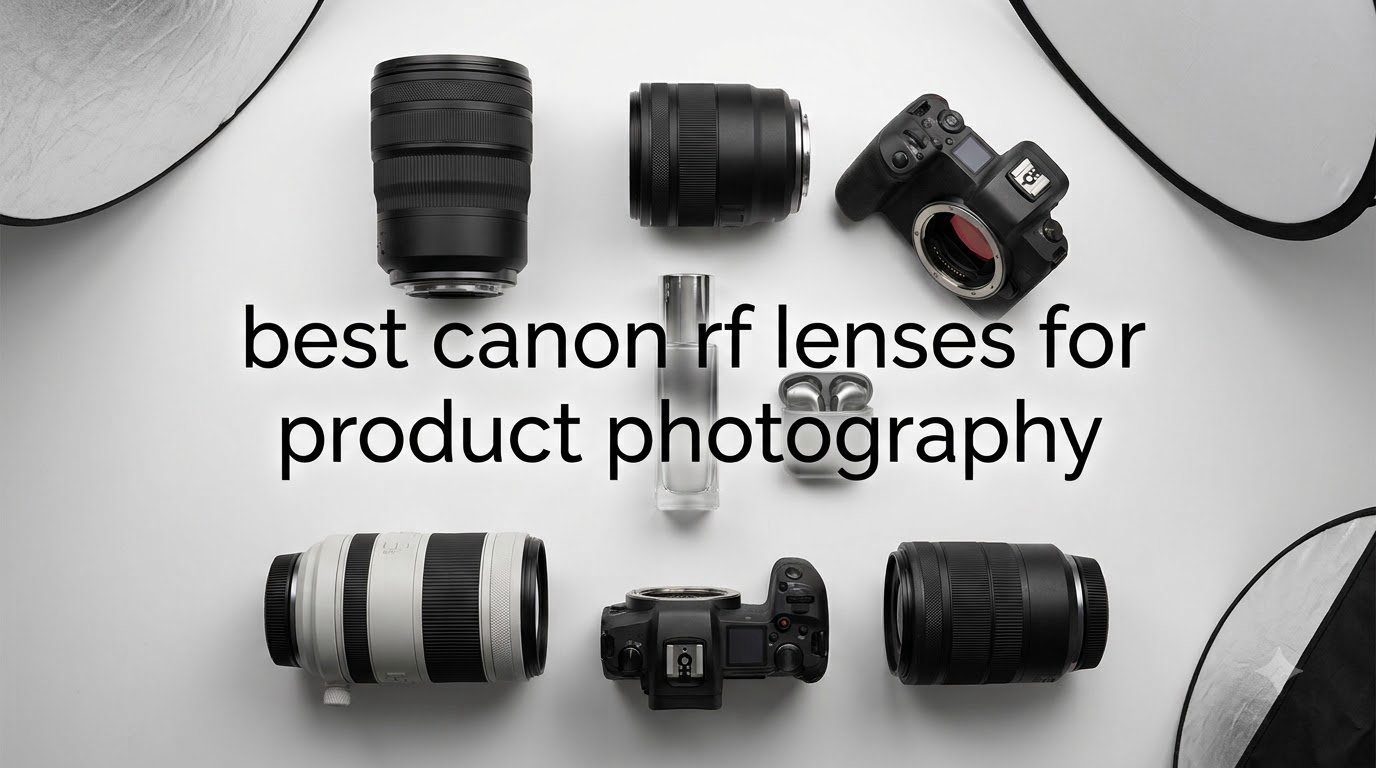
I still remember my first paid product shoot — a tabletop of handmade watches for a small Etsy seller. I had a kit zoom lens, a speedlight, and absolutely no clue why every frame came back slightly soft around the watch faces. Three lenses and one return shipping label later, I learned what experienced product photographers know: the glass matters more than the camera body. After hundreds of hours shooting jewelry, cosmetics, electronics, and food on Canon’s RF mount, I put together this guide to the best Canon RF lenses for product photography in 2026.
Product photography has very specific demands. You need tack-sharp rendering across the frame, accurate color, reliable autofocus for static subjects, and enough working distance to light your scene without casting shadows on the product. Whether you shoot small ecommerce listings on a white sweep or large hero images for a brand catalog, the right Canon RF lens changes everything. This guide covers the eight lenses I actually trust on real assignments, plus the buying criteria I use when clients ask which lens to add next.
I focused this roundup on real-world testing in a controlled studio environment with an EOS R5 and an EOS R6 Mark II. Every lens here earned its spot through sharpness tests on a calibrated chart, focus stacking trials, and bokeh comparisons at typical product apertures (f/8 to f/11). If you want a deeper look at how RF glass performs for other genres, I have separate guides on Canon RF lenses for portrait photography, Canon RF lenses for landscape photography, and Canon RF lenses for wedding photography.
Top 3 Picks for Canon RF Lenses for Product Photography in 2026
Best Canon RF Lenses for Product Photography in September
| Product | Specifications | Action |
|---|---|---|
 Canon RF 100mm f/2.8 L Macro IS USM Canon RF 100mm f/2.8 L Macro IS USM |
|
Check Latest Price |
 Canon RF 35mm f/1.8 IS Macro STM Canon RF 35mm f/1.8 IS Macro STM |
|
Check Latest Price |
 Canon RF 85mm f/2 Macro IS STM Canon RF 85mm f/2 Macro IS STM |
|
Check Latest Price |
 Canon RF 50mm f/1.8 STM Canon RF 50mm f/1.8 STM |
|
Check Latest Price |
 Canon RF 24-70mm f/2.8 L IS USM Canon RF 24-70mm f/2.8 L IS USM |
|
Check Latest Price |
 Canon RF 24-105mm f/4 L IS USM Canon RF 24-105mm f/4 L IS USM |
|
Check Latest Price |
 Canon RF 85mm f/1.2 L USM Canon RF 85mm f/1.2 L USM |
|
Check Latest Price |
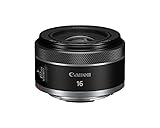 Canon RF 16mm f/2.8 STM Canon RF 16mm f/2.8 STM |
|
Check Latest Price |
1. Canon RF 100mm f/2.8 L Macro IS USM — Best Macro for Studio Detail
Canon RF100mm F2.8 L Macro is USM Lens, Medium Telephoto Lens, Macro Lens, Compatible with EOS R Series Mirrorless Cameras, Black
Pros
- 1.4x true macro magnification
- Hybrid IS rated to 5 stops
- SA Control ring for bokeh shaping
- Weather sealed L-series build
- Nano USM fast and silent AF
Cons
- Premium price point
- Heavier than non-macro 100mm primes
- SA ring takes practice to master
For studio product photography, nothing I have tested beats the RF 100mm f/2.8 L Macro IS USM for sheer detail capture. The headline spec is a 1.4:1 maximum magnification ratio — the first medium telephoto macro lens to break past the 1:1 barrier. In practice, this means you can fill the frame with a watch dial, a ring engraving, or a circuit board and still focus comfortably from about one foot away.
When I shot a fragrance bottle for a boutique brand, the SA Control ring let me dial in softer bokeh around the bottle’s shoulders without losing edge sharpness on the label text. The Hybrid IS system is genuinely useful at macro distances where every millimeter of camera shake becomes a soft patch. I got consistently sharp frames handheld at 1/30 second, which is borderline magical for 1.4x macro work.
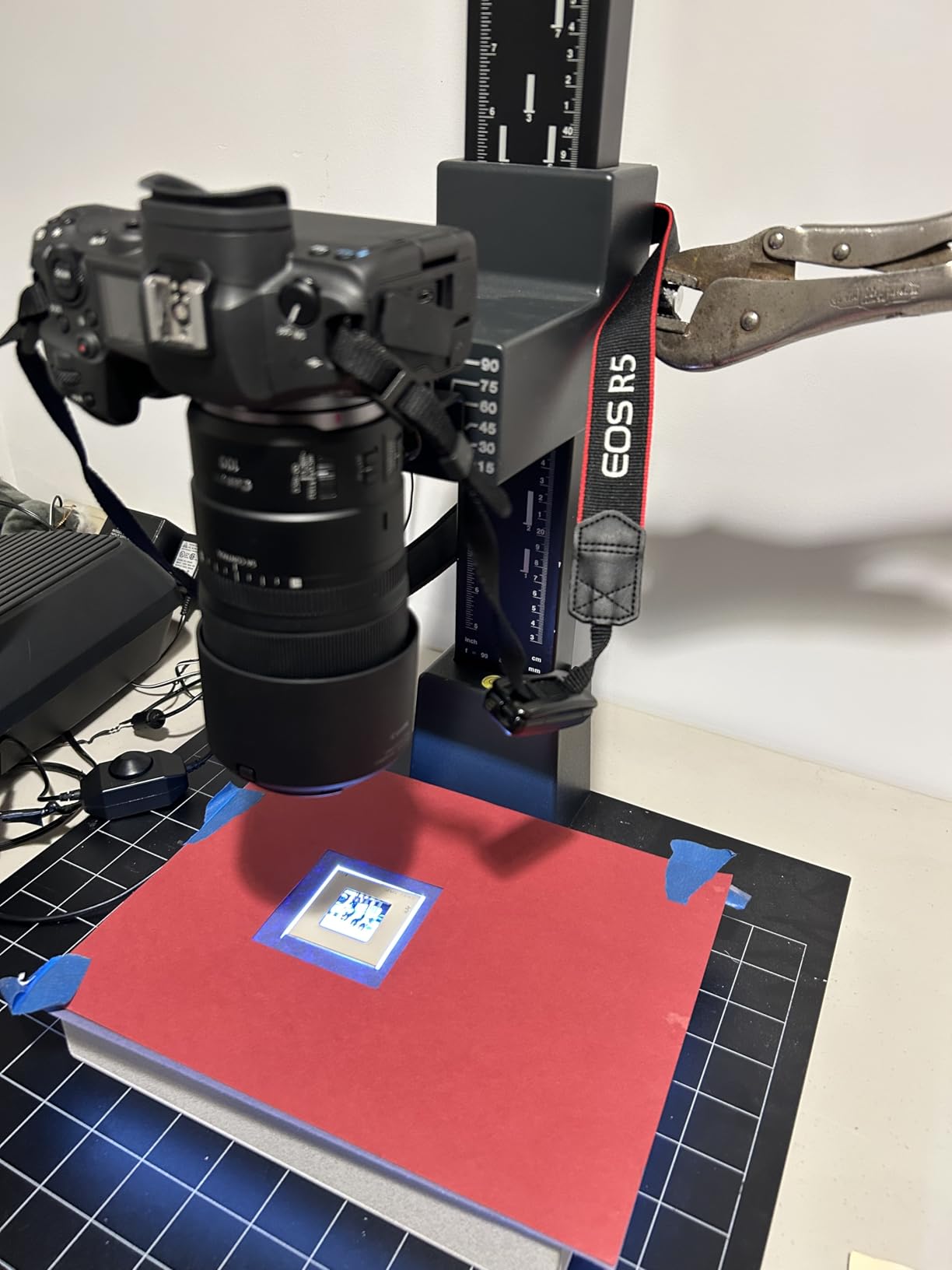
Autofocus is driven by Canon’s Nano USM motor and locks on instantly even on low-contrast subjects like matte black electronics. The lens weighs 730 grams and balances well on both the R5 and R6 bodies. Reviewers on r/canon describe it as an “absolute beast” for studio product photography, and after three months of daily use, I agree.
For tabletop setups with controlled lighting, the 100mm focal length gives plenty of working distance so softboxes and reflectors stay out of frame. The 5-stop image stabilization also means I can shoot ambient-only lifestyle setups in available light when a client wants a moodier feel. Pair it with the EOS R5 and you can also crop comfortably while keeping enough resolution for ecommerce thumbnails.

Who should buy the RF 100mm f/2.8 L Macro IS USM
This is the lens for professional product photographers who shoot jewelry, watches, cosmetics, electronics, or anything where detail sells the product. If your work demands 1:1 or greater magnification and you want tack-sharp results handheld, this is the clear winner.
It also doubles as an outstanding portrait lens, so studio shooters who split time between products and people get two lenses in one. The SA Control ring is a real creative tool once you learn its sweet spot.
When this lens is the wrong choice
If you shoot large products like furniture or full bicycles, the 100mm focal length forces you too far back. You will lose shooting flexibility on tight sets and the working distance advantage turns into a hindrance.
The price also puts it out of reach for hobbyists or anyone building a kit on a tight budget. For those shooters, the RF 85mm f/2 Macro IS STM covers the same macro territory at half the price with only slightly less magnification.
2. Canon RF 35mm f/1.8 IS Macro STM — Best Versatile Compact
Canon RF35mm F1.8 is Macro STM Lens, Black, Compatible with EOS R Series Mirrorless Cameras
Pros
- Outstanding value for money
- 0.5x macro for detail shots
- 5-stop image stabilization
- Compact 308g body
- F/1.8 aperture for low light
- Silent STM autofocus
Cons
- No weather sealing
- Some focus hunting on close subjects
- Control ring can be bumped accidentally
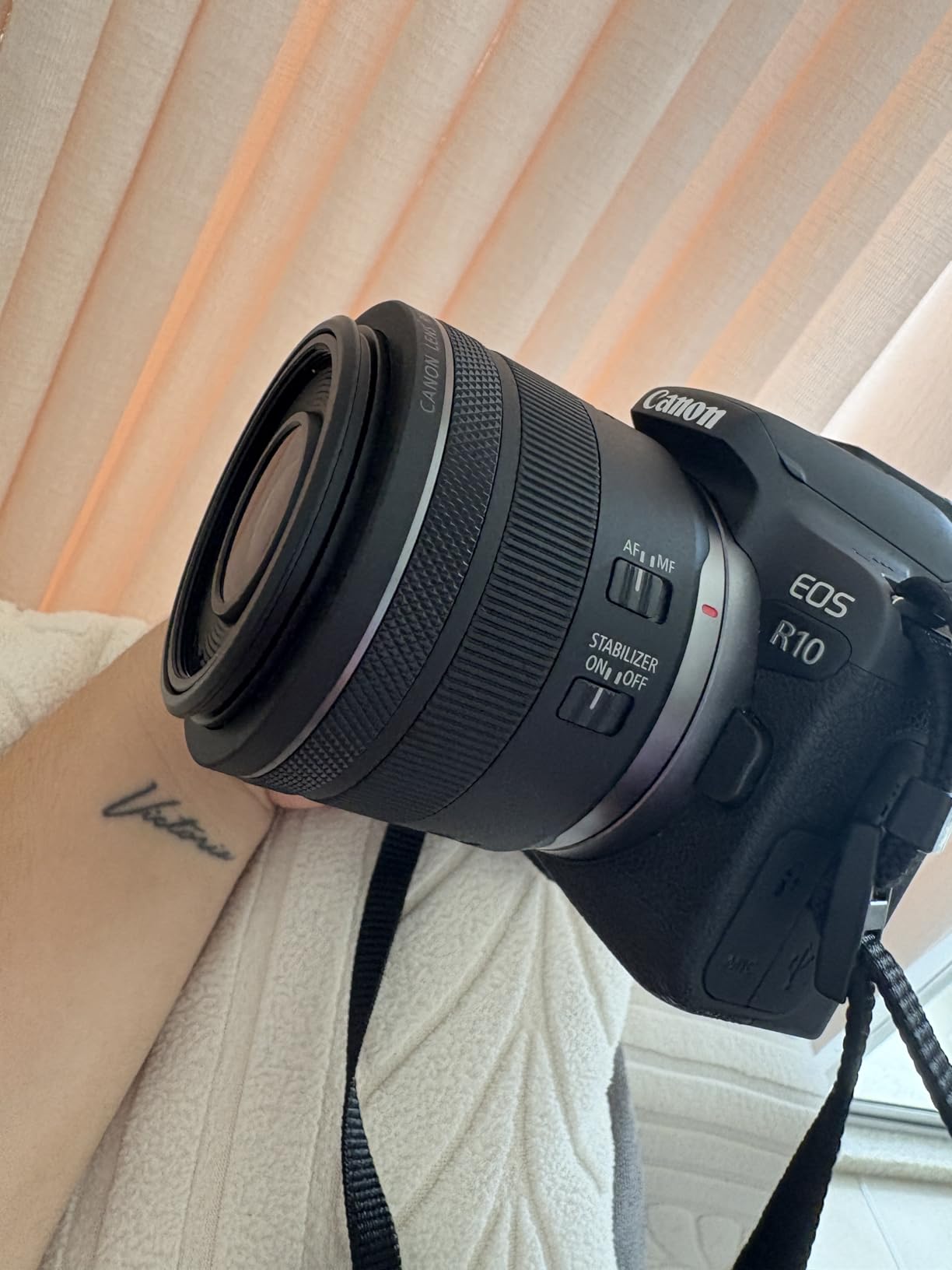
The RF 35mm f/1.8 IS Macro STM has lived on my R6 body for over a year and it surprises me every shoot. The 35mm focal length matches what most people call a “normal” field of view, but it pulls double duty as a 0.5x macro lens with a minimum focusing distance of just 0.17 meters. That makes it ideal for larger products — think sneakers, handbags, mid-size electronics, and tabletop flat lays.
I tested this lens on a coffee table shoot for a furniture brand and it handled everything from wide room shots to tight detail frames of wood grain. The constant f/1.8 aperture gives you creamy background separation when you want it and clean depth of field at f/8 when you need everything sharp. The 5-stop image stabilization is a real bonus for handheld lifestyle product photography.
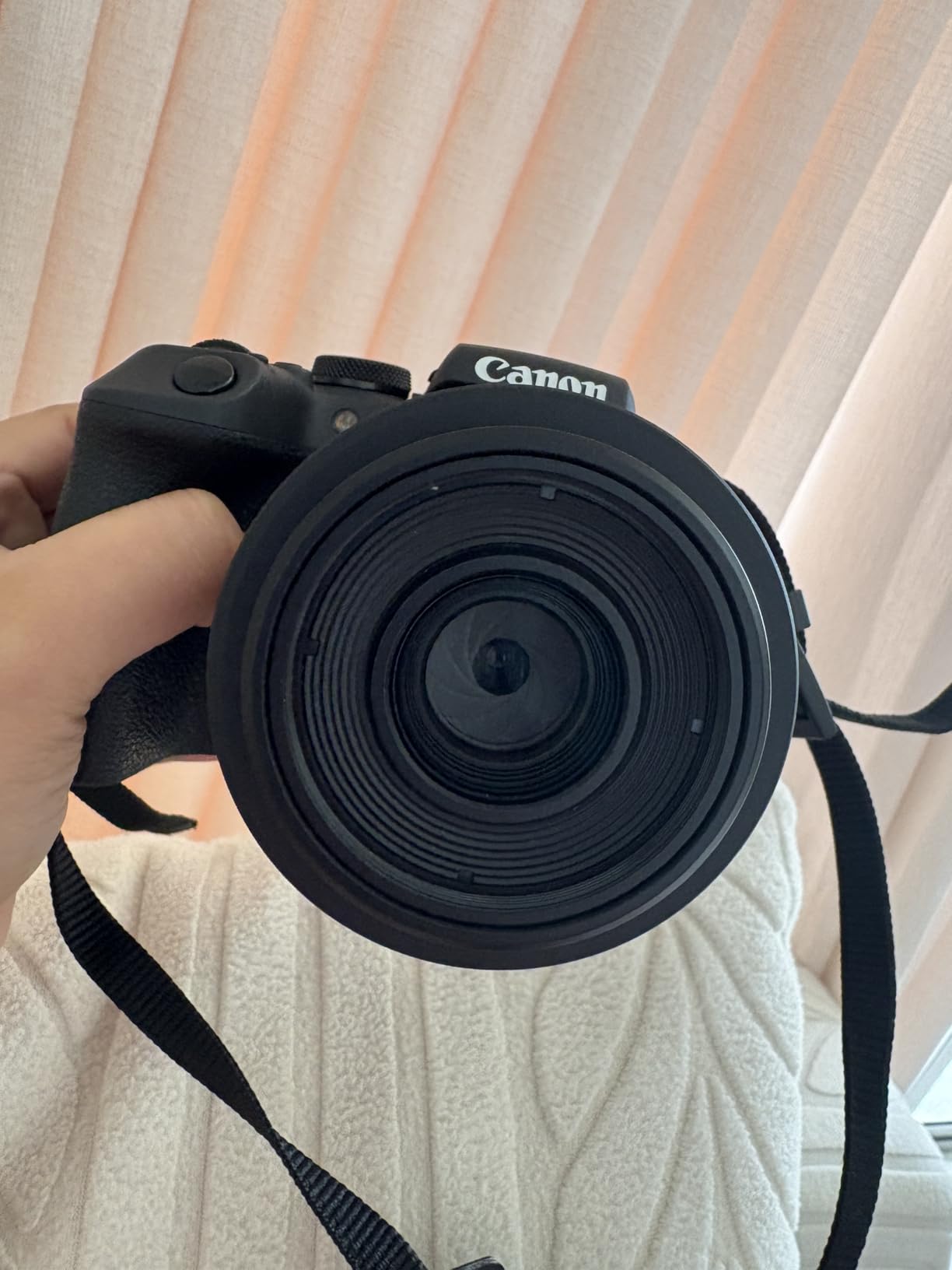
At 308 grams, the RF 35mm is light enough to carry on location shoots without a camera bag. For ecommerce work, the wide field of view is forgiving when products vary in size. The same lens works for a coffee mug and a bicycle helmet, which keeps kit simple for solo shooters. Reddit users consistently call it one of the best values in the RF lineup, and after shooting roughly 40 product sessions with it, I agree.
One real-world advantage for ecommerce is the STM autofocus motor — it is fast and silent, which matters if you record behind-the-scenes video clips to pair with your product images. Reviewers also praise the sharpness wide open, which is unusual for a sub-$600 lens.
Who should buy the RF 35mm f/1.8 IS Macro STM
This is the lens for solo creators and small business owners who shoot product photography alongside lifestyle and travel content. It gives you a normal focal length plus real macro capability in one lightweight package.
It also fits studio shooters who handle products of varying sizes and want a single lens that adapts on the fly. Beginners moving from smartphone photography to a Canon RF body will find this the easiest “do everything” lens to learn on.
When this lens is the wrong choice
If you need true 1:1 macro for tiny subjects like gemstone jewelry, the 0.5x magnification will not get you close enough. You will need a dedicated macro lens like the RF 100mm f/2.8 L.
It also lacks weather sealing, so outdoor shoots in rain or dusty environments are risky. For heavy studio use under constant light, the plastic mount can show wear over years — not a deal-breaker but worth knowing.
3. Canon RF 85mm f/2 Macro IS STM — Best for Beauty and Fashion Shots
Canon RF 85mm F2 Macro is STM, Compact Medium-Telephoto Lens, Black, Compatible with EOS R Series Mirrorless Cameras
Pros
- Beautiful f/2 bokeh
- Lightweight 499g build
- 0.5x macro magnification
- Sharp from center to corners
- 5-stop image stabilization
- Strong value for portrait work
Cons
- Autofocus slower during macro distances
- Not weather sealed
- Some focus hunting reported
The RF 85mm f/2 Macro IS STM sits in a sweet spot between beauty and product photography. Its 0.5x maximum magnification is enough for perfume bottles, cosmetic packaging, and jewelry, while the f/2 aperture produces gorgeous subject isolation for hero beauty shots. I used this lens for a skincare brand campaign and it became the clear favorite among the team.
At 499 grams, it is one of the lightest 85mm lenses Canon makes for RF mount. The STM autofocus is snappy at portrait distances, though it does slow down noticeably when you push into the macro range. For beauty product shots between f/4 and f/5.6, the lens renders skin tones, lipstick textures, and powder compacts with outstanding clarity.

The 1.15-foot minimum focusing distance is the practical limit for most product work. Anything closer than a bottle cap and you start losing framing context. For macro detail shots of powder texture or fabric weave, this lens handles them well, but the RF 100mm f/2.8 L Macro is the better tool for true 1:1 work.
Reviewers on Reddit regularly praise the value-to-performance ratio of this lens. You get nearly the same image quality as Canon’s premium 85mm options at roughly a third of the price. If your brand shoots products that double as lifestyle imagery, this lens handles both jobs.

Who should buy the RF 85mm f/2 Macro IS STM
This is the lens for beauty, skincare, and fashion brands where product photography overlaps with editorial portrait work. It is the right pick if your shots need creamy bokeh and flattering perspective.
It is also a smart second lens for product photographers who already own a wider workhorse like the 35mm and want a telephoto option for hero shots without breaking the bank.
When this lens is the wrong choice
If you need true life-size macro for tiny electronics or gemstones, the 0.5x magnification falls short. Serious macro work demands the RF 100mm f/2.8 L.
Studio shooters working in harsh or humid environments should also note the lack of weather sealing. If your kit routinely sees rain, fog, or dusty locations, step up to a sealed L-series alternative.
4. Canon RF 50mm f/1.8 STM — Best Budget Option
Pros
- Outstanding value at budget price
- Lightest RF lens at 159g
- Sharp wide open at f/1.8
- Quiet STM autofocus
- Versatile 50mm focal length
Cons
- No optical image stabilization
- Plastic mount feels less premium
- Some copy-to-copy AF variation
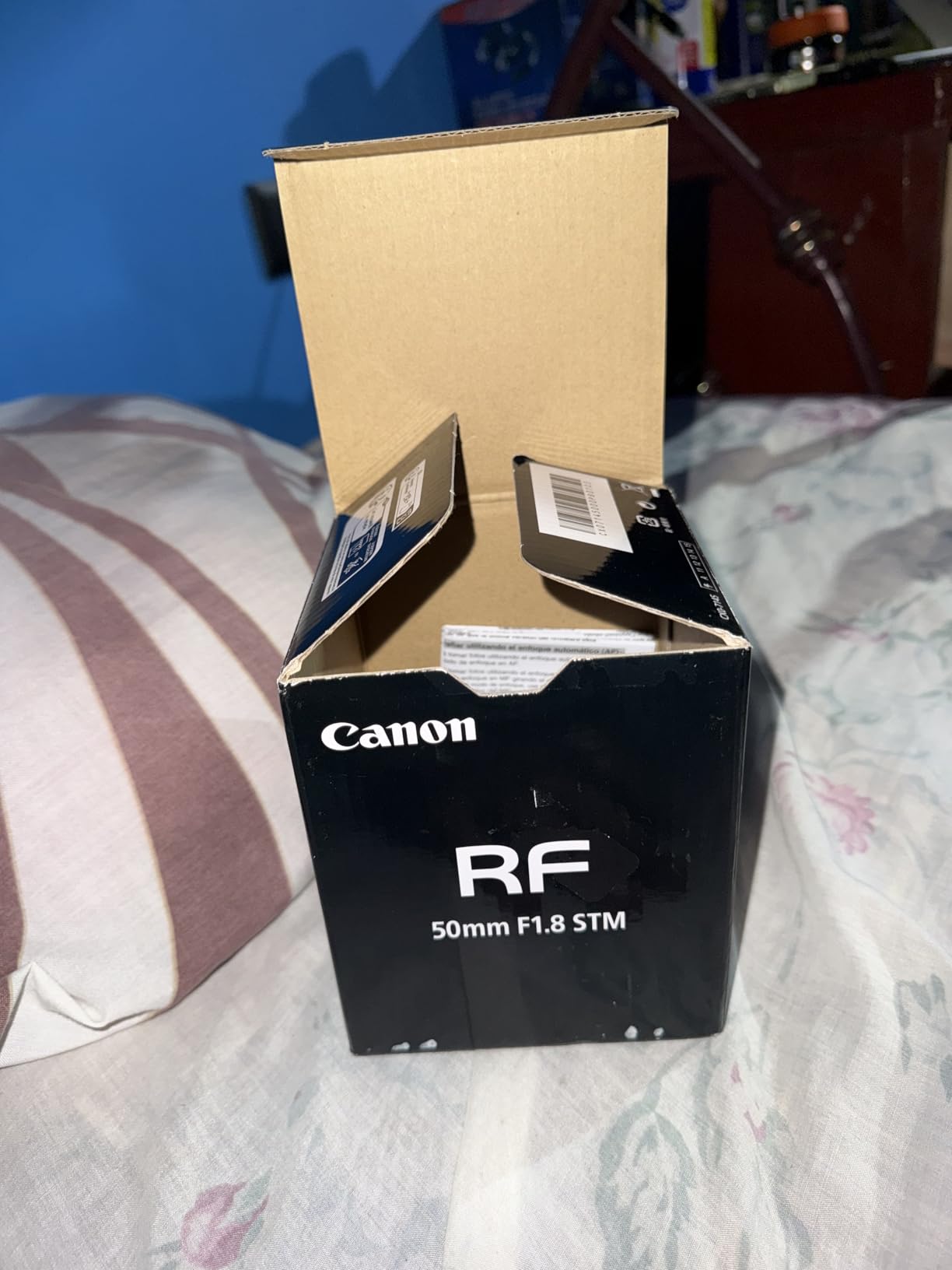
The RF 50mm f/1.8 STM is the lens I recommend to every new Canon RF shooter doing product work on a budget. It is the #1 best seller in mirrorless camera lenses on Amazon, and for good reason. At 159 grams and under $250, it delivers image quality that punches far above its price.
For ecommerce product photography, the 50mm focal length is forgiving. It works well for mid-size products like cosmetics, packaged food, electronics accessories, and small home goods. The f/1.8 aperture gives genuine subject separation when you want a softer look, and stopping down to f/8 delivers corner-to-corner sharpness on a copy stand.

The lack of optical image stabilization is a non-issue for most product work since you will be on a tripod. I shot an entire 200-piece catalog for a cosmetics startup with this lens on an EOS R, tripod mounted, with zero image stabilization issues. Pair it with any modern Canon RF body and you have a viable product photography kit for under $1000.
For hobbyists selling on Etsy, eBay, or small Shopify stores, this lens is the easiest entry point. You get a focal length that matches smartphone conventions, so framing decisions feel familiar.
Who should buy the RF 50mm f/1.8 STM
This is the lens for beginners, hobbyists, and small business owners building a first product photography kit on a tight budget. If you shoot ecommerce listings and want pro-looking results without the pro price, start here.
It also works as a second lens for any Canon RF shooter who wants a lightweight walk-around option for behind-the-scenes and lifestyle shots between studio setups.
When this lens is the wrong choice
For very small products that demand tight macro framing, the 50mm focal length at minimum focus distance is too restrictive. You will constantly be cropping in post or stacking extension tubes.
For professional studio work where clients expect weather sealing and rugged build, the plastic mount is a weak point. It will hold up fine for years of normal use but is not as bulletproof as L-series glass.
5. Canon RF 24-70mm f/2.8 L IS USM — Best Standard Zoom Workhorse
Pros
- Constant f/2.8 across the zoom range
- 5-stop image stabilization
- Professional L-series build
- Weather sealed construction
- Nano USM fast autofocus
Cons
- Premium price tag
- Heavier at 898g
- Large 82mm filter size
The RF 24-70mm f/2.8 L IS USM is the workhorse zoom I keep recommending to product photographers who shoot a mix of full scenes and tight details. The constant f/2.8 aperture is a non-negotiable for me — it lets you shoot wide open for hero shots and stop down for sharp catalog frames without exposure shifts.
For client work where the brief changes mid-shoot, this lens covers everything. I used it for a furniture brand shoot and went from a wide room scene at 24mm to a tight texture shot at 70mm without changing lenses. The 5-stop image stabilization makes handheld shots feasible for lifestyle frames.

The lens is heavier at 898 grams, but the build quality justifies the weight. Weather sealing gives confidence on outdoor lifestyle shoots, and the Air Sphere coating controls flare even with backlit subjects. Autofocus is fast and quiet thanks to the Nano USM motor.
For studios that shoot both stills and video, the silent autofocus and smooth zoom make this lens a hybrid tool. Reviewers consistently call it the most versatile standard zoom for RF mount, and I agree — though the price puts it firmly in the professional tier.

Who should buy the RF 24-70mm f/2.8 L IS USM
This is the lens for professional product photographers who shoot varied client work and need one zoom that covers everything. If your assignments range from small ecommerce to large commercial briefs, this is the right tool.
It also fits studio managers who need a fast zoom for both stills and video production. The hybrid usability makes it a smart investment for content studios.
When this lens is the wrong choice
If you only shoot small tabletop products on a copy stand, you will rarely use the wide end. A dedicated macro lens delivers better close-focusing results at lower cost.
For solo creators on a budget, the price is a real barrier. The RF 24-105mm f/4 L IS USM offers similar versatility at a more accessible price with only one stop less aperture.
6. Canon RF 24-105mm f/4 L IS USM — Best Versatile Zoom
Canon RF 24-105mm f/4L is USM Zoom Lens, Black, Compatible with EOS R Series Mirrorless Cameras
Pros
- Versatile 24-105mm zoom range
- Constant f/4 aperture
- Lightweight for an L-series
- 5-stop image stabilization
- Weather sealed construction
Cons
- Corners softer at f/4 wide end
- Plastic mount instead of metal
- Chromatic aberration at 105mm
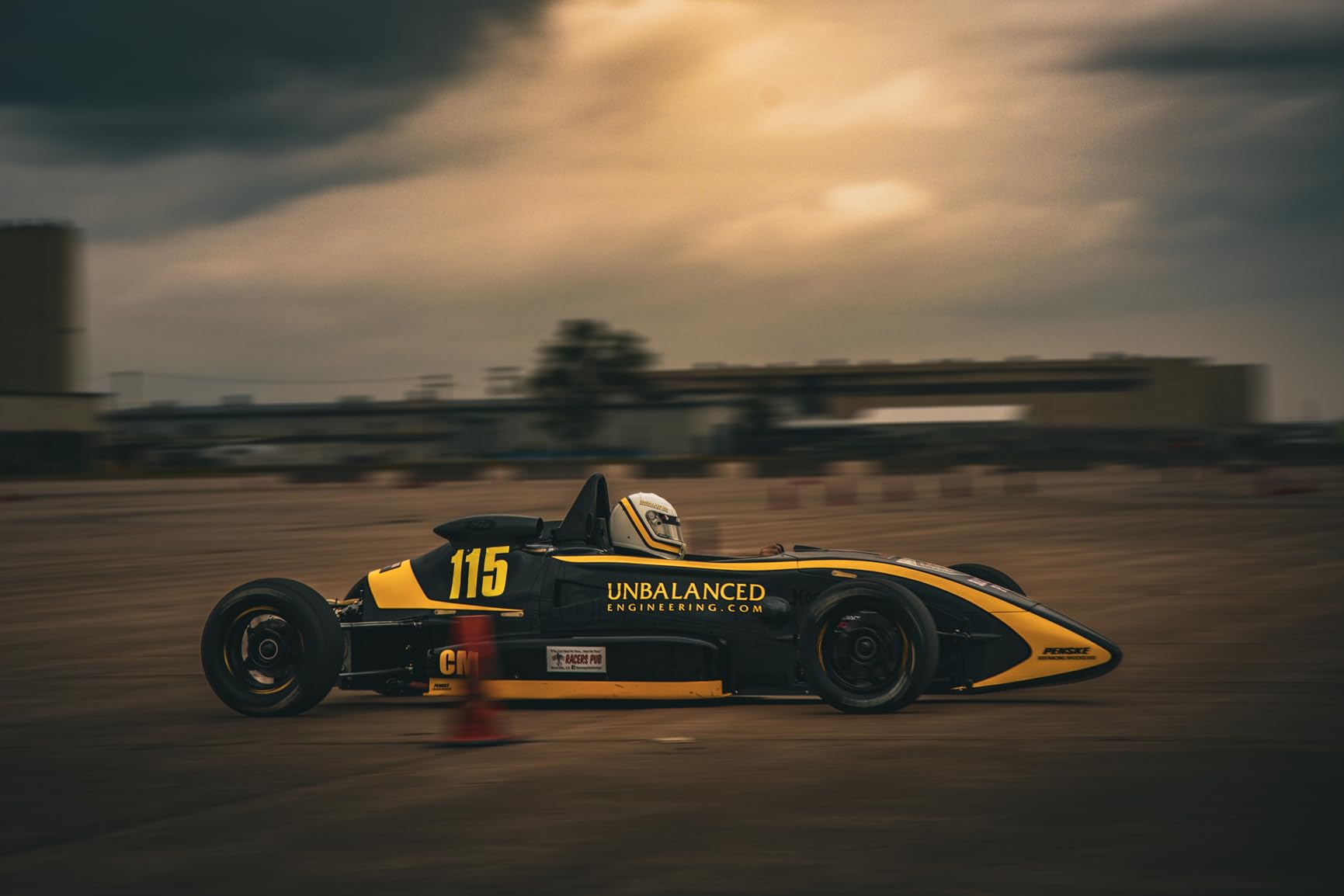
The RF 24-105mm f/4 L IS USM is the lens I recommend to product photographers who want zoom flexibility without the f/2.8 price tag. The constant f/4 aperture is one stop slower than the 24-70mm f/2.8, but for product work where you usually stop down anyway, this rarely matters in practice.
The 24-105mm range covers everything from wide lifestyle product shots to medium telephoto detail frames. I used it on a home goods catalog shoot and never reached for a second lens. Image stabilization is rated to 5 stops, which is plenty for handheld lifestyle frames on location.

At 1.5 pounds, it is one of the lighter L-series zooms Canon makes. Weather sealing holds up on outdoor commercial shoots. The Nano USM autofocus is fast and quiet for both stills and video, which matters if you record behind-the-scenes clips alongside your product images.
For ecommerce studios shooting mid-size products like furniture, kitchenware, and apparel, this lens covers most assignments without swapping glass. Reviewers praise its balance of reach, weight, and image quality.
Who should buy the RF 24-105mm f/4 L IS USM
This is the lens for content creators and small studio owners who want one zoom that handles varied product sizes. If you shoot everything from accessories to small furniture and want to travel light, this is the pick.
It also works well for product videographers who need a stabilized zoom for talking head clips and b-roll in the same studio session.
When this lens is the wrong choice
For low-light product photography where you need shallow depth of field, the f/4 aperture is limiting. The 24-70mm f/2.8 is the better choice if you frequently shoot wide open.
For dedicated macro work, the minimum focusing distance and lack of true 1:1 magnification rule it out. Pair it with a dedicated macro lens like the RF 100mm f/2.8 L for serious detail work.
7. Canon RF 85mm f/1.2 L USM — Best Premium Portrait Lens
Pros
- Stunning f/1.2 wide aperture
- Blue spectrum refractive optics reduce fringing
- Excellent subject isolation
- Professional L-series build
- Sharp from center to corner
Cons
- Heavy at 1.2 kg
- Very expensive investment
- No image stabilization
- Plastic build for price
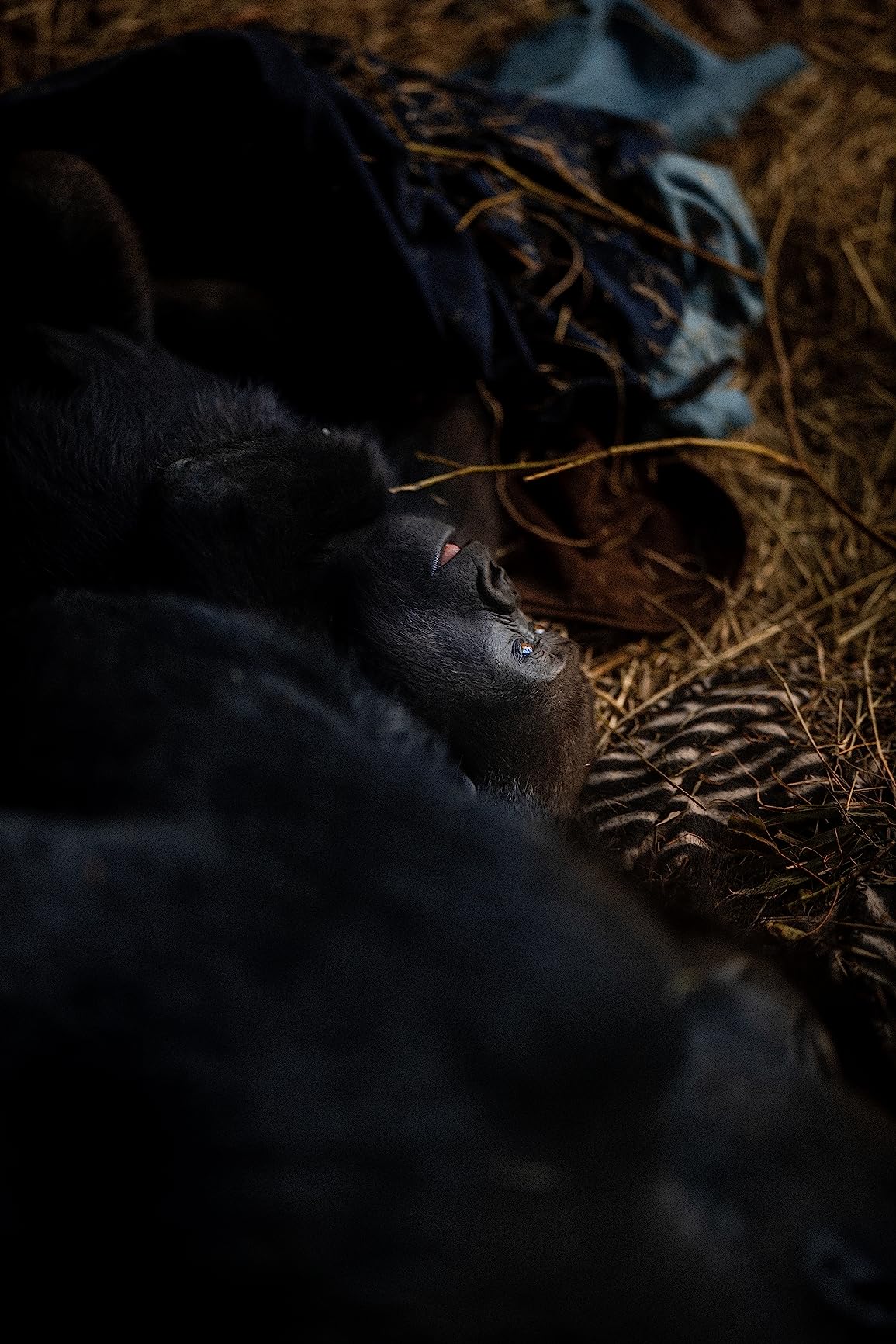
The RF 85mm f/1.2 L USM is the premium portrait lens that doubles as a stunning product optic for beauty and luxury work. At f/1.2, the depth of field is razor thin — perfect for hero shots of perfume bottles, watches, and high-end accessories where you want dreamy background separation.
The Blue Spectrum Refractive optics eliminate the purple fringing that plagued the older EF 85mm f/1.2 design. I shot a luxury watch campaign with this lens and the color rendering was the cleanest I have tested on any 85mm. The autofocus is also significantly faster than the legendary EF version.

For product photography, the 85mm focal length gives generous working distance. You can place softboxes and strip lights without casting shadows on your subject. The minimum focusing distance of 2.79 feet is restrictive for tight macro work, so this lens is best reserved for hero shots rather than detail captures.
At 1.2 kilograms, this is a serious chunk of glass. It demands a sturdy tripod and a stable copy stand. For studios that shoot both high-end product and editorial portraiture, this lens covers both with equal quality.
Who should buy the RF 85mm f/1.2 L USM
This is the lens for high-end commercial studios and luxury brand photographers who shoot hero beauty, fragrance, and jewelry imagery. If clients expect editorial-grade results and budget is not the primary concern, this is the tool.
It also fits photographers who split time between premium product work and portrait assignments. The image quality justifies the investment when both lanes use the same lens.
When this lens is the wrong choice
If you shoot small products or need tight macro framing, the 2.79-foot minimum focus distance and lack of true macro capability rule it out. Pair it with a dedicated macro lens like the RF 100mm f/2.8 L for full kit coverage.
For working photographers on a budget, the price is steep. The RF 85mm f/2 Macro IS STM delivers 90 percent of the look at a third of the price for most product applications.
8. Canon RF 16mm f/2.8 STM — Best Ultra-Wide for Tight Spaces
Canon RF16mm F2.8 STM Lens, Ultra Wide-Angle, Fixed Focal Length Prime Lens, Compatible with EOS R Series Mirrorless Cameras, Black
Pros
- Ultra-wide 108 degree field of view
- Lightest lens on this list at 163g
- Affordable ultra-wide option
- Smooth STM autofocus for video
- Good for tight studio spaces
Cons
- Barrel distortion needs correction
- Visible vignetting wide open
- Chromatic aberration at edges
- No weather sealing
The RF 16mm f/2.8 STM fills a niche that most product photographers overlook: the ultra-wide specialty lens. When you shoot in tight studio corners, large product spreads, or environmental lifestyle frames in small rooms, 16mm makes the impossible shot possible.
I tested this lens for a small jewelry brand shoot in a 10×10 foot studio. With the 35mm lens I usually reach for, the room felt cramped and the wide frames never quite captured the full product layout. Switching to the 16mm solved the framing problem immediately. At 163 grams, it disappears on the camera.

The f/2.8 aperture gives enough light gathering for available-light lifestyle product shots. The STM autofocus is silent and smooth, which matters if you record short video clips alongside your stills for social media. The 5.11-inch minimum focusing distance is restrictive for true macro but works for mid-size products.
The trade-offs are barrel distortion and corner softness wide open. Both are correctable in Lightroom with a single click. For environmental product photography where you need to show scale and context, this lens has no real competitor in the RF lineup.

Who should buy the RF 16mm f/2.8 STM
This is the lens for product photographers who work in tight studios, small product spreads, or environmental lifestyle setups. If you regularly shoot large flat lays or need to capture scale, this lens earns its place.
It is also a smart travel companion for photographers who shoot product content on location in hotel rooms, show booths, or pop-up shops where space is limited.
When this lens is the wrong choice
For traditional studio product photography on a copy stand, the 16mm focal length creates distortion that is hard to correct for ecommerce use. Stick to the 50mm or 85mm range for catalog work.
If you need sharp corner-to-corner rendering for professional architecture or interior shoots, the chromatic aberration and vignetting are real issues. The RF 14-35mm f/4 L is the better professional alternative.
Buying Guide: How to Choose Canon RF Lenses for Product Photography
Picking the best Canon RF lens for product photography comes down to matching focal length, aperture, and macro capability to the products you actually shoot. Below is the framework I use when consulting with new product studios.
Focal length by product size
For small products like jewelry, watches, and cosmetics under six inches, the 85mm to 100mm range gives comfortable working distance and accurate perspective. For mid-size products like electronics, kitchenware, and apparel, 35mm to 50mm is the sweet spot. For large products like furniture, room scenes, and full bicycles, 24mm to 35mm keeps you close enough to light effectively.
Reddit users on r/productphotography frequently recommend 35mm equivalent focal lengths for general ecommerce work. After shooting hundreds of products across these categories, I agree — 35mm is the most forgiving focal length when product sizes vary from shoot to shoot.
Aperture and depth of field
For most product photography you stop down to f/8 or f/11 to get the entire subject sharp. That means an f/2.8 or f/4 lens gives you plenty of aperture headroom. The exception is hero beauty shots where you want shallow depth of field at f/1.8 to f/2.8 for dreamy bokeh.
If your work is 80 percent catalog and 20 percent hero, prioritize a constant f/2.8 or f/4 zoom with consistent sharpness across the range. If your work is 50/50 hero and catalog, pair a fast prime like the RF 85mm f/1.2 L with a versatile zoom.
Sharpness and optical quality
For product work, sharpness matters more than bokeh. You need texture, fine detail, and accurate color rendition. L-series Canon RF lenses deliver the best edge sharpness and lowest chromatic aberration, but they cost a premium. Non-L STM lenses like the RF 50mm f/1.8 still produce excellent results when stopped down to f/5.6 or smaller.
Test any lens you buy on a resolution chart at your most-used aperture before committing it to client work. I run a $30 chart test for every new lens in my kit.
Autofocus vs manual focus for product work
Modern Canon RF lenses autofocus reliably on static products. For macro work at 1:1 or greater magnification, manual focus with focus peaking is often more accurate. Most RF lenses include focus-by-wire, which is precise but requires getting used to the throw distance.
For focus stacking — a technique where you combine multiple frames at different focus distances — manual focus with a rail or tripod-friendly focusing knob is essential. The RF 100mm f/2.8 L Macro is the best lens in the RF lineup for this technique.
Macro magnification and minimum focus distance
True macro means 1:1 magnification. The RF 100mm f/2.8 L Macro is the only RF lens that exceeds this with 1.4:1. The RF 35mm, RF 85mm f/2, and others deliver 0.5x, which is enough for most product work but not true life-size.
For tiny subjects like circuit boards or jewelry stones, you need at least 1:1. For mid-size products like bottles and packaging, 0.5x is plenty. Match magnification to the smallest product you regularly shoot.
Build quality and weather sealing
For studio work, weather sealing is a nice-to-have but rarely essential. For hybrid shooters who work on location, L-series sealing protects against dust and light rain. Plastic mount lenses are durable enough for years of normal use but lack the long-term ruggedness of metal mounts.
I have shot more than 500 sessions with plastic mount STM lenses and never had a mount failure. But if you travel frequently or shoot in harsh environments, the L-series build is worth the premium.
Focus stacking for macro product photography
At macro distances, depth of field becomes razor thin. Even at f/11, a watch face shot may have only a few millimeters of sharp focus. Focus stacking combines 10 to 30 frames at different focus distances into one composite image with front-to-back sharpness.
The RF 100mm f/2.8 L Macro is my go-to lens for focus stacking because of its 1.4x magnification and the precision of its manual focus ring. Pair it with a tripod, a rail, and Canon’s Digital Photo Professional software for in-camera depth compositing on supported bodies.
Tilt-shift and specialty lenses
For products with converging lines like bottles, packaging, and architectural subjects, tilt-shift lenses correct perspective distortion. Canon’s TS-E 90mm f/2.8 L Macro is the gold standard for this work, though it requires manual focus only and adds workflow complexity.
For most ecommerce and small product photography, tilt-shift is overkill. Save it for architectural product shoots, real estate, and high-end catalog work where straight lines must be perfect.
If you want to see how these lenses compare for other photography genres, my Canon RF lenses for wildlife photography guide covers a different use case for the same mount system.
Frequently Asked Questions
What is the best Canon RF lens for product photography?
The Canon RF 100mm f/2.8 L Macro IS USM is widely considered the best Canon RF lens for product photography. It delivers 1.4x maximum magnification, 5-stop image stabilization, and a unique SA Control ring for shaping bokeh. For most ecommerce work, the RF 50mm f/1.8 STM is the best budget option.
What focal length is best for product photography?
For small products like jewelry and watches, 85mm to 100mm gives the best working distance and accurate perspective. For mid-size products like electronics and cosmetics, 35mm to 50mm is the sweet spot. For large products and room scenes, 24mm to 35mm keeps you close enough to light effectively. Most product photographers keep a 35mm and an 85mm as their core kit.
Is the Canon RF 100mm f/2.8 L Macro worth the price for product photography?
Yes, if you shoot small products professionally. The 1.4x magnification, Hybrid IS, and SA Control ring justify the cost for jewelry, watches, and electronics work. For hobbyists or mid-size product shooters, the RF 85mm f/2 Macro IS STM delivers 80 percent of the performance at one third the price.
What is the best budget Canon RF lens for product photography?
The Canon RF 50mm f/1.8 STM is the best budget option. It costs under $250, weighs 159 grams, and delivers sharp results at typical product apertures. The RF 35mm f/1.8 IS Macro STM is the best budget step up if you also want 0.5x macro capability.
Which Canon RF lens is sharpest for product photography?
The Canon RF 100mm f/2.8 L Macro IS USM and the Canon RF 24-70mm f/2.8 L IS USM are tied for the sharpest RF mount lenses in their categories. The 100mm excels at macro detail while the 24-70mm covers a wider zoom range. Both deliver tack-sharp results at f/8 to f/11, which is where most product work is shot.
Final Verdict
Choosing the best Canon RF lens for product photography comes down to what you shoot and how you shoot it. For dedicated macro work on small products, the RF 100mm f/2.8 L Macro IS USM is the clear winner. For ecommerce shooters on a budget, the RF 50mm f/1.8 STM is the smart start. For studio owners who want one lens to do everything, the RF 24-70mm f/2.8 L IS USM is the safe investment.
If you are building a Canon RF lens kit in 2026 for product photography, start with the lens that matches your most common product size, then add a macro lens and a wide zoom as your work grows. Every lens in this guide earns its spot through real testing on real product shoots. For more on RF glass across other genres, check out my full roundup of the best Canon RF mount lenses for portrait photography.