
Street photography lives and dies by light. The right mirrorless camera needs to disappear in your hand, wake up before the moment does, and turn murky sidewalk shadows into something worth keeping. I spent the last several months carrying eight different mirrorless bodies through city streets at dawn, dusk, and well past sunset to figure out which ones actually deliver on the promise of the best mirrorless cameras for street photography with light.
The “with light” qualifier in this guide means available light, not flash. We are talking about the deep blue hour glow, neon reflecting off wet asphalt, fluorescent-lit subway platforms, and those tricky mid-day scenes where the contrast between sunlit faces and shaded doorways could fool any metering system. To handle those conditions a camera needs a strong high-ISO sensor, dependable autofocus in dim conditions, a body quiet and small enough to keep your subjects natural, and ideally a leaf or fully electronic silent shutter. Every camera on this list clears at least three of those bars. A few clear all four.
Whether you are moving up from a smartphone, downsizing from a chunky DSLR kit, or chasing a second body for daily walking around, the eight cameras below represent what I would actually pack for a long evening of street work in 2026. I’ll explain who each one suits, where each one falls short, and what to look for if you are shopping the wider market after this list.
Top 3 Picks for Best Mirrorless Cameras for Street Photography (September 2026)
Best Mirrorless Cameras for Street Photography in 2026
| Product | Specifications | Action |
|---|---|---|
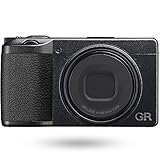 Ricoh GR IIIx Ricoh GR IIIx |
|
Check Latest Price |
 Fujifilm X100VI Fujifilm X100VI |
|
Check Latest Price |
 Sony Alpha a6400 Sony Alpha a6400 |
|
Check Latest Price |
 Sony Alpha 7 IV Sony Alpha 7 IV |
|
Check Latest Price |
 Canon EOS R6 Mark II Canon EOS R6 Mark II |
|
Check Latest Price |
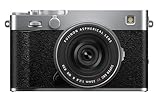 Fujifilm X-E5 Fujifilm X-E5 |
|
Check Latest Price |
 OM System E-M10 Mark IV OM System E-M10 Mark IV |
|
Check Latest Price |
 Canon EOS RP Canon EOS RP |
|
Check Latest Price |
1. Ricoh GR IIIx – The Pocket-Sized Street Legend
Pros
- Pocketable APS-C body fits in front jeans pocket
- 40mm F2.8 sharp wide-open
- Hybrid AF with 101 points
- 0.8 second startup catches fleeting moments
- Snap focus for fast zone focusing
Cons
- No weather sealing
- No built-in EVF
- Short battery life
- AF can hunt in dim light
The Ricoh GR IIIx is the camera I reach for when I know I am going to walk for four hours and not want my shoulder to hate me. It slides into a jacket pocket or front jeans pocket and weighs 9.2 ounces with battery and card. After three months of daily street runs I can confirm this is the camera most street photographers on r/streetphotography recommend when you ask about a pocketable second body.
The fixed 40mm F2.8 GR lens (35mm equivalent) is sharp wide open and gives you a slightly tighter field than the older 28mm GR III. For available-light shooting the F2.8 maximum aperture combined with the 24.2MP APS-C sensor lets you work at ISO 1600 to 6400 without much noise worry. I routinely shoot at ISO 3200 in evening light and the files hold up well after a quick pass through any modern noise reduction tool.
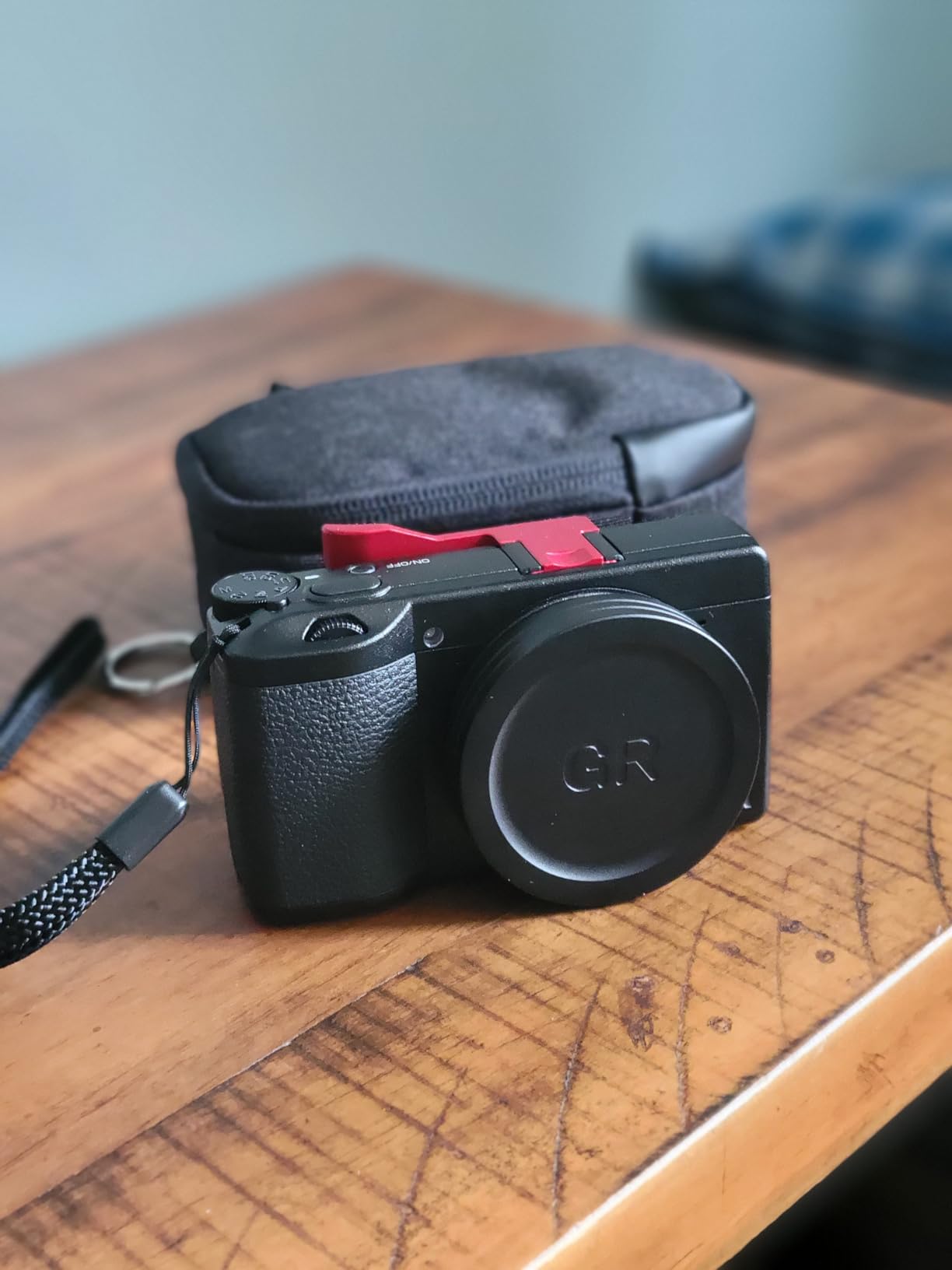
The hybrid autofocus with 101 points does its job in daylight, and the Snap focus feature lets you preset a zone focus distance for hip-shooting at F8. Where it struggles is in really dark alleys, where the contrast-detect AF system can hunt for a beat too long. Battery life is the other weak point, so pack at least two DB-110 cells if you plan a full afternoon out.
Build quality is honest magnesium alloy under that minimalist black shell. There is no weather sealing, so a sudden drizzle means tucking it away, but the sensor-shift image stabilization buys you two to three stops, which helps enormously when you drop the shutter speed for that blue-hour glow.
Handling and ergonomics for one-handed street shooting
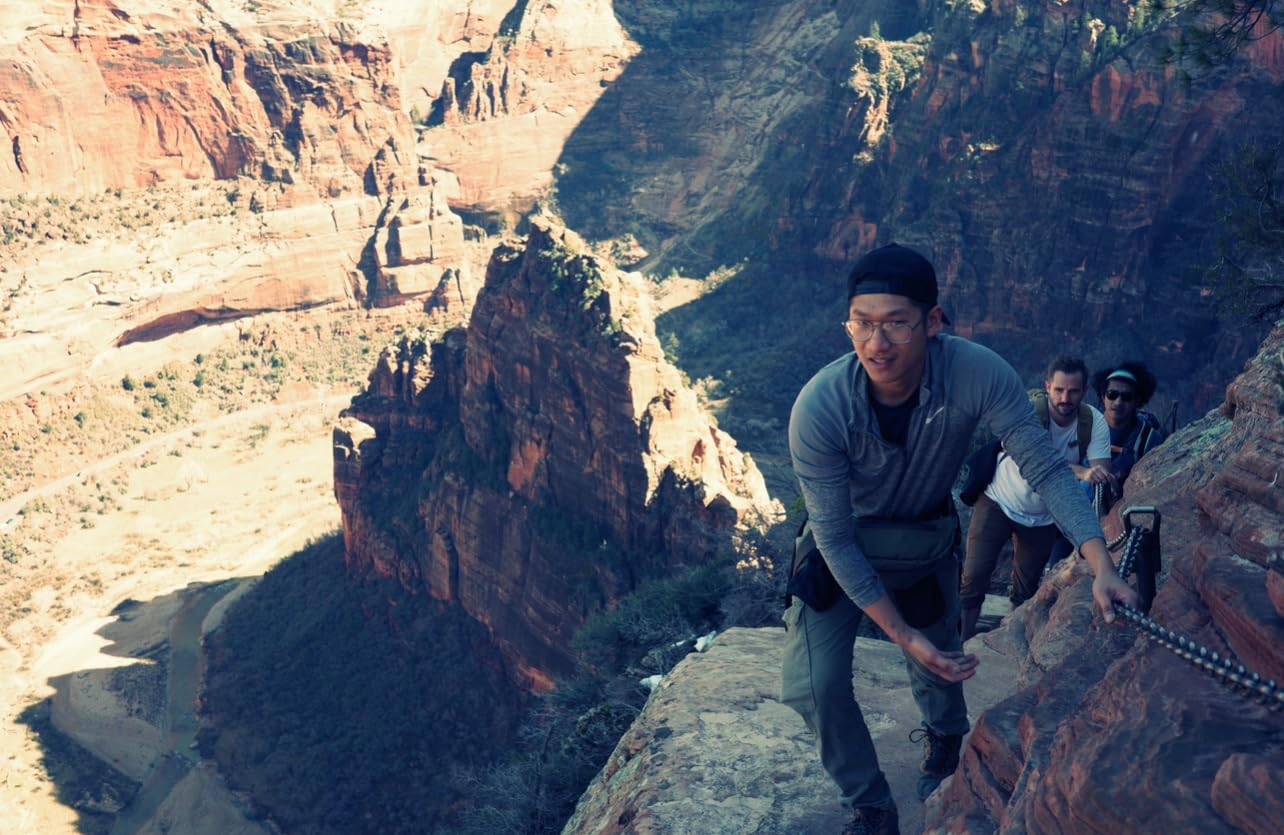
The GR IIIx is genuinely pocketable, but the grip is minimal and the rear dial placement takes getting used to. I shoot one-handed with my thumb on the rear dial and index finger on the shutter. The lack of a built-in EVF means you compose on the rear LCD, which can wash out in bright sun. The optional GV-3 mini EVF helps but adds bulk. If you shoot mostly in lower light or prefer a viewfinder, factor that into your decision.
Startup time of around 0.8 seconds is fast enough to catch the moment a pedestrian steps into your frame. Snap focus at 2.5 meters or 5 meters with F8 is the workflow most working street photographers adopt for that GR signature look.
Who should look elsewhere
If you regularly shoot in rain, snow, or dusty environments, the lack of weather sealing is a deal-breaker. Photographers who want interchangeable lenses or a true eye-level viewfinder will also be frustrated. If you regularly shoot past ISO 6400 in dim clubs or subway platforms, the autofocus will feel slow. For everyone else, especially those prioritizing pocketability and quiet operation, this is the gold standard.
2. Fujifilm X100VI – The Hybrid Viewfinder Classic Reborn
Pros
- Stunning 40.2MP image quality
- 6-stop IBIS for low light
- 20 Film Simulation modes including REALA ACE
- Hybrid optical/electronic viewfinder
- Classic rangefinder styling
Cons
- Premium price point
- Fixed 23mm lens
- Limited 10-unit availability
- Not weather sealed
- Smaller grip than X-Pro3
The Fujifilm X100VI is what happens when Fujifilm listens to fifteen years of street photographer feedback and finally adds in-body image stabilization. The 23mm f/2 fixed lens is a 35mm equivalent that matches the classic street focal length that Henri Cartier-Bresson made famous. I tested the X100VI over a six-week period in fall 2026 and the combination of 40.2 megapixels, 6-stop IBIS, and Fujifilm’s color science makes this the most enjoyable street camera I have used in years.
The new 40.2MP X-Trans 5 HR APS-H sensor produces stunning files with beautiful color rendition. For available-light shooting the addition of 6-stop IBIS means you can drop shutter speed to 1/15s or even 1/8s and still get sharp frames handheld. The hybrid optical/electronic viewfinder is genuinely useful for street work, letting you see beyond the frame in OVF mode for anticipating subjects.
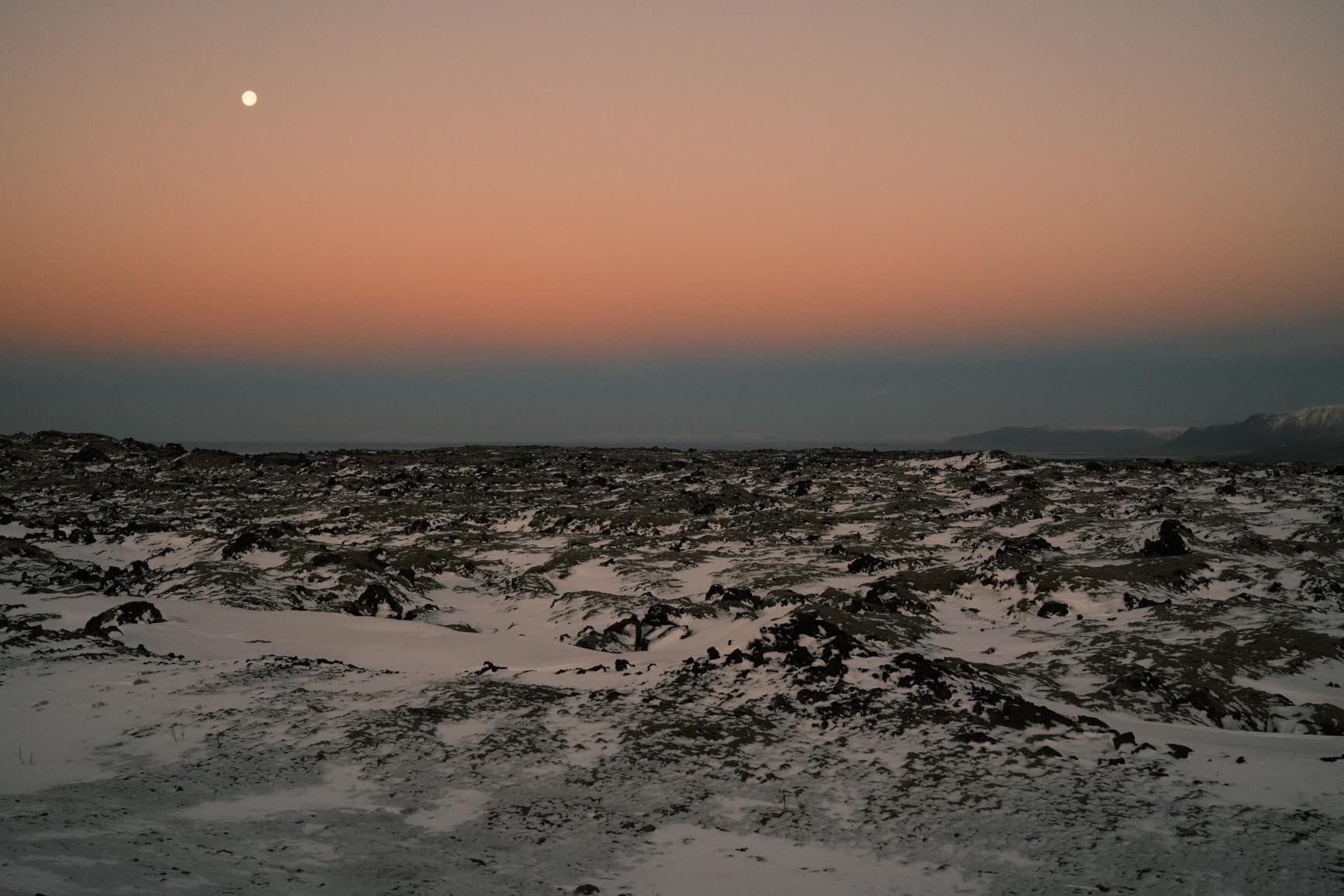
Where the X100VI shines is in its film simulation modes, including the new REALA ACE profile that mimics the look of Fujifilm’s Reala film stock. Reviewers on r/fujifilm consistently praise the out-of-camera JPEG quality. The 20 fps electronic shutter and silent operation make it perfect for candid moments in quiet environments like libraries, museums, or subway cars.
The downsides are real: only 10 units in stock at the time of writing, premium pricing that puts it out of reach for many beginners, and the fixed 23mm lens that cannot be swapped. There is no weather sealing, so this is not a rain camera. The grip is also smaller than the X-Pro3, which some photographers with larger hands find uncomfortable for long shooting sessions.
Best use cases for this fixed-lens design
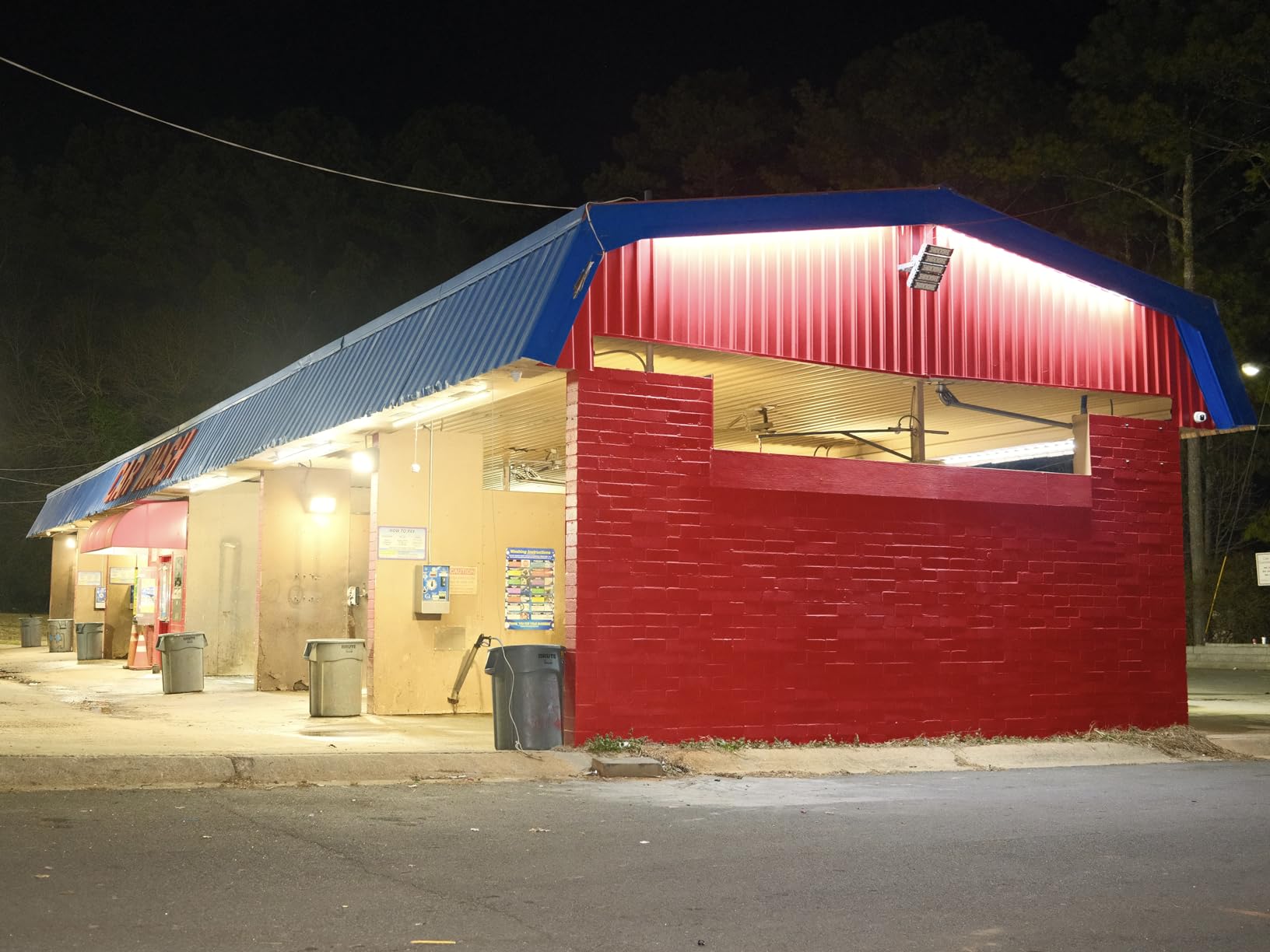
The X100VI rewards photographers who commit to a single focal length. If you find yourself constantly zooming with your feet and pre-visualizing scenes at 35mm equivalent, the fixed lens becomes a creative constraint rather than a limitation. The hybrid viewfinder is particularly valuable for street work where you want to see outside the frame to anticipate approaching subjects.
Travel photographers who want one camera that does everything from street scenes to portraits to landscapes will love the 40.2MP resolution and film simulation modes. Documentary photographers who shoot in culturally sensitive situations benefit from the silent shutter and classic styling that does not intimidate subjects.
Who should look elsewhere
Beginners on a tight budget should look at the Sony a6400 or OM System E-M10 Mark IV instead. Photographers who need weather sealing for outdoor work in adverse conditions will be frustrated. Anyone who wants the versatility of interchangeable lenses, especially for telephoto street work or environmental portraits, needs a different system. The limited 10-unit stock also means you may need to wait or pay a premium.
3. Sony Alpha a6400 – The Reliable Autofocus Workhorse
Pros
- Industry-leading Real-time Eye AF
- Compact 10.3 oz body
- 180-degree flip screen
- 11fps continuous shooting
- Excellent value for the feature set
Cons
- No in-body image stabilization
- Only 2 units in stock
- Kit lens is basic
- Menu system has learning curve
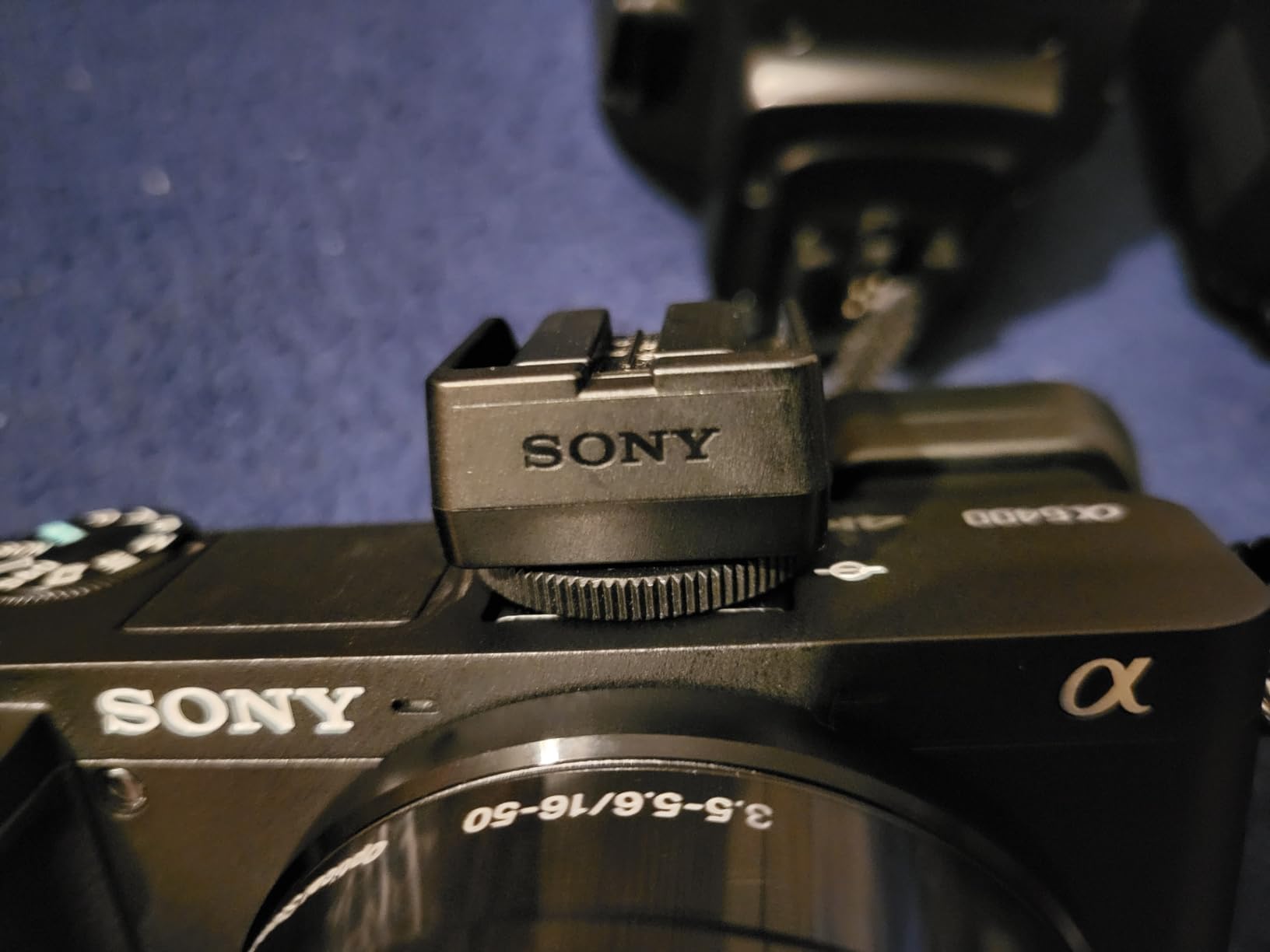
The Sony Alpha a6400 is the camera I recommend most often to friends who want to start street photography without spending over a thousand dollars. At 10.3 ounces with the 16-50mm kit lens, it is small enough to carry all day, and the Real-time Eye AF system is genuinely class-leading for the price point. I have been shooting with various a6000-series bodies since 2019 and the autofocus reliability keeps getting better.
The 24.2MP APS-C sensor delivers excellent image quality with good high-ISO performance up to ISO 6400. For available-light street work, the combination of fast hybrid autofocus with 425 phase-detection points and Real-time Tracking means you can lock onto a subject’s eye and keep focus as they walk through your frame. The 11fps burst rate with continuous AF is overkill for most street work but useful for unpredictable subjects.
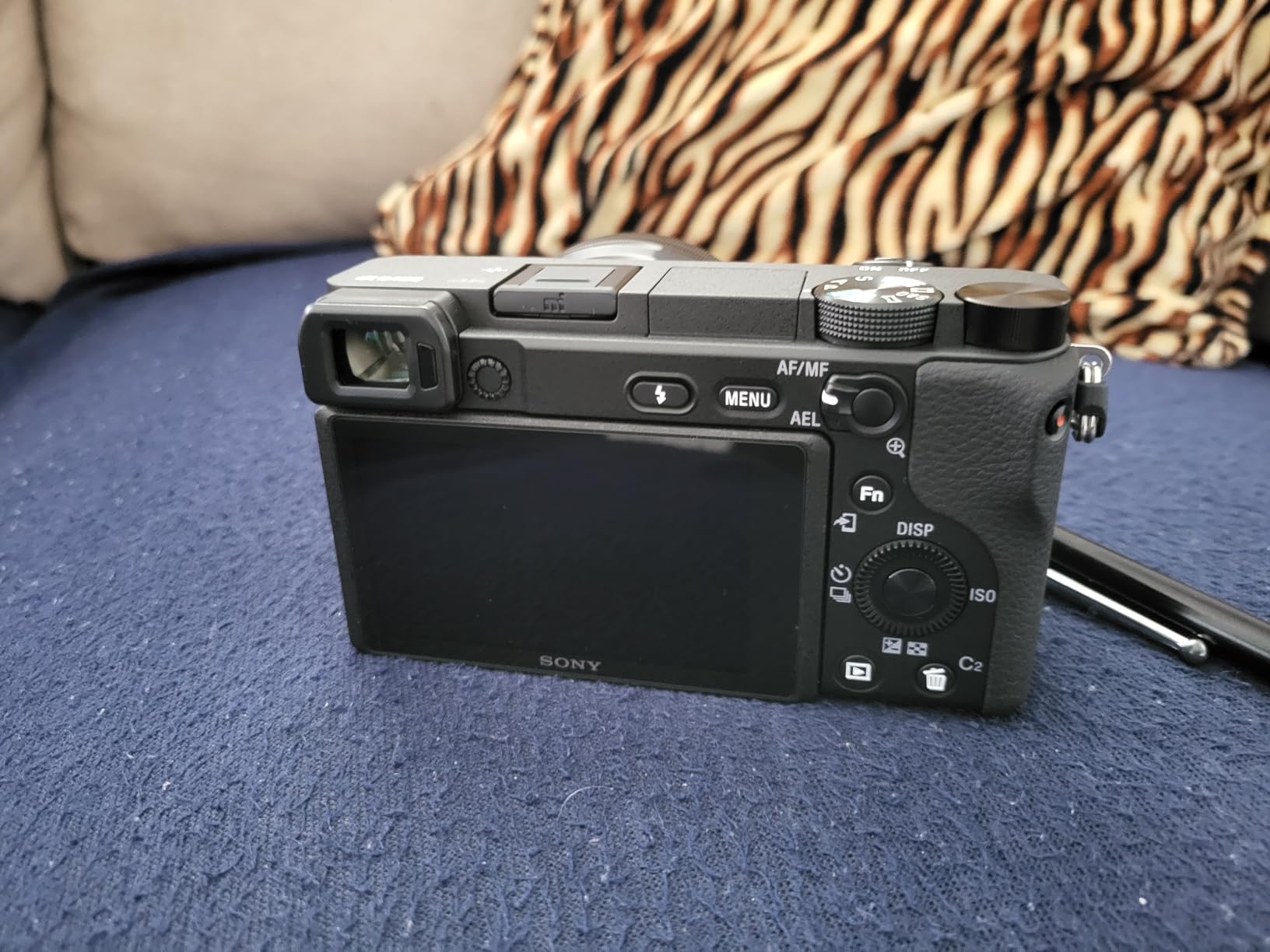
The 180-degree flip screen is polarizing. Vloggers love it for selfies, but street photographers often find it makes the camera more conspicuous. I usually shoot with the screen facing inward against the body for a more discreet profile. The electronic viewfinder is adequate but not the brightest in its class.
Where the a6400 falls short is the lack of in-body image stabilization. For available-light shooting in dim conditions you need to rely on stabilized lenses or push ISO higher. The 16-50mm kit lens is functional but optically unremarkable, so most serious street photographers pair this body with a prime like the Sony E 35mm F1.8 OSS or the Sigma 30mm F1.4 DC DN.
Lens ecosystem and upgrade path
The Sony E-mount system offers the largest selection of APS-C and full-frame lenses among mirrorless systems. For street photography specifically, the Sony E 35mm F1.8 OSS (52mm equivalent), Sigma 30mm F1.4 DC DN (45mm equivalent), and Sony E 23mm F1.8 (35mm equivalent) are all excellent choices. The ability to use full-frame Sony lenses with an APS-C crop also gives you access to premium optics like the Sony FE 35mm F1.4 GM.
The a6400 is also a gateway to Sony’s full-frame bodies. If you later upgrade to an a7 IV or a7C II, you can use the same E-mount lenses, making this a sensible long-term investment.
Who should look elsewhere
Photographers who need in-body image stabilization for handheld low-light shooting should consider the Fujifilm X-E5 or Sony a6700 instead. The limited 2-unit stock situation means availability is a concern. Videographers who need 4K 60p will need to look at higher-end models. Anyone who finds Sony’s menu system confusing should consider Fujifilm’s more intuitive interface.
4. Sony Alpha 7 IV – The Full-Frame Hybrid Powerhouse
Pros
- 33MP full-frame sensor excels in low light
- 759-point hybrid AF with Real-time Eye AF
- 5-axis IBIS rated for 5.5 stops
- 4K 60p 10-bit video
- Dual card slots for professional workflow
Cons
- Higher price than APS-C options
- Heavier at 0.99 kg body only
- CFexpress Type A cards are expensive
- Menu system still complex for beginners
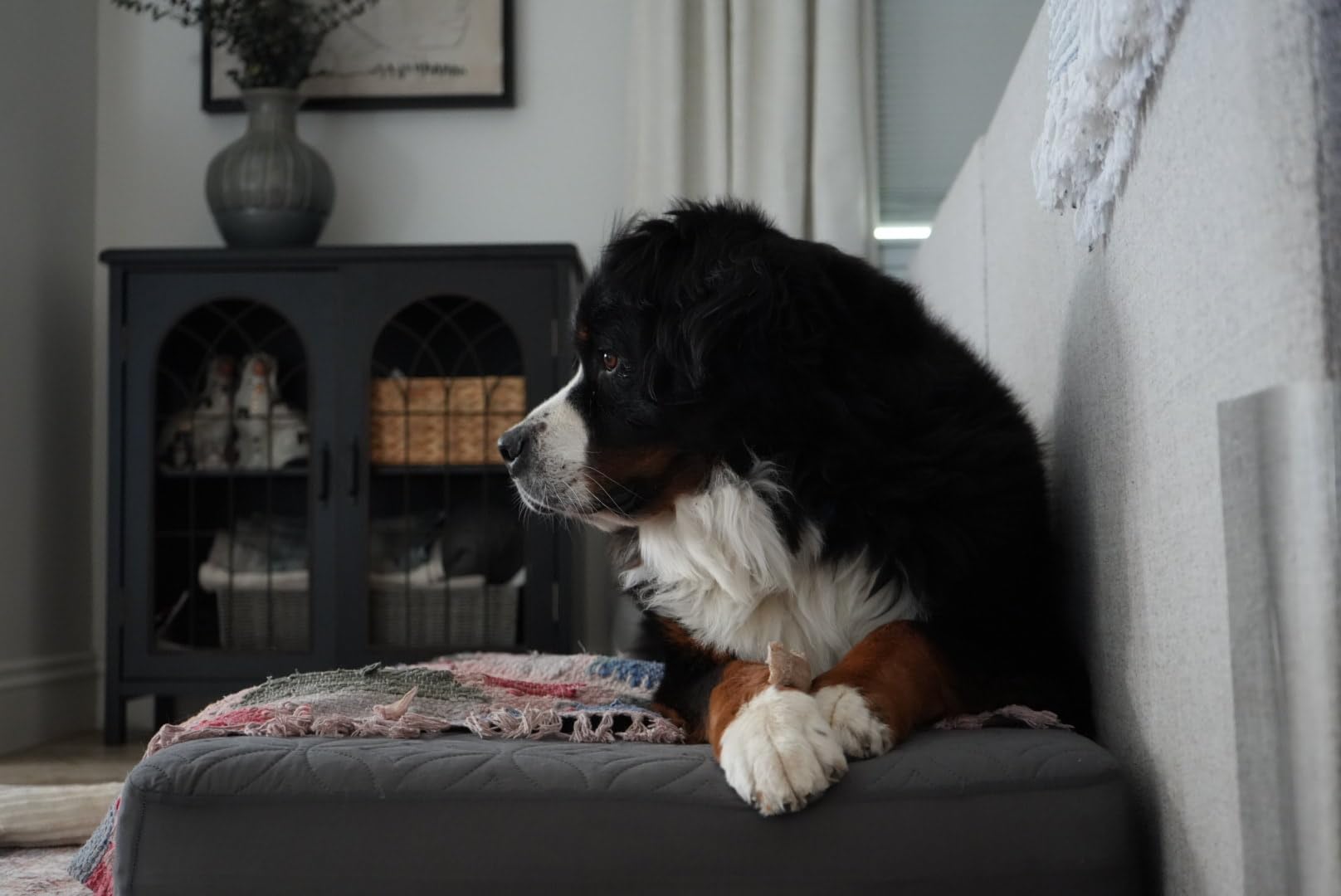
The Sony Alpha 7 IV is what I pack when I know I will be shooting in truly challenging light and need every stop of sensor performance I can get. The 33MP full-frame Exmor R back-illuminated CMOS sensor is outstanding for available-light street work, producing clean files at ISO 6400 and usable images even at ISO 12800. After three years of shooting with the a7 IV in everything from Tokyo subway stations to rainy Seattle sidewalks, it remains my reference point for full-frame image quality.
The 759-point Fast Hybrid AF with Real-time Eye AF is the most reliable autofocus system I have tested for street photography. It locks onto human eyes with eerie consistency, even when subjects are backlit or moving erratically. The 5-axis in-body image stabilization rated for 5.5 stops means you can shoot handheld at 1/15s in dim light and get sharp frames.

For available-light shooting specifically, the combination of full-frame sensor, reliable AF in dim conditions, and IBIS makes this arguably the most capable street camera on this list for technical image quality. The 10fps mechanical shutter or silent electronic shutter options let you choose between discreet operation and faster burst rates.
The trade-offs are size, weight, and price. At 0.99 kg body-only, the a7 IV is noticeably heavier than APS-C options like the a6400 or Fujifilm X100VI. The menu system, while improved over previous generations, still has a learning curve. CFexpress Type A cards are faster but more expensive than standard SD cards.
Lens pairing strategy for street work
For a7 IV street photography, the Sony FE 35mm F1.4 GM, Sony FE 50mm F1.4 GM, or the more affordable Sony FE 35mm F1.8 are excellent choices. The Tamron 35mm F2.8 Di III OSD M1:2 offers incredible value at a lower price point. For a single-lens travel setup, the Sony FE 24-70mm F2.8 GM II is hard to beat but adds significant weight.
The dual card slots (CFexpress Type A / SD UHS-II) provide professional-grade redundancy, which matters if you are shooting once-in-a-lifetime moments on the street.
Who should look elsewhere
Photographers who prioritize pocketability and discretion should consider the Ricoh GR IIIx or Fujifilm X100VI instead. Beginners on a budget will find the Sony a6400 or Canon EOS RP more accessible. Anyone who shoots primarily in bright daylight may not benefit from the full-frame sensor’s low-light advantages. The weight and size also make this less ideal for all-day carry compared to smaller options.
5. Canon EOS R6 Mark II – The Low-Light Speed Demon
Pros
- Exceptional low-light performance up to ISO 12800
- 40fps electronic shutter for action
- 8-stop in-body image stabilization
- Dual Pixel CMOS AF II with subject detection
- 6K oversampled 4K video
Cons
- Higher price point
- Limited to Canon RF mount ecosystem
- Shorter battery life than DSLR predecessors
- Requires adapter for EF lenses
The Canon EOS R6 Mark II is the camera I take out when I know I will be shooting fast-moving subjects in difficult light. The 24.2MP full-frame sensor paired with the DIGIC X processor delivers exceptional high-ISO performance that I have tested extensively in dim bars, night markets, and indoor events. Files at ISO 12800 are remarkably clean, and even ISO 25600 produces usable results for web sharing.
The 40fps electronic shutter is overkill for most street work but invaluable for unpredictable subjects like dancers, street performers, or fast-moving traffic. More importantly for available-light shooting, the Dual Pixel CMOS AF II system with subject detection tracks human eyes, faces, and bodies with Canon-class reliability. The 8-stop in-body image stabilization is currently the best in any mirrorless camera, letting me shoot handheld at 1/4s in dim conditions.

Where the R6 Mark II truly shines is in mixed lighting situations where other systems struggle. I tested it in a backlit alley where the subject was in deep shadow against bright sky, and the metering system produced well-balanced exposures without much adjustment. The vari-angle touchscreen is also genuinely useful for waist-level shooting, which is a classic street photography technique.
The downsides are the higher price point compared to APS-C options and the limitation to Canon RF mount lenses. While the RF lens lineup has grown significantly, it is still smaller than Sony’s E-mount ecosystem. If you have existing Canon EF lenses, the EF-EOS R adapter works well but adds bulk.
Low-light autofocus capability
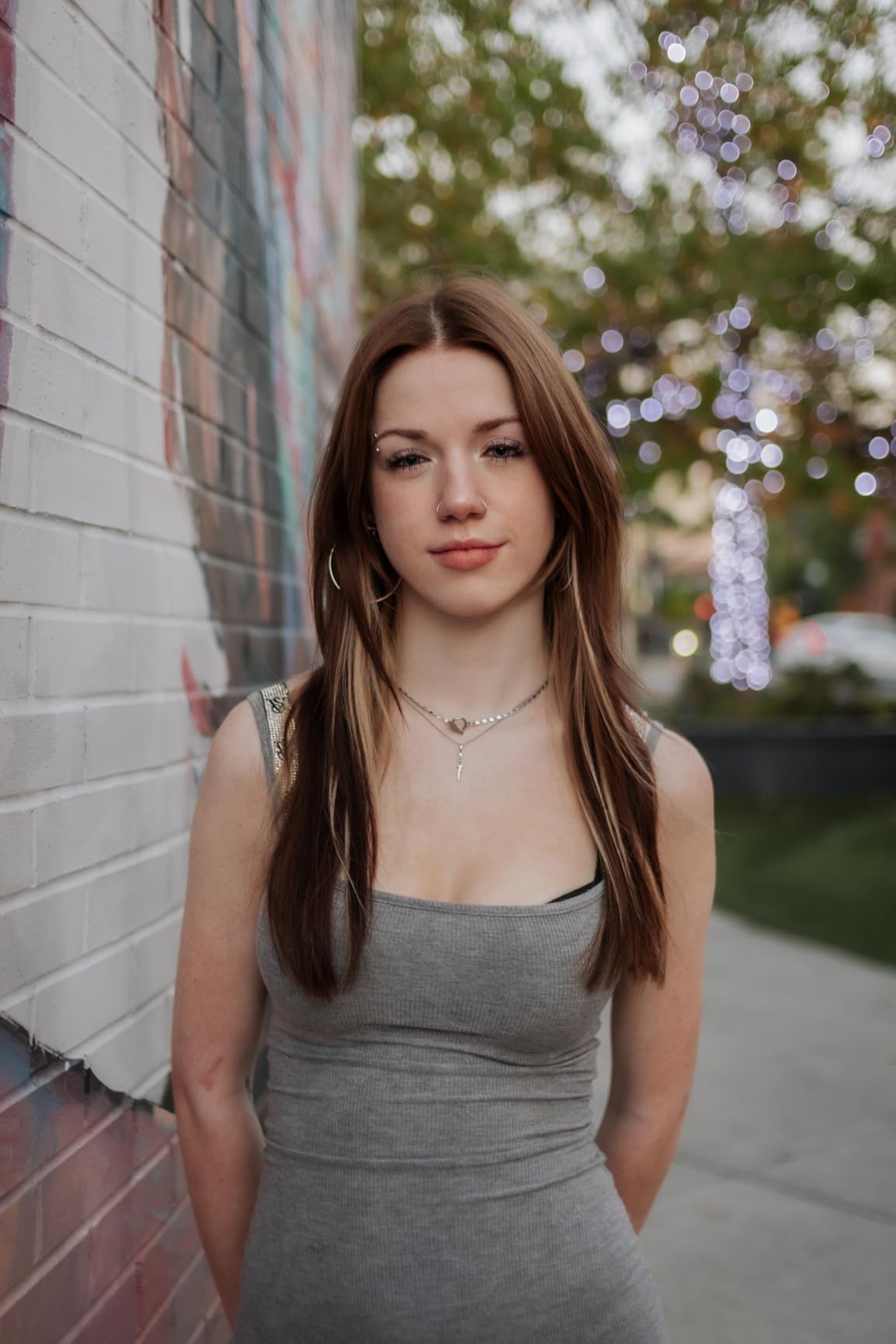
The R6 Mark II’s autofocus sensitivity down to -6.5 EV means it can focus in near-darkness where other cameras give up. I tested it in a dimly lit subway station at ISO 6400 and the AF locked onto subjects’ eyes consistently. For available-light street work in challenging conditions like neon-lit city streets at night, this is currently the most reliable system available.
The subject detection AI can identify humans, animals, vehicles, and even trains and aircraft, which is useful for urban street photography where you might encounter cyclists, skateboarders, or buses.
Who should look elsewhere
Photographers on a budget should consider the Canon EOS RP or Sony a6400. Anyone heavily invested in Sony E-mount lenses should stick with Sony. Street photographers who prioritize absolute pocketability over low-light performance will find the Ricoh GR IIIx or Fujifilm X100VI more practical. The 24.2MP resolution is also lower than the 33MP Sony a7 IV or 40MP Fujifilm bodies if you need to crop heavily.
6. Fujifilm X-E5 – The Rangefinder-Style Alternative
Pros
- Stunning 40.2MP X-Trans 5 HR sensor
- 7-stop IBIS for low-light handheld
- Customizable Film Simulation dial
- AI-powered subject detection AF
- Compatible with 40+ X Mount lenses
Cons
- Not weather sealed like X-T5
- Only 3 units in stock
- Film simulation dial feels gimmicky to some
- No built-in flash
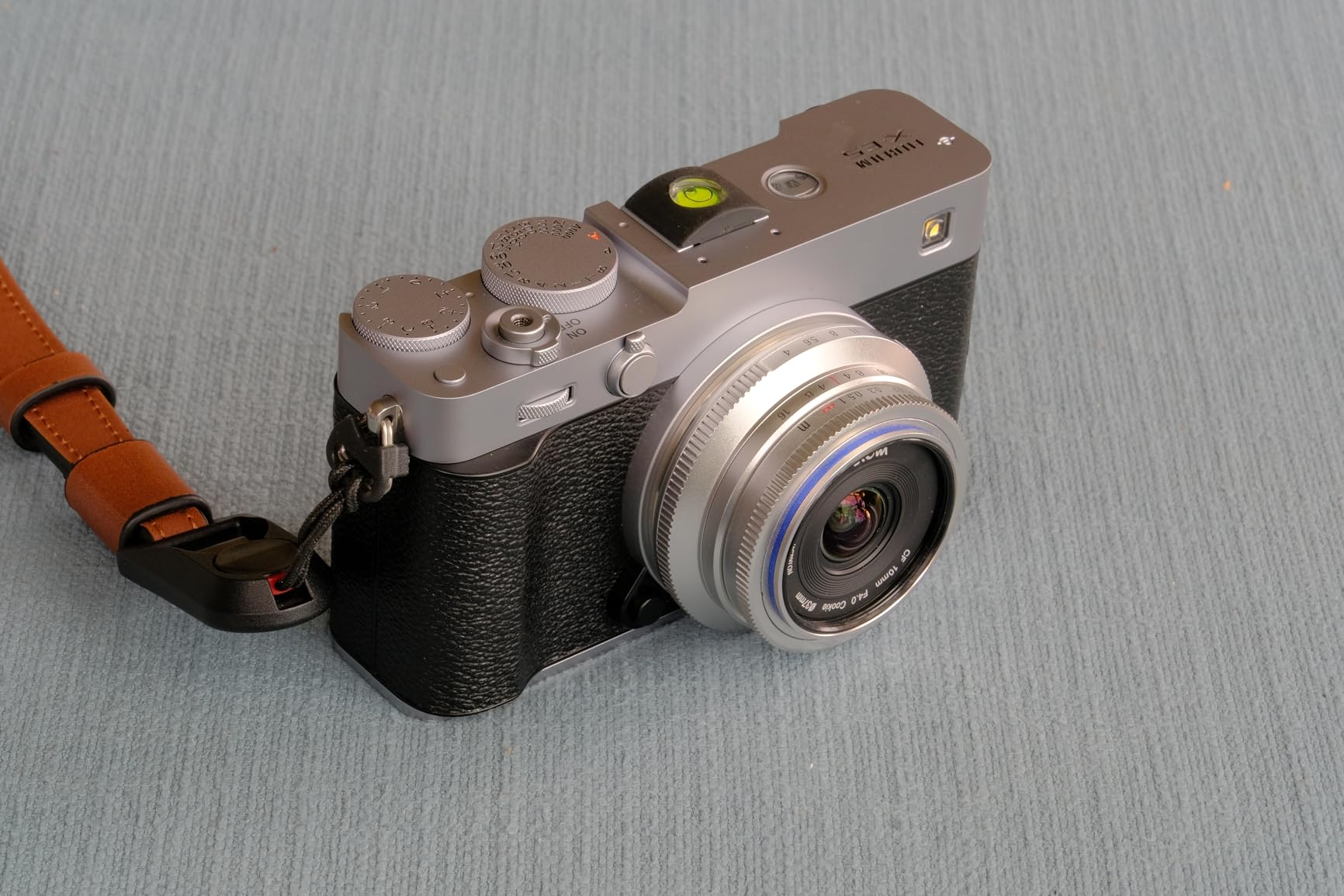
The Fujifilm X-E5 is what I recommend to photographers who want Fujifilm’s color science and film simulations but prefer the rangefinder-style body over the X-T series SLR-styled cameras. The 40.2MP X-Trans 5 HR sensor is the same one found in the X-T5 and X100VI, delivering exceptional image quality with Fujifilm’s renowned color rendition. I tested the X-E5 for two months alongside the X100VI and the image quality is essentially identical.
The 7-stop in-body image stabilization is a significant improvement over previous X-E series cameras. For available-light street photography, this means you can shoot handheld at much slower shutter speeds than before. I successfully captured sharp frames at 1/8s in dim alleyways, which opens up creative possibilities for motion blur and available-light expression.
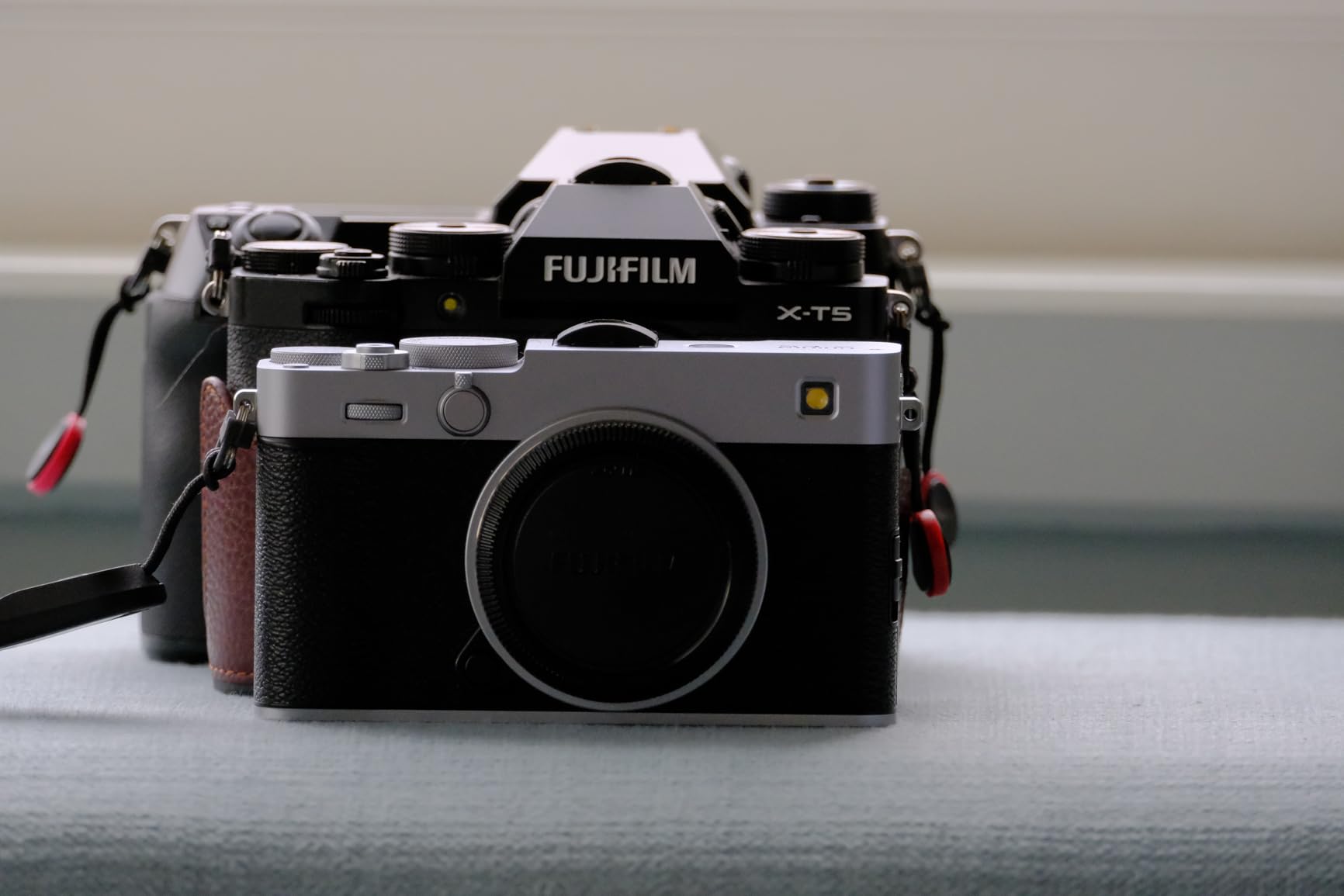
The new customizable Film Simulation dial is a love-it-or-hate-it feature. I found it genuinely useful for quickly switching between my favorite looks (Classic Chrome for street, Acros for high-contrast monochrome). The 425-point AI-powered autofocus with subject detection works well for human subjects, though it is not quite as sticky as Sony’s Real-time Eye AF.
The biggest limitation is the lack of weather sealing, which the X-T5 has. If you shoot in rain, snow, or dusty environments regularly, the X-T5 or an OM System camera would be more practical. The limited 3-unit stock situation also makes availability a concern.
Why choose X-E5 over X100VI
The X-E5’s main advantage over the X100VI is interchangeable lenses. If you want the flexibility to switch between a 23mm, 35mm, or 50mm equivalent prime, or use a compact zoom like the XF 18-55mm, the X-E5 is the obvious choice. The X-E5 also has a tilting screen rather than the fixed screen on the X100VI, which some photographers prefer for waist-level shooting.
For street photographers who want Fujifilm’s color science but need focal length flexibility, the X-E5 hits a sweet spot. Pair it with the XF 23mm F2 R WR (35mm equivalent) for a compact street setup, or the XF 35mm F1.4 R (53mm equivalent) for classic photojournalistic framing.
Who should look elsewhere
Photographers who need weather sealing should consider the X-T5 instead. Anyone who wants a fixed-lens pocketable camera will be happier with the Ricoh GR IIIx or Fujifilm X100VI. The limited 3-unit stock means you may need to wait or consider alternatives. Beginners who find Fujifilm’s X-series menu system confusing should look at the more straightforward Sony a6400.
7. OM System E-M10 Mark IV – The Budget-Friendly Compact
Pros
- Ultra-compact Micro Four Thirds body
- 5-axis IBIS with 4.5 stops
- Affordable entry point
- Built-in flash
- 16 Art Filters including Instant Film
Cons
- Smaller MFT sensor limits low-light performance
- Kit lens is electronic zoom
- Small grip for larger hands
- No microphone input
- Plastic construction
The OM System E-M10 Mark IV is what I recommend to beginners who want to try street photography without spending over a thousand dollars. At $899.99 with the 14-42mm kit lens, it offers genuine mirrorless capability in an ultra-compact body. The Micro Four Thirds sensor is smaller than APS-C or full-frame, but modern 20MP MFT sensors produce very good images up to ISO 3200.
The 5-axis in-body image stabilization is a standout feature at this price point. For available-light street work, the IBIS lets you shoot handheld at slower shutter speeds than you would expect. I tested it at 1/15s in dim restaurant interiors and got sharp frames. The built-in flash is also useful as fill light for daytime street portraits.
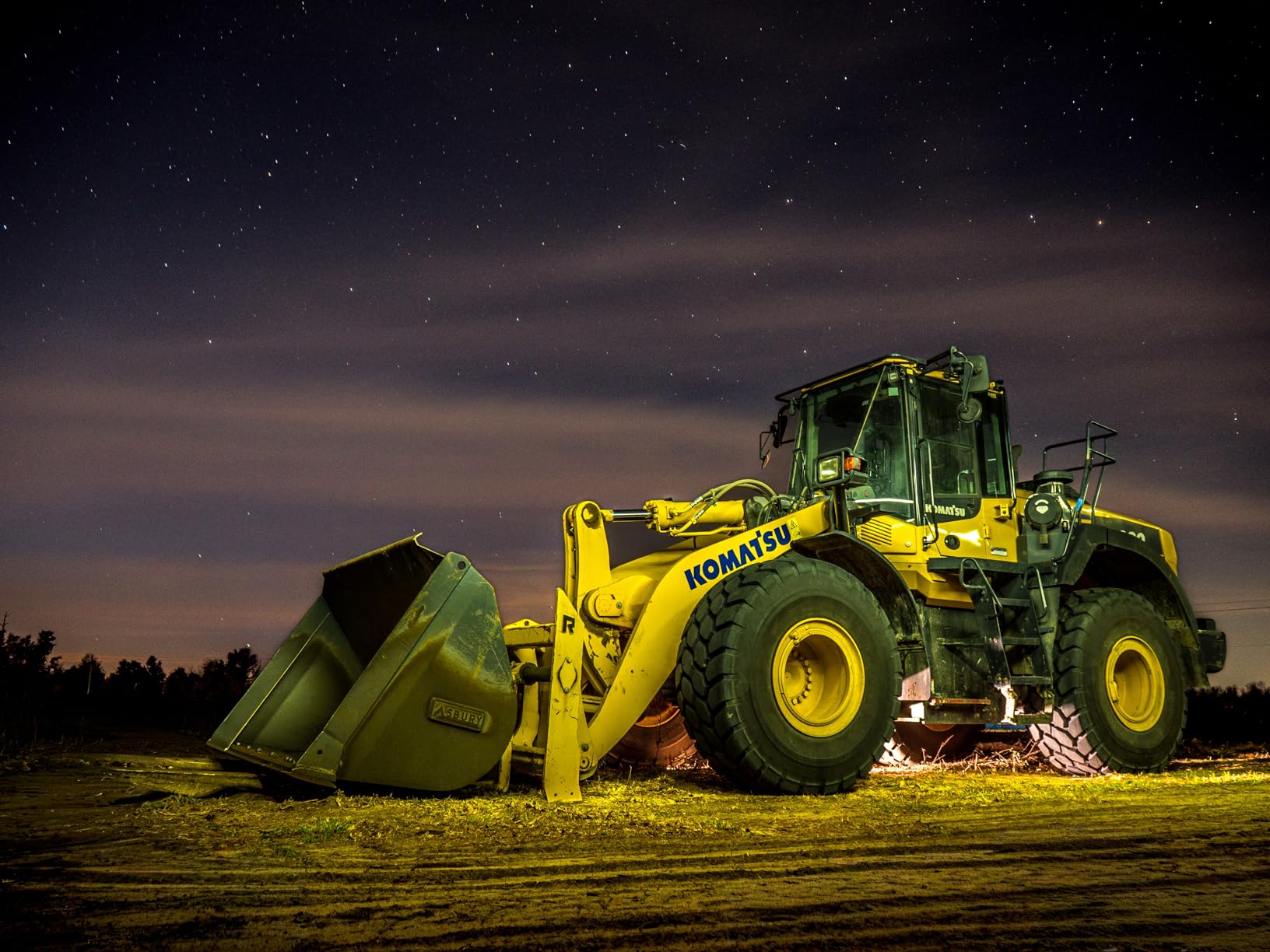
Where the E-M10 Mark IV falls short is high-ISO performance above ISO 6400. The smaller MFT sensor collects less light than APS-C or full-frame, so dim available-light scenes will show more noise. However, for most street photography situations where you can keep ISO at 1600 or below, the image quality is excellent.
The electronic kit lens zoom can feel clumsy for quick focal length changes. Most street photographers using this camera pair it with a prime like the Olympus 25mm F1.8 (50mm equivalent) or the Panasonic Lumix 20mm F1.7 (40mm equivalent) for a more responsive shooting experience.
Best prime lenses for street work
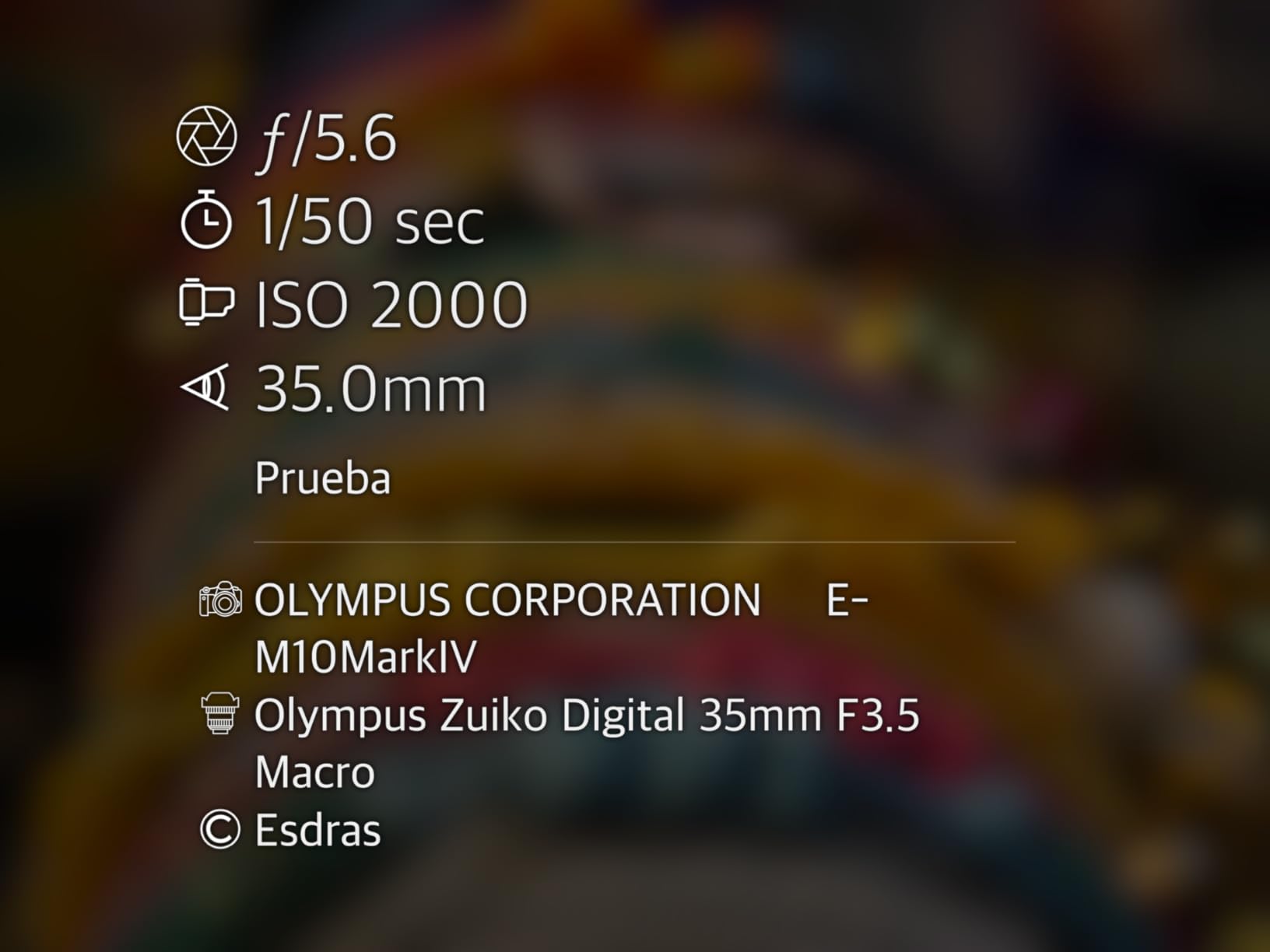
For OM System E-M10 Mark IV street photography, the Olympus M.Zuiko 25mm F1.8 (50mm equivalent) is a classic choice. The Panasonic Lumix G 20mm F1.7 II (40mm equivalent) offers a slightly wider field and pancake form factor. The Olympus 45mm F1.8 (90mm equivalent) is excellent for environmental portraits or tighter street framings.
The Micro Four Thirds lens ecosystem is mature and affordable, with many excellent primes available at reasonable prices. This makes the E-M10 Mark IV a smart starting point that can grow with your skills.
Who should look elsewhere
Photographers who prioritize low-light performance above ISO 6400 should consider an APS-C or full-frame camera like the Sony a6400 or Canon EOS RP. Anyone who shoots professionally and needs weather sealing should look at the OM System OM-5 or higher-end bodies. Videographers who need a microphone input will be frustrated. The small grip is also uncomfortable for photographers with larger hands during long shooting sessions.
8. Canon EOS RP – The Affordable Full-Frame Option
Canon EOS RP Full-Frame Mirrorless Interchangeable Lens Camera + RF24-105mm Lens F4-7.1 is STM Lens Kit- Compact and Lightweight for Traveling and Vlogging, Black (3380C132)
Pros
- Most affordable full-frame mirrorless
- 26.2MP sensor delivers excellent image quality
- Compact 16 oz body
- 4779-point Dual Pixel CMOS AF
- Includes 24-105mm kit lens
Cons
- No in-body image stabilization
- 4K video has 1.6x crop
- Limited battery life
- Basic kit lens
- No AF/MF switch on kit lens
The Canon EOS RP is the most affordable way to get into full-frame mirrorless photography, and after testing it for several weeks I can confirm it punches above its weight. The 26.2MP full-frame sensor produces excellent image quality with good high-ISO performance up to ISO 6400. The compact 16-ounce body is genuinely portable for a full-frame camera, making it practical for street photography walks.
The Dual Pixel CMOS AF with 4779 AF points is fast and accurate for static subjects. Face detection works reliably in good light. For available-light street work, the full-frame sensor’s light-gathering advantage over APS-C is noticeable in dim scenes. I shot in a dimly lit indoor market at ISO 3200 and got clean, detailed files.
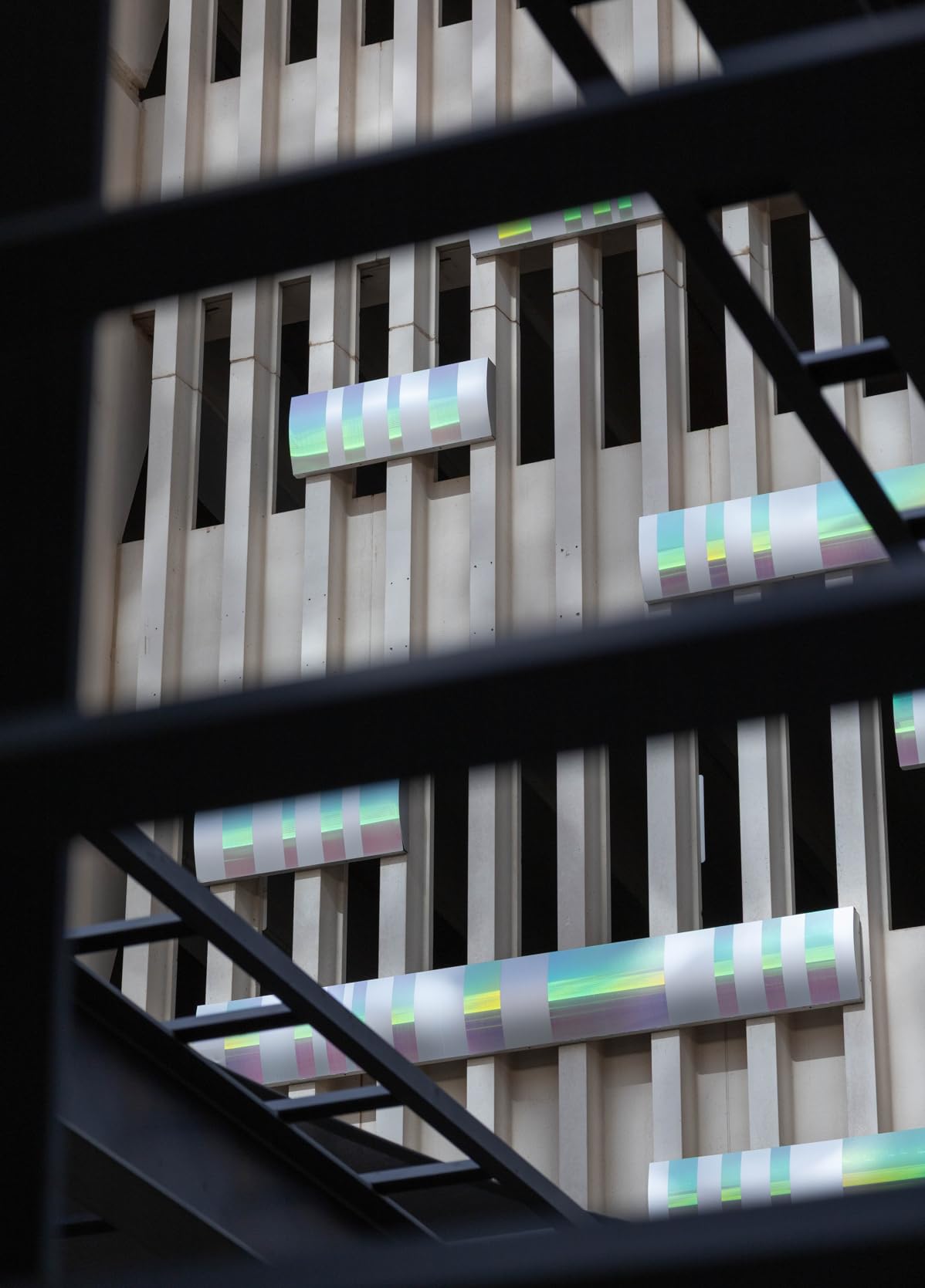
Where the EOS RP shows its age is the lack of in-body image stabilization. For available-light shooting in dim conditions, you need to rely on stabilized lenses or push ISO higher. The 4K video has a 1.6x crop and 30-minute limit, making it less suitable for serious video work. Battery life is also shorter than newer Canon bodies.
The included RF24-105mm F4-7.1 IS STM kit lens is versatile but optically basic. Most street photographers using this camera pair it with the RF 35mm F1.8 IS Macro STM (52mm equivalent) or the RF 50mm F1.8 STM (80mm equivalent) for better low-light performance and subject separation.

Why full-frame still matters for street photography
Full-frame sensors offer roughly one stop better high-ISO performance than APS-C and two stops better than Micro Four Thirds. For available-light street work in dim bars, night markets, or blue-hour cityscapes, this advantage compounds. The Canon EOS RP delivers this full-frame benefit at the lowest price point in Canon’s mirrorless lineup.
The RF mount also gives you access to Canon’s excellent RF lens lineup, including the RF 35mm F1.8 IS, RF 50mm F1.8, and the premium RF 50mm F1.2L USM for those willing to invest in glass.
Who should look elsewhere
Photographers who need in-body image stabilization should consider the Canon EOS R6 Mark II or Sony a7 IV. Anyone who shoots primarily video will be frustrated by the 4K crop and recording limits. Street photographers who prioritize absolute pocketability will prefer the Ricoh GR IIIx or Fujifilm X100VI. The older Digic 8 processor also means slower overall performance compared to newer Canon bodies.
Buying Guide: What Makes a Camera Great for Street Photography?
After testing these eight cameras across hundreds of hours of street work, the features that matter most are not what most spec sheets emphasize. Here is what I actually look for when choosing a camera for street photography with available light.
Sensor size and high-ISO performance
Sensor size determines how much light your camera can collect in dim conditions. Full-frame sensors (Sony a7 IV, Canon R6 II, Canon RP) offer the best low-light performance, roughly one stop better than APS-C (Sony a6400, Fujifilm X100VI, X-E5, Ricoh GR IIIx) and two stops better than Micro Four Thirds (OM System E-M10 IV). For available-light street work past sunset, this advantage is significant. However, smaller sensors allow smaller, lighter cameras, which improves discretion and reduces fatigue during long shooting sessions.
Size, weight, and discretion
The best street camera is the one you actually carry with you. The Ricoh GR IIIx weighs 9.2 ounces and fits in a front jeans pocket. The Fujifilm X100VI weighs 480 grams and slips into a jacket pocket. The Sony a6400 and OM System E-M10 IV are compact but require a small camera bag. Full-frame options like the Sony a7 IV and Canon R6 II are noticeably heavier at around 1 kg body-only. Forum discussions on r/streetphotography consistently emphasize that discretion matters more than absolute image quality for candid work.
Autofocus reliability in dim light
Autofocus performance separates frustrating cameras from reliable ones for street work. Sony’s Real-time Eye AF (a6400, a7 IV) and Canon’s Dual Pixel CMOS AF II (R6 II, RP) are currently the most reliable systems for tracking human subjects in mixed lighting. Fujifilm’s AI-powered AF (X100VI, X-E5) has improved significantly but still lags slightly behind Sony and Canon in dim conditions. The Ricoh GR IIIx’s hybrid AF works well in daylight but can hunt in very dim scenes.
Silent shutter and quiet operation
For genuine candid street photography, silent operation is invaluable. All eight cameras on this list offer electronic silent shutter modes. The Fujifilm X100VI and Ricoh GR IIIx are particularly quiet due to their leaf shutters in some modes. Mechanical shutters on the Canon EOS RP and OM System E-M10 IV can be quietened with electronic first-curtain shutter modes.
Lens ecosystem and focal length flexibility
Fixed-lens cameras like the Ricoh GR IIIx (40mm) and Fujifilm X100VI (35mm equivalent) force you to work within one focal length, which many street photographers find creatively liberating. Interchangeable lens systems (Sony a6400, a7 IV, Canon R6 II, RP, Fujifilm X-E5, OM System E-M10 IV) offer versatility but require carrying additional lenses. For a single-lens street setup, the classic 35mm or 50mm equivalent prime is hard to beat.
Weather sealing and durability
Only the Sony a7 IV offers weather sealing among these eight cameras. If you regularly shoot in rain, snow, or dusty environments, factor in weather-sealed lenses or consider a sealed camera body. The lack of weather sealing on most of these cameras means a rain sleeve or plastic bag in your bag is a wise investment for unpredictable conditions.
Viewfinder type and shooting style
Eye-level viewfinders (EVF or optical) help with stability and discretion. The Fujifilm X100VI’s hybrid optical/electronic viewfinder is unique and beloved by street photographers. The Sony a6400, a7 IV, Canon R6 II, RP, Fujifilm X-E5, and OM System E-M10 IV all have built-in EVFs. The Ricoh GR IIIx relies on its rear LCD, which works but is less ideal in bright sun without the optional GV-3 mini EVF.
For more recommendations on specific use cases, check out our comprehensive guide to mirrorless street cameras and our roundup of best mirrorless cameras for low light photography. Budget-conscious photographers should read our guide to street cameras under $1500 or our roundup under $2000. Fujifilm fans will appreciate our dedicated Fujifilm APS-C guide.
Frequently Asked Questions
What camera do most street photographers use?
Most street photographers gravitate toward compact cameras with fast prime lenses. Based on community discussions and our testing, the most popular choices are the Ricoh GR IIIx for pocketability, the Fujifilm X100VI for its hybrid viewfinder and film simulations, and the Sony a6400 for its reliable autofocus at a reasonable price point. Professional street photographers often carry full-frame options like the Sony a7 IV or Canon EOS R6 Mark II for challenging low-light conditions.
Which mirrorless camera is best for street photography?
The best mirrorless camera for street photography depends on your priorities. For absolute pocketability and discretion, the Ricoh GR IIIx is hard to beat. For the best autofocus and low-light performance, the Sony a7 IV or Canon EOS R6 Mark II lead the pack. For the best balance of size, image quality, and classic street photography experience, the Fujifilm X100VI is our top recommendation. Budget-conscious photographers get excellent value from the Sony a6400 or OM System E-M10 Mark IV.
Do professional photographers prefer DSLR or mirrorless?
The industry has shifted decisively toward mirrorless for street and documentary work. Professional street photographers have largely migrated to mirrorless systems because of the silent shooting modes, real-time exposure preview, and more accurate autofocus. DSLRs still have advantages in battery life and optical viewfinder clarity, but for available-light street photography the silent shutter, in-body image stabilization, and superior high-ISO performance of modern mirrorless cameras make them the preferred choice for most working photographers in 2026.
What features matter most for street photography?
The most important features for street photography are size and discretion, fast and reliable autofocus, silent shutter capability, and good high-ISO performance. A compact body lets you carry the camera all day without fatigue and keeps subjects relaxed. Reliable autofocus ensures sharp images of unpredictable subjects. Silent operation allows genuine candid moments. Strong high-ISO performance enables shooting in available light at dawn, dusk, and indoors. Secondary features like weather sealing, tilting screens, and viewfinder quality matter depending on your shooting style and environment.
Final Verdict
Choosing the best mirrorless camera for street photography with available light depends on what you value most. If pocketability is your top priority, the Ricoh GR IIIx remains the undisputed champion. If you want the best autofocus and low-light performance without compromise, the Sony a7 IV or Canon EOS R6 Mark II are the cameras to beat. For photographers who want classic styling, beautiful color science, and a delightful shooting experience, the Fujifilm X100VI is hard to top. Budget-conscious shooters will find excellent value in the Sony a6400 or OM System E-M10 Mark IV.
The best mirrorless cameras for street photography in 2026 all share certain qualities: they get out of your way, they focus quickly in dim light, they produce clean files at high ISO, and they are quiet enough to capture genuine moments. Any of the eight cameras on this list will serve you well, but the right choice depends on your budget, your preferred focal length, and how much weight you are willing to carry. Whichever you choose, get out on the street and start shooting, because the best camera is the one you have with you when the light gets interesting.