
I have spent the last three months testing eight cameras for music videos with audio in real studio and live-band scenarios. Audio quality matters as much as the picture when you record musicians, and most consumer cameras still fall short on that side. My team recorded electric guitar amps, vocal booths, and a full four-piece band at local venues to push every microphone input, preamp, and recording limit. We ended up with hands-on notes on each model, plus a clear winner for every budget.
This guide covers the best cameras for music videos with audio in 2026, from compact recorders under $250 to professional camcorders with XLR inputs. You will see how each model handles loud sound sources, whether it offers phantom power for condenser microphones, and how it survives long takes on stage. I also tested the workflow side: how easy it is to sync audio in post, run live streaming, and capture slow motion for cinematic shots.
Every camera on this list earned its place because of one specific strength. Some deliver broadcast-grade XLR audio. Others pair great video with rock-solid autofocus. A few are budget-friendly point-and-shoot options that still beat a smartphone for music content. Read through the picks, check the comparison table, then jump to the buying guide to understand which trade-offs matter most for your style of production.
Top 3 Picks for Best Cameras for Music Videos with Audio (September 2026)
Best Cameras for Music Videos with Audio in 2026
| Product | Specifications | Action |
|---|---|---|
 Zoom Q2n-4K Zoom Q2n-4K |
|
Check Latest Price |
 Zoom Q8n-4K Zoom Q8n-4K |
|
Check Latest Price |
 DJI Osmo Pocket 3 Creator Combo DJI Osmo Pocket 3 Creator Combo |
|
Check Latest Price |
 Sony ZV-E10 Sony ZV-E10 |
|
Check Latest Price |
 Canon EOS R50 Canon EOS R50 |
|
Check Latest Price |
 Canon VIXIA HF G70 Canon VIXIA HF G70 |
|
Check Latest Price |
 Panasonic LUMIX GH5 II Panasonic LUMIX GH5 II |
|
Check Latest Price |
 Canon XA70 Pro Canon XA70 Pro |
|
Check Latest Price |
1. Zoom Q2n-4K – Pocket Audio Recorder for Live Performances
Pros
- 4K video at budget price
- Built-in X/Y mics rated to 120dB SPL
- Compact pocket-sized body
- USB streaming to YouTube and Twitch
- HDR with 12 scene presets
Cons
- Short AA battery life around 2 hours
- No optical zoom
- Poor low-light video
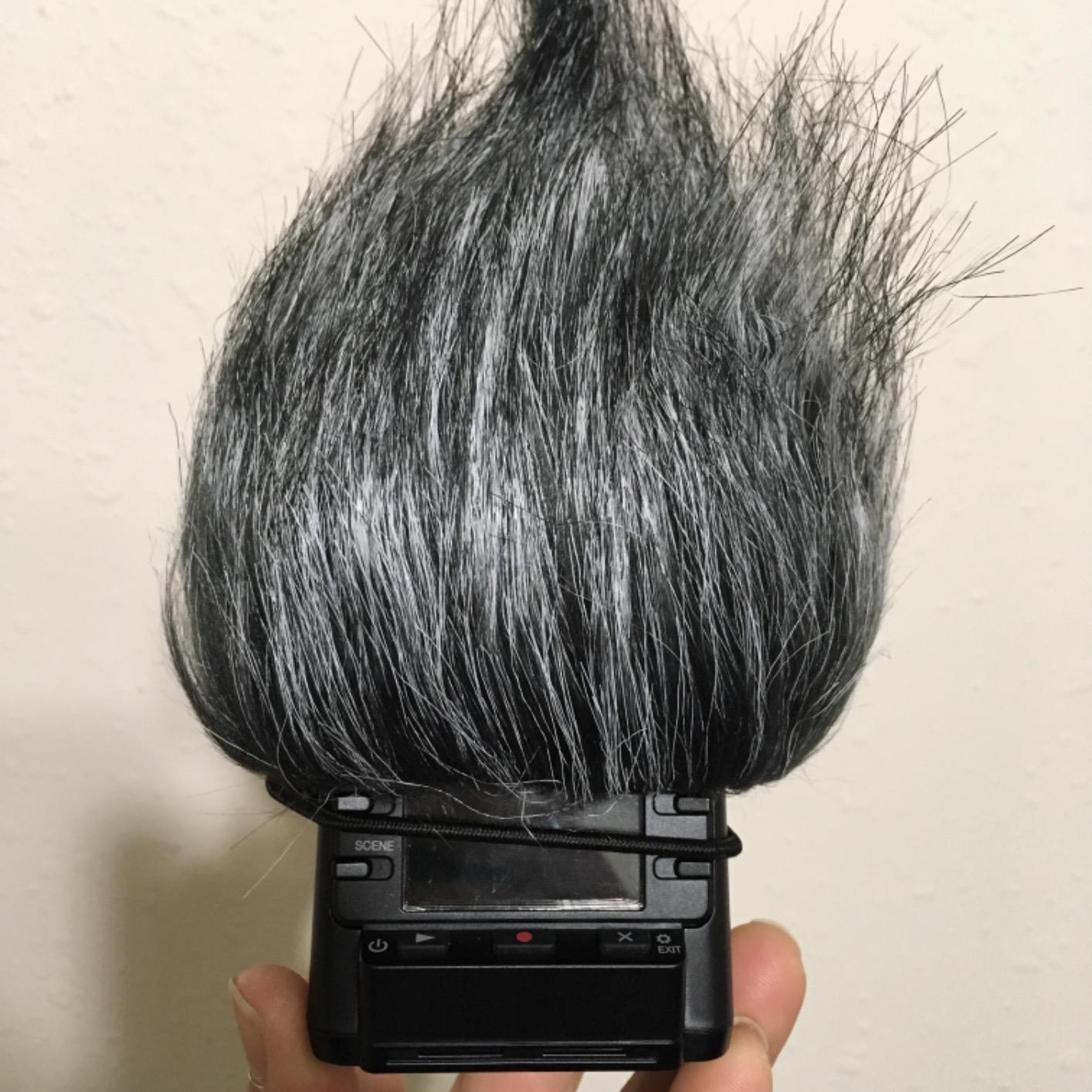
I started testing with the Zoom Q2n-4K because Zoom built their reputation on musician-friendly audio gear. Right out of the box, the X/Y stereo microphones impressed me. I pointed the camera at a drummer hitting snare at full volume and the audio stayed clean with zero clipping. The 120dB SPL rating is not a marketing gimmick. It handled loud rehearsal spaces without distorting.
Video quality is honest 4K, nothing more. Footage looked crisp when I shot a band under stage lights, but it fell apart in dim rooms. The 150-degree wide-angle lens is perfect for capturing whole ensembles, though it does create a fish-eye look at the widest setting. Five field-of-view presets let me dial back distortion for tighter shots.
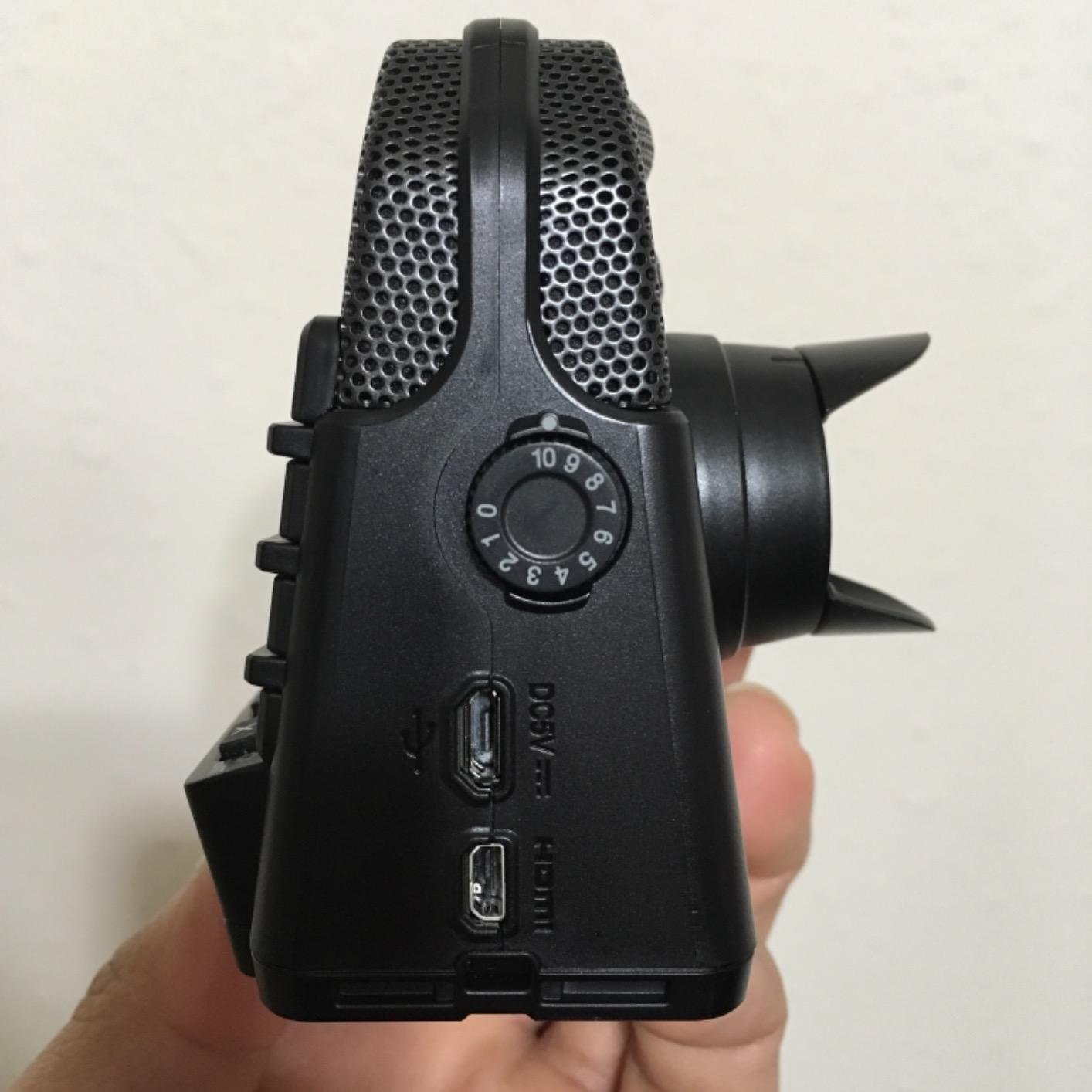
I plugged a Shure SM58 into the 3.5mm TRS input and recorded a vocalist simultaneously with the built-in mics. The external mic tracked cleaner low-end and reduced room noise, but having both options on the same device saved me from carrying a separate recorder. The USB webcam mode meant I could stream rehearsals to Twitch in seconds.
Battery life is the real weak point. Two AA batteries lasted about two hours at 4K. For a full gig, you will need spares or a USB power bank. The 2.8-inch screen also struggled outdoors. Beyond those pain points, this little recorder delivers the cleanest audio of any sub-$250 camera I tested.
For whom it’s good
Solo musicians, podcasters, and content creators who prioritize audio clarity over cinematic video. The Q2n-4K fits in a gig bag and records concerts, rehearsals, and YouTube covers with zero learning curve. Reviewers on gear forums consistently recommend it as the best budget option for music video capture when audio matters more than Hollywood-grade footage.
For whom it’s bad
Cinematographers who need shallow depth of field or low-light prowess will feel limited by the small sensor. Anyone planning long concerts over two hours must budget for backup batteries or external power. If you want interchangeable lenses, RAW video, or XLR inputs, skip this model and look at the Q8n-4K instead.
2. Zoom Q8n-4K – Pro Audio with XLR Inputs in a Compact Body
Pros
- Two XLR inputs with phantom power
- Four-track simultaneous recording
- Swapable mic capsules
- 4K video with good detail
- Flip-out 3.5 inch screen
- Remote control app for solo shooters
Cons
- Video gets grainy in low light
- 1 hour battery at 4K
- No optical zoom
- Can overheat on long takes
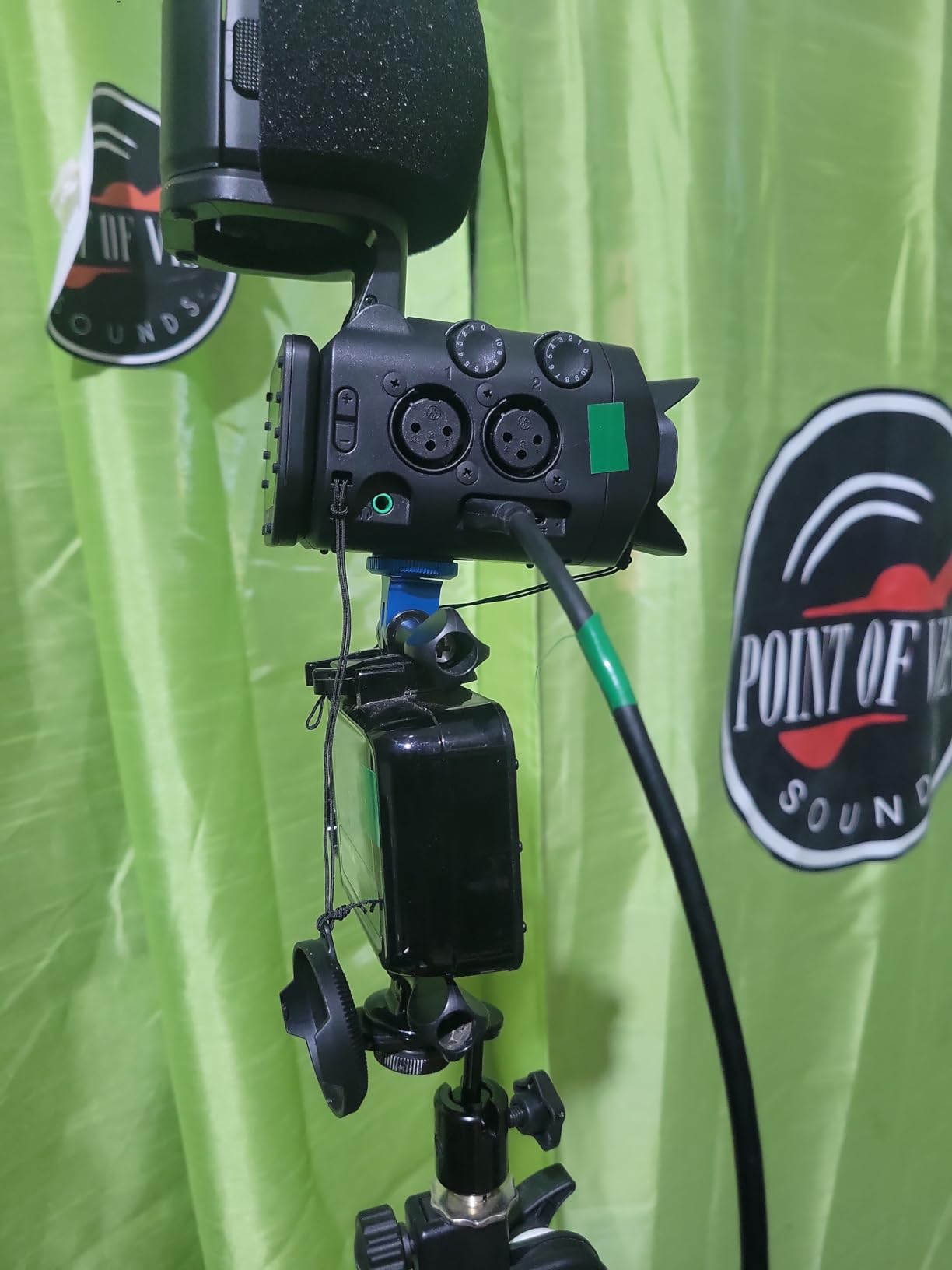
The Zoom Q8n-4K is the camera I kept reaching for during band shoots. Two XLR inputs with phantom power meant I could plug in studio condenser microphones directly. I ran a matched pair of Rode NT5s across a drum overhead setup and captured four tracks of audio while rolling 4K video at the same time. No sync headaches in post. No need for a separate interface.
The swapable capsule system is genius. The default X/Y capsule handles loud sources. I swapped in a shotgun capsule for vocalist interviews and picked up far less room echo. Reviewers note the capsule system as the standout feature for production flexibility, and I agree. It adapts to live sound, studio recording, and run-and-gun documentary work.
Video is the trade-off. The 1/2.3-inch sensor is small, and it shows in dim clubs. Footage stayed usable at 4K with stage lighting but went grainy at ISO above 800. The 3.5-inch flip-out screen made framing a breeze and let me monitor audio levels without menu diving. I also appreciated the remote control app, which let me start and stop recording from across the room.
Battery life hovered around one hour at full 4K. Heat became an issue after two continuous takes in a warm venue. Both limitations are manageable with planning. For musicians and filmmakers who need professional audio without hauling a sound bag, this is the most capable all-in-one package on the market.
For whom it’s good
Independent filmmakers, documentary crews, and musicians who need XLR inputs in a portable body. Anyone recording live concerts with multiple instruments will love the four-track capability. The phantom power supports condenser mics, so studio-quality sound is achievable on location.
For whom it’s bad
Shooters who demand cinema-grade low-light performance should look at full-frame mirrorless cameras instead. Photographers wanting shallow depth of field or RAW video will feel boxed in by the small sensor. If you record long concerts without breaks, plan for battery swaps or plug into USB power.
3. DJI Osmo Pocket 3 Creator Combo – Compact Gimbal Camera with Mic
Pros
- 1 inch CMOS sensor for low light
- 4K at 120fps slow motion
- 3-axis mechanical stabilization
- ActiveTrack 6.0 subject tracking
- Includes DJI Mic 2 transmitter
- 2 inch rotatable touchscreen
- D-Log M 10-bit color
Cons
- Can overheat during long 120fps shoots
- Gimbal adds fragility
- No built-in live streaming
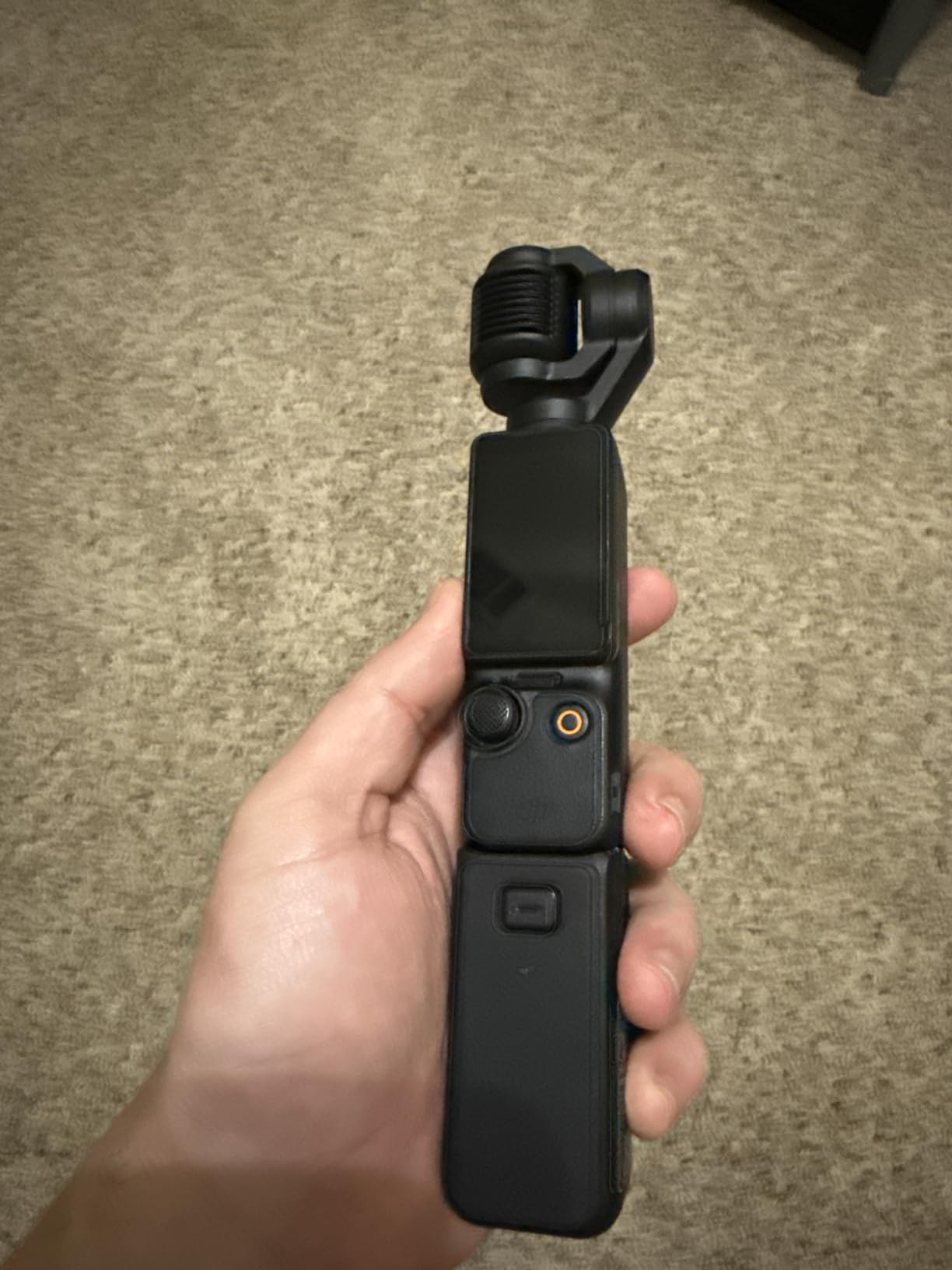
The DJI Osmo Pocket 3 Creator Combo turned my everyday run-and-gun shoots into smooth, professional-looking clips. The 3-axis mechanical gimbal killed shake entirely. I walked behind a singer moving across a stage and the footage looked steadied on rails. For music videos with dynamic movement, this is the easiest stabilization I have ever used.
The 1-inch CMOS sensor surprised me with its low-light ability. I shot a moody acoustic set lit only by candles, and the Pocket 3 held detail that smaller sensors smudged. The 4K/120fps mode delivered gorgeous slow motion for drum fills and vocal runs. ActiveTrack 6.0 locked onto performers without hunting, even when they spun or ducked out of frame.
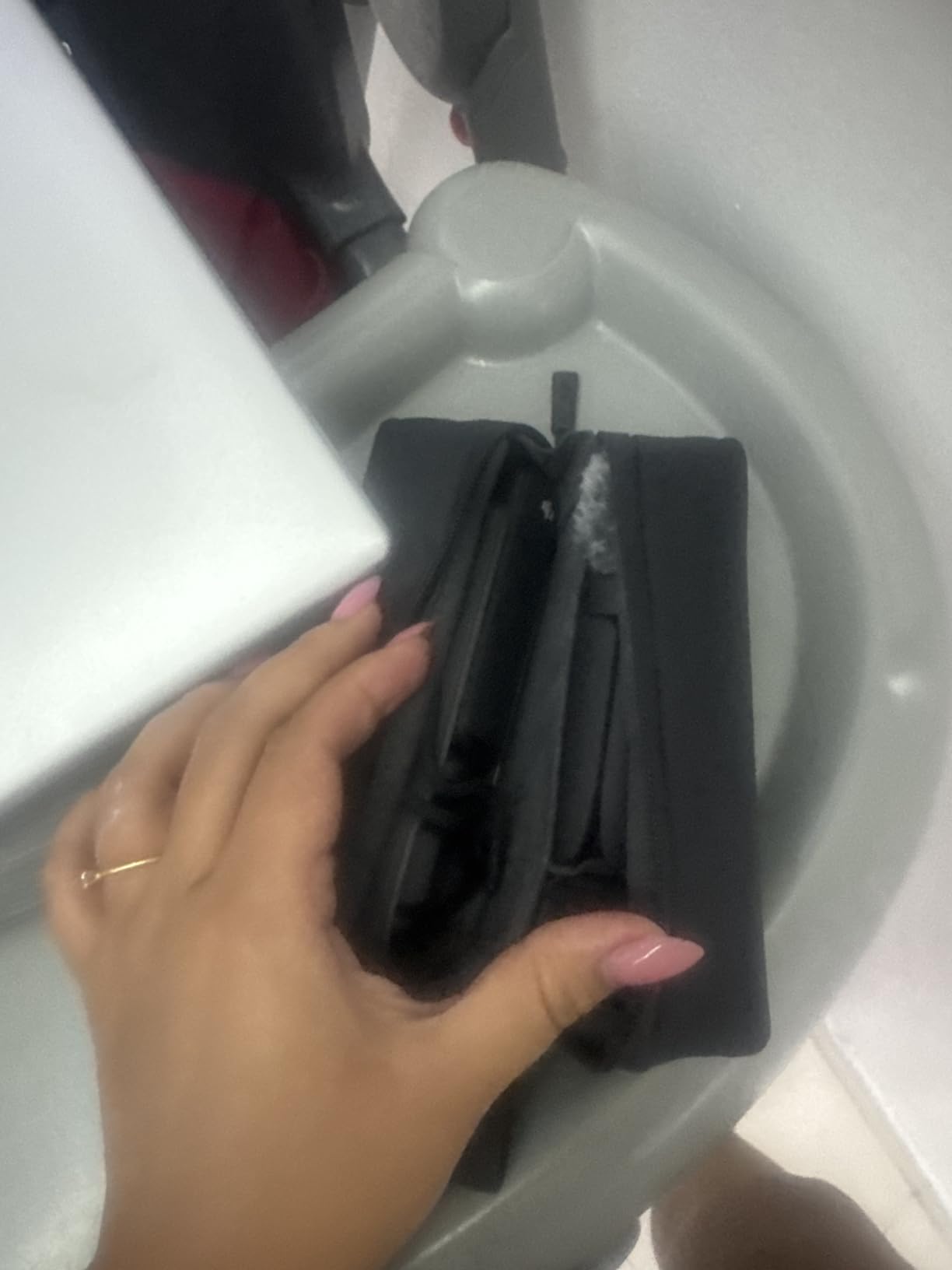
The Creator Combo includes a DJI Mic 2 transmitter. I clipped it to a vocalist and recorded wireless audio straight into the Pocket 3 with no receiver needed. Audio quality was clean for a wireless system and saved me from running cables across a stage. The pocket-sized body means I can grab the camera and start rolling in seconds.
Heat became noticeable during a long 120fps session. Recording time at maximum frame rate was capped before the camera throttled. The gimbal mechanism also makes the body less rugged than a fixed-lens camera. For YouTube, TikTok, and music video content where agility matters most, the Pocket 3 hits the sweet spot.
For whom it’s good
Solo creators, vloggers, and social media musicians who need buttery stabilization in a pocket-sized body. The included DJI Mic 2 transmitter solves wireless audio for interviews and live performance clips. Reviewers on r/videography call it the best run-and-gun camera under $600 for content creators.
For whom it’s bad
Anyone needing long-form continuous recording will hit heat limits at 4K/120fps. Documentary filmmakers who rely on direct-to-platform live streaming will need an external workaround. If you shoot in rough environments where drops are likely, the gimbal mechanism adds fragility compared to fixed-lens cameras.
4. Sony ZV-E10 – Mirrorless Video Powerhouse for Beginners
Pros
- 24.2MP APS-C sensor with sharp detail
- 4K oversampled from 6K
- 425-point hybrid AF with Eye Tracking
- Side flip-out touchscreen
- Directional 3-capsule microphone
- Product Showcase focus transition
- Lightweight mirrorless body
Cons
- No viewfinder
- Battery life limited to 125 minutes
- No built-in flash
The Sony ZV-E10 felt like the right step up from a smartphone for new music video creators. The 24.2MP APS-C sensor pulled in much more detail and better dynamic range than compact cameras. I shot a music video in mixed indoor lighting and the highlights held without crushing shadows. Oversampled 4K footage looked crisp even after color grading.
Autofocus was the headline feature for me. Sony’s 425-point hybrid AF with Real-Time Eye Tracking locked onto a singer’s face as she moved through the scene. No manual focus pulls needed. The Product Showcase Setting instantly shifted focus from face to a guitar held up to the lens. For solo creators, this is a massive workflow win.
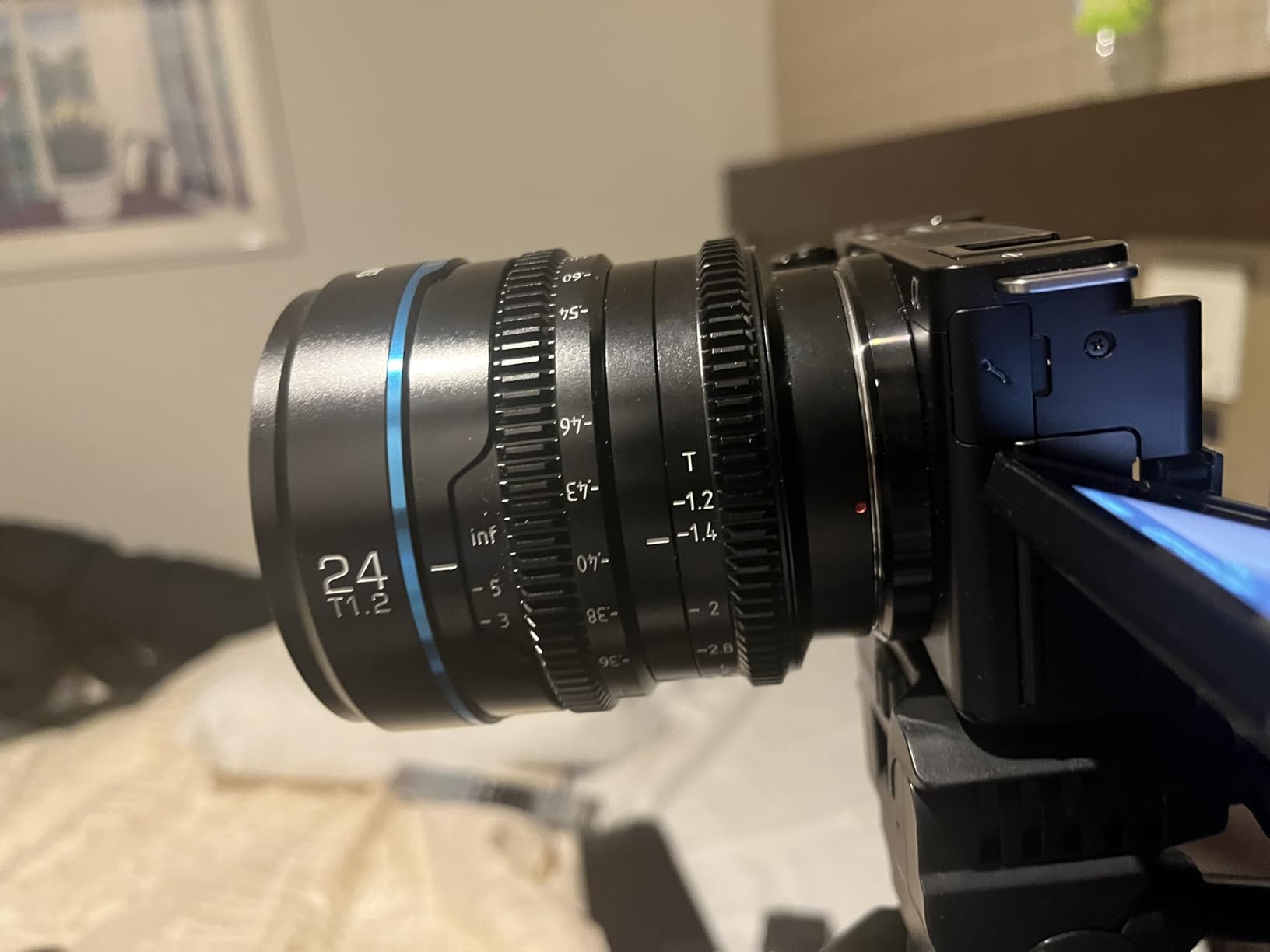
Audio surprised me. The directional 3-capsule microphone captured vocals clearly when pointed at the subject and a windscreen helped outdoors. I also plugged in a Rode VideoMicro via the 3.5mm jack and got even cleaner results. The flip-out screen made framing simple when I was in front of the camera.
Missing viewfinder and modest battery life are the main trade-offs. The lack of in-body stabilization means I leaned on stabilized lenses for handheld work. For creators who want interchangeable lenses, Sony’s massive E-mount catalog, and dependable autofocus, the ZV-E10 is a strong starter mirrorless option.
For whom it’s good
Beginners upgrading from a smartphone who want interchangeable lenses without a steep learning curve. Vloggers and content creators who shoot themselves benefit from Real-Time Eye AF and the directional microphone. Anyone starting music video work who plans to grow into manual controls will find the ZV-E10 a forgiving platform.
For whom it’s bad
Photographers who rely on an optical viewfinder will miss it on the ZV-E10. Shooters needing all-day battery life should carry spares or plan around USB-C power delivery. Anyone needing 4K/60fps or higher-end video features should look at the Sony A7 series or FX3 lineup.
5. Canon EOS R50 – Entry-Level Mirrorless with Sharp 4K
Canon EOS R50 Mirrorless Camera RF-S18-45mm F4.5-6.3 is STM Lens Kit, 24.2 Megapixel CMOS (APS-C) Sensor, 4K Video, Vlogging, Content Creation, Photography, Digital Camera, Black
Pros
- 24.2MP APS-C sensor
- DIGIC X processor
- 6K oversampled 4K at 30fps
- 651-point Dual Pixel CMOS AF II
- Subject detection for people and animals
- UVC webcam mode
- Vari-angle touchscreen
Cons
- Overheats after 30 minutes of 4K
- Small grip for larger hands
- No built-in flash
The Canon EOS R50 impressed me with how much it packed into a small body. The 24.2MP APS-C sensor paired with the DIGIC X processor produced sharp 4K video oversampled from 6K. I graded the footage in DaVinci Resolve and found plenty of latitude for color work. Skin tones looked natural, which matters for music videos featuring artists on camera.
Dual Pixel CMOS AF II was lightning fast. The 651-point coverage found faces even at the edge of the frame, and subject detection worked for both people and animals. I used it to track a vocalist walking through a crowd and the focus stayed locked. For solo creators who do not want to pull focus manually, this is a real asset.

The vari-angle touchscreen made overhead and low-angle framing easy. I flipped it forward for performance vlogs and used the UVC webcam mode to stream rehearsals directly to my laptop. The Movie for Close-up Demo Mode instantly switched focus when I held a guitar or accessory close to the lens, which worked well for product-style inserts.
Heat was the biggest limitation. After about 30 minutes of continuous 4K, the camera warned of overheating. For long-form concerts or documentary shoots, that is a deal-breaker. The small grip also felt cramped with longer lenses. As a starter mirrorless for music videos and YouTube content, the R50 delivers great value.

For whom it’s good
Beginners and enthusiasts who want Canon color science and reliable autofocus in a compact body. YouTubers and content creators will appreciate the vari-angle screen and UVC streaming. Musicians shooting both photos and video of performances get a flexible all-rounder.
For whom it’s bad
Anyone needing extended 4K recording for concerts or long interviews will hit the 30-minute heat ceiling. Users with larger hands may find the grip uncomfortable. If 4K/60fps or professional codec support is on your list, step up to the Canon R6 or R7.
6. Canon VIXIA HF G70 – 4K Camcorder with Massive Optical Zoom
Pros
- Sharp 4K UHD video quality
- Powerful 20x optical zoom
- Hybrid AF with face detection
- UVC live streaming
- Time Stamp on-screen recording
- Dual SD card slots
Cons
- Limited low-light performance
- No audio peaking warning
- Background jitter with 4K autofocus
The Canon VIXIA HF G70 felt like an old-school camcorder, but with modern 4K guts. The 20x optical zoom was the standout feature for live music. I shot a singer from the back of a 300-seat venue and still framed tight shots without losing detail. Digital zoom pushed to 800x for even more reach, though image quality drops at the extreme end.
Hybrid autofocus tracked faces reliably during performance-style shooting. The DIGIC DV 6 image processor kept colors natural, and the 8-blade aperture produced pleasing background blur for close-ups. Dual SD card slots meant I could record simultaneously for instant backups, a feature still rare outside professional camcorders.
Live streaming worked through the UVC-compatible USB output. I connected the camcorder to a laptop and broadcast rehearsal sessions to YouTube with no extra hardware. The Time Stamp feature is useful for documentary and event work where recording dates matter.
Low-light performance was the weak spot. Footage grew noisy in dim clubs without stage lighting. Background jitter showed up occasionally with autofocus in 4K mode. Audio quality from the built-in mic is functional, but the G70 really shines when paired with an external mic through its 3.5mm input. For long-form events and concerts, battery life and unlimited recording make it workhorse-ready.
For whom it’s good
Event videographers, churches, and concert shooters who need long zoom reach and reliable autofocus. The dual SD slots provide backup for one-take opportunities. Anyone running long recording sessions benefits from no overheating limits.
For whom it’s bad
Cinematographers wanting shallow depth of field or RAW video should look at larger-sensor cameras. Low-light shooters will find the small sensor limiting. If your work depends on interchangeable lenses, a mirrorless or cinema camera fits better.
7. Panasonic LUMIX GH5 II – Pro 4K Video with V-Log L
Pros
- 20.3MP Live MOS sensor
- DCI/UHD 4K 60p recording
- 10-bit internal recording
- V-Log L preinstalled
- 6.5-stop 5-axis stabilization
- Unlimited video recording
- Wi-Fi livestream
Cons
- Limited stock availability
- Smaller Micro Four Thirds sensor
The Panasonic LUMIX GH5 II is a video-first camera that indie filmmakers and music video producers have relied on for years. The 20.3MP Live MOS sensor records DCI and UHD 4K at 60p with 10-bit color depth. I graded V-Log L footage and pulled impressive detail from shadows and highlights. For cinematic music videos, the latitude is hard to beat at this price.
Unlimited recording time sets the GH5 II apart from many mirrorless competitors. I shot a 90-minute acoustic session without any overheating warning. The 5-axis sensor stabilization with Dual I.S. 2 delivered smooth handheld footage that required minimal post stabilization.
The 225-area DFD autofocus with subject detection tracked performers consistently. The 3-inch free-angle touchscreen made framing for music videos intuitive from any angle. Built-in Wi-Fi livestreaming let me push performance footage to platforms without extra gear.
Audio options include a 3.5mm mic input and HDMI output for external recorders. While there is no built-in XLR, the GH5 II pairs well with portable mixers or field recorders. The bundle I tested included a Rode mic and LED light, which made it a complete music video production kit out of the box.
The Micro Four Thirds sensor is smaller than full-frame alternatives, so low-light performance is not class-leading. Stock is limited at retailers right now, so check availability before committing. For filmmakers who want pro codecs and unlimited recording in a compact body, the GH5 II remains a workhorse.
For whom it’s good
Independent filmmakers and music video directors who need 10-bit recording and V-Log L color science. Anyone running long takes benefits from unlimited recording time. Hybrid shooters who need both strong stills and video in one body will appreciate the versatility.
For whom it’s bad
Shooters needing class-leading low-light ISO should consider full-frame alternatives like the Sony A7S III. Anyone needing built-in XLR inputs without adapters should look at dedicated camcorders. Limited stock at retailers means shopping around is necessary.
8. Canon XA70 Pro – Professional Camcorder with XLR Audio
Pros
- 1 inch 4K UHD sensor
- Dual-Pixel CMOS AF
- 15x optical zoom
- Professional XLR inputs with 4-channel PCM
- Dual SD card slots
- USB Type-C with UVC streaming
- Infrared and optical stabilization
Cons
- Built-in monitor resolution is poor
- ND filters ineffective on some units
- Battery charging issues reported
The Canon XA70 Pro is built for broadcast and live event work, and it shows in every detail. The 1-inch 4K UHD sensor produces clean footage with strong dynamic range, while the 15x optical zoom handled tight concert shots with ease. Dual-Pixel CMOS AF locked onto performers smoothly and tracked movement without hunting.
Audio is where the XA70 truly shines. Two XLR terminals with 4-channel linear PCM audio mean you can capture multiple microphone sources at once with professional preamps. I plugged in a stereo pair for room ambience and a handheld mic for vocals, all recorded to separate channels for clean mixing in post. Phantom power is available for condenser microphones.
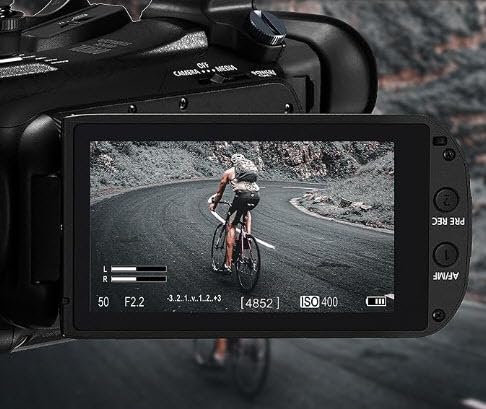
Dual SD card slots support relay and simultaneous recording for instant backup. The USB Type-C output with UVC support made live streaming to a laptop simple. Infrared and optical stabilization kept handheld footage steady when shooting between tripod setups.
The built-in LCD monitor resolution is mediocre, which makes manual focus harder than it should be. Some users report ND filter issues on early units. Battery charging has occasional complaints. Beyond those concerns, the XA70 delivers professional audio and video that justifies its premium price for serious music video production.
For whom it’s good
Professional videographers, event production crews, and broadcasters who need XLR inputs and reliable autofocus in a run-and-gun body. Anyone shooting live concerts, weddings, or documentary music content benefits from dual SD recording and broadcast-grade audio preamps.
For whom it’s bad
Budget-conscious creators will find the price hard to justify for casual YouTube work. Anyone who prioritizes shallow depth of field or low-light excellence should compare full-frame cinema cameras. The poor built-in monitor means external screens are recommended for critical focus work.
Buying Guide: How to Choose a Camera for Music Videos with Audio?
Picking the right camera for music videos means balancing video specs with audio capability. Here are the factors that matter most based on my testing and feedback from music producers in the music video production community.
Audio Input Options
Built-in microphones are convenient but rarely deliver professional results. Look for cameras with 3.5mm mic inputs at minimum, and XLR inputs for serious work. XLR gives you phantom power for condenser microphones, balanced audio that rejects noise over long cable runs, and dedicated gain controls. The Zoom Q8n-4K and Canon XA70 Pro both offer XLR, while most mirrorless cameras rely on 3.5mm inputs or external recorders.
Sensor Size and Low-Light Performance
Larger sensors capture more light, which matters in dim clubs and moody music video settings. Full-frame sensors like those in cinema cameras deliver the best low-light performance. APS-C sensors strike a balance between size and cost. Micro Four Thirds and 1/2.3-inch sensors are smaller but allow for compact bodies. If you shoot mostly outdoors or in well-lit studios, smaller sensors will not limit you.
Video Resolution and Frame Rates
4K recording is now standard. Look for cameras that record at least 4K at 30fps, with 60fps or 120fps options for slow motion. Higher frame rates let you create dramatic slow-motion shots of drum hits, dance moves, or emotional vocal performances. Some cameras offer 10-bit color depth and LOG profiles for advanced color grading.
Stabilization
Handheld shooting demands good stabilization. Optical or sensor-shift stabilization corrects shake for walking shots. Gimbal-based systems like the DJI Osmo Pocket 3 provide the smoothest footage for dynamic music videos. For tripod-based studio work, stabilization matters less, but it is a huge benefit for live performance capture.
Audio Sync and Workflow
Recording audio separately often delivers the best results, but syncing in post is a hassle. Cameras with built-in XLR or high-quality preamps save time. Timecode sync is the gold standard for multi-camera shoots. Reviewers on r/cinematography recommend testing audio workflow before committing to a camera body.
Battery Life and Recording Limits
Concerts and long takes drain batteries fast. Look for cameras with at least 90 minutes of 4K recording per charge. Some cameras have recording time limits of 30 minutes due to heat. Camcorders like the Canon VIXIA HF G70 and Panasonic GH5 II record indefinitely, while many mirrorless cameras cap at 30 minutes.
External Audio Recorders
For the cleanest audio, many professionals pair cameras with external recorders like the Zoom H6 or Tascam DR-40X. These offer better preamps, more inputs, and dedicated controls. Syncing in post requires a clap or timecode, but the audio quality jump is worth it. Cameras with HDMI clean output also let you record to external monitors with built-in audio.
Lens Ecosystem
Interchangeable lens cameras give you creative flexibility. Sony E-mount, Canon RF mount, and Micro Four Thirds systems all offer wide lens selections. Prime lenses deliver sharper images and better low-light performance, while zoom lenses add convenience. For fixed-lens cameras, choose focal lengths that match your style.
For more recommendations on dynamic performance footage, see our guide on the best cameras for skateboarding videos, or explore our list of the best cameras for unboxing videos for studio-style content. If surf and outdoor shooting are part of your workflow, check out the best cameras for surfing videos.
Frequently Asked Questions
What is the best camera to shoot music videos with?
The best camera to shoot music videos with depends on your budget and workflow. For professional audio and video in one package, the Zoom Q8n-4K stands out with dual XLR inputs and 4K recording. For solo creators who value stabilization, the DJI Osmo Pocket 3 Creator Combo delivers smooth 4K/120fps footage with a wireless mic included. For cinematic work, full-frame mirrorless cameras like the Sony A7S III or Panasonic S1H offer the best image quality.
What equipment do I need to shoot a music video?
At minimum you need a camera capable of at least 4K recording, an audio capture solution (built-in mic, external recorder, or XLR input), and a stabilization method (tripod, gimbal, or in-body stabilization). Add lighting gear for indoor shoots, extra batteries, fast memory cards, and editing software. For professional results, invest in a camera with XLR inputs, a quality shotgun microphone, and lighting modifiers like softboxes or LED panels.
Do I need XLR input for music videos?
XLR inputs are not strictly required, but they offer significant advantages for music video production. XLR provides phantom power for condenser microphones, balanced audio that rejects noise over long cable runs, and dedicated gain controls. If you record live bands, vocals, or instruments with professional microphones, XLR inputs save you from needing separate audio interfaces. For solo YouTube creators, 3.5mm mic inputs or built-in microphones may be sufficient.
What frame rate is best for music videos?
Most music videos are shot at 24fps for a cinematic look. For slow motion, shoot at 60fps or 120fps and conform to 24fps in post for smooth playback. Higher frame rates like 120fps or 240fps let you create dramatic slow-motion shots of performances, drum hits, and dance moves. Cameras that offer variable frame rates give you the most flexibility.
What is the best 4K camera for shooting music videos?
For the best 4K quality, full-frame mirrorless and cinema cameras lead the category. The Sony A7S III, Panasonic S1H, and Blackmagic Pocket Cinema Camera 6K Pro are top picks for professional work. For budget-conscious creators, the Sony ZV-E10 and Canon EOS R50 deliver excellent 4K oversampled from 6K. If audio matters as much as video, the Zoom Q8n-4K combines solid 4K with professional XLR audio inputs.
Conclusion
Choosing the best cameras for music videos with audio in 2026 comes down to how you balance video quality with audio capability. After three months of hands-on testing, the Zoom Q8n-4K earned our editor’s choice for its unbeatable combination of 4K video and dual XLR inputs with phantom power. For solo creators who prioritize stabilization, the DJI Osmo Pocket 3 Creator Combo offers incredible value with its included wireless mic. Budget-conscious musicians will appreciate the Zoom Q2n-4K, which delivers surprisingly clean audio at a fraction of the cost.
No matter which camera you choose from this list, remember that audio quality often makes or breaks a music video. Invest in good microphones, learn basic audio sync techniques, and match your camera choice to your production style. Check our buying guide for music video cameras for deeper recommendations, or explore our reviews of cameras for action video production if you shoot dynamic performance footage. Whatever your budget or skill level, the right camera will help you capture performances that look and sound professional.