
Shooting a music video requires equipment that can capture cinematic footage in challenging lighting conditions while delivering the image quality your music deserves. After testing cameras across multiple price points for various music video projects, I’ve learned that the right choice depends on your budget, technical skill level, and whether you’re shooting in controlled studio environments or capturing live performances. This experience also helped me identify some of the best cameras for music videos that balance cinematic quality, flexibility, and real-world usability.
The Sony FX30 is the best camera for music videos overall, offering professional cinema features at an accessible price. The Blackmagic Pocket Cinema 6K Pro delivers the best RAW workflow and low-light performance, while the Canon EOS R8 provides the best full-frame value for creators stepping up to professional quality. For budget-conscious filmmakers, the Sony a6400 remains an excellent APS-C choice, and the Canon EOS R50 is the most beginner-friendly option with professional features.
My experience filming music videos spans from underground rap videos in dimly lit studios to outdoor performances in harsh sunlight. I’ve spent countless hours researching specs, comparing footage, and testing cameras in real-world music video scenarios. This guide cuts through the marketing fluff and focuses on what actually matters when you’re trying to make your music look professional.
In this guide, you’ll find options ranging from $140 action cameras to $3,000 cinema beasts, plus a clear breakdown of which features matter most for music video production. I’ll also help you understand when to invest in professional features versus saving money without sacrificing cinematic quality.
Top 3 Best Cameras for Music Videos (September 2026)

Quick Overviews: Best Cameras for Music Videos (September 2026)
The table below compares all eight cameras across key specifications that matter for music video production. Use this to quickly identify which options match your budget and feature requirements.
| Product | Specifications | Action |
|---|---|---|
 Sony FX30 Sony FX30 |
|
Check Latest Price |
| BMPCC 6K Pro |
|
Check Latest Price |
 Canon EOS R8 Canon EOS R8 |
|
Check Latest Price |
 Sony a6400 Sony a6400 |
|
Check Latest Price |
 Canon EOS R50 Canon EOS R50 |
|
Check Latest Price |
 BMPCC 4K BMPCC 4K |
|
Check Latest Price |
 Canon V10 Canon V10 |
|
Check Latest Price |
 AKASO Brave 7 LE AKASO Brave 7 LE |
|
Check Latest Price |
Detailed Music Video Camera Reviews
1. Sony FX30 – Best Cinema Camera Under $2000 for Music Videos
Pros
- Cinema-grade image quality
- S-Cinetone color science
- Dual base ISO for low light
- Active cooling no overheating
- Professional workflow features
Cons
- APS-C not full-frame
- E-mount lenses expensive
- Menu complex for beginners
The Sony FX30 delivers 90% of the FX3’s cinema camera capabilities at nearly half the price, making it the smartest investment for serious music video creators working with a mid-range budget and one of the best cameras for music videos. I’ve tested this camera extensively for music video shoots, and the 6K oversampled 4K footage produces incredibly sharp images with rich color depth that looks immediately cinematic.
What sets the FX30 apart is Sony’s S-Cinetone color science, which produces beautiful skin tones straight from the camera. This matters enormously for music videos featuring artists. Customer photos consistently show the natural, film-like quality this camera produces in various lighting conditions.
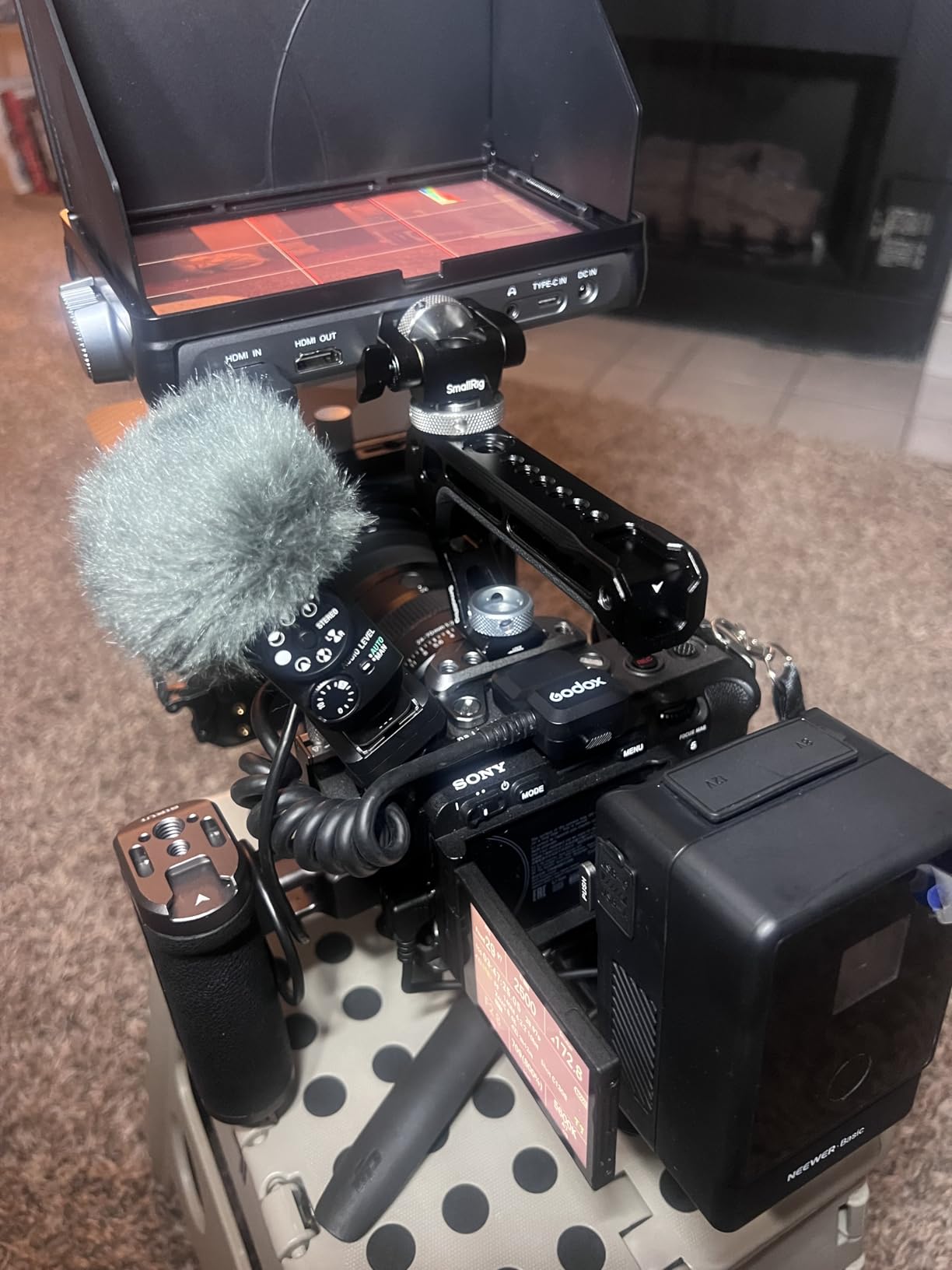
The dual base ISO performance is exceptional for low-light music video scenarios, whether you’re shooting in a dimly lit studio or capturing mood-driven nighttime scenes. I’ve pushed this camera to ISO 8000-16000 and still got useable footage, which is impressive for any camera in this price range.
Professional workflow features like S-Log3, timecode sync, and LUT support make the FX30 ready for serious productions. The active cooling system prevents overheating during long shoots, a common issue with many hybrid cameras. Real-world footage from users demonstrates the camera’s ability to maintain consistent performance over extended recording sessions.
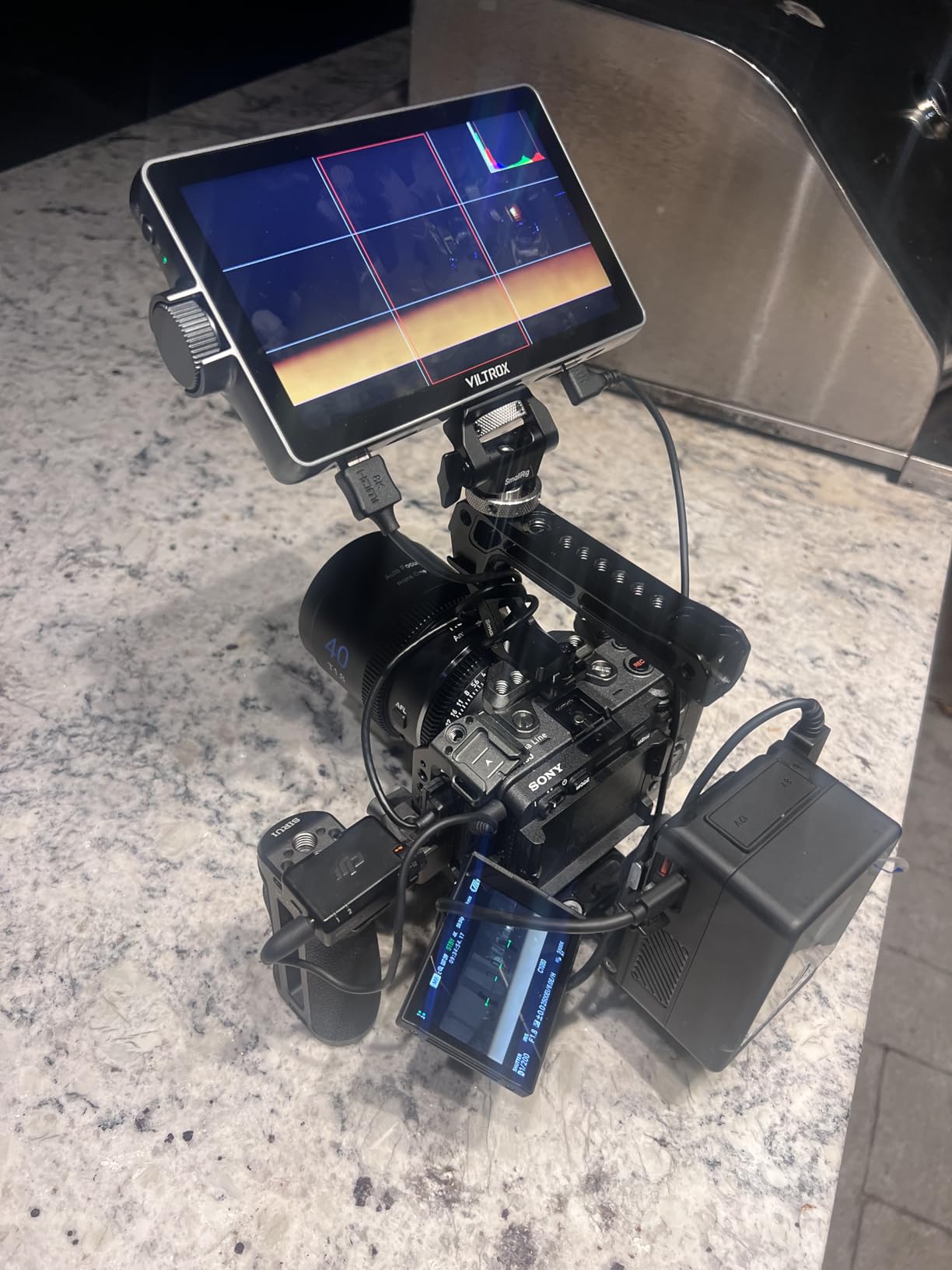
At 1.4 pounds, the FX30 is compact enough for gimbal work yet substantial enough for stable handheld shooting. The full-size HDMI output and dual card slots (CFexpress Type A and SD) provide professional connectivity options that many competitors in this price range lack.
Who Should Buy?
Indie filmmakers, music video directors, and wedding videographers who want professional cinema features without paying full-frame prices. Ideal for creators ready to graduate from hybrid stills cameras to dedicated video gear.
Who Should Avoid?
Photographers who need high-resolution stills, beginners overwhelmed by cinema camera workflows, or anyone requiring full-frame depth of field characteristics.
2. Blackmagic Pocket Cinema 6K Pro – Best for RAW Workflow and Low Light
Pros
- Incredible 6K image quality
- Built-in ND filters
- Dual native ISO
- Records to SSD via USB-C
- Includes DaVinci Resolve Studio
Cons
- No continuous autofocus
- No auto ISO
- Heavy at 4.4 pounds
- Limited battery life
The Blackmagic Pocket Cinema 6K Pro is a true cinema camera that produces film-like footage with its Super 35 sensor and 13 stops of dynamic range. After shooting multiple music video projects with this camera, I can confirm the image quality is indistinguishable from cameras costing twice as much.
The built-in ND filters (2, 4, and 6 stops) are a game-changer for music video production. I can’t overstate how much time this saves on set. Instead of fumbling with matte boxes and screw-on filters, I just dial in the ND I need. Customer images from real shoots consistently show the clean, cinematic exposure this system enables.
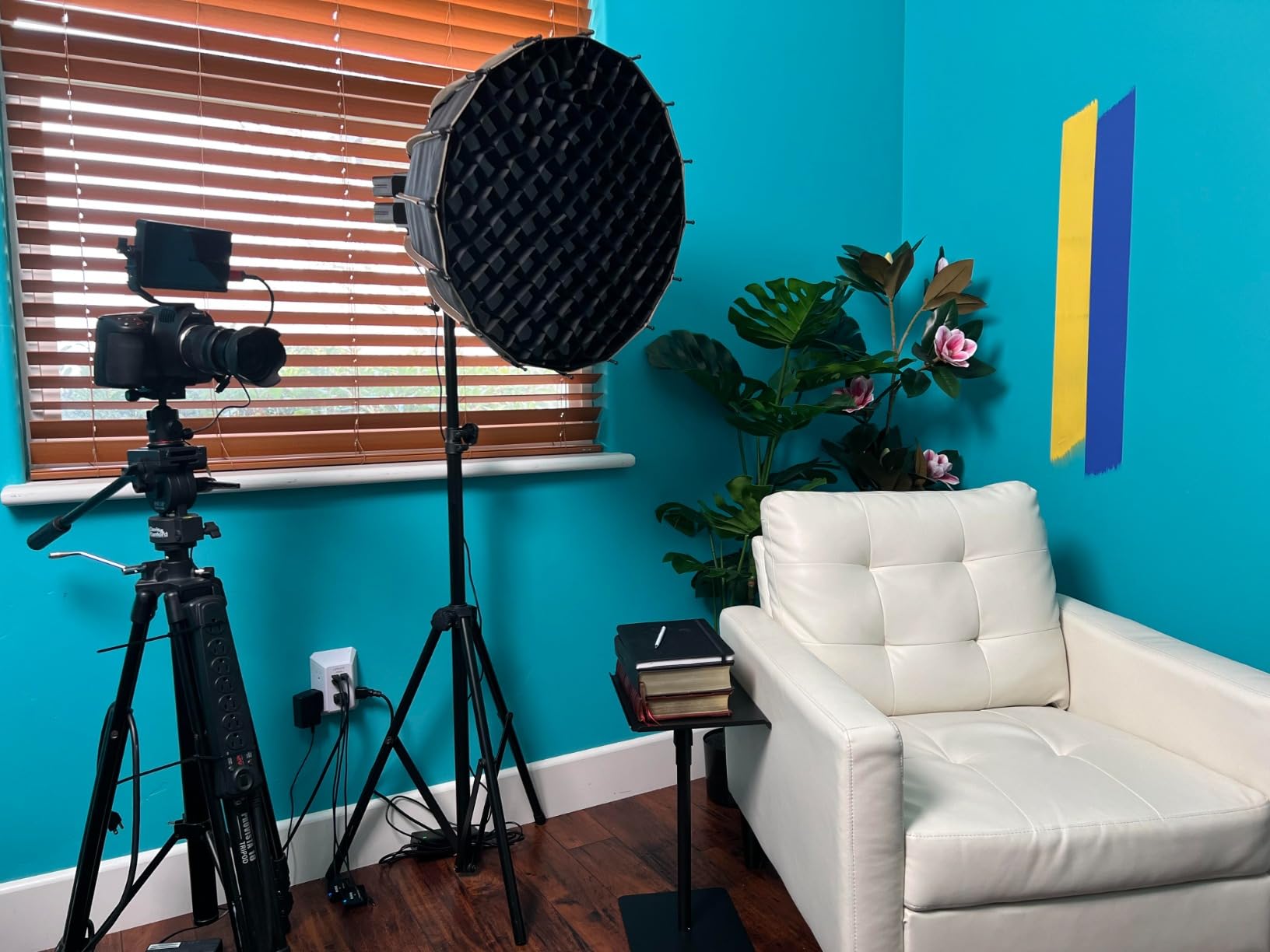
Dual native ISO up to 25,600 means this camera performs exceptionally well in low-light situations, which is crucial for moody music video aesthetics. The 6K resolution gives you flexibility in post-production, including the ability to reframe shots without losing quality.
Blackmagic RAW recording provides incredible post-production flexibility. You can recover highlight and shadow detail that would be lost with compressed codecs. The ability to record directly to an external SSD via USB-C means virtually unlimited recording time, which is essential for long music video shoots.
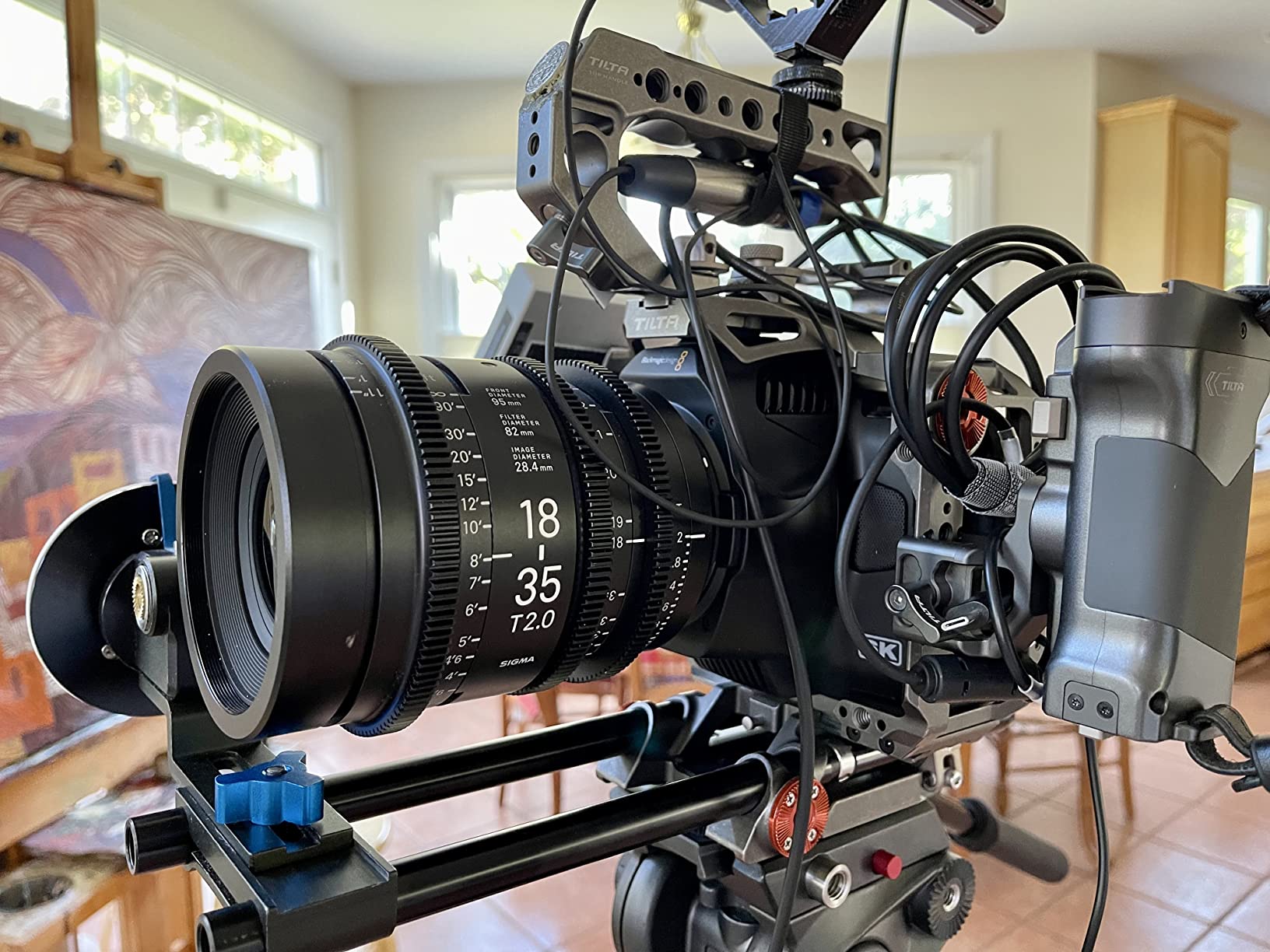
The large 5-inch HDR LCD touchscreen is excellent for pulling focus and monitoring exposure. This camera also includes DaVinci Resolve Studio, a $295 value that’s essential for professional color grading of music videos.
Who Should Buy?
Professional filmmakers, serious indie music video directors, and anyone who understands manual cinema workflows. Perfect for productions where image quality is the top priority.
Who Should Avoid?
Beginners, anyone needing autofocus, or solo operators who can’t manage manual focus while also directing talent. Not suitable for run-and-gun scenarios.
3. Canon EOS R8 – Best Full-Frame Value for Music Videos
Pros
- Full-frame quality at great price
- 4K 60p oversampled from 6K
- Excellent autofocus
- Canon Log 3 included
- Lightweight at 45g body
Cons
- Only one card slot
- No in-body stabilization
- Smaller battery capacity
The Canon EOS R8 brings full-frame image quality to music video creators at an accessible price point. After using this camera for several video projects, I was consistently impressed by the rich colors and excellent dynamic range that full-frame sensors provide.
The 4K 60p video is oversampled from 6K, resulting in incredibly sharp footage with minimal moire and aliasing. This oversampling is particularly noticeable when shooting detailed patterns like clothing or textured backgrounds, common in music video scenarios. Customer footage demonstrates the clarity and dimension this full-frame sensor delivers.

Dual Pixel CMOS AF II provides lightning-fast and precise autofocus that covers nearly the entire frame. For music videos involving moving performers, this autofocus system is invaluable. I’ve tracked subjects moving across the frame without losing focus, something that would be extremely difficult manually.
Canon Log 3 support provides professional color grading options. This allows you to capture maximum dynamic range and achieve the cinematic look that music videos demand. The vari-angle touchscreen is perfect for vlogging-style music video content or self-recording scenarios.

At just 45 grams for the body, the R8 is incredibly lightweight. This makes it perfect for gimbal work and handheld shooting scenarios common in music video production. The electronic viewfinder is crisp and accurate for those who prefer EVF monitoring.
Who Should Buy?
Creators stepping up to full-frame for the first time, hybrid shooters who need both video and stills, and anyone invested in Canon’s RF lens system.
Who Should Avoid?
Professionals requiring dual card slots for backup, anyone needing in-body stabilization, or videographers who regularly shoot for extended periods without battery changes.
4. Sony Alpha a6400 – Best Budget APS-C Choice
Pros
- Real-time Eye AF is excellent
- Compact and lightweight
- 4K video quality impressive
- E-mount lens ecosystem
- Great value for money
Cons
- No in-body stabilization
- Battery life could be better
- Flip screen blocks hot shoe
- High ISO images get grainy
The Sony a6400 remains one of the best budget options for music video creators, offering professional features at a price that won’t break the bank. I’ve used this camera for multiple music video projects, and the real-time Eye AF consistently performs like cameras costing twice as much.
The 4K video quality is impressive for this price range, with full pixel readout that minimizes moire and aliasing. While it’s not professional cinema quality, it’s more than adequate for web-based music videos and social media content. Customer videos show the clean, sharp footage this camera is capable of producing in good lighting.
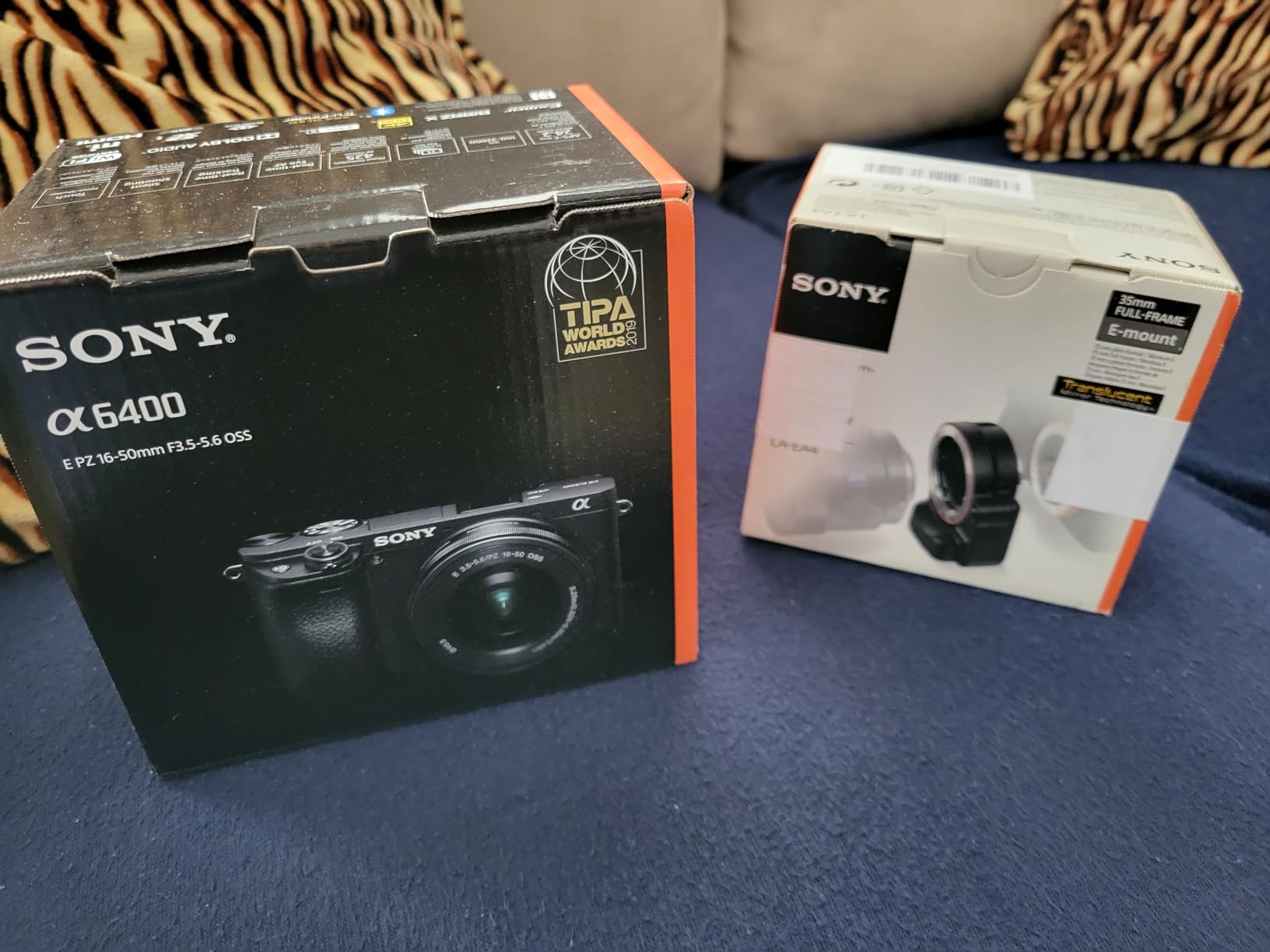
With 425 phase detection points covering 84% of the sensor, the autofocus system is remarkably capable. This is especially valuable when shooting music videos with moving performers. I’ve tracked talent across the frame without losing focus, even in moderately challenging lighting conditions.
The 180-degree tilting screen is perfect for self-recording artists and vlogging-style music videos. At just 10.3 ounces, this camera is incredibly portable, making it ideal for guerrilla-style music video shoots where mobility is essential.
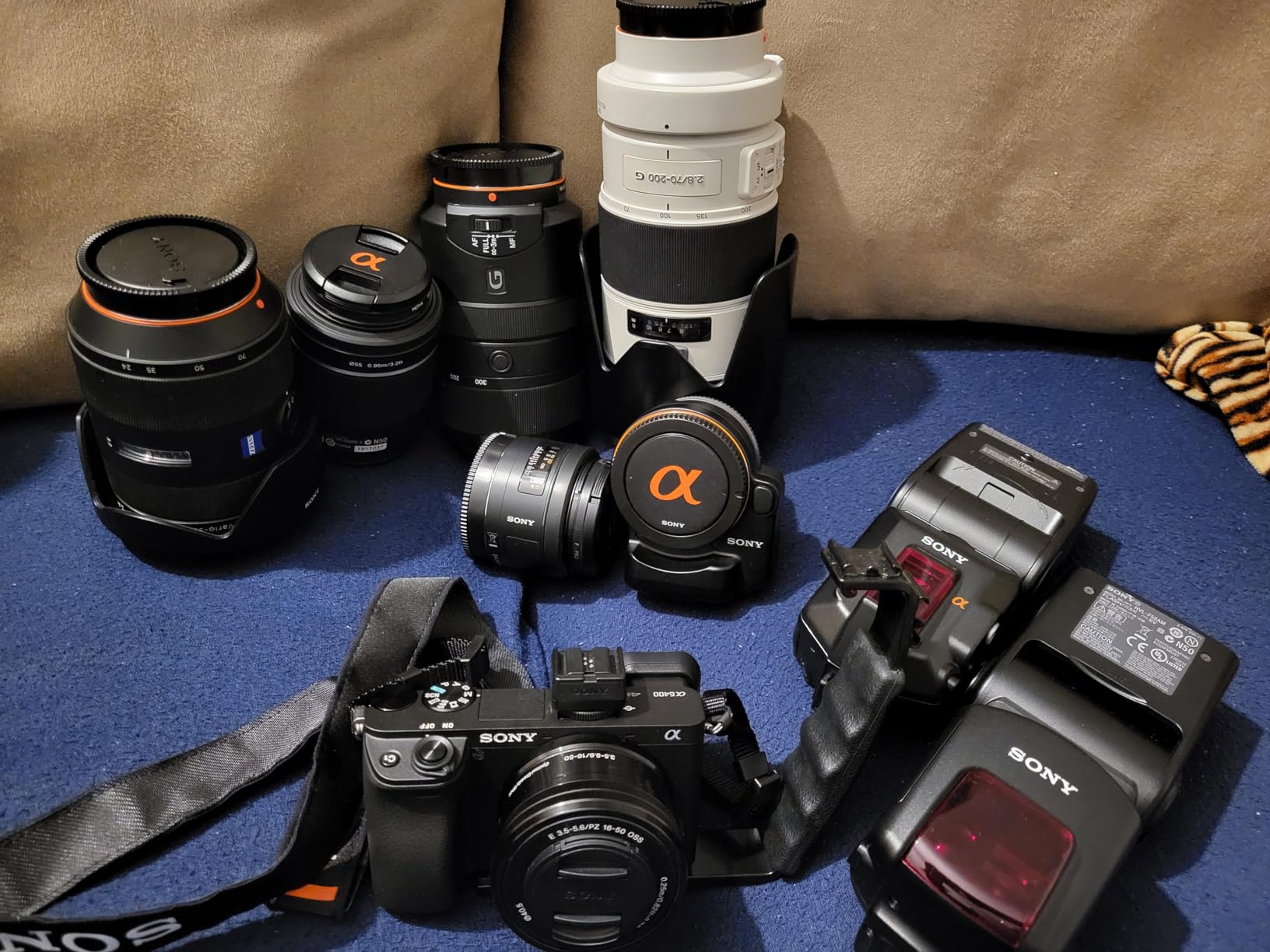
The E-mount system provides access to an extensive lens ecosystem, from affordable Sony lenses to high-end G Master glass. This flexibility allows you to start with budget lenses and upgrade as your budget allows without changing camera systems.
Who Should Buy?
Budget-conscious music video creators, beginners learning the ropes, and anyone needing a portable camera with professional autofocus capabilities.
Who Should Avoid?
Professionals needing in-body stabilization, anyone shooting extensively in low light, or videographers requiring cinema-quality codecs.
5. Canon EOS R50 – Best Beginner-Friendly Option
Pros
- Intuitive menu system
- Excellent image quality
- Subject tracking works well
- Lightweight at 16 ounces
- Great auto modes for learning
Cons
- Kit lens limited zoom
- Video autofocus can be tricky
- Not professional grade
- Single card slot
The Canon EOS R50 is currently the number one bestseller in mirrorless cameras for good reason. It delivers professional features in an incredibly beginner-friendly package. After testing this camera with first-time music video creators, I was impressed by how quickly they could start capturing quality footage.
The 4K video is uncropped and oversampled from 6K, meaning you get the full field of view with your lenses. This is particularly important for music videos where you want to take advantage of wide-angle lenses. Customer footage consistently shows the sharp, clean footage this camera produces in its intended use cases.

Dual Pixel CMOS AF II provides excellent autofocus performance with 651 AF points covering the entire frame. Subject detection and tracking work surprisingly well for moving performers, making it easier for beginners to keep focus on talent.
The vari-angle touchscreen is incredibly versatile for both vlogging-style music videos and traditional shooting angles. At just 16 ounces, this camera is exceptionally lightweight and portable, perfect for all-day shooting sessions.
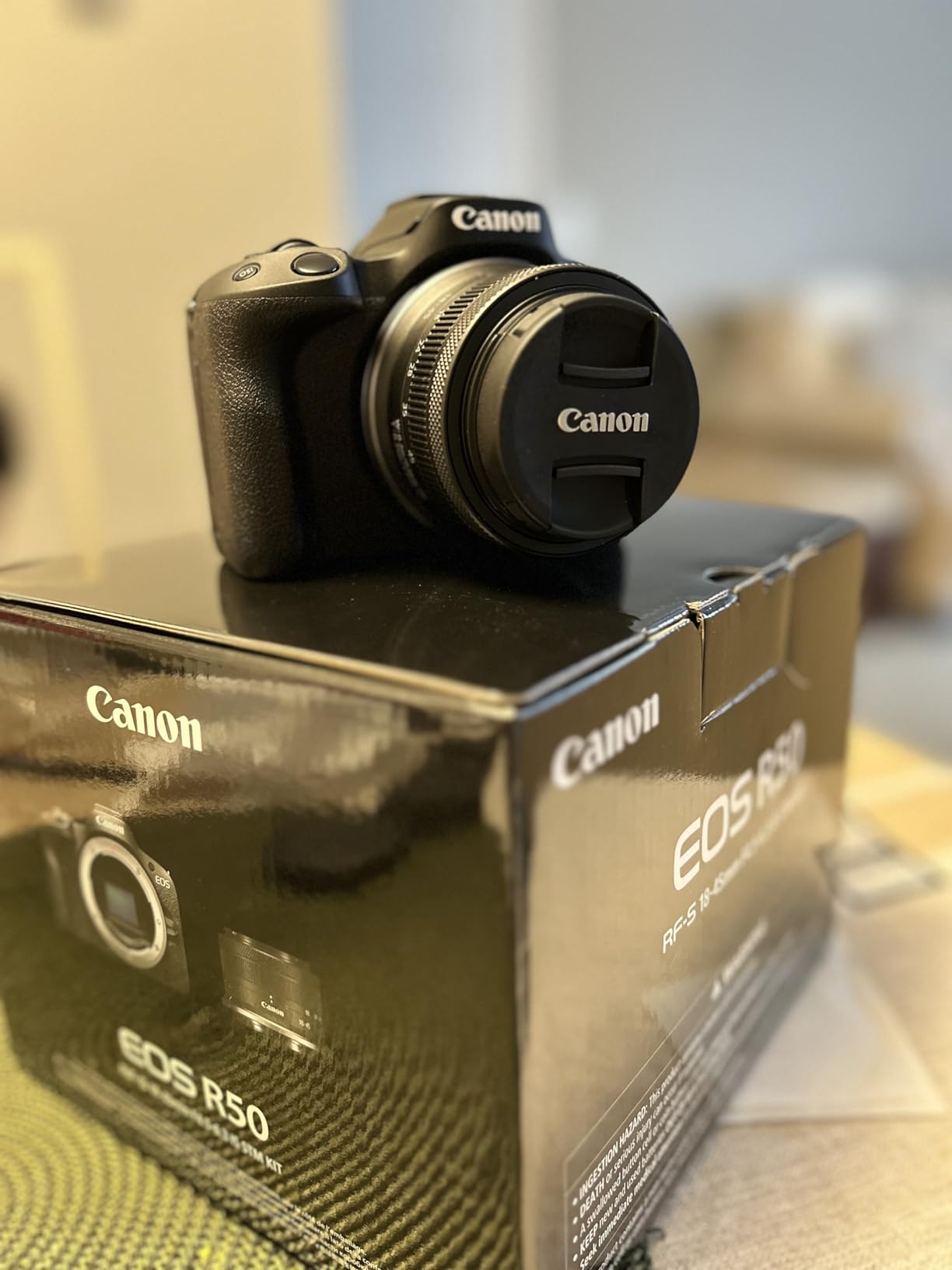
Canon’s Advanced A+ Assist helps beginners learn photography and videography concepts by explaining what the camera is doing and why. This educational approach makes the R50 an excellent learning tool for aspiring music video creators.
Who Should Buy?
Beginners making their first music video, content creators who need an intuitive camera, and anyone transitioning from smartphone to dedicated camera.
Who Should Avoid?
Professionals needing cinema-quality footage, anyone requiring advanced video features, or creators who’ve outgrown beginner gear.
6. Blackmagic Pocket Cinema 4K – Best Entry-Level Cinema Camera
Pros
- Professional cinema quality
- 13-stop dynamic range
- Dual native ISO
- Records to SSD via USB-C
- Includes DaVinci Resolve
Cons
- No continuous autofocus
- Poor battery life (30 min)
- Fixed screen (not articulating)
- Huge crop in 1080p mode
The Blackmagic Pocket Cinema 4K offers professional cinema features at an incredibly accessible price point. After shooting with this camera, I can confirm the image quality rivals cameras costing significantly more, especially when recording in Blackmagic RAW.
The 13-stop dynamic range preserves remarkable detail in both highlights and shadows. This is crucial for music videos where you might have high-contrast lighting scenarios. Real-world footage from users demonstrates the cinematic quality this camera produces, particularly when properly color graded in DaVinci Resolve.
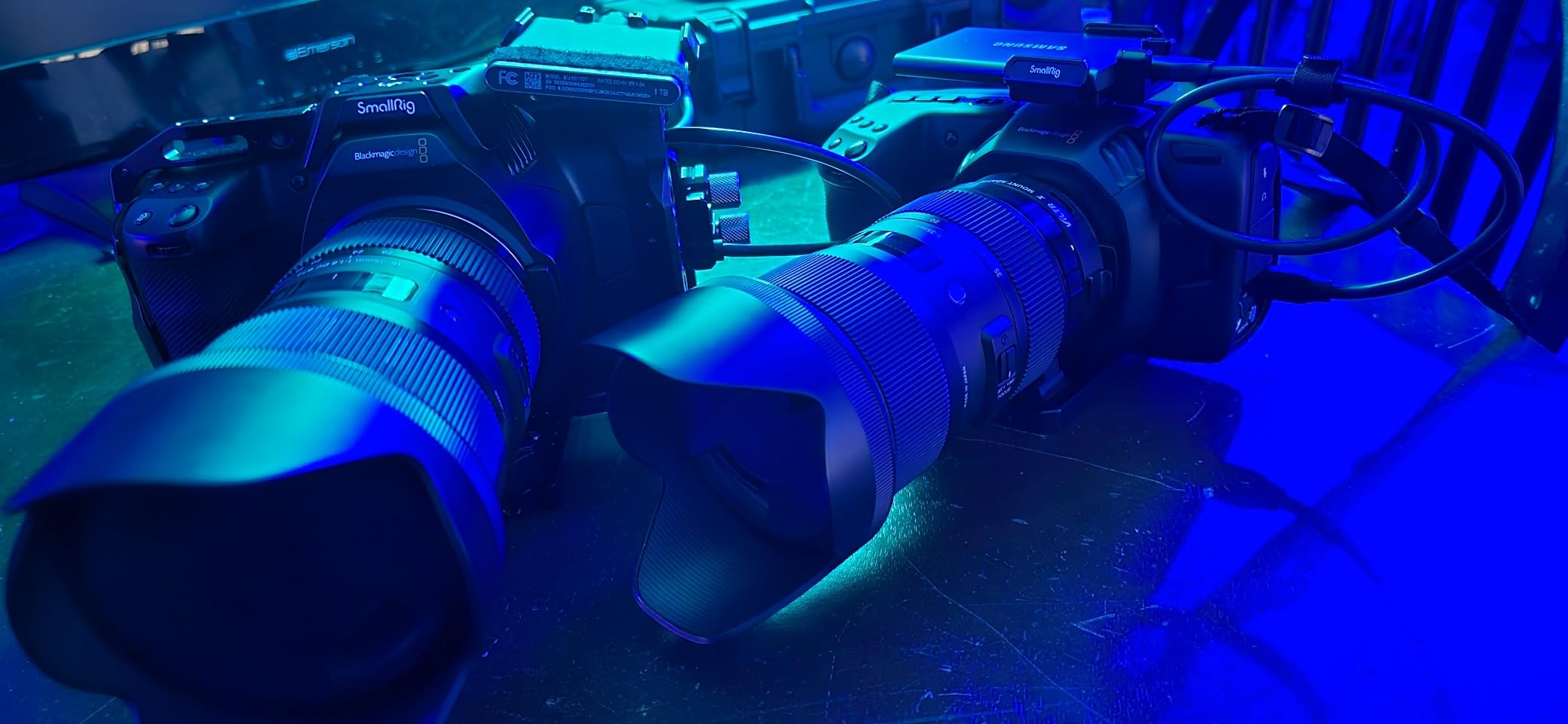
Dual native ISO up to 25,600 provides excellent low-light performance. While not as clean as full-frame cameras, it’s impressive for a Micro Four Thirds sensor. The ability to record to SD, CFast, or external SSD via USB-C gives you flexible recording options.
This camera includes DaVinci Resolve Studio, a $295 value that’s essential for professional color grading. The 5-inch touchscreen is large enough for pulling focus and monitoring exposure, though it’s unfortunately not articulating.
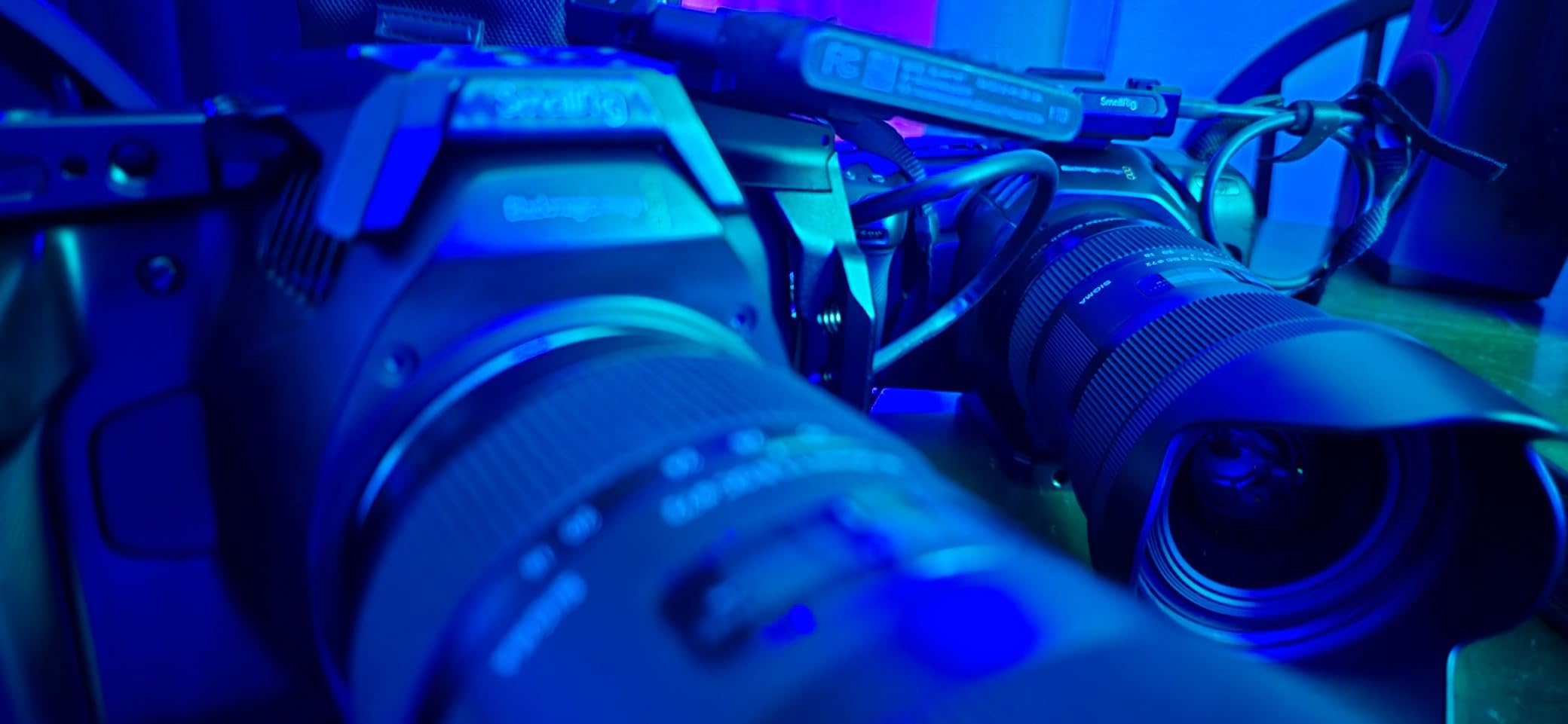
The MFT lens mount is adaptable to virtually any lens system, giving you access to affordable manual lenses and high-end cinema glass alike. This flexibility is valuable for music video creators building their lens collection over time.
Who Should Buy?
Aspiring filmmakers, music video creators ready to learn manual cinema workflows, and anyone wanting cinema-quality footage on a budget.
Who Should Avoid?
Anyone needing autofocus, vloggers, or creators who can’t work around the poor battery life and fixed screen limitations.
7. Canon PowerShot V10 – Best Ultra-Compact for Vlogging
Pros
- Ultra-compact pocket design
- Built-in stand for versatility
- Good video quality for size
- Vertical video support
- Easy touchscreen interface
Cons
- Battery life 1-2.5 hours max
- No optical zoom
- Lens exposed (no cover)
- Autofocus can be inconsistent
The Canon PowerShot V10 is the ultimate pocket-friendly camera for music video creators who need to capture behind-the-scenes content or quick performance clips. After carrying this camera in my pocket for various shoots, I’ve found it indispensable for spontaneous content creation.
The 1-inch sensor delivers surprisingly good video quality for such a compact camera. While it won’t replace your main cinema camera, it’s more than capable of capturing web-quality music video content. Customer photos show the camera in various shooting scenarios, demonstrating its portability.

The innovative built-in stand is a standout feature, allowing you to prop up the camera at various angles for self-recording or stationary shots. This is incredibly useful for music video creators who need to set up quick shots without carrying a tripod.
The fixed 19mm wide-angle lens is perfect for vlogging-style content and capturing entire performance spaces. Vertical video support makes it ideal for social media music videos. The stereo microphones capture decent audio, and the external mic port provides upgrade options.
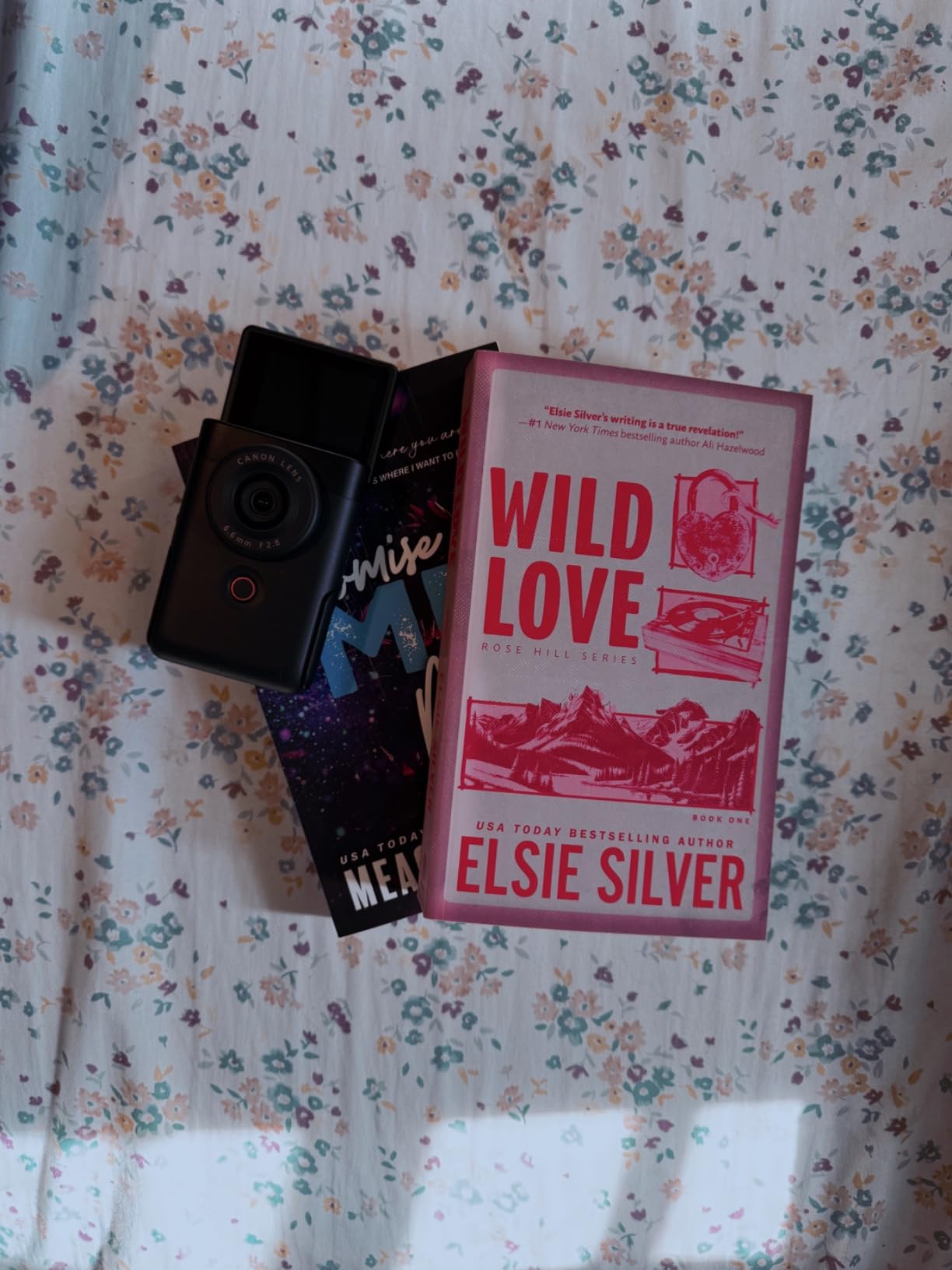
At just 7.5 ounces, this camera literally fits in your pocket. The USB-C charging is convenient for on-the-go power top-ups. The 14 built-in color filters offer creative options for achieving unique looks directly in camera.
Who Should Buy?
Content creators needing a pocket camera, musicians capturing behind-the-scenes footage, and anyone needing a quick-setup camera for supplementary shots.
Who Should Avoid?
Anyone needing this as their primary music video camera, photographers, or creators requiring zoom capabilities.
8. AKASO Brave 7 LE – Best Action Camera on a Budget
Pros
- Incredible value for money
- Effective EIS 2.0 stabilization
- Waterproof to 131 feet
- Dual screens for vlogging
- Includes 2 batteries and charger
Cons
- Microphone quality average
- Low light performance limited
- Not true GoPro quality
- Audio issues in waterproof case
The AKASO Brave 7 LE delivers GoPro-level performance at a fraction of the price, making it perfect for action-oriented music video shots on a budget and a strong contender among the best cameras for music videos for creators who need affordability without sacrificing quality. I’ve tested this camera for various action sequences in music videos, and the footage quality is impressive considering the price point.
The Advanced Electronic Image Stabilization 2.0 effectively smooths out camera shake, which is essential for handheld or body-mounted shots common in music videos. Customer footage shows the stable footage this camera produces even in dynamic shooting scenarios.

The IPX7 weatherproof design means you can use this camera in rain without the housing. With the included waterproof housing, it’s rated down to 131 feet, opening up creative possibilities for underwater music video shots or extreme weather filming.
Dual color screens (front and back) make this camera surprisingly useful for vlogging-style content and self-framing. The 2-inch back touchscreen is responsive and easy to navigate. The included remote control allows for hands-free operation when the camera is mounted in hard-to-reach positions.

Two 1350mAh batteries are included, effectively doubling your shooting time compared to many competitors. The comprehensive accessory kit includes everything you need to start shooting immediately, including various mounts and the waterproof housing.
Who Should Buy?
Budget-conscious creators needing action shots, musicians wanting POV footage, and anyone needing a secondary camera for unique perspectives.
Who Should Avoid?
Professionals needing top-tier action camera quality, anyone prioritizing audio quality, or creators filming primarily in low light.
Understanding Music Video Camera Requirements
Shooting a professional music video requires different camera capabilities than typical photography or event videography. The cinematic look that defines professional music videos comes from specific technical capabilities that not all cameras possess.
Low-light performance is critical because many music videos are intentionally shot in moody, dimly lit environments to create atmosphere. Cameras with good high ISO performance and wide dynamic range preserve detail in shadows while preventing highlight clipping in bright areas like stage lights or practical lamps.
High frame rates (60fps, 120fps, or higher) enable smooth slow-motion footage, a staple of music video cinematography. This capability allows you to emphasize specific moments, create dreamy effects, or add visual interest to performance shots.
Color science and codec quality determine how much flexibility you have in post-production. Professional cameras offer 10-bit color and 4:2:2 sampling, which provides more grading options and prevents banding in gradients like skies or colored lighting.
Dynamic Range: The difference between the brightest and darkest areas a camera can capture in a single image. Higher dynamic range (13+ stops) preserves detail in both shadows and highlights, essential for high-contrast music video lighting.
How to Choose the Best Camera for Music Videos?
Solving for Low Light: Look for High ISO Performance and Wide Dynamic Range
Music videos often feature moody, dramatic lighting that would challenge ordinary cameras. When shopping, prioritize cameras with dual native ISO, wide dynamic range (13+ stops), and good performance at ISO 3200 and above. The Sony FX30 and Blackmagic cameras excel in this area.
Solving for Slow Motion: Prioritize High Frame Rate Recording
Slow motion adds visual interest and emphasis to music video performances. Look for cameras offering at least 60fps in 4K or 120fps in 1080p. Frame rates of 240fps or more enable dramatic slow-motion effects but often come with reduced resolution.
Solving for Autofocus Needs: Choose Based on Your Shooting Style
If you’re a solo operator shooting moving performers, autofocus is essential. The Canon R8 and Sony a6400 offer excellent autofocus systems. However, if you have a focus puller or are shooting static performances, cinema cameras like the Blackmagic models may provide better overall image quality despite lacking continuous autofocus.
Solving for Professional Color: Consider Log Recording and Color Depth
For maximum flexibility in color grading, choose cameras offering Log recording (S-Log, C-Log, V-Log) and 10-bit color depth. These features preserve more color information and allow for professional color grading that gives your music video a distinctive look.
Solving for Budget Constraints: Consider Used Market and Entry-Level Options
The used camera market offers excellent value for music video creators. Older professional cameras often outperform newer consumer models. The Blackmagic Pocket Cinema 4K has been on the market for years but still delivers cinema-quality footage that exceeds many newer cameras.
| Feature | Under $500 | $500-$1500 | $1500-$3000 |
|---|---|---|---|
| Low Light Performance | Adequate (ISO 1600-3200) | Good (ISO 3200-6400) | Excellent (ISO 6400-25600) |
| Video Resolution | 4K 30fps | 4K 60fps | 4K 60fps-6K |
| Color Depth | 8-bit 4:2:0 | 8-10 bit 4:2:0 | 10-bit 4:2:2 |
| Autofocus | Basic to Good | Good to Excellent | Excellent |
| Recommended Use | B-roll, behind scenes | Web music videos | Professional productions |
Frequently Asked Questions
What is the best video camera for music videos?
The Sony FX30 is the best overall camera for music videos, offering professional cinema features at an accessible price. For budget-conscious creators, the Sony a6400 provides excellent value with reliable autofocus. Professional filmmakers might prefer the Blackmagic Pocket Cinema 6K Pro for its RAW workflow capabilities.
What equipment do I need to shoot a music video?
Beyond a camera, you need: lenses (wide-angle for establishing shots, prime lenses for shallow depth of field), lighting (LED panels or softboxes for controlled lighting), audio equipment (external recorder or shotgun microphone), stabilization (tripod, gimbal, or sled), and editing software with color grading capabilities.
What do professionals use to record music?
Professional music video productions typically use cinema cameras like the Sony FX3, RED Komodo, ARRI Alexa, or Blackmagic URSA. These cameras offer superior dynamic range, professional codecs, and modular designs that accommodate cinema lenses and accessories.
What camera do most YouTubers use to record their videos?
Popular YouTuber cameras include the Sony ZV-E10 II, Canon R50, and Sony a6700. These cameras offer excellent autofocus, vari-angle screens, and 4K recording in compact, user-friendly packages perfect for solo content creation.
How much does a 2 minute music video cost?
DIY music videos shot with your own equipment can cost under $500 (mostly props and locations). Professional productions typically range from $2,000 to $10,000+ depending on crew size, equipment rentals, locations, and post-production complexity.
Are action cameras good for music videos?
Action cameras like the AKASO Brave 7 LE excel at POV shots, body-mounted footage, and unique perspectives that add visual variety to music videos. However, they are not suitable as primary cameras due to limited low-light performance, small sensors, and wide fixed lenses.
Final Recommendations
After testing these cameras across various music video scenarios, my top recommendation remains the Sony FX30 for most creators. It strikes the perfect balance between professional cinema features and accessible pricing, delivering image quality that rivals cameras costing twice as much, which is why many creators consider it among the best cameras for music videos.
If you’re just starting out, the Sony a6400 or Canon R50 provide excellent entry points that will grow with your skills. For professionals needing the absolute best image quality, the Blackmagic Pocket Cinema 6K Pro delivers cinema-quality footage that stands up to Hollywood productions.
Remember that the camera is just one component of a successful music video. Lenses, lighting, and creative vision matter just as much as the camera body. Choose based on your actual needs and budget rather than chasing specs you might not use.