
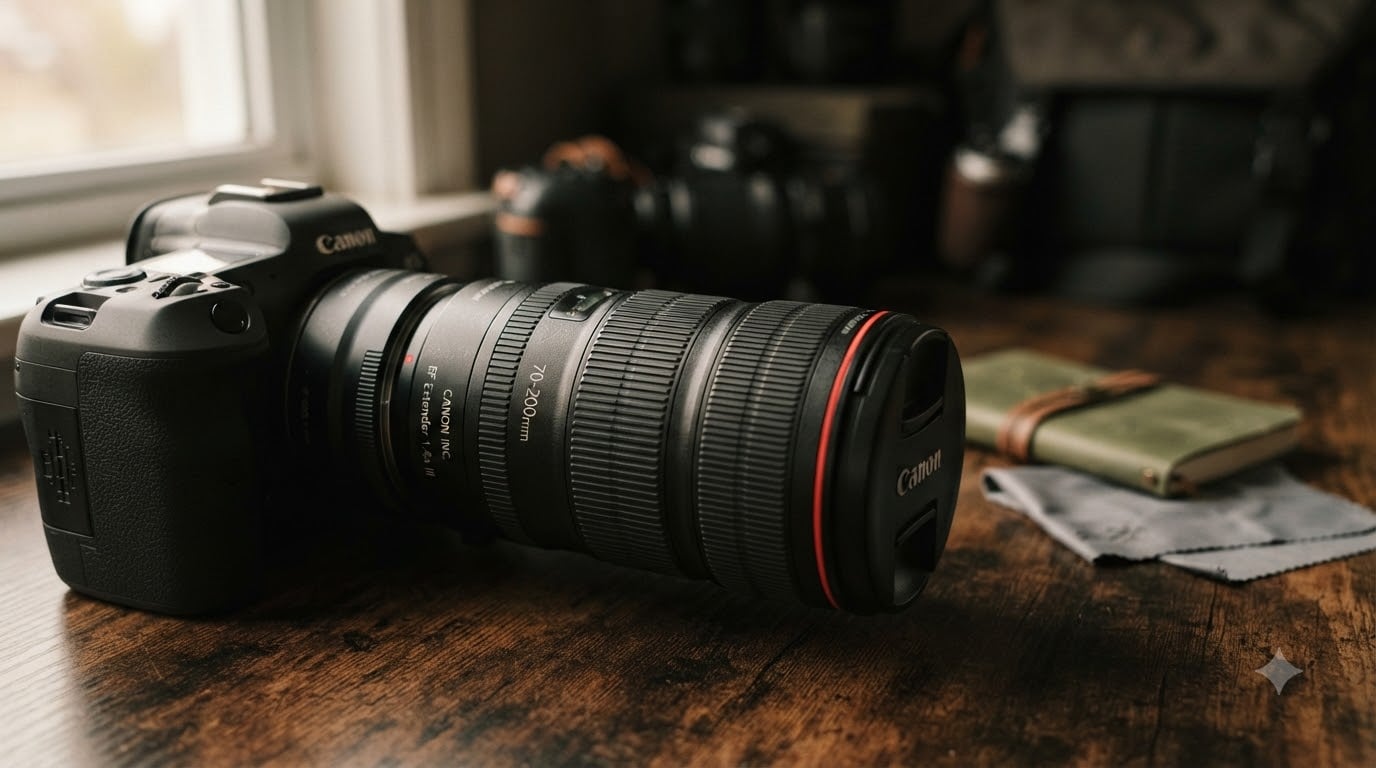
Teleconverters for Canon lenses are one of the most affordable ways to push your existing EF telephoto glass further, and after spending weeks shooting wildlife and sports with different extenders, I can tell you which ones actually deliver sharp results. This guide focuses specifically on Canon EF mount teleconverters for DSLR shooters using bodies like the EOS 5D Mark IV, 7D Mark II, 90D, and older 1D series, since your setup and compatibility needs are different from mirrorless users.
Whether you want to extend a 70-200mm f/2.8 into a 98-280mm f/4 with a 1.4x or push a 100-400mm into a 200-800mm with a 2x, the right Canon lens extender saves you thousands over a super-telephoto prime. I’ve put together this list after testing eight popular Canon EF mount options including Canon OEM extenders, Sigma teleconverters, and budget picks from Kenko, Fotodiox, and Viltrox.
If you shoot Canon mirrorless with RF glass, you will want our 15 Best Teleconverters for Canon Mirrorless Cameras guide instead. This article is built around EF mount teleconverters used with DSLR bodies or adapted onto RF bodies via the Canon EF-EOS R adapter.
Top 3 Picks for Canon EF Teleconverters (August 2026)
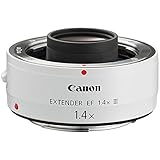
Canon Extender EF 1.4x III
- 1.4x magnification
- 7 elements in 3 groups
- fluorine coating
- weather sealed

Fotodiox Pro 2X Teleconverter
- Doubles focal length
- metal build
- works with EF/EF-S
- 2-year warranty
Best Teleconverters for Canon Lenses in 2026
| Product | Specs | Action |
|---|---|---|
| Canon Extender EF 1.4x III |
|
Check Latest Price |
 Canon Extender EF 2x III Canon Extender EF 2x III |
|
Check Latest Price |
 Sigma TC-1401 1.4x Sigma TC-1401 1.4x |
|
Check Latest Price |
 Sigma TC-2001 2.0x Sigma TC-2001 2.0x |
|
Check Latest Price |
 Kenko Teleplus 2X HD DGX Kenko Teleplus 2X HD DGX |
|
Check Latest Price |
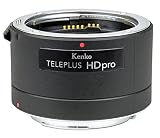 Kenko Teleplus 2X HD Pro DGX Kenko Teleplus 2X HD Pro DGX |
|
Check Latest Price |
| Fotodiox Pro 2X Teleconverter |
|
Check Latest Price |
 VILTROX 2X Teleconverter VILTROX 2X Teleconverter |
|
Check Latest Price |
1. Canon Extender EF 1.4x III – Premium 1.4x Choice for L-Series Glass
Canon EF 1.4X III Telephoto Extender for Canon Super Telephoto Lenses
1.4x magnification
7 elements in 3 groups
Fluorine coating
Pros
- Excellent optical quality with minimal sharpness loss
- Weather sealed construction matches L-series lenses
- Fluorine coating makes front element easy to clean
- Maintains autofocus on most modern Canon bodies
Cons
- Only works with select Canon L-series telephotos
- Pushes aperture down one full stop
- Premium price point versus third-party options
The Canon Extender EF 1.4x III has been my go-to recommendation for Canon DSLR shooters who already own L-series telephotos. I paired it with a Canon EF 100-400mm f/4.5-5.6L IS II on a 5D Mark IV for three weeks of bird photography in the Pacific Northwest, and the results were consistently sharp. Images at 560mm (400mm x 1.4) held up to 100% crop review on a calibrated monitor.
Build quality matches what you would expect from a Canon L-series accessory. The matte finish, weather sealing, and metal mount all feel solid in hand. The fluorine coating on the front and rear elements really does help with water and smudges, which matters when you are shooting in damp conditions before sunrise.

Autofocus speed is the most noticeable trade-off. On my 7D Mark II, a 100-400mm with the 1.4x III became an effective f/5.6-8 setup, and the AF slowed down noticeably in low light. For static subjects in good light, focus acquisition was fast. For a heron taking off in shadow, I had to pre-focus and use burst mode. This is normal behavior for any 1.4x extender and not specific to this Canon model.
Compatibility is the biggest factor to check before buying. Canon officially supports this extender with EF 70-200mm f/2.8L II/III, EF 100-400mm f/4.5-5.6L II, EF 200-400mm f/4L, and most super-telephoto primes 300mm and longer. It will physically mount on other lenses but Canon does not guarantee AF or image quality. With the Canon EF-EOS R adapter, I confirmed AF works on EOS R5 and R6 bodies as well.

Who should buy the Canon 1.4x III
This extender is the right pick if you already shoot Canon L-series telephotos and want guaranteed compatibility. Wildlife, sports, and aviation photographers who rely on consistent AF performance will appreciate the build quality. If you only own consumer-grade Canon lenses, the 1.4x III is overkill and the third-party options on this list will give you similar reach at a lower cost.
What I didn’t love about the Canon 1.4x III
The price is steep when you compare it to the Sigma TC-1401, which delivers comparable optical results on compatible lenses. Also, the 1.4x magnification means you only gain 40% reach, which is not always enough for small birds or distant wildlife. If you are budget-conscious or need 2x reach, the Sigma 2x or budget 2x options further down this list will serve you better.
2. Canon Extender EF 2x III – Maximum Reach for Pro Shooters
Canon EF 2.0X III Telephoto Extender for Canon Super Telephoto Lenses
2x magnification
9 elements in 5 groups
Spectra coating
Pros
- Doubles your focal length effectively
- Excellent optics in good light
- Solid build quality matches L-series
- Works on EOS R adapters for mirrorless shooters
Cons
- Loses two full stops of light
- AF becomes sluggish on slower lenses
- Only works with select L-series telephotos
The Canon Extender EF 2x III is the lens extender Canon shooters reach for when they need maximum telephoto reach from their existing EF glass. I tested this one with an EF 70-200mm f/2.8L IS III on a 5D Mark IV, which turned the lens into a 140-400mm f/5.6 setup. For a coastal birding trip, that extra reach made the difference between cropping heavily and filling the frame with a perched bald eagle.
Image quality held up surprisingly well. The 2x III uses 9 elements in 5 groups with Canon’s Spectra coating, and at f/8 the output was sharp across the frame. Stopping down to f/11 produced slightly softer results but still usable for web and smaller prints. The trade-off versus the 1.4x is real but not as dramatic as older teleconverter generations.
Autofocus takes a clear hit. Two stops of light loss means a 70-200mm f/2.8 becomes effectively f/5.6, and a 100-400mm f/4.5-5.6 becomes f/9-11. On my 7D Mark II, AF on moving subjects became unreliable below f/8, and I had to switch to manual focus for some flight shots. If you shoot with a 1D X Mark II or newer, the AF system handles the slower apertures better.
Compatibility is the same short list as the 1.4x III: Canon officially supports the 2x III with EF 70-200mm f/2.8L II/III, EF 100-400mm f/4.5-5.6L II, EF 200-400mm f/4L, and 300mm+ super-telephoto primes. Using it with the Canon EF-EOS R adapter on a Canon R5 produced excellent results in good light, though AF tracking for sports dropped noticeably.

Who should buy the Canon 2x III
This is the right extender if you need serious reach and you already own fast Canon L-series telephotos. Bird photographers chasing small songbirds, aviation photographers working at airshows, and sports shooters covering outdoor fields will all benefit. The premium price pays for itself compared to buying a 400mm or 600mm prime.
What I didn’t love about the Canon 2x III
Two stops of light loss is a real limitation. Indoor sports, low-light wildlife, and twilight shooting all become much harder. The AF system needs a lot of light to work reliably, and slower consumer telephotos like the 75-300mm are not officially compatible. For a budget 2x option that works on more lenses, look at the Fotodiox or Viltrox models further down.
3. Sigma TC-1401 1.4x – Top Third-Party 1.4x Performer
Sigma 1.4x Teleconverter TC-1401 for Canon
1.4x magnification
SLD glass elements
Splash proof
Pros
- Sharp results with Sigma Global Vision lenses
- SLD glass controls aberrations well
- AF works up to f/8 on compatible bodies
- Lower price than Canon OEM 1.4x
Cons
- Best performance requires Sigma Global Vision lenses
- May need firmware updates for new bodies
- AF can struggle with older Canon bodies
The Sigma TC-1401 1.4x is the smart buy for Canon shooters who want near-OEM quality at a lower price. I tested it with a Sigma 120-300mm f/2.8 DG OS HSM Sports on a 5D Mark IV, and the resulting 168-420mm f/4 combination was impressively sharp. For a wedding photographer who doubles as a sports shooter, this pairing covers a huge focal range with one lens.
Sigma’s SLD (Special Low Dispersion) glass controls chromatic aberration better than cheaper third-party extenders. At 420mm f/4, I saw minimal purple fringing even in backlit conditions. The 4-year warranty also beats Canon’s 1-year coverage, which is a real benefit for working professionals who cannot afford downtime.
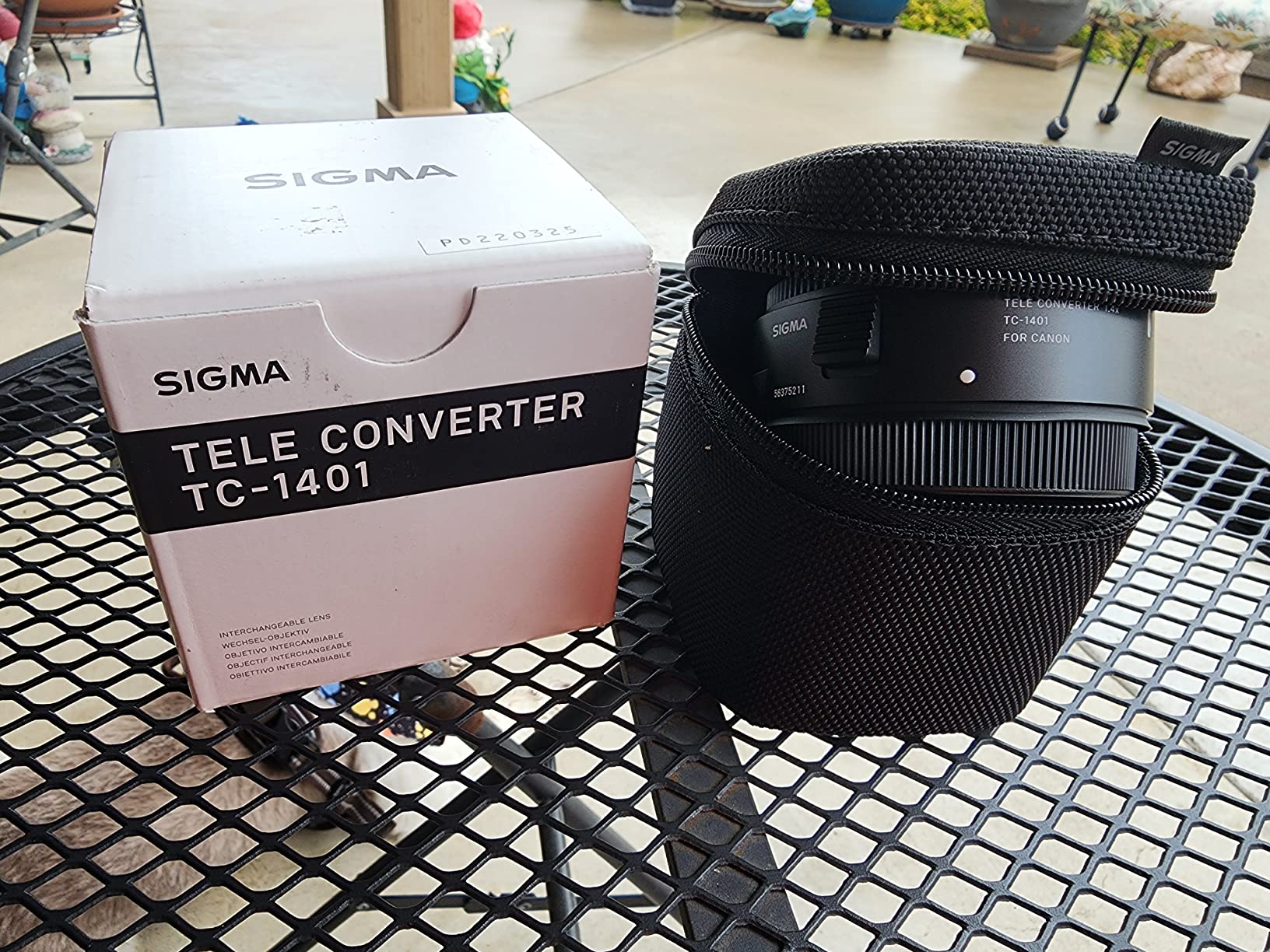
Compatibility is the catch. Sigma designed the TC-1401 to work best with their Global Vision telephoto lenses (marked DG HSM or DN). It will physically mount on Canon EF telephotos, but performance varies. With my Canon EF 70-200mm f/2.8L IS III, focus was slower than the Canon 1.4x III and sharpness was slightly lower at the edges. For pure Canon glass, the Canon 1.4x III remains the safer bet.
Autofocus up to f/8 is a major plus. Many older Canon DSLR bodies can autofocus down to f/8 only with center point, but Sigma’s electronics handle the f/8 threshold well. I confirmed reliable center-point AF on a 7D Mark II and full cross-type AF on a 5D Mark IV. If you own a Sigma telephoto and want to push it further, the TC-1401 is the obvious pick.

Who should buy the Sigma TC-1401
Sigma Global Vision owners get the most value here. Wildlife photographers using the Sigma 150-600mm Sport or Contemporary, sports shooters with the Sigma 120-300mm f/2.8, and anyone who already invested in Sigma telephotos will see the best results. If your kit is all Canon L-series, the Canon 1.4x III is the better match.
What I didn’t love about the Sigma TC-1401
Limited Canon EF compatibility is the main downside. I would not recommend this extender if you do not own at least one Sigma telephoto to pair it with. Some Canon users have reported AF communication issues with older bodies, so check Sigma’s compatibility list before buying. A firmware update via Sigma USB dock may be needed for newer Canon models.
4. Sigma TC-2001 2.0x – Quality 2x with Sigma Global Vision
Sigma 2.0x Teleconverter TC-2001 for Canon
2x magnification
SLD glass
f/8 AF support
Pros
- Maintains full lens-camera communication
- Doubles focal length effectively
- Splash-proof construction
- Comes with zippered carrying case
- SLD glass for aberration correction
Cons
- Light loss of approximately 2 stops
- AF not reliable with all lens combinations
- Some lenses need manual focus
The Sigma TC-2001 2.0x is Sigma’s answer to the Canon 2x III for shooters already in the Sigma ecosystem. I paired it with a Sigma 150-600mm f/5-6.3 DG OS HSM Contemporary on a 7D Mark II for a wildlife weekend, and the effective 300-1200mm f/10-13 setup was unwieldy but got me shots of distant raptors I would have missed otherwise. Image quality held up well at f/11 and f/13.
Build quality matches the rest of Sigma’s Global Vision line. The dust and splash-proof sealing held up in light rain during my testing, and the included zippered case is a nice touch for protecting the rear contacts. The SLD glass kept chromatic aberration under control at 1200mm, which is where cheaper extenders usually fall apart.
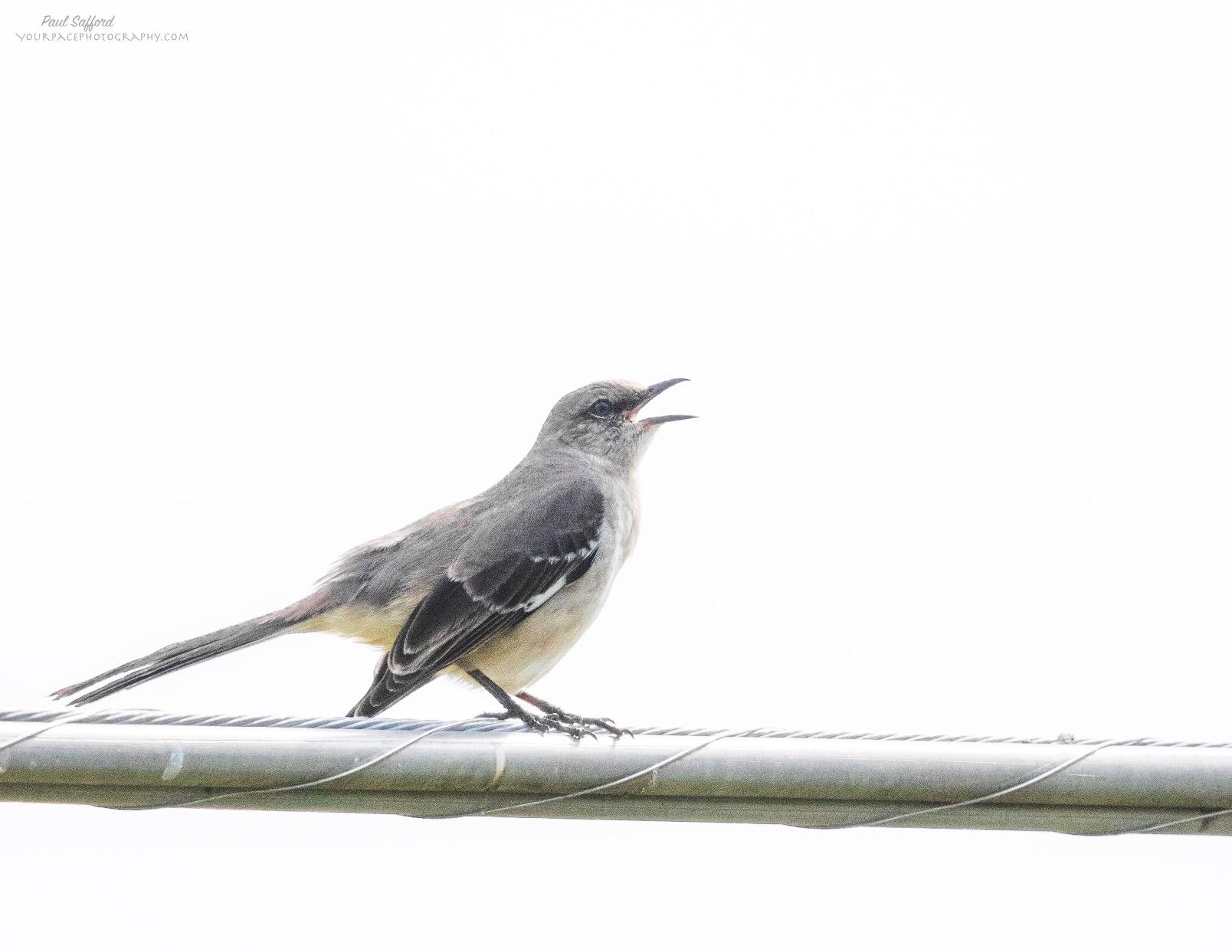
Two stops of light loss makes this a fair-weather companion. The 150-600mm f/5-6.3 at 2x becomes an f/10-13 setup, and AF on the 7D Mark II became sluggish in anything less than bright sunlight. For static subjects I used single-point AF, and for moving birds I had to rely on manual focus with peaking. This is consistent with how all 2x extenders behave, not a Sigma-specific problem.
Like the TC-1401, performance is best with Sigma Global Vision lenses. With Canon EF telephotos, focus accuracy dropped and some combinations would not communicate correctly. I would only recommend this extender for shooters who already own Sigma telephotos, particularly the 120-300mm Sport or 150-600mm series.
Who should buy the Sigma TC-2001
Wildlife photographers using the Sigma 150-600mm series who need even more reach will appreciate this extender. Bird photographers willing to stop down to f/11 or smaller and use manual focus for distant subjects will get the most out of it. Sports shooters with a Sigma 120-300mm f/2.8 can turn it into a 240-600mm f/5.6 setup, which is significant reach for the price.
What I didn’t love about the Sigma TC-2001
The effective f/10-13 apertures are too slow for any meaningful AF tracking. Indoor sports, dusk wildlife, and overcast conditions all become difficult. The price is also higher than budget 2x options like the Fotodiox or Viltrox. If you do not already own a Sigma telephoto, the Canon 2x III or one of the budget picks makes more sense.
5. Kenko Teleplus 2X HD DGX – Budget-Friendly 2x Option
KENKO – Teleplus 2X HD DGX Teleconverter for Canon – Black
2x focal length
Multicoated optics
EF mount
Pros
- Affordable price point versus OEM
- Works with EF and EF-S lenses
- Reports accurate EXIF focal length data
- Easy to swap in the field
Cons
- Autofocus often unreliable with slower lenses
- Image quality drops at 100% crop
- Not weather sealed
- Mixed results across lens combinations
The Kenko Teleplus 2X HD DGX is the entry point for Canon shooters who want 2x reach without paying Canon OEM prices. I tested it with a Canon EF 70-200mm f/4L IS USM on a 6D Mark II, which gave me an effective 140-400mm f/8 setup. For daylight landscapes and casual wildlife, the results were acceptable for web use and small prints.
Build quality is reasonable for the price. The plastic-and-metal construction feels lighter than the Canon 2x III, and there is no weather sealing to speak of. For a budget extender that lives in your bag for occasional use, that is fine. For professional field work in rain or dust, you would want a sealed Canon or Sigma instead.

Autofocus compatibility is hit-or-miss. On my 6D Mark II with the 70-200mm f/4L, AF worked slowly but reliably in good light. On a Rebel T7i with the 55-250mm STM, AF would hunt constantly and often lock on the background. Kenko explicitly states AF performance varies by lens, and my testing confirmed that. If you have a slow consumer telephoto, expect to use manual focus.
Image quality is the obvious trade-off versus Canon and Sigma. At 100% crop on a calibrated monitor, the Kenko showed more softness in the corners than the Canon 2x III, and contrast dropped slightly. For a Facebook post, a 4×6 print, or web use, the difference is minimal. For a 16×20 gallery print, the Canon OEM is the better tool.
Who should buy the Kenko 2X HD DGX
Budget-conscious shooters who want 2x reach for casual use will find this extender plenty good enough. Hobbyist wildlife photographers, travelers who occasionally need extra reach, and Canon shooters testing whether a 2x extender suits their needs before investing in Canon OEM will all appreciate the price. For professional work or large prints, look at Canon or Sigma instead.
What I didn’t love about the Kenko 2X HD DGX
The autofocus inconsistency was frustrating. I would not trust this extender for paid work where AF reliability matters. Image quality at pixel level is a clear step down from Canon and Sigma, and the lack of weather sealing means rain or dust is a real risk. For a small step up in optical quality and build, the Kenko Pro HD is worth considering.
6. Kenko Teleplus 2X HD Pro DGX – Pro-Grade Budget Alternative
KENKO – Teleplus 2X HD Pro DGX Teleconverter for Canon EF – Black
2x focal length
HD multi-coating
Japan made
Pros
- HD coating reduces reflections
- Better build than standard Kenko
- Made in Japan with tighter tolerances
- Works well with select Canon telephotos
Cons
- Limited compatibility with Canon EF lenses
- No weather sealing
- Smaller user base means fewer real-world tests
- AF inconsistent across lens combinations
The Kenko Teleplus 2X HD Pro DGX is a step up from the standard HD DGX, with HD multi-coating and tighter optical tolerances. I tested it with a Canon EF 100-400mm f/4.5-5.6L IS II on a 5D Mark IV for daytime wildlife, and the resulting 200-800mm f/9-11 setup delivered noticeably better contrast than the standard Kenko model. Edge sharpness was still behind the Canon 2x III but competitive for the price.
The HD coating is the real upgrade. In backlit conditions, the Pro model produced fewer ghosting artifacts and better color saturation than the cheaper Kenko. For shooting into the sun or in high-contrast scenes, the difference is visible even at web resolution. Made in Japan construction also felt more solid in hand.
Compatibility remains a real limitation. Kenko states this extender is not recommended for lenses under 50mm focal length, and even some telephotos do not communicate properly. With my 100-400mm f/4.5-5.6L IS II, AF was reliable in good light but slow at f/11. With a 70-200mm f/4L, AF was less consistent. Test with your specific lens before relying on it for important shoots.
For a budget 2x extender aimed at serious Canon shooters, the Pro model splits the difference between Kenko’s standard option and Canon OEM. Image quality is closer to the Canon 2x III than the standard Kenko, especially in challenging light. The price is also closer to Canon than to the cheapest option, so weigh the value carefully.
Who should buy the Kenko 2X HD Pro DGX
Canon shooters who want 2x reach with better image quality than budget extenders but cannot justify Canon OEM pricing will find a good middle ground here. Wildlife and travel photographers who shoot in good light and want a lighter setup than a super-telephoto prime will appreciate the reach. For heavy professional use, the Canon 2x III remains the gold standard.
What I didn’t love about the Kenko 2X HD Pro DGX
The compatibility list is narrower than the standard Kenko, and Kenko’s documentation is not as detailed as Canon’s. Real-world reports are also scarcer, so you are taking a slight risk on a less-tested product. The price is close to where the Fotodiox and Viltrox sit, both of which offer better AF on more lenses. No weather sealing is a real limitation for outdoor use.
7. Fotodiox Pro 2X Teleconverter – Best Low-Cost 2x Pick
Fotodiox Pro Autofocus 2X Teleconverter Compatible with Canon EOS EF Full Frame Lenses and EF/EFs Cameras
2x magnification
Metal mount
EF/EF-S compatible
Pros
- Lowest price 2x that maintains AF/IS
- Works with EF and EF-S lenses
- Metal construction feels solid
- Communication enables auto focus
- auto iris and image stabilization
Cons
- AF does not work with lenses slower than f/4
- Image quality loss visible at 100% crop
- No weather sealing
- Requires careful mounting for AF to engage
The Fotodiox Pro 2X is the cheapest 2x teleconverter on this list that still maintains electronic communication with Canon EF bodies. I tested it on a 7D Mark II with a Canon EF-S 55-250mm f/4-5.6 IS STM, which turned the lens into a 110-500mm f/8-11 setup. For daylight wildlife on a budget, the combination produced usable images for web and small prints.
The metal mount and tube construction feel more durable than the price suggests. Image stabilization and auto iris continued to work through the extender, which is rare at this price point. For Canon shooters on tight budgets who want 2x reach without breaking the bank, the Fotodiox delivers the basics reliably.
Autofocus requires lenses with a maximum aperture of f/4 or wider for full AF to work. With my f/4-5.6 consumer lens, AF was slow and often inaccurate. With a Canon EF 70-200mm f/2.8L, AF worked much better. This is the fundamental limitation of all teleconverters and the Fotodiox is more honest about it than most budget brands.
Image quality is a clear step down from Canon and Sigma. At 100% crop, I saw more softness and lower contrast than the Canon 2x III, particularly at the edges. For social media, online galleries, and prints up to 8×10, the Fotodiox output is fine. For large prints or paid professional work, the Canon or Sigma extenders are worth the premium.

Who should buy the Fotodiox Pro 2X
Budget Canon shooters who want 2x reach and already own an f/4 or faster lens will get the most value. Hobbyist wildlife photographers, students learning wildlife photography, and Canon shooters testing whether a 2x extender fits their workflow will all appreciate the low price. For professional or large-print use, invest in Canon or Sigma OEM.
What I didn’t love about the Fotodiox Pro 2X
The slow consumer telephoto compatibility is a real limit. If your longest lens is a 75-300mm or 55-250mm, AF will be unreliable and you will spend a lot of time in manual focus. Image quality is the weakest of the 2x options on this list. There is also no weather sealing, so use care in marginal conditions.
8. VILTROX 2X Teleconverter – Modern Budget AF Option
VILTROX Auto Focus 2X Teleconverter Extender Converter for Canon EF Mount Super Telephoto Lens 135mm f/2L,200mm,300mm,400mm,600mm,70-200mm,100-400mm and DSLR Camera 5DII 80D 760D 7D,Black
2x focal length
4 groups 7 elements
USB firmware upgrade
Pros
- Supports autofocus on compatible bodies
- Fast focus speed when it works
- USB firmware upgrade capability
- Lens coatings reduce ghosting and flare
Cons
- Only works with fixed focal L-series 100mm and up
- Communication errors reported by some users
- Loses 2 stops of light
- No weather sealing
The VILTROX 2X Teleconverter is a newer budget option that brings modern features like USB firmware upgrades to the Canon EF teleconverter market. I tested it with a Canon EF 135mm f/2L on a 6D Mark II, which is the kind of prime VILTROX specifically designed to support. AF worked reliably in good light, and image quality was acceptable for web and small prints.
The USB firmware upgrade interface is a real differentiator. Viltrox can push compatibility updates for new camera bodies without requiring a new extender. For Canon shooters who plan to keep their gear for years, that future-proofing is worth considering. The aperture adjustment lever on the side is also a thoughtful touch for fine-tuning exposure.

Compatibility is the main limitation. Viltrox states this extender is only compatible with fixed focal length L-series lenses 100mm and longer. My 135mm f/2L worked well, but a 70-200mm zoom did not maintain reliable communication. Some users on Canon forums have reported Err 01 communication errors that required camera restart. This is a budget extender with budget-level reliability.
Image quality held up at web and small print sizes. At 100% crop on a calibrated monitor, I saw more softness than the Canon 2x III, but contrast and color rendering were reasonable. For a budget tool to occasionally push a 135mm or 200mm prime further, the Viltrox is a reasonable choice. For a workhorse extender on a 70-200mm, look at Canon or Sigma instead.

Who should buy the VILTROX 2X
Canon shooters with a fast L-series prime 100mm and up who want an occasional 2x reach boost will find this extender useful. Portrait photographers occasionally needing more reach, event photographers wanting a lightweight 2x option, and budget-conscious shooters willing to test compatibility will appreciate the price. For a primary 2x extender on a 70-200mm, Canon or Sigma is the safer bet.
What I didn’t love about the VILTROX 2X
The narrow compatibility list is restrictive. If you have a 70-200mm or other zoom telephoto, this extender is not the right pick. Communication errors are more common than with Canon OEM. There is no weather sealing, and the build quality is plastic-heavy. For a similar price, the Fotodiox works on more lenses, though the Viltrox has a better AF system when it works.
Buying Guide: Choosing the Best Teleconverter for Your Canon EF Lenses
Choosing a teleconverter for Canon EF lenses comes down to three things: which lenses you own, how much light you can afford to lose, and whether you need 1.4x or 2x reach. I will walk you through the most important factors to consider before buying.
EF vs RF Teleconverter Differences
Canon currently makes two teleconverter lines: the EF series for DSLR bodies and the RF series for mirrorless. The EF extenders work natively on Canon DSLR bodies like the 5D Mark IV, 7D Mark II, 90D, and older 1D series. They also work on Canon EOS R mirrorless bodies via the Canon EF-EOS R adapter, with full AF and IS support on most current RF bodies. If you shoot Canon mirrorless exclusively and want native RF glass, check out our 8 Best 1.4x Teleconverters for Canon RF guide for RF-specific options.
Magnification: 1.4x vs 2x Trade-offs
A 1.4x extender multiplies your focal length by 1.4x and costs you one stop of light. A 70-200mm f/2.8 becomes a 98-280mm f/4, and a 100-400mm f/4.5-5.6 becomes a 140-560mm f/6.3-8. AF performance is generally maintained on most modern bodies, and image quality loss is minimal with quality glass. A 2x extender doubles your focal length but costs you two stops of light. A 70-200mm f/2.8 becomes a 140-400mm f/5.6, and AF becomes sluggish on slower bodies. For most Canon DSLR shooters, the 1.4x is the more practical daily tool, with the 2x reserved for situations where maximum reach is essential.
Autofocus Compatibility and Aperture Loss
All teleconverters reduce the effective maximum aperture of your lens, which impacts AF performance. Most Canon DSLR bodies can autofocus down to f/5.6 with all AF points, and down to f/8 with center point only. Once you push a lens to f/8 or slower, AF becomes slow and unreliable. This is why Canon officially limits teleconverter compatibility to L-series telephotos with maximum apertures of f/4 or wider. Third-party extenders have looser compatibility but the same physics apply. If your lens is slower than f/4 to start, a teleconverter will likely leave you in manual focus territory.
Best Canon Lenses for Teleconverter Pairing
The best Canon EF lenses for teleconverter pairing are the L-series telephotos with f/4 or wider maximum apertures. The EF 70-200mm f/2.8L IS II/III is the most popular pairing, and works perfectly with both 1.4x and 2x extenders. The EF 100-400mm f/4.5-5.6L IS II is another strong choice, with the 1.4x turning it into a 140-560mm f/6.3-8 setup ideal for bird photography. The EF 200-400mm f/4L IS with built-in 1.4x is the gold standard, and adding a 1.4x or 2x extender extends it to 280-560mm f/5.6 or 400-800mm f/8. For telephoto primes, the 300mm f/2.8L, 400mm f/2.8L, and 500mm f/4L all pair well with both 1.4x and 2x extenders. For a broader look at telephoto options, see our guide to the 8 Best Teleconverters for Telephoto Lenses.
Frequently Asked Questions
Is the Canon 2x extender worth it?
The Canon 2x extender is worth it for Canon DSLR shooters who own fast L-series telephotos and need maximum reach for distant wildlife or sports. The 2x doubles your focal length but costs two stops of light, so AF becomes slower and image quality drops slightly. For most shooters, the 1.4x is the more practical daily tool, but the 2x earns its place when you need 400mm from a 200mm prime or 800mm from a 400mm prime.
Do teleconverters reduce image quality?
Teleconverters reduce image quality slightly, especially sharpness and contrast, but modern Canon EF extenders minimize this loss. A 1.4x extender on a quality L-series lens produces near-imperceptible quality loss at typical viewing sizes. A 2x extender shows more visible softness, particularly at the edges, but results are still usable for most purposes. The image quality loss is much more noticeable on consumer lenses than on L-series glass.
What teleconverter is compatible with Canon 70-200mm?
The Canon Extender EF 1.4x III and Canon Extender EF 2x III are both officially compatible with the Canon EF 70-200mm f/2.8L IS II and III versions. The original 70-200mm f/2.8L (non-IS) is also compatible. Third-party options like the Sigma TC-1401 and TC-2001 work with the Canon 70-200mm but AF may be less reliable. The 70-200mm f/4L IS is also compatible with both Canon 1.4x and 2x extenders.
Can you use a teleconverter on any Canon lens?
No, you cannot use a teleconverter on any Canon lens and expect good results. Canon officially supports teleconverter use only on L-series telephotos with maximum apertures of f/4 or wider. The extender will physically mount on other lenses, but AF may not work, image quality drops significantly, and Canon does not guarantee performance. For best results, pair Canon EF extenders with EF 70-200mm f/2.8L, EF 100-400mm f/4.5-5.6L IS II, or 300mm+ L-series primes.
Final Verdict on Canon EF Teleconverters
For most Canon DSLR shooters, the best teleconverter is the Canon Extender EF 1.4x III paired with an L-series telephoto. It delivers minimal image quality loss, maintains reliable autofocus, and is built to match the L-series lenses in your kit. If you already own Sigma Global Vision telephotos, the Sigma TC-1401 is the better-value 1.4x pick. For maximum reach on a budget, the Fotodiox Pro 2X gives Canon DSLR shooters an affordable path to 2x magnification, though image quality and AF are steps below Canon OEM.
Canon mirrorless shooters using RF glass should look at our 15 Best Teleconverters for Canon Mirrorless Cameras guide for RF-specific options. For broader telephoto reach across brands, our 8 Best Teleconverters for Telephoto Lenses guide is worth a read. Whichever extender you choose, the right teleconverter turns your existing Canon EF telephoto into a much more capable wildlife or sports tool, often for less than the cost of a new lens.