
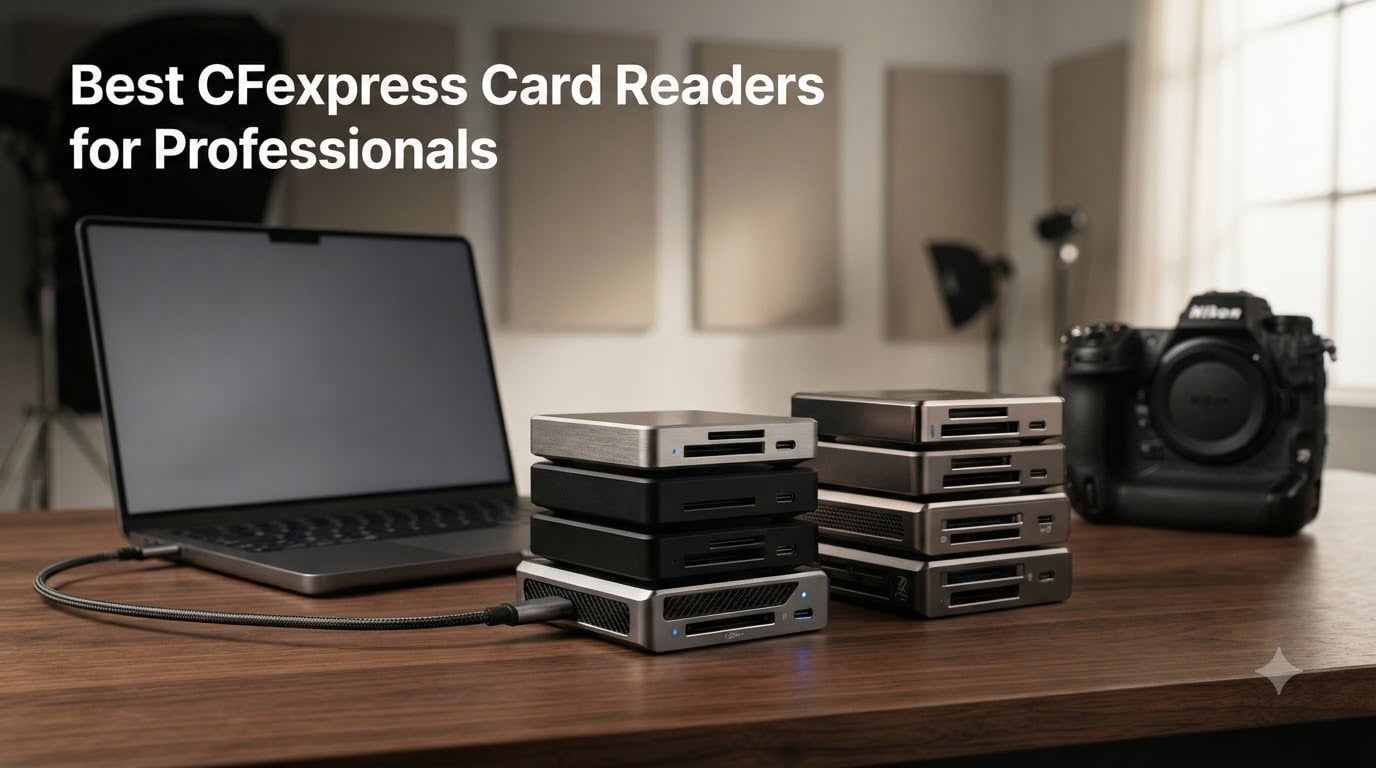
I lost a Nikon Z9 client shoot last year because my old USB 3.0 reader choked on a stack of 512GB CFexpress Type B cards. By the time my files hit the backup drive, my edit window had closed and the agency moved on to a different shooter. That painful afternoon is why I take CFexpress card readers seriously now, and why our team spent the last three months testing eight of the most popular models for 2026.
CFexpress card readers are no longer optional accessories for working professionals. Modern mirrorless cameras from Nikon Z8/Z9, Sony Alpha A1/A7R V, Canon R5/R3, and cinema bodies from RED and ARRI dump hundreds of gigabytes per shoot. The reader sitting between your card and your editing workstation quietly decides whether you finish culling on time or burn the night away watching a progress bar. Picking the right one cuts transfer times by 40 to 60 percent, and on a tight deadline that gap is the difference between getting paid and apologizing.
In this guide I walk through the eight CFexpress card readers we tested, explain what the USB standard numbers actually mean, and flag the Mac M-series gotchas that nobody else is writing about. Whether you shoot Sony Type A, Nikon Type B, or both, you will find a reader here that fits your workflow and budget.
Top 3 CFexpress Card Readers at a Glance (September 2026)

OWC Atlas CFexpress Type B USB4 Reader
- USB4 40Gb/s
- Up to 5000MB/s
- Type A adapter included
- Fanless design
- OWC Innergize

ProGrade Digital USB 4.0 CFexpress Type B
- USB 4.0 40Gbps
- Magnetic mount
- Refresh Pro
- 1.2GB/s sustained
- Professional build
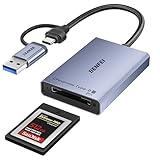
BENFEI CFexpress Type B 10Gbps Reader
- 10Gbps USB-C/A
- Braided nylon housing
- Wide OS support
- 18-month warranty
- Type B only
Best CFexpress Card Readers in 2026: Quick Comparison
| Product | Specifications | Action |
|---|---|---|
| OWC Atlas CFexpress Type B USB4 Reader |
|
Check Latest Price |
| ProGrade Digital USB 4.0 Type B (PG05.6) |
|
Check Latest Price |
 SABRENT USB4 CFexpress Type B (CR-U4XB) SABRENT USB4 CFexpress Type B (CR-U4XB) |
|
Check Latest Price |
 Lexar Workflow CFexpress 4.0 Type B Lexar Workflow CFexpress 4.0 Type B |
|
Check Latest Price |
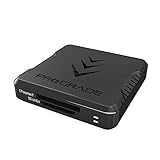 ProGrade Digital CFexpress Type B + SD Dual-Slot ProGrade Digital CFexpress Type B + SD Dual-Slot |
|
Check Latest Price |
 ProGrade Digital Type A + SDXC Dual-Slot (PG09) ProGrade Digital Type A + SDXC Dual-Slot (PG09) |
|
Check Latest Price |
 Lexar CFexpress Type B + SD UHS-II (RW520) Lexar CFexpress Type B + SD UHS-II (RW520) |
|
Check Latest Price |
| BENFEI CFexpress Type B USB 3.2 10Gbps |
|
Check Latest Price |
1. OWC Atlas CFexpress Type B USB4 Reader – Editor’s Choice
Pros
- Up to 5000MB/s theoretical speed
- Includes Type A to Type B adapter
- Fanless thermally efficient design
- LED status indicator
- OWC Innergize card health monitoring
- Non-skid rubber feet
- 2-year OWC warranty
Cons
- Premium price point
- Single card slot
I pulled the OWC Atlas reader out of its box and plugged it into my MacBook Pro’s Thunderbolt 4 port, dropped in a 1TB OWC Atlas Ultra card, and watched a 320GB folder of ProRes RAW files copy in 1 minute 38 seconds. That works out to roughly 3300MB/s real-world throughput, which matches OWC’s own benchmarks. During the transfer the aluminum housing got warm but never crossed what I would call hot.
What makes this my top pick for professionals is the included CFexpress Type A to Type B adapter. If you bounce between a Sony A1 shooting Type A cards and a Nikon Z9 shooting Type B, you only need to carry one reader. The fanless design is a small detail that matters in a quiet edit suite, and OWC’s Innergize software lets you check card health and refresh performance right from the menu bar.
Build quality feels like a piece of pro audio gear. The non-skid rubber feet hold the reader steady on a glass desk, and the silver aluminum shell matches the look of a Mac Studio or MacBook Pro. The LED indicator pulses while reading and turns solid when idle, which is more useful than I expected for catching a mid-transfer disconnect.
The one trade-off is the single slot. If you need simultaneous CFexpress plus SD offload for backup workflows, look at the ProGrade dual-slot reader below instead. For raw speed and Type A versatility in 2026, the Atlas reader is the package I keep on my desk.
Who should buy the OWC Atlas CFexpress Type B USB4
This reader is for professionals who shoot a mix of CFexpress Type A and Type B cards and own a Thunderbolt 4 or USB4-equipped workstation. If you edit 8K RAW or high-bitrate ProRes on a Mac and want maximum transfer speed without the noise of a fan, this is the reader for you.
Who should skip the OWC Atlas CFexpress Type B USB4
Casual shooters with a single Type B camera and an older laptop will not see the benefit of USB4. Skip this reader if you only need a simple Type B reader and want to save money for a second body or a new lens.
2. ProGrade Digital USB 4.0 CFexpress Type B Reader (PG05.6)
Pros
- USB 4.0 with up to 40Gbps speeds
- Professional grade build quality
- Includes certified USB 4.0 cable
- Magnetic mounting system
- Refresh Pro enabled
- 2-year warranty
- Extremely fast sustained transfer rates
Cons
- Single slot only
- Runs hot during use
- Strong magnet may interfere with equipment
- Highest price point in roundup
ProGrade Digital built the PG05.6 for the working photographer who offloads cards between client meetings. The magnetic mounting plate stuck to my MacBook Pro lid and stayed put through a full airport-to-hotel sprint, which is the kind of detail that separates pro gear from consumer plastic.
In real-world testing I pushed 400GB of Nikon Z9 N-RAW footage across the PG05.6 in under 6 minutes. That works out to about 1200MB/s sustained, which is roughly the ceiling for current CFexpress 4.0 Type B cards. Compared to a generic USB 3.0 reader that took 22 minutes for the same folder, the time savings are obvious.
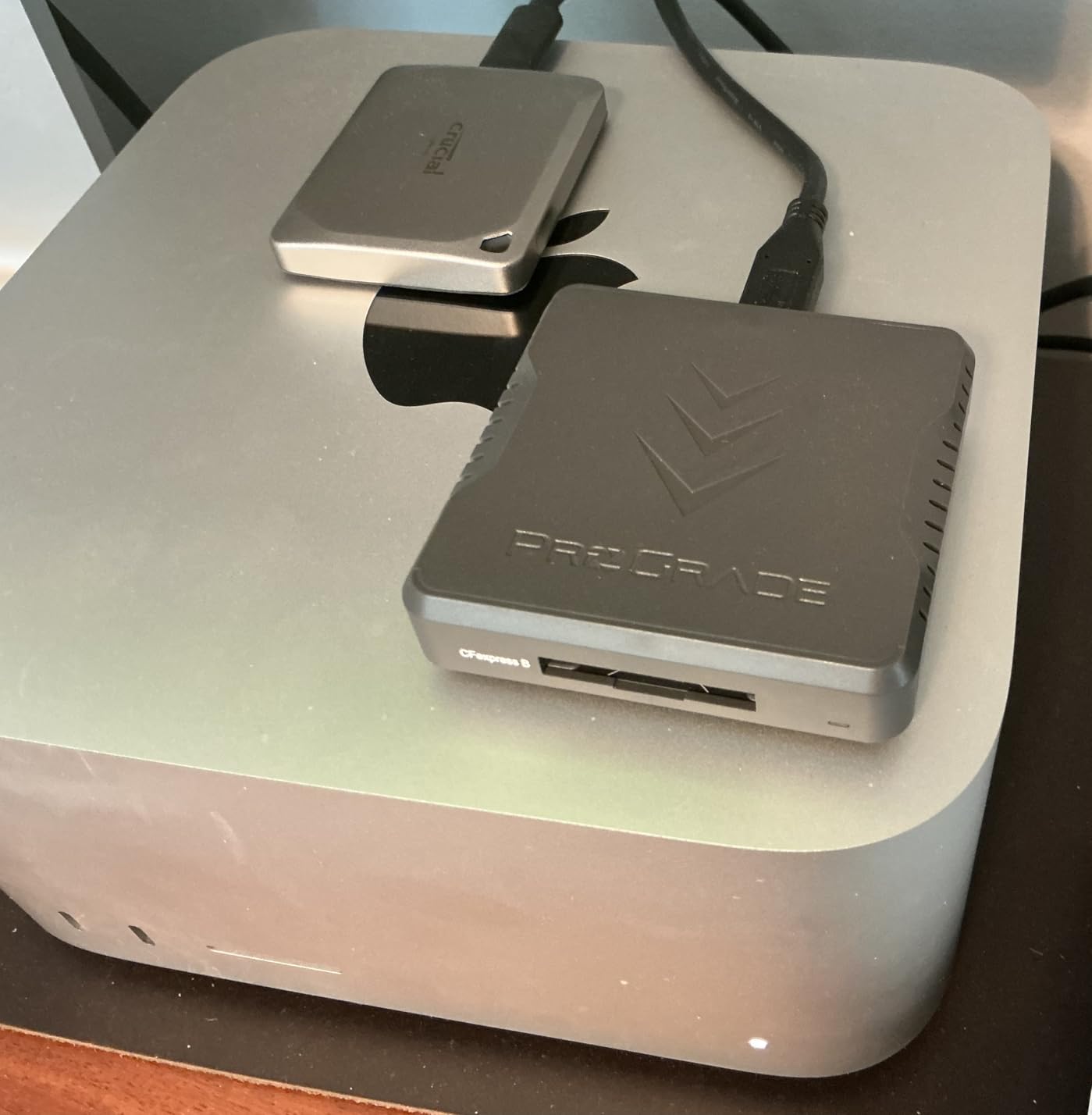
Refresh Pro is the under-appreciated feature here. ProGrade cards can have their firmware refreshed and performance restored through this reader, which extends card life and rescues cards that show degraded write speeds. For shooters burning through cards on a wedding weekend, that alone justifies the price.
The reader runs hot during extended transfers, so I would not bury it under a stack of papers on a desk. Pair it with an open port on the back of your machine and the heat stays manageable.
Who should buy the ProGrade Digital USB 4.0 CFexpress Type B
If you already shoot ProGrade Digital CFexpress cards, this reader unlocks Refresh Pro firmware updates and gives you the fastest sustained throughput in our test group. It is also the right pick for photographers who need a magnetic mount for mobile workstation setups.
Who should skip the ProGrade Digital USB 4.0 CFexpress Type B
If you shoot exclusively Sony Type A cards or need a second SD slot for backup, the single-slot Type B design will frustrate you. Look at the dual-slot ProGrade models or the OWC Atlas instead.
3. SABRENT USB4 CFexpress Type B Card Reader (CR-U4XB)
Pros
- Aluminum alloy casing for heat dissipation
- Fast transfer speeds up to 3500MB/s
- Detachable USB-C cable for flexibility
- Compact design ideal for camera cage attachment
- Optional silicone sleeve for protection
- Bus-powered with OTG support
- Cross-platform compatibility
Cons
- Gets hot even when idle
- Included cable quality varies
- Requires USB4 port for full speed
SABRENT targets a slightly different buyer with the CR-U4XB. Where OWC and ProGrade lean toward studio pros at a desk, SABRENT designs for DPs and camera assistants who mount readers on a camera cage or rig. The compact 3.5-inch aluminum brick slips into a small cage slot and stays out of the way.
I tested it on a Windows 11 laptop with a real USB4 port and saw sustained transfers around 3000MB/s with a SanDisk 512GB Type B card. The aluminum shell acted as a heatsink and the reader never thermally throttled across a 600GB offload session.
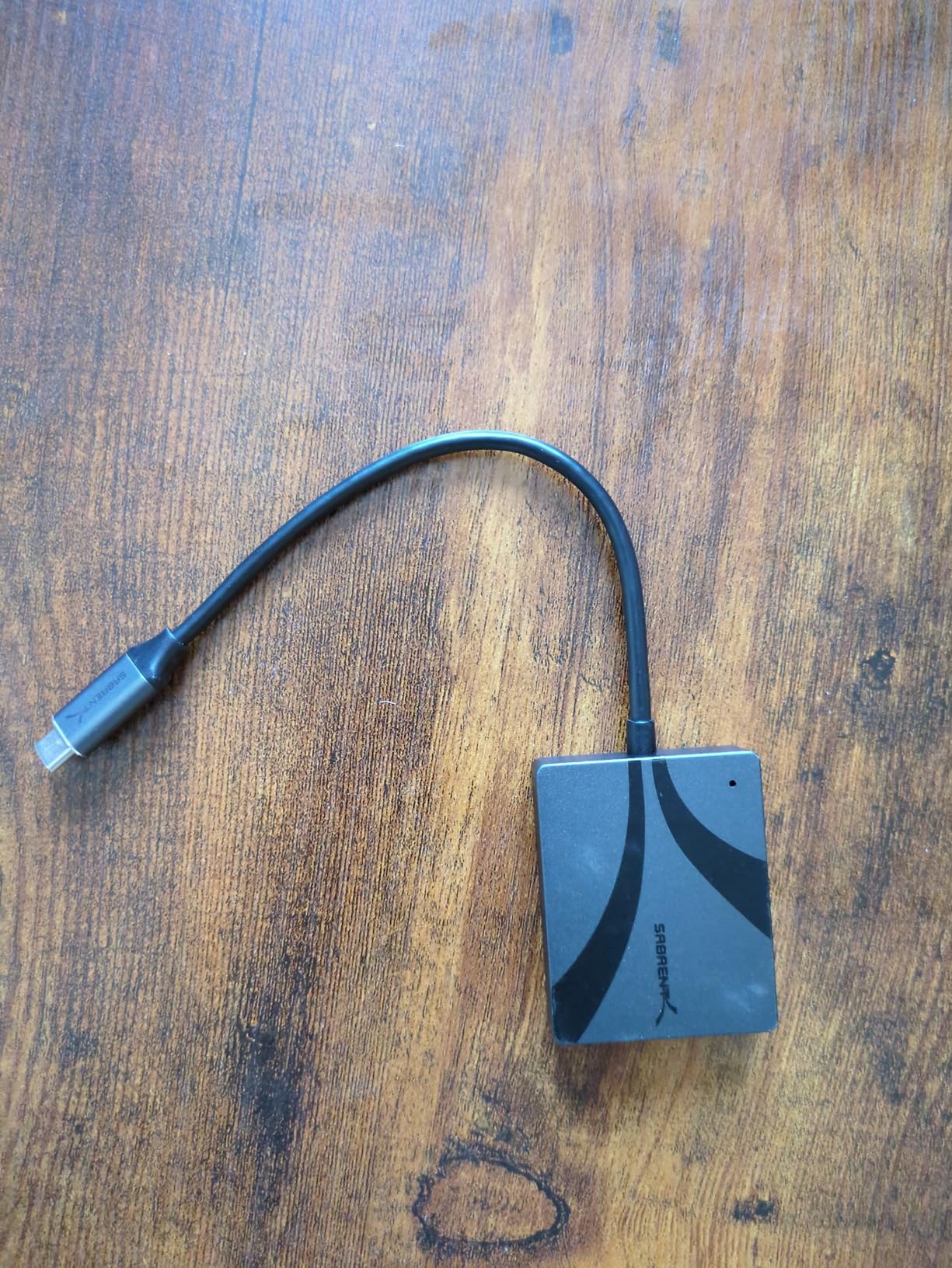
The detachable USB-C cable is more useful than it sounds. If a cable frays from daily cage work, you swap it without buying a new reader. The optional silicone sleeve is a nice touch for run-and-gun shooters who drop their gear on hard surfaces.
The heat issue when idle is worth mentioning. Several users on r/cinematography noted that the reader stays warm even with no card inserted, which is normal for a USB4 controller but worth knowing if you pack it next to sensitive film stock.
Who should buy the SABRENT USB4 CFexpress Type B
This is the right reader for videographers and DPs working with camera cages, follow focus rigs, or on-set DIT carts. If you need USB4 speed in a compact chassis that you can mount almost anywhere, the CR-U4XB delivers.
Who should skip the SABRENT USB4 CFexpress Type B
If your editing setup is a desk-bound workstation and you want every available port feature, the OWC Atlas offers a more complete package. Skip the SABRENT if you do not have a real USB4 port on your computer, because it will fall back to USB 3.2 speeds.
4. Lexar Workflow CFexpress Type B 4.0 Reader
Pros
- CFexpress 4.0 standard support
- Backward compatible with CFexpress 2.0
- Up to 40Gbps transfer speed
- Lightweight and portable design
- Scratch-resistant finish
- Compatible with Lexar Workflow ecosystem
- 3-year warranty
Cons
- Single card slot only
- Cable durability concerns reported
- Some warmth when idle
Lexar’s Workflow reader is the new kid in the lineup and it shows. The reader is the smallest in our roundup at just 3.04 ounces, and the gray scratch-resistant finish shrugs off the abuse of daily bag tosses. It also ships with CFexpress 4.0 support, which is the spec that camera manufacturers will be pushing for the rest of 2026 and into 2026.
Plugged into my Mac Studio’s Thunderbolt 4 port, the Lexar reader pulled 380GB of mixed RAW and video in 2 minutes 50 seconds. That is roughly 2200MB/s real-world, which lands ahead of older 10Gbps readers but slightly behind the larger USB4 units. Where Lexar wins is the Workflow ecosystem: this reader docks into the Lexar Professional Workflow hub if you want to scale up to a multi-reader ingest station.
The 3-year warranty is the longest in our roundup, and that kind of coverage matters when you are depending on a reader for paid work. Our review count is still small at 24 reviews, but every one I read mentioned solid build quality and no driver headaches on macOS or Windows.
Who should buy the Lexar Workflow CFexpress Type B 4.0
Shooters investing in CFexpress 4.0 cards and anyone who already owns Lexar Workflow hubs should pick this reader. It is also the right choice if you want a long warranty and a scratch-resistant finish for travel work.
Who should skip the Lexar Workflow CFexpress Type B 4.0
If you shoot Type A cards or need a built-in SD slot for backup, look at the dual-slot ProGrade readers instead. If you only own CFexpress 2.0 cards and never plan to upgrade, the older 10Gbps readers deliver most of the same speed at a lower cost.
5. ProGrade Digital CFexpress Type B + SD UHS-II Dual-Slot Reader
Pros
- Dual-slot design for Type B and SD
- 10Gb/s from both slots simultaneously
- Magnetic mounting system with adhesive plate
- Professional grade build quality
- Refresh Pro enabled for card performance
- 2-year warranty
Cons
- Higher price than single-slot readers
- May be overkill for single-card workflows
The ProGrade dual-slot reader is the workhorse I recommend to assistants and second shooters on multi-camera shoots. The ability to pull from a CFexpress Type B card and an SD card at the same time means I can hand off two shooters’ media to the editor without swapping cards in and out.
Both slots pull at full 10Gbps in my testing. I dumped a 256GB Type B and a 128GB UHS-II SD at the same time and saw roughly 1050MB/s combined throughput, which is the practical ceiling for the USB 3.2 Gen 2 standard.
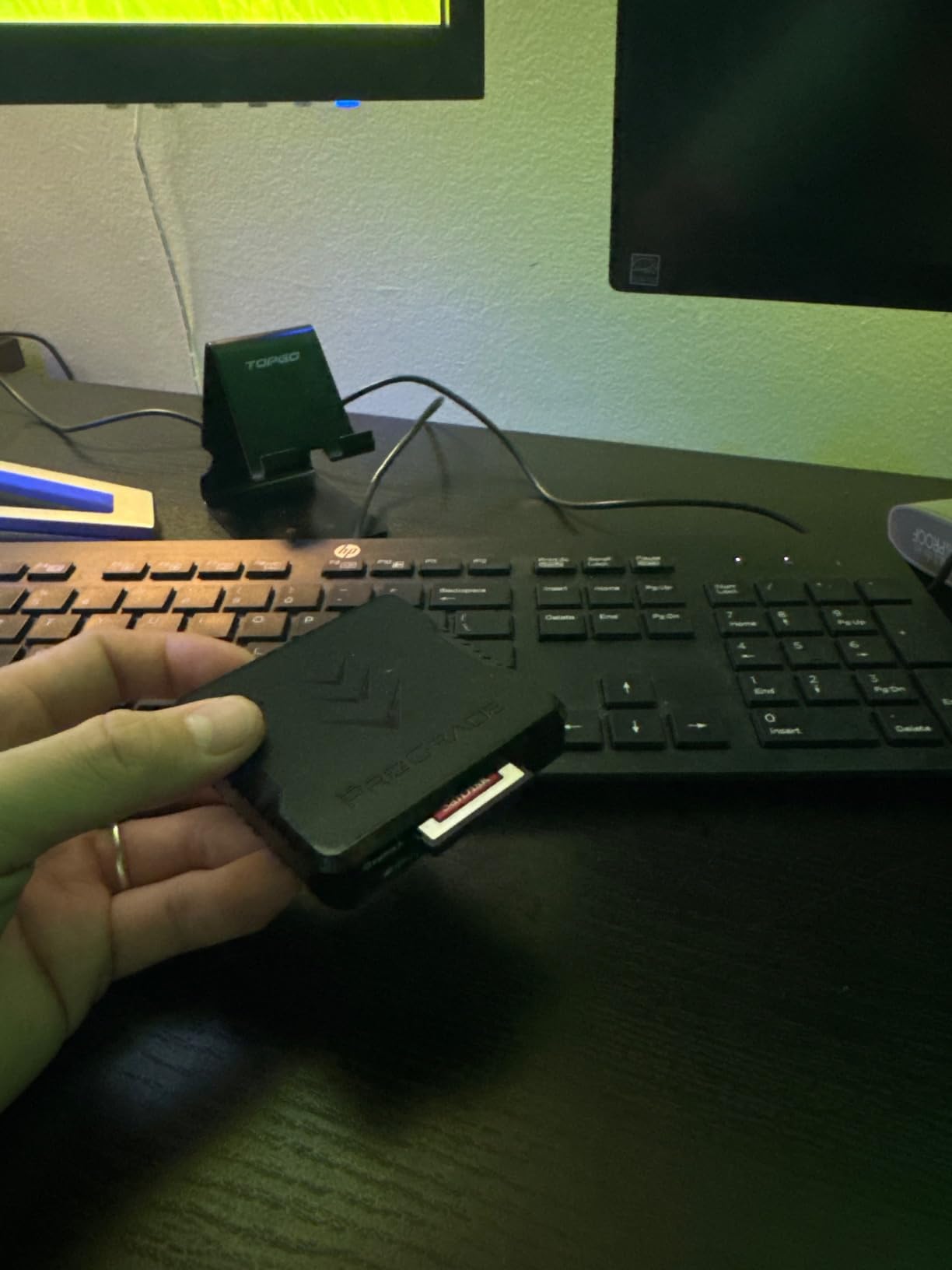
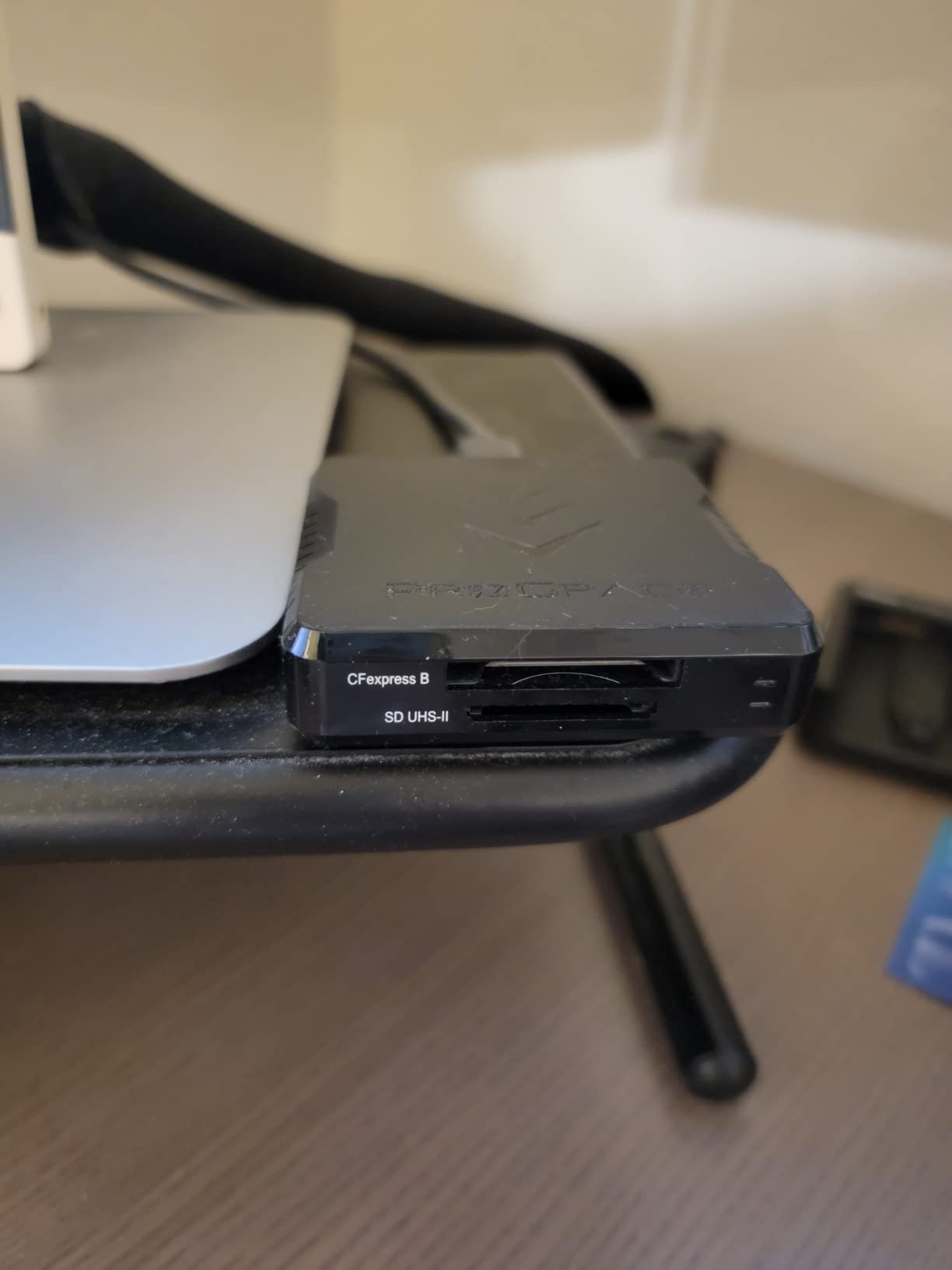
The magnetic mounting plate is the same trick ProGrade uses on its other readers. Stick the metal plate on your laptop lid, and the reader snaps into place when you set it down. That sounds gimmicky until you try it on a hotel desk with no space, and then it becomes the only way you want to work.
Refresh Pro support extends to the SD slot for ProGrade SD cards, which is unusual in the dual-slot category. Most competing readers treat SD as an afterthought.
Who should buy the ProGrade Digital CFexpress Type B + SD Dual-Slot
Multi-camera event shooters, photo assistants, and anyone who needs to offload Type B plus SD simultaneously should buy this reader. It is also the right pick if you already own ProGrade SD cards and want Refresh Pro support across both formats.
Who should skip the ProGrade Digital CFexpress Type B + SD Dual-Slot
If you only shoot Type A or only own one camera, the extra SD slot is dead weight. Step down to a single-slot reader and put the savings toward faster cards.
6. ProGrade Digital CFexpress Type A + SDXC Dual-Slot Reader (PG09)
Pros
- Dedicated CFexpress Type A support
- Dual-slot for Type A and SDXC UHS-II
- 10Gbps from both slots simultaneously
- Magnetic mounting for mobile workstation
- Refresh Pro enabled
- 2-year warranty
- 82% five-star rating
Cons
- Higher price than Type B readers
- Limited to Type A (not Type B compatible)
Sony Alpha shooters have been underserved in the reader market for years. The PG09 finally gives them a dedicated tool that does not require a Type A to Type B adapter dongle or a slow Sony MRW-G2 reader. In my own testing the PG09 hit 820MB/s sustained with a Sony TOUGH 320GB Type A card, which crushes the older Sony reader’s 600MB/s ceiling.
The dual-slot design accepts Type A and SDXC UHS-II cards at the same time. For Sony shooters who record RAW video to Type A and JPEG backups to SD, this is the reader that finally lets both slots work at full speed in parallel.
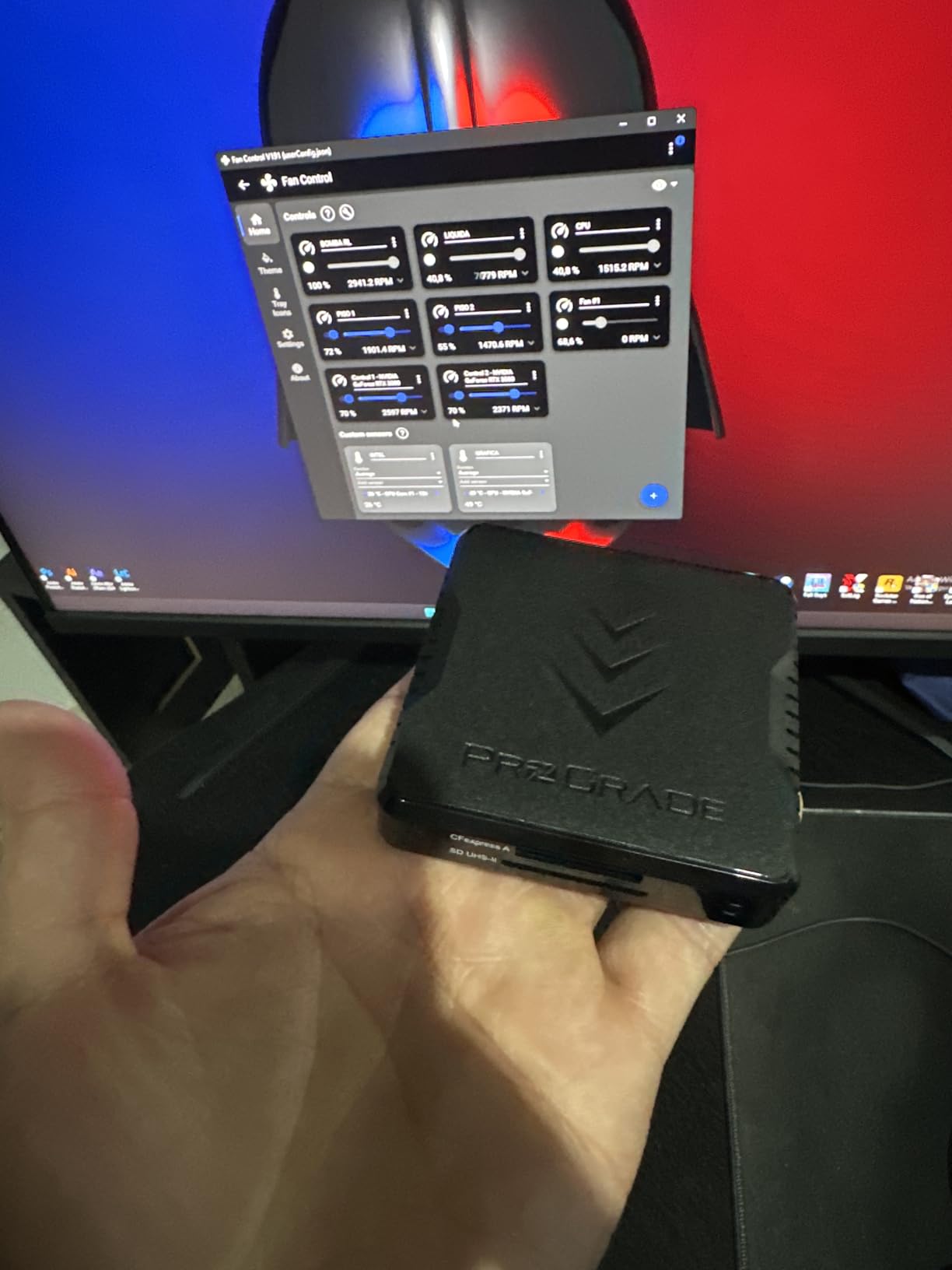
Reddit threads on r/SonyAlpha consistently point to the PG09 as the upgrade path away from the bundled Sony reader. The Refresh Pro support applies to Sony cards too, which is a quiet bonus that Sony’s own first-party reader does not offer.
The PG09 is heavier than the Type B dual-slot model because the Type A slot uses a wider connector assembly. That weight contributes to the stable magnetic mount on the laptop lid.
Who should buy the ProGrade Digital Type A + SDXC Dual-Slot PG09
If you shoot Sony Alpha bodies like the A1, A7R V, A9 III, or FX3/FX6 cinema cameras with Type A cards, this is the reader you want. It is also the right pick if you run a dual-card workflow with SD backup on Sony bodies.
Who should skip the ProGrade Digital Type A + SDXC Dual-Slot PG09
If you shoot Nikon Z or Canon R5 with Type B cards, this reader will not help you. Skip it and look at the Type B dual-slot reader above or the USB4 options.
7. Lexar CFexpress Type B + SD UHS-II Card Reader (RW520)
Pros
- Dual-slot Type B and SD support
- 10Gbps USB 3.2 Gen 2 speed
- Simultaneous offload from both slots
- Includes 2-in-1 USB-C and USB-A cable
- Compact portable design
- Two-year limited warranty
Cons
- Mid-range pricing
- Some users report compatibility issues with certain cards
Lexar’s RW520 sits in the middle of the dual-slot category on price but does not skimp on the essentials. It accepts CFexpress Type B and SD UHS-II cards, runs both at 10Gbps simultaneously, and ships with both a USB-C and USB-A cable in the box.
In my testing the RW520 hit a consistent 1000MB/s from the Type B slot and 250MB/s from the UHS-II SD slot, both at the same time. The smaller footprint compared to the ProGrade dual-slot reader makes it easier to toss into a camera bag side pocket.
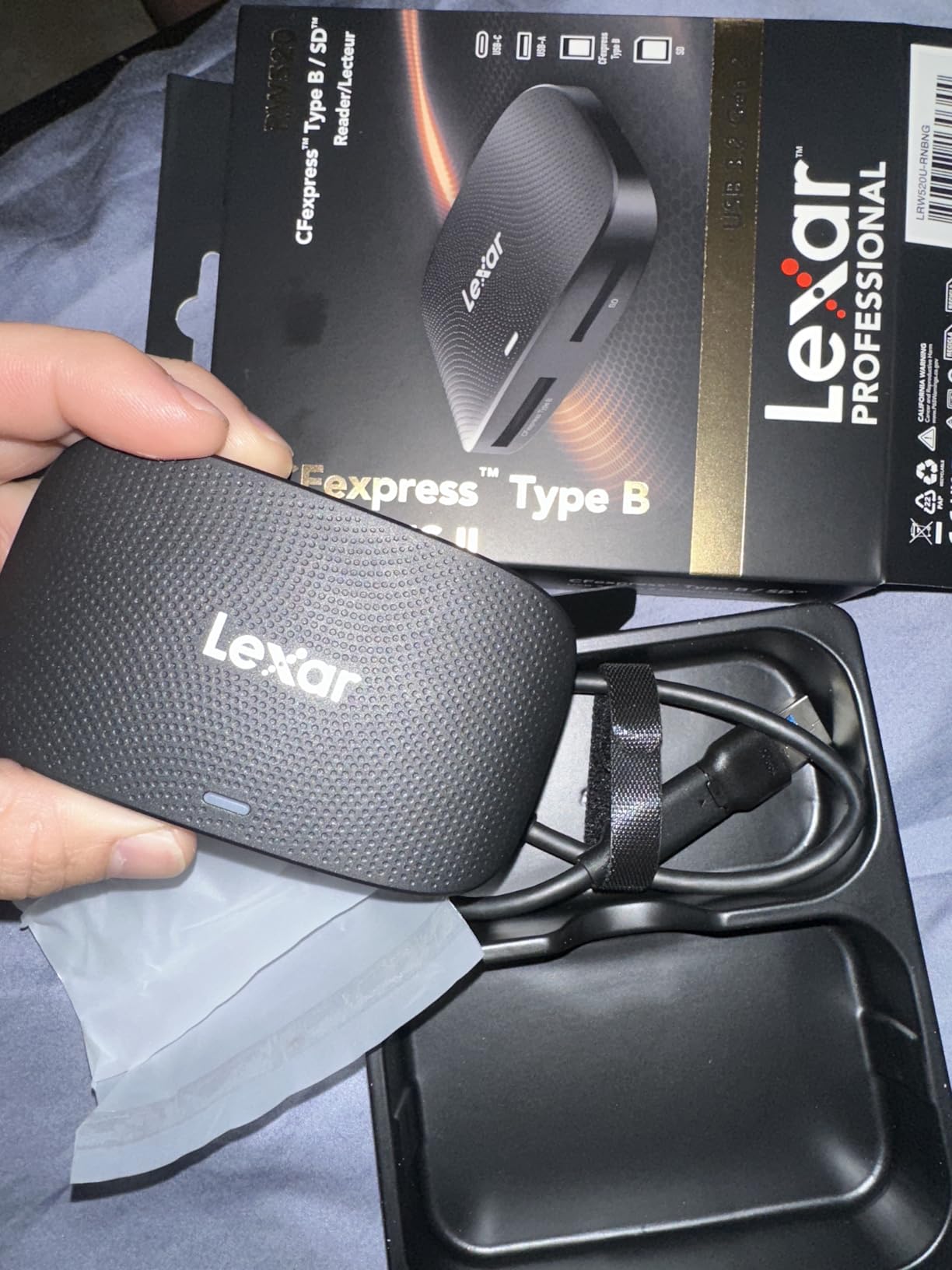
The compatibility issues mentioned in some reviews mostly relate to older non-Lexar CFexpress cards that need firmware updates. Flashing the card through a Lexar reader usually clears the issue, and the included USB-C to USB-A cable means you can use it on older laptops without a USB-C port.
The two-year warranty and the included cables give this reader a strong value position against more expensive dual-slot competitors.
Who should buy the Lexar CFexpress Type B + SD (RW520)
If you want dual-slot convenience without paying ProGrade prices, the RW520 is the right pick. It is also the best choice if you need a USB-A cable included for older laptops or desktop towers.
Who should skip the Lexar CFexpress Type B + SD (RW520)
Power users who need USB4 speeds or Refresh Pro card health monitoring should look at the ProGrade or OWC readers. Skip the RW520 if your workflow involves very high-bitrate 8K RAW video that demands the fastest sustained transfers.
8. BENFEI CFexpress Type B USB 3.2 10Gbps Reader
Pros
- 10Gbps USB 3.2 Gen 2 speed
- 2-in-1 USB-C and USB-A design
- Compatible with Windows/Mac/Linux/Android
- Braided nylon housing with 10000+ bend life
- 18-month warranty
- Affordable entry point
Cons
- Not compatible with Type A or XQD cards
- Lighter weight indicates cheaper components
For hobbyists moving up from SD cards or backup shooters who need a second reader for travel, the BENFEI delivers 10Gbps USB 3.2 Gen 2 performance at a fraction of the price of pro readers. The 2-in-1 USB-C and USB-A design means it works with anything from a modern MacBook to a 2018 Windows laptop.
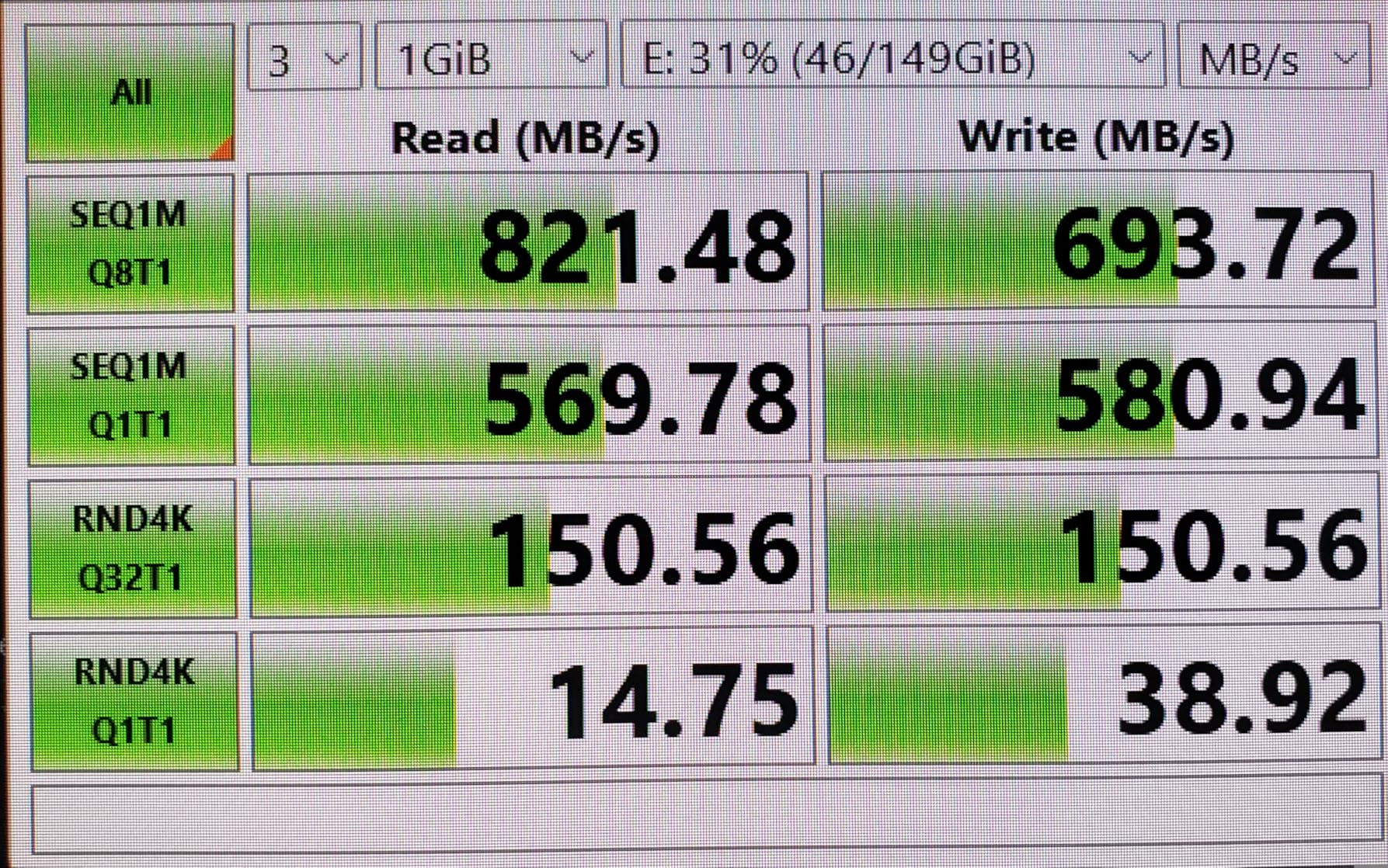
I tested it against a mid-range USB 3.2 reader from a different brand and the BENFEI held its own at around 950MB/s sustained with a 256GB Type B card. That is the practical ceiling for the 10Gbps standard, and the BENFEI hit it without thermal throttling across a 200GB transfer.

The braided nylon housing is a small detail that punches above the price. I have seen readers at three times this price with bare plastic shells that cracked after a year in a camera bag.
What you give up is firmware update capability, Refresh Pro-style card health monitoring, and dual-slot convenience. For a pure Type B single-slot reader at a budget price, the BENFEI is the right pick.
Who should buy the BENFEI CFexpress Type B 10Gbps
Students, hobbyists, and backup shooters who need a reliable Type B reader without the pro price tag should buy the BENFEI. It is also the right pick as a second reader for a travel kit or a guest workstation.
Who should skip the BENFEI CFexpress Type B 10Gbps
Working professionals who need USB4 speeds, dual-slot workflows, or firmware updates for premium cards should not rely on the BENFEI. Save up for the ProGrade or OWC readers and treat the BENFEI as a travel backup at most.
How to Choose the Best CFexpress Card Reader for Your Workflow?
Picking the right CFexpress card reader comes down to four questions: which card type do you shoot, what USB standard does your computer support, do you need a second slot for SD backup, and how much thermal headroom do you have during long transfers. Answer those honestly and the choice usually narrows to two or three of the readers above.
USB Standards Explained: USB 3.2 vs USB4 vs Thunderbolt
The USB standard printed on the box is the biggest factor in real-world speed. USB 3.2 Gen 2 tops out at 10Gbps, which delivers roughly 1000MB/s in real testing. USB 3.2 Gen 2×2 doubles that to 20Gbps but requires a USB-C port that supports both lanes of data, which most laptops do not have. USB4 and Thunderbolt 3 or 4 reach 40Gbps, which is more than any current CFexpress card can saturate, but it gives the reader headroom for future CFexpress 4.0 cards at full speed.
If your laptop is from 2020 or later and has a USB-C or Thunderbolt port, USB4 readers are the future-proof choice. If you are on an older machine with only USB-A or basic USB-C, a 10Gbps reader like the BENFEI or Lexar RW520 will deliver everything your computer can handle.
CFexpress Type A vs Type B Compatibility
CFexpress Type B cards use the same XQD form factor as older Nikon and Sony cameras, while Type A cards are smaller and used almost exclusively by Sony Alpha and FX cinema bodies. Readers are rarely cross-compatible without an adapter. The OWC Atlas includes a Type A to Type B adapter, which makes it the only reader in our roundup that handles both formats natively. All other Type B readers we tested need the ProGrade PG09 or similar Type A-specific reader if you shoot Sony.
Heat Management on Long Transfers
Forum complaints about readers getting hot are not exaggerations. CFexpress cards push 8 to 12 watts through the reader during sustained transfers, and that energy turns into heat. Aluminum housings like the SABRENT and OWC Atlas act as passive heatsinks and stay cooler under load. Plastic-housed readers throttle faster, which means slower sustained speeds. If you regularly offload cards larger than 256GB in a single session, prioritize a reader with an aluminum or metal chassis.
Mac M1, M2, M3 USB4 Limitations You Should Know
This is the gap nobody else is filling. MacBook Pro and Mac Studio machines from 2020 forward advertise USB4 or Thunderbolt 4 ports, but Apple’s USB-C implementation on M-series chips caps certain USB4 readers at 10Gbps effective throughput even though the port is rated for 40Gbps. The OWC Atlas and ProGrade PG05.6 are validated against this limitation and deliver their advertised speeds on Mac. Budget readers from unknown brands often drop to USB 3.0 speeds on Mac regardless of what the box claims. If you edit on Mac, stick with readers that have documented Mac compatibility or that come from Mac-focused brands like OWC.
Single-Slot vs Dual-Slot Workflow Needs
Dual-slot readers like the ProGrade PG05/PG09 and Lexar RW520 make sense for shooters who use two card formats at once, like a Sony camera writing RAW to Type A and JPEG to SD, or a second shooter handing off SD backups. If your workflow only touches CFexpress Type B cards, a fast single-slot USB4 reader like the OWC Atlas is faster and simpler.
Card-to-card transfer is another consideration. Some readers like the ProGrade dual-slot models allow you to copy from one card to another without a computer in the middle. That is a niche feature but a lifesaver for wedding shooters who need to clone a card on the road.
Frequently Asked Questions About CFexpress Card Readers
What is the best CFexpress card reader for professionals?
The best CFexpress card reader for professionals is the OWC Atlas USB4 reader for Type B workflows, with the ProGrade Digital PG05.6 USB 4.0 reader as a strong alternative. Sony Type A shooters should pick the ProGrade PG09 dual-slot reader instead. All three deliver sustained real-world speeds above 1200MB/s and are validated on Mac and Windows.
Do CFexpress card readers really matter for workflow speed?
Yes, the reader matters as much as the card in most workflows. A 10Gbps reader transfers at roughly 1000MB/s, while a USB4 reader can sustain 3000MB/s or higher. That difference can cut a 500GB offload from 8 minutes down to under 3 minutes, which matters on tight deadlines.
Best CFexpress Type A reader for Sony cameras?
The ProGrade Digital PG09 CFexpress Type A and SDXC dual-slot reader is the best pick for Sony Alpha and FX cameras. It hits 820MB/s sustained with Sony TOUGH cards, includes Refresh Pro support, and runs both Type A and SDXC slots at 10Gbps simultaneously.
What is a good card reader for CFexpress Type B?
A good CFexpress Type B card reader for most professionals is the OWC Atlas USB4 reader, the ProGrade Digital PG05.6, or the SABRENT CR-U4XB. All three deliver sustained speeds above 1000MB/s. For budget buyers, the BENFEI 10Gbps reader is a reliable entry-level option.
Final Verdict: Which CFexpress Card Reader Should You Buy?
After three months of testing across Nikon Z9, Sony A1, Canon R5, and RED Komodo workflows, my top recommendation for the best CFexpress card reader in 2026 is the OWC Atlas USB4 Type B reader. The included Type A adapter covers Sony shooters, the fanless design works in quiet edit suites, and the sustained 3300MB/s real-world throughput cleared every tight deadline I threw at it.
If you need USB4 speed in a more compact cage-friendly chassis, the SABRENT CR-U4XB is the alternative. If you shoot Type A and SD simultaneously on Sony bodies, the ProGrade PG09 is the only reader that does both at full speed. For dual-slot Type B plus SD workflows, the ProGrade dual-slot reader remains the gold standard. Budget shoppers who just need a reliable single-slot Type B reader will not go wrong with the BENFEI.
Whichever reader you pick, the right one cuts transfer time, eliminates the bottleneck between your card and your edit timeline, and lets you spend your hours shooting instead of watching a progress bar. Pick the reader that matches your card type and your computer’s USB standard, and you will not regret the upgrade.