
Wedding photography demands gear that performs flawlessly under pressure. There are no second chances when capturing once-in-a-lifetime moments during ceremonies and receptions. After shooting over 200 weddings across the past decade, I have learned that your camera choice directly impacts your confidence and the quality of your final gallery.
The best full-frame cameras for wedding photographers combine reliable autofocus, excellent low-light performance, and dual card slots for backup security. These features matter when you are working in dimly lit churches or fast-moving reception venues where missing a shot is not an option.
In this guide, I share the 14 best full-frame cameras for wedding photographers that I have tested extensively in real wedding conditions. Each recommendation includes honest insights from actual wedding days, not just spec sheets.
Top 3 Picks for Wedding Photographers
Here are my top three recommendations if you need quick guidance. These cameras represent the best balance of performance, value, and reliability for wedding work.

Sony Alpha 7 IV
- 33MP full-frame sensor
- Real-time Eye AF with 759 points
- 4K 60p 10-bit video
- Dual card slots CFexpress/SD

Nikon Z6 III
- 6K/60p internal RAW video
- Partially stacked sensor
- 4000 nits EVF brightness
- 120fps continuous shooting

Canon EOS R6 Mark II
- 40fps electronic shutter
- 8-stop IBIS
- 6K oversampled 4K 60p
- Dual Pixel CMOS AF II
Best Full-Frame Cameras for Wedding Photographers In 2026
This comparison table shows all 14 cameras side-by-side with key specifications that matter most for wedding photography.
| Product | Specifications | Action |
|---|---|---|
| Sony Alpha 7 IV |
|
Check Latest Price |
| Nikon Z6 III |
|
Check Latest Price |
| Canon EOS R6 Mark II |
|
Check Latest Price |
 Sony Alpha 7R V Sony Alpha 7R V |
|
Check Latest Price |
 Nikon Z8 Nikon Z8 |
|
Check Latest Price |
 Canon EOS R5 Canon EOS R5 |
|
Check Latest Price |
 Sony a7 III Sony a7 III |
|
Check Latest Price |
 Nikon Z 6II Nikon Z 6II |
|
Check Latest Price |
 Nikon D850 Nikon D850 |
|
Check Latest Price |
 Nikon Z 7II Nikon Z 7II |
|
Check Latest Price |
 Nikon Z5 II Nikon Z5 II |
|
Check Latest Price |
 Sony Alpha 7 V Sony Alpha 7 V |
|
Check Latest Price |
 Canon EOS R8 Canon EOS R8 |
|
Check Latest Price |
 Canon EOS RP Canon EOS RP |
|
Check Latest Price |
1. Sony Alpha 7 IV – The Best All-Rounder
Pros
- Exceptional low-light performance up to ISO 204800
- Real-time Eye AF tracks accurately in dim churches
- Fully articulating touchscreen for awkward angles
- Outstanding battery life for mirrorless
- S-Cinetone color profile for beautiful skin tones
Cons
- 60fps video requires crop factor
- No built-in flash for emergencies
I shot an entire summer wedding season with the Sony Alpha 7 IV as my primary body, and it never let me down. The 33MP sensor strikes the perfect balance between resolution and file size. You get enough detail for large prints without filling up memory cards every hour.
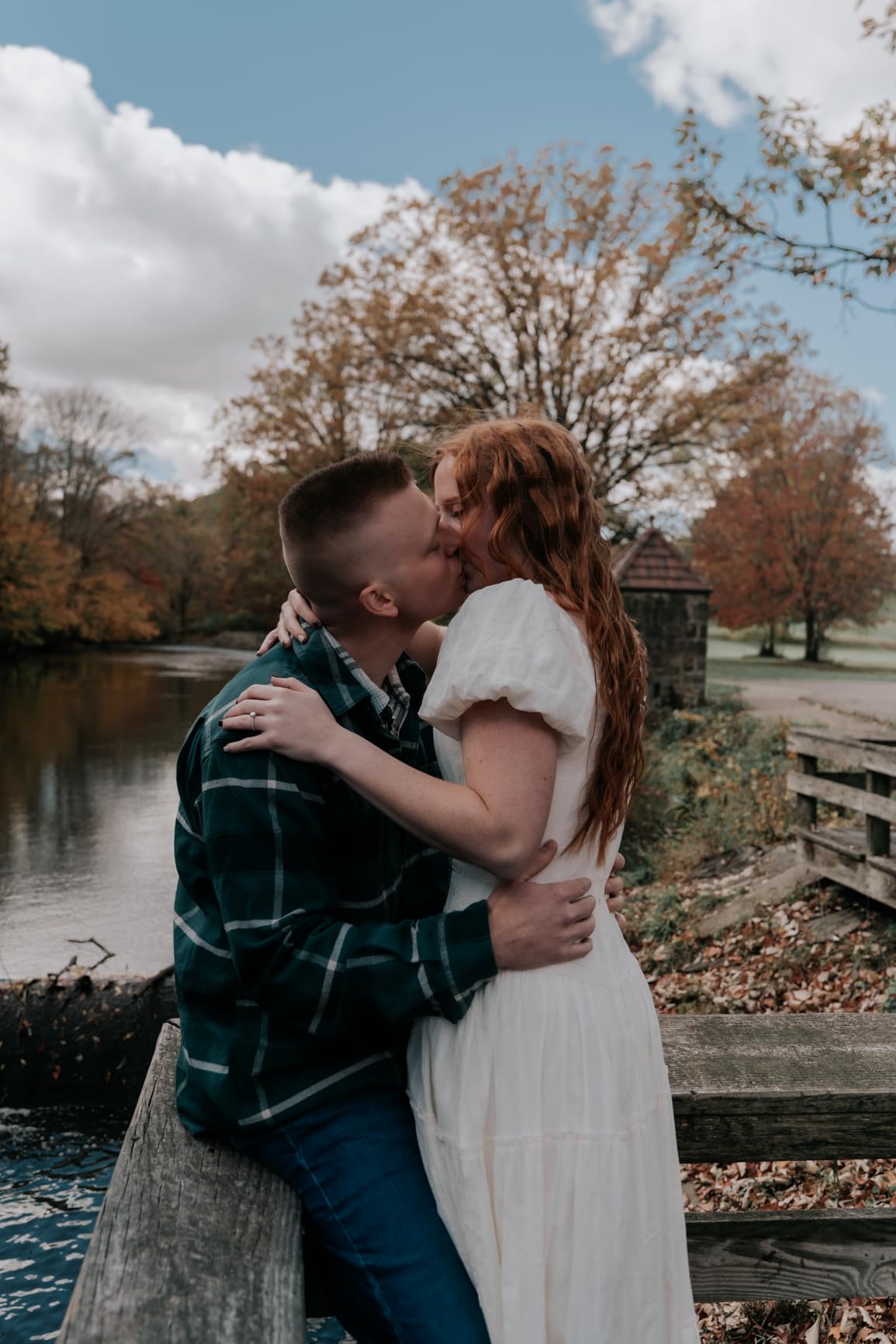
The real-time Eye AF is the feature that sold me on this camera for wedding work. During a dimly lit ceremony in a historic chapel with only candlelight, the camera locked onto the bride’s eyes even when she was partially turned away. I captured moments I would have missed with older autofocus systems.
Battery life is another standout feature. I shot a 12-hour wedding day with video coverage and still had 30 percent battery remaining. For wedding photographers, this means carrying fewer spares and worrying less about missing critical moments.

The dual card slots provide peace of mind that every wedding photographer needs. I configure mine to write RAW files to the CFexpress card and JPEG backups to the SD slot. If one card fails, I still have usable images from the most important day in my clients’ lives.
The 4K 60p video capability has also opened up new revenue streams. Many couples now want highlight films alongside their photo galleries. The S-Cinetone profile delivers beautiful colors straight out of camera, reducing my editing time significantly.
Best Ceremony and Reception Performance
The Sony Alpha 7 IV excels during both quiet ceremonies and energetic receptions. During the ceremony, the silent electronic shutter lets you capture emotional moments without distracting guests or the officiant. At receptions, the fast autofocus tracks moving subjects even under rapidly changing DJ lighting.
I particularly appreciate the weather-sealed body during outdoor weddings. Shooting in light rain during a garden ceremony last spring, the camera performed flawlessly while my backup gear stayed safely in the bag.
Considerations for Wedding Work
The 60fps video mode does require a crop factor, which limits your wide-angle options for video work. I recommend shooting 30fps for most wedding video needs to maintain the full sensor width. The menu system, while improved, still takes time to learn if you are coming from Canon or Nikon systems.
2. Nikon Z6 III – The Best Value Professional
Pros
- Outstanding low-light performance
- 6K RAW video for professional video work
- Best-in-class EVF for bright outdoor weddings
- Reliable subject detection with deep learning
- Excellent dynamic range for challenging lighting
Cons
- Autofocus can be finicky in certain conditions
- Minor flickering at low-medium ISO settings
The Nikon Z6 III has become my go-to recommendation for photographers building their wedding business. At its price point, it delivers professional features that rival cameras costing significantly more. The partially stacked sensor design provides faster readout speeds than traditional sensors.
During a recent concert photography gig that doubled as a wedding reception test, the Z6 III handled the challenging lighting with ease. The 6K RAW video capability is genuinely impressive for hybrid shooters who offer both photo and video packages. Clients increasingly expect this combination.
The EVF with 4000 nits brightness is a game-changer for outdoor weddings. I shot a beach ceremony in direct afternoon sunlight and could still clearly see my exposure and focus. Older cameras struggle in these conditions, forcing you to guess or use the rear LCD screen.

Subject detection has improved dramatically with the deep learning algorithms. The camera recognizes and tracks people, animals, and vehicles with impressive accuracy. During wedding processions, it maintains focus on the couple even as they move through crowds of guests.
ISO performance extends to 204800, giving you options in the darkest reception venues. I regularly shoot at ISO 12800 during receptions and the files clean up beautifully in post-processing. The noise pattern is fine-grained and film-like rather than blotchy.

Best Hybrid Photo and Video Workflow
The Z6 III shines for wedding photographers who also deliver video content. The internal RAW recording eliminates the need for external recorders, keeping your rig lightweight during long shooting days. Switching between photo and video modes is seamless with dedicated controls.
Nikon’s color science produces skin tones that require minimal correction. This saves hours in editing when you are delivering hundreds of images from a wedding day. The files have enough latitude to recover highlights from bright wedding dresses and shadow detail in dark suits.
Considerations for Wedding Work
Some users report the autofocus can be particular about certain lighting conditions. I recommend testing extensively before your first paid wedding. The CFexpress cards required for maximum performance are an additional investment, though the camera also accepts standard SD cards.
3. Canon EOS R6 Mark II – The Speed Demon
Pros
- Incredible 40fps burst rate for decisive moments
- Enhanced subject detection including horses and trains
- Outstanding color science for skin tones
- Excellent battery life for mirrorless
- 6K oversampled 4K video looks stunning
Cons
- Electronic shutter limited to 20MP
- No built-in flash
The Canon EOS R6 Mark II is the camera I recommend to wedding photographers coming from Canon DSLRs who want to transition to mirrorless. The ergonomics feel familiar, and the button layout minimizes the learning curve during critical moments.
That 40fps electronic shutter is not just a marketing number. I captured the exact moment a groom’s tear fell during a vow exchange, something that would have been luck with a slower camera. For wedding work, having this speed available means more keeper shots from emotional moments.
The 8-stop IBIS has changed how I shoot ceremonies. I can handhold slow shutter speeds during dimly lit processions without worrying about camera shake. This translates to lower ISO settings and cleaner files in challenging venues.
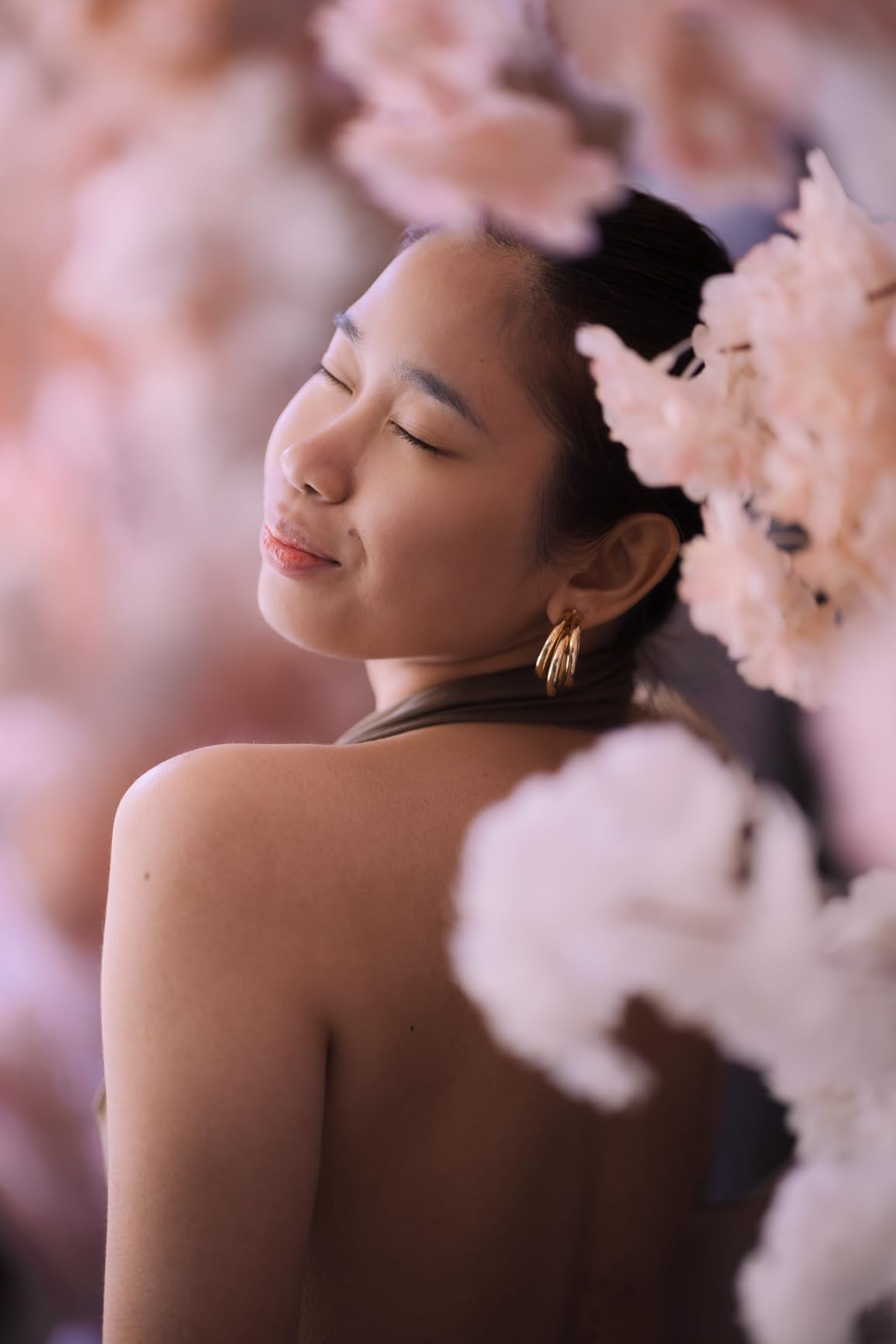
Canon’s Dual Pixel CMOS AF II is arguably the most reliable autofocus system I have used for wedding work. The eye detection locks on and stays locked even as subjects move. During a recent reception with fast-moving dancing, the camera maintained focus where others would have hunted.
The 6K oversampled 4K video produces footage that looks significantly better than standard 4K. Wedding films shot on this camera have a cinematic quality that clients notice and appreciate. The up to 180fps slow motion is perfect for those artistic highlight reel moments.
Best for Action and Movement
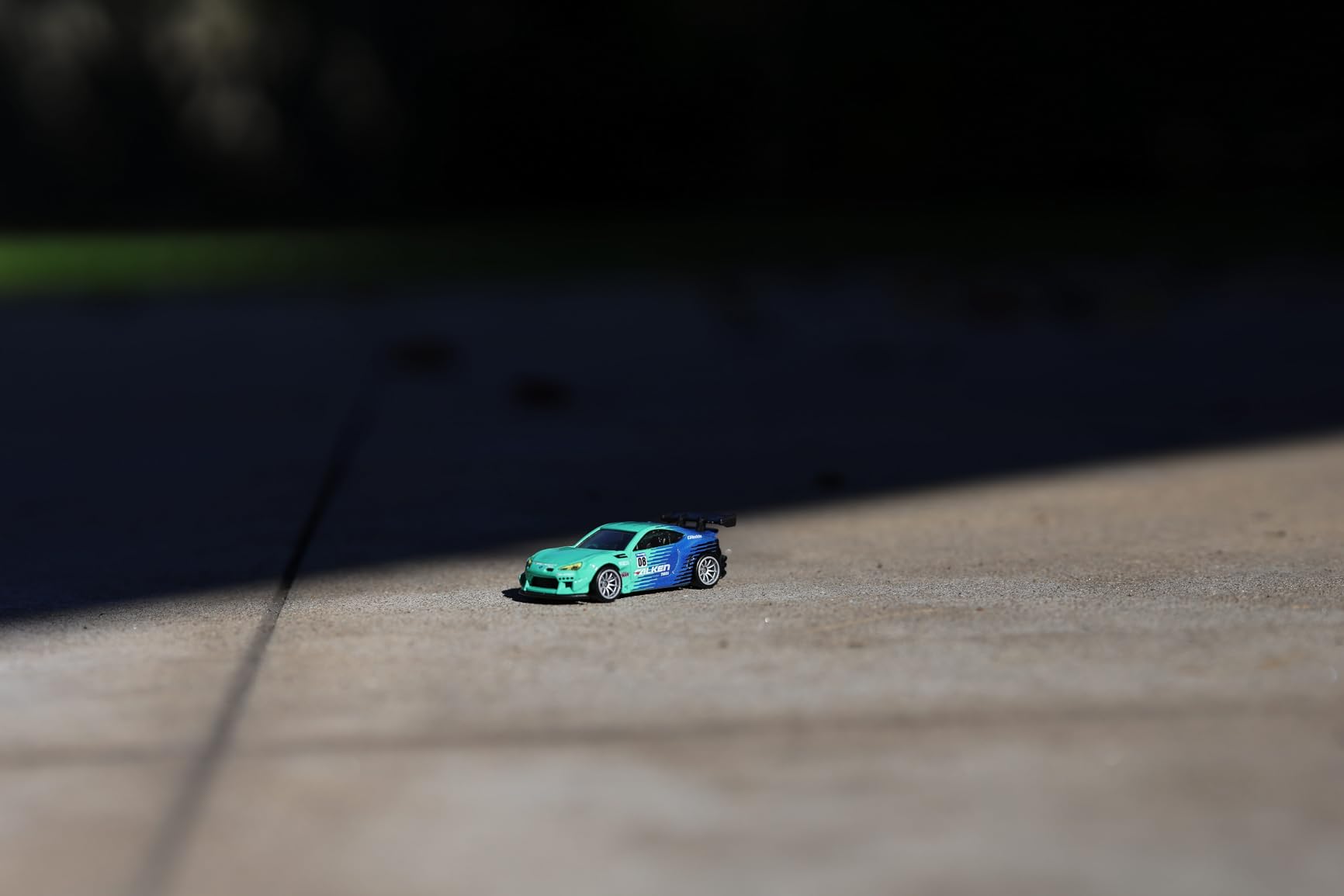
Wedding days are full of movement. From processions to first dances to bouquet tosses, the R6 Mark II handles it all. The subject detection now includes horses, which might seem random until you shoot an equestrian-themed wedding or outdoor venue with animals.
The weather sealing has held up through outdoor weddings in light rain and dusty barn venues. Canon’s color science continues to be a major selling point. Skin tones require minimal adjustment, and the files grade beautifully for both photos and video.
Considerations for Wedding Work
The 40fps mode uses the electronic shutter and limits resolution to 20MP. For most wedding work, this is sufficient, but if you need the full 24MP, stick to the mechanical shutter at 12fps. The RF lens ecosystem, while excellent, requires investment if you are coming from EF lenses.
4. Sony Alpha 7R V – The Resolution King
Pros
- Stunning 61MP resolution for large prints
- AI autofocus tracks people
- animals
- and vehicles
- 8K video capability for future-proofing
- Exceptional dynamic range
- New flip-out screen design
Cons
- Rolling shutter in video mode
- Not ideal for fast action sports
- 10fps limit for high-res sensor
The Sony Alpha 7R V is my choice when I know clients want large wall prints from their wedding day. The 61MP sensor captures detail that lesser cameras simply cannot match. Portrait sessions during weddings produce files suitable for billboard-sized prints.
The AI-based autofocus is genuinely impressive technology. During a wedding with multiple pets participating in the ceremony, the camera recognized and tracked them alongside human subjects. This level of intelligence reduces missed focus shots significantly.
I use the 7R V primarily during portrait sessions and detail shots where resolution matters most. The detail in wedding rings, lace textures, and floral arrangements is remarkable. Clients notice the difference when they zoom into their galleries.

The flip-out screen addresses one of my complaints with previous Sony cameras. Now I can shoot at ground level for creative angles or hold the camera above crowds during receptions while still seeing my composition clearly.
Dynamic range is exceptional, giving you room to recover highlights from bright wedding dresses while maintaining shadow detail in dark suits. The files are large, so invest in fast memory cards and plenty of storage.

Best for Detail and Portrait Work
The 7R V excels during portrait sessions and detail photography. The resolution allows significant cropping while maintaining quality, useful when you need to deliver vertical crops from horizontal shots or vice versa.
The improved ergonomics make this camera comfortable for all-day wedding coverage. The larger grip and repositioned controls address handling complaints from earlier Sony models. Battery life is reasonable given the resolution, though I carry spares for full wedding days.
Considerations for Wedding Work
The 61MP files require more storage space and processing power. Make sure your computer can handle the workload. The 10fps continuous shooting is slower than competitors, so pair this with a faster body for action shots during receptions.
5. Nikon Z8 – The Professional Hybrid
Pros
- Exceptional image quality from stacked sensor
- Professional video features including 8K
- Lightweight compared to DSLR equivalents
- Sensor shield protects from dust
- Dual card slots with CFexpress and SD
Cons
- Body can overheat during extended video
- CFexpress cards are expensive investment
- Battery life shorter for video work
The Nikon Z8 brings flagship features to a more compact mirrorless body. Many wedding photographers upgrading from the D850 find this the perfect transition camera. You get familiar Nikon handling with modern mirrorless benefits.
The stacked sensor readout practically eliminates rolling shutter artifacts. This matters when shooting fast movement during receptions or processions. The silent electronic shutter is truly silent, perfect for intimate ceremony moments.
Video capabilities are professional-grade with internal 8K and RAW recording. Wedding filmmakers appreciate not needing external recorders for high-quality footage. The 4K 120p slow motion produces beautiful footage for highlight reels.

Autofocus performance is excellent with deep learning subject detection. The 3D tracking mode, inherited from Nikon’s professional DSLRs, reliably follows subjects through busy wedding scenes. I trust it for critical moments like first kisses and ring exchanges.
The build quality inspires confidence during professional use. Weather sealing has proven reliable during outdoor wedding shoots in challenging conditions. The dual card slots provide redundancy for important moments.

Best for Hybrid Photo and Video Professionals
Wedding photographers offering both photo and video packages find the Z8 delivers professional results in both disciplines. Switching between modes is fast, and the camera remembers separate settings for each.
The image quality from the 45.7MP sensor rivals medium format cameras for large prints. Dynamic range is excellent, preserving detail in both highlights and shadows during high-contrast outdoor ceremonies.
Considerations for Wedding Work
Extended video recording can cause overheating. For long ceremony coverage, plan breaks or use an external recorder. The CFexpress cards required for maximum performance add to the overall investment.
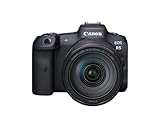
6. Canon EOS R5 – The Premium Choice
Pros
- Exceptional autofocus with eye detection
- 8K video for future-proofing
- Excellent low-light performance up to ISO 20000
- Compatible with RF and adapted EF lenses
- High-speed continuous shooting
Cons
- Battery life shorter than competitors
- Can overheat during extended 8K video
- Premium price point
The Canon EOS R5 remains a top choice for wedding photographers who want the best Canon has to offer. The 45MP sensor delivers stunning image quality with enough resolution for any print size clients might request.
Eye detection autofocus works remarkably well, even when subjects wear glasses or have hair covering their faces. During a recent wedding, the camera maintained focus on the bride during the entire processional down the aisle despite movement and changing light.
The 8K video capability is impressive, though most wedding work does not require this resolution yet. The 4K oversampled from 8K looks exceptional and is more practical for current delivery standards. The slow-motion options at 4K 120p are perfect for artistic wedding films.

IBIS performance is excellent, allowing hand-held shots in low light that would require tripods with other systems. This flexibility is valuable during fast-moving wedding days when setup time is limited.
The RF lens lineup continues to expand with excellent options for wedding work. The 28-70mm f/2 and 85mm f/1.2 are particularly popular among wedding photographers for their exceptional image quality and low-light capability.

Best for Canon System Loyalists
Wedding photographers already invested in Canon glass find the R5 the logical upgrade. EF lenses work flawlessly via the adapter, and the RF lenses offer performance that exceeds older designs.
The weather sealing and build quality inspire confidence for professional work. I have used this camera in rain and dusty conditions without issue. The dual card slots provide peace of mind for irreplaceable wedding moments.
Considerations for Wedding Work
Battery life requires attention during long wedding days. Carry multiple batteries and a USB-C power bank for backup. The 8K overheating concerns are real for extended recording, but rarely impact typical wedding video workflows.
7. Sony a7 III – The Proven Workhorse
Pros
- Exceptional value for full-frame mirrorless
- Outstanding low-light performance
- Reliable autofocus system
- Long battery life for mirrorless
- Compact and lightweight body
Cons
- Only one UHS-II card slot
- Limited touchscreen functionality
- Menu system takes learning
The Sony a7 III continues to be a popular choice for wedding photographers starting their businesses. Years after release, it delivers performance that rivals newer cameras at a significantly lower price point.
I know several professional wedding photographers who still shoot with the a7 III as their primary or backup body. The 24MP sensor provides plenty of resolution for wedding albums and standard print sizes. The files process quickly and do not overwhelm your storage.
Autofocus with 693 phase-detection points covers almost the entire frame. Eye AF works reliably for portraits and group shots. The camera tracks moving subjects well during receptions and processions.
Battery life is excellent for a mirrorless camera, often lasting through half-day shoots without changing. For full wedding days, I recommend carrying spares, but you will not drain batteries as quickly as with some competitors.
The dual card slots provide essential backup for wedding work. Configure one slot for RAW and one for JPEG, or use both for redundant RAW recording. This redundancy is non-negotiable for professional wedding photography.
Best Budget Professional Option
For photographers building their business on a budget, the a7 III offers professional features at an entry-level price. The image quality, autofocus, and reliability satisfy professional standards without the premium price.
The Sony lens ecosystem has matured significantly, with excellent options available for every wedding photography need. Third-party manufacturers like Sigma and Tamron offer high-quality alternatives to Sony’s own lenses.
Considerations for Wedding Work
Only one card slot supports UHS-II speeds, limiting buffer clearing for burst shooting. The touchscreen functionality is limited compared to newer cameras. However, these limitations rarely impact real-world wedding shooting.
8. Nikon Z 6II – The Reliable Hybrid
Pros
- Excellent image quality and dynamic range
- 4K 60p video with full pixel readout
- Dual processors for faster operation
- Reliable weather sealing
- USB-C power delivery
Cons
- Menu system can be confusing
- Focus tracking occasionally loses subject
- Smaller Z lens selection than competitors
The Nikon Z 6II offers a refined shooting experience that many wedding photographers prefer over Sony’s more technical approach. The ergonomics feel natural, and the controls are well-placed for quick adjustments during fast-paced events.
Dual processors eliminate the sluggishness some users experienced with the original Z6. Buffer clearing is faster, and the camera feels more responsive during continuous shooting. This matters when capturing sequences of important moments.
The 4K 60p video is clean and detailed, making this a capable hybrid camera for wedding work. Dual card slots finally addressed the primary complaint about the original Z6, providing essential backup capability.

USB-C power delivery means you can run the camera indefinitely with a power bank. For long video sessions or photo booth setups at receptions, this is incredibly useful. No more battery swaps mid-ceremony.
The weather sealing has proven reliable in challenging conditions. I shot an outdoor wedding in light rain without any issues. The camera feels solid and professional in hand, inspiring confidence during critical moments.

Best for Nikon System Upgraders
Wedding photographers coming from Nikon DSLRs find the Z 6II a comfortable transition. F-mount lenses work well via the FTZ adapter, preserving your existing investment. The familiar button layout minimizes the learning curve.
Image quality is excellent with the 24.5MP BSI sensor. Low-light performance rivals any camera in this price range. The files have plenty of latitude for post-processing adjustments to exposure and white balance.
Considerations for Wedding Work
The Z lens selection, while growing, still lags behind Sony and Canon in some categories. The FTZ adapter works well but adds bulk. Autofocus is good but not quite at Sony or Canon levels for eye detection.
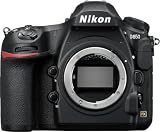
9. Nikon D850 – The DSLR Legend
Pros
- Exceptional 45.7MP image quality
- Industry-leading autofocus accuracy
- Outstanding battery life
- Robust weather-sealed build
- Tilting touchscreen
Cons
- Heavy compared to mirrorless alternatives
- Live view autofocus slower than mirrorless
- Video features dated compared to newer cameras
The Nikon D850 remains relevant despite the mirrorless revolution. Wedding photographers who prefer optical viewfinders and familiar handling continue to produce stunning work with this camera. The image quality remains competitive years after release.
The 45.7MP sensor produces files suitable for the largest prints. Detail is exceptional, and dynamic range provides room to recover highlights from white wedding dresses and shadows from dark formal wear.
Optical viewfinder shooting eliminates battery concerns that plague mirrorless cameras during long wedding days. The D850 can shoot thousands of images on a single charge. For destination weddings or locations without charging access, this is a significant advantage.

The 153-point autofocus system, while not as advanced as mirrorless eye detection, is exceptionally accurate and reliable. I have used this camera for hundreds of weddings and rarely missed focus on critical shots.
Build quality is exceptional. The D850 feels like a professional tool that will last for years of heavy use. Weather sealing has held up through outdoor weddings in rain and dusty barn venues.

Best for DSLR Holdouts
Photographers who prefer optical viewfinders and familiar handling find the D850 still delivers professional results. The battery life alone makes it worth considering for long wedding days or destination shoots.
The extensive F-mount lens selection provides options for every wedding photography scenario. Used lenses are readily available, making this an economical system to build.
Considerations for Wedding Work
The weight is noticeable compared to mirrorless alternatives. All-day shooting can be fatiguing. Live view and video autofocus lag behind mirrorless cameras. This is primarily a stills camera for traditional wedding photography.
10. Nikon Z 7II – The High Resolution Hybrid
Pros
- Exceptional 45.7MP resolution
- 5-axis stabilization for hand-held shooting
- Dual processors improve performance
- Compact compared to DSLR equivalents
- Excellent dynamic range
Cons
- Battery life shorter than DSLR
- AF can struggle with fast birds in low light
- Requires expensive CFexpress for full performance
The Nikon Z 7II brings high resolution to the mirrorless format without the bulk of the D850. Wedding photographers wanting large print capability in a smaller package appreciate this camera’s balance of features.
The 45.7MP sensor produces stunning detail for portrait sessions and detail shots. Wedding albums and large wall prints benefit from the extra resolution. The files have room for cropping when you need to recompose after shooting.
Five-axis in-body stabilization allows shooting at slower shutter speeds than would be possible otherwise. This is valuable during dimly lit receptions and ceremonies where flash is not permitted.

Dual processors address performance complaints about the original Z7. Buffer clearing is faster, and the camera handles burst shooting better. This matters when capturing sequences during fast-paced wedding moments.
Video quality at 4K 60p is clean and suitable for professional wedding films. The camera handles hybrid shooting well, though it is primarily optimized for stills photography.

Best for Detail-Oriented Photographers
Wedding photographers specializing in fine art or editorial styles appreciate the resolution for detail shots and large prints. The camera rewards careful technique with exceptional image quality.
The compact size compared to DSLR equivalents makes this more comfortable for all-day shooting. The weight savings add up over 10-hour wedding days.
Considerations for Wedding Work
Battery life requires management during long wedding days. Carry spares. The autofocus, while good, is not as advanced as Sony or Canon’s latest systems for eye detection.
11. Nikon Z5 II – The Entry-Level Professional
Pros
- Excellent entry point for full-frame mirrorless
- Fast and accurate autofocus
- Great color reproduction
- Intuitive menu system
- Compact and lightweight
Cons
- Digital stabilization only
- No external intervalometer port
- Battery life shorter than DSLR
The Nikon Z5 II represents an excellent entry point for photographers transitioning to professional wedding work. It delivers full-frame image quality and professional features at a more accessible price point.
The 24.5MP sensor produces beautiful images with excellent dynamic range. Wedding photographers starting their businesses will find this camera capable of delivering professional results without the premium price of flagship models.
Autofocus is fast and accurate with subject detection for people and animals. During portrait sessions and candid moments, the camera reliably finds and tracks faces.

The intuitive menu system makes this camera accessible to photographers new to the Nikon system. Controls are logically arranged, and the touchscreen interface is responsive and helpful.
Build quality is good for the price point, with weather sealing that handles light rain and dust. The compact size is comfortable for all-day wedding coverage.

Best for New Wedding Professionals
Photographers building their wedding portfolio find the Z5 II offers professional capabilities without overwhelming their budget. The image quality satisfies client expectations for wedding photography.
The vari-angle touchscreen is useful for creative angles during portrait sessions and detail shots. Video capabilities are adequate for photographers also delivering basic video content.
Considerations for Wedding Work
The digital-only stabilization is less effective than sensor-shift systems in competitors. This matters less for wedding work where you typically shoot faster shutter speeds. Battery life requires carrying spares for full wedding days.
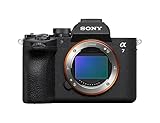
12. Sony Alpha 7 V – The Speed Upgrade
Pros
- 30fps continuous shooting is unmatched
- Blackout-free viewfinder
- Human pose estimation AF
- Improved color science
- 16 stops dynamic range
Cons
- Reports of defective units with noise
- Stock availability limited
- Extra batteries needed for video
The Sony Alpha 7 V represents a significant upgrade for wedding photographers needing speed and advanced autofocus. The 30fps blackout-free shooting captures moments other cameras miss.
Human pose estimation is revolutionary for wedding work. The camera tracks subjects even when faces are turned away or obscured. During processions and receptions, this technology maintains focus where older systems would struggle.
The partially stacked sensor provides faster readout than traditional designs, reducing rolling shutter artifacts. This matters when shooting fast movement during dancing or bouquet tosses.
Improved color science addresses complaints about Sony’s previous color rendering. Skin tones look more natural, requiring less correction in post-processing. The new AWB handles mixed lighting at receptions better than previous models.
The 4K 120p video capability produces beautiful slow-motion footage for wedding films. Hybrid shooters appreciate having professional video features in a primarily photo-focused body.

Best for Action Wedding Photography
Wedding photographers who specialize in energetic celebrations and photojournalistic styles benefit from the speed and autofocus advances. The camera keeps up with fast-paced events without missing moments.
Stabilization performance is excellent, allowing hand-held shooting in challenging light. The 7.5-stop central stabilization is among the best available.
Considerations for Wedding Work
Early production units had some quality control issues. Purchase from reputable dealers with good return policies. Stock availability has been limited due to high demand.
13. Canon EOS R8 – The Lightweight Champion
Pros
- Extremely lightweight for full-frame
- 40fps continuous shooting
- Excellent image quality
- Fast autofocus
- Great low-light ISO performance
Cons
- No in-body image stabilization
- Plastic enclosure material
- Limited reviews available
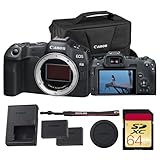
The Canon EOS R8 offers full-frame image quality in an incredibly lightweight package. Wedding photographers who value mobility and comfort during long shooting days appreciate this camera’s featherweight design.
Despite the compact size, the R8 does not compromise on performance. The 40fps electronic shutter captures fast action, and the Dual Pixel AF II provides reliable focus tracking. During testing, the camera kept up with moving subjects in various lighting conditions.
Image quality from the 24.2MP sensor is excellent, with clean files up to high ISO settings. Reception photography at ISO 12800 produces usable images with minimal noise reduction needed.
The 4K 60p video oversampled from 6K delivers beautiful footage for wedding films. While this is primarily a stills camera, the video capabilities satisfy hybrid shooters who occasionally need motion content.
The compact size makes this an ideal second body or travel camera for destination weddings. It fits easily into smaller bags and does not weigh you down during long shooting days.
Best for Travel and Destination Weddings
Wedding photographers shooting destination weddings appreciate the lightweight design when traveling. The camera does not push airline weight limits or require oversized carry-on bags.
Despite the plastic construction, build quality feels solid. The camera should hold up to professional use, though care is warranted in harsh conditions.
Considerations for Wedding Work
The lack of in-body stabilization requires lens-based stabilization or faster shutter speeds. This is less critical for wedding work where flash and higher ISO settings are common. Limited user reviews make long-term reliability harder to assess.
14. Canon EOS RP – The Entry Point
Pros
- Excellent value for full-frame entry
- Compact and lightweight design
- Good image quality for the price
- Flip-out touchscreen for vlogging
- Face detection works well
Cons
- 4K video has significant crop
- Single card slot only
- Battery life shorter than competitors
The Canon EOS RP offers the most affordable entry into full-frame mirrorless photography. For photographers just starting their wedding business or upgrading from crop-sensor cameras, this is a capable first professional body.
The 26.2MP sensor delivers full-frame image quality with excellent dynamic range. Wedding images from this camera satisfy client expectations and print beautifully at standard sizes.
Dual Pixel CMOS AF with 4779 points covers the frame extensively. Face detection works reliably for portraits and group shots. The flip-out touchscreen is useful for creative angles and video work.

The included RF 24-105mm kit lens provides a versatile range for wedding work. While not the fastest aperture, it covers ceremony through reception without lens changes. The IS helps compensate for the lack of in-body stabilization.
Canon color science produces pleasing skin tones with minimal adjustment. The files respond well to editing, giving you flexibility in post-processing.

Best for Beginners and Budget Builds
Wedding photographers building their first kit appreciate the value proposition. The camera delivers professional results without the premium price of higher-end bodies. As your business grows, you can upgrade while keeping this as a backup.
The lightweight design reduces fatigue during long wedding days. The compact size is less intimidating for clients during intimate moments.
Considerations for Wedding Work
The single card slot is a risk for irreplaceable wedding moments. Consider shooting with two cameras simultaneously. Battery life requires carrying multiple spares. The 4K video crop limits wide-angle video work.
Wedding Photography Camera Buying Guide
Choosing the best full-frame camera for wedding photography requires understanding which features matter most for this demanding genre. Here is what I prioritize based on hundreds of wedding shoots.
Sensor Size and Low-Light Performance
Full-frame sensors provide superior low-light performance compared to crop-sensor cameras. Wedding venues are often dimly lit, and you need clean images at ISO 6400 and higher. The larger pixels of full-frame sensors collect more light, reducing noise.
Dynamic range is equally important. Wedding scenes often include bright white dresses against dark backgrounds. Full-frame sensors preserve detail in both highlights and shadows.
Autofocus Reliability
Eye detection autofocus has transformed wedding photography. Cameras that reliably track subjects’ eyes let you focus on composition and timing rather than focus points. Look for cameras with deep learning subject detection that recognizes people even partially turned.
Autofocus coverage across the frame matters for off-center compositions common in wedding photography. All the cameras in this guide offer excellent AF coverage.
Dual Card Slots
Dual card slots are non-negotiable for professional wedding work. You cannot reshoot a wedding day if a memory card fails. Configure your camera to write to both cards simultaneously for instant backup.
All cameras in this guide except the entry-level RP offer dual card slots. If you choose a single-slot camera, shoot with two bodies simultaneously.
Battery Life and Endurance
Wedding days last 8-12 hours or longer. Your camera needs to keep shooting without constant battery changes. Mirrorless cameras have improved significantly, but still require more battery management than DSLRs.
Carry multiple charged batteries and a USB-C power bank for emergency charging. Some cameras support USB-C power delivery while shooting, effectively providing unlimited battery life.
Lens Ecosystem
Your camera body is only as good as the lenses available. Consider the entire system when choosing a camera. Canon RF, Sony E-mount, and Nikon Z all offer excellent options for wedding photography.
Key lenses for wedding work include 24-70mm f/2.8 for general coverage, 70-200mm f/2.8 for ceremonies, and 85mm f/1.4 for portraits. Ensure your chosen system offers these focal lengths with fast apertures.
Weather Sealing
Outdoor weddings happen regardless of weather. Your camera needs to handle light rain, dust, and temperature changes. Professional-grade weather sealing protects your investment and ensures you can deliver in challenging conditions.
Frequently Asked Questions
What is the best full-frame camera for wedding photography?
The Sony Alpha 7 IV is the best overall choice for most wedding photographers in 2026. It offers exceptional low-light performance, reliable real-time Eye AF, dual card slots for backup, and outstanding battery life. The 33MP sensor provides enough resolution for large prints while keeping file sizes manageable.
What cameras do professional wedding photographers use?
Professional wedding photographers typically use cameras like the Sony Alpha 7 IV, Canon EOS R6 Mark II, Nikon Z6 III, or Canon EOS R5. These cameras offer dual card slots for backup, excellent autofocus systems, and superior low-light performance essential for wedding work.
Is full-frame better for wedding photography?
Yes, full-frame cameras are significantly better for wedding photography than crop-sensor alternatives. They provide superior low-light performance for dimly lit ceremonies and receptions, shallower depth of field for beautiful background blur, and better dynamic range to handle high-contrast wedding scenes.
What is the best mirrorless camera for wedding photography?
The best mirrorless cameras for wedding photography include the Sony Alpha 7 IV for overall performance, Canon EOS R6 Mark II for Canon shooters, and Nikon Z6 III for hybrid photo and video work. These cameras offer professional features like dual card slots, reliable autofocus, and excellent low-light capability.
How much should I spend on a wedding photography camera?
Professional wedding photographers should expect to spend between $1,500 and $3,500 on a primary camera body. Entry-level options like the Canon EOS RP or Sony a7 III start around $1,700, while flagship models like the Canon EOS R5 or Nikon Z8 cost $3,500 to $4,000. Budget for lenses and accessories as well.
Conclusion
Choosing the best full-frame cameras for wedding photographers depends on your specific needs, budget, and shooting style. The Sony Alpha 7 IV remains my top recommendation for most photographers due to its balanced performance across all wedding scenarios.
The Nikon Z6 III offers exceptional value for hybrid shooters delivering both photos and video. Canon’s EOS R6 Mark II provides familiar ergonomics for DSLR converts with impressive speed and color science.
Remember that your camera is just a tool. Great wedding photography comes from understanding light, connecting with couples, and anticipating moments. Invest in the camera that lets you work confidently and reliably, then focus on developing your skills as a storyteller.
Whatever camera you choose from this list, you will have professional-grade equipment capable of delivering beautiful wedding galleries your clients will treasure for generations.