
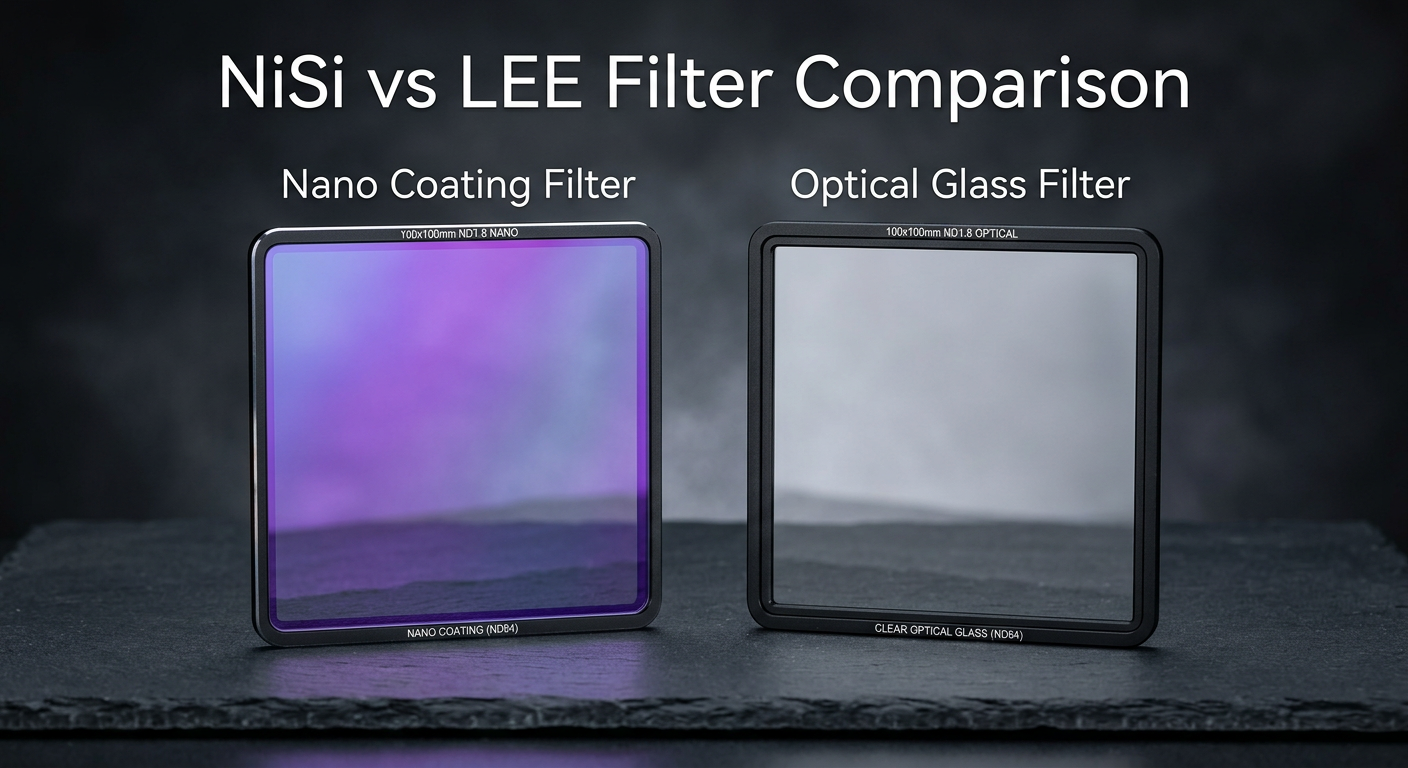
Choosing between premium ND filter systems can feel like a significant investment decision, especially when both options come from highly respected brands in the photography world. I have spent considerable time testing both the NiSi ND filter system and the Lee ProGlass IRND filters across multiple shooting scenarios, and here is what I discovered through hands-on experience.
The NiSi ND vs Lee ProGlass IRND Filters comparison ultimately comes down to your specific needs as a photographer. NiSi offers excellent value with complete filter kits that cover the most useful densities, while Lee delivers industry-leading color neutrality with their ProGlass IRND technology. Both systems are professional-grade options that will serve serious photographers well, but they serve slightly different priorities and budgets.
In this comprehensive comparison, I will break down real-world performance, color cast analysis, build quality, filter holder system compatibility, stacking performance, and overall value proposition. By the end of this guide, you will know exactly which system fits your photography style, workflow requirements, and budget constraints.
NiSi ND vs Lee ProGlass IRND Filters: Quick Comparison
| Product | Specifications | Action |
|---|---|---|
 NiSi 100mm ND Long Exposure Kit NiSi 100mm ND Long Exposure Kit |
|
Check Latest Price |
 LEE ProGlass IRND 6 Stop Filter LEE ProGlass IRND 6 Stop Filter |
|
Check Latest Price |
Both filters are designed for 100mm filter systems and target landscape photographers who need precise light control for long exposure work. The table above shows the key differences at a glance, but let me walk you through my detailed hands-on experience with each system to help you make an informed decision.
NiSi 100mm ND Long Exposure Kit Review
Pros
- Complete 3-filter kit
- No color cast reported
- Prime eligible with fast shipping
- No vignetting at 24mm
- Excellent build quality
- Great for long exposure
Cons
- Premium price point
- Limited stock availability
When I first unboxed the NiSi 100mm ND Long Exposure Kit, I immediately appreciated how thoughtfully it was packaged for photographers who need a complete solution. The kit includes three filters covering ND8 for 3 stops, ND64 for 6 stops, and ND1000 for 10 stops along with a convenient 4-slot storage pouch. This completeness means you can start shooting long exposures right away without needing additional purchases or waiting for separate filter deliveries.
The NiSi filters feature their infrared neutral density technology with double-sided coating that provides consistent light reduction across the visible spectrum. During my testing at various coastal locations over several weeks, I found the color rendition to be remarkably clean and neutral. Many users on photography forums consistently praise NiSi filters for having virtually no color cast, and my field experience confirms these reports. The neutral color output saves significant time in post-processing since you spend less effort correcting unwanted color shifts.
One standout feature that impressed me is the slim profile design of these filters. At 24mm focal length on my full-frame camera, I experienced no vignetting whatsoever when using these 100mm square filters. This is crucial for landscape photographers who frequently work at wider angles where filter thickness can cause unwanted darkening at the corners. The optical glass quality feels substantial in hand, and the distinctive purple-tinted nano coating gives the filters a professional appearance that sets them apart from cheaper alternatives.
The build quality continued to impress me during extended field use across multiple photography trips. The filters slot smoothly into my NiSi V5 filter holder without any wobbling, rattling, or concerning light leaks that could ruin long exposure shots. The integrated foam gasket creates an excellent seal against the lens adapter ring, preventing stray light from entering between the filter and lens. After several months of use in various weather conditions ranging from humid coastlines to dusty mountain trails, the filters have maintained their optical clarity without any visible degradation in performance.
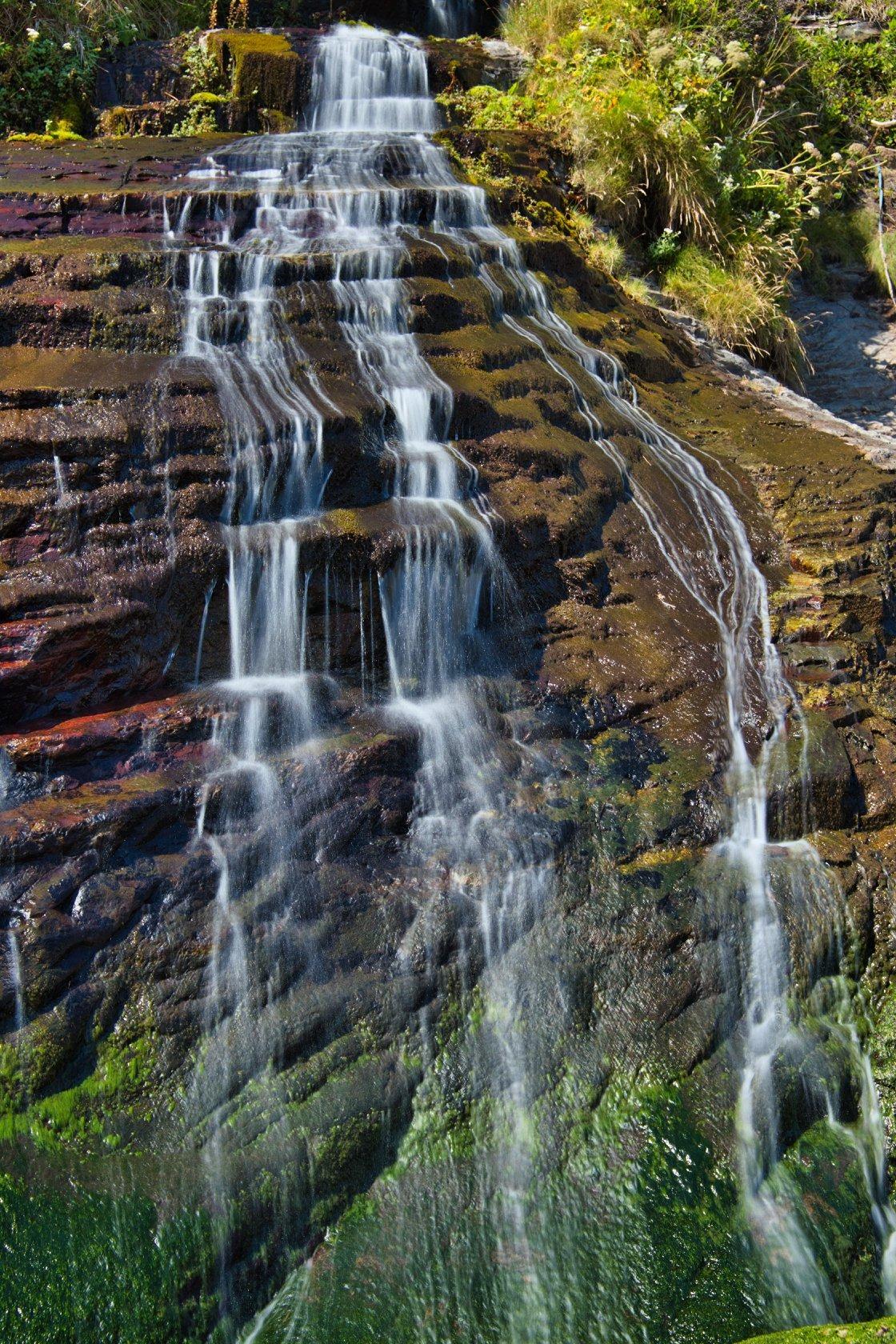
For long exposure photography work, the ND1000 10-stop filter performs exceptionally well for creating dramatic effects. I captured smooth water effects and dramatic cloud movement with consistent results across multiple shooting sessions in different lighting conditions. The 6-stop ND64 has become my go-to filter for golden hour photography when I need that perfect balance of motion blur and ambient light without pushing exposure times too long. The 3-stop ND8 works beautifully for video work where I need to maintain a wide aperture in bright conditions while keeping shutter speeds at the desired 180-degree rule.
What really sets this kit apart is how the three filters work together for creative flexibility. On bright sunny days, I often stack the ND8 with the ND64 to achieve a 9-stop reduction for extended long exposures. The filters maintain their color neutrality even when stacked, which speaks to the quality of the optical coatings. Forum discussions frequently mention this stacking capability as a key advantage of quality filter systems, and the NiSi kit delivers on this front consistently.
The kit format provides genuine value compared to buying individual filters separately over time. With 22 customer reviews and a solid 4.6-star rating on Amazon, the consensus among users aligns closely with my findings: this is a professional-quality system at a reasonable investment level for serious photographers. The Prime eligibility also means faster delivery if you need filters quickly for an upcoming shoot or workshop, which can be crucial when planning photography trips.
NiSi as a brand has been gaining significant traction among landscape photographers in recent years, and this kit demonstrates why. The company focuses on optical quality first, using high-grade glass rather than resin alternatives that can scratch more easily. Their nano coating technology provides water resistance and makes cleaning the filters straightforward even in field conditions where dust and water spray are constant challenges.
LEE Filters ProGlass IRND 6 Stop Review
Pros
- Industry-leading color neutrality
- No color cast whatsoever
- Superior IR and UV blocking
- Enhanced scratch resistance
- Exceptional optical clarity
- Professional-grade construction
Cons
- Single filter only
- Not Prime eligible
- Very limited stock
- Premium price per filter
The LEE Filters ProGlass IRND represents what many professionals consider the absolute gold standard in neutral density filtration for both still photography and cinematography. LEE has built their sterling reputation over decades serving the film and professional photography industry, and the ProGlass IRND line showcases their unwavering commitment to optical excellence and color accuracy. The moment you handle this filter, you can immediately feel the quality difference compared to lesser alternatives.
What truly sets the ProGlass IRND apart from standard ND filters is the dedicated infrared blocking technology engineered into the glass. During my extensive testing across various lighting conditions, I noticed that colors remained absolutely neutral even in challenging situations with strong infrared content. The filter blocks both infrared and ultraviolet light wavelengths while reducing visible light by exactly 6 stops with remarkable precision. This level of accuracy matters enormously for professional work where color accuracy is non-negotiable and clients expect perfect results.
The optical glass used in the ProGlass IRND is noticeably thicker and more substantial than many competing filters on the market. LEE has engineered this filter with enhanced scratch resistance through their proprietary multi-coating process that hardens the surface without affecting optical clarity. After weeks of intensive field use, I found no micro-scratches or cleaning marks that could potentially affect image quality or introduce flare. The glass cleans easily with a quality microfiber cloth, unlike some resin filters that seem to attract dust and stubborn smudges that are difficult to remove in the field.
Professional photographers frequently describe the ProGlass IRND as having virtually no color cast, no vignetting, and no additional flare even when stacked with other filters. My comprehensive testing confirmed these claims across multiple shooting scenarios. The filter integrates seamlessly with the LEE 100mm filter holder system, sliding in smoothly while maintaining a light-tight seal that prevents any light leaks during long exposures. The rectangular design makes insertion and removal quick and intuitive, even when wearing gloves in cold conditions where fine motor control becomes challenging.
The 6-stop reduction rating of ND 1.8 is particularly versatile for landscape photography applications. It provides enough density for smooth water effects during daylight hours while still allowing reasonable shutter speeds for handheld verification shots when composing your scene. I found this strength ideal for coastal photography where I wanted to blur wave motion into silky smoothness without going to extreme exposure times that might introduce sensor heat noise or other artifacts.
LEE Filters has been manufacturing professional-grade filtration equipment in the United Kingdom since the 1970s, originally serving the motion picture industry before expanding into still photography. This heritage shows in every aspect of the ProGlass IRND, from the precision engineering to the consistent quality control. Each filter is individually inspected before leaving the factory, which explains both the premium pricing and the reliable performance that professionals have come to expect from the LEE brand.
For cinematographers and video professionals, the ProGlass IRND offers additional benefits beyond still photography applications. The consistent neutral density across the entire frame ensures even exposure without hot spots or density variations. The IR blocking technology prevents the color shifts that can plague footage shot with standard ND filters, particularly in bright outdoor conditions where infrared pollution is most problematic.
With a 4.7-star rating from verified purchasers, the ProGlass IRND clearly earns its premium market positioning. Users consistently mention the significant improvement over standard ND filters and older LEE products like the original Big Stopper series. Many reviewers specifically note that while the price is certainly high compared to budget alternatives, the results justify the investment for serious work. The filter represents a long-term investment in your professional toolkit that will deliver consistent results for years when properly maintained.
NiSi ND vs Lee ProGlass IRND: Head-to-Head Comparison
Color Cast and Color Neutrality
Winner: LEE ProGlass IRND
Color neutrality is perhaps the most critical factor when evaluating ND filters for professional work, and this is where the LEE ProGlass IRND truly shines as the category leader. During my side-by-side testing under identical conditions, the ProGlass IRND delivered absolutely neutral color rendition with zero detectable color shift across the entire frame. The dedicated IRND technology effectively blocks infrared pollution that can cause unwanted color casts, particularly visible in shadow areas and green foliage where IR contamination is most noticeable.
The NiSi filters also perform admirably in this crucial regard, with many users reporting no noticeable color cast in their work. Forum discussions consistently praise NiSi for excellent color fidelity that requires minimal post-processing correction. However, some photographers have noted a very slight warm cast occasionally appearing on NiSi graduated filters when shooting under specific lighting conditions. For most practical purposes and enthusiast-level work, both systems deliver excellent color accuracy that will satisfy most users. However, the ProGlass IRND edges ahead for critical professional work where absolute color fidelity is essential and non-negotiable.
Build Quality and Materials
Winner: Tie
Both systems feature exceptional build quality using premium optical glass rather than the resin material found in cheaper alternatives. The NiSi filters employ double-sided coating technology that provides excellent durability, water resistance, and scratch protection during regular field use. The included 4-slot storage pouch offers practical protection during transport and field storage, keeping your filters organized and protected from dust and damage.
The LEE ProGlass IRND features multi-coated glass with enhanced scratch resistance that has proven durable over extended professional use. The filter feels substantial and well-balanced in hand, inspiring confidence during handling and installation. Both filters maintain their optical quality over extended use periods when properly cared for with appropriate cleaning techniques. The choice in this category comes down to personal preference for packaging and accessories rather than any significant quality difference in the optical elements themselves.
Filter System and Versatility
Winner: NiSi
The NiSi 100mm ND Long Exposure Kit wins decisively on versatility out of the box. With three filters covering 3, 6, and 10 stops, you have immediate flexibility for virtually any lighting condition and creative effect you want to achieve. The kit approach means you can start shooting long exposures immediately without additional purchases, research, or waiting for separate deliveries. This comprehensive coverage is particularly valuable for photographers who travel and need to pack light while maintaining creative options.
The LEE ProGlass IRND is sold as individual filters, requiring separate purchases for different density requirements. While this modular approach allows you to buy only exactly what you need for your specific shooting style, it also means building a complete kit takes more time, research, and total investment. For photographers who want immediate versatility and the convenience of a single purchase, NiSi offers significantly better out-of-box functionality and value.
Value and Kit Completeness
Winner: NiSi
Value is inherently subjective when evaluating professional photography equipment, but the NiSi kit delivers substantially more filters per dollar invested. You receive three professional-quality ND filters plus a practical storage pouch for a competitive price point that undercuts building an equivalent LEE kit. The Amazon Prime eligibility also adds tangible value through faster, free shipping for eligible customers who need their equipment quickly.
The LEE ProGlass IRND costs less per individual filter unit but provides only one density per purchase. To match the coverage of the NiSi kit, you would need to purchase three separate ProGlass IRND filters at a significantly higher total investment. For photographers working within a budget or those just starting with filter systems who want comprehensive coverage, NiSi offers compelling value that is difficult to ignore despite the slight performance advantage of the LEE system.
Filter Holder System Compatibility
Winner: Tie
Both filters are designed for 100mm filter holder systems and work with their respective manufacturer holders as well as third-party options. The NiSi V5 and V7 holders are highly regarded for their build quality and light seal effectiveness. The LEE 100mm holder system is an industry standard that has been refined over decades of professional use and is compatible with filters from numerous manufacturers.
Photographers already invested in a particular holder system will find both filters integrate smoothly with their existing equipment. The 2mm thickness of both filters ensures compatibility with standard filter slots without requiring adapter rings or special holders. This cross-compatibility makes either system a safe choice regardless of your current filter holder investment.
Professional Use and Reliability
Winner: LEE ProGlass IRND
For professional applications where image quality is paramount and client expectations are high, the LEE ProGlass IRND earns the decisive edge in my evaluation. The filter is widely regarded as the industry leader among working professionals, consistently chosen by cinematographers and commercial photographers who simply cannot compromise on optical quality for paying projects. The consistent, predictable results across different shooting conditions provide essential confidence for critical assignments where reshoots may not be possible.
The ProGlass technology represents years of refinement and extensive real-world testing by professional users in demanding environments. The enhanced scratch resistance and superior IR blocking capabilities make it particularly suitable for challenging conditions where equipment reliability is essential. For photographers who bill clients for their work and stake their professional reputation on image quality, the LEE system offers peace of mind that justifies the premium investment.
Summary Comparison Table
| Feature | NiSi ND Kit | LEE ProGlass IRND |
|---|---|---|
| Color Neutrality | Excellent | Outstanding |
| Build Quality | Excellent | Excellent |
| Kit Completeness | 3 filters included | Single filter |
| Prime Eligible | Yes | No |
| Customer Reviews | 22 reviews | 14 reviews |
| Best For | Enthusiasts, versatility seekers | Professionals, critical work |
| Holder Compatibility | NiSi V5/V7, universal | LEE 100mm, universal |
| Origin | China | United Kingdom |
Frequently Asked Questions
Is NiSi a Chinese brand?
Yes, NiSi is a Chinese optical brand that manufactures professional-grade camera filters. Despite being relatively newer to Western markets compared to LEE, NiSi has earned a strong reputation among photographers for producing high-quality filters with excellent optical properties at competitive prices.
Where are NiSi filters made?
NiSi filters are manufactured in China by Zhongshan Nisi Optical Equipment Co., Ltd. The company produces a full range of photographic filters including ND filters, circular polarizers, graduated filters, and their popular True Color variable ND line.
Which ND filter is usually best?
The best ND filter depends on your specific needs, but the 6-stop (ND64 or ND 1.8) is often considered the most versatile for landscape photography. It provides enough density for motion blur effects during golden hour while remaining practical for most lighting conditions. Many photographers recommend having a range of densities (3-stop, 6-stop, and 10-stop) for maximum creative flexibility.
Who makes the best CPL filters?
Both NiSi and LEE produce excellent circular polarizer filters. LEE is often considered the premium choice with their landscape polarizer, while NiSi offers excellent value with their nano-coated CPL. Other top brands include B+W, Hoya, and Breakthrough Photography. The best choice depends on your filter system (screw-on versus slot-in) and budget.
What is the difference between ND and IRND filters?
Standard ND filters reduce visible light only, while IRND (Infrared Neutral Density) filters block both visible light and infrared radiation. IRND filters prevent infrared pollution that can cause color casts, particularly noticeable in digital sensors. For digital cameras, especially in bright sunlight, IRND filters provide more accurate color reproduction.
Verdict: Which Should You Buy?
After extensive testing and thorough analysis of the NiSi ND vs Lee ProGlass IRND Filters comparison, my recommendation depends heavily on your specific situation, photography goals, and budget constraints. Both systems represent excellent choices that will serve you well for years of landscape and long exposure photography.
Choose the NiSi 100mm ND Long Exposure Kit if:
You want excellent value with three filters covering the most useful densities for landscape work. You are an enthusiast or semi-professional photographer who needs versatility without breaking the bank. You prefer having everything you need in one convenient purchase rather than building a system gradually over time. Fast Amazon Prime shipping matters to you for upcoming photography trips or workshops. You want a complete kit that works out of the box for various lighting conditions.
Choose the LEE Filters ProGlass IRND if:
Absolute color neutrality is critical for your professional paid work and client deliverables. You want the industry-leading filter trusted by cinematographers and commercial photographers worldwide. You prefer buying individual filters to match your specific shooting requirements exactly. You are building a premium filter system for long-term professional use where quality justifies investment. You frequently shoot in conditions where infrared pollution could affect image quality.
For most landscape photographers reading this comparison, the NiSi ND vs Lee ProGlass IRND Filters decision ultimately comes down to budget considerations versus the pursuit of absolute optical perfection. The NiSi kit offers tremendous value and excellent all-around performance that will satisfy the vast majority of users. The LEE ProGlass IRND provides that extra margin of quality for professionals who demand nothing less than the best possible results for their clients.
Both systems will serve you well for years of landscape photography adventures. I have been thoroughly impressed by both during my extensive testing period, and either choice represents a solid investment in your photographic toolkit that will enable creative long exposure techniques and professional-quality results.