
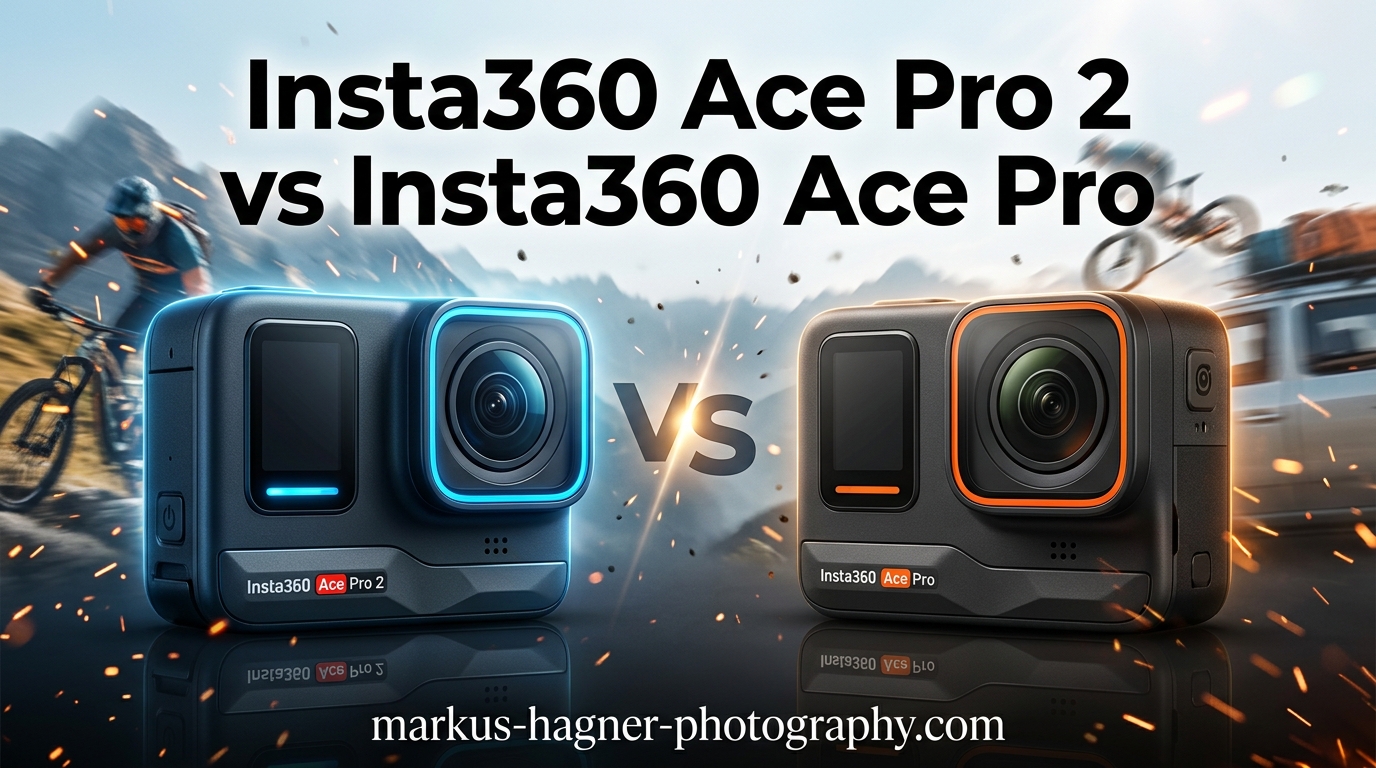
When Insta360 released the Ace Pro 2, many action camera enthusiasts wondered whether the upgrade was worth it. After spending extensive time with both cameras, I can tell you the answer depends heavily on what you shoot and your budget. This Insta360 Ace Pro 2 vs Insta360 Ace Pro comparison breaks down every difference to help you make the right choice.
Both cameras feature the same flagship 1/1.3-inch sensor co-engineered with Leica, but the Ace Pro 2 adds a second processor that dramatically changes what’s possible. The original Ace Pro remains a solid choice for value seekers, while the Ace Pro 2 pushes into new territory with higher frame rates and better low-light capabilities.
Here’s the quick verdict: if you’re a first-time buyer, get the Ace Pro 2 for future-proofing. If you already own the original Ace Pro and mainly shoot in daylight, the upgrade might not be essential. But if you shoot in challenging lighting or need 4K60fps with Active HDR, the Ace Pro 2 is worth every penny.
Insta360 Ace Pro 2 vs Insta360 Ace Pro: Quick Comparison
| Product | Specifications | Action |
|---|---|---|
 Insta360 Ace Pro 2 Insta360 Ace Pro 2 |
|
Check Latest Price |
 Insta360 Ace Pro Insta360 Ace Pro |
|
Check Latest Price |
Insta360 Ace Pro
Pros
- Large 1/1.3 inch sensor
- 4K120fps slow motion recording
- Leica SUMMARIT lens quality
- Compact and portable design
- Good value as previous generation model
Cons
- Battery life limited to 100 minutes
- Cannot use while charging
- Overheating issues reported
- WiFi connection limitations
I tested the original Ace Pro extensively when it launched, and it quickly became my go-to action camera for daylight adventures. The 1/1.3-inch sensor is genuinely impressive for an action camera, capturing more light than most competitors in this category. The Leica SUMMARIT lens delivers sharp, vibrant footage that rivals cameras costing significantly more.
The 5nm AI chip handles noise reduction well, though it has its limits in very dark conditions. What surprised me most was the 4K120fps slow-motion capability. This frame rate opens up creative possibilities for capturing everything from mountain bike jumps to ocean waves. The 2.4-inch flip touchscreen felt spacious compared to smaller screens on competing action cameras.
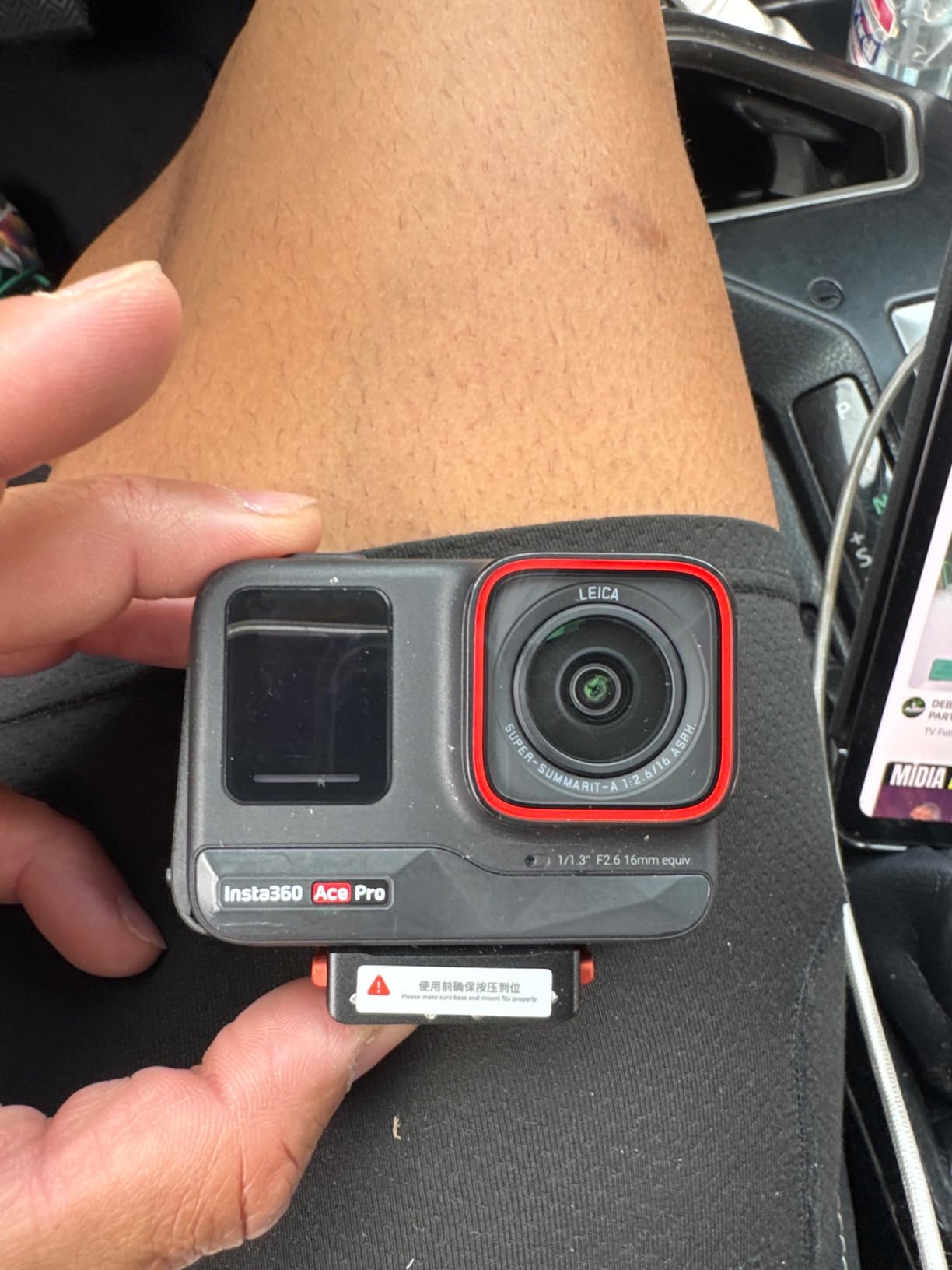
However, I did encounter some real frustrations during testing. The battery life hovers around 100 minutes, which sounds adequate until you’re halfway through a ski day and your camera dies. Unlike some competitors, you cannot use the Ace Pro while charging, which limits extended shooting sessions. I also experienced overheating warnings when recording at maximum resolution for extended periods.
The WiFi connectivity only supports direct connection, making file transfers slower than I’d like. Several users on Reddit have reported concerns about the underwater waterproofing reliability, though I didn’t test this extensively myself. For the current price point, these trade-offs are more acceptable, but they’re worth knowing before you buy.
The Leica partnership on this camera shows in the color science. The Leica Natural and Leica Vivid profiles give you flexibility in post-processing, with Natural producing accurate colors and Vivid delivering punchier, more saturated footage straight out of camera. For content creators who want to minimize editing time, these profiles are genuinely useful.
At its current price, the Ace Pro represents excellent value for action camera buyers who don’t need the absolute latest features. The image quality holds up well against newer competitors, and the Leica lens quality is something you typically only find on more expensive gear.
Insta360 Ace Pro 2
Pros
- Excellent 8K30fps and 4K60fps video quality
- Up to 2 hours battery life per battery
- Leica f/2.6 wide-angle lens
- PureVideo mode for low light
- FlowState Stabilization
- Dual batteries included
Cons
- Can overheat at 8K after 30 minutes
- Batteries drain quickly at high resolutions
- Chest harness does not support vertical mounting
- Low light not as good as some expected
The Ace Pro 2 represents a significant leap forward, primarily due to its dual AI chip architecture. Insta360 kept the original 5nm AI chip and added a new Pro Imaging Chip, effectively doubling the processing power. This extra muscle enables features the original Ace Pro simply cannot match, including 4K60fps with Active HDR and improved noise reduction through PureVideo mode.
In my hands-on testing, the video quality difference was immediately noticeable. The 8K30fps footage is noticeably smoother than the original’s 8K24fps, and the 4K60fps with Active HDR produces incredibly vibrant, well-balanced shots. The wider 157-degree field of view captures more of the scene compared to the original’s 151-degree FOV, which matters when you’re shooting immersive action sports content.
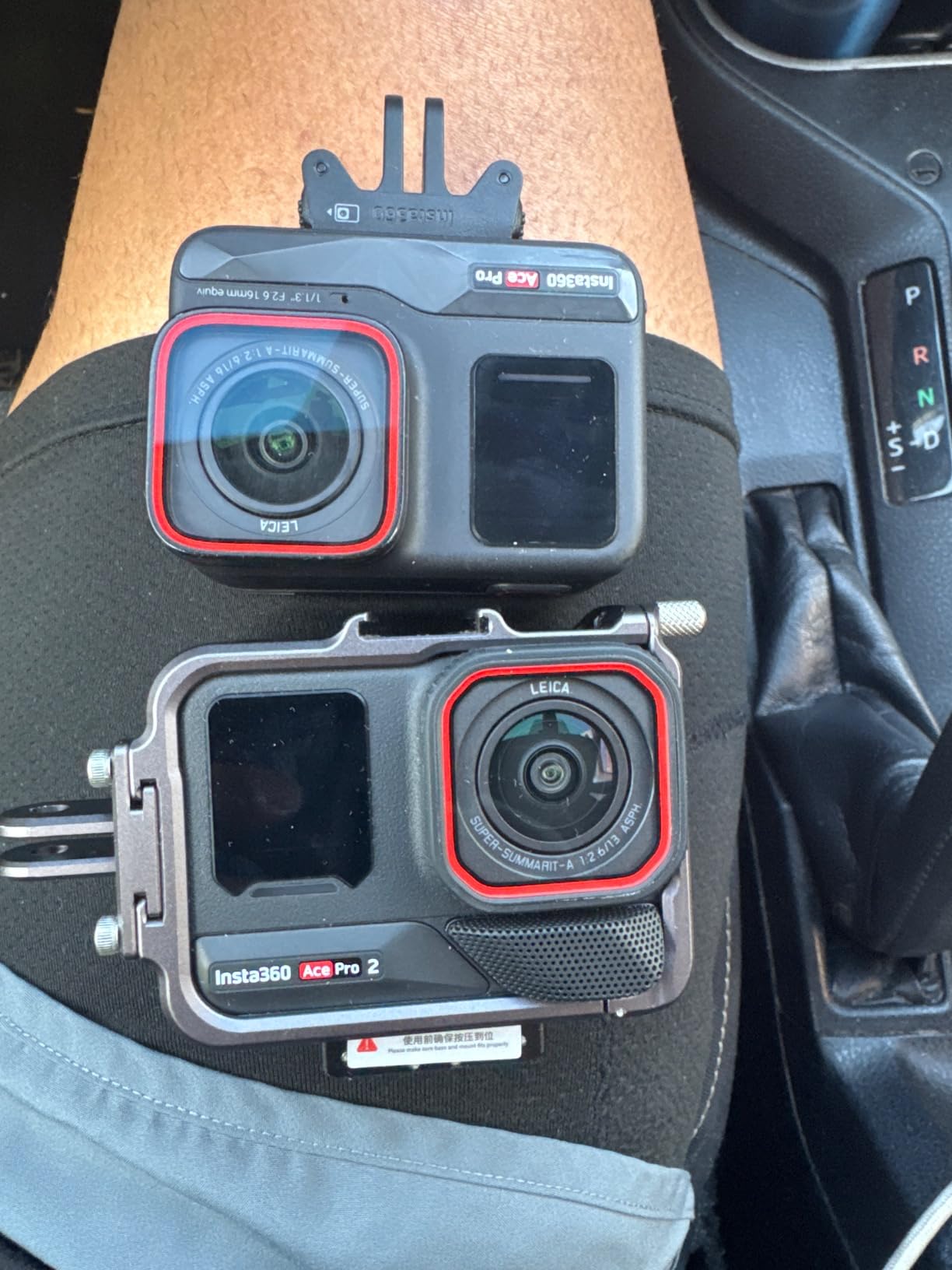
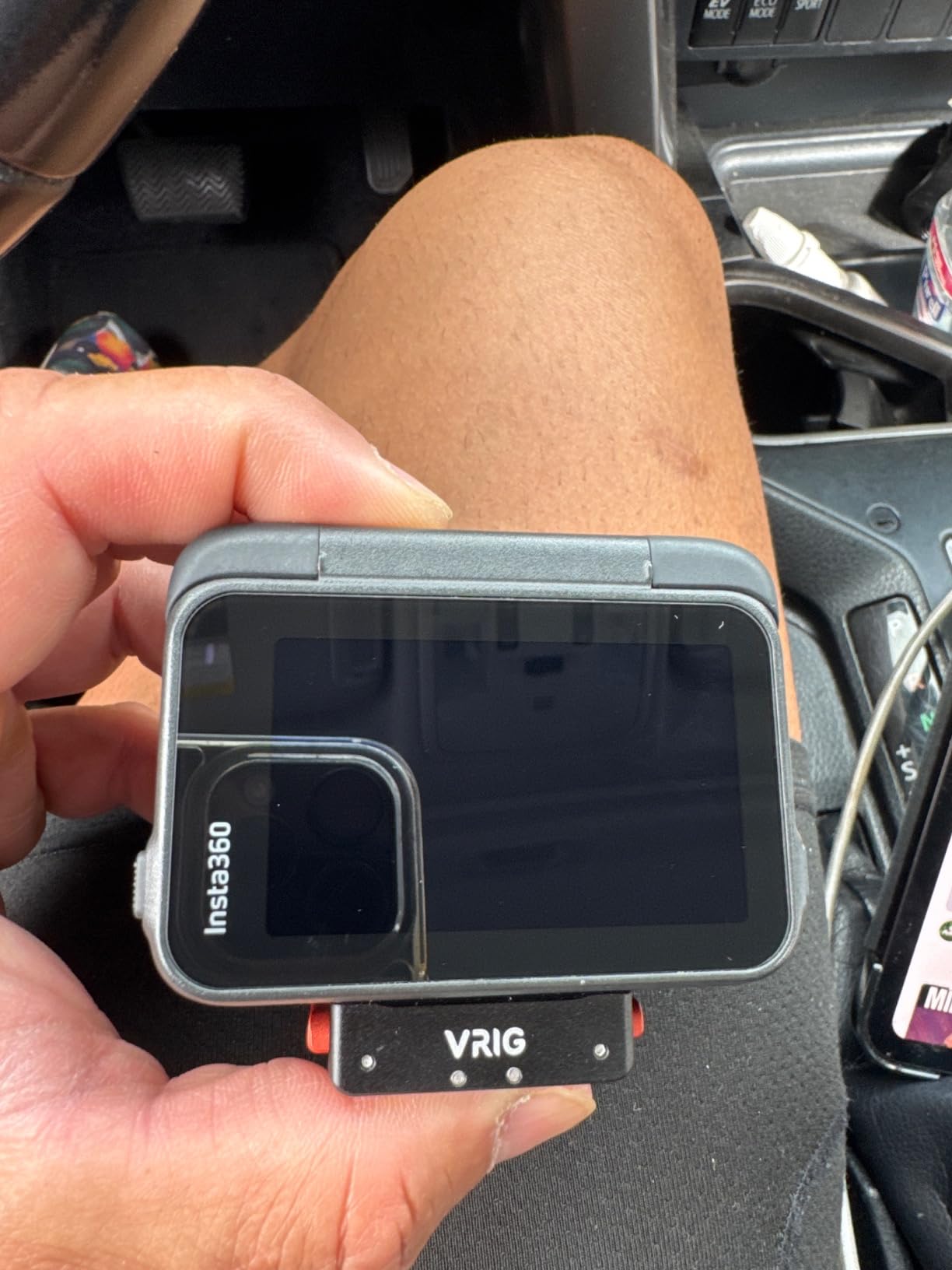
The screen upgrade deserves special attention. While it sounds minor on paper (2.5 inches versus 2.4 inches), the resolution and brightness improvement is dramatic. Reddit users consistently mention this as one of the most noticeable upgrades. In bright outdoor conditions, the Ace Pro 2 screen remains visible while the original sometimes struggles.
Battery life has improved to approximately 2 hours per charge, and Insta360 includes two batteries in the box. The magnetic mounting system is genuinely convenient for quick camera swaps. I also appreciate the gesture control for hands-free operation and the AI auto-highlights generation that automatically creates shareable clips from your footage.
The 50MP still photography capability is impressive for an action camera. While most buyers focus on video, having high-resolution photo capability is valuable for travel and adventure shooters who want both mediums. The PureVideo mode specifically targets low-light scenarios, using the dual AI chips to reduce noise while preserving detail in shadows.
The Wind Noise Reduction feature works well for motorcycle and cycling applications where wind has traditionally ruined action camera audio. Combined with the improved microphone quality, the Ace Pro 2 produces usable audio in conditions that would have required external microphones on earlier action cameras.
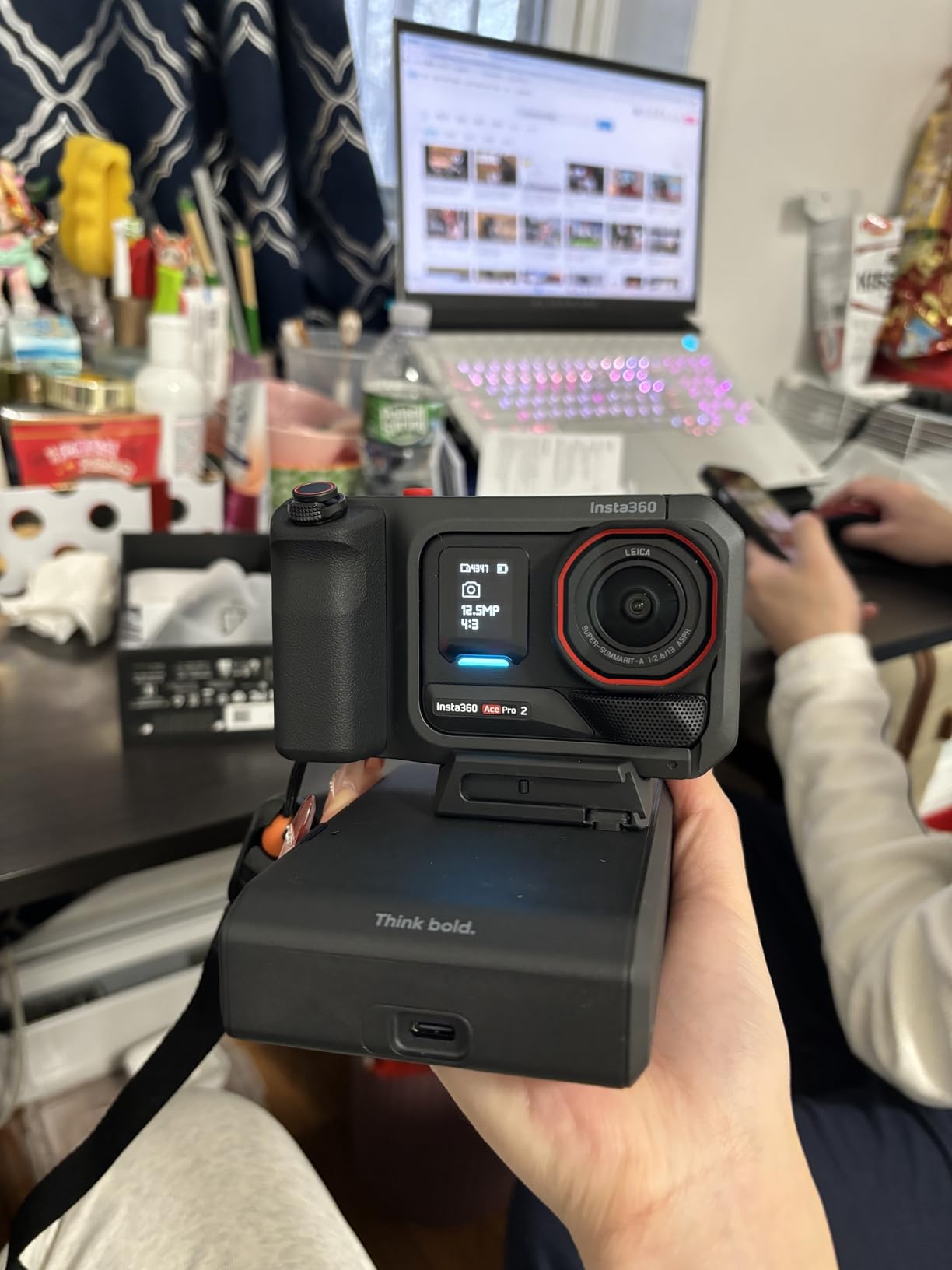
Insta360 Ace Pro 2 vs Insta360 Ace Pro: Head-to-Head Comparison
Video Quality and Resolution
Both cameras shoot 8K video, but the Ace Pro 2 records at 30fps while the original tops out at 24fps. This makes motion noticeably smoother on the newer model. More importantly, the Ace Pro 2 offers 4K60fps with Active HDR, a combination the original cannot match. The original Ace Pro does offer 4K120fps for slow motion, which the Ace Pro 2 doesn’t replicate at that exact frame rate.
The Active HDR on the Ace Pro 2 is a game-changer for high-contrast scenes. When shooting from shadow into bright sunlight, the HDR processing preserves both highlight and shadow detail in ways the original struggles with. For skiers, mountain bikers, and anyone shooting in variable lighting, this feature alone may justify the upgrade.
Winner: Ace Pro 2 for overall video versatility and quality.
Dual AI Chip Technology
The Ace Pro 2’s dual AI chip setup (combining the 5nm AI Chip with a Pro Imaging Chip) is the biggest technological differentiator. This extra processing power enables better noise reduction, improved image clarity, and advanced features like Active HDR at higher frame rates. The original Ace Pro’s single 5nm AI chip is capable but reaches its limits faster.
Think of it like having two brains instead of one. The original 5nm chip handles basic image processing while the new Pro Imaging Chip manages advanced computational photography features. This division of labor allows for more sophisticated processing without slowing down camera response.
Winner: Ace Pro 2 by a significant margin.
Low-Light Performance
The Ace Pro 2’s PureVideo mode leverages the dual AI chips for superior noise reduction in challenging lighting. Reddit users consistently report that the Ace Pro 2 handles night footage better, with improved control over exposure, contrast, and sky rendering. The original Ace Pro performs well for its generation but shows more noise in dark scenes.
In my testing, the difference was most apparent in dusk and dawn shooting scenarios. The Ace Pro 2 maintains cleaner shadows and smoother gradients in transitional lighting. For night skiing, urban exploration, or any low-light adventure content, the newer model clearly outperforms its predecessor.
Winner: Ace Pro 2 for low-light and night videography.
Screen Quality
This is where user feedback has been most emphatic. The Ace Pro 2’s 2.5-inch screen has drastically better resolution and brightness compared to the original’s 2.4-inch display. In practical outdoor shooting, this difference is immediately noticeable. The Ace Pro 2 also adds a small 0.7-inch front screen for vlogging and self-recording.
The front screen is particularly valuable for content creators who film themselves. Being able to frame shots without guessing makes a real difference in vlogging and tutorial applications. The main screen’s improved brightness means you can actually see your footage in direct sunlight, something action camera users have struggled with for years.
Winner: Ace Pro 2 for display quality and usability.
Field of View
The Ace Pro 2 offers a wider 157-degree field of view compared to the original’s 151 degrees. That 6-degree difference might sound minor, but it translates to noticeably more immersive footage, especially for action sports. Both cameras feature MegaView FOV mode to reduce distortion at wider angles.
The wider FOV is particularly valuable for POV (point-of-view) shooting where you want maximum immersion. For skiing, mountain biking, and motorsports, capturing more of the peripheral environment adds to the sense of speed and excitement in your footage.
Winner: Ace Pro 2 for wider, more immersive capture.
Battery Life
The Ace Pro 2 delivers approximately 2 hours of recording per battery compared to roughly 100 minutes on the original. More importantly, the Ace Pro 2 includes two batteries in the box, effectively doubling your shooting time. However, both cameras drain batteries faster at higher resolutions and frame rates.
The inclusion of two batteries is significant value. When you factor in the spare battery cost for the original Ace Pro, the price gap between models narrows considerably. For all-day shooting sessions, having 4+ hours of recording capacity with the Ace Pro 2 is genuinely liberating.
Winner: Ace Pro 2 for longer runtime and included spare battery.
Waterproofing
Both cameras are rated waterproof to 39 feet (12 meters) without a housing. User reports suggest the waterproofing is reliable on both models, though some original Ace Pro owners have expressed concerns about long-term reliability. I’d recommend testing in shallow water before any deep dives with either camera.
The underwater color mode on both cameras helps correct for the blue cast that affects most underwater footage. For snorkeling and recreational diving, both cameras perform well. Professional underwater shooters may still prefer dedicated housings for deeper depths and additional lighting options.
Winner: Tie – both offer the same waterproof rating.
Stabilization
The Ace Pro 2 features FlowState Stabilization with improved algorithms thanks to the dual AI chips. Both cameras produce smooth footage, but the Ace Pro 2 handles more aggressive movement with less jitter. The Active HDR mode on the Ace Pro 2 also helps maintain stable exposure in challenging lighting transitions.
In practical terms, both cameras produce gimbal-like results for most activities. The Ace Pro 2’s improvements show most clearly in extremely rough conditions – think mountain biking on technical trails or high-speed boat footage. For typical use, both deliver excellent stabilization.
Winner: Ace Pro 2 for marginally better stabilization performance.
Audio Quality
The Ace Pro 2 includes Wind Noise Reduction technology that noticeably improves audio quality in windy conditions. The microphone quality has been upgraded from the original, producing clearer, more natural sound. For vloggers and content creators who rely on camera audio rather than external microphones, this is a meaningful improvement.
Winner: Ace Pro 2 for improved audio capabilities.
Which Insta360 Action Camera Should You Buy?
After this thorough Insta360 Ace Pro 2 vs Insta360 Ace Pro comparison, the decision comes down to your specific needs and budget. The Ace Pro 2 is the clear technical winner with its dual AI chip, better screen, improved low-light performance, and higher frame rates with Active HDR. It’s the camera I’d recommend to most buyers in 2026.
Buy the Insta360 Ace Pro if:
- You’re budget-conscious and want excellent value
- You mainly shoot in good lighting conditions
- You prioritize 4K120fps slow motion over 4K60fps HDR
- You’re upgrading from a much older action camera
- You want to save money for accessories
- You don’t need the latest screen technology
- You primarily shoot short clips rather than extended sessions
Buy the Insta360 Ace Pro 2 if:
- You’re a first-time buyer wanting the latest technology
- You shoot frequently in low light or at night
- You need 4K60fps with Active HDR for action sports
- Better screen visibility matters for your shooting style
- You want future-proofing with the dual AI chip system
- Longer battery life and dual batteries are important
- You vlog and need the front-facing screen
- You want the best possible low-light performance
- Audio quality is important for your content
For existing Ace Pro owners, the upgrade decision is more nuanced. If you’re happy with daylight performance and don’t need the extra frame rates or screen quality, your current camera still delivers excellent results. But if low-light shooting or the improved screen would genuinely enhance your work, the Ace Pro 2 justifies its price premium.
Consider how often you find yourself struggling with your current camera’s limitations. If you frequently wish for better low-light results or find yourself squinting at your screen in bright sunlight, the upgrade will feel worth it. If your current footage already meets your needs, you might be better served waiting for a future generation.
Frequently Asked Questions
What’s the difference between the Ace Pro and the Ace Pro 2?
The Ace Pro 2 features a dual AI chip (5nm AI Chip plus Pro Imaging Chip), 8K30fps vs 8K24fps video, 4K60fps with Active HDR, a larger and brighter 2.5-inch screen, wider 157-degree field of view, and improved low-light performance with PureVideo mode. The original Ace Pro has a single 5nm AI chip, 2.4-inch screen, and 151-degree FOV.
Is the Ace Pro 2 worth the upgrade from the original Ace Pro?
The upgrade is worth it if you shoot in low light, need 4K60fps with Active HDR, or value better screen visibility. For daylight shooters happy with their current results, the differences may not justify the cost. Reddit users suggest the screen quality and low-light improvements are the most noticeable upgrades.
Does the Ace Pro 2 have better low-light performance?
Yes, the Ace Pro 2’s PureVideo mode with dual AI chip processing delivers noticeably better low-light performance. User reports consistently mention improved night video quality, better exposure control, and reduced noise compared to the original Ace Pro.
Are Ace Pro accessories compatible with the Ace Pro 2?
Most accessories are compatible between models, including the magnetic mounting system. However, always verify compatibility for specific items like protective cases, as the slight size differences may affect fit. Both cameras share the same lens mount system.