
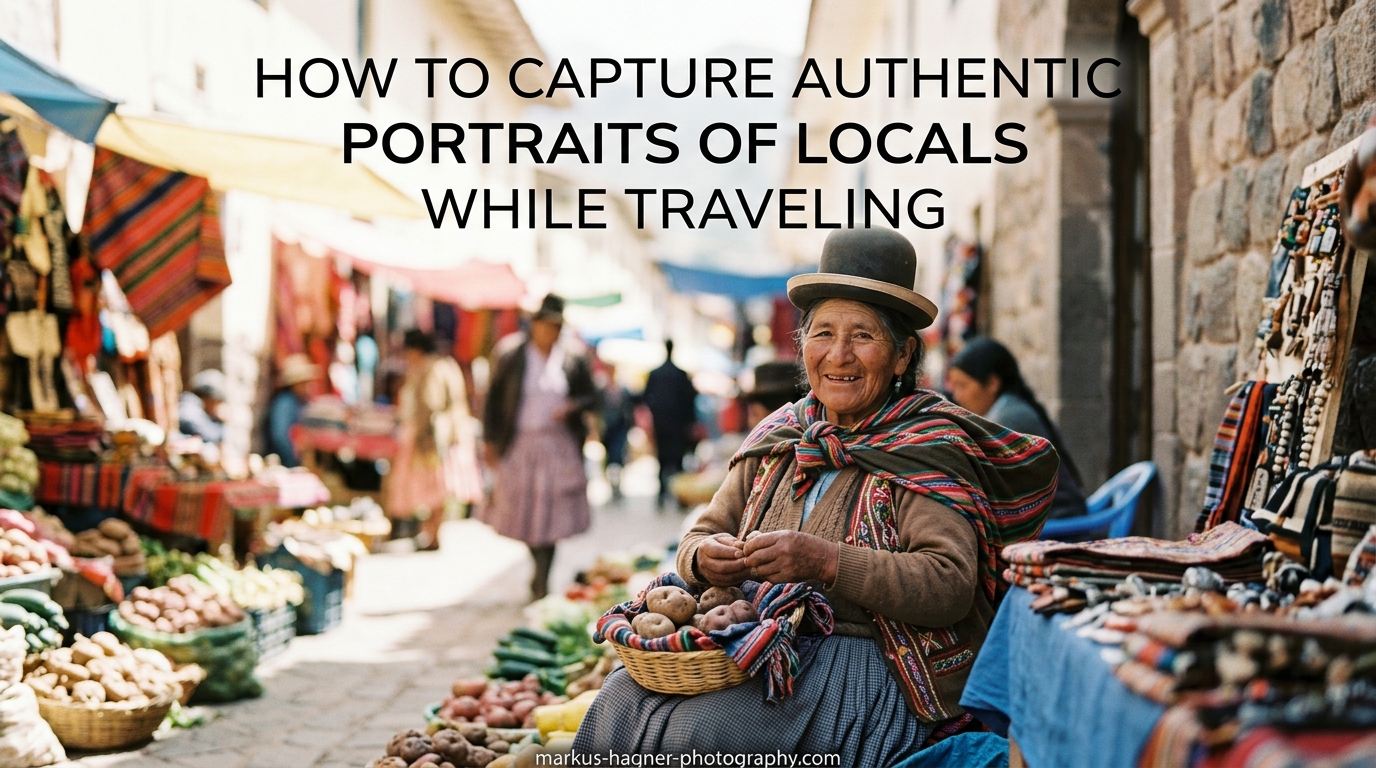
Walking through a bustling market in Marrakech, I watched a spice vendor laugh with a customer, his weathered face telling decades of stories. That moment taught me something crucial about travel photography: the best portraits come from genuine human connections, not sneaked shots from across the street. Learning how to capture authentic portraits of locals while traveling transformed my approach from tourist snapshots to meaningful visual stories.
Authentic portraits of locals while traveling are photographs that capture genuine expressions, cultural context, and meaningful moments with people from the places you visit, created through respectful engagement rather than opportunistic snapshots. These images preserve the soul of a destination through its people, not just its landscapes.
In this guide, I will share everything I have learned about approaching strangers, building trust quickly, and creating portraits that honor both your subjects and your artistic vision. Whether you shoot with a professional camera or smartphone, these techniques will help you create travel portraits you will treasure for years.
What Are Authentic Portraits of Locals While Traveling?
Authentic local portraits go beyond simple documentation. They capture personality, emotion, and cultural context in a single frame. Unlike posed tourist photos or candid shots taken without permission, authentic portraits result from genuine interaction between photographer and subject.
The difference shows in the final image. A posed subject might smile politely but their eyes remain guarded. An authentic portrait reveals something real, a flash of humor, a moment of pride, or quiet contemplation. These moments happen when people feel respected and comfortable.
Environmental portraits include the surroundings to tell a fuller story. A fisherman mending nets by his boat says more about coastal life than a headshot against a plain wall. Street portraits focus more on the person, often with a simple background that does not distract from the face.
Photography Ethics and Getting Permission
Ethics form the foundation of respectful travel portraiture. Every time you raise your camera to photograph someone, you make a choice about how to treat another human being. Getting this right matters more than any technical aspect of photography.
Why Permission Changes Everything
Asking permission transforms the dynamic between you and your subject. Instead of being an object captured without consent, the person becomes a participant in the creative process. This shift shows in the final image, people who agree to be photographed often relax and reveal more of their true selves.
Permission also protects you legally and ethically. Laws about photographing people in public vary dramatically by country. France and Germany have strong privacy protections. Japan requires consent for commercial use. Some indigenous communities prohibit photography entirely. Research local regulations before you travel.
When You Need Explicit Permission
Always ask permission when photographing individuals or small groups where faces are clearly visible. This applies especially to close-up portraits, environmental portraits featuring one or two people, and any situation where the person is the main subject.
Children require extra consideration. In most cases, ask a parent or guardian for permission before photographing children. Even with consent, consider whether the image might put a child at risk if shared publicly.
Cultural and Religious Considerations
Some cultures and religions have specific views on photography. Certain indigenous communities believe photography captures the soul. Conservative religious areas may restrict photographs of women. Religious ceremonies sometimes prohibit cameras entirely.
Research your destination before traveling. Guidebooks, photography forums, and local tourism offices often provide guidance on cultural norms. When in doubt, observe first and ask questions before raising your camera.
The Consent Conversation
Consent goes beyond a simple yes or no. Explain what you want to photograph and why. Show people how the image looks on your camera screen. Ask if they are comfortable with you sharing the photo online. Some people might agree to the photo but prefer you keep it private.
Never pressure someone who seems hesitant. A reluctant subject rarely produces a good portrait, and pushing creates negative experiences for everyone involved.
How to Approach Locals and Build Rapport
The approach determines everything about your portrait. Rush in with camera raised, and people retreat. Take time to connect, and doors open. Here is my step-by-step process for approaching strangers while traveling.
Step 1: Observe Before Approaching
Watch how people interact in the space. Notice who seems open to conversation versus who clearly wants privacy. Look for natural stopping points in their activity. A vendor between customers will respond differently than one in the middle of a sale.
Pay attention to body language. Crossed arms, averted eyes, or turned shoulders signal disinterest. Open posture, direct eye contact, and smiles invite approach.
Step 2: Make Human Connection First
Put your camera down or keep it clearly visible but not raised. Make eye contact and smile. Say hello in the local language, even if that is the only word you know. The effort shows respect.
Start a conversation if possible. Ask about what they are doing. Compliment something specific, their work, their stall, their surroundings. Genuine curiosity builds bridges faster than any technique.
Step 3: Explain Your Intentions
Once you have established some rapport, explain why you want to photograph them. Keep it simple and honest. You admire their work. Their face tells a story. You want to remember this moment.
Avoid saying you want to put them on social media immediately. Focus on the personal connection first. You can discuss sharing permissions later.
Step 4: Ask Permission Clearly
Raise your camera slowly while asking. This lets people see the equipment and understand what you are requesting. Use simple gestures if language is a barrier, point to your camera, then to them, then raise your eyebrows in question.
Learn a few key phrases in local languages. May I take your photo? Is it okay? Thank you. These phrases, even imperfectly pronounced, demonstrate effort and respect.
Step 5: Give Them Time to Respond
Do not rush the answer. Some people need a moment to consider. Others might confer with companions. Let the silence sit comfortably. Pressuring for a quick yes often gets a polite refusal.
Non-Verbal Communication Across Language Barriers
When you share no common language, body language becomes your primary tool. Smile genuinely, not just with your mouth but with your eyes. Keep your posture open and relaxed. Move slowly and predictably.
Point to your camera, then to them, then wait. Nod and smile when they agree. If they shake their head or wave you off, accept immediately with a friendly smile and slight bow or nod of acknowledgment.
Showing the back of your camera after taking a photo creates connection across any language barrier. People love seeing themselves. This moment often leads to more relaxed expressions and additional photo opportunities.
Building Genuine Rapport
The best portraits come after genuine connection, not quick transactions. Spend time with people when possible. Accept offers of tea, food, or conversation. Let the relationship develop naturally before asking for photos.
I once spent forty minutes talking with a carpet seller in Istanbul before ever mentioning photography. By then, we had discussed his children, my travels, and the state of tourism. When I finally asked, he posed with genuine warmth, and those portraits remain among my favorites.
Camera Gear and Technical Tips for Travel Portraits
Technical choices affect the feel of your portraits. The right gear and settings help you capture authentic moments without disrupting them.
Best Lenses for Travel Portraits
Your lens choice shapes how subjects appear and how you interact with them. Each focal length creates different possibilities.
35mm prime lenses offer the most natural perspective for environmental portraits. They include enough background to tell a story while keeping the subject prominent. The moderate wide angle lets you stand close enough for conversation while composing a flattering portrait.
50mm prime lenses provide a classic portrait look with minimal background distraction. They force slightly more distance than a 35mm, which some subjects prefer. The compression flatters facial features.
85mm lenses create beautiful headshots with creamy background blur. However, the distance required makes conversation harder. Save these for subjects you have already connected with at closer range.
Zoom lenses offer flexibility but may signal a more distant, less personal approach. A 24-70mm zoom covers the useful range while maintaining the ability to engage closely.
Prime vs. Zoom for Travel Portraits
Prime lenses encourage the close engagement that creates authentic portraits. When you must move your body to frame the shot, you become more present with your subject. Zoom lenses let you hang back, which can feel safer but often produces less connected images.
That said, a zoom lens works well when you want to capture candid moments before or after posed portraits. You can step back and document without interrupting the flow of interaction.
Lighting for Authentic Portraits
Natural light creates the most authentic feel. Golden hour, the hour after sunrise and before sunset, provides warm, flattering light with soft shadows. Subjects squint less and skin tones glow.
Overcast days offer beautiful diffused light perfect for portraits. Clouds act as a giant softbox, wrapping subjects in even illumination without harsh shadows.
Midday sun creates challenging conditions. Strong overhead light causes raccoon eyes and deep shadows. Seek shade, position subjects in open shadow, or wait for clouds. If you must shoot in harsh sun, position the sun behind your subject and expose for their face.
Camera Settings for Travel Portraits
Use aperture priority mode with a wide aperture like f/2.8 or f/4 to blur backgrounds while keeping faces sharp. Set your ISO to auto with a maximum of 1600 or 3200 to maintain image quality. Use single-point autofocus positioned on the subject’s nearest eye.
Shoot in burst mode to capture multiple expressions. The first shot often shows self-consciousness. Later frames reveal relaxation and genuine emotion.
Smartphone Portrait Tips
Many travelers photograph exclusively with smartphones. This approach has advantages for authentic portraits. Phones feel less intimidating than large cameras. Subjects often relax more quickly.
Use portrait mode to create background blur. Tap and hold on your subject’s face to lock focus and exposure. Move closer rather than zooming digitally. Shoot during golden hour or in open shade for the most flattering light.
The best camera is the one you have with you. A smartphone portrait you actually take beats the perfect shot you miss while setting up a larger camera.
Where to Find Authentic Portrait Subjects
Location affects both the quality of your portraits and the ease of finding willing subjects. Some places naturally invite interaction and photography.
Markets and Gathering Places
Local markets rank among the best locations for travel portraits. Vendors expect interaction. The colorful environment provides beautiful backgrounds. People come to markets to socialize, making them more open to conversation.
Arrive early when light is better and crowds are thinner. Vendors have more time before the rush. The soft morning light streaming through market tarps creates gorgeous illumination.
Cultural Festivals and Events
Festivals create natural opportunities for portraits. People dress in traditional clothing. They expect cameras and often welcome attention. The celebratory atmosphere makes approaching strangers feel less awkward.
Research festivals before your trip. Arrive early to scout locations and identify potential subjects. Ask permission even when photography seems expected. The courtesy distinguishes you from less respectful tourists.
Local Hangouts
Seek out places where locals gather rather than tourists. Neighborhood cafes, public squares, and waterfront promenades attract residents going about daily life. These locations yield more authentic portraits than major tourist attractions.
Ask hotel staff, tour guides, or friendly locals where they spend time. Following their recommendations leads to genuine experiences and portrait opportunities.
Working With Local Guides
Local guides dramatically increase portrait opportunities. They speak the language, understand cultural norms, and often have relationships with people in the community. A guide can introduce you to craftspeople, shop owners, and families who welcome photographers.
Communicate your portrait goals to guides before heading out. Ask them to facilitate introductions rather than translate everything. Direct connection with subjects, even with language barriers, produces more authentic portraits than fully mediated interactions.
Cultural Sensitivity and Respect
Cultural sensitivity separates thoughtful travel photographers from oblivious tourists. Making effort to understand and respect local customs opens doors and creates better portrait opportunities.
Dress and Behavior
Your appearance affects how locals perceive you. Dress modestly in conservative areas. Remove shoes when entering homes or certain buildings. Cover your head where required. These small gestures show respect and make people more willing to engage.
Behavior matters equally. Learn basic etiquette for greetings. Understand concepts of personal space, which vary by culture. Some societies stand closer during conversation. Others require more distance.
Regional Considerations
Middle Eastern and some Asian countries tend toward more conservative norms, especially regarding photographing women. Always ask permission from a male family member in very traditional areas if you want to photograph a woman.
Latin America often offers warm openness to photography, though costumed performers typically expect compensation. Southeast Asia frequently welcomes photography, and locals may ask to take photos with you in return.
European countries vary. France and Germany have strong privacy laws. Mediterranean countries often feel more open to street photography.
When Not to Photograph
Some situations call for keeping your camera away. Funerals and mourning require sensitivity. Medical emergencies demand respect, not documentation. People in vulnerable situations, those experiencing homelessness, illness, or distress, deserve privacy unless you have explicit, informed consent and a clear purpose that serves their interests.
If something feels wrong, trust that instinct. The best portrait is never worth compromising someone’s dignity.
Handling Rejection Gracefully
Rejection happens to every travel photographer. Learning to handle it gracefully protects both your subjects and your own confidence.
When someone says no, accept immediately with a smile. Thank them for considering your request. Never argue, negotiate, or express disappointment visibly. Your reaction to rejection shapes how that person views photographers from your culture.
Remember that a no is rarely personal. People have countless valid reasons to decline. They might feel unwell, be having a bad day, object to photography on principle, or simply not want their picture taken. None of these reflect on you or your approach.
Each rejection builds resilience. After a few dozen, you will approach strangers with less anxiety, knowing that the worst outcome is simply moving on to the next opportunity.
FAQ
How do you take portraits of locals while traveling?
To take portraits of locals while traveling, start by making genuine human connection before raising your camera. Smile, greet them in their language, and spend a few minutes in conversation. Ask permission clearly, using gestures if language is a barrier. Choose a 35mm or 50mm lens for environmental context, shoot during golden hour for flattering light, and capture multiple frames to get natural expressions.
Is it rude to take photos of people while traveling?
Taking photos of people without permission is generally considered rude and may violate local laws or cultural norms. Always ask consent before photographing individuals, especially in close-up portraits. The effort to connect and request permission respectfully transforms photography from potentially intrusive behavior into meaningful cross-cultural exchange.
What are the ethics of street photography?
Street photography ethics center on consent, dignity, and cultural respect. Avoid photographing people in vulnerable situations without clear purpose and permission. Respect refusals immediately and without argument. Consider how you would feel if the same photo were taken of you. In many countries, photographing people in public spaces is legal, but ethical photographers go beyond legal minimums to treat subjects with respect.
How to ask for permission to photograph someone?
To ask for permission, first establish connection through eye contact, a smile, and a greeting. Lower or pocket your camera during this initial contact. Explain simply why you want the photo. Raise your camera slowly while asking, so they understand what you are requesting. Learn basic phrases in local languages. Accept any answer gracefully, thanking them whether they agree or decline.
What is the best lens for travel portraits?
A 35mm prime lens offers the best balance for travel portraits. This focal length allows you to include environmental context while standing close enough for natural conversation. The moderate wide angle flatters faces without distortion. A 50mm prime works well for tighter portraits with more background blur. Zoom lenses provide flexibility but may discourage the close engagement that creates the most authentic images.
Conclusion
Creating authentic portraits of locals while traveling requires more than technical skill. It demands genuine curiosity, cultural sensitivity, and the willingness to connect with people as human beings first and photographic subjects second. The portraits that matter most come from moments of real exchange, when someone chooses to share something of themselves with you.
Start with respect, lead with connection, and let the photographs follow naturally. Your camera captures light and shadow, but your approach determines whether it captures truth. Travel with openness, ask with humility, and you will return with portraits that tell real stories about the people and places you encountered.