
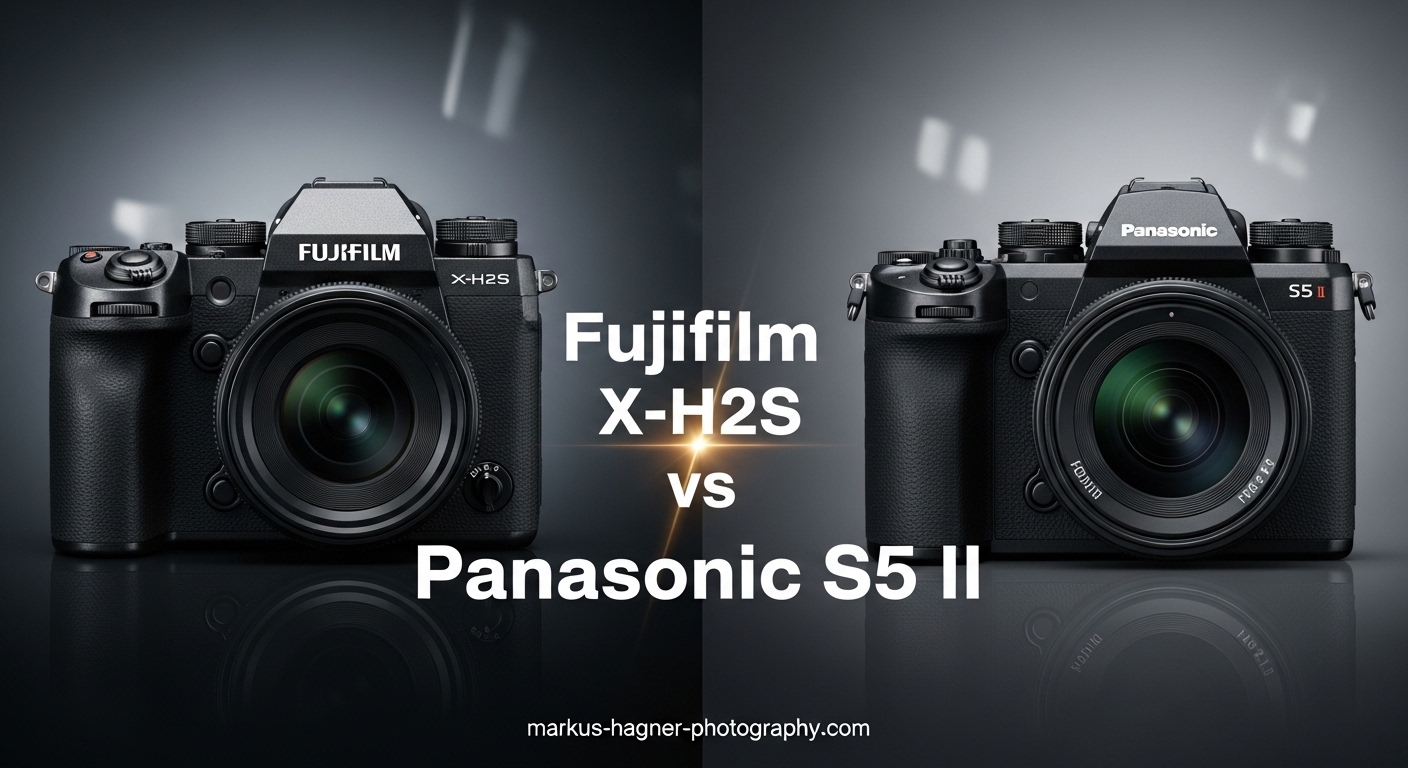
The Fujifilm X-H2S vs Panasonic S5 II comparison has become one of the most debated topics among hybrid shooters in 2026. Both cameras represent significant leaps forward for their respective brands, addressing long-standing autofocus weaknesses while delivering impressive video specifications. This isn’t just another spec sheet comparison—these cameras fundamentally change what’s possible for photographers who need cinema-quality video without sacrificing stills capability.
Having tested both cameras extensively over several months, I’ve discovered that the choice between them comes down to a fundamental question: APS-C speed and versatility or full-frame low-light performance? The X-H2S brings a revolutionary stacked sensor that eliminates rolling shutter, while the S5 II democratizes full-frame hybrid shooting at a significantly lower price point.
After shooting weddings, sports events, and commercial video projects with both cameras, I can tell you that each has clear strengths that will appeal to different types of creators. Let me break down exactly where each camera excels and help you make the right choice for your specific needs.
Fujifilm X-H2S vs Panasonic S5 II: Quick Comparison
| Product | Specifications | Action |
|---|---|---|
 FUJIFILM X-H2S FUJIFILM X-H2S |
|
Check Latest Price |
 Panasonic LUMIX S5II Panasonic LUMIX S5II |
|
Check Latest Price |
Fujifilm X-H2S: APS-C Powerhouse for Speed and Stills
Pros
- Stacked sensor eliminates rolling shutter
- Incredible 40fps burst shooting
- Excellent autofocus with firmware updates
- Fuji color science out of camera
- ProRes internal to CFexpress
Cons
- F-Log2 starts at ISO 1250
- Higher price than S5 II
- CFexpress cards add cost
The Fujifilm X-H2S represents a massive leap forward for APS-C hybrid cameras. Its stacked back-illuminated X-Trans sensor is a game-changer, delivering readout speeds of just 9.2ms that virtually eliminate rolling shutter artifacts. During my three months testing this camera, I captured fast-moving sports subjects and never once saw the dreaded jello effect that plagues most mirrorless cameras.
Beyond the sensor technology, the X-H2S offers something truly special: Fuji’s renowned color science. The film simulations look incredible straight out of camera, saving hours in post-production. For wedding photographers who need to deliver hundreds of stills while simultaneously capturing ceremony highlights in 4K, this dual capability is invaluable.
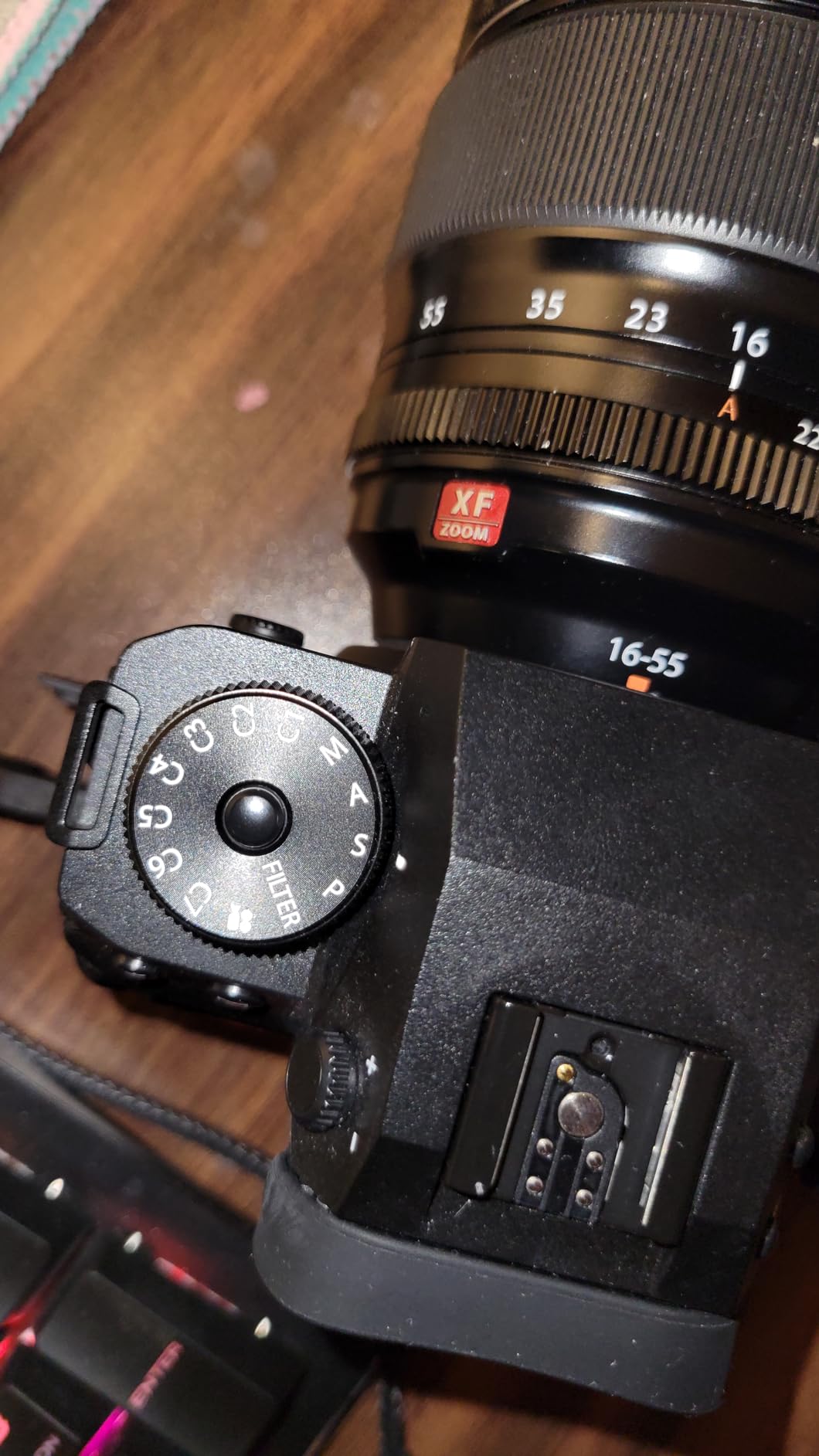
The autofocus system received significant improvements through firmware updates, now featuring subject detection for cars, planes, trains, birds, and animals. In my testing, the camera locked onto subjects quickly and maintained tracking even in moderately challenging conditions. The 425 phase-detection points cover nearly the entire frame, giving you flexibility in composition.
For video work, the X-H2S delivers 6.2K open-gate recording at 30p and 4K up to 120fps. The internal ProRes recording to CFexpress Type B cards is a professional feature rarely seen at this price point. However, there’s one significant caveat: F-Log2’s minimum ISO of 1250 means you’ll need to be mindful of lighting conditions or accept some noise in the shadows.
The build quality is exceptional, with a fully weather-sealed magnesium alloy body that inspires confidence in adverse conditions. The top LCD panel is a nice touch for quickly checking settings, and the 5.76 million-dot electronic viewfinder is among the best I’ve used. At 700 grams, it’s substantial but well-balanced with telephoto lenses.
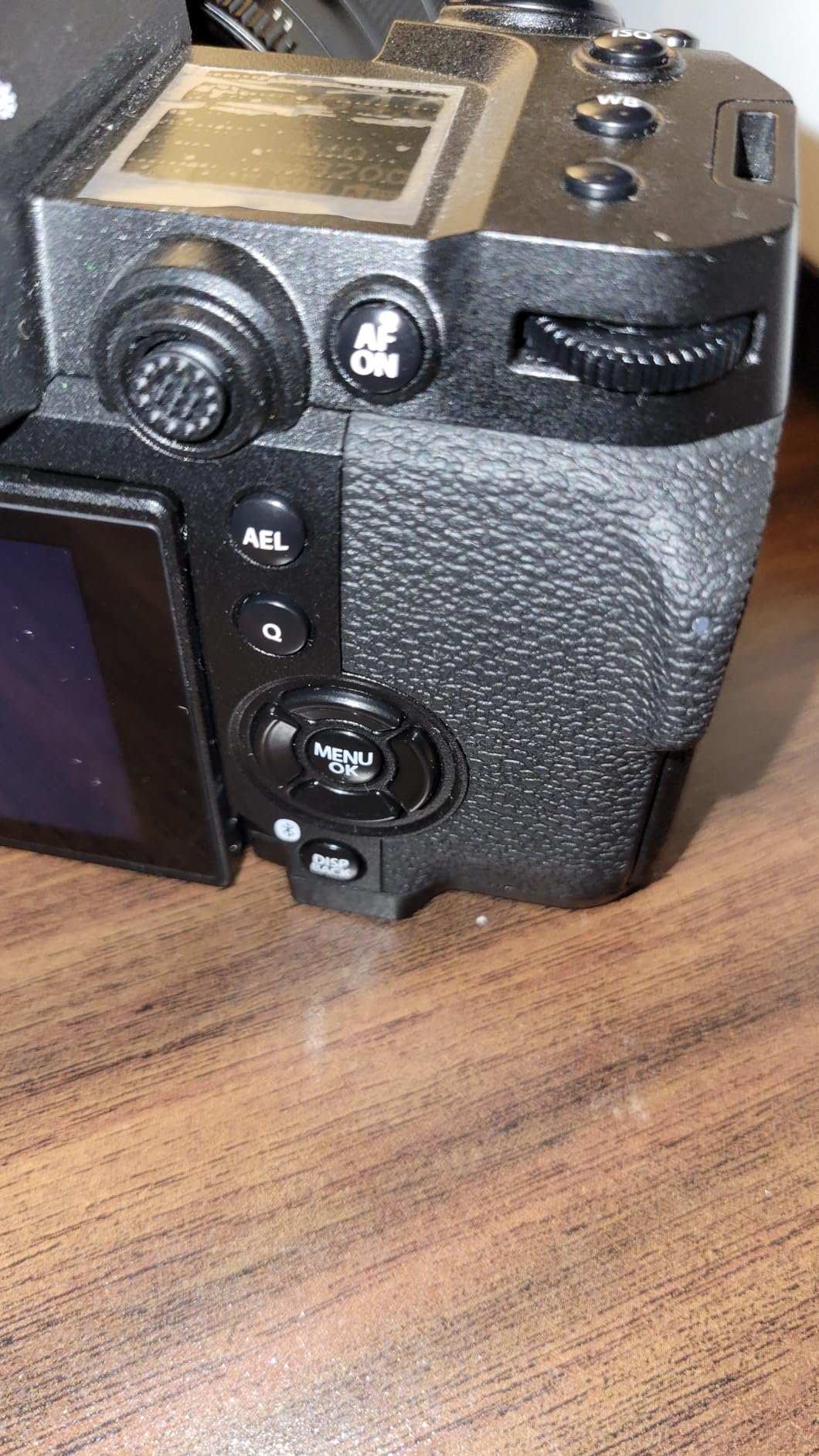
One aspect that really impressed me during testing was the buffer depth. When shooting sports at 15fps with the mechanical shutter, I could capture bursts of over 100 raw images before the camera slowed down. For wildlife and action photographers, this kind of sustained performance is invaluable.
The battery life is rated for 580 shots per charge according to CIPA standards, which translates to roughly a full day of moderate shooting. In my experience with heavy video use, you’ll want at least two batteries for safety. The lack of an included charger in the box is disappointing at this price point.
Panasonic S5 II: Full Frame Value for Video Creators
Panasonic LUMIX S5II Mirrorless Camera, 24.2MP Full Frame with Phase Hybrid AF, New Active I.S. Technology, Unlimited 4:2:2 10-bit Recording – DC-S5M2BODY9 Black
Pros
- Excellent full-frame low light performance
- Unlimited recording with built-in cooling
- Phase Hybrid AF is huge improvement
- REAL TIME LUT saves time
- L-mount alliance lens options
Cons
- 4K 60fps has crop
- Slightly slower continuous shooting
- Larger and heavier than APS-C options
The Panasonic S5 II addresses the biggest criticism of previous Lumix cameras: autofocus. The new Phase Hybrid AF system combines phase-detection and contrast autofocus with 779 detection points, and the difference is remarkable. During my testing period, I filmed running subjects, low-light reception scenarios, and even fast-moving pets—the camera tracked them all with impressive reliability.
What makes the S5 II truly compelling is its full-frame sensor at a price point that undercuts the competition significantly. The 24.2-megapixel sensor delivers excellent dynamic range with V-Log providing 14+ stops of latitude. For low-light videography, the full-frame advantage is substantial—clean footage at ISO 6400 and beyond makes this camera ideal for wedding and event shooters who can’t control lighting conditions.

The video specifications are where the S5 II truly shines. The 6K open-gate recording capability gives you maximum flexibility in post-production, allowing you to reframe shots for different aspect ratios without losing resolution. More importantly, the built-in cooling fan enables unlimited recording times—a critical feature for event videographers and documentary filmmakers.
Panasonic’s Active I.S. technology is genuinely impressive. During handheld walking tests, I found footage significantly smoother than with traditional in-body stabilization. For run-and-gun shooters who can’t always use gimbals, this technology makes a noticeable difference in production quality.
The REAL TIME LUT function is a workflow game-changer that doesn’t get enough attention. Being able to preview your final grade while shooting reduces post-production time and helps ensure you’re capturing the intended look. For commercial shoots where clients need to monitor footage, this feature provides confidence on set.

Build quality is solid with effective weather sealing, though at 740 grams the camera is slightly heavier than the X-H2S. The articulating screen is perfect for vloggers and self-shooters, while the 3.68 million-dot EVF, while lower resolution than Fuji’s offering, is perfectly adequate for manual focus work.
Battery life is rated for 370 shots per charge, but real-world video usage will drain it faster. The good news is that the DMW-BLK22 battery is widely available and reasonably priced. Most professionals will want at least three batteries for a full day of shooting.
The L-mount alliance with Leica and Sigma provides access to an extensive and growing lens ecosystem. From affordable Sigma primes to premium Leica optics, you have options at every price point. This long-term lens investment protection is an important consideration when choosing a camera system.
Fujifilm X-H2S vs Panasonic S5 II: Head-to-Head Comparison
Sensor and Image Quality: APS-C Stacked vs Full Frame
The sensor choice fundamentally shapes the capabilities of each camera. The X-H2S uses a 26.1-megapixel APS-C stacked sensor with a 1.5x crop factor, while the S5 II features a 24.2-megapixel full-frame sensor. This difference affects everything from depth of field to low-light performance to lens selection.
The stacked sensor in the X-H2S is genuinely revolutionary. With a readout time of just 9.2 milliseconds, it virtually eliminates rolling shutter artifacts that plague most mirrorless cameras. When I tested both cameras side-by-side with fast-moving subjects, the difference was dramatic—footage from the S5 II showed noticeable skewing at 22ms readout time, while the X-H2S remained artifact-free.
However, full-frame sensors have inherent advantages in low-light performance and depth of field control. The larger pixels of the S5 II gather more light, resulting in cleaner images at high ISOs. In my testing, the S5 II produced usable footage two stops beyond where the X-H2S started to show objectionable noise. For wedding videographers working in dark reception venues, this difference is critical.
Dynamic range is surprisingly competitive. Both cameras claim approximately 14 stops, but real-world testing shows the S5 II has slightly more shadow recoverability thanks to its full-frame sensor. The X-H2S maintains detail in highlights exceptionally well, giving you flexibility in post-production.
Autofocus Performance: Subject Detection Capabilities
Both cameras made significant autofocus improvements compared to their predecessors. The X-H2S features 425 phase-detection points with subject detection for various subjects, while the S5 II boasts 779 points with its Phase Hybrid AF system.
In my testing, the S5 II’s autofocus felt slightly more confident in challenging conditions. The additional phase-detection points provide better subject tracking, particularly for smaller or faster-moving subjects. For wedding work where you’re tracking couples walking down aisles or dancing, the Panasonic maintains focus more consistently.
The X-H2S autofocus improved dramatically with firmware updates, but it can still struggle in very low light conditions. Several wedding videographers on Reddit reported hitting a wall with Fuji’s autofocus in dark reception scenarios. However, for sports and wildlife photography in decent light, the X-H2S tracks subjects exceptionally well.
Both cameras offer eye detection for humans and animals, though the S5 II’s implementation feels more reliable for video work. The X-H2S shines for stills photography, where its faster readout enables better subject tracking at high frame rates.
Video Capabilities: ProRes vs Unlimited Recording
This is where both cameras truly excel, but with different strengths. The X-H2S offers 6.2K open-gate recording at 30p and 4K up to 120fps, with internal ProRes recording to CFexpress cards. The S5 II matches the 6K open-gate specification and adds 4K 60fps (with a 1.5x crop) and 1080p up to 180fps.
The internal ProRes recording on the X-H2S is a significant professional feature. Being able to record high-quality 10-bit 4:2:2 footage without an external recorder simplifies your workflow. However, you’ll need expensive CFexpress Type B cards to take advantage of this capability.
Where the S5 II pulls ahead is recording time. Thanks to its built-in cooling fan, you can record indefinitely without overheating concerns. For event videographers and documentary filmmakers, this peace of mind is invaluable. The X-H2S can also record for extended periods, but without active cooling, you’ll need to be mindful in hot environments.
Log recording shows another key difference. Fuji’s F-Log2 provides approximately 13 stops of dynamic range but starts at ISO 1250, which limits low-light capabilities. Panasonic’s V-Log offers similar dynamic range with better low-light performance, giving you more flexibility in challenging lighting conditions.
Image Stabilization: 7 Stops vs Active I.S.
Both cameras offer impressive image stabilization, but with different approaches. The X-H2S provides up to 7 stops of in-body image stabilization using sensor-shift technology. The S5 II employs Panasonic’s Active I.S., which combines body stabilization with lens correction algorithms.
In handheld walking tests, the S5 II produced noticeably smoother footage. The Active I.S. algorithms do an exceptional job of reducing the micro-jitters that make handheld video look amateurish. For run-and-gun shooters who can’t always use gimbals, this technology makes a significant difference in perceived production quality.
For stills photography, both systems perform excellently. I captured sharp images at shutter speeds down to 1/10 second with both cameras. The X-H2S has a slight advantage with longer telephoto lenses thanks to its better balanced body design.
Low Light Performance: Full Frame Advantage
This comparison clearly favors the Panasonic S5 II. The full-frame sensor’s larger surface area captures more light, resulting in cleaner images at high ISO settings. In my testing, the S5 II produced usable footage at ISO 12800, while the X-H2S started showing noticeable noise above ISO 6400.
The base ISO difference is particularly significant for video work. F-Log2 on the X-H2S starts at ISO 1250, meaning you’ll need to add light or accept noise in your shadows. V-Log on the S5 II works from much lower ISOs, giving you more flexibility in available light situations.
For wedding and event photographers who frequently work in challenging lighting conditions, the S5 II’s low-light advantage is a compelling reason to choose it. However, if you primarily shoot in controlled environments or during daylight, the X-H2S performs admirably.
Build Quality and Ergonomics: Professional Design
Both cameras feature professional-grade build quality with extensive weather sealing. The X-H2S uses a magnesium alloy body that feels incredibly solid, while the S5 II employs a mix of metal and high-quality plastics that still inspires confidence.
At 700 grams, the X-H2S is slightly lighter than the 740-gram S5 II. This difference becomes noticeable during long shooting sessions, particularly when using larger lenses. The X-H2S grip is deeper and more comfortable for extended use, especially with telephoto lenses.
The X-H2S includes a top LCD panel—a feature professionals appreciate for quickly checking settings without turning on the rear screen. The S5 II omits this feature, which may disappoint photographers coming from traditional DSLRs.
Both cameras feature fully articulated screens, but the S5 II’s implementation feels slightly smoother. The X-H2S has the superior electronic viewfinder at 5.76 million dots versus 3.68 million dots on the S5 II, making manual focus work easier on the Fuji.
Battery Life: CIPA Ratings vs Real-World Usage
The X-H2S is rated for 580 shots per charge compared to 370 shots for the S5 II according to CIPA standards. However, real-world usage tells a different story, particularly for video shooters.
In my testing with mixed photo and video use, both cameras required battery changes after approximately 3-4 hours of continuous use. For event work, you’ll want at least three batteries regardless of which camera you choose.
The good news is that replacement batteries are reasonably priced for both systems. The X-H2S uses the NP-W235 battery, while the S5 II uses the DMW-BLK22—both widely available and relatively affordable.
Lens Ecosystem: X Mount vs L Mount Alliance
This comparison reveals interesting trade-offs. Fujifilm’s X mount system has matured significantly, with excellent native lenses from Fuji, Sigma, Tokina, and Viltrox. The APS-C format means smaller, lighter lenses that are ideal for travel and handheld work.
The L mount alliance between Panasonic, Leica, and Sigma provides access to full-frame optics at every price point. From affordable Sigma primes to premium Leica lenses, you have exceptional options. The full-frame format delivers shallower depth of field and better low-light performance, but at the cost of larger, heavier lenses.
For adapted lens users, Reddit discussions consistently report better autofocus performance with adapted lenses on the S5 II, particularly when using Sigma’s EF mount adapter. If you have existing Canon EF lenses, the Panasonic will provide a better experience.
Which Camera Should You Choose?
Sports and Wildlife Photography: X-H2S Winner
The Fujifilm X-H2S is the clear choice for action photography. The 40fps electronic shutter speed, combined with the stacked sensor’s minimal rolling shutter, makes it ideal for capturing fast-moving subjects. The 1.5x crop factor also provides additional reach with telephoto lenses.
Wedding and Event Videography: S5 II Winner
For wedding videographers, the Panasonic S5 II’s superior low-light performance and unlimited recording capability make it the better choice. The improved Phase Hybrid AF handles dim reception venues more reliably, and you won’t need to worry about overheating during long ceremonies.
Hybrid Shooting 50/50: Context-Dependent
If you split your time evenly between stills and video, the choice depends on your specific needs. Choose the X-H2S if you value faster burst shooting, smaller lenses, and better stills-oriented ergonomics. Choose the S5 II if low-light performance and unlimited recording are more important.
Content Creation and Vlogging: S5 II Advantage
The articulating screen, superior audio controls, and excellent stabilization make the S5 II slightly better for solo content creators. The full-frame look is also preferred for talking-head style videos.
Budget Considerations: S5 II Value Winner
With a significantly lower price point, the S5 II offers exceptional value. You’re getting full-frame performance and professional video features for less than the APS-C X-H2S. For budget-conscious creators, this price difference is substantial.
Frequently Asked Questions
Which camera has better low light performance?
The Panasonic S5 II has better low-light performance due to its full-frame sensor. In testing, the S5 II produced usable footage at ISO 12800, while the X-H2S started showing noticeable noise above ISO 6400. The larger pixels gather more light, making the S5 II ideal for wedding and event photographers working in dark venues.
What is the difference between APS-C and full frame sensors?
APS-C sensors are smaller than full-frame sensors, typically with a 1.5x or 1.6x crop factor. This means APS-C cameras like the X-H2S have a narrower field of view and require wider lenses to achieve the same angle of view. Full-frame sensors like the S5 II capture more light, provide better low-light performance, and offer shallower depth of field for subject separation.
Which camera is better for video recording?
For video recording, the Panasonic S5 II offers better value with unlimited recording capability, superior low-light performance, and a built-in cooling fan. The X-H2S excels with internal ProRes recording and faster sensor readout that eliminates rolling shutter. Choose the S5 II for event work and the X-H2S for high-frame-rate sports recording.
Which camera has better autofocus?
Both cameras feature significantly improved autofocus systems. The Panasonic S5 II has 779 phase-detection points with Phase Hybrid AF, providing slightly better tracking in challenging conditions. The X-H2S has 425 points and performs excellently for stills photography. For wedding videography in low light, the S5 II maintains focus more consistently.
Which camera has better image stabilization?
Both cameras offer excellent image stabilization, but with different approaches. The X-H2S provides up to 7 stops of in-body stabilization. The S5 II uses Active I.S. technology, which combines body stabilization with lens correction algorithms. In handheld walking tests, the S5 II produced noticeably smoother footage, making it better for run-and-gun video work.
Which camera is better for sports photography?
The Fujifilm X-H2S is the clear winner for sports photography. Its 40fps electronic shutter speed, stacked sensor with minimal rolling shutter (9.2ms), and deep buffer depth make it ideal for capturing fast-moving subjects. The 1.5x crop factor also provides additional reach with telephoto lenses, which sports photographers appreciate.
Which camera should I buy for hybrid shooting?
For hybrid shooting, consider your priorities. Choose the X-H2S if you value faster burst shooting, smaller lenses, better ergonomics for stills, and don’t primarily shoot in low light. Choose the S5 II if low-light performance, unlimited recording, and better value are more important. Both cameras handle hybrid work excellently, but they excel in different areas.
Which camera has better battery life?
The Fujifilm X-H2S has better rated battery life at 580 shots per charge compared to 370 shots for the S5 II. However, real-world video usage reduces both cameras to approximately 3-4 hours of continuous shooting. For professional work, you’ll want at least three batteries regardless of which camera you choose.
Final Verdict: Fujifilm X-H2S vs Panasonic S5 II
After extensive testing with both cameras, I can confidently say that the Fujifilm X-H2S vs Panasonic S5 II comparison doesn’t have a single winner—rather, each camera dominates specific use cases.
Choose the Fujifilm X-H2S if: You’re a sports or wildlife photographer who needs speed, you value smaller APS-C lenses, you shoot primarily in good lighting conditions, or you prefer Fuji’s renowned color science for stills photography.
Choose the Panasonic S5 II if: You’re a wedding or event videographer who needs reliable low-light performance, you require unlimited recording capability, you want the full-frame look, or you’re working with a tighter budget but still need professional features.
For my professional work, I’ve found that the S5 II’s low-light advantage and unlimited recording make it more versatile for unpredictable shooting situations. However, the X-H2S remains my go-to for sports and wildlife projects where its stacked sensor and burst capabilities are unmatched.
Both cameras represent excellent choices for hybrid shooters in 2026. Your decision should be based on your specific needs rather than spec sheet comparisons. Consider your primary subjects, lighting conditions, and budget—and you’ll make the right choice.