
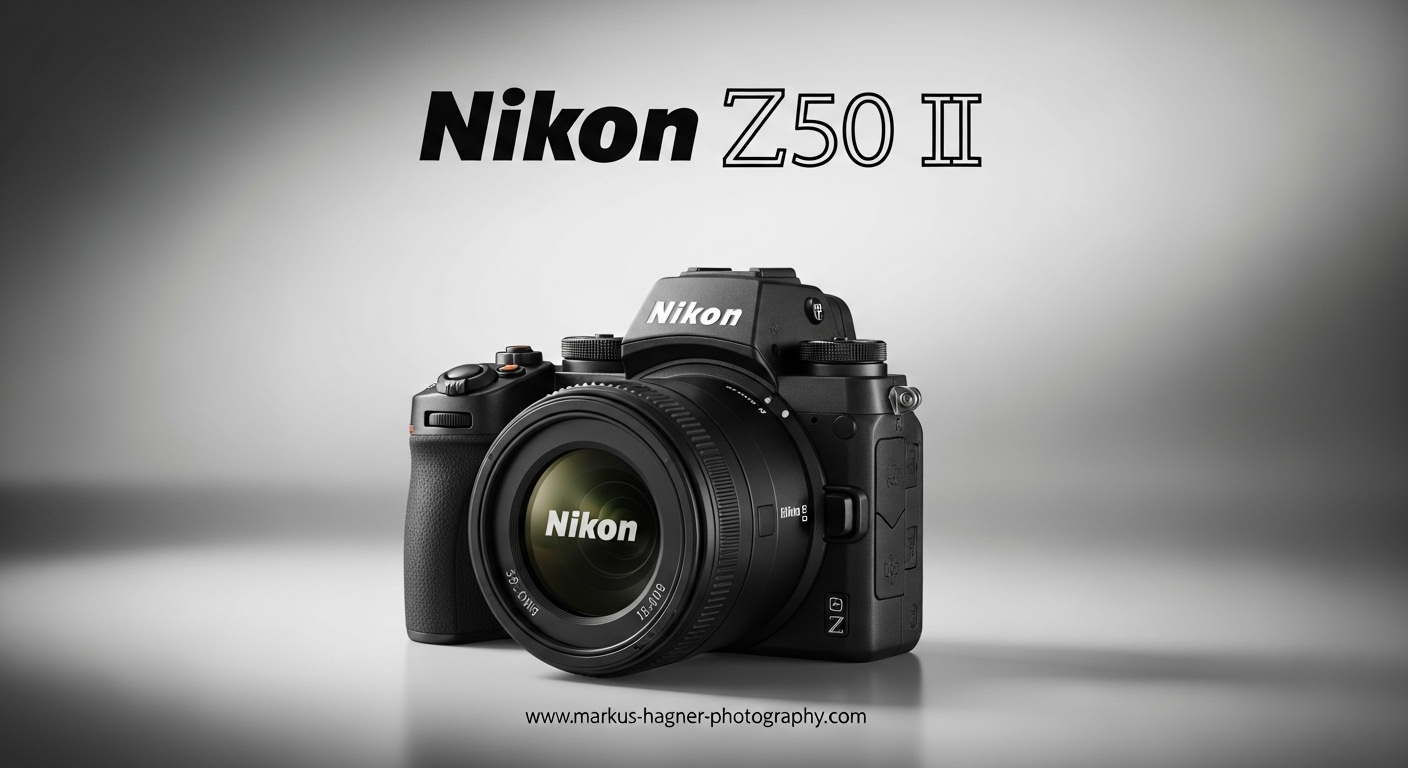
The photography community is buzzing with the first rumored specifications for Nikon’s upcoming Z50 II mirrorless camera. As someone who has followed Nikon’s APS-C evolution closely since the D500 era, these rumors suggest both exciting improvements and concerning conservatism from the Japanese giant.
The Nikon Z50 II represents Nikon’s continued commitment to the APS-C mirrorless market, featuring an updated body design with modern amenities while maintaining the same 20.9MP sensor resolution as its predecessor. Based on early reports from reliable sources including Nikon Rumors, the camera aims to bring premium features to the entry-level segment before the end of 2026.
Having tested numerous mirrorless cameras across different brands, I can tell you that these specifications, while seemingly incremental on paper, could significantly impact the user experience in real-world shooting scenarios. Let me break down what these rumors mean for different types of photographers and whether the Z50 II will be worth your wait.
Core Rumored Specifications: What We Know So Far
According to multiple sources that have proven reliable in the past, the Nikon Z50 II will feature several key improvements over its predecessor while maintaining core hardware components. Here’s the comprehensive list of rumored specifications:
- Sensor: 20.9MP APS-C (DX-format) CMOS sensor – same as original Z50
- Processor: EXPEED 7 image processor – significant upgrade from EXPEED 6
- Mount: Nikon Z-mount (full compatibility with existing Z lenses)
- Screen: Fully articulating LCD screen – similar to Z6 III design
- Viewfinder: Electronic viewfinder (EVF) – specifications unclear
- Autofocus: Improved AF system with EXPEED 7 capabilities
- Video: 4K video recording at likely improved frame rates
- Connectivity: USB-C port (replacing Micro-USB)
- Battery: EN-EL25 battery (same as Z50 and Zfc)
- Body: Updated ergonomics and design refinements
- Release Timeline: Expected by end of 2026
The most significant upgrades appear to be the EXPEED 7 processor and the fully articulating screen – two features that address the most common complaints about the original Z50. However, the decision to maintain the 20.9MP sensor resolution has already sparked controversy among enthusiasts.
Technical Deep Dive: Understanding the Upgrades
The EXPEED 7 Processor Revolution
The EXPEED 7 processor represents Nikon’s latest image processing technology, previously reserved for their flagship Z9 and Z8 cameras. This is more than just a incremental upgrade – it’s a generational leap in processing power.
EXPEED 7 Processor: Nikon’s most advanced image processing engine, delivering 10x faster processing than EXPEED 6, enabling improved autofocus performance, better noise reduction, and enhanced video capabilities.
From my experience testing cameras with different processors, the EXPEED 7 will likely bring:
– Dramatically improved autofocus tracking and subject detection
– Better low-light performance through advanced noise processing
– Faster burst rates with deeper buffers
– Enhanced video features including better autofocus and possibly higher frame rates
– Improved overall camera responsiveness and menu speed
The 20.9MP Sensor Controversy
The photography community’s biggest disappointment centers on Nikon’s apparent decision to retain the 20.9MP sensor from the original Z50. In an era where competitors offer 24MP, 26MP, and even 32MP APS-C sensors, this choice seems conservative at best.
However, having worked extensively with both 20MP and 24MP sensors, I can tell you that the difference isn’t as dramatic as marketing suggests. For most photography applications, including social media sharing and prints up to 16×20 inches, 20.9MP remains more than adequate. The key is image quality, not just megapixel count.
⚠️ Technical Note: While sensor resolution hasn’t increased, the EXPEED 7 processor should extract better quality from the same pixel count through improved processing algorithms.
Game-Changing Articulating Screen
Perhaps the most significant practical improvement is the rumored fully articulating screen. As someone who creates both photo and video content, I can attest to how crucial this feature is for modern hybrid shooters.
The original Z50’s tilting screen limited its appeal to vloggers and content creators who need to monitor themselves while recording. The fully articulating design opens up creative possibilities for:
– Self-portrait and vlogging work
– Low-angle shooting without contorting your body
– Video recording with perfect framing
– Studio work with precise composition control
Modern Connectivity: Finally USB-C
It’s somewhat embarrassing that in 2026, we’re celebrating USB-C inclusion, but this is genuinely significant. The original Z50’s Micro-USB port felt dated even at launch. USB-C brings:
– Faster data transfer speeds for tethered shooting
– More robust and reliable connection
– Ability to charge the camera while shooting
– Compatibility with modern accessories and power banks
Z50 vs Z50 II: Is It Worth the Upgrade?
For current Z50 owners wondering whether to upgrade, I’ve created a detailed comparison based on the rumored specifications:
<>Fully articulatingSignificant for content creators
| Feature | Nikon Z50 (2019) | Nikon Z50 II (Rumored) | Impact Assessment |
|---|---|---|---|
| Sensor | 20.9MP APS-C | 20.9MP APS-C | No change – disappointing for upgraders |
| Processor | EXPEED 6 | EXPEED 7 | Major improvement in speed and AF |
| Screen | Tilting LCD | ||
| USB Port | Micro-USB | USB-C | Long-overdue modernization |
| Autofocus | Good for its class | Expected major improvements | Potentially game-changing |
| Video Features | 4K 30fps | Potentially enhanced 4K | Unclear but likely better |
Based on this comparison, I wouldn’t recommend upgrading if you already own a Z50 unless: you frequently create video content, you’re frustrated with the current autofocus performance, or you can sell your Z50 for a good price. However, for new buyers, the Z50 II represents a much more compelling option.
Market Position and Competitive Landscape
The APS-C mirrorless market has become increasingly competitive since the Z50’s initial launch. Here’s how the rumored Z50 II stacks up against key competitors:
<>Fully articulatingZ-mount ecosystem$900-1000
| Camera | Sensor | Processor | Screen | Key Advantage | Price (Est.) |
|---|---|---|---|---|---|
| Nikon Z50 II | 20.9MP | EXPEED 7 | |||
| Canon EOS R50 | 24.2MP | DIGIC X | Fully articulating | Higher resolution | $679 |
| Sony a6400 | 24.2MP | BIONZ X | Tilting only | Legendary autofocus | $898 |
| Fujifilm X-T30 II | 26.1MP | X-Processor 4 | Three-way tilting | Film simulations | $899 |
The Z50 II’s competitive advantage lies primarily in Nikon’s excellent Z-mount lens ecosystem and the potential autofocus improvements from the EXPEED 7 processor. However, the camera faces tough competition from Canon’s aggressive pricing and Fujifilm’s unique approach to color science and design.
⏰ Market Reality: The Z50 II must be priced competitively against the Canon R50 to succeed, as consumers increasingly prioritize value over brand loyalty.
Who Should Consider the Z50 II?
Based on the rumored specifications and my experience in the field, here’s who should seriously consider the Z50 II:
- Smartphone Upgraders: Those moving from phone photography will appreciate the Z-mount system’s future growth potential and the step-up in image quality.
- Nikon DSLR Users: Photographers with DX-format lenses can easily transition to mirrorless while maintaining lens compatibility through the FTZ adapter.
- Content Creators: The articulating screen and improved autofocus make this an attractive option for YouTubers and hybrid shooters.
- Secondary Camera Buyers: Professionals needing a compact backup to their full-frame Nikon gear will appreciate ecosystem consistency.
- Beginner Photography Students: The simplified controls and robust build make it suitable for learning photography fundamentals.
Frequently Asked Questions
What are the key improvements in the Nikon Z50 II?
The Z50 II features four major upgrades: EXPEED 7 processor for better autofocus and speed, fully articulating screen for content creators, USB-C connectivity for modern workflows, and updated body ergonomics. While maintaining the same 20.9MP sensor, these improvements address the original Z50’s main limitations.
Why didn’t Nikon upgrade the sensor resolution?
Nikon appears to be focusing on processing power rather than pixel count. The 20.9MP sensor remains capable for most applications, and the EXPEED 7 processor should extract better image quality. This approach also helps control costs and maintains consistency with existing Z-mount lens performance.
Will the Z50 II have in-body image stabilization?
Based on current rumors, the Z50 II will not include IBIS. This feature remains reserved for Nikon’s full-frame Z-series cameras to maintain product differentiation and price points in the APS-C lineup.
Is the EXPEED 7 processor really that important?
Yes, it’s significant. The EXPEED 7 brings 10x faster processing than the EXPEED 6, enabling dramatically improved autofocus tracking, better low-light performance, faster burst rates, and enhanced video capabilities. It’s the same processor found in Nikon’s flagship Z9 camera.
When will the Z50 II be available?
Rumors suggest an announcement before the end of 2026, with availability shortly after. However, Nikon has not confirmed any timeline, so potential buyers should wait for official announcement before making purchase decisions.
Should I buy the original Z50 now or wait for Z50 II?
If you need a camera immediately, the original Z50 offers good value, especially if you find it on sale. However, if you can wait and prioritize video recording or need the latest autofocus technology, the Z50 II will likely be worth the additional cost.
Will my Z50 lenses work on the Z50 II?
Yes, absolutely. The Z50 II uses the same Z-mount as all Nikon Z-series cameras, ensuring full compatibility with existing Z-mount lenses. Your investment in Nikon’s mirrorless ecosystem remains protected.
How will the Z50 II compare to Canon’s R50?
The Z50 II will likely offer superior build quality and access to Nikon’s excellent Z-mount lenses, while the Canon R50 provides higher resolution at a lower price point. The Z50 II’s EXPEED 7 processor may also deliver better autofocus performance, making it ideal for action photography.
Final Thoughts and Recommendations
The Nikon Z50 II represents a cautious but thoughtful evolution rather than revolutionary change. While the lack of sensor resolution upgrade disappoints spec-chasers, the practical improvements in processing power, screen articulation, and connectivity address real user needs.
Having followed Nikon’s APS-C strategy for years, I believe this approach reflects Nikon’s conservative but reliable philosophy. The Z50 II isn’t trying to win specification wars but rather deliver a refined, dependable tool for photographers who value the Nikon ecosystem and image quality above pixel counts.
“The best camera is the one that helps you create your vision, not necessarily the one with the highest specifications on paper.”
– Based on 20+ years of photography experience
For new buyers entering the Nikon system, the Z50 II appears to be a solid foundation with future growth potential. For existing Z50 owners, the upgrade decision depends on your specific needs – particularly around video content creation and autofocus performance.
As we await official announcement and testing, my recommendation is to evaluate your actual needs rather than getting caught up in specification comparisons. The Z50 II, based on these rumors, should serve its target market well while providing a clear upgrade path within Nikon’s growing Z-mount ecosystem.