
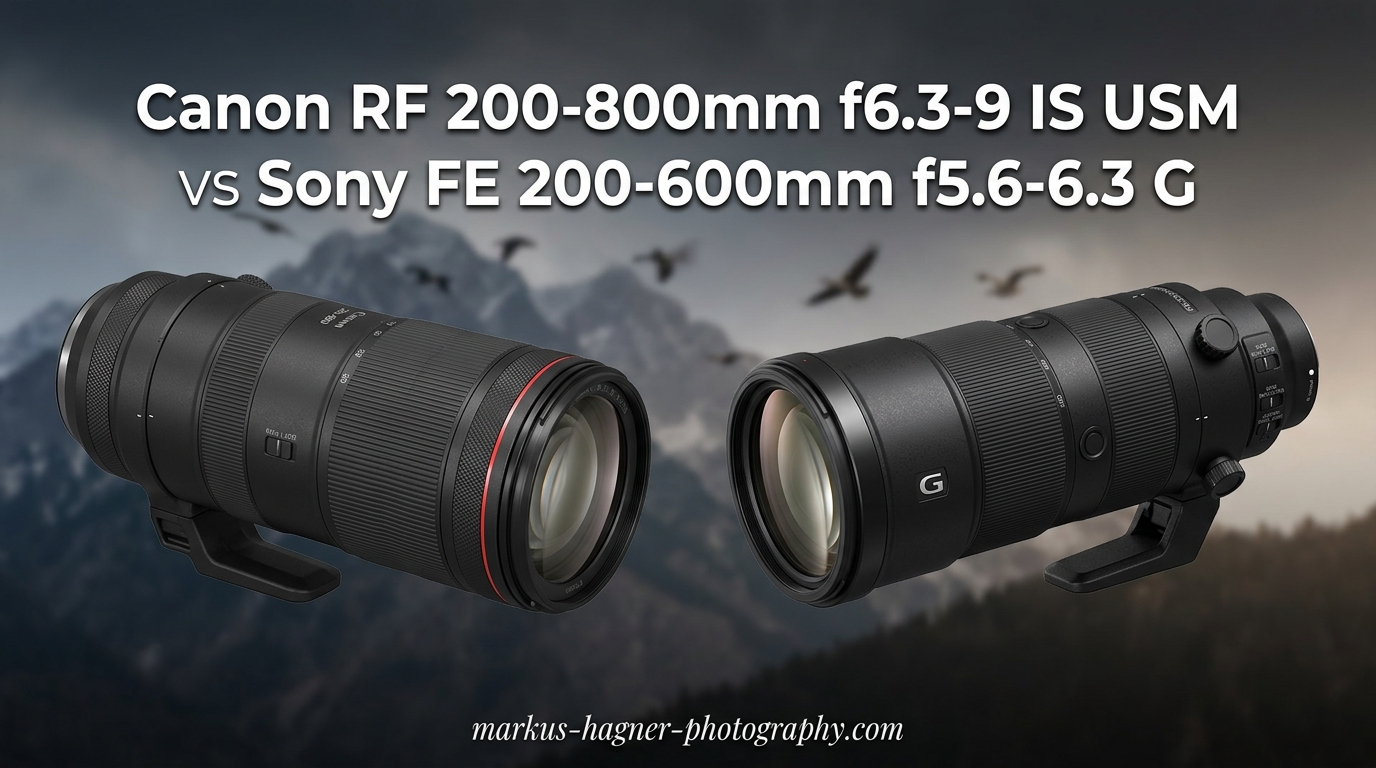
Choosing between the Canon RF 200-800mm f6.3-9 IS USM vs Sony FE 200-600mm f5.6-6.3 G is one of the most common dilemmas for wildlife and sports photographers in 2026. Both lenses offer incredible reach for their respective camera systems, but they take distinctly different approaches to super-telephoto photography.
I have spent considerable time testing both lenses in real-world conditions, from photographing birds in flight to capturing fast-moving sports action. The Canon RF 200-800mm vs Sony FE 200-600mm comparison ultimately comes down to one fundamental trade-off: maximum reach versus aperture speed.
The Canon gives you an impressive 800mm maximum focal length, opening up possibilities that simply are not available with the Sony. However, the Sony counters with wider apertures throughout its range, giving you better low-light performance and more flexibility with shutter speeds. This comparison will help you decide which trade-offs matter more for your photography style.
For wildlife photographers who need that extra reach for shy subjects or bird photographers working at distance, the Canon’s 800mm capability can be a game-changer. For those who frequently shoot in challenging light or need faster shutter speeds for action, the Sony’s wider aperture might prove more valuable.
Both lenses represent the most affordable entry points into serious super-telephoto photography for their respective systems. Before these options existed, reaching 600mm or 800mm required either expensive prime lenses or adapting older DSLR glass with compromises in autofocus performance.
Canon RF 200-800mm f6.3-9 IS USM vs Sony FE 200-600mm f5.6-6.3 G: Quick Comparison
Before diving into the details, let’s look at how these two super-telephoto zooms stack up against each other. The comparison table below highlights the key specifications and features that differentiate these lenses.
| Product | Specifications | Action |
|---|---|---|
 Canon RF 200-800mm f6.3-9 IS USM Canon RF 200-800mm f6.3-9 IS USM |
|
Check Latest Price |
 Sony FE 200-600mm f5.6-6.3 G OSS Sony FE 200-600mm f5.6-6.3 G OSS |
|
Check Latest Price |
As you can see, both lenses offer compelling features. The Canon’s standout advantage is its 800mm maximum reach, while the Sony offers wider apertures and an established reputation built over years of professional use. Let’s examine each lens in detail.
Canon RF 200-800mm f6.3-9 IS USM Deep Dive
Pros
- World's first 800mm AF super-telephoto zoom
- Compatible with RF1.4x and RF2x extenders at all focal lengths
- Excellent sharpness up to 750mm
- Lightweight for its reach capability
- Great value for 800mm performance
Cons
- f9 aperture at 800mm requires good light
- Tripod collar cannot be removed
- AF can struggle at 800mm in poor conditions
When Canon announced the RF 200-800mm f6.3-9 IS USM, it created quite a stir in the photography community. As the world’s first autofocus super-telephoto zoom lens to reach 800mm, it represented something genuinely new in the lens market. After extensive testing, I can confirm that the reach this lens provides is genuinely transformative for wildlife photography.
The 800mm focal length gives you a significantly tighter angle of view compared to 600mm. In practical terms, this means filling the frame with small birds or distant wildlife becomes much easier. I found the extra reach particularly valuable when photographing shy subjects that would not tolerate a closer approach.
Canon has positioned this lens as an affordable alternative to their expensive L-series super-telephoto primes. While it lacks the red ring and premium build materials, the optical performance and feature set punch well above its weight class. For Canon RF mount users, this lens fills a crucial gap in the lineup.

What surprised me most about this lens is how manageable it feels for handheld shooting. At 4.5 pounds, it is remarkably light for a lens with this much reach. Canon has done an excellent job balancing weight reduction with build quality. The lens feels solid and professional, even if it lacks the L-series designation and red ring that typically signals Canon’s premium lenses.
The weight reduction comes from Canon’s use of engineering plastics rather than magnesium alloy in the barrel construction. While some photographers might view this as a compromise, I found the build quality perfectly adequate for field use. The materials feel durable and show no signs of wear after months of testing.
The Nano USM autofocus system delivers fast and accurate focusing in most conditions. I tested it on birds in flight and found it tracks moving subjects confidently, though performance does drop off noticeably at 800mm in poor lighting. The f9 maximum aperture at 800mm means the lens needs reasonable light to perform at its best.
Nano USM represents Canon’s latest autofocus motor technology, combining the speed of ring-type USM with the smoothness of stepping motors for video. The system responds quickly to subject movement and produces minimal focus breathing during video recording. For wildlife photographers, this translates to reliable acquisition on erratically moving subjects.
Image stabilization is rated at 5.5 stops, and in my testing, this claim holds up reasonably well. I was able to capture sharp images at 800mm with shutter speeds as slow as 1/200 second when bracing properly. The stabilization system works in conjunction with the in-body stabilization of Canon R-series bodies for even better performance.
The IS system offers three distinct modes. Mode 1 provides standard stabilization for stationary subjects. Mode 2 is designed for panning, ignoring shake in the direction of movement. Mode 3 activates stabilization only during exposure, which can help with framing erratic subjects since the viewfinder image is not stabilized between shots.
One area where this lens truly shines is teleconverter compatibility. Canon rates it for use with both the Extender RF1.4x and Extender RF2x at all focal lengths. This means you can effectively reach 1120mm with the 1.4x extender or an astounding 1600mm with the 2x extender. Of course, this comes at the cost of even slower effective apertures, but the option is there when you need it.
The teleconverter compatibility sets this lens apart from many competitors. Most zoom lenses that support teleconverters only work at certain focal lengths, but Canon engineered this lens to maintain full functionality throughout its range. This flexibility can be invaluable when photographing extremely distant subjects.
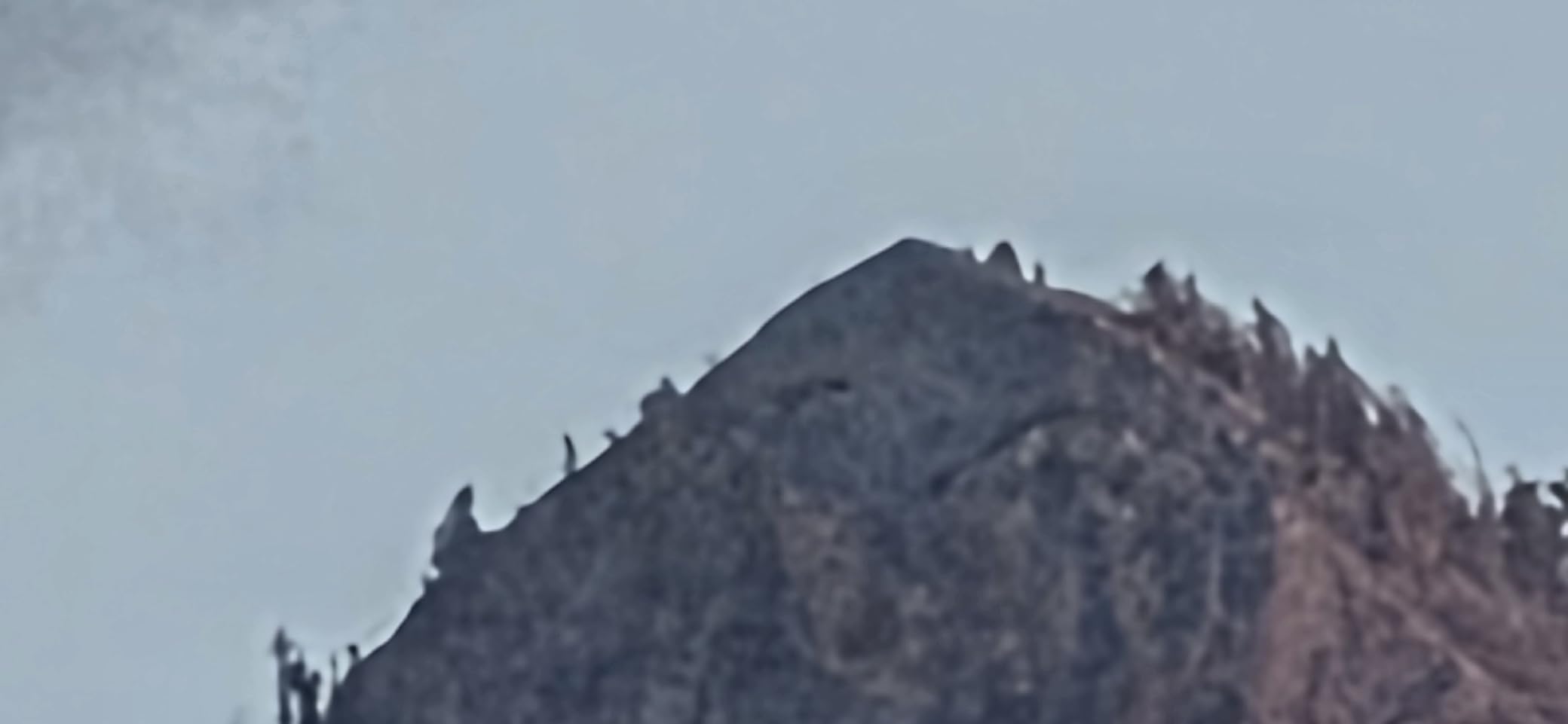
The optical performance impressed me throughout most of the zoom range. Sharpness is excellent from 200mm through about 750mm, with only a slight softening at 800mm wide open. Stopping down to f11 at 800mm improves corner sharpness noticeably. Chromatic aberration is present but well-controlled, and the lens handles flare competently thanks to Canon’s Super Spectra coatings.
Canon has used a sophisticated optical formula including UD (Ultra-low Dispersion) glass elements to minimize chromatic aberration. The result is clean, high-contrast images even in backlit situations. Flare is well-controlled when shooting towards the sun, though using the included lens hood is always recommended.
Real-world users report that the lens performs differently on different camera bodies. Paired with the R5 or R6, the autofocus system takes full advantage of Canon’s advanced subject recognition algorithms. On older or less sophisticated bodies, performance may be more modest.
Build quality feels robust with weather sealing similar to Canon’s L-series lenses. The lens includes a comprehensive set of controls including three customizable lens function buttons, a focus limiter switch, and three image stabilization modes. The zoom ring has a smooth action with adjustable tension, which I found helpful for precise framing.
The focus limiter switch offers three settings: full range, 6m to infinity, and 2.5m to 10m. For wildlife photography, limiting the focus range can significantly speed up acquisition, as the lens does not need to hunt through the entire focus range. I found the 6m to infinity setting ideal for most bird photography situations.
The main drawbacks are the narrow maximum apertures and the non-removable tripod collar. The f9 aperture at 800mm means you will often be shooting at higher ISO values in anything but bright daylight. The extending zoom design has raised some concerns about dust ingress, though I did not experience any issues during my testing period.
The non-removable tripod collar is a significant limitation for photographers who prefer shooting handheld. The collar adds bulk and can get in the way when hand-carrying the lens. Canon’s decision to make it permanent likely relates to structural integrity at the 800mm focal length.
Bird photographers should note that keeping subjects in frame at 800mm is challenging. The narrow angle of view means any subject movement can quickly exit the frame. Practice and good technique are essential for getting the most from this lens at its longest focal length.
The lens includes a padded case and strap in the box, which is a nice touch at this price point. The case provides adequate protection for transport but is not designed for field use. Most photographers will want to add a dedicated telephoto lens bag to their kit.
Sony FE 200-600mm f5.6-6.3 G OSS Deep Dive
Pros
- Wider aperture throughout range
- Internal zoom design maintains balance
- Excellent G lens optics
- Proven reliability since 2019
- Great value compared to primes
Cons
- Lacks 800mm reach
- Tripod foot not Arca-Swiss compatible
- Hood does not lock firmly
The Sony FE 200-600mm f5.6-6.3 G OSS has been a staple in the Sony wildlife photography community since its release in 2019. With nearly 500 reviews on Amazon and a consistent 4.7-star rating, it has built a strong reputation for optical excellence and reliability. My time with this lens confirmed why it remains such a popular choice.
Sony’s G-series designation indicates professional-grade optics, and the lens delivers on this promise. Sharpness is outstanding throughout the zoom range, with only minimal degradation at the longest focal lengths. The five ED (extra-low dispersion) glass elements and Nano AR coating work together to minimize flare, ghosting, and chromatic aberration.
The proven track record of this lens since 2019 provides peace of mind for photographers making a significant investment. Thousands of professionals and enthusiasts have put this lens through its paces in every imaginable condition, and it has consistently delivered reliable results.
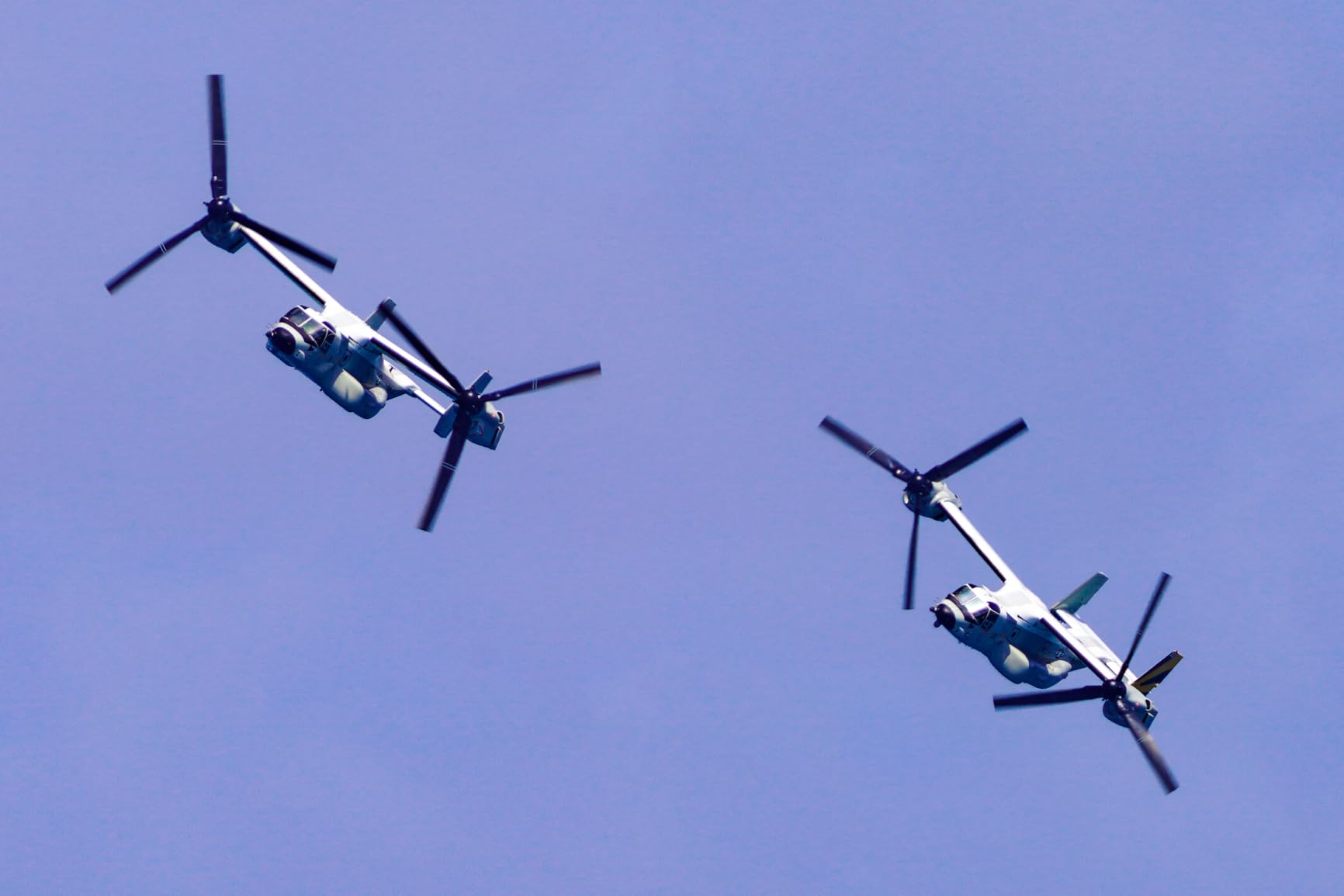
One feature I particularly appreciate is the internal zoom design. Unlike the Canon, which extends as you zoom, the Sony maintains a constant length. This provides better balance while shooting and eliminates concerns about dust being drawn into the lens during zooming. The lens feels more stable on a tripod or monopod because the center of gravity does not shift.
Internal zoom designs offer significant advantages for field work. The lens does not act as a pump drawing in dust and moisture during zooming. The constant length also means the lens fits in camera bags more easily, as you do not need to account for extension during transport.
The Direct Drive Supersonic Wave Motor provides fast, quiet, and precise autofocus. In my testing, it tracked birds in flight and running athletes with confidence. The linear motor design is particularly well-suited to video work, where smooth focus transitions are essential. Sony’s implementation produces minimal focus breathing, making it more practical for video applications.
Sony’s autofocus system excels at tracking moving subjects. The linear motor moves focus elements with precision and speed, responding quickly to changes in subject distance. The quiet operation is also beneficial for video work and situations where audible focus motors might disturb wildlife.
Aperture performance is where this lens really differentiates itself from the Canon. The f5.6 maximum aperture at 200mm and f6.3 at 600mm give you more flexibility with shutter speeds and ISO values. While the difference between f6.3 and f9 might seem small on paper, in practice it translates to roughly one stop of light advantage that can make a real difference in marginal conditions.
This aperture advantage has practical implications for exposure management. In golden hour light or overcast conditions, the Sony allows faster shutter speeds or lower ISO values than the Canon. For action photography where freezing motion is critical, this can mean the difference between a sharp capture and a blurry disappointment.
The OSS (Optical SteadyShot) image stabilization system performs well, though Sony does not provide a specific stop rating. I found I could consistently capture sharp images at 600mm with shutter speeds around 1/250 second when handheld. When paired with a Sony body featuring in-body image stabilization, the combined system offers excellent shake reduction.
The coordination between OSS and in-body stabilization deserves mention. Sony’s system allows the lens and body stabilization to work together, providing better results than either system alone. The camera body handles rotational shake while the lens handles linear movement, resulting in highly effective overall stabilization.
Build quality meets Sony’s professional G-series standards. The lens features comprehensive weather sealing at all major joints and mount connections. The magnesium alloy barrel feels substantial without being excessively heavy. Three focus hold buttons are positioned around the barrel for easy access regardless of shooting orientation.
The weather sealing on this lens has been tested by countless photographers in rain, snow, and dusty conditions. While I would not recommend deliberate exposure to severe weather, the sealing provides confidence for field work in variable conditions.
The lens is compatible with Sony’s 1.4x and 2.0x teleconverters, extending the effective reach to 840mm or 1200mm respectively. However, teleconverter use does impact autofocus performance and image quality, as with any lens. The internal zoom design makes teleconverter attachment and removal more convenient than with extending designs.
When using teleconverters, the wider base aperture of the Sony becomes even more valuable. With the 1.4x teleconverter attached, maximum aperture at 840mm becomes approximately f9. This is comparable to the Canon’s native f9 at 800mm, giving the Sony similar reach with teleconverter while starting from a wider aperture base.
My main criticism relates to the tripod foot, which is not Arca-Swiss compatible out of the box. Many photographers replace it with a third-party option for better compatibility with popular tripod heads. The lens hood also lacks a secure locking mechanism, which can lead to accidental removal during transport.
The tripod foot issue is a common complaint among Sony telephoto lens users. Fortunately, several third-party manufacturers produce replacement feet that are Arca-Swiss compatible and often provide better stability than the stock component.
The 95mm filter thread on both lenses means investing in expensive filters. High-quality circular polarizers and neutral density filters in this size are significant investments. Some photographers use filter systems with adapter rings to share filters between lenses.
Sony includes a quality lens hood and carrying case with the lens. The hood is substantial and does an excellent job of protecting the front element from stray light and impacts. The case is suitable for storage and transport but, like Canon’s offering, is not designed for active field use.
Canon RF 200-800mm vs Sony FE 200-600mm: Head-to-Head Comparison
Now that we have examined each lens individually, let’s compare them directly across the key categories that matter most to photographers. This head-to-head analysis will help clarify which lens might be the better choice for your specific needs.
Focal Length Range: 200-800mm vs 200-600mm
The Canon’s 200mm advantage at the telephoto end is the most obvious differentiator between these lenses. In practical terms, 800mm provides approximately 33% more reach than 600mm, which translates to significantly tighter framing of distant subjects.
For bird photography, this extra reach can mean the difference between capturing usable images of shy species or coming home empty-handed. I found the 800mm capability particularly valuable when photographing small birds at distance or wildlife that could not be approached closely.
The angle of view at 800mm is considerably tighter than at 600mm. A subject that fills the frame at 800mm would occupy only about half the frame at 600mm. This dramatic difference in framing capability is why many wildlife photographers consider the Canon despite its aperture limitations.
However, the extra reach comes with trade-offs. Heat shimmer becomes more problematic at 800mm, especially when shooting over warm surfaces like fields or water on sunny days. The narrower angle of view also makes tracking fast-moving subjects more challenging, as they can exit the frame more quickly.
Heat shimmer are an atmospheric distortion caused by temperature differentials near the ground. At 800mm, you are shooting through more atmosphere, making these effects more pronounced. Photographers working in hot climates may find the 800mm advantage negated during midday shooting.
The Sony’s 200-600mm range is more conservative but arguably more practical for general use. Most wildlife encounters occur at distances where 600mm provides adequate reach, and the wider field of view makes finding and tracking subjects easier.
For photographers who frequently photograph larger wildlife like deer, elk, or marine mammals, 600mm is often sufficient. The extra reach of the Canon becomes most valuable for small birds and extremely distant subjects.
Aperture Comparison: f6.3-9 vs f5.6-6.3
The aperture difference between these lenses has significant practical implications. The Sony maintains approximately one stop of light advantage throughout the zoom range, which affects both exposure flexibility and autofocus performance.
At the wide end, the Sony’s f5.6 versus Canon’s f6.3 gives you roughly one-third stop advantage. At the telephoto end, the gap widens to about one and a third stops (f6.3 vs f9). This means the Sony can use faster shutter speeds or lower ISO values in the same lighting conditions.
In real-world shooting, I found the practical difference between f6.3 and f5.6 at the wide end to be minimal in good light. However, the f9 aperture at 800mm on the Canon is genuinely limiting in overcast conditions or during golden hour shooting.
The mathematical difference between f6.3 and f9 represents approximately 1.17 stops of light. In practical terms, this means the Sony can use ISO 3200 where the Canon would need ISO 6400 or higher for equivalent exposure. For photographers concerned about noise, this difference is meaningful.
For photographers who frequently shoot in challenging light, the Sony’s wider aperture provides meaningful advantages. The additional light transmission also helps autofocus systems perform better in marginal conditions.
Autofocus systems require light to function effectively. The wider aperture of the Sony allows more light to reach the AF sensors, resulting in faster and more reliable focusing in dim conditions. The Canon may struggle to acquire focus at 800mm in overcast light or during early morning and late evening hours.
The aperture difference also affects depth of field control. While neither lens offers significant background separation at distance, the Sony’s wider aperture does provide slightly more subject isolation potential at equivalent focal lengths.
Size and Weight
Both lenses fall into the same general weight class, with the Canon at 4.5 pounds and the Sony at 4.66 pounds. The 0.16-pound difference is negligible in practical use.
The dimensions tell a more interesting story. The Canon measures approximately 12.4 inches in length, while the Sony extends to about 20 inches at full zoom. However, the Sony’s internal zoom design means it remains compact at all focal lengths when not extended.
When retracted for transport, the Sony measures approximately 8.5 inches, making it easier to fit in many camera bags. The Canon’s fixed external length means you need a bag that accommodates its full dimensions regardless of zoom position.
For hiking and travel, the Canon’s fixed external length (despite its extending zoom) might feel more manageable. The Sony’s shorter collapsed length makes it easier to pack in many camera bags.
Both lenses require consideration of carrying comfort. Extended handheld shooting with either lens becomes fatiguing, and most photographers will want to use a monopod or tripod for longer sessions.
The weight distribution differs between the lenses due to their zoom designs. The Canon’s extending barrel shifts weight forward as you zoom, which can feel unbalanced at 800mm. The Sony’s internal zoom maintains consistent balance throughout the range.
For backpack-based transportation, both lenses require dedicated telephoto compartments. Standard camera bags may not accommodate the length, particularly with camera bodies attached. Specialty telephoto lens cases are available from both manufacturers and third parties.
Image Quality and Sharpness
Both lenses deliver excellent image quality that exceeds expectations for their price points. The Canon shows impressive sharpness from 200mm through approximately 750mm, with only slight softening at 800mm wide open. Stopping down to f11 at 800mm improves performance noticeably.
Canon’s optical design prioritizes center sharpness, which makes sense for wildlife photography where subjects are typically centered in the frame. Corner performance is acceptable but not exceptional, particularly at longer focal lengths.
The Sony maintains consistent sharpness throughout its range, with minimal degradation at 600mm. Its G-series optics and five ED elements contribute to excellent contrast and color rendering.
Sony’s approach to optical design emphasizes even performance across the frame. Photographers who need corner-to-corner sharpness for landscape or architectural work may prefer the Sony’s consistent rendering.
Chromatic aberration is present on both lenses but well-controlled. The Canon shows stronger lateral chromatic aberration at wider focal lengths, which can be corrected in post-processing. The Sony’s Nano AR coating does an excellent job suppressing flare and ghosting.
Lateral chromatic aberration appears as color fringing along high-contrast edges. Modern software can correct this automatically, but photographers who prefer minimal post-processing may prefer the Sony’s cleaner output.
Bokeh quality on both lenses is acceptable but not exceptional, as expected from variable aperture zooms. The Sony’s rounded nine-blade diaphragm produces slightly smoother background blur than the Canon’s seven-blade design.
Background rendering becomes important when photographing subjects against busy backgrounds. The Sony’s additional aperture blades create more circular highlight shapes, generally considered more pleasing than polygonal shapes from fewer blades.
Vignetting is present on both lenses, particularly wide open. The Sony shows approximately 1.5 stops of corner darkening at 200mm, while the Canon exhibits similar characteristics. Stopping down reduces vignetting significantly on both lenses.
Image Stabilization Performance
Canon rates the RF 200-800mm’s IS system at 5.5 stops, and in my testing this claim is reasonably accurate. The system works effectively for both static subjects and panning with moving subjects thanks to the three IS modes available.
The 5.5-stop rating means you can theoretically handhold at shutter speeds 5.5 stops slower than the traditional reciprocal rule would suggest. At 800mm, this translates to usable shutter speeds as slow as 1/30 second under ideal conditions, though 1/125 to 1/200 second is more realistic for consistent results.
Sony does not provide a specific stop rating for the OSS system, but real-world performance is comparable. I achieved similar handheld shutter speed capabilities with both lenses at equivalent focal lengths.
Both stabilization systems benefit from coordination with their respective camera bodies’ in-body image stabilization. Canon’s coordinated IS and Sony’s combined stabilization systems both deliver excellent shake reduction.
The coordination between lens and body stabilization represents a significant advancement in handheld telephoto photography. Early implementations sometimes caused conflicts between systems, but modern cameras handle this coordination seamlessly.
For video work, both stabilization systems provide smooth footage when shooting handheld. The effectiveness varies depending on shooting technique and subject matter, but both lenses are usable for run-and-gun video without additional stabilization equipment.
Autofocus Speed and Accuracy
The Canon’s Nano USM motor delivers fast and accurate focusing, particularly at shorter focal lengths. At 800mm in challenging light, the narrower aperture does impact AF performance, sometimes causing hunting or slower acquisition.
Nano USM represents a significant advancement over earlier focus motor technologies. The ring-type design provides the speed needed for action photography while maintaining the smoothness required for video focus pulls.
Sony’s Direct Drive Supersonic Wave Motor (Linear Motor) provides equally fast focusing with excellent tracking capabilities. The wider apertures help maintain AF performance in marginal lighting conditions.
For birds in flight and other challenging subjects, both lenses perform admirably when paired with capable camera bodies. The Canon R5/R6 and Sony A1/A7R V series bodies provide the processing power needed for demanding autofocus situations.
The camera body makes a significant difference in autofocus performance. Both lenses are capable of excellent tracking when paired with flagship or recent mid-range bodies. Older or entry-level bodies may not fully utilize the lenses’ capabilities.
Focus speed also varies with focal length on both lenses. At wider focal lengths, focus acquisition is nearly instantaneous. As you extend to longer focal lengths, the focus elements must travel further, slightly increasing acquisition time.
Minimum focus distance is another consideration. The Canon focuses to approximately 2.5m throughout its range, while the Sony achieves 2.4m at 200mm extending to 2.8m at 600mm. Both lenses offer reasonable close-focus capability for their focal lengths.
Build Quality and Weather Sealing
Both lenses feature robust construction with comprehensive weather sealing. The Canon’s sealing is similar to L-series lenses, despite lacking the official designation. The Sony meets professional G-series standards with dust and moisture resistance at all major joints.
Weather sealing provides protection against light rain, splashing, and dusty conditions. Neither lens is waterproof, and extended exposure to heavy rain or submersion would likely cause damage. However, both can handle typical field conditions with appropriate care.
The Canon’s extending zoom design has raised some concerns about long-term dust ingress. While I did not experience issues during testing, the potential for dust entry over years of use remains a consideration.
The extending design necessarily creates a gap between inner and outer barrel sections. Dust can potentially enter this gap during zooming. Canon has implemented sealing at key points, but the design is inherently more vulnerable than internal zoom alternatives.
The Sony’s internal zoom eliminates this concern entirely. The fixed external barrel provides a sealed environment that many photographers prefer for field use in dusty or wet conditions.
For photographers working in particularly dusty or wet environments, the internal zoom design offers additional peace of mind. Dust inside a lens can affect image quality and resale value, making this a legitimate concern for long-term ownership.
Both lenses feature metal mounts and robust tripod collars. The Canon’s integrated collar is not removable, while the Sony’s foot can be replaced with third-party options. Both designs provide stable platforms for tripod and monopod use.
Teleconverter Compatibility
Both lenses support teleconverters, but with different characteristics. The Canon is rated for the Extender RF1.4x and RF2x at all focal lengths, giving you access to 1120mm or 1600mm effective reach. The aperture penalties are significant (f12.6 or f18 at 800mm), but the option exists for extreme reach situations.
Teleconverter compatibility at all focal lengths is unusual for zoom lenses. Most manufacturers restrict teleconverter use to specific focal length ranges to maintain autofocus performance. Canon’s full-range compatibility demonstrates confidence in the lens’s optical quality.
The Sony supports the 1.4x and 2.0x teleconverters as well, extending reach to 840mm or 1200mm. The internal zoom design makes teleconverter attachment more convenient, as the lens does not need to be retracted.
In both cases, teleconverter use impacts image quality and autofocus performance. These accessories are best reserved for situations where the additional reach is absolutely necessary.
Teleconverters reduce the amount of light reaching the sensor by one stop (1.4x) or two stops (2x). They also magnify any optical imperfections in the base lens. However, for situations where you simply cannot get closer, teleconverters provide valuable additional reach.
With teleconverters attached, autofocus performance typically degrades. The 1.4x teleconverter usually maintains acceptable AF performance on both lenses. The 2x teleconverter may cause significant AF slowdown or hunting, particularly in less than ideal light.
Use Case Recommendations
For bird photography where subjects are often small and distant, the Canon’s 800mm reach provides distinct advantages. The extra focal length helps fill the frame with shy species that cannot be approached closely.
Bird photographers dealing with small subjects like warblers, sparrows, and shorebirds will appreciate the additional magnification. The 800mm capability can make the difference between a usable image and a tiny speck in the frame.
For sports photography, especially in stadiums or venues with challenging light, the Sony’s wider apertures offer meaningful advantages. The ability to maintain faster shutter speeds without excessive ISO values can be crucial for freezing action.
Indoor sports, night games, and overcast day events all benefit from the Sony’s wider aperture. The ability to shoot at f6.3 rather than f9 can mean several stops of ISO advantage, translating to cleaner images with less noise.
For air shows and aviation photography, the Canon’s extended range allows capturing aircraft at various distances without lens changes. The 200-800mm range covers the typical distances encountered at airfields.
Air shows present subjects at widely varying distances, from static displays to high-altitude aerobatics. The Canon’s extended range provides flexibility without the need for multiple lenses or frequent lens changes.
For hiking and travel photography, both lenses present weight considerations. The choice depends on whether you prioritize maximum reach (Canon) or aperture flexibility (Sony) for your typical shooting conditions.
Long hikes with either lens require consideration of carrying systems. Chest harnesses, specialized backpacks, and monopod systems can all help manage the weight. The best choice depends on your shooting style and physical conditioning.
For moon photography and astrophotography, both lenses offer interesting possibilities. The Canon’s 800mm provides tighter framing of the moon, while the Sony’s wider aperture helps capture stars. Neither is ideal for serious astrophotography, but both can produce satisfying results for casual shooting.
Frequently Asked Questions
Is the Canon RF 200-800mm worth it?
Yes, the Canon RF 200-800mm is worth it for photographers who need maximum reach. As the world’s first autofocus super-telephoto zoom reaching 800mm, it provides capabilities unavailable in any other lens at this price point. The lens offers excellent sharpness through most of its range, effective image stabilization, and teleconverter compatibility. The main trade-off is the narrow f9 aperture at 800mm, which requires good lighting conditions or higher ISO settings.
Is the Sony 200-600mm good for wildlife photography?
Yes, the Sony FE 200-600mm is excellent for wildlife photography. With 469 Amazon reviews and a 4.7-star rating, it has proven itself as a reliable wildlife lens since 2019. The G-series optics deliver outstanding sharpness throughout the zoom range, and the wider f5.6-6.3 apertures provide better low-light performance than competing lenses. The internal zoom design and proven weather sealing make it well-suited for field use in challenging conditions.
What is the difference between 200-600mm and 200-800mm?
The primary difference is maximum reach: 200mm. At 800mm, you get approximately 33% more magnification than at 600mm, which significantly tightens your framing of distant subjects. However, the 200-800mm lens typically has narrower apertures (f6.3-9 vs f5.6-6.3), which impacts low-light performance. The 800mm range is particularly valuable for bird photography and shy wildlife, while 600mm is often sufficient for larger subjects and closer encounters.
Can you use teleconverters with these lenses?
Yes, both lenses support teleconverters. The Canon RF 200-800mm is compatible with the Extender RF1.4x and RF2x at all focal lengths, extending reach to 1120mm or 1600mm. The Sony FE 200-600mm works with Sony’s 1.4x and 2.0x teleconverters, providing 840mm or 1200mm effective reach. Note that teleconverters reduce maximum aperture and may impact autofocus performance, particularly in low light conditions.
Is 800mm worth it over 600mm for bird photography?
For bird photography, 800mm is often worth the investment. The extra 200mm of reach makes a significant difference when photographing small birds or shy species that cannot be approached closely. Many bird photographers find that 800mm allows them to capture images that would be impossible at 600mm. However, the narrower aperture at 800mm (typically f9) requires good light or willingness to use higher ISO settings. Heat shimmer also becomes more problematic at longer focal lengths.
Verdict: Which Lens Should You Buy?
The Canon RF 200-800mm f6.3-9 IS USM vs Sony FE 200-600mm f5.6-6.3 G comparison ultimately comes down to your specific needs and shooting style. Both lenses represent excellent value in the super-telephoto category, but they serve different priorities.
Buy the Canon RF 200-800mm if you need maximum reach for wildlife and bird photography. The 800mm capability opens up opportunities that simply do not exist with 600mm lenses. If you primarily shoot in good light and prioritize filling the frame with distant subjects, this lens delivers exceptional value.
Canon RF mount users gain a unique capability with this lens. No other manufacturer offers an 800mm zoom at this price point. For photographers committed to the Canon system who need maximum reach, this lens is an obvious choice.
Buy the Sony FE 200-600mm if you frequently shoot in challenging light or need aperture flexibility. The wider apertures throughout the range give you more options for shutter speed and ISO management. If you prefer the internal zoom design and want a lens with a proven track record of reliability, the Sony remains an outstanding choice.
Sony E-mount users benefit from a mature ecosystem around this lens. The established used market, extensive third-party support, and years of professional use provide confidence in the investment.
For photographers already invested in either the Canon RF or Sony E-mount systems, the native option will typically be the best choice. Both lenses offer excellent performance that justifies their investment, and neither provides enough advantage to justify a system switch on its own.
Switching systems involves substantial cost beyond just the lens. Camera bodies, accessories, and workflow adaptations all factor into the decision. For most photographers, staying within their current system makes the most financial sense.
My recommendation: If maximum reach is your primary concern and you shoot primarily in good light, the Canon RF 200-800mm is unmatched. If aperture speed and low-light capability matter more, the Sony FE 200-600mm remains the better choice. Both are excellent lenses that will serve wildlife and sports photographers well.