
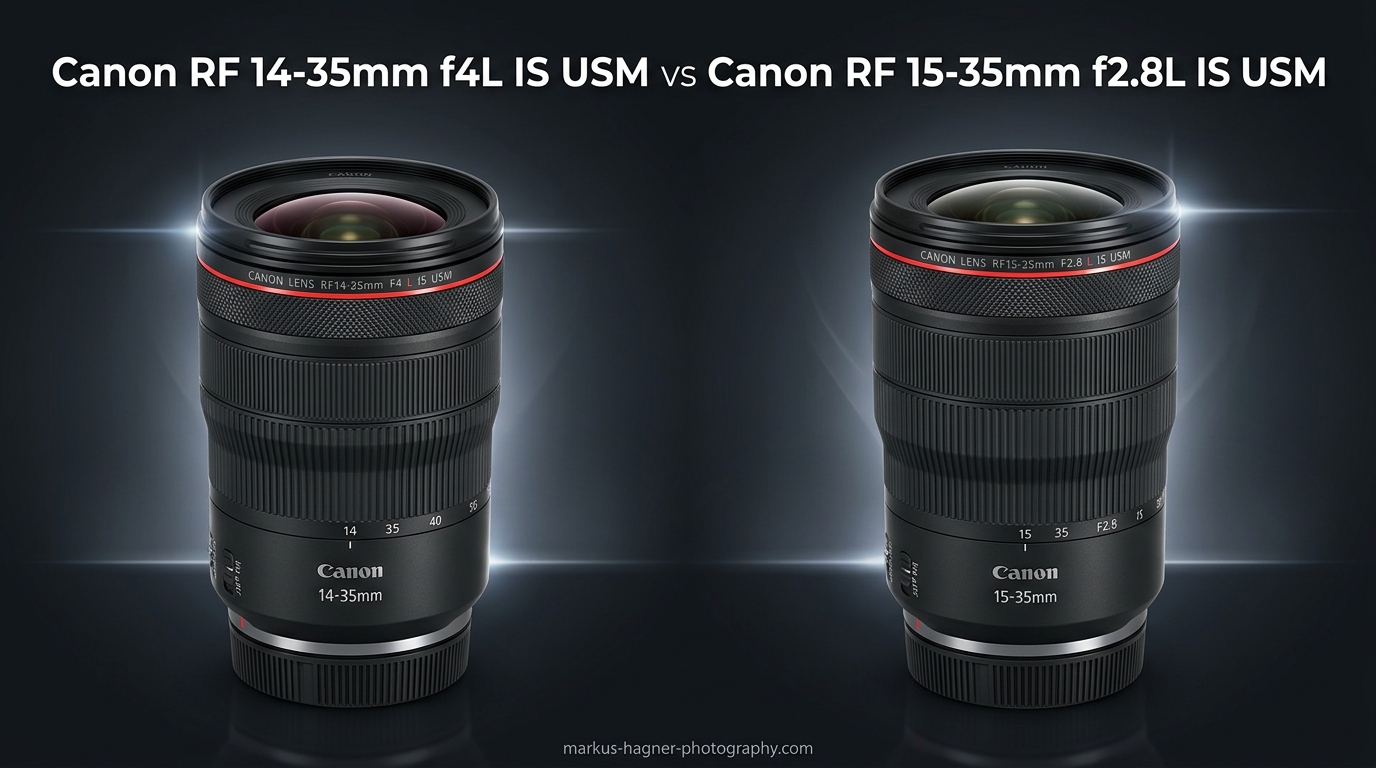
Choosing between the Canon RF 14-35mm f4L IS USM vs Canon RF 15-35mm f2.8L IS USM is one of the most common dilemmas facing Canon mirrorless photographers today. Both are exceptional L-series wide-angle zooms, but they serve slightly different purposes and budgets.
After testing both lenses extensively on Canon R5 and R6 bodies, I can tell you that the decision largely comes down to three factors: how much weight you’re willing to carry, whether you need that extra stop of aperture, and how important that extra 1mm of width is for your work.
The RF 14-35mm f/4L IS USM is the lighter, more compact option with wider 14mm coverage and closer focusing capability. The RF 15-35mm f/2.8L IS USM offers a brighter aperture for low-light work and better subject isolation, but at nearly double the weight and a higher price point.
In this Canon RF 14-35mm f4L IS USM vs Canon RF 15-35mm f2.8L IS USM comparison, I will break down every aspect of these lenses to help you make the right choice for your photography needs.
Canon RF 14-35mm vs RF 15-35mm: Quick Comparison
Here is how these two Canon wide-angle zooms stack up against each other at a glance:
| Product | Specifications | Action |
|---|---|---|
 Canon RF 14-35mm f/4L IS USM Canon RF 14-35mm f/4L IS USM |
|
Check Latest Price |
 Canon RF 15-35mm f/2.8L IS USM Canon RF 15-35mm f/2.8L IS USM |
|
Check Latest Price |
The most striking differences are the aperture (f/4 vs f/2.8), the weight (1.2 lbs vs 1.85 lbs), and the focal range starting point (14mm vs 15mm). These three factors will drive most purchasing decisions.
Canon RF 14-35mm f/4L IS USM: Lightweight Wide-Angle Excellence
Canon RF14-35mm F4 L is USM Lens, Wide-Angle Zoom Lens, Compatible with EOS R Series Mirrorless Cameras, Black
Pros
- Ultra-lightweight at just 1.2 lbs
- Exceptional sharpness across the frame
- 14mm ultra-wide coverage
- Closer focusing down to 7.9 inches
- Standard 77mm filter thread
- Weather-sealed L-series build
Cons
- f/4 aperture limits low-light use
- Noticeable distortion at 14mm
- Relies more on software correction
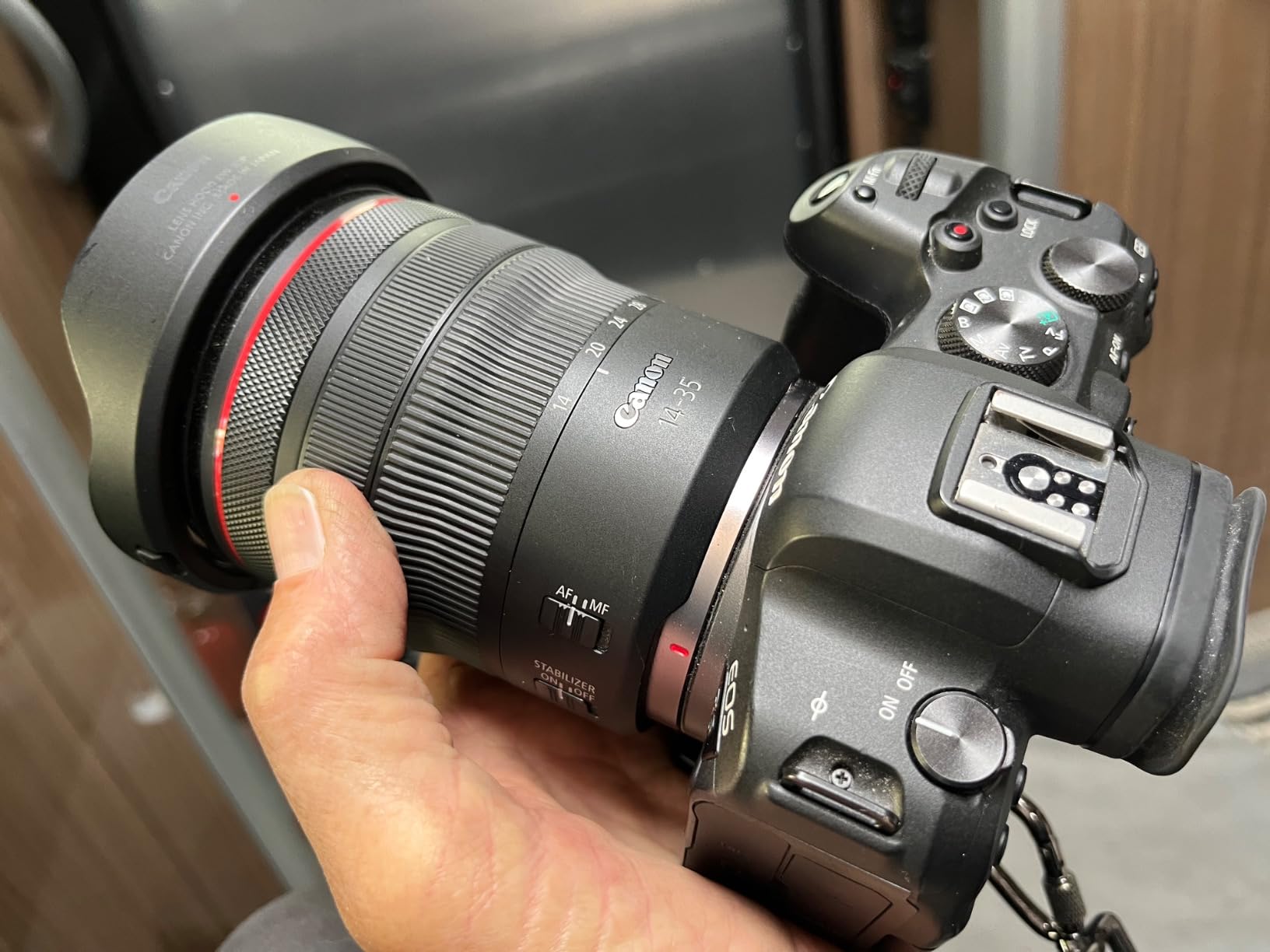
I have used the Canon RF 14-35mm f/4L IS USM extensively for landscape and travel photography over the past year. The first thing you notice is how remarkably light it feels on the camera. At approximately 1.2 pounds, it balances beautifully on my R5 and makes a significant difference during full-day hiking trips.
The 14mm wide end provides that extra bit of drama for expansive landscapes and tight interior spaces. While 1mm might not sound like much, it translates to noticeably wider field of view when you are trying to capture sweeping vistas or cramped real estate interiors.
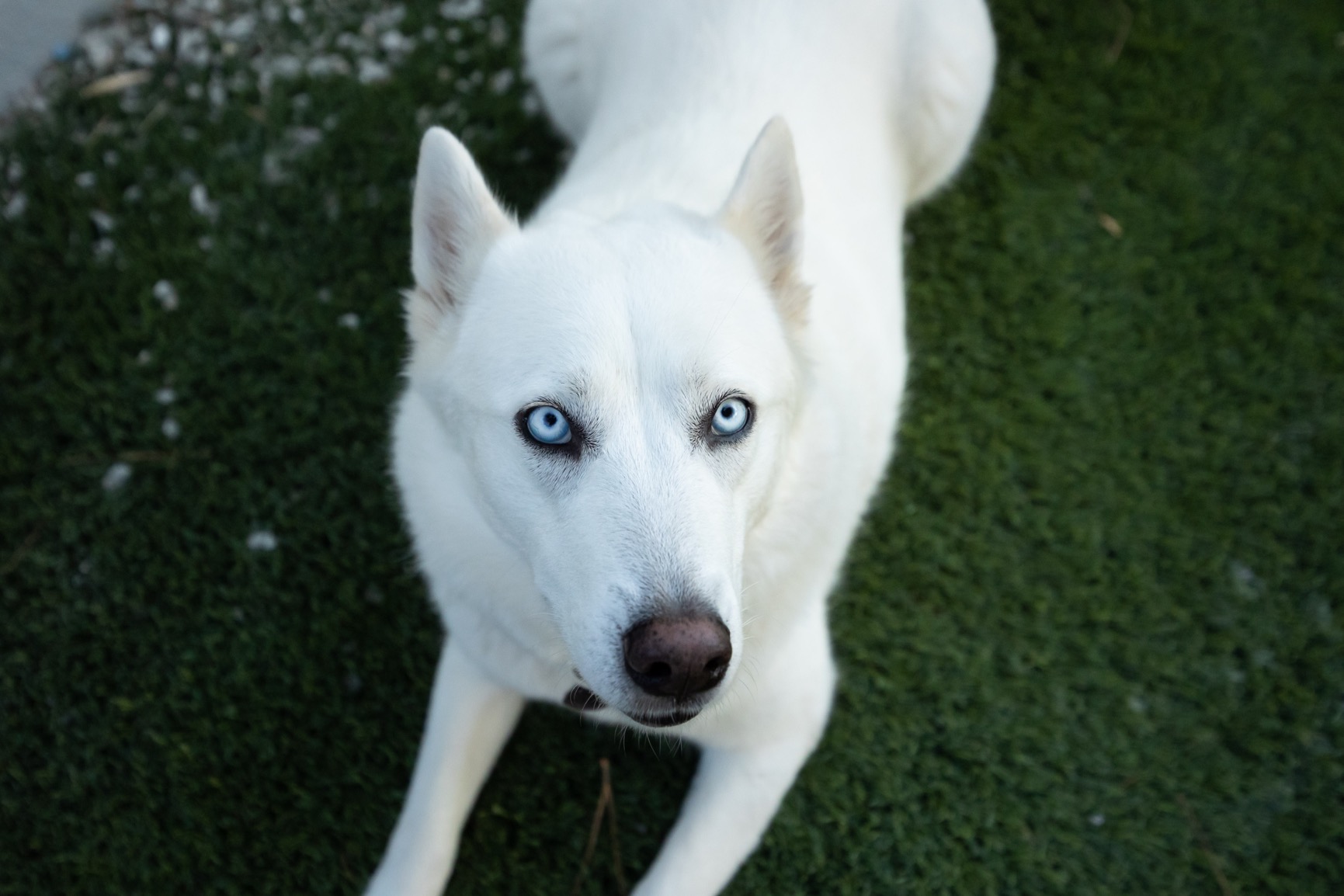
Sharpness is impressive across the frame at all focal lengths. Even wide open at f/4, the lens delivers crisp results that hold up well for large prints. The Nano USM autofocus motor snaps to focus quickly and accurately, whether you are shooting stills or video.
The close-focusing capability is genuinely useful. Being able to focus down to 7.9 inches at all focal lengths opens up creative possibilities for foreground emphasis shots and near-macro style compositions. The 0.38x maximum magnification at 35mm is impressive for a wide-angle zoom.
Image stabilization provides up to 5 stops of correction according to Canon, and in my testing, I found this claim reasonable for static subjects. I could reliably handhold at 1/4 second at 35mm with sharp results.
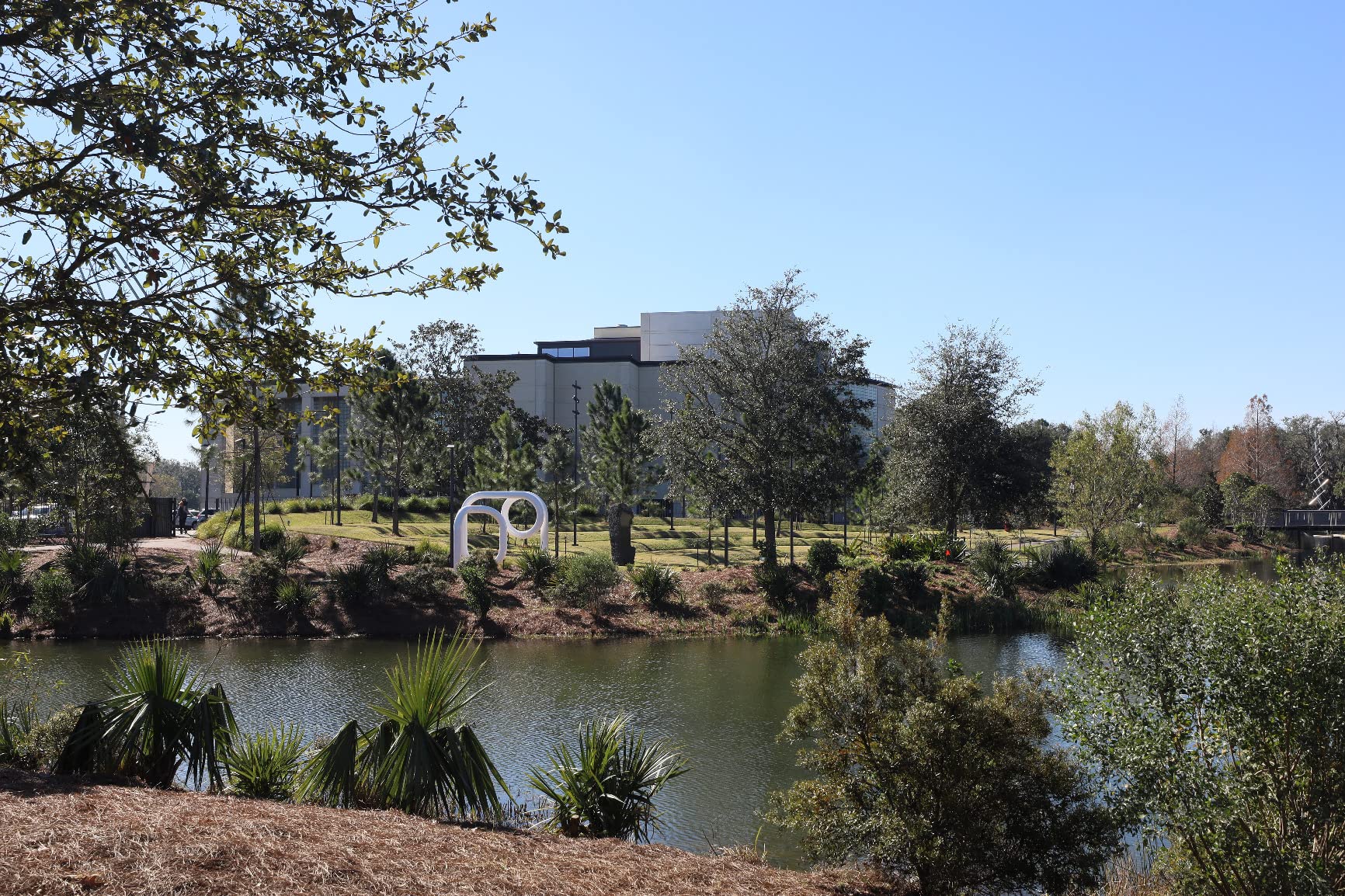
One thing to understand about this lens is its reliance on software correction. The 14-35mm exhibits more geometric distortion and lateral chromatic aberration than the 15-35mm, but Canon’s Digital Lens Optimizer handles this automatically in-camera or during raw processing. The final output is clean, but purists may prefer more optically-corrected designs.
The 77mm filter thread is a practical advantage. If you already own 77mm filters from other Canon lenses, you will not need to invest in new ones. This saves both money and bag space compared to the 82mm filters required by the f/2.8 lens.
Canon RF 15-35mm f/2.8L IS USM: Professional Low-Light Performance
Canon RF15-35mm F2.8 L is USM Lens, Standard Zoom Lens, Compatible with EOS R Series Mirrorless Cameras, Black
Pros
- Fast f/2.8 aperture for low light
- Exceptional optical quality
- Less distortion than f/4 version
- Professional L-series build
- Effective 5-stop stabilization
- Excellent for astrophotography
Cons
- Heavy at 1.85 lbs
- Significantly more expensive
- 82mm filters cost more
- Larger physical size
The Canon RF 15-35mm f/2.8L IS USM is the professional workhorse in this comparison. When you pick it up, you immediately feel the solid L-series construction and the added heft that comes with professional-grade optics.
That f/2.8 aperture is the main reason photographers choose this lens over its lighter sibling. The extra stop of light makes a real difference when shooting interiors without flash, capturing cityscapes at dusk, or photographing the night sky. For astrophotography, f/2.8 is the sweet spot for Milky Way photography.

Optically, the 15-35mm is better corrected than the 14-35mm. Geometric distortion and lateral chromatic aberration are lower, which means less reliance on software correction. Peripheral shading is more pronounced, but this is typical for fast wide-angle zooms and easily addressed in processing.
The Nano USM autofocus is exceptional. Focus acquisition is fast, accurate, and nearly silent. For video work, the smooth focus transitions and quiet operation make this lens a natural choice for professional productions.
The 5-stop image stabilization is genuinely impressive. I was able to capture sharp images handheld at shutter speeds that would normally require a tripod. Combined with the f/2.8 aperture, this lens can handle surprisingly dark situations without support.
Build quality matches Canon’s professional standards. The weather sealing inspires confidence when shooting in adverse conditions, and the lens feels like it will withstand years of professional use. The included lens hood features a locking mechanism to prevent accidental rotation.
The weight is the trade-off. At 1.85 pounds, this lens is noticeably heavier than the f/4 version. Over a full day of hiking or extended event coverage, you will feel the difference. The larger 82mm filter thread also means more expensive filters if you use graduated NDs or polarizers.
Canon RF 14-35mm vs RF 15-35mm: Head-to-Head Comparison
Focal Range and Field of View
The RF 14-35mm starts 1mm wider than the RF 15-35mm. While 1mm sounds minimal, the difference at ultra-wide angles is noticeable. On a full-frame sensor, 14mm gives you a 114-degree diagonal field of view compared to 110 degrees at 15mm. For real estate and interior photography, that extra width can mean capturing an entire room without stitching.
Both lenses reach 35mm, which is a classic wide-normal focal length suitable for environmental portraits and general photography. The 14-35mm offers slightly more range on the wide end, while both provide the same telephoto reach.
For most landscape photographers, either focal range works well. Real estate photographers and those shooting in very tight spaces will appreciate the extra millimeter on the 14-35mm.
Aperture and Low Light Performance
This is where the two lenses diverge most significantly. The f/2.8 aperture of the 15-35mm lets in twice as much light as the f/4 of the 14-35mm. For practical photography, this translates to using lower ISOs or faster shutter speeds in dim conditions.
For astrophotography, the f/2.8 is clearly superior. You can capture more stars in less time, and the wider aperture helps keep ISO manageable when photographing the Milky Way. The 14-35mm can work for astrophotography, but you will need longer exposures or higher ISOs.
Event photographers and those shooting interiors without flash will also benefit from the f/2.8. The ability to shoot at f/2.8 with a reasonable shutter speed in dim venues is valuable for wedding and event work.
Size, Weight, and Handling
The weight difference is substantial: 1.2 pounds versus 1.85 pounds. That 10.6-ounce (300g) difference becomes very apparent during long shoots or hiking trips. If you carry your camera all day, the 14-35mm is significantly more comfortable.
The 14-35mm is also more compact, measuring 3.3 x 3.9 inches compared to 3.5 x 5 inches for the 15-35mm. It packs more easily into smaller camera bags and takes up less room in your kit.
Both lenses feature Canon’s control ring, which can be customized for aperture, ISO, or exposure compensation. The three control rings (focus, zoom, control) are closely spaced on both lenses, which takes some getting used to but becomes intuitive with practice.
Optical Quality: Sharpness, Distortion, and Vignetting
Both lenses deliver excellent sharpness, but they handle optical aberrations differently. The 15-35mm f/2.8 is better optically corrected, with less geometric distortion and lateral chromatic aberration at the wide end. The 14-35mm exhibits more barrel distortion at 14mm and stronger lateral CA.
However, Canon’s in-camera and software corrections handle these issues automatically. After correction, both lenses produce sharp, clean images. The practical difference is that the 14-35mm relies more heavily on digital correction, while the 15-35mm is closer to optimal straight out of camera.
Peripheral shading (vignetting) is stronger on the 15-35mm at f/2.8, which is typical for fast wide-angle lenses. Stopping down to f/4 or f/5.6 reduces this significantly on both lenses.
Close Focus Capability
The 14-35mm has a clear advantage here. Its minimum focus distance of 7.9 inches at all focal lengths, combined with 0.38x maximum magnification at 35mm, makes it more versatile for close-up work. Photographers call this “close focus wide angle” (CFWA) capability.
The 15-35mm focuses to 0.92 feet (11 inches) with 0.21x maximum magnification. It is still useful for foreground emphasis shots, but the 14-35mm is noticeably better for this type of creative photography.
For landscape photographers who like to emphasize foreground elements like flowers or rocks, the 14-35mm offers more creative flexibility.
Image Stabilization
Both lenses feature Canon’s optical image stabilization rated at up to 5 stops. In real-world testing, both deliver on this promise for static subjects. The stabilization is effective for handheld video and still photography in marginal light.
For video work, both lenses work well with Canon’s in-body image stabilization (IBIS) for coordinated stabilization. The results are smooth and professional.
There is no practical difference in IS effectiveness between the two lenses. Both provide excellent stabilization for their intended purposes.
Build Quality and Weather Sealing
Both lenses carry Canon’s L-series designation, meaning professional-grade construction with weather sealing. They are designed to withstand dust, moisture, and the rigors of professional use.
The 15-35mm feels slightly more substantial, which is partly due to its weight. Both feature high-quality materials, smooth operation, and the red ring that signifies Canon’s professional lens line.
In practice, both lenses have proven reliable in challenging conditions. Forum users report positive experiences with both in rain, snow, and dusty environments.
Filter Thread Implications
The 14-35mm uses 77mm filters, while the 15-35mm requires 82mm filters. This has practical implications for both cost and compatibility.
If you already own 77mm filters from lenses like the Canon RF 24-70mm f/4L or EF 16-35mm f/4L, the 14-35mm works with your existing investment. High-quality 77mm polarizers and ND filters are widely available and reasonably priced.
The 82mm filters for the 15-35mm are larger and more expensive. A high-quality circular polarizer in 82mm can cost significantly more than the 77mm equivalent. If you use graduated ND filters or filter systems, the larger size also requires bigger holders.
Which Lens for Which Photography Type?
Landscape Photography
Both lenses excel at landscapes, but for different photographers. If you hike to your locations and value a lighter pack, the 14-35mm f/4L is the better choice. The weight savings matter on multi-day treks, and f/4 is perfectly adequate for most landscape work when using a tripod.
If you shoot handheld landscapes or prefer working at dawn and dusk without a tripod, the 15-35mm f/2.8L gives you more flexibility with its faster aperture and excellent stabilization.
Real Estate and Interior Photography
The 14-35mm has an edge here. The extra 1mm at 14mm helps capture tight spaces, and the closer focusing allows more creative compositions. Real estate photographers on forums consistently praise the 14-35mm for this work.
The f/2.8 of the 15-35mm can help in dim interiors, but most real estate photographers use flash or HDR techniques anyway, making the aperture less critical.
Astrophotography
The 15-35mm f/2.8L is clearly superior for astrophotography. The f/2.8 aperture captures more light in less time, which is essential for Milky Way photography where you want to minimize star trailing. Coma performance is also better on the 15-35mm.
The 14-35mm can work for astrophotography, but you will need to push ISO higher or use longer exposures, which increases noise and star trailing.
Travel and Hiking
The 14-35mm f/4L wins for travel photography. The lighter weight makes it easier to carry all day, and the compact size fits better in travel bags. For hiking and backpacking, the 300g weight difference is significant.
Both lenses are weather-sealed, so either can handle the elements. But if you are counting ounces in your pack, the 14-35mm is the clear choice.
Video Production
Both lenses work well for video with their Nano USM motors providing smooth, quiet autofocus. The 15-35mm f/2.8L has an advantage in dimly lit scenes where you need to maintain a lower ISO.
The 14-35mm’s lighter weight makes it better suited for gimbal work, where every ounce affects balance and battery life. Its closer focusing also provides more creative options for B-roll.
Frequently Asked Questions
What is a 14-35mm lens good for?
A 14-35mm lens is excellent for landscape photography, real estate and interior photography, architecture, travel, and any situation requiring wide-angle coverage. The 14mm end captures expansive scenes and tight interiors, while 35mm provides a natural wide perspective for environmental portraits and general photography.
Is the Canon RF 15-35mm f/2.8L IS USM worth the extra cost over the f/4?
The RF 15-35mm f/2.8L IS USM is worth the extra cost if you need the faster aperture for low-light photography, astrophotography, or professional event work. If you primarily shoot landscapes on a tripod or real estate with controlled lighting, the f/4 version offers excellent value and lighter weight.
Which lens is better for astrophotography: RF 14-35mm or RF 15-35mm?
The Canon RF 15-35mm f/2.8L IS USM is significantly better for astrophotography due to its faster f/2.8 aperture, which captures more light in less time. The wider aperture also helps minimize noise by allowing lower ISO settings when photographing the night sky.
Does the Canon RF 14-35mm have image stabilization?
Yes, the Canon RF 14-35mm f/4L IS USM features optical image stabilization rated at up to 5 stops of shake correction. This makes it effective for handheld shooting in marginal light and smooth video recording.
What is the weight difference between Canon RF 14-35mm and RF 15-35mm?
The Canon RF 14-35mm f/4L IS USM weighs approximately 1.2 pounds (540g), while the Canon RF 15-35mm f/2.8L IS USM weighs 1.85 pounds (840g). That is a difference of about 10.6 ounces (300g), which is significant for travel and hiking photography.
Verdict: Which Canon Wide-Angle Zoom Should You Buy?
After this Canon RF 14-35mm f4L IS USM vs Canon RF 15-35mm f2.8L IS USM comparison, here is my recommendation.
Buy the Canon RF 14-35mm f/4L IS USM if you prioritize weight savings, already own 77mm filters, shoot real estate or interior photography, enjoy close-focus wide-angle techniques, or want the widest possible angle of view. This lens is ideal for travel photographers, hikers, and anyone who values a lighter kit without sacrificing image quality.
Buy the Canon RF 15-35mm f/2.8L IS USM if you need the faster aperture for low-light work, shoot astrophotography, want better optical correction with less software reliance, or are a professional who demands the maximum performance regardless of weight. This lens is the professional standard for Canon RF wide-angle zooms.
For most enthusiasts and hobbyists, the 14-35mm f/4L offers the best balance of performance, weight, and value. Professionals who need every advantage for demanding work should choose the 15-35mm f/2.8L.