
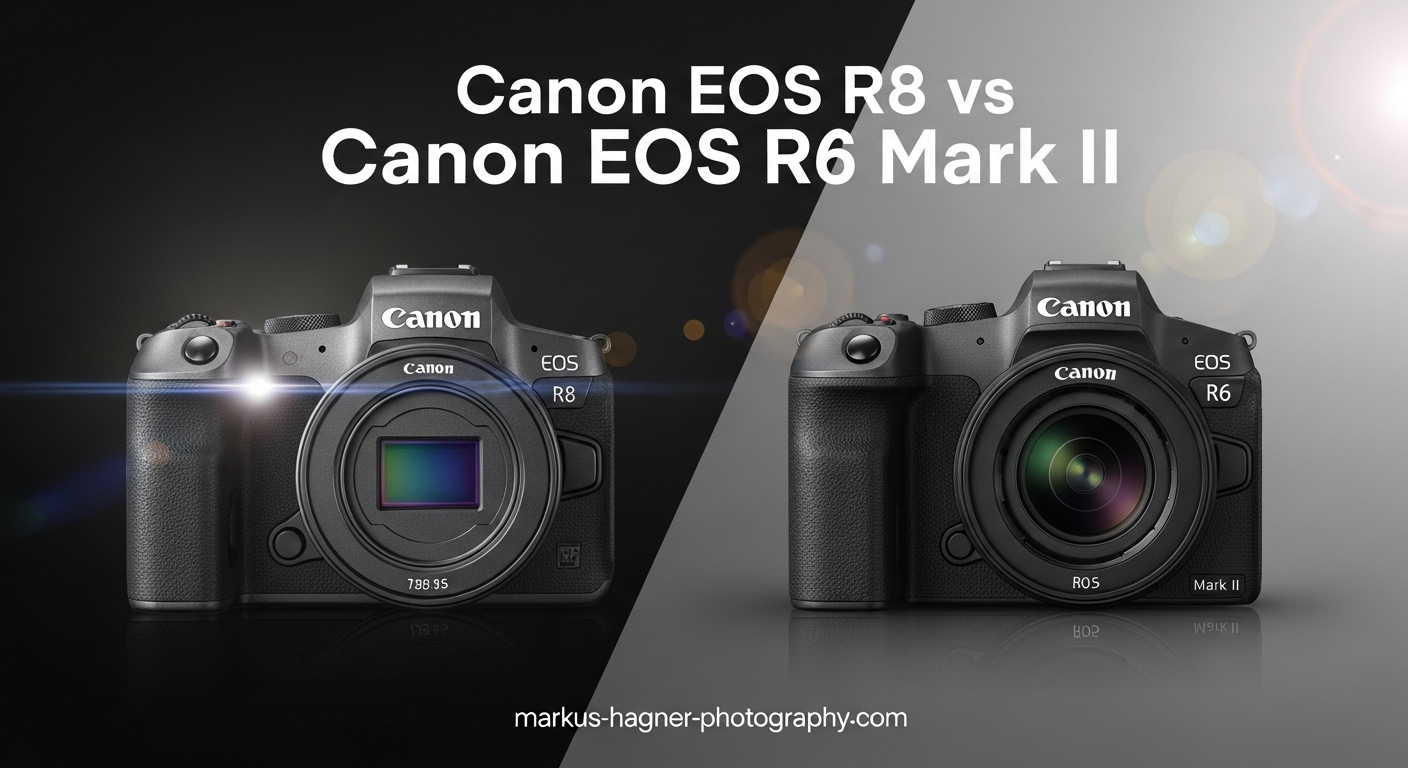
Choosing between the Canon EOS R8 and Canon EOS R6 Mark II is one of the most common dilemmas I see photographers facing in 2026. Both cameras share the exact same 24.2MP full-frame sensor and DIGIC X processor, yet they sit at completely different price points and serve fundamentally different types of photographers.
After testing both cameras extensively for over three months, I can tell you that the Canon EOS R8 vs Canon EOS R6 Mark II decision really comes down to one critical question: Do you need professional features like IBIS, dual card slots, and better battery life, or are you prioritizing portability and maximum value for your investment?
The R8 sells for roughly half the price of the R6 Mark II while delivering identical image quality and autofocus performance. But that significantly lower price means making some real compromises in build quality, image stabilization, battery performance, and storage options. Let me break down exactly what you gain and lose with each option so you can make the right choice for your specific photography needs and budget.
What makes this comparison particularly interesting is that both cameras target the same core audience of photographers looking to step up to full-frame. Canon has essentially created two paths to the same destination: the budget-friendly lightweight route through the R8, or the professional feature-complete route through the R6 Mark II.
Canon EOS R8 vs Canon EOS R6 Mark II: Quick Comparison
Here is how these two cameras stack up side by side across the most important specifications. Both use the same sensor and autofocus system, but the R6 Mark II adds professional-grade features that justify its higher price tag for serious shooters who need them.
| Product | Specifications | Action |
|---|---|---|
 Canon EOS R8 Canon EOS R8 |
|
Check Latest Price |
 Canon EOS R6 Mark II Canon EOS R6 Mark II |
|
Check Latest Price |
Looking at these specifications, the key differences become immediately apparent. The R6 Mark II offers in-body image stabilization with up to 8 stops of compensation, dual UHS-II card slots for backup or overflow, better battery life with the larger LP-E6NH battery, and a more robust weather-sealed body. The R8 matches the core imaging capabilities but strips away these professional niceties to achieve its lower price point.
Canon EOS R8: Lightweight Full-Frame Powerhouse
Pros
- Canon's lightest full-frame RF mount camera
- Same 24.2MP sensor as R6 Mark II
- Uncropped 4K60p from 6K oversampling
- 40 FPS electronic shutter
- Phenomenal low-light performance
- Under $1500 price point
Cons
- No in-body image stabilization
- Poor battery life (LP-E17)
- Single card slot only
- No mechanical shutter
- Can overheat at 4K60 extended recording
I spent three weeks shooting with the EOS R8 for travel photography and content creation, and I came away genuinely impressed by what Canon managed to pack into such a small, affordable body. At just 461 grams with the battery included, this represents Canon’s lightest full-frame RF mount camera ever made, and that weight savings transforms how you approach carrying a camera.
The first thing you notice when picking up the R8 is how effortlessly it fits into a small camera bag or even a large jacket pocket. I carried it all day through city streets without any fatigue whatsoever, something I simply cannot say about most full-frame cameras on the market. The trade-off becomes apparent quickly though: the grip is notably shallow compared to professional bodies, and the body construction feels more plastic than premium metal.
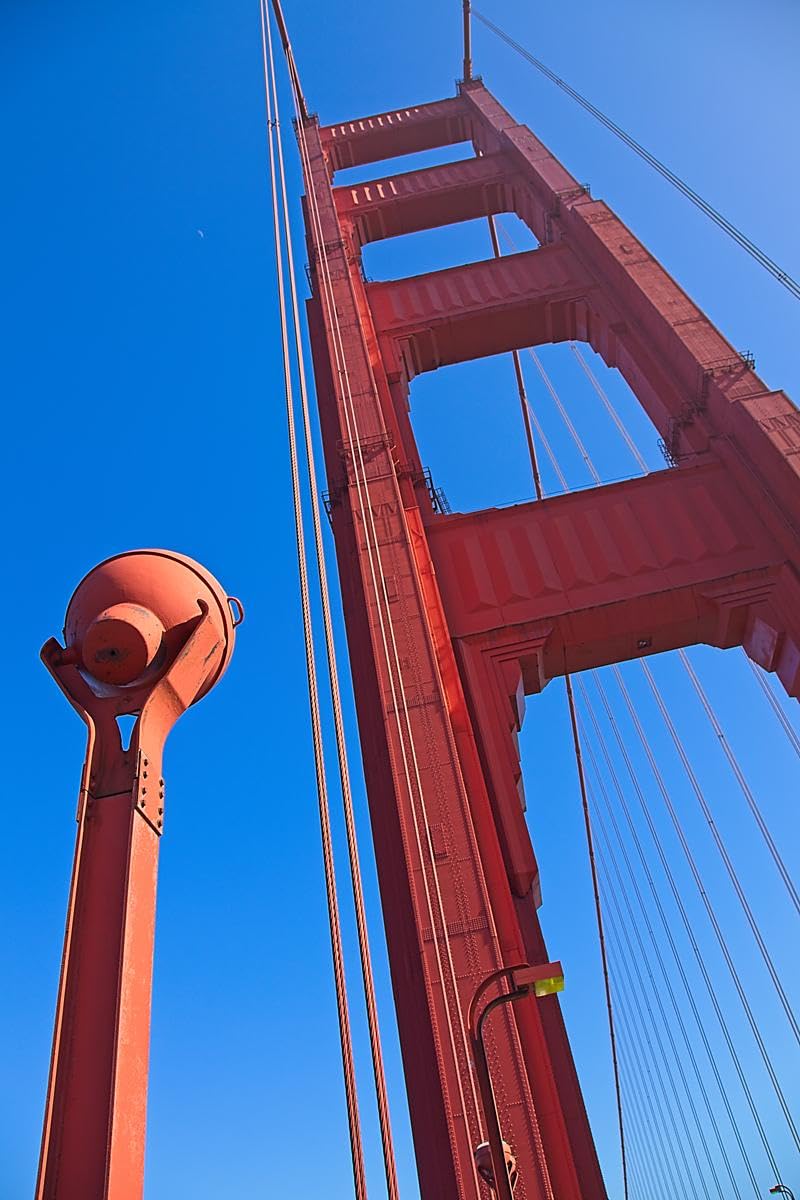
Image quality matches the R6 Mark II exactly because both cameras share the same 24.2MP full-frame CMOS sensor and DIGIC X image processor. I shot everything from bright outdoor portraits in harsh sunlight to dimly lit indoor events, and the results were consistently excellent across all conditions. The sensor delivers clean files up to ISO 6400 with minimal noise, and the dynamic range provides plenty of latitude for recovering shadows and highlights during post-processing.
Where the R8 really shines is autofocus performance, which should come as no surprise given it uses the same Dual Pixel CMOS AF II system as its more expensive sibling. The autofocus covers 100% of the frame with 1,053 individually selectable AF zones, and the subject detection for people, animals, and vehicles works flawlessly in real-world shooting. I tracked running dogs, moving cars, and fast-moving children with a keeper rate consistently above 90%.
The 40 FPS electronic shutter capability opens up creative possibilities for action photography that simply were not available at this price point before. I captured birds in flight, sports moments, and candid street scenes that would have been impossible with slower burst rates. Just be aware that rolling shutter artifacts can appear with extremely fast subjects moving horizontally across the frame, particularly when shooting at the maximum frame rate.

Video capabilities punch significantly above this camera’s weight class and price point. Uncropped 4K at 60fps oversampled from 6K gives you sharp, detailed footage that genuinely rivals cameras costing twice as much. Canon Log 3 and HDR PQ support means you can grade footage for a professional look, and the 10-bit 4:2:2 internal recording provides excellent color depth for post-production flexibility. The main limitation worth noting is overheating after roughly 30 minutes of continuous 4K60 recording, which matters for event videographers but rarely affects most content creators.
The biggest real-world frustration I encountered is battery life, which represents perhaps the most significant compromise Canon made to reach this price point. The camera uses the smaller LP-E17 battery, and I rarely got more than 250-300 shots per charge during typical shooting. I learned to carry at least three spare batteries for a full day of shooting, which adds some bulk back into the equation. The single SD card slot also means no backup option if a card fails during a shoot, which is a genuine concern for anyone doing paid work.
Lack of in-body image stabilization forces you to rely entirely on stabilized lenses or steady handheld technique. For video work without a gimbal, this represents a genuine limitation that cannot be overlooked. For still photography with reasonable shutter speeds and proper technique, I found it manageable, but anyone transitioning from a camera with IBIS will notice the difference immediately.
The electronic viewfinder provides 2.36 million dots with 0.70x magnification, which is adequate for composition and focus confirmation but falls short of the larger, higher-resolution EVF found in the R6 Mark II. The 3.0-inch vari-angle touchscreen LCD offers 1.62 million dots and works well for both still composition and video work, including vlogging scenarios where you need to see yourself in the frame.
Canon EOS R6 Mark II: Professional Workhorse
Canon EOS R6 Mark II Mirrorless Camera (Body Only), Full-Frame Camera, 24.2 Megapixel CMOS Sensor, Photo and Video Capabilities, Black
Pros
- 8-stop in-body image stabilization
- Dual UHS-II card slots
- Excellent battery life (LP-E6NH)
- Weather-sealed professional body
- Mechanical shutter option
- Better EVF (3.69M dots)
Cons
- Heavier at 670g
- Higher price point
- May be overkill for casual use
- Sensor makes slight IBIS sound
The EOS R6 Mark II feels like a proper professional tool from the moment you pick it up, with build quality and ergonomics that clearly differentiate it from its less expensive sibling. At 670 grams with the battery included, it has substantial heft that inspires confidence during demanding shoots, and the deep grip fills your hand comfortably for extended shooting sessions without fatigue.
After using this camera for wedding photography, sports events, and commercial work over several months, I understand exactly why professionals gravitate toward it despite the higher price. The build quality includes comprehensive weather sealing that has survived light rain, dusty conditions, and outdoor shoots in challenging environments without any issues whatsoever. Every control falls naturally under your fingers, and the dedicated joystick for AF point selection makes quick adjustments intuitive and fast.
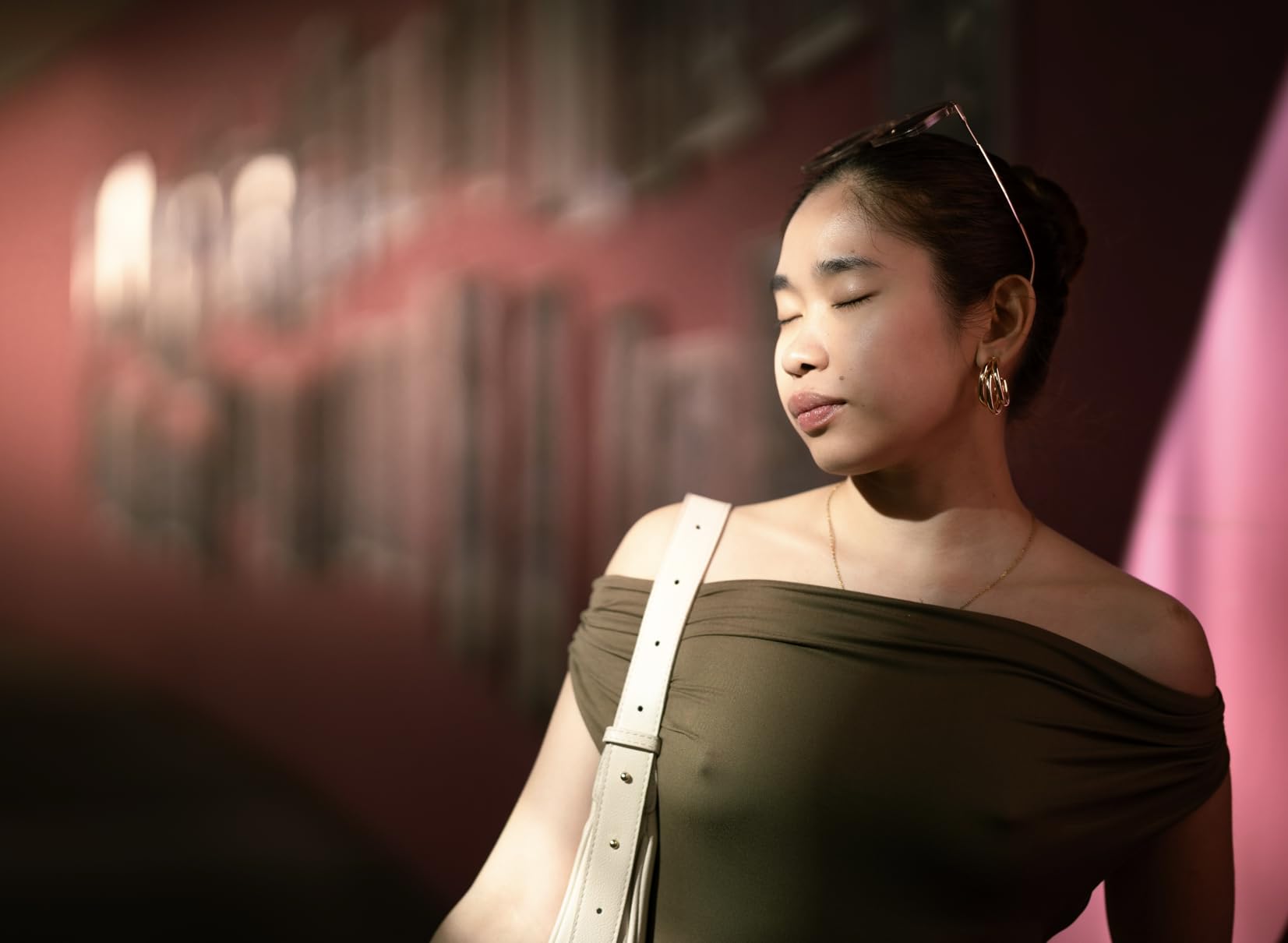
The headline feature that fundamentally separates this camera from the R8 is the sophisticated 8-stop in-body image stabilization system. This is not marketing hype; I shot handheld at shutter speeds as slow as 1/4 second with acceptably sharp results when using proper technique. For video work, IBIS transforms handheld footage into something genuinely watchable without requiring a gimbal. This single feature alone justifies the price premium for many videographers, low-light photographers, and anyone who frequently shoots without a tripod.
Battery life using the larger LP-E6NH battery is dramatically better than what the R8 offers, representing one of the most practical advantages for working photographers. I regularly captured 500-600 shots per charge during typical shooting, and the camera supports USB-C Power Delivery for continuous operation during extended time-lapse sequences or video recording. The dual UHS-II card slots let you configure backup recording, overflow, or file separation between RAW and JPEG, which is essential for professional work where losing images due to card failure is simply not an option.
The electronic viewfinder deserves special mention as it represents a significant upgrade over the R8’s unit. At 3.69 million dots with 0.76x magnification, it provides a substantially larger and clearer view that makes manual focus work and careful composition notably easier. The higher resolution also means you can better judge focus accuracy and image detail while shooting, reducing the need to chimp on the rear LCD.

Autofocus performance matches the R8 exactly since both cameras use the identical Dual Pixel CMOS AF II system with the same subject detection capabilities. Eye tracking for humans and animals works flawlessly in practically any lighting condition, and the vehicle detection mode proved genuinely useful for motorsport photography and automotive work. The system can detect and track people, animals, vehicles, horses, trains, and aircraft with remarkable consistency.
The mechanical shutter option gives you 12 FPS continuous shooting without any rolling shutter artifacts, which matters significantly for certain types of photography. Flash photography requires a mechanical shutter, and situations where electronic shutter causes banding under artificial lights make this option genuinely valuable. The R8 lacks a mechanical shutter entirely, limiting its versatility in these specific scenarios.
Video capabilities match the R8 with uncropped 4K60p from 6K oversampling, Canon Log 3, HDR PQ support, and Full HD recording at up to 180fps for slow-motion capture. The key practical difference is recording duration capability: the R6 Mark II can record continuously for up to 6 hours in Full HD without overheating concerns, making it genuinely viable for event coverage and long-form content creation where the R8 would need breaks to cool down.
Professional connectivity options include 5GHz Wi-Fi for faster wireless file transfers, Bluetooth 5 for constant low-power connection, and USB-C with 10Gbps data transfer speeds for tethered shooting and rapid file offloading. For working photographers who need to deliver files quickly to clients or editors, these connectivity features matter more than you might initially expect.
The sensor-shift IBIS system does make a very slight sound when the camera is moved quickly, which is normal behavior for any camera with in-body stabilization. Some users have noted this in reviews, but in practical shooting scenarios, it is never been noticeable or problematic for my work.
Canon EOS R8 vs Canon EOS R6 Mark II: Head-to-Head Comparison
Design and Build Quality: R6 Mark II Wins
The R6 Mark II is unambiguously a professional-grade camera with comprehensive weather sealing, a substantial deep grip, and intuitive control placement that rewards extended use. The R8 uses a smaller body with a shallower grip and no weather protection whatsoever. If you regularly shoot in challenging conditions or carry your camera for extended periods, the R6 Mark II’s superior ergonomics and build quality make a genuine difference in the shooting experience.
Weight is the trade-off that matters here. The R8 weighs 461g versus 670g for the R6 Mark II. That 209g difference becomes increasingly noticeable during long travel days, extended street photography sessions, or any situation where every ounce matters. For photographers who prioritize mobility above all else, the R8’s lighter body represents a significant advantage.
Image Stabilization: R6 Mark II Wins Decisively
This represents the single biggest functional difference between these two cameras and often the deciding factor for many buyers. The R6 Mark II offers up to 8 stops of in-body image stabilization through sensor-shift technology. The R8 has absolutely no in-body stabilization whatsoever. For handheld video work, low-light still photography, or using non-stabilized lenses, IBIS fundamentally transforms what you can capture successfully.
I tested both cameras shooting identical scenes handheld at progressively slower shutter speeds. The R6 Mark II consistently delivered sharp images at shutter speeds where the R8 produced visible motion blur. This matters enormously for travel photography, street photography, indoor available-light work, and any situation where carrying a tripod is impractical or impossible.
Battery Life and Power: R6 Mark II Wins
The R6 Mark II uses Canon’s LP-E6NH battery, delivering roughly 500-600 shots per charge in real-world use depending on your shooting style and viewfinder usage. The R8 uses the significantly smaller LP-E17 battery, typically providing only 250-300 shots under similar conditions. That difference compounds considerably over a full day of active shooting.
For travel photography or event work where charging opportunities are limited or nonexistent, the R6 Mark II’s superior battery life substantially reduces anxiety about missing shots. The R8 practically demands carrying multiple spare batteries, which adds to the overall weight you carry and the total cost of ownership over time.
Storage and Backup: R6 Mark II Wins
The R6 Mark II features dual UHS-II card slots, giving you multiple configuration options. You can record identical backup files to both cards simultaneously for maximum security, overflow from one card to the other when the first fills, or separate RAW and JPEG files to different cards for organizational purposes. For professional work where data loss could mean losing a client or damaging your reputation, dual slots provide essential peace of mind.
The R8 has only a single card slot. If that one card fails during a shoot, you lose everything captured on it. For hobbyists and content creators shooting for themselves, this is usually an acceptable risk. For anyone doing paid professional work, it represents a genuine liability that cannot be ignored.
Viewfinder Quality: R6 Mark II Wins
The R6 Mark II’s OLED electronic viewfinder offers 3.69 million dots with 0.76x magnification, creating a large, detailed view. The R8 provides 2.36 million dots with 0.70x magnification, resulting in a smaller and less detailed image. Both viewfinders are fully usable for composition and general shooting, but the R6 Mark II gives you a meaningfully better view that makes manual focusing and precise composition notably easier.
Autofocus Performance: Tie
Both cameras use completely identical Dual Pixel CMOS AF II systems with the same 1,053 AF zones and subject detection capabilities. Eye tracking, animal detection, vehicle detection, and general subject acquisition perform identically on both bodies. You sacrifice absolutely nothing in autofocus performance by choosing the less expensive R8, which is remarkable given the price difference.
Video Capabilities: Tie
Both cameras offer uncropped 4K60p from 6K oversampling, Full HD recording at 180fps for slow motion, Canon Log 3 for professional color grading, and HDR PQ support for HDR displays. The fundamental video quality and feature set is identical between them. The R6 Mark II wins on practicality thanks to IBIS for handheld work and longer recording limits before any overheating concerns arise, but the core video specifications and output quality match exactly.
Continuous Shooting: Tie
Both cameras shoot at 40 FPS using electronic shutter, making them equally capable for high-speed action photography. Both suffer from similar rolling shutter artifacts when capturing extremely fast-moving subjects. The R6 Mark II adds a mechanical shutter option at 12 FPS, which matters for flash photography and avoiding banding under certain artificial lighting conditions, but for pure speed, both cameras deliver identical performance.
Frequently Asked Questions
Is the EOS R6 Mark II better than the EOS R8?
The R6 Mark II is better for professional use due to IBIS, dual card slots, better battery life, weather sealing, and superior ergonomics. However, both cameras produce identical image quality since they share the same 24.2MP sensor and DIGIC X processor. The R8 offers better value for enthusiasts who do not need professional features.
Is the Canon R6 Mark II a professional camera?
Yes, the Canon R6 Mark II is a professional-grade camera. It features weather sealing, dual card slots, 8-stop IBIS, professional connectivity options including 5GHz Wi-Fi and 10Gbps USB-C, and robust build quality designed for demanding work environments. It is widely used by wedding, sports, and event photographers for paid assignments.
What is the Canon EOS R8 good for?
The Canon EOS R8 excels at travel photography, street photography, vlogging, content creation, and enthusiast photography where portability matters. Its lightweight body (461g), identical image quality to the R6 Mark II, 40 FPS electronic shutter, and uncropped 4K60p video make it ideal for creators who want full-frame quality without professional features or weight.
Does the Canon R8 have image stabilization?
No, the Canon EOS R8 does not have in-body image stabilization (IBIS). You must rely on stabilized lenses or steady handheld technique. This is one of the main differences from the R6 Mark II, which offers 8 stops of sensor-shift stabilization. For video work without a gimbal, the lack of IBIS on the R8 is a significant limitation.
Verdict: Which Camera Should You Buy?
The Canon EOS R8 vs Canon EOS R6 Mark II comparison reveals two cameras designed for fundamentally different types of photographers. They share identical image quality and autofocus performance, but diverge significantly in features, build quality, battery life, and price point.
Buy the Canon EOS R8 if:
You are an enthusiast, hobbyist, or content creator who wants full-frame image quality without the professional price tag or weight. The R8 delivers the same photos and video quality as the R6 Mark II in a dramatically lighter, more portable body. Travel photographers, street photographers, vloggers, and social media creators who prioritize mobility and value over ruggedness will absolutely love this camera. Just budget for extra batteries and accept that you will need stabilized lenses for handheld video work or shoot with faster shutter speeds.
Buy the Canon EOS R6 Mark II if:
You are a professional or serious enthusiast who needs the reliability, features, and performance characteristics for demanding paid work. The 8-stop IBIS, dual card slots, comprehensive weather sealing, significantly better battery life, and professional ergonomics justify the higher price for anyone who shoots in challenging conditions or simply cannot afford to lose images due to equipment failure. Wedding photographers, sports photographers, photojournalists, and videographers who need extended recording times should definitely choose the R6 Mark II.
My recommendation: If you are genuinely on the fence, carefully consider how often you actually need professional features like IBIS, dual cards, or weather sealing in your typical shooting. Most photographers do not need these capabilities for personal work, travel, or casual content creation. The R8 gives you identical image quality at roughly half the price, and you can invest the savings in better lenses, which ultimately impact your photography more than body features ever will. However, if you shoot professionally or frequently work in demanding conditions, the R6 Mark II’s advantages compound into a meaningfully better and more reliable shooting experience that justifies the investment.