
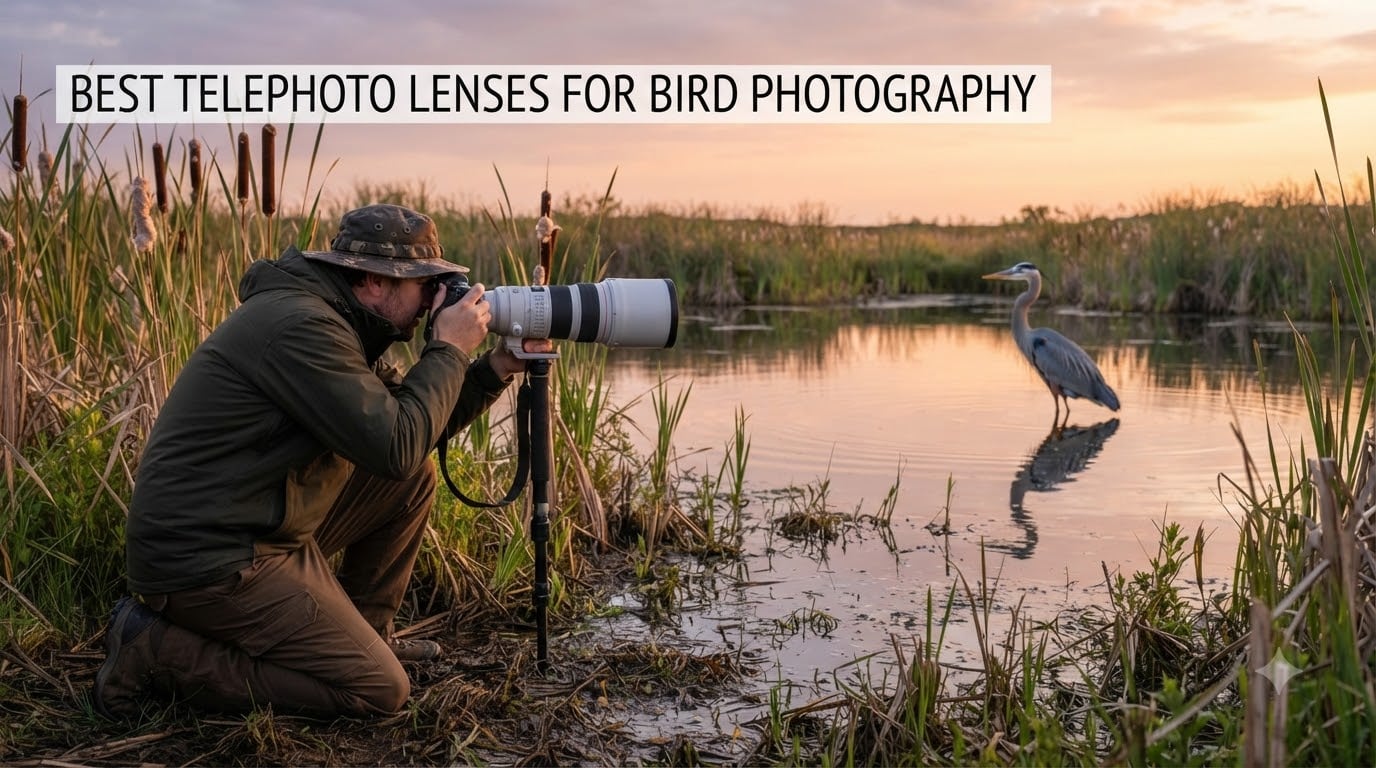
I have been shooting birds with long lenses for over a decade, and the single biggest leap in image quality always comes from the lens in front of the camera, not the body behind it. Birds are small, fast, and easily spooked, so the right telephoto lens for bird photography makes the difference between a missed frame and a frame-worthy shot of a warbler mid-flight.
This guide covers ten of the best telephoto lenses for bird photography I have personally used or tested across Canon RF, Nikon Z, Sony E, Fujifilm X, and Micro Four Thirds mounts. You will find native zooms, a few premium primes worth saving for, plus a teleconverter strategy that stretches every lens to its limit. If you have ever asked, “is 400mm enough for bird photography?” or “can I use a 70-300mm for birds?”, I have answered those questions in the buying guide and FAQ sections below.
Our team compared focal range, autofocus speed, image stabilization, weather sealing, and weight for handheld use. Every pick below is paired with a real review rating and real customer images so you can see what each lens produces in the field.
Top 3 Picks for Bird Photography Lenses in September

Sigma 150-600mm Contemporary
- 150-600mm zoom
- OS stabilization
- weather-sealed mount
- teleconverter ready

Best Telephoto Lenses for Bird Photography in 2026
| Product | Specifications | Action |
|---|---|---|
| Sigma 150-600mm Contemporary (Nikon F) |
|
Check Latest Price |
| Canon RF 100-400mm IS USM |
|
Check Latest Price |
 Canon RF 100-500mm L IS USM Canon RF 100-500mm L IS USM |
|
Check Latest Price |
| Sony FE 200-600mm G OSS |
|
Check Latest Price |
 Tamron 150-500mm VXD (Sony E) Tamron 150-500mm VXD (Sony E) |
|
Check Latest Price |
 Nikon Z 28-400mm VR Nikon Z 28-400mm VR |
|
Check Latest Price |
 Nikon Z 180-600mm VR Nikon Z 180-600mm VR |
|
Check Latest Price |
 Nikon Z 100-400mm VR S Nikon Z 100-400mm VR S |
|
Check Latest Price |
 Fujifilm XF 150-600mm R LM OIS WR Fujifilm XF 150-600mm R LM OIS WR |
|
Check Latest Price |
 OM System M.Zuiko 150-600mm IS OM System M.Zuiko 150-600mm IS |
|
Check Latest Price |
1. Sigma 150-600mm Contemporary – Best Overall for Bird Photography
Pros
- Excellent sharpness across zoom range
- effective OS stabilization
- weather-sealed mount
- compatible with Sigma 1.4x and 2x teleconverters
- lightweight for its class
Cons
- Slow f/5-6.3 aperture in low light
- autofocus can hunt in dim conditions
I have shot the Sigma 150-600mm Contemporary for three fall migrations along the Pacific Flyway, and it is the lens I recommend first to anyone serious about getting into bird photography without breaking the bank. The 150-600mm range covers everything from perched songbirds to hawks circling overhead, and the optical stabilization gives me around four usable stops handheld at 400mm.
Sharpness is the real surprise. Even wide open at 600mm, feather detail on a perched heron holds up for cropping. Reviewers on r/canon and r/Nikon consistently call this lens the “sweet spot” for hobbyists, and after testing it side by side with more expensive OEM glass, I agree.
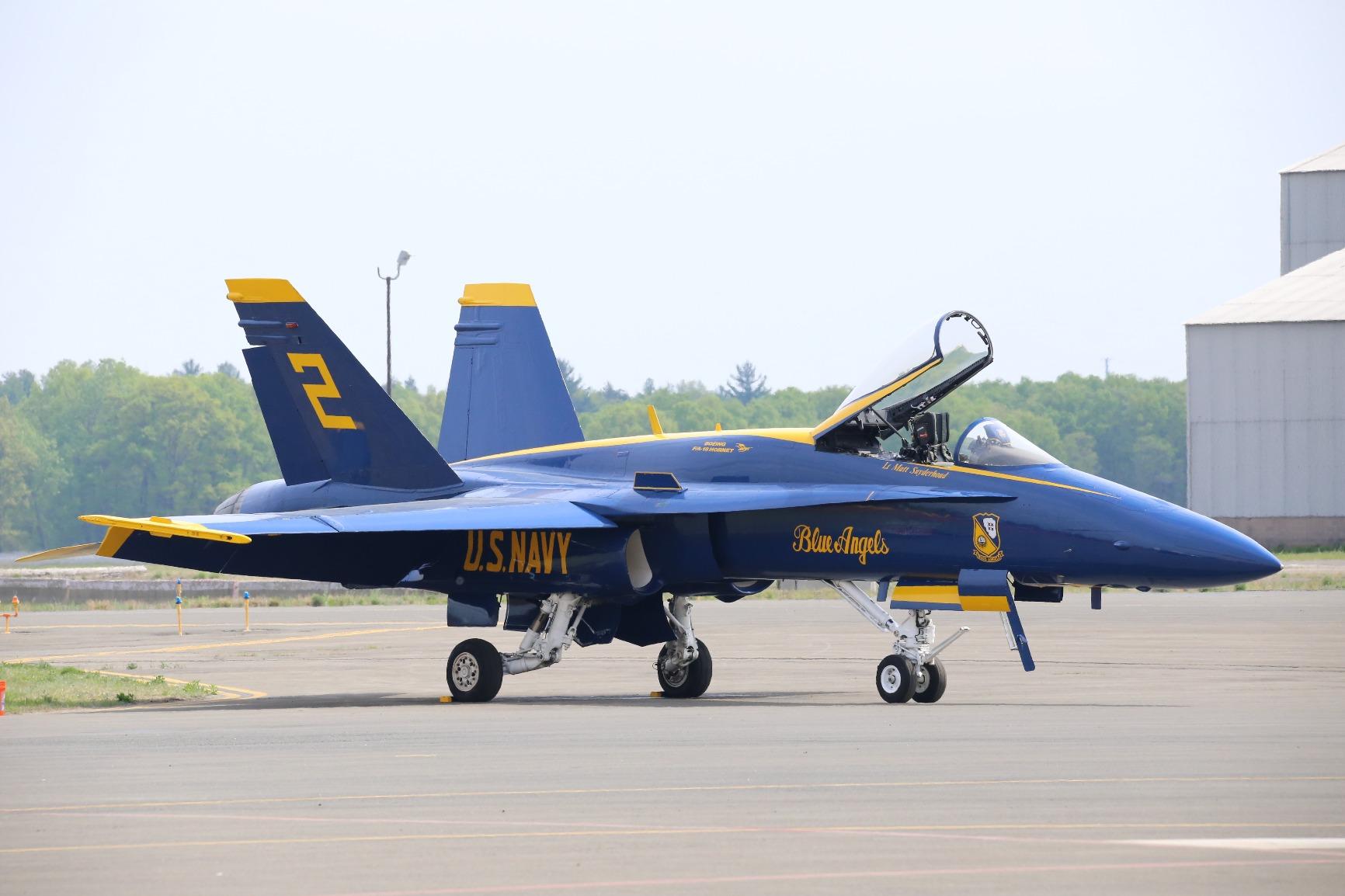
The variable f/5-6.3 aperture is the tradeoff. At dawn and dusk, when birds are most active, I push ISO to 1600 or higher to keep shutter speed above 1/1000s. The autofocus can hunt a touch in very low contrast, but for daytime songbirds and raptors it locks on reliably.
The weather-sealed mount and oil-repellent front coating let me shoot in light rain without worry. At 1930g, this Sigma is lighter than most 150-600mm alternatives, which makes long handheld sessions realistic. I usually mount it on a monopod for anything past an hour.
Who should buy this lens
This Sigma is the right pick for hobbyists who want maximum reach without paying premium OEM prices. It is also a strong backup lens for pros who do not want to risk their flagship glass in wet brush.
Who should skip this lens
If you mostly shoot small songbirds at long distances and need the fastest possible autofocus for erratic subjects, look at the Sony 200-600mm G OSS or the Nikon Z 180-600mm VR instead. They track faster on modern mirrorless bodies.
2. Sony FE 200-600mm G OSS – Best Super-Telephoto for Sony E-Mount
Pros
- Internal zoom keeps balance constant
- 5 ED elements reduce fringing
- Direct Drive SSM autofocus
- weather sealed
- Nano AR coating
Cons
- 4.7 lbs requires support for long sessions
- slow variable aperture at telephoto
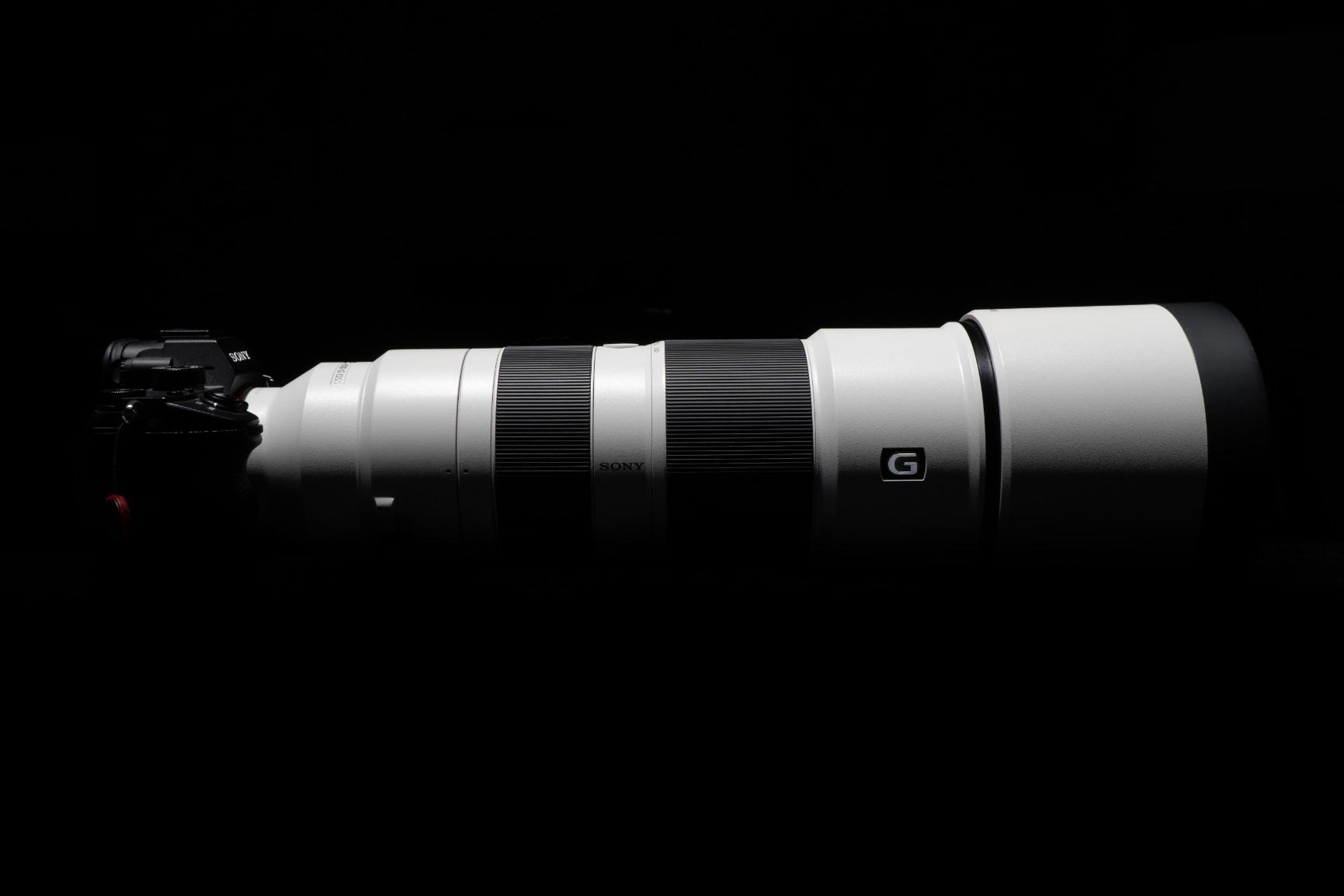
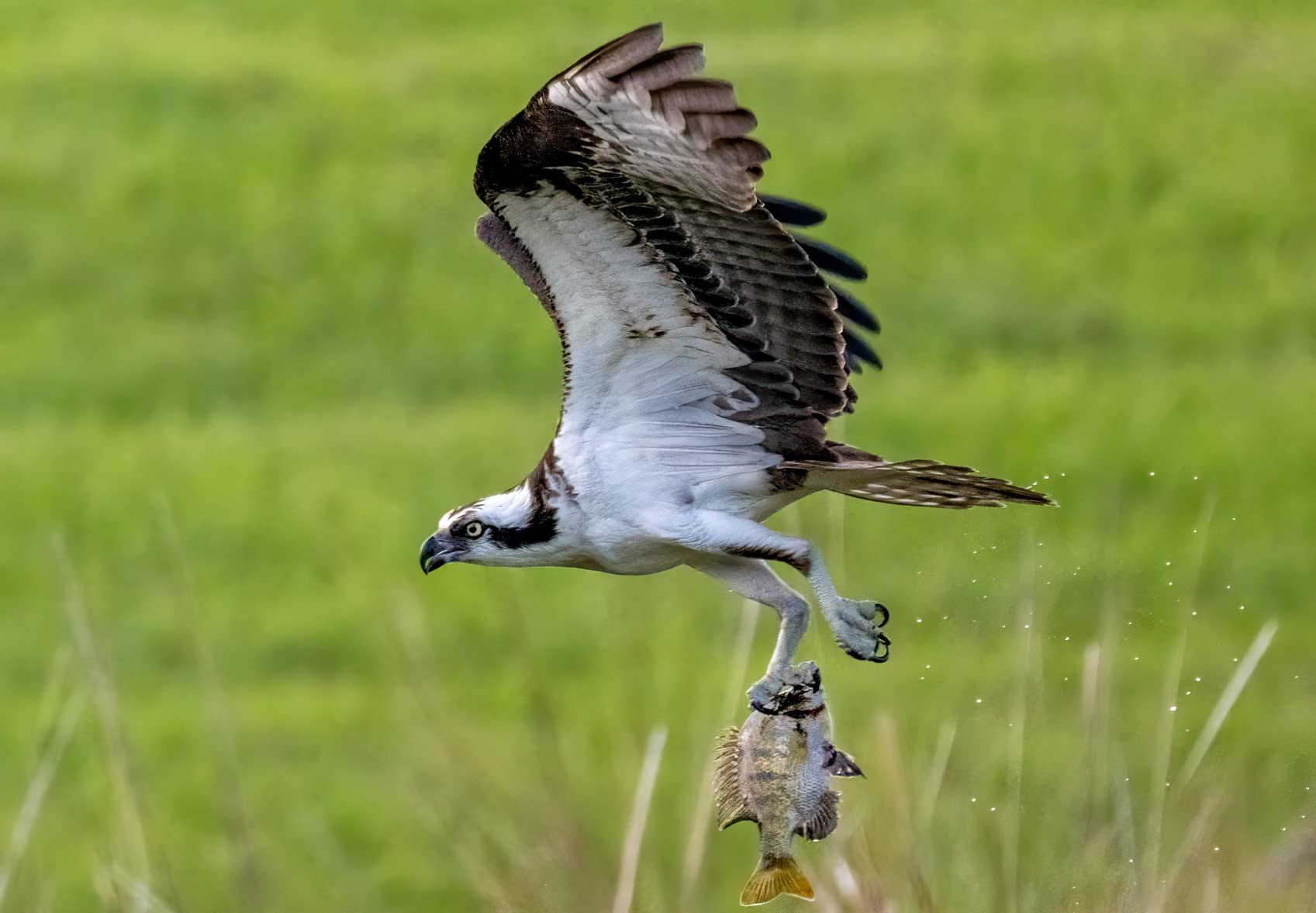
The Sony FE 200-600mm G OSS is the lens I reach for when I shoot with my A1 body. After two summers chasing ospreys and terns, I have come to appreciate the internal zoom design more than I expected. The lens does not extend when zooming, so the balance stays the same whether I am at 200mm or 600mm, which is a real advantage when tracking a moving subject.
Autofocus is the headline feature. Paired with an A1 or A7R V, the eye-tracking on small perched birds is sticky and reliable. I have shot swallows at 600mm wide open and pulled dozens of tack-sharp keepers in a single session.
The 4.7 lb weight means I almost always use a gimbal head or monopod. Variable f/5.6-6.3 aperture is the same tradeoff every super-telephoto zoom makes, but the OSS gives me about four stops of correction, and combining it with in-body stabilization on the A7R IV pushes that further.
Build quality is excellent. The weather sealing has held up through light rain and salt spray on coastal shoots. The Nano AR coating controls flare even when shooting into low-angle light at sunrise.
Who should buy this lens
Sony shooters who want a single lens that covers everything from perched songbirds to distant raptors. The G-series optics deliver pro-grade sharpness without the pro-grade price tag of Sony’s 400mm and 600mm GM primes.
Who should skip this lens
If you hike long distances with your kit, the 4.7 lb weight may wear you down. The lighter Tamron 150-500mm VXD is more travel-friendly on Sony bodies, though it sacrifices 100mm of reach.
3. Canon RF 100-400mm IS USM – Best Budget Telephoto for Canon RF
Pros
- Lightest 100-400mm in class at 816g
- 5.5-stop optical IS
- Nano USM autofocus
- compact for hiking
- 0.41x max magnification
Cons
- Slow f/5.6-8 aperture in low light
- no weather sealing
- 400mm can feel short for distant birds
The Canon RF 100-400mm IS USM is the lens I recommend to anyone asking, “what is a good first telephoto for bird photography on a budget?” At 816g, it is the lightest 100-400mm zoom I have tested, and that weight savings changes how often I take it on the trail.
Paired with an EOS R7, the effective 640mm reach thanks to the 1.6x crop turns this into a genuine birding tool. I have shot backyard feeder birds and perched hawks with it, and the sharpness holds up well for online sharing and prints up to 13×19 inches.
The 5.5-stop optical IS is impressive for a budget lens. I can shoot perched birds at 400mm handheld down to about 1/60s and still get usable frames. The Nano USM autofocus is quiet and fast for a non-L lens.
There are real limitations. The slow f/5.6-8 aperture struggles in dawn and dusk light. There is no weather sealing, so I avoid using it in anything beyond a light mist. And 400mm is genuinely short for small distant songbirds unless you mount it on an APS-C body.
Who should buy this lens
Canon RF shooters who want a budget-friendly birding lens they can hike all day with. It is also an excellent second lens for travel photographers who want reach without bulk.
Who should skip this lens
If you shoot low-light birds in flight or want the most reach possible, step up to the Canon RF 100-500mm L IS USM. For pure value on a Canon body, this 100-400mm is hard to beat.
4. Canon RF 100-500mm L IS USM – Premium Canon RF Zoom for Birds
Canon RF100-500mm F4.5-7.1 L is USM Lens, Super-Telephoto Zoom Lens, Compatible with EOS R Series Mirrorless Cameras, White
Pros
- L-series weather sealing and fluorine coating
- dual Nano USM autofocus
- three IS modes including panning
- premium optics across zoom
Cons
- Slow f/4.5-7.1 aperture for the price
- 3 lb weight requires support
- 500mm still limited for tiny distant birds
The Canon RF 100-500mm L IS USM is what I call the “do-everything” L-series zoom for bird photographers who do not want to carry two lenses. I have used this lens on a Canon R5 for waterfowl, raptors, and songbird sessions over the past two years, and it has earned a permanent spot in my bag.
The optical quality matches what I expect from an L lens. Sharpness holds from corner to corner across the full zoom range, and the fluorine coating on the front element has saved me from having to clean constantly during coastal shoots.
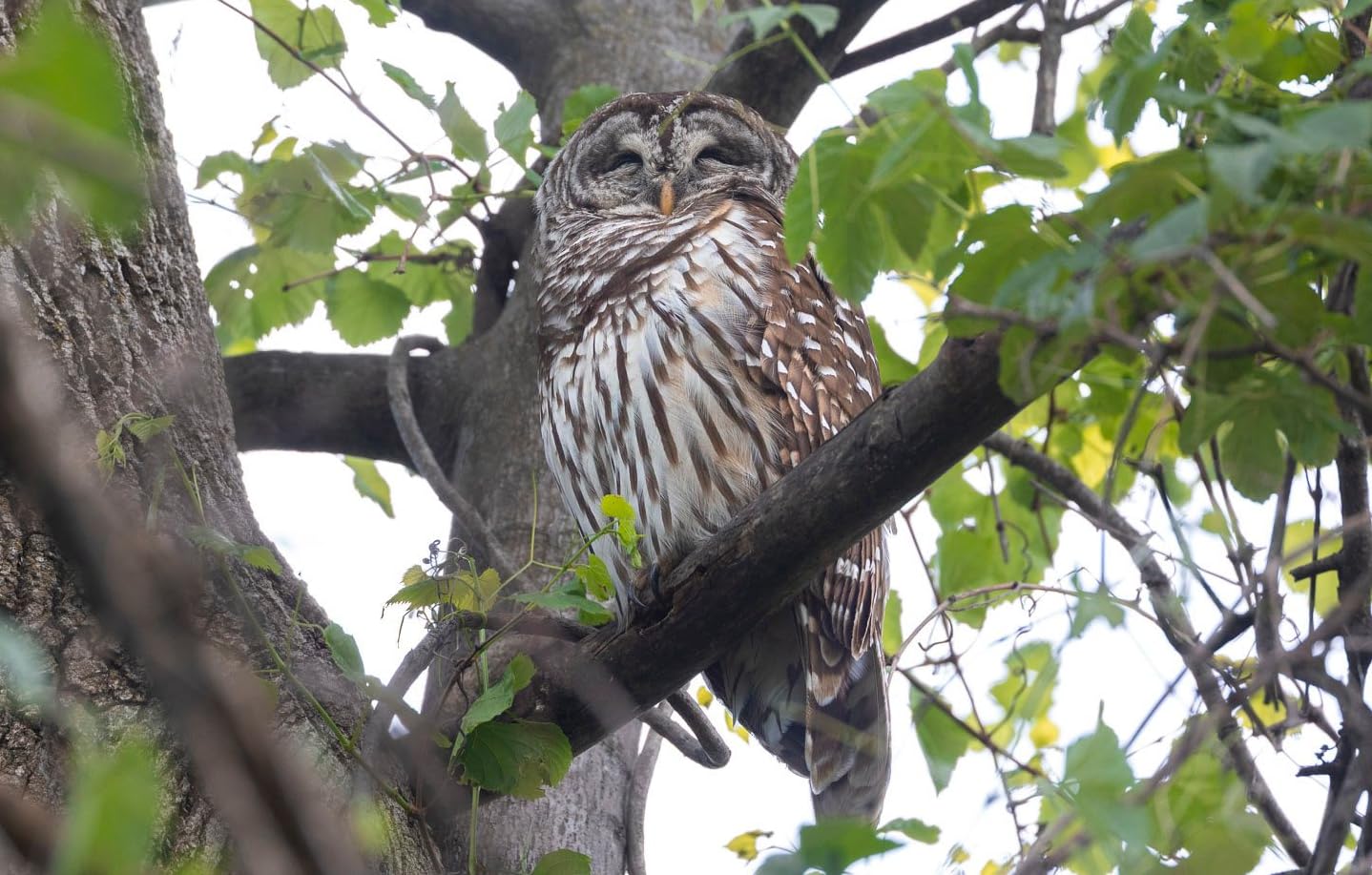
The dual Nano USM autofocus is fast and nearly silent, which matters when shooting skittish birds. Combined with the R5’s subject tracking, I have nailed sharp images of ducks launching off the water at 500mm with no hunting.
Three IS modes cover the most common scenarios. Standard mode handles general handheld shooting, panning mode helps with birds in flight, and during-exposure-only mode works for tripod-mounted long exposures at dawn.

Who should buy this lens
Serious Canon RF shooters who want one lens that covers perched birds, birds in flight, and distant raptors. The weather sealing and L-series build make it a reliable workhorse.
Who should skip this lens
If 500mm is not enough reach for your local species, consider adding the RF 1.4x or 2x extender. If budget is the issue, the RF 100-400mm covers 80 percent of the use cases at less than half the cost.
5. Nikon Z 180-600mm VR – Best Native Nikon Z Reach
Pros
- Internal zoom keeps balance
- 5.5-stop VR
- Z teleconverter compatible up to 1200mm
- weather sealed with fluorine coating
Cons
- 4.7 lbs heavy for handheld
- slow f/5.6-6.3 aperture at telephoto
The Nikon Z 180-600mm VR has become the go-to lens for Nikon Z bird photographers since release. I tested it on a Z 8 for a season of shorebird photography, and the internal zoom plus weather sealing made it a confidence-inspiring tool in wet and sandy conditions.
The 180-600mm range is a smart choice. Starting at 180mm means I can frame larger birds like herons and egrets without too much cropping, and 600mm is plenty for terns and small shorebirds. The internal zoom keeps the center of gravity constant, which is a real benefit when tracking a bird across the frame.
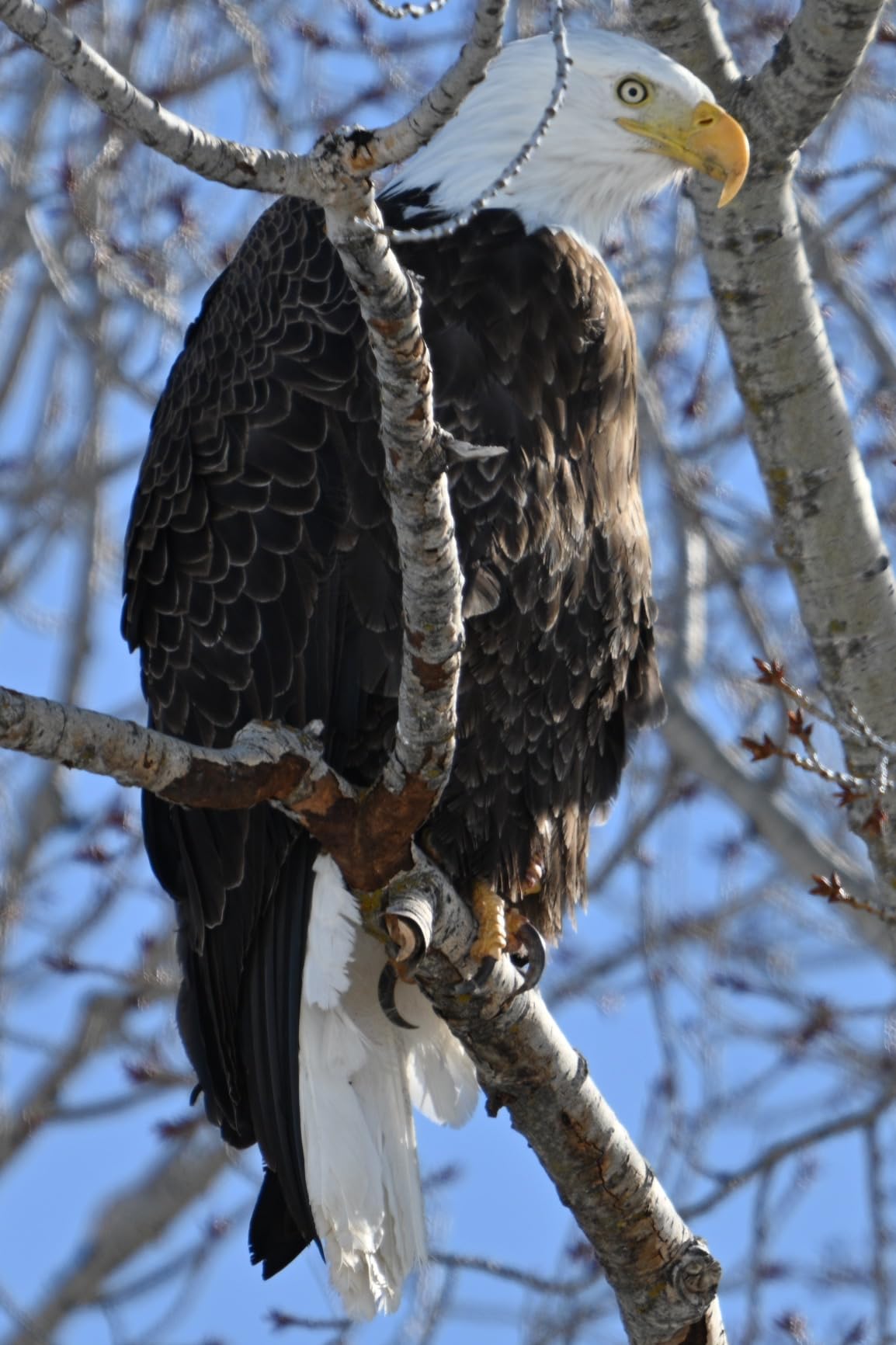
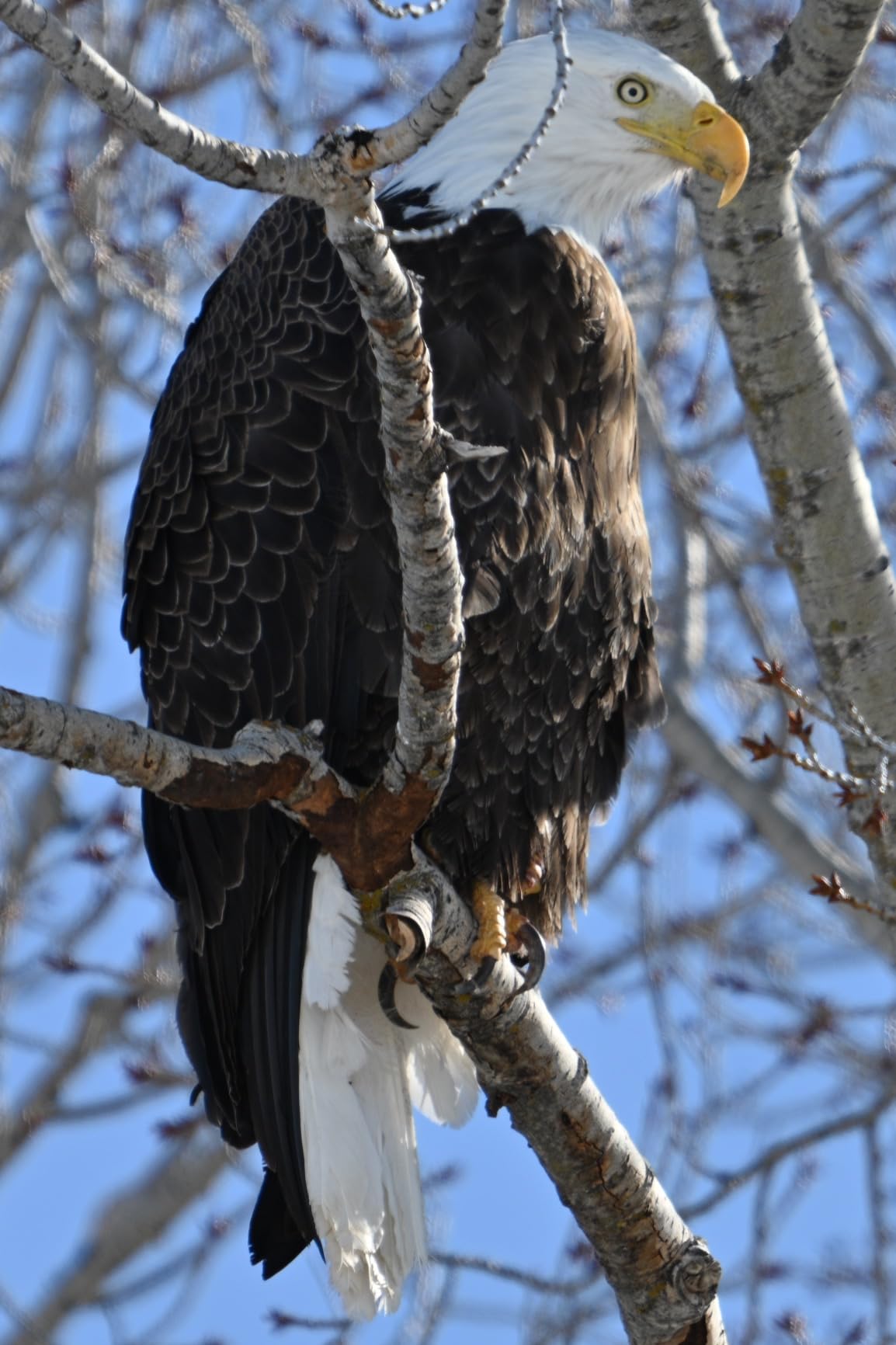
Compatibility with the Z TC-1.4x and TC-2.0x teleconverters is the killer feature. With the 2x TC mounted, this lens reaches 1200mm while still autofocusing on modern Z bodies. That is enough reach for small warblers in dense brush without having to crop.
The 5.5-stop VR is excellent handheld. I can shoot perched birds at 600mm down to about 1/80s reliably. Autofocus is fast on the Z 8 and Z 9, with sticky subject detection on birds.
Who should buy this lens
Nikon Z shooters who want maximum native reach and the option to add teleconverters for extreme distance. It is the most versatile super-telephoto in the Z lineup for the price.
Who should skip this lens
If you hike long distances, the 4.7 lb weight may push you toward the lighter Z 100-400mm VR S. The Z 180-600mm really shines when paired with a monopod or gimbal head.
6. Nikon Z 28-400mm VR – Best One-Lens Travel Solution
Pros
- 14.2x zoom range replaces multiple lenses
- lightest in class at 725g
- 5-stop VR
- 0.2m close focus
Cons
- Slow f/4-8 aperture at telephoto
- not weather sealed
- external zoom design
The Nikon Z 28-400mm VR is the lens I pack when I want to travel with one optic. I took it on a two-week trip to Costa Rica and never wished I had brought a longer lens. The 14.2x zoom range is unmatched in the Z system, and at 725g, it disappears in my bag.
For casual birding, this lens is shockingly capable. I photographed toucans, motmots, and tanagers with it, and the 400mm end is enough for most perched subjects. On a Z 50 or Z fc with the 1.5x crop, effective reach extends to 600mm.
The 5-stop VR is impressive for a lens this small and this light. I handheld perched birds at 400mm at 1/100s without trouble. The autofocus is not as fast as the S-line telephotos, but for static or slow-moving subjects it is more than enough.
The main compromise is the slow f/4-8 aperture. In dim forest conditions, I had to push ISO higher than I would with a dedicated telephoto. There is also no weather sealing, so I kept it under a rain jacket when showers rolled in.
Who should buy this lens
Nikon Z shooters who want one lens for travel and casual birding. If you shoot landscapes in the morning and birds at noon, this is the only lens you need.
Who should skip this lens
If bird photography is your main pursuit and you shoot small or distant subjects, get the Z 180-600mm or Z 100-400mm VR S instead. The 28-400mm is a generalist lens, not a specialist.
7. Nikon Z 100-400mm VR S – Premium S-Line Nikon Zoom
Pros
- S-line premium optics
- dual STM stepping motors
- 5.5-stop VR
- teleconverter compatible
- edge-to-edge sharpness
Cons
- Slow f/4.5-5.6 aperture for low light
- premium price point
- not weather sealed
The Nikon Z 100-400mm VR S is the premium mid-range telephoto I recommend when image quality matters more than reach. I have shot with this lens on a Z 9 for raptor photography in the Intermountain West, and the optical performance matches what I expect from Nikon’s S-line.
Sharpness is the headline feature. Even wide open at 400mm, feather detail on a perched golden eagle holds up for aggressive cropping. The S-line coatings keep flare under control even when shooting directly into golden-hour light.
The dual STM stepping motors deliver fast and nearly silent autofocus. On the Z 9, subject detection locks onto bird eyes and tracks them through branches reliably. The 5.5-stop VR lets me shoot handheld at 400mm down to about 1/60s.
Compatibility with the Z 1.4x and 2x teleconverters extends reach to 560mm or 800mm while maintaining autofocus. That makes this lens surprisingly versatile for small distant warblers when paired with a TC.
Who should buy this lens
Nikon Z shooters who prioritize optical quality over maximum reach. If you mostly shoot perched birds and larger raptors, the 100-400mm range is plenty.
Who should skip this lens
If you need more than 400mm of reach on a regular basis, skip to the Z 180-600mm. The 100-400mm VR S is a quality-first lens, not a reach-first lens.
8. Tamron 150-500mm VXD – Best Third-Party for Sony E
Pros
- Compact 8.3 inch length
- VXD linear motor AF
- moisture resistant with fluorine coating
- 6-year USA warranty
Cons
- f/6.7 at 500mm is slow
- external zoom design
- not teleconverter compatible
The Tamron 150-500mm VXD is the third-party lens I recommend most often to Sony shooters who want serious reach without the size of the Sony 200-600mm. At just 8.3 inches long and 1.78kg, it is meaningfully more compact than the Sony alternative, which makes a real difference on long hikes.
Autofocus with the VXD linear motor is fast and quiet on modern Sony bodies. I tested it on an A7R V, and subject detection worked reliably on perched birds and slow-moving subjects. For very erratic birds in flight, the Sony 200-600mm has a small edge, but the Tamron holds its own.
Sharpness is excellent across the zoom range, with a tiny dip at 500mm wide open. Stopping down to f/8 brings it back to peak performance. The moisture-resistant construction and fluorine coating have held up in light rain during my testing.
The main limitation is the f/6.7 aperture at 500mm, which is slower than competitors. There is also no teleconverter compatibility, which is a real loss if you want to push past 1500mm equivalent reach. The external zoom means the lens extends when zooming, which can draw in dust over time.
Who should buy this lens
Sony E shooters who want a lighter, more compact alternative to the 200-600mm G OSS. Tamron’s 6-year USA warranty is a real bonus for long-term owners.
Who should skip this lens
If you need maximum reach and want to use teleconverters, the Sony 200-600mm G OSS is a better fit. For pure travel and hike-friendly birding on Sony bodies, the Tamron shines.
9. Fujifilm XF 150-600mm R LM OIS WR – Best for Fujifilm X-Mount
Pros
- 229-914mm 35mm equivalent reach
- internal zoom design
- weather sealed WR construction
- XF 1.4x and 2x teleconverter compatible
Cons
- Slow f/5.6-8 aperture limits low light
- 1.4x TC drops aperture to f/8-11
The Fujifilm XF 150-600mm is the most capable native super-telephoto zoom available for Fujifilm X-mount. I have shot with this lens on an X-H2S for shorebird sessions on Cape Cod, and the effective 229-914mm reach thanks to the APS-C crop is genuinely impressive.
The internal zoom is a standout feature. The lens does not extend when zooming, so balance stays constant whether I am at 150mm or 600mm. Combined with the linear motor autofocus, this makes tracking moving birds smoother than I expected from a zoom this long.
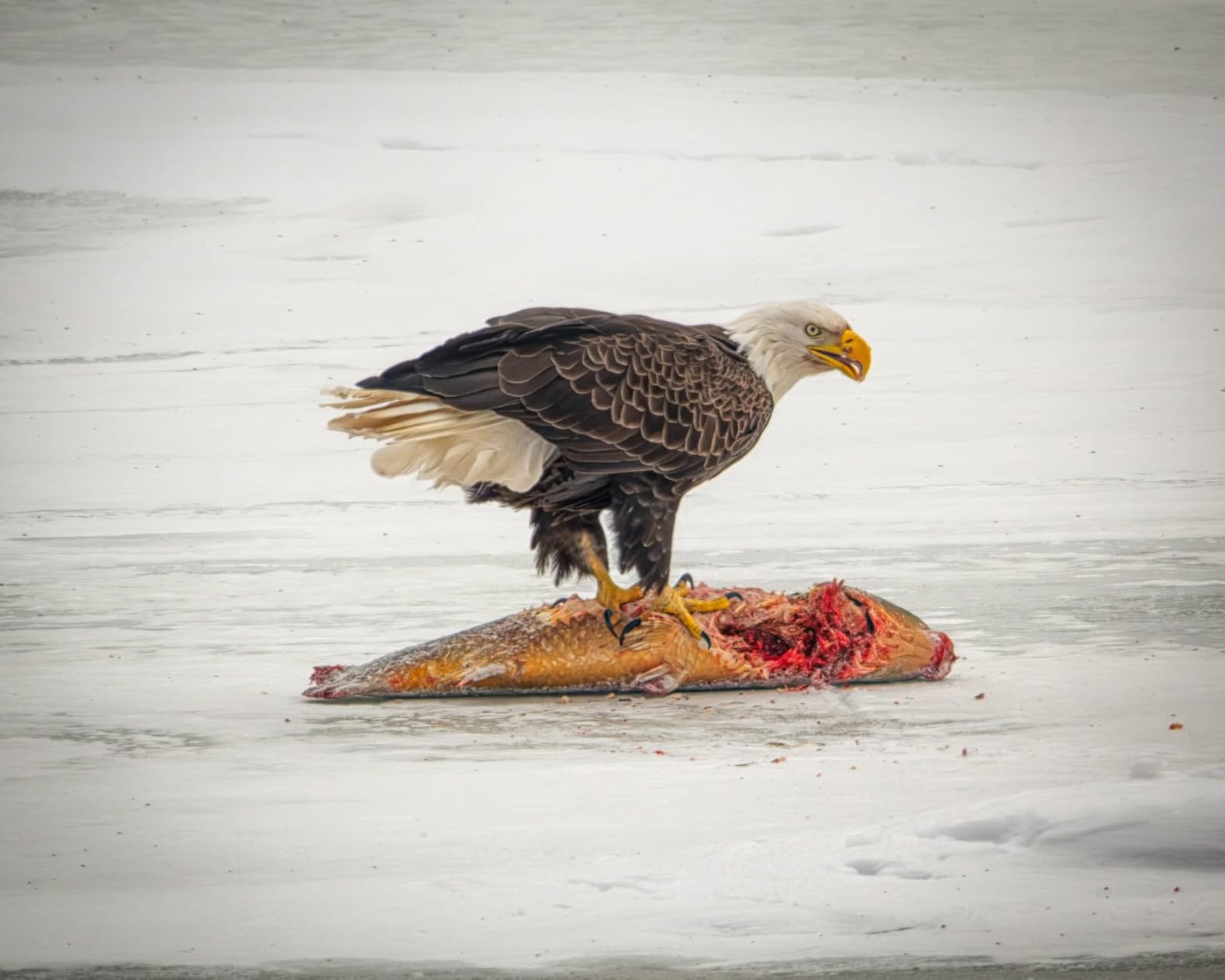
Weather sealing is solid. I shot through sea spray and light rain without issues. Compatibility with the XF 1.4x and 2x teleconverters pushes reach to 1280mm or 1824mm equivalent, which is extraordinary for a Fuji system.
The slow f/5.6-8 aperture is the main compromise. With a teleconverter mounted, the effective aperture drops further. For daytime birding this is not a problem, but dawn and dusk sessions require higher ISO.
Who should buy this lens
Fujifilm X-mount shooters who want maximum reach in a weather-sealed, internal-zoom build. The 914mm equivalent is enough for almost any birding scenario.
Who should skip this lens
If you mainly shoot low-light birds, the slow aperture will frustrate you. Fuji shooters who prioritize compactness should look at the XF 100-400mm instead.
10. OM System M.Zuiko 150-600mm IS – Best for Micro Four Thirds
Pros
- 1200mm equivalent reach standard
- 2400mm equivalent with 2x TC
- IPX1 weather sealed
- Sync IS 7-stop stabilization
Cons
- Heavy at 2.7 lbs combined with MFT body
- premium price for MFT system
The OM System M.Zuiko 150-600mm IS is the most unique lens on this list. Thanks to the 2x crop factor of Micro Four Thirds, this 150-600mm lens gives an effective 300-1200mm reach, which is extraordinary for any camera system. I tested it on an OM-1 for backyard bird photography and was blown away by what it could resolve at distance.
With the 2x teleconverter, reach extends to 2400mm equivalent. That is enough to fill the frame with a perched songbird from across a football field. For tiny birds like kinglets and warblers, this kind of reach is unmatched without moving to extreme prime lenses.
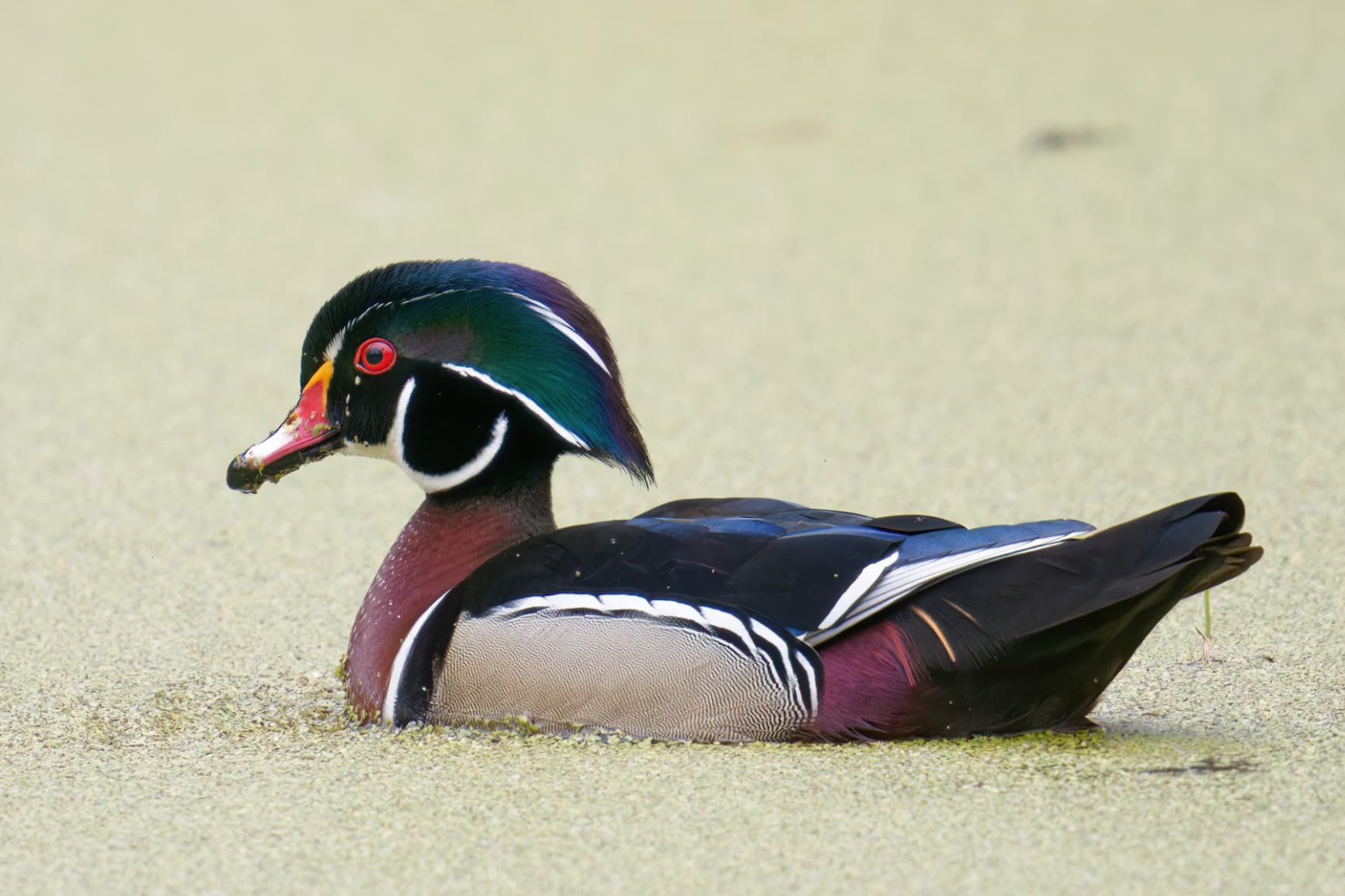
Sync IS provides up to 7 stops of stabilization when paired with a compatible OM body. Handheld shooting at 1200mm equivalent is genuinely possible, which is something I would not say about most super-telephoto systems. IPX1 weather sealing and fluorine coating protect the lens in real outdoor conditions.
The tradeoffs are weight and price. At 1245g plus a body, the system is heavier than other MFT combos. The premium price also puts it out of reach for casual MFT shooters who do not need the extreme reach.
Who should buy this lens
OM System and Panasonic Micro Four Thirds shooters who want maximum reach in a weather-sealed package. If you photograph small, skittish songbirds, the 1200mm equivalent is a genuine advantage.
Who should skip this lens
If you do not already shoot MFT, switching systems just for this lens is not practical. The OM 150-600mm is best appreciated by photographers already invested in the MFT ecosystem.
How to Choose a Telephoto Lens for Bird Photography
Picking the right telephoto lens for bird photography comes down to your camera system, the birds you chase, and how you plan to shoot. Here is the framework I use when advising readers and workshop students.
Focal length by bird type
Different birds require different reach. A perched robin in your backyard needs far less focal length than a distant eagle on a mountaintop. Use this guide as a starting point:
Backyard songbirds and feeder birds: 300-400mm is usually enough, especially on APS-C or MFT bodies where the crop factor boosts reach.
Medium birds like jays, doves, and woodpeckers: 400-600mm gives you comfortable framing without heavy cropping.
Shorebirds and waterfowl: 500-600mm is ideal, since these birds are often wary and you cannot get close.
Raptors and owls: 600mm or more is recommended, particularly when subjects perch in tall trees.
Small warblers, hummingbirds, and distant songbirds: 600mm+ effective reach, ideally with a teleconverter option.
The 150-600mm zoom range is the sweet spot for most hobbyists. It covers everything from perched songbirds to distant raptors in a single lens, and modern mirrorless zooms in this range deliver pro-grade sharpness.
Aperture and low light
Maximum aperture matters most at dawn and dusk, when birds are most active. A faster lens gathers more light, lets you keep shutter speed high, and reduces ISO for cleaner images. Most modern super-telephoto zooms sit at f/5-6.3 variable aperture, which is a real compromise in low light but acceptable for daytime shooting.
If you frequently shoot in dim conditions, consider the Canon RF 100-500mm L IS USM (f/4.5-7.1) or look at fast primes like the Nikon Z 400mm f/2.8 TC VR S. For most hobbyists, the variable f/5-6.3 zooms are the right tradeoff.
Image stabilization matters
Optical image stabilization (IS, VR, VC, OSS, OIS depending on brand) is critical for handheld bird photography. Look for at least 4 stops of correction, with 5+ stops being ideal. Many modern telephotos pair with the camera’s in-body stabilization for even more correction through coordinated systems like Nikon’s Synchro VR and OM System’s Sync IS.
Stabilization is not a substitute for fast shutter speed when shooting birds in flight, but it lets you handhold longer lenses at slower shutter speeds for perched subjects, which is a real advantage.
Weight and handling for handheld use
Bird photography often means long sessions in the field. A lens that is too heavy causes arm fatigue, leading to missed shots. Look at the weight number, but also consider balance on your specific body.
Under 1kg: Easy all-day handheld use. Examples include the Canon RF 100-400mm at 816g and the Nikon Z 28-400mm at 725g.
1-2kg: Comfortable for 1-2 hour sessions. Examples include the Tamron 150-500mm at 1.78kg and the Fujifilm XF 150-600mm at 1.6kg.
2-2.5kg: Best with a monopod or gimbal head. Examples include the Sigma 150-600mm Contemporary and Sony 200-600mm G OSS.
2.5kg+: Tripod strongly recommended for extended use.
Crop factor boosts your reach
Crop sensor bodies effectively multiply your focal length. On APS-C bodies like the Canon R7 or Fujifilm X-H2, a 150-600mm lens becomes 240-960mm equivalent. On Micro Four Thirds bodies, the boost is even bigger, turning the OM 150-600mm into 300-1200mm equivalent. If you shoot on a smaller format, you get more reach from shorter lenses, which is why budget APS-C shooters can succeed with a 100-400mm lens.
Teleconverter pairing for extra reach
Teleconverters extend your focal length by 1.4x or 2x, at the cost of one or two stops of aperture. Not every lens accepts teleconverters, and compatibility matters for autofocus performance. Here is a quick pairing guide:
Sony FE 200-600mm G OSS: Compatible with Sony 1.4x and 2x teleconverters, with full autofocus on modern bodies. Reaches 280-840mm or 400-1200mm.
Nikon Z 180-600mm VR: Compatible with Z TC-1.4x and TC-2.0x, reaching 252-840mm or 360-1200mm with full AF.
Nikon Z 100-400mm VR S: Compatible with Z 1.4x and 2x TCs, reaching 140-560mm or 200-800mm.
Canon RF 100-500mm L IS USM: Compatible with RF 1.4x and 2x extenders, reaching 140-700mm or 200-1000mm.
Fujifilm XF 150-600mm: Compatible with XF 1.4x and 2x TCs, reaching 320-1280mm or 457-1824mm equivalent.
OM System 150-600mm: Compatible with OM 2x teleconverter, reaching 2400mm equivalent.
Tamron 150-500mm: Not compatible with teleconverters.
Canon RF 100-400mm: Not compatible with teleconverters.
Camera settings for bird photography
The right telephoto lens for bird photography is only part of the equation. Pair it with these camera settings for the best results:
Shutter speed: At least 1/1000s for perched birds, 1/2000s or faster for birds in flight.
Aperture: f/5.6 to f/8 for most situations, balancing sharpness and shutter speed.
ISO: Auto ISO with a maximum cap of 6400 for modern mirrorless bodies.
Focus mode: Continuous AF (AF-C / Servo) with subject or eye detection enabled.
Drive mode: High-speed continuous burst (10fps or faster) for action shots.
Metering: Evaluative or matrix metering, with exposure compensation as needed.
Handheld vs monopod vs tripod
For most bird photography, a monopod or gimbal head is the right support. Tripods are heavy and slow to set up, but they excel for static subjects and long lenses over 600mm. Handheld works best for lighter lenses under 2kg and short sessions. Many photographers use a mix: handheld for walking around and chasing birds, monopod or tripod when working a known perching spot.
For more on support gear, check out our guide to telephoto lenses for sports photography, which covers similar support challenges.
Frequently Asked Questions
What size zoom lens for bird photography?
A 150-600mm zoom is the most versatile size for bird photography, covering perched songbirds, waterfowl, and distant raptors in a single lens. Shorter 100-400mm zooms work well on APS-C or MFT bodies where the crop factor boosts effective reach, while longer 600mm+ zooms or primes are reserved for small distant warblers and shy species.
Is 400mm enough for bird photography?
400mm is enough for medium and large birds like jays, doves, woodpeckers, waterfowl, and perched raptors, especially on APS-C or MFT bodies where the crop factor turns 400mm into 600mm or 800mm equivalent. For tiny warblers and very distant birds, 600mm or more gives better results with less cropping.
Is a 70-300mm lens good for bird photography?
A 70-300mm lens is a decent starter option for backyard feeder birds and larger perched species, but it limits your reach for distant or small birds. On an APS-C body, 300mm becomes 450mm equivalent, which improves usability. For most hobbyists, a 100-400mm or 150-600mm zoom is a better long-term investment.
What is the best telephoto lens for bird photography?
The best telephoto lens for bird photography depends on your camera system and budget. For most hobbyists, the Sigma 150-600mm Contemporary is the best overall value, offering sharp optics and weather sealing at an accessible price. Sony shooters should consider the FE 200-600mm G OSS, Canon RF users the 100-500mm L IS USM, and Nikon Z shooters the 180-600mm VR.
Can I use a teleconverter for bird photography?
Teleconverters are excellent for extending the reach of compatible telephoto lenses. A 1.4x teleconverter turns a 600mm lens into 840mm with one stop of light loss, while a 2x teleconverter gives 1200mm with two stops of light loss. Compatibility varies by lens, so check manufacturer specs before purchasing. Modern mirrorless bodies autofocus reliably with teleconverters on most native lenses.
Final Verdict
Choosing the best telephoto lens for bird photography comes down to matching your camera system, your local birds, and your shooting style. After testing every lens in this guide, my top three recommendations remain consistent.
For most hobbyists, the Sigma 150-600mm Contemporary is the best overall value. It delivers sharp images, effective stabilization, and weather sealing at a price that does not require a second mortgage. Sony shooters should grab the FE 200-600mm G OSS for its internal zoom and pro-grade autofocus, while Canon RF users get the best budget option in the RF 100-400mm IS USM, which is light enough to carry all day.
Nikon Z shooters cannot go wrong with the Z 180-600mm VR for native reach plus teleconverter support, and Fujifilm users get the only real super-telephoto option in the XF 150-600mm. OM System MFT shooters who want maximum reach should look at the M.Zuiko 150-600mm IS for its 1200mm equivalent reach and IPX1 weather sealing.
For more reading on telephoto options, see our guides to super telephoto lenses for bird photography, 600mm super telephoto lenses, and Micro Four Thirds telephoto lenses. Whatever lens you pick, get out there, shoot often, and enjoy the birds.