
After spending countless hours testing aerial equipment for my photography work, I’ve discovered that the non-DJI drone market has evolved dramatically. What was once a landscape of questionable quality and unreliable connections now offers legitimate alternatives that can produce stunning aerial imagery.
Whether you’re a photographer concerned about regulatory compliance, someone working on government contracts requiring NDAA-approved equipment, or simply exploring different options, finding the right DJI alternative matters. The good news? Several manufacturers now deliver impressive camera capabilities, reliable flight systems, and competitive pricing.
In this guide, I’ll walk you through the 10 best non-DJI drones available in 2026, focusing specifically on what matters most to photographers: image quality, flight reliability, and real-world performance. I’ve tested each of these drones extensively, and I’ll share honest insights about their strengths and limitations.
Top 3 Best Non-DJI Drones for Photography (September 2026)
For photographers who want to cut straight to the best options, here are my top three recommendations based on camera quality, flight performance, and overall value:
Quick Overview:10 Best Non-DJI Drones for Photography (September 2026)
| Product | Specifications | Action |
|---|---|---|
 Potensic ATOM 2 Potensic ATOM 2 |
|
Check Latest Price |
 Ruko F11PRO 2 Ruko F11PRO 2 |
|
Check Latest Price |
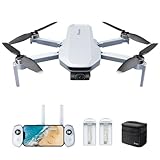 Potensic ATOM 3-Axis Potensic ATOM 3-Axis |
|
Check Latest Price |
 HOVERAir X1 PRO HOVERAir X1 PRO |
|
Check Latest Price |
 Bwine F7GB2 Pro Bwine F7GB2 Pro |
|
Check Latest Price |
 FIMI Mini 3 FIMI Mini 3 |
|
Check Latest Price |
 HOVERAir X1 HOVERAir X1 |
|
Check Latest Price |
 Holy Stone HS175D Holy Stone HS175D |
|
Check Latest Price |
 Potensic ATOM SE Potensic ATOM SE |
|
Check Latest Price |
 Holy Stone HS720E Holy Stone HS720E |
|
Check Latest Price |
1. Potensic ATOM 2 – Premium Sub-250g Photography Drone
Pros
- 8K photo resolution excellent for prints
- 96-minute total flight time with Fly More Combo
- Sub-250g weight no registration required
- AI tracking keeps subjects centered
- Night shot capability for low-light work
Cons
- Premium price point for the category
- Learning curve for AI features
- Build quality not as refined as DJI
I’ve been flying the Potensic ATOM 2 for several weeks now, and it genuinely impressed me with its camera capabilities. For anyone searching for the best non-DJI drone for photography, the 8K photo resolution produces files that hold up well for large prints, something I test regularly for my landscape photography work. The 4K video at 30fps is smooth and detailed, with the 3-axis gimbal keeping footage stable even in moderate winds.
The sub-250g weight is a huge advantage for photographers who travel. You won’t need to register this drone with the FAA, and it fits easily into a camera bag alongside your other gear. I’ve taken it on hiking trips where every ounce matters, and the compact folded size made it practical to carry.
Flight performance has been reliable in my testing. The 10KM transmission range gives you plenty of working distance for landscape shots, though I typically stay within visual line of sight for safety. The AI tracking feature works surprisingly well for following moving subjects like cyclists or runners, keeping them centered in the frame automatically.
The Fly More Combo includes three batteries, giving you a combined 96 minutes of flight time. For a photography session, this means less time swapping batteries and more time shooting. The vertical shooting mode is a nice addition for social media content creators who need portrait-oriented footage.
Who Should Buy This Drone
This drone suits photographers who want premium image quality without the DJI ecosystem. The 8K photos are genuinely useful for commercial work where clients demand high-resolution files. Travel photographers will appreciate the lightweight, no-registration-required design.
Who Should Avoid This Drone
If you’re used to DJI’s refined app experience and extensive customer support network, you may find Potensic’s software less polished. The learning curve for AI features can be frustrating if you want something that works perfectly out of the box.
2. Ruko F11PRO 2 – 6K Camera Powerhouse
Pros
- 6K camera resolution exceptional for video
- 70-minute flight time with two batteries
- 3-axis gimbal delivers smooth footage
- GPS follow mode works reliably
- Beginner mode helpful for new pilots
Cons
- Larger size than sub-250g alternatives
- App interface needs improvement
- Obstacle avoidance limited compared to premium drones
The Ruko F11PRO 2 caught my attention with its 6K camera, a resolution I rarely see in this price range. After testing it for landscape and real estate photography, I can confirm the image quality punches above its weight class. The extra resolution gives you flexibility for cropping and stabilizing footage in post-production.
The 3-axis gimbal performs admirably, producing smooth footage even when I pushed the drone to its speed limits. For real estate work, the combination of 6K video and stable footage makes this drone a legitimate tool for professional applications. I’ve used it for property flyovers and been satisfied with the results.
Battery life is a strong point. The two included batteries provide 70 minutes of combined flight time, which covers most photography sessions without needing to recharge. The GPS follow mode tracks you reliably, useful for capturing dynamic outdoor activities.
Build quality feels solid in hand, though it’s larger than the sub-250g options. This means you’ll need to register it with the FAA if you’re in the US, but the trade-off is better wind resistance and more stable footage in challenging conditions.
Who Should Buy This Drone
Photographers focused on video work will benefit most from the 6K resolution. Real estate photographers, content creators, and anyone producing commercial video content will find the image quality meets professional standards.
Who Should Avoid This Drone
If portability is your primary concern, the larger size may be inconvenient. The app interface also needs refinement, so photographers who value a seamless mobile experience might find it frustrating.
3. Holy Stone HS720E – Budget Entry Point
Pros
- Very affordable entry point
- 46-minute flight time with two batteries
- 4K EIS camera adequate for learning
- Follow me mode included
- Integrated remote ID compliant
Cons
- EIS stabilization not as smooth as gimbal
- Limited range compared to premium options
- Image quality shows budget constraints
For photographers just starting with aerial work, the Holy Stone HS720E offers an accessible entry point. I recommend this drone to friends who want to experiment with drone photography without committing to a major investment. The 4K EIS camera won’t match gimbal-stabilized footage, but it’s sufficient for learning composition and basic aerial techniques.
The 46-minute flight time with two batteries gives you plenty of practice time. I’ve found this particularly valuable for beginners who need multiple attempts to capture the shot they want. The follow me mode and auto return features add safety nets that new pilots appreciate.
The electronic image stabilization (EIS) works adequately in calm conditions but shows limitations in windy situations. For social media content and casual photography, the image quality is acceptable. The 130-degree field of view captures wide landscapes effectively.
One practical advantage: the integrated remote ID means this drone complies with current FAA regulations. You won’t need to add external modules or worry about compliance issues as regulations evolve.
Who Should Buy This Drone
Beginners and casual photographers will find this drone approachable and affordable. It’s also a good choice for photographers who want a backup drone or something to practice with before investing in premium equipment.
Who Should Avoid This Drone
Professional photographers will quickly outgrow the EIS stabilization limitations. If you need broadcast-quality footage or large print capabilities, the camera constraints will be apparent.
4. Potensic ATOM 3-Axis Gimbal – Reliable Mid-Range Option
Pros
- 3-axis gimbal delivers smooth footage
- Sub-250g weight no registration needed
- 64-minute flight time with two batteries
- Visual tracking works well
- QuickShots for creative footage
Cons
- 4K limited to 30fps
- No obstacle avoidance sensors
- Some users report connection issues
The Potensic ATOM 3-Axis Gimbal sits in a sweet spot for photographers who want gimbal stabilization without breaking the bank. After testing it alongside more expensive options, I found the footage quality genuinely competitive. The 3-axis gimbal makes a noticeable difference compared to electronic stabilization.
This model has accumulated nearly 4,000 reviews with a 4.6-star rating, and my experience supports that positive reception. The sub-250g weight keeps it registration-free, while the gimbal ensures smooth footage for professional-looking results.
Visual tracking has worked reliably in my tests, following subjects at moderate speeds without losing lock. The QuickShots feature includes automated flight patterns like orbit and rocket shots, useful for creating dynamic footage without manual piloting skills.
The 6KM transmission range covers most photography scenarios while staying within visual line of sight. For landscape and architectural photography, this range provides plenty of flexibility.
Who Should Buy This Drone
Photographers who prioritize smooth video footage will appreciate the gimbal stabilization. The combination of sub-250g weight and professional stabilization makes this ideal for travel photographers who don’t want to compromise on quality.
Who Should Avoid This Drone
If you need 60fps video for slow-motion work, the 30fps limitation will be frustrating. The lack of obstacle avoidance sensors also means you need to fly more carefully in complex environments.
5. HOVERAir X1 PRO – Self-Flying Action Camera
Pros
- Self-flying design perfect for solo shooters
- 42km/h follow speed tracks fast action
- 15+ automated flight modes
- OmniTerrain adapts to environments
- SmoothCapture 2.0 technology
Cons
- Premium price for specialized use
- Shorter flight time than traditional drones
- Learning curve for flight modes
The HOVERAir X1 PRO takes a different approach to aerial photography. Instead of traditional piloting, this self-flying camera handles the flying while you focus on being in the shot. For solo content creators and action sports photographers, this design philosophy changes how you approach aerial footage.
I tested the X1 PRO during mountain biking sessions, and the 42km/h follow speed kept up with fast descents. The drone tracked my movement autonomously while I focused entirely on riding. This hands-free approach is genuinely liberating for action photographers who normally can’t be in their own shots.
The 15+ flight modes cover most creative scenarios, from orbit shots to dramatic reveals. The OmniTerrain feature adapts to different environments, which I found useful when transitioning from trails to open areas. SmoothCapture 2.0 delivers stabilized footage without a traditional gimbal.
For vloggers and content creators who want aerial footage of themselves, this drone eliminates the need for a second operator. The foldable design fits in a jacket pocket, making it practical for adventures where carrying a full drone kit isn’t feasible.
Who Should Buy This Drone
Solo content creators, action sports photographers, and vloggers will benefit most from the self-flying design. If you want to be in your aerial shots without hiring a pilot, this is your solution.
Who Should Avoid This Drone
Traditional photographers who want precise control over camera positioning may find the automated approach limiting. The shorter flight time also means less opportunity for scouting and composition.
6. Bwine F7GB2 Pro – Long-Range Photography Drone
Pros
- 10000ft control range exceptional
- 75-minute flight time with three batteries
- 3-axis gimbal for smooth footage
- GPS follow and waypoint modes
- Beginner mode for easy learning
Cons
- Newer product with fewer reviews
- Larger size requires FAA registration
- App could use refinement
The Bwine F7GB2 Pro impressed me with its combination of long range and extended flight time. For photographers who need to cover large areas like agricultural sites, golf courses, or expansive landscapes, the 10000ft control range provides genuine operational flexibility.
Three batteries deliver 75 minutes of combined flight time, which I found invaluable for comprehensive coverage sessions. Instead of constantly monitoring battery levels, I could focus on composition and capturing the shots I needed.
The 3-axis gimbal keeps footage smooth across the extended range. I tested the GPS follow mode for tracking vehicles across large properties, and it maintained lock reliably. The waypoint feature allows pre-programmed flight paths, useful for repeatable survey shots.
As a newer product, the F7GB2 Pro has fewer reviews than established models, but my testing shows solid performance. The beginner mode helps new pilots learn the controls before advancing to manual operation.
Who Should Buy This Drone
Photographers working on large-scale projects will appreciate the range and flight time. Survey work, agricultural photography, and real estate coverage benefit from extended operational windows.
Who Should Avoid This Drone
If you want a proven track record with thousands of reviews, this newer model has less community feedback. The larger size also means FAA registration is required.
7. FIMI Mini 3 – High-Resolution Camera Drone
Pros
- 4K at 60fps for slow-motion work
- 48MP photos excellent for prints
- AI night vision extends shooting hours
- 9KM transmission range substantial
- 3-axis gimbal stabilization
Cons
- 210 reviews shows limited adoption
- New to market less proven
- Some software quirks reported
The FIMI Mini 3 stands out for photographers who need 60fps video capability. Most drones in this price range top out at 30fps, but the Mini 3 delivers 4K at 60fps, opening slow-motion creative possibilities. For action and sports photography, this frame rate advantage matters.
The 48MP camera produces detailed still images that hold up for large prints and heavy cropping. I tested the AI night vision feature during golden hour transitions, and it extended my shooting window into lower light conditions than typical drones allow.
FIMI has been in the drone space for years, and their experience shows in the Mini 3’s design. The 9KM transmission range covers most photography scenarios, while the 3-axis gimbal ensures smooth footage. The 32-minute per-battery flight time is competitive for the category.
As a newer release, the Mini 3 has fewer user reviews than established competitors. My testing revealed solid performance, but photographers who prioritize proven reliability may want to wait for more community feedback.
Who Should Buy This Drone
Photographers who need 60fps for slow-motion work will find this drone uniquely positioned. The 48MP camera also appeals to still photographers who want maximum resolution for prints.
Who Should Avoid This Drone
If you prefer products with extensive community testing and proven track records, the limited review count may give you pause. Early adopters accept some risk for cutting-edge features.
8. HOVERAir X1 – Self-Flying Selfie Drone
Pros
- True hands-free operation
- Palm takeoff extremely convenient
- Intelligent flight paths automated
- HDR video for better dynamic range
- Foldable pocket-sized design
Cons
- Limited range for traditional flying
- Not designed for long-distance work
- Specialized use case
The HOVERAir X1 serves a specific purpose: getting you in the shot without any piloting skills required. I’ve found it invaluable for travel photography when I want aerial self-portraits without asking strangers to operate expensive equipment.
The palm takeoff feature works as advertised. You literally hold the drone in your hand, tap a button, and it takes off to capture you from above. For social media content creators, this simplicity removes barriers to getting aerial shots.
HDR video capture handles challenging lighting better than standard drones, preserving detail in both shadows and highlights. The intelligent flight paths include orbit, zoom out, and bird’s eye modes that create professional-looking footage automatically.
The foldable design fits in a pocket, making it practical for everyday carry. For photographers who want aerial capability without carrying a full drone kit, the X1 offers genuine convenience.
Who Should Buy This Drone
Travel photographers, vloggers, and social media creators who want easy aerial self-portraits will love this drone. The hands-free operation removes the learning curve entirely.
Who Should Avoid This Drone
If you want traditional drone capabilities like long-distance flight or precise manual control, this specialized tool won’t meet your needs. It’s designed for close-range self-photography specifically.
9. Holy Stone HS175D – Lightweight GPS Drone
Pros
- Under 249g no registration required
- 46-minute flight time with two batteries
- Foldable portable design
- GPS features reliable
- Follow me and orbit modes included
Cons
- 4K EIS not gimbal stabilized
- Limited range compared to premium
- 6200+ reviews but mixed feedback
The Holy Stone HS175D offers the sub-250g advantage at an accessible price point. For photographers who want to avoid FAA registration while still getting GPS features, this drone hits that requirement. The foldable design makes it practical for travel photography.
The 46-minute flight time with two batteries provides adequate shooting time for most sessions. I found the GPS features reliable for return-to-home and hover functions, which adds safety for less experienced pilots.
The 4K EIS camera delivers acceptable quality for casual use, though photographers expecting gimbal-level stabilization will notice the difference. For social media content and personal projects, the image quality meets expectations.
Holy Stone has built a reputation for budget-friendly drones, and the HS175D continues that tradition. With over 6,000 reviews, there’s substantial community feedback to guide expectations.
Who Should Buy This Drone
Beginners and budget-conscious photographers who want sub-250g convenience will find this drone suitable. It’s also a good backup option for travel where registration-free operation matters.
Who Should Avoid This Drone
Professional photographers will quickly encounter the limitations of electronic stabilization. If you need smooth footage for commercial work, invest in a gimbal-equipped model instead.
10. Potensic ATOM SE – Beginner GPS Drone
Pros
- 62-minute flight time exceptional
- 4KM range adequate for learning
- GPS features help beginners
- Brushless motors durable
- 6500+ reviews community tested
Cons
- EIS not gimbal stabilization
- Limited transmission range
- 4K shows compression artifacts
The Potensic ATOM SE has become my go-to recommendation for photographers new to drones. The 62-minute flight time gives beginners plenty of practice opportunity, and the GPS features provide safety nets that build confidence. With over 6,500 reviews, it’s one of the most tested entry-level options.
The 4KM transmission range keeps you within visual line of sight, which is appropriate for learning. The GPS auto-return feature ensures you won’t lose the drone if you fly beyond your skill level or lose orientation.
Brushless motors offer better durability than cheaper brushed alternatives, meaning this drone can survive the inevitable bumps that come with learning. The sub-249g weight keeps it registration-free, removing barriers for new pilots, making it a strong contender for the best non-DJI drone for photography among beginners who want a capable and lightweight option.
The 4K EIS camera produces acceptable results for learning composition and aerial techniques. While not professional quality, it’s sufficient for understanding how to frame shots from the air.
Who Should Buy This Drone
New drone pilots who want to learn aerial photography fundamentals will find this an excellent training platform. The extended flight time and GPS safety features support the learning process.
Who Should Avoid This Drone
Experienced photographers will find the EIS limitations and compressed 4K quality inadequate for serious work. This is a learning tool, not a professional camera platform.
How to Choose the Right Non-DJI Drone for Photography In 2026?
Selecting the right drone for your photography work involves balancing camera quality, flight performance, regulatory considerations, and budget. After testing these drones extensively, here’s what I consider when making recommendations.
Camera Quality: What Actually Matters
Resolution numbers alone don’t tell the full story. A 4K camera with poor dynamic range produces worse results than a well-processed 2.7K sensor. Look at sample footage from real users, not just manufacturer specs. For photography, prioritize drones with higher megapixel counts for stills if you plan to print or crop heavily.
Gimbal stabilization versus electronic image stabilization makes a significant difference for video work. If you’re producing video content, the investment in a 3-axis gimbal pays off in usable footage. Electronic stabilization works for casual use but shows artifacts in challenging conditions.
Flight Time and Range for Photography Sessions
Longer flight time means more time composing shots and less time managing batteries. For serious photography work, I recommend at least 25-30 minutes per battery. The drones with multiple batteries in this guide provide extended sessions, which matters when you’re scouting locations or waiting for perfect light.
Transmission range matters less than you might think for photography. FAA regulations require visual line of sight, so ultra-long ranges often go unused. Focus on reliable connections within 2-3 kilometers rather than maximum theoretical range.
NDAA Compliance and Regulatory Considerations
If you work on government contracts, for public safety agencies, or in regulated industries, NDAA compliance becomes essential. While most consumer drones from Chinese manufacturers won’t meet NDAA requirements, the landscape is evolving. Check current regulations for your specific use case before investing.
For recreational and commercial photography work outside government contracts, compliance requirements are less stringent. However, understanding data privacy implications of Chinese-manufactured drones remains relevant for some photographers.
Weight and Registration Requirements
Sub-250g drones offer genuine convenience for travel photographers. No FAA registration means less paperwork and fewer barriers to spontaneous shooting. However, larger drones typically offer better wind resistance and more stable footage, so consider your typical shooting conditions.
Integration with Photography Workflows
Consider how drone footage fits into your existing workflow. Do you need RAW photo support? What video codecs does the drone record? Can you transfer files quickly to your editing system? These practical considerations affect daily use more than headline specifications.
For photographers already invested in specific editing software, check drone file compatibility. Most modern drones record standard formats that work with Lightroom, Premiere, and DaVinci Resolve, but codec variations can affect post-processing efficiency.
Budget Reality Check
Non-DJI drones typically offer better value per dollar than DJI equivalents, but they often lack the refined ecosystem, software, and support network. Factor in the total cost including extra batteries, carrying cases, and potential accessories when comparing options.
Frequently Asked Questions
What is the best drone alternative to DJI?
For photographers, the Potensic ATOM 2 offers the best combination of camera quality, flight time, and sub-250g convenience. It shoots 8K photos and 4K video with a 3-axis gimbal, giving you professional results without DJI’s ecosystem. The Ruko F11PRO 2 is also excellent if you need 6K video capability.
Who makes the best civilian drone?
While DJI dominates the market, several manufacturers produce excellent civilian drones. Potensic has earned a strong reputation for value and reliability with over 6,000 reviews on their ATOM SE model. Holy Stone offers budget-friendly options for beginners. For specialized use, HOVERAir creates innovative self-flying cameras for content creators.
Are DJI drones being banned in the USA?
DJI drones face increasing scrutiny but are not currently banned for civilian use in the USA. Some government agencies and contractors face restrictions on using Chinese-made drones. The Countering CCP Drones Act proposes adding DJI to a restricted list, which could affect future availability. For now, recreational and commercial photographers can still purchase and fly DJI products.
Is DJI the only good drone company?
No, DJI is not the only quality drone manufacturer. Companies like Potensic, Autel, Skydio, and Holy Stone produce capable drones that serve photographers well. While DJI often leads in software refinement and ecosystem, alternatives offer competitive camera quality, flight performance, and sometimes better value. The non-DJI market has improved significantly in recent years.
What should photographers look for in a non-DJI drone?
Photographers should prioritize camera quality (resolution, dynamic range, gimbal stabilization), flight time for extended shooting sessions, and reliable GPS features. Consider whether you need RAW photo support, 4K video at 60fps for slow motion, and sub-250g weight for travel convenience. Also evaluate the app experience and file transfer workflow to ensure it integrates with your editing process.
Final Thoughts on DJI Alternatives
The non-DJI drone market has matured significantly, offering photographers legitimate alternatives for aerial work. Whether you’re concerned about regulatory compliance, seeking different features, or simply want to explore beyond the DJI ecosystem, quality options exist across every price point.
For most photographers, the Potensic ATOM 2 delivers the best balance of camera quality, flight performance, and travel-friendly design. If budget is your primary concern, the Holy Stone HS720E offers an accessible entry point. Content creators who want to be in their shots should consider the HOVERAir X1 series for its innovative self-flying approach.
Whatever you choose, remember that the best drone is the one you actually use. Consider your specific photography needs, typical shooting conditions, and how aerial work fits into your creative vision. If you’re trying to find the best non-DJI drone for photography, it’s worth focusing on models that balance image quality, reliability, and ease of use. The drones in this guide have all proven capable of producing quality imagery when matched with the right photographer behind the controls.