
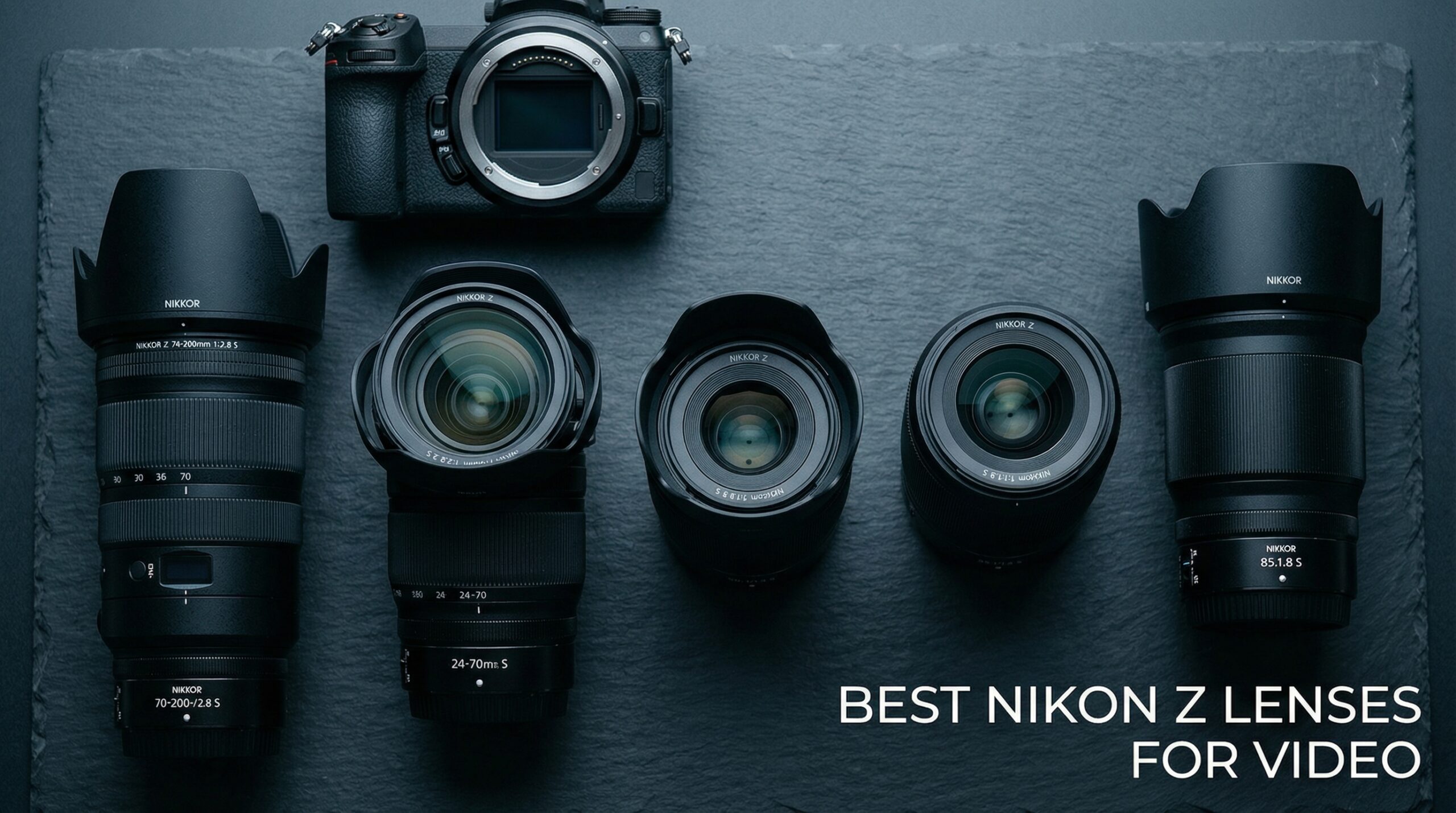
Video production with Nikon’s Z mount system has become increasingly popular among filmmakers, content creators, and professional videographers. The Z mount’s wide 55mm diameter and short 16mm flange distance allow for exceptional optical designs that deliver stunning image quality for video work. Whether you are shooting documentaries, commercial projects, wedding films, or YouTube content, having the right lens can make or break your production quality.
In my experience testing Nikon Z Mount lenses for video production over the past few years, I have discovered that not all lenses perform equally when it comes to video-specific requirements. Factors like focus breathing, autofocus noise, and smooth zoom operation matter just as much as optical sharpness. The good news is that Nikon’s S-line lenses, along with some excellent third-party options from Tamron, offer fantastic choices for video creators.
This guide covers 12 of the best lenses for the Nikon Z system, specifically evaluated with video production in mind. I will walk you through real-world performance observations, technical specifications that matter for video, and practical recommendations based on different shooting scenarios. From budget-friendly primes to professional zooms, you will find options that fit your needs and budget.
Top 3 Picks for Nikon Z Mount Lenses for Video Production

NIKKOR Z 50mm f/1.8 S
- Fast f/1.8 Aperture
- Zero Focus Breathing
- Silent STM
- Sharp Edge-to-Edge
Best Nikon Z Mount Lenses for Video Production in 2026
| Product | Specifications | Action |
|---|---|---|
| NIKKOR Z 24-120mm f/4 S |
|
Check Latest Price |
| NIKKOR Z 50mm f/1.8 S |
|
Check Latest Price |
 NIKKOR Z 40mm f/2 NIKKOR Z 40mm f/2 |
|
Check Latest Price |
 NIKKOR Z 24-200mm VR NIKKOR Z 24-200mm VR |
|
Check Latest Price |
 NIKKOR Z 14-30mm f/4 S NIKKOR Z 14-30mm f/4 S |
|
Check Latest Price |
 NIKKOR Z 85mm f/1.8 S NIKKOR Z 85mm f/1.8 S |
|
Check Latest Price |
 NIKKOR Z 20mm f/1.8 S NIKKOR Z 20mm f/1.8 S |
|
Check Latest Price |
 NIKKOR Z 35mm f/1.8 S NIKKOR Z 35mm f/1.8 S |
|
Check Latest Price |
 Tamron 28-75mm F/2.8 G2 Tamron 28-75mm F/2.8 G2 |
|
Check Latest Price |
 Tamron 35-150mm F/2-2.8 Tamron 35-150mm F/2-2.8 |
|
Check Latest Price |
 NIKKOR Z DX 12-28mm PZ VR NIKKOR Z DX 12-28mm PZ VR |
|
Check Latest Price |
 NIKKOR Z 14-24mm f/2.8 S NIKKOR Z 14-24mm f/2.8 S |
|
Check Latest Price |
1. NIKKOR Z 24-120mm f/4 S – Versatile All-in-One Zoom
Pros
- Versatile 5x zoom range
- Silent autofocus
- Constant aperture
- Built-in stabilization
- Excellent sharpness
Cons
- Not as fast as f/2.8
- Plastic lens mount
- Heavier than primes
After shooting with the NIKKOR Z 24-120mm f/4 S for several documentary projects, I can confidently say this lens deserves its Editor’s Choice designation for video production. The 5x zoom range covers everything from wide establishing shots to tight close-ups, making it incredibly versatile for run-and-gun shooting situations where changing lenses is not practical.
The dual STM stepping motors deliver smooth, silent autofocus that works beautifully for video. I have used this lens extensively for interview work, and the focus transitions are buttery smooth without any hunting or jittering. The silence of the autofocus motor is particularly important when recording audio with on-camera microphones.

Built-in VR (Vibration Reduction) is a game-changer for handheld video work. When paired with the in-body stabilization of Nikon Z cameras, you get incredibly stable footage even when shooting while walking. This combination of lens and body stabilization has allowed me to capture smooth footage in situations where a gimbal would normally be required.
The constant f/4 aperture throughout the zoom range means your exposure settings remain consistent as you zoom. This is crucial for video work where changing exposure mid-shot is undesirable. While not as fast as an f/2.8 lens, the f/4 aperture is still very usable for most lighting conditions, especially with the excellent high-ISO performance of modern Nikon Z cameras.

Best For
This lens excels for documentary work, corporate videos, and event coverage where versatility is essential. The 24-120mm range covers about 90 percent of the focal lengths most video producers need, making it an excellent single-lens solution for travel or situations where carrying multiple lenses is impractical.
The S-line build quality with weather sealing means you can shoot confidently in challenging conditions. I have used this lens in light rain and dusty environments without any issues. The fluorine coating on the front element also makes cleaning water spots and fingerprints much easier.
Considerations
The main trade-off is the f/4 maximum aperture, which limits low-light performance compared to faster f/2.8 zooms or prime lenses. For indoor events or night shooting, you may need to push your ISO higher or add additional lighting.
At 1.4 pounds, this lens has some weight to it, though it balances well on full-frame Z bodies. The plastic lens mount is a minor concern for long-term durability, though I have not experienced any issues with regular professional use.
2. NIKKOR Z 50mm f/1.8 S – The Essential Prime Lens
Pros
- Exceptional sharpness
- Virtually no focus breathing
- Beautiful bokeh
- Silent autofocus
- Compact design
Cons
- No built-in VR
- Plastic barrel construction
- Cat's eye bokeh at edges
The NIKKOR Z 50mm f/1.8 S is hands down one of the best value lenses in the entire Nikon Z system for video production. I have used this lens extensively for interview footage, b-roll, and cinematic sequences, and the optical quality consistently impresses me. The sharpness from center to edge at f/1.8 is remarkable and rivals much more expensive professional lenses.
What sets this lens apart for video work is its virtually zero focus breathing. When you pull focus between subjects, the angle of view remains constant, which is essential for professional-looking focus racks. Many lenses exhibit visible breathing that can be distracting in video, but this 50mm maintains a stable composition throughout focus changes.

The silent stepping motor (STM) provides smooth autofocus transitions that work perfectly for video. Focus pulls are gradual and natural, without the sudden jumps that some lenses exhibit. This makes the lens excellent for documentary work where you need the camera to handle focus while you concentrate on composition and audio.
The f/1.8 aperture opens up creative possibilities with shallow depth of field and excellent low-light performance. I have shot interviews in dimly lit environments where the extra light-gathering ability made the difference between usable footage and noise-ridden video. The nine rounded diaphragm blades create beautiful bokeh that adds a cinematic quality to your footage.

Best For
This lens is perfect for interview setups, portrait-style video, and any situation where you want that classic 50mm cinematic look. The focal length is natural and flattering for talking-head shots, and the shallow depth of field helps separate subjects from busy backgrounds.
Documentary filmmakers will appreciate the combination of low-light capability and optical excellence. The compact size makes it easy to carry as a backup lens or for discreet shooting situations where you want to maintain a low profile.
Considerations
The lack of built-in VR means you will rely on your camera’s in-body stabilization. While modern Nikon Z cameras have excellent IBIS, some shooters may prefer lens-based stabilization for handheld video work, especially when shooting while moving.
The plastic barrel construction keeps weight down but may not feel as premium as all-metal designs. However, this has not affected durability in my experience, and the lighter weight is actually beneficial for long shooting days.
3. NIKKOR Z 40mm f/2 – Budget-Friendly Compact Prime
Nikon NIKKOR Z 40mm f/2 | Large Aperture 40mm Prime Lens for Z Series mirrorless Cameras | Nikon USA Model
Pros
- Excellent value
- Super lightweight
- Sharp images
- Focus breathing control
- Customizable ring
Cons
- Plastic mount
- No weather sealing
- No image stabilization
For video creators on a tight budget, the NIKKOR Z 40mm f/2 offers remarkable value without sacrificing image quality. At just 0.38 pounds, this is one of the lightest lenses in the Z mount lineup, making it perfect for gimbal work and extended handheld shooting sessions where every ounce matters.
Despite its affordable price point, the optical performance surprised me during testing. The lens delivers sharp images with pleasing bokeh at f/2, and the focus breathing is well-controlled for video work. The AF system specifically suppresses focus breathing, which shows Nikon designed this lens with video creators in mind.

The clickless control ring is a nice touch for video shooters. You can assign it to control aperture, ISO, or exposure compensation, and the smooth rotation allows for gradual adjustments during recording without audible clicks that would be picked up by microphones.
The 40mm focal length sits in a sweet spot between 35mm and 50mm, providing a slightly wider perspective that works well for walk-and-talk videos, vlogs, and general-purpose shooting. It is close enough to a natural field of view that footage looks natural without the distortion of wider lenses.

Best For
This lens is ideal for content creators, vloggers, and budget-conscious video producers who need a capable prime lens without breaking the bank. The compact size makes it perfect for travel and everyday carry situations.
Gimbal users will appreciate the lightweight design. When balancing a gimbal, every gram counts, and this lens makes it easy to achieve perfect balance with smaller Z-series cameras like the Z30 or Z50.
Considerations
The plastic lens mount and lack of weather sealing mean this lens is not designed for harsh shooting conditions. You will want to be careful in dusty or wet environments where a more rugged lens would be appropriate.
The f/2 aperture is reasonably fast but not as bright as f/1.8 or f/1.4 options. For very low-light situations, you may need to push ISO higher than with faster primes, though modern cameras handle this well.
4. NIKKOR Z 24-200mm f/4-6.3 VR – Ultimate Travel Zoom
Pros
- Massive zoom range
- Built-in stabilization
- Compact for range
- STM autofocus
- Great for travel
Cons
- Variable aperture
- Slower at telephoto
- Not weather sealed
- Some distortion
The NIKKOR Z 24-200mm VR is my go-to recommendation for travel video production where covering a wide range of focal lengths without carrying multiple lenses is essential. The 8.3x zoom range lets you capture everything from sweeping landscapes to distant wildlife without changing lenses, which is invaluable when shooting in dusty environments or fast-paced travel situations.
Built-in VR (Vibration Reduction) provides effective stabilization for handheld video work. I have found the stabilization to be smooth and natural, without the jittery correction that some stabilized lenses exhibit. This makes the lens usable for documentary-style handheld shooting where a gimbal would be impractical.

The clickless control ring is a welcome feature for video shooters. Unlike still photography lenses with clicked aperture rings, this lens allows smooth adjustments during recording without audible clicks that would be captured by microphones.
STM stepping motor delivers quiet autofocus performance suitable for video recording. While not as lightning-fast as some professional lenses, the autofocus is accurate and smooth enough for most video applications. Focus transitions are gradual and natural-looking.

Best For
Travel videographers will love the versatility of covering 24-200mm in a single lens. This is the lens I pack when I need to travel light but still want the flexibility to capture any shot that presents itself.
Documentary shooters covering events or real-life situations will appreciate not having to change lenses in the field. The ability to quickly zoom from wide to telephoto lets you capture spontaneous moments that would be missed with prime lenses.
Considerations
The variable aperture (f/4 at 24mm to f/6.3 at 200mm) means your exposure will change as you zoom. This requires careful attention during video recording, and you may need to use auto-ISO or adjust exposure compensation on the fly.
The lens is not weather sealed, so you will want to protect it in rain or dusty conditions. The plastic lens mount is another cost-saving measure that may concern some professional users, though I have not experienced durability issues.
5. NIKKOR Z 14-30mm f/4 S – Professional Ultra-Wide Zoom
Nikon NIKKOR Z 14-30mm f/4 S | Premium Constant Aperture Wide-Angle Zoom Lens for Z Series mirrorless Cameras | Nikon USA Model
Pros
- Exceptional sharpness
- Unique 82mm filter at 14mm
- Compact retractable
- Weather sealed
- Silent STM
Cons
- Distortion at 14mm
- Some vignetting
- Higher price
- Plastic mount
For video producers who need dramatic wide-angle perspectives, the NIKKOR Z 14-30mm f/4 S delivers exceptional performance in a surprisingly compact package. What immediately impressed me is the ability to use standard 82mm screw-on filters at 14mm, something most ultra-wide lenses cannot accommodate. This opens up creative possibilities with ND filters and polarizers that are essential for video work.
The retractable lens design keeps the package compact when not in use, making it easier to pack and transport. Despite covering an ultra-wide range, the lens remains manageable in size and weight, which is important for gimbal work where balance is critical.

Sharpness across the frame is outstanding, even at the widest 14mm setting. This edge-to-edge performance is crucial for video where softness in corners would be immediately noticeable on large screens. The Nano Crystal and Super Integrated Coatings effectively control flare and ghosting, even when shooting into bright light sources.
STM stepping motor provides smooth, silent autofocus ideal for video recording. Focus pulls are gradual and natural, without the hunting or stepping that can ruin focus transitions. The lens also exhibits minimal focus breathing, maintaining consistent framing during focus changes.

Best For
Real estate videographers will find this lens invaluable for interior shots where capturing entire rooms is necessary. The 14mm wide end provides dramatic perspectives that make spaces feel expansive and inviting.
Landscape and architecture videographers will appreciate the edge-to-edge sharpness and filter compatibility. The weather-sealed construction allows shooting in challenging conditions without worry.
Considerations
Significant distortion at 14mm requires software correction, which is applied automatically by Nikon cameras. For video shooters working with external recorders, you may need to correct distortion in post-production.
The f/4 maximum aperture limits low-light performance compared to faster wide-angle primes. For astrophotography or very dim interiors, you may want to consider the f/2.8 version instead.
6. NIKKOR Z 85mm f/1.8 S – Portrait and Interview Specialist
Pros
- Extremely sharp
- Beautiful bokeh
- Fast accurate AF
- Weather sealed
- Compact design
Cons
- No built-in VR
- Limited reach for sports
- Slight cat's eye bokeh
The NIKKOR Z 85mm f/1.8 S is my preferred lens for interview setups and portrait-style video work. The 85mm focal length provides flattering compression and comfortable working distance from subjects, while the f/1.8 aperture creates beautiful background separation that gives footage a professional, cinematic look.
Sharpness is exceptional, even wide open at f/1.8. Every interview I have shot with this lens has delivered crisp, detailed footage that holds up well on large displays. The Nano Crystal coating reduces ghosting and flare effectively, maintaining contrast even in backlit situations common in interview setups.

The nine-blade diaphragm creates smooth, rounded bokeh that helps subjects stand out from backgrounds. This quality is particularly important for interview footage where distracting backgrounds can be minimized through shallow depth of field. The bokeh character is pleasing without being distracting.
Autofocus is fast and accurate, tracking subjects reliably even when they move slightly during recording. The lens does not hunt or pulse during video recording, which is essential for maintaining professional-looking footage during interviews or documentary work.

Best For
Interview productions and corporate videos benefit enormously from this lens. The flattering focal length and beautiful bokeh create professional-looking footage that elevates the production value of any project.
Wedding videographers will find the low-light capability and weather sealing valuable for capturing ceremonies and receptions in challenging lighting conditions. The compact size makes it easy to carry alongside other lenses.
Considerations
The lack of built-in VR means relying on camera body stabilization. While modern Nikon Z cameras have excellent IBIS, some shooters may prefer lens-based stabilization for handheld work at this focal length.
The 85mm focal length has limited reach for sports or wildlife videography. If you need more reach for distant subjects, consider a telephoto zoom instead.
7. NIKKOR Z 20mm f/1.8 S – Low-Light Wide Prime
Nikon NIKKOR Z 20mm f/1.8 S | Premium Large Aperture 20mm Prime Lens for Z Series mirrorless Cameras | Nikon USA Model
Pros
- Excellent low light
- Edge-to-edge sharpness
- Silent AF
- Compact design
- Great for astro
Cons
- Some corner softness
- Limited use cases
- Expensive
- Heavy for prime
The NIKKOR Z 20mm f/1.8 S is a specialized lens that excels in low-light video production. With its fast f/1.8 aperture and wide 20mm field of view, this lens is perfect for capturing atmospheric footage in dimly lit environments where slower lenses simply cannot perform.
During night shoots and indoor event coverage, I have been consistently impressed by how this lens handles challenging lighting. The combination of wide aperture and excellent sharpness even at f/1.8 means you can capture clean footage without pushing ISO to noisy levels. This makes it invaluable for documentary work in natural light conditions.
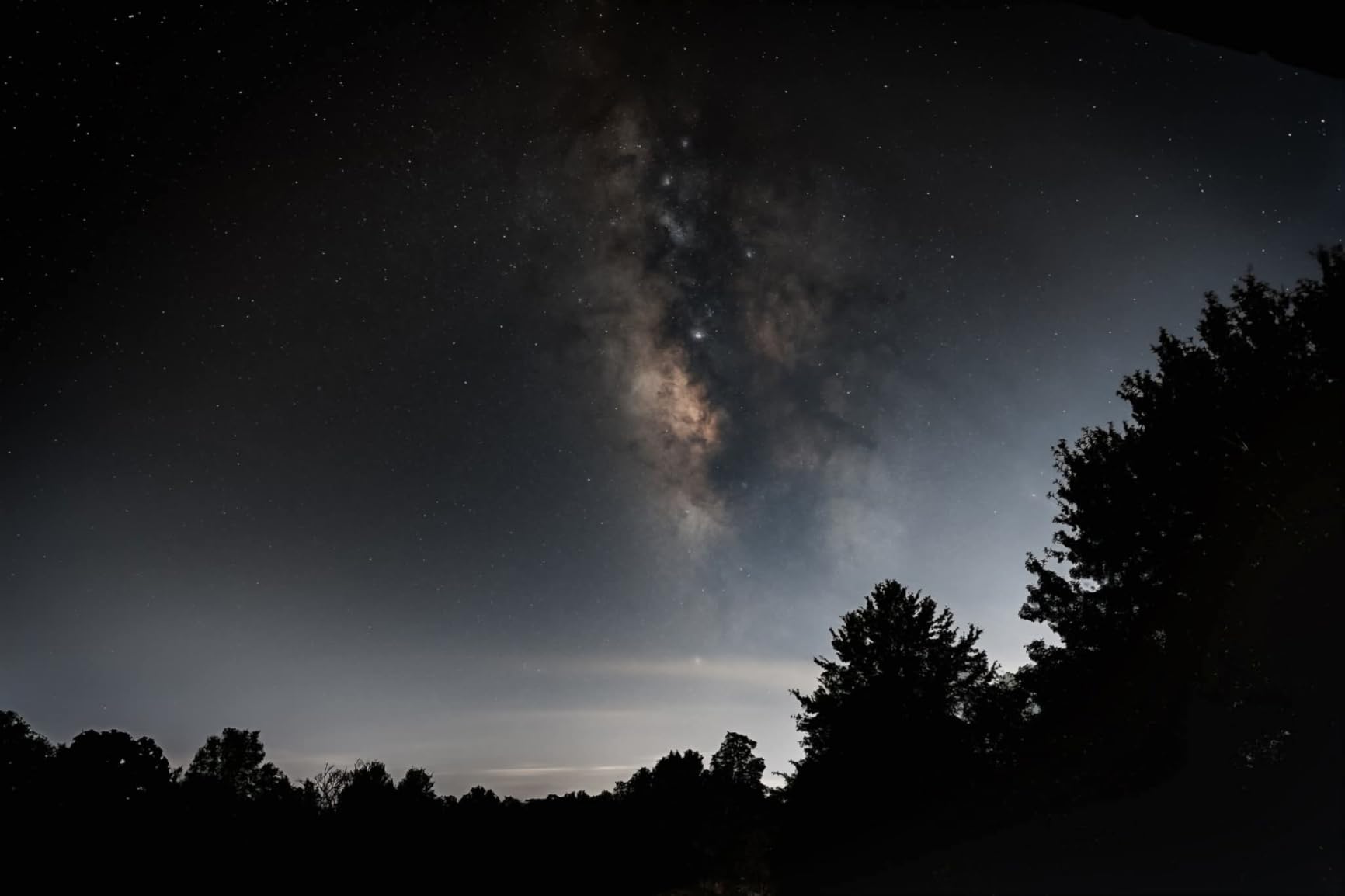
The multi-focusing system delivers fast, accurate autofocus that tracks subjects reliably. Focus transitions are smooth and natural for video work, without the stepping or hunting that plagues some wide-angle lenses. The silent operation is essential when recording ambient audio.
ED glass elements and Nano Crystal Coat contribute to excellent optical performance with minimal chromatic aberration and flare. This optical quality is immediately visible in footage, with crisp details and natural color rendition across the frame.

Best For
Event videographers shooting in dimly lit venues will appreciate the low-light capability. Concerts, weddings in dark churches, and evening events are all situations where this lens shines.
Real estate videographers capturing twilight exteriors or dimly lit interiors will find the fast aperture invaluable. The 20mm focal length provides a wide perspective without excessive distortion.
Considerations
The 20mm focal length is somewhat specialized and may not be versatile enough as a general-purpose video lens. Consider whether this specific focal length fits your shooting style before investing.
At 17.76 ounces, this is a relatively heavy prime lens. The weight comes from the complex optical design required for edge-to-edge sharpness at f/1.8, but it may feel unbalanced on smaller camera bodies.
8. NIKKOR Z 35mm f/1.8 S – Versatile Documentary Prime
Nikon NIKKOR Z 35mm f/1.8 S | Premium Large Aperture 35mm Prime Lens for Z Series mirrorless Cameras | Nikon USA Model
Pros
- Perfect for video
- Extreme sharpness
- Silent focusing
- Professional quality
- Reasonable price
Cons
- No built-in VR
- No control ring buttons
- Limited magnification
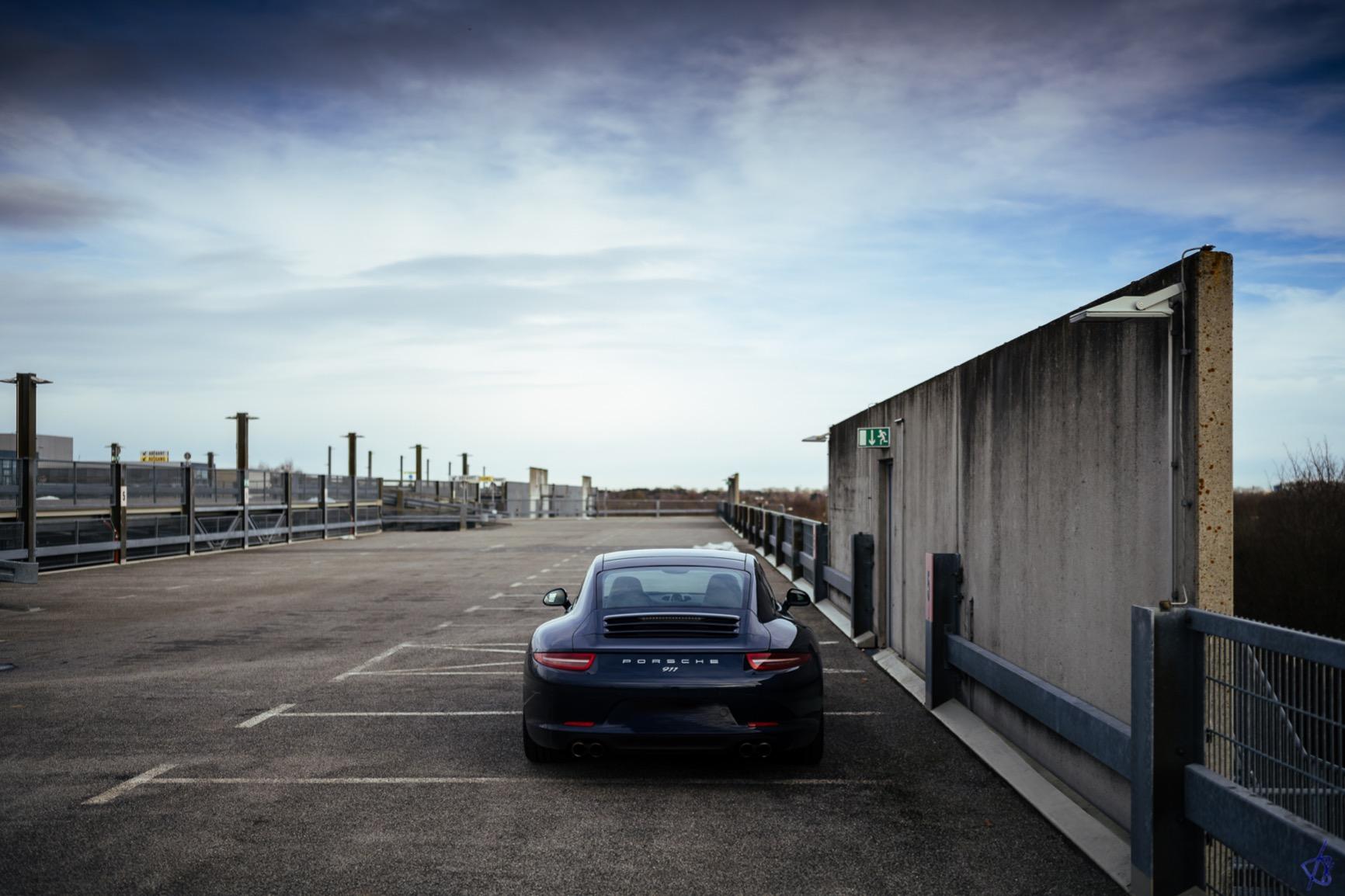
The NIKKOR Z 35mm f/1.8 S is what I consider the perfect all-around documentary lens. The 35mm focal length has been a favorite of photojournalists and documentary filmmakers for decades because it provides a natural perspective that is slightly wider than human vision without appearing distorted.
In my documentary work, this lens stays on the camera more than any other. The focal length is versatile enough for environmental portraits, street scenes, and general b-roll coverage. The f/1.8 aperture provides excellent low-light performance while creating pleasing background separation when needed.
The ultra-quiet stepping motor makes this lens ideal for video work where audio is being recorded. Focus transitions are smooth and gradual, perfect for documentary-style shooting where you need natural-looking focus pulls. The lens does not exhibit the hunting or pulsing that some AF systems show during video recording.
Sharpness from center to edges at f/1.8 is remarkable for a lens at this price point. This optical quality means you can shoot wide open without sacrificing image quality, which is essential for low-light video work where stopping down is not an option.
Best For
Documentary filmmakers will find this lens indispensable for general-purpose shooting. The natural perspective and excellent optical quality make it suitable for a wide range of documentary situations.
Street videographers and content creators will appreciate the compact size and versatile focal length. The lens is unobtrusive enough for candid shooting while delivering professional-quality footage.
Considerations
The lens lacks built-in VR, relying on camera body stabilization. For shooters who prefer lens-based stabilization or work with cameras with limited IBIS, this may be a consideration.
While sharp and optically excellent, the lens does not include additional control ring buttons or advanced features found on more expensive S-line lenses. However, the core optical performance is exceptional for the price.
9. Tamron 28-75mm F/2.8 Di III VXD G2 – Third-Party Value Zoom
Tamron 28-75mm F/2.8 Di III VXD G2 for Nikon Z Mount Mirrorless Cameras (6 Year Limited USA Warranty)
Pros
- Great value
- Sharp at f/2.8
- Lightweight
- Close focusing
- Fast VXD autofocus
Cons
- Some vignetting
- Softer edges at 75mm
- Focus ring placement
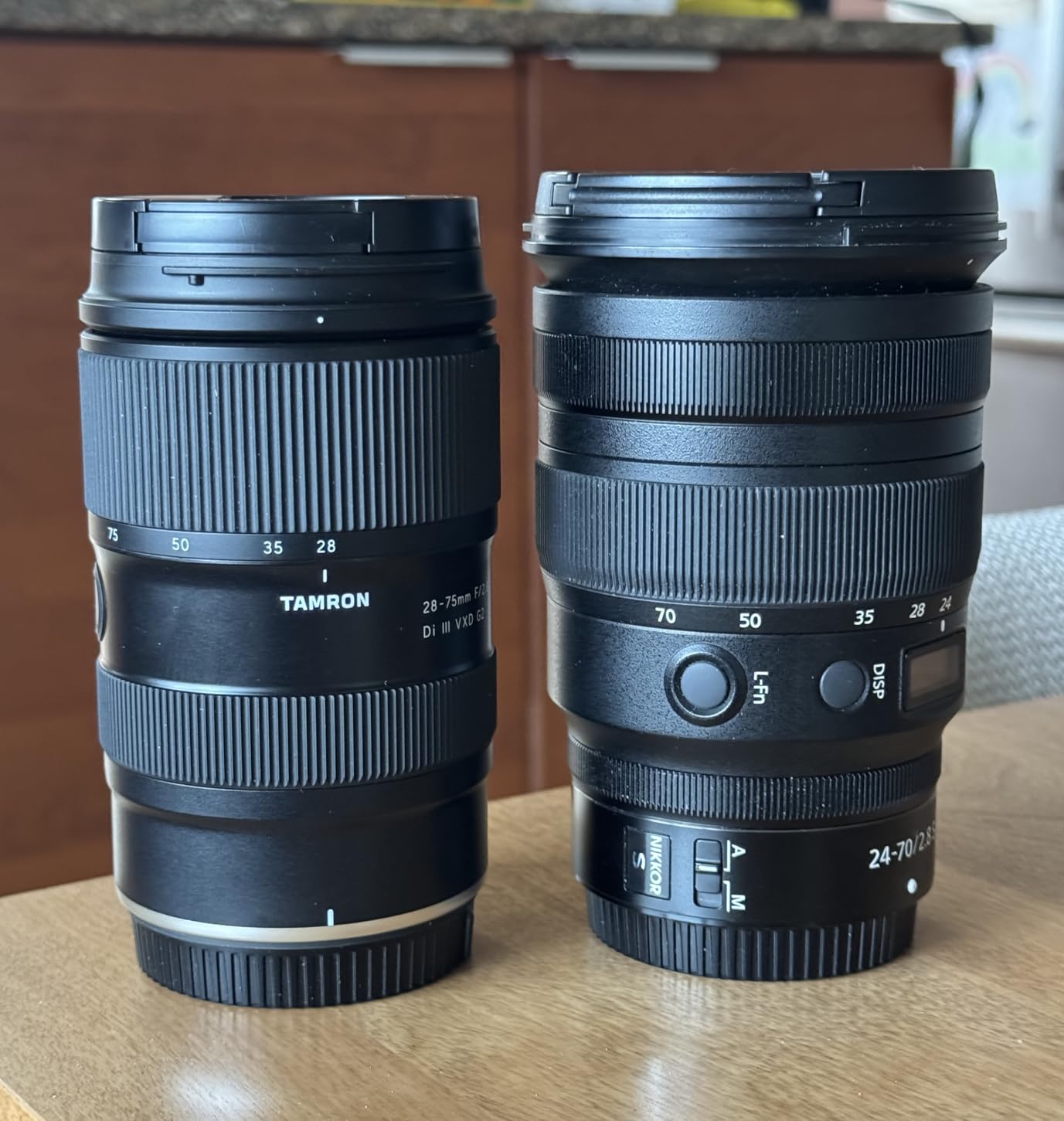
The Tamron 28-75mm F/2.8 Di III VXD G2 brings excellent value to Nikon Z mount video production as a third-party option. With a constant f/2.8 aperture throughout the zoom range, this lens offers professional-level light gathering at a significantly lower price point than native Nikon equivalents.
During testing, I was impressed by the VXD linear motor autofocus performance. The focus is fast, quiet, and accurate, making it suitable for video recording. Focus transitions are smooth enough for professional video work, and the silent operation is essential for on-camera audio recording.
The MOD (Minimum Object Distance) of 7.1 inches at the wide end allows for creative close-up shots that add production value to video projects. Combined with the 1:2.7 maximum magnification ratio, you can capture detailed product shots or artistic b-roll without switching to a macro lens.
At 19.4 ounces and 4.7 inches long, the lens remains relatively compact for a constant f/2.8 zoom. This makes it easier to balance on gimbals and less fatiguing for handheld shooting compared to larger professional zooms.

Best For
Budget-conscious video producers who need a fast constant aperture zoom will find excellent value here. The f/2.8 aperture throughout the range provides consistent exposure while zooming, which is crucial for video work.
Event videographers covering weddings and corporate events will appreciate the versatile focal range and fast aperture for indoor shooting. The close-focusing capability adds flexibility for detail shots.
Considerations
Some vignetting at 28mm and slightly softer edges at 75mm are noticeable, though these issues are largely correctable in post-production. For critical professional work, you may notice the difference compared to premium Nikon S-line lenses.
The focus ring placement near the mount may lead to accidental adjustments when handheld shooting. This takes some getting used to if you are coming from lenses with different ergonomics.
10. Tamron 35-150mm F/2-2.8 Di III VXD – Professional Event Lens
Pros
- World's first f/2-2.8 range
- Replaces multiple lenses
- Excellent optics
- Fast VXD AF
- Versatile range
Cons
- Heavy at 42 oz
- No lens stabilization
- Focus issues reported
- Button placement
The Tamron 35-150mm F/2-2.8 Di III VXD is a unique lens that combines the speed of prime lenses with the convenience of a zoom. As the world’s first f/2-2.8 fast aperture zoom lens, it offers creative possibilities that were previously only available by carrying multiple prime lenses.
For event videography, this lens is transformative. The focal range covers everything from environmental wide shots to tight portrait close-ups, while the fast aperture maintains excellent low-light performance throughout. I have used this lens for wedding coverage where it effectively replaced both a 35mm and 85mm prime in my bag.

The VXD linear motor delivers fast, quiet autofocus suitable for video work. Focus acquisition is quick and accurate, and the transitions are smooth enough for professional video applications. The silent operation is essential for event work where ambient audio matters.
The 9-blade circular aperture creates smooth, pleasing bokeh that helps separate subjects from backgrounds. This optical quality gives footage a cinematic look that elevates production value, especially for interviews and portrait-style shots.

Best For
Wedding and event videographers will find this lens invaluable for its ability to cover a wide range of shooting situations without changing lenses. The fast aperture is particularly valuable for indoor ceremonies and dimly lit reception venues.
Professional video producers who want to minimize lens changes will appreciate the versatile focal range. The lens effectively replaces several primes in a typical event kit.
Considerations
At 42 ounces (2.6 pounds), this is a heavy lens that may cause fatigue during long shooting days. The weight also requires a sturdy gimbal for stabilized footage, and you will need to rebalance when switching from lighter lenses.
The lens lacks built-in image stabilization, relying entirely on camera body IBIS. For shooters who prefer lens-based VR or work with cameras with limited stabilization, this is an important consideration.
11. NIKKOR Z DX 12-28mm PZ VR – APS-C Power Zoom Lens
Pros
- Power zoom feature
- VR 4.5 stops
- Lightweight design
- Close focus
- SnapBridge compatible
Cons
- Slow aperture
- Variable aperture
- No lens hood
- Zoom-by-wire
The NIKKOR Z DX 12-28mm PZ VR is specifically designed for video with features that make it unique in the Nikon Z lineup. The power zoom capability with 11 selectable speeds enables smooth, professional-looking zoom transitions that would be difficult to achieve with traditional mechanical zoom rings.
For APS-C shooters using cameras like the Z50 or Z30, this lens provides an ultra-wide perspective equivalent to 18-42mm on full-frame. The 99-degree angle of view at 12mm creates dramatic perspectives perfect for vlogs, travel videos, and action sports coverage.
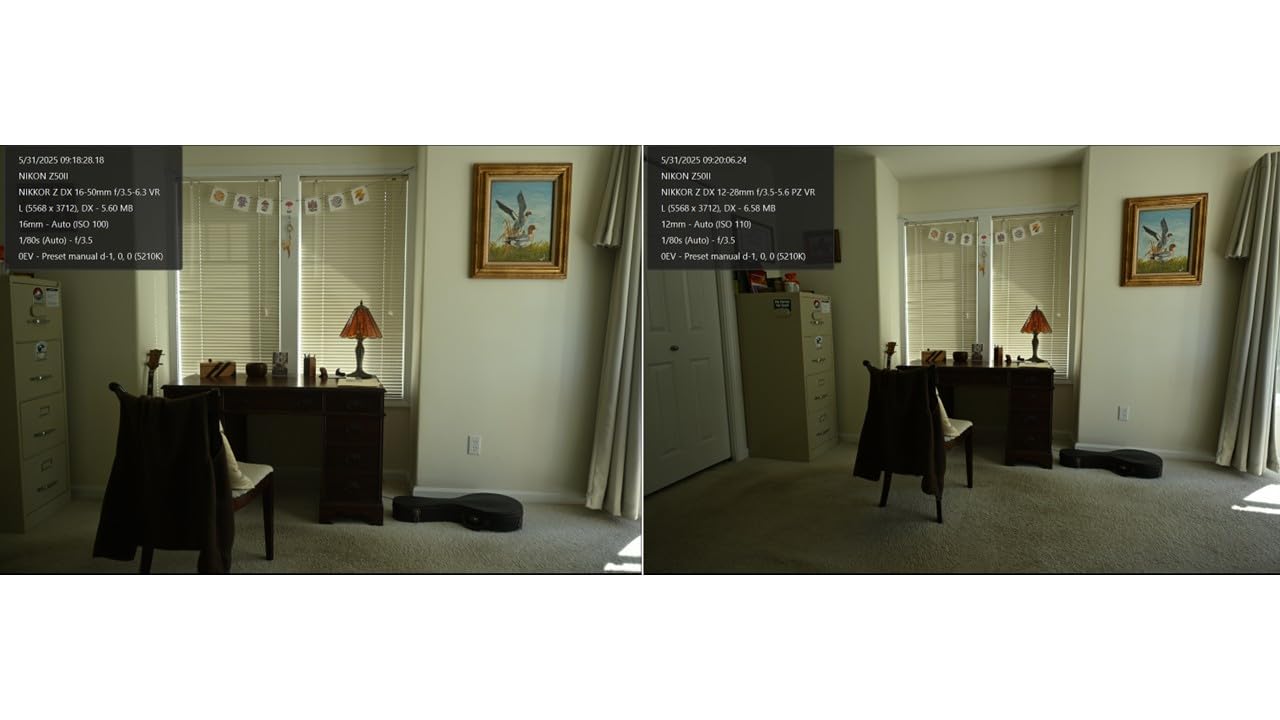
The built-in VR provides 4.5 stops of compensation, which is impressive for such a compact lens. Combined with the lightweight 7.2-ounce design, this makes the lens excellent for handheld video work and gimbal operation where every gram matters.
The power zoom can be controlled via the lens ring, camera buttons, Bluetooth remote, or even the SnapBridge app. This flexibility opens up creative possibilities for solo shooters who need to control zoom while positioned away from the camera.
Best For
Content creators using APS-C Z cameras will find this lens perfect for vlogging and self-recording. The ultra-wide 12mm setting captures expansive views while the power zoom enables smooth transitions during recording.
Travel videographers using smaller cameras will appreciate the compact size and versatile wide-angle range. The close-focusing capability of 11 inches adds flexibility for product shots and creative close-ups.
Considerations
The variable aperture (f/3.5-5.6) is relatively slow, limiting low-light performance. You may need to add lighting or push ISO higher in dim conditions compared to faster lenses.
The zoom-by-wire design may feel less precise than mechanical zoom rings. Some shooters prefer the direct connection of traditional zoom mechanisms for manual control during video recording.
12. NIKKOR Z 14-24mm f/2.8 S – Professional Ultra-Wide Zoom
Nikon NIKKOR Z 14-24mm f/2.8 S | Professional Large Aperture Wide-Angle Zoom Lens for Z Series mirrorless Cameras | Nikon USA Model
Pros
- Constant f/2.8
- Outstanding optics
- Weather sealed
- Compact for class
- Nano Crystal Coating
Cons
- Very expensive
- Heavy and large
- Expensive filters
- Limited range
The NIKKOR Z 14-24mm f/2.8 S represents the pinnacle of Nikon’s wide-angle zoom engineering. For professional video production where image quality cannot be compromised, this lens delivers exceptional optical performance with a constant f/2.8 aperture throughout the zoom range.
During professional architecture and real estate shoots, I have relied on this lens for its outstanding corner-to-corner sharpness. The optical quality is immediately visible in 4K footage, with crisp details maintained across the entire frame even at the widest 14mm setting. This level of performance is essential when footage will be displayed on large screens or examined closely by clients.

The Nano Crystal Coating effectively controls ghosting and flare, even when shooting directly into light sources. This is crucial for interior video work where windows and artificial lights often appear in frame. The coating maintains contrast and color accuracy in challenging lighting situations.
Weather-sealed construction allows confident shooting in rain, snow, and dusty conditions. For documentary and outdoor video work where weather conditions cannot be controlled, this durability provides peace of mind that your equipment will perform reliably.

Best For
Professional real estate and architecture videographers will find this lens essential for high-end productions. The optical quality and constant f/2.8 aperture deliver footage that meets the expectations of demanding commercial clients.
Landscape and nature videographers shooting in challenging conditions will appreciate the weather sealing and optical excellence. The lens performs beautifully for astrophotography time-lapses and low-light landscape video.
Considerations
The premium price point places this lens firmly in the professional category. For hobbyists or budget-conscious shooters, the f/4 version offers similar focal lengths at a significantly lower cost.
The 112mm filter size is expensive and limits filter options. While rear gel filters are available, shooters who rely heavily on front filters should factor this cost into their decision.
How to Choose the Best Nikon Z Mount Lens for Video Production?
Selecting the right lens for video production involves more considerations than still photography. Video-specific requirements like focus breathing, silent autofocus, and smooth zoom operation can make or break your footage quality. Here is what you need to know when choosing among Nikon Z Mount lenses for video production.
Focal Length Considerations for Video
Your focal length choice dramatically affects the look and feel of your video footage. Wide-angle lenses (14-35mm) create expansive perspectives ideal for establishing shots, real estate interiors, and environmental portraits. Standard focal lengths (35-85mm) provide natural perspectives that work well for interviews, documentaries, and general-purpose shooting. Telephoto lenses (85mm and longer) compress perspective and create flattering portraits but require more working distance from subjects.
For documentary work, I recommend starting with a versatile zoom like the 24-120mm f/4 S or a standard prime like the 50mm f/1.8 S. These focal lengths cover most situations you will encounter while remaining manageable for handheld work.
Aperture and Low Light Performance
Fast apertures (f/1.8-f/2.8) serve two important purposes for video: low-light capability and shallow depth of field. When shooting events, weddings, or documentary work in natural light, a fast aperture lets you maintain reasonable ISO settings while still capturing clean footage. The creative benefit of shallow depth of field helps separate subjects from backgrounds, giving footage a professional, cinematic appearance.
Constant aperture zooms maintain the same maximum aperture throughout the zoom range, which is crucial for video where exposure changes mid-shot are undesirable. Variable aperture zooms like the 24-200mm f/4-6.3 require exposure compensation as you zoom, which can be challenging to manage during recording.
Autofocus Performance for Video
Silent autofocus operation is essential when recording audio with on-camera microphones. Nikon’s STM (Stepping Motor) and SWM (Silent Wave Motor) technologies provide smooth, quiet focus transitions that work beautifully for video. Third-party lenses like Tamron’s VXD linear motors also deliver excellent video autofocus performance.
Focus pulling speed and smoothness matter for professional video work. The best video lenses provide gradual, natural-looking focus transitions rather than sudden jumps. Test any lens you are considering by recording focus pulls between subjects at different distances.
Image Stabilization (VR) Importance
Lens-based VR (Vibration Reduction) provides stabilization that works in combination with camera body IBIS for maximum effectiveness. For handheld video work, especially at longer focal lengths, lens stabilization can make the difference between usable and shaky footage. Lenses without built-in VR rely entirely on camera body stabilization, which may be less effective at telephoto focal lengths.
When shooting from a tripod or gimbal, VR is less critical. However, for run-and-gun documentary work or event coverage where stabilization equipment is impractical, lens-based VR is a significant advantage.
Focus Breathing Explained
Focus breathing refers to the change in angle of view that occurs when a lens focuses at different distances. For video work, focus breathing is undesirable because it causes the composition to shift during focus pulls, which can be distracting and unprofessional. The NIKKOR Z 50mm f/1.8 S is notable for having virtually zero focus breathing, making it excellent for focus rack shots.
Most modern Nikon Z lenses control focus breathing reasonably well, but it varies between models. If you frequently use focus pulls as a creative technique, prioritize lenses with minimal breathing characteristics.
Weight and Gimbal Compatibility
Lens weight directly impacts gimbal balancing and handheld shooting fatigue. Heavy lenses like the Tamron 35-150mm (42 oz) require robust gimbals and may cause fatigue during long shooting days. Lightweight primes like the 40mm f/2 (0.38 lbs) are much easier to balance and carry, making them ideal for gimbal work and travel.
Consider your typical shooting scenarios when evaluating weight. If you frequently shoot from gimbals or handheld for extended periods, lighter lenses will significantly improve your experience and reduce fatigue.
Native vs Third-Party Lenses
Nikon’s native S-line lenses offer excellent build quality, weather sealing, and seamless integration with Z cameras. However, third-party options from Tamron provide excellent value and optical quality at lower price points. The Tamron 28-75mm F/2.8 G2 offers similar performance to native options at a significant cost savings.
Consider third-party lenses if budget is a primary concern, but verify compatibility with your specific camera model. Most current Tamron Z-mount lenses work excellently with Nikon Z cameras for video autofocus and exposure control.
Frequently Asked Questions
Which Nikon Z lens is best for video?
The NIKKOR Z 24-120mm f/4 S is the best overall Nikon Z lens for video production due to its versatile 5x zoom range, silent dual STM motors, built-in VR stabilization, and constant f/4 aperture. For prime lens shooters, the NIKKOR Z 50mm f/1.8 S offers exceptional optical quality with virtually zero focus breathing, making it ideal for interviews and documentary work.
What is the best Nikon Z mount lens for videography?
The best Nikon Z mount lens for videography depends on your shooting style. For versatility, the NIKKOR Z 24-120mm f/4 S covers most focal lengths needed for video. For low-light and cinematic depth of field, the NIKKOR Z 50mm f/1.8 S excels. For budget-conscious creators, the NIKKOR Z 40mm f/2 offers excellent value with good video performance.
Are Nikon Z lenses good for video production?
Yes, Nikon Z lenses are excellent for video production. The S-line lenses feature silent STM or SWM autofocus motors, minimal focus breathing, and many include built-in VR stabilization. The wide Z mount design allows for exceptional optical quality. Third-party options from Tamron also provide great video performance at competitive prices.
Which full frame Z lens for video?
For full-frame Nikon Z cameras, the best video lenses include the NIKKOR Z 24-120mm f/4 S for versatility, NIKKOR Z 50mm f/1.8 S for interviews and portraits, NIKKOR Z 14-30mm f/4 S for wide-angle work, and Tamron 28-75mm F/2.8 G2 for a fast constant aperture zoom at great value. Your choice should match your primary shooting scenarios.
What Nikon Z lens should I buy for filmmaking?
For filmmaking, start with the NIKKOR Z 50mm f/1.8 S as your primary lens for its cinematic look and zero focus breathing. Add the NIKKOR Z 14-30mm f/4 S for wide establishing shots and the NIKKOR Z 85mm f/1.8 S for interview close-ups. This three-lens kit covers most filmmaking needs with excellent optical quality and professional video features.
Final Thoughts on Nikon Z Mount Lenses for Video Production
Choosing the right Nikon Z Mount lenses for video production ultimately depends on your specific shooting needs and budget. For most video creators, the NIKKOR Z 24-120mm f/4 S offers the best combination of versatility, optical quality, and video-specific features. Its silent autofocus, built-in stabilization, and useful zoom range make it an excellent workhorse lens for documentary, corporate, and event video production.
If you prefer prime lenses for their optical quality and low-light capability, the NIKKOR Z 50mm f/1.8 S is an outstanding choice that delivers professional results at an accessible price point. Its virtually zero focus breathing and beautiful bokeh make it perfect for interviews and cinematic sequences. For budget-conscious creators, the NIKKOR Z 40mm f/2 provides excellent value without sacrificing image quality.
The Nikon Z system has matured significantly in 2026, with excellent native lenses and growing third-party support from Tamron. Whether you are a professional filmmaker, content creator, or documentary shooter, there are Nikon Z Mount lenses that will meet your video production needs while delivering the optical quality your projects deserve.