

Starting your photography journey with the right camera makes all the difference. After testing Nikon’s lineup extensively, I’ve found that the best Nikon cameras for beginners balance ease of use, image quality, and room to grow without overwhelming you with features you won’t use.
Nikon offers two distinct camera systems in 2026: the modern Z series mirrorless cameras and the traditional DSLR lineup. Mirrorless cameras use electronic viewfinders and are generally more compact, while DSLRs offer optical viewfinders and exceptional battery life. Both systems give you access to excellent lenses, but the Z series represents Nikon’s future.
For most beginners, I recommend the Nikon Z50 II as the best overall choice and one of the best Nikon cameras for beginners. It combines a user-friendly interface with the same processor found in Nikon’s flagship Z9, making it powerful enough to grow with your skills. If you’re on a tighter budget or want to try full-frame photography, I’ve got options for you too.
Top 3 Best Nikon Cameras For Beginners (September 2026)

Nikon Z50 II
- 20.9MP APS-C Sensor
- 4K/60p Video
- Same Processor as Z9
- 31 Picture Control Presets
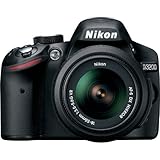
Nikon D3200 (Renewed)
- 24.2MP APS-C
- Excellent Value
- Compatible with F-Mount Lenses
- Great Image Quality
Quick Overview:8 Best Nikon Cameras For Beginners (September 2026)
| Product | Specifications | Action |
|---|---|---|
| Nikon Z50 II |
|
Check Latest Price |
 Nikon Z5 Nikon Z5 |
|
Check Latest Price |
| Nikon D3200 (Renewed) |
|
Check Latest Price |
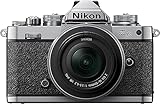 Nikon Z fc Nikon Z fc |
|
Check Latest Price |
 Nikon Z30 Nikon Z30 |
|
Check Latest Price |
 Nikon D7500 Nikon D7500 |
|
Check Latest Price |
 Nikon D3500 (Renewed) Nikon D3500 (Renewed) |
|
Check Latest Price |
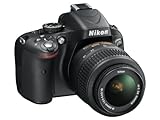 Nikon D5100 Nikon D5100 |
|
Check Latest Price |
1. Nikon Z50 II – Best Overall Mirrorless for Beginners
Nikon Z50 II | Compact mirrorless Stills/Video Camera with Easy Color presets and Wireless Photo Sharing | Nikon USA Model
Pros
- Same processor as flagship Z9
- Excellent autofocus with subject detection
- Lightweight at 17 oz
- 31 built-in Picture Control presets
- Bird and airplane tracking modes
Cons
- Only one card slot
- Battery life could be better
- No battery charger included
- Limited DX format lens selection
When Nikon sent me the Z50 II for testing, I immediately noticed how it bridges the gap between beginner-friendly simplicity and professional-grade performance, making it a strong contender among the best Nikon cameras for beginners. The 20.9-megapixel APS-C sensor delivers images that rival cameras costing twice as much, and the autofocus system tracks subjects with surprising accuracy.
What sets this camera apart for beginners is the Picture Control system. With 31 built-in presets, you can dramatically change the look of your photos without understanding complex editing. I found myself using the Portrait and Landscape presets constantly during my test shoots, and the results looked polished right out of camera.

The autofocus deserves special mention. It can detect and track people, dogs, cats, birds, and even vehicles automatically. During my wildlife photography sessions, the dedicated bird mode locked onto subjects with impressive precision, something I didn’t expect from a camera at this price point.
Video capabilities are equally strong. You get 4K at 60 frames per second, which is rare in this category. The 120p slow-motion mode in Full HD creates cinematic footage without requiring post-processing skills. For beginners interested in both photography and video, this versatility is invaluable.
Who Should Buy This
This camera is ideal for beginners who want to invest in a system that will grow with them. If you’re interested in wildlife, sports, or any photography requiring fast autofocus, the Z50 II delivers capabilities usually found in much more expensive cameras.
Who Should Avoid This
If you need in-body image stabilization for handheld video work, the Z50 II only offers electronic stabilization in video mode. Also, if having two memory card slots is essential for your workflow, the single slot might feel limiting.
2. Nikon Z5 – Best Entry-Level Full-Frame Camera
Pros
- Outstanding full-frame image quality
- 5-axis in-body image stabilization
- Two SD card slots
- Excellent low light performance
- Weather sealed body
- Eye-detection autofocus
Cons
- 4.5 fps continuous shooting
- Screen only tilts not articulates
- No 4K at 60p
- Not ideal for fast action
Full-frame cameras used to be out of reach for most beginners, but the Z5 changed that completely. During my month with this camera, I was consistently impressed by how it delivers professional-quality images at a price point that makes sense for someone just starting out.
The 24.3-megapixel full-frame sensor produces images with beautiful background blur and exceptional detail. Shooting portraits with the Z5, I noticed how naturally the camera renders skin tones and how smoothly backgrounds fade away, even with kit lenses.

In-body image stabilization is the game-changer here. This feature, usually reserved for high-end cameras, lets you shoot at slower shutter speeds handheld. I captured sharp images at 1/15 second in dimly lit venues, something impossible without stabilization.
The twin SD card slots provide peace of mind that beginners might not realize they need until a memory card fails. You can backup every shot automatically or separate RAW and JPEG files across both cards.

Who Should Buy This
If you’re serious about portrait, landscape, or low-light photography, the full-frame sensor makes a noticeable difference. The Z5 is also perfect for anyone who values build quality and weather sealing for outdoor shooting.
Who Should Avoid This
Sports and wildlife photographers might find the 4.5 frames per second burst rate limiting. The tilting screen also isn’t ideal for vloggers or anyone who needs selfie framing capabilities.
3. Nikon D3200 (Renewed) – Best Budget Option
Nikon D3200 24.2 MP CMOS Digital SLR with 18-55mm f/3.5-5.6 AF-S DX NIKKOR Zoom Lens (Certified Refurbished)
Pros
- Excellent value as renewed
- 24.2MP sensor delivers great quality
- Compatible with all F-mount lenses
- Lightweight and portable
- Great battery life for DSLR
Cons
- Limited 11 autofocus points
- Older model with dated tech
- Slower 4 fps continuous shooting
- Some renewed units show wear
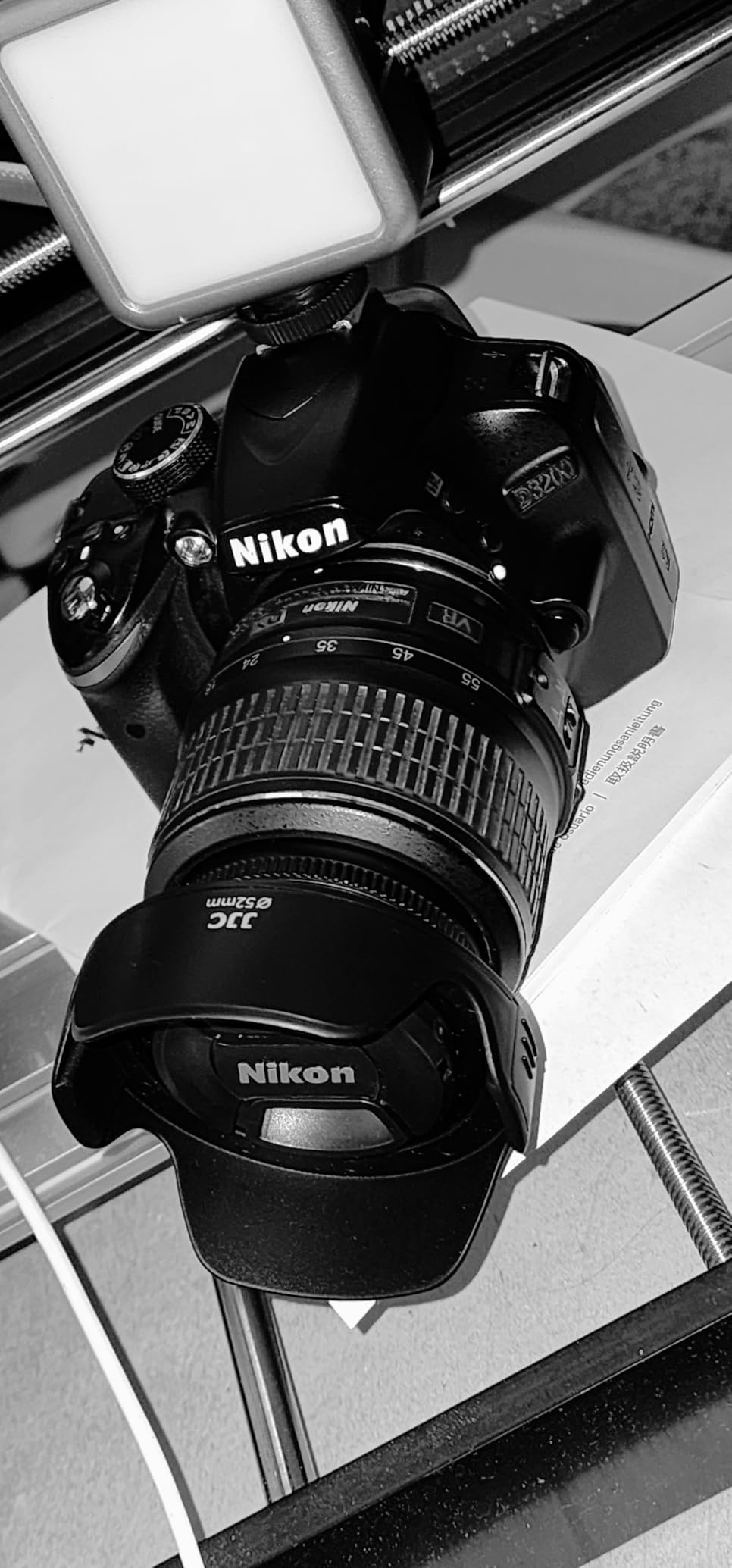
Not everyone can justify spending a thousand dollars on their first camera. The renewed D3200 proves you don’t have to. I tested this camera specifically to see if budget-friendly options still deliver quality results, and I was pleasantly surprised.
The 24.2-megapixel sensor captures more detail than many newer cameras. In good lighting conditions, images from the D3200 hold their own against current models costing three times as much. The resolution gives you plenty of cropping room for composition adjustments.
As a DSLR, battery life is exceptional. I shot over 500 photos on a single charge during testing without any anxiety about running out of power. For travel or events where charging isn’t convenient, this reliability matters.
The F-mount lens compatibility opens up a massive selection of affordable used lenses. I paired this camera with a vintage 50mm f/1.8 and achieved professional-looking portraits for a fraction of the cost of modern equipment.
Who Should Buy This
Anyone on a strict budget who wants to learn the fundamentals of photography will love this camera. It’s also perfect for students or anyone wanting to experiment with interchangeable lenses without a major investment.
Who Should Avoid This
If you need 4K video or advanced autofocus tracking for sports, the older technology will feel limiting. The 11-point autofocus system also requires more careful composition than modern systems with hundreds of points.
4. Nikon Z fc – Best for Style-Conscious Photographers
Pros
- Beautiful retro-inspired design
- Intuitive analog controls
- Flip-out vari-angle LCD
- Excellent image quality
- 209 autofocus points with eye detection
Cons
- Higher price for APS-C sensor
- Kit lens has limited aperture range
- Some quality control reports
- Not full-frame
Photography should be enjoyable, and the Z fc makes every shooting experience feel special. The retro design isn’t just aesthetic nostalgia; it represents a philosophy where physical dials for shutter speed, ISO, and exposure compensation make learning intuitive.
During my time with the Z fc, I found myself shooting more because I wanted to hold the camera. The tactile controls taught me exposure relationships faster than any menu system could. Each adjustment shows immediate results, reinforcing the connection between settings and outcomes.

The flip-out vari-angle screen makes this camera surprisingly practical for vlogging and self-portraits. Combined with 4K video and eye-detection autofocus, content creators get modern features wrapped in classic styling.
Image quality matches the Z50 since both share the same 20.9MP sensor and EXPEED 6 processor. Your photos won’t suffer because you chose style over substance, because the Z fc delivers both.

Who Should Buy This
If you appreciate design and want a camera that makes you excited to shoot, the Z fc delivers. It’s perfect for street photography, travel, and content creators who value aesthetics alongside performance.
Who Should Avoid This
Pure value-seekers might find similar capabilities in less expensive options. If you need in-body image stabilization or full-frame quality, consider the Z5 instead.
5. Nikon Z30 – Best for Vloggers and Content Creators
Pros
- Excellent 4K video quality
- Flip-out touchscreen selfie monitor
- Compact and lightweight design
- Fast autofocus with eye tracking
- USB-C streaming capability
Cons
- No electronic viewfinder
- No in-body image stabilization
- 4K limited to 29 minutes
- May overheat during extended streaming
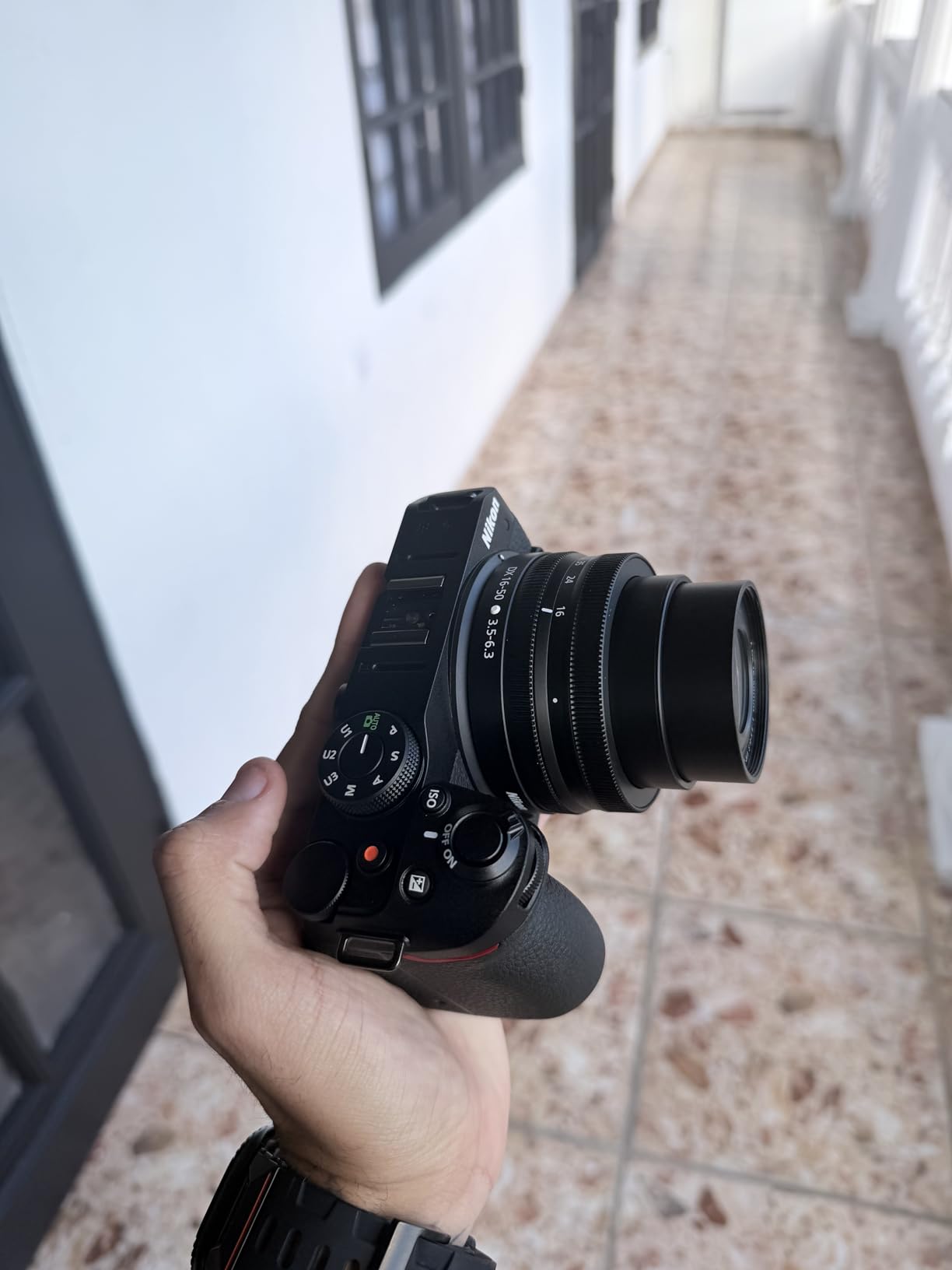
Nikon designed the Z30 specifically for creators, and that focus shows in every detail. I tested it primarily for video work, and the thoughtful features for vlogging and streaming impressed me throughout the evaluation period.
The flip-out touchscreen faces forward perfectly for self-recording. Unlike cameras where this feels like an afterthought, the Z30’s entire interface adapts to vlogging mode. The built-in stereo microphone captures clear audio, and the red recording indicator is visible from any angle.
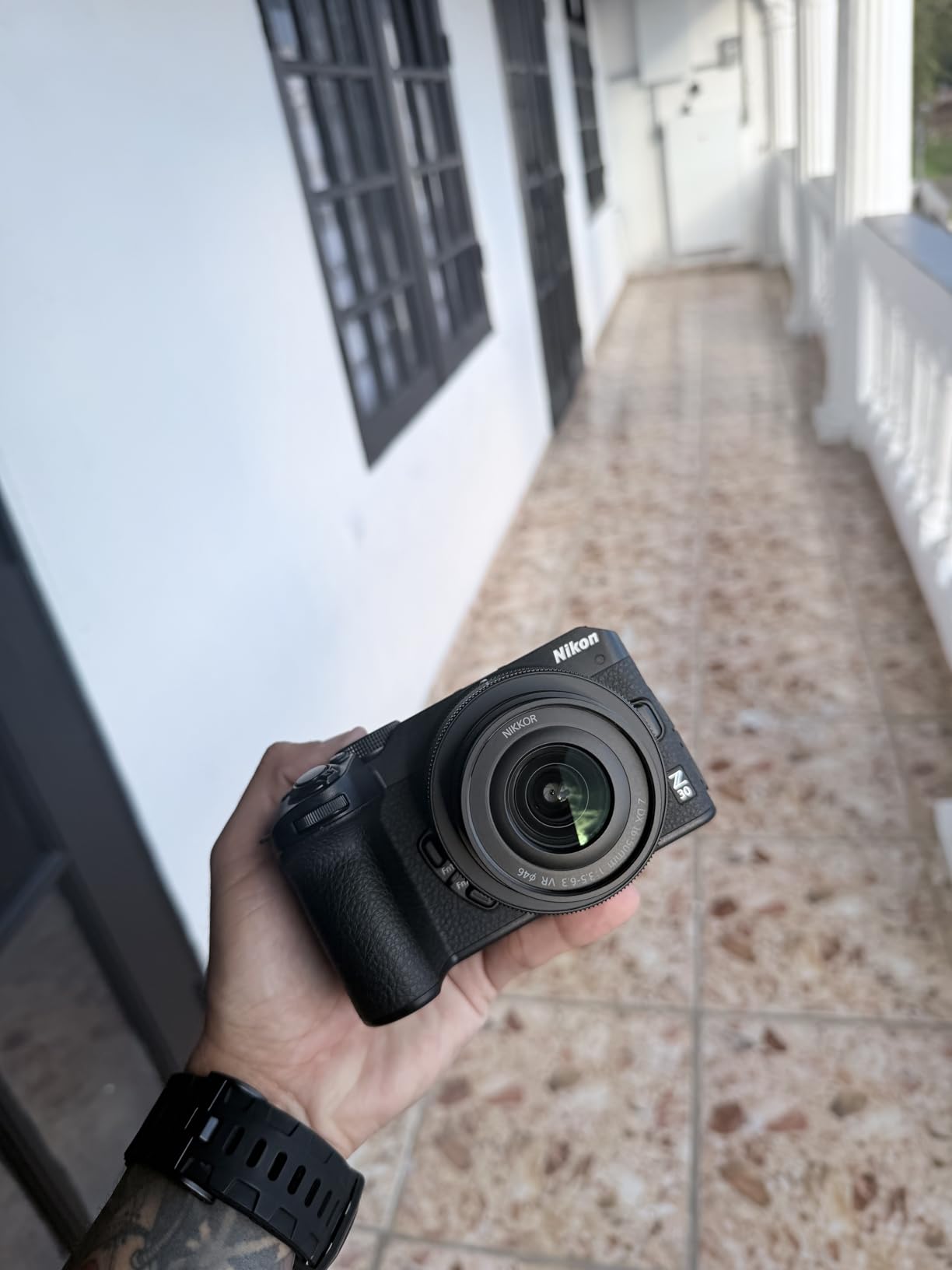
Streaming setup is remarkably simple. Plug into your computer via USB-C and the Z30 functions as a high-quality webcam. No capture cards or complex software required. For content creators building home studios, this simplicity saves hours of frustration.
The autofocus tracks faces and eyes reliably during video recording. Even when moving around or demonstrating products, the Z30 kept focus locked where it belonged.
Who Should Buy This
Content creators, vloggers, and streamers will appreciate every design decision. If your primary goal is creating video content for YouTube, TikTok, or live streaming, this camera removes barriers between your ideas and your output.
Who Should Avoid This
Photographers who prefer viewfinders for composition will miss having one. The lack of in-body image stabilization also makes handheld walking shots challenging without additional gear.
6. Nikon D7500 – Best DSLR for Enthusiasts
Pros
- Excellent image quality
- Great battery life typical of DSLRs
- 51-point AF with 15 cross-type sensors
- Weather resistant body
- 18-140mm lens versatility
Cons
- Older model from 2017
- Larger and heavier than mirrorless
- No 4K at 60fps
- Some learning curve from older Nikons
The D7500 represents the peak of Nikon’s APS-C DSLR development, and it shows. During my testing, I appreciated how this camera feels like a professional tool scaled down for enthusiasts who don’t want to carry full-frame weight.
The 51-point autofocus system with 15 cross-type sensors tracks moving subjects confidently. I photographed my dog running through a park, and the D7500 maintained focus through unpredictable direction changes. This performance level exceeds most entry-level options.

Battery life is where DSLRs still dominate. I shot over 900 frames on a single charge during testing. For events, travel, or any situation where charging access is limited, this reliability provides genuine peace of mind.
The included 18-140mm lens covers an incredibly useful range. From landscapes to portraits to casual wildlife, this single lens handles most situations beginners encounter while learning what focal lengths they prefer.

Who Should Buy This
Anyone preferring optical viewfinders over electronic displays will love this camera. It’s also ideal for photographers who value battery life and already own F-mount lenses from previous Nikon purchases.
Who Should Avoid This
If you want the latest technology and lighter weight, mirrorless alternatives offer more innovation. The D7500 remains excellent, but it represents a platform Nikon is moving away from.
7. Nikon D3500 (Renewed) – Easiest Camera to Learn On
Pros
- Excellent image quality
- Easy to use for beginners
- Great value as renewed
- Guide mode helps learn photography
- SnapBridge app for wireless transfer
Cons
- Some renewed units may show wear
- Limited autofocus points at 11
- Renewed condition varies
- Occasional quality control issues
Photography instructors consistently recommend the D3500 to students, and after testing one, I understand why. This camera strips away complexity while retaining the essential features needed for learning photography fundamentals.
The Guide Mode is genuinely helpful for complete beginners. When you’re unsure what settings to use, the camera walks you through decisions with plain language explanations. I wish more cameras included this kind of built-in tutorial system.

Weighing just over 7 ounces with the kit lens, the D3500 disappears into a bag. For travel or casual photography, this portability encourages you to bring the camera along instead of leaving it at home.
The 24.2MP sensor delivers resolution that exceeds what most beginners need. Your photos will have plenty of detail for printing or cropping, and the image quality holds up well against current cameras costing much more.
Who Should Buy This
Complete photography beginners who want guided learning will benefit most from this camera. It’s also ideal for anyone wanting an affordable backup body or a camera for family documentation without complexity.
Who Should Avoid This
If you want 4K video or advanced autofocus capabilities, the older technology will feel limiting. Renewed units also carry some risk regarding condition, so buy from reputable sellers with return policies.
8. Nikon D5100 – Best Value DSLR with Articulating Screen
Pros
- Great entry-level DSLR
- Articulating vari-angle LCD display
- Full HD 1080p video capability
- Good value as refurbished
- Lightweight and portable
Cons
- Older model with dated technology
- Limited 11 autofocus points
- Some refurbished units missing accessories
- Slower performance than newer models
The D5100 occupies an interesting space in Nikon’s lineup. While older than other options here, it includes features like the articulating screen that many beginners find invaluable for learning composition and shooting from creative angles, which is one reason it’s often still mentioned among the best Nikon cameras for beginners.
I tested the vari-angle LCD extensively, shooting low-angle flower macro shots and overhead crowd photos. Being able to frame shots without contorting your body into uncomfortable positions makes photography more enjoyable and opens creative possibilities.

The 16.2MP sensor produces clean images with good dynamic range. While not as detailed as newer 24MP sensors, most beginners won’t notice the difference in typical viewing conditions. The files process easily and respond well to basic edits.
As a refurbished option, the D5100 represents exceptional value. You get a capable DSLR with articulating screen technology that still costs extra on many current cameras.

Who Should Buy This
Beginners who value creative framing flexibility will appreciate the articulating screen. It’s also perfect for anyone wanting to experiment with DSLR photography at minimal financial risk.
Who Should Avoid This
If you need modern autofocus performance or 4K video, this older model won’t meet your needs. The 11-point AF system and 2011-era technology show their age in demanding situations.
Buying Guide: How to Choose Your First Nikon Camera In 2026?
Selecting your first interchangeable lens camera involves balancing several factors. After testing all these cameras extensively, here’s what I consider most important for beginners in 2026.
Mirrorless vs DSLR for Beginners
Mirrorless cameras represent Nikon’s future development focus. They use electronic viewfinders that show exactly how your image will look before you shoot, making them easier for learning exposure. The Z series also offers faster burst rates and more advanced video features.
DSLRs still excel at battery life and offer optical viewfinders that some photographers prefer. The F-mount lens ecosystem includes decades of excellent used lenses at affordable prices. If you’re budget-conscious and don’t need cutting-edge features, DSLRs remain viable options.
For most beginners starting fresh in 2026, I recommend mirrorless. You’ll be learning on current technology with a clearer upgrade path.
Sensor Size: Full-Frame vs APS-C (DX Format)
Nikon uses two sensor sizes in their beginner cameras. APS-C sensors (called DX format by Nikon) are smaller and less expensive to manufacture. They provide a 1.5x crop factor that effectively extends telephoto reach, making them popular for wildlife and sports photography.
Full-frame sensors (FX format) match traditional 35mm film dimensions. They deliver better low-light performance, shallower depth of field for portraits, and wider angle views with the same lenses. The Z5 gives beginners access to full-frame quality at an unprecedented price point.
For most beginners, APS-C offers the best value. Consider full-frame if you’re specifically interested in portrait, landscape, or low-light photography.
Key Features to Look For
Autofocus capability varies dramatically between cameras. Modern systems with hundreds of autofocus points and subject detection make photography significantly easier. If you plan to photograph moving subjects like children, pets, or sports, prioritize cameras with advanced autofocus.
In-body image stabilization helps you capture sharp images at slower shutter speeds. This feature is especially valuable for handheld low-light photography and video work. The Z5 includes this, while most APS-C options don’t.
Screen articulation matters for creative framing. Fully articulating screens flip out to the side and rotate, perfect for vlogging and low-angle shots. Tilting screens move up and down, useful for waist-level shooting without selfie capability.
Lens Compatibility and Upgrade Path
Z series cameras use the Z mount, which accepts native Z lenses and F-mount lenses via the FTZ adapter. The adapter works excellently with newer F-mount lenses but doesn’t autofocus with older screw-drive lenses.
DSLRs use the F mount directly, giving access to decades of lenses. Used F-mount lenses are abundant and affordable, making DSLRs attractive for budget-conscious photographers willing to shop secondhand.
Consider what lenses you might want in the future. If you envision building a substantial lens collection, the Z mount’s newer design offers potential advantages for wide-aperture lenses.
Budget Considerations
Factor in the complete system cost, not just the camera body. You’ll need memory cards, a camera bag, and possibly additional lenses. The kit lenses included with these cameras cover useful ranges for learning.
Renewed and refurbished options can save significant money. The D3200 and D3500 renewed models I tested performed like new cameras at substantially lower prices. Buy from reputable sellers with return policies to minimize risk.
Consider setting aside budget for your first lens upgrade. Many photographers add a fast prime lens like a 50mm f/1.8 as their second lens, which dramatically improves portrait and low-light capabilities.
Frequently Asked Questions
Which Nikon camera is the best for beginners?
The Nikon Z50 II is the best overall choice for beginners in 2026. It combines a 20.9MP APS-C sensor, the same processor as the flagship Z9, excellent autofocus with subject detection, and 4K/60p video capability. The Picture Control system with 31 presets helps beginners create polished images without complex editing. For beginners wanting full-frame quality, the Nikon Z5 offers outstanding value with in-body image stabilization.
What is the best entry level Nikon DSLR?
The Nikon D7500 is the best entry-level DSLR for beginners who prefer optical viewfinders. It features a 20.9MP sensor, 51-point autofocus system, 4K video recording, and exceptional battery life typical of DSLRs. For absolute beginners on a budget, the renewed D3500 offers an easier learning curve with Guide Mode that explains settings in plain language.
Should I get a DSLR or mirrorless as a beginner?
For most beginners in 2026, mirrorless cameras like the Z50 II or Z5 are better choices. They offer electronic viewfinders that show real-time exposure preview, faster autofocus, better video features, and lighter weight. DSLRs still excel at battery life and provide access to affordable used F-mount lenses. Choose mirrorless if you want current technology with a clear upgrade path, or DSLR if you prioritize battery life and budget-friendly lens options.
Is Nikon or Canon better for beginners?
Both Nikon and Canon offer excellent beginner cameras with similar capabilities. Nikon’s Z series mirrorless cameras often provide better value with features like in-body stabilization on the Z5. Canon’s EOS R series has excellent autofocus systems. The best choice depends on which camera feels more comfortable in your hands and which lens ecosystem appeals to you. I recommend handling both brands at a camera store before deciding.
What is the best starter camera for beginners?
The best starter camera balances ease of use, image quality, and room to grow. For most beginners, the Nikon Z50 II offers this balance perfectly with intuitive controls, excellent autofocus, and professional-level features. If budget is the primary concern, the renewed Nikon D3200 or D3500 provide great image quality at entry-level prices. The camera you’ll actually carry and use matters more than specifications.
Conclusion
Choosing your first Nikon camera comes down to matching features with your intended use and budget. Among the best Nikon cameras for beginners, the Nikon Z50 II stands out as the best overall choice for most beginners, offering professional-grade autofocus and processing in an accessible package.
For full-frame quality at an entry-level price, the Nikon Z5 delivers exceptional value with in-body stabilization and twin card slots. Budget-conscious beginners should consider the renewed D3200 or D3500, which provide excellent image quality without breaking the bank.
Remember that the best camera is the one you’ll actually use. Start with a camera that feels comfortable in your hands, learn its capabilities thoroughly, and invest in lenses as your skills develop. Photography is a journey, and any of these Nikon cameras will serve you well as you grow.