
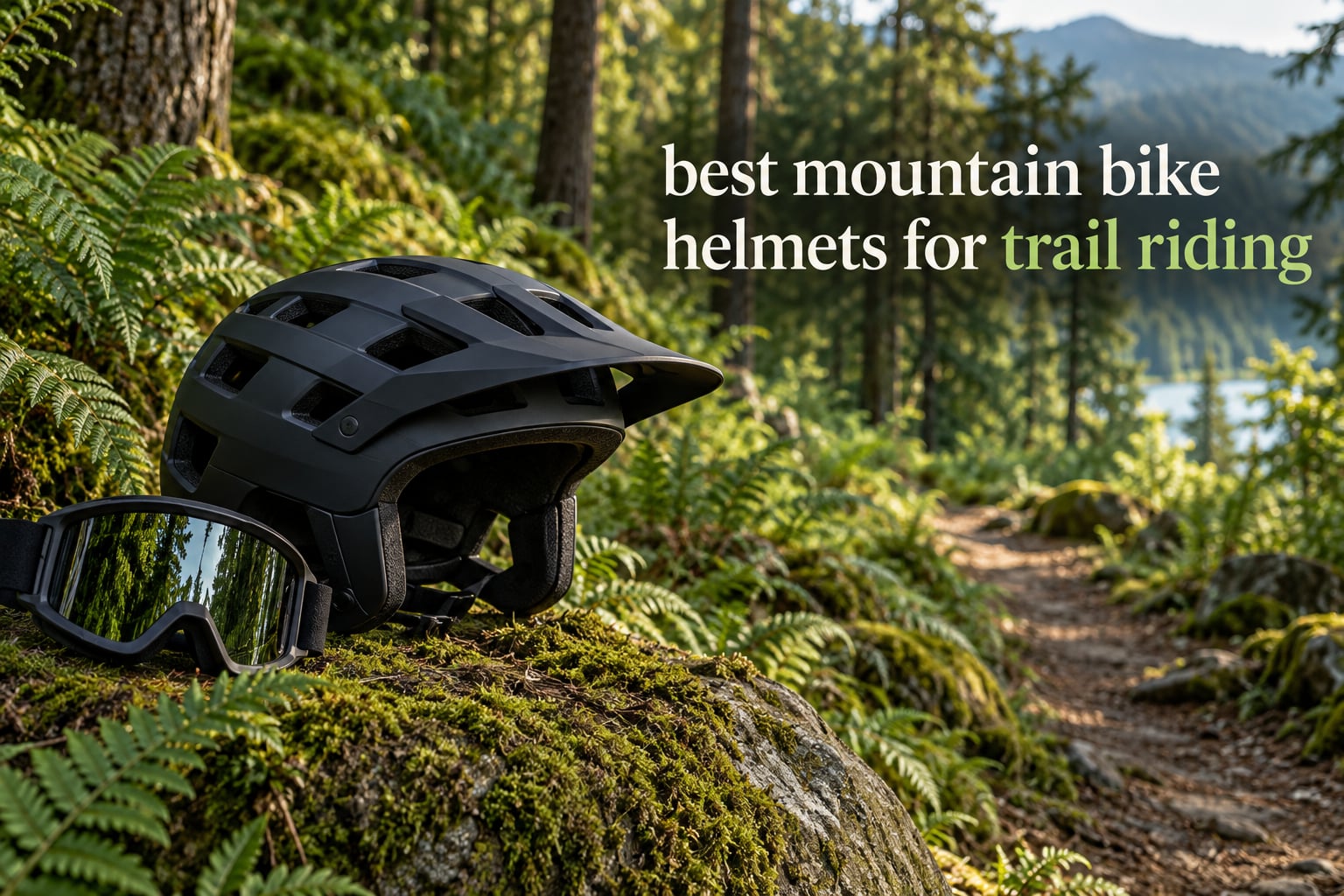
Every ride I log in a helmet, and the last two years of that have taught me something simple: a trail helmet is not a road helmet with a visor bolted on. The moment you leave smooth fire road and drop onto loose rock, rooty switchbacks and off-camber corners, the failure mode changes. You are no longer protecting against a road-surface scrape at speed, you are protecting against branches, roost, low ceilings and the kind of glancing blow to the temple that a stripped-down road shell simply does not cover.
That is why the search for the best mountain bike helmets for trail riding gets messy fast. Riders argue about coverage, about rotation systems, about whether a magnetic buckle is worth caring about, and above all about fit, because two helmets from two different brands in the same nominal size can sit on the same head completely differently. The forum threads on r/MTB and mtbr.com are full of the same question, asked over and over: given the terrain I actually ride, which helmet should I buy?
So this roundup sorts the field the way the terrain does. I looked at ten helmets built for trail, all-mountain and enduro use, and grouped them by the job they do: best all-round trail helmet, best value, best on a budget, best for technical terrain, best for deep coverage, best for goggle wearers, and best for riders who run hot on long summer climbs. I also added the buying guide pieces the roundups I read were missing, including a plain-English breakdown of the certification standards, what the rotation systems actually do, and how to measure your head before you spend anything.
One note before we start. If you are on an e-MTB, the weight and the terrain change the maths, and our guides to the best electric mountain bikes and the current mountain e-bike deals are worth a look alongside this one. An assisted bike lets you carry more weight, ride slower and tighter lines, and hit harder when things go wrong.
Top 3 Picks for Best Mountain Bike Helmets for Trail Riding in October

Best Mountain Bike Helmets for Trail Riding in 2026 Quick Comparison
Every helmet below sits in the same broad category, an extended-coverage half-shell for trail and all-mountain riding, and the differences between them come down to rotation protection, vent count, weight, fit system and how each one handles eyewear. The table is the fast version. The write-ups further down go into the details that decide whether a helmet suits your terrain.
| Product | Specifications | Action |
|---|---|---|
| Giro Fixture MIPS |
|
Check Latest Price |
 OutdoorMaster Gem MIPS OutdoorMaster Gem MIPS |
|
Check Latest Price |
 Bosoar MTB Helmet Bosoar MTB Helmet |
|
Check Latest Price |
 Fox Speedframe Fox Speedframe |
|
Check Latest Price |
 Fox Mainframe Fox Mainframe |
|
Check Latest Price |
 Smith Engage MIPS Smith Engage MIPS |
|
Check Latest Price |
 O’Neal Sonus Deft O’Neal Sonus Deft |
|
Check Latest Price |
 POC Tectal Race MIPS POC Tectal Race MIPS |
|
Check Latest Price |
 IXS Trigger AM MIPS IXS Trigger AM MIPS |
|
Check Latest Price |
 Smith Session Smith Session |
|
Check Latest Price |
1. Giro Fixture MIPS: The Best Mountain Bike Helmet for Trail Riding Overall
Pros
- Integrated MIPS slip plane works with the fit system
- Lightweight fused shell aids airflow
- Roc Loc Sport adjusts one-handed over 7cm
- Ponytail-compatible rear cradle
- Reflective details for low light
Cons
- Visor is shorter than some rivals
- Exposed shell profile adds wind noise at speed
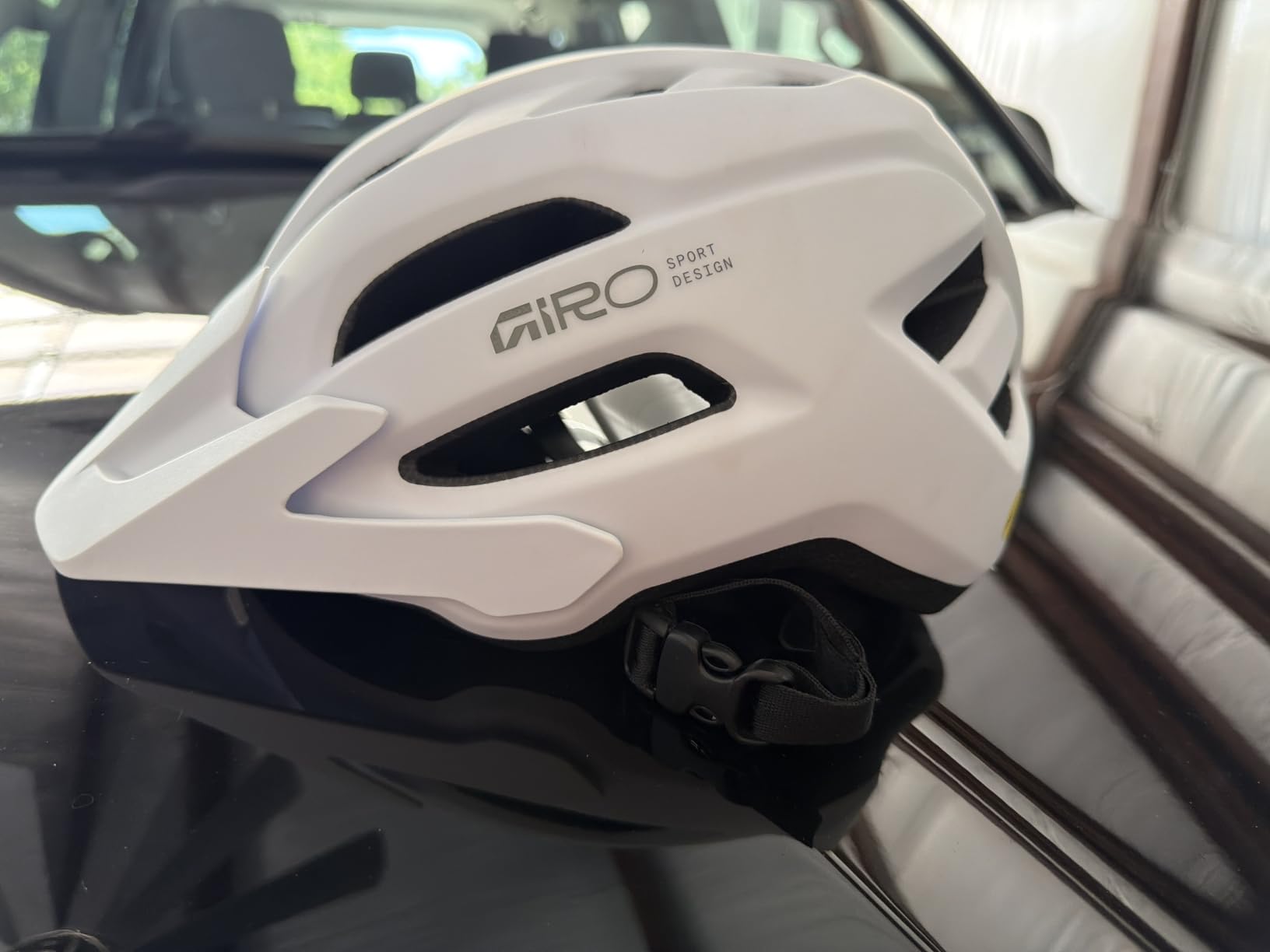
The Fixture MIPS is the helmet I put on other riders first, and after months of riding in it I understand why. The MIPS layer here is not a clip-on accessory sitting loose inside the shell. It is built into the fit system, so the low-friction slip plane is present every single time you put the helmet on rather than only when you remember to add it.
The fit adjustment is the part I notice most. Roc Loc Sport turns one-handed, which matters more than it sounds on a long climb when you are stopping with one hand on the bar and the other on your pack. The adjustment range is 7cm, and the rear cradle is shaped to work with a ponytail, which is not a detail most riders need but a great many riders have.
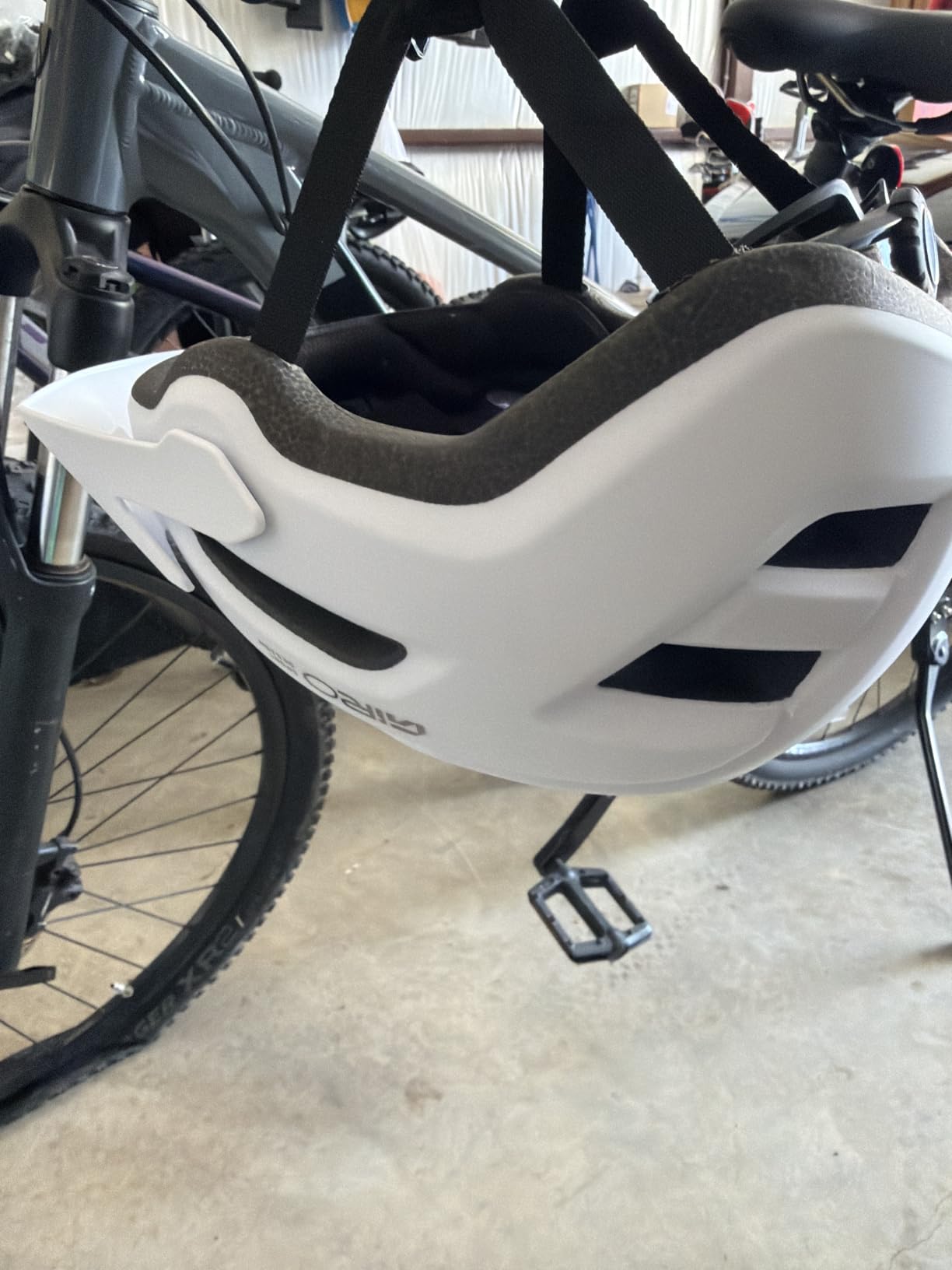
The shell is a tough outer fused directly to the impact-absorbing foam. That construction is why it feels lighter than the size suggests and why air moves through it well on a warm day. The Universal Adult sizing covers 54-61 cm, which is one of the wider ranges in this group and reduces the chance of an awkward gap between a small shell and a large retention cradle.
Reviewers repeatedly single out the one-handed adjustment, the comfortable interior and the ventilation as the reasons the model keeps earning repeat buyers. The same reviews flag two things: the visor is a little short for hard sun, and the exposed shell profile produces some wind noise at higher speeds.
Why this one works for most trail riders
Because it does the unglamorous things well. Extended coverage, a real rotation system, a dial that adjusts with one glove on, and a weight you stop noticing after an hour. If you ride mixed terrain, from fast flowy singletrack to occasional rock gardens, this is the one I would hand you.
It is also the safest default when you are buying your first trail helmet and cannot yet predict what terrain suits you. The coverage is generous without tipping into downhill bulk, and the reflective detailing matters if you are finishing near dusk.
Where it falls short
The visor is the honest weakness. On low-sun morning rides, a longer peak or a stashed cap beats it. And if your usual ride is fast, exposed and noisy, the shell profile lets more wind around your ears than the more closed-back shells in this list.
Glove wearers should also know the one-handed adjustment assumes a reasonably dexterous hand, and the same seven-centimetre range means the lowest setting still leaves a trace of gap on genuinely small heads.
2. OutdoorMaster Gem MIPS: Best Value With Two Liners in the Box
Pros
- Two liner thicknesses let you tune the fit
- Strong 25 vent count for a multi-sport shell
- Removable visor and skin-friendly chin strap
- Dial adjustment avoids pulling hair
Cons
- Heaviest listed weight in this group
- Single medium size rather than a wide size range
The Gem is the one I recommend when someone wants MIPS protection without stepping up into the premium end of the shelf. The rotation system is there, the shell is a proper in-mould-style polycarbonate over expanded polystyrene, and the thing that genuinely surprised me is the liner system.
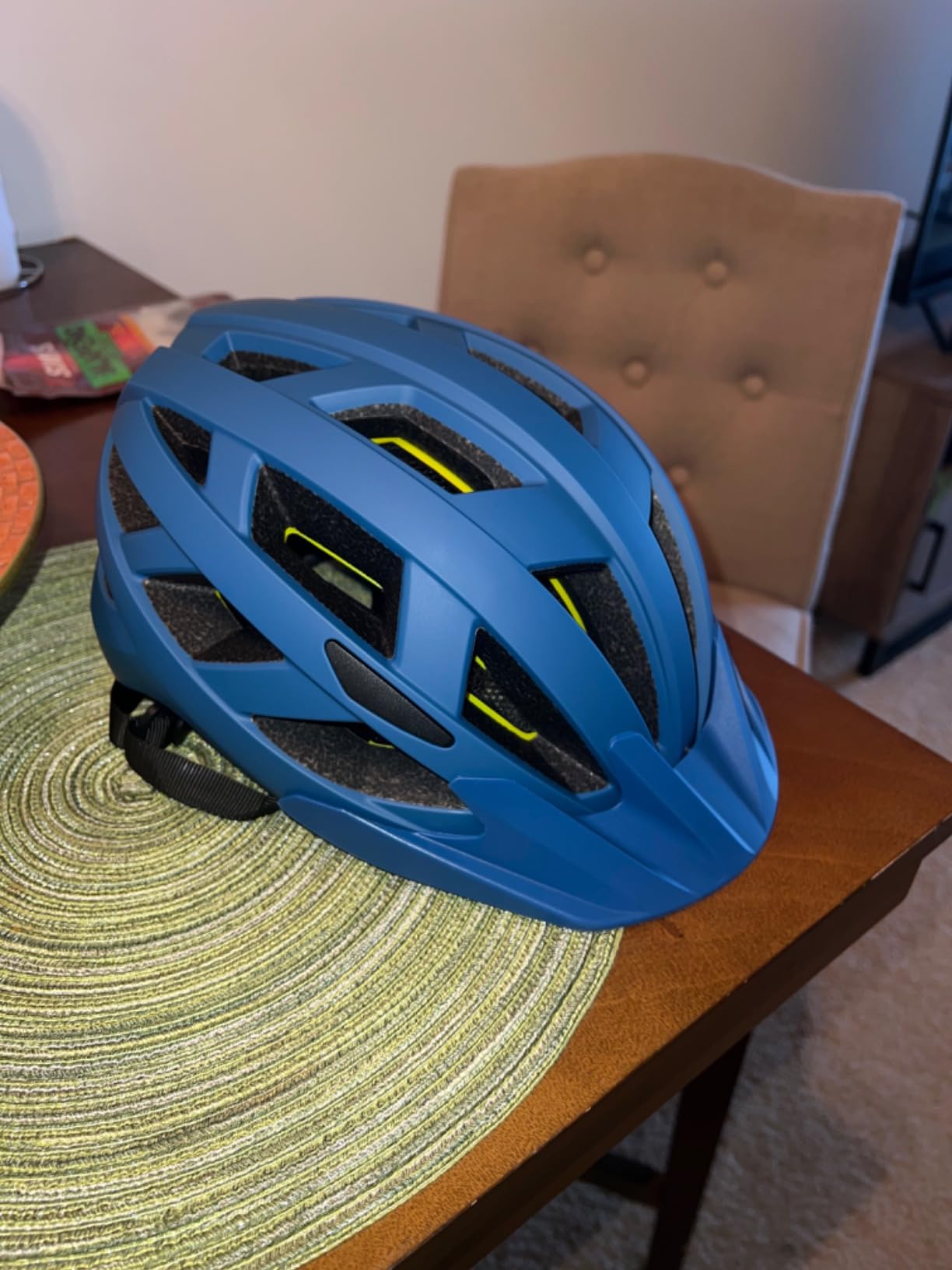
Two removable liners of different thickness come in the box. One measures 0.23 inch, the other 0.31 inch, and swapping between them changes the fit in a way no dial can. Riders with a shallow skull or a sensitive brow pad can thin the padding out rather than compensating by cranking the retention system tight.
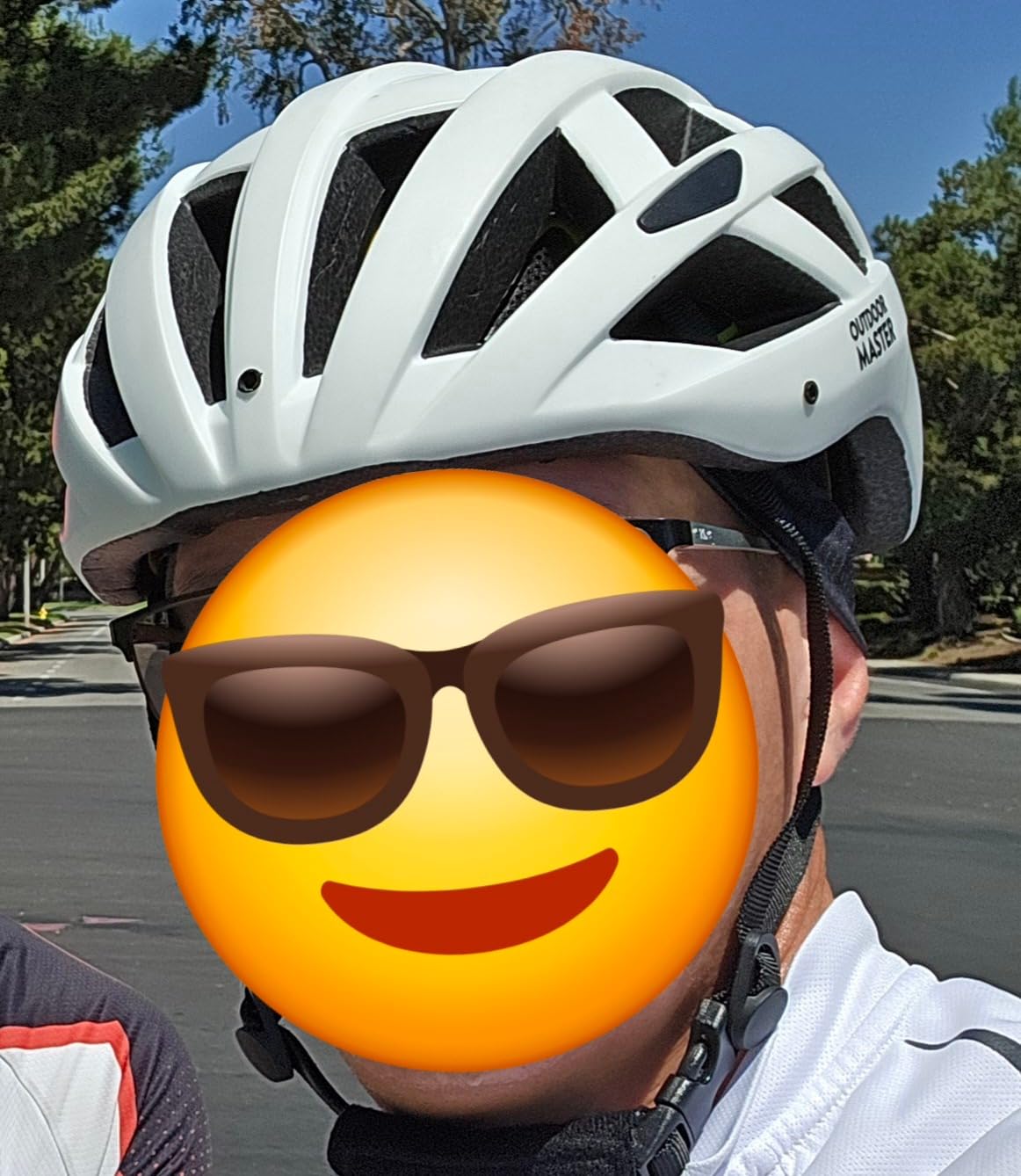
The 25 individual vents are the highest count in this roundup, and on a hot climb that difference is not subtle. The shell is sold as multi-sport, covering cycling, BMX, skating and mountain biking, and the vent layout is tuned for airflow rather than for a road-style aero shell. The visor removes when you want it gone, and the chin strap is described as skin-friendly, which after a sweaty two-hour climb is worth more than it sounds.
Reviewers highlight ventilation, comfortable fit across head sizes, the flexibility of the two liners, and the multi-sport versatility. The dial and removable visor come up often as well-regarded details.
Why this is the value pick
It does the expensive part. A MIPS slip plane, a replaceable-liner fit strategy and 25 vents is a feature set you normally see further up the range, and the extra liners remove the single most common reason a good helmet ends up in a garage unused, which is a fit that feels slightly wrong and never gets dialled in.
For riders who do a bit of everything, and for households where one helmet gets passed around, the liner swap is a genuinely useful feature rather than a gimmick.
Where it falls short
The listed weight of 399 g is among the heaviest figures in this group, and you can feel the difference on a long bikepacking day. If your riding is multi-hour, compare it against the Smith Engage and the Giro before you settle.
Sizing is listed as a single medium, and there is no wide shell in the range. If you sit at the wide end of head shapes, the Giro Fixture with its 54-61 cm range is the safer bet.
3. Bosoar MTB Helmet: The Budget Pick With a Built-In Camera Mount
Pros
- Light in-mold shell that disappears on long rides
- Built-in action camera mount
- Visor detaches in seconds
- Chin pad helps prevent chafing
Cons
- No reflective elements
- Some helmets arrive with missing interior Velcro
- Limited side coverage
The Bosoar is the pick for riders on a tight budget who still want in-mould construction and a proper extended shell. The listed weight is 330g, which makes it the lightest figure among the in-mould models here, and on a long ride you do feel that as an absence rather than a presence.
What surprised me was the camera mount. It is built into the shell rather than stuck on with an adhesive pad, positioned so the camera sits clear of your brow and does not become uncomfortable after the first kilometre. If you film your lines, that is a real feature and it removes the rattle that comes from a strap-mounted action camera.
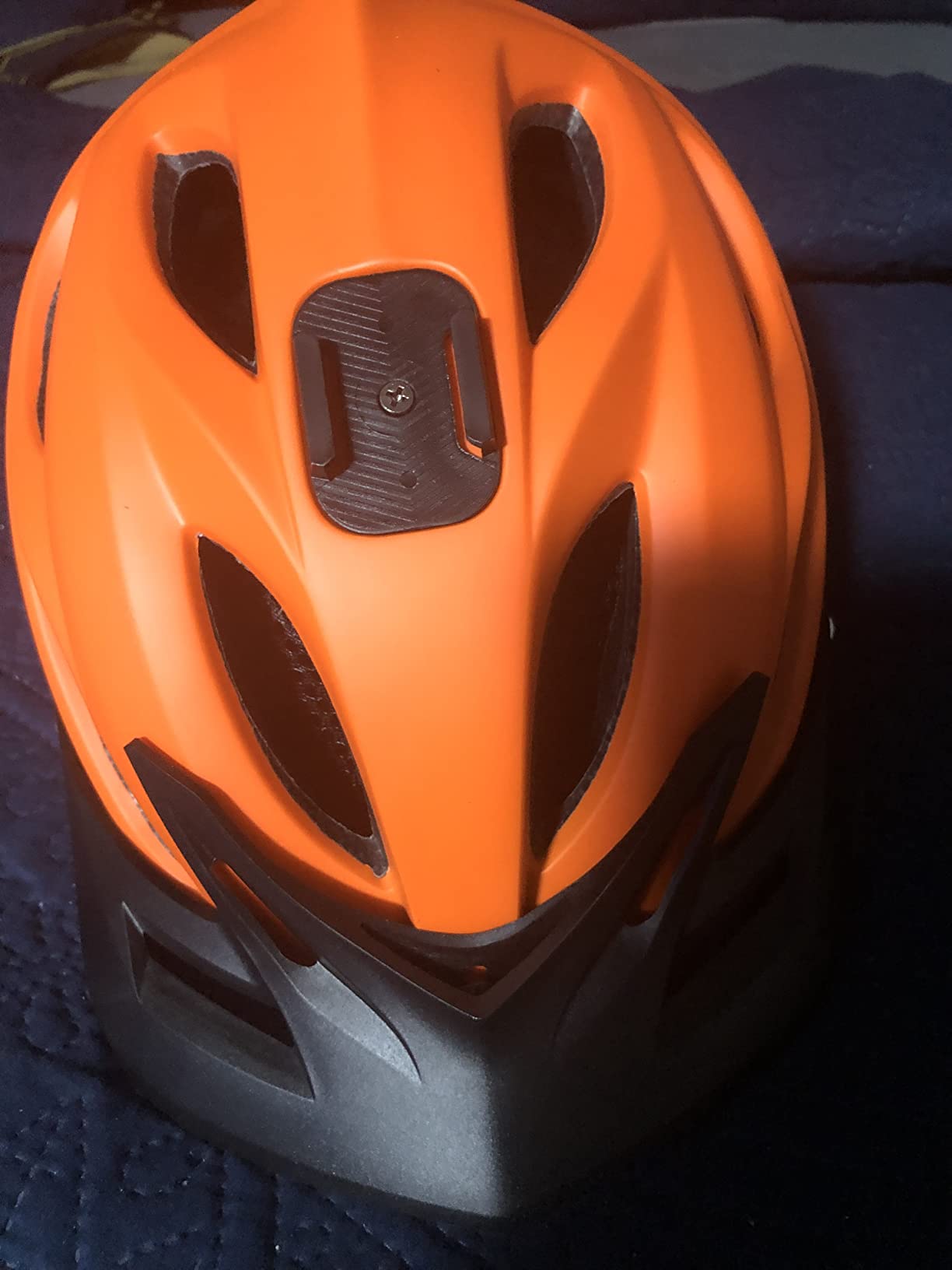
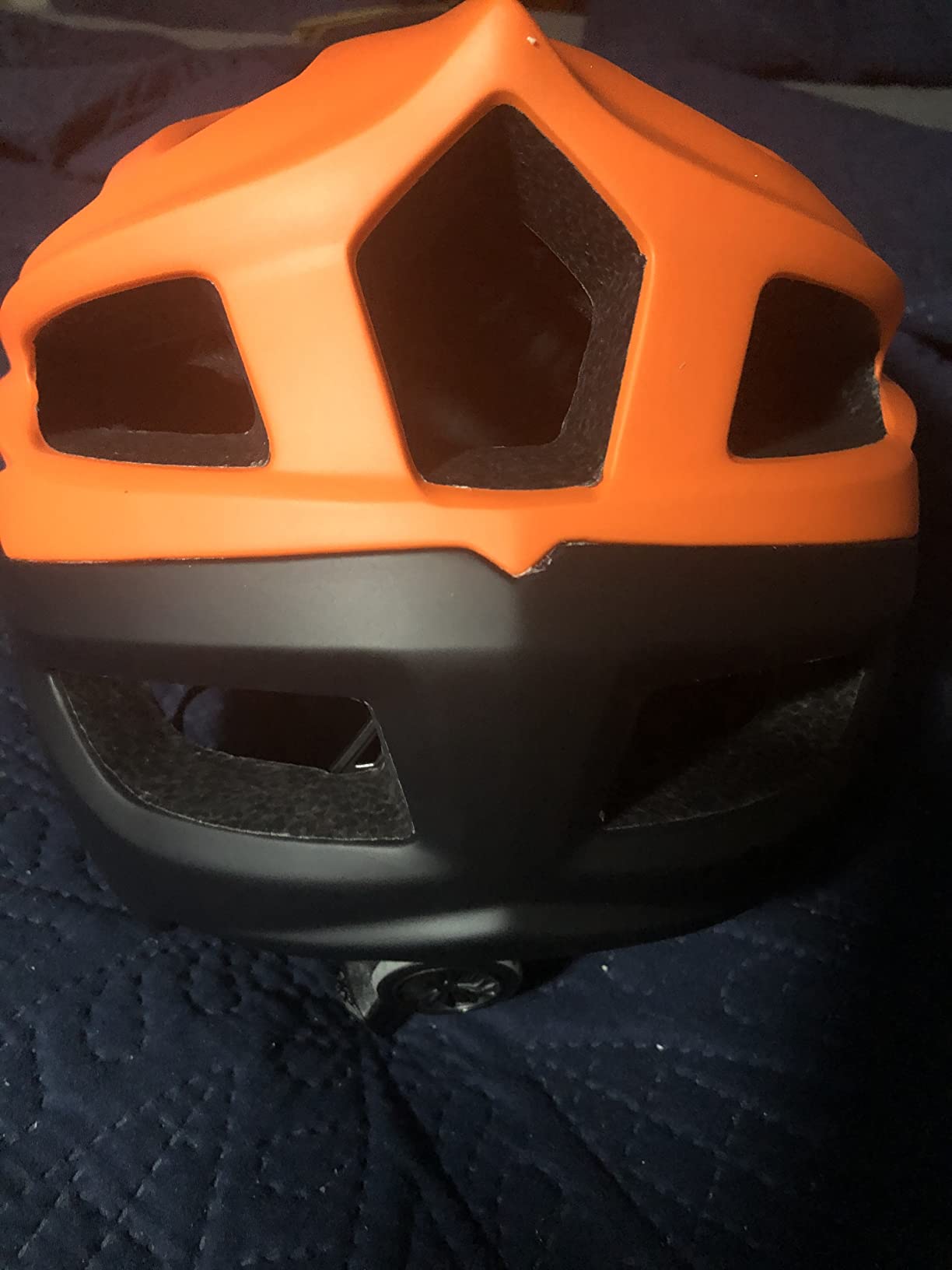
Coverage is where the compromise shows. The in-mold PC shell is fused to EPS that extends down the sides and back of the head, which is the right idea, but the extension is shallower than the POC Tectal Race and the Fox Mainframe in this list. Riders on faster e-MTB terrain report wanting more ear coverage. There is also no reflective tape, so early starts and dusk finishes need a light.
The removable visor detaches and reattaches in seconds, which is genuinely useful when you want to run a cap underneath, and the 15 large vents do respectable work on humid rides. Compliance with the US CPSC bicycle helmet standard is stated, and adjustment covers 55-61 cm.
Why it is worth a spot on this list
Because the common complaint about cheap helmets is a heavy, clumsy shell, and this one is neither. Owners routinely mention the light weight, the easy dial adjustment after a haircut, the detachable visor, and calling it good value.
The built-in camera mount makes it a genuinely good first trail helmet for anyone who films, which is a large share of the riders I meet on group rides.
Where it falls short
There is no warranty on this one, and a small number of owners report helmets arriving with missing Velcro pieces on the interior padding. That is a packaging quality-control issue rather than a design flaw, but it is worth checking the moment the box opens.
The lack of reflective elements and the shallower ear coverage are the two things to weigh. If you ride fast, at night, or on an e-MTB with a heavy pack, the extra coverage on the Fox Mainframe or POC Tectal Race earns its cost.
4. Fox Speedframe: Best for Technical Trail and Fast Enduro Terrain
Pros
- Dial stays locked over rough terrain
- Visor handles both goggles and sunglasses
- Removable washable liner
- Channeled in-molded EPS venting
Cons
- Heavier than expected for a half shell
- No Fidlock magnetic buckle at this level
- Small size can run small
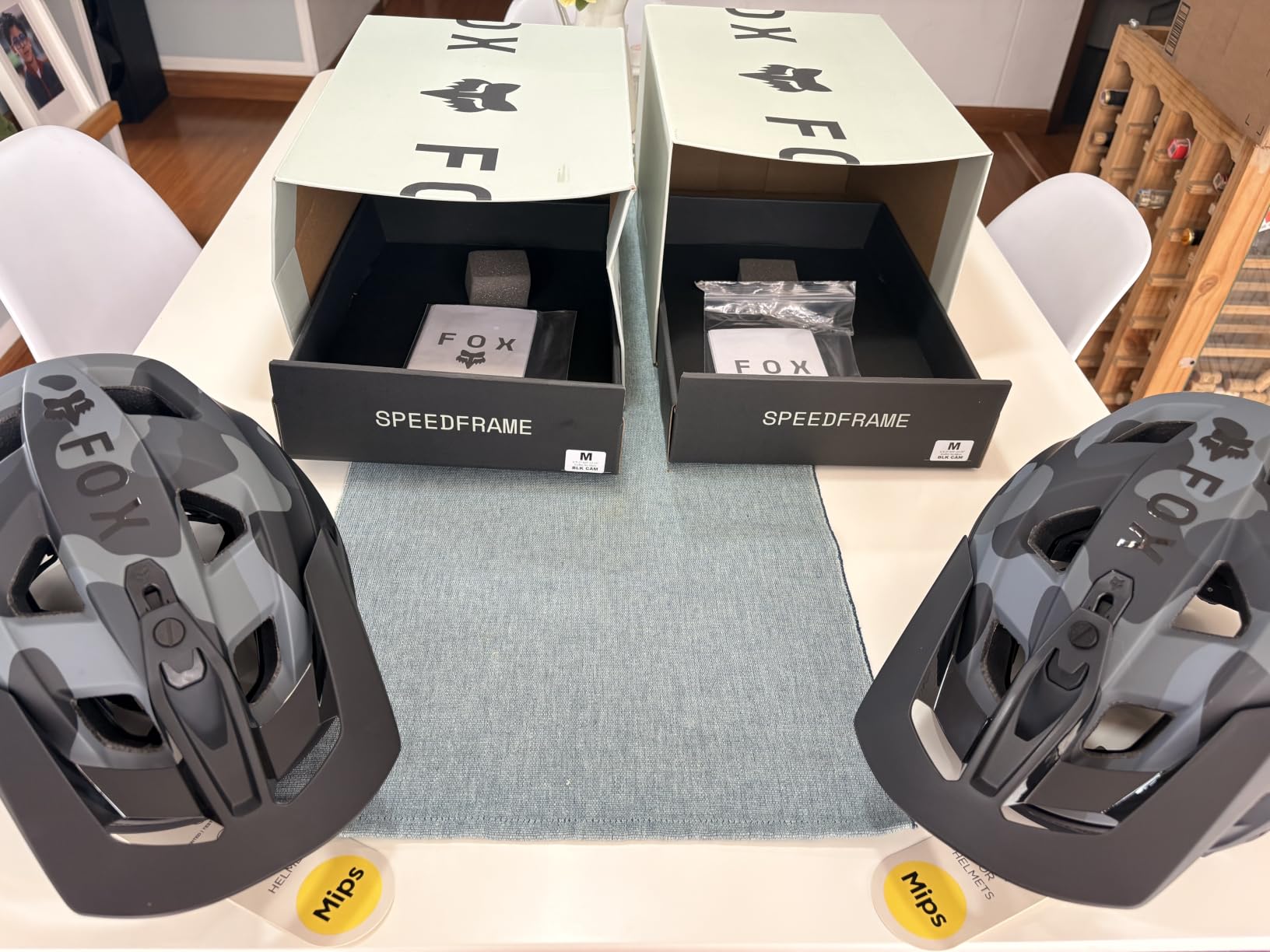
The Speedframe is the helmet I reach for when the trail gets steep and the ground gets loose. The 360 degree Fit System is the star: you dial it in seconds, and the recurring theme in owner feedback is that it stays put over chattery, rooty ground instead of rotating on your head the way a looser rear cradle does.
The MIPS system is fitted the way it should be, absorbing and redirecting energy to reduce rotational motion, and the venting is built around channeled in-molded EPS. Those channels run through the foam itself rather than being cut into a separate plastic piece, which is why the airflow holds up on a sustained climb.
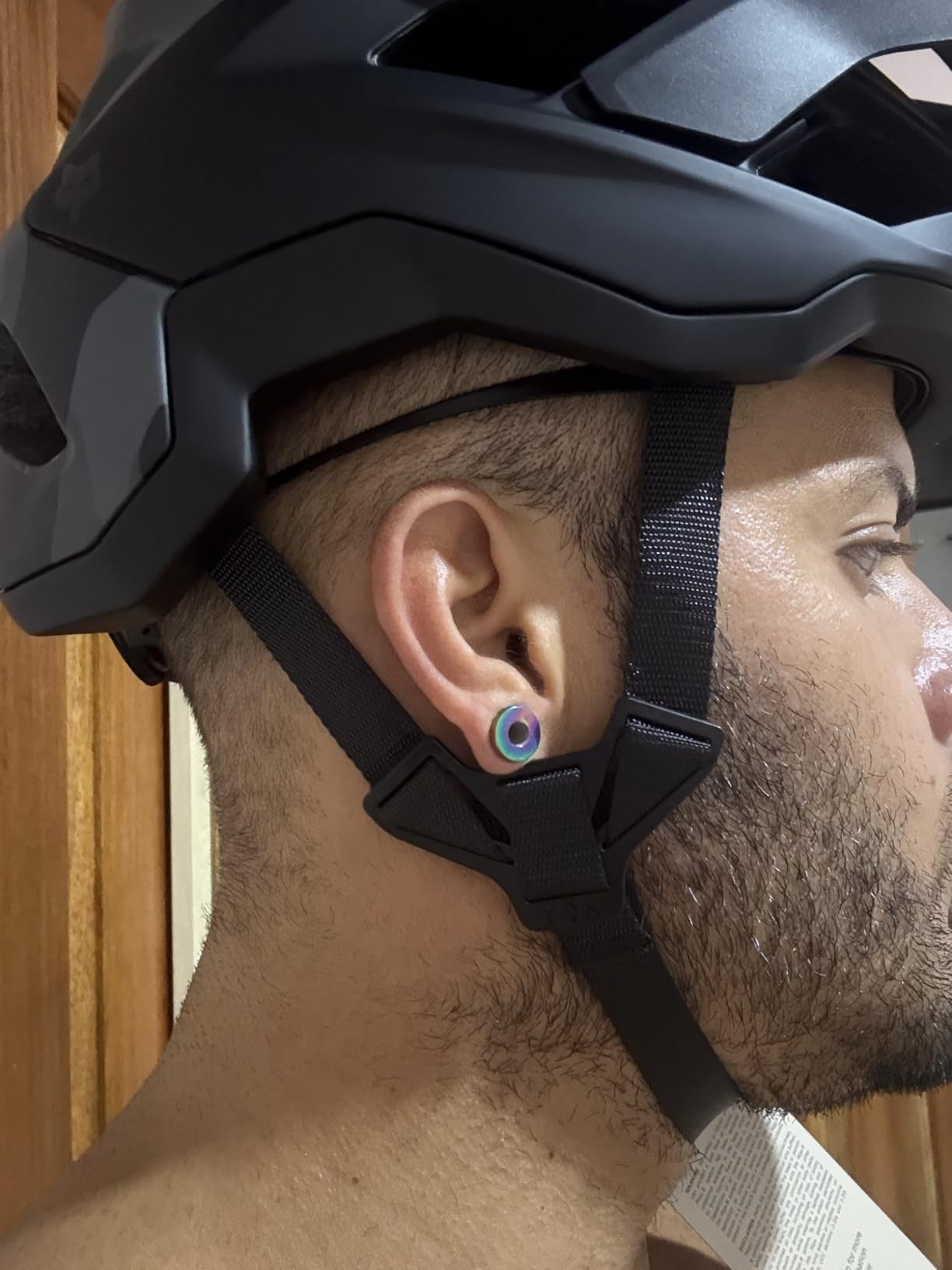
The visor is one-hand adjustable and works with both sunglasses and goggles, and the shell includes sunglass-specific storage. The liner is removable and washable, which is the detail that keeps a helmet bearable through a hot week of riding rather than a single good day.
Trail riders describe the Speedframe as light, cool, comfortable and stylish, with coverage that feels premium. The most common criticisms are about weight, the absence of a Fidlock buckle, and a visor attachment screw that is visible rather than colour-matched.
Why technical-terrain riders like it
Because a helmet that shifts on a steep loose corner is a helmet that is not doing its job. A dial system that holds through chatter, extended coverage, and a liner you can wash all point the same way, and experienced riders consistently notice the difference once the trail gets steep.
It also suits enduro riding where you are on the pedals hard but not descending at downhill speeds all day, which is exactly the use case a full face is built for and this shell is not.
Where it falls short
Owners report it being heavier than expected for a half shell, and question the listed weight figure. Weight sensitivity is real on multi-hour rides, so if grams bother you, weigh this one against the Giro Fixture.
There is no Fidlock magnetic buckle at this level, which means single-handed fastening with gloves on is not available. And if you have a small head, the small size can run small, so try it on rather than ordering blind.
5. Fox Mainframe: Best for Warm Climbs and Long Summer Days
Pros
- Extended coverage for temple and rear impacts
- Lightweight and comfortable over long rides
- Good ventilation from channeled EPS
- High-visibility colourway stands out
- MIPS integrated fit reduces bulk
Cons
- Shell runs large
- sizing down is often advised
- Over-tightening the retention system creates hot spots
The Mainframe is the model I recommend to riders whose season is long and hot. Its selling argument is not a gadget, it is the channeled in-molded EPS venting, which moves air through the foam structure and keeps the shell cooler on the climbs where the temperature climbs with you.
The MIPS system here is integrated into the fit system rather than added on top of it, which reduces weight and produces a more seamless fit. That integration also means the retention cradle and the slip plane move together, so once you have dialled it in the helmet stays dialled in.
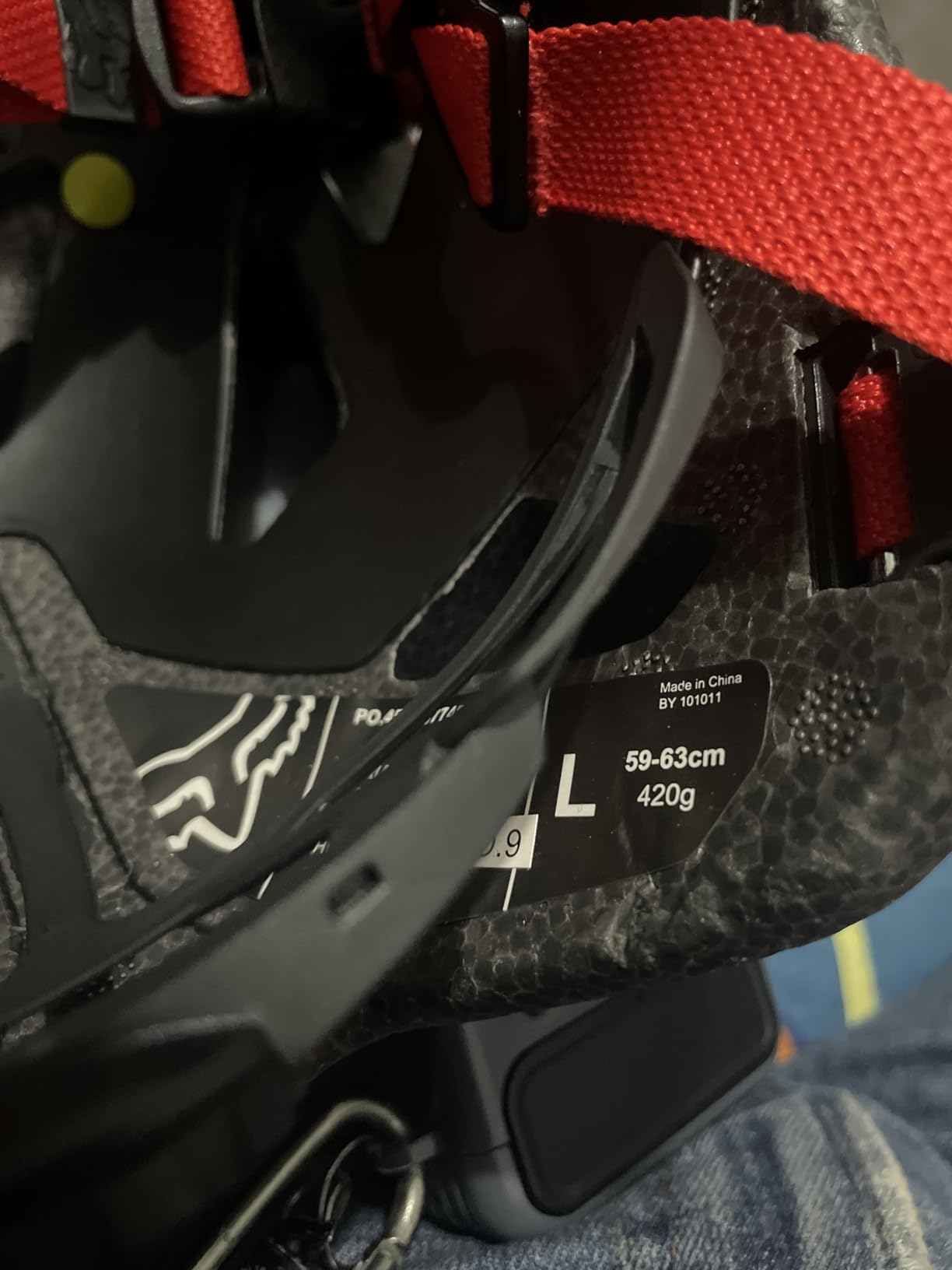
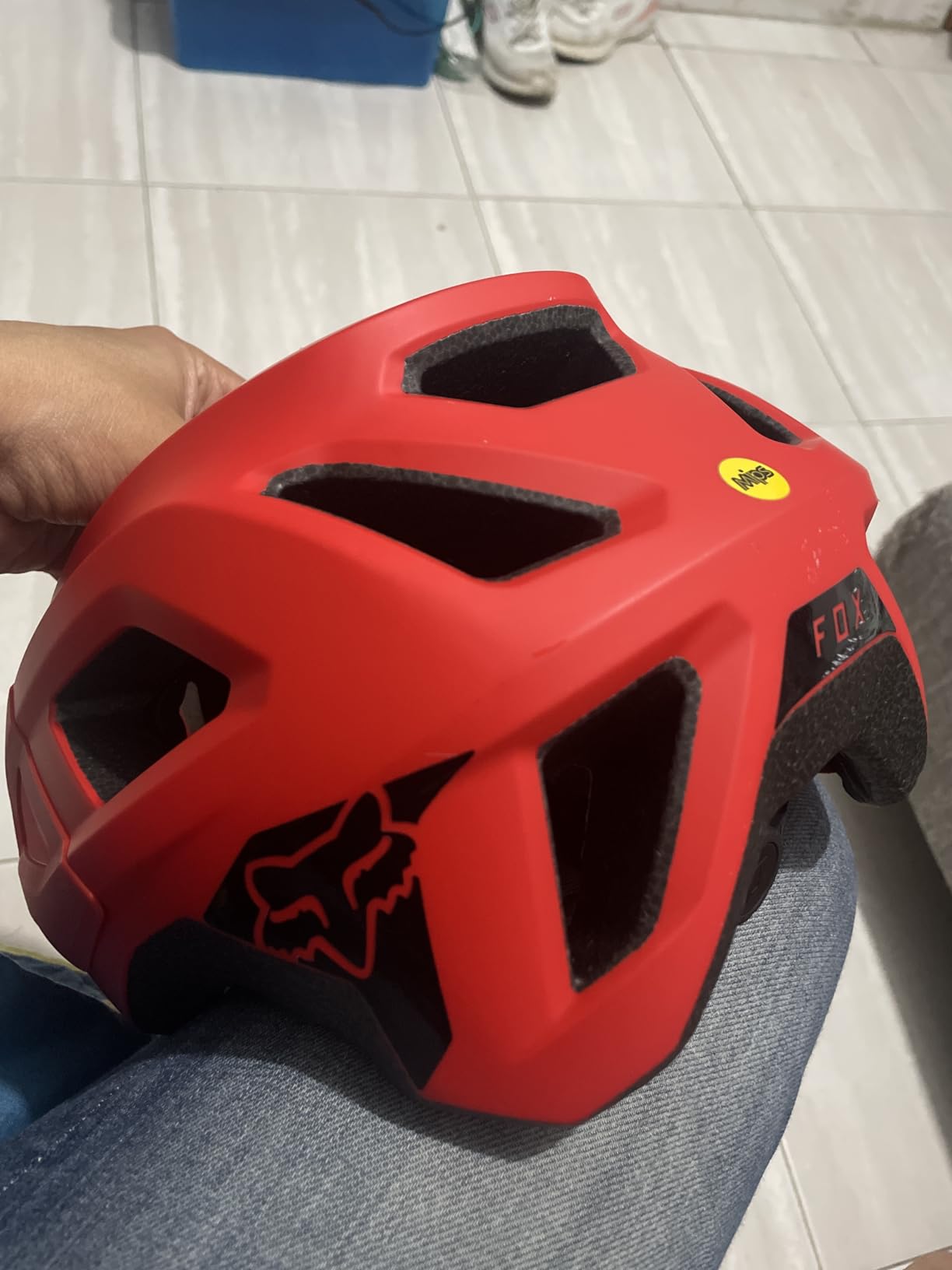
Extended coverage is the other headline, giving more shell over the temples and the back of the head than a road-style open-face. Riders and parents alike describe it as well made, ventilated and comfortable, with standout visibility from the colourway and solid MIPS protection for the money.
The main recurring theme is fitment rather than anything about the shell. The shell runs large, so buying a size down is often advised. Over-tightening the MIPS retention system can create hot spots on the sides of the head, which is worth knowing before you crank the dial in frustration.
Why it suits hot-weather riding
Because the extra coverage that makes it safe on trail is the same coverage that traps heat, and this shell has been designed around that trade-off. The channeled EPS is the answer, and owners consistently report good ventilation over long rides.
The removable washable liner is the sleeper feature here. On a week of consecutive hot days, being able to rinse and dry the liner overnight is the difference between a helmet you wear every day and one you leave on the bench.
Where it falls short
Sizing. The shell runs large, and this is the single most repeated piece of feedback in the reviews. If you are between sizes, size down, and if you have a genuinely small head, do not rely on the retention system to compensate.
Some examples also arrive close to the end of the recommended service life, so check the manufacturing date when the box opens rather than assuming a new helmet is a fresh one.
6. Smith Engage MIPS: Best for Goggle and Sunglasses Integration
Pros
- Dual protection from MIPS and zonal KOROYD
- Meets three separate safety standards
- Lightweight 12 oz design
- AirEvac ventilation manages heat on climbs
Cons
- Fixed vents cannot be tuned
- Ratchet closure rather than a magnetic buckle
The Engage is the pick if you ride in goggles, and it is the only helmet here with two independent impact systems working together. Integrated MIPS handles rotational forces across the head, and zonal KOROYD adds a helmet liner made from co-polymer tubes that crushes to absorb impact energy while letting air pass straight through it.
That combination of two systems is the reason it carries three certifications, meeting US CPSC, CE EN 1078 and AS/NZS 2063. Most rivals in this roundup list one or two, so if you travel or race outside a single market this is the one that travels with you.
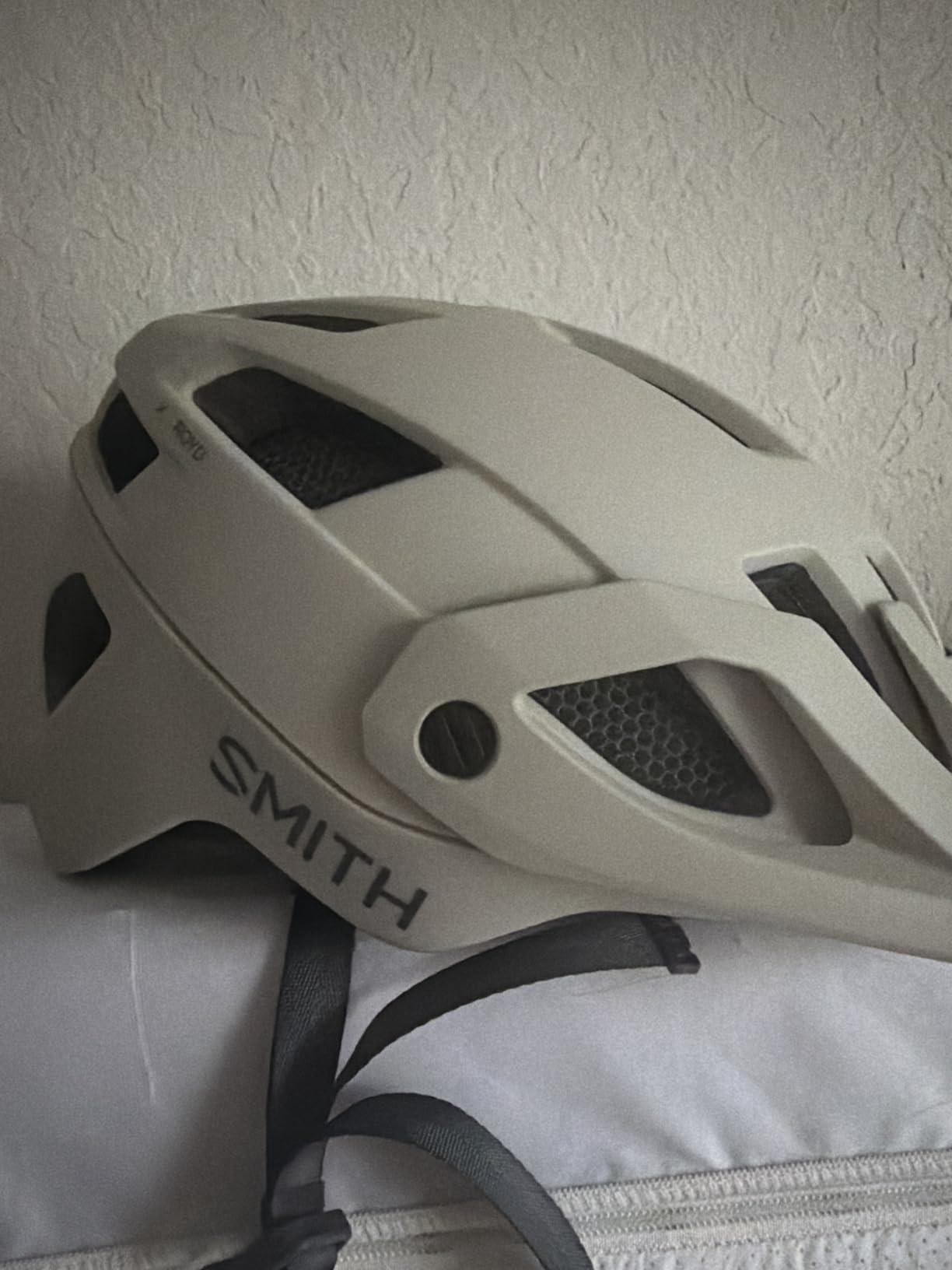
It is also a light one. The manufacturer specification puts it at 12 oz, or 350g, which puts it level with the lightest in-mould shells here. The 21 fixed vents run through the AirEvac system, which is designed to pull air through the shell and around the brow pad rather than simply pushing it past the vents.
The eyewear story is the deciding factor. The helmet is designed to integrate with Smith sunglasses and goggles, with venting laid out to feed air into the goggle channel and stop the front pad from misting. If your eyewear is already Smith, this is the cleanest match in the group.
Why goggle wearers should look here first
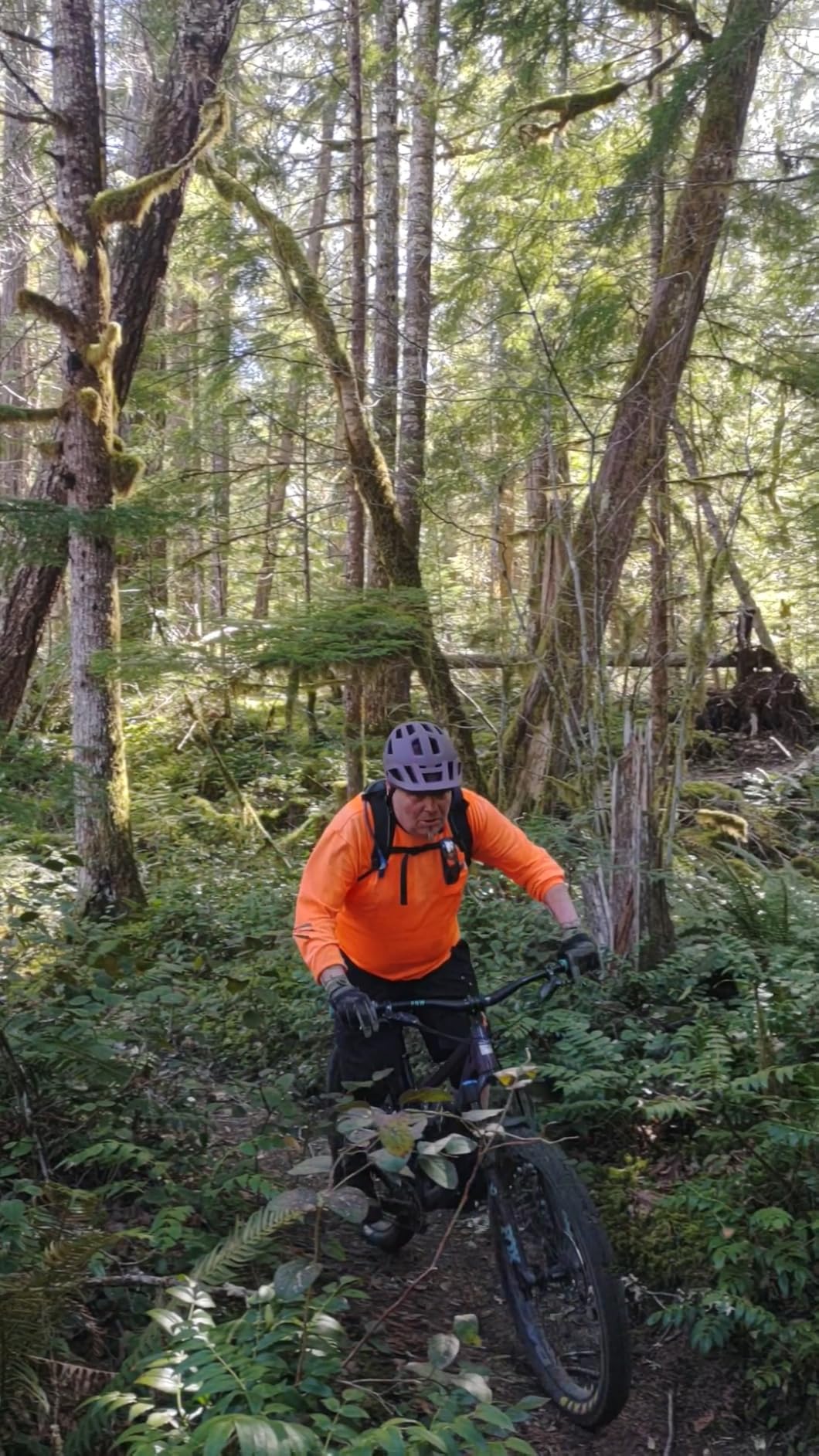
Because eyewear integration is not a small detail on a technical trail. A vent that blows across your goggles, a brow pad that sits where the goggle foam seals, or a strap that fights the helmet shell all cause real problems within the first ten minutes of riding.
The AirEvac layout and the goggle-aware design solve that by intent rather than accident, and the 350g figure means you are not paying for the coverage in neck weight.
Where it falls short
The vents are fixed, which means you cannot close them when you are cold or riding through a cold downhill section on a cold day. The closure is a ratchet rather than a Fidlock magnetic buckle, so you are using both hands with gloves on.
Note also that the listed weight in the retail listing and the manufacturer specification disagree, so judge the feel rather than the number, and check the size carefully because the shell is offered in a small at this listing.
7. O’Neal Sonus Deft: Best for Plush All-Day Comfort
Pros
- Magnetic buckle opens one-handed with gloves
- Plush washable liner for all-day wear
- Multiple vents for strong airflow
- Durable ABS shell
Cons
- ABS shell is heavier than in-mould plastic
- Listed in Large only for this colourway
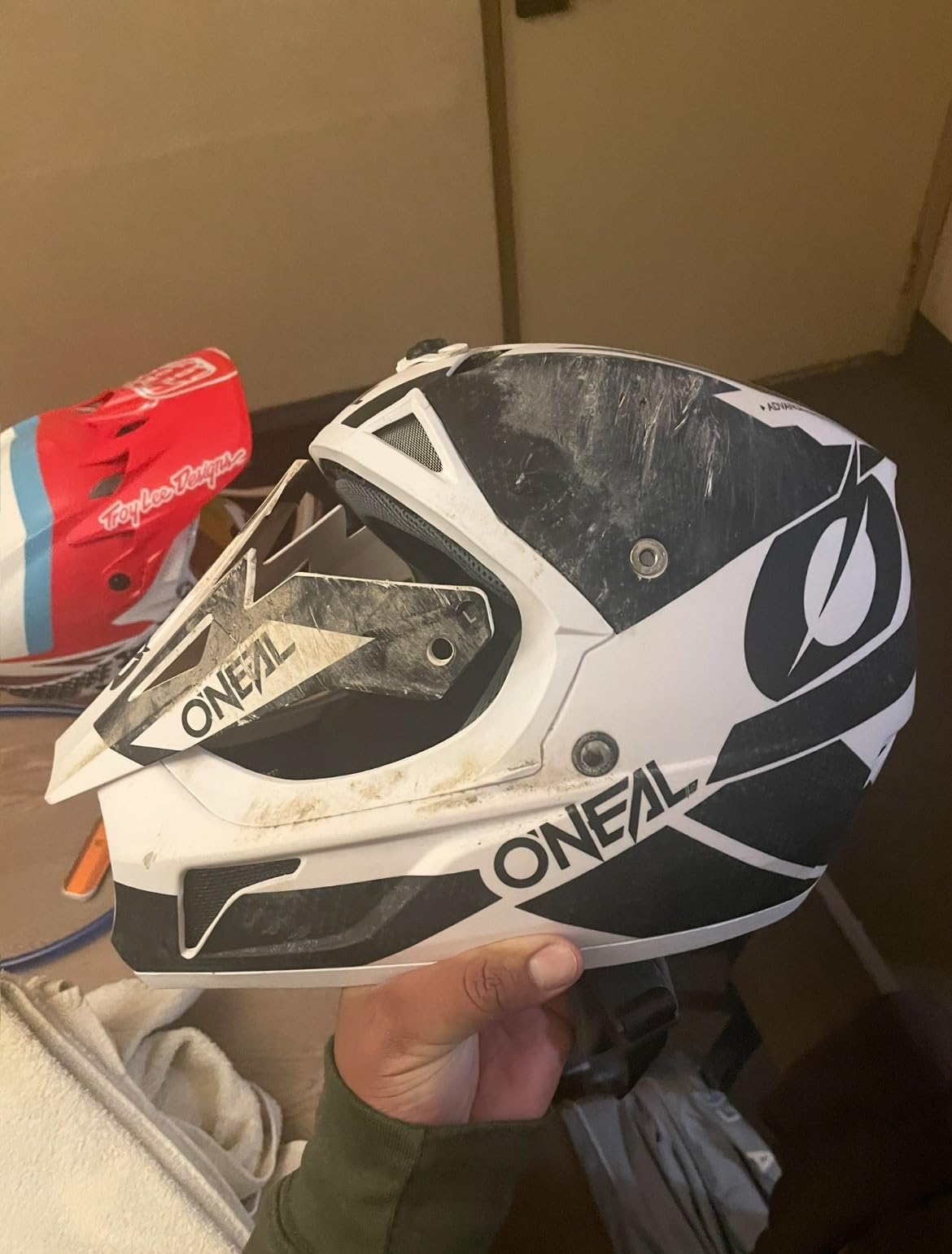
The Sonus Deft is the one I recommend to riders who find pads uncomfortable by hour two. The liner is described as ultra-plush, removable, sweat absorbing and washable, and owners consistently single it out as the reason the helmet is easy to wear all day rather than merely tolerable.
Then there is the Fidlock magnetic buckle, which lets you fasten and release with one hand. On a steep climb where you are stopping with one hand on the bar, or with cold numb fingers, that is not a luxury feature. It is the difference between a helmet you actually put on and one sitting in your pack.
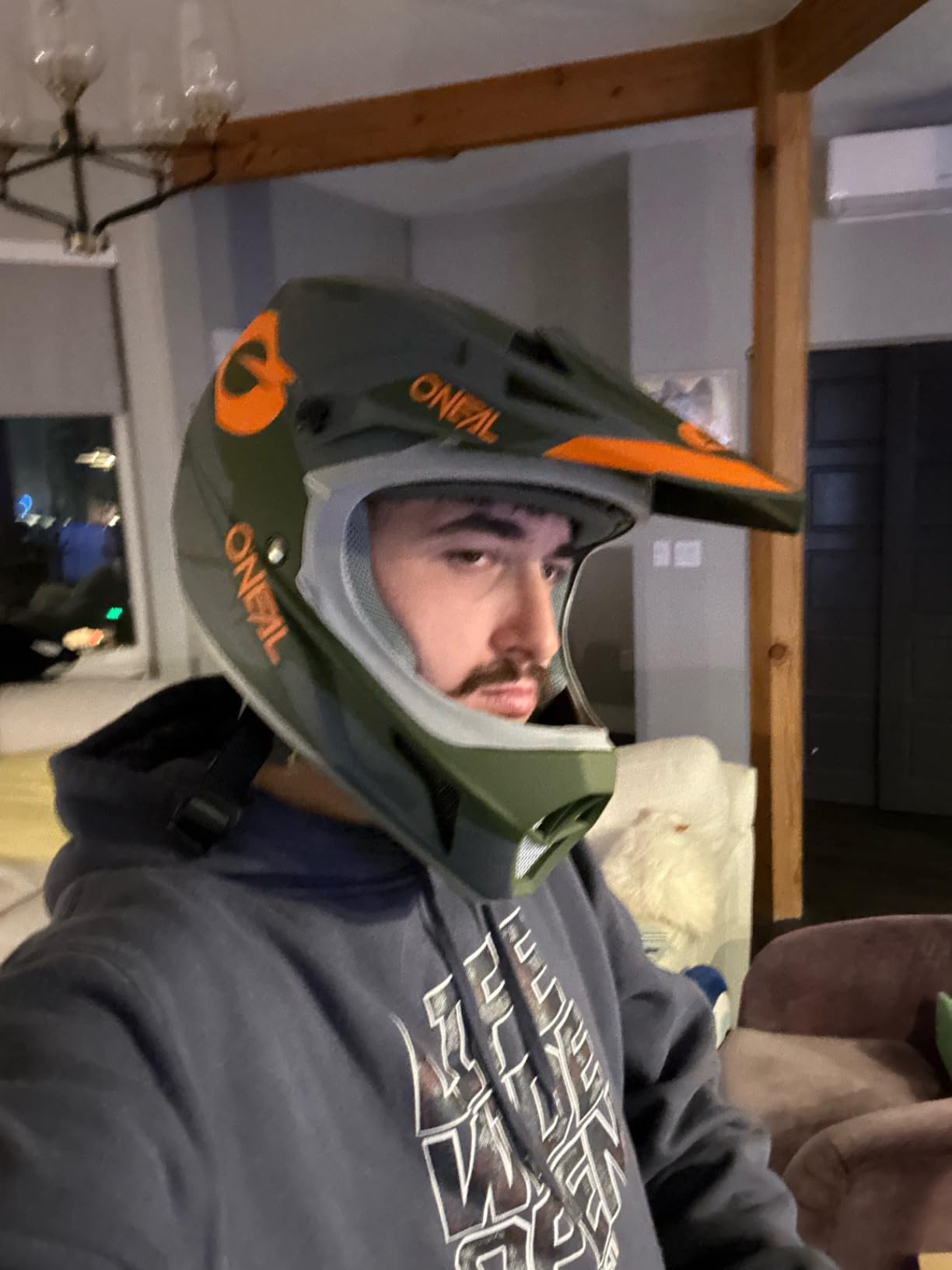
The shell is ABS rather than polycarbonate, which is a more traditional construction and typically heavier for the same protection level. It is also, in our experience, a tougher shell against the knocks and scrapes that come with tight technical riding and bush-bashing approaches to the trailhead.
Multiple air vents handle the cooling. Owners cite the buckle, the plush liner, the ventilation and the durable construction as the reasons they keep recommending it to friends.
Why comfort-focused riders like it
Because padding quality is what determines whether a helmet stays on your head through a five-hour day, and it is the one feature riders almost never research before buying. A washable plush liner plus a magnetic buckle means the helmet is easy to live with, which is what actually gets it worn.
It is also a good match for riders who bounce between disciplines, since the buckle works equally well when you are stopped in traffic or halfway up a climb.
Where it falls short
Weight. An ABS shell with a plush liner is a heavier build than the in-mould models in this list, and on a long bikepacking or multi-hour day you will notice where the grams are.
Availability is worth checking too, because this listing is in Large only for this colourway. If your measured circumference sits in the lower half of your usual range, look at another colourway or a different model rather than trusting the retention system to compensate for a shell that is simply too big.
8. POC Tectal Race MIPS: Best for Deep Temple and Rear Coverage
POC Tectal Race MIPS Bicycle Helmet – Trail, Enduro and All-Mountain Helmet with Aramid Reinforcement, Innovative Size Adjustment System and MIPS Technology
Pros
- Noticeably deeper coverage at temples and back
- Lightweight at 0.37 kg
- 360 degree fine fit adjustment
- Peak lifts to store goggles
- Removable washable pads
Cons
- Sizing runs inconsistent between sizes
- Deep temples can clash with chunky sunglasses
- Vents are fixed
The Tectal Race is the coverage champion of this roundup, and that is the whole argument. Riders repeatedly describe the protection as noticeably deeper than a road helmet at the temples and the back of the head, which are the two areas that take hits when a low branch catches you on a fast descent.
It is not a heavy helmet to get that coverage. The listed weight is 0.37 kg, which keeps it among the lighter shells here, and the unibody polycarbonate shell is reinforced with an EPS liner and aramid bridges for structural stability. That combination of coverage and weight is the thing most helmets in this class get wrong.
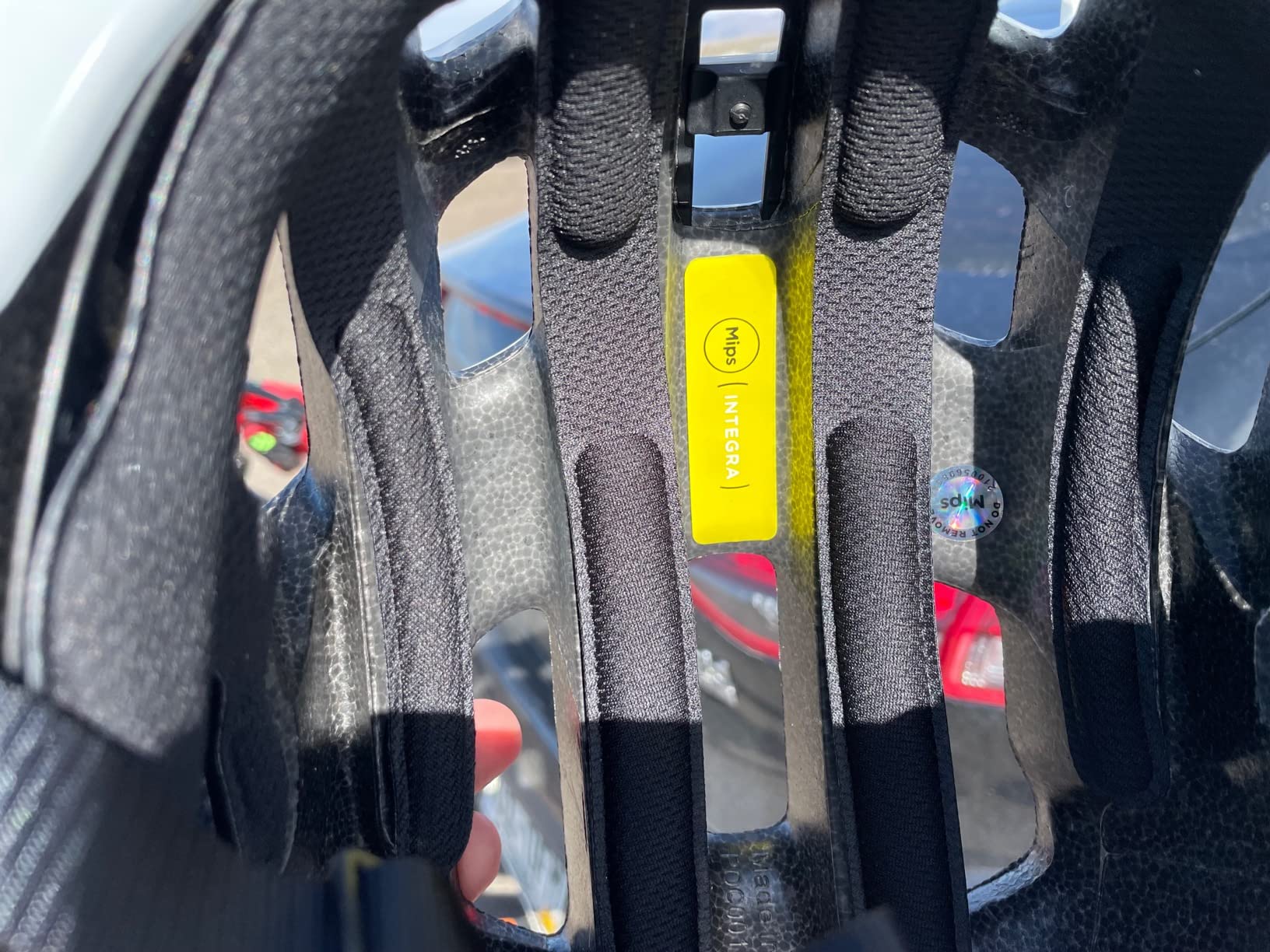
The 360 degree size adjustment system allows genuinely fine tuning, and the peak lifts so you can store goggles or sunglasses underneath. There is a goggle clip and a rubber strap keeper at the rear, which is a small detail that decides whether your goggles stay put on a rooty section.
Riders praise the build quality, low weight, ventilation and the deeper protection, and a fair number buy it as a second helmet once they have one lighter shell. The friction is sizing, with some reporting that the large runs too big and the medium too small.
Why coverage matters on trail
Because trail impacts are rarely flat. A glancing hit to the temple, a low branch, a handlebar in a low-speed endo, these are the common cases, and each one lands on a part of the head that a shallow road shell leaves exposed.
The aramid bridges are worth understanding too. They tie the shell structure together so it resists deforming in a hard hit, which helps the EPS liner do its job of crushing predictably rather than flexing the whole shell away from the impact.
Where it falls short
Sizing is the real issue. The feedback about the large running too big and the medium too small is consistent enough that you should try it on rather than order blind, and the fit adjustment will not rescue a shell that is simply the wrong size for you.
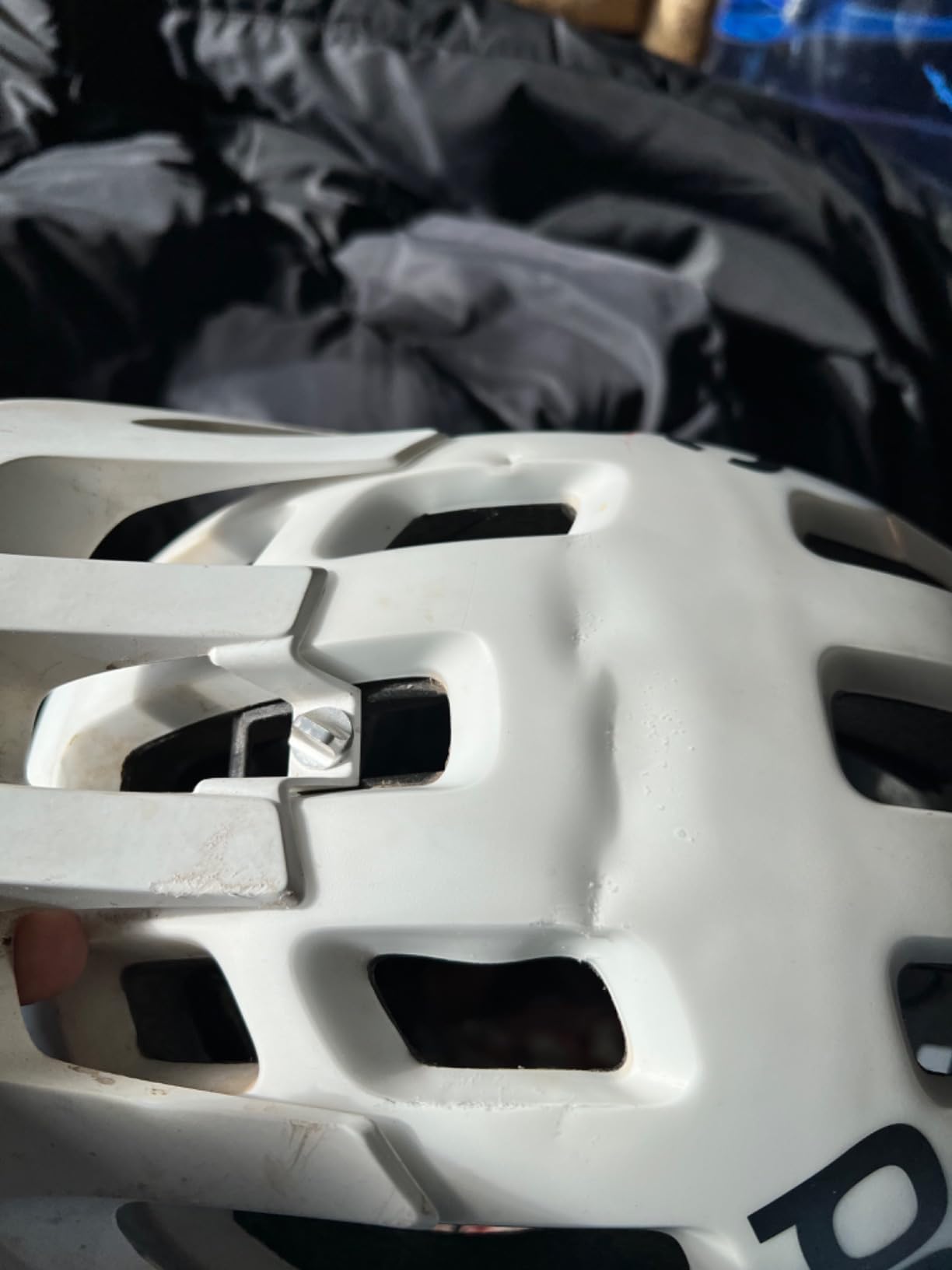
Deep temple coverage can also contact the arms of chunky sunglasses, and a few examples have arrived with a missing visor clamping screw or in non-original packaging, so check the box contents on arrival.
9. IXS Trigger AM MIPS: Best for Wider or Unusual Head Shapes
Pros
- Fitting ring adjusts tilt and circumference together
- Thin shell profile suits larger head shapes
- Three visor positions with goggle space
- Magnetic buckle for quick release
Cons
- Less well known brand than the leaders
- Size range listed only from 54-58 cm
The Trigger AM solves a problem that most of this roundup does not: a helmet that fits an unusual head shape. The ErgoFit Ultra fitting ring is an interlocking ring that adjusts vertically and circumferentially at the same time, rather than a dial that only changes circumference and leaves the tilt to the pads.
Because the shell itself is a thin in-mould profile, several buyers with larger heads or unusual head shapes report it is the only brand that fit them well. That is a specific and valuable outcome, and it is why this model earns its place even with a smaller review base than the Fox and Smith entries.
Why riders with wider heads recommend it
Because the fitting ring moves on two axes. A rider whose head is long front to back, or whose temples sit wider than a standard shell allows, can bring the helmet into alignment instead of padding around a problem that adjustment was never going to solve.
The three-level removable visor also leaves room to rest goggles along the forehead and below the visor, and the Fidlock buckle handles the closure in the same quick one-handed way as the O’Neal.
Where it falls short
Brand recognition. IXS is a genuinely respected manufacturer, but you will find fewer long-term owner reports, fewer second-hand resales, and less community advice on the forum than you would for Giro, Fox or Smith.
The listed size range runs 54-58 cm, so riders at the very wide end of head shapes should confirm coverage before buying. If a broad size range matters to you, the Giro Fixture at 54-61 cm is the more documented option.
10. Smith Session: Best for Hot Humid Climbs and Sweat Management
Pros
- Complete KOROYD coverage plus MIPS
- 270 degrees of fit adjustment
- Ionic+ lining manages sweat
- Three-position visor blocks glare
- Lightweight at 370g for size M with MIPS
Cons
- Rear retention nape can have sharp edges
- Chin strap buckles are small and hard to squeeze
The Session is the sweat-management specialist of this roundup. The Ionic+ lining is a sweat-activated fabric that moves moisture away from your brow as you heat up, and on a humid climbing day in the heat that difference is bigger than any shell change. Most riders find the helmet light, comfortable, well ventilated and accurately sized.
Protection here is complete KOROYD coverage combined with the MIPS Brain Protection System. KOROYD is a co-polymer structure that absorbs impact energy and stays ventilated at the same time, and the two systems working together cover both linear and angled impacts.
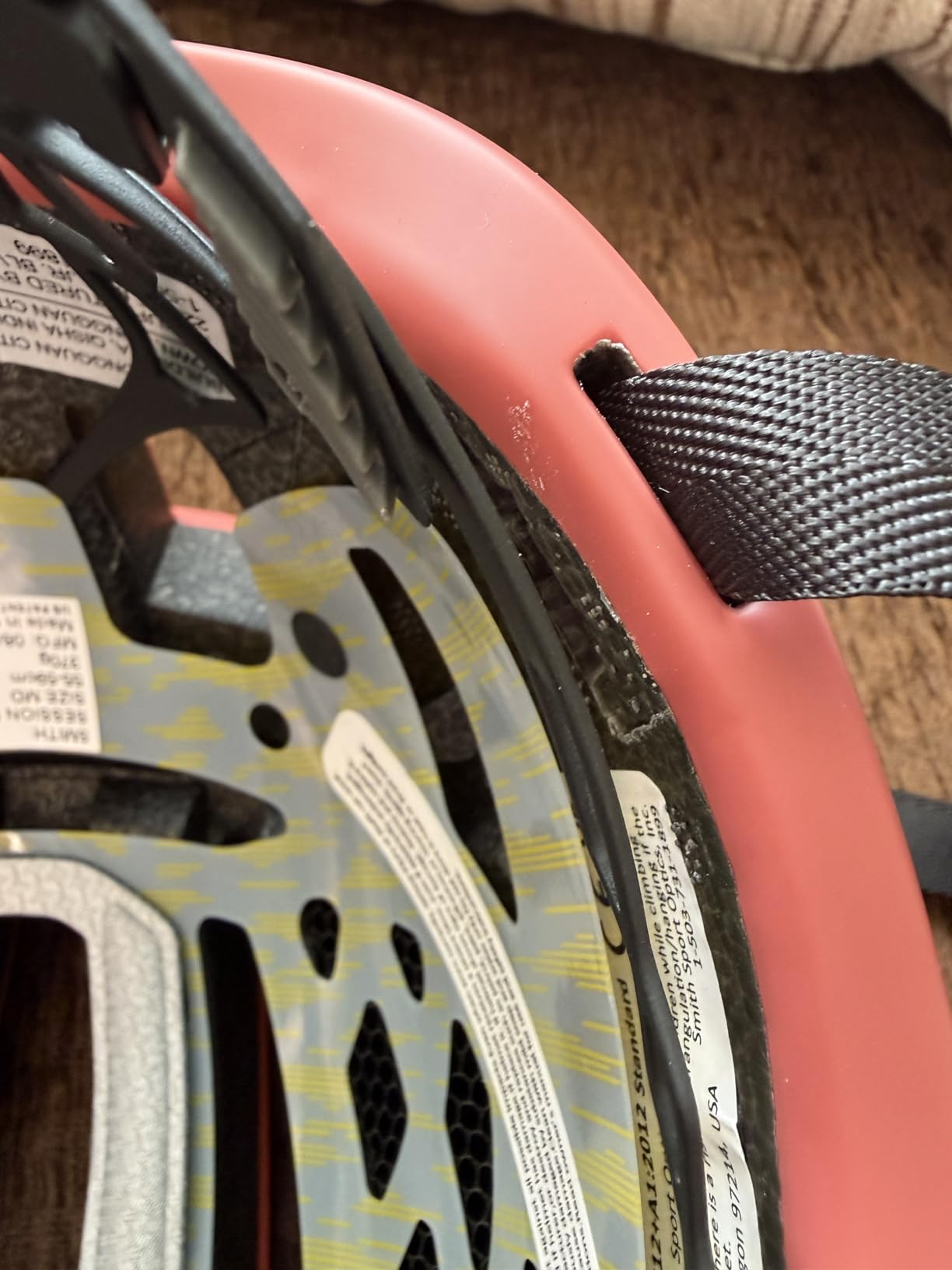
The VaporFit dial offers 270 degrees of fit adjustment, which is the widest figure any of the retention systems in this list quotes. The 15 fixed vents run through the AirEvac system, which is laid out to work with Smith goggles and eyewear, and the visor adjusts through three positions to manage glare. Weight is quoted at 370g for size M with MIPS.
A recurring minority complaint is hardware comfort. The nape section of the retention system can have sharp edges that irritate the back of the neck, the chin strap buckles are small and hard to squeeze, and the side straps can be hard to dial into the right positions.
Why it is built for hot riding
Because sweat management is a safety issue on long climbs, not a comfort luxury. A soaked liner stays cold on the descents and stops insulating, and a helmet you want to take off at the top of every climb is a helmet that ends up unbuckled on technical terrain.
The combination of a sweat-activated brow lining, a ventilation system designed around eyewear, and a wide fit dial means you can adjust once in the morning and forget about it.
Where it falls short
The rear retention nape. Owners with sensitive skin report sharp edges at the back of the neck, so check it against your collar line before your first long ride rather than discovering it an hour out.
The chin strap buckles are also small and difficult to squeeze, which is a genuine problem for riders with limited hand dexterity and an annoyance for everyone wearing winter gloves. If one-handed fastening matters to you, look at the Fidlock models instead.
How We Picked: Safety Tech First, Then Fit
Our selection order was deliberate. We started with certification, because a helmet that does not meet a recognised bicycle helmet standard should not be on this list at all. Then rotation protection, then coverage, then fit systems, then venting and weight, then the small quality-of-life details like buckles, liners and camera mounts.
Weight sat deliberately low in that order, even though it matters. A gram saved on a full-face does less for you than an extra 15mm of temple coverage on a helmet that is already light, and a well-ventilated light helmet is worth more across a season than a marginally lighter one that leaves you hot by the second climb.
We also read the negative feedback harder than the positive. Every cons list in this roundup came from owner reviews rather than from spec sheets, and where a complaint repeats, we said so, because a visor that is consistently a little short or a shell that consistently runs large will cost you more than the specification sheet suggests.
Half-Shell, Full-Face or Convertible: Which One You Actually Need
Direct answer: for trail riding on singletrack, XC, enduro and all-mountain terrain, an extended-coverage half-shell is the right category. A full-face is for descending genuine downhill at speed, and a convertible with a removable chin bar sits between them for riders who want the option without the weight of a full chin bar on every ride.
The reason is the speed threshold. Half-shells are built for the debris, branches and low-speed-to-medium impacts that trail riding produces. Full-faces add a chin bar and a deeper shell to manage very high speed descents where the head is leading and the forces are extreme. If you are not descending fast on purpose, the extra weight and heat of a full-face buy you very little.
Enduro is where the decision gets interesting. A rider who spends a season on long, flowy, moderate-gradient enduro stages can run a half-shell comfortably. A rider who genuinely loves steep, loose, rock-ledge descents will eventually want more protection, and the common upgrade path in the community is exactly that, triggered by a bad moment on a trail that turned out to be much harder than expected.
Whatever you choose, buy the coverage you need rather than the coverage you think looks serious. An over-engineered full-face on gentle trail riding means a hot head, a tired neck, and a helmet you take off on the first climb.
Safety Certifications Explained: CPSC vs EN 1078 vs ASTM F1952
Direct answer: CPSC and EN 1078 are bicycle helmet standards you should see on any trail helmet, and ASTM F1952 is the downhill full-face standard. If a helmet does not list one of the first two, treat it with suspicion regardless of what else is written on the box.
CPSC is the US Consumer Product Safety Commission standard for bicycle helmets for riders age five and older. It tests for linear impact, and it is the standard US retail buyers should see listed. EN 1078 is the European equivalent and covers the same ground, which is why helmets sold globally often carry both, as the Smith Engage in this roundup does along with AS/NZS 2063 for Australia and New Zealand.
ASTM F1952 is the American Society of Testing and Materials standard for downhill and extreme mountain biking helmets, tested to the much higher speeds that category involves. It applies to full-face helmets, not to the half-shells in this roundup, so it is a reference point rather than a shopping criterion for most trail riders.
Here is the uncomfortable part that this roundup is built around: certification is a threshold, not a ranking. Every helmet here has passed the relevant test for its category, and none of those tests measures how well the helmet handled a specific angled impact, which is the impact type that causes the majority of cycling head injuries. That gap is why rotation systems exist, and it is also why a pricier helmet is not automatically safer.
The sensible position is this. Buy a certified helmet, prefer one with a rotation system, and then spend the rest of your attention on fit, because a poorly fitted certified helmet with a MIPS slip plane performs worse than a perfectly fitted certified helmet without one.
MIPS, KOROYD, SPIN and Other Rotation Systems Explained
Direct answer: yes, you should have a rotation system on a trail helmet, because trail impacts are usually angled rather than straight-on. MIPS is the most widely adopted, KOROYD adds a different mechanism, and all of them work on the same principle.
Traditional helmet testing concentrates on a straight impact from above, because that is the easiest test to run. Real crashes rarely look like that. When a rider’s head strikes a rock or a tree at an angle, the helmet rotates across the surface, and that rotation shears the brain against the inside of the skull. The mechanism differs slightly by system, but the goal is the same: reduce the energy transferred through the brain.
MIPS, or the Multi-directional Impact Protection System, uses a low-friction slip plane between the helmet and your head. On an angled impact, the head slides a small distance across that plane instead of the helmet gripping and twisting. It is now standard on most trail helmets in this roundup, which is why it has stopped being a meaningful upgrade on its own.
KOROYD uses tubes made of co-polymer that crush together when struck. Because the tubes are hollow, air still moves through the structure, which is a genuine advantage for ventilation, and because the tubes deform gradually, they absorb energy progressively rather than in one go. The Smith Engage in this list pairs zonal KOROYD with MIPS, and the Smith Session goes further with complete KOROYD coverage alongside MIPS.
Other named systems work on the same idea with different geometry, including SPIN from POC, Kineticore from Lazer, and dual-density liners such as Varizorb from Fox, where a softer layer is used in the areas most likely to take an angled hit. When you see several of these systems listed together, the honest read is that the base helmet design is strong and the rotation layer is a genuine extra rather than a substitute for good shell construction.
Fit and Sizing: Measure Your Head and Run the 2-2-2 Check
Direct answer: measure the circumference just above your eyebrows and about two finger-widths above your eyebrows, then buy the size that matches, then test the helmet with the 2-2-2 method. A correct size in the wrong shell will still not fit, so try before you commit.
To measure, take a tape measure or a piece of non-stretch string and wrap it around your head, level across the forehead about two finger-widths above your eyebrows, and just above the ears. Read the number and compare it with the size range the manufacturer lists. Most brands size differently, so the number is the only thing that transfers between them.
Brands do not size alike, and this is the single most common source of frustration in the reviews in this roundup. The Fox Mainframe runs large and riders are advised to size down. The POC Tectal Race is reported as running large in one size and small in the other. The Giro Fixture covers the widest range here at 54-61 cm. Take the measurement, then read the owner feedback for that specific model.
The 2-2-2 rule is a quick physical check you can do in a shop in about thirty seconds. Two fingers: with the chin strap fastened, you should be able to fit two fingers between the strap and your chin. Two fingers again: look straight ahead and check you cannot see the front edge of the visor in your peripheral vision. And two taps: the helmet should not move when you tap the sides of the shell with your fingertips.
There is a fourth test that matters more than all three. Wear the helmet, leave the chin strap unfastened, and bend your head forward as though looking at the front tyre. The front edge of the shell should press into your forehead and stay there. If the helmet rolls back off your head in that position, it is too long for you, and no amount of dial adjustment will fix it.
Goggles vs Sunglasses: Getting Eyewear Right on the Trail
Direct answer: if you ride in goggles, buy a helmet designed for goggles with a liftable peak, a rear strap keeper and vents that feed the goggle channel. If you ride in sunglasses, check that the temple coverage does not push the arms of your frames outward.
Goggle wearers have the harder constraint. The goggle strap has to sit on the shell without slipping, the brow pad must not sit where the goggle foam seals, and air blown across the lens from a front vent causes fogging that no amount of wiping will fix. The Smith Engage is the clearest example in this roundup, with its eyewear-led vent layout, and the IXS Trigger AM leaves space to rest goggles along the forehead and below the visor.
Sunglasses wearers run into the opposite problem, which is the temples. The POC Tectal Race in this list has the deepest temple coverage of the ten, and that protection has a cost: owners report the arms of chunky sunglasses getting pushed by the shell. Thinner frames are rarely affected. If you wear thick acetate or wraparound sports frames, test before you commit.
The visor is the third piece of the puzzle. A three-position visor, as found on the Smith Session and the IXS Trigger AM, lets you drop the peak out of your sightline in tight corners and shade your eyes on climbs. A visor that is too short gives you sun on the brow, which is the specific complaint that appears repeatedly about the Giro Fixture in this roundup.
Wearing goggles or sunglasses with an MTB helmet on the road is also common among experienced riders, and the community consensus is that a modern lightweight MTB shell works fine for road riding, with the weight difference described as negligible. The reverse is the one to avoid, because a road shell leaves the sides and back of your head exposed on the trail.
Helmet Lifespan, Crash Replacement and What to Do After a Hit
Direct answer: replace any helmet after a significant impact regardless of how it looks, treat a light knock as a reason to inspect carefully, and replace a helmet that is five years old even if it has never been hit, because the foam and the shell both age.
The reason crash replacement is not optional is that EPS foam is designed to crush once. It absorbs energy by deforming permanently, which is exactly what you want in a crash and exactly what you cannot undo afterwards. A helmet that has taken a real hit has less material left above your head, even if the shell looks perfectly fine and the liner has not cracked visibly.
For lighter knocks, look rather than assume. Rotate the helmet and check the interior for compression marks, dents or a broken line in the foam, and check the shell for cracks around the vents. If the impact was a knock on a low branch while walking pace, that inspection is often enough. If the impact was a real ride-ending hit, replace it.
Age matters as well. Manufacturers commonly quote three to five years, and we would lean to the shorter end for riders who ride daily in sun and sweat, and store helmets in hot vehicles. Two specific warnings in this roundup are worth repeating: check the manufacturing date on any helmet you buy, because review owners have reported receiving helmets already close to the end of the recommended service life.
Storage is simple and it is not optional either. A helmet stored on a rear shelf in a hot car, or crammed into a bag where the shell is permanently deformed, ages faster than one kept indoors on a hook. If the shell no longer returns to shape after being squeezed, replace it.
If you ride an e-MTB, the same replacement logic applies with less margin. The extra mass means higher impact forces, so the helmet you protect your head with deserves a fresh one before the foam has had time to age. Our guides to the best electric mountain bikes cover the bikes themselves, and if you also ride in the snow, our snowboard helmet roundup covers the same impact science from a different angle.
Frequently Asked Questions
What type of helmet for trail riding?
For trail riding on singletrack, XC, enduro and all-mountain terrain, an extended-coverage half-shell is the right category. It gives you more coverage over the temples and the back of the head than a road helmet, keeps the weight and heat down, and vents well on climbs. Reserve a full-face for genuine downhill park descents at speed.
What is the 2 2 2 rule for bike helmets?
It is a thirty-second fit check. One: with the chin strap fastened you should fit two fingers between the strap and your chin. Two: with the helmet on and looking straight ahead, you should not see the front edge of the visor in your peripheral vision. Three: tapping the sides of the shell with your fingertips should not move the helmet.
Can you wear a MTB helmet on the road?
Yes, and many experienced riders do. A modern MTB shell is light, well ventilated and comfortable for road riding, and experienced riders commonly describe the weight difference between the two as negligible. The reverse is the one to avoid, because a stripped-down road helmet leaves the sides and back of your head exposed on trail terrain.
What is the best helmet for trials riding?
Trials riding is a high-control discipline, so the priority is a helmet you can move in and see out of rather than maximum coverage. A well-ventilated half-shell with a low-profile shell, a secure dial fit and a visor that does not obstruct your view is the right choice. Deep full-face coverage is rarely needed and gets in the way during the slow, precise sections.
Are more expensive bike helmets safer?
Not automatically. Certification is a threshold rather than a ranking, and two certified helmets from different price tiers can be equally safe in a straight impact. What reliably separates a better helmet is the addition of a rotation system, the amount of temple and rear coverage, and above all how well it fits your head. A well-fitted mid-range helmet beats an expensive one that you keep adjusting.
How often should I replace my mountain bike helmet?
Replace it immediately after any significant impact, because EPS foam crushes permanently and does not recover, even if the shell looks undamaged. Beyond crashes, treat three to five years as the window, leaning toward the shorter end if you ride daily in sun and sweat or store the helmet in a hot vehicle. Also check the manufacturing date when you buy a unit, since some arrive close to end of life.
Do I need MIPS for trail riding?
Yes, we would choose a rotation system for any trail riding. Most impacts are angled rather than straight-on, and systems such as MIPS or KOROYD reduce the energy transferred to the brain by letting the helmet slide slightly or by crushing progressively. It is now close to standard on quality half-shells, so treat it as a baseline expectation rather than a premium upgrade.
How do I measure my head for a mountain bike helmet?
Wrap a non-stretch tape measure or string around your head, level across the forehead about two finger-widths above your eyebrows and just above the ears, then read the circumference. Compare it with the size range the manufacturer lists. Brands size differently, so the number is the only thing that transfers between them, and after fitting always run the 2-2-2 check.
The Verdict: Which Mountain Bike Helmet Should You Buy?
If you take one thing from this roundup of the best mountain bike helmets for trail riding, take the Giro Fixture MIPS. It is the most complete package we found at this category: a genuinely integrated MIPS slip plane, a one-handed dial that holds its setting, extended coverage without downhill bulk, a 54-61 cm size range, and reflective detailing for the rides that finish at dusk.
The other picks answer narrower questions. The OutdoorMaster Gem is the value answer for anyone who wants MIPS plus a choice of liner thickness. The Bosoar is the budget answer and the only one here with a properly integrated action camera mount. The Fox Speedframe holds its fit on steep, loose ground. The Fox Mainframe handles hot climbing better than most. The Smith Engage is the goggle and eyewear specialist. The O’Neal Sonus Deft is the one to try if pads usually irritate you. The POC Tectal Race has the deepest coverage in the group. The IXS Trigger AM fits unusual head shapes. The Smith Session manages sweat better than the rest.
Whichever you choose, measure your head first, run the 2-2-2 check, and lean forward with the strap unfastened before you commit. A helmet is the one piece of equipment where fit decides whether the protection does anything, and no amount of technology in the shell compensates for a helmet that rolls off your forehead on a climb.
Finally, replace it after any real impact and replace it again after a few hard seasons. Foam does not recover, and neither does protection. This roundup was written and updated for 2026, and we will keep revising it as the models change.
If you are still kitting out the rest of your bike, our guides to the best wildlife photography trail cameras cover the cameras riders use to film the trails they ride, and our riding boots roundup covers the other piece of gear that decides how a long day on the bike actually feels.