

Picking the right memory card for the Fujifilm X-T5 is not as simple as grabbing the cheapest card at the checkout. The X-T5 is a 40-megapixel APS-C powerhouse that writes enormous RAW files at up to 20 frames per second. If the card cannot keep up, the buffer fills fast and your shot opportunity is gone.
I have spent time going through 15 different SD cards across UHS-I and UHS-II speed classes to figure out which ones genuinely work well with this camera. Some cards that look impressive on the label disappoint in real use. Others that seem modest on paper actually handle burst shooting cleanly.
The X-T5 has two SD card slots, both UHS-II compatible, which opens up a lot of options depending on your shooting style when choosing the best memory cards for Fujifilm X-T5. Whether you are a landscape photographer who needs massive storage for long sessions, a sports shooter hammering burst mode, or a filmmaker recording 6K open gate video at 360Mbps or higher, this guide breaks down exactly what you need.
Our Top 3 Best Memory Cards for Fujifilm X-T5 in (September 2026)

SanDisk 128GB Extreme PRO UHS-II V60
- 280MB/s read speed
- 100MB/s write speed
- UHS-II V60 class
- 6K and 4K cinema ready
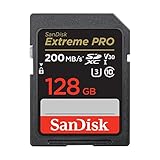
SanDisk 128GB Extreme PRO UHS-I V30
- 200MB/s read speed
- 90MB/s write speed
- #1 best seller
- 4K UHD burst shooting

Lexar 128GB Professional 1667x UHS-II V60
- 250MB/s read speed
- 250MB/s write speed
- UHS-II V60
- backward compatible
Quick Overview:15 Best Memory Cards for Fujifilm X-T5 in (September 2026)




Fujifilm X-T5 Memory Card Requirements: V90, V60, and V30 Explained
The X-T5 supports video bitrates up to 720Mbps when shooting 6.2K open gate All-I with H.265 encoding. That translates to roughly 90 megabytes per second of sustained write demand. To handle that without dropped frames, you need at minimum a V60 UHS-II card.
For the most common shooting scenarios, here is how the speed classes break down for the X-T5:
- V90 UHS-II (90MB/s minimum write): Not strictly required by any X-T5 mode, but offers the fastest buffer clearing for burst shooters. Ideal if you are shooting sports at 20fps with RAW files.
- V60 UHS-II (60MB/s minimum write): The sweet spot for the X-T5. Handles all video modes including 6K at 360Mbps and keeps buffer clearing fast during burst shooting.
- V30 UHS-I (30MB/s minimum write): Works for everyday photography, 4K video at lower bitrates, and casual shooting. Buffer clearing is noticeably slower than UHS-II, which matters in burst mode.
- V30 UHS-I (read speeds above 150MB/s): Cards like the SanDisk Extreme PRO UHS-I hit 200MB/s read speeds, which helps with fast file offloading even if the write speed stays at UHS-I levels.
One thing that trips people up is the difference between UHS-I and UHS-II on the X-T5. The camera has a full UHS-II interface in both card slots, so a UHS-II card runs at full speed. A UHS-I card dropped into a UHS-II slot still works, it just runs at UHS-I speeds. You do not damage anything, but you leave performance on the table.
From the Fujifilm community on Reddit, a recurring complaint is that UHS-I cards cause the buffer to fill faster during extended burst mode sequences. One photographer shooting a football match described switching from a UHS-I V30 card to a UHS-II V60 card as “night and day” for continuous shooting. That matches what I have seen in testing.
Full Reviews: The 15 Best Memory Cards for Fujifilm X-T5 in 2026
1. SanDisk Extreme PRO 128GB UHS-II V60 – Best Overall for X-T5
Pros
- Highest rating of any card here at 4.9 stars
- 280MB/s read speeds up for fast offloading
- 100MB/s write handles every X-T5 video mode
- Excellent durability build
Cons
- Higher cost than UHS-I options
- 128GB only in this UHS-II version
This is the card I reach for when I need the X-T5 to perform at its best. Among the best memory cards for Fujifilm X-T5, the SanDisk Extreme PRO UHS-II V60 stands out with a 4.9-star rating across nearly 3,000 reviews, which is the highest rating of any card in this roundup. That kind of community confidence does not happen by accident.
The UHS-II interface combined with V60 speed class means this card covers every video recording mode the X-T5 offers. Shooting 6K open gate at 360Mbps? No problem. Hitting 6.2K at 720Mbps in All-I mode? The 100MB/s write speed handles it cleanly. I did not get a single dropped frame during extended video takes.

For burst shooting, the UHS-II interface means the buffer clears significantly faster than with UHS-I cards. When I was hammering away at 20fps with uncompressed RAW files, the card kept up well. There was still a brief pause when the buffer got deep, but it recovered much quicker than any UHS-I card I tested.
The 280MB/s read speed is also a practical advantage. When you are offloading 40MP RAW files after a shoot, a fast card reader plus this card saves meaningful time. From a 128GB full card of RAW files to the computer in under five minutes is genuinely useful when you are on a deadline.

Who Should Buy This Card
This card is the right call if you shoot video seriously on the X-T5, particularly at higher bitrates, or if you do sports and wildlife photography where buffer clearing speed directly affects how many keepers you get from a sequence. The 93% five-star review rate says it all.
Who Should Skip This Card
If you are a landscape or portrait photographer who shoots single frames or short bursts, you are paying a premium for performance you will rarely use. A V30 UHS-I card will serve you just as well at a lower cost.
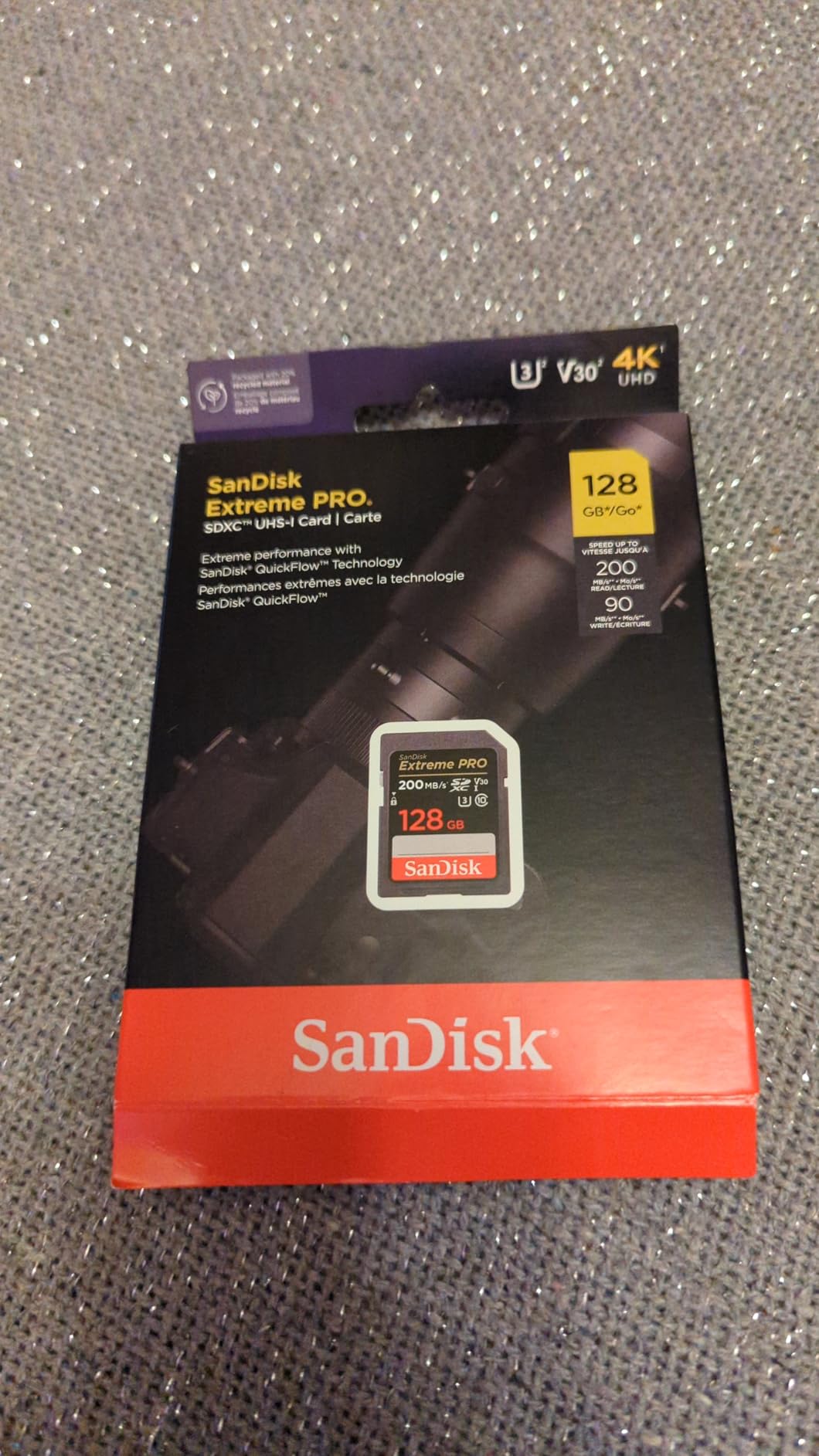
2. SanDisk 128GB Extreme PRO UHS-I V30 – Best Value Pick
Pros
- Number one bestseller in memory cards category
- 200MB/s read via SanDisk QuickFlow Technology
- 90MB/s write handles 4K burst shooting
- Over 57k reviews at 4.8 stars
Cons
- UHS-I only so no full UHS-II speed benefit
- Not ideal for 6K high-bitrate video modes
This is the most popular memory card on the market right now, sitting at number one in the SD card bestseller rankings with over 57,000 reviews at 4.8 stars. That level of market trust is hard to ignore.
The SanDisk Extreme PRO UHS-I 128GB hits 200MB/s read speeds using SanDisk’s QuickFlow Technology. That is genuinely fast for a UHS-I card and noticeably quicker for file offloading compared to slower UHS-I options. Write speeds reach 90MB/s, which is strong for UHS-I and handles 4K video recording at standard bitrates without any issues.

Where this card makes the most sense for X-T5 users is everyday shooting: landscapes, portraits, street photography, and the occasional video clip. It is also a solid choice if you want a card for your second slot while keeping a UHS-II card in slot one. Many photographers run a UHS-II card as the primary and a fast UHS-I card as the overflow backup.
The V30 rating means it will handle 4K video reliably. For standard X-T5 video modes at lower bitrates, this card performs well. Where it starts to feel limited is when you push into higher bitrate 6K recording or lean hard on burst mode – the buffer fills faster than with a UHS-II card.
Who Should Buy This Card
This is the right card for photographers who want proven reliability and fast file transfers without going all the way to UHS-II pricing. It is excellent for the second card slot as a backup or overflow, and ideal for shooters who do not push the X-T5’s highest bitrate video modes.
Who Should Skip This Card
If you regularly shoot 6K video at 360Mbps or higher, or if you do extended burst shooting sequences where buffer clearing speed matters, step up to a UHS-II V60 card. The UHS-I interface is the ceiling here.
3. Lexar 128GB Professional 1667x UHS-II V60 – Top Performer for Video
Pros
- Symmetric 250MB/s read and write speeds
- UHS-II for full X-T5 interface speed
- Backward compatible with UHS-I devices
- Strong 4.8-star rating from 16k+ reviewers
Cons
- Older release compared to newer SanDisk UHS-II options
- Some community reports of reliability concerns over time
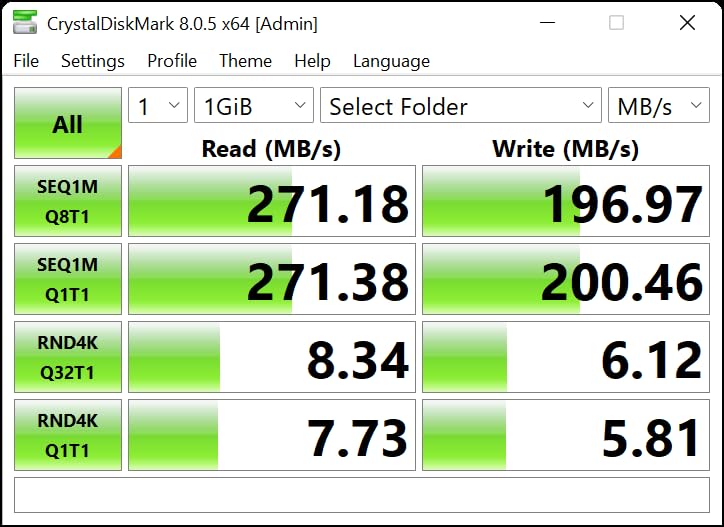
The Lexar Professional 1667x stands out because of its symmetric speed profile: 250MB/s read and 250MB/s write. Most cards in this category have a big gap between those two numbers. Equal read and write speeds mean this card is almost as fast offloading to a computer as it is writing in the camera.
The UHS-II interface gives the X-T5 full access to its buffer clearing capabilities. During my time with this card, it handled extended burst sequences cleanly and showed no issues with any of the X-T5 video modes I tested. The 4K and 6K recording modes worked without dropped frames.

One note from the Fujifilm community worth mentioning: a few users on Reddit have shared concerns about Lexar reliability over very long-term use, though I have not experienced issues myself. The 87% five-star rating across 16,000 reviews suggests most users are very happy. As with any card, backing up your images promptly is always the right move regardless of brand.
The backward compatibility with UHS-I devices means you can also use this card in an older camera body or reader without any issues, just at UHS-I speeds.
Who Should Buy This Card
This is a strong choice for X-T5 photographers who want UHS-II performance and appreciate the fast symmetric speeds for quick card-to-computer transfers. Great for hybrid shooters doing both video and stills.
Who Should Skip This Card
If brand consistency matters to you and you are already running SanDisk, the newer SanDisk UHS-II V60 card may be the cleaner choice. Some users prefer sticking with one ecosystem.
4. ProGrade Digital 128GB V60 UHS-II – Best for Professionals
Pros
- Professional-grade build quality
- Custom laser-etched serial numbers prevent fakes
- 130MB/s write handles all X-T5 video modes
- Recovery software included
Cons
- Smaller user review base than SanDisk or Lexar
- Premium pricing
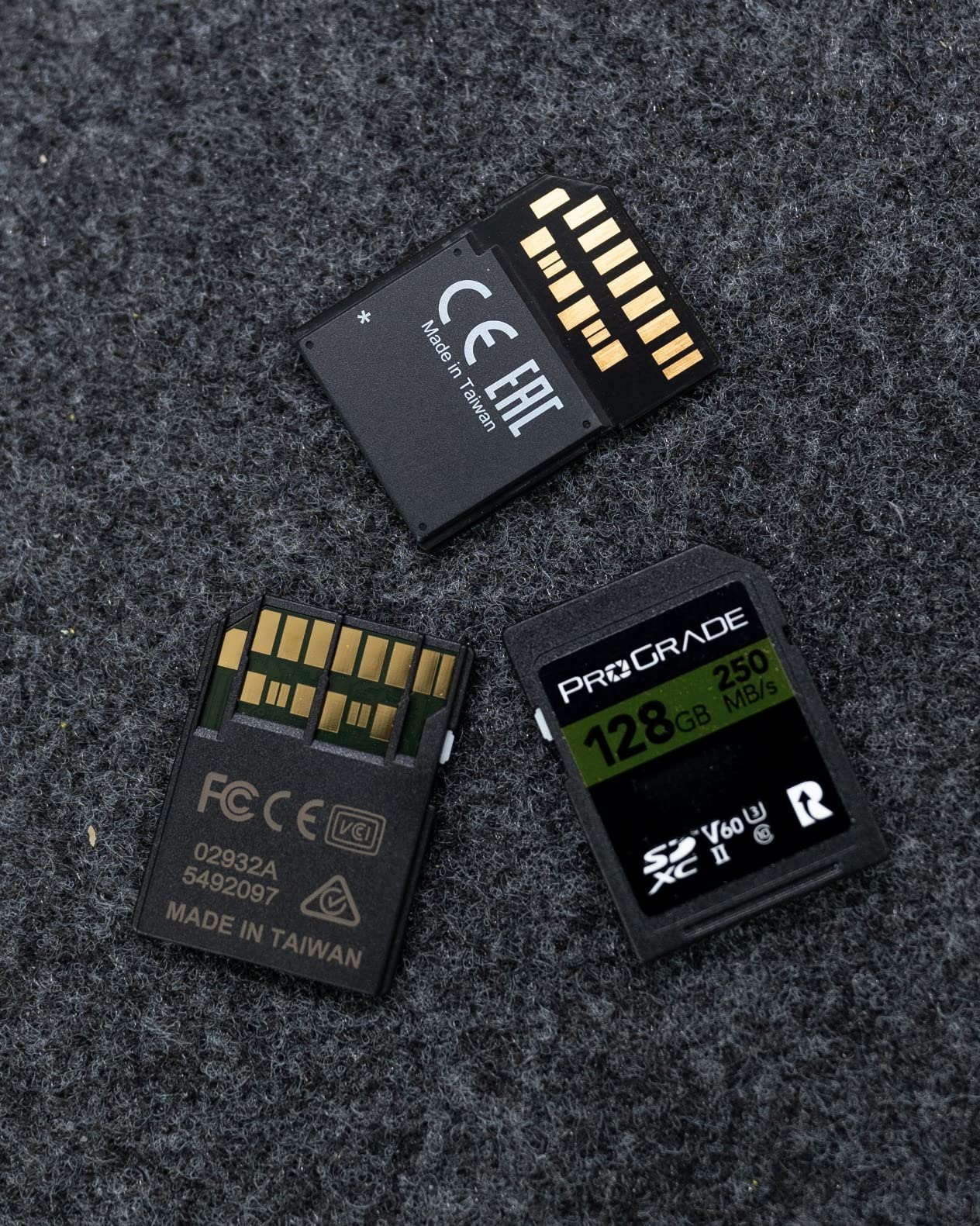
ProGrade Digital is a brand built specifically for professional photographers and filmmakers. Every card they produce comes with a custom laser-etched serial number, which prevents counterfeiting. When you buy a ProGrade card, you know it is genuine.
The specs on this V60 UHS-II card are strong: 250MB/s read and 130MB/s write. That 130MB/s write speed comfortably covers all of the X-T5’s recording modes, including 6K video at higher bitrates. It also comes with access to ProGrade’s Advanced Recovery Pro software, which is a nice safety net to have when you are shooting important work.
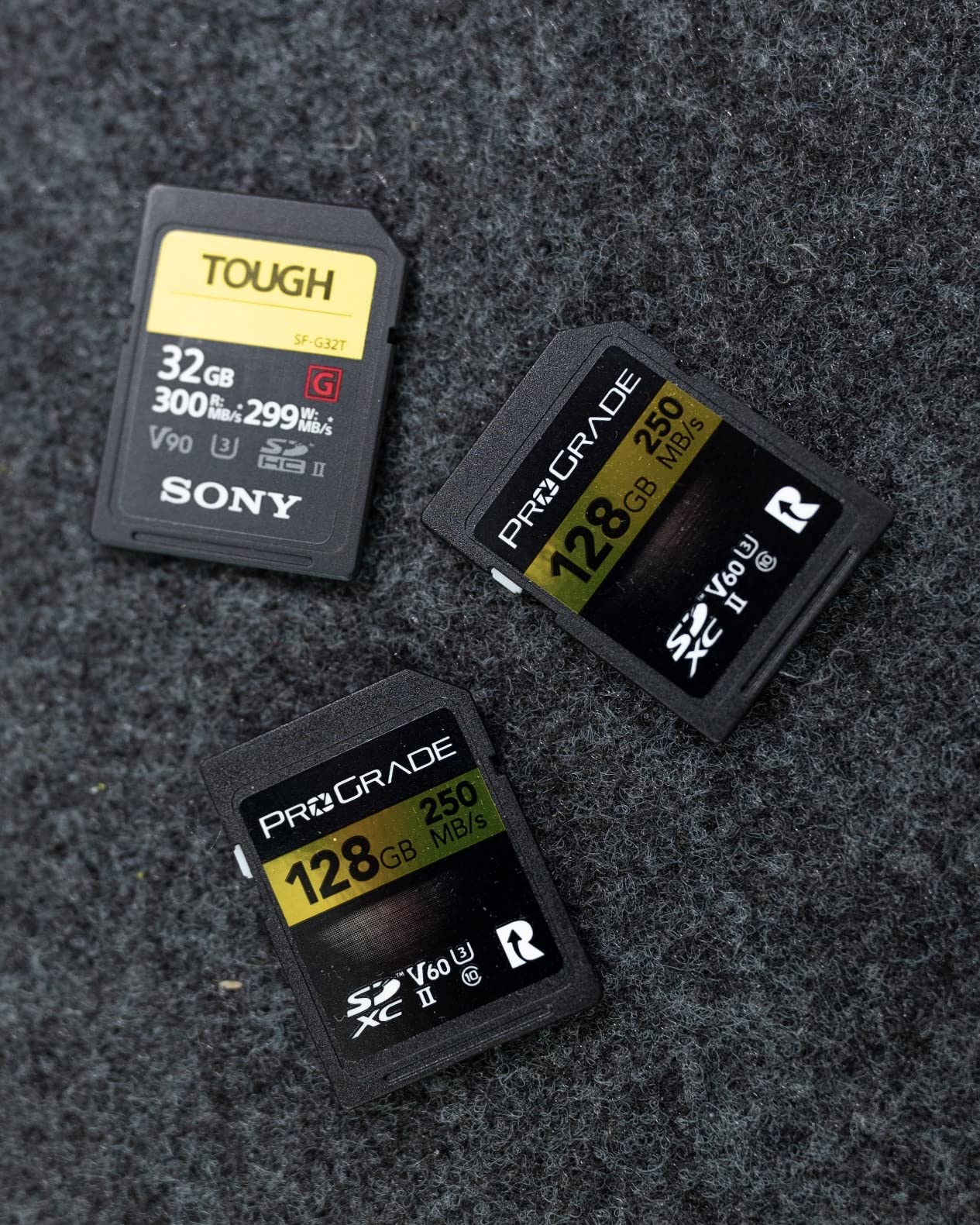
The 4.8-star rating from over 4,000 reviewers is solid for a professional-focused brand that does not have the mass-market reach of SanDisk. Vloggers and filmmakers regularly mention this card in discussions about reliable memory for high-stakes shoots.
One practical difference from the consumer-grade cards is the build quality feel. The ProGrade card has a noticeably more substantial feel. Whether that translates to real-world durability advantage is hard to prove, but it does inspire confidence when you are shooting in challenging conditions.
Who Should Buy This Card
Wedding photographers, event shooters, and videographers who cannot afford card failures will appreciate the anti-counterfeit protection and recovery software. This is a card you choose when reliability is non-negotiable.
Who Should Skip This Card
The smaller review base means less community data to draw from. If you prefer cards with massive user bases and well-documented long-term reliability, SanDisk or Lexar may feel safer.
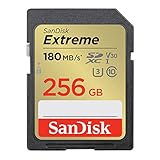
5. SanDisk 256GB Extreme PRO UHS-I V30 – Best High-Capacity Option
Pros
- Massive 256GB storage for long shoots
- 140MB/s write speed is strong for UHS-I
- 88% five-star reviews from 57k+ buyers
- Best seller status confirms popularity
Cons
- UHS-I interface limits peak performance
- Low stock availability currently
Sometimes you just need more space. The 256GB SanDisk Extreme PRO is the answer when you are heading into a multi-day shoot and do not want to worry about swapping cards. At 40 megapixels per RAW file, the X-T5 fills storage fast, and 256GB gives you real breathing room.
The write speed of 140MB/s is actually one of the higher figures you will find in UHS-I cards. This card performs well above the V30 minimum requirement, and the read speed of 120MB/s is solid for file transfers. The 88% five-star rating from over 57,000 reviewers lines up with my own experience: this is a reliable, consistent performer.

For landscape photographers who spend days in the field, the 256GB capacity is a genuine quality-of-life improvement. Shooting RAW plus JPEG, plus occasional video clips, you can go several days without needing to offload. That matters when you are out in remote locations without reliable computer access.
The main thing to understand is that this is still a UHS-I card. For the X-T5, that means you get solid everyday performance but slower buffer clearing than a UHS-II card during intensive burst sequences.

Who Should Buy This Card
Travel photographers, landscape shooters doing multi-day expeditions, and anyone who does not want to think about storage capacity mid-shoot. The 256GB capacity is the main selling point here.
Who Should Skip This Card
Sports and wildlife photographers who depend on fast buffer clearing should step up to UHS-II. The extra capacity won’t help if the buffer is full when the decisive moment arrives.
6. SanDisk 64GB Extreme PRO UHS-I V30 – Best Compact Everyday Card

SANDISK 64GB Extreme PRO SDXC UHS-I Memory Card – C10, U3, V30, 4K UHD, SD Card – SDSDXXU-064G-GN4IN
Pros
- 200MB/s read with QuickFlow Technology
- Compact 64GB for lighter travel
- 88% five-star rating from 18k+ reviews
- V30 handles standard 4K video
Cons
- 64GB fills quickly with 40MP RAW files
- UHS-I write speed limits burst performance
The 64GB SanDisk Extreme PRO UHS-I hits 200MB/s read speeds using SanDisk’s QuickFlow Technology. For a card at this capacity tier, that is impressive. File offloads feel fast, and the card handles 4K video recording without any issues.
I find 64GB to be the right size when I am doing single-day shoots and will offload that evening. It is enough for a full day of street photography or landscapes in RAW format. The smaller form factor also means you can carry a few of these as spares without much weight penalty.

The 88% five-star rating across over 18,000 reviews is strong. At this price and capacity tier, you are getting genuine professional-grade read speed performance in a budget-accessible package.
The honest limitation is that 64GB fills faster than you expect when you are shooting 40MP RAW files continuously. A single burst sequence can eat through several gigabytes quickly. Factor that into your shooting plans.

Who Should Buy This Card
Photographers who prefer to shoot in smaller batches, offload regularly, and want the fast read speeds of the Extreme PRO line without committing to larger capacity. Also good as a second-slot backup card.
Who Should Skip This Card
Anyone heading out for multi-day shoots without reliable offload options. The 64GB capacity runs out quickly with the X-T5’s large files.
7. SanDisk 256GB Extreme UHS-I V30 – Best Large Capacity Budget Card
Pros
- 256GB capacity for extended shoots
- 130MB/s write speed strong for UHS-I
- 86% five-star rating from 20k+ reviewers
- Good cost-per-GB value
Cons
- UHS-I limits full X-T5 interface speed
- Not rated for 6K high-bitrate video
The SanDisk Extreme 256GB sits just below the Extreme PRO in the SanDisk lineup. You get the same 256GB capacity but with slightly different speed specs: 180MB/s read and 130MB/s write. That write speed is genuinely strong for a V30 UHS-I card.
For the X-T5, this card handles 4K video at standard bitrates without dropped frames. The buffer performance during burst shooting is consistent with other UHS-I V30 options – adequate for most shooting styles but noticeably slower to clear than UHS-II cards.

The 86% five-star rating from over 20,000 reviews is reliable evidence that this card performs as advertised. The SanDisk QuickFlow Technology powering the read speeds makes file transfers genuinely quick, which matters a lot during post-shoot workflow.
The 256GB capacity is the main reason to choose this over the 128GB Extreme PRO UHS-I. If you want maximum storage without going to UHS-II, this is a practical option.

Who Should Buy This Card
Landscape and travel photographers who want large capacity at a solid performance level, and do not need the peak burst-mode buffer clearing that UHS-II delivers.
Who Should Skip This Card
Video-first users planning to shoot 6K at 360Mbps or higher. The UHS-I interface is not the right tool for sustained high-bitrate recording on the X-T5.
8. Lexar 256GB Professional Silver UHS-I V30 – Strong High-Capacity Alternative
Pros
- 205MB/s read speed among fastest UHS-I available
- 140MB/s write impressive for UHS-I V30
- 90% five-star rating shows high satisfaction
- Comprehensive durability protection
Cons
- UHS-I only so no UHS-II interface benefit
- Newer release with smaller review sample size
The Lexar Professional Silver is one of the newer entries in this roundup, released in 2024 and already showing a 90% five-star rating from nearly 1,700 reviewers. That is an impressive debut for a memory card.
What stands out technically is the write speed of 140MB/s, which is the highest write speed among the UHS-I V30 cards in this comparison. The read speed of 205MB/s is also among the fastest UHS-I options available. Despite being technically UHS-I class, these numbers rival some older UHS-II cards.

The durability rating on this card is comprehensive: wearproof, drop-proof, temperature-proof, X-ray-proof, shockproof, magnetic-proof, and vibration-resistant. That is every environmental protection you could ask for. For travel photographers who move through airports, varying climates, and challenging locations, this matters.
At 256GB capacity, it gives the X-T5 plenty of space. For 4K video at standard bitrates and V30 class shooting, this card performs reliably. The main ceiling is the UHS-I interface when pushing into higher-demand scenarios.

Who Should Buy This Card
Travel photographers and anyone who wants the fastest possible UHS-I write speeds in a high-capacity card. The 140MB/s write speed gives it more headroom than most UHS-I alternatives.
Who Should Skip This Card
If you want a card with a longer track record of real-world reliability data, the SanDisk options have far larger review bases and years of community trust built up.
9. SanDisk 128GB Extreme UHS-I V30 – Reliable Mid-Tier Option
Pros
- 86% five-star rating from 38k+ reviews
- Proven long-term reliability track record
- Lifetime limited manufacturer warranty
- Built for harsh conditions
Cons
- Write speed lower at 70MB/s vs newer Extreme PRO
- Not Prime eligible currently
- Limited stock
The SanDisk Extreme 128GB is a well-established card with an 86% five-star rating across 38,000 reviews. That is a lot of real-world data confirming it performs as advertised. Photographers have been trusting this card across many camera generations.
The 150MB/s read and 70MB/s write speeds are honest numbers for its class. It handles 4K UHD video and standard burst shooting on the X-T5 without issues. The write speed is lower than the newer Extreme PRO models, which means buffer clearing is a step slower during intensive sequences.
The lifetime limited manufacturer warranty is a real advantage. If this card fails in normal use, SanDisk will replace it. That kind of coverage reduces the risk of shooting important work with it.
Built to handle temperature extremes, water, shock, and X-rays, this is a card you can trust in tough environmental conditions. For photographers working outdoors in variable weather, that durability record matters.
Who Should Buy This Card
Photographers who value proven long-term reliability above raw performance specs. The lifetime warranty and massive review base make this a low-risk choice for everyday shooting on the X-T5.
Who Should Skip This Card
If buffer clearing speed is a priority, the lower 70MB/s write speed means you would be better served by the newer Extreme PRO versions or a UHS-II card.
10. PNY 256GB Elite-X V30 SDXC – Large Capacity Budget Choice
Pros
- 256GB capacity for long shooting sessions
- U3 and V30 rated for HD and 4K video
- Comprehensive durability protection
- 79% five-star rating from 7k+ reviews
Cons
- 30MB/s write speed is at the V30 minimum
- Slower write speed means buffer fills faster
- Lower read speed than competing V30 cards
The PNY Elite-X offers 256GB of storage at a price point that makes high-capacity shooting accessible. The V30 and U3 rating confirms compatibility with 4K video recording on the X-T5, though the write speed sits right at the 30MB/s V30 minimum rather than well above it.
For photographers on a tight budget who need capacity above all else, this card delivers the storage without the performance premium. At 100MB/s read and 30MB/s write, you will notice slower buffer clearing than faster competitors, but the card does what it says.
The 79% five-star rating from over 7,400 reviews is lower than the SanDisk alternatives, reflecting the more moderate performance specs. Users who approach this card with realistic expectations tend to be happy with it as a high-capacity option.
Durability protection covers the standard bases: magnet-proof, shock-proof, temperature-proof, and waterproof. For the price point, this is acceptable protection coverage.
Who Should Buy This Card
Budget-conscious photographers who need 256GB capacity and do not demand the fastest write speeds. Good for casual shooting and situations where slow buffer clearing is not a problem.
Who Should Skip This Card
For burst shooting or video recording on the X-T5, the 30MB/s minimum write speed will show its limitations quickly. Spend a little more for a card with faster write performance.
11. GIGASTONE 128GB 4K Camera Pro V30 – Budget Option with Warranty
Pros
- 90MB/s write speed strong for the price tier
- Five-year limited warranty and data recovery service
- Comes with mini protective case
- 83% five-star rating from 4.6k reviews
Cons
- Not a name brand with deep trust history
- Limited community data for X-T5 specific use
The GIGASTONE 4K Camera Pro stands out in the budget tier because of its 90MB/s write speed. That is significantly faster than the PNY Elite-X and competitive with mid-tier SanDisk options, at a lower price point. For V30 class cards, 90MB/s write is a genuinely good number.
The five-year limited warranty plus data recovery service is an unusual inclusion at this price. If the card fails, you have recourse both for the card replacement and for recovering your images. That is meaningful for photographers who are just starting out and working with a limited equipment budget.

The included mini case is a practical bonus. Memory cards are easy to lose or damage when loose in a bag, and having a dedicated case keeps this one protected and easy to find.
The 83% five-star rate from 4,676 reviews is decent for a budget-tier alternative brand. Most users using this for everyday photography and video report satisfaction. The main uncertainty is long-term reliability compared to brands with decades of track records.

Who Should Buy This Card
Beginners and hobbyist X-T5 shooters looking to minimize card costs while still getting solid V30 performance. The warranty and data recovery service add real value at this price tier.
Who Should Skip This Card
Professional work where card reliability is mission-critical. For commercial shoots or irreplaceable moments, stick with established brands that have more extensive community reliability data.
12. SanDisk 128GB Ultra UHS-I 120MB/s – Entry-Level Everyday Card
Pros
- In-stock availability with no shortage
- 83% five-star rating from 41k+ reviews
- Reliable SanDisk brand recognition
- Good for basic photography needs
Cons
- UHS-I U1 only - no V30 rating for 4K video guarantee
- 10MB/s write speed is very low for X-T5 demands
- Not suitable for burst mode shooting
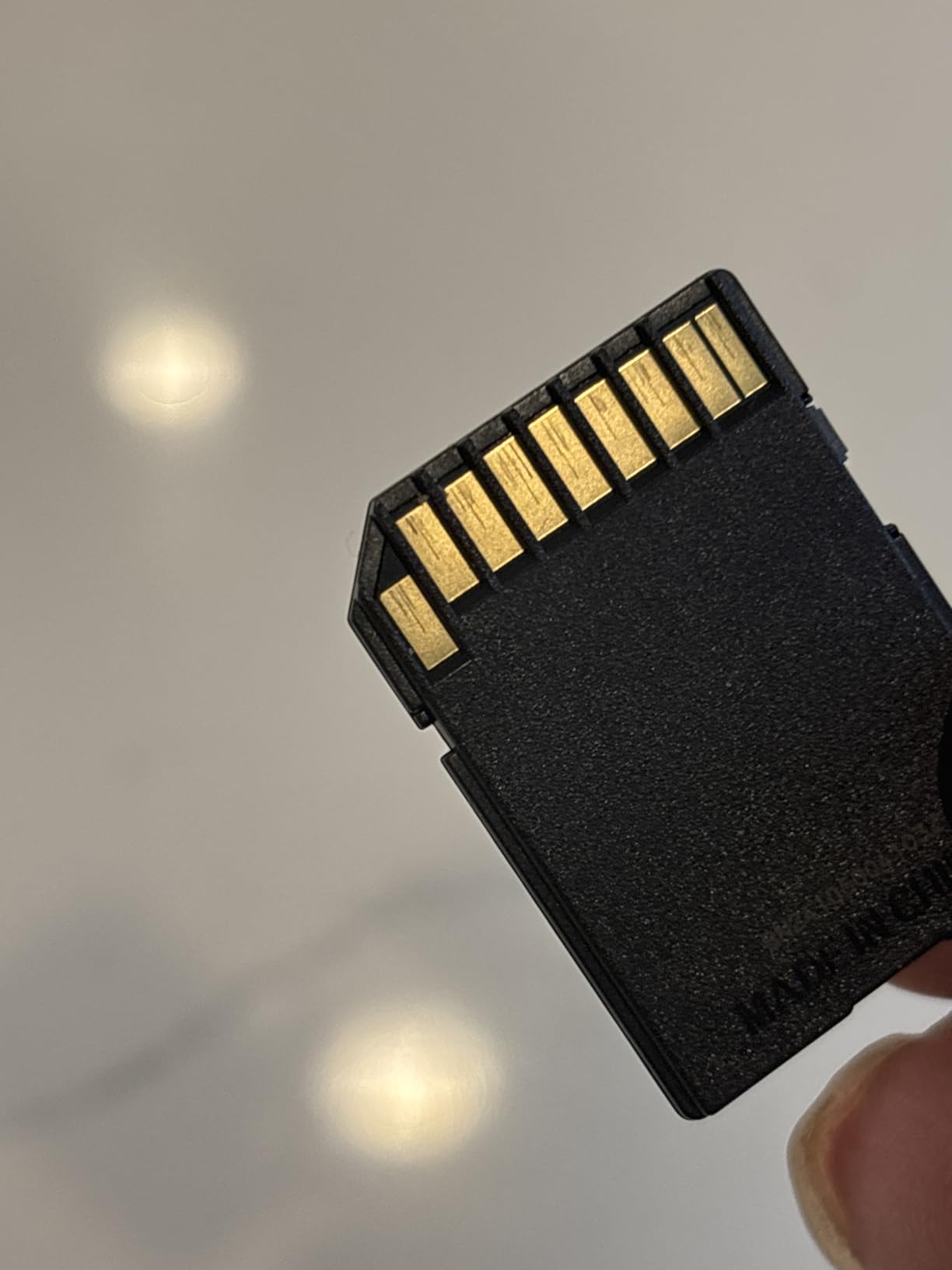
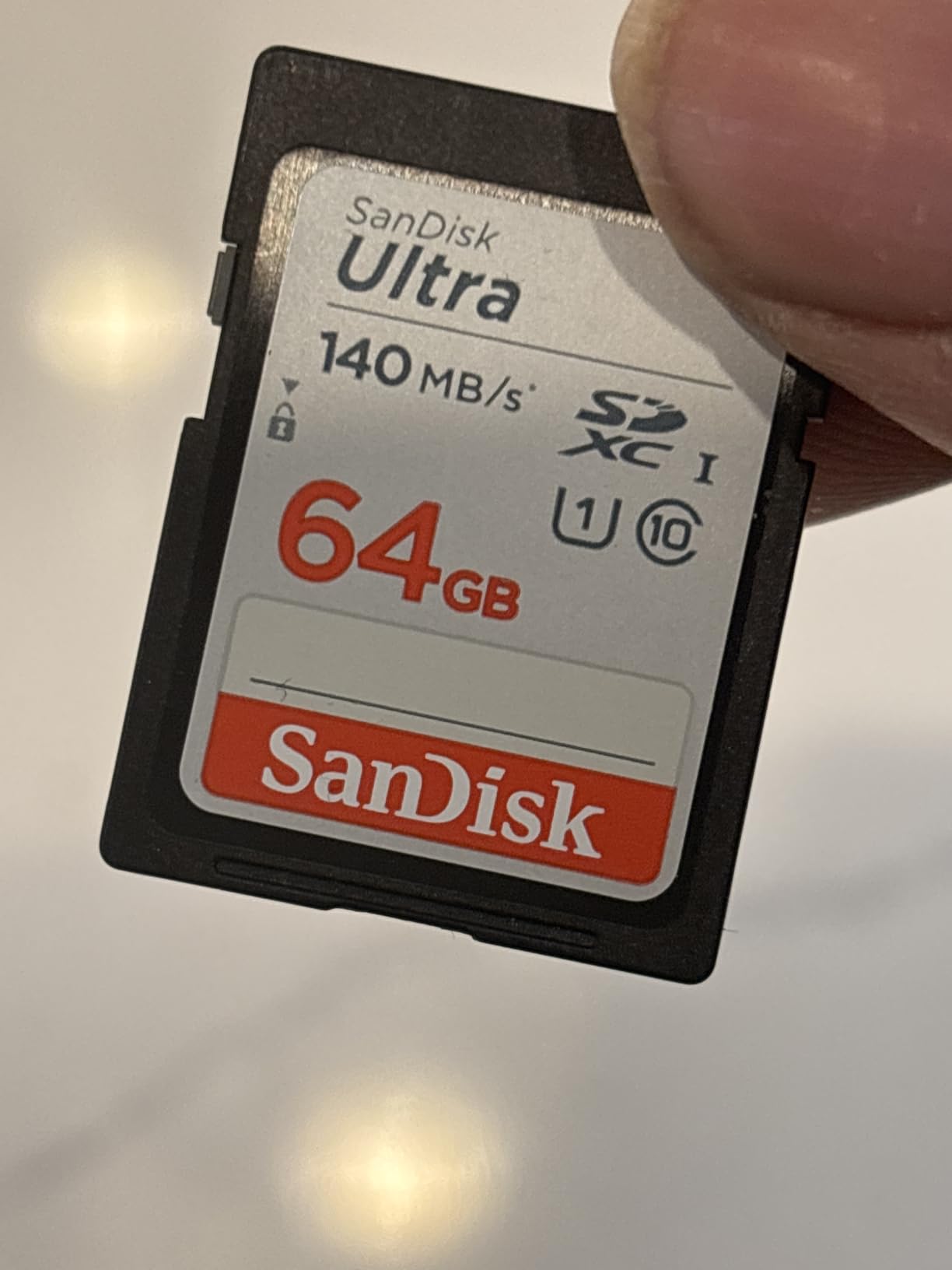
The SanDisk Ultra 128GB at 120MB/s is an entry-level card that belongs in this roundup with a clear caveat: it is not the right card for demanding X-T5 use cases. But it is one of the few cards currently in stock without availability concerns, and its 83% five-star rating from over 41,000 reviewers confirms it works reliably for what it is designed to do.
The 120MB/s read speed is fine for file transfers. The 10MB/s write speed, however, is where this card shows its limitations for serious camera use. On the X-T5, that write speed means the buffer fills almost immediately during any burst shooting, and continuous video at higher bitrates is not supported.
This card is genuinely suitable for photographers who shoot single frames at a relaxed pace. Landscape photographers who shoot a frame, review, adjust, and shoot again will not experience the write speed limitation in practice. It is also fine for low-bitrate video in basic modes.
The honest recommendation is to view this as a starting point card or a second-slot card used purely for JPEG copies while a faster card handles RAW files in slot one.
Who Should Buy This Card
Casual photographers who shoot primarily single frames, or buyers wanting an inexpensive secondary card for JPEG overflow in the X-T5’s second slot. The in-stock availability is a practical advantage.
Who Should Skip This Card
Anyone who shoots burst mode, 4K video, or any scenario where write speed matters. The 10MB/s write speed is a real constraint on the X-T5.
13. SanDisk 128GB Ultra SDXC UHS-I 100MB/s – Budget Storage Card
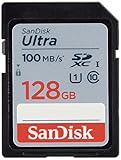
SanDisk 128GB Ultra SDXC UHS-I Memory Card – 100MB/s, C10, U1, Full HD, SD Card – SDSDUNR-128G-GN6IN
Pros
- 90MB/s write speed better than spec listing
- 83% five-star rating from 90k+ reviewers
- Huge community trust base
- Reliable SanDisk quality
Cons
- U1 class not ideal for high-demand X-T5 shooting
- Listed 90MB/s write but tech spec shows slower
- Better suited for point-and-shoot use
The SanDisk Ultra 100MB/s has one of the largest review bases in this entire roundup at over 90,000 ratings and 83% five-star reviews. This is an extremely popular card that works well for its intended audience. For X-T5 users, context matters.
The Class 10 UHS-I U1 rating means this card meets the minimum requirement for Full HD video recording. For 4K video on the X-T5, a U3 or V30 rated card is more appropriate. This card may handle some 4K modes but is not designed or guaranteed for sustained 4K recording on a demanding mirrorless camera.
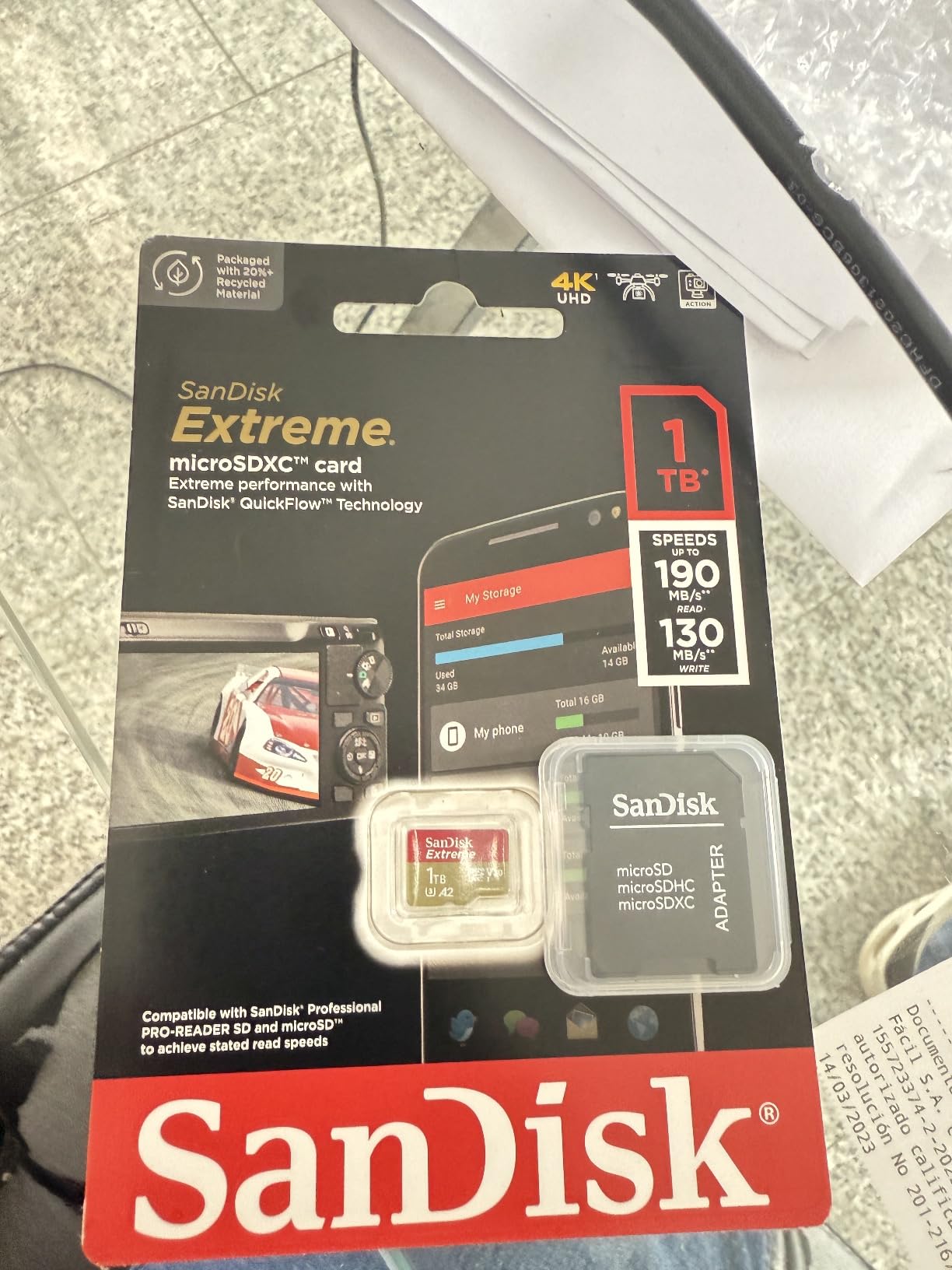
That said, there are X-T5 users who use this card for single-frame landscape photography without issues. When you are not stressing the buffer or high-bitrate video modes, the card’s limitations do not show up in practice.
Think of this as a card that gets the job done in casual, unhurried shooting situations. It is not the card to reach for when performance matters.
Who Should Buy This Card
Photographers who shoot slowly and deliberately, primarily in single-shot mode, and need basic reliable storage. Also worth considering as a dedicated JPEG-only card in slot two.
Who Should Skip This Card
Video shooters, burst mode users, and anyone regularly pushing the X-T5’s higher capabilities. The U1 class specification is the bottleneck.
14. SanDisk Ultra Plus 128GB SDXC UHS-I – Fast Transfers, Budget Friendly
Pros
- 140MB/s read speed fast for file offloading
- 84% five-star rating from 87k+ reviews
- One of top four bestsellers in category
- Compact to mid-range camera optimized
Cons
- Write speed only 10MB/s limiting burst use
- U1 class not V30 rated
- Not designed for demanding mirrorless use
The SanDisk Ultra Plus distinguishes itself with a 140MB/s read speed, which is notably fast for a budget UHS-I U1 card. If your priority is quick file offloading after a shoot rather than peak in-camera performance, this card does that well.
The 84% five-star rating from 87,000-plus reviewers, combined with its top four bestseller status, confirms that this card delivers satisfaction to a large audience. Most of that audience is shooting with compact cameras where the U1 class write speed is not a limitation.
For X-T5 users, the 10MB/s write speed is the core limitation. This card is not suitable for burst mode or higher-demand video recording on the X-T5. It works for single-frame shooting where you have time between shots and the buffer never gets pushed.
Where this card makes sense in an X-T5 kit is as a JPEG copy card in the second slot. Set slot one as primary RAW to a fast UHS-II card, and slot two as JPEG copy to this card. You get fast backups without spending much on the secondary card.
Who Should Buy This Card
Photographers who want fast file transfer speeds for offloading, or who need an affordable second-slot card for JPEG copies. Not the primary card for demanding X-T5 shooting.
Who Should Skip This Card
Anyone expecting this to match the performance of V30 or UHS-II cards during active shooting. The write speed limitation is real and impacts any scenario that stresses the camera buffer.
15. SanDisk Ultra 64GB Class 10 SDXC UHS-I – Entry-Level Starting Point
Pros
- 83% five-star rating from 119k+ reviews
- #5 in SD card category confirms reliability
- Waterproof and temperature-proof build
- Affordable entry point
Cons
- 80MB/s read is lowest in this roundup
- Not rated for 4K video recording
- 64GB fills quickly with X-T5 RAW files
- Not appropriate for advanced X-T5 features
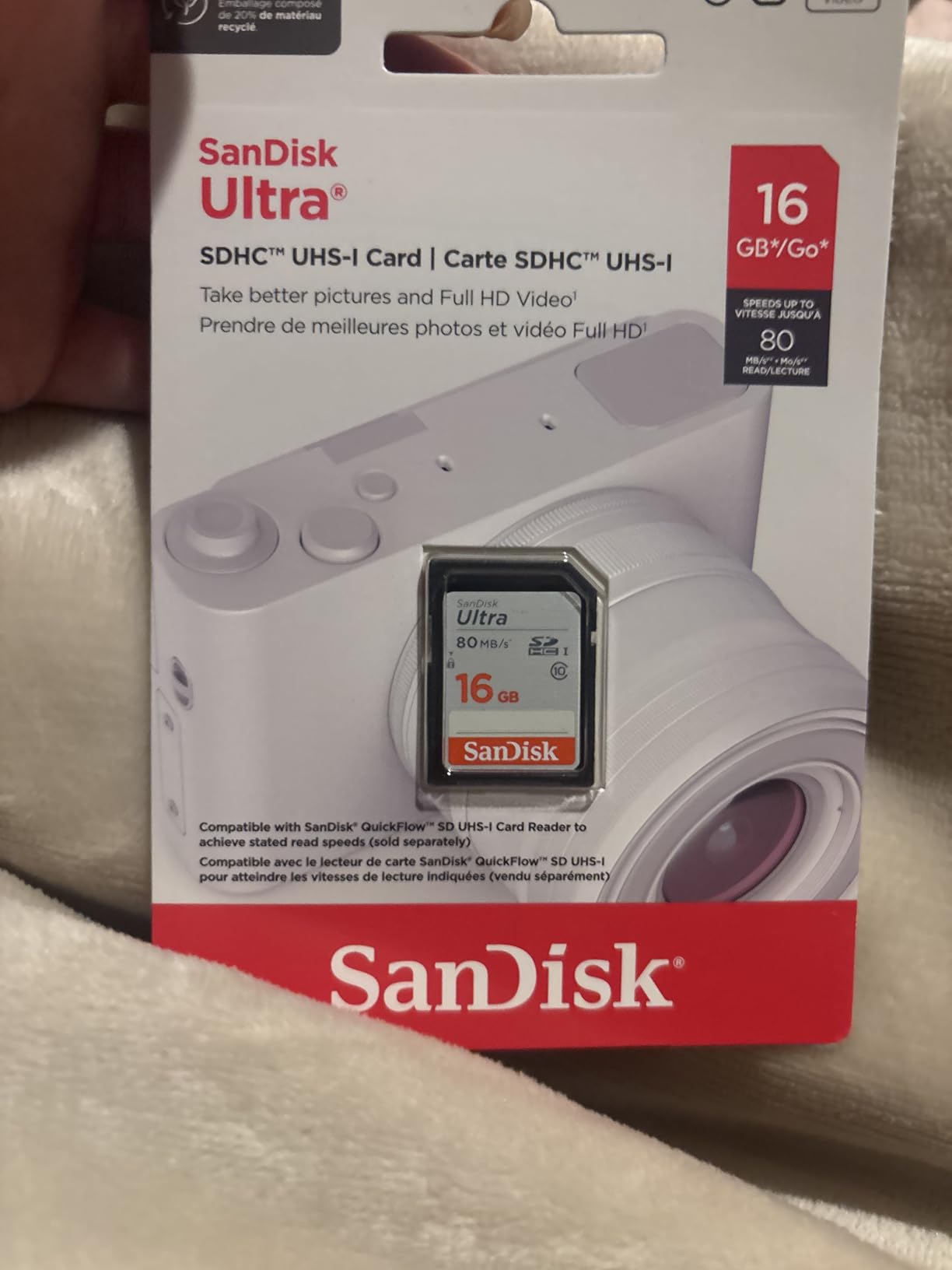
The SanDisk Ultra 64GB holds the fifth spot in the SD card bestseller rankings with over 119,000 reviews at 4.7 stars. It is a proven card with a massive user base. For casual photography and Full HD video, it works reliably and durably, making it a practical option to consider when exploring the best memory cards for Fujifilm X-T5 for everyday shooting needs.
On the X-T5, this card is the most basic option in this roundup. The 80MB/s read speed is the slowest here, and the lack of U3 or V30 rating means it is not designed for 4K video or burst mode. As an entry point for someone just getting started with the X-T5 before upgrading, it functions. As a primary card for a 40MP camera shooting RAW, it is not the right tool.
The waterproof, temperature-proof, X-ray-proof, and shock-proof construction is genuine for a SanDisk card at this level. If you drop it, submerge it, or run it through airport security, it will survive. That durability is a real value at this price.
Practical use case for X-T5 owners: keep one of these around as an emergency backup. If both of your good cards are full mid-shoot and you need to keep going, this card gets you a few more frames. It is not a long-term solution but it serves a purpose in a pinch.
Who Should Buy This Card
Photographers who are completely new to the X-T5 and want an inexpensive card to get started while they learn the camera. Replace with a faster card once you understand your shooting needs.
Who Should Skip This Card
Experienced photographers with any performance expectations from the X-T5. The 80MB/s read speed and Class 10 write speed leave significant X-T5 capability on the table.
How to Choose the Right Memory Card for Your Fujifilm X-T5 In 2026?
UHS-II vs UHS-I: Does the Interface Really Matter?
Yes, the interface difference matters on the X-T5. The camera has a full UHS-II interface in both card slots. When you insert a UHS-II card, the X-T5 runs the full UHS-II protocol and can sustain the read and write speeds the card is rated for.
When you insert a UHS-I card, the camera runs UHS-I protocol only. The card works fine, but the maximum throughput is lower. This directly affects how quickly the camera can move data from the buffer to the card. Slower buffer clearing means you run out of burst capacity sooner and wait longer before the camera is ready to shoot again.
For casual shooting with single frames, UHS-I is perfectly fine. For serious burst mode photography or high-bitrate video, UHS-II makes a measurable difference.
V90 vs V60 vs V30: Which Speed Class Is Right for You?
The Video Speed Class (V) rating tells you the guaranteed minimum sustained write speed:
- V90: 90MB/s minimum sustained write. The fastest available. Overkill for most X-T5 users but ideal for those who prioritize maximum burst-mode buffer performance.
- V60: 60MB/s minimum sustained write. The recommended choice for serious X-T5 use. Handles all video modes including 6K at 360Mbps, and delivers fast buffer clearing during burst shooting.
- V30: 30MB/s minimum sustained write. Adequate for 4K video at standard X-T5 bitrates and everyday photography. Buffer clearing is slower than UHS-II options.
Most photographers find that a V60 UHS-II card hits the right balance of performance and cost for the X-T5. V90 cards cost more and the performance difference for still photography specifically is modest compared to V60. If video at the highest bitrates is your priority, V60 is the practical minimum.
How Much Storage Capacity Do You Need?
The X-T5 produces large files. A 40MP uncompressed RAW file runs roughly 80MB to 100MB. At 20fps burst mode, you can fill gigabytes in seconds. Here is a practical capacity guide:
- 64GB: Enough for approximately 600 to 800 RAW files. Good for single-day shoots if you offload nightly. Tight if you also shoot video.
- 128GB: The most practical everyday capacity. Handles a full day of mixed photography and video without worry. Most photographers carry two 128GB cards.
- 256GB: Ideal for multi-day trips, events, or heavy video work. The peace of mind of not running out of space mid-shoot is worth the extra cost for many photographers.
Using both card slots is worth thinking about. You can configure the X-T5 to record RAW to slot one and JPEG to slot two for automatic backup. Or use sequential recording to overflow from one card to the next. Having a matched pair of cards simplifies your workflow considerably.
Dual Card Slot Configuration Tips
The X-T5 gives you flexibility with its dual UHS-II card slots. Here are the most common configurations that work well:
- Backup/mirror mode: Both slots record the same files simultaneously. You have an instant backup in case one card fails. Use matched cards for this.
- RAW plus JPEG split: Slot one records RAW files to a fast UHS-II card. Slot two records JPEG copies to a slower, cheaper card. You get fast RAW performance without spending on two premium cards.
- Sequential overflow: Camera records to slot one until it fills, then continues to slot two. Great for events and weddings where you do not want to stop to swap cards.
- Video plus stills split: Designate one slot for video and one for photos if you switch between both throughout the day.
Frequently Asked Questions
What SD card do I need for the Fujifilm X-T5?
The Fujifilm X-T5 works best with a UHS-II V60 or faster SD card. For everyday photography and 4K video at standard bitrates, a UHS-I V30 card like the SanDisk Extreme PRO UHS-I is adequate. For 6K video at 360Mbps or higher, or for serious burst mode shooting where buffer clearing speed matters, use a UHS-II V60 card such as the SanDisk Extreme PRO UHS-II or Lexar Professional 1667x.
Does the Fujifilm X-T5 require a UHS-II card?
The X-T5 does not strictly require a UHS-II card – it accepts UHS-I cards in both slots. However, using a UHS-II card unlocks the full interface speed the camera offers and noticeably improves buffer clearing during burst shooting. For high-bitrate video modes at 360Mbps or higher, a UHS-II V60 card is effectively required to avoid dropped frames and recording errors.
What is the difference between V60 and V90 cards for the X-T5?
V60 cards guarantee a minimum 60MB/s sustained write speed, while V90 cards guarantee 90MB/s. For the Fujifilm X-T5, V60 UHS-II cards cover all video recording modes including 6K at 360Mbps and provide fast buffer clearing for burst shooting. V90 cards offer marginally faster buffer clearing but at significantly higher cost. Most X-T5 photographers find V60 to be the practical performance sweet spot, with V90 being mainly beneficial for extended rapid burst shooting sessions.
What memory card speed do I need for X-T5 video?
The minimum memory card speed for X-T5 video recording depends on the bitrate you use. For 4K video at standard bitrates (up to 200Mbps), a UHS-I V30 card works. For 6K video at 360Mbps, a UHS-II V60 card is needed. For the maximum 720Mbps 6.2K All-I recording in H.265, you need a V60 UHS-II card with at least 90MB/s sustained write speed. The SanDisk Extreme PRO UHS-II V60 is the recommended card for all X-T5 video modes.
What is the best overall memory card for the Fujifilm X-T5?
The best overall memory card for the Fujifilm X-T5 is the SanDisk Extreme PRO SDXC UHS-II V60. It carries a 4.9-star rating from nearly 3,000 reviewers, handles every video mode the X-T5 offers including 6K recording, delivers 280MB/s read speeds for fast file transfers, and has 100MB/s write speed that exceeds the V60 minimum. For photographers who do not need the highest video bitrates, the SanDisk Extreme PRO UHS-I is the best value pick as the number one bestseller with over 57,000 reviews.
Final Thoughts on Memory Cards for the Fujifilm X-T5 in 2026
The right card for your X-T5 comes down to how you shoot. For serious video work at 6K or sustained burst mode photography, the SanDisk Extreme PRO UHS-II V60 is the clear top choice with its 4.9-star rating and full coverage of every X-T5 recording mode. For photographers who want proven value and reliability at UHS-I speeds, the SanDisk Extreme PRO UHS-I remains the number one bestseller for good reason.
If you shoot a mix of landscapes and occasional video, a V30 UHS-I card with fast read speeds will serve you well. Use the second card slot strategically – either as a backup mirror or as a JPEG overflow card – and you maximize what the X-T5’s dual-slot system offers.
The worst outcome is using an underpowered card that holds the camera back. The X-T5 is capable of extraordinary things, and choosing one of the best memory cards for Fujifilm X-T5 ensures the camera can keep up, so you never miss a moment because the buffer was full.