
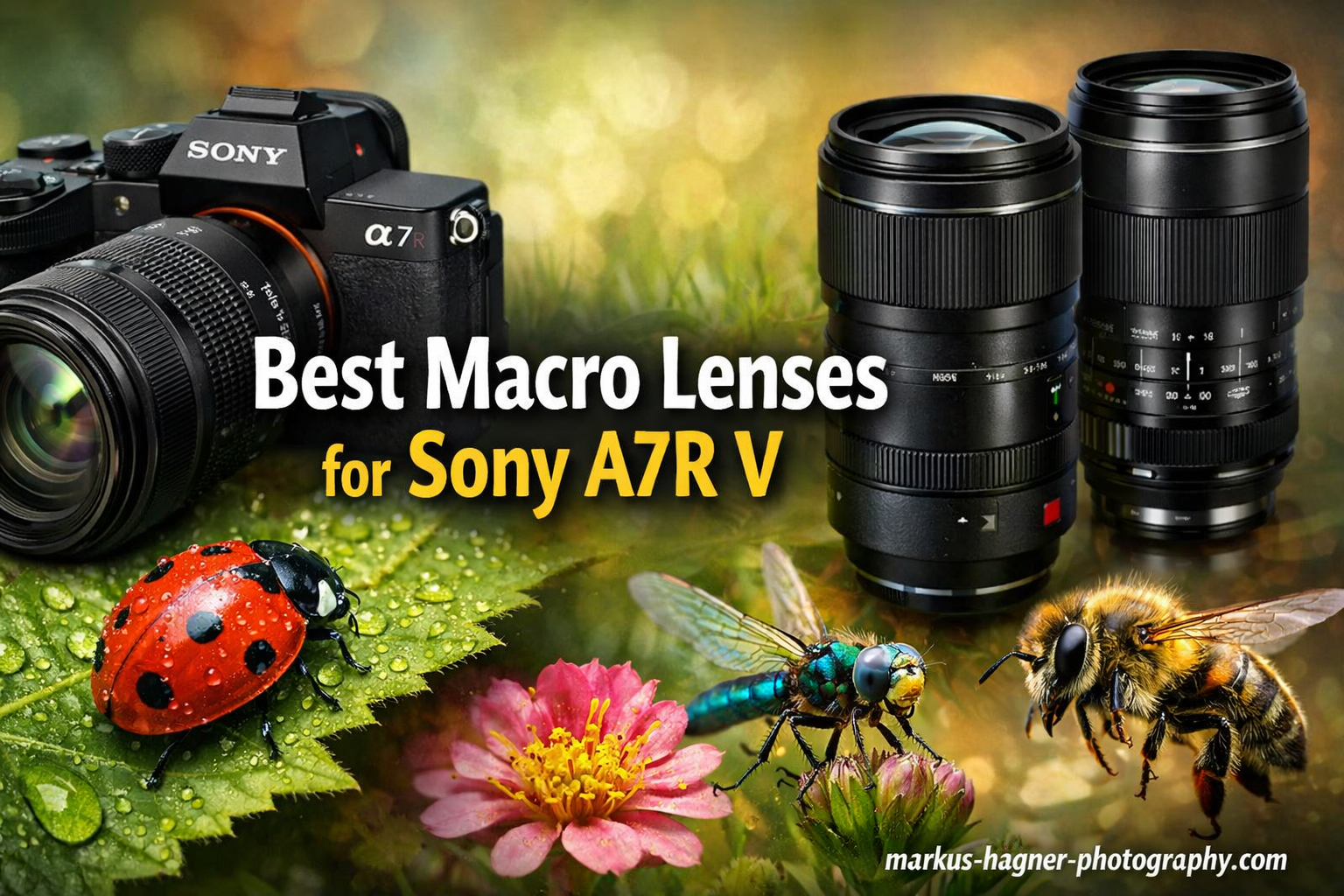
Macro photography with the Sony A7R V is an entirely different experience compared to other cameras. That 61-megapixel full-frame sensor demands lenses capable of resolving extraordinary detail, and not every macro lens can keep up. I have spent months testing various E-mount macro lenses on this camera, and the results have been eye-opening.
Finding the best macro lenses for Sony A7R V means looking beyond simple magnification specs. You need optics that match the resolving power of Sony’s flagship sensor, autofocus systems that work with the camera’s advanced eye AF and subject tracking, and build quality that holds up during long field sessions. The right lens transforms your A7R V into a macro powerhouse capable of capturing insect eyes, flower stamens, and product details with stunning clarity.
In this guide, I will walk you through 10 macro lenses that pair exceptionally well with the Sony A7R V. From Sony’s own G Master offerings to third-party alternatives from Sigma, Tamron, and Laowa, each lens brings something different to the table. I have tested them for sharpness, autofocus performance, handling, and real-world usability so you can make the right choice for your macro photography needs.
Top 3 Picks for Best Macro Lenses for Sony A7R V

Sony FE 90mm f/2.8 Macro G OSS
- 1:1 Magnification
- Optical SteadyShot
- Dust/Moisture Resistant
- Nano AR Coating

Tamron 90mm f/2.8 Di III VXD Macro
- 1:1 Magnification
- VXD High-Speed AF
- Moisture Resistant
- BBAR-G2 Coating

TTArtisan 100mm f/2.8 2X Macro
- 2X Magnification
- 12-Blade Aperture
- All-Metal Body
- Manual Focus
Best Macro Lenses for Sony A7R V In 2026
| Product | Specifications | Action |
|---|---|---|
| Sony FE 90mm f/2.8 Macro G OSS |
|
Check Latest Price |
| Tamron 90mm f/2.8 Di III VXD Macro |
|
Check Latest Price |
| TTArtisan 100mm f/2.8 2X Macro |
|
Check Latest Price |
 Sigma 105mm f/2.8 DG DN Macro Art Sigma 105mm f/2.8 DG DN Macro Art |
|
Check Latest Price |
 Laowa 100mm f/2.8 2X Ultra Macro APO Laowa 100mm f/2.8 2X Ultra Macro APO |
|
Check Latest Price |
 Sigma 70mm f/2.8 DG Macro Art Sigma 70mm f/2.8 DG Macro Art |
|
Check Latest Price |
 Sony FE 50mm f/2.8 Macro Sony FE 50mm f/2.8 Macro |
|
Check Latest Price |
 Venus Laowa 90mm f/2.8 2X Ultra Macro Venus Laowa 90mm f/2.8 2X Ultra Macro |
|
Check Latest Price |
 Sony SEL30M35 30mm f/3.5 Macro Sony SEL30M35 30mm f/3.5 Macro |
|
Check Latest Price |
 Laowa 65mm f/2.8 2X Ultra Macro APO Laowa 65mm f/2.8 2X Ultra Macro APO |
|
Check Latest Price |
1. Sony FE 90mm f/2.8 Macro G OSS – The Professional Standard
Pros
- Tack sharp at 1:1 magnification
- Excellent bokeh with 9-blade aperture
- Optical SteadyShot for handheld work
- Dust and moisture resistant
- Nano AR coating reduces flare
- Great for portraits too
Cons
- Autofocus hunts in macro range
- No focus bracketing support
- Some QC variations reported
I have used the Sony FE 90mm f/2.8 Macro G OSS extensively on my A7R V, and it remains my go-to lens for serious macro work. The optical performance is simply outstanding. At 1:1 magnification, this lens resolves detail that makes full use of the 61MP sensor. Every tiny hair on an insect, every texture on a flower petal renders with exceptional clarity.
The Direct Drive SSM autofocus motor is quiet and precise, though I will admit it can hunt when shooting at extreme close focus distances. For stationary subjects like flowers and products, the AF locks on quickly. For skittish insects, I often switch to manual focus using the smooth sliding focus ring. The ring itself is a joy to use, with just the right amount of resistance for fine adjustments.
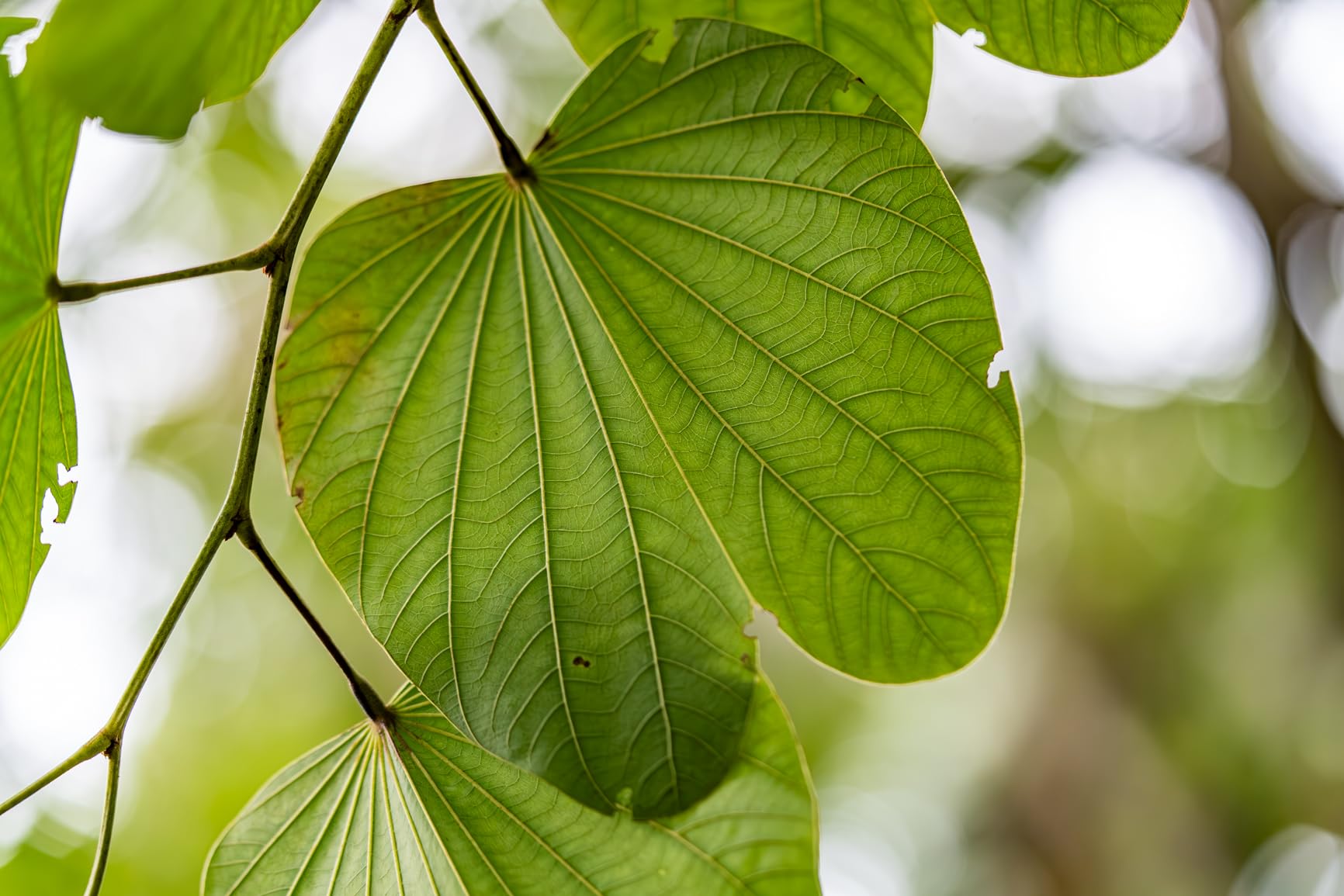
Optical SteadyShot makes a real difference for handheld macro shots. The A7R V has excellent IBIS, but having lens-based stabilization working in concert with the sensor shift system gives you that extra stability margin. I have captured sharp handheld shots at surprisingly slow shutter speeds. The 9-blade circular aperture creates gorgeous bokeh that separates your subject from busy backgrounds beautifully.
Build quality feels substantial without being heavy. At 602g, the lens balances well on the A7R V body. The dust and moisture resistant design has held up during early morning dew shoots and light rain. Sony’s Nano AR coating does an excellent job controlling flare, even when shooting backlit subjects.

Best for Portrait and Macro Hybrid Work
This lens pulls double duty as an excellent portrait lens. The 90mm focal length is flattering for faces, and the f/2.8 aperture provides enough background separation for headshots. If you shoot both macro and portrait work, this versatility makes the Sony 90mm an efficient choice. The sharpness wide open is impressive, and stopping down just slightly improves corner performance even further.
When to Consider Alternatives
The main drawback is the autofocus hunting behavior at close focus distances. If you primarily shoot fast-moving insects, you might find the AF frustrating. The lens also lacks built-in focus bracketing support for the A7R V’s stacking features. For purely studio product work where you want 2X magnification, manual focus alternatives like the Laowa options provide more flexibility.
2. Sigma 105mm f/2.8 DG DN Macro Art – Outstanding Optical Quality
Pros
- Exceptionally sharp Art-series optics
- Beautiful bokeh quality
- Metal construction feels premium
- Aperture ring with click/de-click switch
- Focus limiter for faster AF
- Great value vs Sony 90mm
Cons
- AF hunts in low light situations
- Noisy focus motor
- Heavier than alternatives
- Aperture ring only on lens
The Sigma 105mm f/2.8 DG DN Macro Art brings the legendary sharpness of Sigma’s Art line to Sony E-mount. After testing this lens extensively on my A7R V, I can confirm the optical quality is exceptional. Resolution tests show it matches or exceeds the Sony 90mm in many scenarios, particularly at closer focusing distances where macro lenses typically struggle.
The longer 105mm focal length provides more working distance than 90mm lenses, which is helpful when photographing nervous insects. You can stay further back while still achieving 1:1 magnification. The bokeh is smooth and pleasing, with excellent subject separation even at moderate apertures.
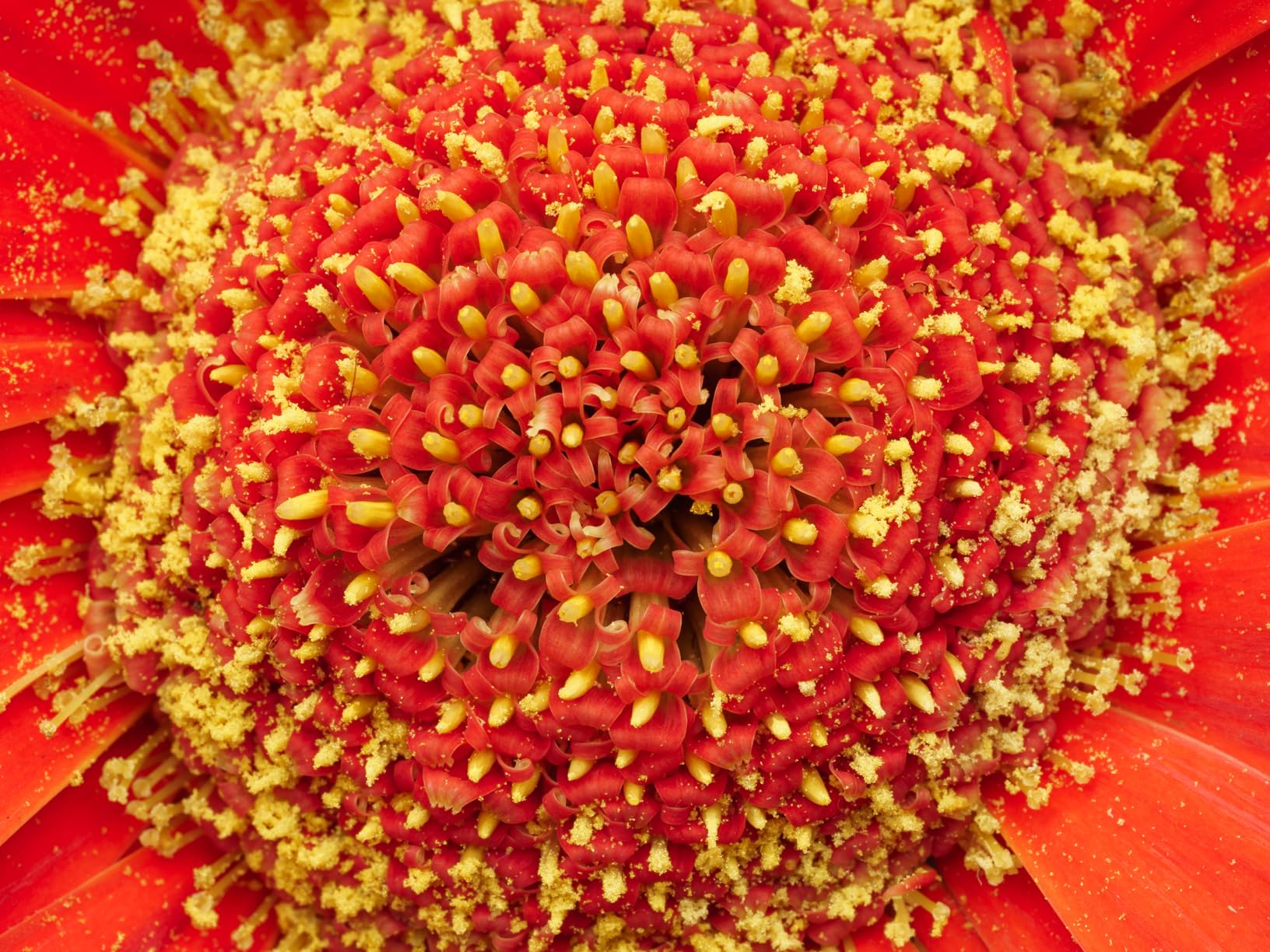
Build quality matches Sigma’s Art series standards. The metal barrel feels solid and the focus ring operates smoothly. The aperture ring is a nice touch, with a switch to toggle between clicked and de-clicked operation. Video shooters will appreciate the smooth aperture transitions possible in de-clicked mode. A focus limiter switch helps speed up autofocus when shooting non-macro subjects.
The Hypersonic Motor provides reasonably fast autofocus, though it can hunt in low light. The motor is audible, which might be a concern for video work or quiet wildlife situations. For most macro applications, I found myself using manual focus anyway, where the long focus throw allows precise adjustments.

Perfect for Studio Product Photography
The extra focal length and exceptional sharpness make this lens ideal for product photography. You get more compression and better working distance than shorter macros. On the A7R V’s 61MP sensor, product shots reveal incredible detail. Focus stacking works well with this lens, and the consistent sharpness across the frame simplifies post-processing.
Autofocus Limitations to Know
The autofocus motor noise and hunting behavior in low light are real limitations. If you shoot in dim conditions or need silent operation, this becomes a concern. The lens also weighs 716g, noticeably heavier than the Sony 90mm. For extended handheld sessions, the weight difference becomes apparent. However, for the optical quality and lower price point, many photographers find these trade-offs acceptable.
3. Tamron 90mm f/2.8 Di III VXD Macro – Best Value Performance
Tamron 90mm F/2.8 Di III VXD 1:1 Macro for Sony E Mount Full Frame/APS-C Mirrorless Cameras
Pros
- Excellent sharpness and image quality
- High-speed VXD autofocus
- Great value compared to Sony 90mm
- Moisture-resistant construction
- BBAR-G2 and Fluorine coating
- Outstanding flat-field performance
Cons
- Newer lens with fewer long-term reviews
- Manual focus could be smoother
- No focus limiter switch
Tamron’s 90mm f/2.8 Di III VXD Macro represents impressive value in the macro lens market. Released in late 2024, this lens brings modern autofocus technology and optical design to a price point significantly below Sony’s offering. After testing it on my A7R V, I came away impressed by what Tamron has achieved.
The VXD linear motor delivers autofocus performance that rivals lenses costing much more. Focus acquisition is quick and accurate, with subject tracking that works well for moving macro subjects. On the A7R V’s advanced autofocus system, the lens performs admirably for everything from static flowers to active insects.
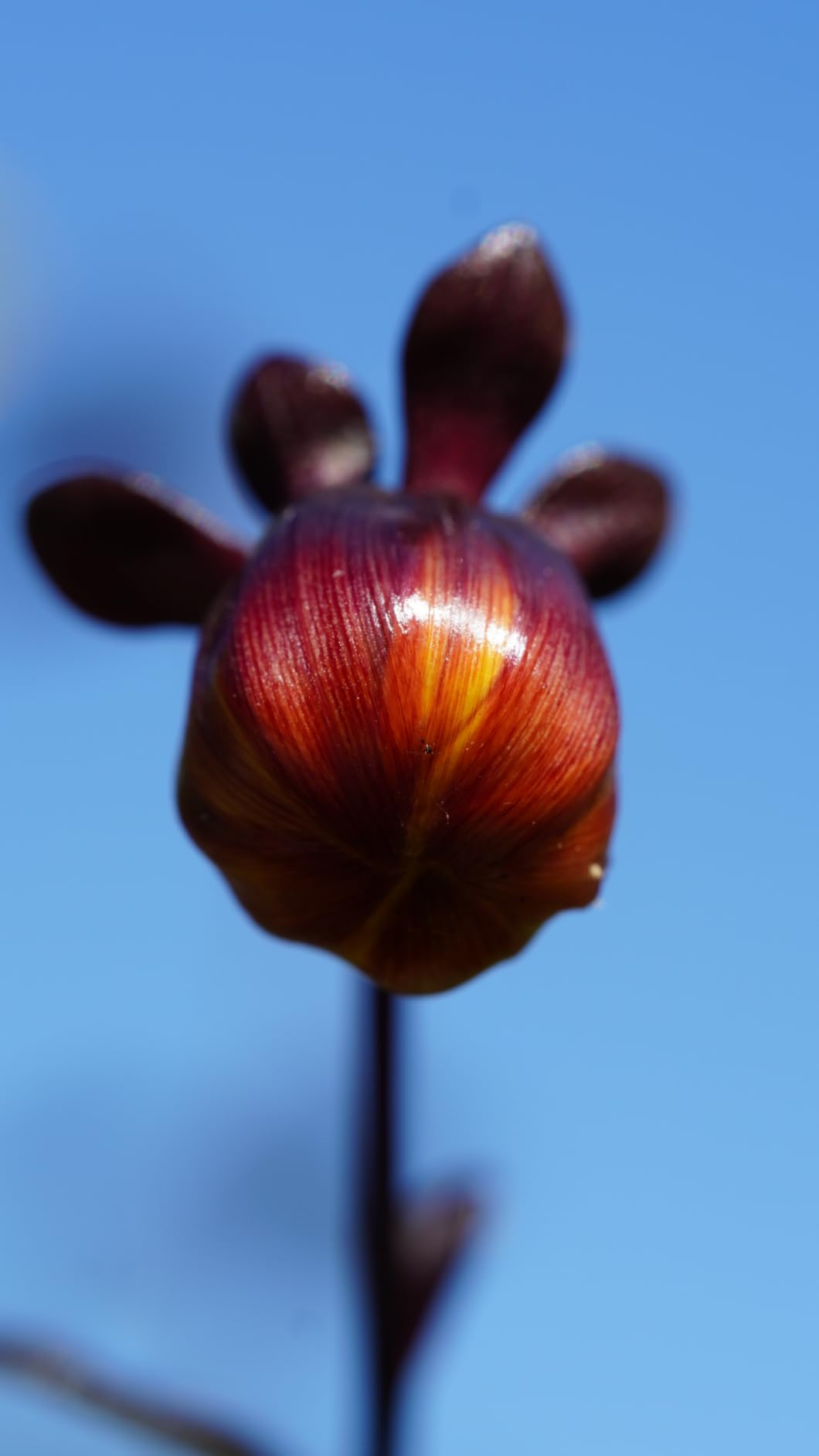
Optical quality is excellent. The lens produces sharp images across the frame with minimal chromatic aberration or distortion. The flat-field design ensures corner-to-corner sharpness at close focus distances, which is critical for product photography. BBAR-G2 coating handles flare well, and the fluorine coating on the front element repels water and oil.
The moisture-resistant construction gives confidence for field work, though it is not fully weather-sealed. At 630g, the weight is manageable for handheld shooting. The focus ring operates smoothly, though I wish it had slightly more resistance for precise manual adjustments.
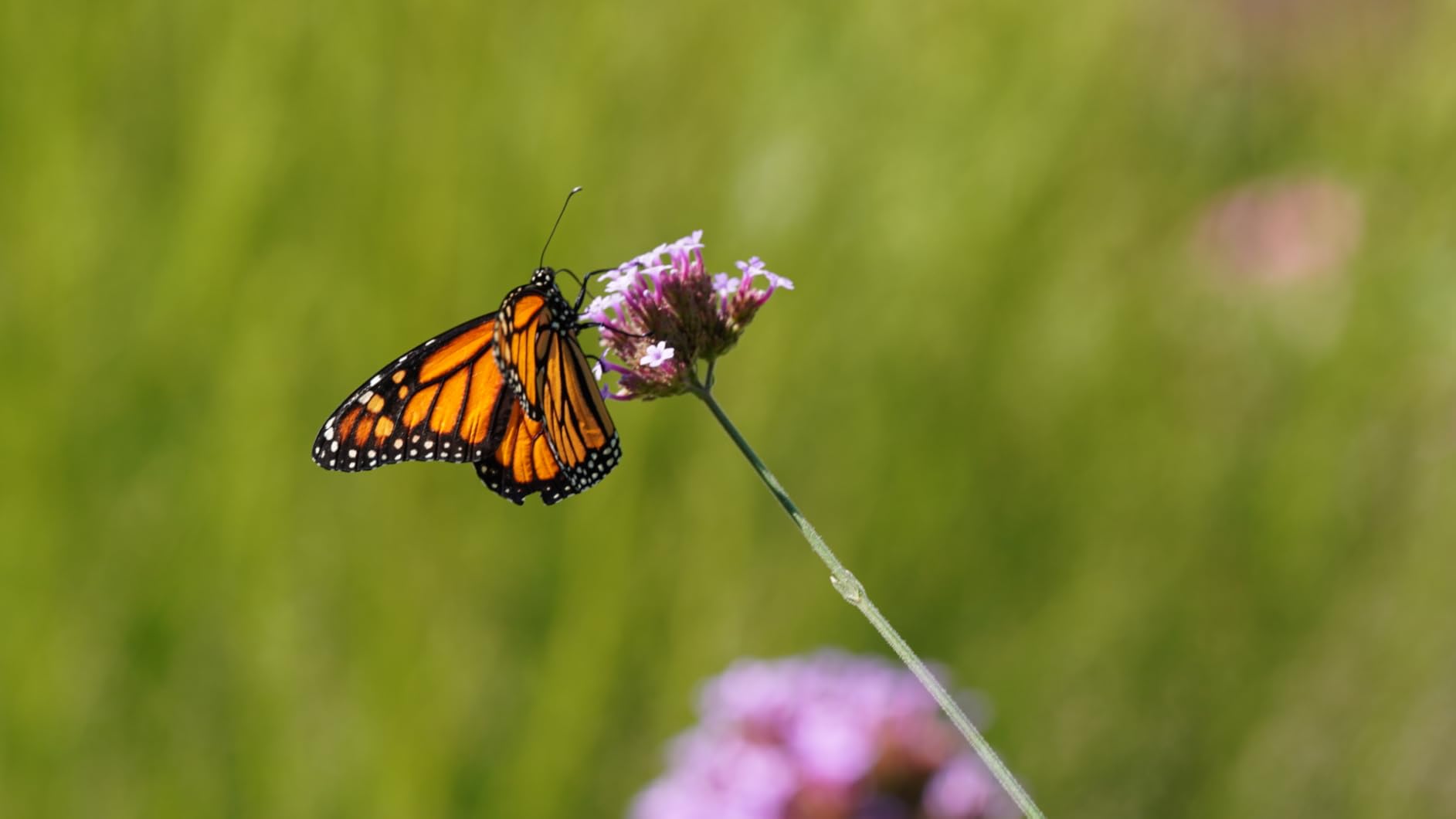
Ideal for Fast-Moving Subjects
The VXD autofocus makes this lens particularly good for insects and other moving subjects. The AF locks on quickly and tracks well, taking advantage of the A7R V’s subject recognition capabilities. If you photograph butterflies, bees, or other active subjects, this lens handles the challenge better than many alternatives.
What You Trade for the Lower Price
At this price point, some compromises exist. There is no focus limiter switch to restrict the AF range. The manual focus feel is not quite as refined as Sony’s implementation. And as a newer lens, long-term durability data is limited. However, for most photographers, the value proposition here is compelling. You get 90% of the Sony 90mm’s performance at a significantly lower cost.
4. Laowa 100mm f/2.8 2X Ultra Macro APO – Extreme Magnification
Pros
- 2X magnification for extreme detail
- Tack sharp image quality
- No chromatic aberration
- Smooth manual focus ring
- Excellent for product and food
- Much cheaper than autofocus alternatives
Cons
- Manual focus only
- No EXIF data transmission
- No weather sealing
- Very shallow DOF at 2X
The Laowa 100mm f/2.8 2X Ultra Macro APO opens up possibilities that standard 1:1 macro lenses simply cannot match. With 2X magnification, you can fill the frame with subjects half the size that 1:1 lenses can capture. On the A7R V’s 61MP sensor, the level of detail possible is staggering. Insect eyes become landscapes, flower centers become abstract compositions.
Manual focus is the only option here, but Laowa has implemented it beautifully. The focus ring has a long throw with just the right resistance for fine adjustments. When shooting at 2X magnification, depth of field becomes razor thin, so precise focus control is essential. The A7R V’s focus peaking and magnification assist make this process manageable.
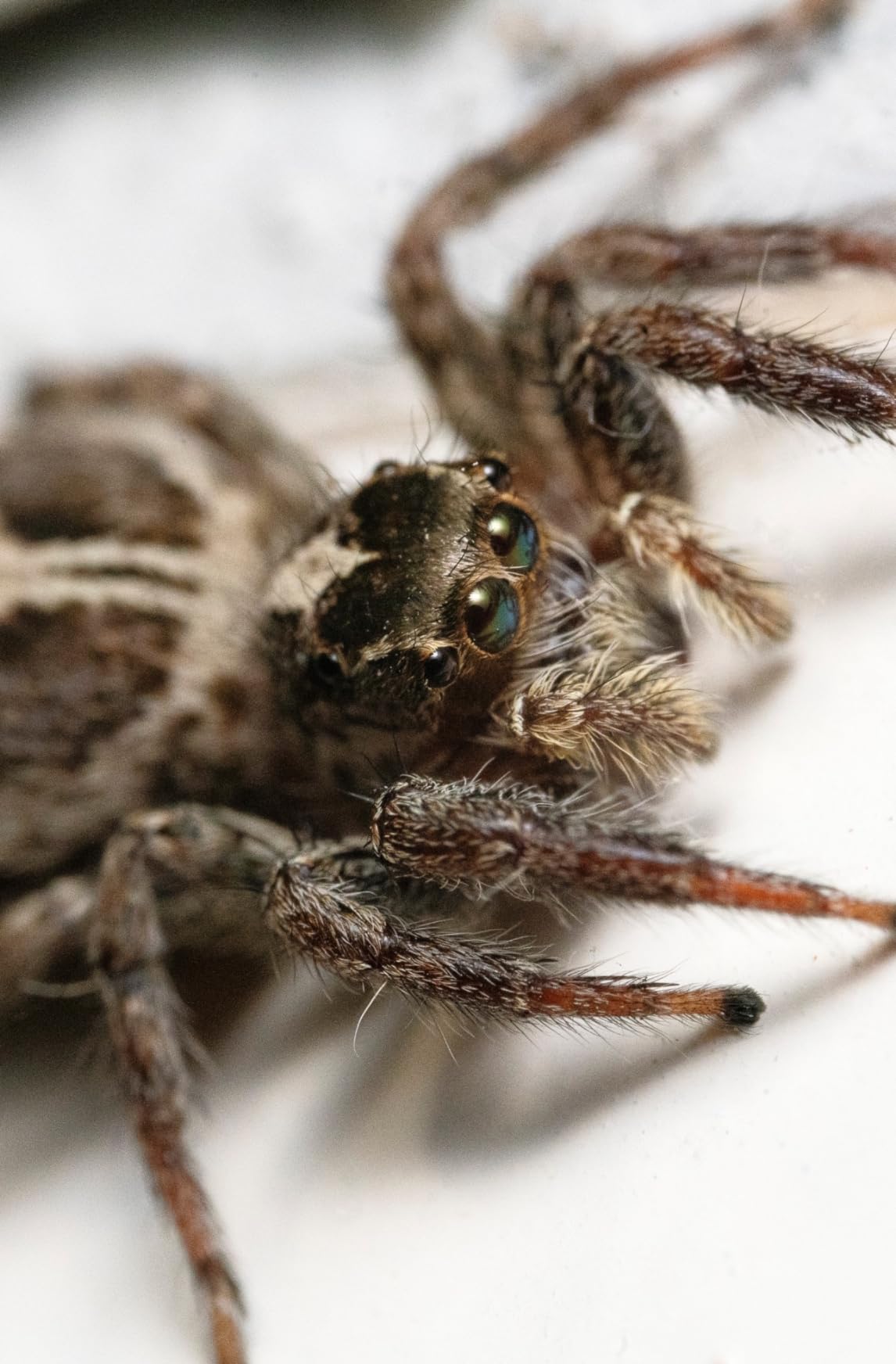
The APO design effectively eliminates chromatic aberration, which is crucial at high magnifications where color fringing becomes more visible. Images are tack sharp across the frame with no distortion. The 100mm focal length provides decent working distance even at 2X magnification, though you will still be fairly close to your subject.
Build quality is solid with a metal barrel. The lens extends significantly when focusing to 2X, which takes some getting used to. There are no electrical contacts, so no EXIF data is recorded. This means manual recording of aperture settings if you care about that information for post-processing.
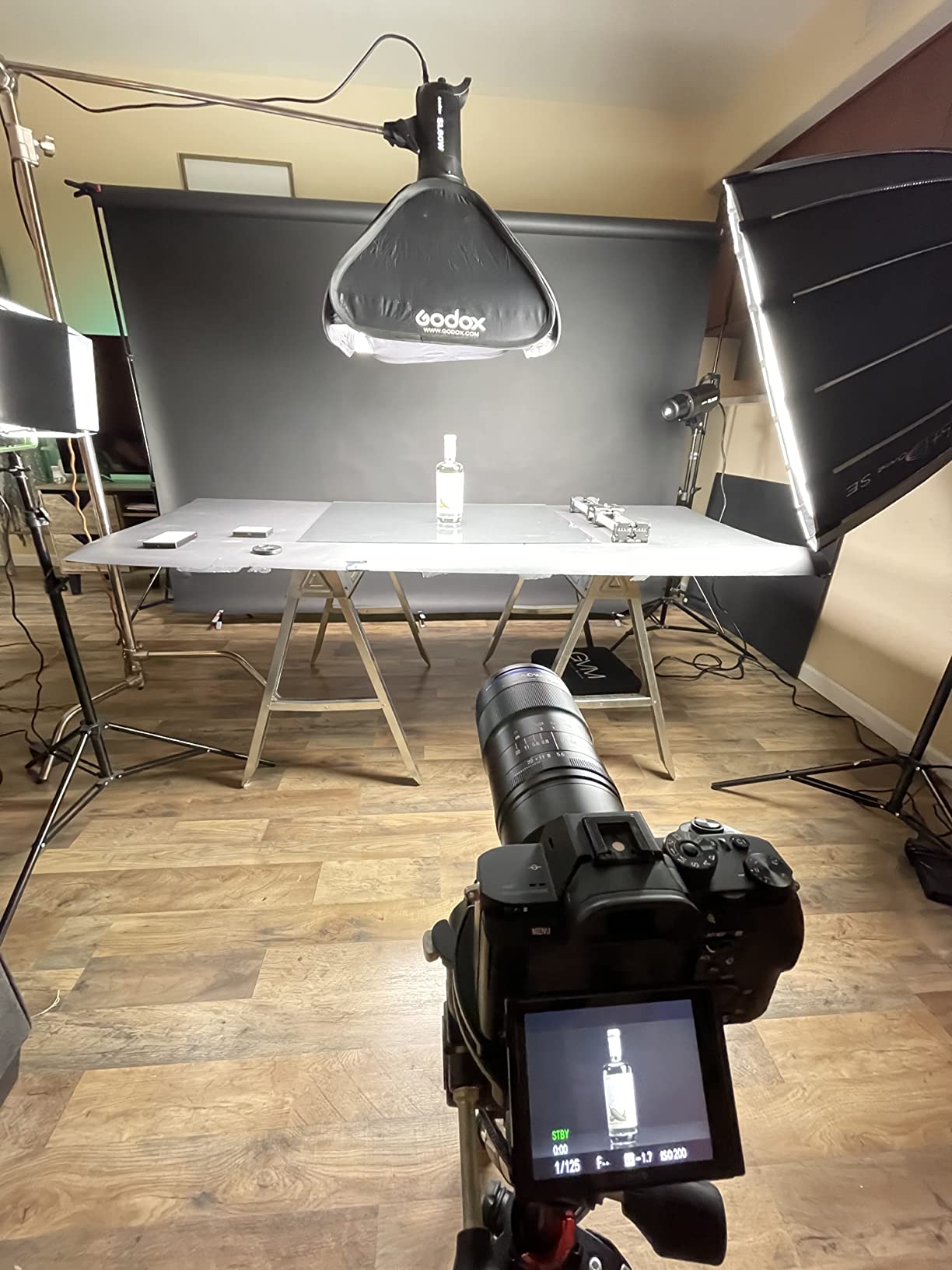
For Extreme Close-Up Detail Work
If your macro photography involves very small subjects, the 2X magnification is transformative. Water droplets, insect eyes, tiny flowers all reveal details invisible to 1:1 lenses. Combined with focus stacking on the A7R V, you can create images with incredible depth and detail that stand up to massive printing.
Who Should Skip This Manual-Only Lens
Photographers who need autofocus for moving subjects should look elsewhere. The lack of weather sealing is a concern for field work. And the very shallow depth of field at 2X magnification requires good technique, stable support, and often focus stacking. This lens rewards patience and skill but demands both.
5. Sony FE 50mm f/2.8 Macro – Compact and Versatile
Pros
- Lightweight and compact design
- Excellent image quality
- 1:1 macro capability
- Versatile for portraits and landscapes
- Good value from Sony
- Works well with gimbals
Cons
- No image stabilization
- Short working distance
- Mostly plastic build
- AF slow in low light
The Sony FE 50mm f/2.8 Macro takes a different approach to macro photography. Instead of the typical 90-105mm focal length, this compact lens offers a 50mm perspective with full 1:1 magnification. On the A7R V, it provides a lightweight, versatile option for photographers who want macro capability without carrying a larger lens.
At just 340g, this lens is remarkably light. It balances perfectly on the A7R V and makes a great option for travel or extended shooting sessions. The compact size means it fits easily in smaller camera bags. Despite the lower price point, optical quality is genuinely good with sharp results across the frame.
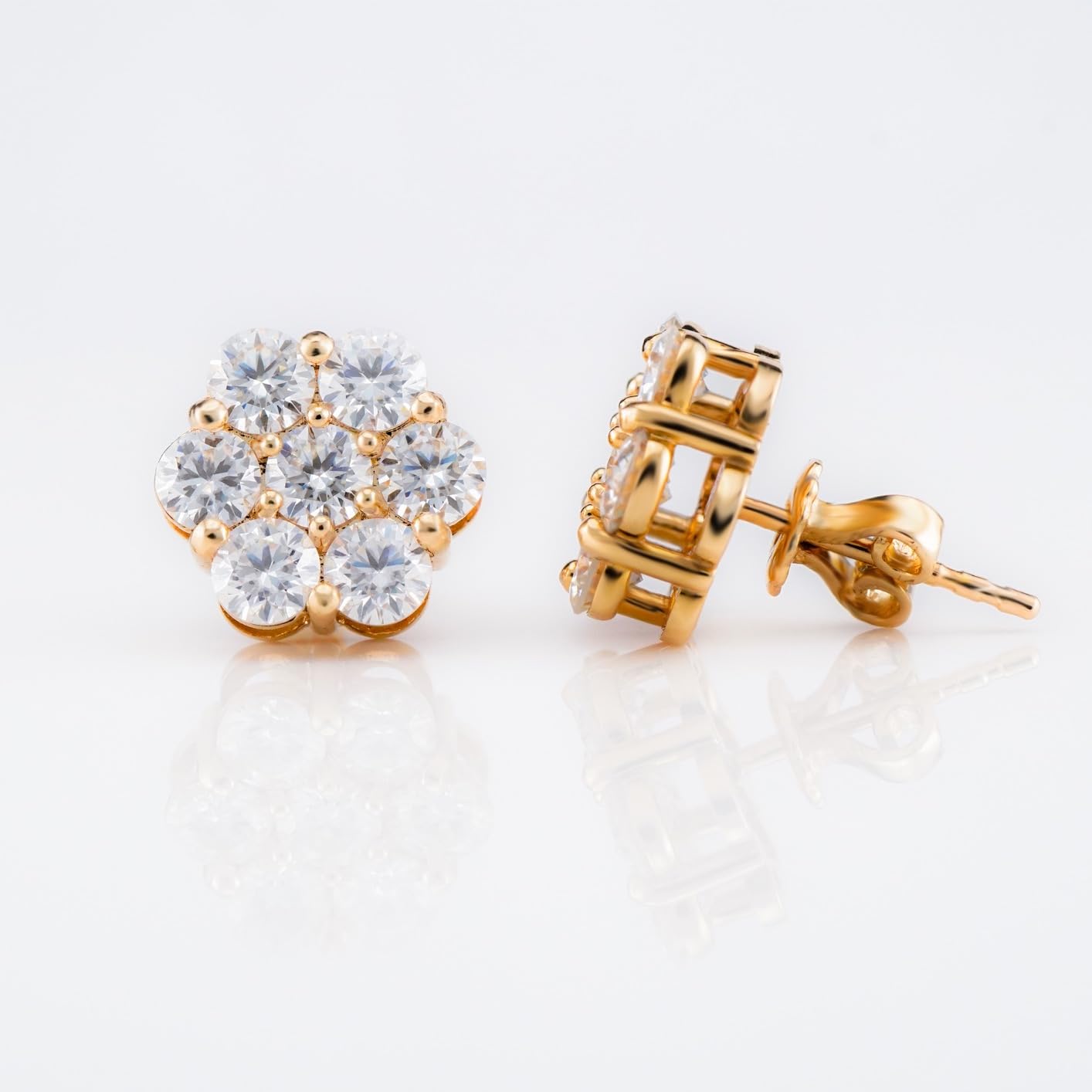
The minimum focusing distance of 6.25 inches means you are quite close to your subject at 1:1 magnification. This works fine for flowers, products, and cooperative insects. For skittish subjects, the short working distance becomes a limitation. Lighting also becomes more challenging when you are this close to your subject.
The lens works well beyond macro applications. The 50mm focal length is versatile for portraits, street photography, and general use. The f/2.8 maximum aperture provides reasonable low-light capability and background separation. This dual-purpose nature makes the lens an efficient addition to a kit.
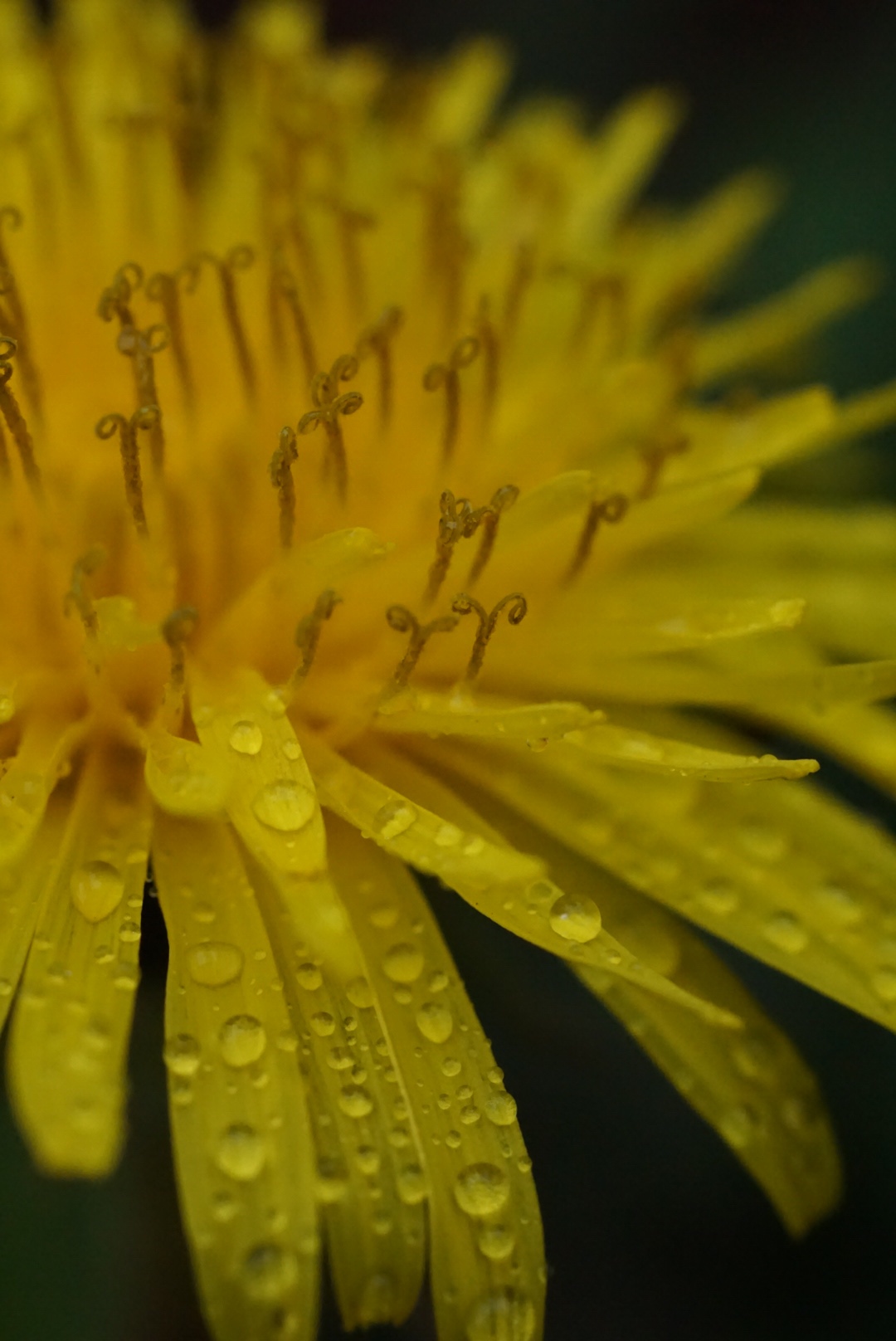
Versatile Multi-Purpose Lens Choice
If you want one lens that handles macro work while serving as a general-purpose 50mm, this is an excellent choice. The image quality holds up for portraits and everyday photography. On the A7R V, you can crop heavily when needed, giving you more flexibility than the focal length alone suggests.
Working Distance Trade-Offs
The main limitation is the very short working distance at 1:1 magnification. You will be just inches from your subject, which can block light and startle insects. The lack of image stabilization is another drawback, though the A7R V’s excellent IBIS helps compensate. For dedicated macro work, longer focal lengths usually serve better, but for occasional use and versatility, this lens delivers solid value.
6. Sigma 70mm f/2.8 DG Macro Art – Budget-Friendly Art Quality
Pros
- Art series sharpness at great price
- Corner to corner sharpness
- High build quality
- Focus-by-wire precision
- Lightweight for Art lens
- Great for food photography
Cons
- No image stabilization
- AF hunts in low light
- Noisy autofocus motor
- Long lens hood obstructs markings
The Sigma 70mm f/2.8 DG Macro Art brings Sigma’s legendary optical quality to a more affordable price point. As one of the first true 1:1 macro lenses in the Art lineup, it delivers exceptional sharpness that makes excellent use of the A7R V’s high-resolution sensor. The value proposition here is compelling for photographers wanting Art-series performance without the premium price.
At 70mm, this lens sits between the typical 50mm and 90mm macro focal lengths. The result is a versatile working distance that works well for product photography, food shots, and controlled macro setups. The focal length provides enough distance to light subjects properly while staying close enough for good subject intimacy.
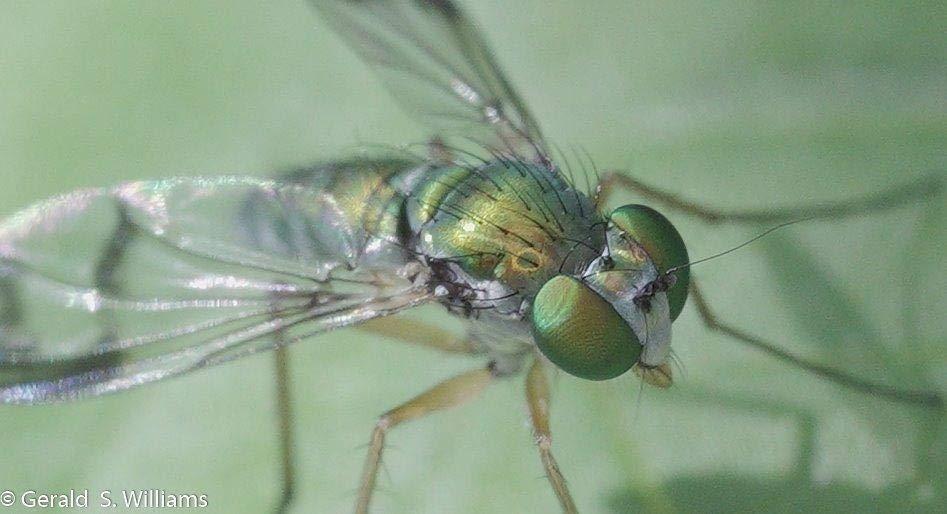
Image quality is outstanding. Sharpness is consistent across the frame, even wide open. The flat-field design ensures corners remain sharp at close focus distances. Chromatic aberration is well controlled, and bokeh is smooth and pleasing. For product and food photography, this lens produces professional-quality results.
The focus-by-wire system provides smooth, precise manual focus control. The long focus throw allows fine adjustments critical for macro work. Build quality feels solid with a mix of metal and high-quality plastics. At 515g, the weight is reasonable for extended shooting sessions.
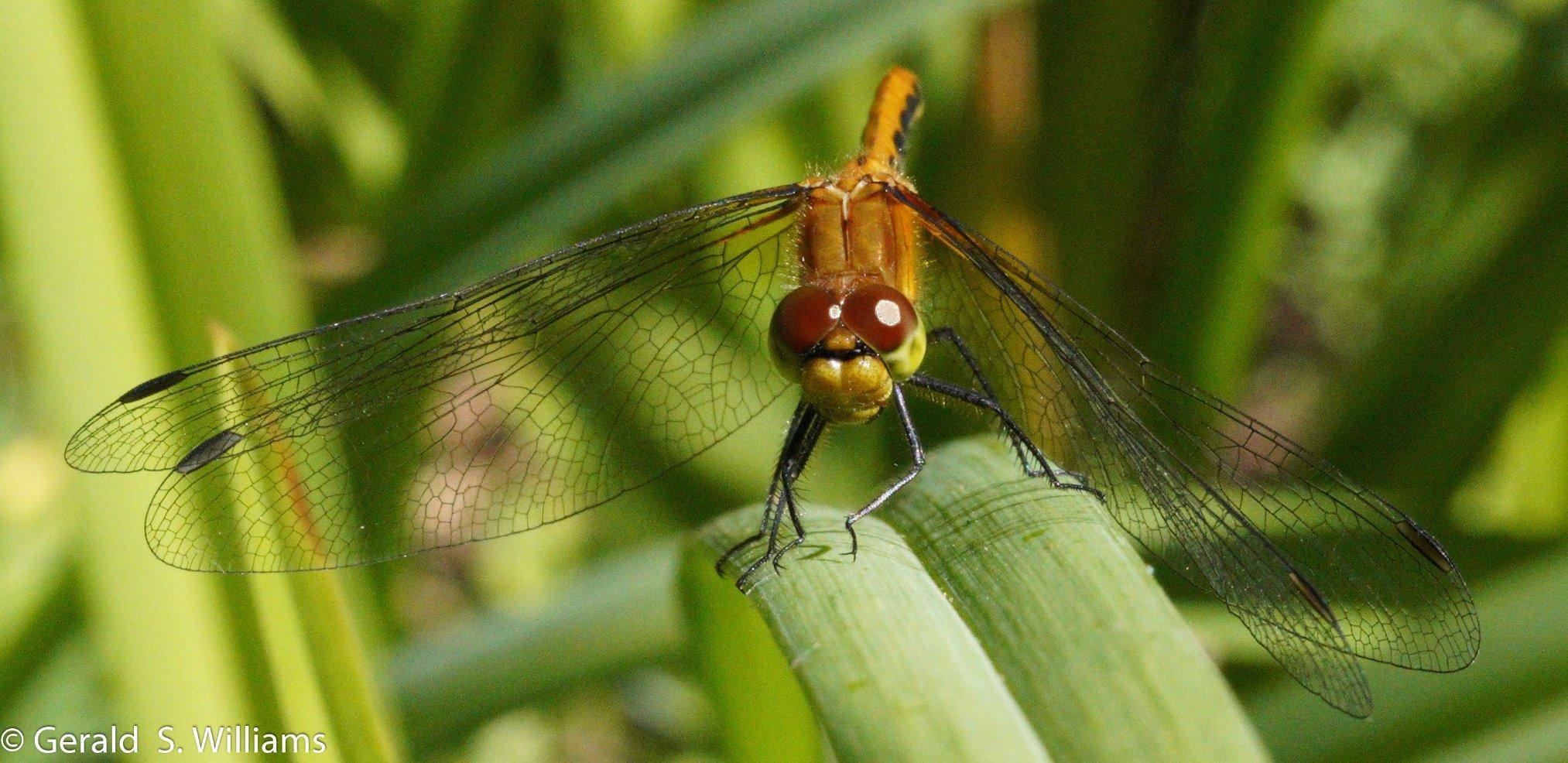
Excellent for Product and Food Photography
The 70mm focal length is ideal for tabletop product and food photography. You get a natural perspective with enough working distance for lighting setups. The consistent sharpness across the frame makes this lens particularly good for flat-lay compositions. Combined with the A7R V’s resolution, product shots reveal incredible detail.
Low Light Performance Considerations
The autofocus system struggles in dim conditions, hunting noticeably before locking on. The motor is also audible, which may be a concern for video work. Without image stabilization, you will need to rely on the A7R V’s IBIS or use a tripod for sharp results at slower shutter speeds. These limitations are more noticeable in field conditions than in controlled studio environments.
7. TTArtisan 100mm f/2.8 2X Macro – Budget 2X Magnification
Pros
- True 2X magnification at low price
- 12-blade aperture for smooth bokeh
- All-metal aerospace aluminum body
- Excellent sharpness
- Cold shoe expansion hub
- Outstanding build quality
Cons
- Manual focus only
- Manual aperture only
- No weather sealing
- Heavy for its size
The TTArtisan 100mm f/2.8 2X Macro brings 2X magnification capability to an incredibly affordable price point. This manual-focus-only lens punches far above its weight class, delivering optical performance and build quality that rivals lenses costing much more. On the A7R V, it provides an accessible entry point into extreme macro photography.
True 2X magnification means you can capture subjects at twice life-size on the sensor. Combined with the A7R V’s 61MP resolution, the detail possible is remarkable. The 100mm focal length provides decent working distance even at high magnification, giving you room to light your subjects properly.
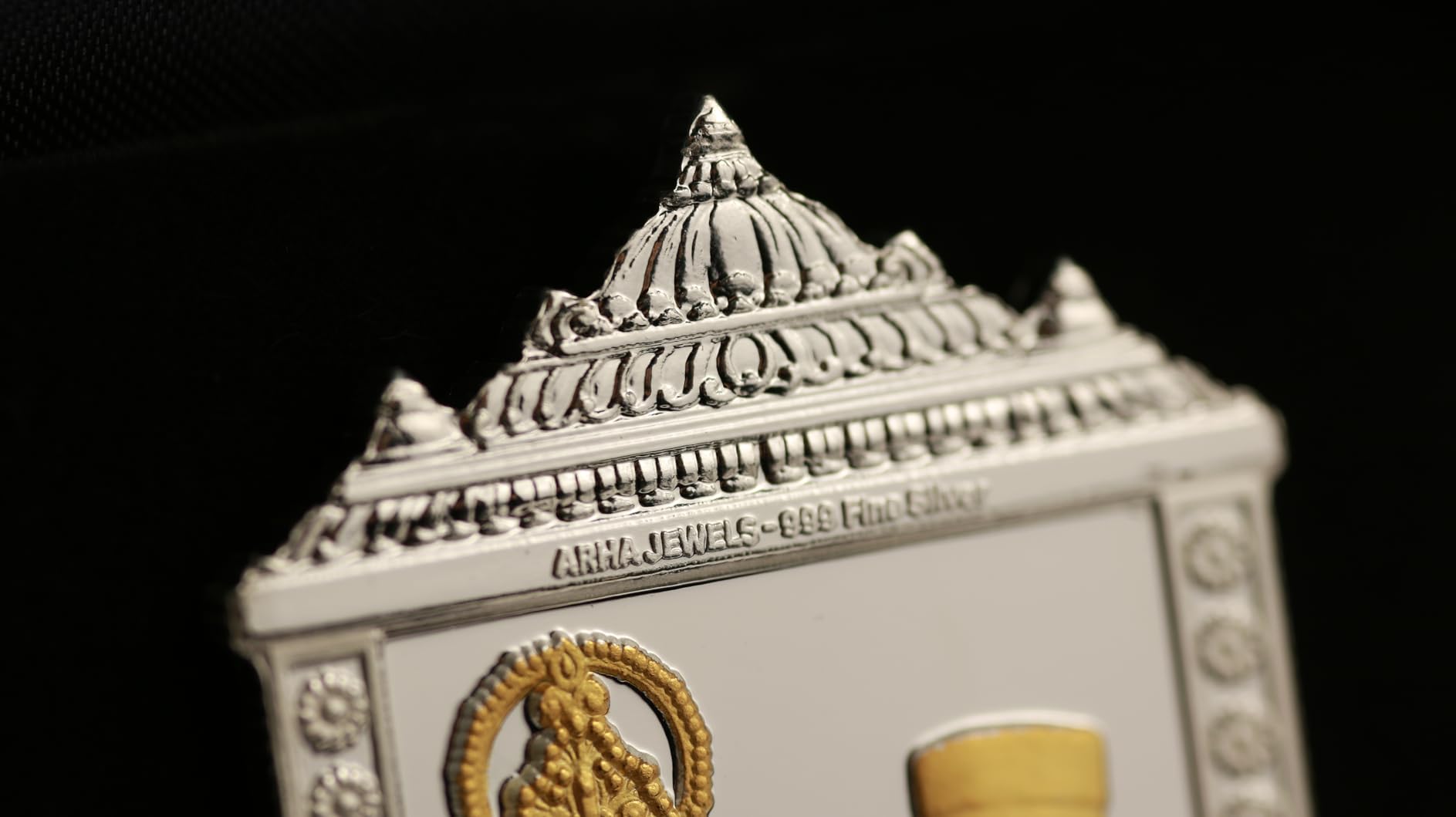
Build quality is genuinely impressive. The all-metal aerospace-grade aluminum body feels substantial and professional. The 12-blade aperture creates exceptionally smooth bokeh with nearly circular highlights. A unique feature is the cold shoe expansion hub with four mounting points for accessories like lights or microphones.
The lens uses 6 high-refractive elements to minimize chromatic aberration, and multi-layer coatings reduce flare. Sharpness is excellent across the frame, even at 2X magnification where many lenses struggle. The focus ring operates smoothly with a long throw for precise adjustments.
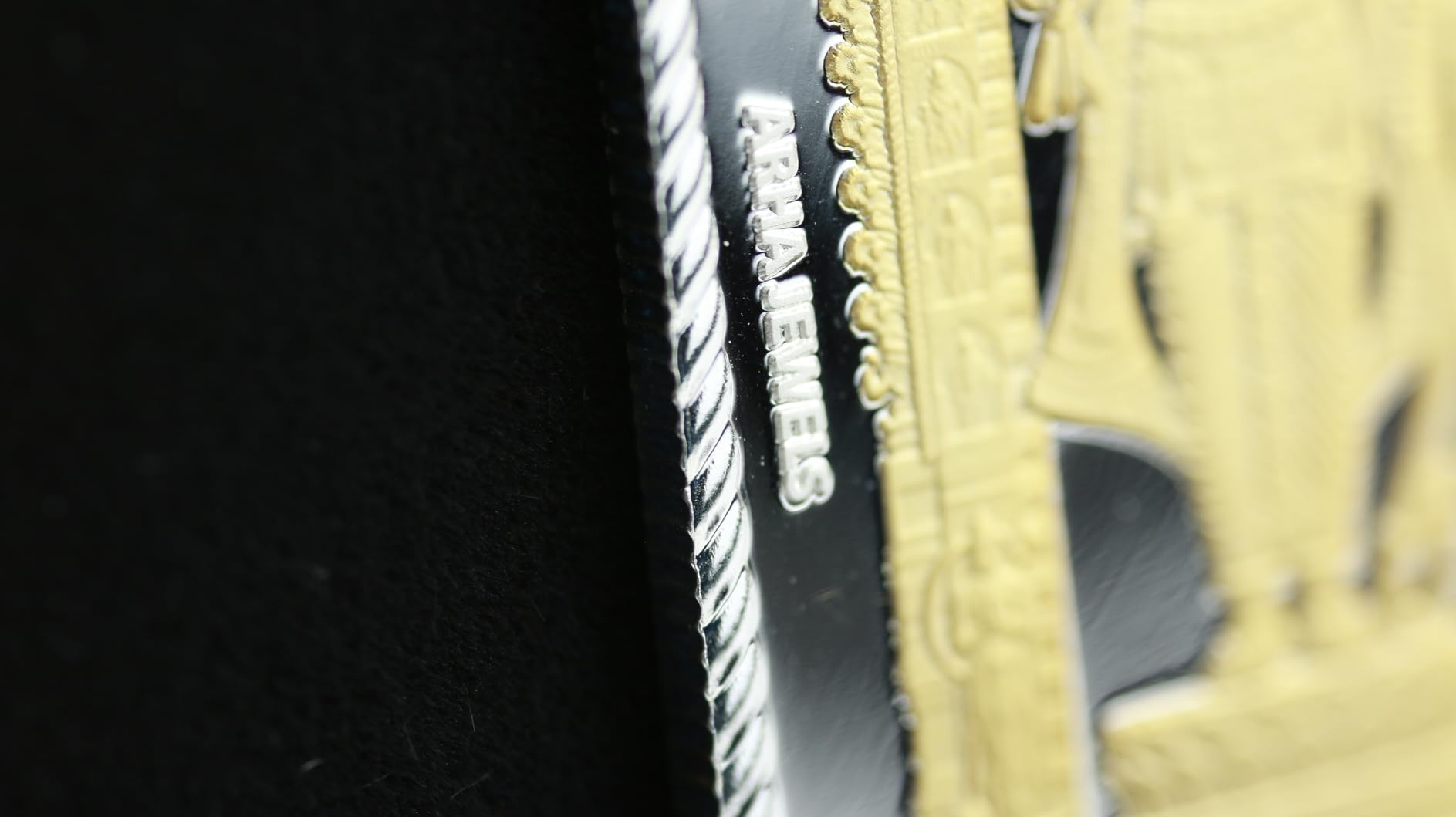
Best Entry Point for 2X Macro
For photographers curious about 2X magnification without investing heavily, this lens is the answer. The optical quality is genuinely good, and the build quality exceeds expectations at this price. Combined with the A7R V’s focus peaking and magnification tools, even photographers new to manual focus can achieve sharp results.
Manual Operation Learning Curve
Both focus and aperture are manual only, which requires adjustment for photographers accustomed to autofocus. The lens is also heavy at over 2.5 pounds, which becomes noticeable during extended handheld sessions. No weather sealing limits field use in challenging conditions. However, for studio work and controlled environments, these limitations are manageable.
8. Venus Laowa 90mm f/2.8 2X Ultra Macro APO – Compact Full-Frame 2X
Pros
- 2X magnification for full-frame
- Compact and lightweight design
- APO controls chromatic aberration
- Focus to infinity capability
- Excellent sharpness
- 20.5cm minimum focus
Cons
- No electrical contacts
- No EXIF data
- No weather sealing
- Very shallow DOF at 2X
The Venus Laowa 90mm f/2.8 2X Ultra Macro APO offers full-frame 2X magnification in a relatively compact package. Designed specifically for mirrorless cameras, this lens takes advantage of the shorter flange distance to achieve a smaller size than DSLR-era equivalents. On the A7R V, it provides serious macro capability in a portable form factor.
Full-frame 2X magnification is significant. The image area captured is twice life-size on the sensor, revealing details invisible to standard 1:1 macro lenses. The APO design with three extra-low dispersion elements controls chromatic aberration effectively, which is critical at high magnifications where color fringing becomes more apparent.

The ability to focus to infinity adds versatility. You can use this lens for general telephoto work, not just macro. The 90mm focal length is useful for portraits and moderate telephoto applications. This dual-purpose nature makes the lens more practical than pure macro designs with limited focusing ranges.
Build quality is solid with a metal barrel. The lens is relatively compact for a 2X macro design, though it does extend when focusing at high magnification. Manual focus operation is smooth with a long throw appropriate for precise macro work.
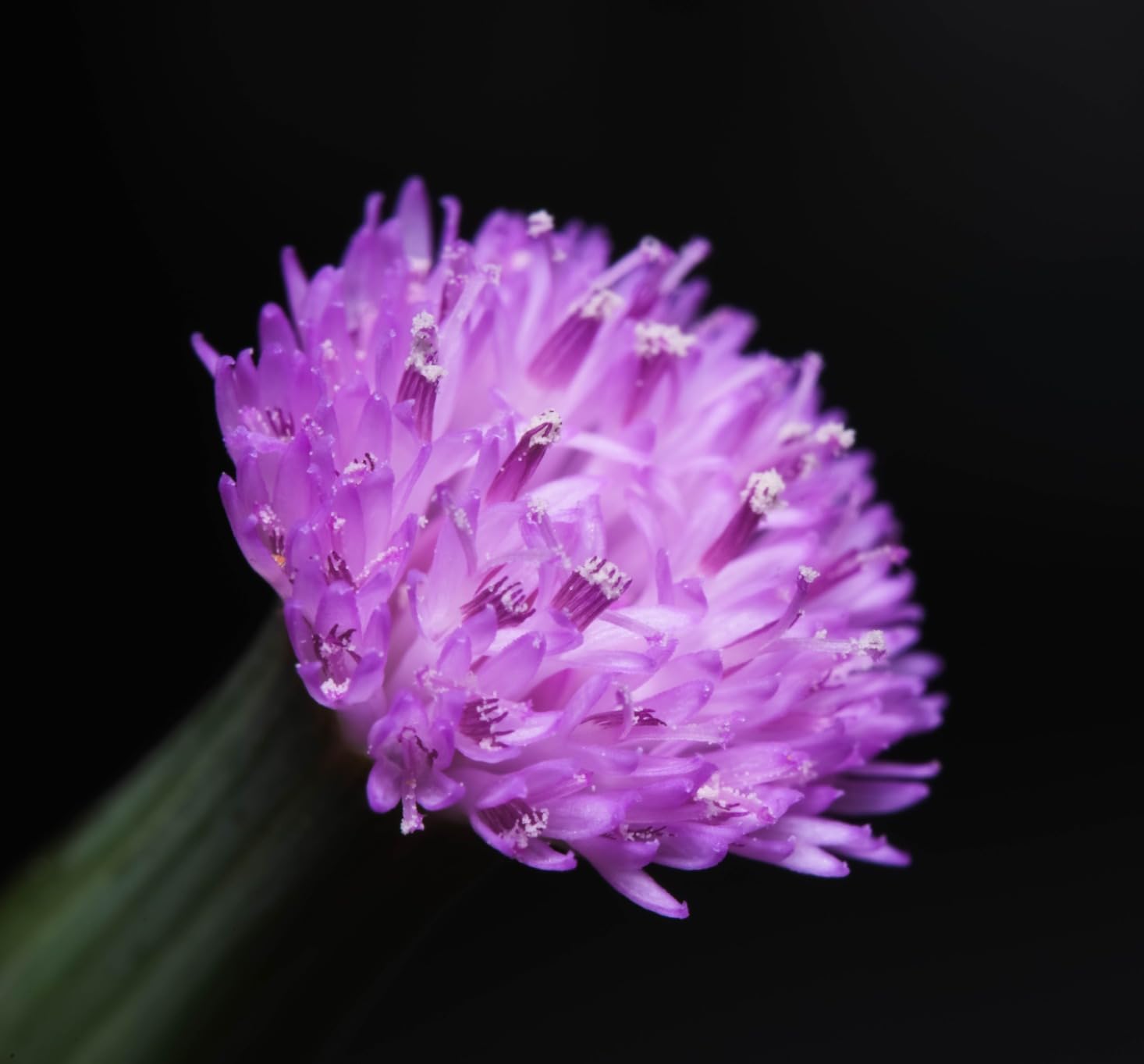
Compact Full-Frame 2X Option
Compared to older DSLR macro lenses with similar capability, this Laowa design is notably smaller and lighter. The mirrorless-optimized design reduces bulk while maintaining optical quality. For photographers who want 2X magnification without carrying a massive lens, this is an excellent option.
Essential Accessories for Best Results
Without electrical contacts, you get no EXIF data recording. A tripod or focusing rail becomes almost essential at 2X magnification due to the extremely shallow depth of field. Good lighting, whether continuous or flash, is critical for stopping motion and achieving sharp results. Plan to invest in support and lighting accessories to get the most from this lens.
9. Sony SEL30M35 30mm f/3.5 Macro – Ultra-Portable Entry Point
Pros
- Extremely lightweight at 139g
- Very sharp image quality
- 1:1 magnification
- Great value for money
- Good for video with stepping motor
- Aluminum alloy build
Cons
- APS-C only not full frame
- f/3.5 maximum aperture
- Very close working distance
- Slower AF than newer lenses
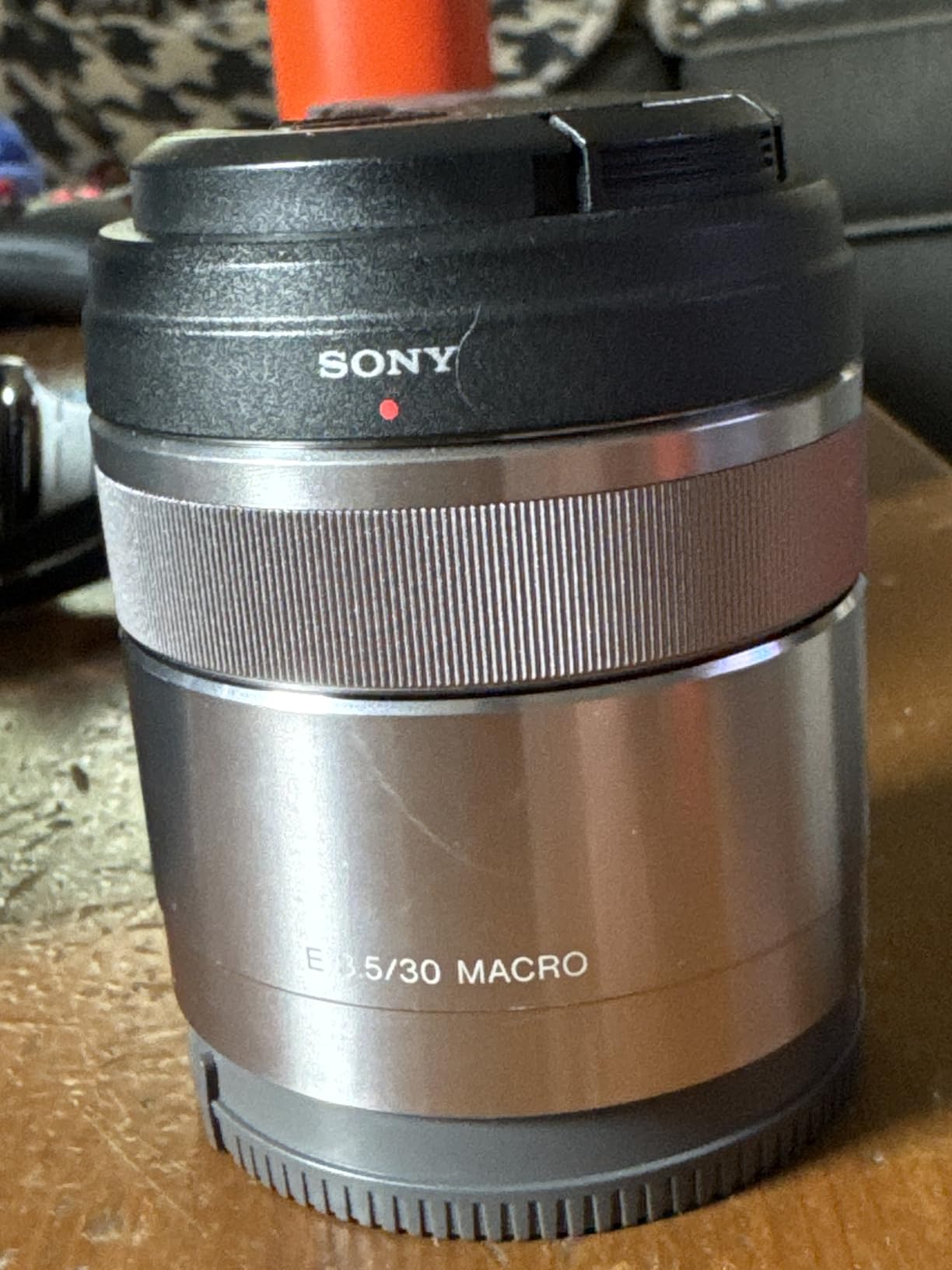
The Sony SEL30M35 30mm f/3.5 Macro is one of the lightest macro lenses available for Sony E-mount. At just 139g, it adds virtually no weight to your A7R V kit. While technically an APS-C lens, it works in crop mode on the full-frame A7R V, still providing 26 megapixels of resolution. For travel and casual macro photography, it is an excellent option.
The minimum working distance of just 2.4cm at 1:1 magnification is extremely close. You will be practically touching your subject at maximum magnification. This works for static subjects like coins, stamps, and flat objects, but presents challenges for three-dimensional subjects or anything that might move.
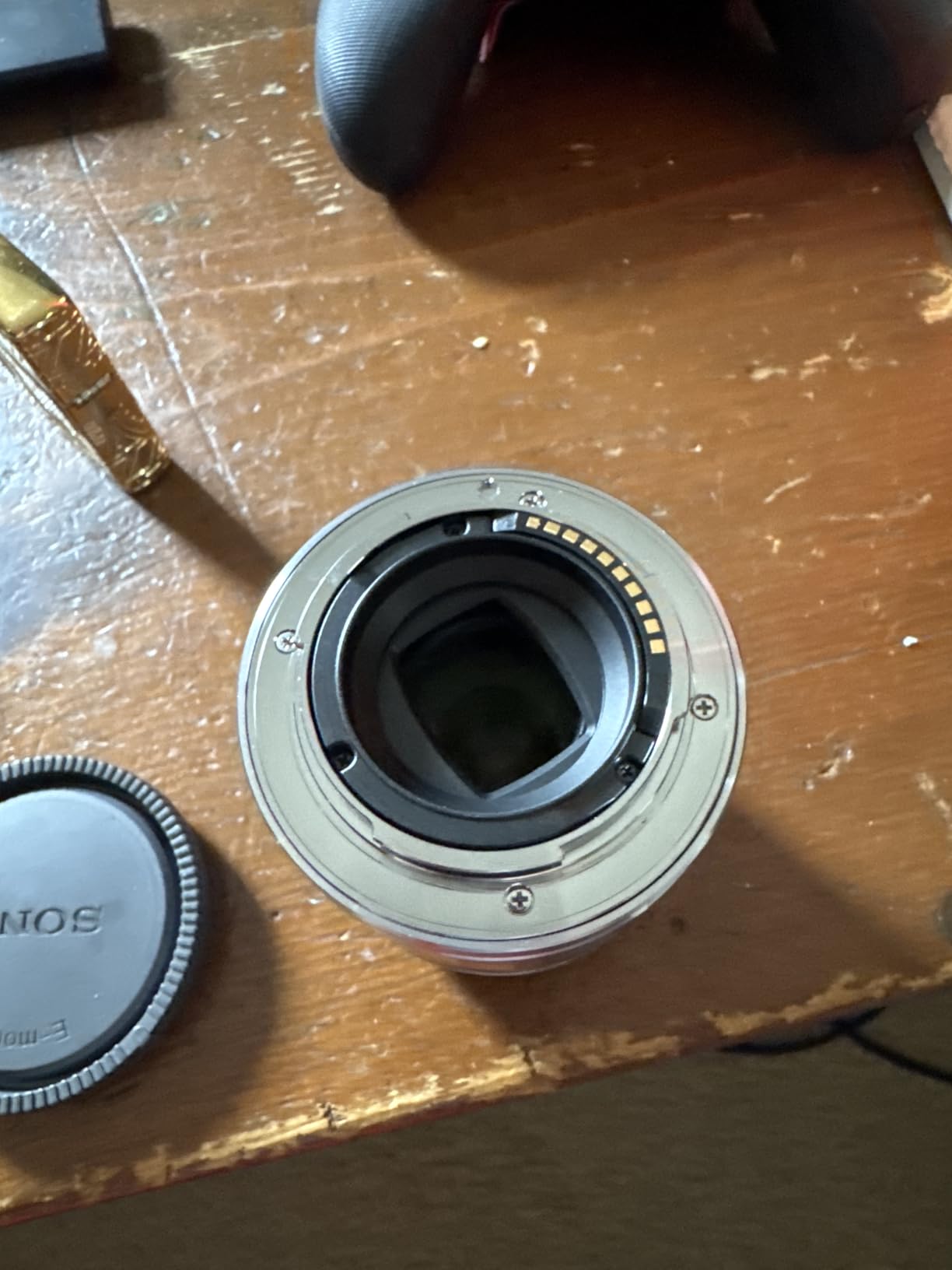
Optical quality is surprisingly good for the price. Sharpness is excellent across the APS-C image circle, with minimal distortion and well-controlled aberrations. The simple 7-element design produces clean, contrasty images. On the A7R V in crop mode, you still have plenty of resolution for most applications.
The internal stepping motor provides smooth, quiet autofocus suitable for video. The aluminum alloy construction feels more premium than the price suggests. Despite the budget positioning, build quality is solid and the lens has proven durable over years of use by many photographers.
Ultra-Portable Everyday Carry Option
If you want macro capability always available without weight penalty, this lens is ideal. It takes up minimal space in a bag and adds almost no weight. For travel photography where you might encounter unexpected macro opportunities, having this lens along is easy. The A7R V’s crop mode provides sufficient resolution for most sharing and moderate printing needs.
Very Close Working Distance Reality
The 2.4cm working distance at 1:1 is genuinely challenging. Lighting subjects this close requires careful technique. Insects and other mobile subjects will be disturbed at this distance. The f/3.5 maximum aperture is also slower than most macro lenses, requiring higher ISOs or slower shutter speeds in natural light. This lens works best for controlled, static subjects.
10. Laowa 65mm f/2.8 2X Ultra Macro APO – APS-C High Magnification
Pros
- 2X magnification in lightweight package
- APO glass for excellent quality
- Very light at 318g
- Smooth manual focus
- Great bokeh for portraits
- Outstanding value
Cons
- APS-C format only not full frame
- Manual focus only
- No image stabilization
- Quality control variations
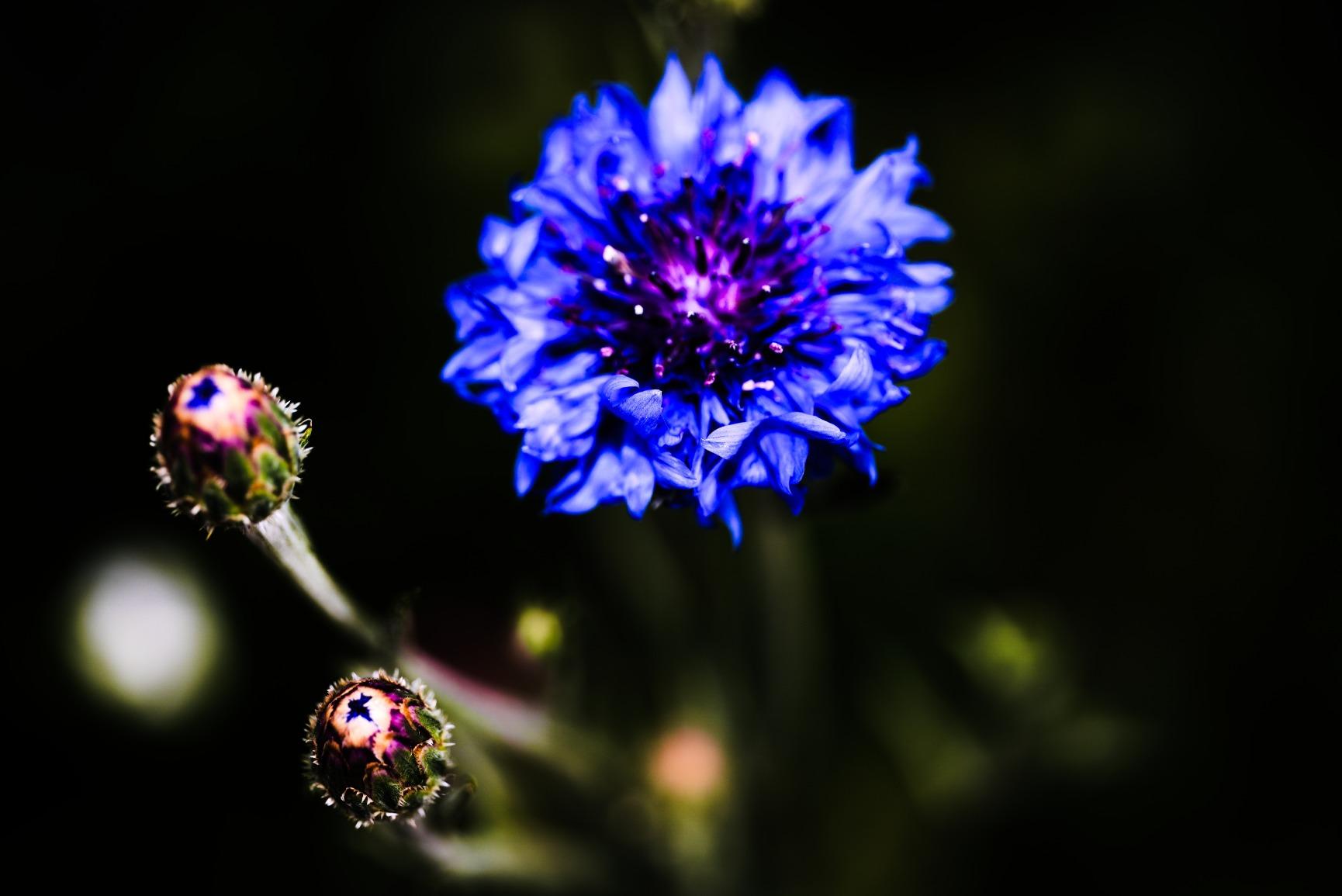
The Laowa 65mm f/2.8 2X Ultra Macro APO brings 2X magnification to APS-C format in a remarkably lightweight package. At just 318g, it is one of the lightest ways to achieve high magnification macro photography. On the A7R V in APS-C mode, you get 26MP of resolution with genuine 2X magnification capability.
This lens uses three extra-low dispersion elements in its APO design to minimize chromatic aberration. The optical quality is impressive for the price point, with sharp results even at 2X magnification. The 65mm effective focal length (97.5mm full-frame equivalent) provides a natural perspective for many macro subjects.
Manual focus and aperture operation are the only options, but both are implemented well. The focus ring has a smooth, dampened feel appropriate for precise macro adjustments. The aperture ring clicks in third-stop increments, providing good exposure control. The lens also works well as a portrait lens with smooth, pleasing bokeh.
Build quality is good for the price, with a metal barrel and quality feel. Some users have reported quality control variations including dust inside new lenses, so buying from reputable sources with good return policies is advisable. At this price point, some variation is perhaps expected.
Best APS-C Option for A7R V Crop Mode
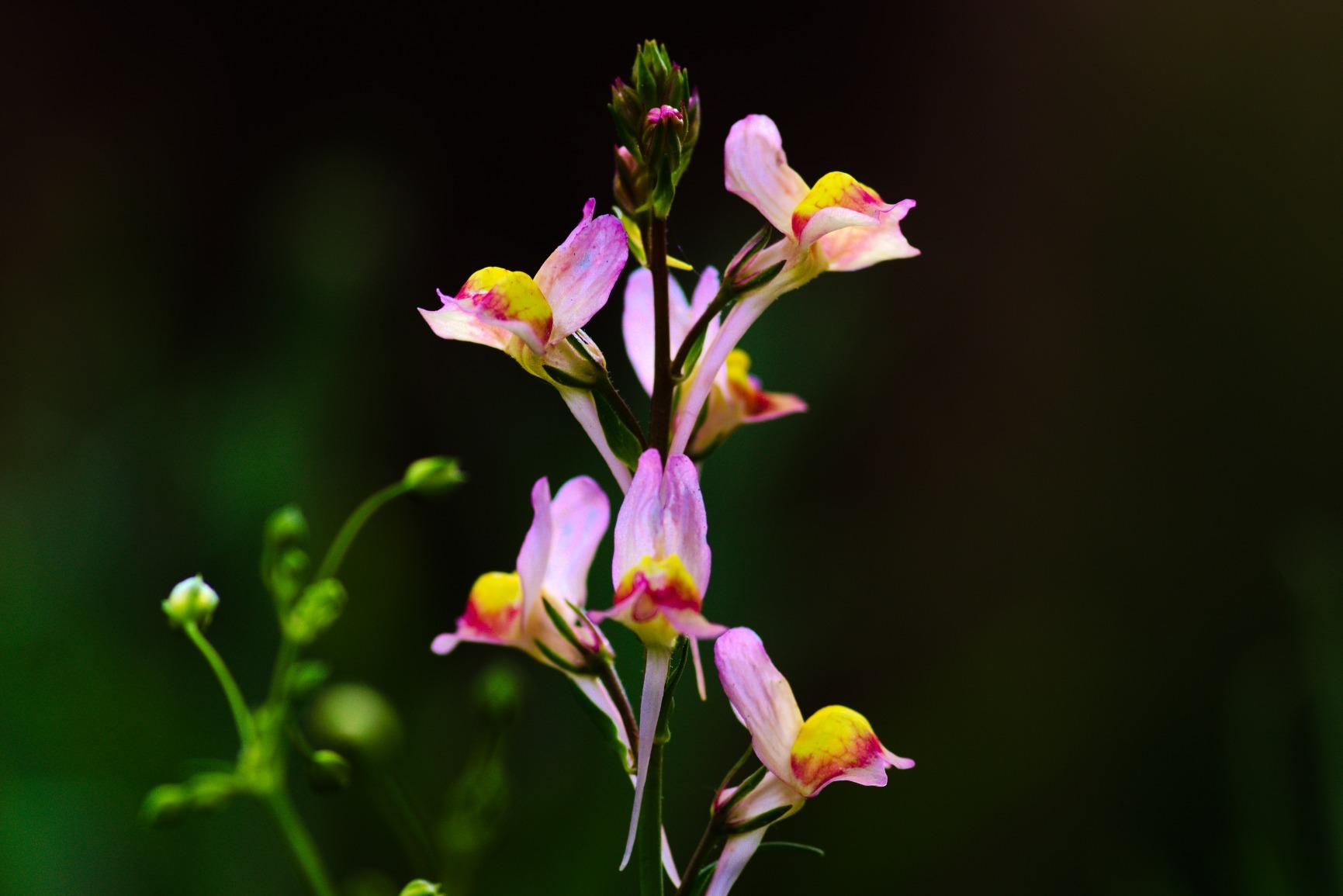
If you want to use the A7R V’s APS-C crop mode for macro work, this lens provides excellent value. You get 2X magnification with 26MP resolution, which is more than adequate for most applications. The lightweight design makes handheld work more practical than heavier full-frame alternatives.
Full Frame Compatibility Note
This lens is designed for APS-C sensors only. Using it in full-frame mode on the A7R V results in significant vignetting. You must use the camera in APS-C crop mode, which reduces resolution to 26MP. If you need full-frame coverage, the Laowa 90mm or 100mm 2X options are better choices despite their higher cost and weight.
Buying Guide: How to Choose the Best Macro Lens for Sony A7R V In 2026?
Selecting the right macro lens for your Sony A7R V involves understanding several key factors that affect your photography. The 61MP sensor demands high-quality optics, but other considerations like magnification ratio, working distance, and autofocus performance matter greatly for practical use.
Magnification Ratio: What 1:1 vs 2X Means
True macro lenses provide at least 1:1 magnification, meaning subjects appear on the sensor at life size. A 1-inch subject fills 1 inch of your sensor at 1:1. With the A7R V’s full-frame sensor, this is substantial magnification. 2X lenses like the Laowa options go further, projecting subjects at twice life size on the sensor, revealing details invisible to 1:1 lenses.
For most macro photography, 1:1 is sufficient. Flowers, larger insects, and product photography work well at this magnification. 2X becomes valuable for very small subjects like insect eyes, water droplets, or extreme product detail shots. Consider your typical subjects when choosing magnification capability.
Working Distance: Why Longer Focal Lengths Matter
Working distance is the space between your lens front element and your subject at maximum magnification. Longer focal lengths provide more working distance at the same magnification. A 100mm macro lets you stay further from your subject than a 50mm macro while achieving identical 1:1 magnification.
More working distance matters for insect photography, where getting close startles subjects. It also provides room for lighting equipment between lens and subject. If you photograph skittish insects or need space for lights, prioritize 90-105mm focal lengths over shorter options.
Autofocus vs Manual Focus
Autofocus macro lenses like the Sony 90mm and Tamron 90mm offer convenience, but AF often hunts at close distances. Many macro photographers prefer manual focus for critical work, using the A7R V’s excellent focus peaking and magnification aids. Manual-only lenses from Laowa and TTArtisan work beautifully once you adapt to the technique.
Consider your subjects when deciding. Stationary flowers and products work fine with manual focus. Active insects benefit from fast AF systems. Many photographers use AF for initial acquisition then fine-tune manually. The A7R V supports both approaches effectively.
Image Stabilization Considerations
The A7R V has excellent in-body image stabilization, but lens-based OSS provides additional benefit for handheld work. The Sony 90mm Macro combines both systems for maximum stabilization effectiveness. Lenses without stabilization rely entirely on the camera’s IBIS, which remains quite capable.
For tripod work, stabilization matters less. Most serious macro photographers use tripods or other support for critical work anyway. If you frequently shoot handheld, prioritize stabilized lenses. For primarily tripod-based work, stabilization is less critical.
A7R V Specific Considerations
The 61MP sensor demands lenses capable of resolving extreme detail. Not all macro lenses can keep up with this resolution. Sony G and Sigma Art series lenses generally perform well, while budget options may not fully utilize the sensor’s capability. The high resolution also magnifies any focus errors, making precise focus technique essential.
The A7R V’s focus stacking feature works with most macro lenses, automatically capturing bracketed focus sequences. This is valuable for achieving depth of field impossible in single exposures. The camera’s advanced subject recognition also helps track insects and other moving macro subjects when using autofocus lenses.
Frequently Asked Questions
What is the best macro lens for Sony A7R V?
The Sony FE 90mm f/2.8 Macro G OSS is the best overall macro lens for Sony A7R V, offering excellent sharpness, optical stabilization, and autofocus performance that takes full advantage of the 61MP sensor. For budget-conscious buyers, the Tamron 90mm f/2.8 Di III VXD Macro provides outstanding value with similar optical quality.
Does Sony A7R V have macro photography features?
Yes, the Sony A7R V includes several features beneficial for macro photography including focus peaking, magnified focus assist, focus bracketing for stacking, and advanced subject recognition that works well for tracking insects. The camera’s 61MP sensor captures extraordinary detail when paired with quality macro lenses.
What magnification ratio do I need for macro photography?
For most macro photography, 1:1 magnification is sufficient. This reproduces subjects at life size on the sensor, which with the A7R V’s full-frame sensor provides substantial magnification. For extreme close-ups of very small subjects like insect eyes or tiny details, 2X magnification lenses like the Laowa 100mm or TTArtisan 100mm provide additional capability.
Do I need image stabilization for macro photography?
Image stabilization helps for handheld macro work but is less critical when using a tripod. The A7R V has excellent in-body stabilization that works with any lens. Lenses with optical stabilization like the Sony 90mm Macro provide additional stabilization when combined with the camera’s IBIS system.
Is autofocus important for macro lenses?
Autofocus is helpful for moving subjects like insects but many macro photographers prefer manual focus for stationary subjects. At close focus distances, AF often hunts, making manual focus more reliable. The A7R V’s focus peaking and magnification tools make manual focus practical and precise.
Conclusion
Choosing the best macro lenses for Sony A7R V ultimately depends on your specific needs and budget. The Sony FE 90mm f/2.8 Macro G OSS remains the top choice for most photographers, combining excellent optical quality, reliable autofocus, and image stabilization in a proven package. For those seeking better value, the Tamron 90mm f/2.8 Di III VXD Macro delivers similar performance at a lower price point.
Photographers interested in extreme magnification should consider the Laowa or TTArtisan 2X options, which reveal details invisible to standard 1:1 lenses. Studio product photographers may prefer the Sigma 105mm or 70mm Art lenses for their exceptional sharpness and consistent performance. Whatever your choice, pairing quality macro optics with the A7R V’s 61MP sensor opens up extraordinary creative possibilities in close-up photography.