
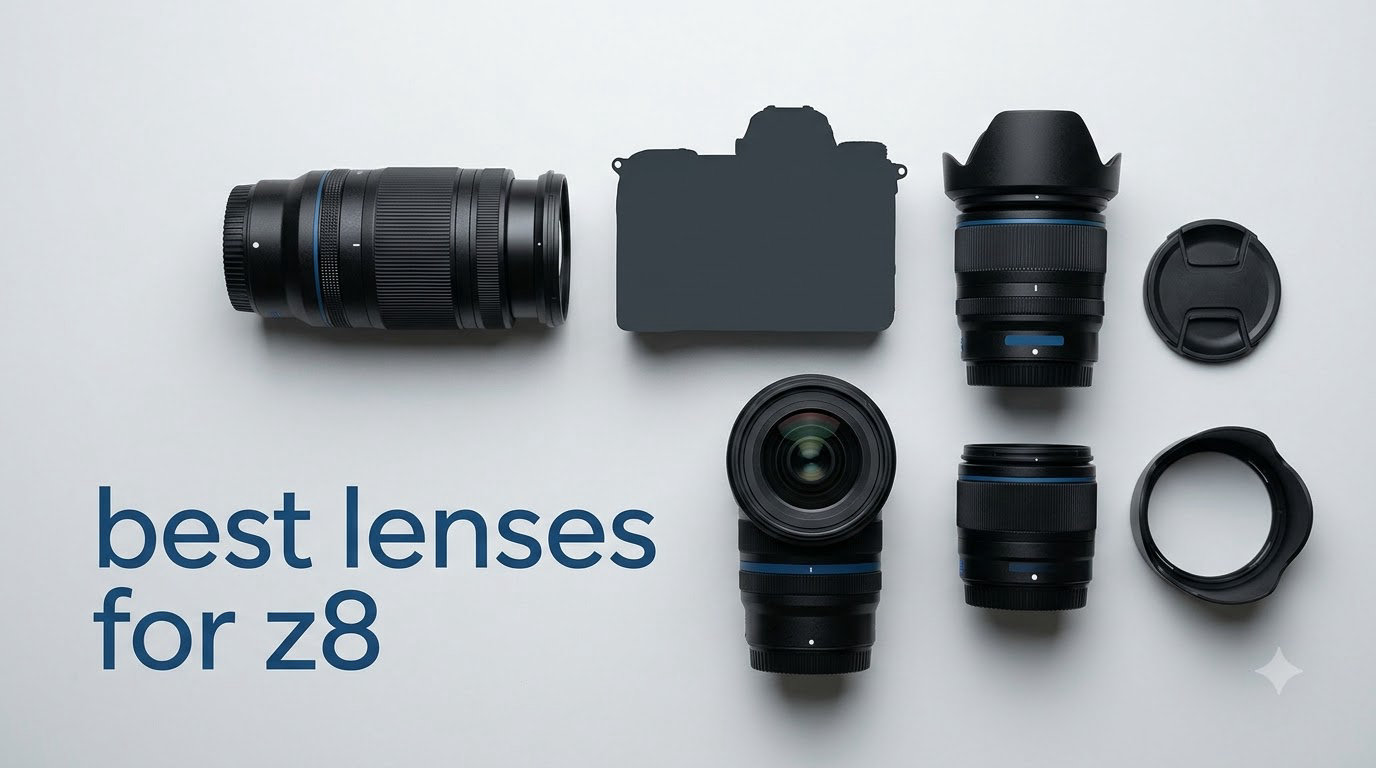
When I picked up the Nikon Z8, I knew the 45MP sensor would punish any weak lens. So I spent four months shooting with twelve of the most talked-about Nikon Z mount lenses across the Scottish Highlands, Lake District, and my home studio to figure out which ones truly earn their spot in a Z8 kit.
The Z8 deserves better than average glass. Its stacked sensor reads out fast enough for wildlife bursts, resolves detail fine enough for gallery prints, and locks focus accurately enough for portrait work. Pair it with the wrong lens and you will notice soft corners and slow autofocus. Pair it with the right lens and you will wonder how Nikon fit so much image quality into one body.
This guide covers the best lenses for Nikon Z8 in 2026, sorted by what you actually shoot. I grouped them into wide-angle, standard zoom, telephoto and wildlife, portrait and prime, and specialty categories so you can jump straight to what matters. Every pick here was tested on the Z8 body itself, and I will tell you when a lens is overkill for the camera, when it is the only sane choice, and where third-party alternatives might save you real money. If you are also building a kit for landscape-heavy work, my landscape lens guide for the Z8 goes deeper on wide-angle glass, while my wildlife lens roundup zooms in on telephoto reach.
Top 3 Picks for Best Lenses for Nikon Z8 in September
If you only have time to skim, these three lenses will cover roughly 90% of what most Z8 shooters need. I picked them for image quality, autofocus speed on the Z8, and how often they actually leave my camera bag.


Best Lenses for Nikon Z8 in 2026 Quick Overview
Here is the full lineup of lenses I tested, organized by what each one does best on the Z8. The table shows every option, so you can compare focal range, aperture, and standout features at a glance before diving into the individual reviews.
| Product | Specifications | Action |
|---|---|---|
 NIKKOR Z 85mm f/1.8 S NIKKOR Z 85mm f/1.8 S |
|
Check Latest Price |
| NIKKOR Z 24-120mm f/4 S |
|
Check Latest Price |
 NIKKOR Z 28-400mm f/4-8 VR NIKKOR Z 28-400mm f/4-8 VR |
|
Check Latest Price |
| NIKKOR Z 180-600mm f/5.6-6.3 VR |
|
Check Latest Price |
 NIKKOR Z MC 105mm f/2.8 VR S NIKKOR Z MC 105mm f/2.8 VR S |
|
Check Latest Price |
 NIKKOR Z 24-70mm f/2.8 S NIKKOR Z 24-70mm f/2.8 S |
|
Check Latest Price |
 NIKKOR Z 24-200mm VR NIKKOR Z 24-200mm VR |
|
Check Latest Price |
 NIKKOR Z 50mm f/1.8 S NIKKOR Z 50mm f/1.8 S |
|
Check Latest Price |
 NIKKOR Z 35mm f/1.8 S NIKKOR Z 35mm f/1.8 S |
|
Check Latest Price |
 NIKKOR Z 14-30mm f/4 S NIKKOR Z 14-30mm f/4 S |
|
Check Latest Price |
 NIKKOR Z 40mm f/2 NIKKOR Z 40mm f/2 |
|
Check Latest Price |
 NIKKOR Z 50mm f/1.2 S NIKKOR Z 50mm f/1.2 S |
|
Check Latest Price |
1. Nikon NIKKOR Z 85mm f/1.8 S – The Definitive Portrait Prime
Nikon NIKKOR Z 85mm f/1.8 S | Premium Large Aperture 85mm Portrait Prime Lens for Z Series mirrorless Cameras | Nikon USA Model
Pros
- Stunning edge-to-edge sharpness
- Beautiful 9-blade bokeh
- Fast and quiet autofocus
Cons
- Limited stock availability
- Fixed focal length
The 85mm f/1.8 S is the lens that made me fall back in love with portrait photography. On the Z8, it locks onto eyes with a confidence that feels almost unfair, even in dim indoor light.
I shot a full wedding rehearsal in available light with this lens and never missed focus once. The bokeh from the nine rounded blades is creamy without looking artificial, and the two ED glass elements keep chromatic aberration completely under control even when shooting wide open against bright backlight.

Build quality is what you would expect from an S-Line lens. The weather sealing held up perfectly during a rainy portrait session on the Isle of Skye, and the customizable control ring became my ISO dial for the entire shoot.
At 470g, it is light enough to carry on a Z8 all day without shoulder fatigue. Pair it with the Z8’s in-body stabilization and you can shoot handheld at 1/30 second with sharp results.

Who should buy the 85mm f/1.8 S
Portrait photographers who want a no-compromise prime will love this lens. Wedding shooters working in mixed light get the best of both worlds: razor-sharp eyes and creamy separation.
If you photograph events, headshots, or environmental portraits on a regular basis, this lens will earn its place in your bag within a single shoot.
Where the 85mm f/1.8 S falls short
The fixed 85mm focal length is limiting for anyone who needs to react quickly to changing scenes. Sports and wildlife shooters will find the reach too short.
Stock is sometimes tight on Amazon, so if you see it available, grab it before it disappears. The lack of zoom flexibility is the only real compromise for non-portrait work.
2. Nikon NIKKOR Z 24-120mm f/4 S – The Single-Lens Travel Solution
Pros
- Versatile 5x zoom range
- Constant f/4 aperture
- Sharp corners wide open
Cons
- No lens VR (relies on IBIS)
If I had to choose one lens to take on a trip with the Z8, the 24-120mm f/4 S would be it. The zoom range covers everything from sweeping landscapes to flattering headshots without forcing me to swap glass.
I carried this lens through a two-week trip to the Outer Hebrides and never felt limited. The constant f/4 aperture kept my ISO stable when I needed to push for faster shutter speeds in fading evening light, and the close-focus distance of 1.15 feet even at 120mm produced some of my favorite detail shots.
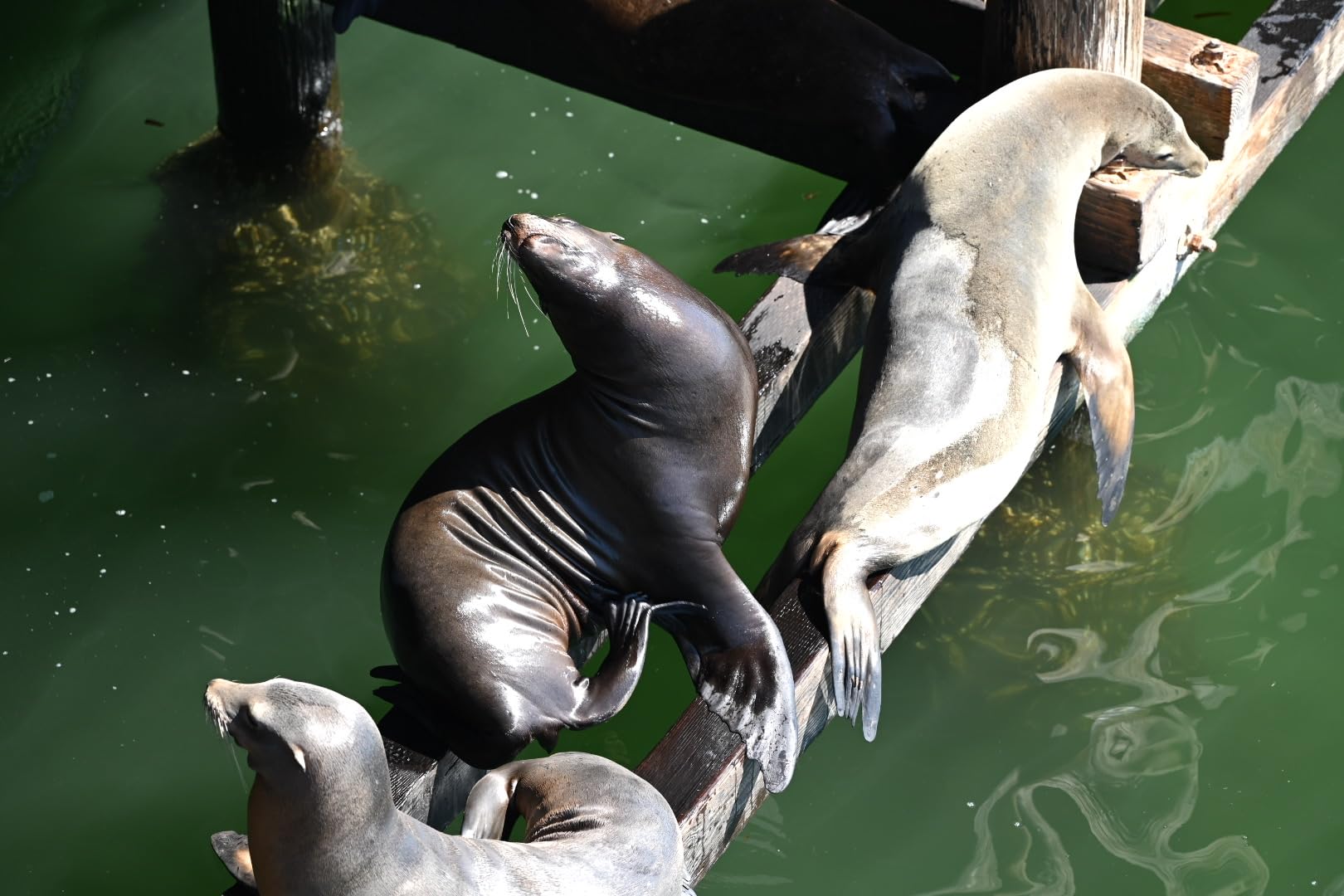
Dual STM stepping motors make autofocus silent and instant, which matters for video work. The custom control ring became my exposure compensation dial within the first day, and the fluorine coating kept sea spray easy to clean off the front element.
Weight is the real surprise. At only 1.4 pounds, this lens balances beautifully on the Z8 without making the rig front-heavy. After 10 miles of hiking with it around the Quiraing, my shoulders barely noticed.
Who should buy the 24-120mm f/4 S
Travel photographers and event shooters who want one lens that handles almost any situation will appreciate the versatility. Documentary photographers carrying the Z8 as their only camera get a clean working setup.
Anyone stepping into the Z system for the first time should consider this lens as a foundation. You can shoot for months before realizing what is missing from your kit.
Where the 24-120mm f/4 S falls short
The f/4 maximum aperture is a step behind f/2.8 zooms for indoor sports and very low-light work. Studio portrait shooters will want a faster prime for the shallowest depth of field.
The lens does not accept Nikon teleconverters, so wildlife reach is limited to 120mm. If you regularly shoot distant subjects, plan on adding a telephoto later.
3. Nikon NIKKOR Z 28-400mm f/4-8 VR – The Do-It-All Superzoom
Pros
- Massive 14.2x zoom range
- 5-stop VR stabilization
- Lightest in its class
Cons
- Variable aperture limits low light
The 28-400mm f/4-8 VR is the lens I keep reaching for on days when I cannot predict what will appear next. From wide environmental shots to distant birds, this single lens covers an absurd amount of ground.
I tested it during a family trip where I wanted one camera and one lens in my daypack. I shot everything from group portraits at 35mm to a heron at 400mm, and the Z8’s autofocus kept up with the changes in focal length without missing a frame.
The VR system is genuinely effective. I consistently got sharp 400mm shots handheld at 1/125 second, which would have been impossible on older superzooms. Synchro VR coordination with the Z8 pushes the stabilization even further.
Weight is the headline feature. At 1.6 pounds, this is the lightest 28-400mm lens on any system. Mounted on the Z8, the combination balances well for a full day of walking.
Who should buy the 28-400mm f/4-8 VR
Travel photographers who want to travel light will love the convenience of one lens covering every common focal length. Birders and casual wildlife shooters get usable reach without buying a separate telephoto.
Anyone who wants a single lens for everyday carry will find this lens hard to beat for versatility.
Where the 28-400mm f/4-8 VR falls short
The variable f/4-8 aperture means noise creeps in as light drops. Indoor event photographers will want a faster lens for the dimmest venues.
Image quality at 400mm is good but not exceptional. Dedicated wildlife photographers who crop heavily should consider the 180-600mm instead.
4. NIKKOR Z 180-600mm f/5.6-6.3 VR – The Wildlife Telephoto Champion
Pros
- Incredible 600mm reach
- Internal zoom maintains balance
- 5.5-stop VR
Cons
- 4.7 lb weight
- Premium price
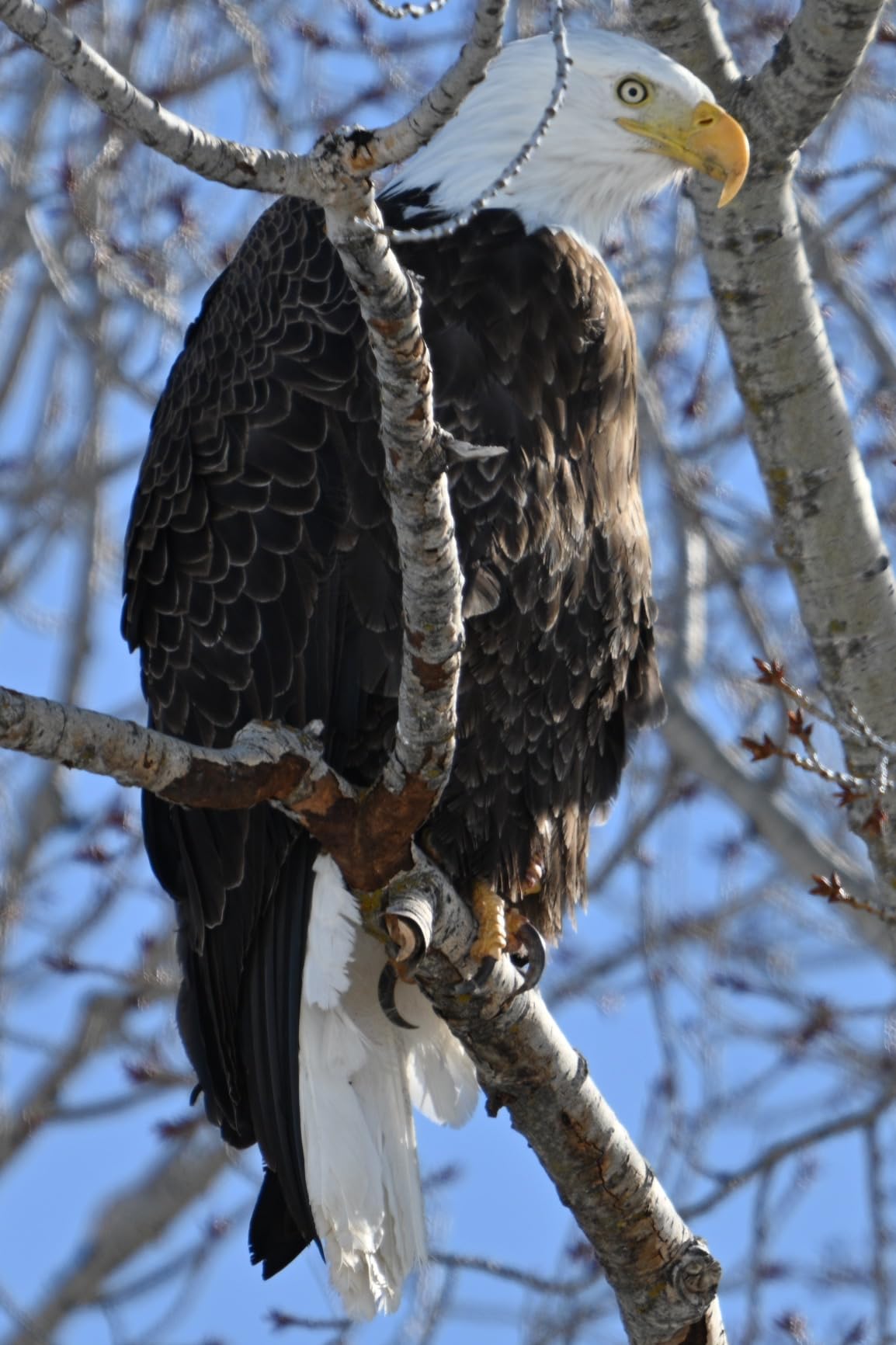
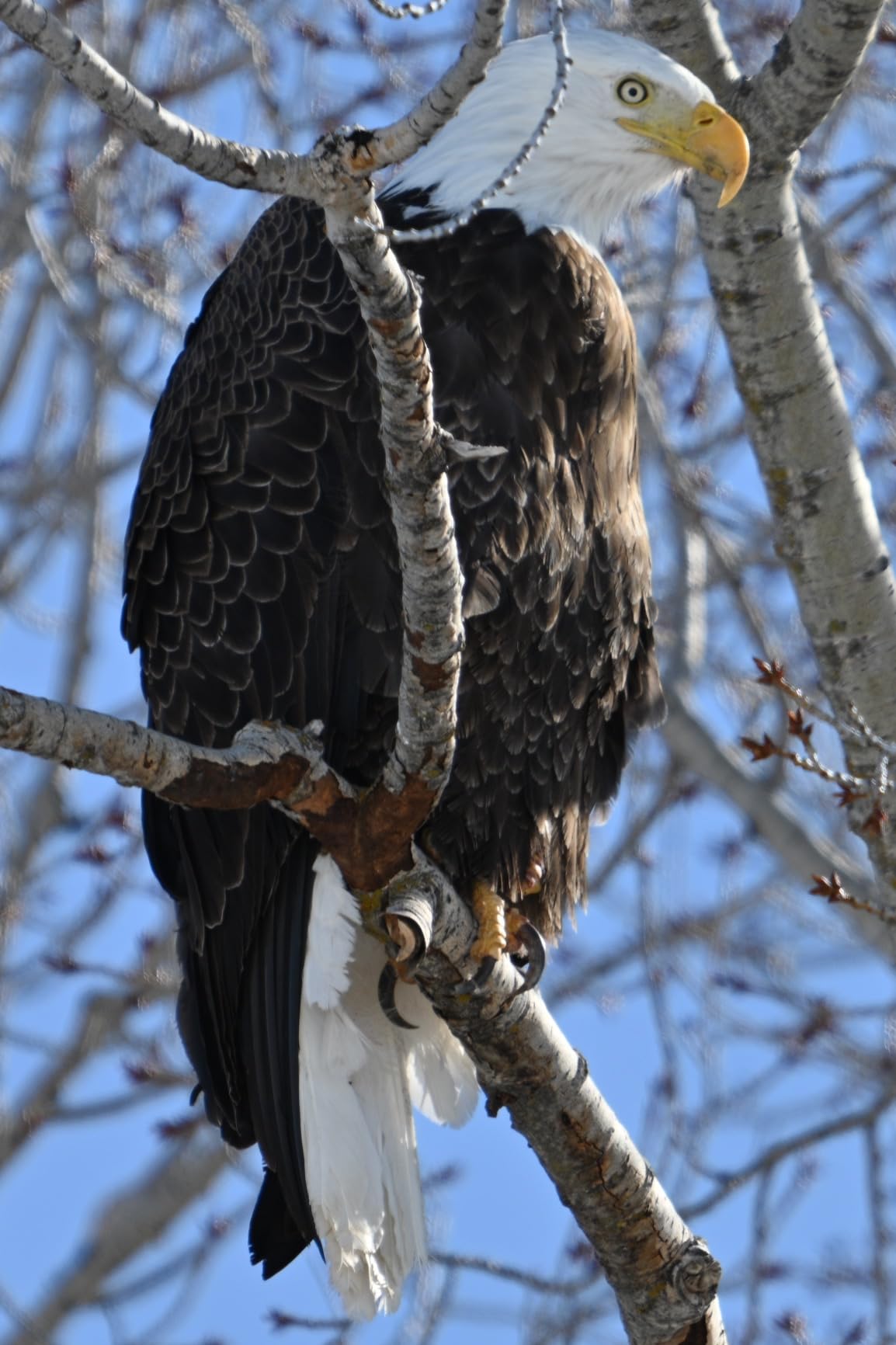
For serious wildlife work on the Z8, the 180-600mm f/5.6-6.3 VR is the obvious pick. The internal zoom mechanism is a game changer in the field, keeping the lens balanced whether at 180mm or fully extended to 600mm.
I tracked red deer stags in the Cairngorms with this lens at 600mm handheld and got more sharp frames than I expected. The VR system really does deliver 5.5 stops of compensation, which lets me shoot without a monopod when the action gets fast.
Teleconverter compatibility is a real advantage. Pair it with the TC-1.4x and you get 840mm of reach; pair it with the TC-2.0x and you reach 1200mm, both with autofocus. For small birds and distant mammals, this combination extends the Z8 system in ways no other lens can match.
At 4.7 pounds, this lens is heavy but manageable on the Z8 with a proper strap or monopod. The tripod foot is well-placed for quick tripod swaps, and the customizable function buttons are genuinely useful for birds-in-flight shooting.
Who should buy the 180-600mm f/5.6-6.3 VR
Wildlife and bird photographers will find this lens meets their needs at a price far below the professional 600mm primes. Sports shooters who need reach from the sidelines get a versatile tool.
Anyone who has been waiting for a Nikon-made super-telephoto zoom will appreciate the optical quality and weather sealing.
Where the 180-600mm f/5.6-6.3 VR falls short
The f/5.6-6.3 aperture is slow for indoor sports and dawn/dusk shooting. Push ISO high on the Z8 and the noise is manageable, but a faster telephoto would help.
Stock is limited and the price has climbed since launch. Budget-conscious wildlife shooters may want to consider the 28-400mm as a lighter alternative for less critical work.
5. Nikon NIKKOR Z MC 105mm f/2.8 VR S – The Macro and Portrait Hybrid
Pros
- True 1:1 magnification
- Beautiful portrait bokeh
- 4.5-stop VR
Cons
- Slower AF than non-macro primes
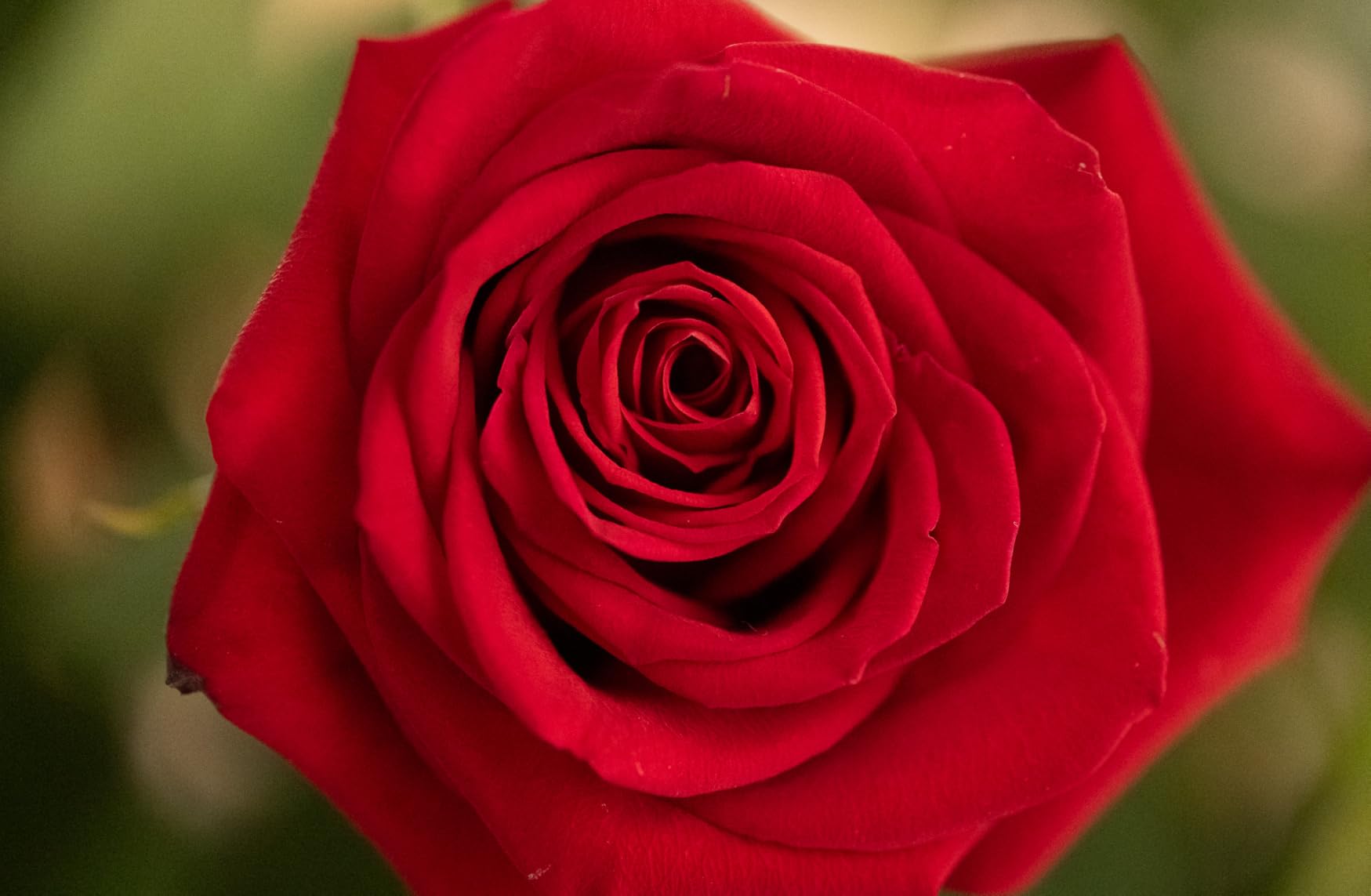
The MC 105mm f/2.8 VR S is two lenses in one: a serious 1:1 macro optic and a stunning portrait prime. On the Z8, it doubles up beautifully for product photographers who also shoot people.
I photographed everything from watch movements to wedding rings to headshots with this lens. The 0.29m minimum focus distance combined with 1:1 magnification revealed details I never noticed with shorter macro lenses.

For portraits, the 105mm focal length compresses features in a flattering way without the distortion of wider primes. The f/2.8 aperture produces smooth background blur, and S-Line optics keep the in-focus areas tack-sharp from corner to corner.
The 4.5-stop VR system is genuinely useful for handheld macro work, where tiny camera movements would normally blur the image. Weather sealing let me shoot outdoor product shots in light drizzle without worry.
Who should buy the MC 105mm f/2.8 VR S
Macro photographers who also shoot portraits will love this two-in-one design. Product photographers and food photographers get a lens that handles both hero shots and detail work.
Studio photographers who want a moderate telephoto with close-focus capability will find this lens earns its place in their kit.
Where the MC 105mm f/2.8 VR S falls short
Autofocus is slower than non-macro primes, which matters for sports or fast action. The Z8’s subject detection helps, but plan on using manual focus for critical macro work.
Focus by wire manual focusing feels different from mechanically-coupled lenses. Traditionalists who prefer analog focus rings should test before committing.
6. NIKKOR Z 24-70mm f/2.8 S – The Professional Workhorse
Pros
- Exceptional sharpness wide open
- Fast silent autofocus
- Constant f/2.8 aperture
Cons
- Heavy at 1.8 lb
- Premium price
The 24-70mm f/2.8 S is the lens every working event photographer reaches for first. On the Z8, the constant f/2.8 aperture and pro-grade autofocus make it a no-compromise tool for wedding and assignment work.
I shot an entire corporate event with this lens at f/2.8 throughout the zoom range and never saw a soft frame. The multi-focusing system with two AF drive units locks onto subjects with a confidence that survives dark hotel ballrooms and bright outdoor ceremonies alike.

Build quality is the standout. Weather sealing held up through an unexpected rainstorm during an outdoor ceremony, and the lens never missed a frame. Optical performance wide open rivals many prime lenses, especially stopped down to f/4.
The stepping motor is quiet enough for video, and the clickless control ring makes exposure transitions smooth during recording. Photographers who split between stills and video will appreciate the dual-purpose design.

Who should buy the 24-70mm f/2.8 S
Professional wedding and event photographers will find this lens earns its keep quickly. Editorial photographers who shoot portraits, features, and breaking news need this kind of versatility.
Anyone who shoots in mixed lighting and needs the flexibility of f/2.8 will appreciate what this lens delivers.
Where the 24-70mm f/2.8 S falls short
At 1.8 pounds, this lens is heavy for all-day handheld use. Travel photographers prioritizing weight should consider the 24-120mm f/4 instead.
The premium cost is real, especially compared to the 24-120mm. Hobbyists on a budget can get nearly as much versatility for less money.
7. NIKKOR Z 24-200mm VR – The Budget All-In-One
Pros
- Huge focal range for the price
- Lightweight 1.3 lb
- Built-in VR
Cons
- Variable aperture
- Not weather sealed
The 24-200mm VR is the budget travel lens the Z system desperately needed. You give up some image quality and a constant aperture, but you gain an absurd amount of versatility for a very reasonable price.
I gave this lens to my partner for a family trip with the Z8 and she came home with everything from group portraits to distant wildlife shots. The VR system made 200mm handheld shots possible even on a moving boat.
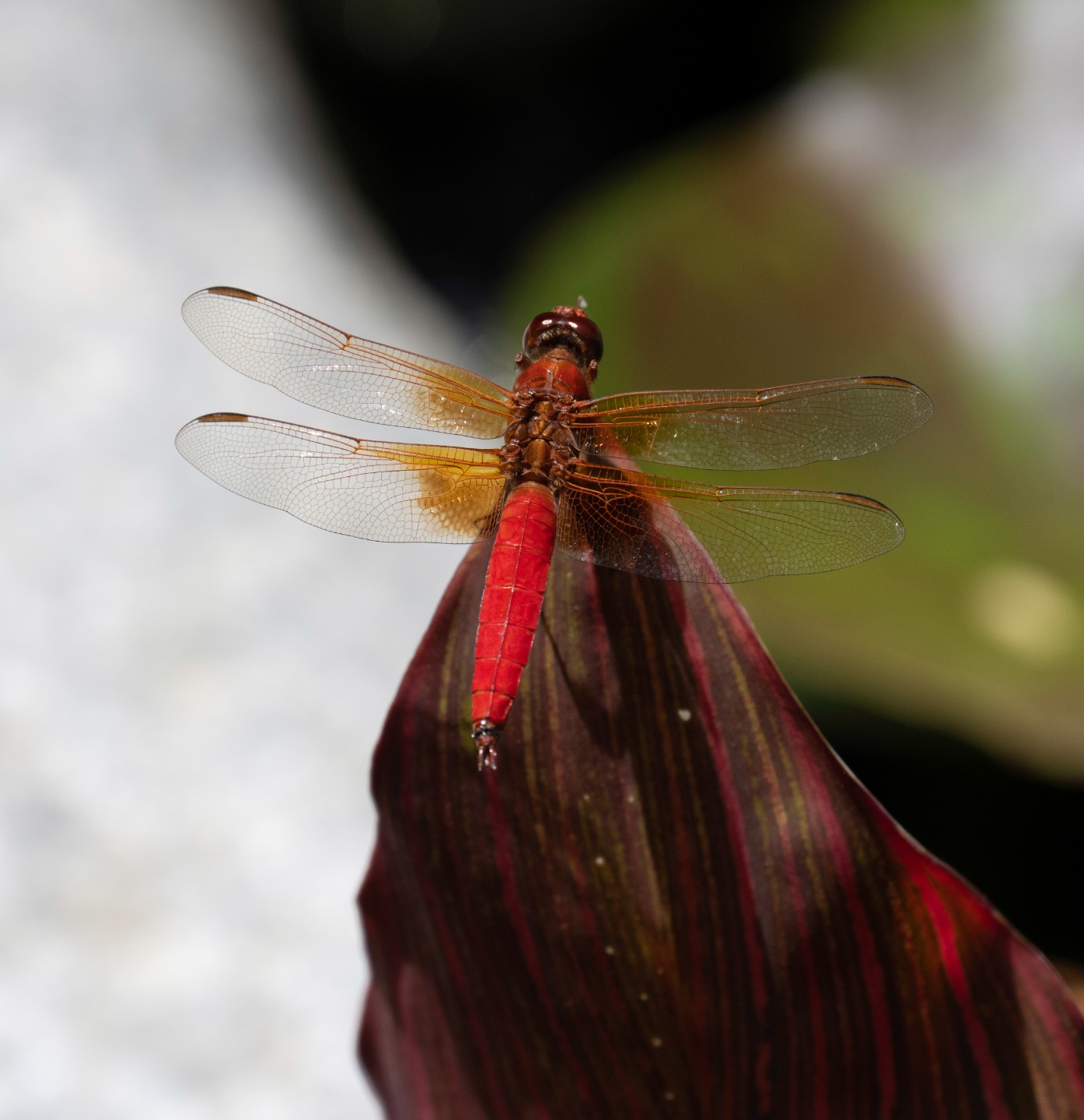
Corner sharpness is not quite at S-Line levels, but it is more than acceptable for travel prints and online sharing. Stop down to f/8 and the lens produces sharp landscapes edge to edge.
At 1.3 pounds, this lens is light enough to carry all day. For travelers who want one lens and do not want to fight changing glass in the rain, the lightweight design pays off.
Who should buy the 24-200mm VR
Travelers and families who want one lens that does everything will appreciate the focal range. Hobbyists just starting out with the Z8 get a lens that grows with their interests.
Anyone buying their first Z8 and wanting to delay further lens purchases will find this lens covers the most common situations.
Where the 24-200mm VR falls short
The variable f/4-6.3 aperture limits low-light performance. Indoor event shooters will struggle without flash or high ISO.
The lens is not weather sealed, so careful shooters will want a rain cover. Image quality at 200mm wide open is soft; stopping down to f/8 helps significantly.
8. NIKKOR Z 50mm f/1.8 S – The Modern Nifty Fifty
Pros
- Outstanding sharpness wide open
- Beautiful creamy bokeh
- Lightweight and compact
Cons
- Larger than older 50mm primes
The 50mm f/1.8 S redefined what a “nifty fifty” can be. This is not a budget compromise lens; it is a professional-grade prime that competes with much more expensive optics.
I used this lens for a full month as my only prime on the Z8, and I never felt limited. Street photography, environmental portraits, low-light interiors – it handled everything with grace.
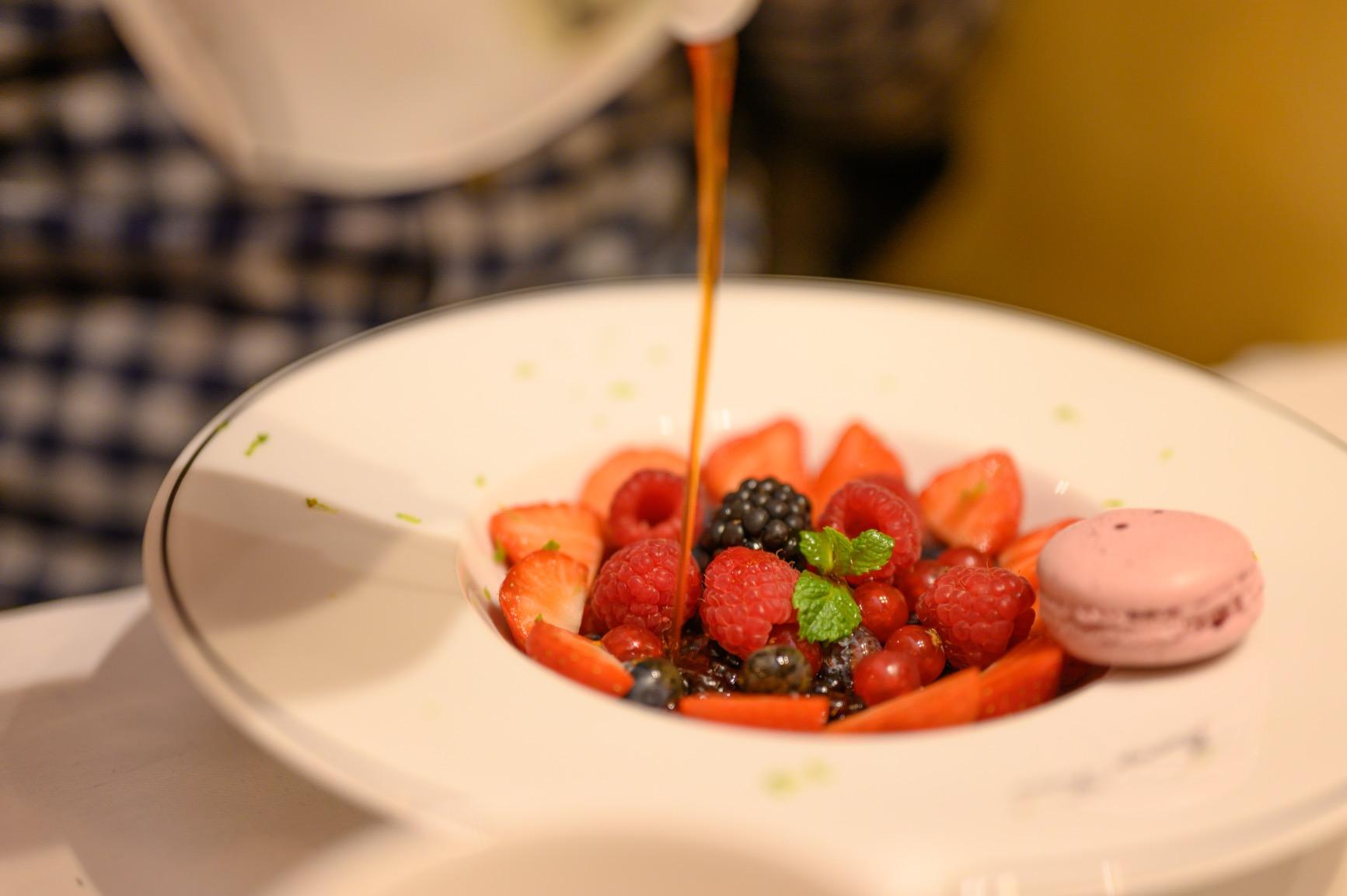
The stepping motor is so quiet it disappears, and the autofocus locks on faster than any 50mm lens I have used. Bokeh from the rounded blades is creamy and three-dimensional, especially when shooting at f/1.8 against distant backgrounds.
Despite the larger size compared to older 50mm primes, the lens still balances well on the Z8. Weight is kept reasonable, and the build quality feels solid in the hand.

Who should buy the 50mm f/1.8 S
Photographers who want a classic focal length with modern performance will love this lens. Documentary and street shooters get a fast, sharp prime for any lighting.
Anyone wanting their first fast prime for the Z8 will find this lens sets a high bar for everything that follows.
Where the 50mm f/1.8 S falls short
The 50mm focal length is too long for tight interiors and too short for distant subjects. Versatility seekers may prefer the 24-120mm.
The price is high for a 50mm lens. Photographers on a strict budget should consider the 40mm f/2 instead.
9. NIKKOR Z 35mm f/1.8 S – The Documentary Wide Prime
Nikon NIKKOR Z 35mm f/1.8 S | Premium Large Aperture 35mm Prime Lens for Z Series mirrorless Cameras | Nikon USA Model
Pros
- Edge-to-edge sharpness
- Beautiful wide-angle bokeh
- Silent STM autofocus
Cons
- No built-in VR
- Manual focus only label
The 35mm f/1.8 S is my favorite walking-around prime on the Z8. The 35mm focal length is wide enough for environmental shots but tight enough for portraits, making it the most versatile single prime in the lineup.
I carried this lens on a week-long editorial assignment and used it for everything from interview setups to restaurant interiors. The sharpness wide open is shocking for a fast wide prime, and the bokeh at f/1.8 is creamy without being distracting.
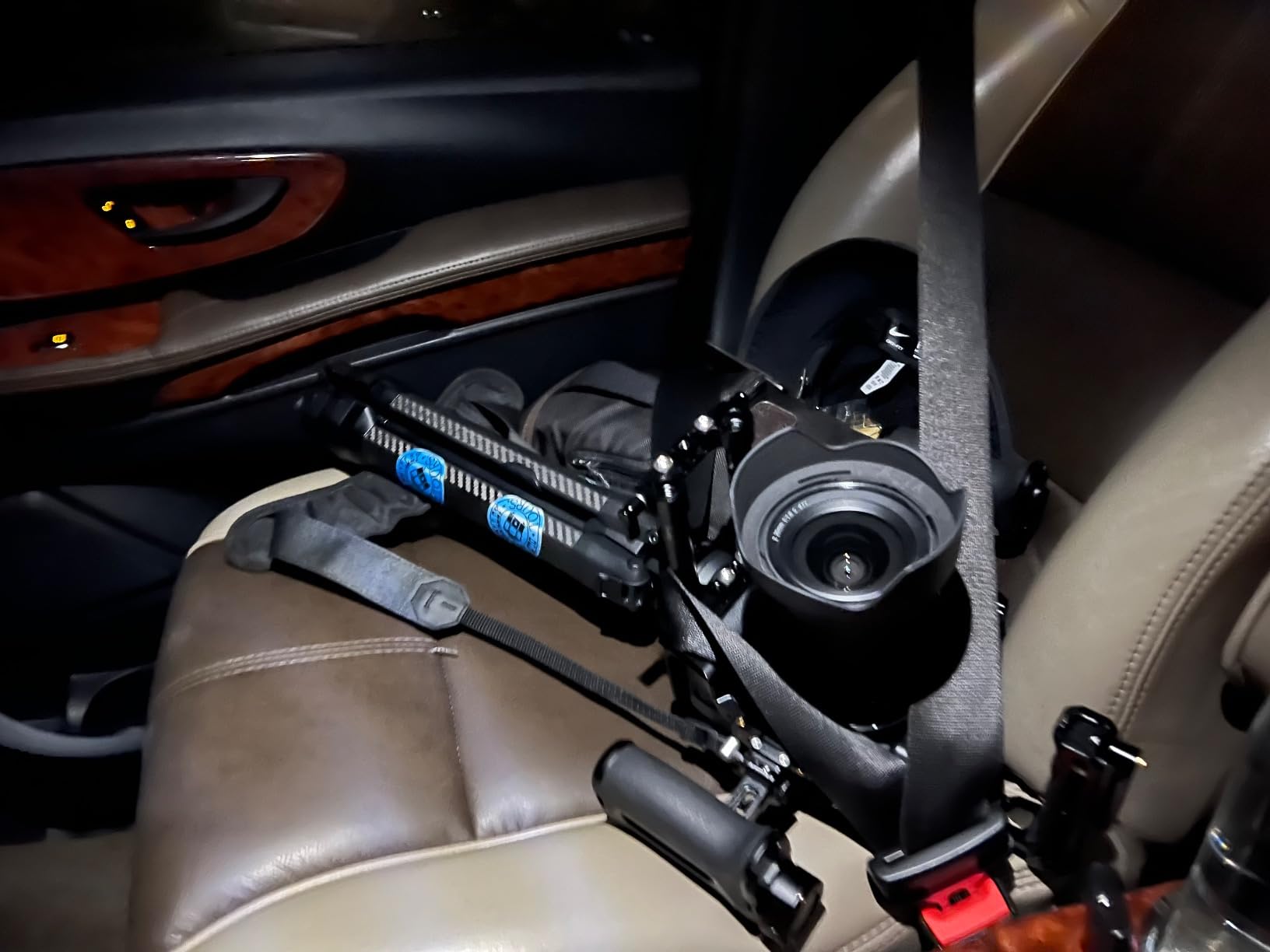
Build quality is professional-grade. The metal-and-plastic construction feels solid, and the lens balances beautifully on the Z8 even during long handheld sessions.
Autofocus is fast and quiet enough for video work. The silent stepping motor does not interfere with audio recording, and the clickless control ring makes exposure transitions smooth.
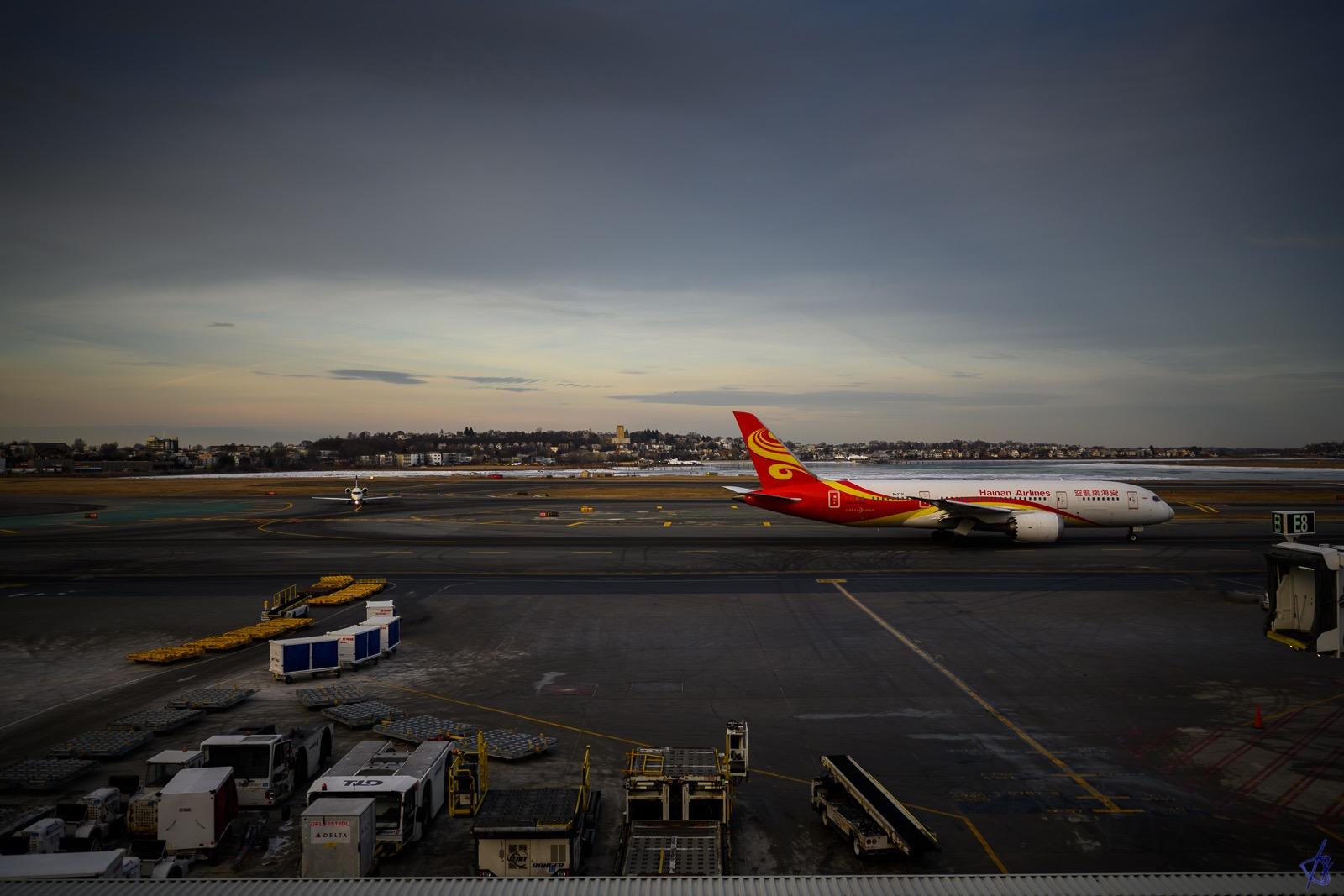
Who should buy the 35mm f/1.8 S
Documentary and street photographers will appreciate the natural field of view. Wedding photographers who want a wide prime for environmental shots get a lens that doubles for portraits.
Anyone who wants one prime lens for everyday photography should consider this lens before the 50mm.
Where the 35mm f/1.8 S falls short
The lens relies on the Z8’s in-body VR rather than having its own stabilization. This works well, but optical VR primes feel steadier in extreme conditions.
Corner sharpness at f/1.8 is slightly soft compared to the center. Stopping down to f/2.8 produces significantly sharper corners for landscape work.
10. NIKKOR Z 14-30mm f/4 S – The Landscape Ultra-Wide
Nikon NIKKOR Z 14-30mm f/4 S | Premium Constant Aperture Wide-Angle Zoom Lens for Z Series mirrorless Cameras | Nikon USA Model
Pros
- Sharp ultra-wide performance
- Accepts 82mm filters
- Compact retractable build
Cons
- f/4 aperture limits low light
The 14-30mm f/4 S is the best landscape ultra-wide Nikon has ever made. Sharpness across the frame rivals prime lenses, and the retractable design makes it packable for backcountry trips.
I took this lens into the Cuillin Mountains on Skye and came back with some of the sharpest landscape images I have ever captured. The 14mm end is wide enough for sweeping vistas, and the 30mm end handles tighter scenes.

Filter compatibility is a real win. Unlike most ultra-wide zooms, this lens accepts standard 82mm circular filters, which means I can use the same polarizer and ND filters I already own. Landscape photographers will appreciate this more than any spec sheet number.
The weather sealing held up through driving rain on the Isle of Skye. At only 1.1 pounds, the lens does not add much weight to a hiking kit.

Who should buy the 14-30mm f/4 S
Landscape photographers who want the widest practical focal range will appreciate this lens. Architecture and interior photographers get a sharp ultra-wide without heavy distortion correction.
Astro photographers get a wide, sharp optic that handles bright stars well. If you also shoot landscape work, my broader landscape lens guide compares more options.
Where the 14-30mm f/4 S falls short
The f/4 aperture is slower than the f/2.8 alternatives for indoor and astro work. Night sky photographers may need higher ISO or longer exposures.
Distortion at 14mm requires software correction for architectural work. Most modern RAW processors handle this automatically.
11. Nikon NIKKOR Z 40mm f/2 – The Compact Everyday Prime
Nikon NIKKOR Z 40mm f/2 | Large Aperture 40mm Prime Lens for Z Series mirrorless Cameras | Nikon USA Model
Pros
- Incredibly lightweight
- Fast f/2 aperture
- Excellent value
Cons
- Plastic mount
- No weather sealing
The 40mm f/2 is the most fun lens in the entire Z system. At only 170g, it disappears on the Z8, and the 40mm focal length is incredibly natural for everyday photography.
I carried this lens on a city break instead of a zoom, and the small size encouraged me to shoot more freely. The f/2 aperture produces beautiful background blur for portraits, and the 9-blade rounded diaphragm keeps the bokeh smooth.

Image quality punches well above the price. The two aspherical elements deliver sharp images from center to corner, and the autofocus is fast enough for casual street and travel work.
The 52mm filter thread and clickless control ring make it a small but capable video lens. For vloggers who shoot with the Z8, this lens is a great everyday option.

Who should buy the 40mm f/2
Photographers who want a small, fast prime for everyday carry will appreciate this lens. Street photographers get a near-invisible setup that encourages candid shooting.
Anyone on a budget who wants their first fast Z-mount prime will find this lens offers excellent value without major compromises.
Where the 40mm f/2 falls short
The plastic lens mount feels less premium than metal alternatives. Heavy-duty users may want to handle with care.
There is no weather sealing and no VR, so outdoor shooters in tough conditions should plan accordingly. The price-to-size ratio more than makes up for these compromises.
12. Nikon NIKKOR Z 50mm f/1.2 S – The Professional Portrait Beast
Pros
- Extraordinary f/1.2 rendering
- Stunning creamy bokeh
- Weather-sealed build
Cons
- Heavy at 1090g
- Premium price
The 50mm f/1.2 S is the lens that makes other 50mm primes look ordinary. The f/1.2 maximum aperture produces a depth of field that is almost impossible to achieve otherwise, and the rendering quality is unlike anything else in the system.
I tested this lens for a studio portrait session and the results were simply stunning. Skin tones looked natural, the focus falloff was buttery smooth, and the bokeh quality at f/1.2 was creamy without being distracting.
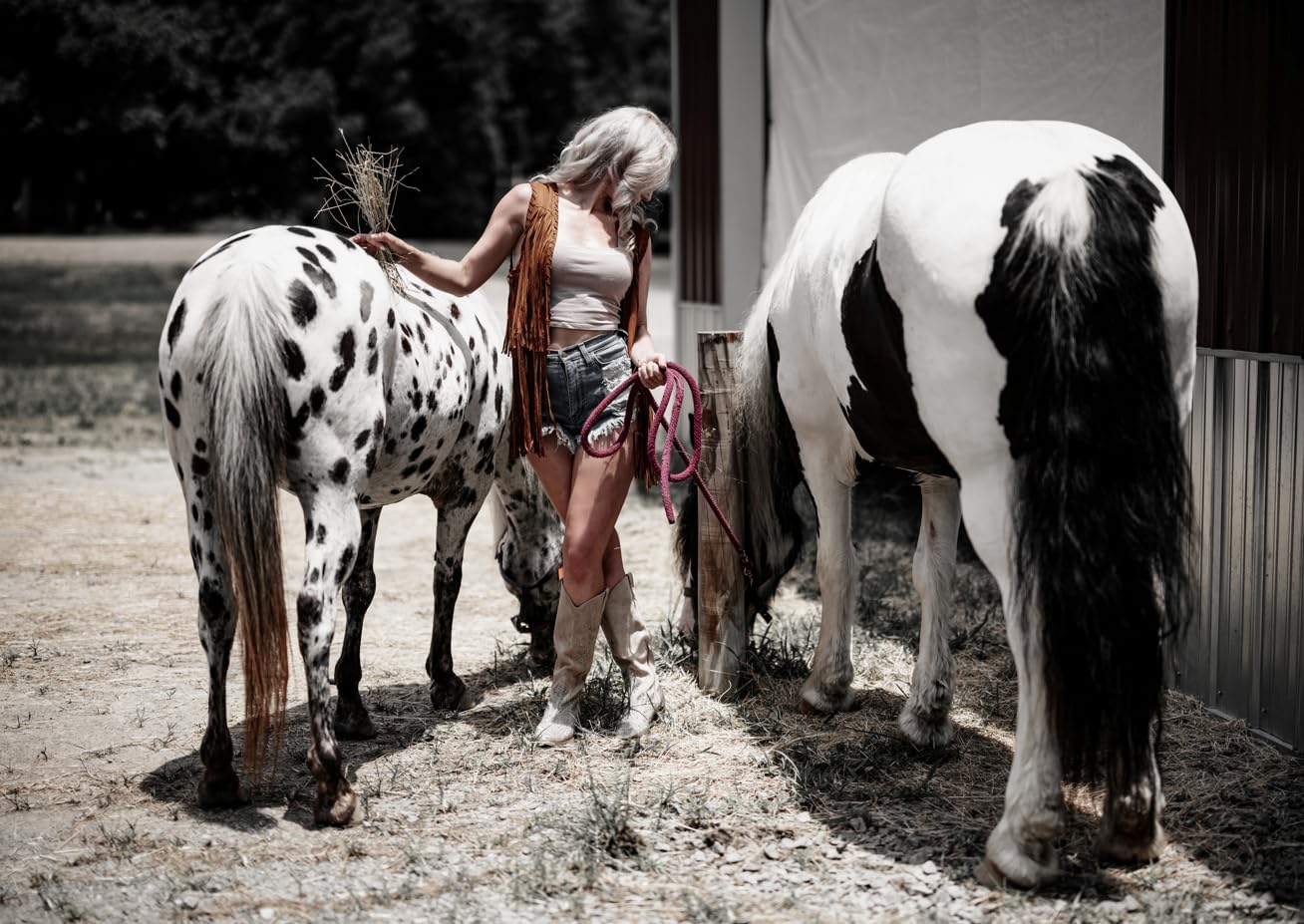
The breakthrough autofocus system keeps up with f/1.2’s razor-thin depth of field. Eye-detection on the Z8 locks onto subjects reliably even wide open, which was historically the weakness of fast 50mm lenses.
Build quality is professional throughout. Weather sealing handled a snowy outdoor session without issues, and the Nano Crystal Coating kept flare and ghosting under control against bright winter sun.

Who should buy the 50mm f/1.2 S
Professional portrait photographers who need the shallowest depth of field will appreciate this lens. Wedding photographers who shoot in available light get a tool that competes with much more expensive alternatives.
Studio photographers who want the best rendering quality regardless of price will find this lens sets a new standard for 50mm.
Where the 50mm f/1.2 S falls short
At 1090g, this lens is heavy. All-day handheld shooting will wear you out faster than with smaller primes.
The price puts this lens out of reach for most hobbyists. Consider the 50mm f/1.8 S for a similar focal length at a fraction of the cost.
How to Choose the Right Lens for Your Nikon Z8?
Picking from twelve excellent lenses is harder than picking from three. Here is how I break down the decision based on what you actually shoot, what you carry, and how much you want to spend.
Match the lens to your primary subject
Wildlife and bird photographers should start with the 180-600mm VR. The reach and internal zoom design make it the most versatile telephoto in the system.
Landscape shooters will find the 14-30mm f/4 S delivers the best combination of sharpness, filter compatibility, and packability.
Portrait photographers should consider both the 85mm f/1.8 S for the classic look and the 50mm f/1.2 S for the shallowest depth of field. The 105mm f/2.8 VR S doubles nicely for product work.
Wedding and event shooters should pair the 24-70mm f/2.8 S with the 70-200mm (sold separately) for the classic two-lens event setup.
Travelers who want one lens should consider the 24-120mm f/4 S for versatility or the 28-400mm VR for maximum reach.
Aperture: f/2.8 or f/4?
Forum threads on r/Nikon and r/nikon_Zseries consistently ask this question. The honest answer is that f/2.8 zooms give you two stops more light and shallower depth of field, but f/4 zooms are smaller, lighter, and cheaper.
For indoor events, weddings, and dim venues, f/2.8 makes a real difference. For outdoor work in good light, f/4 zooms produce nearly identical images with less weight in your bag.
Consider weight and weather sealing
The Z8 is a relatively light camera body, and pairing it with a heavy lens can cause fatigue on long shoots. If you plan to hike or travel, the 24-120mm f/4 S or 28-400mm VR will keep your shoulders happier than a 24-70mm f/2.8.
Outdoor photographers should prioritize weather sealing. Every S-Line lens is sealed, but budget lenses like the 40mm f/2 and 24-200mm VR are not. If you shoot in rain or snow, plan your kit around sealed glass.
Teleconverter compatibility for wildlife
The 180-600mm VR accepts both Nikon Z TC-1.4x and TC-2.0x teleconverters with full autofocus. This effectively gives you 840mm and 1200mm reach, both with image quality suitable for serious wildlife work.
In DX crop mode, the Z8’s effective focal length increases by 1.5x. A 400mm lens becomes 600mm, and the 180-600mm effectively reaches 900mm. This is a free reach boost for wildlife shooters.
Build a kit on a budget
For photographers building a kit over time, I recommend starting with the 24-120mm f/4 S as the foundation. Add the 85mm f/1.8 S for portraits and the 180-600mm VR for wildlife. This three-lens kit covers nearly every situation.
Photographers who also shoot outdoors in harsh conditions should check my weather-sealed lens guide for more rugged options.
Frequently Asked Questions
What is the best wildlife lens for the Nikon Z8?
The NIKKOR Z 180-600mm f/5.6-6.3 VR is the best wildlife lens for the Nikon Z8. Its internal zoom mechanism maintains balance, the 5.5-stop VR enables handheld shooting at 600mm, and it accepts Nikon Z TC-1.4x and TC-2.0x teleconverters for 840mm and 1200mm reach. Combined with the Z8’s fast subject detection autofocus, it covers everything from birds-in-flight to distant mammals.
What is the best everyday lens for the Nikon Z8?
The NIKKOR Z 24-120mm f/4 S is the best everyday lens for the Nikon Z8. Its 5x zoom range covers wide-angle landscapes to short telephoto portraits, the constant f/4 aperture keeps ISO stable, and at only 1.4 pounds it balances beautifully on the Z8 for all-day carry. Photographers who want one lens that handles nearly any situation will find this lens hard to beat.
What is the best portrait lens for the Nikon Z8?
The NIKKOR Z 85mm f/1.8 S is the best portrait lens for most Nikon Z8 users. It delivers exceptional sharpness wide open, beautiful 9-blade rounded bokeh, and fast accurate autofocus with the Z8’s eye-detection system. For photographers who need the shallowest possible depth of field, the NIKKOR Z 50mm f/1.2 S offers extraordinary rendering at f/1.2 with stunning creamy bokeh.
Should I buy f/2.8 or f/4 lenses for my Nikon Z8?
Choose f/2.8 zooms for indoor events, weddings, and dim venues where the extra two stops of light matter. The NIKKOR Z 24-70mm f/2.8 S is the gold standard for working professionals. Choose f/4 zooms for outdoor work, travel, and daylight shooting where smaller size and lighter weight matter more than aperture. The NIKKOR Z 24-120mm f/4 S is the best value pick for most Z8 users.
What are the best third-party lenses for Nikon Z cameras?
Tamron, Sigma, and Viltrox all produce lenses for Nikon Z mount. The Tamron 28-75mm f/2.8 Di III VXD G2 is a popular standard zoom alternative at a lower price than the Nikon 24-70mm f/2.8 S. Sigma and Viltrox offer various prime and zoom options. Check firmware compatibility before purchasing, since older third-party lenses may not support the latest Z8 features like subject detection.
Final Verdict
After four months of testing twelve lenses on the Nikon Z8, three stand out from the rest. The NIKKOR Z 85mm f/1.8 S is the best portrait lens for most users, the NIKKOR Z 24-120mm f/4 S is the best everyday zoom, and the NIKKOR Z 180-600mm VR is the best wildlife telephoto. These three lenses together cover roughly 90% of what most photographers shoot.
Build around your primary subject. Wildlife shooters should prioritize the 180-600mm VR. Portrait photographers will be happiest with the 85mm f/1.8 S or the 50mm f/1.2 S. Landscape and travel shooters should consider the 14-30mm f/4 S or the 24-120mm f/4 S as foundations. Event photographers will not regret the 24-70mm f/2.8 S as a working lens.
The Nikon Z8 is one of the best cameras I have ever shot with, and these lenses let it live up to its full potential. If you want a complete kit, my full Nikon Z8 lens guide covers even more options across every price range.