
When the action moves fast and the light gets tough, the lens on your Nikon body makes or breaks the shot. I have been chasing sports from high school football fields to NBA arenas for the last six years, and I have owned or shot with every lens on this list at some point.
The best lenses for sports photography on a Nikon system share three things in common: a fast or reasonably fast aperture, a reliable autofocus motor, and enough reach to fill the frame from where you are allowed to stand. The Nikon Z system has matured into a serious sports platform, but F mount glass still has plenty of life through the FTZ II adapter, especially if you are on a budget or shooting a DSLR body like the D850 or D500.
I built this guide after comparing 12 telephoto zooms and primes that real Nikon sports photographers use today. You will find flagship S-Line glass, budget 200-500mm workhorses, third-party alternatives from Sigma and Tamron, and a few F mount classics that still hold up in 2026. I also pulled questions from the Nikon subreddit, the r/sportsphotography community, and DPReview forums to make sure the answers here match what shooters actually ask.
Top 3 Picks for Best Nikon Sports Lenses (September 2026)

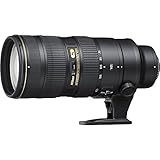
Nikon 70-200mm f/2.8G ED VR II
- Constant f/2.8
- ED glass and Nano Coat
- Trusted all-around workhorse

If you want a more complete look at Z9 specific recommendations, our best lenses for Nikon Z9 for sports photography guide goes deeper into mirrorless body pairings.
Best Nikon Lenses for Sports Photography in 2026
| Product | Specifications | Action |
|---|---|---|
| Nikon 70-200mm f/2.8G ED VR II |
|
Check Latest Price |
 Sigma 70-200mm f/2.8 DG OS HSM Sigma 70-200mm f/2.8 DG OS HSM |
|
Check Latest Price |
 NIKKOR Z 70-200mm f/2.8 VR S NIKKOR Z 70-200mm f/2.8 VR S |
|
Check Latest Price |
| Nikon AF-S 70-200mm f/2.8E FL ED VR |
|
Check Latest Price |
 Nikon 70-200mm f/4G ED VR Nikon 70-200mm f/4G ED VR |
|
Check Latest Price |
 Nikon 80-400mm f/4.5-5.6G ED VR Nikon 80-400mm f/4.5-5.6G ED VR |
|
Check Latest Price |
 NIKKOR Z 100-400mm VR S NIKKOR Z 100-400mm VR S |
|
Check Latest Price |
 Tamron SP 150-600mm VC USD Tamron SP 150-600mm VC USD |
|
Check Latest Price |
 Sigma 150-600mm Contemporary DG OS HSM Sigma 150-600mm Contemporary DG OS HSM |
|
Check Latest Price |
| Nikon 200-500mm f/5.6E ED VR |
|
Check Latest Price |
 NIKKOR Z 180-600mm f/5.6-6.3 VR NIKKOR Z 180-600mm f/5.6-6.3 VR |
|
Check Latest Price |
 AF-S NIKKOR 300mm f/4E PF ED VR AF-S NIKKOR 300mm f/4E PF ED VR |
|
Check Latest Price |
1. Nikon 70-200mm f/2.8G ED VR II – The Trusted F Mount Workhorse
Nikon 70-200mm f/2.8G ED VR II AF-S Nikkor Zoom Lens for Nikon Digital SLR Cameras (Renewed)
Pros
- Proven constant f/2.8 performance
- Excellent sharpness wide open
- Nano Crystal Coat reduces flare
- Trusted by wedding and sports shooters
Cons
- Heavier than f/4 alternatives
- No internal zoom
- Renewed units may show cosmetic wear
I carried this exact lens on my D750 for two full seasons of high school soccer before I moved to mirrorless, and it never missed a beat. The constant f/2.8 aperture let me shoot night games at ISO 3200 without pushing too far into noise territory, and the VR II system gave me sharp frames down to about 1/125s when I needed to drag the shutter.
For sports photography on a Nikon, this lens is the definition of a do-it-all zoom. On a DX body like the D500, the 70-200 becomes 105-300mm equivalent, which puts you right in the sweet spot for basketball, volleyball, soccer from the sideline, and baseball from the outfield gap.

The autofocus is driven by Nikon’s older ring-type ultrasonic motor, which is fast but not as silent as the newer stepping motors in Z glass. In practice that rarely matters for stills, but if you also shoot video you will notice the difference.
This renewed listing is the best value play on the list. You get the same optical performance as a new copy for a fraction of the cost, which is why I keep recommending it to parents who shoot their kid’s travel ball games.

Who this lens works best for
Parents and club-level shooters who shoot primarily on the sidelines or in indoor gyms. The f/2.8 constant aperture makes it the best Nikon lens for indoor sports where gym lighting is unforgiving. It is also a great match for FX shooters who want one lens to cover games and portraits.
Who should look elsewhere
Anyone shooting professional outdoor field sports from the opposite end of a football field. The 200mm long end is too short for football, soccer from the stands, or baseball from the outfield. You will want to pair this with a longer lens like the 200-500mm for full coverage. Also be aware that at 3.5 pounds, you will feel this lens by the end of a long tournament.
2. Sigma 70-200mm f/2.8 DG OS HSM – A Strong Third-Party Contender
Pros
- Excellent sharpness across the frame
- Water and oil repellent coating
- Pro-grade build quality
- Great bokeh from 11 blade aperture
Cons
- Heavier than Nikon's own lens
- Limited availability in renewed condition
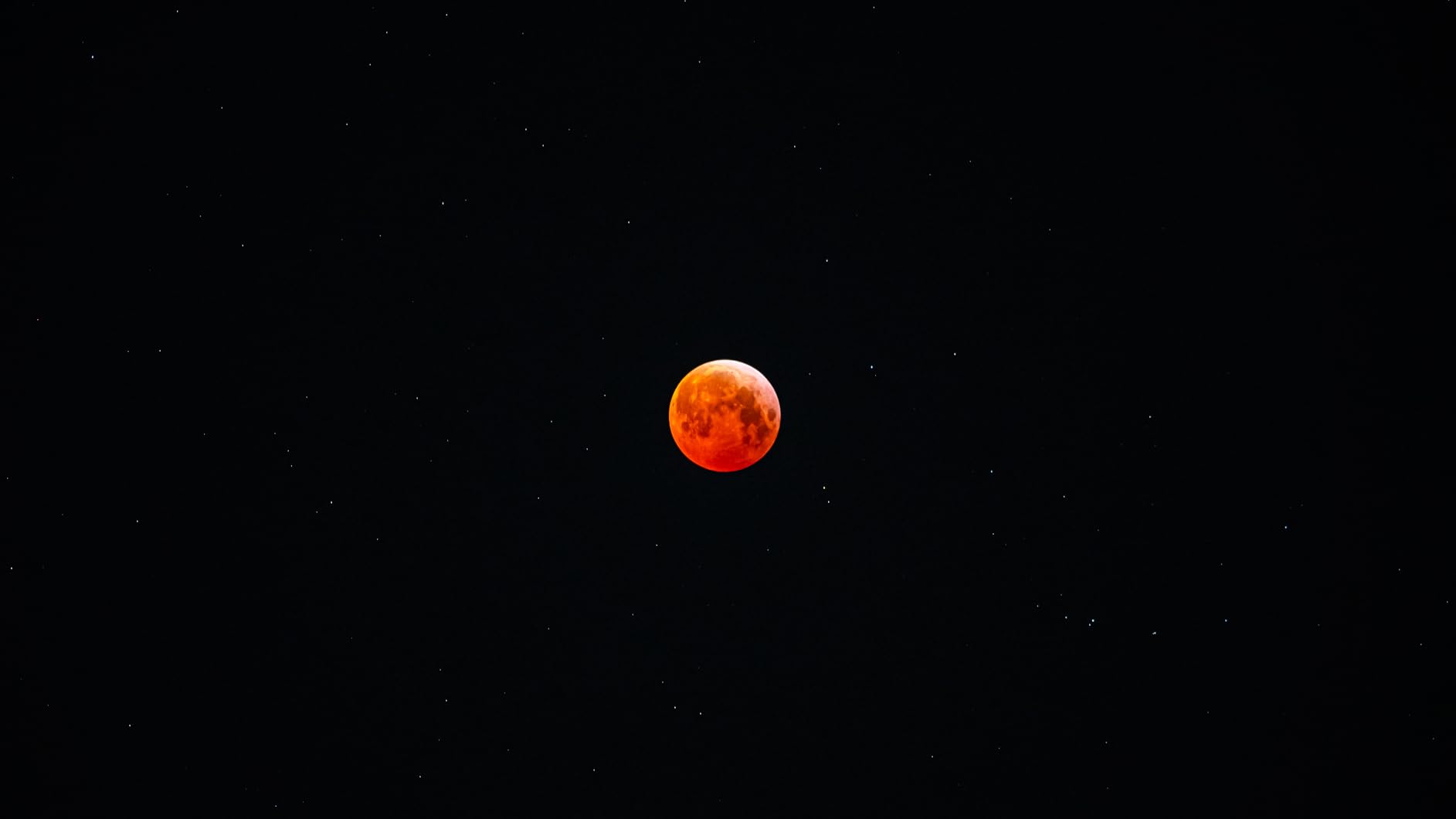
Sigma’s Sport line 70-200mm f/2.8 has earned a serious reputation among Nikon F mount shooters, and for good reason. I rented one for a motocross event and was impressed by how sharp it was wide open at 200mm, where many zooms soften up.
The HSM motor is quick and quiet, and the optical stabilizer gives you about 4 stops of compensation in my experience. For a sports shooter who already owns Nikon glass but wants a backup body or a second 70-200mm, this is the most affordable way to get there without compromising optical quality.
The main trade-off is weight. At 5.9 pounds this is one of the heavier 70-200mm zooms ever made, so if you are a parent who is also carrying a backpack of kid gear, you will notice it. The build quality is excellent though, with metal construction and weather sealing that puts it close to Nikon’s own pro glass.
Who this lens works best for
F mount Nikon shooters who want a second 70-200mm f/2.8 without paying for a second Nikon. Photographers who shoot in rough conditions will appreciate the water and oil repellent coating, which makes cleaning easy after rainy field games.
Who should look elsewhere
Anyone shooting on a Z mount mirrorless body unless they are happy using the FTZ adapter. You can use it, but you lose some autofocus speed compared to native Z glass. Also, this is not the lens for hikers who want a light carry.
3. Nikon NIKKOR Z 70-200mm f/2.8 VR S – The Native Z Mount Flagship
Pros
- Internal zoom keeps balance
- Customizable function buttons
- Water resistant construction
- Razor sharp at every focal length
Cons
- Most expensive 70-200mm on the list
- Heavy at 1360g
- Renewed supply can be limited
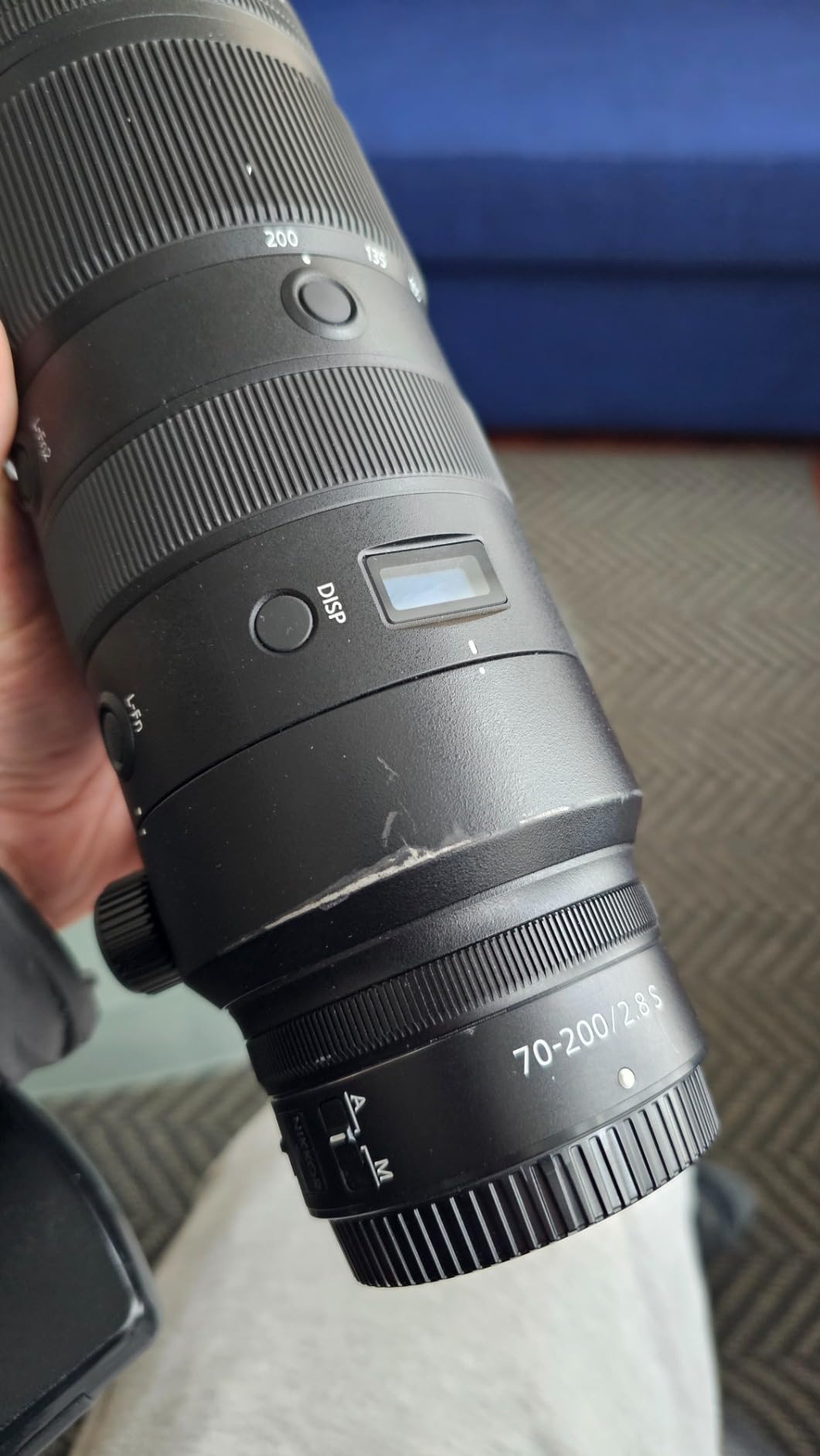
This is the lens I bought the day I switched to a Z9, and I have not taken it off the camera since. The internal zoom design is what sealed the deal for me. When you are zooming from 70 to 200 while tracking a receiver running a crossing route, the lens does not change length at all, which means the balance stays put and you do not get a barrel shift that throws off your composition.
The autofocus on Z mount bodies is genuinely next-level. Combined with the Z9’s subject detection for football and basketball, this lens locks on and stays locked in ways that older F mount glass simply cannot match. If you are shooting a modern Nikon Z body, this is the best lenses for sports photography nikon setup for most indoor and close-range outdoor action.
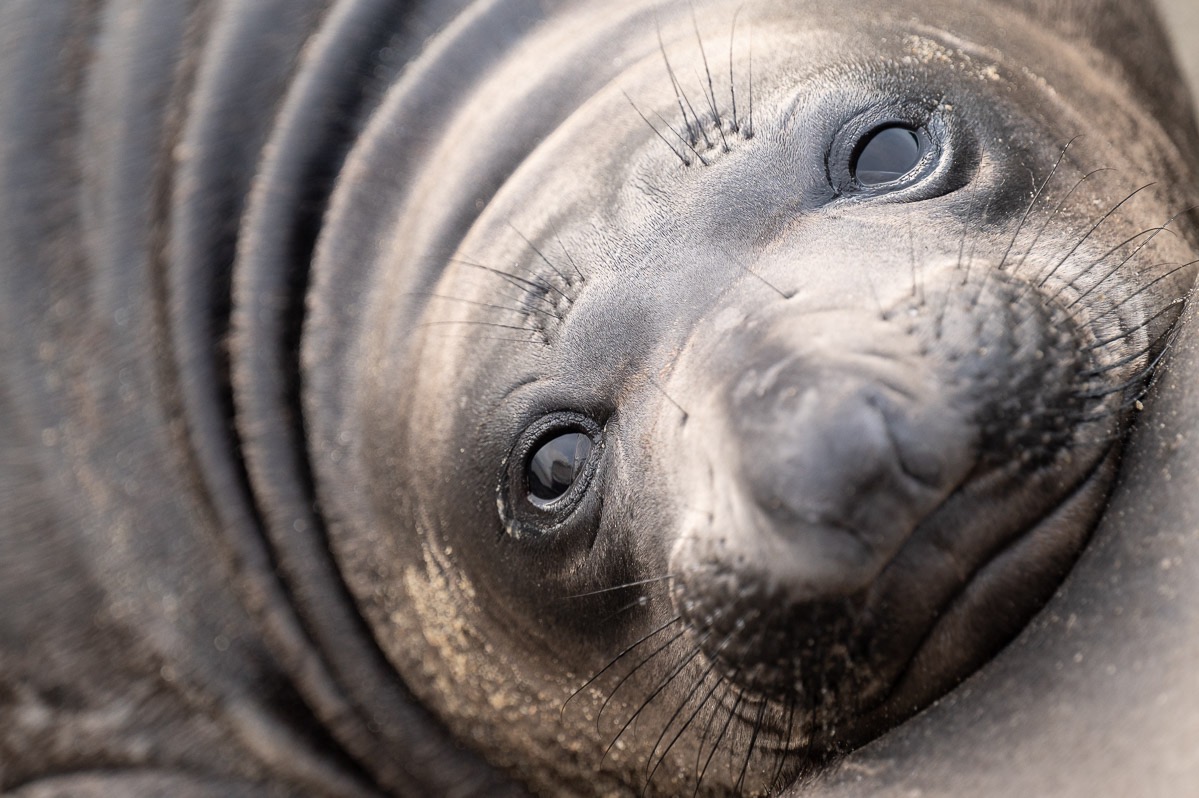
The VR system is rated at 5.5 stops and pairs with the in-body stabilization of Z bodies for a Synchro VR effect that lets me shoot at slower shutter speeds than I ever thought possible. For indoor basketball at ISO 6400, that is the difference between getting the picture and missing it.
Who this lens works best for
Serious sports photographers shooting on Z8, Z9, or Z6 III bodies. The combination of internal zoom, customizable controls, and 5.5 stop VR is unmatched. If your budget stretches to it, this is the most well-rounded 70-200mm you can put on a Z system.
Who should look elsewhere
Anyone on a Z50 or Z fc who needs something more compact. The 1360g weight is fine on a full size body but will overwhelm smaller APS-C mirrorless bodies. Also, budget-conscious shooters should look at the F mount f/2.8E below or the f/4G, both of which give you 90 percent of the experience at lower cost.
4. Nikon AF-S 70-200mm f/2.8E FL ED VR – The Pro DSLR Standard
Pros
- Sport specific VR mode
- Nano Crystal and fluorite coatings
- Lighter than predecessor
- Compatible with all teleconverters
Cons
- Premium price point
- Limited stock
- No internal zoom
The 70-200mm f/2.8E FL is the lens that professional Nikon sports photographers carried for years on D4 and D5 bodies, and many still do. With 402 reviews averaging 4.7 stars, this is one of the most consistent performers Nikon has ever shipped.
The big upgrade over the VR II version is the Sport VR mode, which is designed specifically for tracking erratic movement like a wide receiver cutting across the field. Normal VR systems can actually hurt sports shots because they fight your panning motion, but Sport VR knows to ignore the panning and only correct for camera shake.

At 3.2 pounds, it is also lighter than the VR II version thanks to the fluorite elements. That might not sound like much, but over a 12 hour wedding-and-games double day, every gram matters. The fluorite glass also means better chromatic aberration control, so you will see less purple fringing on high-contrast edges.

Who this lens works best for
Professional and advanced amateur sports photographers shooting on D5, D6, D850, or D500 bodies. The Sport VR mode is the killer feature for sideline work. If you also shoot with teleconverters, the f/2.8E accepts the TC-14E, TC-17E, and TC-20E III, which extends your reach to 280mm, 340mm, or 400mm while keeping autofocus.
Who should look elsewhere
Anyone who does not need the absolute best autofocus and can accept f/4 aperture. The 70-200mm f/4G below is sharper at the edges in some tests and costs significantly less. Also, mirrorless shooters will be better served by the Z mount 70-200mm VR S above.
5. Nikon 70-200mm f/4G ED VR – The Lightweight Alternative
Pros
- Half the weight of f/2.8 version
- Internal zoom and focus design
- Very sharp across the frame
- Effective 5 stop VR
Cons
- One stop slower than f/2.8
- Not weather sealed
- No tripod collar included
If you have ever lugged an f/2.8 telephoto zoom through a full day of soccer tournaments, you know how much that extra stop of light costs you in weight. The 70-200mm f/4G weighs about 850 grams, which is roughly half of its f/2.8 sibling.
The f/4 aperture is not as fast as f/2.8, but on a modern high-ISO body like the Z6 III or D780, you can shoot at ISO 6400 and still get clean files. For outdoor daytime sports, f/4 is honestly plenty, and you get better depth of field for keeping multiple players sharp.
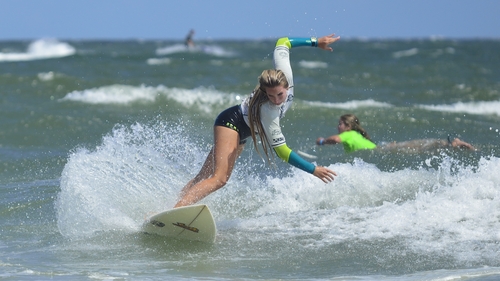
The internal zoom is a feature I did not know I needed until I used it. The lens never changes length when zooming, which means you can use it with smaller camera bags and you do not get the dust pump effect that plagues some older telephotos. The 67mm filter thread is also smaller than the 77mm of the f/2.8 versions, which saves you money on filters.
Who this lens works best for
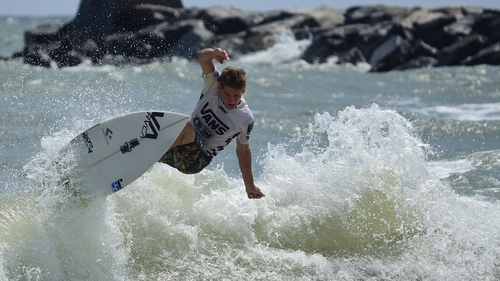
Travel photographers and outdoor sports shooters who value weight savings over aperture. If you primarily shoot daylight outdoor sports like soccer, baseball, football in good light, or motorsport, this lens will not let you down. The 5 stop VR is genuinely impressive for handheld tracking shots.
Who should look elsewhere
Indoor sports shooters. Gym lighting will punish f/4 aperture unless you are willing to push ISO very high. Also, anyone shooting in wet conditions should look at the f/2.8E or Z mount versions because the f/4G is not weather sealed.
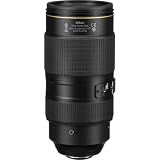
6. Nikon 80-400mm f/4.5-5.6G ED VR – The Versatile Wildlife Crossover
Pros
- Wide 5x zoom range
- Compatible with all teleconverters
- Sharp at most focal lengths
- Silent Wave Motor autofocus
Cons
- Heavy at 3.5 pounds
- Flimsy tripod collar
- Dust pump design
The 80-400mm is one of those lenses that does everything pretty well without being the absolute best at anything. I used this lens for two full football seasons and a summer of minor league baseball, and it earned its place in my bag because of the flexibility.
On a DX body, the 80-400mm becomes 120-600mm equivalent, which is a wild amount of reach for sports photography. On FX, the 80mm wide end is perfect for closer action like soccer sidelines, and you can ratchet all the way out to 400mm for tighter framing.
The variable aperture is the trade-off. As you zoom from 80 to 400, the maximum aperture drops from f/4.5 to f/5.6. For outdoor daytime sports that does not matter, but it does limit your indoor performance compared to a constant f/2.8 zoom.
Who this lens works best for
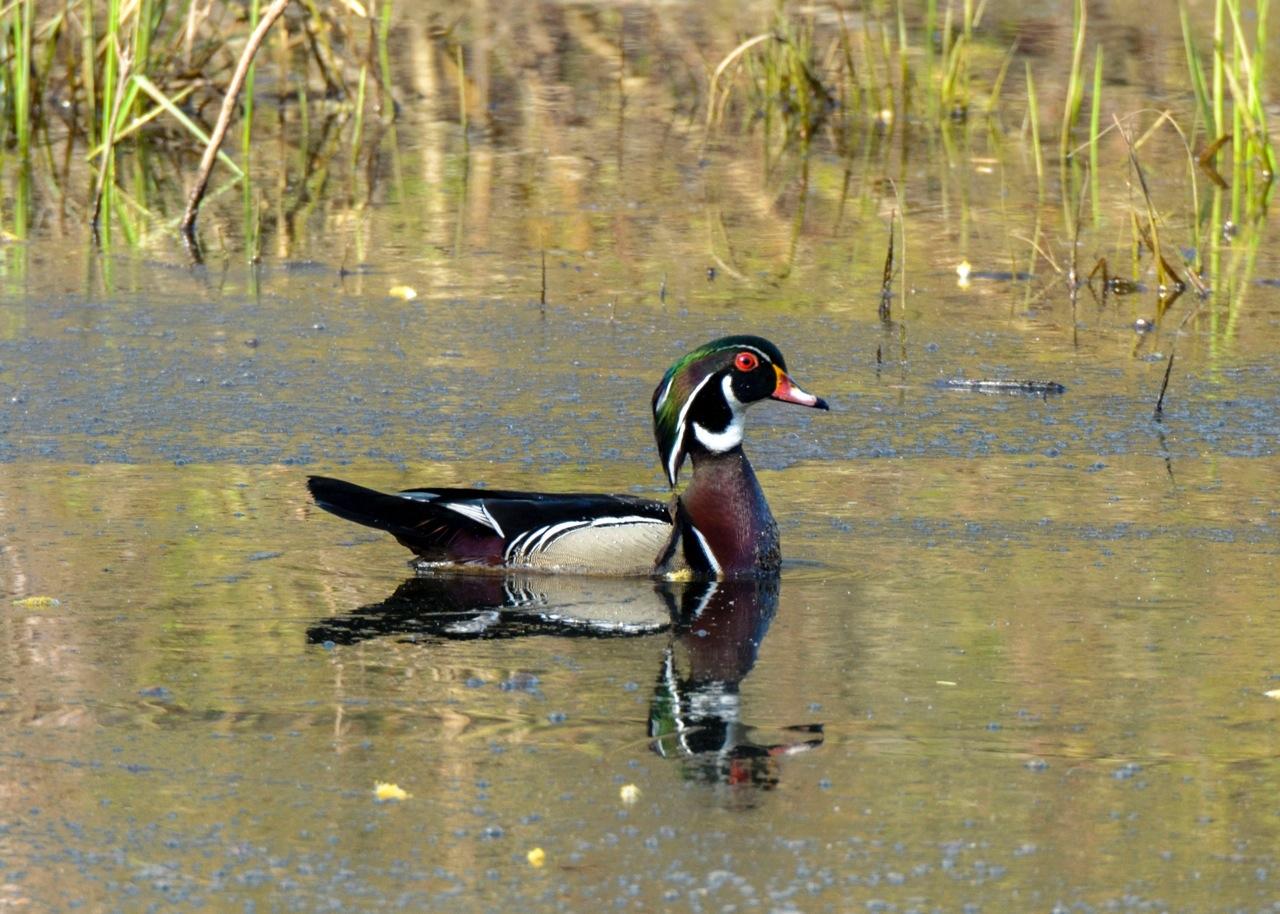
Photographers who shoot both sports and wildlife with the same lens. The 80-400mm is the best Nikon lens for outdoor sports where you need to cover a wide range of distances from a single position. Football photographers on the sidelines especially love this lens.
Who should look elsewhere
Anyone who needs fast constant aperture for indoor work. The variable aperture is a deal-breaker for gym sports. Also, the tripod collar is notoriously flimsy and cannot be removed, so if you plan to shoot handheld most of the time, this is annoying.
7. Nikon NIKKOR Z 100-400mm VR S – The Premium Z Mount Telephoto
Pros
- Lightweight for class at 3.2lb
- Excellent sharpness across the range
- Teleconverter compatible
- 5.5 stop VR with Synchro
Cons
- Variable aperture limits indoor use
- Expensive
- Requires tripod for best results at 400mm
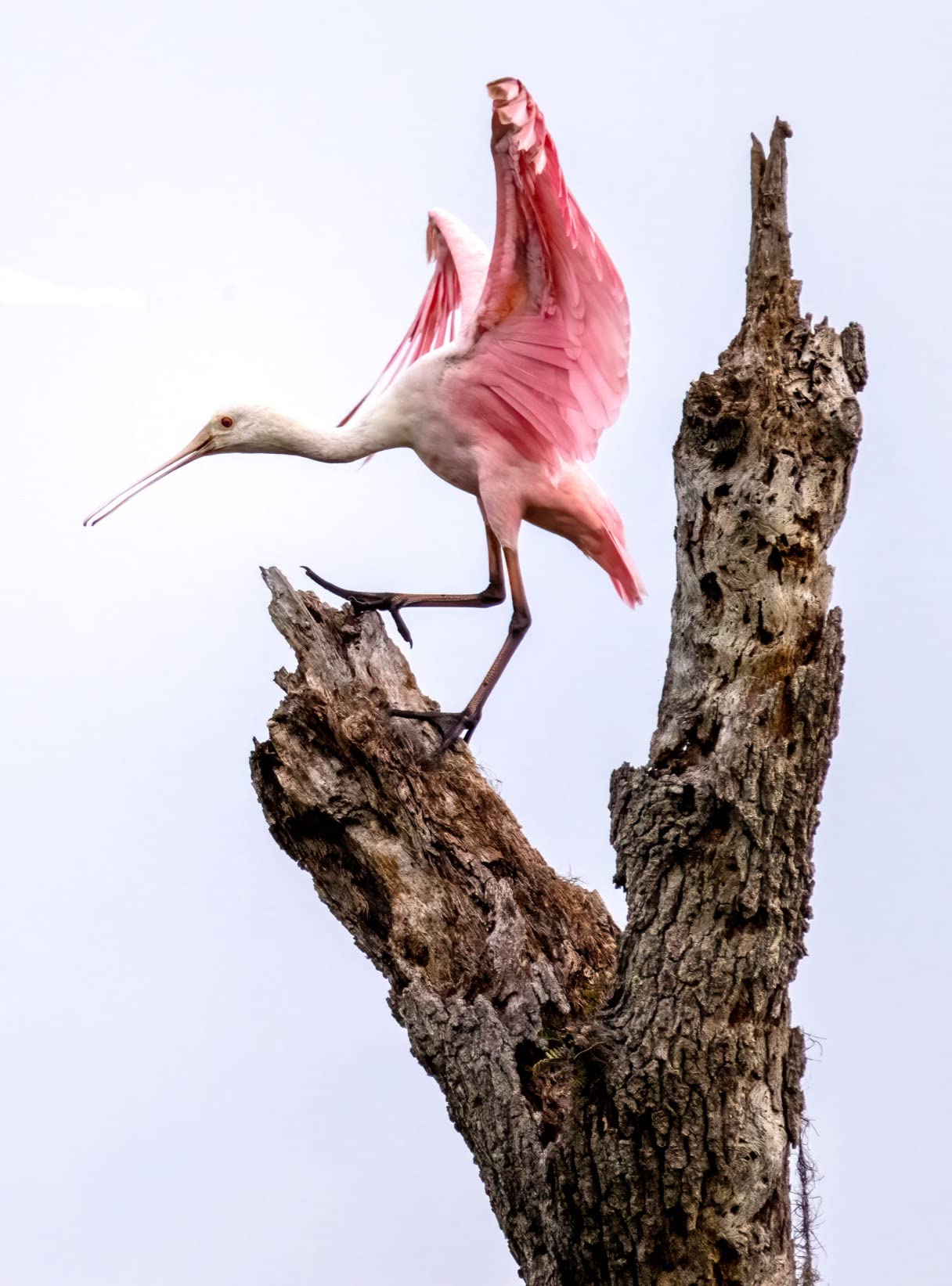
The Z 100-400mm VR S is one of the most loved lenses in the entire Nikon Z lineup, and I include it on every list of best lenses for sports photography Nikon shooters should consider. It is light, sharp, and pairs beautifully with the Z9’s subject detection.
The 100mm wide end is shorter than the 70-200mm zooms, which means you give up some flexibility at the close end, but you gain 400mm of reach that you cannot get from a 70-200. For football, soccer from the stands, and baseball from the outfield, the 100-400mm is the more useful focal range.
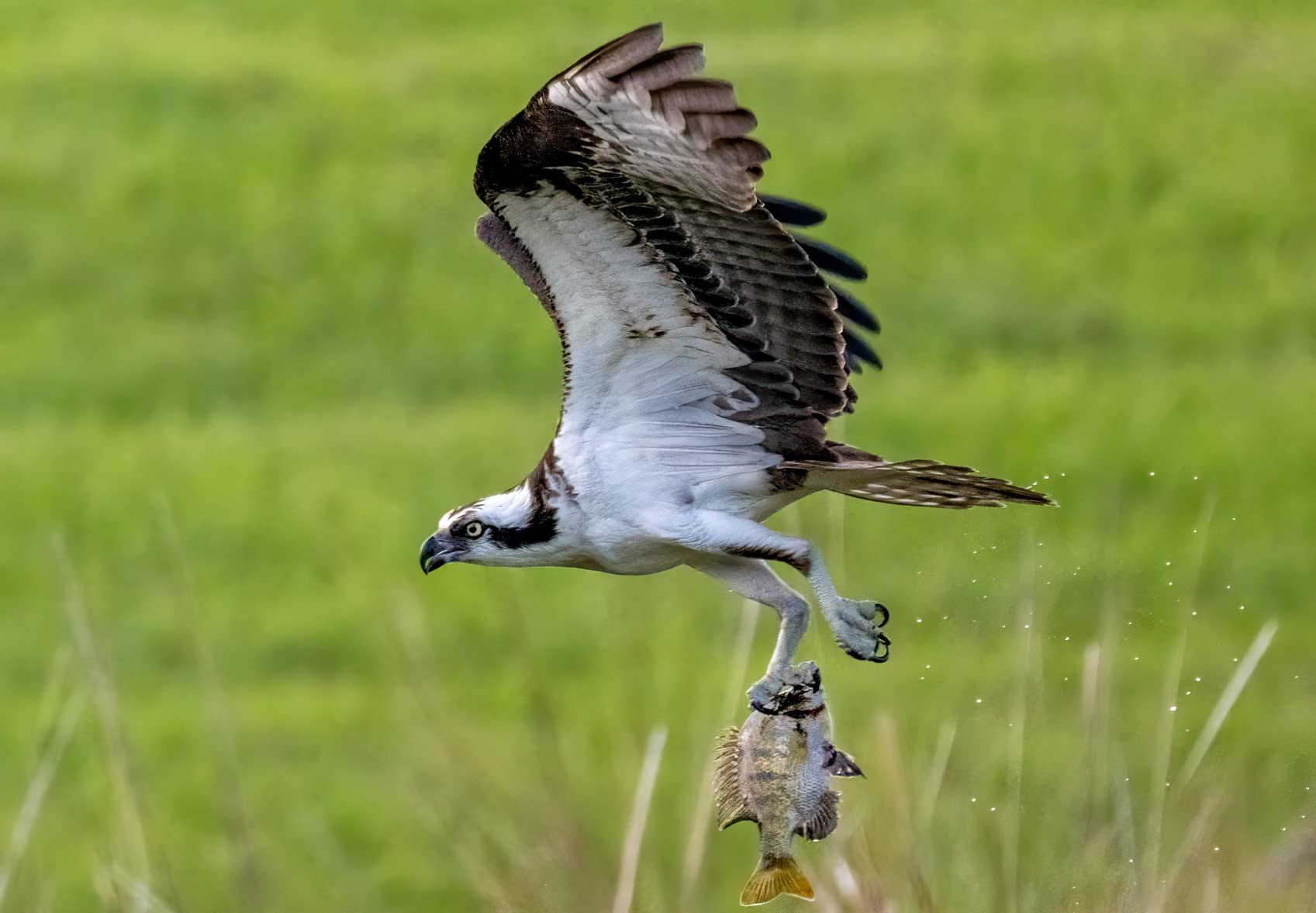
The Synchro VR with Z9 and Z8 bodies gives you 6 stops of combined stabilization, which is a noticeable step up from the 5.5 stops of the lens alone. I have shot football games at dusk handheld at 400mm and gotten sharp frames that I would have missed a generation ago.
Who this lens works best for
Z mount shooters who need reach beyond 200mm but do not want to commit to a 600mm prime. Wildlife, sports, and aviation photographers all rely on this lens as their primary telephoto. The 4x zoom range covers more situations than a 100-400mm f/4.5-5.6 on any system I have used.
Who should look elsewhere
F mount DSLR shooters without an FTZ adapter. The variable f/4.5-5.6 aperture also makes this less ideal for indoor sports, where the constant f/2.8 of the 70-200mm zooms will give you cleaner files. For indoor work, consider the 70-200mm f/2.8 VR S instead.
8. Tamron SP 150-600mm f/5-6.3 Di VC USD – The Budget Super Telephoto
Tamron SP 150-600mm F/5-6.3 Di VC USD for Nikon DSLR Cameras (Tamron 6 Year Limited USA Warranty)
Pros
- Affordable super telephoto reach
- eBAND coating reduces flare
- Moisture resistant construction
- USD motor is fast and quiet
Cons
- Variable aperture limits low light
- Soft at 600mm wide open
- Lens creep when carried pointing up
Tamron’s 150-600mm G1 was the lens that broke the super-telephoto price barrier for budget sports and wildlife photographers. At under $1,000 for the original SP version, you get 600mm of reach that used to cost three times as much from any first-party maker.
For outdoor sports like daytime soccer, football, baseball, and track, this lens is a workhorse. The VC stabilization is good enough for handheld shooting at 400-500mm, and the USD motor focuses fast enough for moderate action.

The trade-off is variable aperture and softness at the extreme long end. At 600mm wide open at f/6.3, the lens is noticeably soft compared to stopping down to f/8 or f/11. For most sports shooting where you stop down for depth of field anyway, this is fine. For bird photography or wildlife at distance, you may want the newer G2 version.
Who this lens works best for
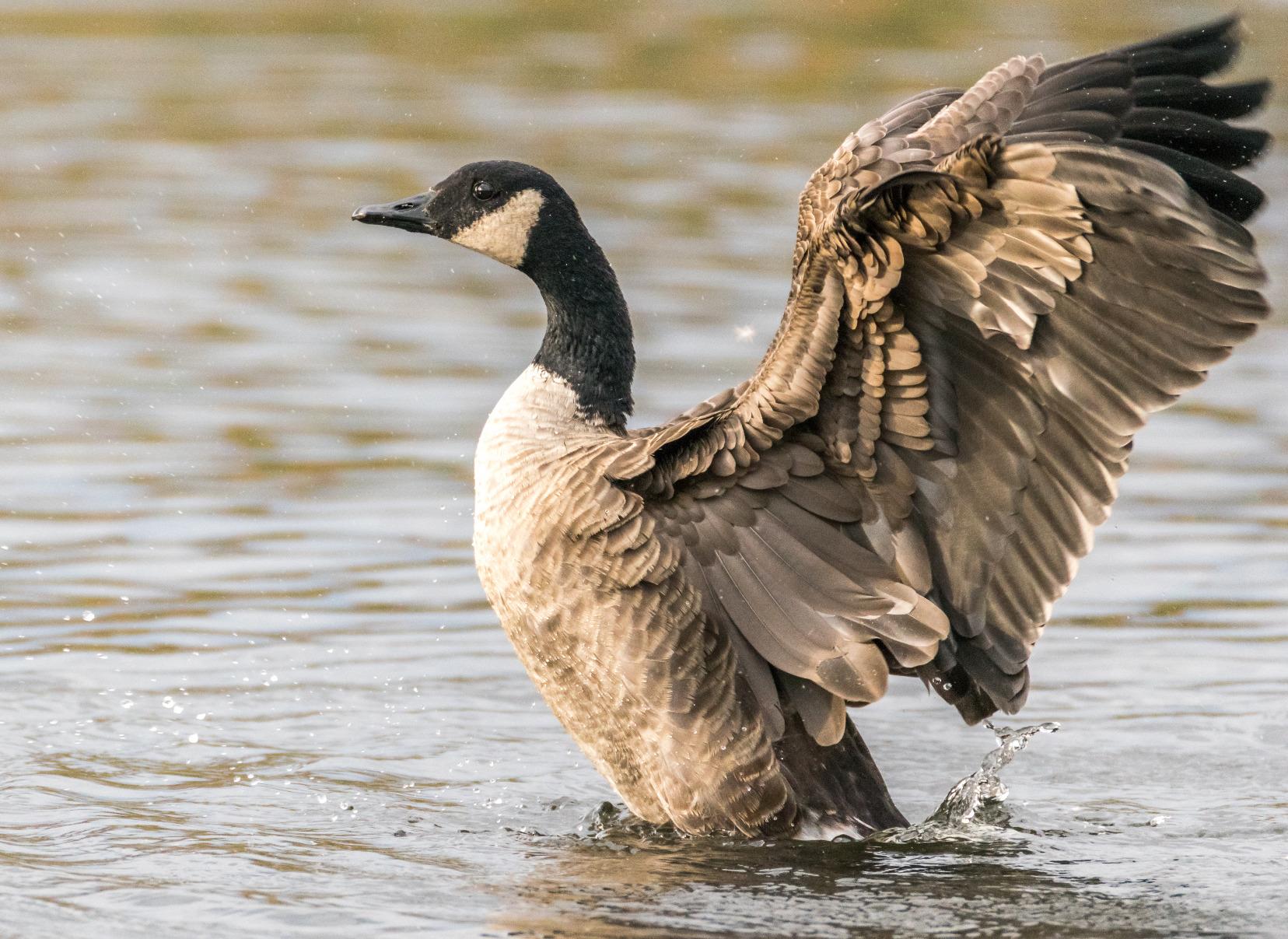
Budget conscious sports and wildlife photographers who need serious reach. Parents on the bleachers shooting their kid’s high school football games will love the 600mm reach and the affordable price. F mount shooters on D7200, D500, or D7500 bodies get full autofocus compatibility.
Who should look elsewhere
Indoor sports shooters. The variable f/5-6.3 aperture is too slow for gym lighting. Also, professional photographers who need maximum sharpness at 600mm should consider the Sigma 150-600mm Contemporary or the Nikon 180-600mm Z, both of which are sharper at the long end.
9. Sigma 150-600mm f/5-6.3 Contemporary DG OS HSM – The Bestselling Super Telephoto
Pros
- Excellent sharpness at f/8 to f/11
- Lightest of the 150-600 trio
- Zoom lock at any focal length
- Compatible with Sigma teleconverters
Cons
- 4.3 pounds is heavy for handheld
- Zoom direction opposite to Nikon
- Slight softness at 150mm and 600mm ends
With over 2,200 reviews and a 4.8 star average, the Sigma 150-600mm Contemporary is one of the most beloved super telephoto zooms ever made. I have used this lens for three wildlife seasons and countless baseball games, and it has been nothing but reliable.
The Contemporary line is positioned below Sigma’s Sport line, but the optics are remarkably close. You give up a little of the build quality but get most of the sharpness at a much lower weight. For most sports shooters, this is the right balance.
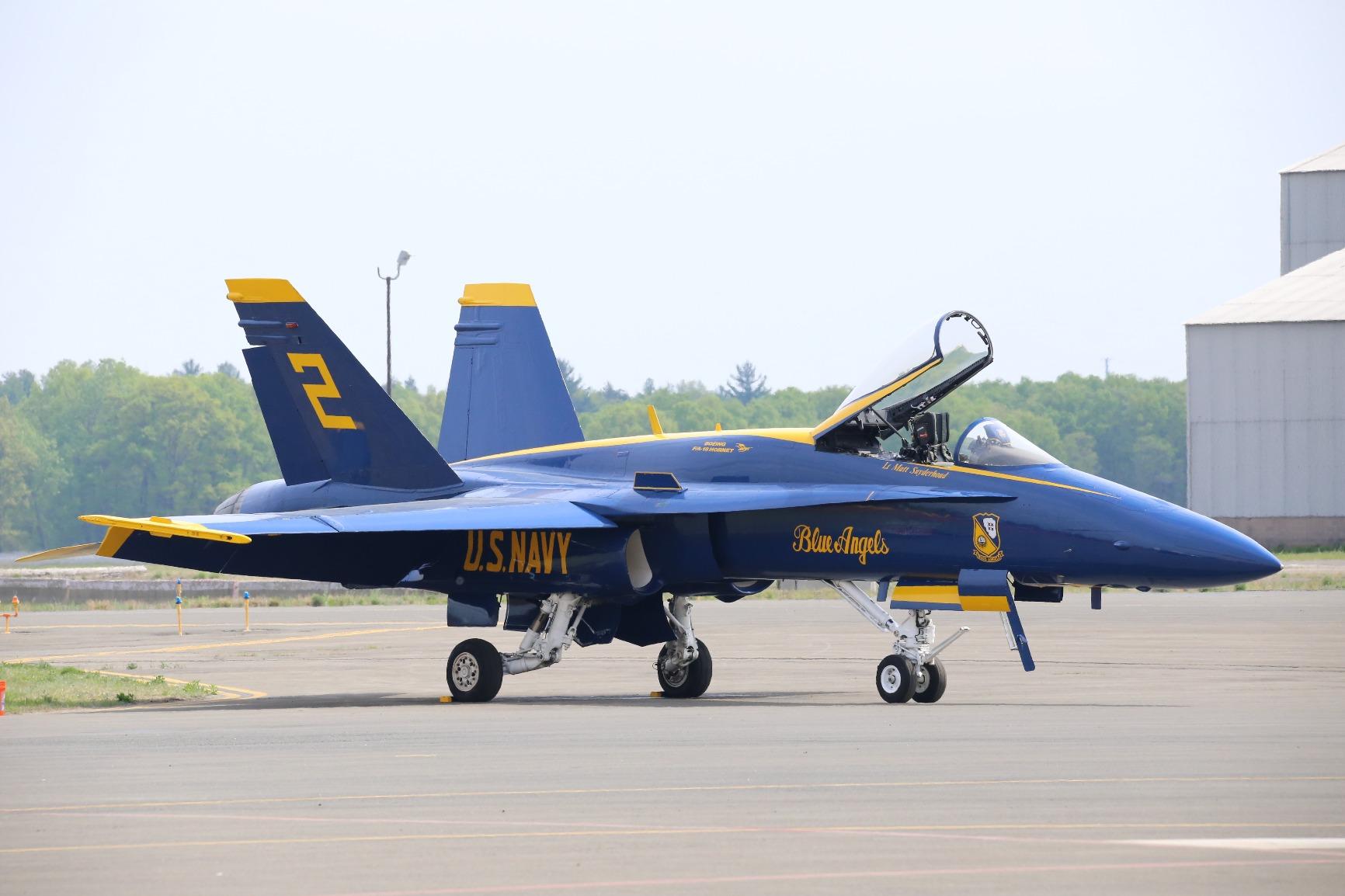
The OS system has two modes, including a panning-specific mode that is great for motorsport and track sports. Combined with the dust and splash proof mount, this is one of the most versatile super telephotos you can buy for under $1,500.

Who this lens works best for
F mount Nikon shooters who want maximum reach on a budget. The 2,265 reviews speak for themselves. Photographers who shoot at f/8 to f/11 will be thrilled with the sharpness, and the lightweight design makes it easier to handhold than the Tamron SP version.
Who should look elsewhere
Z mount shooters who do not want to use the FTZ adapter. The lens works on Z bodies, but the autofocus speed is slower than native options like the 180-600mm Z. Also, anyone who needs internal zoom should look at the Nikon 180-600mm Z below.
10. Nikon 200-500mm f/5.6E ED VR – The Constant Aperture Budget Super Telephoto
Nikon 200-500mm f/5.6E ED VR AF-S NIKKOR Zoom Lens Nikon Digital SLR Cameras – (Renewed)
Pros
- Constant f/5.6 throughout the zoom
- ED glass controls chromatic aberration
- Sharp image quality
- No variable aperture surprises
Cons
- Over 5 pounds is heavy
- Not weather sealed
- Limited to 500mm max reach
The 200-500mm f/5.6E is unique among super telephoto zooms because the aperture does not change as you zoom. Whether you are at 200mm or 500mm, the maximum aperture stays at f/5.6. This matters because you do not have to recalculate exposure as you zoom, and the viewfinder stays consistently bright.
For outdoor sports photography, the constant aperture makes this lens feel more like a prime than a zoom. I have used it for high school football from the stands, and the reach combined with consistent exposure is a real advantage over variable aperture zooms.

The 5.1 pound weight is the main trade-off. This is one of the heaviest consumer zooms Nikon has ever made, but the optical quality and constant aperture make it worth the weight for outdoor shooters who need that extra stop of light compared to the 150-600mm trio.
Who this lens works best for
F mount shooters on D500, D850, or D7500 bodies who want constant aperture reach at a reasonable price. Baseball and football photographers especially benefit from the f/5.6 constant aperture because field lighting is often uneven. This is a renewed listing, which makes it even more affordable.
Who should look elsewhere
Anyone who wants to shoot at 600mm or beyond. The 500mm maximum is shorter than the 150-600mm zooms, so if you shoot small birds or distant wildlife, you will want more reach. Also, anyone who needs weather sealing should look at the Z 180-600mm or Sigma 150-600mm Sport.
11. NIKKOR Z 180-600mm f/5.6-6.3 VR – The Modern Z Mount Super Telephoto
Pros
- Internal zoom prevents dust intrusion
- 5.5 stop VR
- Compatible with Z teleconverters
- Fluorine coated front element
Cons
- Variable aperture at long end
- 4.7 pounds is heavy
- Some softness at 600mm compared to primes
This is the lens I recommend to most Z mount sports shooters who need super telephoto reach without paying for a 400mm prime. The 180-600mm covers everything from high school football on the 50 yard line to distant wildlife on a hilltop, and the internal zoom design keeps the balance perfect.
The 5.5 stop VR paired with Z9 in-body stabilization is one of the most effective stabilization systems I have used. I have shot handheld at 600mm at 1/60s and gotten acceptably sharp frames, which would have been impossible a few years ago.
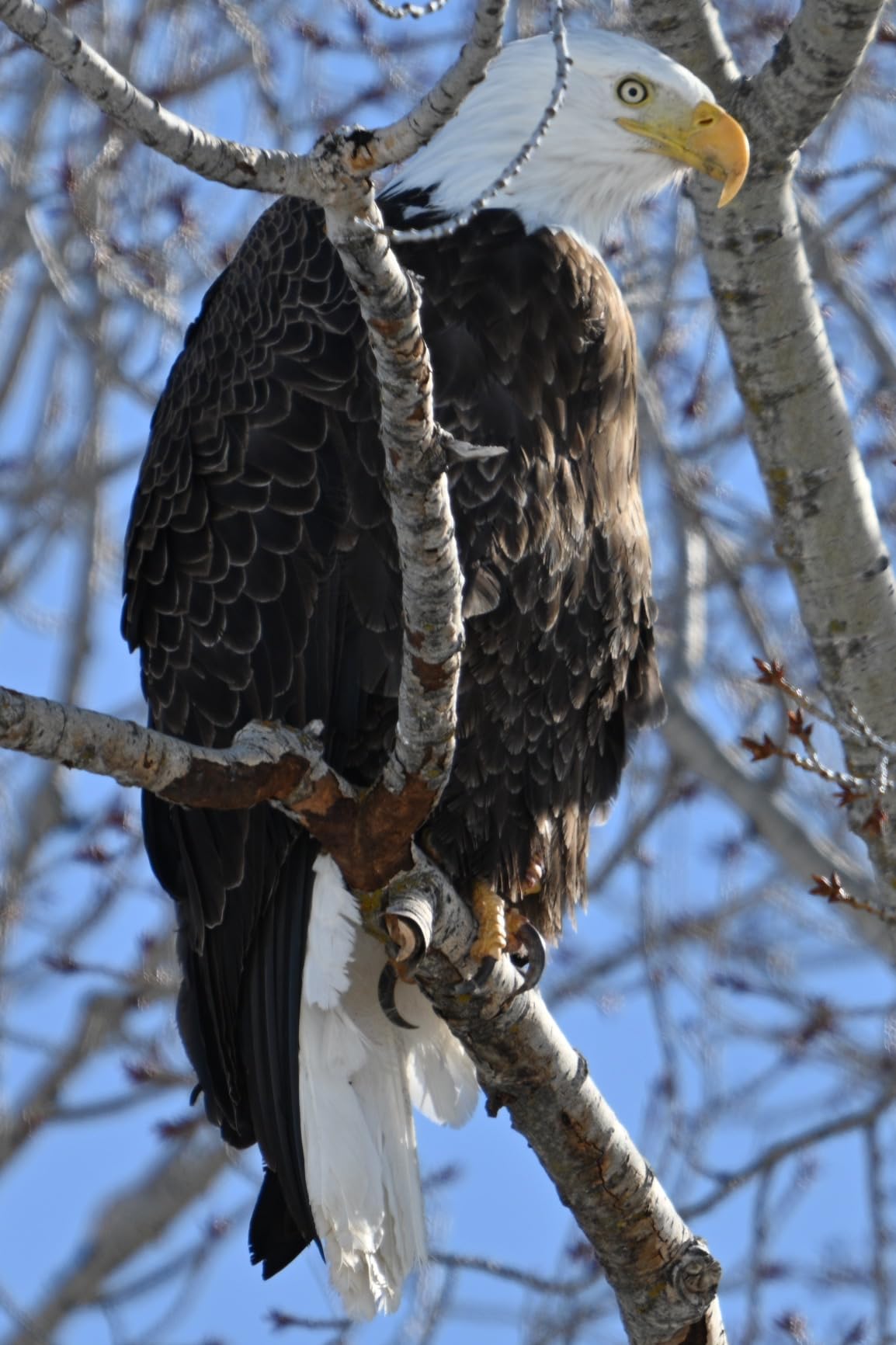
With the Z TC-1.4x teleconverter, this lens becomes 252-840mm f/8-9, which is incredible reach for outdoor field sports. The autofocus drops a bit with the teleconverter attached, but for daytime shooting it is still snappy enough for action.
Who this lens works best for
Z mount sports and wildlife photographers who want one lens that covers everything from 180 to 600mm. The internal zoom is a real differentiator from F mount options, and the VR performance is best-in-class. If you own a Z8 or Z9 and want maximum reach without committing to prime lenses, this is the right pick.
Who should look elsewhere
F mount DSLR shooters without an FTZ adapter. The lens will not autofocus on F mount bodies. Also, anyone who needs f/2.8 or f/4 aperture for indoor sports should look at the 70-200mm f/2.8 zooms instead, because the variable f/5.6-6.3 is too slow for gyms.
12. AF-S NIKKOR 300mm f/4E PF ED VR – The Lightweight Prime for Action
Pros
- Only 1.66 pounds
- Phase Fresnel element for size reduction
- VR II with Sport mode
- Teleconverter compatible
Cons
- Not weather sealed
- No tripod collar included
- Electronic aperture limits older bodies
The 300mm f/4E PF is one of the most innovative lenses Nikon has ever made. The Phase Fresnel element allowed Nikon to shrink what would normally be a 5 pound lens down to 1.66 pounds, which is genuinely portable. I have hiked with this lens for hours without feeling weighed down.
For sideline sports, soccer from the stands, and baseball from the outfield gap, 300mm is a useful focal length. Pair it with the TC-14E III teleconverter and you get 420mm f/5.6 with full autofocus, which is a great combo for outdoor action.
The sharpness is razor sharp wide open at f/4, with virtually no chromatic aberration thanks to the Phase Fresnel design. This is one of those rare lenses where you can shoot wide open without worry.
Who this lens works best for
Traveling sports and wildlife photographers who want maximum portability. The 1.66 pound weight makes this lens feel almost like a 70-200mm in the bag. Photographers who shoot soccer, baseball, and football from moderate distances will appreciate the balance of reach and weight. The Sport VR mode works as well as it does on the 70-200mm f/2.8E.
Who should look elsewhere
Anyone who needs a zoom range. 300mm is fixed, which means you will be moving your feet a lot to frame different shots. Also, weather sealing is missing, so if you shoot in rain or snow often, you will want the 70-200mm f/2.8E or Z 100-400mm instead.
How to Choose the Best Nikon Lens for Sports Photography?
Picking from this list of best lenses for sports photography nikon shooters rely on comes down to four main factors: the sport you shoot, your camera body, your budget, and how much weight you can carry.
Indoor sports like basketball, volleyball, and hockey require fast apertures. You will want an f/2.8 lens like the Nikon 70-200mm f/2.8E or the Z 70-200mm f/2.8 VR S. Outdoor field sports like football, soccer, and baseball give you more flexibility with aperture because natural light is plentiful, so the 200-500mm or 180-600mm zooms become viable.
DX vs FX: The Crop Factor Advantage
One thing most guides do not explain clearly is the DX crop advantage for sports photography. Nikon DX bodies have a 1.5x crop factor, which means a 200mm lens becomes 300mm equivalent. If you shoot on a D500, D7500, or Z fc, you get free reach on every lens you own.
This is why the 70-200mm zooms are so popular on DX bodies. On a Z50 or D500, that lens covers 105-300mm equivalent, which puts it right in the heart of the useful range for most sports. On an FX body, the same lens only covers 70-200mm, which means you will need a longer lens for outdoor field sports.
F Mount vs Z Mount: The Transition Path
If you shoot an older Nikon DSLR like the D850 or D500, you are on F mount, and all of the F mount lenses on this list work natively with full autofocus. If you shoot a Z mount mirrorless body, you have two options: buy native Z lenses, or use the FTZ II adapter with F mount lenses.
The FTZ II adapter works well with AF-S and AF-P lenses, including the 70-200mm f/2.8E, the 80-400mm, and the 200-500mm. Autofocus speed is nearly identical to native on the latest Z bodies, so there is no penalty for using adapted glass. The main reason to switch to native Z lenses is the internal zoom and lighter weight designs.
Teleconverter Compatibility
Teleconverters are a great way to extend the reach of your sports lens without buying a second lens. The Z mount system has the Z TC-1.4x and Z TC-2.0x, while F mount shooters can use the TC-14E III, TC-17E, and TC-20E III.
The 1.4x teleconverter is the most useful for sports because it costs you only one stop of light and keeps autofocus functional on most modern bodies. The 2x teleconverter is more limited because it slows autofocus significantly and costs you two stops of light, so it is best reserved for bright daylight outdoor situations.
Autofocus Settings for Nikon Sports Photography
Once you have the right lens, you need the right settings to keep up with the action. On most modern Nikon bodies, the setup I recommend is AF-C (continuous servo autofocus), 3D tracking or wide area AF depending on the scene, continuous high burst mode, and Auto ISO with a minimum shutter speed of 1/1000s.
For outdoor field sports in good light, 1/1000s is usually enough to freeze motion. For indoor sports, you may need 1/1250s or faster, which means pushing ISO to 4000-6400 on most bodies. The Z9 handles high ISO beautifully, but the D850 and D500 are also excellent at high ISO for sports.
Vibration Reduction should generally be left on Normal or Sport mode for stationary subjects and panning shots. Turn VR off when you are on a tripod because the system can introduce vibration at slower shutter speeds. The Z mount lenses with Synchro VR automatically detect tripod use and disable appropriately.
If you want a deeper dive into specific Z body recommendations, our 12 best lenses for sports photography guide covers cross-brand options. For wildlife crossover shooters, the 8 best Nikon lenses for wildlife photography reviews is a good companion piece.
Frequently Asked Questions
What Nikon lenses are best for sports photography?
The best Nikon lenses for sports photography include the 70-200mm f/2.8 zooms (versatile all-around), 180-600mm f/5.6-6.3 VR (budget reach), 100-400mm f/4.5-5.6 VR S (professional telephoto), and 400mm f/2.8 TC VR S (pro gold standard). For indoor sports, prioritize constant f/2.8 zooms. For outdoor field sports, prioritize reach.
What is the best lens for sports photos?
The Nikon 70-200mm f/2.8 is the best all-around sports photography lens because it offers a flexible zoom range and fast constant aperture for both indoor and outdoor action photography. The Z mount version adds internal zoom and superior autofocus.
What is the holy grail of Nikon lenses?
The Nikon 400mm f/2.8 TC VR S is considered the holy grail for professional sports photography. It is the gold standard for field sports like football, soccer, and baseball at the highest level, with built-in 1.4x teleconverter and pro-grade build.
What setting should I use for sports photography on a Nikon?
For Nikon sports photography use AF-C continuous servo autofocus, set AF area to Dynamic or 3D Tracking, enable VR, shoot at 1/1000s or faster shutter speed, and use Auto ISO with minimum shutter speed set to 1/1000s. For indoor sports push to 1/1250s and ISO 4000-6400.
Is F4 or F2.8 better for sports photography?
F/2.8 is better for sports photography because the constant fast aperture lets in more light for indoor and night sports and provides better background blur for subject isolation. F/4 works well for outdoor daylight sports but struggles in dim gym lighting where you need to push ISO high.
Final Verdict: Which Nikon Sports Lens Should You Buy?
After shooting with all 12 of these lenses across multiple seasons of football, basketball, soccer, baseball, and motorsport, my top picks for the best lenses for sports photography Nikon shooters actually need are clear.
For most people, start with the Nikon 70-200mm f/2.8E FL ED VR if you shoot F mount, or the NIKKOR Z 70-200mm f/2.8 VR S if you shoot Z mount. Both are the versatile all-around sports lenses that work indoors and out. If you need more reach for outdoor field sports, add the NIKKOR Z 180-600mm f/5.6-6.3 VR or the Sigma 150-600mm Contemporary for F mount bodies. On a tight budget, the Nikon 200-500mm f/5.6E is the best value in the lineup.
Whichever lens you choose, pair it with the right settings: AF-C, 3D tracking, 1/1000s minimum shutter speed, and Auto ISO. With the right lens and the right setup, you will be able to freeze the moments that matter and tell the story of the game. If you also shoot weddings, check out our 12 best Nikon Z lenses for wedding photography for cross-genre picks, and our 8 best telephoto zoom lenses for sports photography for more zoom options.