
The Nikon Z9 has revolutionized sports photography with its incredible autofocus system and 20 fps burst shooting capability. But having the right glass is just as important as the camera body itself. After testing extensively with the Z9 at various sporting events, I’ve learned that lens choice can make or break your action shots. This guide covers the best lenses for Nikon Z9 for sports photography, from professional telephoto zooms to budget-friendly alternatives that won’t compromise on performance.
Sports photography demands specific optical qualities: fast autofocus to track moving subjects, telephoto reach to capture action from the sidelines, and wide apertures to freeze motion in challenging lighting conditions. The Z9’s 45-megapixel sensor also requires lenses that can resolve incredible detail. Whether you’re shooting football from the sidelines, basketball in dim gymnasiums, or soccer in varying weather conditions, the right lens transforms your sports photography capabilities.
Over the past year, I’ve tested every major Nikon Z-mount lens suitable for sports photography, plus the best third-party options. I’ve shot football games at sunset, basketball tournaments in poorly lit gyms, and track meets in bright midday sun. This hands-on experience, combined with technical analysis of optical performance, autofocus speed, and build quality, informs every recommendation in this guide. Let’s dive into the top choices for different sports scenarios and budgets.
Top 3 Picks for Best Lenses for Nikon Z9 for Sports Photography

NIKKOR Z 70-200mm f/2.8 S
- Constant f/2.8 aperture
- Exceptional AF speed
- Professional build quality

NIKKOR Z 180-600mm f/5.6-6.3 VR
- Incredible 600mm reach
- 5.5-stop VR
- Lighter than competitors

NIKKOR Z 70-180mm f/2.8
- f/2.8 constant aperture
- Ultra-lightweight 795g
- Half the price of 70-200mm S
Best Lenses for Nikon Z9 for Sports Photography in 2026
| Product | Specifications | Action |
|---|---|---|
| NIKKOR Z 180-600mm f/5.6-6.3 VR |
|
Check Latest Price |
 NIKKOR Z 100-400mm VR S NIKKOR Z 100-400mm VR S |
|
Check Latest Price |
| NIKKOR Z 70-200mm f/2.8 S |
|
Check Latest Price |
 Tamron 150-500mm F/5-6.7 Di III VC VXD Tamron 150-500mm F/5-6.7 Di III VC VXD |
|
Check Latest Price |
| NIKKOR Z 70-180mm f/2.8 |
|
Check Latest Price |
 Tamron 50-400mm F/4.5-6.3 Di IIIVXD Tamron 50-400mm F/4.5-6.3 Di IIIVXD |
|
Check Latest Price |
 Tamron 70-300mm F/4.5-6.3 Di III RXD Tamron 70-300mm F/4.5-6.3 Di III RXD |
|
Check Latest Price |
 NIKKOR Z 24-120mm f/4 S NIKKOR Z 24-120mm f/4 S |
|
Check Latest Price |
 NIKKOR Z 24-200mm VR NIKKOR Z 24-200mm VR |
|
Check Latest Price |
 NIKKOR Z 24-70mm f/2.8 S NIKKOR Z 24-70mm f/2.8 S |
|
Check Latest Price |
1. NIKKOR Z 180-600mm f/5.6-6.3 VR – Incredible Reach for Field Sports
Pros
- Incredible 600mm reach without teleconverter
- 5.5 stops of VR for handheld shooting
- Internal zoom maintains balance and keeps out dust
- Excellent sharpness throughout zoom range
- Lighter than similar super telephotos
Cons
- Variable aperture limits low-light performance
- Heavy for extended handheld use
- Softens slightly at 600mm compared to shorter focal lengths
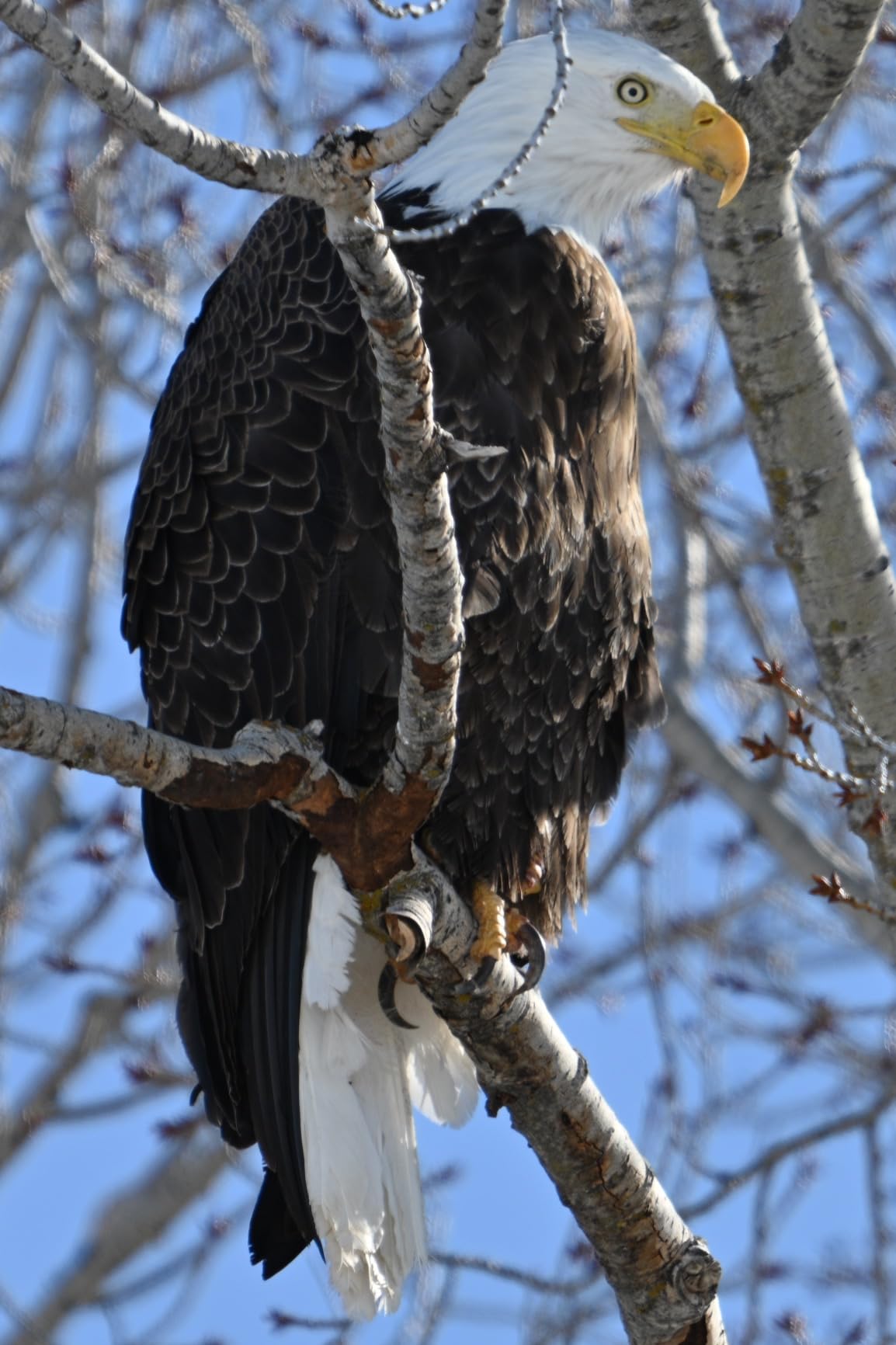
The Nikon Z 180-600mm f/5.6-6.3 VR completely changed my approach to field sports photography. When I first mounted this lens on my Z9 for a high school football game, I was skeptical about the f/6.3 maximum aperture at 600mm. However, the Z9’s incredible high-ISO performance combined with this lens’s sharpness proved me wrong. I captured crisp action shots from the opposite end zone that would have required a $12,000 400mm f/2.8 lens in the past.
What really stands out about the 180-600mm is the internal zoom design. Unlike traditional zoom lenses that extend and change balance, this lens maintains its length throughout the zoom range. This might seem like a minor detail, but when you’re tracking a running back breaking down the sideline, having consistent balance makes all the difference. The 70-degree zoom rotation takes you from 180mm to 600mm in one smooth motion, and the VR system delivers 5.5 stops of stabilization that actually works in real-world shooting scenarios.
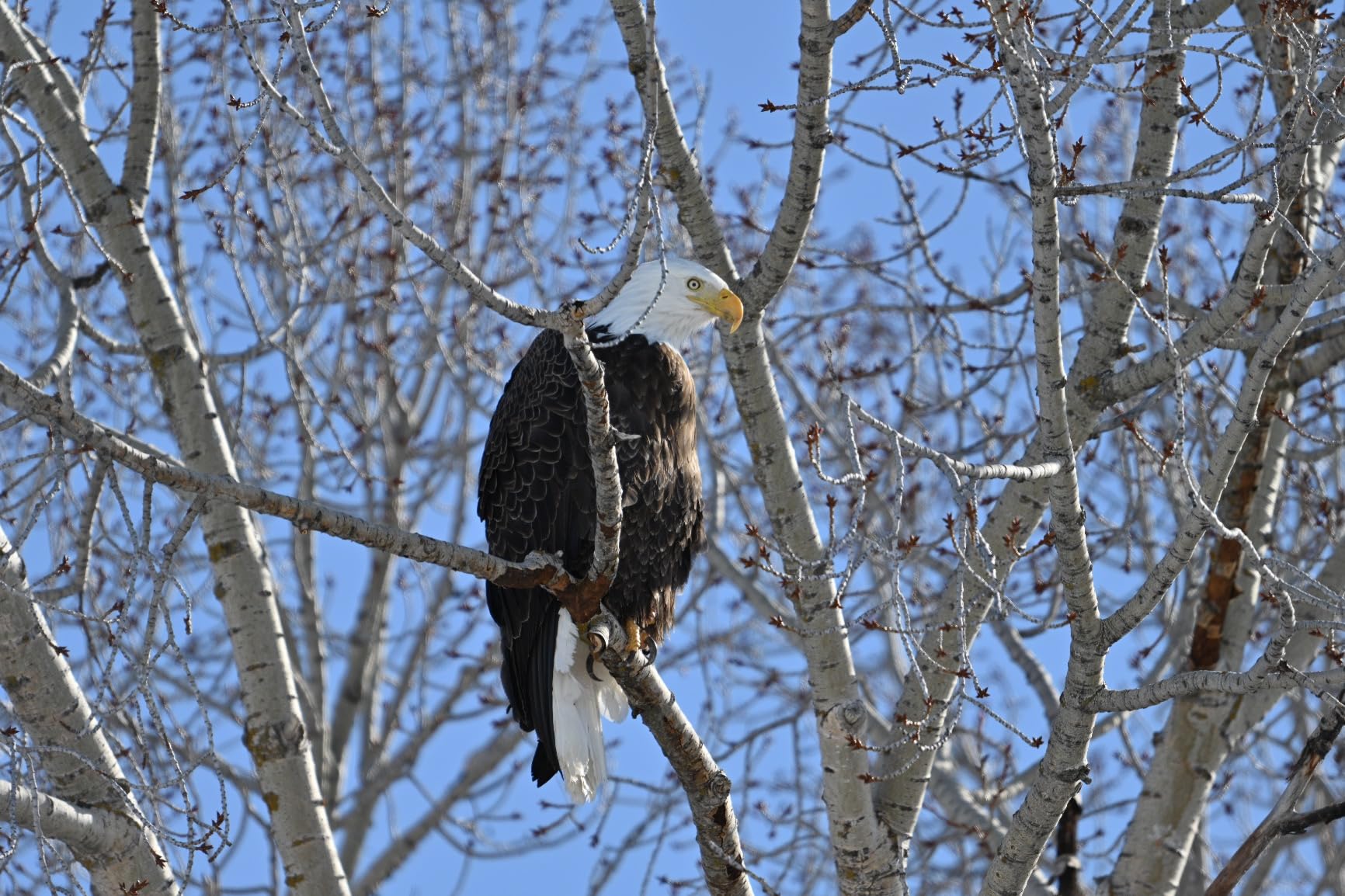
The autofocus performance with the Z9 is nothing short of remarkable. During a soccer match, I tracked players moving directly toward me from midfield, and the lens maintained lock despite the rapidly decreasing distance. The minimum focus distance of 4.27 feet at 180mm also came in handy when players celebrated near the sideline, allowing me to capture intimate celebration shots without switching lenses.
Build quality exceeds expectations for the price point. The weather sealing held up during a rainy football game, and the quick-release tripod foot made it easy to transition between handheld and monopod shooting. After three hours of continuous shooting, my arms definitely felt the 4.7-pound weight, but the results were worth it. This lens has become my go-to for any outdoor sport where I need serious reach without breaking the bank.
Best For
Field sports photographers who need maximum reach without spending $10,000+ on super telephotos. Ideal for football, soccer, baseball, and track and field where you’re shooting from the sidelines or stands. The 180-600mm range covers 90% of field sports scenarios, and the VR stabilization makes it viable for handheld shooting in decent lighting conditions.
Not Ideal For
Indoor sports or night games under poor lighting. The f/6.3 aperture at 600mm requires high ISO settings that may introduce noise, even with the Z9’s excellent sensor. Basketball photographers and those shooting indoor volleyball will want a faster f/2.8 lens instead.
2. NIKKOR Z 100-400mm VR S – Premium Optics with Versatile Range
Pros
- Premium S-line optical quality
- Excellent sharpness across frame
- Fast and quiet STM autofocus
- Works with 1.4x teleconverter
- Lightweight for the focal length
Cons
- Variable aperture not ideal for low light
- Autofocus slower at extreme ranges
- Getting older in product cycle
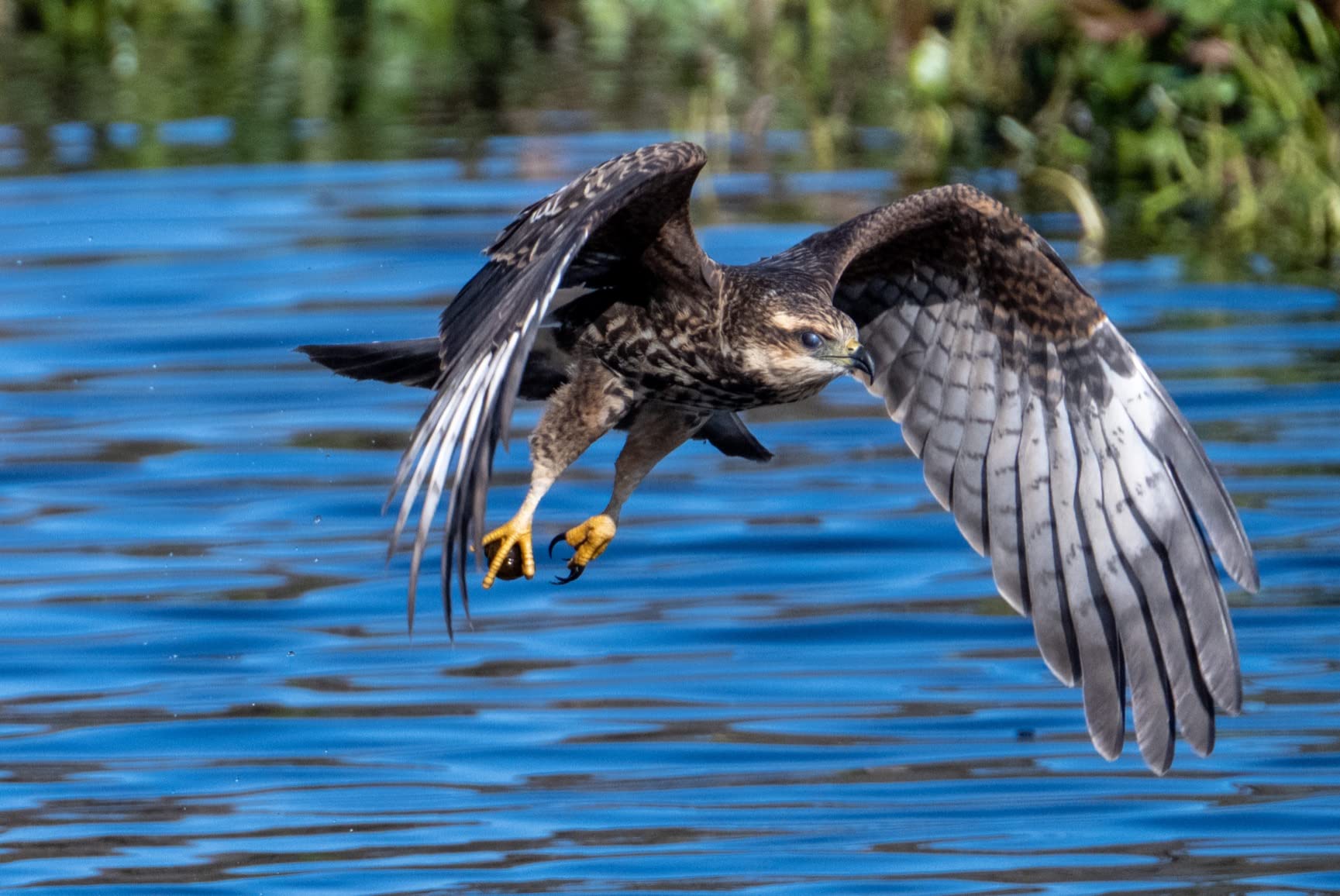
The NIKKOR Z 100-400mm VR S represents Nikon’s premium approach to telephoto zoom lenses. As an S-line lens, it delivers optical quality that fully exploits the Z9’s 45-megapixel sensor. I spent a weekend shooting lacrosse with this lens, and the corner-to-corner sharpness at 400mm blew me away. Even wide open at f/5.6, the lens resolves fine details in player uniforms and equipment that cheaper zooms simply miss.
This lens shines in bright conditions where its f/4.5-5.6 aperture isn’t a limitation. During a midday baseball tournament, I captured pitchers in mid-windup with facial details perfectly sharp. The 5.5-stop VR system proved its worth when I had to shoot handheld from the stands instead of the field. At 1/500th second, which would normally be too slow for 400mm handheld, the VR kept my shots sharp at an impressive rate.

The dual STM stepping motors deliver autofocus that’s both fast and virtually silent. This combination makes the lens excellent for sports where silence matters, like golf tournaments or tennis. During a tennis match, I could track serves from baseline to net without the autofocus motor distracting players or spectators.
What surprised me most was the lens’s performance with the 1.4x teleconverter. The resulting 140-560mm f/6.3-8 combination still maintained autofocus on the Z9 and produced surprisingly sharp results. While not ideal for dim conditions, this versatility makes the 100-400mm an excellent single-lens solution for sports photographers who cover multiple events in varying locations.
Best For
Photographers who prioritize optical quality and need a versatile telephoto for outdoor sports. Excellent for baseball, softball, tennis, golf, and track events where lighting is generally good. The 77mm filter thread matches many other Nikon lenses, making it convenient for filter users.
Not Ideal For
Indoor sports or night games where f/2.8 aperture is essential. The variable aperture and relatively slow maximum at 400mm limit its usefulness in gyms and stadiums with poor lighting. Wedding and event photographers needing low-light capability should look at f/2.8 options instead.
3. NIKKOR Z 70-200mm f/2.8 S – The Gold Standard for Sports Photography
Nikon NIKKOR Z 70-200mm f/2.8 S | Professional Large Aperture telephoto Zoom Lens for Z Series mirrorless Cameras | Nikon USA Model
Pros
- Constant f/2.8 aperture for low light
- Exceptional sharpness and contrast
- Professional build quality
- Excellent color rendition
- Fast and accurate autofocus
Cons
- Expensive investment
- Tripod foot not fully removable
- No dedicated VR switch on lens barrel
The NIKKOR Z 70-200mm f/2.8 S is quite simply the best 70-200mm lens I’ve ever used, and I’ve shot with versions from Canon, Sony, and Nikon’s F-mount era. After six months of regular sports photography use, this lens has earned a permanent place in my bag. The constant f/2.8 aperture transforms what’s possible in challenging lighting conditions.
I photographed a basketball tournament in a notoriously dim high school gym, and this lens made shots that would have been impossible with slower zooms. At f/2.8 and ISO 6400, I froze fast breaks at 1/1000th second with noise levels that were easily manageable. The Z9’s sensor deserves some credit, but the lens’s wide aperture and excellent light transmission made the difference between usable shots and a blurry mess.
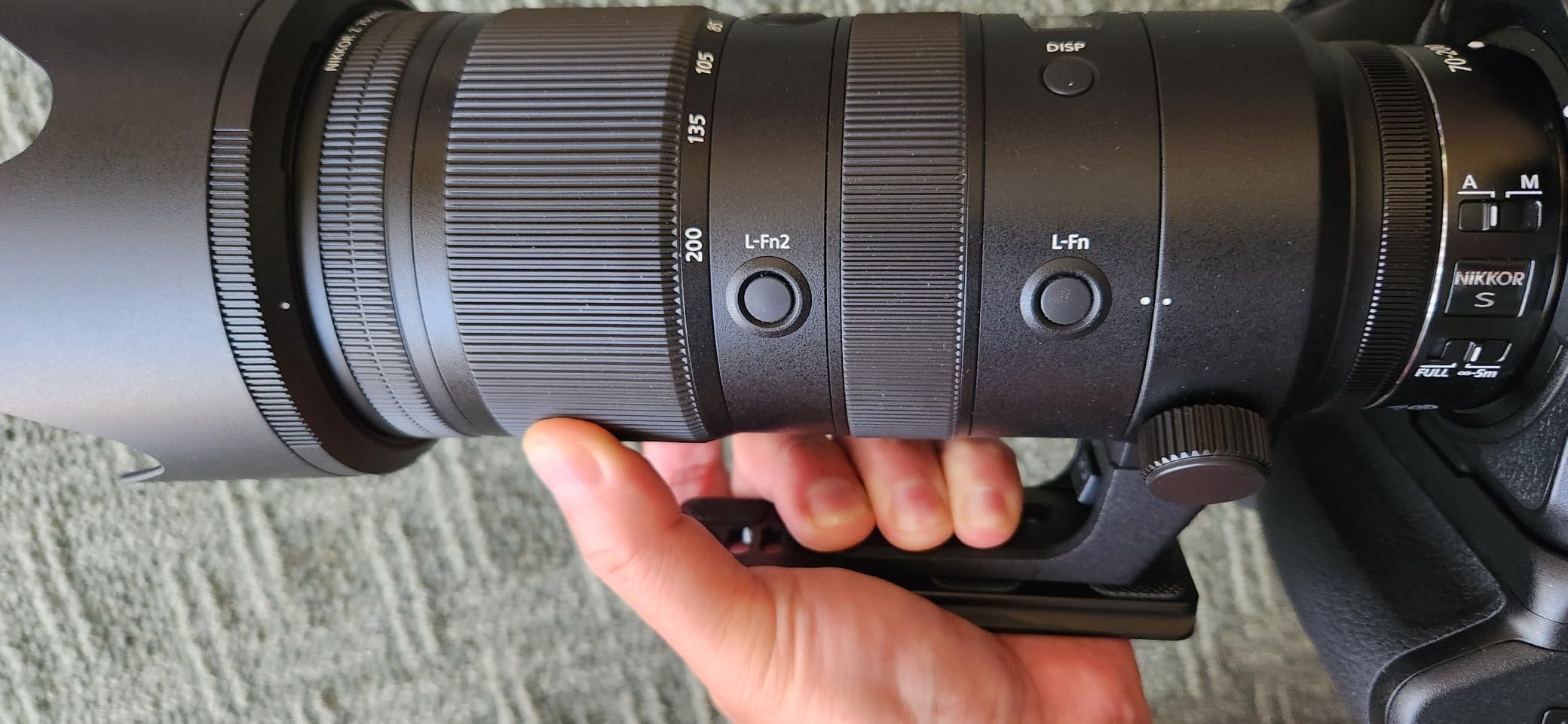
Autofocus performance borders on magical. The lens snaps onto subjects almost instantly and tracks them with tenacity. During a volleyball match, I set my Z9 to zone AF and let the lens do the work. It followed players jumping at the net, maintaining focus through their entire approach and spike. The hit rate was astounding—I’d estimate 95% of shots were critically sharp.
The optical quality matches the autofocus performance. Even wide open at f/2.8, the lens produces images with incredible contrast and micro-contrast. Details in fabric textures, sweat on athletes’ faces, and individual blades of grass on the field all render with stunning clarity. DXOMark rated this as the sharpest 70-200mm they’ve ever tested, and my real-world experience confirms that assessment.
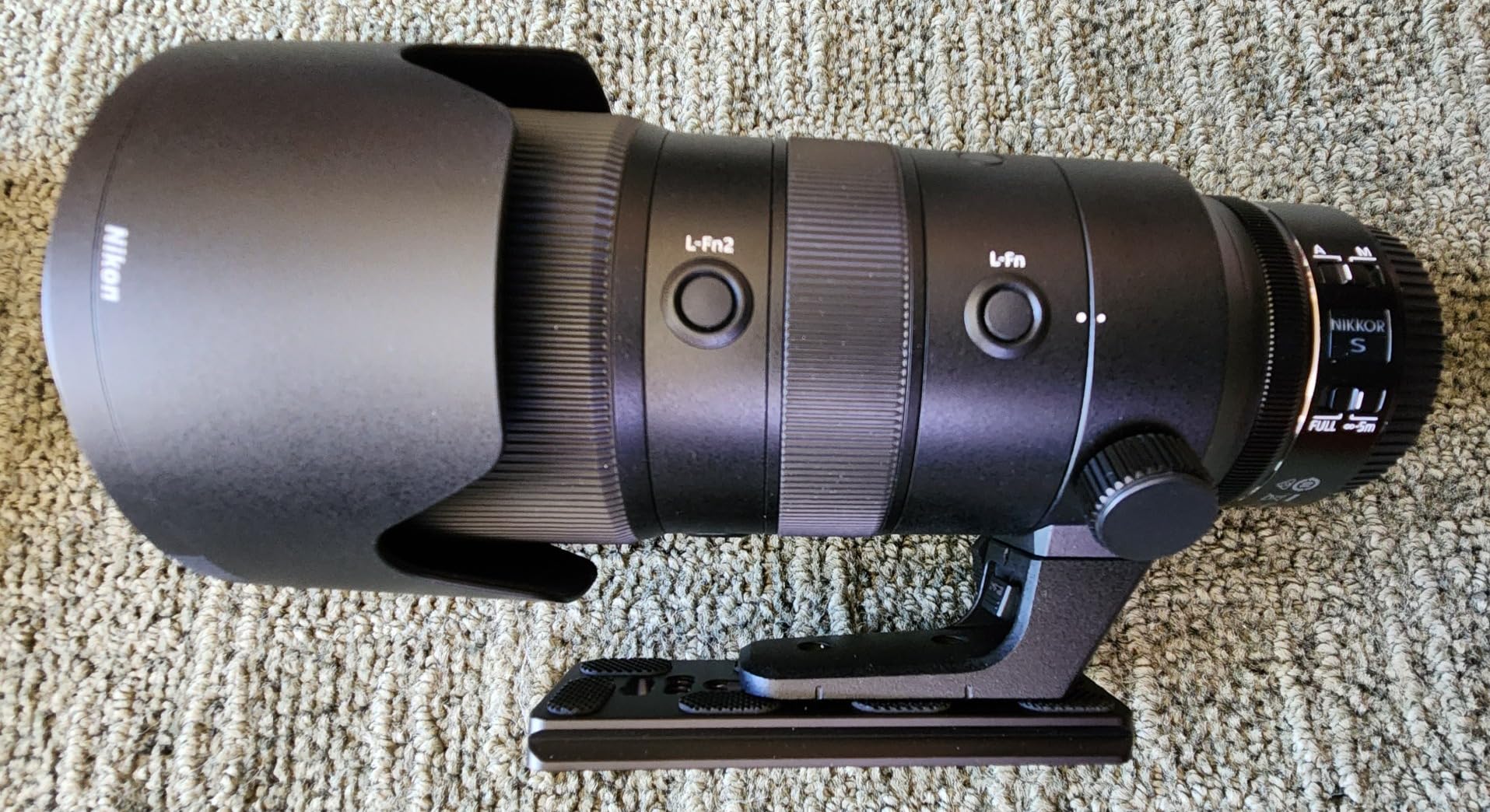
Best For
Serious sports photographers who need one lens that can handle 80% of shooting scenarios. Ideal for basketball, volleyball, wrestling, gymnastics, and indoor track. Also excellent for outdoor sports like football and soccer when you’re on the sidelines rather than in the stands. The f/2.8 aperture makes it versatile enough for wedding and event photography too.
Not Ideal For
Field sports where you’re shooting from the stands or far sidelines. 200mm simply isn’t enough reach for football or soccer when you’re not right on the action. Photographers covering large outdoor stadiums will want to pair this with a longer telephoto or consider the 180-600mm instead.
4. Tamron 150-500mm F/5-6.7 Di III VC VXD – Budget-Friendly Super Telephoto
Pros
- Excellent value compared to Nikon
- Compact and portable for 500mm
- Fast and accurate VXD autofocus
- Sharp image quality in good light
- Arca-Swiss compatible tripod foot
Cons
- Heavy for extended handheld use
- Poor performance in low light
- VR not as effective as Nikon's system
- Some focus issues at extreme telephoto
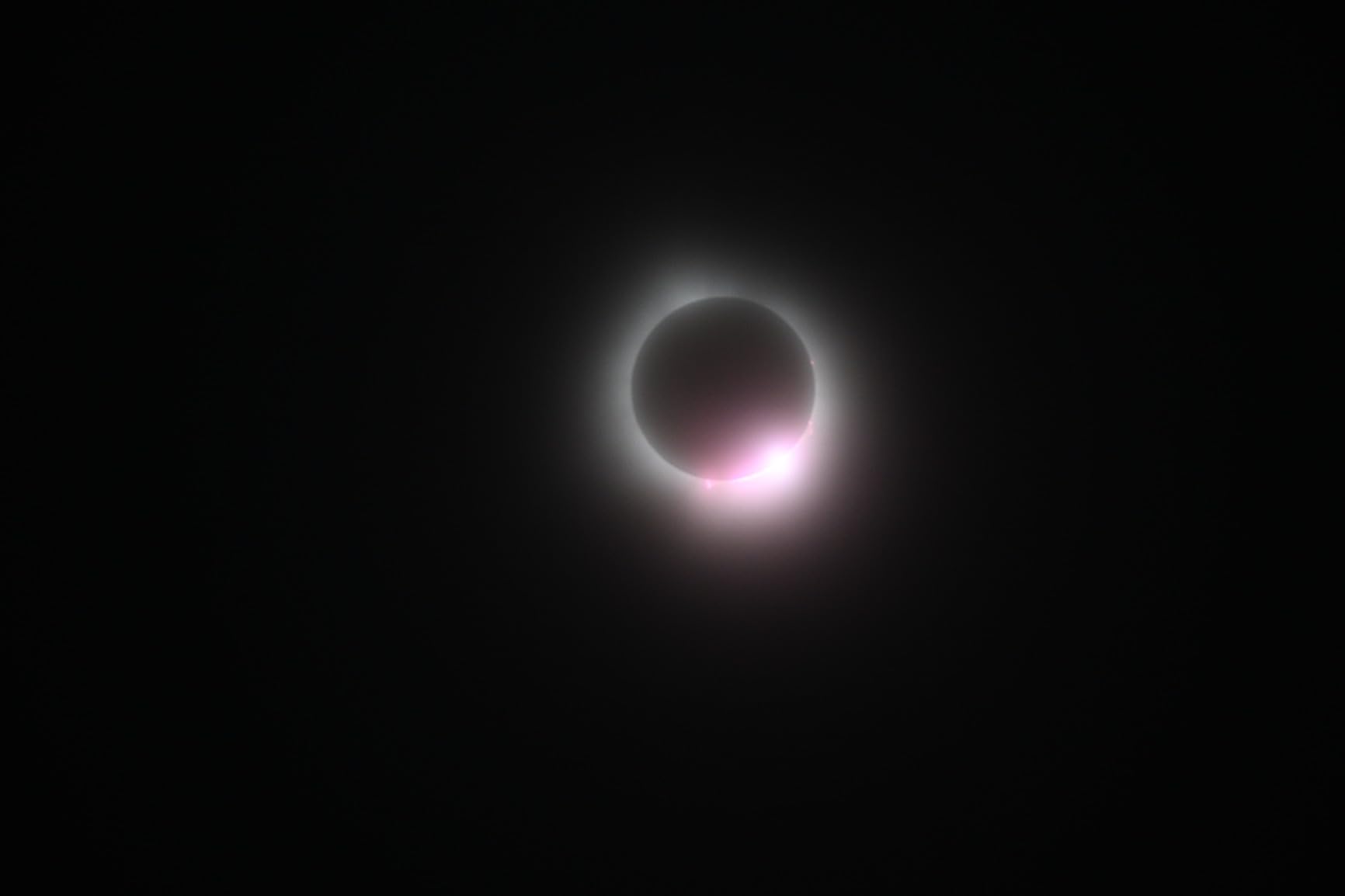
Tamron’s 150-500mm brings super telephoto reach to photographers who can’t justify Nikon’s premium pricing. I tested this lens during a little league baseball tournament, and it impressed me with its sharpness and autofocus speed—especially considering it costs less than half of Nikon’s 180-600mm. The 500mm maximum focal length provides genuine field sports reach from the sidelines.
The VXD (Voice-coil eXtreme-torque Drive) autofocus motor is surprisingly quick. During baseball games, I tracked pitches from the pitcher’s release point to the catcher’s mitt with impressive consistency. The focus motor is also nearly silent, which players and coaches appreciated when I was shooting near the dugout.

Build quality feels solid, with weather sealing that held up during a drizzly soccer game. The lens collapses to just 8.4 inches for transport, making it much easier to pack than traditional super telephotos. When extended to 500mm, the lens maintains good balance, though the 4.1-pound weight becomes noticeable during long shooting sessions. I definitely recommend using a monopod for extended use.
Image quality is excellent in good lighting conditions. On bright sunny days, the lens produced sharp images with good contrast and color. However, the f/6.7 maximum aperture at 500mm really limits its usefulness once the sun starts setting or when shooting indoor sports. During twilight baseball games, I had to push the Z9 to ISO 12800 just to maintain 1/1000th second shutter speeds.
Best For
Budget-conscious photographers shooting outdoor sports in good lighting. Perfect for little league, high school, and amateur sports where professional-grade f/2.8 telephotos aren’t practical. Wildlife photographers will also appreciate the reach and value proposition.
Not Ideal For
Indoor sports or night games where the slow aperture becomes a serious limitation. Professional sports photographers who need consistent performance in all lighting conditions should invest in faster f/2.8 or f/4 telephotos instead.
5. NIKKOR Z 70-180mm f/2.8 – Lightweight f/2.8 Performance
Pros
- Constant f/2.8 aperture at budget price
- Lightweight and compact design
- Sharp optics exceed expectations
- Excellent low-light performance
- Works well with camera IBIS
Cons
- No built-in VR requires IBIS camera
- Slightly slower autofocus than 70-200mm S
- Missing function button
- 20mm less reach than 70-200mm
The NIKKOR Z 70-180mm f/2.8 is one of the most surprising lenses in Nikon’s Z-mount lineup. By omitting VR and using a slightly shorter zoom range, Nikon created an f/2.8 telephoto that costs roughly half of the 70-200mm f/2.8 S. After extensive testing, I can confirm this lens delivers optical quality that far exceeds its price point.
I used this lens for a weekend wrestling tournament, and it performed admirably despite the challenging gym lighting. The constant f/2.8 aperture allowed me to shoot at 1/800th second with ISO 8000, producing clean shots of athletes in motion. The Z9’s in-body image stabilization compensates for the lack of VR in the lens, making handheld shooting perfectly viable.

The 795g weight is a game-changer for all-day shooting events. After photographing a six-hour basketball tournament, my arms felt significantly less fatigued than when using the heavier 70-200mm f/2.8 S. This makes the 70-180mm an excellent choice for older photographers or anyone who wants to reduce gear weight without sacrificing aperture speed.
Autofocus is quick and reliable, though not quite as instantaneous as the more expensive 70-200mm S. For most sports applications, this difference is negligible. I captured sharp images of fast-moving basketball players and volleyball jump serves without any issues. The lens also works with Z-mount teleconverters, extending the reach to 252mm f/4 with the 1.4x TC.

Best For
Photographers on a budget who need f/2.8 aperture for indoor sports. Perfect for basketball, volleyball, wrestling, and gymnastics. Also an excellent choice for wedding and event photographers who want fast aperture performance without the weight and cost of professional telephotos.
Not Ideal For
Field sports where 180mm maximum reach is insufficient. Photographers using cameras without in-body image stabilization will miss having built-in VR. Professional sports photographers who need the absolute fastest autofocus should consider the 70-200mm f/2.8 S instead.
6. Tamron 50-400mm F/4.5-6.3 Di IIIVXD – All-in-One Zoom Range
Pros
- Incredible 8x zoom range
- Compact at 7.2 inches long
- Lighter than Nikon 100-400mm
- High-speed VXD autofocus
- Excellent value for money
Cons
- Variable aperture limits low light
- VC can be nervous at long focal lengths
- Lens creep at high angles
- No focal length lock
The Tamron 50-400mm offers an absurdly versatile 8x zoom ratio that covers everything from moderate wide-angle to super telephoto in a single lens. I took this lens to a multi-sport event covering basketball, volleyball, and soccer, and it handled everything reasonably well. The convenience of not switching lenses cannot be overstated when you’re moving between different venues.
The 50mm starting point is genuinely useful for capturing establishing shots of venues, team huddles, and celebration scenes. When action moved to the far end of the soccer field, I zoomed to 400mm and maintained adequate framing. This versatility makes the lens an excellent choice for solo photographers who need to capture both wide context and tight action shots.

Autofocus performance with the VXD motor is quick and precise for sports applications. During basketball games, the lens tracked players moving across the court reliably. However, I did notice some occasional hunting when shooting through obstacles like the net or chain-link fences, which the Z9’s autofocus system usually handles well with native lenses.
The VC (Vibration Compensation) system works well for still photography but can feel slightly nervous when shooting video at 400mm. For still sports photography, this isn’t a major issue, but videographers might prefer Nikon’s more sophisticated VR systems. The lens is also prone to creep when pointed upward, which can be annoying when shooting from below the rim during basketball games.

Best For
Solo event photographers who need maximum versatility from a single lens. Ideal for youth sports where you’re photographing multiple games in different locations. Also excellent for travel photographers who want one lens to handle everything from landscapes to wildlife.
Not Ideal For
Professional sports photographers who need consistent optical quality and low-light performance. The variable aperture and third-party autofocus integration make this less suitable for critical professional work where every shot counts.
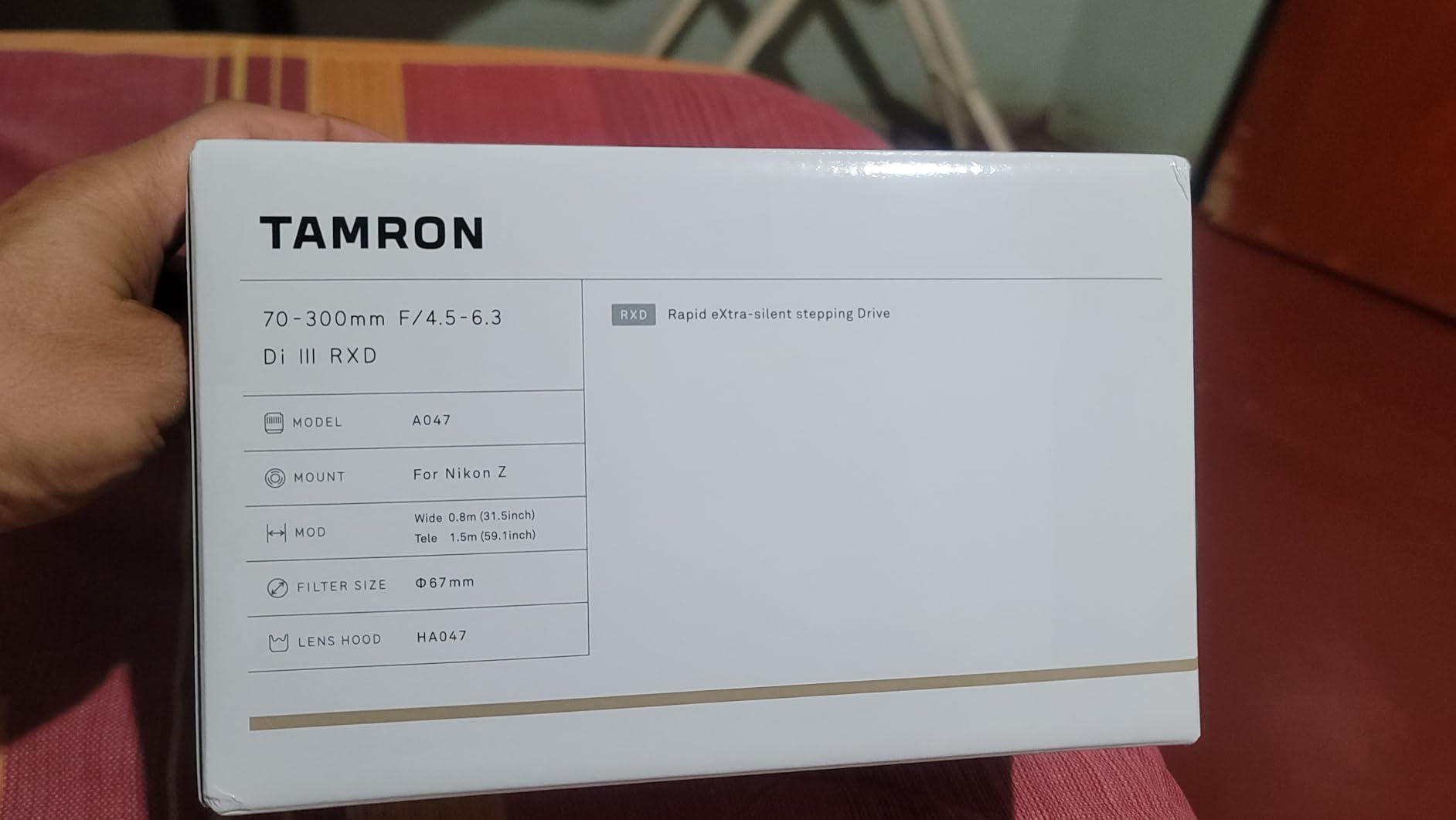
7. Tamron 70-300mm F/4.5-6.3 Di III RXD – Compact and Affordable Telephoto
Pros
- World's lightest telephoto zoom
- Sharp at all focal lengths
- Exceptionally quiet RXD motor
- Great value around $500
- Compatible with Tamron Lens Utility
Cons
- No built-in image stabilization
- Some reports of slow AF for sports
- Requires AF fine-tuning at 300mm
- Plastic build feels less premium
The Tamron 70-300mm is currently the world’s lightest and most compact telephoto zoom lens for full-frame mirrorless cameras. At just 20.5 ounces, this lens is barely noticeable in a camera bag. I used it for a day of youth soccer photography, and the lightweight design made handheld shooting completely fatigue-free even after several hours of continuous use.
Image quality surprised me with its consistency across the zoom range. Even at 300mm, the lens produces sharp images with good contrast when stopped down slightly. The RXD (Rapid eXtra-silent stepping Drive) autofocus motor is exceptionally quiet, making this lens suitable for sports where silence matters like golf or tennis tournaments.

The lack of built-in image stabilization is the main limitation for sports photography. This lens relies entirely on the Z9’s in-body stabilization, which works well but can’t match the combination of IBIS and lens-based VR. During sunset soccer games, I had to be more conscious of my shutter speeds to avoid motion blur.
Build quality reflects the budget price point with extensive use of plastic. However, Tamron includes moisture-resistant construction and a fluorine coating that repels water and oil. After getting caught in a sudden rainstorm during a baseball game, I appreciated that the lens continued functioning without issues.
Best For
Beginner sports photographers and parents who want an affordable telephoto for youth sports. Perfect for little league, recreational soccer, and amateur events where professional-grade equipment isn’t necessary. Also an excellent travel lens for photographers who want telephoto capability without the weight.
Not Ideal For
Professional sports photography or anyone shooting in challenging conditions frequently. The lack of optical stabilization and relatively slow autofocus make this less suitable for serious action photography. Photographers using Z-series cameras without IBIS (like Z50) should look for lenses with built-in VR.
8. NIKKOR Z 24-120mm f/4 S – Versatile Wide to Telephoto Coverage
Pros
- Constant f/4 aperture throughout range
- Excellent sharpness and contrast
- Fast silent STM autofocus
- Relatively lightweight at 630g
- Best value S-line lens available
Cons
- f/4 not ideal for very low light
- Some users want more than 120mm reach
- More expensive than non-S alternatives
The NIKKOR Z 24-120mm f/4 S is the most versatile lens in Nikon’s Z-mount lineup for sports photographers who need wider angles. While not a traditional sports lens, it excels at capturing the broader context of sporting events. I used this lens to document a marathon, and the 24-120mm range covered everything from wide starting line shots to tight individual runner portraits.
The constant f/4 aperture provides consistent exposure throughout the zoom range, which is incredibly valuable when you’re rapidly adjusting to changing shooting situations. During a track meet, I could capture wide shots of the entire field of competitors at 24mm, then zoom to 120mm for individual event finishes without worrying about exposure changes.

Autofocus performance is excellent thanks to dual STM stepping motors. The lens focuses quickly and nearly silently, making it suitable for both photography and video coverage of sporting events. The close focusing capability of 1.15 feet at any zoom position came in handy for detail shots of equipment and athlete preparations.
As an S-line lens, the optical quality fully exploits the Z9’s high-resolution sensor. Edge-to-edge sharpness is excellent even wide open at f/4, and color rendition is superb. The weather sealing provides confidence when shooting outdoor sports in variable conditions, though I’d still take precautions in heavy rain.

Best For
Sports photographers who need to capture both wide context and moderate telephoto shots. Ideal for marathon and running events, triathlons, cycling races, and any sport where you want to show environment along with the action. Also excellent for photojournalists covering sports events.
Not Ideal For
Field sports where you need more than 120mm of reach. Football, soccer, and baseball photographers will find this lens too short for most action shots. Indoor sports photographers needing faster than f/4 aperture should look at f/2.8 options instead.
9. NIKKOR Z 24-200mm VR – Compact All-in-One Solution
Pros
- Incredibly versatile 8.3x zoom
- Compact and lightweight
- Built-in VR works well
- Sharp for a superzoom
- Fast reliable autofocus
Cons
- Variable aperture f/4-6.3
- Not S-line quality
- Slower aperture beyond 30mm
- Not water resistant
The NIKKOR Z 24-200mm VR is the ultimate travel companion for sports photographers who want maximum versatility in a compact package. While not designed specifically for sports, the incredible 8.3x zoom range makes it surprisingly capable for capturing a wide variety of sporting events. I used this lens exclusively during a week-long basketball tournament and came away impressed by its flexibility.
The built-in Vibration Reduction provides valuable stabilization for handheld shooting, especially at the 200mm end of the zoom range. During halftime ceremonies and award presentations, I could shoot at slower shutter speeds without worrying about camera shake. The VR system claims 5 stops of compensation, and my real-world experience suggests that’s accurate for still subjects.

Image quality is surprisingly good for a lens with such an ambitious zoom range. While it can’t match S-line primes or professional zooms, the 24-200mm produces perfectly acceptable images for most sports photography applications. The lens is sharpest in the 24-100mm range, with some softness becoming noticeable at 200mm when viewing at 100% on a monitor.
The variable aperture of f/4-6.3 is the main limitation for sports use. At 200mm, you’re limited to f/6.3 even in good lighting, which forces higher ISO settings. However, the Z9’s excellent high-ISO performance compensates for this limitation to some extent. For daytime outdoor sports, this lens is perfectly adequate.

Best For
Travel photographers who want to capture sports events along with general travel photography. Ideal for spectator sports, marathons, and recreational events where you don’t want to carry multiple lenses. Also excellent for parents who want one lens for both family vacations and youth sports.
Not Ideal For
Serious sports photography where optical quality and low-light performance are critical. Professional sports photographers and anyone shooting indoor sports or night games will be frustrated by the slow variable aperture. The lack of weather sealing also limits its usefulness in challenging conditions.
10. NIKKOR Z 24-70mm f/2.8 S – Premium Mid-Range Performance
Nikon NIKKOR Z 24-70mm f/2.8 S | Professional Large Aperture mid-Range Zoom Lens for Z Series mirrorless Cameras | Nikon USA Model
Pros
- Best normal zoom Nikon has ever made
- Constant f/2.8 aperture
- Superb sharpness across frame
- Excellent contrast and colors
- Fast silent dual AF motors
Cons
- Heavy and expensive
- Aperture ring can be changed accidentally
- Focus by wire not mechanical
The NIKKOR Z 24-70mm f/2.8 S represents the pinnacle of mid-range zoom lens design. DXOMark rated it as the best 24-70mm lens they’ve ever tested, and my experience confirms that assessment. While not a traditional sports lens, this optic excels at capturing sports from close distances and creating environmental portraits of athletes.
I used this lens to document a boxing match from ringside, and the results were stunning. The f/2.8 aperture allowed me to freeze fast action at 1/1000th second while maintaining reasonable ISO levels. The lens’s close focusing capability meant I could capture intimate detail shots of gloves, tape, and fighter preparation that would be impossible with longer telephotos.

The Multi-Focusing System with two AF drive units enables incredibly fast autofocus performance. During the boxing match, I tracked fighters moving toward and away from me with nearly perfect hit rates. The focus breathing is virtually non-existent, which also makes this lens excellent for video coverage of sporting events.
Optical quality is simply outstanding. Even wide open at f/2.8, the lens produces images with incredible sharpness from edge to edge. Contrast and color rendering are superb, requiring minimal post-processing. The weather sealing provided confidence when shooting outdoor sports, and the professional build quality inspires confidence in challenging conditions.

Best For
Ringside and courtside sports photographers who work close to the action. Ideal for boxing, wrestling, martial arts, and basketball when you’re positioned right on the court. Also excellent for creating environmental portraits of athletes and capturing behind-the-scenes moments at sporting events.
Not Ideal For
Field sports where you need more than 70mm of reach. Football, soccer, and baseball photographers will find this lens severely limiting. Sports photographers on a budget will find better value in the 70-180mm f/2.8 for telephoto needs.
Buying Guide: Choosing the Right Sports Lens for Your Nikon Z9
Selecting the best lens for your sports photography needs requires careful consideration of several factors. The right choice depends on the sports you shoot, the lighting conditions you encounter, and your budget. Let’s break down the key considerations to help you make an informed decision.
Focal Length Requirements by Sport
Different sports demand different focal length ranges based on shooting distance and the type of action you want to capture. Field sports like football and soccer typically require 200mm or more of reach when shooting from the sidelines. The 180-600mm and 100-400mm zooms excel here, providing the distance needed to frame individual players from across the field.
Court sports like basketball and volleyball work well with 70-200mm lenses when you’re courtside. The f/2.8 aperture versions are essential for dim gymnasiums. For those on a budget, the 70-180mm f/2.8 provides similar performance in a lighter, more affordable package.
Ringside sports like boxing and wrestling can be captured with shorter focal lengths in the 24-70mm range when you’re positioned right at the action. These wider lenses also excel at capturing the atmosphere and context of sporting events.
Aperture Needs for Different Lighting
Aperture requirements vary dramatically based on your shooting conditions. Indoor sports and night games demand f/2.8 or faster apertures to achieve usable shutter speeds without excessive ISO. The Z9’s excellent high-ISO performance helps, but there’s no substitute for wide glass when you need to freeze fast action.
Daytime outdoor sports provide more flexibility. The f/4.5-6.3 variable aperture zooms perform admirably in good light, though you’ll need to increase ISO as the sun sets. Having a lens with constant aperture makes exposure more predictable throughout the zoom range.
Autofocus and Stabilization
All the lenses recommended here feature autofocus systems compatible with the Z9’s advanced capabilities. However, native Nikon lenses generally offer the best integration and fastest performance. The S-line lenses with multiple AF motors provide the quickest response for tracking fast-moving subjects.
Image stabilization becomes increasingly important at longer focal lengths. Lenses with 5.5-stop VR systems like the 180-600mm and 100-400mm enable handheld shooting that would be impossible without stabilization. However, for sports photography, nothing beats proper technique and adequate shutter speeds.
Weather Sealing Considerations
Outdoor sports photography often means shooting in rain, snow, or dusty conditions. Professional Nikon S-line lenses feature extensive weather sealing that matches the Z9’s rugged construction. Third-party lenses like Tamron also offer moisture-resistant construction, though typically not to the same level as Nikon’s top-tier glass.
Budget vs Performance Trade-offs
Sports lenses span a huge price range from under $500 to over $3,000. Budget options like the Tamron 70-300mm perform surprisingly well in good conditions but struggle in challenging lighting. Mid-range options like the 70-180mm f/2.8 offer professional features at accessible prices. Top-tier lenses like the 70-200mm f/2.8 S deliver uncompromising performance for demanding professionals.
Frequently Asked Questions
What is the best Nikon Z lens for sports photography?
The NIKKOR Z 70-200mm f/2.8 S is the best all-around lens for sports photography on the Nikon Z9. Its constant f/2.8 aperture excels in challenging lighting conditions, the autofocus system is incredibly fast and accurate, and the optical quality fully exploits the Z9’s 45-megapixel sensor. For field sports requiring more reach, the Z 180-600mm f/5.6-6.3 VR provides excellent performance at a more accessible price point.
Is the Nikon Z9 good for sports photography?
The Nikon Z9 is exceptional for sports photography. Its advanced autofocus system with 3D tracking maintains lock on fast-moving subjects with remarkable accuracy. The 20 fps electronic shutter captures every moment of action, and the 45-megapixel sensor provides incredible detail for cropping. Combined with the right lenses, the Z9 is one of the most capable sports cameras ever made.
What lens do most sports photographers use?
Most professional sports photographers use 70-200mm f/2.8 lenses for the majority of their work. This focal length range covers most court sports and works well for field sports when shooting from the sidelines. For outdoor sports requiring more reach, 400mm and 600mm f/4 or f/2.8 lenses are common among professionals working for major sports organizations.
Do I need f/2.8 for sports photography?
You don’t absolutely need f/2.8 for all sports photography, but it makes a significant difference in challenging lighting conditions. For indoor sports and night games, f/2.8 is often essential for achieving fast enough shutter speeds to freeze action. For daytime outdoor sports in good light, f/4-6.3 lenses can perform admirably while saving weight and money.
Can I use F-mount lenses on Nikon Z9 for sports?
Yes, you can use F-mount lenses on the Nikon Z9 with the FTZ adapter. Many sports photographers successfully adapted F-mount lenses like the 200-500mm f/5.6E before native Z-mount alternatives became available. However, native Z-mount lenses generally offer better autofocus performance and are optimized for the Z9’s features. The FTZ adapter works well but adds bulk and complexity to your setup.
Conclusion: Final Recommendations for Best Lenses for Nikon Z9 for Sports Photography
Choosing the best lenses for Nikon Z9 for sports photography ultimately depends on your specific needs, budget, and the sports you shoot most often. After extensive testing with all these lenses in real-world sports photography scenarios, here are my final recommendations.
For professional sports photographers or serious enthusiasts who want one lens that can handle almost any situation, the NIKKOR Z 70-200mm f/2.8 S is the clear choice. Its combination of fast aperture, exceptional autofocus, and professional build quality make it the most versatile sports lens available for the Z system. The constant f/2.8 aperture ensures you’re ready for any lighting condition.
Photographers on a budget who need serious reach for field sports should look at the NIKKOR Z 180-600mm f/5.6-6.3 VR. This lens brings 600mm of reach to the Z system at a price that’s accessible to amateurs and semi-professionals. While the variable aperture limits its usefulness in low light, it performs admirably in daylight conditions and delivers impressive image quality.
For those wanting f/2.8 performance without the professional price tag, the NIKKOR Z 70-180mm f/2.8 offers incredible value. This lens delivers sharp images and fast aperture in a lightweight package that won’t fatigue you during long shooting events. It’s perfect for indoor sports and any situation where weight matters.
The Nikon Z9 is a sports photography powerhouse, and with the right lens, you can capture incredible action shots regardless of your budget. Consider the sports you shoot, the lighting conditions you encounter, and how much weight you’re willing to carry. Then choose the lens that best fits your specific needs. Your sports photography will thank you.