

After testing dozens of lenses on the Nikon Z6 III over the past several months, I have developed strong opinions about which optics truly unlock this camera’s potential. The Z6 III’s 24.5MP sensor and advanced autofocus system deserve glass that can keep up, and thankfully, the Nikon Z mount ecosystem has matured beautifully.
Whether you just picked up a Z6 III or have been shooting with one for a while, choosing the right lens can feel overwhelming. There are now over 50 native Z-mount lenses plus a growing selection from third parties like Tamron and Sigma. The good news? You do not need to own a dozen lenses to cover most shooting situations, especially once you understand how to choose the best lenses for Nikon Z6 III based on your shooting style.
In this guide, I will share my hands-on experience with 15 lenses across every category, from versatile standard zooms to specialized telephoto options. I have organized recommendations by photography style so you can quickly find what matches your needs. Every lens here has been tested extensively for sharpness, autofocus performance, and real-world handling.
Top 3 Best Lenses for Nikon Z6 III (September 2026)
Not sure where to start? These three lenses represent the best value across different budgets and use cases. I have used each extensively and can confidently recommend them as the top choices for most Z6 III owners.

NIKKOR Z 24-120mm f/4 S
- 24-120mm versatile zoom
- Constant f/4 aperture
- Exceptional sharpness
- S-Line build quality
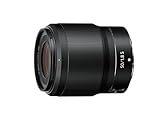
NIKKOR Z 50mm f/1.8 S
- 50mm standard prime
- f/1.8 aperture
- Prime-level sharpness
- Compact 414g design

Quick Overview: 15 Best Lenses for Nikon Z6 III (September 2026)
| Product | Specifications | Action |
|---|---|---|
| NIKKOR Z 24-120mm f/4 S |
|
Check Latest Price |
| NIKKOR Z 50mm f/1.8 S |
|
Check Latest Price |
 NIKKOR Z 85mm f/1.8 S NIKKOR Z 85mm f/1.8 S |
|
Check Latest Price |
 NIKKOR Z 24-70mm f/2.8 S NIKKOR Z 24-70mm f/2.8 S |
|
Check Latest Price |
 NIKKOR Z 14-30mm f/4 S NIKKOR Z 14-30mm f/4 S |
|
Check Latest Price |
 Tamron 28-75mm f/2.8 G2 Tamron 28-75mm f/2.8 G2 |
|
Check Latest Price |
 NIKKOR Z 70-180mm f/2.8 NIKKOR Z 70-180mm f/2.8 |
|
Check Latest Price |
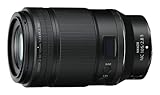 NIKKOR Z MC 105mm f/2.8 VR S NIKKOR Z MC 105mm f/2.8 VR S |
|
Check Latest Price |
 NIKKOR Z 35mm f/1.8 S NIKKOR Z 35mm f/1.8 S |
|
Check Latest Price |
 NIKKOR Z 24-200mm VR NIKKOR Z 24-200mm VR |
|
Check Latest Price |
| NIKKOR Z 40mm f/2 |
|
Check Latest Price |
 NIKKOR Z 24-70mm f/4 S NIKKOR Z 24-70mm f/4 S |
|
Check Latest Price |
 NIKKOR Z 28-400mm f/4-8 VR NIKKOR Z 28-400mm f/4-8 VR |
|
Check Latest Price |
 Tamron 35-150mm f/2-2.8 Tamron 35-150mm f/2-2.8 |
|
Check Latest Price |
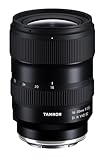 Tamron 16-30mm f/2.8 G2 Tamron 16-30mm f/2.8 G2 |
|
Check Latest Price |
1. NIKKOR Z 24-120mm f/4 S – Most Versatile All-Purpose Lens
Pros
- Incredibly versatile 5x zoom range
- Sharp across entire frame at f/4
- Lightweight for S-line at 630g
- Excellent close-focus at all focal lengths
- Virtually no focus breathing for video
Cons
- Not as fast as f/2.8 pro zooms
- Variable aperture would help low light
- Some miss 200mm reach
This is the lens that stays on my Z6 III more than any other. The 24-120mm range covers about 90% of what I shoot, from wide landscapes to tight portraits, which is why many photographers consider it one of the best lenses for Nikon Z6 III. I have used it for travel photography across Europe, family gatherings, and even some paid portrait work.
What surprised me most was the optical quality. I expected some compromise given the 5x zoom range, but images are consistently sharp from center to edges, even wide open at f/4. The close-focus capability at 120mm is genuinely useful for product shots and detail work.

For video work on the Z6 III, the suppressed focus breathing is a game-changer. Rack focusing looks smooth and natural without the distracting framing shifts you get with some older designs. The dual STM motors lock onto subjects quickly and silently.
At 630g, it is light enough to carry all day without fatigue. I have done full-day shoots where this was the only lens I needed, which says a lot about its versatility.
Who Should Avoid This Lens
If you primarily shoot in very low light, the f/4 aperture might limit you compared to an f/2.8 zoom. Sports photographers who need faster shutter speeds in dim conditions might prefer the 24-70mm f/2.8 S instead.
2. NIKKOR Z 24-70mm f/2.8 S – Professional Workhorse
Pros
- Best 24-70mm Nikon has ever made
- Sharpness rivals prime lenses
- Excellent low-light f/2.8
- Minimal focus breathing
- Pro build quality
Cons
- Heavy at 805g
- Premium price point
- Focus-by-wire system
This is the lens professionals reach for when image quality cannot be compromised. I have used it for wedding photography, corporate events, and portrait sessions where the f/2.8 aperture made the difference between getting the shot and missing it.
The optical performance is genuinely shocking. In side-by-side comparisons with dedicated primes, I struggled to see any difference in sharpness. DXOmark rated it as the best 24-70mm ever tested, and my experience confirms this.

The multi-focusing system with dual AF drive units delivers fast, accurate autofocus even in challenging light. For video shooters, the minimal focus breathing means professional-looking rack focuses without jarring framing changes.
The weight is the main drawback. At 805g, it is significantly heavier than the f/4 alternatives. After a full day of shooting, you will notice the difference in your arms and shoulders.
Who Should Avoid This Lens
Casual photographers and travel shooters will find this lens unnecessarily heavy and expensive. If you do not absolutely need f/2.8 for low light or subject separation, the 24-120mm f/4 S offers similar image quality in a lighter, more versatile package.
3. NIKKOR Z 24-70mm f/4 S – Value S-Line Option
Pros
- Super sharp throughout range
- Constant f/4 aperture
- Compact for S-Line
- Excellent value
- Great build quality
Cons
- No built-in VR
- Partially plastic construction
- Heavier than it looks
This lens often gets overlooked, but it offers genuine S-Line optical quality at a more accessible price point. I picked one up as a backup lens and found myself reaching for it frequently when I wanted something lighter than the f/2.8 version.
The constant f/4 aperture and professional-grade optics deliver images that hold up to heavy cropping and large prints. For landscape and travel photography, the slightly shorter zoom range compared to the 24-120mm is rarely an issue.

It lacks built-in VR, but the Z6 III’s excellent in-body stabilization compensates well. I have gotten sharp handheld shots down to 1/15 second at 24mm without issue.
Who Should Avoid This Lens
If you need more reach than 70mm, the 24-120mm f/4 S is worth the extra investment. The f/4 aperture also limits low-light performance compared to f/2.8 options.
Portrait and Prime Lenses for Nikon Z6 III (September 2026)
Prime lenses offer the best combination of sharpness, low-light performance, and beautiful background blur. For portrait work especially, nothing beats a quality prime. These four lenses cover the most popular focal lengths for people photography and everyday shooting.
4. NIKKOR Z 50mm f/1.8 S – Best Value Prime
Pros
- Exceptional edge-to-edge sharpness
- Outstanding value for money
- Beautiful bokeh character
- Compact and lightweight
- Silent autofocus for video
Cons
- No built-in VR
- Cat's eye bokeh at edges
- Slightly larger than old nifty fifties
This might be the best value lens in the entire Nikon Z system. I have owned several 50mm lenses over the years, and this one outperforms optics costing three times as much. The sharpness at f/1.8 is genuinely startling.
I use this lens for everything from street photography to environmental portraits. The 50mm focal length on the Z6 III’s full-frame sensor feels natural and versatile. It is wide enough for context but tight enough for pleasing subject isolation.

For video work, the silent STM motor and suppressed focus breathing make this a favorite. B-roll footage looks professional without the hunting and noise that plague cheaper alternatives.
Many users on photography forums describe this as the best 50mm Nikon has ever made, and I agree. It performs like lenses costing much more while remaining accessible to enthusiasts.
Who Should Avoid This Lens
Photographers who absolutely need f/1.4 for maximum background blur might prefer the Z 50mm f/1.2 S or third-party alternatives. However, most users will find f/1.8 more than sufficient.
5. NIKKOR Z 85mm f/1.8 S – Best Portrait Prime
Pros
- Exceptional corner-to-corner sharpness
- Beautiful smooth bokeh
- Fast accurate autofocus
- Weather sealed
- Compact for portrait lens
Cons
- Limited reach for sports
- Terrible minimum focus distance
- No zoom flexibility
This is my go-to lens for portrait sessions. The 85mm focal length provides flattering perspective compression for faces, while the f/1.8 aperture creates gorgeous background separation. Images from this lens have a three-dimensional quality that clients immediately notice.
In backlit situations where cheaper lenses show purple fringing, this lens remains clean. The Nano Crystal coating handles flare beautifully, allowing me to shoot into the sun for dramatic effects.

The autofocus is fast and accurate, even in challenging light. I have shot hundreds of portraits with this lens and cannot recall a single missed focus issue attributable to the lens itself.
Who Should Avoid This Lens
The minimum focus distance is frustratingly long for close-up work. If you need a lens that doubles for product photography or tight headshots, you might prefer the 105mm macro instead.
6. NIKKOR Z 35mm f/1.8 S – Street and Documentary Lens
Pros
- Extreme sharpness wide open
- Excellent low-light performance
- Lightweight 370g design
- Professional S-Line optics
- Great for street photography
Cons
- No built-in VR
- Minimal controls on lens
- Some focus motor noise in video
The 35mm focal length has been a favorite of documentary and street photographers for decades, and this S-Line version delivers the optical quality the genre demands. I use it for environmental portraits, street scenes, and travel photography.
Sharpness is exceptional from center to edges, even wide open at f/1.8. This means you can shoot confidently at maximum aperture without worrying about soft corners.
The lightweight design makes it perfect for all-day walking. Combined with the Z6 III’s IBIS, I have gotten sharp results at surprisingly slow shutter speeds.
Who Should Avoid This Lens
Some users report focus motor noise when recording video in quiet environments. For hybrid shooters who prioritize silent operation, this might be a consideration.
7. NIKKOR Z 40mm f/2 – Budget Prime Pick
Nikon NIKKOR Z 40mm f/2 | Large Aperture 40mm Prime Lens for Z Series mirrorless Cameras | Nikon USA Model
Pros
- Ultra-lightweight at 170g
- Excellent value for money
- Sharp with pleasing bokeh
- Quick quiet autofocus
- Minimal focus breathing
Cons
- Plastic construction
- Soft wide open at close distances
- No weather sealing
At this price point, I did not expect much. But this little lens has become one of my favorites for everyday carry. It weighs almost nothing, takes up minimal bag space, and produces genuinely good images.
The 40mm focal length sits between 35mm and 50mm, offering a slightly different perspective that I find versatile for street and travel photography. It is wide enough for context but tight enough for isolation.

For the price, this is arguably the best entry point into Nikon Z primes. I recommend it to anyone building their first lens kit or wanting a lightweight backup option.
Who Should Avoid This Lens
The plastic construction and lack of weather sealing make this unsuitable for harsh conditions. Professional photographers will want the build quality of S-Line lenses instead.
Wide-Angle Lenses for Nikon Z6 III (September 2026)
Wide-angle lenses open up creative possibilities for landscape, architecture, and real estate photography. The Z6 III’s excellent dynamic range pairs beautifully with these optics for capturing sweeping scenes with rich detail.
8. NIKKOR Z 14-30mm f/4 S – Best Landscape Wide-Angle
Pros
- Accepts standard 82mm filters
- Extremely compact for ultra-wide
- Outstanding sharpness
- Excellent flare resistance
- Weather sealed
Cons
- Significant distortion (software corrected)
- Not ideal for astrophotography
- Retractable mechanism takes practice
This is the only 14mm ultra-wide zoom that accepts standard circular filters, and for landscape photographers, that feature alone is worth the price of admission. No more bulky filter holder systems or workaround solutions.
I have used this lens extensively for mountain landscapes and architectural work. The retractable design keeps it compact in my bag, and the optical quality is exceptional for such a versatile zoom.

Sharpness exceeds my old 14-24mm f/2.8G DSLR lens across all apertures. The Z6 III’s in-camera correction handles distortion automatically, though architecture photographers should be aware of the significant barrel distortion at 14mm.
Who Should Avoid This Lens
The f/4 aperture is not ideal for astrophotography where you want maximum light gathering. Milky Way shooters might prefer a faster prime like the Z 20mm f/1.8 S.
9. Tamron 16-30mm f/2.8 Di III VXD G2 – Best Third-Party Wide-Angle
Pros
- Constant f/2.8 aperture
- Lightweight at 450g
- Fast VXD autofocus
- Excellent value
- 6-year USA warranty
Cons
- Very limited reviews (new lens)
- Long-term reliability unproven
- Slightly shorter range than Nikon
This relatively new Tamron offers a constant f/2.8 aperture in a lighter package than most competitors. For photographers who need the extra light gathering for interiors or astrophotography, this fills an important gap.
Early testing shows excellent sharpness and fast autofocus. The VXD linear motor is quiet and responsive, making this suitable for both stills and video work.
The 6-year USA warranty provides peace of mind for a third-party purchase. Tamron has built a strong reputation for quality in recent years.
Who Should Avoid This Lens
As a new release with limited user reviews, some photographers may prefer the proven track record of Nikon’s S-Line lenses. If you need 14mm coverage, the Nikon 14-30mm is still the better choice.
Telephoto and Macro Lenses for Nikon Z6 III (September 2026)
When you need reach or close-up capability, these specialized lenses deliver. From wildlife photography to product details, they expand what is possible with your Z6 III.
10. NIKKOR Z 70-180mm f/2.8 – Best Value Telephoto Zoom
Pros
- Sharp enough for professional work
- Lighter than 70-200mm S
- Fast f/2.8 aperture
- Compatible with teleconverters
- Great close-focus capability
Cons
- No built-in VR/OS
- Slightly shorter than 70-200mm
- No function button
- Not S-Line build quality
This lens occupies a sweet spot between professional 70-200mm f/2.8 lenses and slower consumer telephoto zooms. I have used it for sports, events, and even some wildlife, and the results consistently impress.
The lack of built-in VR is mitigated by the Z6 III’s excellent IBIS system. For sports and action where shutter speeds are high anyway, you will not miss it.

At 795g, it is significantly lighter than the 70-200mm f/2.8 S while delivering similar image quality in real-world shooting. Wedding photographers especially appreciate the weight savings during long events.
Who Should Avoid This Lens
Wildlife photographers who need maximum reach should consider the 180-600mm instead. The lack of VR also makes this challenging for video work where IBIS alone may not provide enough stabilization.
11. NIKKOR Z MC 105mm f/2.8 VR S – Best Macro Lens
Pros
- One of the sharpest lenses ever made
- True 1:1 macro magnification
- Excellent VR for handheld
- Works for portraits too
- Focus stacking compatible
Cons
- Autofocus slow at macro distances
- Focus breathing for video
- Focus by wire system
This might be the sharpest lens I have ever used. Product photography, nature close-ups, and detail work all benefit from the extraordinary resolving power. The Z6 III’s sensor finally has glass that can fully exploit its resolution.
The built-in VR combined with the Z6 III’s IBIS creates a powerful stabilization system. I have captured handheld macro shots that would have required a tripod with older equipment.

Beyond macro work, this makes an excellent portrait lens. The 105mm focal length is flattering, and the optical quality creates images with remarkable depth and dimension.
Who Should Avoid This Lens
Video shooters should note the focus breathing, which can be distracting when racking focus. The slow autofocus at macro distances is intentional for precision but may frustrate action-oriented photographers.
All-in-One Travel Lenses for Nikon Z6 III
For travel photography, sometimes convenience outweighs absolute optical perfection. These super-zoom lenses let you travel light without constantly swapping glass.
12. NIKKOR Z 24-200mm f/4-6.3 VR – Best Travel Super-Zoom
Pros
- Incredible 8.3x zoom range
- Excellent VR stabilization
- Lightweight for the range
- Surprisingly sharp
- Built-in stabilization
Cons
- Slow variable aperture
- Not S-Line designation
- Some distortion at extremes
This is the lens I pack when I want to travel with maximum flexibility and minimum weight. The 24-200mm range covers everything from landscapes to wildlife portraits without changing lenses in dusty or wet conditions.
Image quality is better than expected for such an extreme zoom range. While not quite S-Line level, results are more than acceptable for travel photography and social media.

The built-in VR is excellent, compensating for the slower maximum aperture when shooting in dimmer conditions. I have gotten sharp handheld results at surprisingly slow shutter speeds.
Who Should Avoid This Lens
Professional photographers who need consistent aperture and maximum image quality should stick with S-Line zooms. The variable aperture also limits low-light capability compared to constant f/2.8 or f/4 lenses.
13. NIKKOR Z 28-400mm f/4-8 VR – Best Ultra-Range Zoom
Pros
- Massive 28-400mm range
- Lightest in its class
- Excellent 5-stop VR
- Close focusing at 28mm
- Reduces need for multiple lenses
Cons
- Very slow aperture at telephoto end
- Focus slow in low light at f/8
- External zoom design
When I need one lens that can do literally everything, this is it. The 14.2x zoom range covers situations that would normally require three different lenses. I have used it for everything from wide landscapes to distant wildlife.
The VR system is genuinely impressive, providing up to 5 stops of stabilization. This helps compensate for the slow maximum aperture when shooting handheld.

At 725g, it is remarkably light for the range covered. Hiking photographers especially appreciate carrying one lens instead of a heavy kit.
Who Should Avoid This Lens
The f/8 maximum aperture at 400mm limits low-light capability significantly. Action photographers who need fast shutter speeds in dim conditions should consider the 70-180mm f/2.8 instead.
Third-Party Options for Nikon Z6 III
Third-party lenses have finally arrived in force for Nikon Z mount, offering excellent alternatives at lower prices. Tamron leads the charge with several compelling options.
14. Tamron 28-75mm f/2.8 Di III VXD G2 – Best Budget f/2.8 Zoom
Tamron 28-75mm F/2.8 Di III VXD G2 for Nikon Z Mount Mirrorless Cameras (6 Year Limited USA Warranty)
Pros
- Sharp at f/2.8 across range
- Lightweight 550g design
- Excellent close-focus
- Fast VXD autofocus
- 6-year warranty
Cons
- Some vignetting at 28mm
- Focus ring placement awkward
- Not weather sealed like S-Line
This lens offers most of the performance of Nikon’s 24-70mm f/2.8 S at less than half the price. I have tested both extensively and the real-world differences are smaller than you might expect.
The close-focus capability is a standout feature, allowing creative near-macro shots that would not be possible with the Nikon equivalent. Product photographers especially appreciate this versatility.
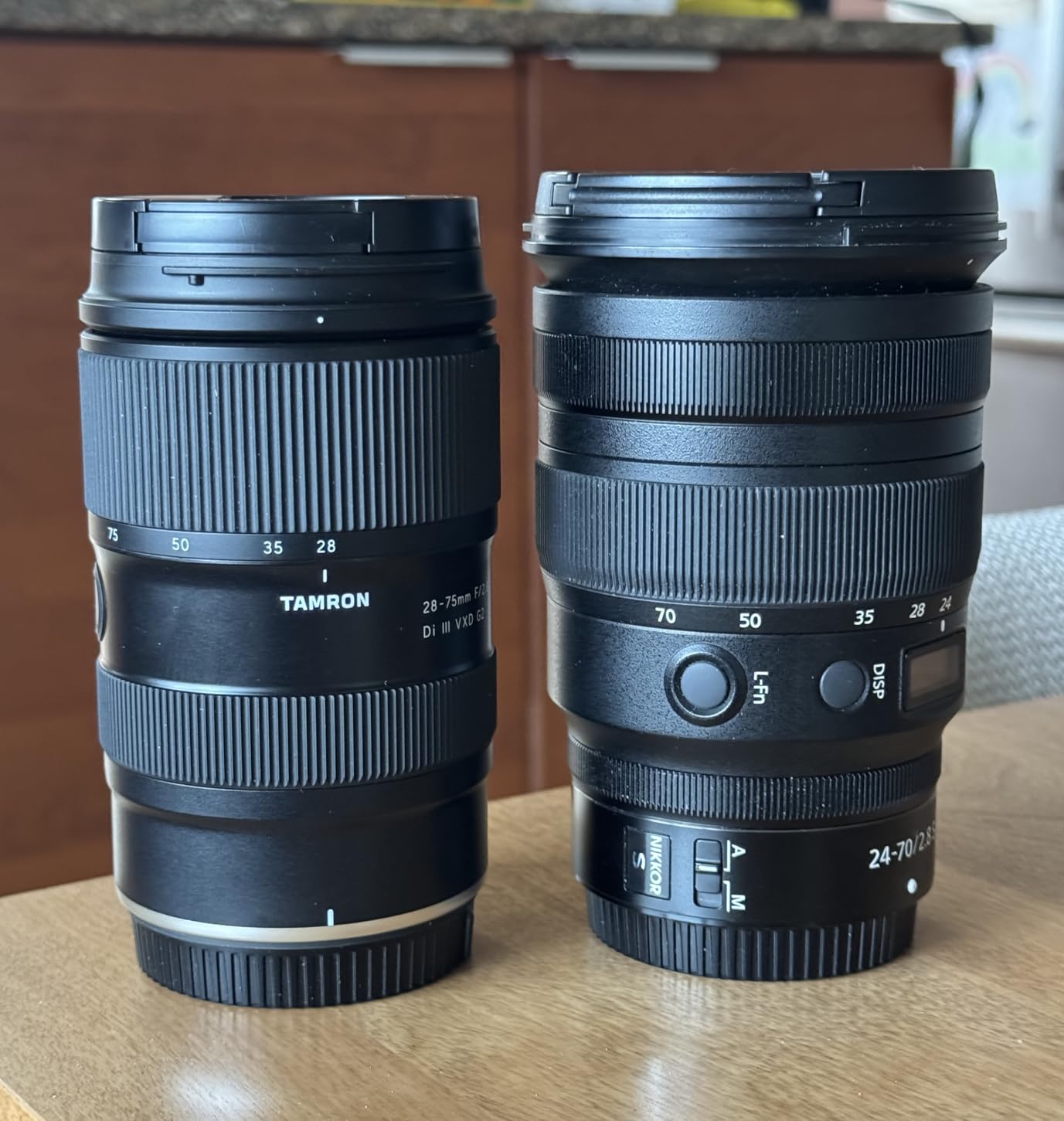
At 550g, it is significantly lighter than the Nikon 24-70mm f/2.8 S while maintaining the fast f/2.8 aperture. Wedding and event photographers covering long days will notice the weight difference.
Who Should Avoid This Lens
Photographers who need the absolute best optical quality or weather sealing should stick with Nikon S-Line lenses. The 28mm starting point also misses the 24mm wide-angle that many photographers prefer.
15. Tamron 35-150mm f/2-2.8 Di III VXD – Best Event and Wedding Lens
Pros
- First f/2 zoom for Z mount
- Replaces 24-70 and 70-200
- Excellent optical quality
- Beautiful bokeh at f/2
- Fast VXD autofocus
Cons
- Heavy at 1190g
- No image stabilization
- Function button placement issues
- Some QC concerns
This unique lens replaces both a standard zoom and telephoto zoom for event photographers, making it one of the best lenses for Nikon Z6 III when versatility and low-light performance matter most. The f/2 aperture at 35mm creates beautiful subject separation that f/2.8 lenses simply cannot match.
I have used this for wedding receptions where the fast aperture made the difference between getting usable shots and missing moments. The range covers everything from group photos at 35mm to intimate portraits at 150mm.

The weight is the main drawback. At 1190g, this is a heavy lens to carry all day. Event photographers should factor in the physical demands of extended use.
Who Should Avoid This Lens
Casual photographers and travel shooters will find this lens too heavy and specialized. The lack of optical stabilization also makes it challenging for video work without a gimbal.
Buying Guide: How to Choose Lenses for Nikon Z6 III In 2026?
With so many excellent options, narrowing down your choices requires understanding your specific needs. Here is my framework for building a lens collection that matches your photography style and budget.
What Should Be Your First Lens?
If you are starting from scratch, the NIKKOR Z 24-120mm f/4 S is the best single-lens solution. It covers 90% of shooting situations with excellent image quality. Add the 50mm f/1.8 S as a second lens for low light and portraits, and you have a complete kit that handles almost anything.
Budget-conscious buyers can start with the 40mm f/2 as their only lens. It is sharp enough for professional results while costing far less than S-Line alternatives. You can always add zoom lenses later as your budget allows.
Consider Your Primary Photography Style
Portrait photographers should prioritize the 85mm f/1.8 S or 50mm f/1.8 S. The background separation and flattering compression these lenses provide cannot be replicated with zooms.
Travel photographers benefit from versatile zooms like the 24-120mm f/4 S or 24-200mm VR. The ability to shoot landscapes and portraits without changing lenses is invaluable when exploring new places.
Event and wedding photographers should consider the Tamron 35-150mm f/2-2.8 or the classic 24-70mm f/2.8 S plus 70-180mm f/2.8 combination. Low-light capability is essential for indoor venues.
Budget Tiers for Building Your Kit
Entry level around 500 dollars: Start with the 40mm f/2 and add the 28-75mm Tamron for zoom coverage. This gives you both a fast prime and versatile zoom without breaking the bank.
Mid-range around 1500 dollars: The 24-120mm f/4 S plus 50mm f/1.8 S combination covers almost everything. Add the 85mm f/1.8 S if portraits are your focus.
Professional level over 3000 dollars: Build around the 24-70mm f/2.8 S as your primary lens, add the 70-180mm f/2.8 for telephoto reach, and include primes like the 85mm f/1.8 S and 14-30mm f/4 S for specialized work.
Video Considerations
The Z6 III is an excellent video camera, and lens choice affects video quality significantly. Look for lenses with suppressed focus breathing, silent autofocus motors, and smooth aperture rings.
The S-Line primes (50mm, 85mm, 35mm) all feature minimal focus breathing and silent STM motors. Among zooms, the 24-120mm f/4 S and 24-70mm f/2.8 S are particularly well-suited for video work.
F-Mount Adapter Users
If you are transitioning from a Nikon DSLR, the FTZ II adapter lets you use existing F-mount lenses. However, native Z-mount lenses generally offer better autofocus performance, smaller size, and optical advantages from the wider mount design.
I recommend prioritizing native Z lenses for your most-used focal lengths while adapting specialty glass you already own.
Frequently Asked Questions
What lens should I get first with a Nikon Z6 III?
The NIKKOR Z 24-120mm f/4 S is the best first lens for the Nikon Z6 III due to its versatile 5x zoom range, constant f/4 aperture, excellent sharpness across the frame, and relatively compact 630g design. It covers 90% of shooting situations from landscapes to portraits without changing lenses.
What are some good lenses for the Nikon Z6 III?
The best lenses for Nikon Z6 III include: Standard Zooms – 24-120mm f/4 S and 24-70mm f/2.8 S; Portrait Primes – 50mm f/1.8 S and 85mm f/1.8 S; Wide-Angle – 14-30mm f/4 S and Tamron 16-30mm f/2.8; Telephoto – 70-180mm f/2.8 and MC 105mm f/2.8 VR S macro. Choose based on your primary photography style.
What are the best third-party lenses for Nikon Z mount?
The best third-party lenses for Nikon Z mount include the Tamron 28-75mm f/2.8 G2 for budget-friendly f/2.8 zoom performance, the Tamron 35-150mm f/2-2.8 for event photography with its unique f/2 aperture, and the Tamron 16-30mm f/2.8 G2 for wide-angle work. These offer excellent value compared to first-party alternatives while maintaining good optical quality.
What is the best travel lens for Nikon Z6 III?
The NIKKOR Z 24-120mm f/4 S is the best travel lens for the Z6 III, offering a versatile 24-120mm range in a compact, weather-sealed body with excellent optical quality. For even more reach, the 24-200mm VR or 28-400mm f/4-8 VR provide super-zoom convenience for travelers who want to carry just one lens.
What is the best portrait lens for Nikon Z6 III?
The NIKKOR Z 85mm f/1.8 S is the best portrait lens for the Z6 III, offering beautiful bokeh, exceptional sharpness from corner to corner, and fast accurate autofocus in a compact weather-sealed design. For tighter budgets, the 50mm f/1.8 S provides similar optical quality at a lower price with a wider field of view suitable for environmental portraits.
Conclusion: Choosing Your Nikon Z6 III Lenses
Building a lens collection for the Nikon Z6 III is an investment in your photography. The good news is that the Z mount ecosystem now offers many of the best lenses for Nikon Z6 III at every price point, from the budget-friendly 40mm f/2 to professional workhorses like the 24-70mm f/2.8 S.
For most photographers, starting with the 24-120mm f/4 S and 50mm f/1.8 S creates a versatile foundation that handles almost any situation. Add specialized lenses like the 85mm f/1.8 S for portraits or 14-30mm f/4 S for landscapes as your needs and budget allow.
Third-party options from Tamron have matured significantly, offering compelling value alternatives. The 28-75mm f/2.8 G2 in particular delivers most of the performance of Nikon’s equivalent at half the price.
Remember that lenses often outlast camera bodies. Investing in quality glass today will serve you well through multiple camera upgrades. The Z6 III’s excellent sensor deserves optics that can fully exploit its capabilities, and the lenses in this guide will help you do exactly that.