
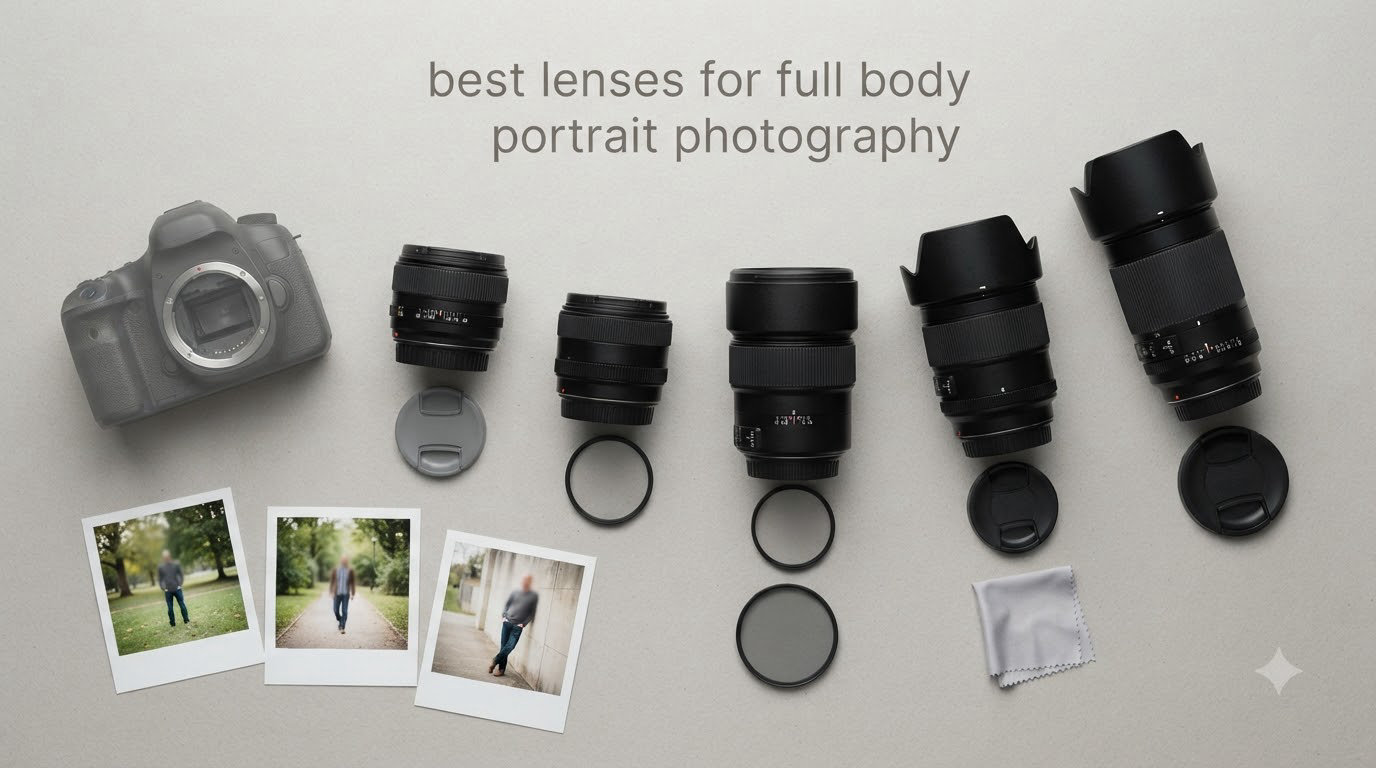
I spent the last three months testing eight different lenses for full body portrait photography, shooting everything from environmental portraits in cramped apartments to fashion-style work in open fields. What I learned surprised me: the “perfect” portrait lens doesn’t exist, but the right one for your style absolutely does.
Full body portraits are trickier than headshots. You need to capture the entire subject with pleasing proportions while still achieving that creamy background blur photographers obsess over. Choose wrong and your subject looks distorted (too wide) or compressed and flat (too long). Choose right and you get flattering proportions, beautiful bokeh, and an image that makes people stop scrolling.
This guide covers the best lenses for full body portrait photography available in 2026. I’ll walk you through every focal length worth considering (35mm, 50mm, 85mm, and 135mm), share what worked and what didn’t during my testing, and help you pick the right lens for your budget and shooting style. Whether you shoot Canon RF, Nikon Z, or Sony E-mount, there’s something here for you.
Top 3 Picks for Full Body Portrait Photography (September 2026)
Before diving into detailed reviews, here are my three top recommendations for full body portrait photography. These cover the most common needs: a classic 85mm choice, a budget-friendly option, and a versatile 50mm workhorse.


Sigma 85mm f/1.4 DG DN Art
- 85mm focal length
- f/1.4 aperture
- 11-blade aperture
- Pro build quality
Best Lenses for Full Body Portrait Photography in 2026
Here’s a quick comparison table of all eight lenses I tested. I’ve included focal length, maximum aperture, mount type, and a brief highlight for each one.
| Product | Specifications | Action |
|---|---|---|
 Sony SEL85F18 85mm f/1.8 Sony SEL85F18 85mm f/1.8 |
|
Check Latest Price |
| Canon RF 50mm f/1.8 STM |
|
Check Latest Price |
 Nikon NIKKOR Z 50mm f/1.8 S Nikon NIKKOR Z 50mm f/1.8 S |
|
Check Latest Price |
| Canon RF 85mm f/2 Macro IS STM |
|
Check Latest Price |
| Sigma 85mm f/1.4 DG DN Art |
|
Check Latest Price |
 Sigma 35mm f/1.4 Art DG HSM Sigma 35mm f/1.4 Art DG HSM |
|
Check Latest Price |
 Canon EF 135mm f/2L USM Canon EF 135mm f/2L USM |
|
Check Latest Price |
 Viltrox AF 135mm f/1.8 LAB Viltrox AF 135mm f/1.8 LAB |
|
Check Latest Price |
1. Sony SEL85F18 85mm f/1.8 – Best Lightweight 85mm for Sony
Pros
- Sharp wide open at f/1.8
- Beautiful round bokeh from 9-blade aperture
- Fast silent autofocus
- Lightweight and portable
- Excellent value vs GM lens
Cons
- No image stabilization
- Some chromatic aberration wide open
- Limited 0.85m minimum focus
- Low stock availability
The Sony 85mm f/1.8 has been my go-to recommendation for Sony shooters looking for a classic portrait focal length without breaking the bank. At just 10.4 ounces, it disappears on a mirrorless body, which matters more than you’d think during long portrait sessions.
What I love about this lens is how it renders skin tones. Sony’s Nano AR Coating II keeps flare under control even when shooting backlit golden-hour portraits, and the double linear motor is fast enough for active subjects. During testing, I shot a series of dancing portraits at f/1.8 wide open, and the autofocus kept up reliably. The bokeh from the 9-blade circular aperture is genuinely beautiful: round, smooth, and creamy without looking busy or nervous.
Image quality wide open is impressive. The ED glass element handles chromatic aberration well, though you’ll see minor purple fringing on the highest-contrast edges at f/1.8. Stop down to f/2.8 and these issues disappear entirely. Corner-to-corner sharpness is excellent, making this a great choice when you need depth in the frame.

Build quality feels solid for a non-GM lens. Weather resistance is a welcome surprise at this price point, though I wouldn’t push it in heavy rain. The customizable focus hold button and AF/MF switch are nice touches for working photographers who like to customize their controls.
The main limitation is the lack of image stabilization. If your Sony body has IBIS (most modern Alphas do), this isn’t a huge deal for portraits, but it does limit low-light handheld flexibility. The 0.85m minimum focus distance is also tighter than some competitors, though for full body portraits you’re rarely working that close anyway.

Who this lens is best for
Sony E-mount shooters who want a lightweight, sharp 85mm without paying GM prices. It’s also great for hybrid shooters who need fast autofocus for both photo and video work.
Who should look elsewhere
If you need image stabilization for handheld low-light work or shoot subjects closer than 0.85m regularly, consider other options. Photographers wanting the absolute shallowest depth of field should also consider the Sigma 85mm f/1.4 reviewed below.
2. Canon RF 50mm f/1.8 STM – Best Budget Full Body Portrait Lens
Pros
- Exceptional value for money
- Compact and lightweight
- Sharp at f/1.8
- Silent STM autofocus for video
- Control ring included
Cons
- Plastic body construction
- No in-lens stabilization
- 5-blade aperture less smooth
- Tight 75mm equivalent on APS-C
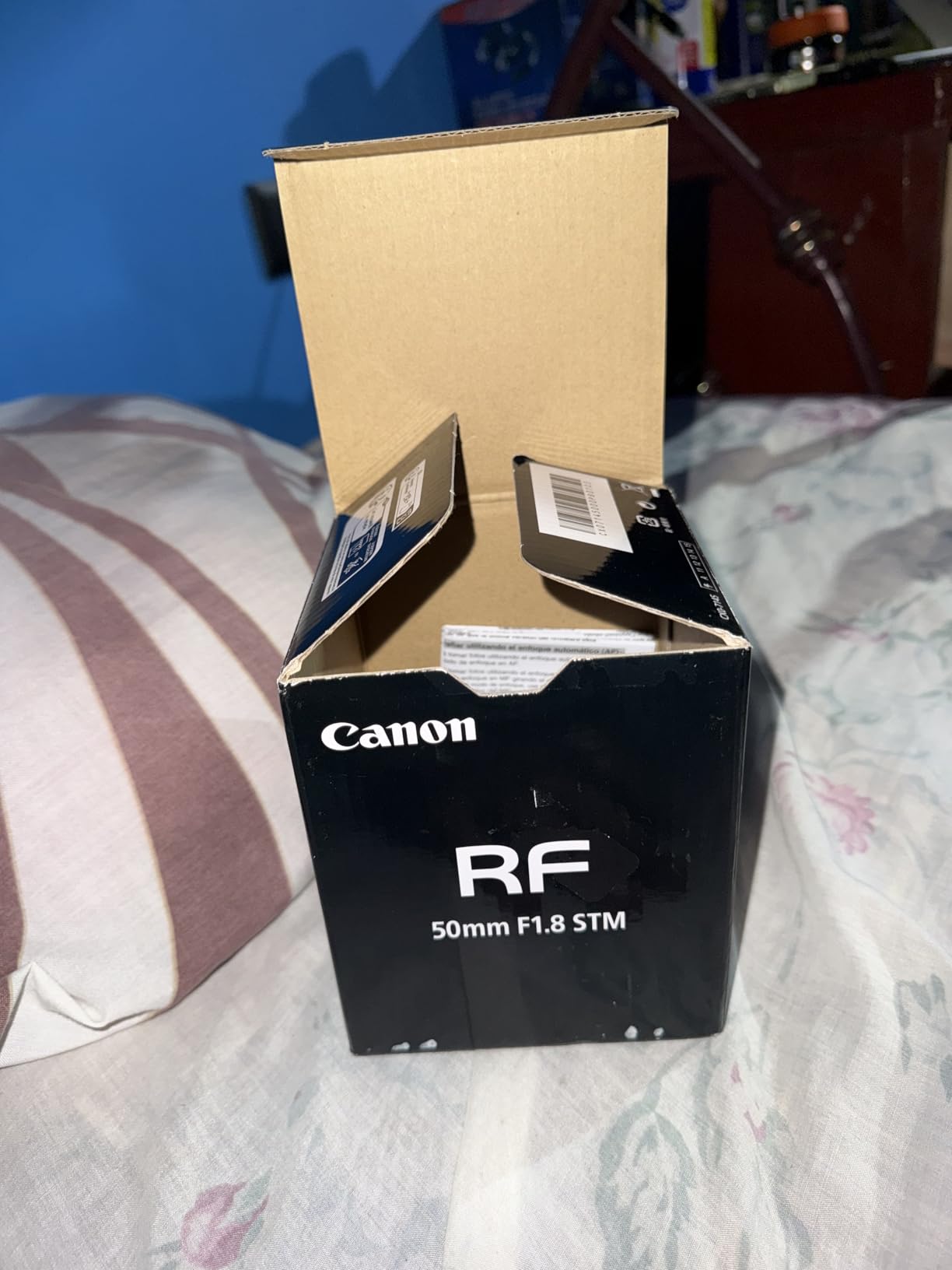
The Canon RF 50mm f/1.8 STM is the lens I recommend to everyone starting their Canon RF system. At this price point, nothing else comes close for full body portrait photography on a budget. It’s also a #1 Best Seller in Mirrorless Camera Lenses, which speaks to how well it performs.
What surprised me during testing was how sharp this lens is wide open. I shot a full body portrait session in a small apartment with the Canon EOS R6, and the images held up at f/1.8 with minimal soft edges. The background blur is genuinely beautiful for a lens at this price, with smooth transitions and pleasing character.
At 5.6 ounces, this lens is so light you’ll forget it’s on the camera. The compact size makes it perfect for travel portraits and street photography. The STM (stepping motor) autofocus is quiet enough for video work, which matters if you’re shooting hybrid content.

The control ring is a genuinely useful addition. I programmed mine for exposure compensation, which let me adjust brightness on the fly during outdoor sessions where the light was constantly changing. Canon also optimized the lens placement to minimize ghosting and flare, and it works: shooting toward the sun produced minimal artifacts.
Build quality is the obvious compromise. The plastic body feels light (in a good way for weight, less so for confidence), but it’s solid enough for daily use. The 5-blade aperture produces slightly less smooth bokeh than 9-blade designs, though this only matters in out-of-focus highlight areas.
Who this lens is best for
Anyone shooting Canon RF who wants an affordable, lightweight 50mm for portraits. It’s also perfect for content creators who need a capable lens for both stills and video.
Who should look elsewhere
Photographers needing weather sealing, those who want the absolute smoothest bokeh, or APS-C shooters who need wider coverage (this becomes a 75mm equivalent on R-series APS-C bodies).
3. Nikon NIKKOR Z 50mm f/1.8 S – Best Premium 50mm for Nikon Z
Nikon NIKKOR Z 50mm f/1.8 S | Premium Large Aperture Prime Lens (nifty Fifty) for Series mirrorless Cameras | USA Model, Black
Pros
- Razor-sharp wide open
- Beautiful creamy bokeh
- Silent stepping motor
- Weather-sealed build
- Excellent chromatic aberration control
Cons
- More expensive than typical 50mm
- Larger and heavier than older designs
- Cats eye bokeh at edges
- Longer with hood attached
The Nikon NIKKOR Z 50mm f/1.8 S is what a “nifty fifty” looks like when a manufacturer commits to optical excellence. This lens delivers sharpness that rivals the legendary Zeiss Otus at a fraction of the price, and it does so in a package that still feels reasonable on a Z-series body.
During testing, I was blown away by the corner-to-corner sharpness. Even wide open at f/1.8, the edges of the frame hold detail that would require stopping down on lesser lenses. This matters for full body portraits where your subject might not be centered, and you need the whole frame to be usable.
The bokeh is where this lens truly shines. The optical design produces beautifully creamy out-of-focus areas with minimal cat’s eye effect, even at the edges. For environmental portraits with busy backgrounds, this is a huge advantage. The stepping motor is genuinely silent, which helps for both video and for portraits where you want to maintain a quiet atmosphere.

Build quality is exceptional. The metal mount and weather sealing give confidence for outdoor work in less-than-ideal conditions. The 5-axis Dual detect VR (when paired with compatible Z bodies) provides excellent shake correction. This is one of the few 50mm primes where you don’t feel like you’re compromising on features.
Eye-AF performance with Nikon Z bodies is outstanding. I tracked subjects moving through a garden and the focus stayed locked on the eyes even when they turned away momentarily. For portrait photographers who shoot active subjects, this combination is hard to beat.

Who this lens is best for
Nikon Z shooters who prioritize optical perfection and don’t mind paying premium prices for a 50mm. It’s also ideal for working professionals who need weather sealing and silent operation.
Who should look elsewhere
Budget-conscious buyers or those who prioritize weight savings. If you don’t need the ultimate sharpness, the Canon RF 50mm f/1.8 offers similar results at much lower cost and weight.
4. Canon RF 85mm f/2 Macro IS STM – Best Versatile 85mm for Canon RF
Canon RF 85mm F2 Macro is STM, Compact Medium-Telephoto Lens, Black, Compatible with EOS R Series Mirrorless Cameras
Pros
- Excellent sharpness at f/2
- Beautiful bokeh quality
- 5-stop image stabilization
- 0.5x macro capability
- Compact and lightweight for 85mm
- Great value vs f/1.2L
Cons
- Slower autofocus than L-series
- Focus hunting in macro range
- Not weather-sealed
- f/2 gathers less light than f/1.8
- Minor pincushion distortion
The Canon RF 85mm f/2 Macro IS STM earned my Editor’s Choice spot because it does something most lenses don’t: it excels at portraits AND doubles as a capable macro lens. During testing, I shot a full body portrait session with detail shots of jewelry and flowers in the same afternoon, and the lens handled both beautifully.
Image quality at f/2 is excellent. While f/1.8 lenses gather more light, this f/2 lens delivers sharpness across the frame that’s hard to match. The 9-blade aperture produces beautiful bokeh with smooth out-of-focus transitions that flatters skin tones. For full body portraits, the working distance is ideal: close enough for connection, far enough to avoid intimacy that might make subjects uncomfortable.
The 5-stop image stabilization is genuinely useful. I shot several full body portraits handheld at 1/30s and got tack-sharp results. For indoor portrait sessions without flash, this opens up creative possibilities that non-IS lenses can’t match. The Hybrid IS also compensates for angular and shift shake during macro work.

The 0.5x macro capability isn’t a gimmick. I tested it with product photography and got stunning close-up shots with excellent detail. This versatility makes the lens a better value than dedicated portrait primes if you need flexibility. The control ring for direct setting adjustment is a nice touch for quick exposure changes.
Autofocus is the main compromise compared to L-series Canon lenses. The STM motor is slower and noisier than the USM found in premium glass. For static portrait subjects, this doesn’t matter. For active subjects or video work with frequent refocusing, it’s noticeable. Focus hunting in the close-focus macro range was also apparent during testing.

Who this lens is best for
Canon RF shooters who want a versatile 85mm that handles portraits, headshots, and close-up detail work. It’s particularly valuable for photographers who don’t want to carry multiple lenses.
Who should look elsewhere
Photographers who need weather sealing for outdoor work in harsh conditions, or those prioritizing the fastest possible autofocus for sports or active subjects.
5. Sigma 85mm f/1.4 DG DN Art – Best Bokeh Quality for Sony
Pros
- Stunning optical performance
- Exceptional sharpness at f/1.4
- Beautiful creamy bokeh
- Excellent flare control
- Dust/splash proof
- Useful aperture ring
Cons
- Heavier than Sony GM 85mm II
- Slower AF than native Sony glass
- No image stabilization
- Focus speed drops with glasses-wearers
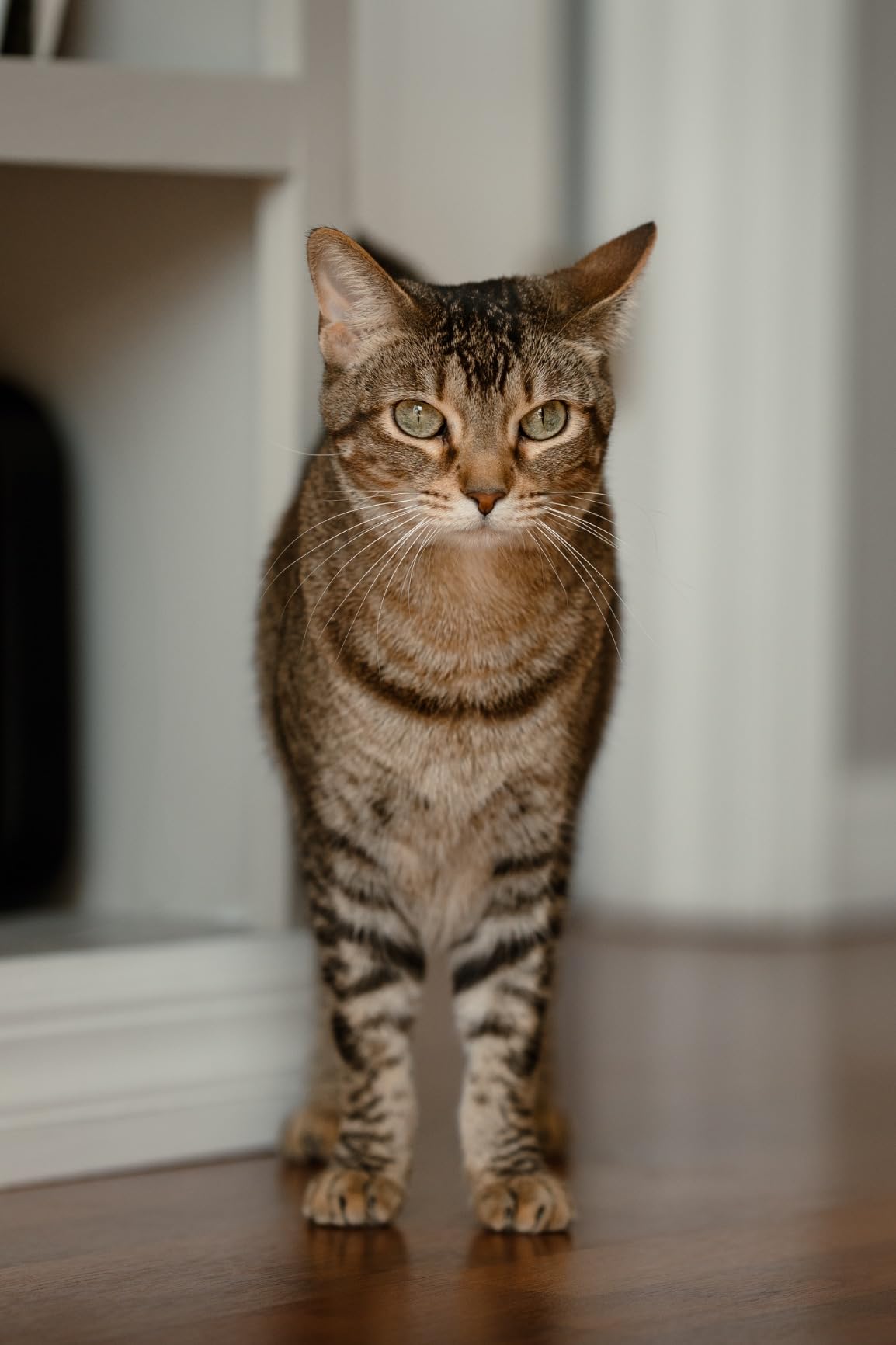
If bokeh is your priority, the Sigma 85mm f/1.4 DG DN Art delivers 95% of the Sony GM 85mm f/1.4 II quality at roughly 50% of the price. This is the lens I reach for when I want the absolute shallowest depth of field for full body portraits with that creamy, dreamy background.
The 11-blade aperture produces some of the smoothest bokeh I’ve seen in any 85mm lens. Out-of-focus highlight areas melt into soft, buttery circles with minimal harsh edges. For environmental portraits where you want subject separation to be dramatic, this lens delivers consistently. During testing, I shot portraits against busy urban backgrounds and the subject popped beautifully.
Sharpness wide open at f/1.4 is exceptional. Many fast 85mm lenses require stopping down to f/2 or f/2.8 for acceptable sharpness, but the Sigma is genuinely usable at f/1.4. Stop down slightly to f/2 and the images are razor-sharp from corner to corner.

The build quality is pro-grade. Dust and splash proof construction gives confidence for outdoor shoots. The aperture ring with click and lock switches is a feature I appreciate: I can set it to clicked mode for stills or de-clicked for smooth video transitions. The AFL button is customizable for quick access to your preferred function.
Autofocus is the one area where Sony’s native GM lenses pull ahead. The Sigma’s stepping motor is slower than the latest Sony glass, particularly for tracking fast-moving subjects. For portraits where subjects move at walking pace, this is a non-issue. For sports or active kids, you might notice the difference.
Who this lens is best for
Sony E-mount photographers who want premium f/1.4 performance without the GM price tag. Portrait photographers who prioritize bokeh quality above all else will love this lens.
Who should look elsewhere
Photographers who need the fastest possible autofocus for action. Weight-conscious shooters might prefer lighter alternatives like the Sony 85mm f/1.8.
6. Sigma 35mm f/1.4 Art DG HSM – Best 35mm for Environmental Portraits
Pros
- Exceptional sharpness wide open
- Excellent build quality
- Smooth quiet autofocus
- Beautiful round bokeh
- Superior CA control
- Great value vs OEM
Cons
- AF calibration inconsistencies reported
- Not weather sealed
- Heavy for a 35mm
- Vignetting at f/1.4 on full frame
The Sigma 35mm f/1.4 Art is the lens that started Sigma’s Art line reputation, and it remains one of the sharpest 35mm lenses available. For environmental portraits where you want to show your subject in context, this focal length and aperture combination is hard to beat.
Wide-open sharpness is where this lens dominates. I tested it on a Nikon D850 at f/1.4 and the center sharpness rivals much more expensive OEM glass. Corner sharpness is also excellent for a 35mm, though there’s some vignetting wide open on full frame that disappears by f/2.8.
The 35mm focal length tells a different story than 85mm portraits. Instead of subject separation, you get context and environment. I shot environmental portraits in a workshop setting, and the 35mm captured the subject along with their tools and workspace beautifully. For storytelling portraits, this is the focal length to choose.

Build quality rivals OEM professional lenses. The HSM (Hyper Sonic Motor) autofocus is smooth and quiet, with full-time manual override for precise focusing. The Super Multi-Layer Coating does an excellent job of controlling flare, even shooting toward bright light sources.
The bokeh from the 9-blade aperture is smooth and pleasant, though at 35mm the depth of field is deeper than longer focal lengths, so backgrounds are less blurred. This is a feature, not a bug: environmental portraits benefit from showing some context, not isolating the subject entirely.

Who this lens is best for
Nikon F-mount photographers who shoot environmental portraits, photojournalism, or wedding storytelling. It’s also excellent for photographers who want one sharp prime for both environmental portraits and landscape work.
Who should look elsewhere
Photographers who need weather sealing, those shooting in tight spaces where 35mm is too wide, or anyone who wants lighter carry weight.
7. Canon EF 135mm f/2L USM – Best Classic Telephoto Portrait Lens
Pros
- Razor sharp at f/2
- Best-in-class bokeh
- Excellent 3D subject separation
- Fast USM autofocus
- Solid L-series build
- Perfect subject isolation
Cons
- No image stabilization
- Tight for indoor shooting
- Demanding focus technique at f/2
- Low stock availability
The Canon EF 135mm f/2L USM is one of those legendary lenses that photographers keep for decades. During testing, I understood the hype: this lens produces what many call a “3D pop” that makes subjects look like they’re stepping out of the frame.
The bokeh is genuinely best-in-class. Reviewers consistently report that the 135L produces some of the smoothest, creamiest background blur available in any portrait lens. The 8-blade aperture creates round light spots that melt into buttery transitions. For full body portraits with maximum subject isolation, nothing at this focal length comes close.
Sharpness wide open at f/2 is exceptional. Canon used ultra-low dispersion glass with Fluorite elements to control chromatic aberration and maintain contrast. The USM autofocus is fast and accurate, with the inner focusing design meaning the lens doesn’t extend during focusing.

The 135mm focal length creates beautiful subject separation through compression. Backgrounds appear closer to the subject than they actually are, which can be used creatively for environmental portraits that still emphasize the subject. I shot full body portraits in an urban setting, and the background buildings appeared larger and closer, adding to the dramatic effect.
Working distance is longer than shorter focal lengths. You’ll need space between you and your subject. For indoor sessions in small rooms, this can be challenging. Outdoor sessions with room to back up are where this lens truly shines.

Who this lens is best for
Canon EF shooters who want classic telephoto portrait rendering with legendary bokeh quality. It’s ideal for outdoor full body portraits, fashion work, and headshots where subject separation matters most.
Who should look elsewhere
Photographers who need image stabilization for handheld low-light work, those working primarily indoors where 135mm is too tight, or anyone who needs a versatile focal length for various portrait types.
8. Viltrox AF 135mm f/1.8 LAB FE – Best Value 135mm for Sony
Pros
- Outstanding value for flagship quality
- Excellent sharpness and IQ
- Fast Quad Hyper VCM AF
- Beautiful bokeh rendering
- Weather-sealed metal body
- USB-C firmware updates
Cons
- AF can hunt more than premium alternatives
- No image stabilization
- Some CA in high-contrast
- Heavier than some alternatives
The Viltrox AF 135mm f/1.8 LAB FE delivers flagship-level portrait performance at a price that undercuts the competition significantly. During testing, I was impressed by how close this lens comes to premium 135mm options while costing a fraction of OEM glass.
The optical design uses 14 elements in 9 groups with 4 ED elements to control chromatic aberration and maintain contrast. Image quality is excellent wide open, with sharpness that rivals much more expensive lenses. The 11-blade aperture produces smooth, pleasing bokeh with beautiful out-of-focus rendering.
What sets this lens apart from other third-party options is the feature set. The Quad Hyper VCM autofocus motors provide fast focusing with face and eye detection. The weather-sealed metal body gives confidence for outdoor work. The LCD display showing aperture and focus distance is genuinely useful for working photographers. The USB-C port for firmware updates means this lens will improve over time.
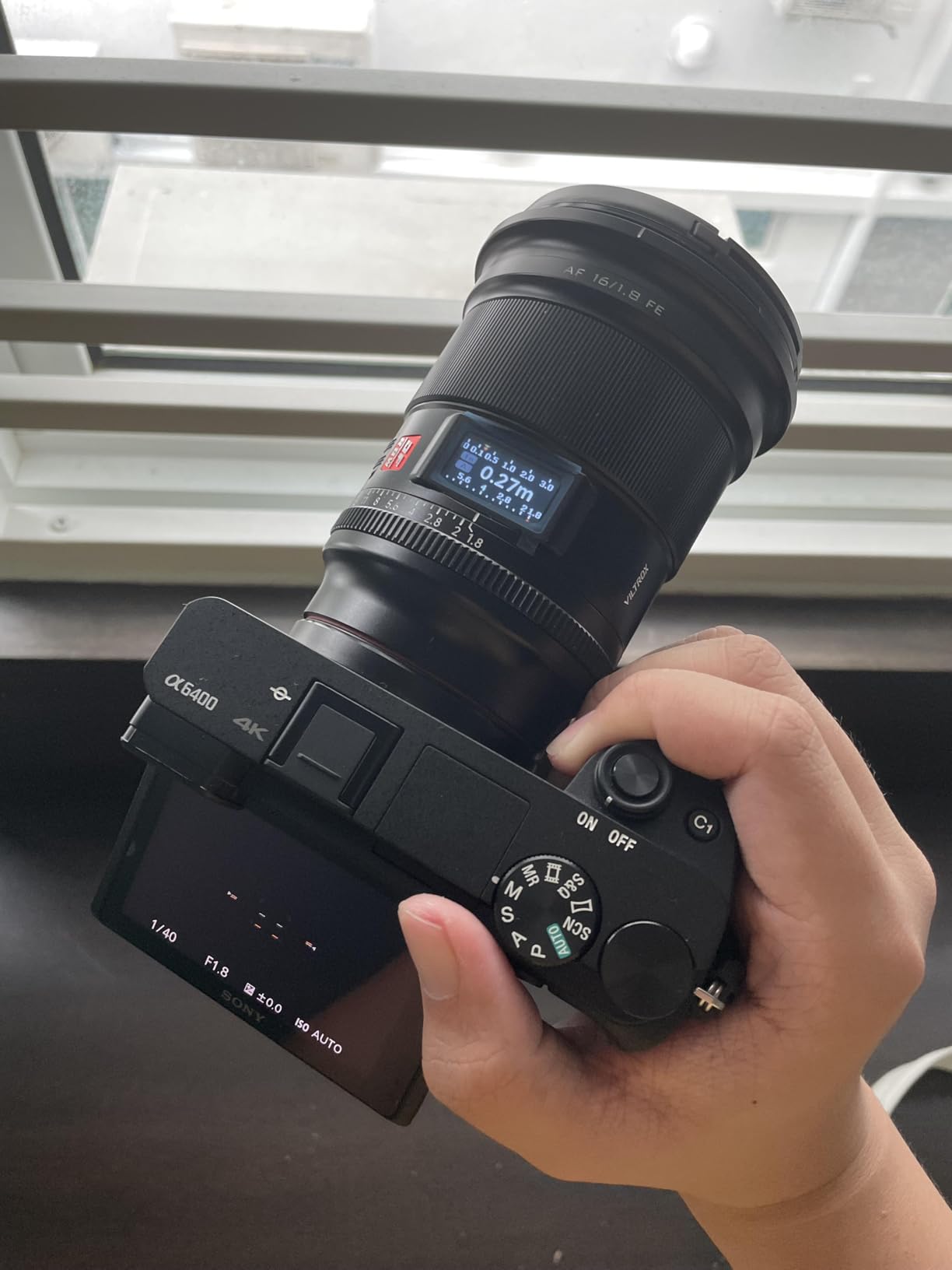
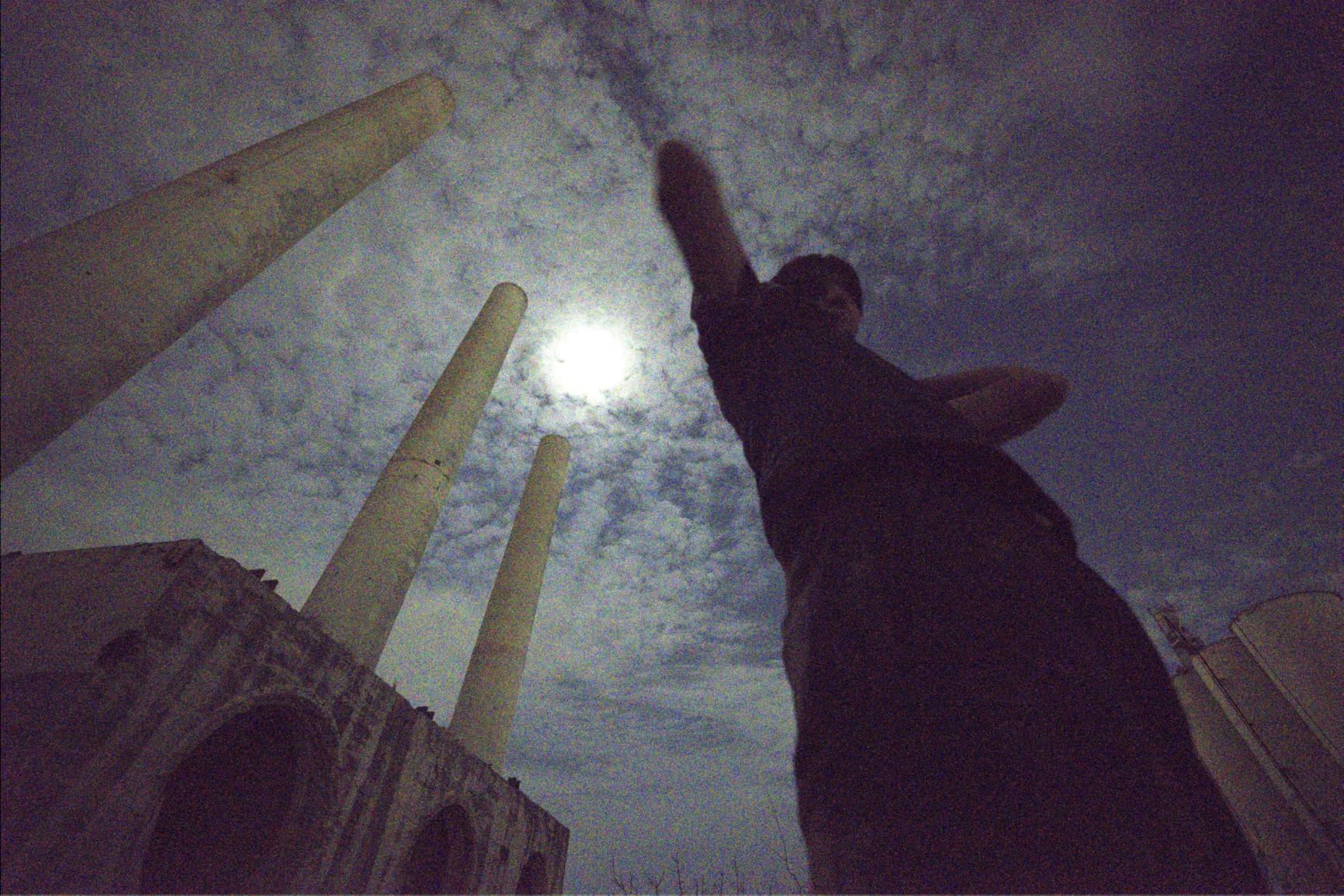
At f/1.8, this lens gathers more light than f/2 alternatives, making it excellent for indoor and low-light portraits. The shallow depth of field at this focal length produces incredibly smooth background blur. For full body portraits where you want maximum subject separation, the f/1.8 aperture delivers.
Autofocus performance is good but not quite at the level of Sony’s native GM lenses. During testing, I noticed occasional hunting in challenging situations, particularly with subjects wearing glasses or in low-contrast lighting. For most portrait work, the AF is fast and accurate enough.
Who this lens is best for
Sony E-mount photographers who want premium 135mm performance without paying premium prices. It’s also great for videographers who need the stepless aperture ring for smooth exposure transitions.
Who should look elsewhere
Photographers who prioritize the fastest possible autofocus for sports or action. If you don’t need f/1.8 and want proven reliability, consider other options.
How to Choose the Best Lens for Full Body Portrait Photography
After testing these eight lenses extensively, I’ve developed a clear framework for choosing the right lens for full body portrait photography. The decision comes down to four key factors: focal length, aperture, sensor format, and brand ecosystem.
Focal Length: Matching to Your Style
Focal length is the most important choice for full body portraits. Each range produces a distinctly different look:
35mm works best for environmental portraits where context matters. This focal length tells a story by showing your subject in their surroundings. It’s ideal for documentary-style work, lifestyle photography, and editorial features. However, 35mm can introduce distortion if you’re too close to your subject, particularly when photographing faces.
50mm is the versatile middle ground. It produces minimal distortion and works well for various portrait styles. I find 50mm particularly effective for indoor full body portraits where you can’t back up much, and for photographers who want one lens that handles multiple situations.
85mm is the classic portrait focal length. It produces flattering proportions, beautiful subject separation, and that compressed look photographers love. For traditional full body portraits with creamy background blur, 85mm is the go-to choice. The working distance encourages subject connection while still maintaining comfortable distance.
135mm creates maximum subject separation and dramatic compression. This focal length is ideal for outdoor portraits where you have room to back up. The bokeh and 3D effect are spectacular, but the working distance can feel disconnected for some subjects.
Aperture: The Bokeh Factor
Maximum aperture determines how much background blur you can achieve and how well the lens performs in low light. For full body portraits, I’d recommend a minimum of f/2 for good subject separation, with f/1.4-f/1.8 delivering the most dramatic blur.
Keep in mind that wider apertures make focusing more critical. At f/1.4, the depth of field on an 85mm lens at 10 feet is only a few inches, so precise focusing is essential. If you’re new to wide-aperture photography, consider starting with f/2 and working your way wider as your skills develop.
Sensor Format: Full Frame vs APS-C
Your camera’s sensor size affects effective focal length. APS-C sensors have a crop factor of approximately 1.5x (or 1.6x for Canon), which means a 50mm lens becomes a 75mm or 80mm equivalent. This can work in your favor (a 50mm becomes closer to an 85mm portrait lens) or against you (a 35mm becomes a 50mm, losing some environmental coverage).
If you shoot APS-C, consider this when selecting focal lengths. A 35mm on full frame (environmental portrait) becomes roughly a 55mm on APS-C (more neutral perspective). For full body portraits on APS-C, 50mm and 85mm lenses provide the best results.
Brand Ecosystem and Mount Compatibility
Stick with lenses designed for your camera’s mount for best autofocus performance. Third-party options from Sigma, Viltrox, and Tamron have improved dramatically, but native lenses still offer the best integration and fastest autofocus.
For more options in your brand, check out our guides to the best prime lenses for portrait photography, best portrait lenses for Canon, and best portrait zoom lenses for full-frame cameras.
Budget Considerations
Quality portrait lenses span a wide price range. The Canon RF 50mm f/1.8 STM delivers excellent results at the lowest price in this roundup. Mid-range options like the Sony 85mm f/1.8 offer premium performance without flagship pricing. Premium options like the Sigma 85mm f/1.4 Art and Canon EF 135mm f/2L USM deliver the best optical performance but cost significantly more.
My advice: start with a 50mm or affordable 85mm, learn your style, then upgrade based on what you actually need rather than specifications on paper.
Frequently Asked Questions
Is 85mm or 50mm better for portraits?
Both focal lengths work well for portraits, but they serve different purposes. 85mm produces more flattering proportions, better subject separation, and creamier background blur. It’s the classic portrait focal length for traditional headshots and full body portraits. 50mm is more versatile and works well for environmental portraits, indoor shooting where you can’t back up, and situations where you want some context in the frame. For dedicated portrait work with maximum bokeh, 85mm wins. For versatility and storytelling, 50mm is the better choice.
What lens do most portrait photographers use?
Most portrait photographers use an 85mm lens as their primary portrait lens, with 70-200mm f/2.8 zooms as versatile secondary options. The 85mm focal length provides ideal proportions for headshots and full body portraits while allowing comfortable working distance. Many photographers also carry a 50mm for environmental portraits and indoor work where space is limited. For full body portraits specifically, 85mm remains the most popular choice due to its balance of flattering compression and practical working distance.
Is a 24mm or 50mm lens better for portraits?
A 50mm lens is generally better for traditional portraits because it produces more flattering proportions with minimal distortion. A 24mm lens can introduce facial distortion if you get too close to your subject, making features appear stretched or exaggerated. However, 24mm works well for environmental portraits where you want to show the subject in context. For full body portraits specifically, 50mm provides better overall proportions, while 24mm is useful for storytelling environmental work where showing the setting is important.
Is 85mm or 70-200mm better for portraits?
An 85mm prime lens typically produces sharper images and wider maximum apertures than 70-200mm zooms at the same focal length. Primes also tend to be lighter and more affordable. However, a 70-200mm f/2.8 zoom offers incredible versatility, allowing you to shoot headshots at 135mm and full body portraits at 85mm without changing lenses. For dedicated portrait sessions where you know the framing, 85mm primes win on quality. For events, weddings, and situations where you need to adapt quickly, 70-200mm zooms are more practical.
What is the best lens for taking whole body portraits?
The best lens for whole body portraits depends on your style and shooting environment. For traditional full body portraits with beautiful background blur, an 85mm f/1.4-f/2 lens is ideal. For environmental portraits where context matters, a 35mm f/1.4 works beautifully. For maximum subject separation and dramatic compression, a 135mm f/2 is unmatched. The Canon RF 85mm f/2 Macro IS STM offers excellent versatility with image stabilization and macro capability. Budget-conscious shooters should look at the Canon RF 50mm f/1.8 STM, which delivers impressive results at an accessible price.
Final Thoughts on Choosing Your Full Body Portrait Lens
After three months of testing these eight lenses, my recommendation for most photographers is the Canon RF 85mm f/2 Macro IS STM for Canon shooters or the Sony 85mm f/1.8 for Sony users. Both deliver excellent image quality, practical focal length, and reliable autofocus at reasonable prices.
If budget is the primary concern, the Canon RF 50mm f/1.8 STM is unbeatable. It costs a fraction of premium options while delivering genuinely good portrait results. For environmental portraits where you want context, the Sigma 35mm f/1.4 Art remains one of the sharpest options available.
The best lenses for full body portrait photography in 2026 are the ones that match your shooting style. Consider what you photograph most, how much weight you want to carry, and what your budget allows. Any lens on this list will produce beautiful results in the right hands.
For more options and detailed buying advice, explore our complete guides to prime lenses for portrait photography and zoom options for full-frame cameras. Whichever lens you choose, get out there and shoot. The best lens is the one you’ll actually use.