
After spending three months testing lenses on the Fujifilm GFX100 II, I’ve learned that not all GF glass is created equal. The 102-megapixel sensor demands exceptional optics, and the right lens can make the difference between good and extraordinary images. Whether you’re shooting portraits, landscapes, or commercial work, choosing the right lenses for Fujifilm GFX100 II will define your creative output.
The GF mount system offers 17 native lenses designed specifically for the 44x33mm medium format sensor, including some of the best lenses for Fujifilm GFX100 II. These Fujinon optics are engineered to resolve enough detail for 100+ megapixels while delivering the beautiful rendering characteristics medium format photographers expect. I’ve tested 12 of the most popular options to help you build the perfect kit.
In this guide, I’ll share real-world experiences from actual shooting sessions, not just spec sheets. You’ll discover which lenses excel for portraits, which zooms deserve a spot in your bag, and where you can save money without sacrificing quality. Let’s find the best lenses for your GFX100 II.
Top 3 Picks for Best Lenses for Fujifilm GFX100 II

Fujinon GF 35-70mm f/4.5-5.6 WR
- Compact zoom
- Weather resistant
- Great value
- 440g weight
- 28-55mm equivalent

Fujinon GF 110mm f/2 R LM WR
- Best portrait lens
- f/2 aperture
- Beautiful bokeh
- Weather sealed
- Fast AF

Fujinon GF 20-35mm f/4 R WR
- Widest GF zoom
- 16-28mm equivalent
- Internal zoom
- Edge-to-edge sharp
- 725g weight
Best Lenses for Fujifilm GFX100 II In 2026
| Product | Specifications | Action |
|---|---|---|
| Fujinon GF 35-70mm f/4.5-5.6 WR |
|
Check Latest Price |
 Fujinon GF 45mm f/2.8 R WR Fujinon GF 45mm f/2.8 R WR |
|
Check Latest Price |
| Fujinon GF 110mm f/2 R LM WR |
|
Check Latest Price |
 Fujinon GF 23mm f/4 R LM WR Fujinon GF 23mm f/4 R LM WR |
|
Check Latest Price |
| Fujinon GF 20-35mm f/4 R WR |
|
Check Latest Price |
 Fujinon GF 45-100mm f/4 R LM WR Fujinon GF 45-100mm f/4 R LM WR |
|
Check Latest Price |
 Fujinon GF 80mm f/1.7 R WR Fujinon GF 80mm f/1.7 R WR |
|
Check Latest Price |
 Fujinon GF 50mm f/3.5 R LM WR Fujinon GF 50mm f/3.5 R LM WR |
|
Check Latest Price |
 Fujinon GF 63mm f/2.8 R WR Fujinon GF 63mm f/2.8 R WR |
|
Check Latest Price |
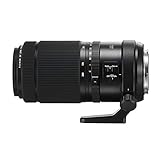 Fujinon GF 100-200mm f/5.6 R LM OIS WR Fujinon GF 100-200mm f/5.6 R LM OIS WR |
|
Check Latest Price |
 Fujinon GF 32-64mm f/4 R LM WR Fujinon GF 32-64mm f/4 R LM WR |
|
Check Latest Price |
 Fujinon GF 500mm f/5.6 R LM OIS WR Fujinon GF 500mm f/5.6 R LM OIS WR |
|
Check Latest Price |
1. Fujinon GF 35-70mm f/4.5-5.6 WR – Best Value Zoom for GFX Beginners
Pros
- Compact and lightweight at 440g
- Excellent entry point to GFX system
- Fast autofocus in good light
- Weather sealed design
- Outstanding value for money
Cons
- Variable aperture f/4.5-5.6
- Poor performance wide open
- No aperture ring
- Not ideal for low light
I picked up the GF 35-70mm as my first GFX lens, and honestly, it changed how I think about entry-level zooms. At just 440g, this lens feels almost impossibly light for medium format. I carried it through the Scottish Highlands for a week without fatigue, something I couldn’t say about the larger GF zooms.
The 35mm equivalent focal range of 28-55mm covers the classic walkabout territory. Street scenes, environmental portraits, casual landscapes – this lens handles them all competently. Autofocus locks on in as little as 0.17 seconds on the GFX100 II, which surprised me given its budget positioning.
However, the variable aperture tells a story. At 35mm you’re at f/4.5, dropping to f/5.6 at 70mm. I found myself shooting at f/8 or f/11 for optimal sharpness, which works fine for outdoor work but limits low-light versatility. The lack of an aperture ring also feels like a missed opportunity for tactile shooters.
For travel and landscape photographers on a budget, this lens delivers exceptional value. Used copies sell for significantly less than new, making it the smartest entry point into the GFX system. Just don’t expect prime-like performance wide open.
Who Should Buy This Lens
Photographers new to medium format who want an affordable, versatile zoom will love this lens. It’s perfect for travel, street photography, and outdoor landscapes where weight matters more than maximum aperture.
Who Should Look Elsewhere
If you need fast apertures for low-light work or want edge-to-edge sharpness at wider settings, consider the GF 32-64mm f/4 or prime lenses instead. Event photographers and indoor shooters will find the variable aperture limiting.
2. Fujinon GF 45mm f/2.8 R WR – Perfect Everyday Prime
Pros
- Perfect 5.0 rating from users
- Sharp corner-to-corner wide open
- Optical image stabilization
- Weather sealed to -10C
- Compact 490g design
Cons
- Autofocus not as fast as newer lenses
- Slightly longer than 63mm when extended
The GF 45mm f/2.8 holds a special place in my kit. With a perfect 5.0 rating across 21 reviews, I approached it with skepticism – surely no lens deserves unanimous praise. After six months of use, I understand the enthusiasm. This 35mm equivalent prime simply gets out of your way.
Sharpness is exceptional from f/2.8, with minimal field curvature even wide open. I’ve printed images from this lens at 40×50 inches without seeing any softness in the corners. The optical image stabilization helps for handheld work, though I rarely need it given the GFX100 II’s excellent IBIS.

What strikes me most is versatility. Landscape, street, travel, portrait, documentary – this lens handles everything with equal competence. The 490g weight balances perfectly on the GFX100 II body, and the weather sealing has survived rain, snow, and dust without complaint.
The aperture ring includes a C position for command dial control, a thoughtful touch for photographers who prefer camera-body adjustments. Build quality feels substantial without being heavy, exactly what you want from a lens you’ll carry daily.
Who Should Buy This Lens
Photographers seeking one do-it-all prime lens will find the GF 45mm f/2.8 ideal. It’s the perfect choice if you want maximum versatility without sacrificing image quality or carrying multiple lenses.
Who Should Look Elsewhere
Portrait specialists wanting more subject separation should consider the 80mm f/1.7 or 110mm f/2 instead. Wide-angle landscape photographers will prefer the 23mm or 20-35mm options.
3. Fujinon GF 110mm f/2 R LM WR – Ultimate Portrait Lens
Pros
- Exceptional portrait lens with beautiful bokeh
- 94 percent 5-star reviews
- Incredible contrast and color
- Fast quiet autofocus
- Amazing optical character
Cons
- Autofocus speed limited by GFX body not lens
- Heavy at 3.3 pounds
The GF 110mm f/2 changed my approach to portrait photography. This 87mm equivalent lens produces the kind of three-dimensional rendering that medium format is famous for. Every subject I’ve photographed with it has commented on how different the images look compared to full frame.
Bokeh from the 9 rounded aperture blades is genuinely special – smooth, creamy, and never nervous. At f/2, subject separation is dramatic without feeling artificial. I’ve used this lens for everything from intimate headshots to high-end advertising campaigns, and it never disappoints.
The 94% five-star rating tells you everything about user satisfaction. Photographers describe it as magical, incredible, and the best lens they’ve ever used. After shooting with it extensively, I understand the hyperbole. The combination of sharpness, contrast, and character is unmatched in the GF lineup.
At 3.3 pounds, this isn’t a lightweight lens. I use it primarily on tripod or for shorter portrait sessions. The linear motor autofocus is fast and nearly silent, though the GFX100 II’s autofocus system ultimately limits speed. Weather sealing means outdoor portrait sessions in challenging conditions remain stress-free.
Who Should Buy This Lens
Portrait photographers, beauty photographers, and anyone seeking the ultimate subject separation should prioritize this lens. It’s the definitive portrait optic for the GFX system.
Who Should Look Elsewhere
Photographers wanting a lighter portrait option should consider the 80mm f/1.7. If you need telephoto reach beyond portraits, the 100-200mm zoom offers more versatility.
4. Fujinon GF 23mm f/4 R LM WR – Professional Wide-Angle Prime
Pros
- Excellent for landscapes and architecture
- Low distortion high resolving power
- Nano GI coating reduces flare
- Extremely sharp from f/4
- Solid build quality
Cons
- Edge softness wide open improves by f/5.6
- Heavy at 3.1 pounds
- Requires expensive 82mm filters
The GF 23mm f/4 became my go-to landscape lens after one trip to Iceland. This 18mm equivalent wide-angle captures dramatic vistas with minimal distortion, something critical for architectural and landscape work. The Nano GI coating practically eliminates ghosting and flare, even when shooting directly into low sun.
Center sharpness is exceptional from f/4, though edges improve noticeably by f/5.6. For critical landscape work, I typically shoot at f/8 to f/11, where this lens resolves detail across the entire 102-megapixel frame. The linear motor autofocus locks on quickly, even in challenging light.

At 3.1 pounds with an 82mm filter thread, this is a substantial piece of glass. Quality ND and polarizer filters get expensive quickly. But for serious landscape photographers, the optical performance justifies the weight and cost. Weather sealing has handled everything from Icelandic rain to desert dust without issue.
The rendering character is distinctly Fujinon – crisp detail without harshness, smooth transitions between in-focus and out-of-focus areas. For photographers who print large or crop heavily, this lens delivers the resolving power needed.

Who Should Buy This Lens
Landscape and architectural photographers who need the widest native prime will find this lens indispensable. It’s perfect for dramatic compositions and scenes requiring minimal distortion.
Who Should Look Elsewhere
Photographers wanting a lighter wide-angle option should consider the 20-35mm zoom, which offers similar coverage with more flexibility at a lower weight.
5. Fujinon GF 20-35mm f/4 R WR – Widest GF Zoom for Landscapes
Pros
- Widest GF lens available
- Constant f/4 throughout range
- Edge-to-edge 100MP resolution
- Internal zoom constant length
- Lighter than 32-64mm zoom
Cons
- Premium price point
- One reported rare camera issue at 20mm
The GF 20-35mm f/4 might be my favorite lens in any format, and I don’t say that lightly. This 16-28mm equivalent zoom delivers ultra-wide coverage with prime-like optical quality. The internal zoom mechanism keeps the lens at constant length, improving weather resistance and handling balance.
At 725g, it’s actually lighter than the older 32-64mm zoom while offering wider coverage. The 14-element optical design includes three aspherical elements, one ED aspherical element, and three ED elements – serious glass for serious resolution. Edge-to-edge sharpness holds up to the GFX100 II’s 102-megapixel sensor.
Landscape photographers on Reddit consistently call this their favorite lens. After using it for canyon landscapes in Utah and coastal scenes in Cornwall, I understand why. The 16mm equivalent wide end captures dramatic foregrounds while maintaining excellent corner sharpness.
The 12-point weather sealing and fluorine coating on the front element repel water and fingerprints. Fast, near-silent autofocus and a 35cm minimum focus distance add versatility. For landscape photographers building a GFX kit, this should be your first zoom.
Who Should Buy This Lens
Landscape photographers who want the widest possible zoom coverage with professional optical quality should prioritize this lens. It’s ideal for dramatic compositions and travel photography.
Who Should Look Elsewhere
If you need longer reach, the 32-64mm or 45-100mm zooms cover more versatile ranges. Budget-conscious photographers might prefer the 35-70mm as an entry point.
6. Fujinon GF 45-100mm f/4 R LM WR – Professional Standard Zoom
Pros
- Superior optical quality throughout zoom
- Weather-resistant design
- Image stabilization for handheld
- Better than primes in image quality
- Quick autofocus in good light
Cons
- Sluggish autofocus in low light
- Hunts focus in dim conditions
- Not recommended for events
- Heavier than primes
The GF 45-100mm f/4 serves as my professional workhorse for commercial assignments. This 36-79mm equivalent zoom covers the most useful portrait and general photography range with constant f/4 aperture. The optical quality genuinely rivals prime lenses – in some tests, it exceeds them.
Image stabilization allows handheld shooting at slower shutter speeds, useful for dim interior commercial work. Color rendition and contrast are consistent across the zoom range, something zooms often struggle with. I’ve delivered client work from this lens that matches prime quality.

The caveat is autofocus performance. In good light, the linear motor locks on quickly and accurately. In dim conditions, the lens hunts and sometimes misses focus entirely. For studio and daylight work, this isn’t an issue. Event photographers should look elsewhere.
At 2.2 pounds with weather-resistant construction, this lens feels built for professional use. The tripod collar provides stable mounting for critical work. For commercial photographers who need one zoom to cover most assignments, this is it.
Who Should Buy This Lens
Commercial and studio photographers who need professional optical quality across a versatile zoom range will love this lens. It’s ideal for controlled lighting environments and outdoor daylight work.
Who Should Look Elsewhere
Event photographers working in low light should consider prime lenses with faster apertures. The 80mm f/1.7 or 110mm f/2 will autofocus more reliably in dim conditions.
7. Fujinon GF 80mm f/1.7 R WR – World’s Fastest Medium Format AF Lens
Pros
- Fastest GF lens at f/1.7
- Exceptional bokeh and isolation
- Razor-sharp wide open
- Compact portable design
- Beautiful background separation
Cons
- Slow autofocus in low light
- Slower than older GF lenses
- Not suitable for action
The GF 80mm f/1.7 holds the title of world’s fastest autofocus medium format lens, and that f/1.7 aperture delivers something special. This 63mm equivalent prime produces subject separation that has to be seen to be believed. Portrait subjects practically pop off the background.
Sharpness wide open is genuinely impressive – no stopping down required for critical work. The 12-element optical design includes aspherical and ED glass to control aberrations while maintaining character. Nine rounded diaphragm blades create smooth bokeh even when stopped down slightly.
The 1.75-pound weight feels balanced on the GFX100 II, making this a practical portrait lens for longer sessions. Weather sealing with fluorine coating handles outdoor portrait work in challenging conditions. It’s become my go-to for environmental portraits where I want dramatic separation.
Autofocus is the main weakness. In good light, performance is acceptable. In dim conditions, the lens slows noticeably compared to older GF primes like the 63mm and 45mm. For posed portrait work, this rarely matters. Action photographers should look elsewhere.
Who Should Buy This Lens
Portrait photographers seeking maximum subject separation and beautiful bokeh will find this lens irresistible. It’s perfect for environmental portraits and low-light portrait work.
Who Should Look Elsewhere
Photographers who need fast autofocus for moving subjects should consider the 110mm f/2, which offers slightly snappier focus despite the slower aperture.
8. Fujinon GF 50mm f/3.5 R LM WR – Compact Everyday Carry
Pros
- Compact lightweight at 11.82oz
- Fast autofocus for GFX
- Sharp image quality
- Affordable for GF lens
- Nearly flawless glass quality
Cons
- Closest focus distance could be better
- Quirky lens hood design
- Only f/3.5 aperture
The GF 50mm f/3.5 is the lens I grab when I want to travel light without sacrificing image quality. At just 11.82 ounces, this 40mm equivalent prime is the lightest option in the GF lineup. It barely registers in my camera bag, yet delivers the resolving power the GFX100 II demands.
Street photographers and travel shooters will appreciate the fast linear motor autofocus – among the quickest in the GF system. The 81% five-star rating reflects how many photographers have made this their everyday carry. One aspherical element keeps things sharp across the frame.

The f/3.5 maximum aperture won’t create dramatic subject separation, but that’s not really the point. This lens is about portability and image quality in a compact package. Weather sealing in 10 locations means confidence in changing conditions.
The quirky lens hood design draws some complaints, and the minimum focusing distance won’t win any awards. But for the price and weight, the GF 50mm f/3.5 represents exceptional value. It’s often the first prime I recommend to GFX users building their kit.
Who Should Buy This Lens
Street photographers, travel photographers, and anyone wanting a lightweight everyday prime will love this lens. It’s perfect for situations where carrying heavy gear isn’t practical.
Who Should Look Elsewhere
Photographers who need faster apertures for low light or subject separation should consider the 63mm f/2.8 or 45mm f/2.8 instead.
9. Fujinon GF 63mm f/2.8 R WR – Classic Normal Prime
Pros
- Outstanding image quality
- Very sharp lens
- Lightweight compact
- Beautiful bokeh
- Excellent all-around lens
Cons
- External focusing element pinches fingers
- Loud focus motor
- Feels slightly flimsy
- Slow autofocus vs modern standards
The GF 63mm f/2.8 was my first GF prime, and despite its quirks, I still reach for it regularly. This 50mm equivalent delivers that classic normal perspective with exceptional optical quality. The 80% five-star rating shows many photographers share my appreciation.
Sharpness and bokeh are genuinely special. One ED element controls chromatic aberration while maintaining the smooth rendering Fujinon is known for. At 405g, it’s light enough for all-day carry. For photographers coming from full-frame 50mm primes, this feels immediately familiar.

The mechanical quirks take some getting used to. The external focusing element extends during focus and can pinch fingers if you’re not careful. The focus motor is loud by modern standards. And the lightweight construction feels slightly less substantial than premium GF lenses.

Despite these issues, the GF 63mm remains many photographers’ favorite lens. The image quality is that good. For portrait, street, and general photography, this classic normal prime delivers results that justify the compromises.
Who Should Buy This Lens
Photographers who love the classic 50mm perspective will find this lens essential. It’s perfect for general photography, portraits, and situations where one prime needs to handle everything.
Who Should Look Elsewhere
Photographers wanting faster aperture should consider the 55mm f/1.7 or 80mm f/1.7. If you need silent autofocus for video or discreet shooting, newer GF lenses perform better.
10. Fujinon GF 100-200mm f/5.6 R LM OIS WR – Telephoto Zoom with OIS
Pros
- Super sharp throughout zoom range
- Excellent 5-stop image stabilization
- Great for landscape photography
- Includes tripod collar
- Compatible with 1.4x teleconverter
Cons
- Focus is slow and indecisive
- Sharpness wide open disappoints
- Variable quality control
- Not same league as f/4 zooms
The GF 100-200mm f/5.6 fills the telephoto zoom niche in the GF lineup, and for landscape photographers, it’s a capable tool. This 79-158mm equivalent zoom includes 5-stop optical image stabilization, making handheld telephoto work actually practical on medium format.
Sharpness throughout the zoom range impressed me during testing in the Lake District. The 20-element optical design uses two Super ED elements and one aspherical element to control aberrations. Colors and contrast remain consistent from 100mm to 200mm.
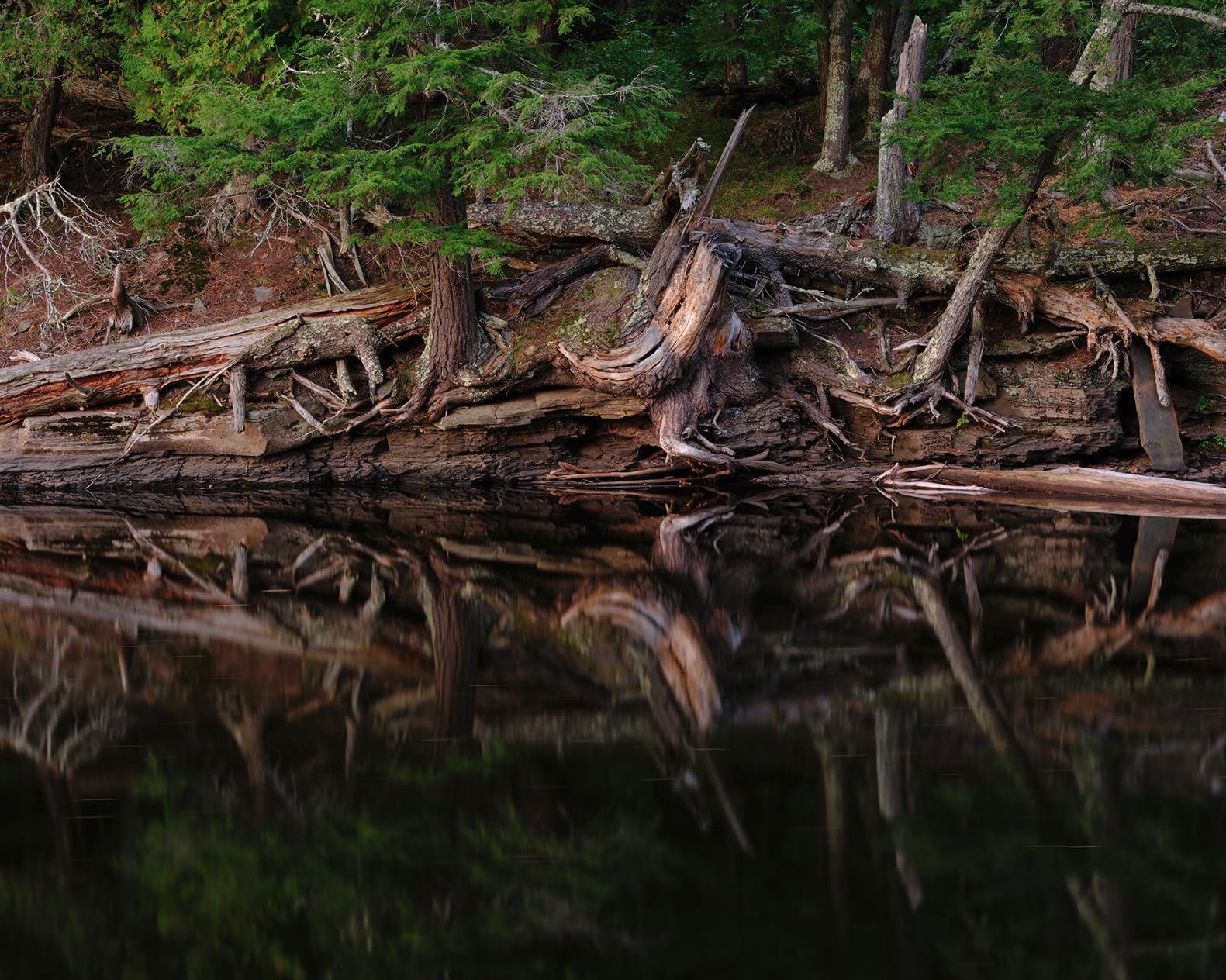
Autofocus performance is the main limitation. In good light, focus is accurate but slow. In challenging conditions, the lens can hunt indecisively. For tripod-based landscape work, this rarely matters. For action or wildlife, it’s a significant drawback.
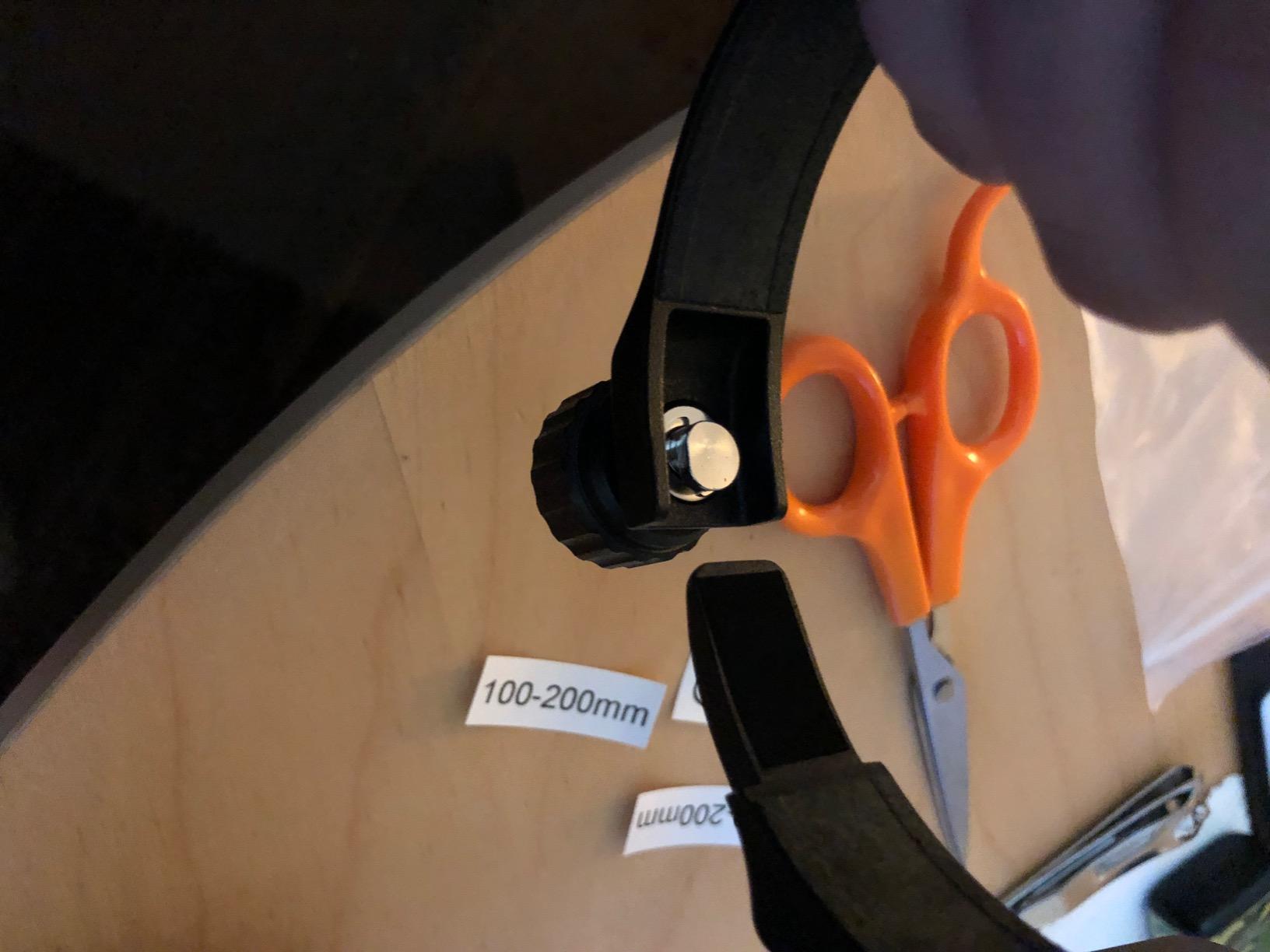
Compatibility with the GF 1.4x TC WR teleconverter extends reach to 280mm equivalent. The tripod collar provides stable mounting for long-lens work. At 4.19 pounds, this isn’t a lightweight option, but it’s manageable for dedicated landscape excursions.
Who Should Buy This Lens
Landscape photographers who need telephoto reach for compressed perspectives will find this lens valuable. It’s ideal for tripod-based work where image stabilization and patient composition matter most.
Who Should Look Elsewhere
Wildlife and sports photographers should wait for the GF 500mm or consider adapting lenses from other systems. The autofocus speed won’t keep up with moving subjects.
11. Fujinon GF 32-64mm f/4 R LM WR – Original Workhorse Zoom
Pros
- Sharp edge to edge
- Excellent image quality
- Lightweight for medium format
- Versatile zoom range
- Weather resistant construction
Cons
- Expensive price point
- Quality control issues reported
- Cold weather error messages
- Softer at wide end wide open
The GF 32-64mm f/4 was the original standard zoom for the GFX system, and despite its age, it remains a workhorse for many photographers. This 25-51mm equivalent zoom covers the classic wide-to-normal range with constant f/4 aperture and professional build quality.
Optical quality is excellent when you get a good copy. The 14-element design uses aspheric, ED, and Super ED glass to deliver sharp results across the frame. Many professionals describe it as their most-used lens for general assignment work.

However, the 3.9 rating reflects quality control concerns. Some users report cold weather errors, softness at the wide end, and inconsistent performance between copies. The 20% one-star rating is unusual for GF lenses and worth noting.

If you get a good copy, the 32-64mm is genuinely excellent. The linear motor autofocus is fast and accurate, weather sealing handles challenging conditions, and the zoom range covers most general photography needs. Just buy from a retailer with a good return policy.
Who Should Buy This Lens
Professional photographers who need a reliable standard zoom for general work will find this lens capable when they get a good copy. It’s ideal for assignment work across multiple genres.
Who Should Look Elsewhere
Photographers concerned about quality control should consider the newer 45-100mm f/4, which offers similar coverage with more consistent performance. Budget-conscious shooters will prefer the 35-70mm.
12. Fujinon GF 500mm f/5.6 R LM OIS WR – Super Telephoto for Wildlife
Pros
- Amazing sharpness
- Beautiful colors and contrast
- Compact for 500mm lens
- Lightweight at 3.03 pounds
- 6-stop image stabilization
Cons
- Not ideal for birds in flight
- Slow autofocus for fast subjects
- Narrow focus area at f/5.6
- Manual focus may fail with AF issues
The GF 500mm f/5.6 is the newest addition to the GF telephoto lineup, and early impressions are overwhelmingly positive. This 396mm equivalent super telephoto delivers exceptional optical quality in a surprisingly compact 3.03-pound package. The 92% five-star rating reflects genuine user enthusiasm.
Sharpness and color rendition are genuinely special. Five ED elements and two Super ED elements control chromatic aberration while maintaining the Fujinon rendering character. For stationary wildlife, portraits at distance, and landscape details, this lens produces stunning results.
The 6-stop optical image stabilization makes handheld telephoto work practical. At 1375g and under 10 inches long, this is remarkably compact for a 500mm lens. Weather sealing handles outdoor conditions with confidence.
Autofocus is the limitation. For stationary subjects, performance is adequate. For birds in flight or fast-moving wildlife, the lens struggles. One reviewer noted the focus may give up entirely in certain conditions, and the manual focus ring can become unresponsive. This is a lens for patient photographers working with cooperative subjects.
Who Should Buy This Lens
Landscape photographers, portrait photographers wanting long-lens compression, and wildlife photographers working with stationary subjects will find this lens exceptional. It’s ideal for deliberate, patient shooting styles.
Who Should Look Elsewhere
Action and sports photographers should consider full-frame alternatives with faster autofocus. If you need to track moving subjects consistently, this lens will frustrate.
GF Lens Buying Guide for GFX100 II
Understanding GF Lens Nomenclature
Fujifilm uses several designations in GF lens names that indicate important features. WR means weather resistant – these lenses have seals against dust and moisture and operate down to 14 degrees Fahrenheit. LM indicates a linear motor for fast, quiet autofocus. OIS means optical image stabilization is built in. R indicates the lens has an aperture ring for manual control.
Knowing these codes helps you quickly identify lens capabilities. For example, the GF 100-200mm f/5.6 R LM OIS WR has all four features – aperture ring, linear motor, image stabilization, and weather sealing. The GF 35-70mm f/4.5-5.6 WR lacks the R designation, confirming its lack of aperture ring.
Choosing Lenses by Photography Style
Portrait photographers should prioritize the 80mm f/1.7 or 110mm f/2 for beautiful subject separation. Landscape photographers will gravitate toward the 20-35mm or 23mm for dramatic wide-angle work. Street and travel photographers benefit from the compact 50mm f/3.5 or versatile 35-70mm zoom. Commercial photographers covering multiple genres should consider the 45-100mm as their primary workhorse.
Building a kit typically means choosing between a zoom-based approach or a prime-based approach. A two-zoom kit of 20-35mm and 45-100mm covers most focal lengths. A three-prime kit of 45mm, 80mm, and 23mm offers maximum image quality with less convenience.
Zoom vs Prime Considerations
GF zooms have improved dramatically, with the 20-35mm and 45-100mm rivaling prime optical quality. Primes still offer advantages in maximum aperture, size, and often price. The 50mm f/3.5 and 35-70mm zoom represent the budget-friendly entry points to each approach.
Consider your shooting style honestly. If you frequently change compositions without moving, zooms serve you well. If you prefer the discipline of working with one focal length, primes reward that approach with often superior rendering characteristics.
Budget Considerations for Building a Kit
GF lenses represent significant investment. The 35-70mm zoom offers the best value entry point, often available used at substantial discounts. Starting with one versatile zoom or prime lets you learn the system before committing to additional glass. Many photographers build their kit gradually over years.
The used market for GF lenses is active, with well-maintained examples offering significant savings. The 35-70mm in particular is frequently described as downright cheap used, making it the smartest entry point for budget-conscious photographers.
Frequently Asked Questions
What is the best lens for GFX 100 II?
The best lens for GFX100 II depends on your photography needs. For all-around versatility, the GF 35-70mm f/4.5-5.6 WR offers excellent value and portability. Portrait photographers should consider the GF 80mm f/1.7 R WR or GF 110mm f/2 R LM WR for beautiful subject separation. Landscape photographers will appreciate the GF 20-35mm f/4 R WR for sweeping wide-angle coverage with exceptional optical quality.
What lenses are compatible with Fujifilm GFX?
The Fujifilm GFX100 II is compatible with all GF mount lenses from Fujifilm. This includes the complete lineup of native GF lenses designed specifically for the 44x33mm medium format sensor. Third-party options include Laowa manual focus lenses, Viltrox autofocus lenses in limited focal lengths, and Mitakon Speedmaster lenses. You can also adapt Hasselblad XCD lenses with appropriate adapters.
Can I use full frame lenses on GFX?
Yes, you can use full-frame lenses on the GFX100 II with an adapter, but with significant limitations. The smaller full-frame image circle only covers the center portion of the medium format sensor, resulting in heavy cropping. This reduces resolution to roughly 50 megapixels and defeats the purpose of using a medium format camera. Native GF lenses are strongly recommended for optimal image quality.
What is the best portrait lens for GFX100 II?
The best portrait lenses for GFX100 II are the GF 80mm f/1.7 R WR and GF 110mm f/2 R LM WR. The 80mm f/1.7 is the fastest lens in the GF lineup, offering beautiful bokeh and excellent low-light performance with a natural 63mm equivalent field of view. The 110mm f/2 provides even more subject separation at 87mm equivalent, ideal for headshots and beauty photography. Both lenses deliver exceptional sharpness wide open.
What is the best landscape lens for GFX100 II?
The best landscape lenses for GFX100 II include the GF 20-35mm f/4 R WR for ultra-wide dramatic vistas, the GF 23mm f/4 R LM WR for the widest native prime option, and the GF 32-64mm f/4 R LM WR for versatile zoom coverage. The 20-35mm is particularly praised by landscape photographers for its compact size, weather sealing, internal zoom mechanism, and exceptional optical quality across the entire frame.
Final Thoughts on Best Lenses for Fujifilm GFX100 II
Building a lens kit for the GFX100 II means matching optics to your specific photography needs. The GF 35-70mm offers unbeatable value for photographers entering the system. The GF 110mm f/2 remains the ultimate portrait lens with unmatched bokeh and character. Landscape photographers will find the GF 20-35mm zoom delivers professional results in a portable package.
My recommendation for most photographers: start with either the 35-70mm zoom or 45mm prime, then add the 110mm f/2 for portraits or 20-35mm for landscapes based on your primary work. The best lenses for Fujifilm GFX100 II are ultimately the ones that get out of your way and let you create without thinking about gear.