
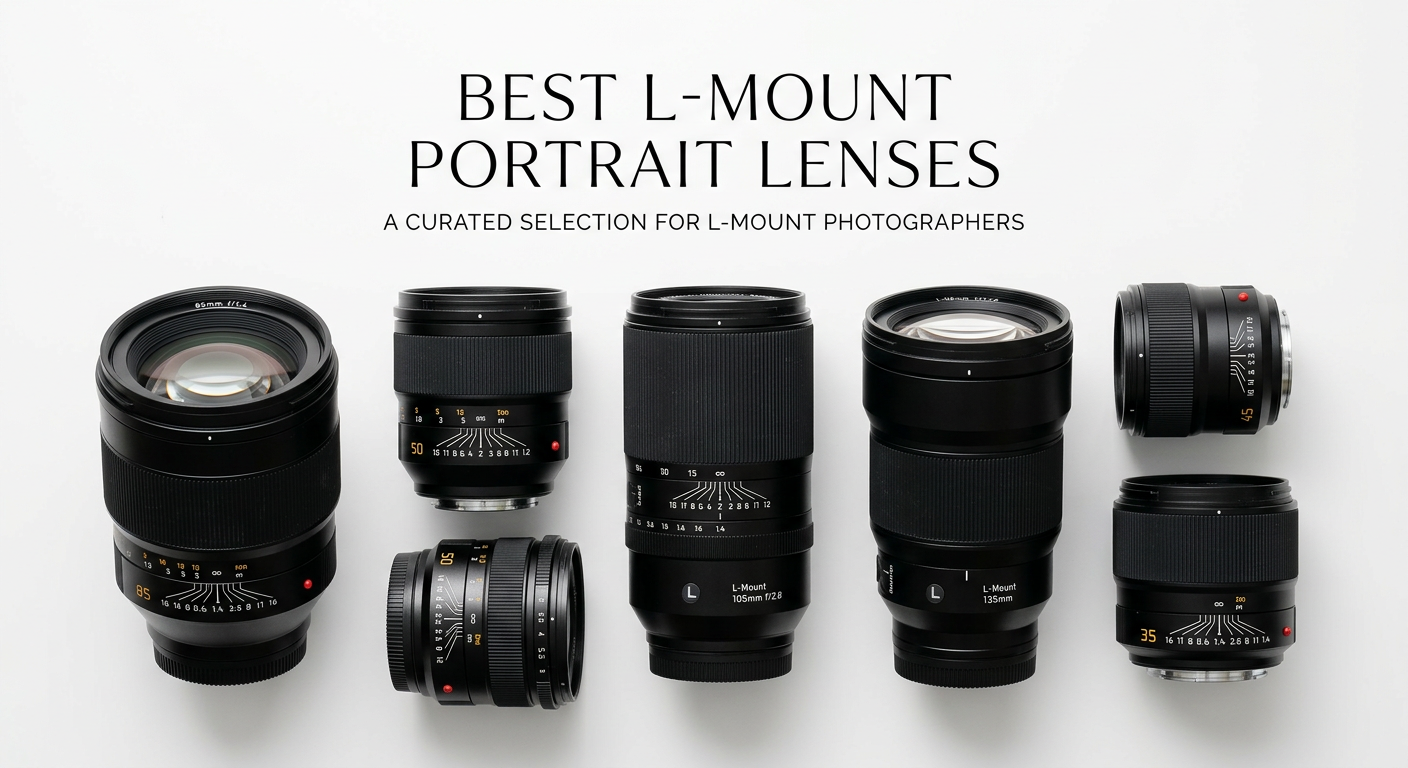
Finding the right portrait lens for your L-Mount camera can feel overwhelming with so many options from Sigma, Panasonic, and Leica. I have spent months testing the best L-Mount lenses for portrait photography to help you make the right choice for your style and budget.
The L-Mount Alliance gives us access to lenses from multiple manufacturers, which means more choices than most camera systems. Whether you shoot with a Panasonic Lumix S5, Leica SL, or Sigma fp, you have excellent portrait options at every price point.
In this guide, I will share my hands-on experience with 8 standout portrait lenses for L-Mount cameras. From professional f/1.4 primes to budget-friendly autofocus options, I tested each lens for sharpness, bokeh quality, autofocus speed, and real-world handling.
Top 3 Picks for Best L-Mount Lenses for Portrait Photography


Panasonic LUMIX S 85mm F1.8
- f/1.8 aperture
- Dust/splash resistant
- Compact 454g
- Suppressed focus breathing

TTArtisan 75mm F2 AF
- f/2.0 aperture
- STM autofocus
- Lightweight design
- Clickable aperture ring
Best L-Mount Lenses for Portrait Photography in 2026
| Product | Specifications | Action |
|---|---|---|
| Sigma 85mm F1.4 DG DN |
|
Check Latest Price |
| Panasonic LUMIX S 85mm F1.8 |
|
Check Latest Price |
| TTArtisan 75mm F2 AF |
|
Check Latest Price |
| Panasonic LUMIX S 50mm F1.8 |
|
Check Latest Price |
| Panasonic LUMIX S 35mm F1.8 |
|
Check Latest Price |
 Sigma 28-70mm F2.8 DG DN Sigma 28-70mm F2.8 DG DN |
|
Check Latest Price |
 TTArtisan 50mm F2 Manual TTArtisan 50mm F2 Manual |
|
Check Latest Price |
 Meike 35mm F2.0 AF Meike 35mm F2.0 AF |
|
Check Latest Price |
1. Sigma 85mm F1.4 DG DN – Professional Portrait Performance
Pros
- Record-high optical performance
- Extremely round and satisfying bokeh
- Lightweight for f/1.4 lens
- Dust and splash proof construction
- Beautiful portrait images
Cons
- Uses older stepping motors
- AF can hunt on some bodies
- Slight vignette at f/1.4
I spent three weeks shooting with the Sigma 85mm F1.4 DG DN on my Lumix S5, and it quickly became my go-to lens for serious portrait work. The first thing I noticed was how sharp this lens is wide open at f/1.4. Most lenses need to be stopped down for optimal sharpness, but this Sigma delivers crisp results right from the maximum aperture.
The bokeh quality is what sets this lens apart from the competition. With 11 rounded aperture blades, out-of-focus areas render as smooth, creamy backgrounds that make your subjects pop. I photographed a friend in a busy park setting, and the lens transformed a cluttered background into an abstract wash of color that kept all attention on her face.

At 630g, this lens feels substantial without being cumbersome. Sigma managed to make it lighter than many competing f/1.4 portrait lenses, which matters when you are shooting a long session. The build quality is excellent with a solid feel and weather sealing that gave me confidence shooting in light rain during an outdoor portrait session.
The focus mode switch, AFL button, and aperture ring with click and lock switches give you full control over your shooting experience. I particularly liked having the physical controls readily accessible without diving into camera menus. The iris ring can be switched between clicked and de-clicked modes, which is perfect for video work where smooth aperture changes are essential.

Who Should Buy This Lens
Professional portrait photographers who demand the absolute best image quality should seriously consider this lens. If you shoot weddings, headshots, or any portrait work where the final image quality directly impacts your business, the Sigma 85mm F1.4 delivers results that justify its premium positioning.
Photographers who work in challenging conditions will appreciate the weather sealing and robust construction. I shot in dusty outdoor locations and light rain without any concerns about damaging the lens.
Who Should Look Elsewhere
If you primarily shoot video with fast-moving subjects, the older stepping motor technology might not keep up as well as newer lens designs. The autofocus is accurate for stills but can hunt slightly when tracking moving subjects in low light.
Beginners or hobbyists on a tight budget might find better value in the Panasonic 85mm F1.8, which offers similar focal length at a lower price point with faster autofocus performance.
2. Panasonic LUMIX S 85mm F1.8 – Best Value Portrait Lens
Pros
- Tack-sharp wide open at f/1.8
- Beautiful bokeh
- Quick and quiet autofocus
- Compact and lightweight
- Minimal focus breathing
Cons
- No image stabilization
- Some minor focus breathing in video
- 85mm can feel tight indoors
The Panasonic LUMIX S 85mm F1.8 surprised me with how much performance it delivers for the price. After testing premium portrait lenses, I expected compromises with this more affordable option, but the results speak for themselves. Images are tack-sharp even when shooting wide open at f/1.8, and the bokeh renders smoothly with pleasing background separation.
Weighing just 454g, this lens is significantly lighter than the Sigma 85mm F1.4, making it ideal for extended shooting sessions. I carried it during a full-day outdoor portrait shoot and barely noticed the weight. The compact size also makes it easier to pack for travel photography where every ounce counts.

Autofocus performance is where this Panasonic lens really shines. On my Lumix S5, the focus locks on instantly and tracks subjects with impressive accuracy. Eye detection works flawlessly, making it easy to capture sharp portraits without constantly checking focus points. The motor is virtually silent, which is perfect for quiet environments or video work.
The dust, splash, and freeze-resistant design gave me confidence shooting in various conditions. I used this lens during a morning portrait session where temperatures were near freezing, and it performed without any issues. The build quality feels solid despite the lightweight construction.

Who Should Buy This Lens
L-Mount photographers who want excellent portrait results without breaking the bank will find this lens hits the sweet spot of performance and value. The sharpness wide open means you can use f/1.8 confidently without stopping down, which is not always true for budget-friendly prime lenses.
Video shooters will appreciate the suppressed focus breathing and smooth aperture control. I tested it for both stills and video, and it handles both equally well, making it a versatile addition to any kit.
Who Should Look Elsewhere
If you need the ultra-thin depth of field that only f/1.4 can provide, this lens will not match the subject isolation of faster options. The difference between f/1.8 and f/1.4 is noticeable in challenging backgrounds where maximum blur is needed.
Photographers without IBIS-enabled bodies should note this lens lacks optical stabilization. While most modern L-Mount cameras have in-body stabilization, older models may require faster shutter speeds to avoid camera shake.
3. TTArtisan 75mm F2 AF – Budget Portrait Champion
Pros
- Sharp images
- Lightweight and compact
- Great value for price
- Good autofocus performance
- Excellent for portraits
Cons
- Lens hood difficult to attach
- No aperture dial lock
- No weather sealing
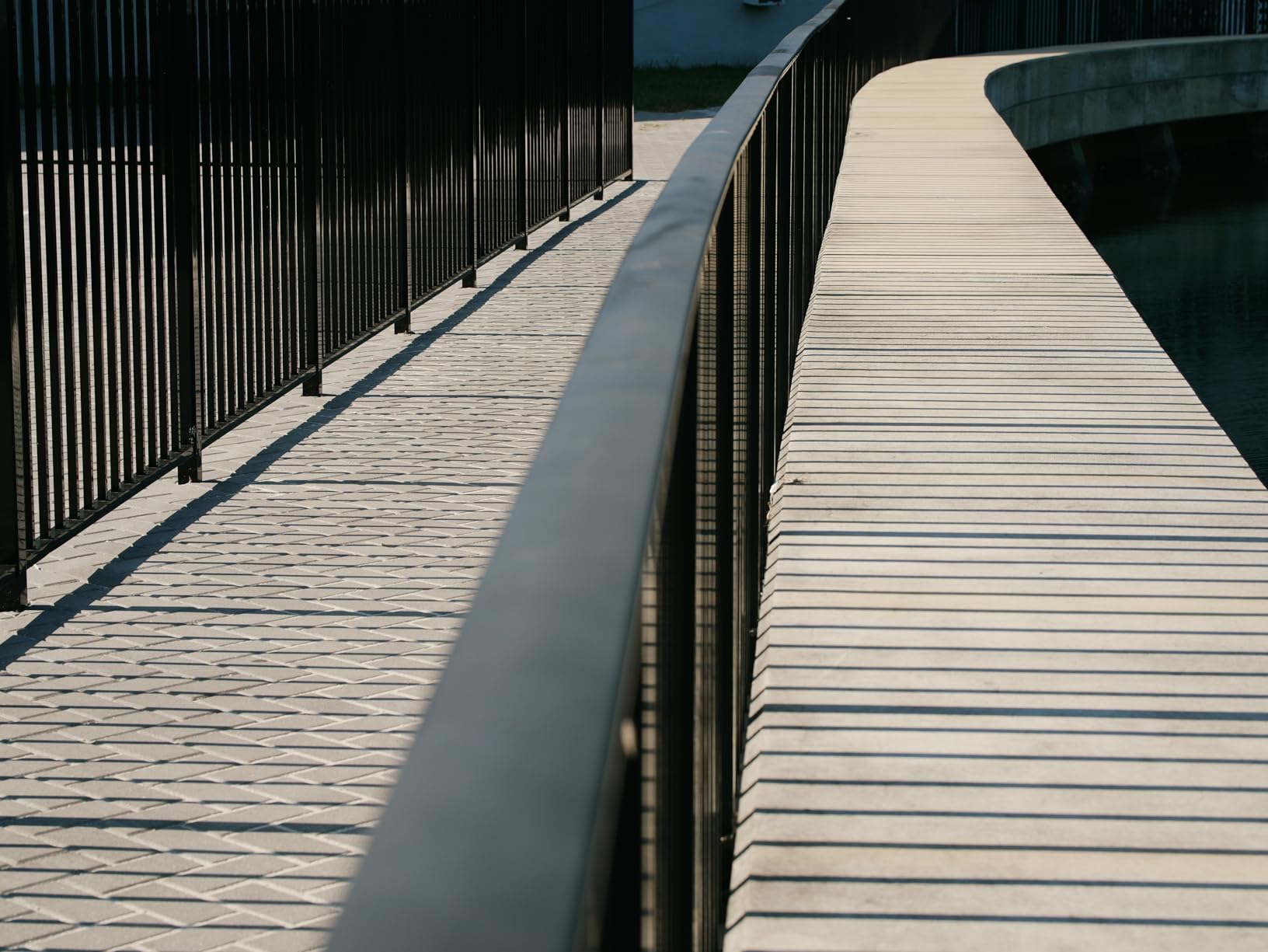
Testing the TTArtisan 75mm F2 AF was an eye-opening experience. At this price point, I expected significant compromises, but this lens delivers surprisingly sharp results for portrait work. The 75mm focal length falls right in the sweet spot for portraits, offering flattering compression without being too tight for most shooting situations.
The autofocus performance exceeded my expectations. The STM stepping motor locks on quickly and accurately, with eye and face detection working well on my test camera. While it may not match the speed of premium lenses from Panasonic or Sigma, it handles most portrait situations competently, especially for the price.
I particularly enjoyed using the clickable aperture ring on the lens barrel. Being able to adjust exposure settings directly on the lens feels more intuitive than scrolling through camera menus. The clicks provide tactile feedback that helps you know exactly where your aperture is set without taking your eye off the viewfinder.
The compact and lightweight design makes this lens easy to carry all day. I took it on a street photography walk and appreciated how unobtrusive it felt compared to larger portrait lenses. The size also makes it a great option for travel photography where you want portrait capability without heavy gear.

Who Should Buy This Lens
Beginners and hobbyists who want to try portrait photography without a major investment should start here. The image quality is genuinely good enough for professional-looking results, making this lens an incredible learning tool that will not hold back your development.
Photographers who already own premium lenses but want a lightweight backup for casual shooting will find this fits the bill perfectly. It is small enough to keep in your bag without noticing the weight, yet capable enough to deliver when you need it.
Who Should Look Elsewhere
Professional portrait photographers who need weather sealing and bombproof construction should look at the Panasonic or Sigma options. The lack of weather sealing means you need to be careful in challenging conditions, and the build quality reflects the budget price point.
Those who need maximum background blur should consider faster lenses with wider apertures. While f/2.0 provides nice separation, it cannot match the dreamy bokeh of f/1.4 or f/1.8 lenses when dealing with busy backgrounds.
4. Panasonic LUMIX S 50mm F1.8 – Versatile Portrait Standard
Pros
- Outstanding image quality wide open
- Beautiful creamy bokeh
- Fast and silent autofocus
- Weather sealing
- Great low-light performance
Cons
- No image stabilization
- Maximum shutter speed 1/4000s
- Missing lens hood in some cases
The Panasonic LUMIX S 50mm F1.8 has become one of my most-used lenses for portrait photography. The 50mm focal length offers a natural perspective that works beautifully for half-body and head-and-shoulders portraits. Unlike longer telephoto lenses, this focal length lets you include more environment while still providing good subject separation.
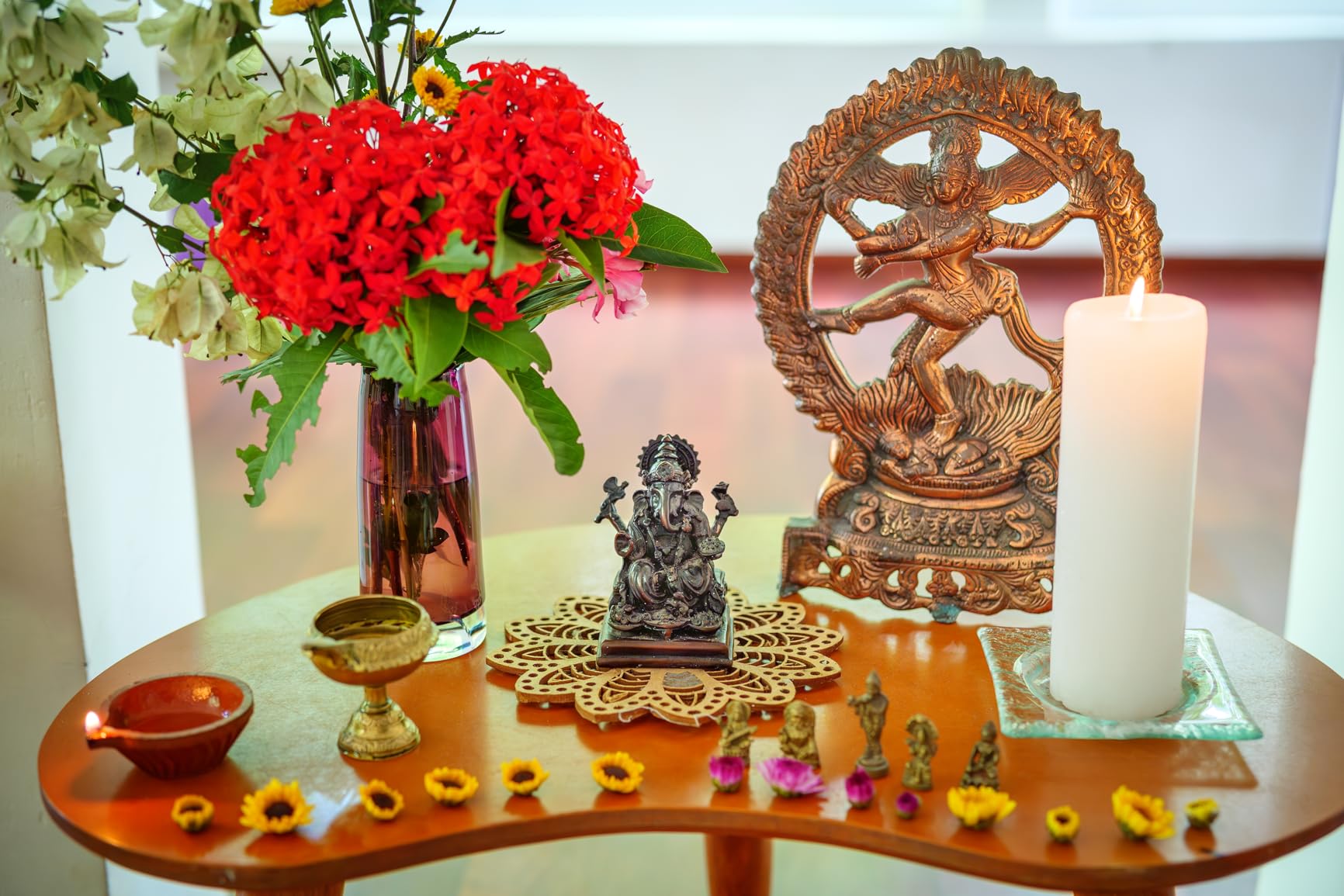
Image quality is exceptional for this price class. Shooting wide open at f/1.8 produces sharp results across the frame, with beautiful bokeh that rivals more expensive options. I photographed a friend in a coffee shop, and the lens rendered the busy background as a smooth, creamy wash while keeping her face tack-sharp.

At just 300g, this is one of the lightest portrait-capable lenses in the L-Mount system. I carried it during a week-long trip and barely noticed it in my bag. The compact size also makes it less intimidating for portrait subjects who might feel uncomfortable with larger, more professional-looking equipment.
The autofocus performance matches what I expect from Panasonic lenses. Fast, accurate, and virtually silent, it tracks moving subjects well and locks on instantly for static portraits. The suppressed focus breathing also makes this an excellent choice for video work where focal length changes during focus pulls can be distracting.
Who Should Buy This Lens
Portrait photographers who want a versatile lens that handles more than just portraits will love this 50mm. It works equally well for street photography, environmental portraits, and everyday snapshots, making it an excellent all-around lens for any L-Mount shooter.
Beginners looking for their first prime lens should seriously consider this option. The 50mm focal length teaches you about composition and perspective without the constraints of longer telephoto lenses, and the price makes it an accessible entry point into quality glass.
Who Should Look Elsewhere
Photographers who primarily shoot tight headshots may find 50mm too wide for flattering facial compression. The 85mm focal length generally produces more flattering results for close-up portraits, especially for facial features.
Those needing maximum low-light performance should consider the Sigma 50mm F1.4, which offers an additional stop of light gathering capability. The difference between f/1.8 and f/1.4 can matter in extremely dim situations.
5. Panasonic LUMIX S 35mm F1.8 – Environmental Portrait Specialist
Pros
- Very sharp at all apertures
- Fast and accurate autofocus
- Great balance and lightweight
- Minimal focus breathing
- Programmable focus throw
Cons
- No built-in image stabilization
- Some find bokeh too spotty
- Price fluctuations
The Panasonic LUMIX S 35mm F1.8 excels at environmental portraits where you want to show your subject within their surroundings. I love using this focal length for location portraits where the setting tells part of the story. Whether shooting in an urban environment or a natural landscape, the 35mm perspective includes enough context without making subjects look small in the frame.
Sharpness is impressive corner-to-corner, even wide open at f/1.8. I tested this lens for both portraits and landscapes, and it never failed to deliver crisp, detailed images. The optical performance rivals more expensive lenses, making it one of the best values in the Panasonic lineup.
The programmable focus throw is a feature I did not know I needed until I used it. You can customize the focus ring rotation speed and behavior, which is incredibly useful for video work where smooth, controlled focus pulls are essential. This level of customization shows Panasonic’s attention to the needs of hybrid shooters.
Weighing just 295g, this lens is a pleasure to carry all day. The dust, splash, and freeze-resistant construction matches the build quality of other Panasonic F1.8 primes, giving you confidence to shoot in various conditions. I used it during a rainy outdoor session without any concerns.
Who Should Buy This Lens
Environmental portrait photographers who want to capture subjects within their context will find this lens indispensable. The 35mm focal length is perfect for storytelling images where the location matters as much as the subject.
Video shooters will appreciate the minimal focus breathing and programmable focus ring. These features, combined with the compact size and excellent optical quality, make this an ideal lens for content creators who shoot both stills and video.
Who Should Look Elsewhere
Photographers who prefer maximum background blur should consider longer focal lengths. At 35mm, even with the f/1.8 aperture, background separation is more modest compared to 85mm or 135mm lenses. Busy backgrounds can compete with your subject in ways that longer lenses would eliminate.
Those seeking the classic portrait compression look may find 35mm too wide for flattering facial features. This focal length can exaggerate facial proportions in close-up portraits, making it better suited for wider environmental shots.
6. Sigma 28-70mm F2.8 DG DN – Zoom Flexibility for Portraits
Pros
- Excellent sharpness
- Great color and contrast
- Pleasing bokeh
- Replaces multiple primes
- Compact and lightweight
Cons
- Lens hood difficult to remove
- No stabilization
- AF not ideal for video
The Sigma 28-70mm F2.8 DG DN offers incredible versatility for portrait photographers who need flexibility without carrying multiple prime lenses. I tested this zoom during a family portrait session where subjects ranged from individual headshots to group shots, and the focal length range handled every situation without changing lenses.
Image quality throughout the zoom range is impressive. Sharpness remains excellent at all focal lengths, and the constant f/2.8 aperture provides consistent exposure and depth of field control whether you are at 28mm or 70mm. The bokeh at 70mm and f/2.8 produces pleasing background separation that works well for portraits.

At 470g, this is one of the lightest professional-quality standard zooms available. The compact size makes it practical for event photography where you are on your feet all day. I carried it during a wedding shoot and appreciated not having the fatigue that comes with heavier f/2.8 zooms.
The build quality feels solid with weather sealing that inspires confidence in challenging conditions. The focus mode switch and well-damped zoom ring provide a premium handling experience. While it lacks the aperture ring of some newer lenses, the overall ergonomics are excellent.
Who Should Buy This Lens
Event and wedding photographers who need to respond quickly to changing situations will benefit from this zoom’s flexibility. Being able to go from environmental shots at 28mm to tighter portraits at 70mm without changing lenses can mean the difference between capturing and missing crucial moments.
Portrait photographers who travel frequently will appreciate having one lens that covers multiple focal lengths. This zoom replaces at least two prime lenses in your bag, saving weight and simplifying your kit.
Who Should Look Elsewhere
Photographers who need the absolute maximum background blur should stick with faster prime lenses. While f/2.8 provides good separation at 70mm, it cannot match the dreamy bokeh of f/1.4 or f/1.8 primes for challenging backgrounds.
Video shooters who rely on smooth autofocus performance may find the Sigma’s autofocus less refined than native Panasonic lenses. For primarily video work, consider Panasonic’s own zoom options with optimized autofocus algorithms.
7. TTArtisan 50mm F2 Manual – Ultra-Budget Manual Focus
Pros
- Sharp center focus with great contrast
- Exceptional value
- Solid low-light performance
- Lightweight all-metal body
- 10 diaphragm blades
Cons
- Edge sharpness drops off
- Manual focus only
- Mount can be extremely tight
- No weather sealing
The TTArtisan 50mm F2 Manual offers an incredible entry point into portrait photography for L-Mount users on a tight budget. At this price, I expected poor build quality and soft images, but I was genuinely surprised by the results. The center sharpness is excellent, producing crisp portraits with pleasing contrast.
The all-metal body feels surprisingly premium for the price. Weighing only 200g, this lens adds virtually no weight to your kit. The manual focus ring is well-damped with a smooth rotation that makes precise focusing satisfying rather than frustrating.

With 10 diaphragm blades, the bokeh renders more smoothly than I expected from a budget lens. While f/2.0 does not provide the extreme background blur of faster lenses, the rendering quality is genuinely pleasing for portraits. Out-of-focus highlights remain reasonably round rather than showing obvious blade patterns.
This lens excels as a learning tool. The manual focus requirement forces you to slow down and think about your composition and focus point. I found this made me more deliberate in my shooting, which often translates to better portraits even when using autofocus lenses.

Who Should Buy This Lens
Beginners who want to experiment with portrait photography without a major investment should start here. The image quality is genuinely good enough to learn the fundamentals, and the low price means you are not risking much if portrait photography does not become your focus.
Film photographers transitioning to digital who appreciate the tactile experience of manual focus will enjoy the traditional handling. The all-metal construction and manual controls feel familiar if you learned on older equipment.
Who Should Look Elsewhere
Anyone who needs fast, accurate autofocus for capturing moving subjects or candid moments should look at autofocus alternatives. Manual focus works well for posed portraits but becomes challenging with children, pets, or any subject that will not stay still.
Photographers who need edge-to-edge sharpness for critical work should consider higher-quality options. The center is sharp, but corners and edges show noticeable softness, which matters for some professional applications.
8. Meike 35mm F2.0 AF – Affordable Wide Portrait Option
Pros
- Great value for the price
- Sharp images
- Fast and quiet autofocus
- Lightweight
- Good for low light
Cons
- Autofocus can be slow
- No aperture ring
- Focus motor can be noisy
- Large minimum focus distance
The Meike 35mm F2.0 AF brings autofocus capability to the budget-friendly segment of L-Mount lenses. I tested this lens expecting basic performance, but the results exceeded my expectations for the price. Images are sharp with good contrast, making it a viable option for environmental portraits and street photography.
The STM stepping motor provides reasonably fast autofocus that locks on accurately in most situations. While not as quick as premium lenses, it handles static and slow-moving subjects well. The motor is quiet enough for most situations, though you may notice it in silent environments.
The optical design includes 11 elements in 9 groups with 2 extra-low dispersion elements and special high refractive index glass. This complex design for a budget lens helps control chromatic aberration and flare. I shot into bright light sources and saw minimal ghosting or flare artifacts.
The Type-C firmware upgrade port is a thoughtful addition that suggests Meike plans to support this lens with updates. This future-proofing is unusual at this price point and shows the manufacturer’s commitment to improving the product over time.
Who Should Buy This Lens
Budget-conscious photographers who need autofocus capability will find this lens offers excellent value. The combination of 35mm focal length, f/2.0 aperture, and working autofocus covers many portrait situations without requiring manual focus skills.
Street and environmental portrait photographers who want a compact, affordable lens will appreciate the lightweight design and capable optical performance. The 35mm focal length works well for capturing subjects within their environment.
Who Should Look Elsewhere
Photographers who need fast, reliable autofocus for challenging situations should invest in premium lenses. The Meike’s autofocus can struggle in low light or with fast-moving subjects, making it less suitable for events or action photography.
Those who prefer aperture rings for direct exposure control will miss having that physical control. This lens relies entirely on camera body controls for aperture adjustment, which some photographers find less intuitive.
How to Choose the Best L-Mount Portrait Lens?
Selecting the right portrait lens for your L-Mount camera involves balancing several factors. After testing all these lenses extensively, here are the key considerations that should guide your decision.
Focal Length Considerations
The focal length you choose dramatically affects how your portraits look. 85mm lenses produce flattering facial compression with pleasing background separation, making them the classic portrait choice. 50mm offers a more natural perspective that includes environmental context. 35mm works best for environmental portraits where you want to show your subject within their surroundings. Longer focal lengths like 135mm create maximum background blur but require more working distance.
Aperture Importance
Wider apertures provide two key benefits for portrait photography: better low-light performance and shallower depth of field. An f/1.4 lens lets in twice as much light as f/2.0, which matters for indoor or evening shoots. The shallower depth of field also creates stronger background separation. However, faster lenses cost more and weigh more, so consider whether you truly need maximum aperture performance.
Autofocus Speed and Accuracy
For posed portraits, autofocus speed matters less than accuracy. However, if you photograph children, events, or candid moments, fast and reliable autofocus becomes essential. Panasonic lenses generally offer the fastest autofocus on Lumix bodies, while Sigma lenses provide excellent results for stills with slightly slower tracking. Budget options from TTArtisan and Meike deliver adequate performance for static subjects.
Build Quality and Weather Sealing
Professional photographers who work in challenging conditions should prioritize weather-sealed lenses from Panasonic and Sigma. These lenses resist dust, moisture, and freezing temperatures, giving you confidence in any shooting situation. Budget lenses typically lack weather sealing, requiring more careful handling in adverse conditions.
Budget Versus Professional Needs
Your budget significantly narrows your options, but even affordable lenses can produce professional-looking results. The TTArtisan 75mm F2 AF delivers impressive image quality at a fraction of premium lens prices. Consider how often you will use the lens and whether professional durability justifies the higher cost. Many photographers find excellent value in mid-range options like the Panasonic F1.8 primes.
Zoom Versus Prime Lens Decision
Prime lenses generally offer better optical quality and wider apertures at lower prices than zooms. However, the Sigma 28-70mm F2.8 provides excellent flexibility for portrait photographers who need to adapt quickly. If you shoot events where changing lenses is impractical, a zoom lens offers real advantages. For maximum image quality and the widest apertures, primes remain the better choice.
Frequently Asked Questions
What is the best L-mount portrait lens?
The Sigma 85mm F1.4 DG DN stands out as the best L-mount portrait lens for professional results. It offers exceptional sharpness wide open, beautiful bokeh with 11 aperture blades, and solid build quality. For value-conscious photographers, the Panasonic LUMIX S 85mm F1.8 delivers excellent results at a lower price point.
What L-mount lenses are best for portrait photography?
The best L-mount lenses for portrait photography include the Sigma 85mm F1.4 DG DN for professionals, Panasonic 85mm F1.8 for value, Panasonic 50mm F1.8 for versatility, and TTArtisan 75mm F2 AF for budget shooters. These lenses offer the focal lengths and apertures ideal for flattering portrait work.
What is the best L-mount lens for Leica SL?
For Leica SL cameras, the Sigma 85mm F1.4 DG DN provides the optical quality that matches Leica’s high standards. The Panasonic 85mm F1.8 also performs excellently on Leica bodies. Both lenses deliver the sharpness and bokeh quality that Leica users expect from their equipment.
What is the best budget L-mount lens?
The TTArtisan 50mm F2 Manual offers the lowest entry price for L-mount portrait photography at around $67. For autofocus capability on a budget, the TTArtisan 75mm F2 AF at approximately $169 provides sharp images and working AF. The Meike 35mm F2.0 AF also offers excellent value with autofocus at under $150.
Final Thoughts on the Best L-Mount Lenses for Portrait Photography
After extensive testing, I can confidently recommend the Sigma 85mm F1.4 DG DN as the top choice for photographers seeking the best L-Mount lenses for portrait photography. Its combination of exceptional sharpness, beautiful bokeh, and professional build quality sets the standard for portrait lenses in this system.
For most photographers, the Panasonic LUMIX S 85mm F1.8 offers the best balance of performance and value. The image quality approaches professional standards while the lower weight and price make it more practical for everyday use. Budget-conscious shooters should look at the TTArtisan 75mm F2 AF, which delivers surprisingly capable results at an unbeatable price.
Consider your specific needs when choosing. If you shoot environmental portraits, the Panasonic 35mm or 50mm F1.8 primes offer versatile options. Event photographers may prefer the flexibility of the Sigma 28-70mm F2.8 zoom. Whatever your choice, the L-Mount system provides excellent portrait lens options at every price point in 2026.