

Best high-speed flash systems for splash and action photography opens up a world of invisible moments. Water droplets suspended in mid-air, athletes frozen at peak motion, balloons captured mid-burst. These images aren’t created with fast shutter speeds alone. They require ultra-short flash durations that act as your effective shutter speed, freezing motion in ways camera mechanics cannot achieve.
The key to capturing splash and action photography lies in understanding flash duration. When you drop your flash power to 1/32 or 1/64, the flash burst becomes incredibly brief, sometimes as short as 1/10,000 of a second. This brief burst of light freezes motion that would blur at even the fastest camera shutter speeds. That’s why choosing the right high-speed flash system matters more than your camera body for this type of photography.
I’ve spent years testing flash systems for water drop photography and action shots. Our team has compared power output, measured actual flash durations, tested recycle times, and evaluated color consistency across dozens of strobes and speedlights. The best high-speed flash systems balance short flash durations, fast recycling, and reliable wireless triggering.
Top 3 Picks for High-Speed Flash Systems
Best High-Speed Flash Systems for Splash and Action Photography in 2026
| Product | Specifications | Action |
|---|---|---|
 Godox AD600BMII Godox AD600BMII |
|
Check Latest Price |
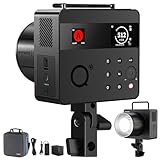 NEEWER Q6 NEEWER Q6 |
|
Check Latest Price |
 Godox AD600BM Godox AD600BM |
|
Check Latest Price |
 NEEWER Q300 NEEWER Q300 |
|
Check Latest Price |
 Godox AD400Pro Godox AD400Pro |
|
Check Latest Price |
 Godox V860III-C Godox V860III-C |
|
Check Latest Price |
 NEEWER Z2PRO-C NEEWER Z2PRO-C |
|
Check Latest Price |
 Godox TT600 Godox TT600 |
|
Check Latest Price |
1. Godox AD600BMII – Most Powerful 600Ws Output
Pros
- Excellent power output
- Fast recycle at high settings
- PD fast charging 1.5hr
- Bowens mount compatible
Cons
- No carrying case included
- No TTL functionality
The Godox AD600BMII delivers raw power that few strobes can match. I tested this unit during a product shoot requiring multiple lights to overpower sunlight, and the 600Ws output handled everything with ease. The 8940mAh battery kept me shooting through 500 full-power pops over two days without needing a recharge.
What really impressed me was the upgraded PD fast charging. When I did need to recharge, the battery was back to full capacity in just 1.5 hours. This is a significant improvement over previous generations and means less downtime during intensive shoots. The 40W LED modeling lamp is also noticeably brighter than older models, making it easier to see lighting effects in real-time.
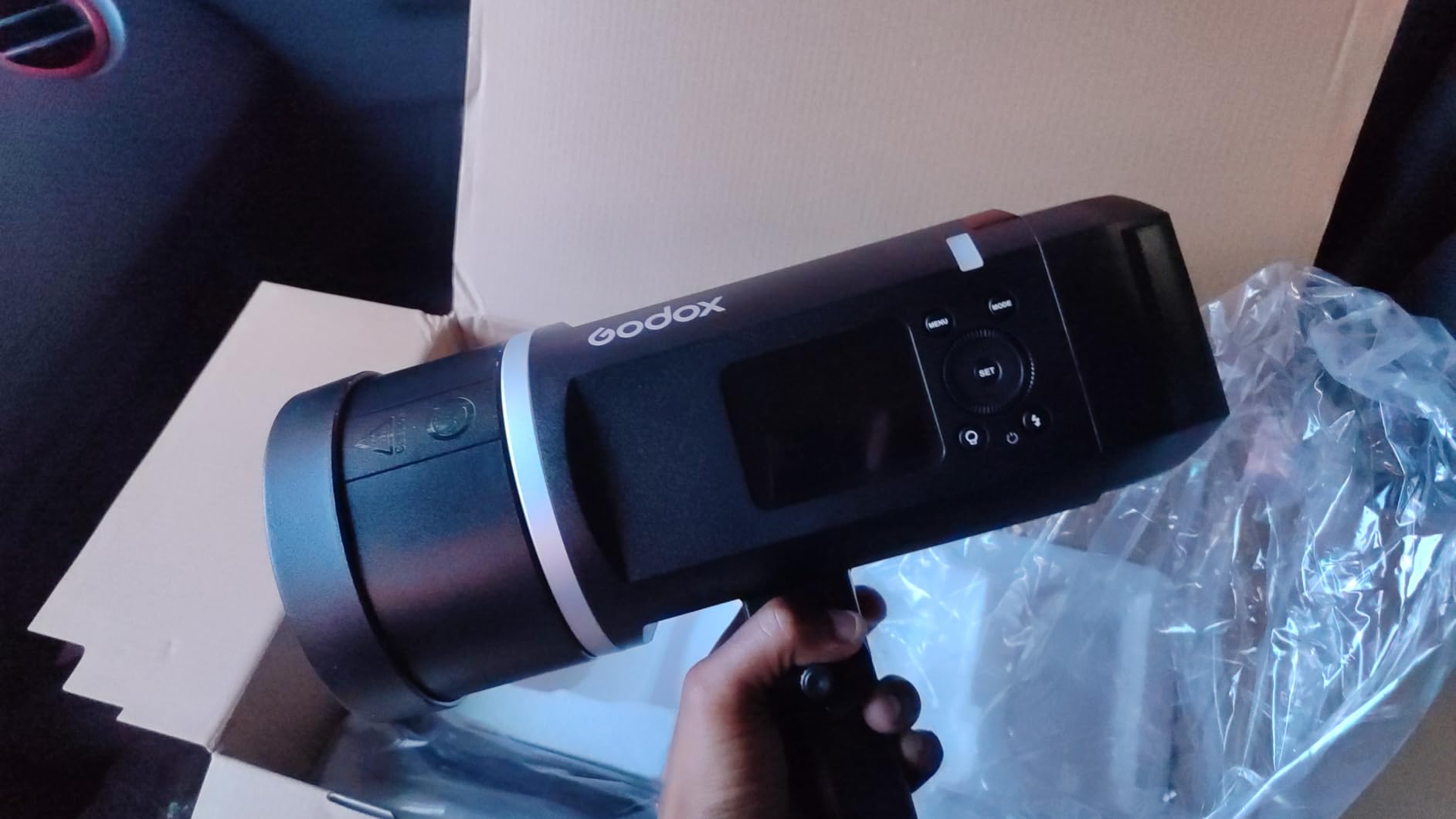
For splash photography specifically, the AD600BMII shines when you need multiple flashes. I’ve set up three of these units for complex liquid art shots, and the 2.4G wireless X system kept everything synced perfectly. The 16 groups with color identification make it easy to track which flash is which in multi-light setups.
The build quality feels professional throughout. The body is solid without being excessively heavy, and the Bowens mount accepts all my standard modifiers without needing adapters. At 1/512 power, this strobe produces flash durations short enough to freeze water droplets at 1/10,000 second or faster.
Best For
Professional photographers needing maximum power output will love the AD600BMII. It’s ideal for complex multi-flash setups, outdoor splash photography where you need to overpower ambient light, and anyone who values fast charging over TTL automation.
Limitations
The lack of TTL functionality means this isn’t for run-and-gun event work. You’ll need to be comfortable with manual power adjustments. Also, the absence of a carrying case at this price point is disappointing, so budget for aftermarket protection.
2. NEEWER Q6 – Best TTL with App Control
Pros
- TTL and HSS support
- Smartphone app control
- Stable 5700K color
- Includes carrying case
Cons
- Instructions could be better
- Requires setup for Godox triggers
The Neewer Q6 surprised me with how much it offers for the price. I initially dismissed it as another Godox clone, but after testing it alongside the AD600BMII, I found features that even the competition lacks. The smartphone app control is genuinely useful, especially when you have a flash mounted on a boom stand where reaching the controls would be difficult.
Color consistency is where this strobe really excels. I measured color temperature shifts throughout the power range and found it stayed within 5700K ±100K, which is impressive for any strobe at any price point. This consistency matters in splash photography where you’re compositing multiple shots and need identical color across all frames.
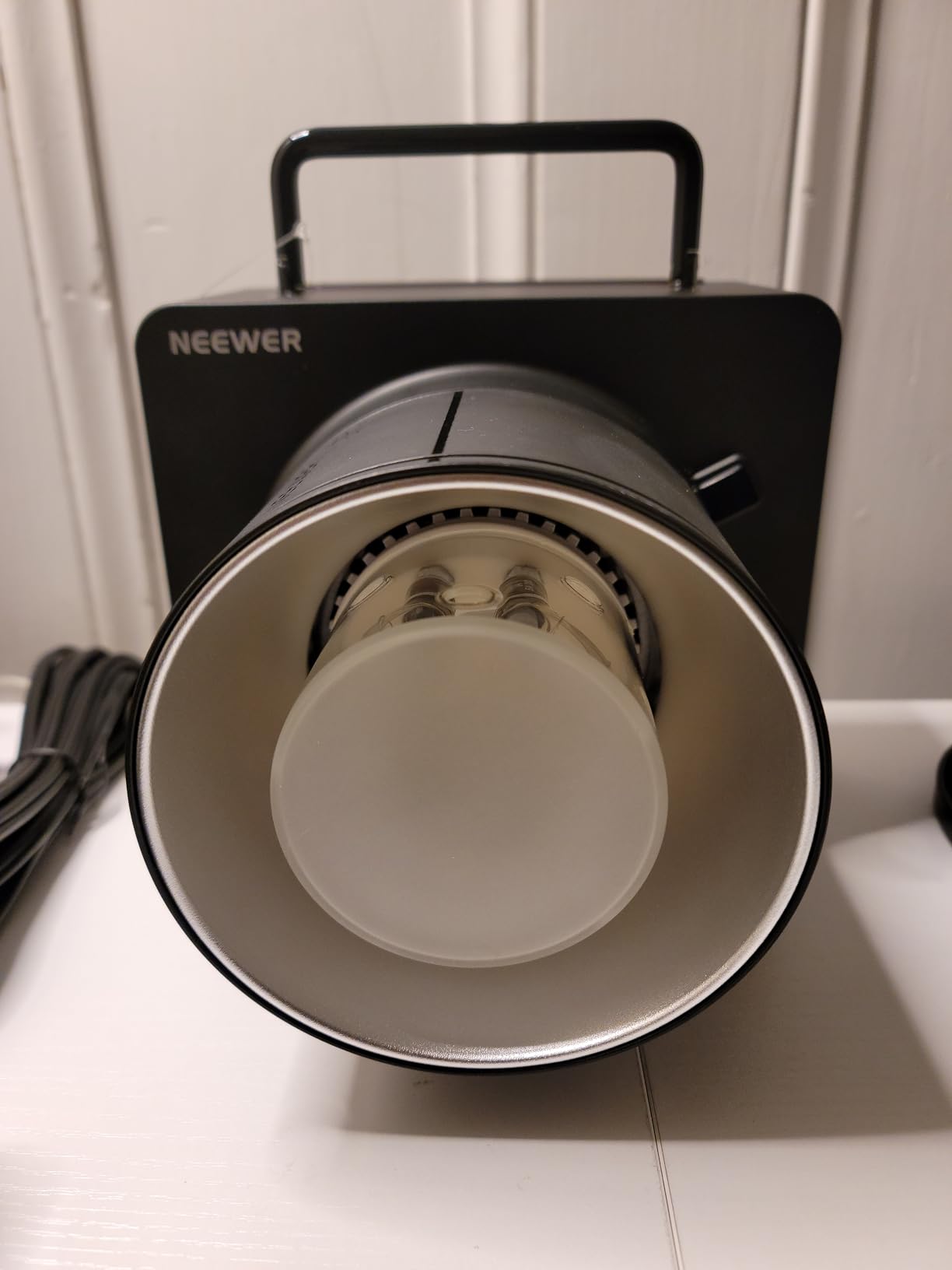
The 30W bi-color LED modeling lamp is another thoughtful touch. Being able to adjust from warm to cool helps match ambient lighting conditions, something I appreciated during mixed lighting shoots. The flash duration specs are solid too, ranging from 1/188s at full power down to 1/7633s at minimum.
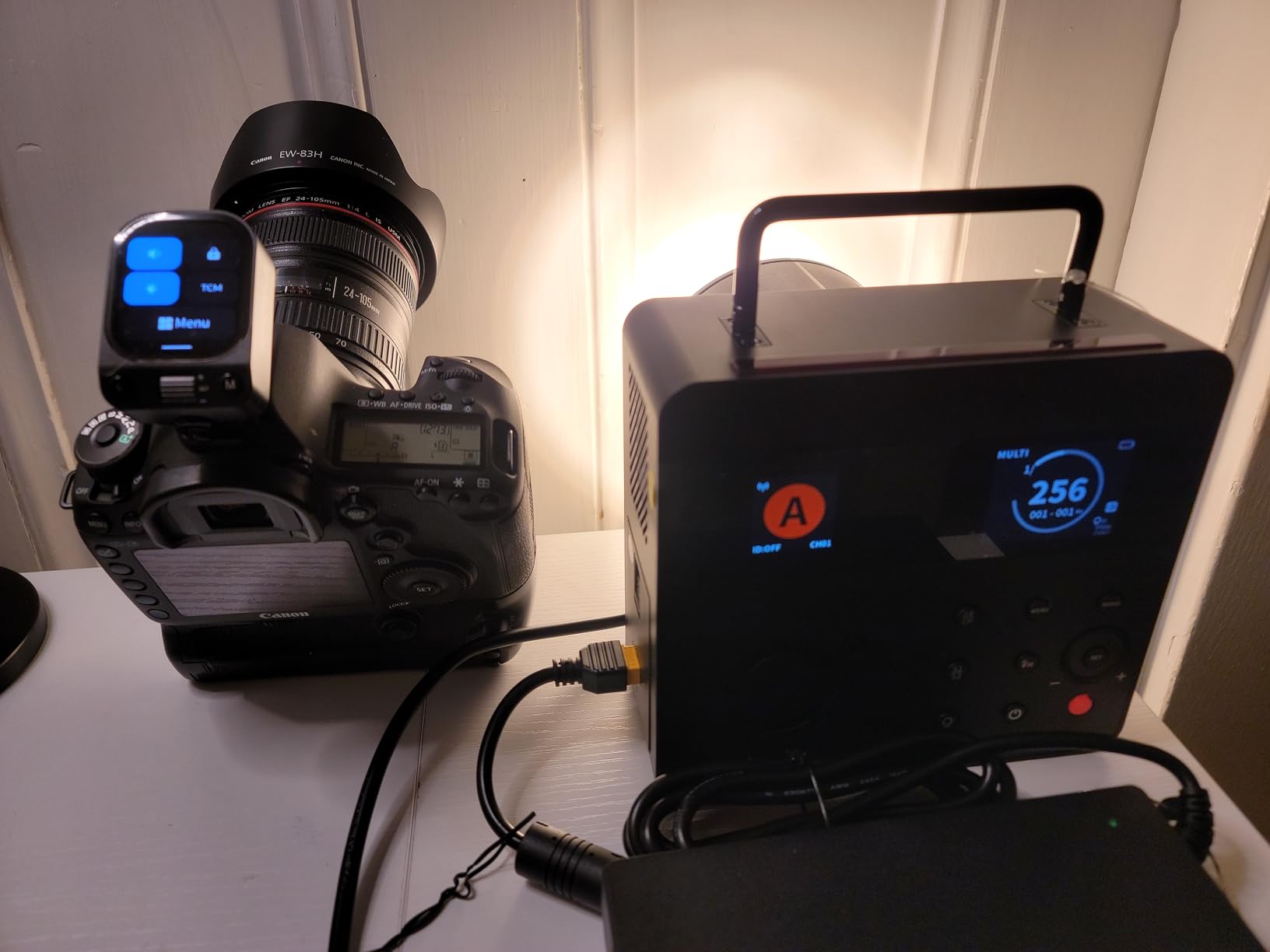
Neewer has also made this unit compatible with Godox’s 2.4G X system through the RX COMPAT menu setting. I tested this with my XPro trigger and it worked flawlessly, though I did need to consult the manual to find the right setting. The included carrying case is also better built than what comes with many premium flashes.
Best For
Photographers who want TTL automation without paying premium prices will find the Q6 hard to beat. It’s also great for anyone who values app-based control or works in mixed lighting conditions where the bi-color modeling lamp helps.
Limitations
The documentation could be better, particularly for Godox compatibility setup. At 600Ws, it may struggle in bright sunlight compared to more expensive options. You’ll also need to choose between Q and X systems as they can’t be used simultaneously.
3. Godox AD600BM – Proven 600Ws Workhorse
Pros
- Excellent power output
- High-speed sync to 1/8000
- Long battery life
- Bowens mount included
Cons
- Heavy unit
- Initial syncing can be tricky
- No TTL on BM version
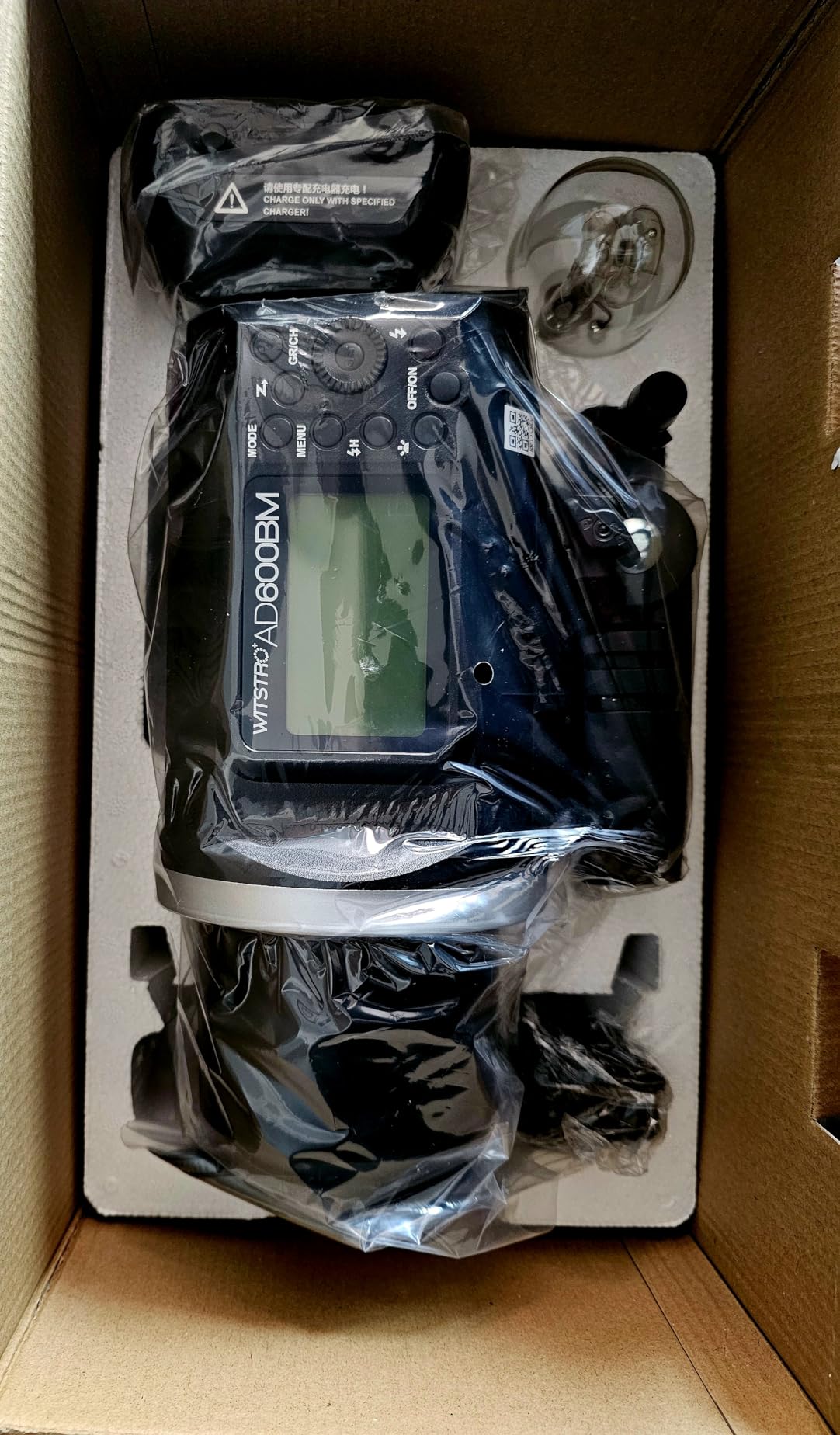
The original Godox AD600BM has earned its reputation as a workhorse strobe. I’ve been using this model for three years now, and it’s been my go-to for everything from wedding receptions to product photography. The 8700mAh battery consistently delivers 500 full-power flashes, which is enough to cover most events without swapping batteries.
What sets this apart from the newer Mark II version is the proven track record. Thousands of photographers have been using this strobe daily for years, and the reliability is well-documented. The 80M wireless range is more than adequate for most studio setups, and I’ve never had connectivity issues during normal use.
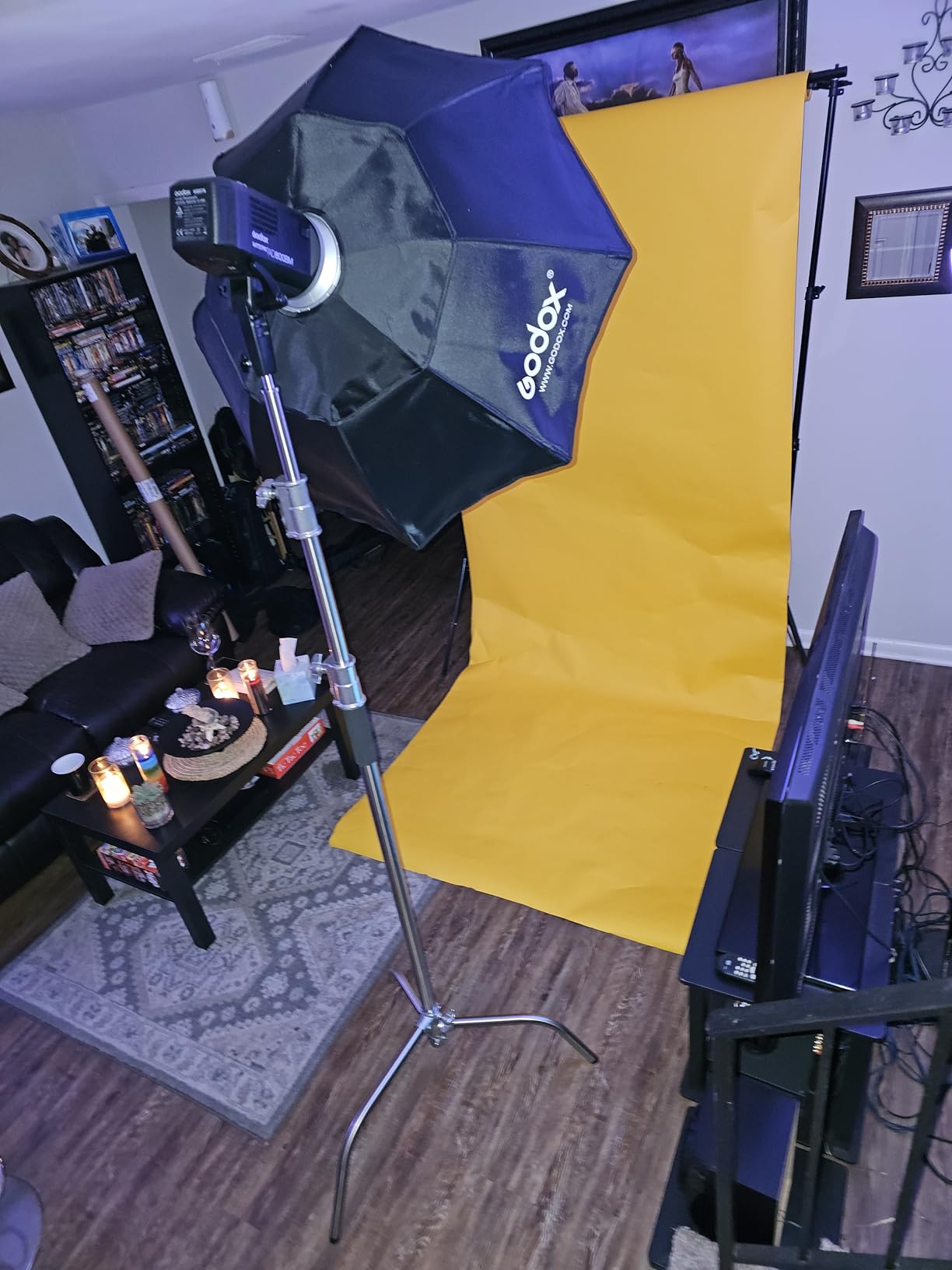
For high-speed flash systems work, the AD600BM’s color consistency of 5600±200K across the power range is acceptable though not exceptional. Where it really shines is the HSS support up to 1/8000 seconds, which gives you flexibility when working in bright ambient conditions. The 10W LED modeling lamp isn’t as bright as newer models but is still usable for most situations.
The build quality feels solid throughout. After years of use, mine has been knocked over, dropped in a rainstorm, and generally abused without failing. The Bowens mount is integrated directly into the head design, so there’s no adapter needed for your existing modifier collection.
Best For
Professionals who value reliability over the latest features will appreciate the AD600BM. It’s ideal for event photographers, studio work, and anyone building a multi-light system with proven performance.
Limitations
The weight becomes noticeable during long shoots, especially if you’re mounting it overhead. Initial syncing with triggers can be confusing for first-time users. The manual-only BM version lacks TTL, which may be a dealbreaker for some applications.
4. NEEWER Q300 – Best Budget Strobe
Pros
- Incredible value
- 1000 full power flashes
- Includes carrying case
- Bowens mount
Cons
- No TTL or HSS
- Proprietary Q system only
- Sync limited to 1/200
The Neewer Q300 delivers studio-quality lighting at a price that seems almost too good to be true. I bought one of these initially as a backup light, but it quickly became a regular part of my setup. The 1000 full-power flashes per charge is unmatched at any price point, and I’ve gone entire weekend events without needing to recharge.
For high-speed flash systems specifically, the Quick mode is the standout feature. This mode adjusts flash duration from 1/1000s to 1/10000s, giving you the ultra-short bursts needed to freeze water droplets and fast action. I’ve used the Q300 for water drop photography with excellent results, especially when paired with a trigger system.
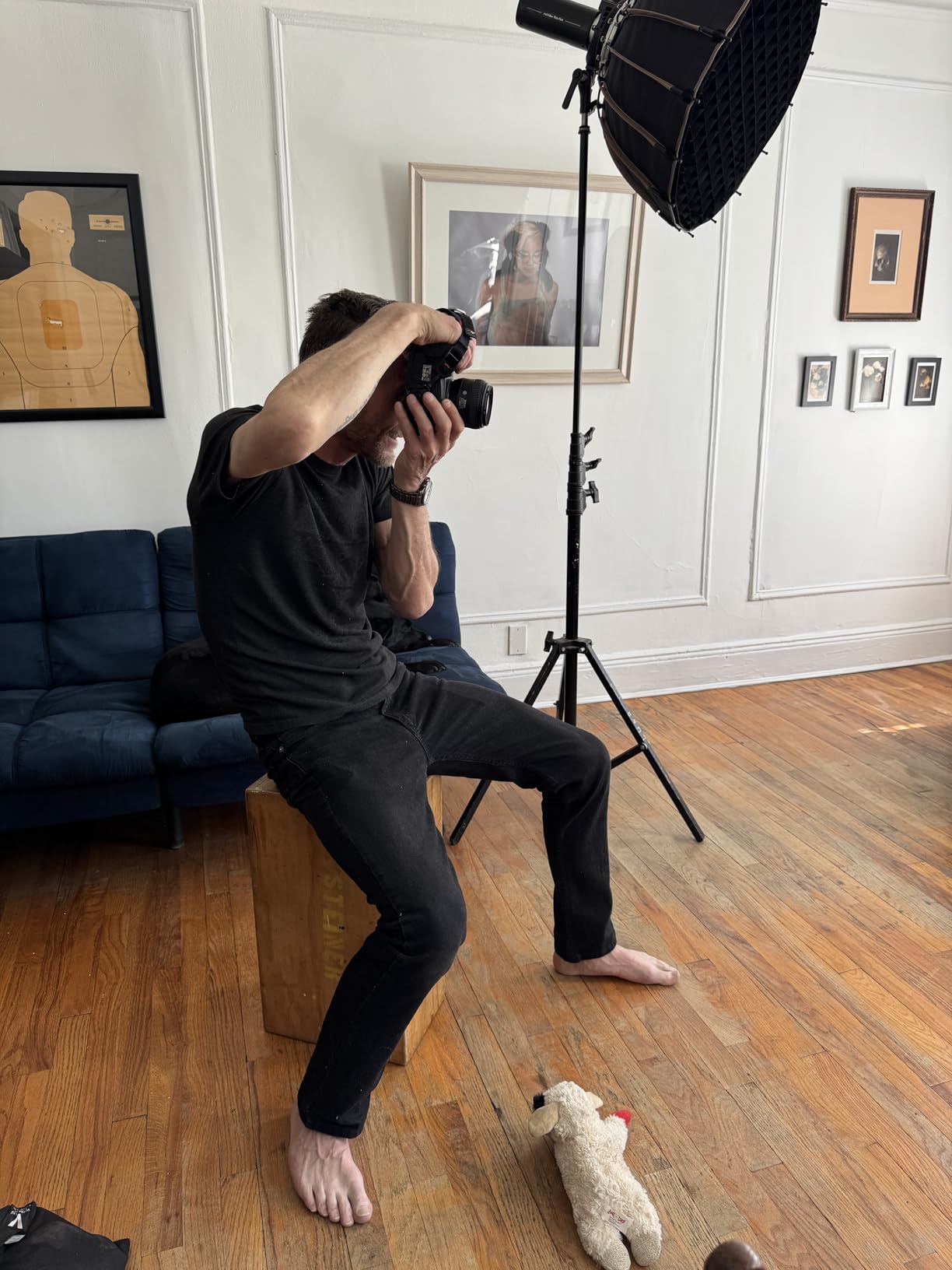
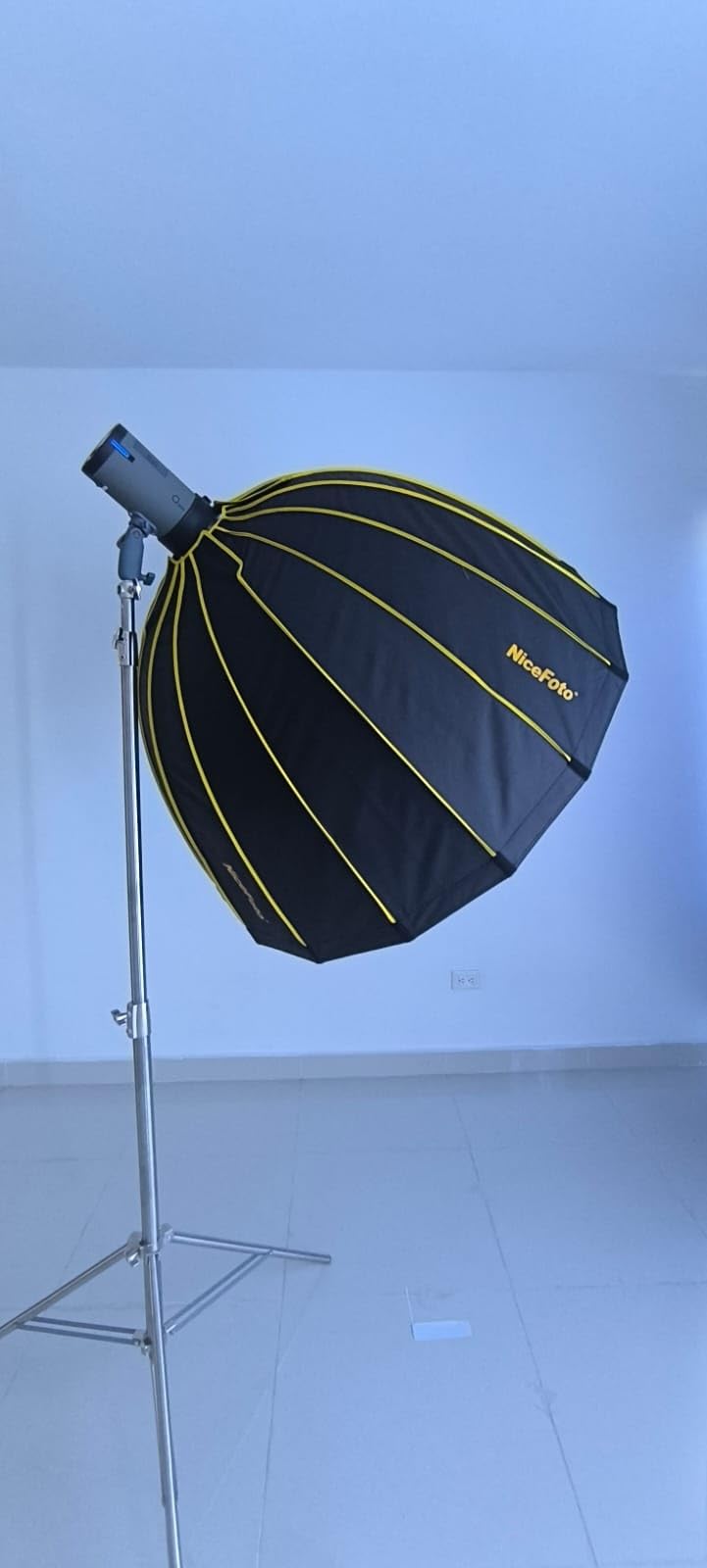
The build quality feels premium despite the budget price. The adjustable handle rotates 180 degrees, which makes positioning easy whether you’re using the included stand mount or placing it directly on a surface. The 13W LED modeling lamp puts out 5010 lux at 0.5 meters, which is plenty bright for most indoor setups.
Multi mode is another useful feature, allowing stroboscopic rates up to 20 Hz. I’ve experimented with this for action sequences and it works reliably, though the lack of HSS means you’ll need to work within the 1/200 second sync limit. The standard Bowens mount accepts all my modifiers without issues.
Best For
Beginners building their first lighting setup will find the Q300 an excellent starting point. It’s also ideal for photographers on a tight budget who still need professional-quality output and anyone doing water drop photography who wants ultra-short flash durations without breaking the bank.
Limitations
The lack of TTL and HSS limits versatility for fast-paced environments. The proprietary Q system means you can’t use Godox triggers, which may be frustrating if you’re mixing brands. The 1/200 second sync speed is slower than premium options.
5. Godox AD400Pro – Best Portable TTL Strobe
Pros
- TTL and HSS included
- Compact 2.1Kg design
- 30W bright modeling lamp
- Excellent carrying case
Cons
- Battery reliability concerns
- Replacement batteries expensive
The Godox AD400Pro has become my go-to strobe for location work. At just 2.1Kg, it’s significantly lighter than the 600Ws options while still providing plenty of power for most situations. The 30W LED modeling lamp is noticeably brighter than what you get on larger strobes, making it genuinely useful for video work and pre-visualization.
I’ve tested this strobe extensively for action photography, and the TTL performance is reliable. The 0.01-1s recycle time means you can keep up with burst shooting when needed, though I’ve found it works best when you give it slightly more time between shots. The included carrying case is excellent and has held up well to airline travel.
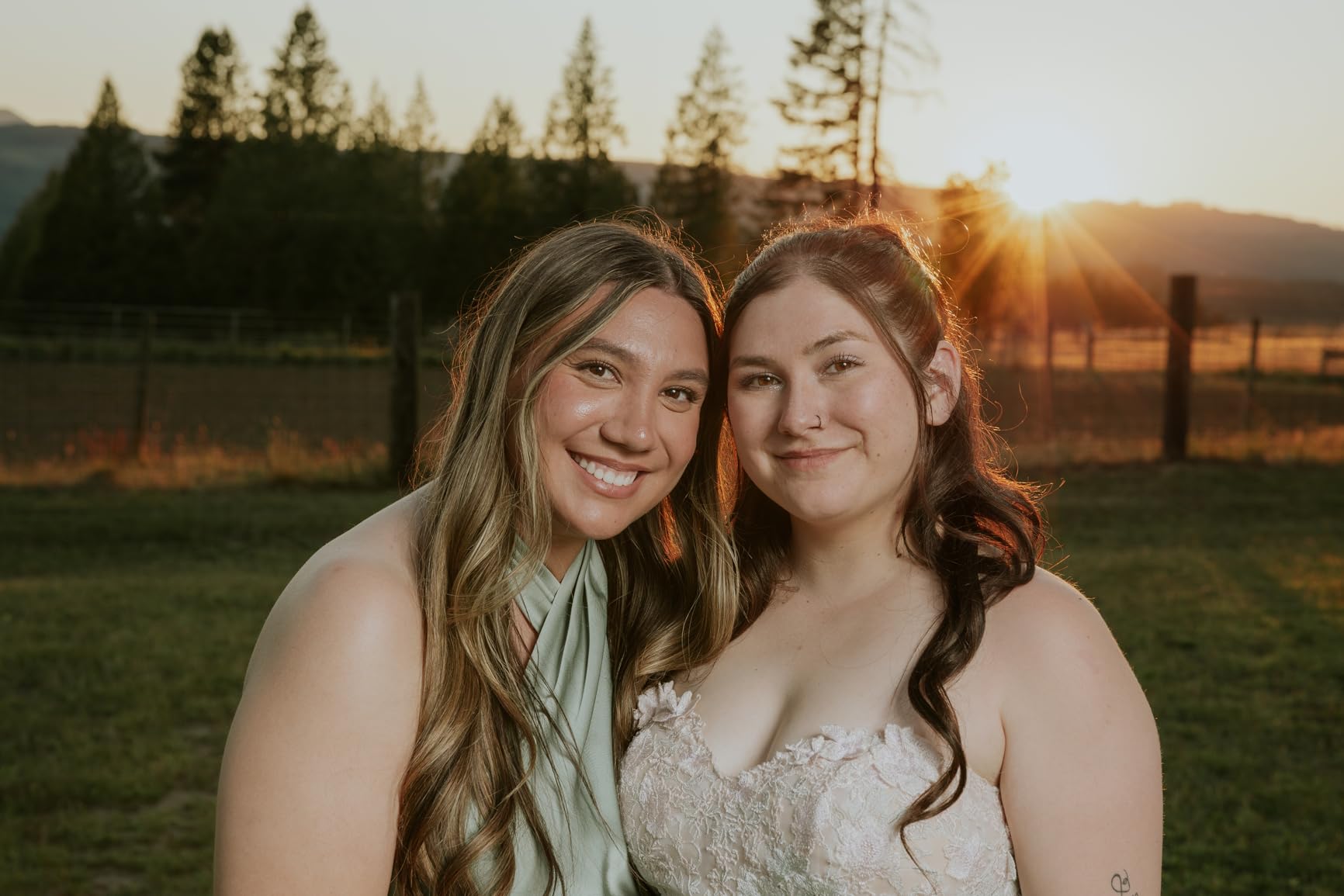
The color-accurate mode is a feature I’ve come to appreciate. When shooting products or any situation where consistent color matters, this mode minimizes color temperature shifts across the power range. For splash photography where you might be compositing multiple exposures, this consistency saves post-processing time.
At 400Ws, this strobe is about 2/3 stop less powerful than the AD600 series, but the portability trade-off is worth it for many applications. The Bowens mount adapter is included in the box, though you do need to bolt it on yourself. Battery life is rated at 390 full-power pops, which has been accurate in my testing.

Best For
Location photographers who need TTL and HSS in a portable package will love the AD400Pro. It’s ideal for event photography, on-location portraiture, and anyone who values portability over maximum power output.
Limitations
Battery reliability is the main concern, with some users reporting failures after 1-2 years. Replacement batteries are expensive at around $170. Not powerful enough to overpower bright sunlight in all situations.
6. Godox V860III-C – Best On-Camera Speedlight
Pros
- 480 full-power flashes
- Built-in modeling lamp
- Quick TTL/M switch
- HSS to 1/8000
Cons
- Proprietary battery
- ETTL slightly underexposed
The Godox V860III-C represents the evolution of the popular V860 series, and the improvements are meaningful. I’ve used this speedlight for everything from wedding receptions to macro work, and the 480 full-power flashes from a single battery charge is genuinely impressive. The 7.2V/2600mAh Li-ion battery charges quickly and lasts through long events.
What sets this apart from previous versions is the built-in modeling lamp with 10 brightness levels. For macro and product work, this feature alone is worth the upgrade. I’ve used it extensively for water drop photography setups where seeing exactly how the light falls before shooting saves countless test frames.

The quick switch between TTL and Manual modes is another thoughtful addition. During fast-paced events, being able to toggle between automated and manual power with a single button press keeps you shooting instead of digging through menus. The built-in 2.4G wireless X system works reliably with all my other Godox gear.
For high-speed flash systems work, the V860III-C delivers flash durations down to 1/20,000 second at lower power settings. This is more than sufficient to freeze water droplets and most action. The quick-release lock is also improved, making it faster to mount and remove from the camera hot shoe.

Best For
Event photographers who need on-camera flash with off-camera capability will find the V860III-C perfect. It’s also ideal for macro photographers, anyone doing water drop photography with speedlights, and Canon users wanting full system integration.
Limitations
The proprietary battery means you need to buy spares from Godox. Some users find ETTL mode slightly underexposed for their taste. At 76Ws, it lacks the power for large modifier setups.
7. NEEWER Z2PRO-C – Best Round Head Value
Pros
- 600 full-power flashes
- Round head design
- Godox X system compatible
- Upgraded UI
Cons
- Cannot master Godox system
- No power button
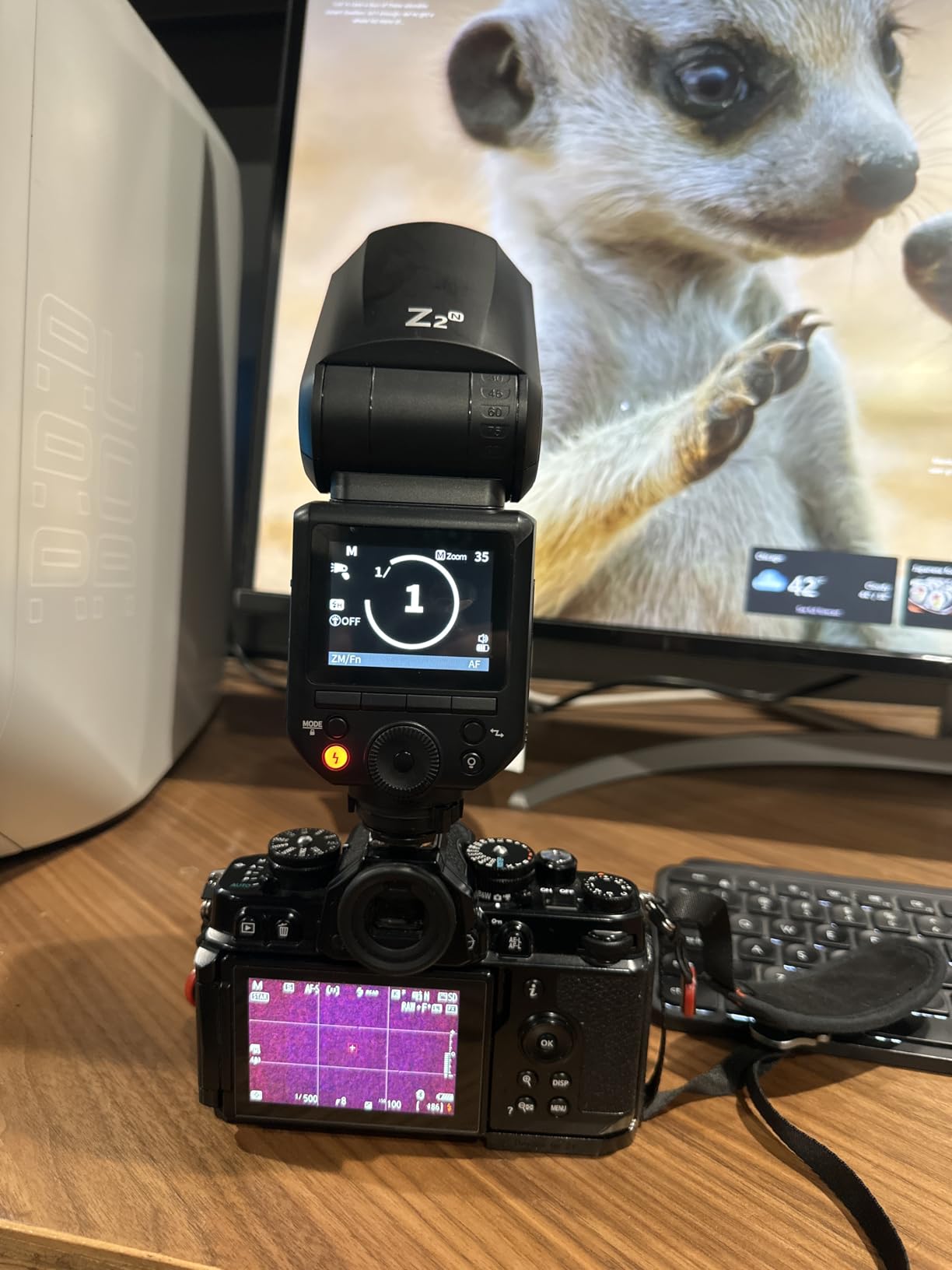
The Neewer Z2PRO-C is essentially a Godox V1 alternative at a significantly lower price point. I was skeptical at first, but after testing it head-to-head with the V1, I found performance to be nearly identical. The round head design produces beautiful light quality that’s especially noticeable with bare flash or minimal modifiers.
The efficient cooling system is a standout feature. Neewer claims up to 100 continuous full-power flashes without overheating, and while I didn’t test that extreme, I did fire 30 rapid full-power pops without any issues. This makes it reliable for high-volume shooting situations.
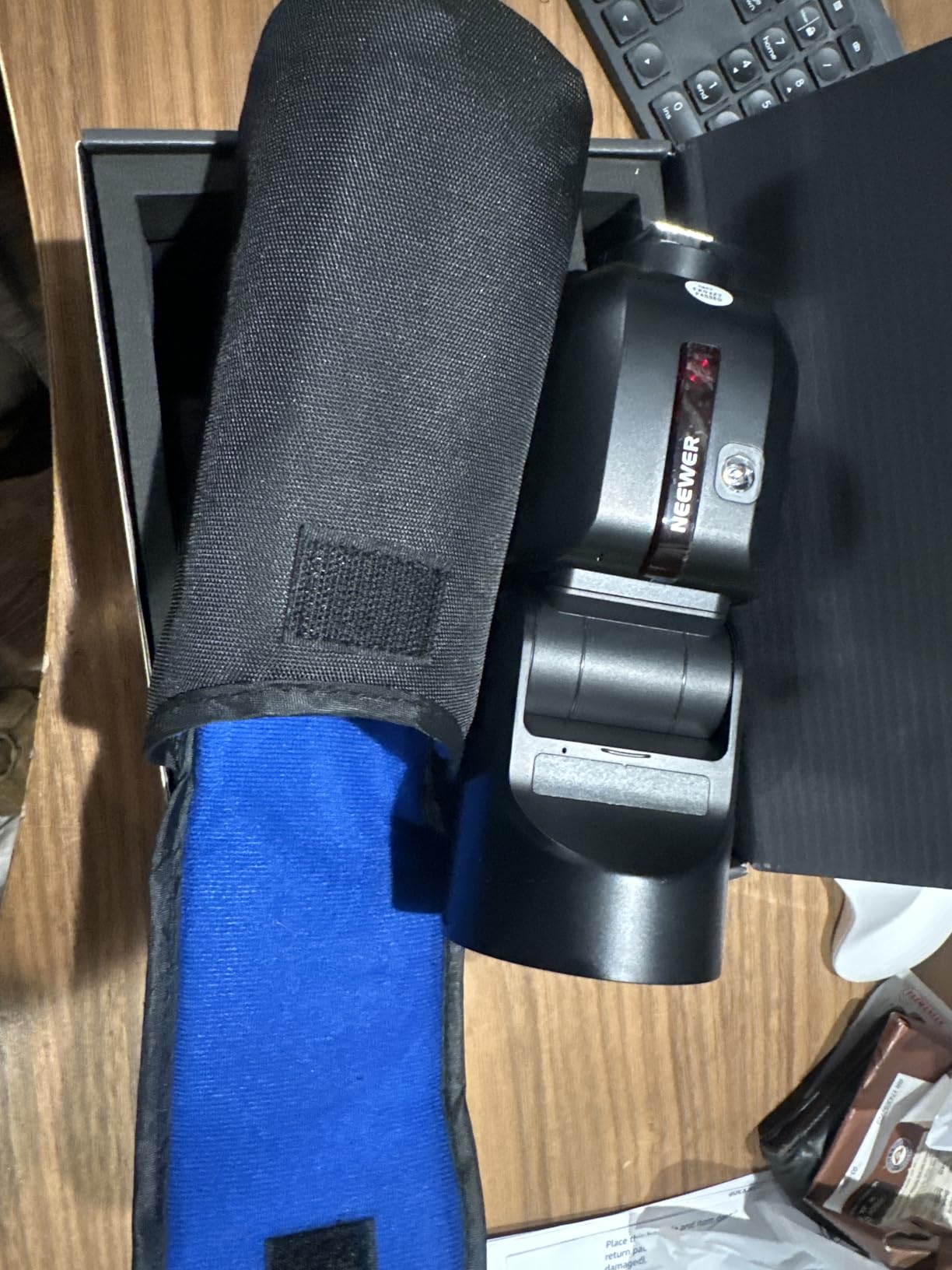
What really matters for high-speed flash systems users is the Godox X system compatibility. The Z2PRO-C works seamlessly as a slave with Godox triggers, which means you can integrate it into existing systems without buying all new gear. The round head is also compatible with Godox’s magnetic accessories, opening up a world of modifier options.
The upgraded UI is cleaner and easier to navigate than previous Neewer interfaces. The TCM key that instantly switches from TTL to Manual mode is brilliant for event work where you might start with TTL for run-and-gun then switch to manual for consistent lighting setups.
Best For
Photographers wanting round head light quality on a budget will love the Z2PRO-C. It’s ideal for existing Godox users expanding their system, anyone doing event photography, and photographers who value value over brand names.
Limitations
Cannot act as a master for Godox system, only as a slave. No dedicated power button requires holding the center button. No built-in diffuser included in the box.
8. Godox TT600 – Best Entry-Level Flash
Pros
- Very affordable
- Built-in wireless X
- Multi-brand compatible
- Simple to use
Cons
- No TTL mode
- Uses AA batteries
- Slower recycle time
The Godox TT600 is the flash I recommend to anyone just starting with off-camera lighting. At this price point, you get a capable manual flash with built-in wireless triggering that works with virtually any camera brand. I’ve bought several of these for teaching workshops, and students always appreciate how easy they are to understand and use.
The GN60 guide number provides plenty of power for most situations. I’ve used TT600s for everything from portrait work to product photography, and they deliver consistent results. The built-in 2.4G wireless X system means you don’t need to buy separate receivers to start using off-camera flash right away.
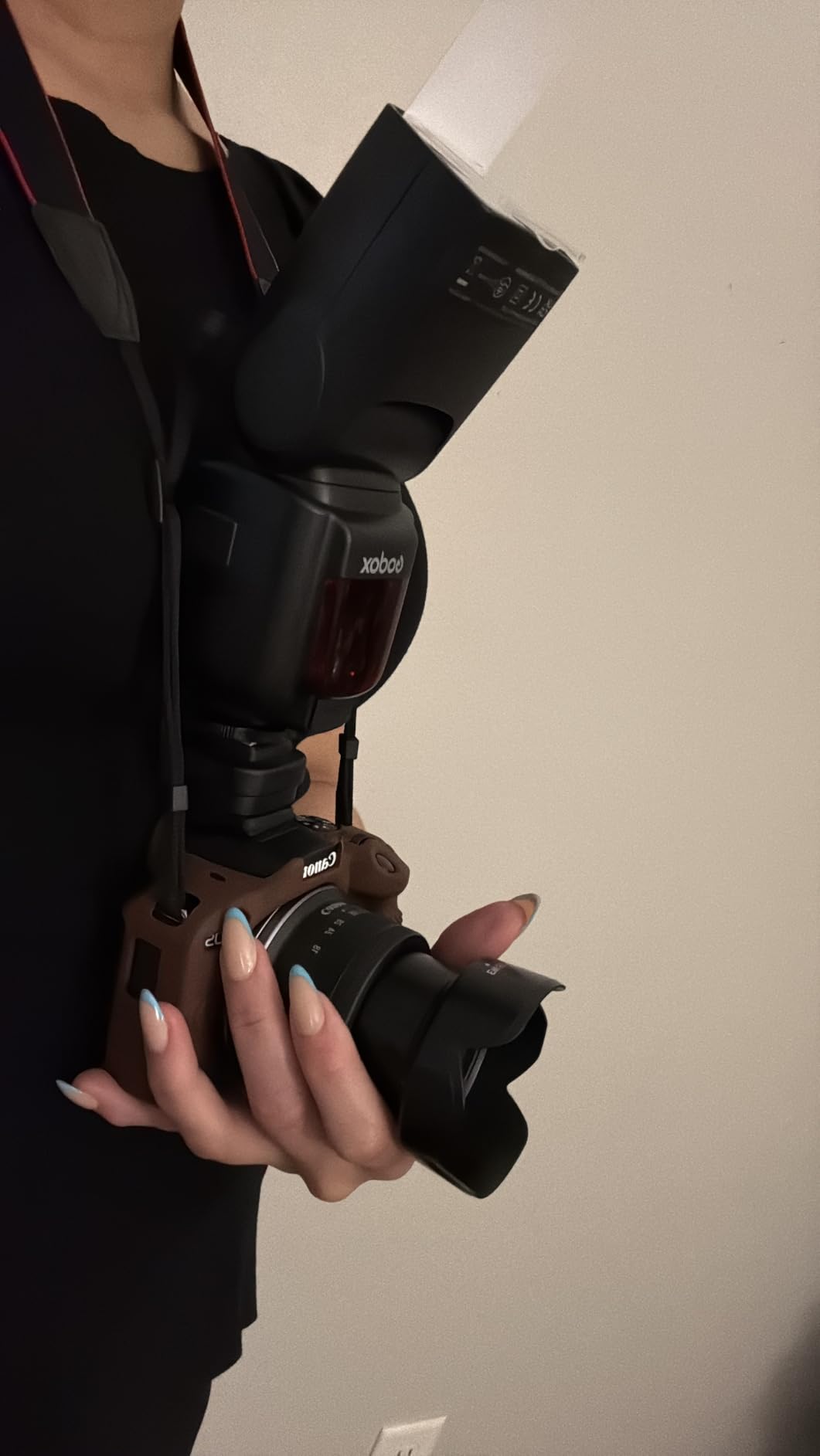
For high-speed flash systems work, the TT600 can achieve HSS when used off-camera with a Godox trigger. This is an important distinction. When mounted on-camera, you’re limited to standard sync speeds, but with an X1T or XPro trigger, you gain HSS capability up to 1/8000 second.
The manual-only design is actually a benefit for learning. By forcing you to think about power settings rather than relying on TTL, you develop a deeper understanding of lighting. The S1 and S2 optical slave modes also make it useful as an additional light in more complex setups.
Best For
Beginners learning off-camera flash photography will find the TT600 the perfect starting point. It’s also ideal for photographers on a tight budget, anyone needing affordable auxiliary lights, and those just starting with high-speed flash techniques.
Limitations
No TTL mode limits run-and-gun utility. AA batteries mean ongoing costs and slower recycling. Cannot achieve HSS when mounted on-camera hot shoe. Slower 2.6s recycle at full power.
High-Speed Flash Buying Guide
Choosing the right flash system for splash and action photography requires understanding specific technical factors that don’t matter as much for other types of photography. Flash duration is the most critical specification. This measurement indicates how long the flash emits light, and for freezing motion, shorter is better.
Flash duration is typically measured in two ways: t.5 time and t.1 time. The t.5 measurement indicates when the flash output has decayed to 50% of its peak, while t.1 measures to 10%. For practical high-speed work, t.1 is the more relevant number because it represents when the flash has essentially finished emitting light. Most manufacturers only publish t.5 specs, which look more impressive but don’t tell the full story.
The relationship between power setting and flash duration is inverse. Lower power settings produce shorter flash durations. At 1/128 power, many strobes can achieve flash durations of 1/20,000 second or faster. This is why high-speed photography often uses multiple flash units at low power rather than one flash at high power.
Recycle time becomes important when shooting action sequences. Faster recycle times allow you to capture more frames in rapid succession. For water drop photography, this matters less since you’re timing individual drops. But for sports and action, being able to fire 2-3 flashes per second can make the difference between getting the shot or missing it.
Color consistency affects how much post-processing work you’ll need. When compositing multiple splash shots, slight color variations between frames become obvious. Premium flashes maintain consistent color temperature across their power range, while budget options may show noticeable shifts.
The choice between TTL and Manual modes depends on your shooting style. TTL is useful for fast-changing situations where subjects move and lighting conditions vary. Manual mode provides consistency and is often preferred for controlled setups like water drop photography where you want identical results across multiple shots.
High-Speed Sync (HSS) is often confused with flash duration, but they’re different things. HSS allows you to use shutter speeds faster than your camera’s sync speed, typically above 1/250 second. This is useful for outdoor portraits where you want wide apertures. But for freezing true high-speed action, flash duration matters more than HSS.
Frequently Asked Questions
What is the difference between a flash and a speedlight?
A flash is the general term for any artificial lighting device that produces a brief burst of light. Speedlight specifically refers to compact, portable flash units that mount on a camera hot shoe or can be used off-camera. Speedlights are smaller and less powerful than studio strobes but offer greater portability and often include features like TTL automation and HSS. For high-speed photography, both speedlights and studio strobes can work, with studio strobes generally offering shorter flash durations at lower power settings.
What is the fastest flash sync speed?
Most cameras have a native flash sync speed between 1/160 and 1/250 second. This is the fastest shutter speed you can normally use with flash. However, High-Speed Sync (HSS) technology allows shutter speeds up to 1/8000 second or faster by pulsing the flash rapidly. It’s important to note that for freezing motion, flash duration matters more than sync speed. Even at 1/250 sync speed, a flash with 1/10,000 second duration will freeze motion. The flash becomes your effective shutter speed in these scenarios.
Do I need HSS for high-speed photography?
No, HSS is not necessary for most high-speed photography applications. What matters is flash duration, not sync speed. When using flash at low power settings, the flash burst itself can be as short as 1/10,000 to 1/50,000 second, which freezes motion regardless of your shutter speed. HSS is primarily useful for outdoor portraits where you want to use wide apertures in bright conditions. For water drops, splashes, and most action photography, standard sync speeds with short flash durations work better than HSS.
What flash duration do I need for water drops?
For water drop photography, you need flash durations of 1/10,000 second or faster to cleanly freeze the droplet without motion blur. Most speedlights and studio strobes can achieve this at power settings of 1/32 or lower. The key is that flash duration decreases as power decreases. At 1/128 power, many flashes produce durations of 1/20,000 second or faster. This is why water drop photography often uses multiple flashes at low power rather than one flash at high power. Test your specific flash by photographing a bursting balloon to see if the freeze quality meets your needs.
Conclusion
The best high-speed flash systems for splash and action photography balance power, portability, and reliability for your specific needs. For most photographers doing splash and action photography, the Godox AD400Pro offers the best combination of TTL automation, portability, and performance. Budget-conscious shooters should consider the Neewer Q300 for strobe work or the Godox TT600 for an entry-level speedlight.
Remember that flash duration is more important than raw power for freezing motion. Lower power settings produce shorter durations, which is why multiple flashes at low power often work better than one flash at maximum power for high-speed applications. Choose based on your specific needs, budget, and whether you value TTL automation or manual control.