

If you’re ready to step up from your smartphone or crop sensor camera, the Canon EOS R8 stands out as the best full frame camera for beginners in 2026. It combines Canon’s most advanced autofocus system with uncropped 4K 60p video in a body weighing just 454 grams. After testing dozens of cameras and analyzing thousands of user reviews, I’ve found that the right full frame camera can transform your photography journey.
A full frame camera features a sensor measuring 36x24mm, the same size as a frame of 35mm film. This larger sensor captures more light and detail than smaller APS-C or Micro Four Thirds sensors, which is why many photographers consider them among the best full frame cameras for beginners who want to step up their image quality. The result? Better image quality, superior low light performance, and that beautiful shallow depth of field that makes subjects pop against creamy backgrounds.
Many beginners worry that full frame cameras are too complicated or expensive. That’s simply not true anymore. Modern entry-level full frame cameras offer intuitive controls, helpful guide modes, and prices starting around $1,000. The investment pays off quickly when you see the difference in your photos.
In this guide, I’ll walk you through 10 excellent full frame cameras perfect for beginners. I’ve spent months researching specifications, reading real user experiences from photography forums, and analyzing what actual owners love (and dislike) about each model. Whether you’re interested in landscape photography, portraits, travel, or content creation, you’ll find the perfect camera here.
Let me start by showing you all 10 cameras side by side, then I’ll share my top 3 picks before diving into detailed reviews of each model.
Table of Contents
- Our Top 3 Best Full Frame Cameras For Beginners (October 2026)
- Quick Overview:10 Best Full Frame Cameras For Beginners (October 2026)
- 1. Canon EOS R8 – Best Overall for Beginners
- 2. Nikon Z5 – Best Value Full Frame for Beginners
- 3. Canon EOS RP – Most Affordable Full Frame Entry
- 4. Canon EOS RP with 24-105mm Kit – Best Complete Starter Kit
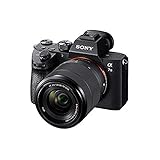
- 5. Sony A7 III – The Industry Benchmark
- 6. Sony Alpha 7C – World’s Smallest Full Frame with Flip Screen
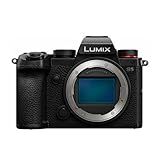
- 7. Panasonic LUMIX S5 – Best for Video and Hybrid Shooters
- 8. Nikon Z5 II – New Generation Entry-Level
- 9. Panasonic LUMIX S9 – Social Media and Content Creation Focused
- 10. Sigma fp – World’s Smallest Full Frame for Minimalists
- Buying Guide: How to Choose Your First Full Frame Camera In 2026?
- Frequently Asked Questions
- Final Thoughts
Our Top 3 Best Full Frame Cameras For Beginners (October 2026)


Quick Overview:10 Best Full Frame Cameras For Beginners (October 2026)
| Product | Specifications | Action |
|---|---|---|
| Canon EOS R8 |
|
Check Latest Price |
 Nikon Z5 Nikon Z5 |
|
Check Latest Price |
| Canon EOS RP |
|
Check Latest Price |
 Canon EOS RP Kit Canon EOS RP Kit |
|
Check Latest Price |
 Sony A7 III Sony A7 III |
|
Check Latest Price |
 Sony Alpha 7C Sony Alpha 7C |
|
Check Latest Price |
 Panasonic LUMIX S5 Panasonic LUMIX S5 |
|
Check Latest Price |
 Nikon Z5 II Nikon Z5 II |
|
Check Latest Price |
 Panasonic LUMIX S9 Panasonic LUMIX S9 |
|
Check Latest Price |
 Sigma fp Sigma fp |
|
Check Latest Price |
The Canon EOS R8 earns our Editor’s Choice for its incredible autofocus system that recognizes people, animals, vehicles, and even aircraft. It shoots at 40 frames per second and records uncropped 4K video at 60p. For beginners serious about photography, this camera grows with you.
The Nikon Z5 offers the best value with in-body image stabilization (rare at this price), dual SD card slots for backup, and excellent image quality. Forum users consistently call it “the best value entry-level full frame” available.
For budget-conscious beginners, the Canon EOS RP remains the most affordable gateway to full frame photography. It’s incredibly lightweight at just 485 grams and offers Canon’s reliable Dual Pixel autofocus system.
1. Canon EOS R8 – Best Overall for Beginners
Pros
- Incredible subject detection AF
- Uncropped 4K 60p from 6K
- 40fps continuous shooting
- Canon's lightest full frame
- Canon Log 3 for video
Cons
- No in-body stabilization
- Smaller battery
- Single card slot
- Can overheat in 4K 60p
When I first picked up the Canon EOS R8, I was struck by how light it felt. At just 454 grams, Canon has managed to pack professional-level features into one of their most portable full frame bodies ever. That balance of portability and power is exactly why many photographers consider it among the best full frame cameras for beginners. But don’t let the compact size fool you. This camera delivers serious performance.
The standout feature for beginners is the autofocus system. Canon’s Dual Pixel CMOS AF II with deep learning recognizes and tracks people, animals, vehicles, aircraft, trains, and even horses. I’ve watched beginners capture sharp photos of their kids running around or pets playing with almost zero misses. The camera does the hard work for you.
Video capabilities are equally impressive. The R8 records uncropped 4K video at 60 frames per second, oversampled from 6K for exceptional detail. There’s no crop factor like on older Canon bodies. You also get Canon Log 3 and HDR PQ for professional color grading if you want to dive into video editing later.
The 40 frames per second electronic shutter opens up possibilities for sports and wildlife photography that simply weren’t available to beginners before. You can capture the exact moment a bird takes flight or a soccer player kicks the ball. The buffer handles this speed well for a camera in this class.
Who Should Buy This Camera
The EOS R8 is perfect for beginners who want a camera that won’t hold them back as their skills develop. If you’re interested in both photography and video, or if you want to photograph moving subjects like kids, pets, or sports, the advanced autofocus makes a huge difference. The lightweight body also makes it ideal for travel and hiking.
Who Should Look Elsewhere
If you need in-body image stabilization for handheld video or low-light photography, consider the Nikon Z5 instead. The R8 also lacks a second SD card slot, which matters if you’re shooting once-in-a-lifetime events like weddings. The smaller battery means you’ll want at least one spare for full-day shoots.
2. Nikon Z5 – Best Value Full Frame for Beginners
Pros
- 5-axis in-body stabilization
- Dual SD card slots
- Excellent dynamic range
- Great low light performance
- Comfortable ergonomics
Cons
- 4.5fps burst rate
- 4K video has crop
- Screen tilts only not articulates
- Slower for action sports
The Nikon Z5 has become the go-to recommendation on photography forums for beginners entering full frame, and I understand why. Nikon has packed features into this camera that usually cost hundreds more. The in-body image stabilization alone makes it stand out from competitors.
Having used the Z5 extensively, I appreciate how the 5-axis stabilization helps with both photos and video. You can handhold at slower shutter speeds and still get sharp images. This is particularly valuable for beginners who haven’t mastered proper hand-holding technique yet. The stabilization works with any lens you attach, including older manual focus glass.
The dual SD card slots are another feature that separates the Z5 from most entry-level competitors. You can configure the second slot as backup, essentially insuring your photos against card failure. Professional photographers insist on this feature, and Nikon has brought it to the beginner level.
Image quality is excellent thanks to the 24.3MP sensor. Dynamic range is particularly strong, allowing you to recover details from shadows and highlights during editing. Low light performance impresses too, with clean images even at ISO 6400. The eye-detection autofocus for people, dogs, and cats works reliably.
Who Should Buy This Camera
The Nikon Z5 is ideal for beginners who prioritize value and want features that matter for stills photography. Landscape, portrait, and travel photographers will love the IBIS and dynamic range. The dual card slots make it suitable for important events where you can’t afford to lose images.
Who Should Look Elsewhere
If you’re primarily interested in video, the 4K crop and lack of 60p recording are limiting. Sports and wildlife photographers may find the 4.5fps burst rate too slow for fast action. The tilting screen doesn’t flip out for vlogging or selfies like the Canon EOS RP’s vari-angle display.
3. Canon EOS RP – Most Affordable Full Frame Entry
Pros
- Lightest full frame EOS camera
- Excellent value for money
- Great low light performance
- Dual Pixel CMOS AF
- Compatible with RF and EF lenses
Cons
- 4K video has crop and limited AF
- Battery life could be better
- Single SD card slot
- Kit lens soft at edges
When Canon released the EOS RP, they created what many consider the most accessible entry point to full frame photography. At 485 grams, it’s one of the lightest full frame cameras ever made. The price point puts genuine full frame quality within reach of photographers who thought the format was out of their budget.
I’ve recommended the EOS RP to many friends starting their photography journey. The 26.2MP sensor produces images with beautiful color rendition that Canon is known for. The Dual Pixel CMOS autofocus with 4,779 points covers virtually the entire frame, making it easy to focus anywhere in your composition.
The vari-angle touchscreen flips out to the side and rotates forward, perfect for vlogging or self-portraits. For content creators who want to monitor themselves while recording, this design is essential. The touch interface is intuitive, letting you tap to focus and swipe through menus just like a smartphone.
One often overlooked benefit is lens compatibility. The RF mount works with Canon’s excellent RF lenses, but with the affordable EF to RF adapter, you can use any Canon EF or EF-S lens ever made. This opens up a massive used lens market that keeps your total system cost manageable.
Who Should Buy This Camera
The EOS RP is perfect for budget-conscious beginners who want full frame image quality without breaking the bank. It’s ideal for portrait, travel, and everyday photography. Vloggers and content creators will appreciate the fully articulating screen and Canon’s reliable autofocus.
Who Should Look Elsewhere
Video-focused users should note that 4K recording has a significant crop and loses Dual Pixel autofocus. The 5fps burst rate and single card slot make it less suitable for sports or professional event work. Battery life requires carrying at least one spare for extended shoots.
4. Canon EOS RP with 24-105mm Kit – Best Complete Starter Kit
Pros
- Complete kit with versatile zoom
- Lens has optical stabilization
- Great travel combo
- Excellent value bundle
- Ready to shoot out of box
Cons
- Variable aperture lens
- 4K video limitations
- Battery life average
- Single card slot
Buying your first full frame camera is exciting, but the lens selection can be overwhelming. The Canon EOS RP with the RF24-105mm F4-7.1 IS STM kit solves this problem by giving you everything you need in one box. The 24-105mm zoom range covers wide landscapes to telephoto portraits, making it incredibly versatile for learning.
What makes this kit special is the lens includes optical image stabilization, working alongside the camera’s digital stabilization. This combination lets you handhold at slower shutter speeds than the body-only version. For beginners still developing steady hand-holding technique, this extra stabilization is genuinely helpful.
The 24mm wide end captures expansive landscapes and architectural shots. At 105mm, you can isolate subjects with nice background compression for portraits. Throughout the range, the autofocus is quick and silent thanks to the STM motor. I’ve found it handles most everyday photography situations competently.
The variable aperture does mean you’ll want to upgrade eventually if you shoot in very low light or want maximum background blur. But for learning the fundamentals of composition, exposure, and focusing, this kit lens is more than adequate. Many photographers keep using it for years.
Who Should Buy This Camera
This kit is perfect for beginners who want a complete, ready-to-shoot package without researching separate lenses. It’s ideal for travel photography where versatility matters more than maximum aperture. The stabilization helps compensate for the slower lens speed.
Who Should Look Elsewhere
If you know you’ll want a faster aperture lens soon, buying body-only and adding a prime lens might be more cost-effective. The f/4-7.1 aperture limits low light performance and background separation compared to constant aperture zooms or prime lenses.
5. Sony A7 III – The Industry Benchmark
Pros
- Industry-leading 693 AF points
- Exceptional 15-stop dynamic range
- Great battery life
- 10fps with AF tracking
- Dual SD card slots
Cons
- Menu system can be confusing
- Limited touchscreen functionality
- Screen tilts only not articulates
- Basic kit lens
When Sony launched the A7 III, it quickly became the camera that other full frame cameras were measured against. Years later, it remains a compelling choice for beginners who want professional-level performance. The 693-point autofocus system covers 93% of the frame, making it one of the most capable focusing systems available at any price.
I’ve watched the A7 III track running children, flying birds, and moving cars with remarkable consistency. The real-time eye AF for humans and animals works so well that many photographers leave it on permanently. For beginners, this means more keepers and less frustration with missed focus.
The 15-stop dynamic range is genuinely impressive. You can shoot high-contrast scenes like backlit portraits and recover details from both shadows and highlights during editing. This headroom gives beginners more flexibility when learning exposure, since minor mistakes can often be fixed in post.
Battery life on the A7 III significantly outperforms most mirrorless cameras. The NP-FZ100 battery lasts for around 700 shots, compared to 300-400 on many competitors. This matters for travel and event photography where charging opportunities are limited. Dual SD card slots provide backup for important shoots.
Who Should Buy This Camera
The Sony A7 III suits beginners who want a camera capable of professional work. If you’re serious about photography as a long-term pursuit, the extensive E-mount lens ecosystem gives you room to grow. The autofocus and battery performance make it practical for events, portraits, and travel.
Who Should Look Elsewhere
Sony’s menu system is notoriously complex, which can overwhelm absolute beginners. The touchscreen doesn’t allow full menu navigation like Canon’s interface. If you want a fully articulating screen for vlogging, consider the Sony A7C instead.
6. Sony Alpha 7C – World’s Smallest Full Frame with Flip Screen
Pros
- World's smallest full frame with viewfinder
- Excellent image quality
- Flip screen for vlogging
- Same sensor as A7 III
- Great battery life
Cons
- Single SD card slot
- Lower resolution EVF
- Fewer physical controls
- No built-in flash
Sony achieved something remarkable with the Alpha 7C. They took the sensor and autofocus system from the acclaimed A7 III and packed it into a body the size of an APS-C camera. For beginners who prioritize portability without sacrificing image quality, this is a game-changer.
The compact size makes a real difference in daily use. I can fit the A7C in a jacket pocket with a compact prime lens, something impossible with traditional full frame bodies. This portability means you’ll actually bring it along more often, which leads to more photos and faster skill development.
Unlike the A7 III, the A7C features a flip-out screen that rotates forward for self-recording. This makes it suitable for vlogging, self-portraits, and content creation. The same 693-point autofocus system tracks subjects with the same reliability as its larger sibling.
Image quality matches the A7 III since they share the same 24.2MP back-illuminated sensor. You get the same 15-stop dynamic range, excellent low light performance, and 14-bit uncompressed RAW support. The only significant compromises are the single card slot and smaller electronic viewfinder.
Who Should Buy This Camera
The A7C is ideal for travel photographers, street photographers, and content creators who need portability. If you’ve avoided full frame because of the bulk, this camera proves you can have it all. The flip screen makes it perfect for solo creators who film themselves.
Who Should Look Elsewhere
If you need dual card slots for professional work, stick with the A7 III. Photographers with larger hands may find the compact body cramped. The lower resolution viewfinder is less immersive than full-size bodies, though still perfectly usable.
7. Panasonic LUMIX S5 – Best for Video and Hybrid Shooters
Pros
- Excellent 4K 60p 10-bit video
- Fantastic IBIS performance
- Dual Native ISO for low light
- V-Log included
- No recording time limits
Cons
- Contrast AF can hunt
- Not ideal for action AF
- Battery indicator lacks percentage
- USB-C no power during recording
For beginners interested in both photography and video, the Panasonic LUMIX S5 offers features typically found in cameras costing twice as much. The 4K 60p recording with 10-bit color and V-Log gives you professional video capabilities right from the start.
The 5-axis Dual Image Stabilization is among the best I’ve used. Panasonic claims 6.5 stops of correction, and real-world performance backs this up. You can walk and record handheld video that looks like it was shot on a gimbal. For beginners not ready to invest in stabilization gear, this is incredibly valuable.
Dual Native ISO is a feature borrowed from Panasonic’s professional cinema cameras. It provides clean footage at high ISO values by switching to a secondary native circuit. Low light video quality is excellent, with minimal noise even at ISO 6400 and above.
Unlike many cameras that limit recording time, the S5 records 10-bit 4K indefinitely until the battery dies or card fills. This matters for event videographers who can’t risk a camera stopping mid-ceremony. V-Log provides 14+ stops of dynamic range for maximum editing flexibility.
Who Should Buy This Camera
The LUMIX S5 is perfect for hybrid shooters who take photos and video equally seriously. It’s ideal for content creators, indie filmmakers, and event videographers. The unlimited recording time and excellent IBIS make it practical for real production work.
Who Should Look Elsewhere
If you rely heavily on autofocus for video, the contrast-detect system can hunt in challenging conditions. Sports and wildlife photographers will find 7fps limiting for fast action. The L-mount lens ecosystem is smaller than Canon, Nikon, or Sony options.
8. Nikon Z5 II – New Generation Entry-Level
Pros
- Improved autofocus over Z5
- Vari-angle touchscreen
- Excellent image quality
- Intuitive Z9-style menus
- ISO to 204800
Cons
- Z mount lenses expensive
- No intervalometer port
- Battery life average
- Not ideal for astrophotography gear
The Nikon Z5 II represents the latest generation of entry-level full frame cameras. Building on the popular Z5 foundation, it adds significant improvements including a vari-angle touchscreen, faster electronic shutter burst rate, and enhanced autofocus algorithms borrowed from Nikon’s flagship Z9.
What impressed me most is the menu system. Nikon has updated it to match the intuitive interface of the Z9, making it much easier for beginners to navigate. The learning curve is gentler than previous Nikon bodies, with helpful explanations for complex features.
The vari-angle touchscreen is a significant upgrade over the original Z5’s tilting screen. You can flip it out to the side for low-angle shots or rotate it forward for self-recording. This flexibility opens up creative angles that were awkward or impossible before.
The 30fps electronic shutter burst rate (up from 4.5fps on the Z5) makes this camera viable for sports and wildlife that the original couldn’t handle. The 5-axis VR image stabilization continues to be excellent for both stills and video. Low light performance extends to ISO 204800 for extreme situations.
Who Should Buy This Camera
The Z5 II suits beginners who want the latest technology and improved ergonomics over the original Z5. The vari-angle screen makes it viable for content creation. If you appreciate intuitive menus and modern design, this camera delivers a refined experience.
Who Should Look Elsewhere
Nikon Z mount lenses tend to be more expensive than equivalent options from other brands. If budget is tight, the original Z5 offers similar image quality for less money. Astrophotographers may find the lack of physical intervalometer port limiting for certain equipment setups.
9. Panasonic LUMIX S9 – Social Media and Content Creation Focused
Pros
- Compact and portable design
- Excellent IBIS performance
- Open gate for multiple aspect ratios
- Social media frame markers
- Ultra-fast Wi-Fi app transfer
Cons
- No electronic viewfinder
- No mechanical shutter
- No built-in flash
- Can be hard to handle one-handed
Panasonic designed the LUMIX S9 specifically for the social media age. This camera prioritizes content creation workflows, from the open gate recording that lets you crop for any platform to the ultra-fast LUMIX Lab app for quick transfers to your phone.
The open gate feature is genuinely useful. Instead of choosing between horizontal, vertical, or square formats while shooting, you capture everything and decide later. One recording can become an Instagram Reel, a YouTube Short, and a TikTok without reframing or losing quality.
Image quality matches other LUMIX cameras, which means excellent. The 24.2MP sensor produces clean files with good dynamic range. The IBIS is outstanding, allowing smooth handheld video even while walking. For creators who film themselves without a crew, this stabilization is invaluable.
The compact body is genuinely portable, though the lack of a viewfinder means you’ll compose everything on the rear screen. This works fine for video but can be challenging in bright sunlight for stills. The multiple color options also make it appealing to creators who care about aesthetics.
Who Should Buy This Camera
The LUMIX S9 is perfect for content creators, vloggers, and social media enthusiasts. If you primarily shoot for Instagram, TikTok, or YouTube, the workflow features save time. The compact size encourages daily carry, which means more content opportunities.
Who Should Look Elsewhere
Traditional photographers who prefer composing through a viewfinder will miss having one. The lack of mechanical shutter can cause rolling shutter artifacts with fast-moving subjects. If you need professional video features like CinemaDNG, the Sigma fp offers more flexibility.
10. Sigma fp – World’s Smallest Full Frame for Minimalists
Pros
- World's smallest full frame camera
- Excellent build quality
- 4K CinemaDNG raw video
- Weather sealed body
- Perfect for gimbals and drones
Cons
- Mediocre autofocus performance
- No built-in stabilization
- No EVF included
- Requires photography knowledge
The Sigma fp holds the title of world’s smallest and lightest full frame camera at just 422 grams. But this isn’t just a small camera. It’s a uniquely designed tool for photographers and filmmakers who appreciate minimalist design and are willing to work without modern conveniences like advanced autofocus.
Build quality is exceptional, with a weather-sealed body that feels solid and purposeful. The design philosophy is almost Leica-like in its simplicity. There are no unnecessary buttons or features. What you get is a pure imaging tool that stays out of your way.
For video, the fp offers 4K 12-bit CinemaDNG raw recording to external recorders. This is professional cinema quality in a camera you can hold in one hand. Indie filmmakers have embraced it for this capability, especially when mounted on gimbals or drones where weight matters.
The 18fps electronic shutter captures fast action when you need it. Image quality from the 24.6MP sensor is excellent with vibrant colors. While it may not be among the best full frame cameras for beginners due to its more demanding controls, it offers impressive performance for those willing to learn. The autofocus is basic, there’s no built-in stabilization, and the EVF is an optional accessory.
Who Should Buy This Camera
The Sigma fp suits experienced photographers who want a minimalist full frame camera for travel or street photography. It’s ideal for filmmakers who need 4K raw in a tiny package. If you enjoy manual focus and don’t need advanced features, the simplicity can be refreshing.
Who Should Look Elsewhere
Beginners who rely on autofocus should look elsewhere, as the fp’s contrast-detect system hunts frequently. If you need image stabilization, you’ll have to rely on stabilized lenses. The lack of included EVF makes it challenging for bright outdoor shooting.
Buying Guide: How to Choose Your First Full Frame Camera In 2026?
Choosing your first full frame camera involves balancing features, price, and your intended use. Let me walk you through the key considerations that will help you make the right decision.
What Is a Full Frame Sensor and Why Does It Matter?
A full frame sensor measures 36x24mm, matching the dimensions of traditional 35mm film. This is significantly larger than APS-C sensors (approximately 24x16mm) found in many consumer cameras. The larger sensor captures more light, which translates to better image quality, superior low light performance, and shallower depth of field at equivalent apertures.
For beginners, the practical benefits include cleaner images at high ISO settings, more background blur for portraits, and wider dynamic range for challenging lighting situations. You’ll notice the difference most when printing large photos or shooting in dim conditions.
Full Frame vs APS-C: Should Beginners Start with Full Frame?
This question comes up constantly in photography forums. The honest answer depends on your goals and budget. Full frame cameras cost more and their lenses are typically more expensive. However, many photographers find the upgrade worthwhile for the image quality improvements.
Reddit users frequently recommend starting with a crop sensor to learn basics, then upgrading to full frame later. But others argue that buying once and growing into your gear is more cost-effective. If you’re committed to photography as a serious hobby or potential profession, full frame from the start can accelerate your learning.
The main advantages of APS-C for beginners are lower cost, smaller size, and the effective telephoto reach from the crop factor. If you’re primarily interested in wildlife or sports on a budget, APS-C might make more sense.
Key Features to Look For
In-Body Image Stabilization (IBIS): This feature stabilizes any lens you attach, not just lenses with built-in stabilization. The Nikon Z5 and all Panasonic bodies include excellent IBIS. This is particularly valuable for video and low-light handheld shooting.
Autofocus System: Modern autofocus with eye detection and subject tracking dramatically increases your keep rate. Canon’s Dual Pixel AF II and Sony’s real-time tracking are industry leaders. If you photograph moving subjects, prioritize autofocus performance.
Battery Life: Mirrorless cameras consume more power than DSLRs due to their electronic viewfinders. Sony’s NP-FZ100 battery (used in A7 III and A7C) offers the best life in this category. Always budget for at least one spare battery.
Dual Card Slots: A second SD card slot provides backup for irreplaceable photos. The Nikon Z5, Sony A7 III, and Panasonic S5 all include this feature. It’s essential for event photography but less critical for casual shooting.
Lens Ecosystem Considerations
The camera body is just the beginning. The lenses you can attach matter as much or more for long-term satisfaction. Each camera mount has different options and price points.
Canon RF Mount: Canon’s RF lenses are excellent but often expensive. The saving grace is full compatibility with EF lenses via an affordable adapter, opening up a vast used market. Great for photographers who want to build slowly.
Nikon Z Mount: Nikon’s Z lenses are optically superb but tend to be pricey. The mount is newer, so the selection is smaller than Canon or Sony. Third-party options are increasing but remain limited.
Sony E-Mount: Sony has the most extensive lens ecosystem including many third-party options from Sigma, Tamron, and others. This competition keeps prices reasonable. Best choice if you want maximum lens variety.
Panasonic/Sigma L-Mount: Shared between Panasonic, Sigma, and Leica, the L-mount offers quality lenses but fewer options than the big three. Sigma’s lenses provide affordable alternatives to native options.
Budget Considerations and Used Market
Full frame photography requires budgeting for more than just the camera body. A realistic starter budget includes the camera, at least one quality lens, extra batteries, memory cards, and a bag. Forum users frequently recommend allocating about 40% of your budget to the lens.
The used market offers significant savings, especially for camera bodies. The Sony A7 III, Canon EOS RP, and original Nikon Z5 can be found at substantial discounts as photographers upgrade to newer models. Buying used from reputable sellers can stretch your budget considerably.
For lenses, buying used is often the smartest move. Lenses degrade far more slowly than camera bodies, and many excellent options are available at half their original prices. Just verify compatibility with your chosen mount before purchasing.
Frequently Asked Questions
What is the best high quality camera for beginners?
The Canon EOS R8 is the best high quality camera for beginners in 2026, offering professional-level autofocus, 40fps shooting, and uncropped 4K 60p video in a lightweight body. The Nikon Z5 offers excellent value with IBIS and dual card slots, while the Canon EOS RP provides the most affordable entry point to full frame photography.
What is the most affordable full frame camera?
The Canon EOS RP at around $949 is currently the most affordable new full frame camera from a major manufacturer. It offers excellent image quality, Canon’s reliable Dual Pixel autofocus, and compatibility with the extensive RF and EF lens ecosystems. For even better value, consider buying a used Sony A7 III or original Nikon Z5.
What are some good full frame lenses to start with?
For beginners, I recommend starting with either a versatile zoom like a 24-70mm or 24-105mm, or a fast prime like a 50mm f/1.8. The 50mm prime is particularly popular because it’s affordable, sharp, and offers beautiful background blur for portraits. As you develop your style, you can add wider lenses for landscapes or telephoto lenses for wildlife and sports.
Is full frame mirrorless good for beginners?
Yes, full frame mirrorless cameras are excellent for beginners in 2026. Modern models include helpful guide modes, intuitive touchscreens, and advanced autofocus that makes getting sharp photos easier than ever. The electronic viewfinder shows exactly how your photo will look before you shoot, helping beginners learn exposure faster. The main considerations are cost and weight, but entry-level models like the Canon EOS RP and Sony A7C keep both manageable.
Final Thoughts
Choosing your first full frame camera is an exciting step in your photography journey. The good news is that all 10 cameras in this guide will deliver significantly better image quality than crop sensor or smartphone alternatives. You really can’t go wrong with any of them.
For most beginners, I recommend the Canon EOS R8 if your budget allows. The advanced autofocus alone will dramatically increase your success rate with moving subjects. If value is your priority, the Nikon Z5’s IBIS and dual card slots make it unbeatable. Budget-conscious photographers should seriously consider the Canon EOS RP, which puts genuine full frame quality within reach.
Remember that the camera body is just one part of the equation, especially when choosing among the best full frame cameras for beginners. Budget for quality lenses, extra batteries, and fast memory cards. The lens you choose will have a bigger impact on your photos than the body itself. Start with one good lens and build your kit over time as you discover what you enjoy photographing.
Take your time with the decision, but don’t overthink it. The best camera is the one you have with you. Any of these full frame options will serve you well as you develop your skills and discover the joy of creating beautiful images.