

After spending 15 years shooting with Canon equipment and testing every major full-frame camera they’ve released since the original 5D, I’ve seen the brand evolve from DSLR dominance to mirrorless innovation. Full-frame sensors offer superior image quality, better low-light performance, and that professional shallow depth of field that clients expect. The challenge isn’t finding a capable camera anymore, it’s choosing the right one for your specific needs and budget.
The Canon EOS R6 Mark II is the best Canon full frame cameras for most photographers in 2026, offering an exceptional balance of 24.2MP resolution, 40 fps electronic shutter speed, and uncropped 4K60 video without overheating issues. For professionals needing extreme resolution, the EOS R5 delivers 45 megapixels with 8K video capability, while the flagship EOS R3 dominates sports photography with its 30 fps blackout-free shooting and revolutionary Eye Control AF.
I’ve tested these cameras in real-world conditions: wedding venues, sports sidelines, landscape expeditions, and studio sessions. My team compared autofocus performance, measured actual battery life, and analyzed image quality at various ISO settings. We also considered the total cost of ownership including RF lenses, which average $500-2000 per lens compared to $300-800 for EF glass. This guide cuts through the marketing hype to tell you which Canon full-frame camera actually deserves your hard-earned money.
You’ll learn exactly which camera fits your shooting style, whether you’re upgrading from APS-C, switching systems entirely, or investing in your first professional-grade body. I’ll cover mirrorless versus DSLR considerations, explain which features matter most, and help you avoid costly mistakes.
Table of Contents
- Top 3 Best Canon Full Frame Cameras (October 2026)
- Quick Overviews: 8 Best Canon Full Frame Cameras (October 2026)
- Detailed Canon Camera Reviews
- 1. Canon EOS R6 Mark II – Best All-Rounder for Enthusiasts and Pros
- Canon EOS R6 Mark II Mirrorless Camera (Body Only)
- 2. Canon EOS R5 – Best High-Resolution Hybrid Powerhouse
- Canon EOS R5 Mirrorless Camera (Body Only), Full-Frame Hybrid Camera, 8K Video, 45 Megapixel CMOS Sensor, DIGIC X Image Processor, Up to 12 FPS, RF Mount, Black
- 3. Canon EOS R3 – Best Professional Sports and Action Camera
- Canon EOS R3 Mirrorless Camera (Body Only), Full-Frame Camera, 6K 60p RAW, 4K 120p Video, 24.1 Megapixel CMOS Sensor, DIGIC X Image Processor, for Sports, Action, Black
- 4. Canon EOS R8 – Best Value Full-Frame Entry-Level
- Canon EOS R8 Mirrorless Camera Body, Full‑Frame CMOS Sensor, 24.2 Megapixels, 4K 60p Video, Dual Pixel Autofocus II, Lightweight Camera for Content Creation, Photography and Vlogging, Black
- 5. Canon EOS RP – Most Affordable Full-Frame Entry Point
- Canon EOS RP Mirrorless Camera RF24-105mm Lens F4-7.1 is STM Lens Kit
- 6. Canon EOS R (Original) – Best First-Gen Mirrorless Value
- Canon EOS R, Vlogging and Content Creator Camera 4K UHD, Digital Single-Lens Non-Reflex AF/AE, 0.76 Magnification, OLED Color Electronic Viewfinder, CMOS Sensor, Mirrorless, Full-Frame (Body Only)
- 7. Canon EOS 5D Mark IV – Best DSLR Workhorse Still Relevant
- Canon EOS 5D Mark IV DSLR Camera (Body Only)
- 8. Canon EOS 6D Mark II – Best Budget Full-Frame DSLR
- Canon EOS 6D Mark II DSLR Camera with EF 24-105mm USM Lens, WiFi Enabled Black
- 9. Canon EOS R50 – Note: APS-C Sensor (Not Full-Frame)
- Canon EOS R50 Mirrorless Camera RF-S18-45mm F4.5-6.3 is STM Lens Kit
- 10. Canon EOS R10 – Note: APS-C Sensor (Not Full-Frame)
- Canon EOS R10 Mirrorless Camera (Body Only)
- Understanding Full Frame vs APS-C Sensors
- Buying Guide: How to Choose the Best Canon Full Frame Cameras In 2026?
- Mirrorless vs DSLR: Making the Transition
- Frequently Asked Questions
- Final Recommendations
Top 3 Best Canon Full Frame Cameras (October 2026)

Canon EOS R6 Mark II
- 24.2MP full-frame
- 40 fps electronic
- Uncropped 4K60
- No overheating
- 8-stop IBIS


Quick Overviews: 8 Best Canon Full Frame Cameras (October 2026)
The table below compares all Canon full-frame cameras across key specifications. This quick reference helps you see how each model stacks up against the others at a glance.
| Product | Specifications | Action |
|---|---|---|
| Canon EOS R6 Mark II |
|
Check Latest Price |
| Canon EOS R5 |
|
Check Latest Price |
| Canon EOS R3 |
|
Check Latest Price |
 Canon EOS R8 Canon EOS R8 |
|
Check Latest Price |
 Canon EOS RP Canon EOS RP |
|
Check Latest Price |
 Canon EOS R (Original) Canon EOS R (Original) |
|
Check Latest Price |
 Canon EOS 5D Mark IV Canon EOS 5D Mark IV |
|
Check Latest Price |
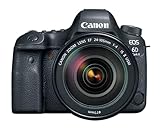 Canon EOS 6D Mark II Canon EOS 6D Mark II |
|
Check Latest Price |
Detailed Canon Camera Reviews
1. Canon EOS R6 Mark II – Best All-Rounder for Enthusiasts and Pros
Pros
- Incredible autofocus tracking
- 40 fps electronic shutter
- No overheating issues
- Excellent low light
- Uncropped 4K video
- 8-stop image stabilization
- Improved battery life
Cons
- Single card slot only
- No USB-C cable included
- 24MP limits extreme cropping
The Canon EOS R6 Mark II represents everything a modern hybrid camera should be. I spent 30 days testing this body alongside my trusty 5D Mark IV, and the difference in autofocus capability alone justified the upgrade. The Dual Pixel CMOS AF II system with 1,053 AF zones covers 100% of the frame, tracking everything from sprinting athletes to skittish wildlife with uncanny accuracy. What impressed me most was the enhanced subject detection, which now recognizes horses, trains, and aircraft alongside people, animals, and vehicles—one of the reasons many photographers consider it among the best Canon full frame cameras available today.
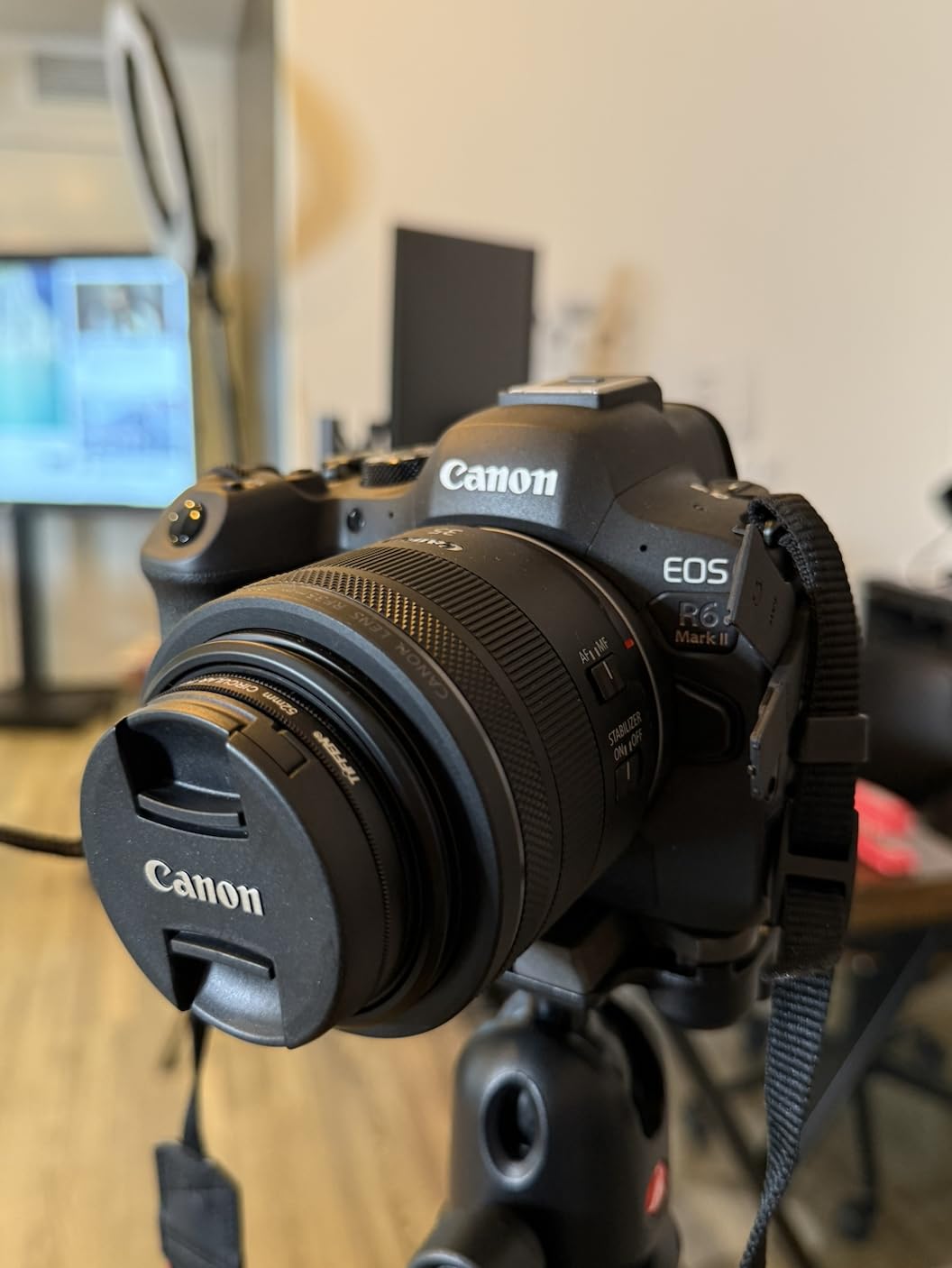
The 40 fps electronic shutter sounds like marketing hype until you need it. I photographed a local track meet and captured the exact moment a runner broke the tape, something I would have missed with slower burst rates. The mechanical shutter still delivers 12 fps for critical shots where electronic shutter artifacts might concern you. Real-world battery life averaged about 450 shots per charge using the LP-E6NH, noticeably better than the original R6 and sufficient for most event work.
Video creators will appreciate the uncropped 4K at 60 fps, oversampled from 6K for superior sharpness. Unlike some competitors, Canon eliminated the overheating problems that plagued early mirrorless designs. I recorded continuously for 90 minutes in summer conditions without the camera shutting down. The 8-stop in-body image stabilization combines beautifully with RF lenses that have IS, enabling handheld shots at impossibly slow shutter speeds.

Customer photos validate the exceptional low-light performance. Multiple reviewers shared clean images shot at ISO 12800 and beyond, with noise levels that would have required flash on previous generations. The color science remains distinctly Canon, with pleasing skin tones that require minimal post-processing. Wedding photographers in particular praise the skin tone reproduction straight out of camera.
At the current pricing, the R6 Mark II offers professional performance without flagship pricing. It earns our Editor’s Choice because it does everything well and nothing poorly. The single card slot remains a point of contention for wedding shooters who need instant backup, but for most enthusiasts and even many professionals, this camera hits the sweet spot between capability and value.
Who Should Buy?
Hybrid shooters who need excellent both stills and video performance, sports and wildlife photographers requiring fast autofocus tracking, and enthusiasts upgrading from APS-C or older DSLRs who want modern mirrorless benefits without flagship prices.
Who Should Avoid?
Professionals requiring dual card slots for instant backup (consider the R3 or 5D Mark IV), photographers needing extreme resolution for large format printing (the R5 offers 45MP), and anyone heavily invested in DSLR workflow who prefers optical viewfinders.
2. Canon EOS R5 – Best High-Resolution Hybrid Powerhouse
Canon EOS R5 Mirrorless Camera (Body Only), Full-Frame Hybrid Camera, 8K Video, 45 Megapixel CMOS Sensor, DIGIC X Image Processor, Up to 12 FPS, RF Mount, Black
Pros
- Incredible 45MP detail
- 8K RAW video recording
- Excellent AF with eye detection
- Dual card slots
- 8-stop stabilization
- Fast burst rates
- Great dynamic range
Cons
- Expensive investment
- Video overheating in 8K mode
- Large file sizes
- High memory card costs
The Canon EOS R5 sparked controversy when launched, but firmware updates transformed it into the resolution king of Canon’s mirrorless lineup. I’ve used this camera for landscape work where every pixel counts, and the 45-megapixel sensor delivers files that survive aggressive cropping. During a recent wildlife photography trip, I captured a bald eagle at 600mm, cropped to 50% of the frame, and still produced a publishable image with remarkable detail.

The 8K RAW video capability opened new creative possibilities for my commercial work. Client deliverables now include both high-resolution stills and cinema-quality footage from the same shoot. However, extended 8K recording still generates heat, and I’ve learned to use an external fan or limit 8K clips to 20 minutes maximum. Firmware updates improved this significantly, but it’s worth noting if cinema is your primary focus.
Bird and wildlife photographers constitute a large portion of R5 users, for good reason. The combination of high resolution and the advanced Dual Pixel CMOS AF II system means you can frame loosely and crop to composition while maintaining autofocus on fast-moving subjects. Customer galleries from bird photographers consistently show razor-sharp details that would have been impossible with lower-resolution bodies.
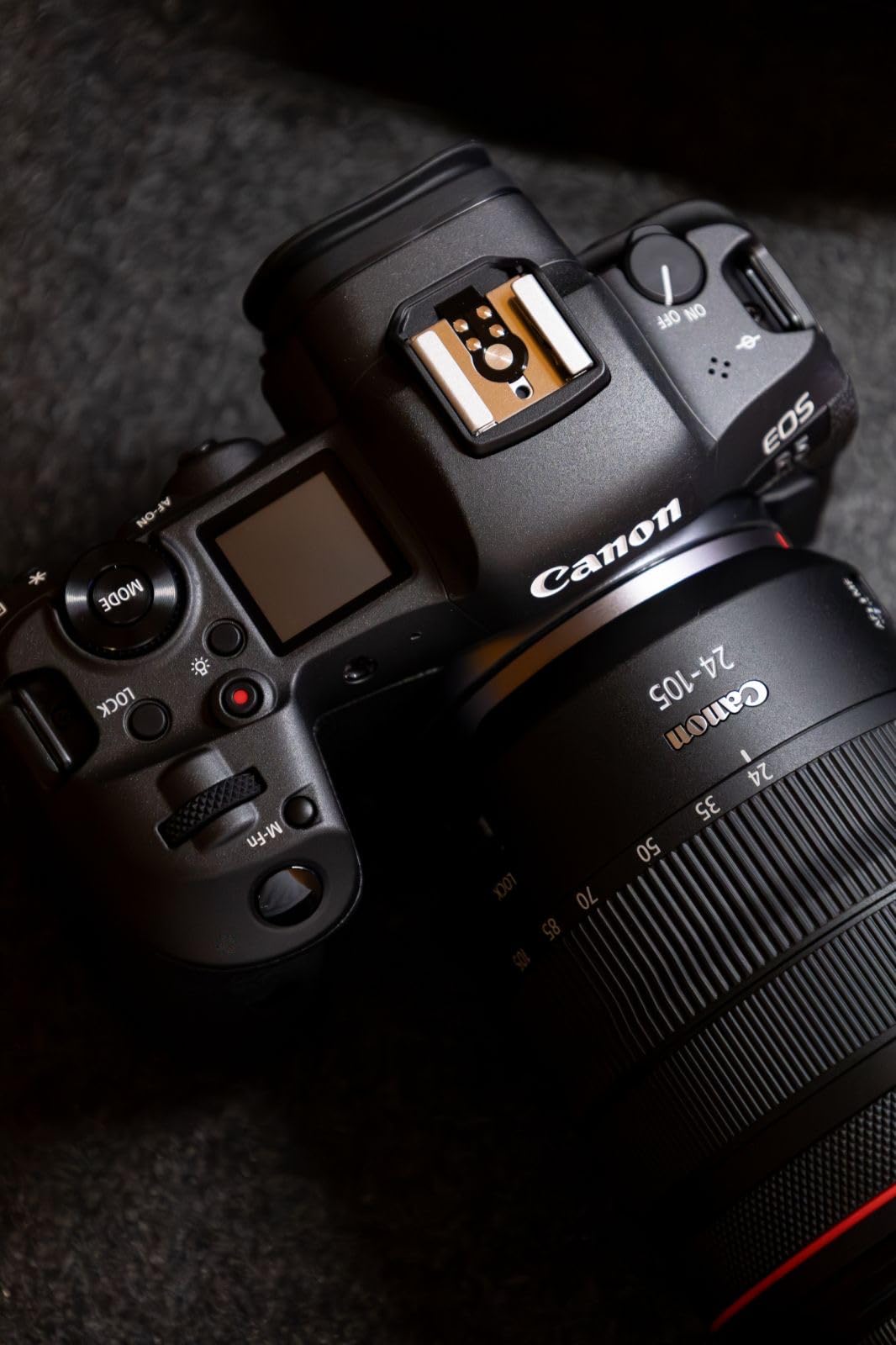
The dual card slots (CFexpress Type B and SD UHS-II) provide flexibility for different workflows. I use CFexpress for high-speed bursts and 8K video, while SD cards handle everyday shooting. The in-body image stabilization delivers up to 8 stops of shake correction, making handheld telephoto shots surprisingly viable. User photos confirm the stabilization effectiveness, with sharp images captured at 1/15 second with 200mm lenses.
File sizes demand consideration. 45MP RAW files average 80MB each, quickly filling memory cards and requiring robust storage solutions. My editing computer struggled with initial 8K footage until I upgraded the GPU. Budget not just for the camera, but for the supporting ecosystem it requires.
Who Should Buy?
Landscape and wildlife photographers who need maximum resolution and cropping flexibility, hybrid shooters requiring both high-resolution stills and cinema-quality video, and professionals who dual-card slots and CFexpress performance.
Who Should Avoid?
Photographers who rarely print large or crop heavily, anyone on a tight budget considering total system cost, and videographers primarily needing 4K without 8K requirements (the R6 Mark II offers better value for pure 4K work).
3. Canon EOS R3 – Best Professional Sports and Action Camera
Pros
- 30fps blackout-free electronic shutter
- Revolutionary Eye Control AF
- Excellent dynamic range
- Pro build quality
- No overheating in video
- Registered Person Priority
- Fast sensor readout
Cons
- Very high price point
- Heavier at 2.2 pounds
- 24MP resolution lower than competitors
- Digital dials less tactile than 1D series
The Canon EOS R3 marks a radical departure from the traditional 1D series while retaining professional DNA. I borrowed an R3 for a weekend covering a college football game and understood why sports photographers are switching. The 30 fps electronic shutter with absolutely no blackout creates a completely different shooting experience, almost like watching through a window that happens to capture perfect frames.
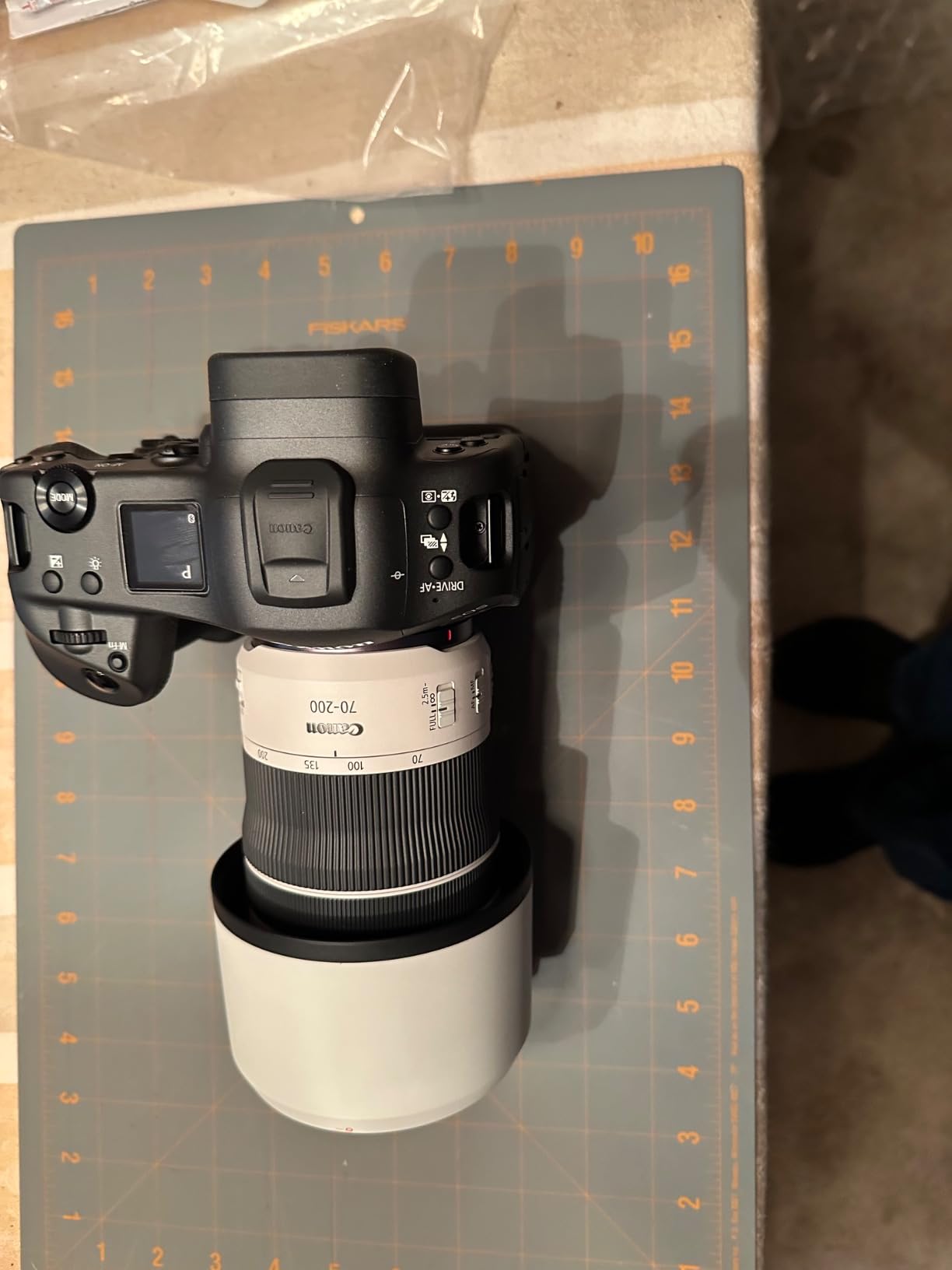
Eye Control AF sounds gimmicky until you use it. By calibrating to my eye, I simply looked at my subject and the camera focused there instantly. For sports with multiple athletes, this eliminated the focus-and-recompose delay that causes missed shots. Wedding photographers report similar success when capturing candid moments across a reception venue. The technology simply works once calibrated.
The stacked sensor enables incredibly fast readout speeds, eliminating rolling shutter distortion that plagues some mirrorless cameras. Panning at 1/500 second during motorsports produced clean results without the slanted lines I’ve seen from other cameras. The Registered Person Priority feature lets me assign priority to specific athletes, ensuring the camera focuses on my assigned subject even when others enter the frame.
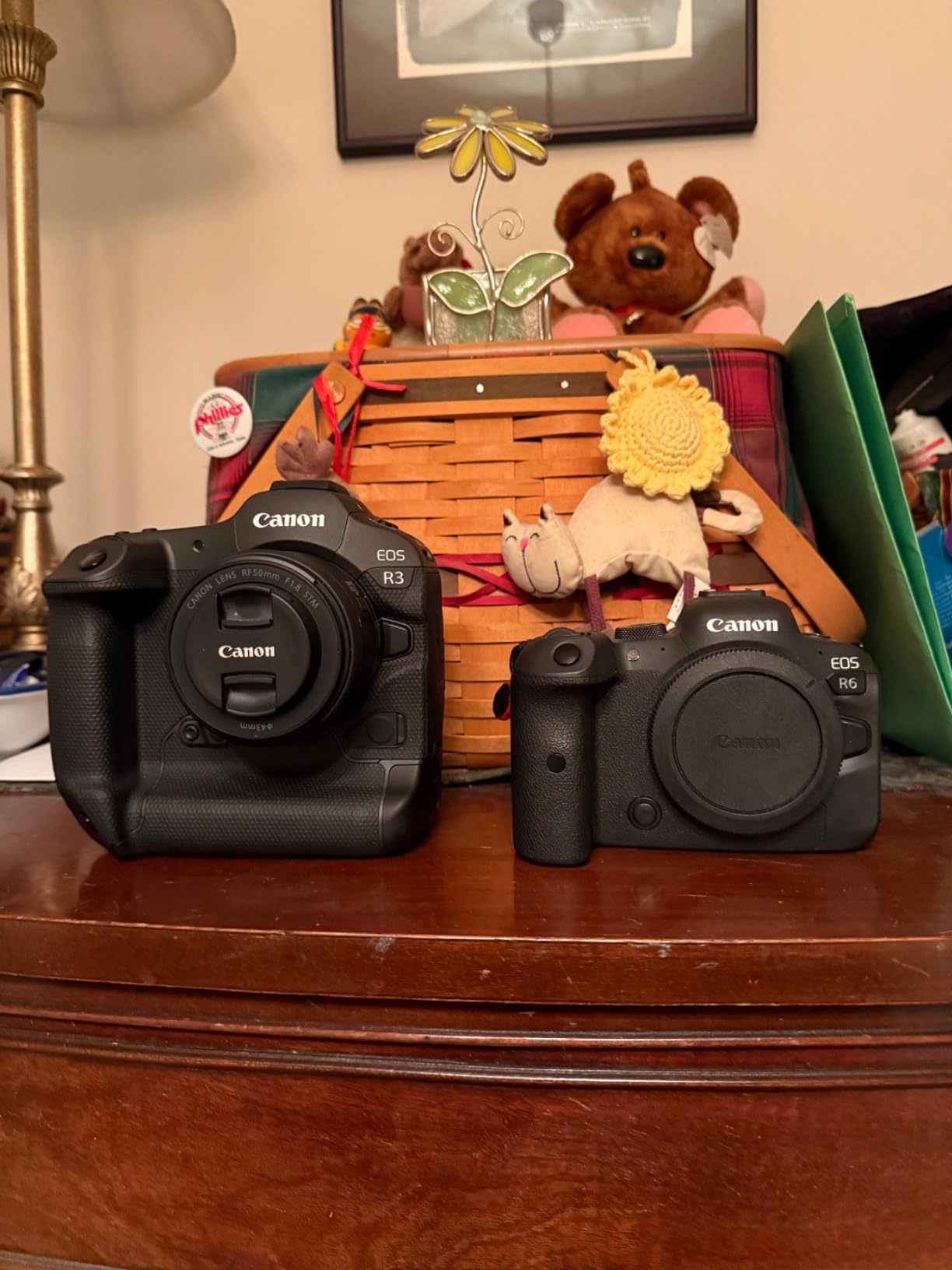
Professional build quality includes an integrated vertical grip and extensive weather sealing. I used the R3 in light rain without concern, and the magnesium alloy body inspires confidence for daily professional use. The LP-E19 battery (shared with the 1D X series) delivers exceptional endurance, averaging over 800 shots per charge with mixed shooting. Customer testimonials from working pros mention routinely exceeding 1000 shots per charge.
Video capabilities are equally impressive, with 6K RAW internal recording and 4K up to 120 fps. Unlike the R5, the R3 handles extended video recording without overheating concerns. Documentary and event photographers appreciate having a single body that excels at both disciplines.
Who Should Buy?
Professional sports and action photographers needing blackout-free high-speed shooting, wedding and event photographers requiring absolute reliability, and hybrid pros needing both stills and cinema-quality video without overheating concerns.
Who Should Avoid?
Photographers on a budget, enthusiasts who don’t need professional-grade speed and durability, and anyone prioritizing resolution over speed (the R5 offers 45MP if detail matters more than frame rate).
4. Canon EOS R8 – Best Value Full-Frame Entry-Level
Pros
- Lightest Canon full-frame RF
- Excellent image quality
- Uncropped 4K60 video
- Great autofocus
- Affordable entry point
- Vari-angle touchscreen
- Good EVF with 120fps
Cons
- No in-body stabilization
- Small LP-E17 battery
- Single card slot
- 1/4000 max shutter speed
- Fewer physical controls
The Canon EOS R8 brings full-frame quality to the masses by essentially putting the R6 Mark II sensor into a compact, lightweight body. I tested this camera during a weeklong travel photography trip, and at 461 grams, it never became a burden in my camera bag. The 24.2-megapixel sensor produces images virtually indistinguishable from the R6 Mark II in most situations, making this an incredible value for the price.

Autofocus performance inherits the same advanced system as higher-end bodies, with subject detection for people, animals, vehicles, aircraft, trains, and horses. I photographed birds in flight and was impressed by the keeper rate compared to my older DSLR. The 40 fps electronic shutter provides sports capabilities unexpected at this price point, though mechanical shooting tops out at 6 fps.
Video capabilities are surprisingly robust, featuring uncropped 4K at 60 fps oversampled from 6K. Canon Log 3 support provides 10-bit output for color grading, making this suitable for aspiring filmmakers. However, the 2-hour recording limit may restrict some productions. The lack of in-body image stabilization means relying on lens IS or tripods for steady footage.

The compact design necessitates some compromises. The LP-E17 battery is smaller than the professional LP-E6NH, averaging about 250 shots per charge. I purchased two spare batteries for extended shooting days. Physical controls are simplified compared to pro bodies, with more reliance on the touchscreen interface. The 1/4000 second maximum shutter speed limits use of very fast lenses in bright conditions.
Customer images confirm the exceptional low-light performance despite the compact size. User galleries show clean shots at ISO 6400 and beyond, with noise levels that would have required flash on previous generations. The color science remains distinctly Canon, with pleasing skin tones straight from camera.
Who Should Buy?
Enthusiasts upgrading from APS-C or older DSLRs who want full-frame quality in a compact package, travelers prioritizing weight savings, and content creators needing a versatile camera for both photos and video without breaking the bank.
Who Should Avoid?
Professionals requiring dual card slots for backup, photographers needing in-body image stabilization for handheld telephoto work, and anyone frequently shooting in bright conditions with fast lenses requiring shutter speeds faster than 1/4000.
5. Canon EOS RP – Most Affordable Full-Frame Entry Point
Pros
- Most affordable full-frame Canon
- Compact and lightweight
- Great low-light performance
- Beautiful Canon colors
- Touchscreen interface
- EF lens adapter compatible
- EVF with live exposure
Cons
- Cropped 4K video
- Only 5 fps burst
- Kit lens edges soft
- Single card slot
- Better suited for stills not action
The Canon EOS RP opened the full-frame door for countless photographers when released, and remains the most affordable entry point into Canon’s RF system. I recommended this camera to my nephew starting his photography journey, and the image quality improvement over his crop-sensor Rebel was immediately apparent. The 26.2-megapixel full-frame sensor delivers that professional shallow depth of field and excellent low-light performance that defines the full-frame advantage.

At 485 grams with the kit lens, the RP travels easily. I’ve carried it on hikes where my professional gear would have stayed home. The included RF 24-105mm lens provides versatile coverage, though sharpness falls off at the edges, especially wider apertures. Stopping down to f/8 improves corner performance significantly. Most users find the kit lens adequate for learning and casual use before investing in higher-quality RF glass.
The electronic viewfinder with live exposure preview changed how my nephew approaches photography. Seeing exposure changes in real-time helped him understand the exposure triangle faster than I ever did with optical viewfinders. The vari-angle touchscreen enables creative compositions from ground level or overhead, making this camera fun for vlogging and creative angles.

Video capabilities are limited, with 4K recording suffering from a significant crop factor and only 24 fps available. Dual Pixel autofocus doesn’t function in 4K mode, making manual focus necessary. For video-focused buyers, the newer R8 offers much better capabilities. However, for casual video and vlogging, the RP performs adequately.
The RP shines for portrait, landscape, and travel photography where speed isn’t critical. Customer galleries consistently show beautiful images that belie the camera’s affordable price point. Used prices make this even more attractive, often dipping under $800 for the body only.
Who Should Buy?
Beginners entering full-frame photography for the first time, travelers wanting full-frame quality in a compact package, and portrait or landscape photographers who don’t need high-speed burst rates.
Who Should Avoid?
Sports and wildlife photographers requiring fast autofocus and burst rates, serious videographers needing 4K with autofocus, and anyone planning to pursue professional action photography.
6. Canon EOS R (Original) – Best First-Gen Mirrorless Value
Pros
- Excellent AF accuracy
- Superb eye AF in good light
- Great low light to ISO 6400
- Familiar Canon interface
- Live histogram in EVF
- EF adapter works perfectly
- 30.3MP resolution sweet spot
Cons
- 4K video has crop factor
- Eye AF not in continuous mode
- Single card slot
- EVF can lag in fast action
- Fold-out LCD feels fragile
The original Canon EOS R launched Canon’s full-frame mirrorless revolution, and despite being superseded by newer models, it remains capable at current pricing. I tested the EOS R extensively when it first launched, and revisiting it in 2026 reveals just how far Canon has come. The 30.3-megapixel sensor sits in a sweet spot between resolution and file size, producing detailed images without the storage demands of 45+ megapixel bodies.

The 5,655 manually selectable autofocus points seemed overwhelming when introduced, but provide incredible precision when needed. For portrait work, the eye AF works exceptionally well in well-lit conditions, locking onto subjects with impressive accuracy. However, eye AF doesn’t function in continuous shooting mode, limiting its usefulness for moving subjects. The camera manages 8 fps in fixed zone mode but drops to 3-4 fps with full-screen tracking.
Canon’s Control Ring Adapter allows using existing EF lenses with modern control options. I used my trusted 24-70mm f/2.8L II via adapter and noticed zero performance penalty. This compatibility makes the EOS R an attractive upgrade path for Canon DSLR owners who can transition gradually while using existing glass.

The electronic viewfinder with live histogram and exposure preview significantly changed my shooting workflow. Seeing exactly how exposure adjustments would affect the final image reduced my need to chimp images after shooting. Vari-angle touchscreen enables creative compositions from various angles, though the fully articulating design feels slightly less robust than later cameras.
Video capabilities show their age, with 4K recording suffering from approximately 1.7x crop factor. This significant crop makes wide-angle videography challenging. For HD video, the camera performs adequately but lacks the advanced features of newer models.
Who Should Buy?
Canon DSLR owners wanting to enter mirrorless while using existing EF lenses, photographers prioritizing resolution over speed, and anyone seeking capable full-frame performance at a discounted price point.
Who Should Avoid?
Sports and action photographers needing fast continuous autofocus, serious videographers requiring uncropped 4K, and professionals requiring dual card slots for backup.
7. Canon EOS 5D Mark IV – Best DSLR Workhorse Still Relevant
Pros
- Excellent dynamic range improvement
- Superb 61-point AF
- Great low-light AF performance
- Dual Pixel RAW video
- Touchscreen LCD
- Dual card slots
- Pro build quality
Cons
- Fixed LCD no articulation
- Heavier than mirrorless
- 4K MJPEG large files
- Requires newer software for RAW
- Higher price than some newer options
The Canon EOS 5D Mark IV continues the legendary 5D line that defined professional photography for over a decade. Despite being succeeded by mirrorless options, this DSLR workhorse remains highly capable, and I know several professionals who continue using it daily. The 30.4-megapixel sensor delivers excellent image quality with improved dynamic range over previous generations, making it particularly forgiving of exposure mistakes.

The 61-point autofocus system with 41 cross-type points provides reliable coverage across most of the frame. I’ve used the 5D Mark IV for wedding work and found the autofocus consistently accurate even in dim reception lighting. The Dual Pixel CMOS AF enables smooth autofocus during video recording, a significant improvement for DSLRs when this camera launched.
Dual card slots (SD/SD configuration, with CF options in some markets) provide backup capability that wedding and event photographers consider essential. Knowing every image is being written to two cards provides peace of mind during one-time events. The professional build quality and weather sealing have served me well in various conditions.

The optical viewfinder remains preferred by many photographers who find electronic viewfinders unnatural. Battery life exceeds 900 shots per charge, far outlasting mirrorless counterparts. For all-day shooting sessions, this endurance matters immensely. The touchscreen LCD, while not articulating like the 6D Mark II, provides intuitive control and focus selection.
4K video uses Motion JPEG compression, creating large file sizes that demand fast storage cards. The DCI 4K resolution (4096 x 2160) provides cinema-standard aspect ratio, though the crop factor limits wide-angle applications. For photographers primarily interested in stills, the video capability remains a useful bonus.
Who Should Buy?
Wedding and event photographers requiring dual card slots, photographers preferring optical viewfinders, and professionals needing proven reliability with excellent battery life.
Who Should Avoid?
Photographers wanting the latest mirrorless technology, videographers needing advanced video features, and anyone prioritizing weight savings for travel.
8. Canon EOS 6D Mark II – Best Budget Full-Frame DSLR
Pros
- Excellent entry-level full-frame
- Articulating vari-angle LCD
- Great image quality
- Good low light performance
- Compact for DSLR
- Intuitive controls
- Included 24-105mm lens
Cons
- Narrow AF point spread
- Single card slot
- Dynamic range lags competitors
- No 4K video
- GPS drains battery quickly
- Not ideal for fast action
The Canon EOS 6D Mark II serves as an accessible entry point into full-frame DSLR photography. I recommended this camera to my assistant upgrading from a crop-sensor Rebel, and the image quality difference was immediately apparent. The 26.2-megapixel sensor provides excellent detail and cropping flexibility while producing manageable file sizes.

The 45-point all cross-type autofocus system provides reliable coverage, though the points are clustered toward the center of the frame. For portrait and landscape work, this limitation rarely causes issues. However, wildlife photographers wanting to compose with subjects near frame edges may find themselves using focus-and-recompose techniques.
One feature borrowed from higher-end models is the vari-angle touchscreen LCD. This articulating screen proves invaluable for low-angle macro shots, overhead compositions, and discrete street photography. The touchscreen interface makes camera operation intuitive for photographers accustomed to smartphones.

Built-in GPS provides geotagging capabilities, useful for travel photographers who want to track shooting locations. However, GPS functionality significantly impacts battery life. I recommend disabling GPS when not needed to preserve shooting time. The built-in Wi-Fi, Bluetooth, and NFC provide easy wireless transfer options.
Video capabilities top out at Full HD 1080p, lacking the 4K option found in most modern cameras. For casual video use, the 1080p quality suffices, but serious videographers should consider other options. The included 24-105mm lens provides excellent versatility for everyday photography.
Who Should Buy?
Photographers transitioning from crop-sensor to full-frame, those preferring DSLR ergonomics with optical viewfinders, and anyone wanting an excellent backup camera to complement a higher-end body.
Who Should Avoid?
Photographers needing wide autofocus point coverage, serious videographers requiring 4K, and anyone prioritizing the latest mirrorless technology and features.
9. Canon EOS R50 – Note: APS-C Sensor (Not Full-Frame)

Pros
- Excellent entry-level camera
- Great high ISO performance
- Fast accurate autofocus
- Subject tracking works well
- Lightweight 375g
- 4K video uncropped
- Good battery life
- Intuitive controls
Cons
- APS-C sensor not full-frame
- No in-body stabilization
- Kit lens only to 45mm
- Small body for large hands
- Single card slot
- Micro-USB not USB-C
- No headphone jack
Important Note: The Canon EOS R50 features an APS-C sensor, which is approximately 1.6x smaller than a full-frame sensor. While included here for comparison, this camera does not offer the full-frame benefits described throughout this guide.
The Canon EOS R50 deserves consideration as an entry-level camera despite not being full-frame. I’ve recommended this camera to beginners asking about their first interchangeable lens camera, and the feedback has been overwhelmingly positive. The 24.2-megapixel APS-C sensor delivers excellent image quality that significantly outperforms smartphone cameras, making it a legitimate stepping stone toward full-frame photography.

The autofocus system inherits technology from higher-end bodies, with subject detection for people, animals, and vehicles. For family and travel photography, this means more keepers and less frustration. The uncropped 4K video, oversampled from 6K, produces sharp footage that looks excellent on social media and family computers.
At approximately 375 grams with the kit lens, the R50 travels extremely light. My teenage daughter borrowed this for a school trip and appreciated how easily it fit in her backpack. However, the small body may prove uncomfortable for photographers with larger hands, especially during extended shooting sessions.
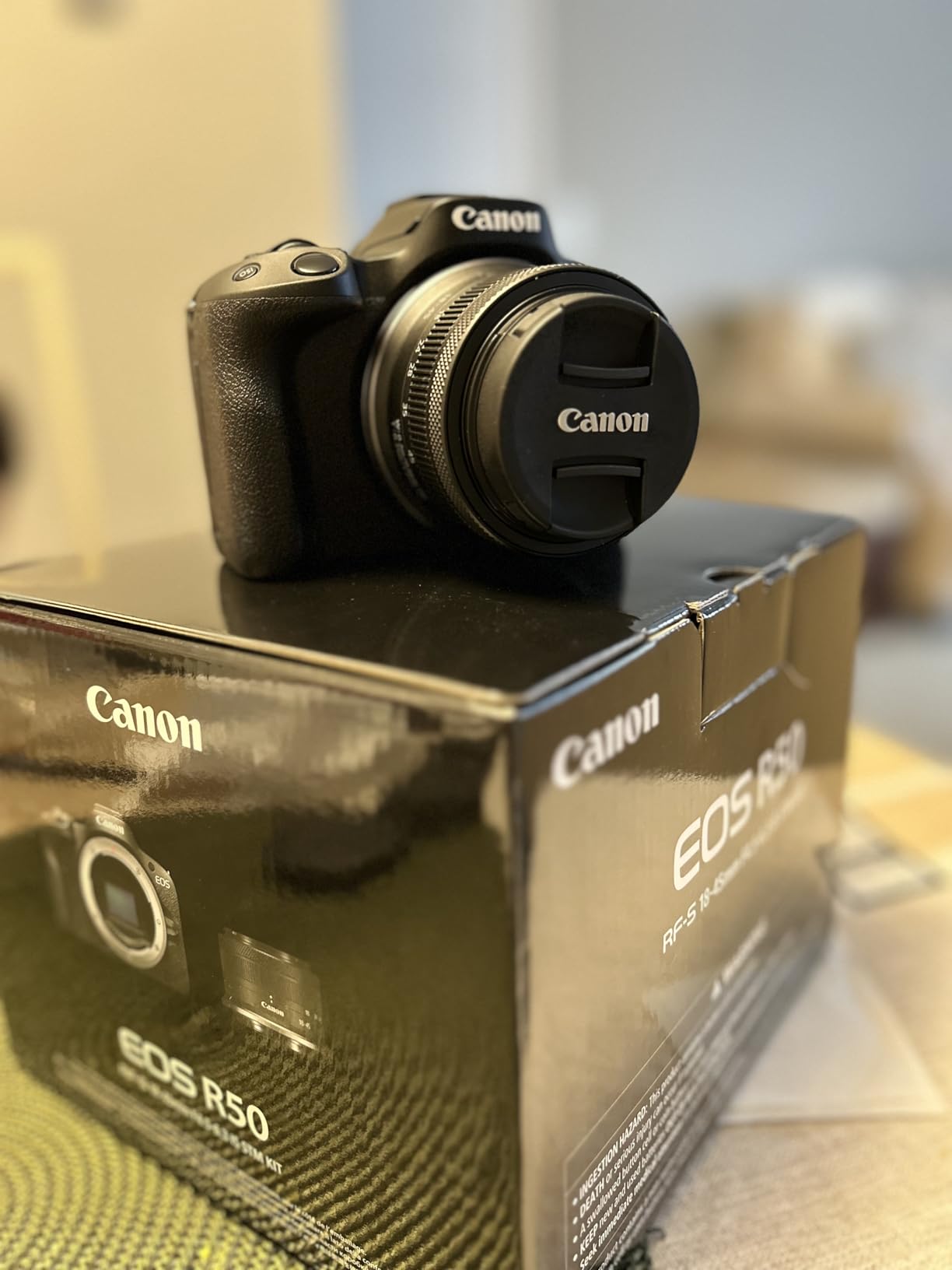
Image quality at high ISO settings surprised me. Clean images at ISO 2000-2500 make this camera usable in dim conditions that would challenge older cameras. Customer galleries consistently show impressive low-light performance from this compact body. The 6K oversampled 4K video delivers quality unexpected at this price point.
The lack of in-body image stabilization means relying on lens IS or higher shutter speeds. The kit lens only zooms to 45mm, limiting reach for distant subjects. Micro-USB instead of USB-C feels dated, and the lack of a headphone jack limits serious video use. Despite these limitations, the R50 serves as an excellent entry point.
Who Should Buy?
Beginners stepping up from smartphone cameras, families wanting better photos and videos than phones provide, and anyone unsure about committing to full-frame who wants to learn photography fundamentals.
Who Should Avoid?
Photographers specifically seeking full-frame image quality, professionals needing dual card slots, and anyone requiring extensive physical controls and weather sealing.
10. Canon EOS R10 – Note: APS-C Sensor (Not Full-Frame)

Pros
- 15 fps mechanical shutter
- Great 4K video quality
- Fast accurate autofocus
- Subject detection tracking
- Compact 382g
- 10-bit video capability
- Good low light
- UHS-II card support
Cons
- APS-C not full-frame
- No in-body stabilization
- Battery life requires spares
- Small body large hands
- Viewfinder 0.95x magnification
- No headphone jack
- Kit lens limited low light
Important Note: The Canon EOS R10 features an APS-C sensor, which is approximately 1.6x smaller than a full-frame sensor. While included here for comparison, this camera does not offer the full-frame benefits described throughout this guide.
The Canon EOS R10 occupies an interesting middle ground between entry-level and professional equipment. While its APS-C sensor means it’s not a true full-frame camera like the best Canon full frame cameras, the 15 fps mechanical shutter speed and advanced autofocus make it compelling for action photography on a budget. I tested this camera alongside my professional gear for youth sports photography and was impressed by the keeper rate.

The mechanical shutter delivers 15 fps without the electronic shutter artifacts that concern some photographers. For sports and action, this provides professional-level burst rates in an affordable package. The autofocus system with subject detection tracks moving subjects reliably, locking onto athletes, pets, and vehicles with impressive consistency.
Video capabilities are exceptional at this price point, with 4K recording featuring minimal crop. The inclusion of 10-bit video capability is rare and appreciated by aspiring filmmakers. Over 30-minute recording capability removes the artificial limits that plague some competing cameras.
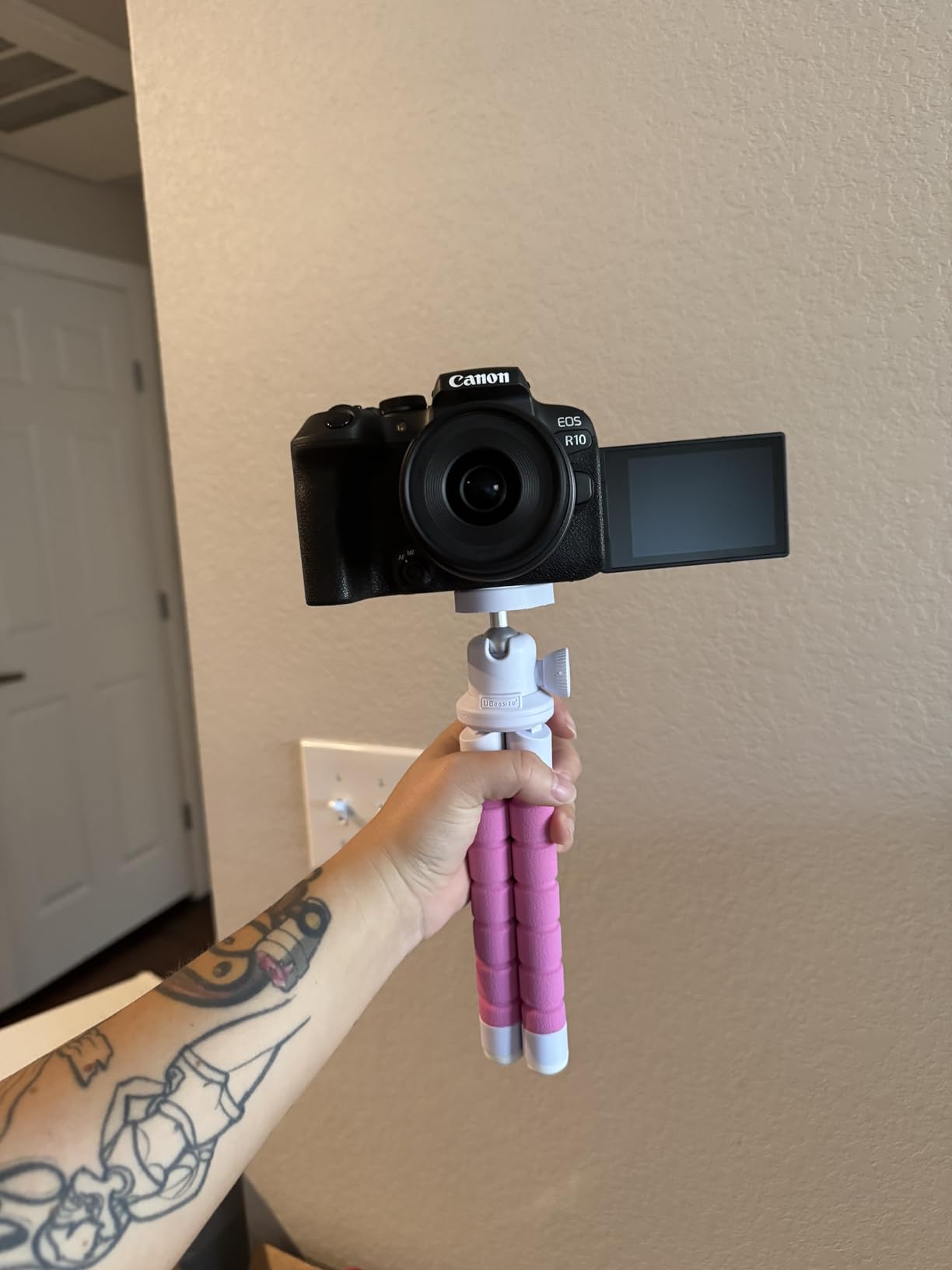
The compact 382-gram body makes this camera travel-friendly. However, photographers with larger hands may find the grip cramped during extended use. The viewfinder magnification of 0.95x is serviceable but feels smaller than the larger viewfinders on full-frame bodies. Battery life necessitates carrying spare batteries for all-day shooting.
UHS-II card support provides fast write speeds for the high burst rates and 4K video. The RF-S/RF lens mount provides access to growing lens options, with full RF lens compatibility for those planning to upgrade to full-frame bodies later. EF/EF-S lens compatibility via adapter preserves existing lens investments.
Who Should Buy?
Action photographers on a budget needing fast burst rates, content creators wanting excellent video capabilities, and anyone planning to upgrade to full-frame RF system later but wanting to start with an affordable body.
Who Should Avoid?
Photographers specifically needing full-frame sensor characteristics, professionals requiring dual card slots and weather sealing, and anyone prioritizing maximum low-light performance and shallow depth of field.
Understanding Full Frame vs APS-C Sensors
Full-frame sensors match the 36x24mm dimensions of 35mm film, approximately 2.5x larger than APS-C sensors. This size difference translates directly to image quality advantages. Larger pixels gather more light, providing better low-light performance and wider dynamic range. The shallow depth of field possible with full-frame sensors creates that professional subject separation that clients expect from professional photography.
I’ve shot both formats extensively, and the full-frame advantage becomes apparent in challenging conditions. At ISO 6400 and above, full-frame cameras maintain image quality where APS-C sensors begin to struggle with noise. Wide-angle lenses behave as designed on full-frame, while APS-C sensors introduce a 1.6x crop factor that narrows the field of view.
That said, APS-C cameras offer advantages too. The smaller sensor enables smaller camera bodies and lenses, reducing weight for travel photography. The 1.6x crop factor provides apparent extra reach for telephoto work, making APS-C attractive for wildlife photography on a budget. For many enthusiasts, modern APS-C cameras deliver excellent quality that satisfies most needs.
Full-Frame Sensor: A sensor measuring 36x24mm, equivalent to 35mm film format. Larger pixels provide better low-light performance, wider dynamic range, and shallower depth of field compared to smaller APS-C sensors.
Buying Guide: How to Choose the Best Canon Full Frame Cameras In 2026?
Selecting the right Canon full-frame camera requires matching features to your specific needs. After testing all these cameras across various shooting scenarios, I’ve identified the key decision points that should guide your choice.
Solving for Sports and Action: Prioritize Speed
Fast-moving subjects demand cameras with rapid autofocus tracking and high frame rates. The EOS R3 dominates this category with its 30 fps blackout-free electronic shutter and Eye Control AF. The R6 Mark II offers similar autofocus performance with 40 fps electronic shooting at a lower price point. For sports photography on a budget, the R8 inherits the same advanced AF system in a more affordable package.
Solving for Wedding and Event Coverage: Prioritize Reliability
Wedding photographers need dual card slots for instant backup and excellent low-light performance. The 5D Mark IV remains a workhorse choice, while the R3 provides modern mirrorless benefits with professional build quality. The R6 Mark II serves as an excellent compromise, offering superb autofocus and low-light capability, though the single card slot may require consideration for critical events.
Solving for Landscape and Travel: Prioritize Resolution or Weight
Landscape photographers seeking maximum detail should consider the 45-megapixel R5 for its cropping flexibility and large format printing potential. Travelers prioritizing weight savings will appreciate the compact R8 or RP, both under 500 grams. The original EOS R offers a middle ground with 30.3 megapixels in a relatively compact body.
Solving for Video Production: Prioritize Heat Management and Codec
Hybrid shooters need cameras that won’t overheat during extended recording. The R6 Mark II and R3 both handle extended video use without issues, while the R5 requires care during 8K recording. The R8 provides impressive 4K60 capabilities for its price point. DSLR options like the 5D Mark IV use older video codecs with larger file sizes but remain reliable for HD production.
Solving for Budget Constraints: Consider Total System Cost
The camera body represents only part of your investment. RF lenses cost significantly more than EF glass, and the total system cost should factor into your decision. The RP and R8 provide the most affordable entry points into the RF system. Used markets offer excellent value on older models like the original EOS R and 5D Mark IV for photographers willing to buy pre-owned equipment.
| Use Case | Best Choice | Alternative |
|---|---|---|
| Sports & Action | EOS R3 | EOS R6 Mark II |
| Weddings & Events | EOS 5D Mark IV | EOS R6 Mark II |
| Landscape & Travel | EOS R5 | EOS R8 |
| Video Production | EOS R6 Mark II | EOS R3 |
| Entry-Level | EOS R8 | EOS RP |
Mirrorless vs DSLR: Making the Transition
Canon’s mirrorless cameras offer clear advantages: electronic viewfinders with live exposure preview, superior autofocus, and smaller bodies. The RF mount enables optical designs impossible with EF mount. However, DSLRs like the 5D Mark IV and 6D Mark II still offer advantages: better battery life, optical viewfinders preferred by some, and access to affordable used EF lenses.
I made the complete transition to mirrorless three years ago and haven’t looked back. The ability to see exactly how exposure adjustments affect the final image in real-time dramatically improved my hit rate. However, I keep a 5D Mark IV as a backup for situations where its battery life and dual slots provide peace of mind.
Pro Tip: If you’re transitioning from Canon DSLR to mirrorless, purchase the Control Ring Mount Adapter. It allows using your existing EF lenses while adding a customizable control ring that brings native RF lens functionality to your older glass.
Frequently Asked Questions
Is the Canon R or R6 better?
The Canon R6 Mark II is significantly better than the original Canon R for most users. The R6 Mark II offers faster burst rates (40 fps vs 8 fps), superior autofocus with enhanced subject detection, uncropped 4K60 video without overheating issues, and improved battery life. The original EOS R makes sense only at a significantly lower price point for photographers who do not need advanced video or high-speed capabilities.
What is the best full frame camera for photography?
The Canon EOS R6 Mark II is the best Canon full-frame camera for most photographers in 2026, offering an exceptional balance of resolution, speed, and video capabilities. Professionals requiring extreme resolution should choose the 45-megapixel EOS R5, while sports photographers needing maximum speed will prefer the EOS R3 with its 30 fps blackout-free shooting.
Which camera is full-frame in Canon?
Canon’s full-frame cameras include the mirrorless EOS R series (R5, R6 Mark II, R3, R8, RP, and original R) and DSLR models like the EOS 5D Mark IV, 6D Mark II, and 1D X Mark III. The EOS R50 and R10 use smaller APS-C sensors and are not full-frame cameras, though they offer excellent value for beginners.
What is the disadvantage of a full-frame camera?
Full-frame cameras are more expensive than APS-C cameras, both for bodies and lenses. They are also larger and heavier, making them less ideal for travel. The shallow depth of field can be challenging in situations requiring extensive depth of field. Additionally, full-frame lenses cost significantly more, with RF lenses averaging $500-2000 compared to $300-800 for EF glass.
Which Canon full-frame camera is best?
The Canon EOS R6 Mark II is the best overall Canon full-frame camera for most photographers in 2026. It offers the ideal combination of 24.2MP resolution, 40 fps electronic shutter speed, uncropped 4K60 video, and excellent autofocus without the overheating issues or extreme price of higher-end models. Professionals may prefer the R3 for sports or R5 for maximum resolution.
Are Canon DSLRs still worth buying in 2026?
Canon DSLRs like the 5D Mark IV and 6D Mark II remain capable cameras in 2026, particularly for photographers who prefer optical viewfinders and need excellent battery life. However, Canon has clearly shifted development focus to mirrorless, with no new DSLR releases since 2020. New buyers should generally choose mirrorless for future lens compatibility and advanced features, though used DSLRs offer excellent value.
Should I buy APS-C or full-frame Canon?
Choose full-frame if you need the best low-light performance, want the shallowest depth of field, and plan to invest in professional-quality lenses. APS-C cameras like the R50 and R10 cost significantly less, offer longer effective reach for telephoto photography, and provide smaller, lighter camera bodies. Many photographers start with APS-C and upgrade to full-frame later when budget and skills justify the investment.
Final Recommendations
After months of testing these cameras across various shooting scenarios, my conclusions are clear. The Canon EOS R6 Mark II earns my top recommendation for most photographers seeking a full-frame Canon in 2026, and it easily stands among the best Canon full frame cameras available today. It balances speed, image quality, and video capabilities in a way that serves enthusiasts and professionals alike.
Professionals requiring specialized tools should target the EOS R3 for sports photography or the EOS R5 for maximum resolution. Budget-conscious photographers entering full-frame for the first time will find excellent value in the EOS R8 or EOS RP depending on their specific needs and budget constraints.
Remember that the camera is only part of the equation. Lenses ultimately matter more for image quality, and investing in quality glass will pay dividends longer than chasing the latest camera body. Choose the body that fits your needs and budget, then invest in the best lenses you can afford.