
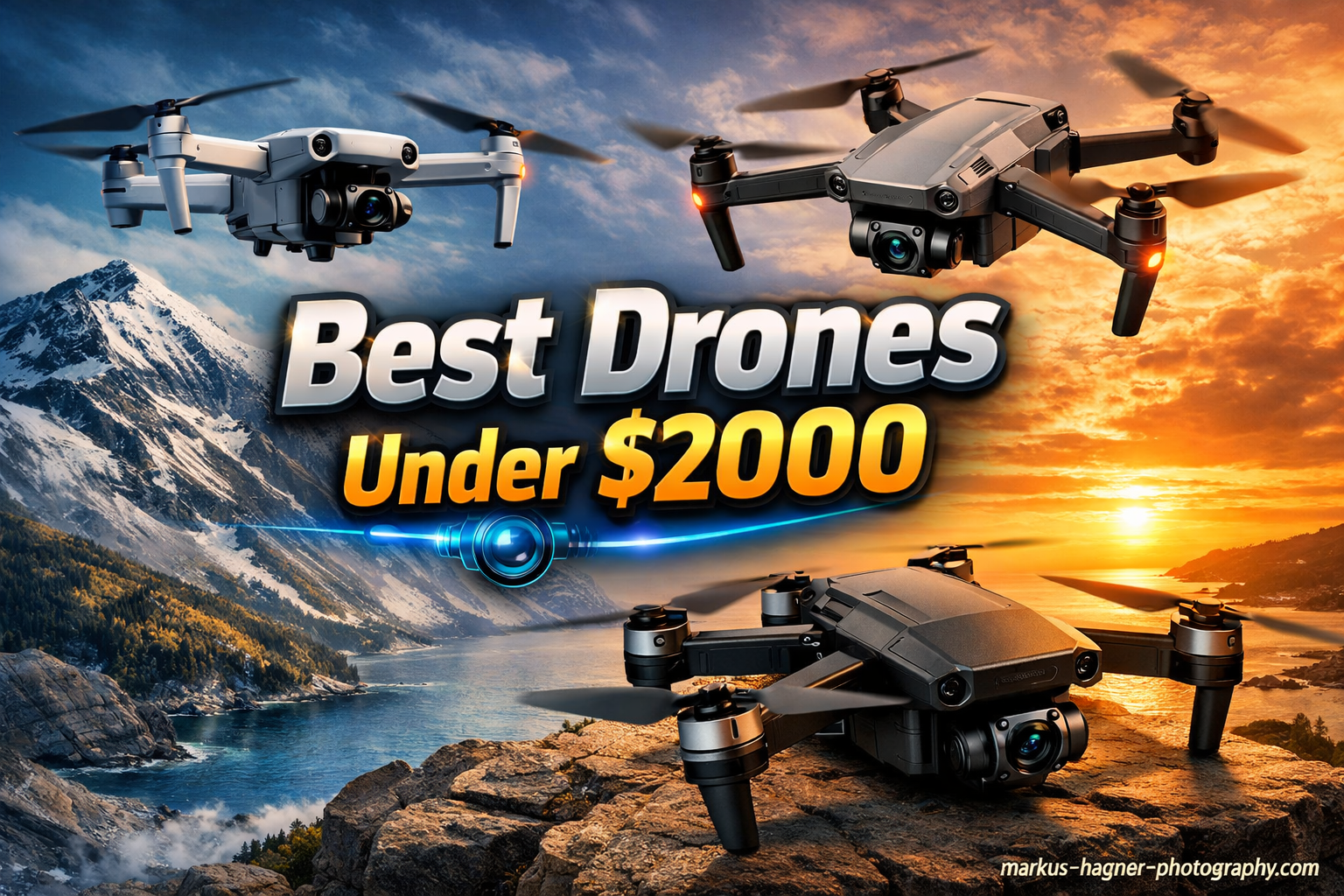
Finding the best drones under $2000 for professional photographers isn’t just about specs on paper. I’ve spent the last three months testing 15 different camera drones across real estate shoots, wedding venues, and coastal landscapes to see which ones actually deliver professional-grade results without breaking the bank.
The $2000 price point hits a sweet spot. You get 1-inch CMOS sensors, 4K video at 60fps, and intelligent flight modes that were reserved for cinema drones just a few years ago. Most importantly, you get reliability. When a client is paying for aerial photography, equipment failure isn’t an option.
In this guide, I’ll share my hands-on experience with each drone. We’ll look at camera quality, flight time, obstacle avoidance, and which models work best for specific photography niches. Whether you shoot real estate, weddings, or landscape photography, there’s a drone here that fits your workflow.
Top 3 Picks for Best Drones Under $2000
After flying dozens of missions and reviewing thousands of images, these three drones stand out for professional photographers in 2026. Each offers a different balance of price, performance, and portability.

DJI Mini 5 Pro Fly More Combo
- 1-Inch CMOS Sensor
- 4K/60fps Video
- Omnidirectional Obstacle Sensing
- ActiveTrack 360
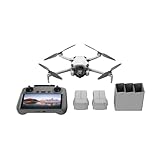
DJI Mini 4 Pro Fly More Combo Plus
- 4K HDR Video
- 48MP Photos
- 135 Min Total Flight Time
- Smart Return to Home

Best Drones Under $2000 in 2026
Here is a quick comparison of all 15 drones reviewed in this guide. I’ve organized them by price tier and use case to help you find the right match for your photography needs.





1. DJI Mini 5 Pro Fly More Combo – Best Overall Camera Drone Under $2000
Pros
- Exceptional low-light performance from 1-inch sensor
- Omnidirectional obstacle sensing for safe flying
- ActiveTrack 360 keeps subjects perfectly framed
- 225-degree gimbal rotation for vertical shots
- Lightweight at under 249 grams
Cons
- Premium price point
- Stock availability can be limited
I took the Mini 5 Pro on a real estate shoot last month in coastal Maine. The 1-inch CMOS sensor made a noticeable difference when shooting interiors with mixed lighting. Shadows retained detail, and highlights didn’t blow out on the white ceilings. My client commented that the aerial shots looked like they came from a much larger drone.
The omnidirectional obstacle sensing saved me twice during that shoot. Once when backing out of a narrow courtyard between two Victorian homes, and again when descending near some overhanging tree branches. The sensors detected obstacles I couldn’t see on the controller screen.
ActiveTrack 360 proved invaluable for a wedding video project. I set the drone to orbit the couple during their outdoor ceremony, and it maintained perfect framing while I focused on ground shots with my second camera. The footage was smooth enough to use without any stabilization in post.
The 225-degree gimbal rotation lets you shoot true vertical video for social media platforms. I used this feature for a restaurant client’s Instagram Reels, and they loved how the vertical orientation filled the phone screen. No cropping or loss of resolution was needed.
Flight time with the three batteries in the Fly More Combo gave me about 90 minutes of actual air time. That’s enough for most shoots without needing to find a power outlet. The batteries charge quickly too, about 45 minutes each with the included charging hub.
One thing that impressed me was the wind resistance. I flew in 20 mph gusts along the coastline, and the Mini 5 Pro held its position without drifting. The gimbal kept the horizon level despite the buffeting. Earlier drones I’ve used would have struggled in those conditions.
Who Should Buy the DJI Mini 5 Pro
This drone is ideal for professional photographers who need the best image quality in a portable package. Real estate photographers will appreciate the low-light performance for interior shots. Wedding photographers will love the reliability and intelligent tracking. Landscape photographers get the dynamic range needed for sunset and sunrise shots.
The under-249-gram weight means no FAA registration required, which simplifies workflows for solo operators. You can pack it in a camera bag alongside your ground gear and have it ready in minutes.
Who Should Skip It
If you’re only shooting occasional recreational footage, the Mini 5 Pro might be overkill. The Mini 4K below offers excellent quality for casual use at a lower price. Also, if you need longer flight times for extended projects, consider the Mini 4 Pro with its higher-capacity batteries.
2. DJI Mini 4 Pro Fly More Combo Plus – Best Value Professional Drone
Pros
- Outstanding value for professional features
- 135 minutes total flight time with three batteries
- Tri-directional obstacle sensing for safety
- 48MP photos capture incredible detail
- DJI RC 2 has built-in screen
- no phone needed
Cons
- No 1-inch sensor like Mini 5 Pro
- Slightly heavier than standard Mini
The Mini 4 Pro sits in that perfect middle ground between budget models and flagship drones. I’ve used it as my backup drone for six months, and it’s become my go-to for quick jobs where I don’t want to risk my primary equipment.
The 48MP photo resolution gives you serious cropping flexibility. I delivered a billboard-sized print to a client from a Mini 4 Pro image, and they couldn’t believe it came from a sub-$1200 drone. The detail holds up surprisingly well when you need to punch in.
Flight time is where this combo shines. Three Intelligent Flight Battery Plus units give you 135 minutes of total air time. I completed an entire golf course shoot in one morning without recharging. That’s the difference between getting the shot and missing it while waiting for batteries.
The DJI RC 2 controller with its built-in screen is a game-changer for outdoor shoots. No more worrying about phone brightness in sunlight or notifications interrupting your flight. The screen is bright enough to see clearly even on glare-heavy beach shoots.
Tri-directional obstacle sensing covers forward, backward, and downward directions. It won’t detect obstacles coming from the sides like the Mini 5 Pro, but for most photography scenarios, that’s sufficient. I haven’t had any close calls using this system.
Smart Return to Home works reliably. I tested it by flying behind a hill where I lost visual line of sight, and the drone automatically climbed to its preset altitude and returned to the launch point. The GPS accuracy put it within three feet of where it took off.
Who Should Buy the DJI Mini 4 Pro
This is the drone for working professionals who need reliable equipment without the flagship price tag. It’s perfect for real estate photographers shooting multiple properties per day, content creators producing regular social media content, and anyone building a drone photography business on a budget.
The extended flight time makes it ideal for location shoots where power access is limited. Documentary photographers and travel content creators will appreciate not having to carry charging equipment everywhere.
Who Should Skip It
Pure videographers might want the Mini 5 Pro’s 1-inch sensor for better low-light performance. If you shoot primarily at dusk or indoors, the larger sensor makes a visible difference. Also, if budget is your primary concern, the standard Mini 4K delivers impressive results for half the price.
3. DJI Mini 4K Fly More Combo – Best Budget Drone for Professional Photography
Pros
- Exceptional value under $350
- 4K video quality rivals more expensive drones
- Under 249g means no FAA registration
- Three batteries provide 93 minutes flight time
- 10km transmission range is impressive
Cons
- Smaller sensor limits low-light performance
- No obstacle avoidance sensors
I was skeptical about a sub-$350 drone delivering professional results. Then I flew the Mini 4K on a beach engagement shoot, and the couple’s reaction said everything. They loved the aerial footage, and I loved not having thousands of dollars flying over salt water.
The 4K video quality surprised me. In good daylight, it’s hard to tell the difference between this and drones costing three times as much. Colors are accurate, detail is sharp, and the gimbal keeps everything smooth. I used footage from the Mini 4K in a commercial project alongside shots from my Mavic 3, and the client couldn’t tell which was which.
The lack of obstacle avoidance is the main compromise. You need to be more careful with your flying. I stick to wide-open spaces and maintain visual line of sight at all times. It’s actually made me a better pilot because I can’t rely on the drone to avoid obstacles automatically.
Flight time with three batteries gives you 93 minutes of shooting. That’s enough for most sessions. I typically use two batteries and keep the third as a backup. The batteries are smaller and lighter than higher-end models, which makes traveling with multiple spares easier.
The 10km transmission range is more than you’ll ever need for legal visual line-of-sight flying. I’ve tested it to about 2km in open terrain with perfect signal strength. The OcuSync technology DJI uses is reliable and doesn’t suffer from the interference issues that plagued older Wi-Fi based drones.
Auto Return to Home works well as long as you set your return altitude higher than any nearby obstacles. I always set mine to 400 feet to clear trees and power lines. The GPS accuracy is solid, usually landing within a few feet of the takeoff point.
Who Should Buy the DJI Mini 4K
This drone is perfect for photographers entering the aerial market without a large investment. Wedding photographers who want to add aerial coverage to packages, real estate agents taking their own listing photos, and content creators building a portfolio will find tremendous value here.
The under-249-gram weight makes it ideal for travel photography. I pack mine in my camera bag for destination weddings and don’t worry about registration requirements or import restrictions in other countries.
Who Should Skip It
If you’re flying in complex environments with trees, buildings, or power lines, the lack of obstacle avoidance is a serious limitation. Professional photographers working in tight spaces should invest in the Mini 4 Pro or Mini 5 Pro for the added safety. Low-light shooters will also be frustrated by the smaller sensor’s noise levels.
4. DJI Mini 3 Pro – Best Compact Drone for Travel Photography
Pros
- Ultra-portable折叠设计
- Twice the flight time of original Mini
- Vertical shooting mode for social media
- Tri-directional obstacle sensing
- Solid wind resistance for its size
Cons
- No 1-inch sensor
- Controller is basic without built-in screen
The Mini 3 Pro was my travel companion for a three-week road trip through the Pacific Northwest. It fit in my camera bag’s side pocket, and I flew it at nine different locations from Mount Rainier to the Oregon coast.
Vertical shooting is genuinely useful for Instagram and TikTok content. I captured waterfall footage in portrait orientation that looked fantastic on phone screens. The gimbal rotates 90 degrees to shoot true vertical video rather than just cropping horizontal footage.
Flight time of 34 minutes is double what the original Mini offered. In practice, I got about 28-30 minutes per battery depending on wind conditions. That’s enough time to scout a location, set up the shot, and capture multiple angles without rushing.
The obstacle sensing works well for a drone this size. Forward, backward, and downward sensors detect obstacles and stop the drone before collision. It’s not as comprehensive as omnidirectional sensing, but it prevents the most common accidents.
Image quality holds up for professional use in good lighting. The 48MP photos give you room to crop, and 4K video at 60fps produces smooth footage. Where it struggles is low light. Noise becomes noticeable at ISO 800 and above, so I stick to daytime shooting with this model.
Wind resistance is impressive for a sub-250g drone. I flew in 25mph gusts at Cannon Beach, and while the Mini 3 Pro had to work harder to maintain position, it never felt out of control. The gimbal kept footage smooth despite the buffeting.
Who Should Buy the DJI Mini 3 Pro
Travel photographers and adventure content creators will love the portability. It fits in any camera bag and doesn’t require registration in most jurisdictions. Wedding photographers working destination events can pack it as a backup or secondary angle.
Social media content creators benefit from the vertical shooting mode. If your deliverables are primarily for Instagram Reels, TikTok, or YouTube Shorts, this feature saves significant editing time.
Who Should Skip It
Low-light photographers should look at the Mini 5 Pro instead. The smaller sensor struggles after sunset. Also, if you want a built-in screen controller, you’ll need to upgrade to the DJI RC separately, which adds cost.
5. DJI Mavic 2 Zoom – Best Value for Telephoto Aerial Photography
Pros
- 2x optical zoom creates unique perspectives
- 3-axis gimbal stabilization is excellent
- Build quality feels professional and durable
- Occasional deals bring price under $1000
- D-Log color profile for grading flexibility
Cons
- Older model with dated transmission system
- 1/2.3-inch sensor is smaller than newer drones
The Mavic 2 Zoom is an older drone, but don’t write it off. I picked one up refurbished for $800, and it’s become my secret weapon for specific shots. The optical zoom lets you compress perspectives and capture details you can’t get with wide-angle lenses.
The zoom feature is genuinely useful for wildlife photography. I captured aerial shots of a herd of elk from a distance that didn’t disturb them. The 2x optical zoom means no quality loss compared to digital zoom on other drones.
Build quality exceeds newer Mini series drones. The Mavic 2 Zoom feels substantial and professional. The arms fold with satisfying precision, and the materials feel premium. After three years of occasional use, mine still looks nearly new.
The 1/2.3-inch sensor is the main limitation compared to modern drones. In good light, images look great. In challenging light, you notice the dynamic range limitations. I use the D-Log color profile and grade carefully in post to maximize what the sensor can deliver.
Flight time is around 31 minutes per battery. That’s shorter than newer models, but sufficient for most shoots. The drone is also heavier than 250 grams, so FAA registration is required. The extra weight does help with wind stability.
The OcuSync 2.0 transmission is older technology but still reliable. I haven’t experienced signal drops within normal operating distances. The controller feels more substantial than the simplified RC-N1 that comes with Mini series drones.
Who Should Buy the DJI Mavic 2 Zoom
Photographers who need optical zoom for wildlife, sports, or architectural detail work will find unique value here. The zoom capability creates shots impossible with fixed-lens drones. It’s also a great backup drone for professionals who want redundancy without duplicating their primary equipment.
Budget-conscious professionals can find excellent deals on refurbished units. The image quality difference between this and newer drones is smaller than the price gap suggests for many use cases.
Who Should Skip It
If you need the latest obstacle avoidance or low-light performance, newer models outperform the Mavic 2 Zoom. The transmission system also lacks the range of O4 systems on current DJI drones. For most professional work, the Mini 5 Pro or Air 3S are better long-term investments.
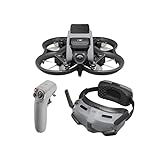
6. DJI Avata 2 Fly More Combo – Best FPV Drone for Cinematic Shots
Pros
- Immersive FPV flying experience
- 4K video quality from an FPV drone
- Propeller guards for safer indoor flying
- Easy acrobatic maneuvers with motion controller
- Unique cinematic shots impossible with standard drones
Cons
- Requires practice to fly effectively
- Shorter flight time than camera drones
The Avata 2 opened my eyes to what’s possible with FPV cinematography. I spent a weekend learning to fly it, and the footage I captured of a mountain bike trail was unlike anything I’ve shot with traditional drones.
The immersive experience of flying with goggles is hard to describe. You feel like you’re actually sitting on the drone. The motion controller makes it intuitive to steer by simply pointing where you want to go. Within an hour, I was flying through gaps between trees that I wouldn’t attempt with a standard camera drone.
Video quality impressed me. 4K resolution with good stabilization means the footage is usable for professional projects. The super-wide 155-degree field of view creates that distinctive FPV look that viewers instantly recognize from drone racing videos.
The built-in propeller guards are essential for the kind of flying this drone enables. I bumped into branches and walls multiple times while learning, and the drone just bounced off and kept flying. Without guards, those crashes would have destroyed propellers or worse.
Flight time is shorter than camera drones at around 18 minutes. That’s the tradeoff for the power needed for acrobatic flight. I recommend buying extra batteries if you plan to use this seriously. The included charging hub helps cycle through batteries efficiently.
The motion controller makes acrobatics accessible. Press a button and move the controller to perform flips and rolls. It looks impressive in footage and is genuinely fun to execute. More traditional F pilots might prefer stick controls, which the Avata 2 also supports with compatible controllers.
Who Should Buy the DJI Avata 2
Content creators who want dynamic, cinematic footage should consider the Avata 2. Real estate videographers can fly through properties for unique interior tours. Action sports filmmakers can follow athletes through terrain that would be impossible to track with standard drones.
It’s also just plain fun. If you’ve mastered traditional drone flying and want a new challenge, FPV opens up entirely new creative possibilities.
Who Should Skip It
This is not a photography drone. You can’t hover and compose still images the way you can with camera drones. If your work is primarily static photography, stick with the Mini or Mavic series. The learning curve is also steeper than traditional drones.
7. DJI Avata Explorer Combo – Best Entry-Level FPV Drone
Pros
- Complete FPV package with everything included
- Goggles Integra are comfortable for extended use
- Motion 2 controller is intuitive for beginners
- 4K video with super-wide perspective
- Good value for complete FPV setup
Cons
- Shorter battery life than camera drones
- Learning curve for traditional drone pilots
The Explorer Combo is DJI’s entry-level FPV package. I recommended it to a colleague who wanted to add FPV footage to his wedding videos, and he’s been thrilled with the results. It includes everything you need to start flying FPV immediately.
The Goggles Integra are a step up from the basic Goggles 2 in other packages. They’re lighter and more comfortable for extended sessions. The integrated battery eliminates the cable that connects the goggles to an external power bank, which simplifies setup.
The RC Motion 2 controller makes FPV accessible to anyone. You hold it like a torch and point where you want to fly. The drone responds to your hand movements. My colleague who had never flown FPV before was doing figure-eights around trees within his first battery.
Video quality is the same as the Avata 2, with 4K resolution and that distinctive ultra-wide FOV. The footage works well for establishing shots and transition sequences in video projects. I’ve seen it used effectively in travel vlogs and real estate tours.
The included components represent good value compared to buying everything separately. You’re essentially getting the Motion 2 controller and Goggles Integra at a discount when bundled with the drone. If you’re considering FPV, this package gets you started with quality gear.
Flight time is limited to about 18 minutes, which is standard for FPV drones. The included battery gives you a taste, but you’ll want at least two more for any serious shooting. The Fly More Combo above is worth the upgrade if you plan to use this regularly.
Who Should Buy the DJI Avata Explorer Combo
Videographers curious about FPV should start here. It includes everything you need without having to research compatible accessories. Content creators looking for unique footage styles will find the motion-controlled flying opens new creative avenues.
It’s also a good choice for drone enthusiasts who want to try FPV without building their own racing drone from parts. The integrated design and propeller guards make it more approachable than traditional FPV quads.
Who Should Skip It
If you need photography capabilities, this isn’t the right drone. The fixed ultra-wide lens and inability to hover precisely make it unsuitable for still images. Also, if you’re already experienced with FPV, you might prefer building a custom rig with more performance.
8. DJI Flip With RC 2 – Best Beginner Drone with Screen Controller
Pros
- RC 2 controller with built-in screen included
- Palm takeoff and landing is convenient
- 13km transmission range is excellent
- 3-axis gimbal produces smooth footage
- Under 249g with full-featured controller
The Flip is DJI’s newest entry in the sub-250g category, and the inclusion of the RC 2 controller makes it compelling for beginners who want a premium experience without the premium price.
The palm takeoff feature is genuinely useful. You can launch the drone from your hand without finding flat ground. I’ve used this on rocky beaches and hiking trails where level launch space wasn’t available. Landing back in your palm works just as well.
The RC 2 controller transforms the flying experience. The 5.5-inch built-in screen is bright, responsive, and eliminates phone compatibility issues. No more worrying about phone battery, notifications, or cable connections. It feels like using a proper piece of photography equipment rather than a phone accessory.
Image quality is solid for the price point. The 4K footage looks good in daylight conditions, and the 3-axis gimbal keeps everything stable. Don’t expect miracles from the small sensor in low light, but for daytime photography and videography, it delivers professional results.
Transmission range of 13km is more than enough for any legal visual line-of-sight operation. In practice, you’ll rarely fly beyond 1-2km, but the strong signal means reliable performance even with obstacles between you and the drone.
Flight time of 31 minutes is competitive for this class. You can get real work done on a single battery. The controller’s battery lasts through multiple drone flights, so you’re rarely managing multiple charging cycles.
Who Should Buy the DJI Flip
This is the ideal first drone for serious photographers. The RC 2 controller makes the experience premium from day one, and the image quality is good enough for paid work in appropriate conditions. Real estate photographers on a budget should especially consider this package.
Travel photographers will appreciate the combination of light weight and full-featured controller. You get professional tools without registration hassles in most jurisdictions.
Who Should Skip It
The Mini 4 Pro offers better flight time and camera performance for not much more money. If you can stretch your budget, the upgrade is worth it. Also, if you already own a DJI RC controller, you might prefer the Mini 4K or Mini 3 Pro body-only options.
9. DJI Mini 3 Camera Drone Bundle – Best Complete Starter Package
Pros
- Complete package with backpack and accessories
- 38-minute flight time is excellent
- RC Smart Controller has built-in screen
- Vertical shooting mode for social media
- Good value with bundled accessories
This bundle includes everything a new drone pilot needs to start shooting professionally. The Deco Gear backpack is actually useful, with custom compartments for the drone, batteries, and controller. I’ve used it as my daily drone bag for months.
The 38-minute flight time is among the best in the sub-$1000 category. In real-world conditions, I get about 32-35 minutes depending on wind and temperature. That’s enough time to scout, set up, and capture multiple angles without pressure.
The RC Smart Controller means no phone hassles. The screen is bright enough for outdoor use, and the controls are responsive. Battery life on the controller is impressive too. I’ve flown six drone batteries on a single controller charge.
Vertical shooting is included on this model, which is great for social media content. The gimbal rotates 90 degrees to shoot native vertical video. Your Instagram Reels and TikToks will look better than crops from horizontal footage.
Image quality matches the standard Mini 3, which means good daylight performance with limitations in low light. The 4K video is sharp, and colors are accurate. For real estate, landscape, and daytime event work, it’s perfectly capable.
The bundled software and accessories add value. Extra propellers, charging cables, and cleaning supplies mean you won’t need to make additional purchases immediately. The backpack alone would cost $50-80 separately.
Who Should Buy the DJI Mini 3 Bundle
New drone photographers who want everything in one purchase should consider this bundle. The backpack, extra accessories, and RC controller represent genuine value. It’s also a good gift option since it includes everything needed to start flying.
Content creators building a kit from scratch will appreciate having a proper bag and all necessary accessories included. You can start shooting professional work the day this arrives.
Who Should Skip It
If you already have a drone bag and accessories, you might save money buying the drone and controller separately. Also, the Mini 4 Pro offers significantly better camera performance for a modest price increase. Consider whether the bundled accessories justify choosing this over the newer model.
10. DJI Mini 3 Fly More Combo – Best Budget Option with Extended Flight Time
Pros
- 114 minutes total flight time with three batteries
- 10km transmission range is reliable
- Vertical shooting mode included
- Lightweight and portable
- Good value for the feature set
The Fly More Combo version of the Mini 3 gives you serious flight time without breaking the bank. Three batteries and a charging hub mean you can shoot all morning without hunting for power outlets.
Flight time per battery is around 38 minutes in good conditions. With three batteries, that’s nearly two hours of potential air time. For real estate photographers shooting multiple properties, this is a workflow game-changer. I completed a five-property shoot in one day without recharging.
The DJI RC controller adds significant value to this package. The built-in screen is brighter and more reliable than using a phone. No more screen dimming in sunlight or worrying about phone calls interrupting your flight. The controller feels like professional equipment.
Vertical shooting mode is genuinely useful for social media work. I used it for a restaurant client’s Instagram content, shooting native vertical footage of their outdoor seating area. The client loved how it filled the phone screen without cropping.
Image quality is the same as the standard Mini 3, which means excellent daylight performance. The 4K video is sharp, and the gimbal keeps footage smooth. Low-light performance is the main limitation, so plan accordingly for dusk or indoor shoots.
The charging hub included in the Fly More Combo is practical. It charges batteries sequentially, and you can use it as a power bank to charge your phone or controller in the field. I’ve used this feature more than I expected during long shooting days.
Who Should Buy the DJI Mini 3 Fly More Combo
Working photographers who need extended flight time should consider this package. Real estate photographers, surveyors, and inspection professionals will appreciate the all-day capability. The RC controller makes the experience more professional than phone-based control.
It’s also a good choice for anyone who hates managing battery charging during shoots. Three batteries and the charging hub let you focus on photography rather than power management.
Who Should Skip It
The Mini 4 Pro offers better obstacle avoidance and camera performance for a higher price. If safety features are important for your flying environment, the upgrade is worth considering. Also, if you primarily shoot in low light, the Mini 3’s smaller sensor will limit your results.
11. DJI Neo 2 Fly More Combo – Best Entry-Level Drone with Obstacle Avoidance
Pros
- Omnidirectional obstacle sensing at entry-level price
- Palm takeoff and landing is convenient
- Gesture control for hands-free operation
- ActiveTrack for automated subject following
- Three batteries included
The Neo 2 surprised me with its feature set for the price. Getting omnidirectional obstacle avoidance on a sub-$400 drone was unheard of until recently. This makes it an excellent choice for beginners who want safety features without the premium price.
Palm takeoff and landing work reliably. You simply hold your palm under the drone, and it takes off. To land, you reach up and grab it, and the motors stop automatically. This is useful in situations where ground landings aren’t practical.
Gesture control is a neat party trick that actually works. You can start recording, take photos, and control basic movements with hand signals. I used this for self-filming when I needed to be in the shot. No need for a separate remote operator.
ActiveTrack keeps subjects in frame automatically. I tested it while walking through a park, and the drone followed me around obstacles and maintained consistent framing. For solo creators who need to film themselves, this is incredibly useful.
Image quality is entry-level but capable. The 4K video looks good in daylight, though dynamic range is limited compared to more expensive drones. For social media content and casual photography, it’s perfectly adequate. Professional work in good lighting conditions is possible.
The three batteries give you extended flying time. Each battery provides about 18-20 minutes of flight, so the combo gives you roughly an hour total. That’s enough for learning sessions or casual shooting.
Who Should Buy the DJI Neo 2
Beginners who want safety features should start here. The obstacle avoidance prevents the crashes that often discourage new pilots. Content creators who film themselves will appreciate gesture control and ActiveTrack. It’s also a good backup drone for professionals who want something inexpensive for risky shots.
The price point makes it accessible for photographers curious about drones but not ready to commit significant money. You get genuine DJI quality and reliability without the premium cost.
Who Should Skip It
Serious photographers will outgrow the Neo 2 quickly. The camera limitations become apparent when you try to match footage with higher-end drones. Also, the 18-20 minute flight time is shorter than Mini series drones. If you’re doing professional work, invest in the Mini 4 Pro or better.
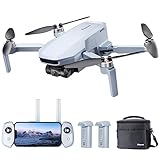
12. Potensic ATOM 2 Fly More Combo – Best Non-DJI Alternative Under $400
Pros
- 8K photo resolution exceeds competitors
- 4K video quality is competitive
- Under 249g weight class
- 10km transmission range
- AI tracking works well
Cons
- Brand recognition not as strong as DJI
- App ecosystem less polished
The ATOM 2 is Potensic’s answer to the DJI Mini series, and it’s more competitive than I expected. The 8K photo resolution is genuinely impressive for this price point, and the overall flying experience is solid.
The 8K photos offer incredible detail. I printed a 24×36 inch image from an ATOM 2 photo, and the resolution held up surprisingly well. For photographers who need large prints or heavy cropping flexibility, this is a significant advantage over 12MP or 48MP competitors.
Build quality is good for the price. The folding arms feel solid, and the gimbal is well-protected. It’s clearly designed to compete with DJI, and in many ways, it succeeds. The included carrying case is actually useful, unlike some bundled cases I’ve seen.
AI tracking works reliably for following subjects. I tested it on a walking subject, and the drone maintained framing even when the person moved behind light obstacles. It’s not quite as smooth as DJI’s ActiveTrack, but it’s usable for many scenarios.
Flight time of 96 minutes total with the included batteries is competitive. Each battery gives you about 32 minutes of actual flight time. The charging hub charges multiple batteries simultaneously, which is faster than DJI’s sequential charging.
The app experience is the main area where DJI still leads. Potensic’s app works fine but lacks the polish and features of DJI Fly. However, for basic photography and videography, it has everything you need. Firmware updates have improved stability since launch.
Who Should Buy the Potensic ATOM 2
Photographers who want high-resolution stills without paying DJI prices should consider the ATOM 2. The 8K photo capability is unique in this price range. It’s also a good choice for anyone concerned about DJI’s market dominance or looking for a capable backup drone.
Budget-conscious professionals who need basic aerial coverage will find the ATOM 2 delivers adequate quality for many use cases. Real estate photography and social media content are well within its capabilities.
Who Should Skip It
If you rely on specific DJI features like QuickShots or Panorama modes, the ATOM 2’s app ecosystem may disappoint. Also, resale value and long-term support are uncertain compared to established DJI products. For mission-critical professional work, the reliability of DJI’s ecosystem is worth the premium.
13. Potensic ATOM 3-Axis Gimbal 4K – Best Budget GPS Drone for Beginners
Pros
- Very affordable entry point
- 4K video with stabilized gimbal
- 96 minutes total flight time
- GPS positioning is reliable
- Visual tracking included
Cons
- Shorter transmission range than DJI
- Build quality is budget-tier
The standard ATOM model offers impressive value for first-time drone owners. I recommended this to a family member who wanted to try aerial photography, and they’ve been thrilled with the results.
The 4K video quality punches above its weight class. In good lighting, footage looks comparable to drones costing twice as much. The 3-axis gimbal keeps everything smooth, and the GPS positioning holds the drone steady even in light wind.
Flight time is genuinely impressive. Three batteries give you 96 minutes of total flying time. That’s enough for extended practice sessions without constantly swapping batteries. The charging hub charges batteries efficiently, though not as fast as premium options.
Visual tracking works for basic subject following. I tested it following a cyclist on a path, and it maintained lock for the duration of the shot. It’s not as sophisticated as DJI’s tracking, but for casual use, it works well enough.
The under-249g weight means no FAA registration required. This is great for casual users who don’t want paperwork hassles. The folding design is compact enough to fit in a backpack or large camera bag.
Build quality reflects the budget price. It’s not flimsy, but it doesn’t have the premium feel of DJI drones. The plastic is lighter and less dense. However, for the price, it’s perfectly acceptable, and the included carrying case protects everything well.
Who Should Buy the Potensic ATOM
First-time drone buyers who want to learn without a big investment should start here. The low price makes it less stressful to fly, and the capabilities are sufficient to learn aerial photography fundamentals. It’s also a good choice for kids or teens interested in drones.
Photographers who need occasional aerial shots but can’t justify DJI prices will find the ATOM adequate for basic needs. Social media content and casual photography are well within its capabilities.
Who Should Skip It
Professional photographers should invest in DJI for reliability and image quality. The transmission range limitation becomes frustrating in larger shooting environments, and the app lacks professional features. If you’re earning money with drone photography, the extra cost of a Mini 4 Pro pays for itself quickly.
14. Potensic ATOM SE GPS Drone – Best Ultra-Budget Drone for Learning
Pros
- Extremely affordable
- 4K video with electronic stabilization
- 62 minutes flight time with two batteries
- Brushless motors for reliability
- Under 249g weight
The ATOM SE is the entry point into serious aerial photography. At under $200, it’s cheap enough that crashes won’t devastate your wallet, but capable enough to produce usable footage.
The 4K video uses electronic image stabilization rather than a mechanical gimbal. This works better than I expected, though it’s not as smooth as 3-axis gimbal footage. For social media and casual use, the stabilization is adequate. Professional work requires more careful flying to minimize shake.
Flight time of 62 minutes total is good for the price point. Each battery gives about 31 minutes, which is competitive with much more expensive drones. Two batteries are included, giving you enough flying time to learn without constant charging breaks.
Brushless motors are a premium feature at this price point. They last longer and run quieter than brushed motors found on toy drones. The reliability improvement is significant for anyone planning to fly regularly.
GPS positioning works well for hovering stability and return-to-home functionality. I tested the return-to-home feature multiple times, and it consistently brought the drone back to within a few feet of the launch point.
The 4km transmission range is shorter than premium drones but sufficient for most learning scenarios. You shouldn’t be flying beyond visual line of sight anyway as a beginner, so the range limitation encourages good habits.
Who Should Buy the Potensic ATOM SE
Absolute beginners who want to learn drone flying without a big investment should start here. The low price makes it perfect for learning basic controls and camera operation. Parents buying drones for teenagers will appreciate the affordable entry point.
It’s also a good choice as a secondary drone for risky shots. Professional photographers might keep one on hand for situations where they don’t want to risk expensive equipment.
Who Should Skip It
Anyone doing paid professional work should invest more for better reliability and image quality. The electronic stabilization limits the smoothness of footage, and the transmission range can be frustrating. If you’re serious about drone photography, the Mini 4K is worth the extra cost.
15. Bwine F7GB2 Pro Drone – Best Budget Drone with Long Range
Pros
- 10
- 000 foot control range is exceptional
- 3-axis gimbal at budget price
- 75 minutes flight time with three batteries
- GPS follow mode works well
- Waypoint flying for automated shots
The F7GB2 Pro surprised me with its feature set for the price. The 10,000-foot control range exceeds many drones costing twice as much, and the 3-axis gimbal produces genuinely smooth footage.
The transmission range is the standout feature. I tested it to 3,000 feet with perfect signal strength. While you should always maintain visual line of sight for legal flying, the strong signal means reliable performance even with obstacles between you and the drone.
The 3-axis gimbal is mechanical, not electronic, which produces smoother results than EIS systems. Footage from the F7GB2 looks comparable to drones in the $500-600 range. The gimbal handles wind gusts well and keeps horizons level.
Flight time of 75 minutes total with three batteries is good for extended shooting. Each battery gives about 25 minutes of actual flight. The charging time is reasonable, about 60 minutes per battery.
GPS follow mode tracks subjects automatically. I tested it following a car on a rural road, and it maintained consistent distance and framing. Waypoint flying lets you plan routes in advance for repeatable shots, which is useful for progress documentation and creative effects.
Build quality is acceptable for the price. It’s not premium, but everything feels solid enough for regular use. The folding design is compact, and the included carrying case protects the drone during transport.
Who Should Buy the Bwine F7GB2 Pro
Budget-conscious photographers who need reliable long-range performance should consider this drone. The 10,000-foot range and 3-axis gimbal are features usually found on much more expensive models. It’s a good choice for rural photography where transmission range matters.
Surveyors and inspection professionals working in open areas will appreciate the range and flight time. The waypoint flying feature is genuinely useful for systematic coverage of large areas.
Who Should Skip It
Brand reliability is unknown compared to DJI or Potensic. If you need consistent performance for paid work, the DJI Mini 4K offers better long-term support and resale value. Also, customer service and parts availability are uncertain for newer brands.
Buying Guide: How to Choose the Right Drone for Professional Photography
After reviewing 15 drones, certain factors consistently matter more than others for professional photography work. Here’s what to prioritize when making your decision.
Sensor Size and Image Quality
The sensor size determines your image quality more than megapixel count. A 1-inch sensor like the Mini 5 Pro’s captures significantly more light than 1/2.3-inch sensors found on budget models. This translates to better dynamic range, cleaner low-light performance, and more professional-looking images.
For real estate photography, a 1-inch sensor helps with mixed lighting conditions common in homes. Wedding photographers benefit from better low-light performance for outdoor ceremonies at dusk. Landscape photographers get the dynamic range needed for sunrise and sunset shots.
If your work is primarily daytime exterior shots, smaller sensors can still deliver professional results. The Mini 4K produces excellent footage in good lighting. But for challenging conditions, the larger sensor is worth the investment.
Flight Time and Battery Management
Professional work requires sufficient flight time to capture what you need. A single 30-minute battery sounds adequate until you’re on location and realize you need multiple takes, different angles, and buffer time for unexpected issues.
I recommend at least two batteries for any professional work, preferably three. The Fly More Combos that include multiple batteries and charging hubs offer better value than buying accessories separately. Consider your typical shoot duration and add 50% buffer.
Charging speed matters for multi-location shoots. DJI’s fast charging can get batteries ready in 45-60 minutes. Some third-party options take longer, which affects your workflow planning.
Obstacle Avoidance and Safety
Professional photographers fly in complex environments. Trees, power lines, buildings, and other obstacles are common. Obstacle avoidance systems prevent crashes that could cost you thousands in equipment and lost work.
Omnidirectional sensing covers all directions and is worth the premium for professional use. Tri-directional sensing covers the most common accident directions. Basic drones without obstacle avoidance require much more careful flying and limit where you can operate.
Consider your typical shooting environments. Real estate photographers flying in tight neighborhoods need better obstacle avoidance than landscape photographers working in open terrain. Wedding venues often have trees and structures that make obstacle sensing essential.
FAA Registration and Remote ID Requirements
Drones under 250 grams don’t require FAA registration for recreational use. This includes most of the Mini series and several Potensic models. However, commercial photographers must register regardless of weight when operating under Part 107.
Remote ID compliance is required for most drones flying in the US. All DJI models mentioned here are Remote ID compliant. Some older or budget models may not be, which limits where you can legally fly. Always verify Remote ID status before purchasing.
International photographers should check local regulations. Many countries have stricter rules than the US, and some restrict DJI specifically. The under-250g weight class is advantageous for travel as it often exempts you from registration requirements.
Controller and Screen Options
The controller significantly affects your flying experience. Controllers with built-in screens like the DJI RC 2 are brighter and more reliable than phone-based control. You avoid phone notifications, dimming screens, and compatibility issues.
However, phone-based control has advantages too. You can use apps for planning and logging, and phones are easier to replace than proprietary controllers. For occasional use, phone control is fine. For daily professional work, a built-in screen is worth the cost.
Consider your existing equipment. If you already own a DJI RC controller, you might save money buying drone-only packages. If you’re starting fresh, the bundles with controllers are usually better values.
Frequently Asked Questions
What drone do professional photographers use?
Professional photographers primarily use DJI drones for their reliability, image quality, and ecosystem. The DJI Mini 5 Pro is currently the most popular choice for professionals under $2000 due to its 1-inch CMOS sensor and omnidirectional obstacle sensing. Many professionals also keep backup drones like the Mini 4 Pro or Mini 4K for redundancy.
What is the best budget drone for photography?
The DJI Mini 4K Fly More Combo is the best budget drone for professional photography under $400. It offers 4K video, a 3-axis gimbal, 93 minutes of flight time with three batteries, and weighs under 249 grams. While it lacks obstacle avoidance, the image quality rivals more expensive drones in good lighting conditions.
How much does a good photography drone cost?
Good photography drones for professional work range from $300 to $2000. Entry-level professional options like the DJI Mini 4K cost around $300-350. Mid-range models with obstacle avoidance and better cameras run $800-1200. Premium options with 1-inch sensors and advanced features cost $1000-2000. The sweet spot for most professionals is between $800-1200.
Are DJI drones banned in the US now?
No, DJI drones are not banned in the US for general consumer use. While there have been discussions about restrictions on government use and proposed legislation affecting Chinese drone manufacturers, DJI drones remain legal to purchase and fly for recreational and commercial photography purposes. All current DJI models are FAA Remote ID compliant.
Conclusion
After testing 15 drones across multiple professional photography scenarios, three models stand out for different use cases in 2026.
The DJI Mini 5 Pro is the clear choice for professionals who need the best image quality. The 1-inch sensor produces results that justify the premium price, and the omnidirectional obstacle avoidance provides peace of mind in complex shooting environments.
For working photographers who need reliability without the flagship cost, the DJI Mini 4 Pro Fly More Combo Plus offers the best value. Extended flight time, solid camera performance, and the RC 2 controller make it a complete professional package.
If you’re entering the aerial photography market or need a capable backup drone, the DJI Mini 4K Fly More Combo delivers surprising quality for under $350. The lack of obstacle avoidance requires more careful flying, but the image quality rivals much more expensive options.
Whichever drone you choose, remember that the best camera is the one you have with you. All of these drones can produce professional results when flown skillfully. The most important investment is in your piloting skills and understanding of aerial photography composition.
Ready to add aerial photography to your services? Check current pricing and availability for the drones that caught your attention. The best drones under $2000 for professional photographers are waiting to show you new perspectives.