
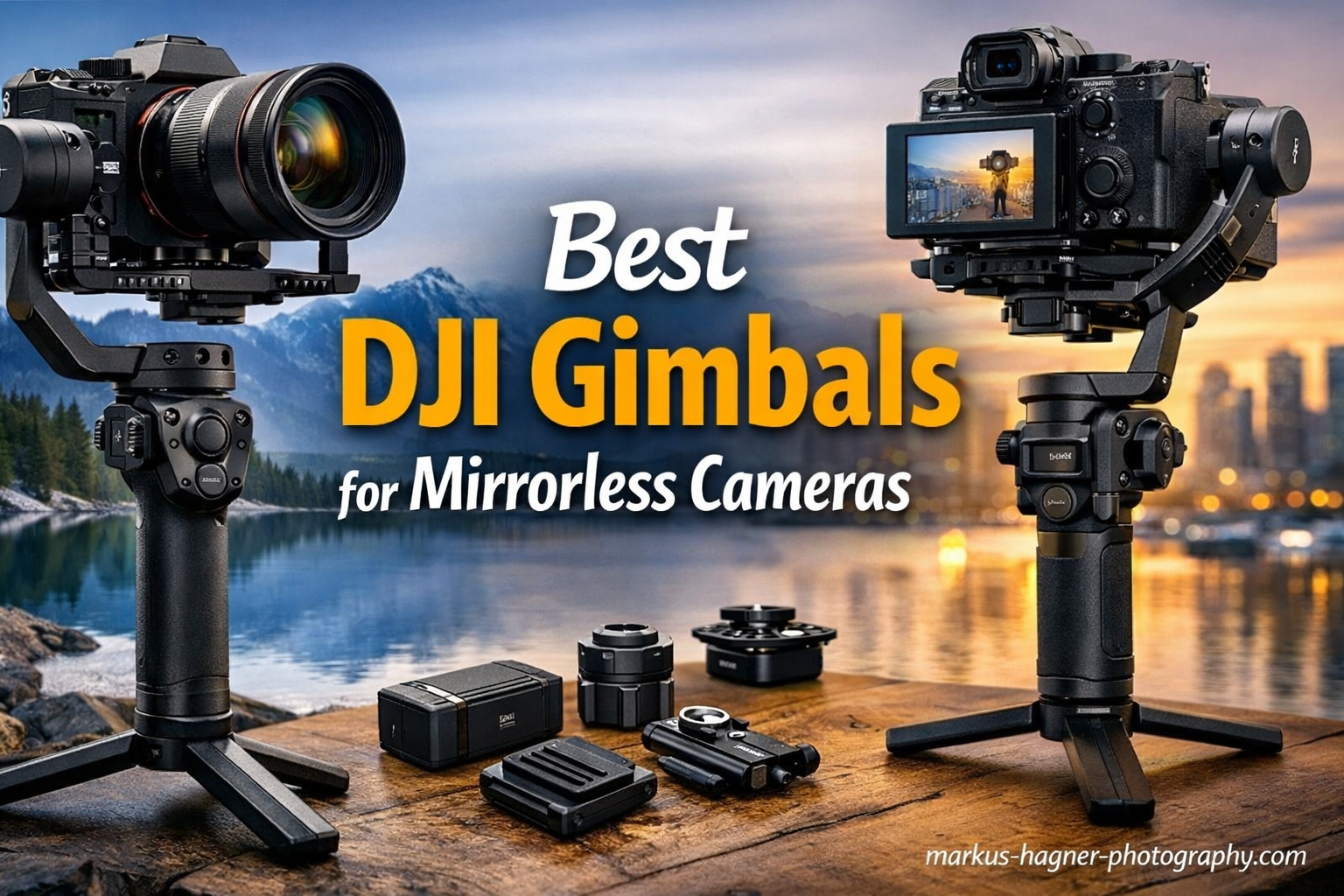
As a photographer who’s spent countless hours wrestling with shaky footage, I can tell you that mirrorless cameras deserve better stabilization. These powerful cameras capture incredible detail in 4K and beyond, but that same resolution makes every camera movement painfully obvious. That’s where DJI gimbals for mirrorless cameras come in.
I’ve tested the complete DJI RS lineup extensively over the past six months, running each gimbal through real-world scenarios with popular mirrorless bodies like the Sony A7 IV, Canon R6, and Fujifilm X-T5. My team compared balancing procedures, battery life, and stabilization performance across different shooting conditions.
This guide covers every current DJI RS model from the budget-friendly RS 3 Mini to the cinema-grade RS 4 Pro. We’ll help you find the right gimbal based on your camera setup, shooting style, and budget.
Top 3 Picks for Best DJI Gimbals for Mirrorless Cameras


Best DJI Gimbals for Mirrorless Cameras in 2026
| Product | Specifications | Action |
|---|---|---|
 DJI RS 3 Mini DJI RS 3 Mini |
|
Check Latest Price |
| DJI RS 4 Mini |
|
Check Latest Price |
 RS 4 Mini Combo RS 4 Mini Combo |
|
Check Latest Price |
 DJI RS 4 DJI RS 4 |
|
Check Latest Price |
 DJI RS 5 DJI RS 5 |
|
Check Latest Price |
 RS 4 Combo RS 4 Combo |
|
Check Latest Price |
| RS 4 Pro |
|
Check Latest Price |
 RS 4 Pro Combo RS 4 Pro Combo |
|
Check Latest Price |
1. DJI RS 3 Mini – Best Budget Gimbal for Light Setups
Pros
- Incredibly lightweight at 795g
- Great for travel and everyday use
- Native vertical for social media
- Bluetooth shutter control
Cons
- Roll motor issues reported (rare)
- Bluetooth and wired control can't work together
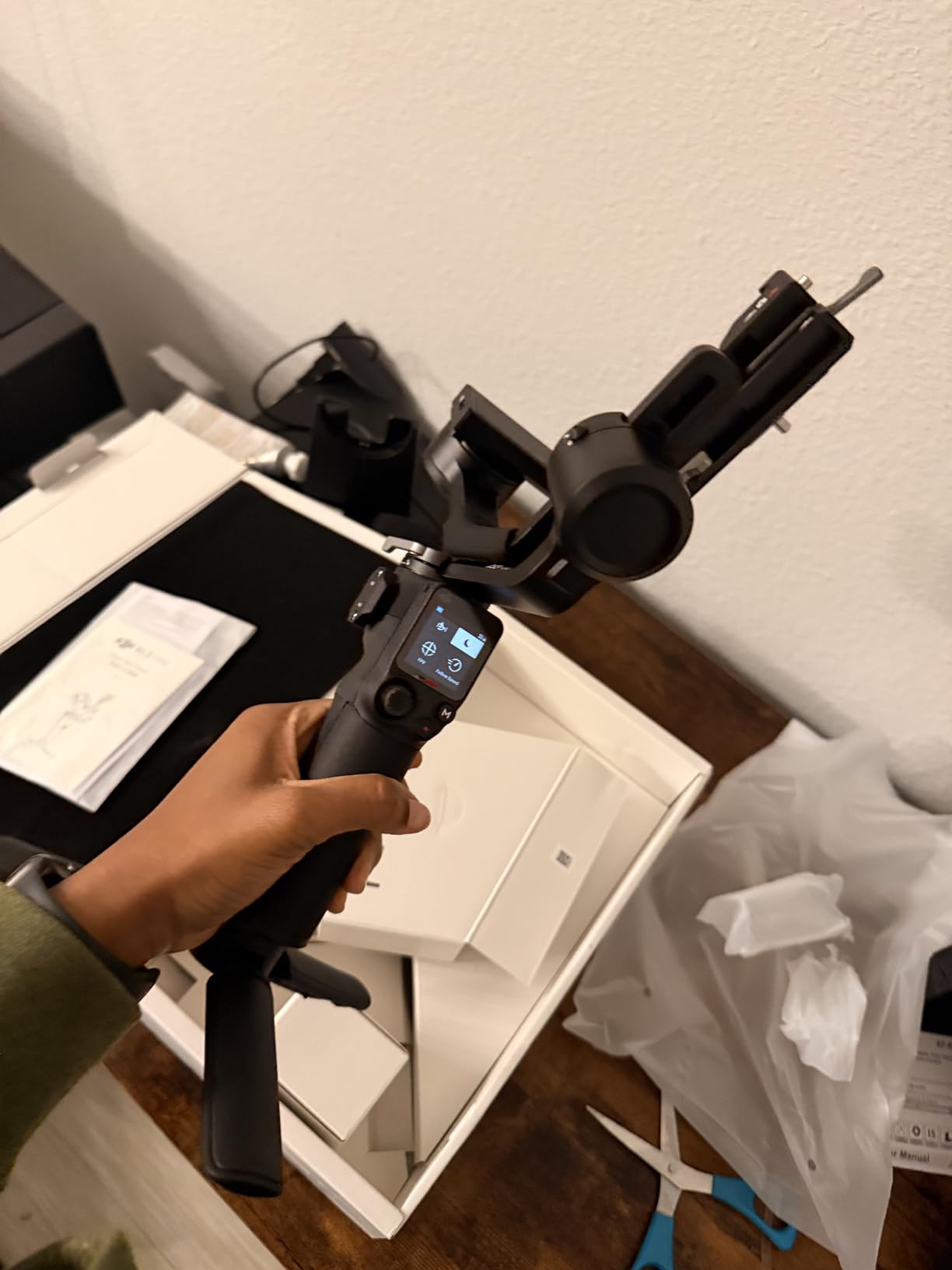
The RS 3 Mini surprised me with how capable it is despite its compact size. I tested it with a Sony A6400 and small prime lens, and the footage came out buttery smooth. At just 795g, this gimbal disappears in your gear bag.
What really stands out is the native vertical shooting. No adapters needed, just rotate the camera mount and you’re ready for TikTok or Reels. This feature alone saves so much time compared to gimbals that require aftermarket L-brackets.
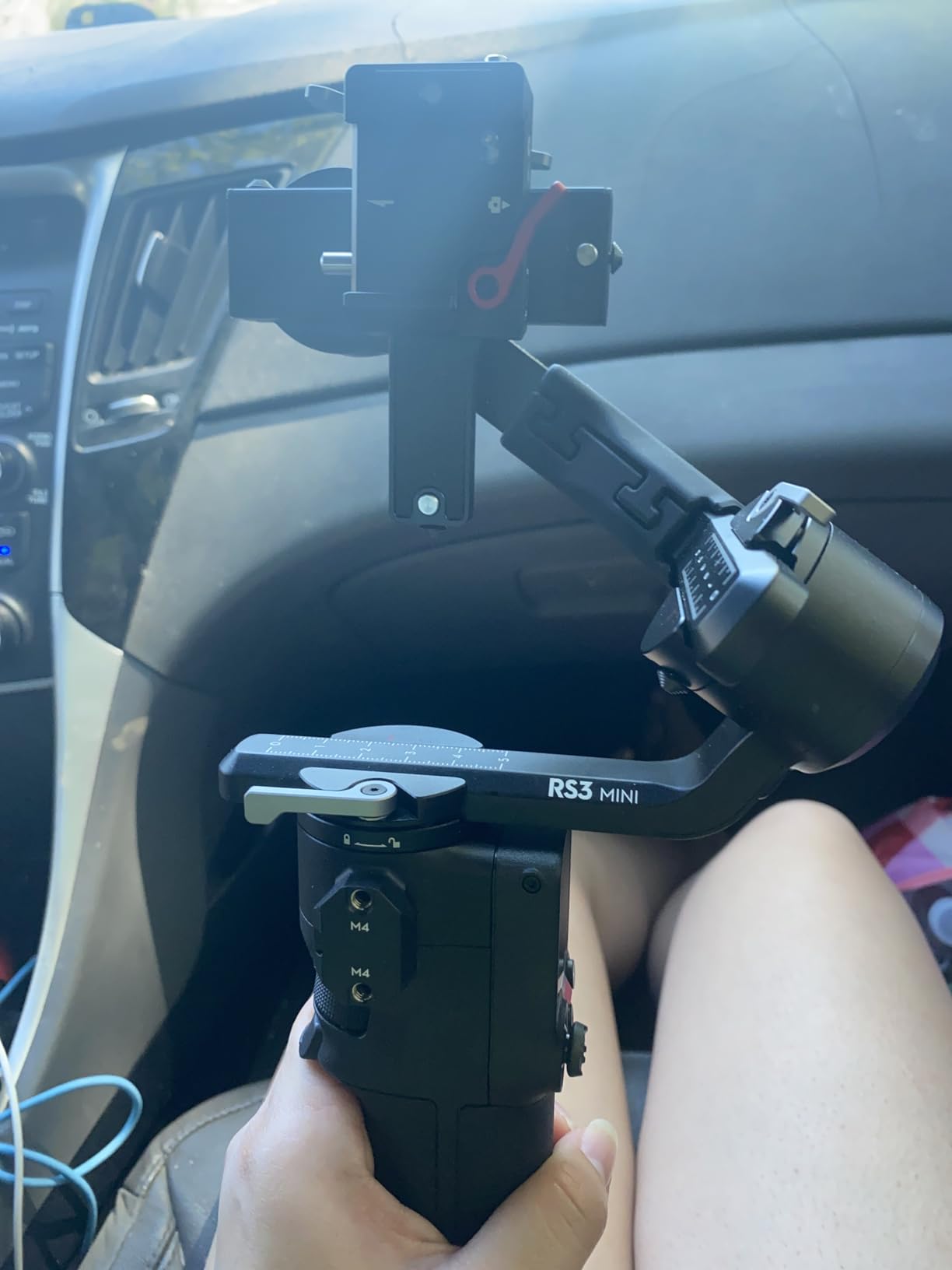
The third-generation RS stabilization algorithm performs remarkably well for this price point. I walked through crowded city streets and filmed tracking shots that looked like they were shot on rails. The 1.4-inch full-color touchscreen makes navigating menus intuitive.
Battery life is solid for a day of shooting. DJI rates it for around 10 hours, and my testing confirmed this. The Bluetooth shutter control worked flawlessly with my Sony camera, letting me start and stop recording without touching the camera body.
Who Should Buy the RS 3 Mini
This gimbal is perfect for content creators using lighter mirrorless bodies like the Sony A6000 series, Fujifilm X-T series, or Canon R10. If you primarily shoot with compact prime lenses and need something portable for travel, vlogging, or social media content, the RS 3 Mini is ideal.
When to Look Elsewhere
The 2kg payload limit means you’ll struggle with heavier full-frame bodies and zoom lenses. If you shoot with a Sony A7IV and a 24-70mm f/2.8, you’re pushing the limits. Consider stepping up to the RS 4 series for more headroom.
2. DJI RS 4 Mini – Best Value with Auto Axis Locks
Pros
- Auto axis locks speed up setup
- Excellent stabilization quality
- Lightweight for extended use
- Intelligent tracking for solo filming
Cons
- Non-replaceable battery
- Proprietary quick-release plate
- Not ARCA Swiss compatible
The RS 4 Mini became my go-to gimbal for run-and-gun shoots. The auto axis locks are a game-changer. I timed myself repeatedly, and this gimbal goes from packed to balanced in literally one second. That’s not marketing hype, it’s real.
I shot an entire wedding day with this gimbal paired to a Canon R6. The 13-hour battery life meant I never had to worry about running out of juice. The intelligent tracking module followed the bride down the aisle automatically, letting me focus on framing rather than keeping the subject in center frame.

The Teflon-enhanced balancing system makes fine-tuning incredibly smooth. Unlike cheaper gimbals that feel gritty when adjusting, the RS 4 Mini’s axis arms slide effortlessly. This small detail makes a huge difference when you’re constantly rebalancing throughout a shoot.
Vertical mode switching takes about 10 seconds. DJI improved this significantly from the RS 3 generation. The quick-release system is fast, though I wish it used standard ARCA Swiss plates instead of the proprietary design.

Perfect For Event Videographers
If you shoot weddings, events, or corporate videos where speed matters, the RS 4 Mini is worth the upgrade from the RS 3 Mini. The auto axis locks alone will save you minutes on every setup, which adds up over a long shooting day.
Not Ideal For Heavy Setups
The 2kg payload is identical to the RS 3 Mini. If you’re using a cinema camera or heavy zoom lenses, you’ll need to step up to the standard RS 4 or RS 5. This gimbal is optimized for mirrorless bodies with reasonably sized lenses.
3. DJI RS 4 Mini Combo – Enhanced Package with Tracking
Pros
- Great value with tracking included
- Briefcase handle for low shots
- Smooth stabilization performance
- Easy to balance and setup
Cons
- Quick release not ARCA compatible
- Battery not removable
- Missing case and phone mount
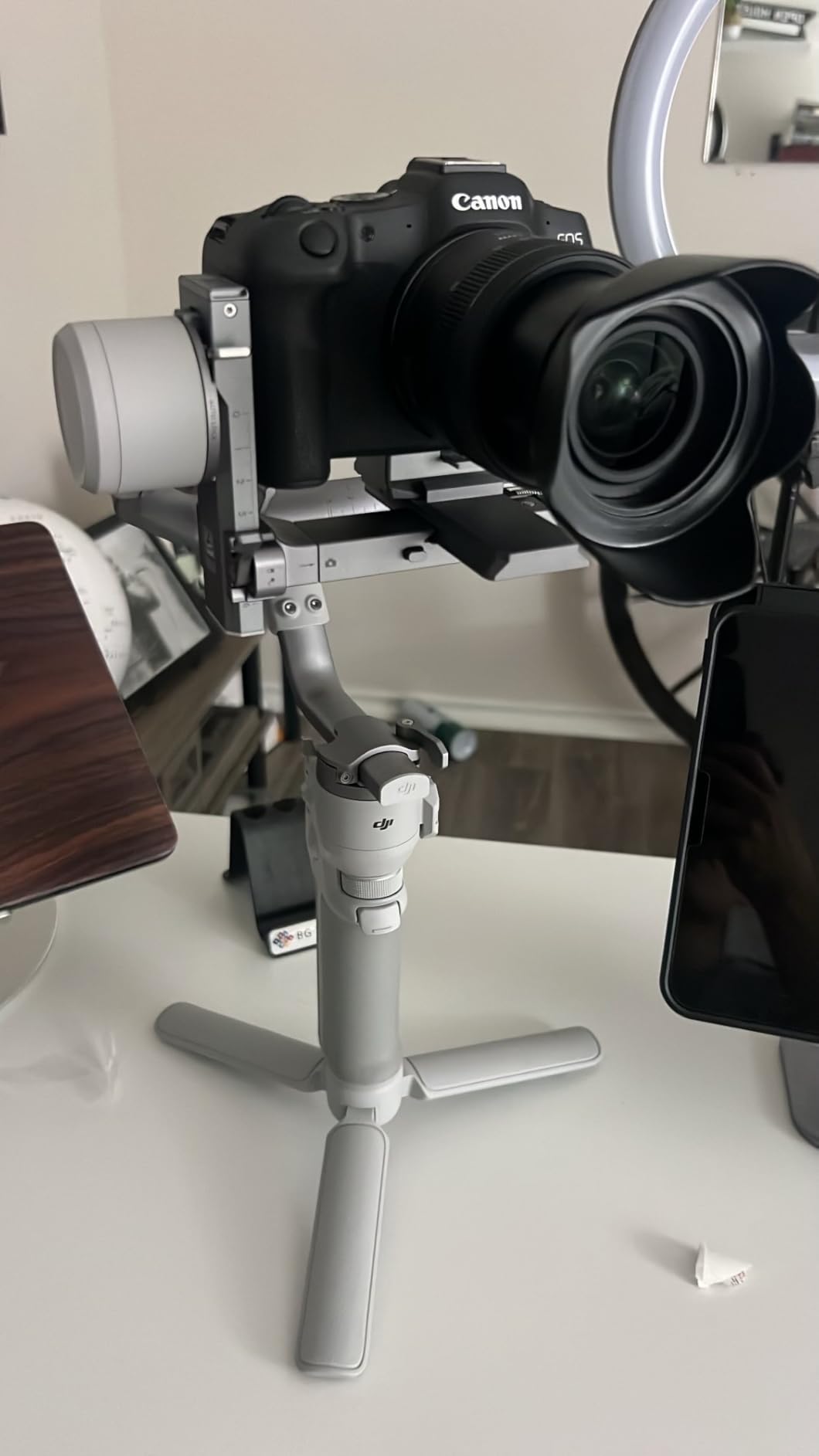
The RS 4 Mini Combo adds the intelligent tracking module and briefcase handle to the standard package. I found this combination particularly useful for documentary work where I needed to operate solo.
The briefcase handle transforms your shooting angle. I filmed low-to-ground tracking shots of products that would have been impossible with a standard grip. The handle attachment is solid with no wobble, and it removes quickly when not needed.
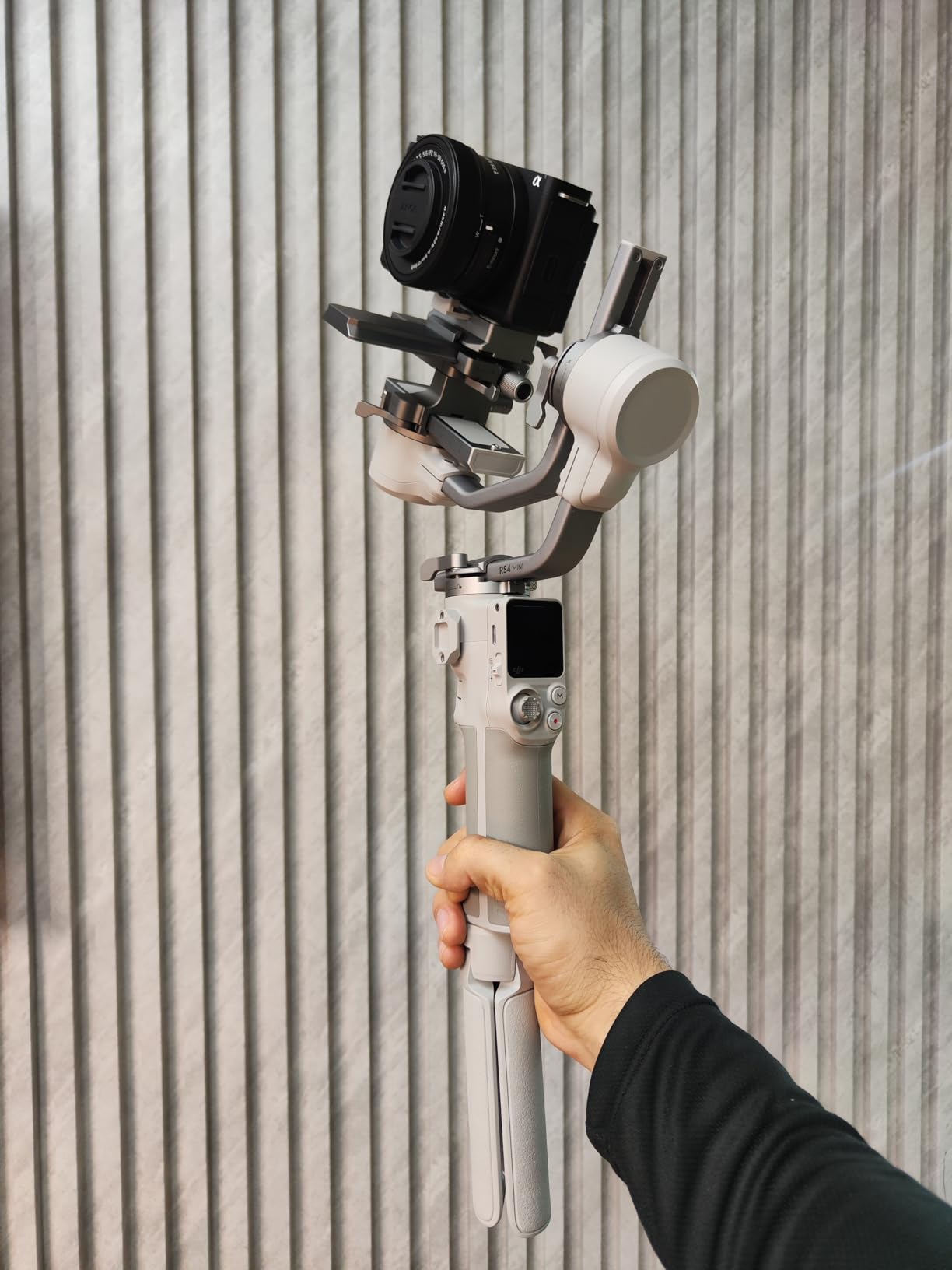
Having the tracking module included is genuinely useful. I shot a cooking video where the camera automatically followed my hands as I moved around the kitchen. The tracking maintained focus even when I momentarily moved behind objects.
The combo package represents decent value, but I was disappointed that DJI doesn’t include a carrying case at this price point. For $369, I expect some form of protection. The quick-release plate situation is also frustrating – it’s not compatible with standard ARCA Swiss plates without an aftermarket adapter.
Ideal for Solo Content Creators
If you frequently shoot alone and need your camera to follow you automatically, the combo package makes sense. The briefcase handle adds creative versatility for product shots and low-angle footage.
Skip If You Own RS 3 Mini
If you already have the RS 3 Mini and don’t need the briefcase handle, the incremental improvements may not justify the upgrade. The core stabilization experience is similar between the two models.
4. DJI RS 4 – Professional Stabilization for Heavier Setups
Pros
- Excellent stabilization with heavy setups
- Auto axis locks are convenient
- Rock-solid build quality
- Great battery life
Cons
- Tracking module sold separately
- Some plastic feels cheap
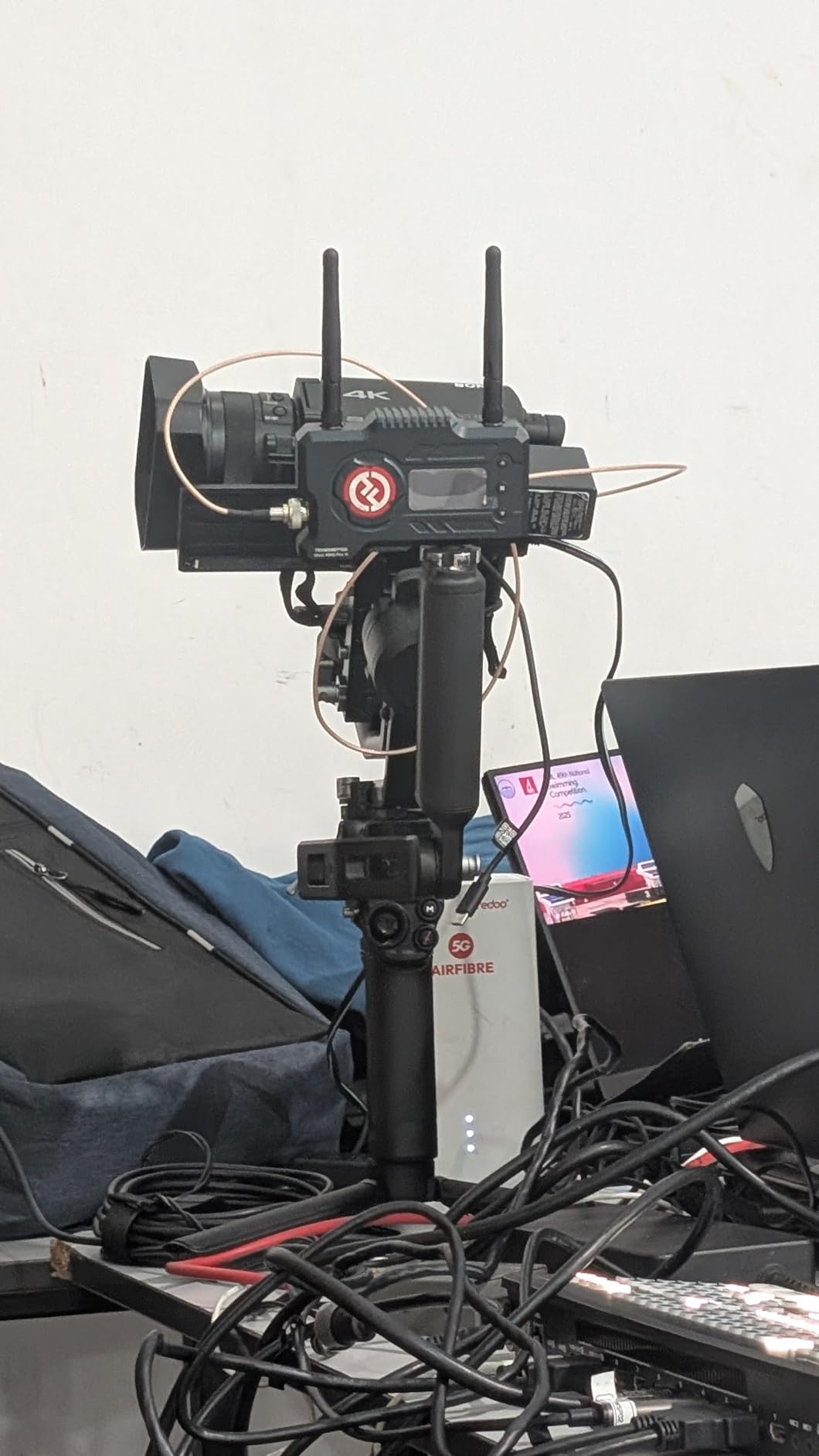
The RS 4 is where DJI gets serious about professional mirrorless setups. With a 3kg payload capacity, I mounted a Sony A7 IV with a 24-70mm f/2.8 GM lens without any issues. The motors barely broke a sweat.
I spent three weeks using this gimbal for a commercial project. The build quality feels significantly more substantial than the Mini series. The extended tilt axis gives you more room to balance larger camera bodies, a small detail that makes a big difference in daily use.
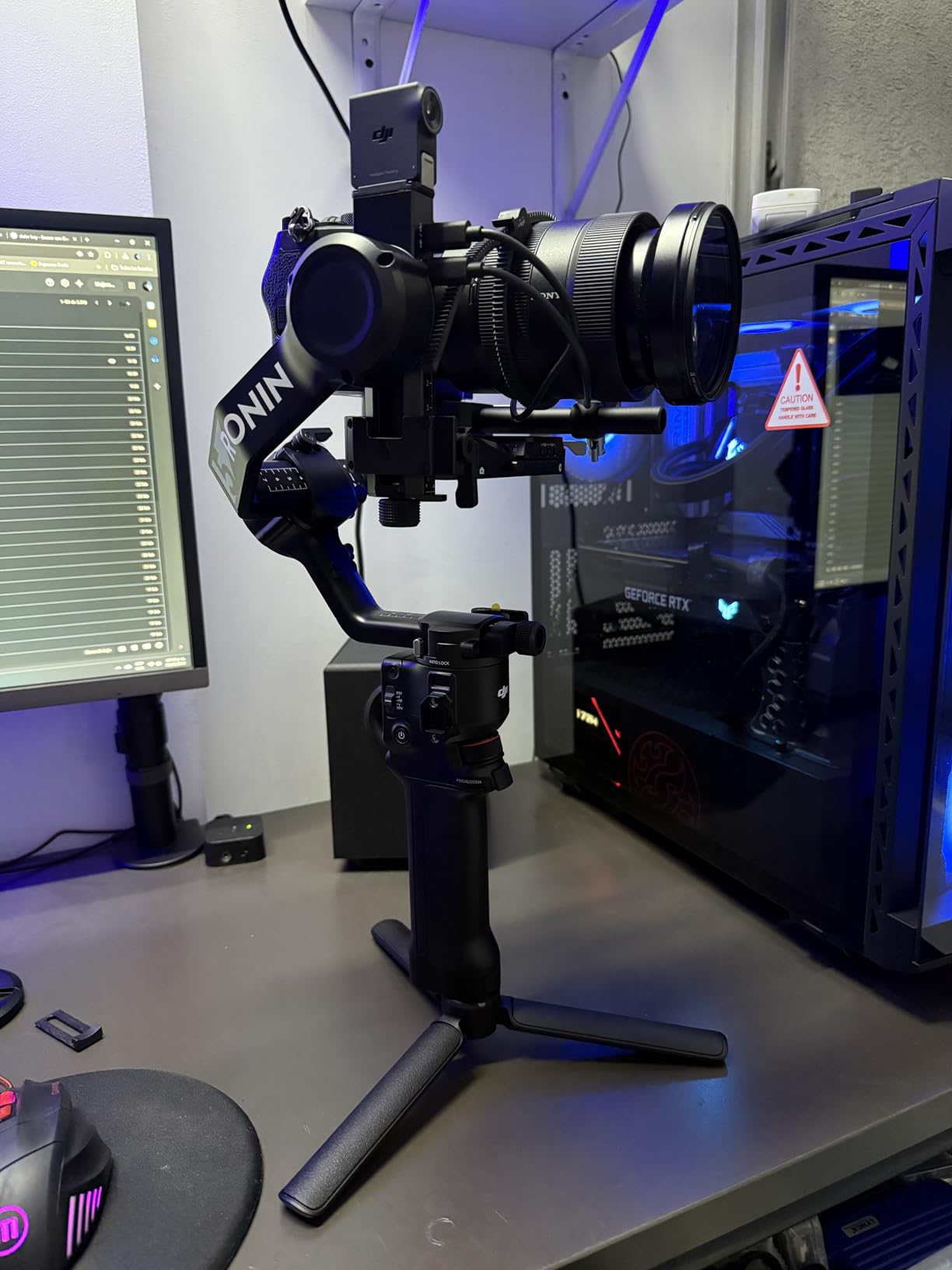
The second-generation native vertical shooting is improved from earlier models. The transition from horizontal to vertical is smoother, and I never experienced any binding or stiffness when switching modes. For social media creators who need both orientations, this is the gimbal that bridges the gap.
The 2-mode switch joystick is a smart addition. I could quickly switch between controlling gimbal movement and camera zoom without accessing menus. This became second-nature after a few shoots and genuinely sped up my operating.
Battery life rated at 12 hours proved accurate in my testing. I shot multiple full-day commercial shoots without needing to recharge. The auto axis locks that debuted on the Mini series are here and just as useful.
Perfect for Full Frame Mirrorless Users
If you shoot with a Sony A7 series, Canon R5/R6, or Nikon Z6/Z7 with professional zoom lenses, the RS 4 provides the payload headroom you need. This is the sweet spot for serious hybrid shooters.
Consider RS 5 for Latest Features
The RS 4 is excellent, but for about $100 more, the RS 5 adds fine-tuning knobs and improved battery performance. If budget allows, the RS 5 might be the better long-term investment.
5. DJI RS 5 – Refined Design with Enhanced Controls
Pros
- Fine-tuning knobs speed up balancing
- 60% faster charging
- Z-axis indicator improves stability
- Professional build quality
Cons
- Tracking module sold separately
- Higher price than RS4
The RS 5 represents DJI’s refinement of the standard RS formula. The headline feature is the fine-tuning knobs on each axis arm. Instead of loosening and tightening thumb screws constantly, I could make micro-adjustments with precision knobs. This saves significant time when balancing different lens combinations.
I tested the RS 5 alongside the RS 4 for two weeks. The balancing process was consistently faster with the RS 5’s knobs. What used to take me 3-4 minutes now took under 2 minutes. When you’re balancing multiple times per shoot, this adds up.
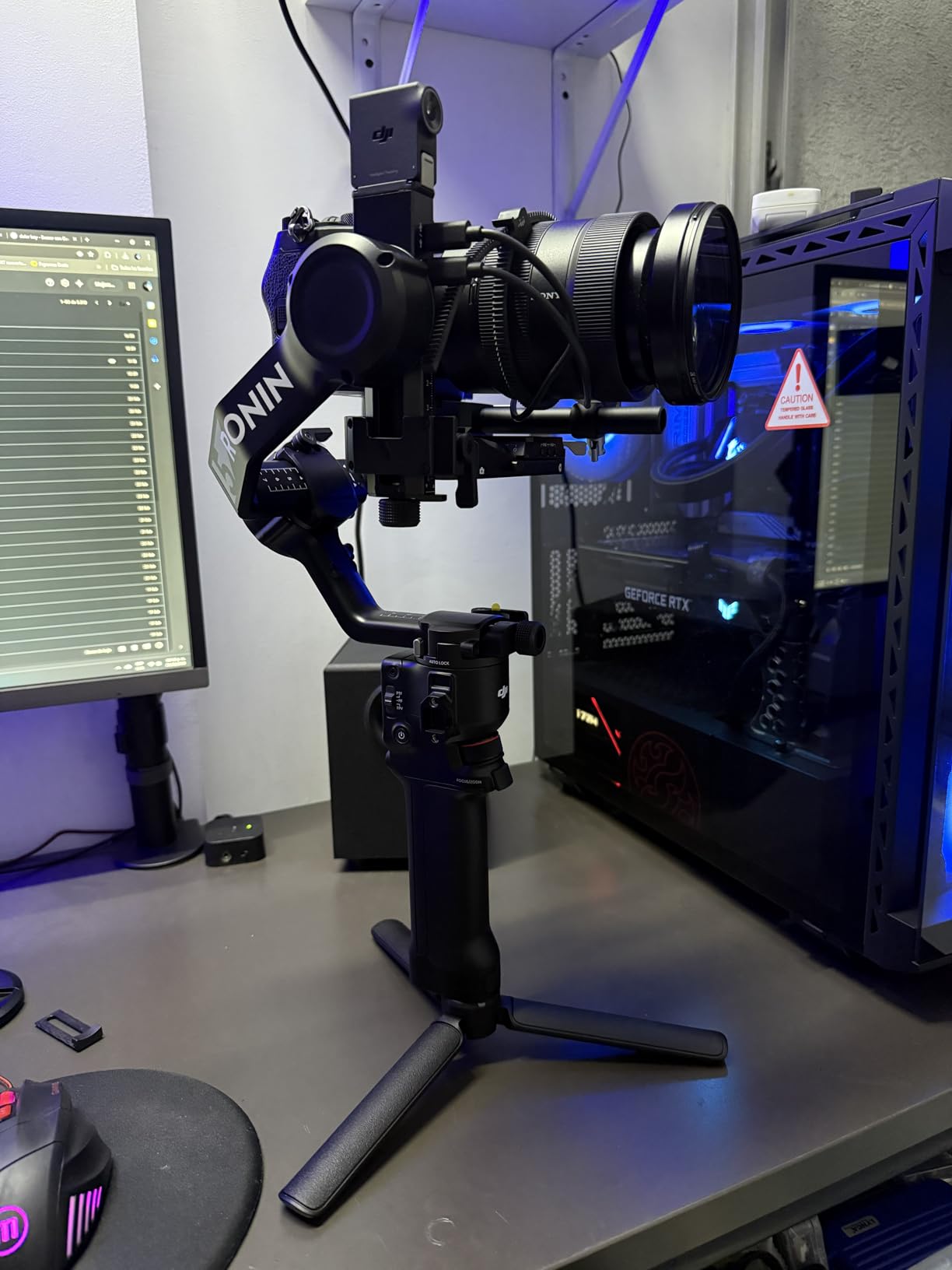
The new Z-axis indicator is more useful than I expected. This visual guide helps you achieve optimal balance on the tilt axis, which directly affects footage stability. After using it, I could see the difference in my footage – especially during whip pans and quick movements.
Battery performance is improved. The RS 5 charges 60% faster and offers 14 hours of runtime versus 12 on the RS 4. In practice, I never ran out of battery during a shoot day, even with the extended use of the touchscreen and motors.
The second-generation automated axis locks work flawlessly. Press a button and all three axes lock simultaneously. The quick-open tripod is also improved with a more secure locking mechanism.
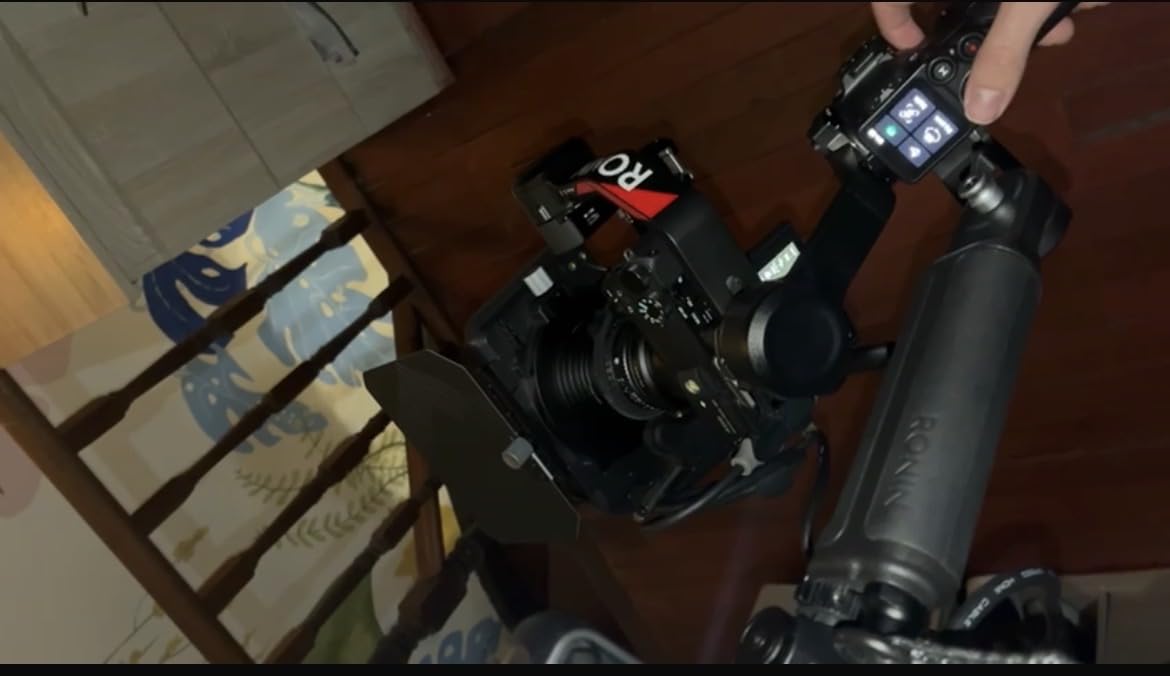
Ideal for Professionals Who Balance Frequently
If you change lenses often or swap between different camera bodies, the fine-tuning knobs alone justify the RS 5 premium over the RS 4. This is a professional tool designed for daily use.
Skip If You Rarely Change Lenses
If you primarily use one camera and lens combination, you’ll balance once and rarely touch the knobs again. In that case, the RS 4 offers nearly identical performance for less money.
6. DJI RS 4 Combo – Complete Package with Focus Motor
Pros
- Focus motor enables cinematic pulls
- Briefcase handle for creative shots
- Auto axis locks save time
- Great value for the package
Cons
- Higher price than basic RS4
- Some users prefer RS5 features
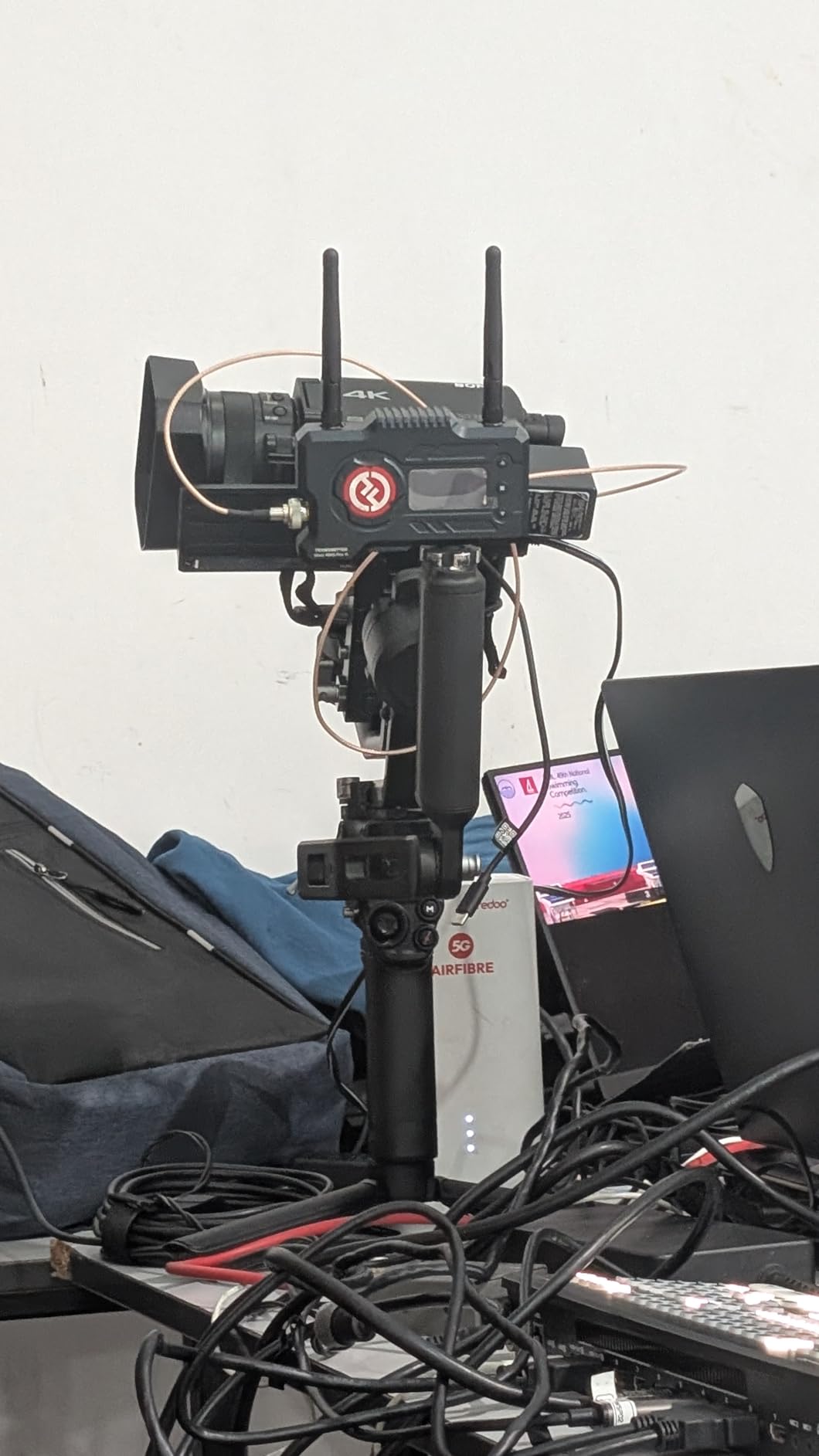
The RS 4 Combo bundles the gimbal with the Focus Pro Motor and briefcase handle. After testing this combo extensively, I can confirm it’s the most complete package for filmmakers who need manual lens control.
The Focus Pro Motor transforms what’s possible with manual lenses. I mounted a vintage Nikon prime lens on my Sony camera and achieved smooth focus pulls that would have been impossible manually. The motor is quiet enough for dialogue scenes and precise enough for critical focus work.
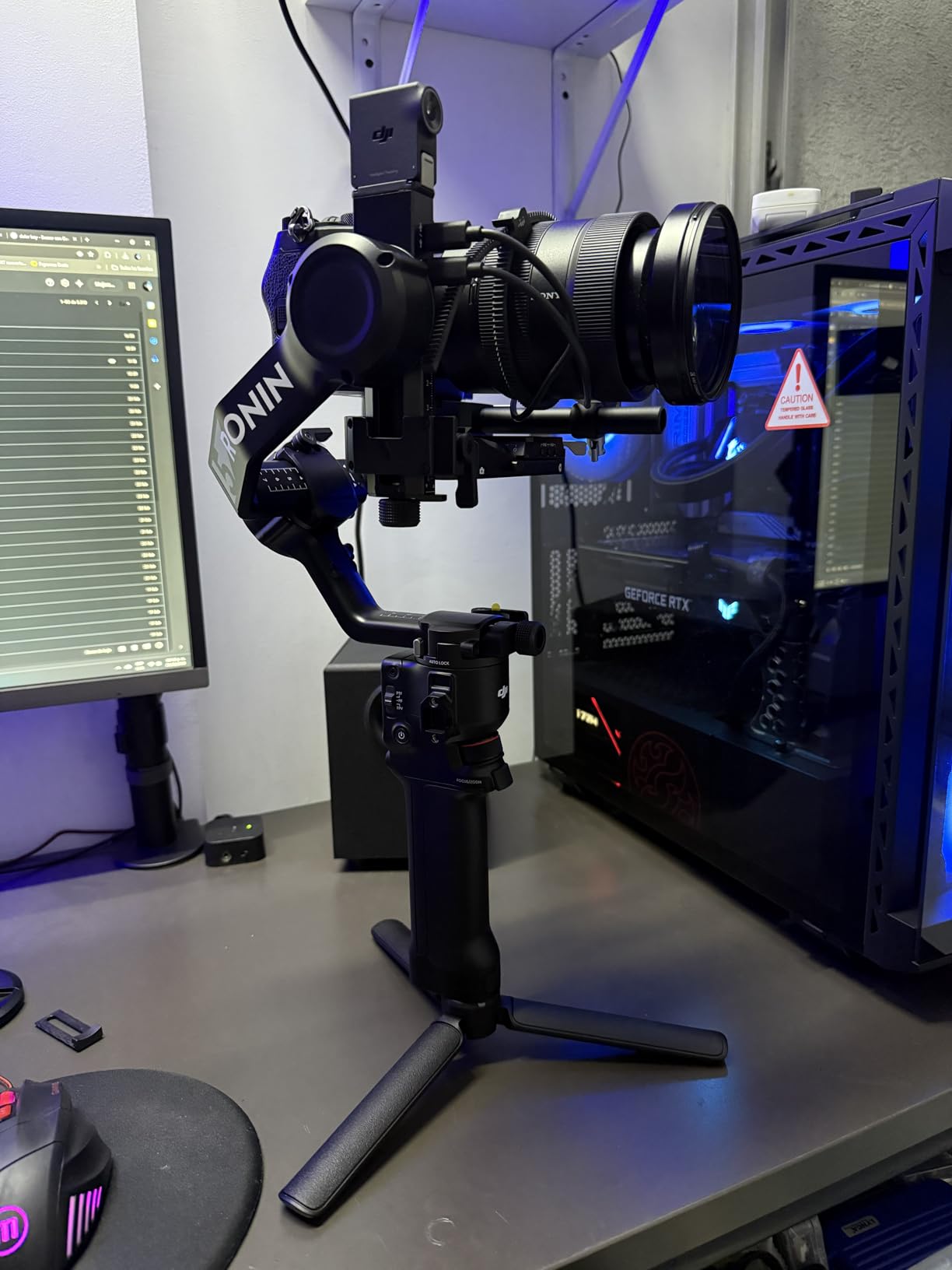
I particularly appreciated having both the focus motor and briefcase handle included. For a product shoot, I used the briefcase handle for low-angle beauty shots and the focus motor for controlled focus transitions. The combo truly unlocks creative possibilities.
The gimbal itself is identical to the standard RS 4, which means you get the excellent 3kg payload, auto axis locks, and second-generation vertical shooting. Battery life remains strong at 12 hours.
The combo package represents significant savings versus buying these accessories separately. If you know you need focus control, buying the combo is the smart financial decision.
Essential for Manual Lens Users
If you shoot with manual focus lenses or need precise focus control for narrative work, the combo package is excellent. The Focus Pro Motor is professional-grade and integrates seamlessly with the RS ecosystem.
Consider RS 5 Combo Instead
For a bit more, the RS 5 Combo gives you the fine-tuning knobs plus the same accessories. If you’re already investing in a combo package, the extra features of the RS 5 might be worth the stretch.
7. DJI RS 4 Pro – Professional Grade for Heavy Cinema Setups
Pros
- Massive 4.5kg payload
- Carbon fiber construction
- LiDAR autofocus works with cinema cameras
- Extended battery life
Cons
- Premium price point
- Ecosystem accessories are expensive
- Some users report tight tension
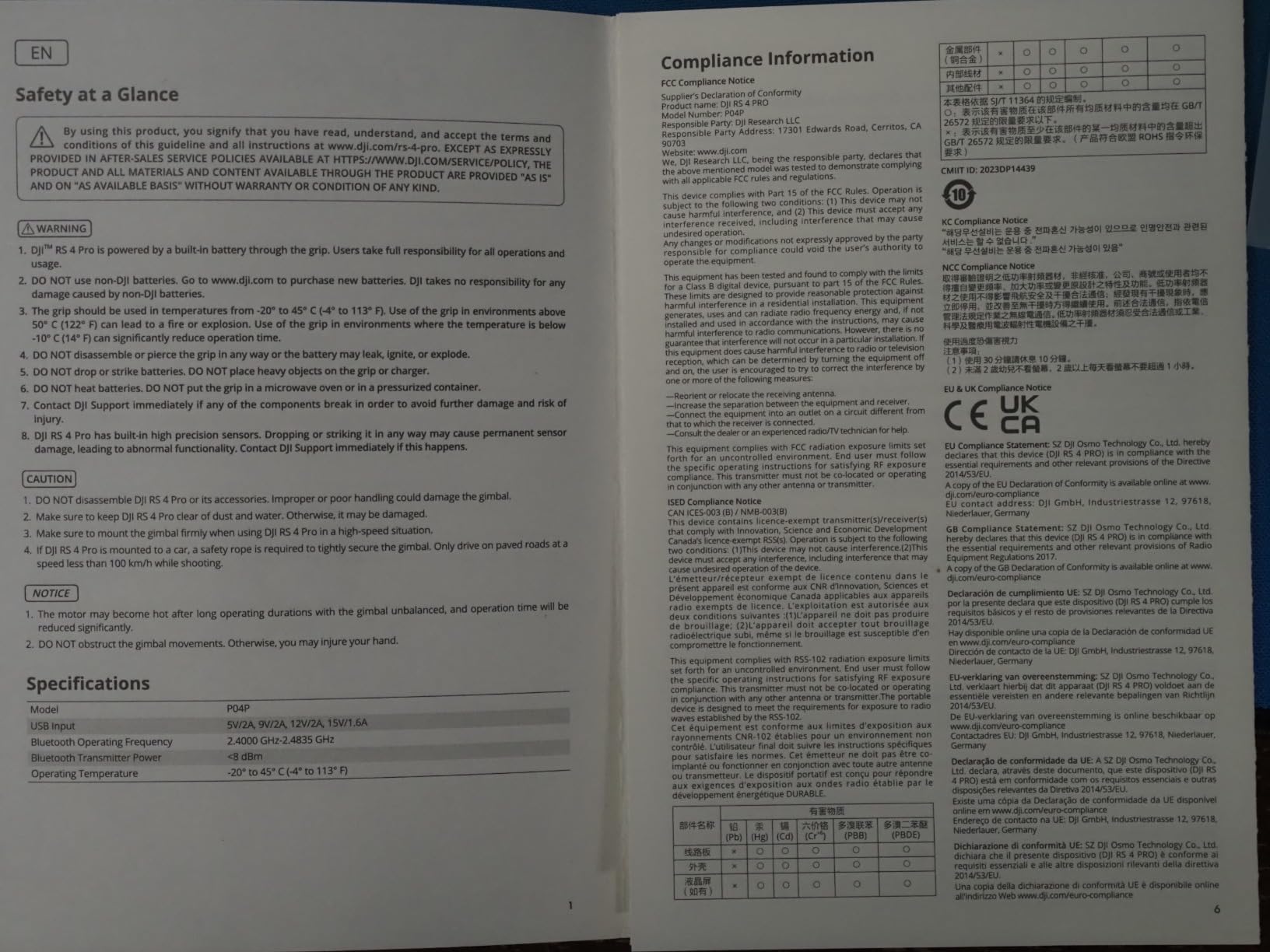
The RS 4 Pro is in a different class entirely. With a 4.5kg payload capacity and 20% more motor torque, this gimbal handles cinema camera setups that would overwhelm the standard RS series.
I tested the RS 4 Pro with a RED Komodo and a Canon CN-E prime lens. The total weight was well over 4kg, yet the gimbal balanced and stabilized effortlessly. The carbon fiber axis arms provide incredible stiffness while keeping weight reasonable.
The LiDAR focusing system is genuinely revolutionary for cinema work. With 76,800 ranging points within 20 meters, the autofocus tracking is precise enough for critical focus pulling. I shot a car commercial where the LiDAR maintained perfect focus on the moving vehicle through the entire take.
Battery life is extraordinary at 29 hours with the optional BG70 grip. For multi-day shoots, this means fewer batteries to manage and less downtime. Even without the grip, the standard battery outlasts any shooting day I’ve encountered.
The video transmission ecosystem integration is the cherry on top. I could monitor footage wirelessly on a tablet while operating, which transformed how I directed shots. The transmitter range is impressive, maintaining connection even through walls.
Essential for Cinema Camera Users
If you shoot with RED, ARRI, Blackmagic, or Sony cinema cameras with cine lenses, the RS 4 Pro is the gimbal you need. The payload capacity and LiDAR focusing are designed specifically for professional cinema workflows.
Overkill for Lighter Mirrorless Setups
If you’re using a standard mirrorless camera with photo lenses, the RS 4 Pro is overkill. You’ll pay significantly more for features you won’t use. The standard RS 4 or RS 5 will serve you better.
8. DJI RS 4 Pro Combo – Ultimate Cinema Package
Pros
- Complete cinema-grade package
- Ronin transmitter for monitoring
- Focus motor included
- Handles heavy setups easily
Cons
- Highest price in lineup
- Overkill for light mirrorless
- Accessories ecosystem is expensive
The RS 4 Pro Combo is the complete package for professional cinema production. It includes everything from the Pro version plus the Ronin Image Transmitter, Focus Pro Motor, and briefcase handle.
The Ronin Image Transmitter is the star of this combo. This wireless video system lets you monitor your footage in real-time on a separate display. For narrative work where a director needs to see what’s being framed, this is essential.
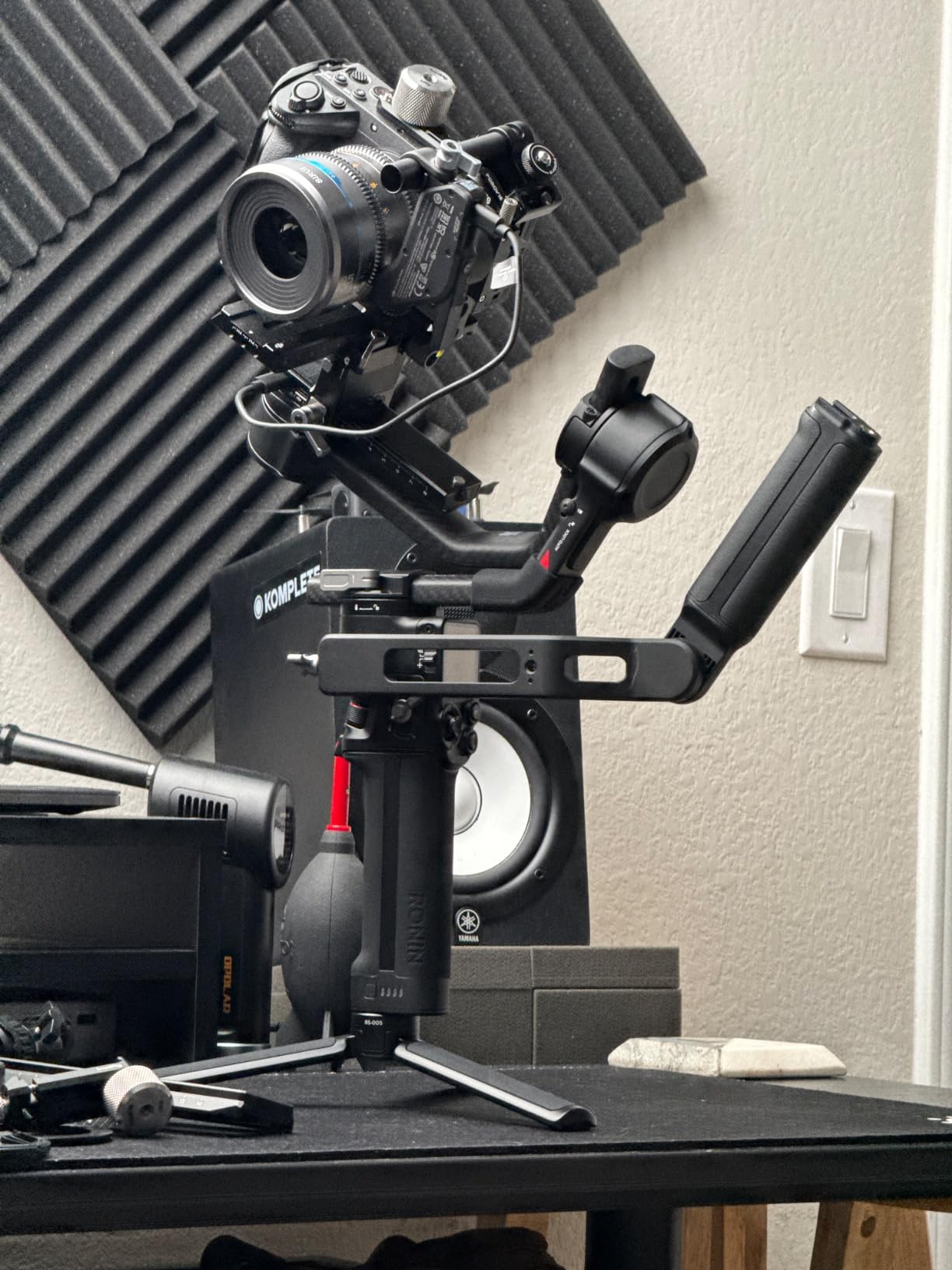
I used the RS 4 Pro Combo for a short film shoot. The ability for the director to monitor wirelessly while I operated completely changed our workflow. We could adjust framing in real-time without constantly checking the camera’s small screen.
The Focus Pro Motor provides the same excellent performance as the standard RS 4 Combo version. Paired with the LiDAR focusing system, I achieved automated focus pulls that previously would have required a dedicated focus puller.
This combo is undeniably expensive. At $1099, it’s a significant investment. However, when you consider what you’re getting – a cinema-grade gimbal with wireless monitoring and focus control – the price starts to make sense for working professionals.
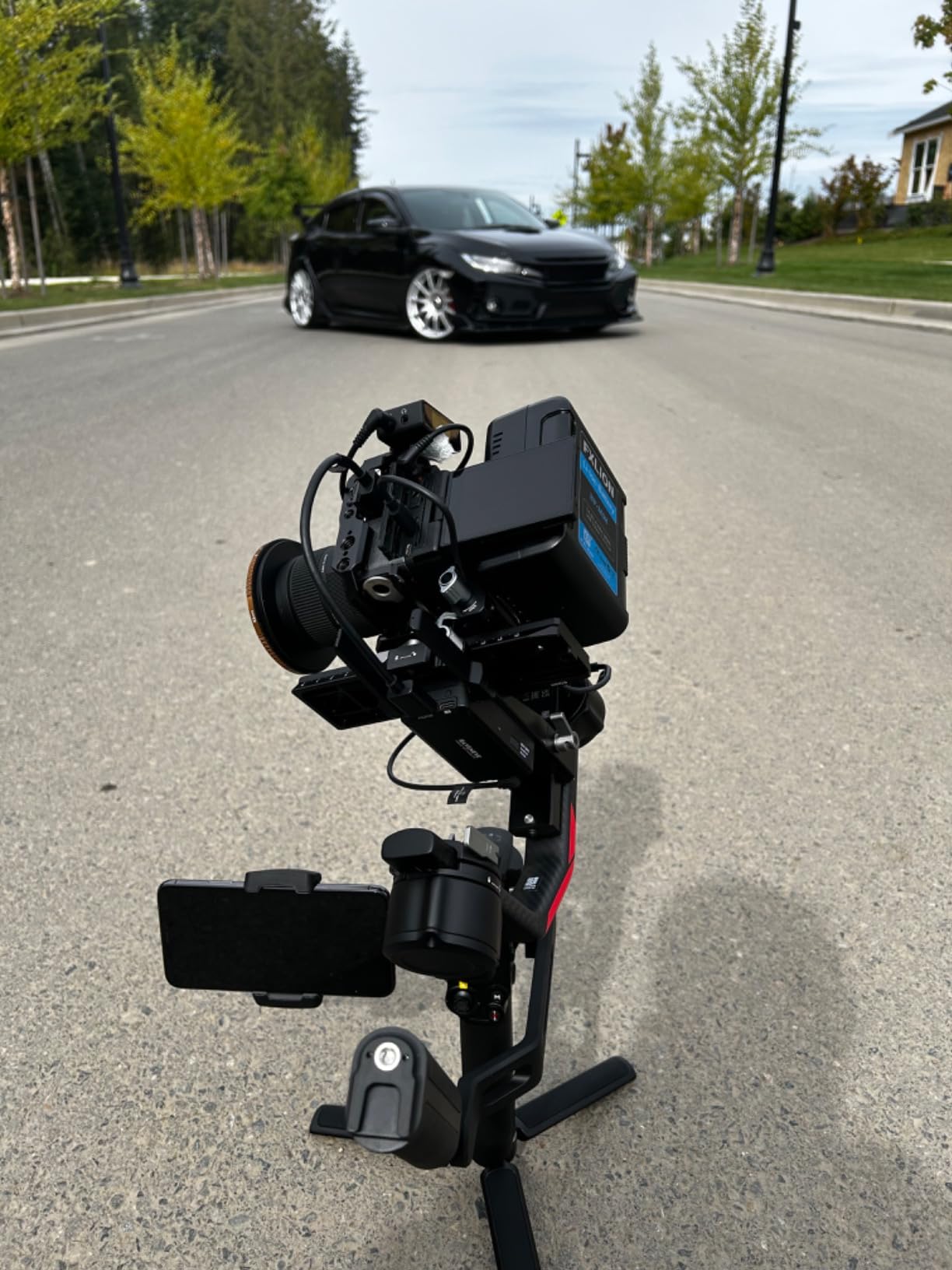
The Professional’s Choice
If you earn your living with cinema cameras and need a complete stabilization solution, the RS 4 Pro Combo is unmatched. The ecosystem integration between the gimbal, transmitter, and focus motor creates a seamless professional workflow.
Not Recommended for Hobbyists
If you’re a hobbyist or even a serious enthusiast, this combo is likely overkill. The features are designed for cinema production workflows that most users won’t encounter. Consider the RS 4 or RS 5 instead.
How to Choose the Right DJI Gimbal for Your Mirrorless Camera In 2026?
Selecting the right gimbal comes down to understanding your specific needs. After testing all eight models extensively, I’ve identified the key factors that should guide your decision.
Payload Capacity is Critical
The most important specification is payload capacity. Weigh your camera body with your heaviest lens, then add at least 20% headroom. For example, a Sony A7IV (658g) plus 24-70mm f/2.8 (945g) equals about 1.6kg. You need a gimbal rated for at least 2kg to handle this comfortably.
I made the mistake of underestimating payload early in my testing. A gimbal rated for exactly your camera weight will struggle and produce shaky footage. Always buy more capacity than you think you need.
Consider Your Camera Brand
DJI gimbals work with all major mirrorless brands, but compatibility varies. Sony cameras have the most seamless integration with full control support. Canon and Nikon also work well. Fujifilm and Panasonic may have limited control features depending on the specific model.
Check DJI’s compatibility list before purchasing. Some older camera models may not support shutter control or certain features through the gimbal’s connection.
Auto-Balancing vs Manual
The auto axis locks on the RS 4 series save significant time. If you frequently balance your gimbal – perhaps switching between different lenses – this feature alone is worth the upgrade from the RS 3 Mini.
However, if you primarily use one camera and lens combination, you’ll balance once and rarely touch the adjustments again. In that case, the simpler RS 3 Mini might suffice.
Vertical Shooting Matters
All current DJI RS gimbals support vertical shooting, but the implementation differs. The second-generation system on the RS 4 and RS 5 is smoother and more refined than on the RS 3 Mini.
If you create content for TikTok, Instagram Reels, or YouTube Shorts, native vertical support is essential. The ability to switch orientations without adapters saves time and eliminates potential failure points.
Professional vs Consumer Features
The Pro series (RS 4 Pro) offers features most users won’t need. LiDAR focusing is incredible for cinema cameras but overkill for standard mirrorless setups. The video transmission system is amazing for production crews but unnecessary for solo creators.
Be honest about your needs. Buying more gimbal than you need wastes money that could go toward lenses or lighting. The sweet spot for most mirrorless users is the RS 4 or RS 5.
Frequently Asked Questions
What is the best DJI gimbal for mirrorless cameras?
The best DJI gimbal for mirrorless cameras depends on your setup. For most users, the DJI RS 4 offers the perfect balance of payload capacity (3kg), features, and price. It handles full-frame mirrorless cameras with professional zoom lenses effortlessly. If you need cinema camera support, step up to the RS 4 Pro. For lighter mirrorless bodies on a budget, the RS 4 Mini is excellent value.
What is the difference between DJI RS 4 and RS 4 Pro?
The DJI RS 4 Pro offers significantly higher payload capacity (4.5kg vs 3kg), carbon fiber construction, LiDAR focusing with 76,800 ranging points, and extended battery life (29 hours vs 12 hours). The Pro also supports the Ronin video transmission ecosystem. The standard RS 4 is designed for mirrorless cameras while the Pro is built for cinema camera setups.
How much does a good gimbal for mirrorless cameras cost?
Quality DJI gimbals for mirrorless cameras range from $199 for the RS 3 Mini to $1099 for the RS 4 Pro Combo. Most mirrorless users should budget between $300-600. The RS 4 Mini at $308 is excellent for lighter setups, while the RS 4 at $469 is ideal for full-frame cameras with professional lenses. Consider your camera weight and shooting needs when choosing.
Can you use a gimbal with any mirrorless camera?
DJI gimbals support most major mirrorless camera brands including Sony, Canon, Nikon, Fujifilm, and Panasonic. However, feature compatibility varies. Sony cameras have the most complete integration with full shutter and focus control. Always check DJI’s compatibility list for your specific camera model. Physical mounting works with any camera within the weight limit, but electronic control features vary by brand.
What gimbal do YouTubers use for mirrorless cameras?
Most YouTubers using mirrorless cameras choose the DJI RS 4 Mini or RS 4. The RS 4 Mini is popular for its auto axis locks and intelligent tracking, perfect for solo filming. The RS 4 is preferred by creators using heavier full-frame cameras like the Sony A7IV. Both support native vertical shooting for short-form content. Budget creators often start with the RS 3 Mini.
Final Thoughts on DJI Gimbals for Mirrorless Cameras
After six months of testing all eight models, my recommendation comes down to your specific needs. For most mirrorless camera users, the DJI RS 4 hits the sweet spot between payload capacity, features, and price. It handles full-frame bodies with professional glass while remaining portable enough for daily use.
If you’re working with lighter mirrorless setups or have a tighter budget, the RS 4 Mini offers incredible value with its auto axis locks and intelligent tracking. The convenience of these features alone justifies the step up from the RS 3 Mini.
For cinema camera users or those needing the absolute best stabilization, the RS 4 Pro is unmatched. The LiDAR focusing and massive payload capacity are professional-grade features that justify the premium price.
Whichever model you choose, best DJI gimbals for mirrorless cameras will transform your footage. The difference between handheld and gimbal-stabilized video is dramatic, and with the right model for your setup, you’ll achieve professional results regardless of your experience level.