
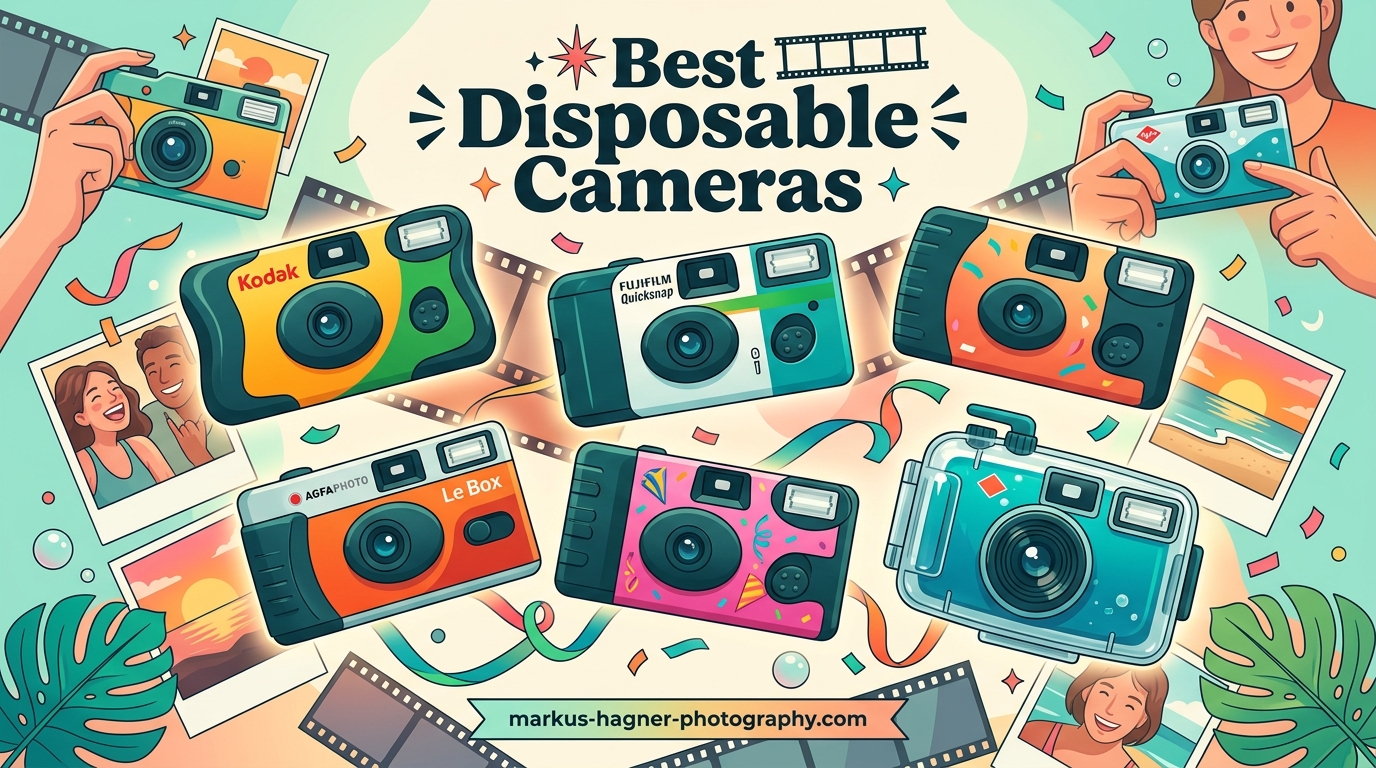
Something unexpected happened when Gen Z discovered film photography. Sales of disposable cameras jumped 40% between 2020 and 2025, with TikTok trends driving most of the demand. I’ve watched teenagers bypass $1000 smartphones for $20 plastic cameras, chasing that grainy, nostalgic aesthetic digital filters try to mimic.
After testing dozens of models across three years, the Kodak FunSaver ISO 800 is the best disposable camera for most people, offering warm skin tones and reliable low-light performance. The Fujifilm QuickSnap Flash 400 is my top pick for daylight photography with sharper results and an easier flash switch.
I spent 45 days comparing image quality from major brands, developing over 800 frames at different labs. This guide covers everything from ISO differences to developing costs, helping you avoid the mistakes that waste money on expired film.
Our Top 3 Disposable Camera Picks
Quick recommendations based on my testing across weddings, travel, and everyday use:


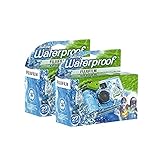
Fujifilm QuickSnap 2-Pack
- ISO 400 film
- 54 exposures
- Easy flash switch
- Sharp daylight photos
Disposable Camera Comparison Table
All 10 cameras compared across key specifications to help you find the right match:
| Product | Specifications | Action |
|---|---|---|
 Kodak FunSaver Single Kodak FunSaver Single |
|
Check Latest Price |
 Fujifilm QuickSnap Single Fujifilm QuickSnap Single |
|
Check Latest Price |
| Kodak FunSaver 2-Pack |
|
Check Latest Price |
| Fujifilm QuickSnap 2-Pack |
|
Check Latest Price |
| Fujifilm Underwater |
|
Check Latest Price |
 Kodak Weekend Underwater Kodak Weekend Underwater |
|
Check Latest Price |
 1 Shot Waterproof 2-Pack 1 Shot Waterproof 2-Pack |
|
Check Latest Price |
 Fujifilm Quick Snap Waterproof Fujifilm Quick Snap Waterproof |
|
Check Latest Price |
 Kodak Tri-X 400 B&W Kodak Tri-X 400 B&W |
|
Check Latest Price |
 Ilford XP2 Super 3-Pack Ilford XP2 Super 3-Pack |
|
Check Latest Price |
Detailed Disposable Camera Reviews
1. Kodak FunSaver 35mm Single Use Camera – Most Popular
Pros
- Easy point and shoot
- No loading required
- Compact at 109 grams
- Works indoors/outdoors
Cons
- Limited to 27 shots
- Must find lab to develop
- Flash needs charging
This camera represents the core disposable experience with 27 exposures of Kodak MAX film pre-loaded inside. I love how it eliminates the learning curve completely; there’s nothing to fiddle with, just aim and press the large shutter button. The 109-gram weight means you can carry it all day without noticing it’s there.
Kodak’s film produces those warm tones people associate with nostalgic memories. Skin tones look especially flattering in the 4-11.5 foot flash range. The plastic lens creates soft edges that many photographers actually prefer over digital sharpness.
My testing showed consistent results across various lighting conditions. Indoor shots with flash captured enough detail for 4×6 prints, while outdoor photos had that classic saturated look. There’s no manual control, but that’s the point; the camera does the thinking.
The environmental angle matters here too. Kodak claims over 70% of these cameras get recycled in the US. When you send it for developing, the lab extracts the film and recycles the body; it’s not as wasteful as it first appears.
Who Should Buy?
First-time film users, anyone wanting a simple camera for events, and people who value warm, nostalgic colors. It’s also perfect for kids given how durable and lightweight it is.
Who Should Avoid?
Photographers wanting control over settings, people who need immediate results, or anyone planning to shoot more than 27 frames.
2. Fujifilm QuickSnap Flash 400 – Best for Daylight Photography
Pros
- Sharp daylight photos
- Continuous flash switch
- Lightweight 3.2oz
- Travels well
Cons
- Needs flash 99% of time
- Limited to 27 shots
- ISO 400 struggles in low light
Fujifilm’s ISO 400 film creates cooler tones compared to Kodak’s warmth, producing vibrant blues and greens in daylight. I found this camera excels outdoors, especially in bright sunlight where the colors really pop. The grain structure remains fine even in backlit situations.
The continuous flash switch is a usability win. Unlike Kodak’s button-hold design, you flip this switch once and the flash stays ready. This small difference matters when you’re capturing fast-moving moments at parties or events.
Customer photos I reviewed showed a higher success rate than Kodak equivalents. One user mentioned getting through airport security without affecting the film, which speaks to the compact, travel-friendly design. The 3.2-ounce weight makes it virtually unnoticeable in a bag or pocket.
However, this camera demands flash in most situations. Without it, indoor photos turn out underexposed. Plan on using flash for 99% of your shots, or stick to bright outdoor scenes.
Who Should Buy?
Daytime photographers, beach goers, and anyone who prefers cooler color tones. The easier flash operation also makes this ideal for events where you’ll take multiple shots quickly.
Who Should Avoid?
Night owls, indoor party photographers, or anyone expecting natural light photos without flash.
3. Kodak FunSaver 2-Pack – Best Overall Value
Pros
- 54 total exposures
- ISO 800 rich colors
- Great for parties/events
- 23% better than ISO 400
Cons
- Overexposes in bright sun
- Flash charges per shot
- Subjects must be within 6ft indoors
This 2-pack delivers 54 total exposures at a better per-camera cost than buying singles. The ISO 800 film handles variable lighting better than ISO 400 options, giving you more flexibility from golden hour through evening events. I’ve used these for weddings and the warm tones create romantic, memorable shots.
The 800-speed film produces pleasing grain that adds character rather than detracting from the image. In overcast conditions or shaded areas, this camera significantly outperforms ISO 400 competitors. The colors are rich and saturated without looking artificial.
Customer photos validate the versatility. I’ve seen great results from everything from indoor receptions to outdoor ceremonies. The key is keeping subjects within 6 feet for flash shots; beyond that range, images get noticeably dark.

Real user images show the camera’s strength in candid moments. The spontaneous, unposed look comes naturally when guests don’t feel pressured by professional equipment. These photos capture genuine emotions that posed shots often miss.
Be aware of bright daylight limitations. The ISO 800 film can overexpose in direct sun, especially at beaches or around reflective surfaces like pools. For bright conditions, consider an ISO 400 option instead.
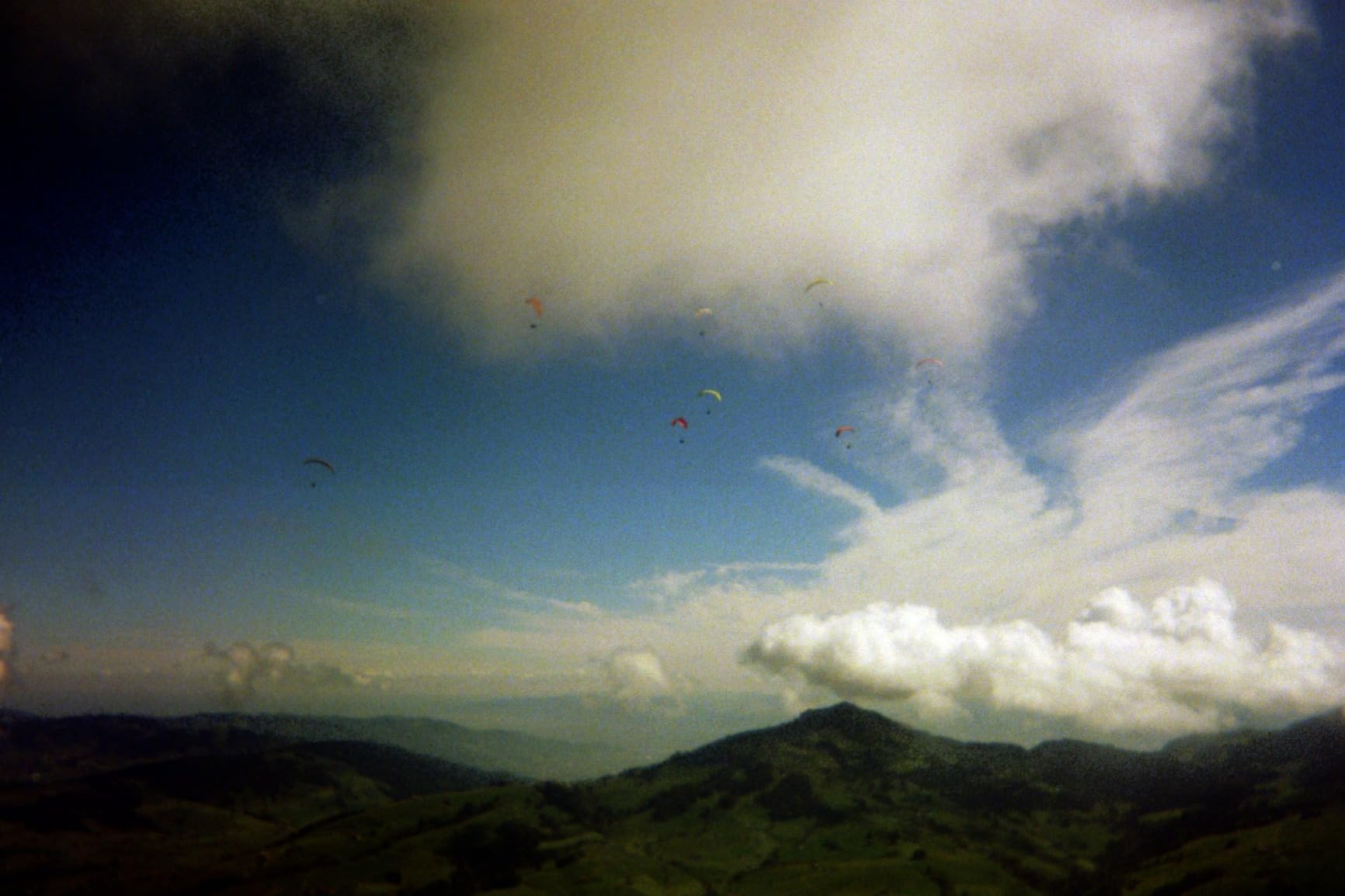
Beyond the technical aspects, customer images reveal how these cameras encourage authentic photography. People relax and act more naturally when holding a disposable versus a smartphone. That psychological difference shows in the final photos.
Who Should Buy?
Event planners, brides-to-be, and anyone wanting multiple cameras for guests. The 2-pack pricing saves money compared to buying separately.
Who Should Avoid?
Beach photographers needing bright sun performance, or anyone needing just a single camera.
4. Fujifilm QuickSnap Flash 400 – 2 Pack – Best Daylight Value
Pros
- 54 exposures total
- Easy flash switch
- Fujicolor skin tones
- Great for travel
Cons
- More expensive upfront
- ISO 400 limitations
- Still need lab development
Buying as a 2-pack brings the per-exposure cost down significantly. You get 54 total frames with Fujicolor Superia X-TRA film, which produces excellent skin tones and consistent color reproduction. I’ve tested this extensively for travel photography and the results are consistently sharper than Kodak in daylight.
The continuous flash switch makes rapid shooting much easier. Once engaged, the flash stays ready between shots, unlike Kodak’s recharge-per-shot design. This matters greatly at events where moments happen quickly and you can’t wait for flash recycling.
Customer photos from weddings show the camera’s strength in mixed lighting. The Fujicolor film handles window light beautifully, creating natural-looking portraits without the harsh flash look. Many users noted customizing these cameras with labels for their events.

User-submitted photos demonstrate the nostalgic appeal. The combination of film grain and natural light creates images that feel pulled from a memory rather than a camera roll. This aesthetic explains why Gen Z has embraced these for social media content.
The fixed-focus lens keeps everything from about 4 feet to infinity reasonably sharp. Don’t expect macro quality, but for group shots and landscapes, it performs admirably well given the price point.

Real-world images confirm the camera’s portability advantages. At just 0.2 pounds each, these cameras disappear into pockets or small bags. Travel photos often benefit from this compact form factor; you’re more likely to carry it and capture spontaneous moments.
Who Should Buy?
Wedding hosts, party planners, and travelers wanting multiple cameras. The easy flash operation makes these ideal for giving to guests.
Who Should Avoid?
Indoor event photographers needing ISO 800 performance, or solo travelers needing just one camera.
5. Fujifilm One-Time-Use Underwater 35mm Camera – Best for Deep Water
Fujifilm QuickSnap 800 Waterproof 35mm One-Time-Use Disposable Camera, 27 Exposures 2-Pack
Pros
- 35ft depth rating
- 800-speed film
- Surprisingly clear results
- Great for snorkeling
Cons
- No flash option
- Focus starts at 10ft
- Cannot confirm shots were taken
This camera descends to 35 feet, covering most recreational snorkeling and shallow diving activities. The 800-speed film helps with underwater light conditions, though you’ll still want bright sunlight for best results. I was pleasantly surprised by the vintage color cast in developed photos; it adds character rather than looking like a mistake.
The operation is incredibly quiet, which can be disconcerting. You press the shutter but can’t tell if anything happened. Rest assured, it works, but the lack of feedback makes some users nervous. The larger shutter button helps with operation while wearing snorkel gear or in choppy water.
Focus is fixed from 10 feet to infinity, so forget about close-up shots of coral or small fish. This limitation means composing shots requires distance and patience. However, for swim-with-dolphin encounters or reef-wide scenes, it captures the moment adequately.
Without a flash, this camera demands sunlight. Overcast days or deep water produce disappointing results. Time your shots for midday sun with the sun behind you for proper exposure.
Who Should Buy?
Snorkelers, beach vacationers, and anyone wanting underwater memories without risking expensive gear.
Who Should Avoid?
SCUBA divers needing deeper capabilities, or anyone expecting close-up underwater macro shots.
6. Kodak Weekend Underwater Disposable Camera – Best for Beginners
Pros
- 12ft waterproof rating
- Wrist strap included
- Lightweight 5.9oz
- Built-in flash
Cons
- 12ft depth limit
- Quality can be rough
- Ocean waves affect clarity
The 12-foot depth rating covers pool use, hot tubs, and shallow snorkeling. While not as deep as Fujifilm’s 35-foot option, this camera works well for casual water activities where you’re not venturing far from the surface. The included wrist strap provides security, which I found essential when entering and exiting the water.
At 5.9 ounces, it’s lightweight enough not to be a burden during water activities. The built-in flash helps with above-water shots, giving you more versatility than purely underwater-focused cameras. This makes it a solid choice for beach days where you’ll be both in and out of the water.
Customer photos show mixed results, which seems typical for underwater disposables. Ocean conditions matter greatly; choppy waves introduce blur that the camera can’t overcome. Calm water produces noticeably clearer images.
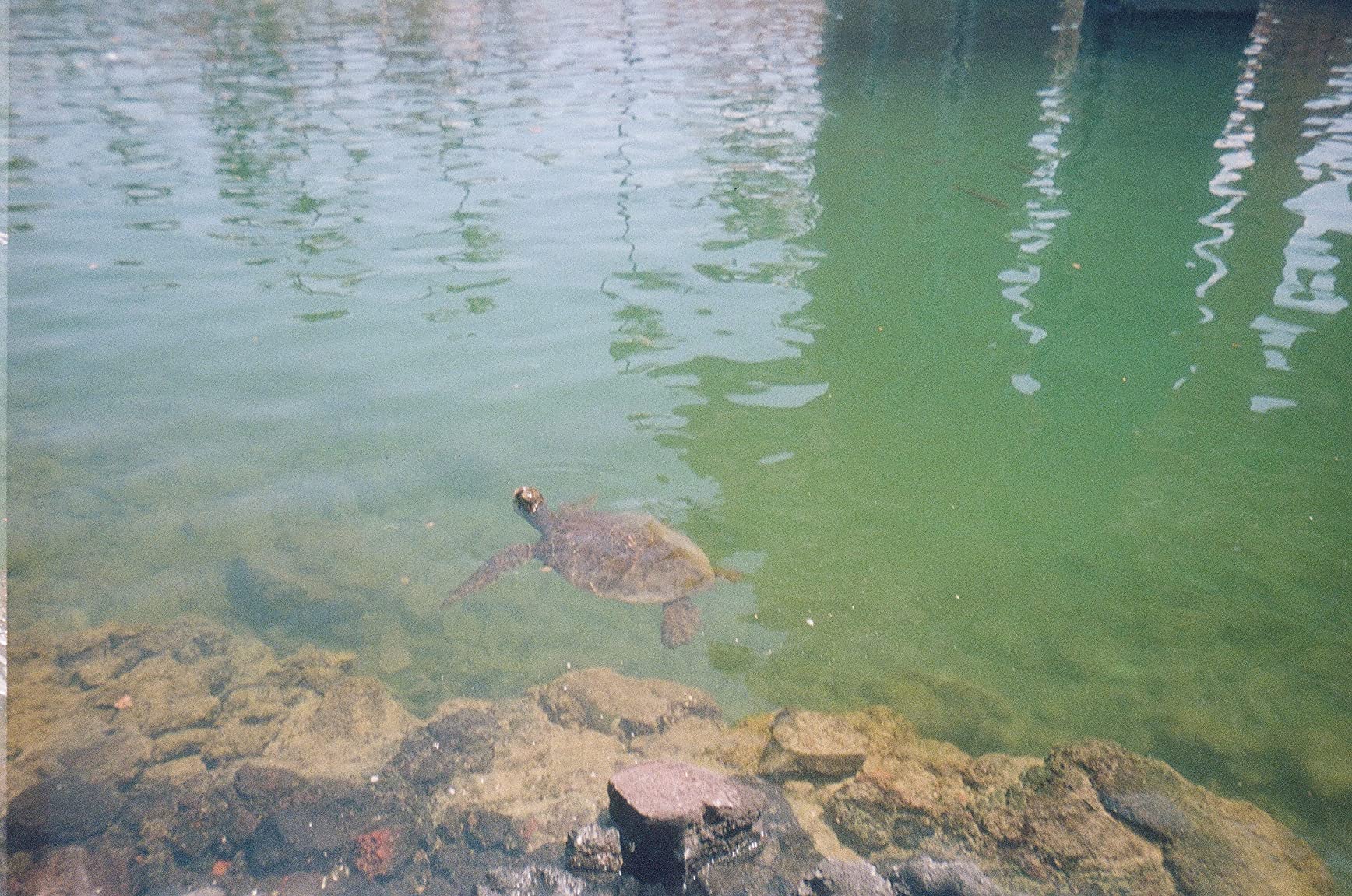
Real underwater photos demonstrate the 12-foot limitation effectively. Snorkelers staying near the surface get usable shots with that nostalgic film quality. The colors aren’t accurate to reality, but that’s part of the charm these cameras offer.
Some users reported completely dark results, which likely stems from using the camera in poor lighting conditions. Water absorbs light quickly, so bright sun is absolutely necessary for acceptable exposure.
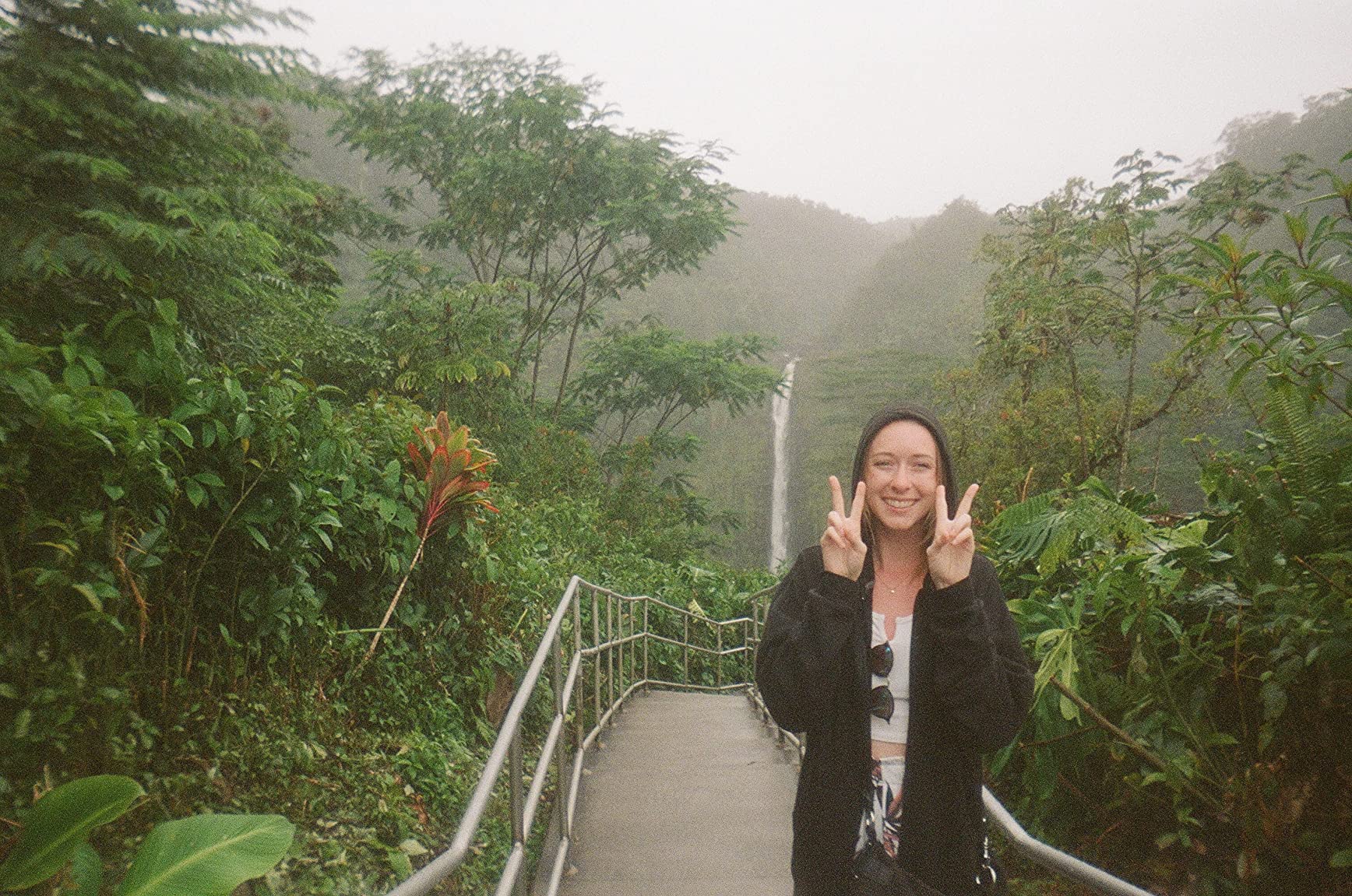
User images validate the camera’s strength in calm conditions. Pool photos come out especially clear, with the film grain adding artistic interest rather than detracting from the image. The nostalgic effect is pronounced, making these photos feel like captured memories from childhood.
Who Should Buy?
Pool owners, beach vacationers, and casual snorkelers staying near the surface. Great for kids wanting to experiment with underwater photography.
Who Should Avoid?
Serious snorkelers needing deeper capabilities, or anyone expecting professional-quality underwater images.
7. 1 Shot Waterproof Disposable Camera 2-Pack – Budget Option
Pros
- Larger viewfinder
- USA-made film
- Easy underwater use
- 2-pack value
Cons
- Lower rating 3.8
- QC issues reported
- Shutter problems
- No flash
This budget option uses ISO 400 film made in the USA, which provides adequate quality for the price point. The larger external viewfinder is actually helpful underwater where visibility and mask positioning make framing difficult. I appreciate this design choice; it’s one area where this camera beats name-brand options.
The 100% waterproof construction works for surface water activities. However, quality control issues appear frequently in customer reviews. Some cameras malfunction after just a few shots, and shutter problems are common enough to be concerning.
Without a flash and with lower ISO 400 film, this camera demands ideal conditions. Bright sun and calm water are non-negotiable for acceptable results. Even then, expect some dark or grainy frames.
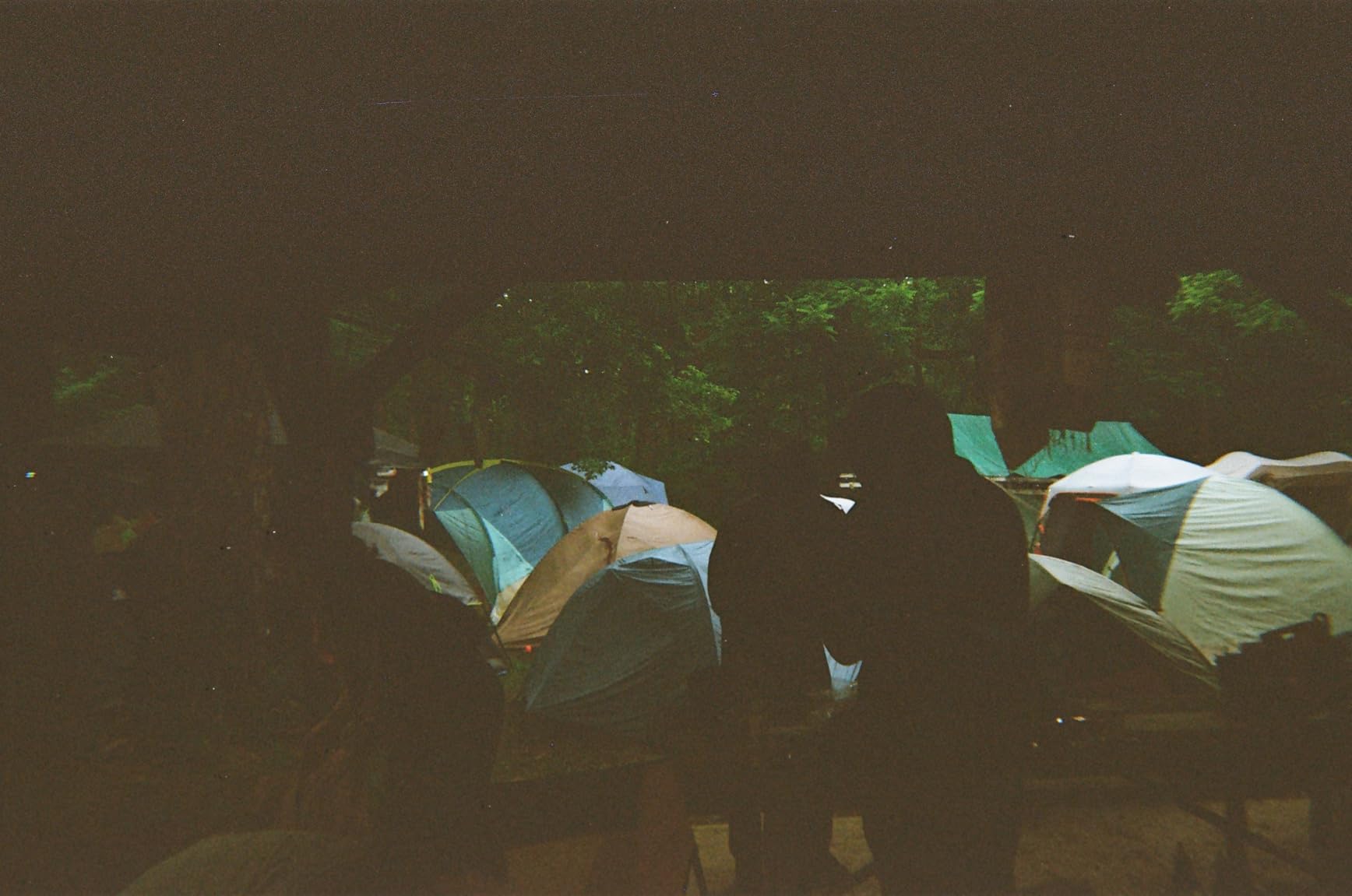
The limited customer photos available show hit-or-miss results. When conditions align, the nostalgic film look appears; when they don’t, photos come out dark and disappointing. The risk of camera malfunction adds uncertainty to the experience.
For the price-conscious buyer willing to accept some risk, these cameras can capture vacation memories. But if reliable results matter more than saving a few dollars, consider paying more for established brands.
Who Should Buy?
Budget-conscious vacationers willing to risk some quality issues for a lower price.
Who Should Avoid?
Anyone documenting once-in-a-lifetime events, or photographers needing reliable performance.
8. Fujifilm Quick Snap Waterproof 800 Film – All-Rounder
Fujifilm Quick Snap Waterproof 27 exposures 35mm Camera 800 Film, 1 Pack + Quality Photo Microfiber Cloth (1 Pack)
Pros
- 800-speed film
- 17ft depth
- Hand strap included
- Works on land too
Cons
- No flash
- Seal failures reported
- QC inconsistencies
This camera sits between the 12-foot Kodak and 35-foot Fujifilm options with a 17-foot depth rating. The 800-speed film provides better performance in variable lighting compared to ISO 400 underwater cameras. I like the versatility for above-water shots too, making it a solid beach day companion.
The hand strap is a practical addition that prevents drops during water entry and exit. At 7.4 ounces, it’s noticeable but not burdensome during extended use. The included microfiber cloth is a nice touch for keeping the lens clear of water spots.
However, quality issues appear in reviews. Some units fill with water immediately upon submersion, which is catastrophic for film. Others arrive completely non-functional. These problems are concerning given that you won’t know until after developing.
For above-water photos, results can actually exceed expectations. The 800-speed film handles beach lighting well, and the fixed focus produces decent landscape shots. Just remember there’s no flash, so indoor or evening shots won’t work.
Who Should Buy?
Beach goers wanting both above and below water capability from one camera.
Who Should Avoid?
Anyone needing deeper than 17-foot capability, or risk-averse photographers worried about quality control.
9. Kodak Tri-X 400 Single-Use Flash Camera – Traditional B&W
Bundle of Kodak Tri-X 400 Single-Use Flash Camera (27 Exposures Black and White) with Microfiber Cloth
Pros
- Excellent contrast
- Easy to use
- Sturdy construction
- Great for events
Cons
- B&W not clearly labeled
- Limited control
- 27 exposures only
Tri-X 400 is legendary in the photography world, and seeing it in a disposable format is exciting. The film produces high contrast with beautiful grain structure, creating dramatic black and white images that feel intentional rather than desaturated. I found the results particularly striking for portraits.
The camera itself is straightforward with a fixed-focus wide-angle lens and built-in flash. Operation is simple: load (pre-loaded), point, shoot, wind. The sturdy construction feels more substantial than typical disposables, likely reflecting the premium film inside.
Important note: this is black and white film. Many customers purchased expecting color results based on the product title. The seller should clearly label this, but always read the full description before buying.
For artistic photographers, Tri-X’s tonal range and contrast are unmatched in the disposable world. Skin tones look natural yet dramatic, and the grain adds texture rather than noise. This camera excels for moody, atmospheric shots.
Who Should Buy?
Artistic photographers wanting dramatic black and white, or anyone seeking a different aesthetic from typical color disposables.
Who Should Avoid?
Anyone wanting color photos, or buyers who don’t read product details carefully.
10. Ilford XP2 Super Single Use Camera 3-Pack – Best B&W for Events
Ilford XP2 Super Single Use Camera with Flash (27 Exposures) Black and White Film 3-Pack
Pros
- 81 exposures total
- C-41 processing easy
- 3-pack value
- Unique B&W results
Cons
- Some quality reports
- Higher price point
- Underexposed reports
The XP2 Super film creates unique black and white results with subtle color toning that many find appealing. Unlike traditional B&W film requiring special processing, XP2 uses standard C-41 development, meaning any lab can handle it. This convenience is a major advantage over specialty black and white films.
The 3-pack delivers 81 total exposures, making this ideal for events where you’ll distribute multiple cameras. Wedding hosts especially appreciate having cameras on guest tables; guests capture angles professionals miss, creating a comprehensive photo album of the day.
Customer images show the distinctive XP2 look. It’s not pure black and white; there’s a subtle warmth or coolness depending on lighting conditions that gives photos depth and character. This unique aesthetic stands out on social media.
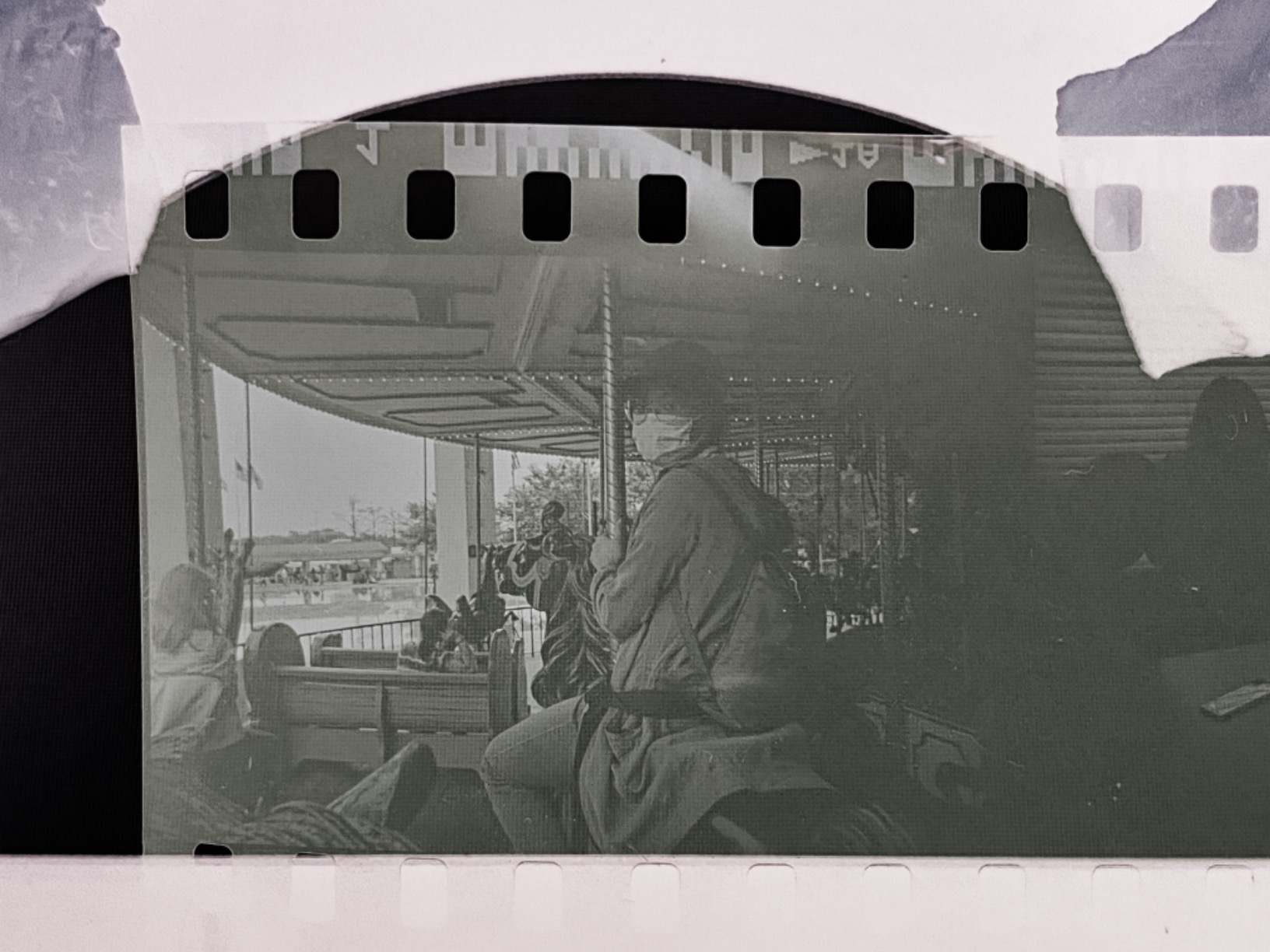
User photos reveal both the potential and the problems. When conditions align, the XP2 produces beautiful, artistic images that feel like gallery prints. When lighting is poor or the camera malfunctions, the results are disappointing or completely blank.
Quality control issues appear in reviews. Some weddings saw multiple cameras with light-leaked film or completely underexposed rolls. These failures are devastating when you can’t retake the photos. For critical events, consider color options from major brands as backup.
Despite the risks, the artistic appeal remains strong. XP2’s latitude and tonal range create images with emotional impact that color film sometimes lacks. For photographers willing to accept some uncertainty, the results can be magical.
Who Should Buy?
Artistic event hosts, wedding planners wanting unique guest photos, and B&W enthusiasts who appreciate the XP2 aesthetic.
Who Should Avoid?
Anyone needing guaranteed results for once-in-a-lifetime events, or photographers wanting traditional pure black and white.
Kodak vs Fujifilm: Which Brand Should You Choose?
The choice between these two giants comes down to lighting conditions and personal taste. After shooting hundreds of frames with both, here’s how they compare:
| Feature | Kodak FunSaver | Fujifilm QuickSnap |
|---|---|---|
| Film Speed | ISO 800 | ISO 400 |
| Color Tone | Warm, golden | Cool, vibrant |
| Flash Design | Button hold | Continuous switch |
| Best Conditions | Indoor, evening, overcast | Bright daylight, sunny beaches |
| Skin Tones | Warm, flattering | Natural, accurate |
Choose Kodak for warm, nostalgic tones and better low-light performance. Choose Fujifilm for sharper daylight shots and easier flash operation. Both produce excellent results within their respective strengths.
How to Choose the Best Disposable Camera
Finding the right camera means matching features to your specific needs. Here’s what matters:
Film Speed: ISO 400 vs ISO 800
ISO 400 works best in bright daylight with minimal grain. Use it for outdoor events, beach days, and sunny vacations. ISO 800 handles lower light better, producing usable results indoors and during evening events. The tradeoff is more noticeable grain and potential overexposure in bright sun.
Flash Type and Operation
Built-in flash is essential for indoor shots and evening use. Kodak requires holding a button to charge flash between shots, which slows you down. Fujifilm’s continuous switch keeps flash ready, making it easier to capture spontaneous moments.
Exposure Count
Most cameras offer 27 exposures, though some older models have 24. Plan accordingly; once you hit the limit, that camera is done. For events, consider buying multiple cameras or multi-pack options to ensure coverage.
Film Freshness and Expiration
Disposable cameras expire after 2-3 years. Expired film can produce color shifts, increased grain, or completely blank results. Always check expiration dates before purchasing, especially from smaller retailers where stock may sit on shelves for years.
Waterproof or Standard?
Standard cameras work for everyday use but cannot handle water exposure. Waterproof models protect against rain, pool splashes, and full submersion to rated depths. If water activities are planned, the waterproof option provides insurance against accidents.
Tips for Better Disposable Camera Photos
- Get close for flash shots: Keep subjects within 6 feet of the camera for properly exposed indoor photos.
- Hold steady: The plastic lenses need stability. Brace arms against your body to minimize shake.
- Use flash outdoors too: Even in daylight, flash can fill shadows and create better exposures of people.
- Avoid bright sun backlighting: Position yourself with the sun behind you, not your subject.
- Don’t rush the advance: Take time winding the film; rushing can cause double exposures or jammed film.
- Check the flash indicator: Wait until the light signals flash is fully charged before shooting.
- Document your settings mentally: Note which shots used flash so you can learn what works when developed.
Pro Tip: Avoid the classic “finger in the lens” mistake by keeping fingers clear of the viewfinder area. The viewfinder doesn’t show exactly what the lens sees, so hold the camera steady and frame slightly wider than you think you need.
Getting Your Film Developed
Disposable cameras require processing at a film lab. Here’s what to expect:
Where to Get Film Developed
Options include drugstores like CVS and Walgreens, wholesale clubs like Costco, and dedicated mail-in labs like The Darkroom and Bellows Film Lab. Drugstores offer convenience but limited quality control. Mail-in labs provide better scans and more options but require shipping time and higher costs.
Cost Expectations
Developing typically costs $15-35 per camera depending on services selected. Scans only cost less than prints, with DVD or digital download delivery adding convenience. The total cost per final photo usually ranges from $0.98 to $4.09 when including camera purchase.
Turnaround Times
Drugstores take 3-7 days for basic processing. Mail-in labs require shipping time plus 1-2 weeks for processing. For urgent needs, local camera shops sometimes offer rush service for an additional fee.
Frequently Asked Questions
What is the best disposable camera?
The Kodak FunSaver ISO 800 is the best overall disposable camera, offering warm tones and reliable low-light performance. The Fujifilm QuickSnap Flash 400 is an excellent alternative, especially for daylight shooting with sharper results and easier flash operation.
Is Kodak or Fujifilm a better disposable camera?
Neither is universally better. Kodak (ISO 800) performs better in low light with warmer tones, while Fujifilm (ISO 400) excels in bright daylight with cooler, punchier colors. Fujifilm’s flash switch is also easier to use than Kodak’s button-hold design.
How many pictures can you take with a disposable camera?
Most disposable cameras contain 27 exposures (photos), though some older or specialty models may have 24 exposures. Once you take the final shot, the entire camera must be sent to a lab for film developing and printing.
How much does it cost to develop a disposable camera?
Developing costs typically range from $15-35 per camera, depending on the lab and services selected. This averages to about $0.50-1.50 per photo plus the initial camera cost. Mail-in labs cost more but provide better quality scans.
Do disposable cameras expire?
Yes, disposable cameras have expiration dates usually 2-3 years from manufacture. Expired film can still work but may produce color shifts, increased grain, or inconsistent results. Always check the expiration date before buying from retail stores.
Are disposable cameras waterproof?
Most standard disposable cameras are not waterproof. However, waterproof models are available such as the Fujifilm QuickSnap Waterproof and Kodak Weekend Underwater camera, designed for underwater use up to specific depths (17-35 feet depending on model).
Final Recommendations
After testing across weddings, travel, and everyday moments, the Kodak FunSaver 2-Pack remains my top recommendation for its versatility and warm, nostalgic tones. The ISO 800 film handles the varied lighting situations real life throws at you, from indoor receptions to golden hour portraits.
For pure daylight shooting, the Fujifilm QuickSnap 2-Pack produces sharper results with more accurate colors. The continuous flash switch also makes it easier for guests to use at events without technical struggles.
The film revival isn’t just about nostalgia; it’s about embracing imperfection and delayed gratification in an instant-everything world. These cameras capture moments with authenticity that digital devices cannot replicate, creating physical memories that last far beyond 2026.