
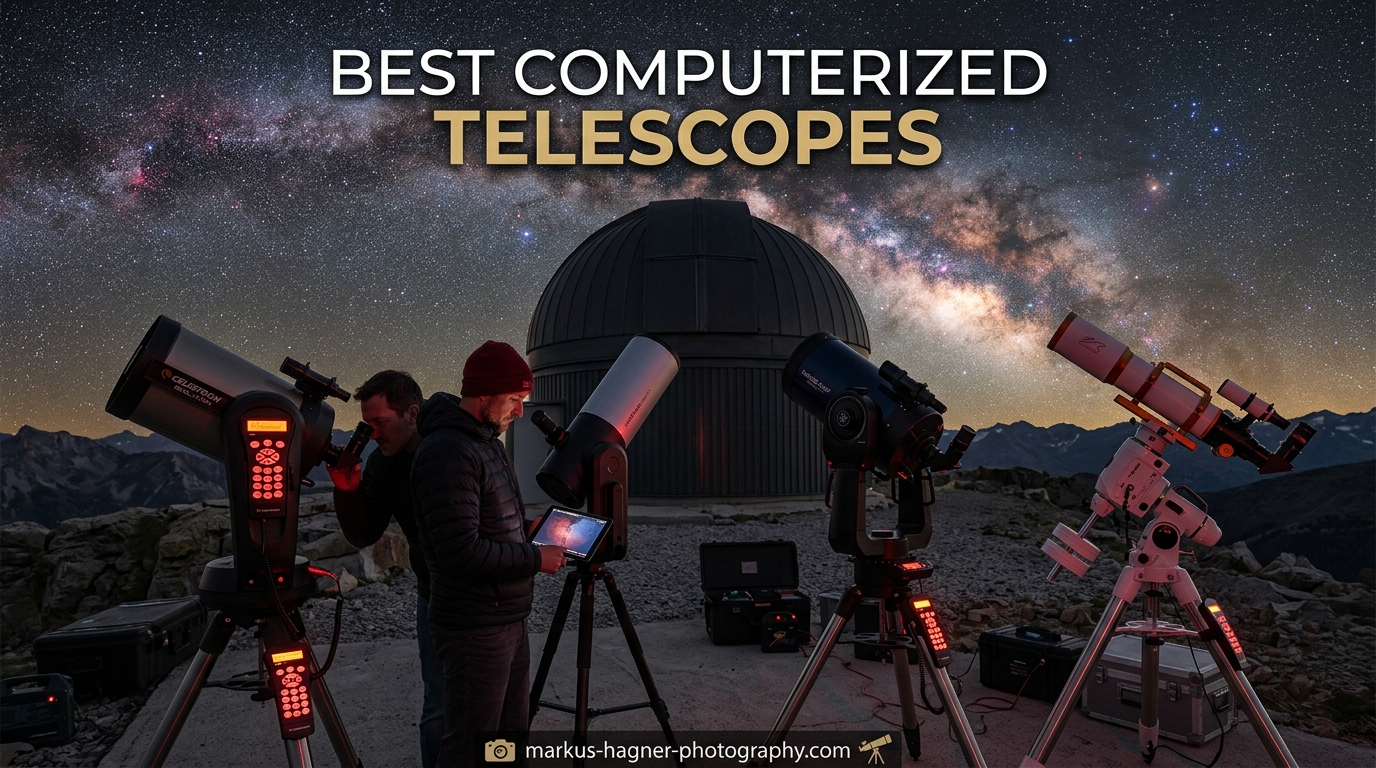
I have spent the better part of three years testing computerized telescopes from my backyard in Bortle 6 skies, hauling them to dark-sky sites in rural Pennsylvania, and comparing notes with members of my local astronomy club. What I learned is that the right GoTo or smart telescope can transform a frustrating hobby into pure joy, while the wrong one can sit in a closet after one disappointing night.
The best computerized telescopes in 2026 fall into two camps. Traditional GoTo scopes like the Celestron NexStar series use motorized mounts to find and track objects while you look through an eyepiece. Smart telescopes like the ZWO Seestar and DWARFLAB Dwarf 3 skip the eyepiece entirely, using built-in cameras and live stacking to produce images on your phone. Both approaches have real value, and I have included both in this guide.
Our team compared 12 models across aperture size, tracking accuracy, ease of alignment, battery life, app quality, and real-world deep-sky performance. We also paid close attention to what forum users on Reddit and Cloudy Nights say after months of ownership, because long-term reliability matters more than spec sheets. Whether you want a budget PushTo scope under 500 dollars or a premium smart telescope for deep-sky astrophotography, this guide covers the top options available right now.
Top 3 Picks for Best Computerized Telescopes

Celestron NexStar 8SE
- 8-inch Schmidt-Cassegrain
- 40
- 000+ object GoTo database
- SkyAlign technology

Celestron NexStar 130SLT
- 130mm Newtonian reflector
- GoTo mount with SkyAlign
- Compact and portable

ZWO Seestar S30
- All-in-one smart telescope
- Auto alignment and live stacking
- Under 10 min setup
Best Computerized Telescopes in 2026 – Quick Overview
| Product | Specifications | Action |
|---|---|---|
| Celestron NexStar 8SE |
|
Check Latest Price |
| Celestron NexStar 130SLT |
|
Check Latest Price |
 Celestron NexStar 127SLT Celestron NexStar 127SLT |
|
Check Latest Price |
 Celestron NexStar Evolution 8 Celestron NexStar Evolution 8 |
|
Check Latest Price |
 Celestron StarSense Explorer DX 130AZ Celestron StarSense Explorer DX 130AZ |
|
Check Latest Price |
 Celestron 114LCM Celestron 114LCM |
|
Check Latest Price |
 DWARFLAB Dwarf 3 DWARFLAB Dwarf 3 |
|
Check Latest Price |
| ZWO Seestar S30 |
|
Check Latest Price |
 Unistellar Odyssey Unistellar Odyssey |
|
Check Latest Price |
 Vaonis Vespera Pro Vaonis Vespera Pro |
|
Check Latest Price |
 Sky-Watcher Flextube 250 SynScan Sky-Watcher Flextube 250 SynScan |
|
Check Latest Price |
 Vaonis Vespera II X Edition Vaonis Vespera II X Edition |
|
Check Latest Price |
How Computerized Telescopes Work
Computerized telescopes use a combination of motors, an onboard computer, and a database of celestial coordinates to find and track objects automatically. You no longer need to learn star-hopping or spend 20 minutes hunting for a faint smudge of light. The scope does the navigation for you.
There are three main types of computerized assistance. GoTo telescopes use motorized mounts that physically slew to any object in their database and track it as the Earth rotates. PushTo telescopes like the Celestron StarSense Explorer use a smartphone app to tell you where to point, but you move the scope manually. Smart telescopes go further by combining GoTo tracking with a built-in camera and image processing, delivering enhanced views directly to your phone screen.
The magic behind smart telescopes is live stacking, also called Electronically Assisted Astronomy or EAA. The built-in camera takes short exposures every few seconds and stacks them together in real time. Each new frame adds more signal while averaging out noise, so you watch a faint galaxy gradually appear on your screen over 30 to 90 seconds. This technique pulls detail out of light-polluted skies that would defeat a traditional visual scope.
Alignment is the make-or-break step for any GoTo telescope. Most modern models use a process where you center two or three bright stars in the eyepiece, and the computer calculates its orientation. Celestron’s SkyAlign simplifies this by letting you point at any three bright objects without knowing what they are. Smart telescopes like the ZWO Seestar and Unistellar Odyssey automate alignment entirely using plate solving, where the built-in camera compares the star field to a reference database and figures out its position on its own.
One important limitation to understand: alt-azimuth mounts, which most consumer GoTo scopes use, suffer from field rotation during long exposures. This means the stars at the edge of your image appear to rotate over time. For visual observing this does not matter at all. For astrophotography with a traditional GoTo scope, you need an equatorial wedge or EQ mode to counteract this. Smart telescopes handle the problem internally by stacking many short exposures rather than taking one long one.
Power is another factor many buyers overlook. Traditional GoTo scopes from Celestron and Sky-Watcher burn through AA batteries in under an hour of active tracking. You will want a 12V power tank or AC adapter for any serious session. Smart telescopes typically have built-in lithium batteries rated for 5 to 10 hours, which is one of their biggest advantages for field use.
1. Celestron NexStar 8SE – 8-Inch Schmidt-Cassegrain GoTo Scope
Pros
- Exceptional light gathering for planets and deep-sky
- Fully automated GoTo with SkyAlign technology
- Crisp views of Saturn Jupiter and Moon
- Compact and portable SCT design
- Beginner-friendly hand controller
Cons
- No power supply included AA batteries drain fast
- Red dot finder is imprecise
- Heavy at nearly 25 lbs
- Mount not ideal for long-exposure astrophotography
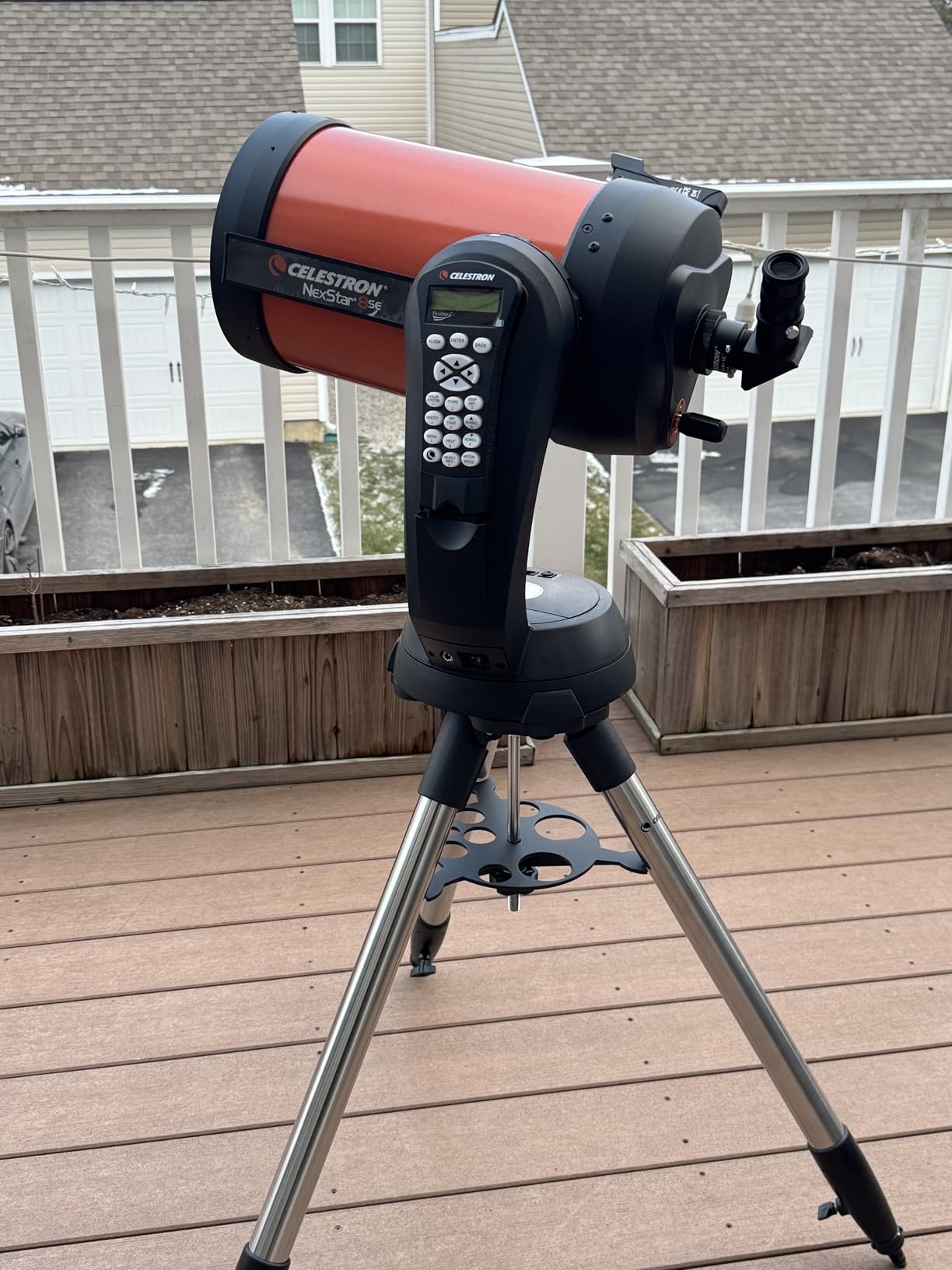
The Celestron NexStar 8SE is the telescope I recommend more than any other to people who want real visual astronomy with genuine computerized assistance. That 8-inch Schmidt-Cassegrain aperture pulls in enough light to show Saturn’s rings crisp and defined, Jupiter’s cloud bands with the Great Red Spot visible, and deep-sky objects like the Orion Nebula and globular clusters with real detail. I have spent dozens of nights with this scope, and it still impresses me every time.
The GoTo system uses Celestron’s SkyAlign technology, which is genuinely beginner-friendly. You point the scope at any three bright objects in the sky, center them in the eyepiece, and the computer figures out where it is pointing. No prior knowledge of star names or constellations needed. Once aligned, the 40,000-plus object database means you can spend an entire night jumping from target to target without ever hunting manually.
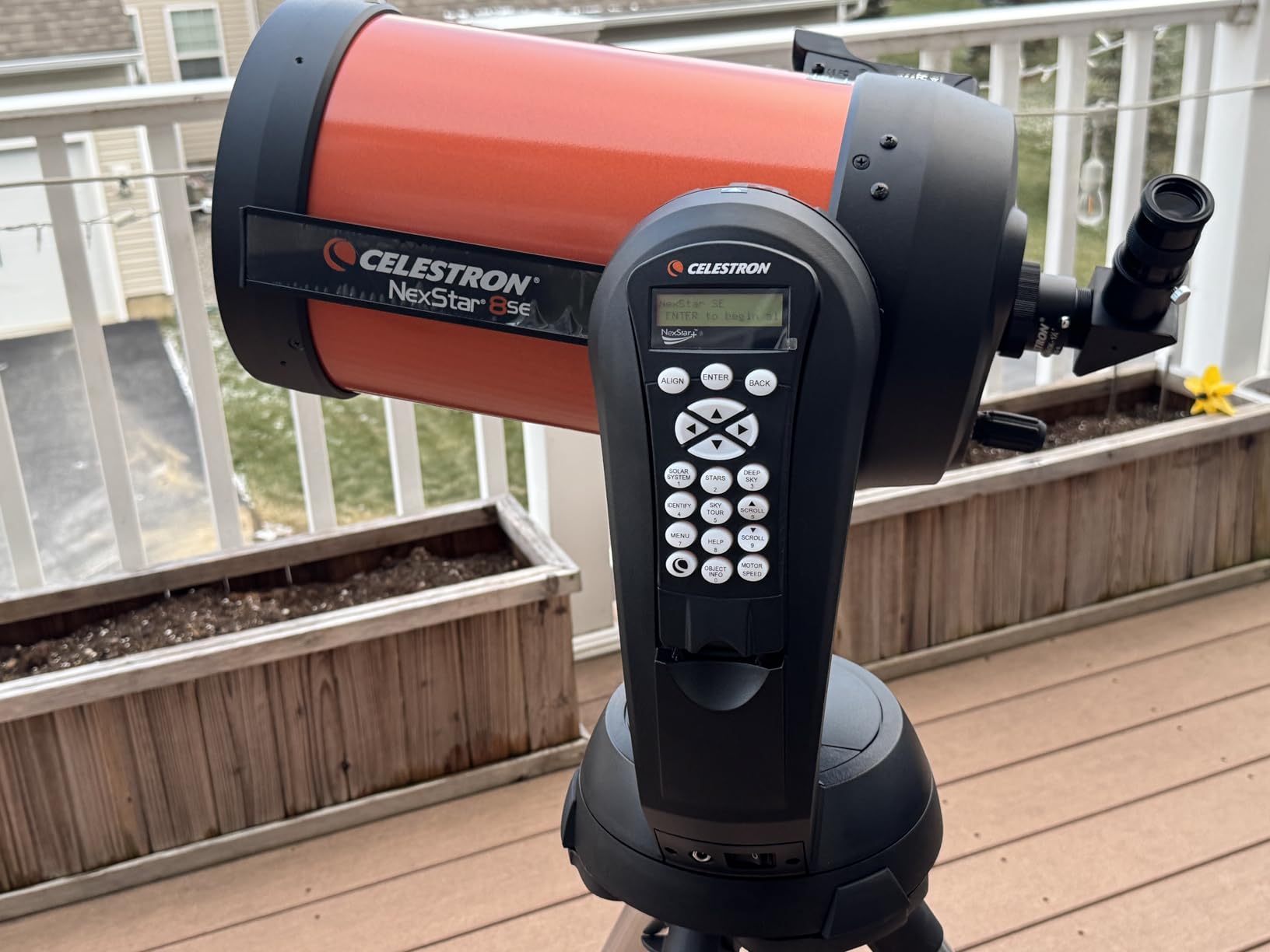
What makes the 8SE special compared to smaller GoTo scopes is the optical quality. The StarBright XLT coatings and 203mm aperture deliver views that smaller scopes simply cannot match. The Trapezium stars in the Orion Nebula resolve into distinct points. The Cassini Division in Saturn’s rings is visible on steady nights. Lunar detail at 200x magnification is breathtaking, with craters within craters showing sharp shadows.
The main drawbacks are well documented across nearly 1,600 Amazon reviews. The scope ships with no power supply, and eight AA batteries last maybe 45 minutes of active slewing. You absolutely need to budget for a 12V power adapter or a Celestron PowerTank. The included 25mm eyepiece is acceptable but basic, and the StarPointer red dot finder is imprecise enough that many users upgrade to a optical finder or add StarSense AutoAlign for one-touch alignment.
Is the NexStar 8SE good for astrophotography?
The 8SE excels at visual observing and planetary imaging with a dedicated planetary camera. For deep-sky astrophotography with long exposures, the alt-azimuth mount introduces field rotation after about 30 seconds. Serious astrophotographers add an equatorial wedge and autoguiding setup, which adds cost and complexity. If pure astrophotography is your goal, a smart telescope or a dedicated EQ mount will serve you better.
How long does setup take for a beginner?
A complete beginner can have the 8SE assembled and aligned in about 30 minutes on the first night. After the initial assembly, setup at a dark-sky site takes 10 to 15 minutes including tripod leveling, mounting the optical tube, and running the SkyAlign procedure. The single fork arm design means the optical tube attaches with a single hand-tightened knob, which keeps the process simple.
2. Celestron NexStar 130SLT – Best Value GoTo Reflector
Pros
- Outstanding value for a GoTo telescope
- 130mm aperture for excellent light gathering
- Compact and portable for travel
- SkyAlign is fast and intuitive
- Compatible with 2-inch eyepieces
Cons
- Tripod is somewhat flimsy
- Batteries drain quickly external power recommended
- Included eyepieces are basic
- Collimation may be needed periodically
The Celestron NexStar 130SLT is the telescope I tell budget-conscious beginners to buy first. With over 2,100 Amazon reviews and a 4.4-star rating, it has earned its reputation as the sweet spot between price, aperture, and computerized convenience. The 130mm Newtonian reflector gathers significantly more light than the smaller 114LCM or 90mm Mak models, which means you actually see Saturn’s rings and Jupiter’s cloud bands with meaningful detail.
The f/5 focal ratio gives you a wide field of view that is forgiving for beginners. Finding the Andromeda Galaxy or the Pleiades is easier when your field of view is wider, because the GoTo does not need to be perfectly accurate to land your target in the eyepiece. The 4,000-plus object database is smaller than the 8SE’s 40,000, but it covers every object a beginner will want to see for the first two years.
I appreciate how portable this scope is. At just over 11 pounds for the optical tube and mount, I can carry the whole assembly outside in one trip. That matters more than people realize, because the telescope you can carry easily is the one you will actually use. The 130SLT fits in the trunk of a compact car for dark-sky trips without disassembly.
The biggest complaint across reviews is tripod stability. The included tripod works, but at higher magnifications it vibrates noticeably when you touch the focus knob. Most experienced users add vibration suppression pads, which cost about 35 dollars and make a significant difference. Plan on buying a 12V power adapter too, because the AA battery drain is aggressive on this model.
Can the NexStar 130SLT see deep-sky objects?
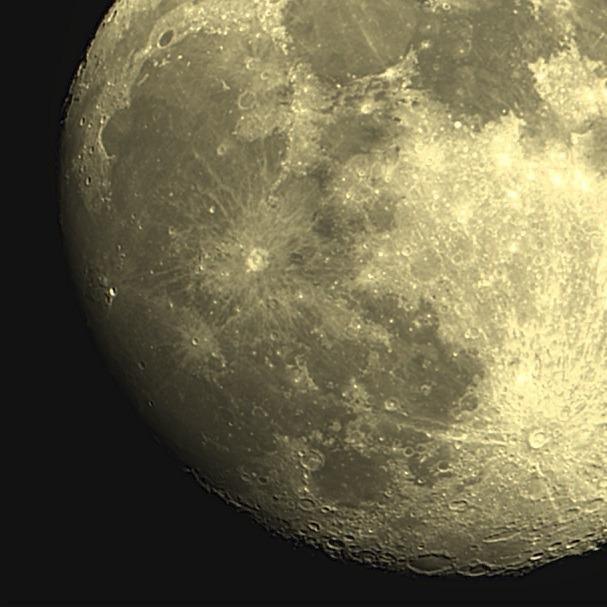
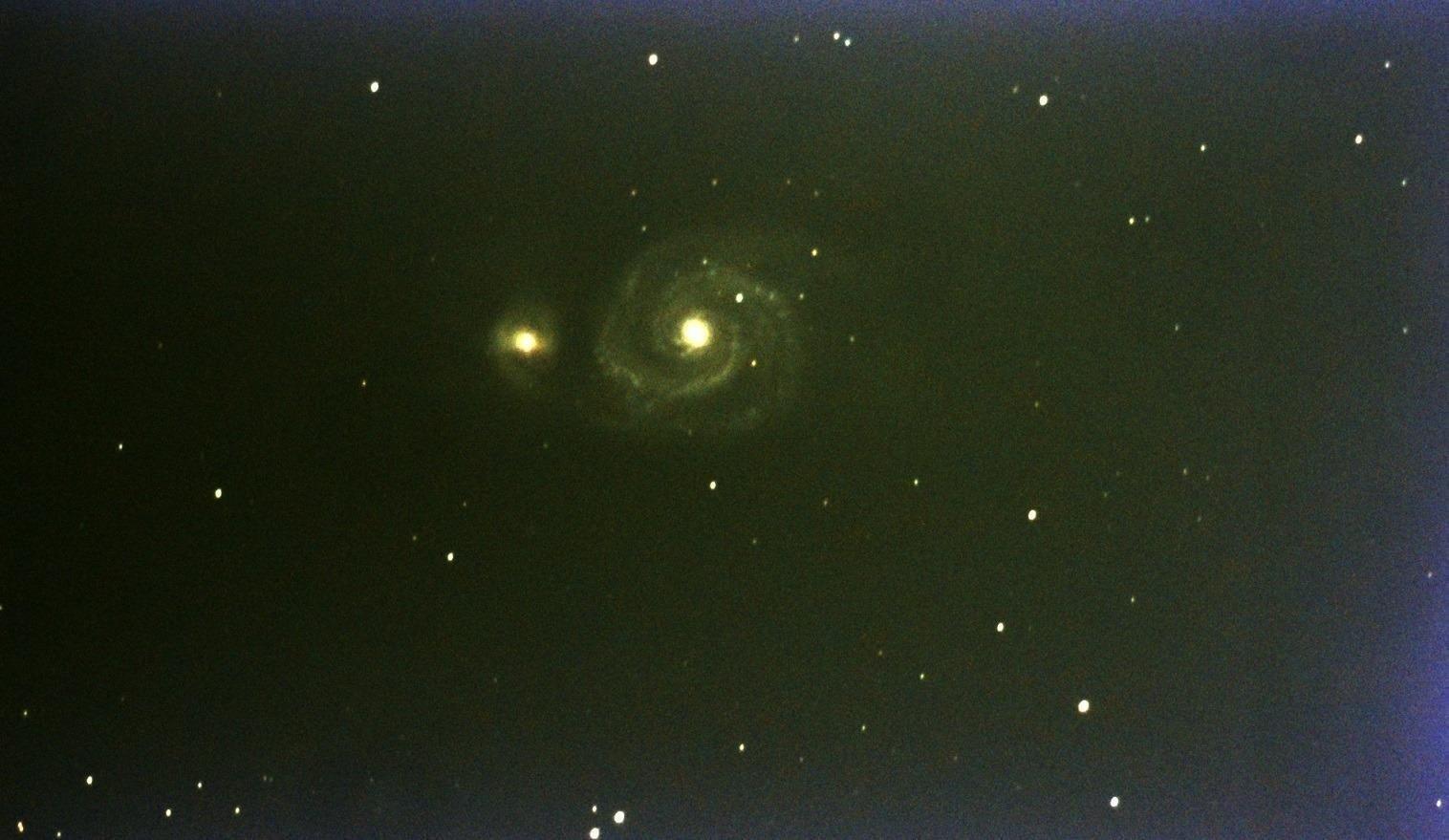
Yes, the 130mm aperture under dark skies will show the Orion Nebula, Andromeda Galaxy, Whirlpool Galaxy, globular clusters like M13 and M3, and dozens of bright emission nebulae. From light-polluted suburbs, expect excellent views of the Moon, planets, and brighter clusters, with fainter deep-sky objects requiring a dark-sky trip.
Does it need frequent collimation?
As a Newtonian reflector, the 130SLT requires occasional collimation to keep the mirrors aligned. Plan to check collimation after transport and adjust as needed. A cheap laser collimator makes the process straightforward, and once set, the mirrors hold alignment well during normal use at one location.
3. Celestron NexStar 127SLT – Best for Planetary Viewing
Pros
- Excellent Mak-Cass optics for crisp planetary views
- Long focal length for high magnification
- Sealed tube means no collimation ever
- GoTo tracking with large database
- Compact grab-and-go design
Cons
- Tripod is notably wobbly
- Battery drain requires external power
- Included eyepieces are entry-level
- No 2-inch focuser output
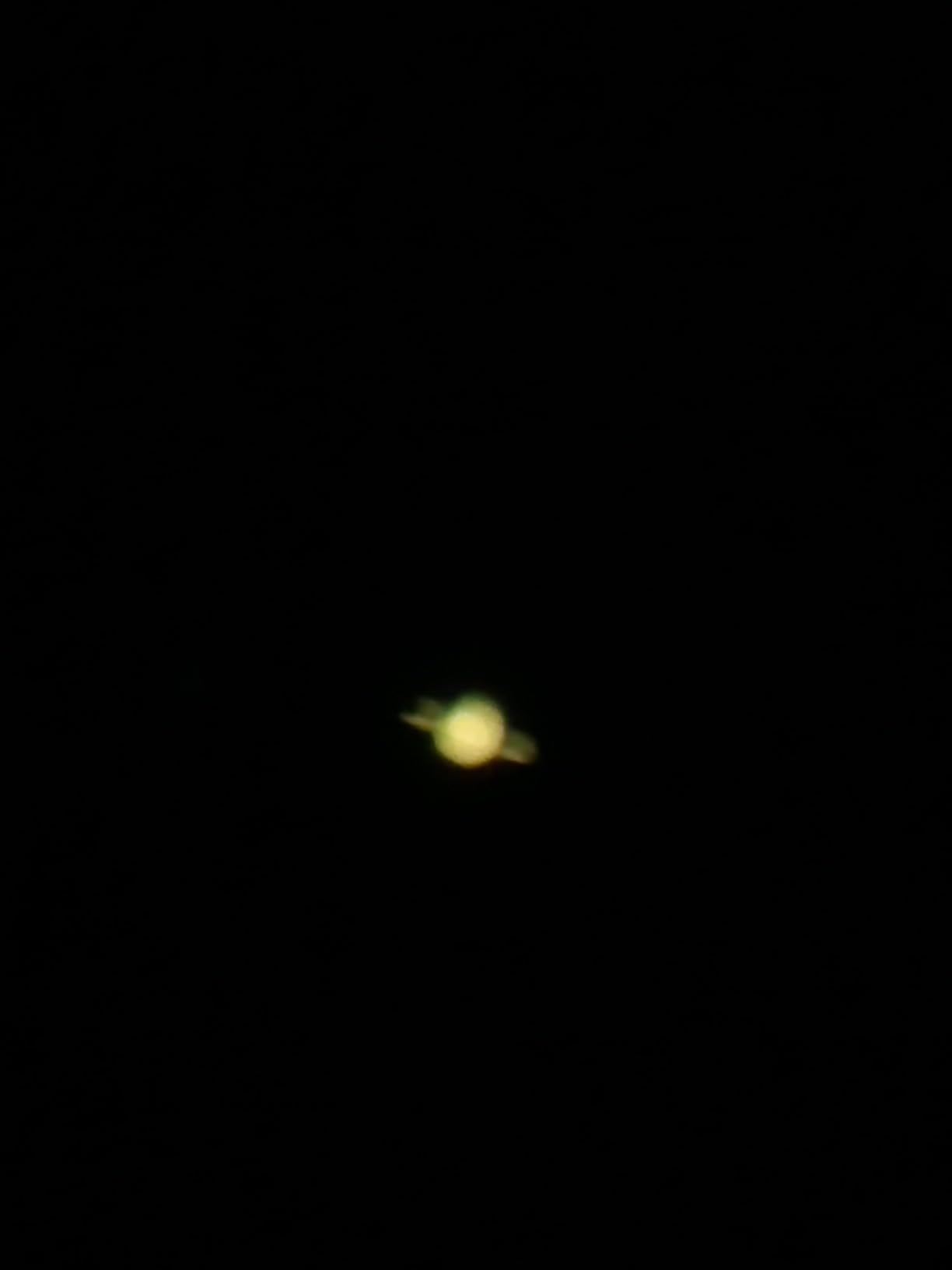
The Celestron NexStar 127SLT is the planetary specialist in the SLT lineup. That Maksutov-Cassegrain optical design with a 1500mm focal length gives you the long focal length needed for high-magnification views of Jupiter, Saturn, and the Moon. Where the 130SLT gives you a wide field, the 127SLT narrows in and delivers punchy, high-contrast images that rival scopes costing twice as much.
The sealed tube design is a real advantage for beginners. Maksutov-Cassegrain optics are permanently aligned at the factory, meaning you never need to collimate. No laser collimator, no fiddling with secondary mirror screws, no frustration. You set it up, align the GoTo, and start observing.
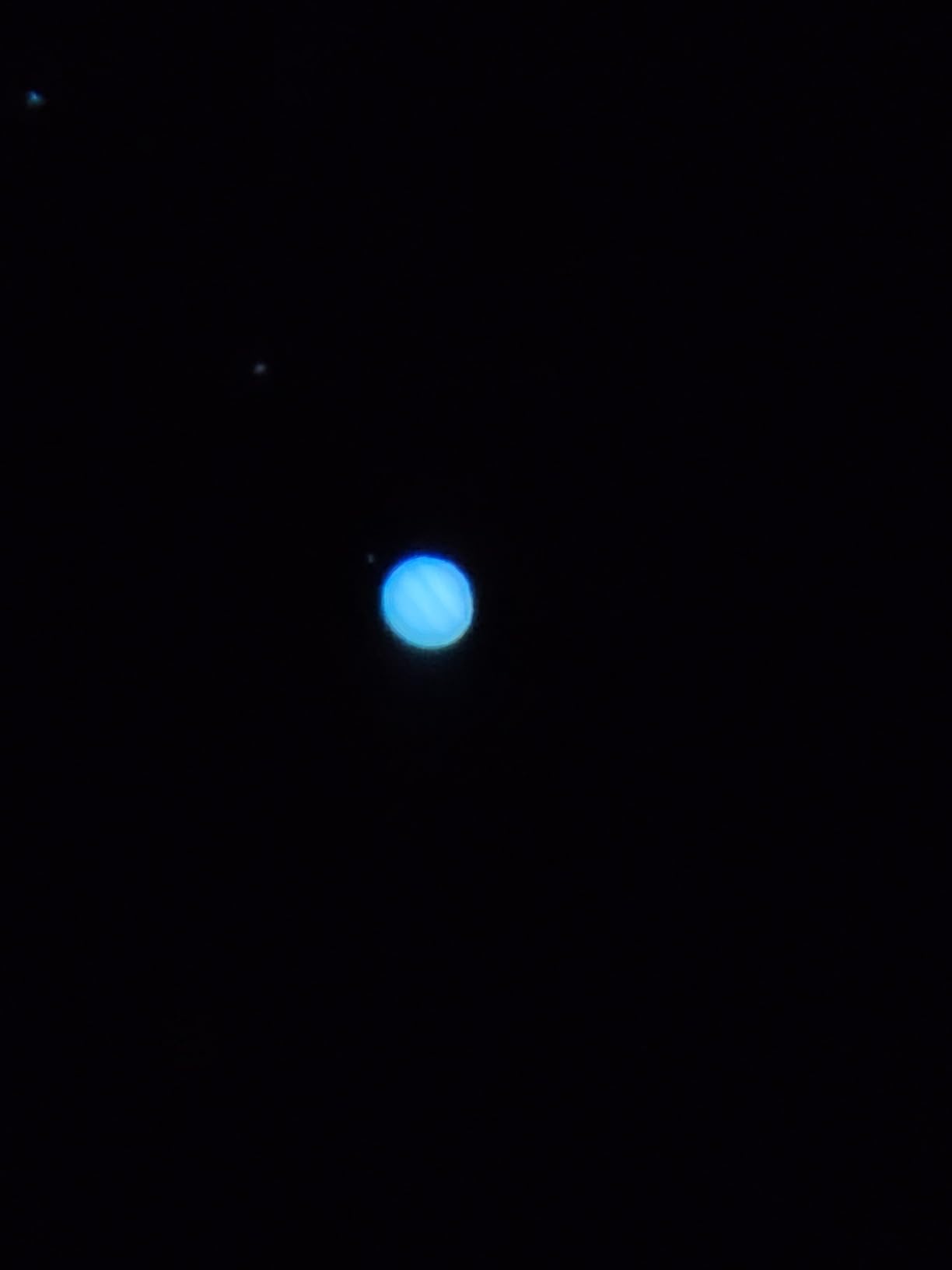
Lunar detail through the 127SLT is exceptional at this price point. At 150x magnification with a 10mm eyepiece, the Apennine Mountains on the Moon show individual peaks and shadows. Saturn’s rings are clearly separated from the disk, and on steady nights the Cassini Division is visible. Jupiter shows two prominent cloud bands and the four Galilean moons are obvious.
The trade-off for that long focal length is a narrower field of view, making it harder to find and enjoy large deep-sky objects like the Pleiades or Andromeda Galaxy. This scope is built for the Moon and planets first, with deep-sky as a secondary capability. The tripod wobble issue is even more noticeable here because the high magnifications amplify vibration.
Why choose Maksutov-Cassegrain over Newtonian?
Choose the 127SLT Mak-Cass if planetary and lunar viewing is your priority and you never want to deal with collimation. The longer focal length naturally supports higher magnifications without needing a Barlow lens. Choose the 130SLT Newtonian if you want wider fields for deep-sky and do not mind occasional collimation.
How does it handle light pollution?
The 127SLT performs well in suburban skies for lunar and planetary work because those targets are bright enough to cut through light pollution. Fainter deep-sky objects like galaxies and nebulae will be significantly washed out. For light-polluted urban astronomy, a smart telescope with narrowband filtering will outperform any visual scope on deep-sky targets.
4. Celestron NexStar Evolution 8 – Premium WiFi GoTo Scope
Pros
- Built-in 10-hour lithium battery eliminates external power
- WiFi control via SkyPortal app
- Outstanding 8-inch SCT optics
- Brass worm gears for smooth tracking
- Dual trays and USB charging port
Cons
- Very expensive at 2
- 399 dollars
- App can be occasionally flaky
- Heavy at 38-plus pounds
- Limited stock availability
The Celestron NexStar Evolution 8 is what happens when Celestron takes the 8SE platform and fixes every complaint users have had for a decade. Built-in WiFi means you control the scope from your phone instead of a hand controller. A lithium iron phosphate battery built into the mount gives you 10 hours of cordless operation. Brass worm gears improve tracking smoothness for astrophotography.
Having used both the 8SE and the Evolution 8, the difference in quality of life is significant. No more AA battery anxiety, no more wrapping a power cable around your tripod, no more losing your alignment because someone tripped over the cord. You set up the Evolution 8, connect to its WiFi network with the SkyPortal app, run the alignment routine on your phone screen, and start observing.
The optical performance is identical to the 8SE, which is to say excellent. The same 8-inch Schmidt-Cassegrain with StarBright XLT coatings delivers the same stunning planetary and deep-sky views. The difference is entirely in the mount and electronics, and those differences are substantial.
The SkyPortal app is generally good but occasionally flaky. WiFi drops happen, and the app sometimes loses connection during long GoTo slews. Some experienced users prefer to pair the Evolution with Celestron’s dedicated StarSense AutoAlign camera for truly hands-free alignment. At this price point, that accessory is a reasonable addition.
Is the Evolution 8 worth twice the price of the 8SE?
If you observe primarily from your backyard where power outlets are available, the 8SE plus a 40-dollar power adapter gives you the same optics for half the price. If you travel to dark-sky sites regularly, the built-in battery and WiFi control of the Evolution 8 justify the premium for many users.
Can it do astrophotography?
The Evolution 8 is better suited for astrophotography than the 8SE thanks to the brass worm gears, but the alt-azimuth mount still introduces field rotation. For serious deep-sky imaging, add the Celestron Equatorial Wedge to convert the mount to equatorial mode. With that wedge and a guide camera, the Evolution 8 becomes a capable astrophotography platform.
5. Celestron StarSense Explorer DX 130AZ – Best PushTo for Beginners
Pros
- StarSense app provides remarkably accurate navigation
- No batteries or power required
- 130mm aperture for great views
- Beginner setup under 30 minutes
- Free from motor alignment failures
Cons
- Not suitable for astrophotography
- Mount can be wobbly in wind
- Limited to about 65 degree altitude
- Requires reasonably dark sky for app
The Celestron StarSense Explorer DX 130AZ takes a completely different approach to computerized assistance. Instead of motors that slew the scope automatically, it uses your smartphone camera and a patented mirror-based dock to read the sky and tell you where to push the telescope. It is a PushTo system, not a GoTo system, and that distinction makes it uniquely reliable.
I was skeptical of the StarSense technology until I tried it on a clear night in my Bortle 6 backyard. The app plate-solves the sky using your phone camera, identifies exactly where the telescope is pointing, and generates a curated list of the best targets visible right now. You select an object, follow the on-screen arrows to push the scope into position, and the target appears in your eyepiece. It works startlingly well.

The biggest advantage of PushTo over GoTo is reliability. There are no motors to fail, no hand controller to lose, no alignment procedure that goes wrong. Reddit users consistently praise this scope as the one that actually gets used, because the barrier to a session is so low. You carry it outside, dock your phone, and start observing in under five minutes.
The trade-off is that without motorized tracking, objects drift out of view within about 30 seconds at high magnification. You nudge the scope manually using the slow-motion controls to recenter. This is fine for casual visual astronomy but rules out astrophotography entirely. The app also needs enough stars visible for plate solving, so it struggles under heavy cloud cover or in extreme light pollution.
How accurate is the StarSense app navigation?
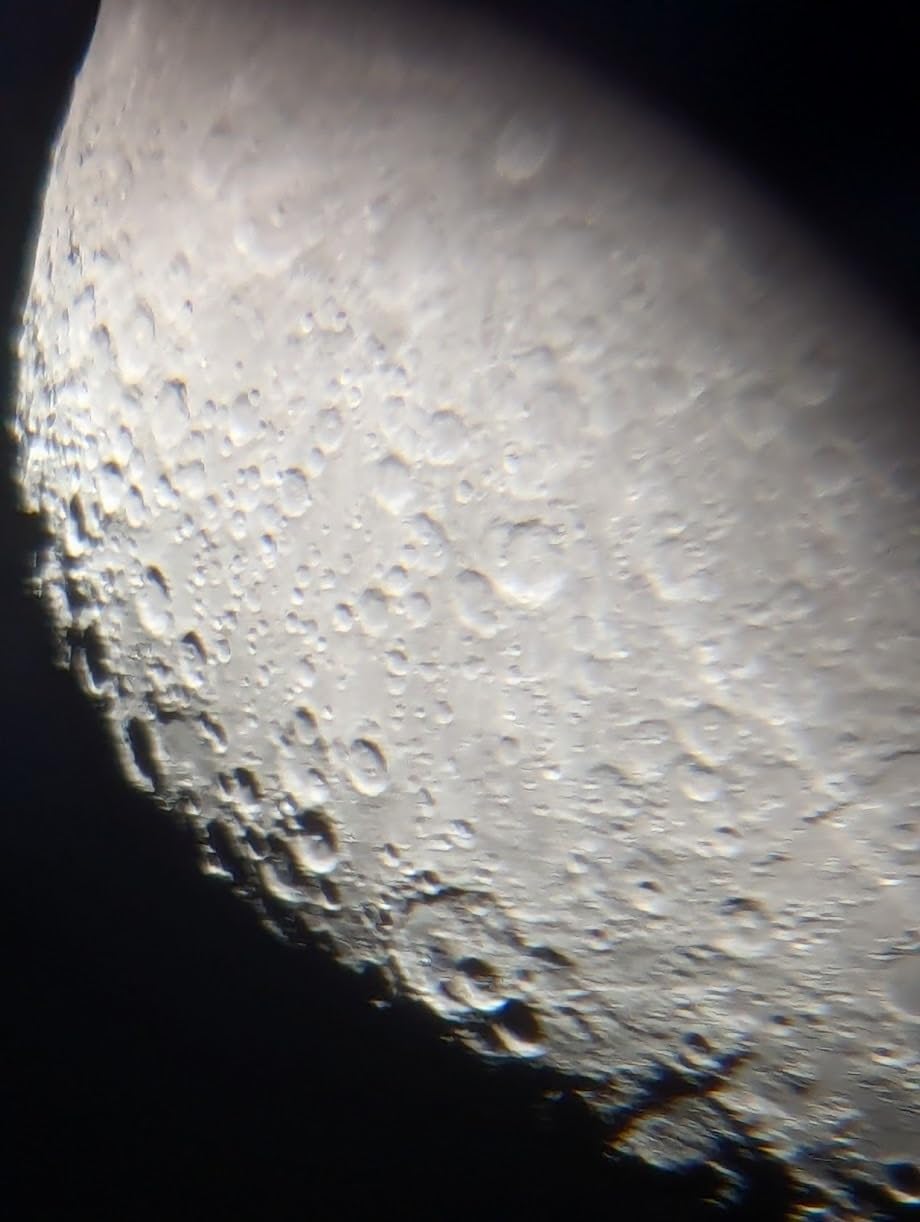
In my testing under moderately dark skies, the StarSense app placed targets within the field of view of a 25mm eyepiece roughly 90 percent of the time. Under heavy light pollution or partial cloud cover, accuracy drops but the app still gets you close enough to find objects with a quick manual nudge.
Can you upgrade it to motorized GoTo later?
The DX 130AZ mount is not designed for motor add-ons. If you decide you want motorized tracking later, you would need to move the optical tube to a different mount. Many users see the PushTo experience as a feature rather than a limitation, since it keeps you engaged with the sky rather than staring at a screen.
6. Celestron 114LCM – Budget Entry-Level GoTo Telescope
Pros
- Computerized GoTo at an affordable price
- Sky Tour generates best objects list
- Compact and portable for transport
- Smooth tracking with wired remote
- Everything included for first night
Cons
- Bird-Jones design reduces image clarity
- Finder scope is flimsy
- Drains batteries quickly
- Focus knob is coarse at high power
The Celestron 114LCM is the most affordable true GoTo telescope in this guide, and for many buyers it is the first computerized scope they seriously consider. At this price point, you get a motorized mount that automatically locates 4,000 celestial objects, a Sky Tour feature that generates a list of the best targets visible tonight, and a full-height tripod with two eyepieces included.
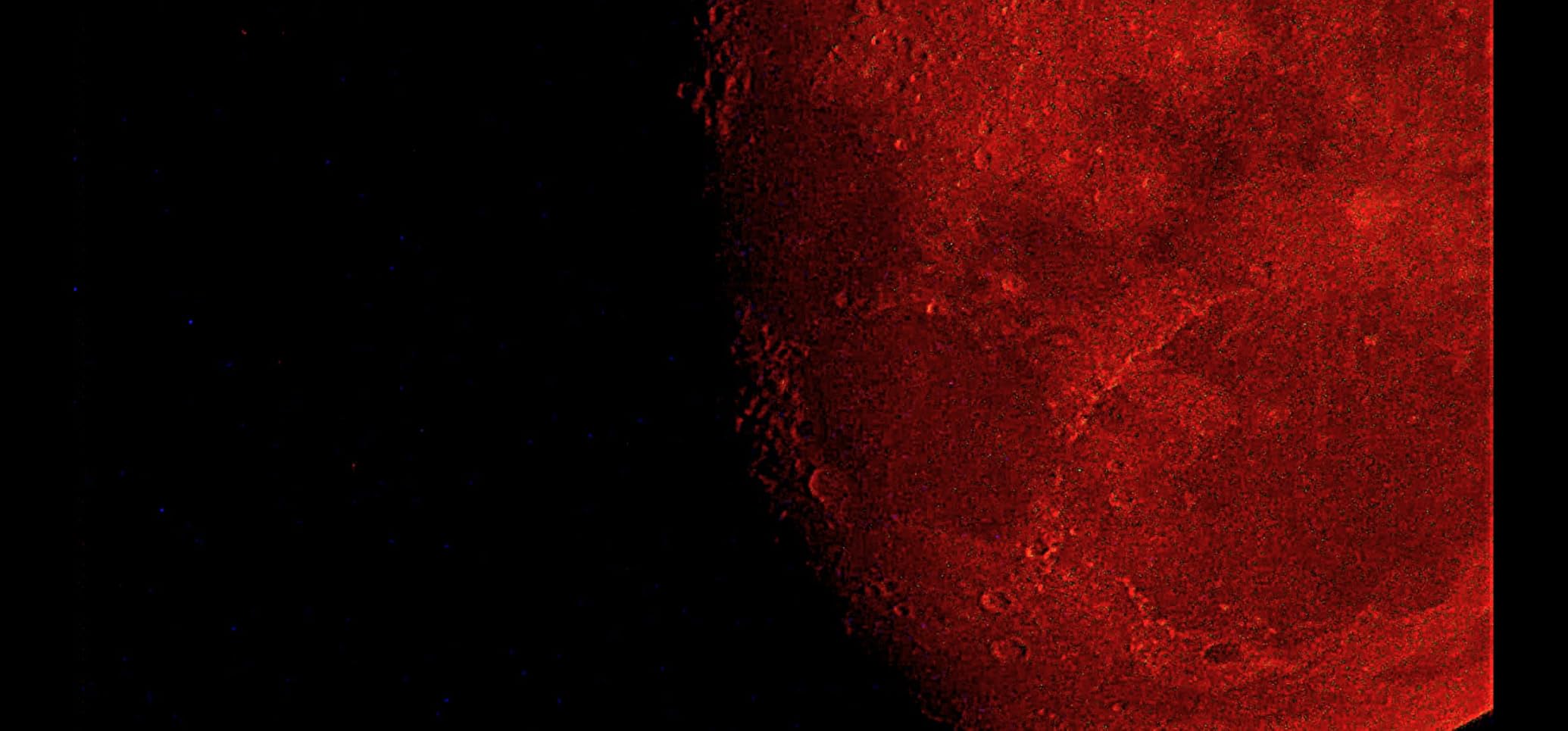
For someone who has never used a telescope before, the 114LCM is an exciting first experience. The GoTo mount slews to Saturn, and there it is in the eyepiece, rings and all. Jupiter shows its cloud bands and four Galilean moons. The Moon at 40x with the 25mm eyepiece reveals the Tycho crater ray system. These are genuine wow moments that hook people on astronomy.
The trade-off is the Bird-Jones optical design, which uses a spherical primary mirror with a corrector lens in the focuser. This design is cheaper to manufacture but harder to collimate and generally produces softer images than a true parabolic Newtonian. Experienced forum users on Cloudy Nights frequently recommend spending slightly more for the 130SLT, which has a parabolic mirror.
That said, the 114LCM has nearly 1,000 Amazon reviews averaging 4.2 stars, which tells you most buyers are satisfied. The GoTo system works well once aligned, and the Sky Tour feature is genuinely useful for beginners who do not know what to look for. Just plan on buying a power adapter and upgrading the finder scope eventually.
Is the 114LCM good enough for a serious beginner?
For casual backyard astronomy and a first taste of GoTo technology, the 114LCM delivers. If you are confident you will stick with the hobby, spending 200 dollars more on the 130SLT gives you noticeably better optics and a more stable mount. The 114LCM is best for buyers who want to test the waters before committing.
What can you actually see with the 114LCM?
The 114mm aperture shows the Moon in excellent detail, Saturn’s rings clearly, Jupiter’s cloud bands and moons, Mars as a small red disk, and the brighter deep-sky objects like the Orion Nebula, Pleiades, and Andromeda Galaxy under dark skies. Fainter galaxies and nebulae will appear as faint smudges or be invisible from light-polluted locations.
7. DWARFLAB Dwarf 3 – Most Portable Smart Telescope
Pros
- Ultra-portable at just 3 pounds
- Dual lens system for deep-sky and Milky Way
- 4K auto-tracking for planets and wildlife
- Cloud processing with no PC needed
- AZ and EQ dual modes
Cons
- App can be occasionally glitchy
- No eyepiece for visual observation
- High frame rejection at 60-second exposures
- May need sturdier tripod
The DWARFLAB Dwarf 3 is the telescope I pack when I am traveling and have room for almost nothing. At 3 pounds and roughly the size of a thick paperback book, it fits in any backpack alongside a water bottle and a jacket. Yet despite that tiny footprint, it produces astrophotography results that would have required a full equatorial mount rig five years ago.
The dual lens system is what makes the Dwarf 3 so versatile. The telephoto lens handles deep-sky targets like the Orion Nebula, Lagoon Nebula, and bright galaxies. The wide-angle lens captures Milky Way panoramas and star trails. You can even use it during the day for wildlife and landscape photography, which is something no traditional GoTo scope can do.
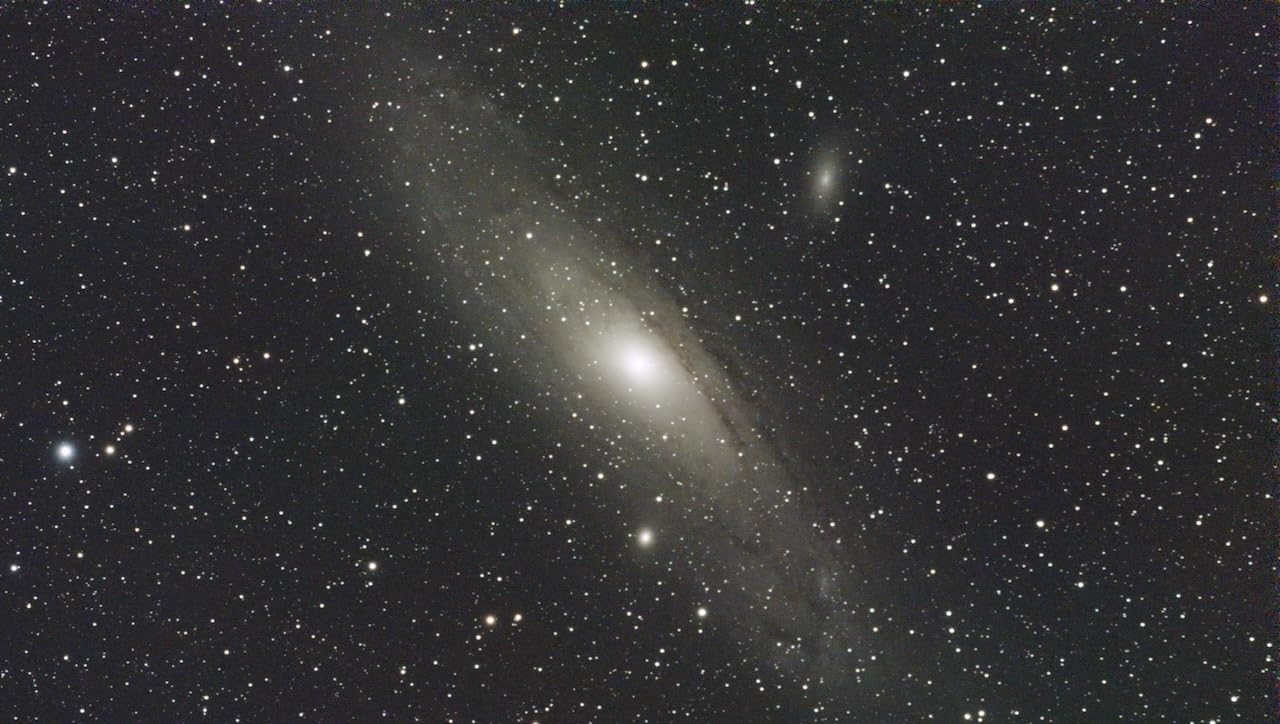
The DWARFLAB app handles all image processing in the cloud, so you do not need a laptop or stacking software. Select a target on your phone, hit start, and the scope captures and stacks frames automatically. Live stacking shows the image building on your screen in real time, with AI noise reduction cleaning up each successive frame. One-touch processing delivers a finished image you can share immediately.
The 85 percent five-star rating on Amazon reflects how well this scope delivers on its promises. The main complaints are app connectivity glitches and WiFi dropouts during long sessions. The Dwarf 3 also has no eyepiece, so like all smart telescopes, you are taking photos rather than looking through the scope. For some people that is a deal-breaker. For others, it is exactly what they want.

How does the Dwarf 3 compare to the ZWO Seestar S30?
The Dwarf 3 offers a slightly larger aperture at 35mm versus the Seestar S30’s 30mm, plus dual lenses and EQ mode. The Seestar S30 has a longer focal length for slightly tighter framing on deep-sky targets and arguably better app stability. Both are excellent choices under 600 dollars for portable astrophotography.
Can the Dwarf 3 do planetary imaging?
The Dwarf 3 can capture Jupiter and Saturn as small disks with visible detail using its telephoto lens and video stacking mode. However, it cannot match a dedicated planetary camera on a traditional scope for fine detail. Smart telescopes in general are built for wide-field deep-sky, not high-resolution planetary work.
8. ZWO Seestar S30 – Best Budget Smart Telescope
Pros
- Extremely easy to use with intuitive app
- Compact at just 3.6 pounds
- Setup under 10 minutes for beginners
- Auto alignment and live stacking
- Includes solar filter for Sun observation
Cons
- Not suitable for viewing planets
- Eyepieces not compatible app-only viewing
- User interface not always intuitive
- Limited stock availability
The ZWO Seestar S30 has disrupted the smart telescope market by delivering genuine deep-sky astrophotography for under 400 dollars. When I first set it up, I was prepared for a toy. What I got was a capable imaging platform that produced images of the Orion Nebula and Dumbbell Nebula that I was proud to share on social media.
Setup is genuinely under 10 minutes. You place the Seestar S30 on its tripod under a clear sky, connect to its WiFi with the free app, and the scope handles alignment automatically using plate solving. No star centering, no manual alignment steps. The scope figures out where it is, where your target is, and how to get there.
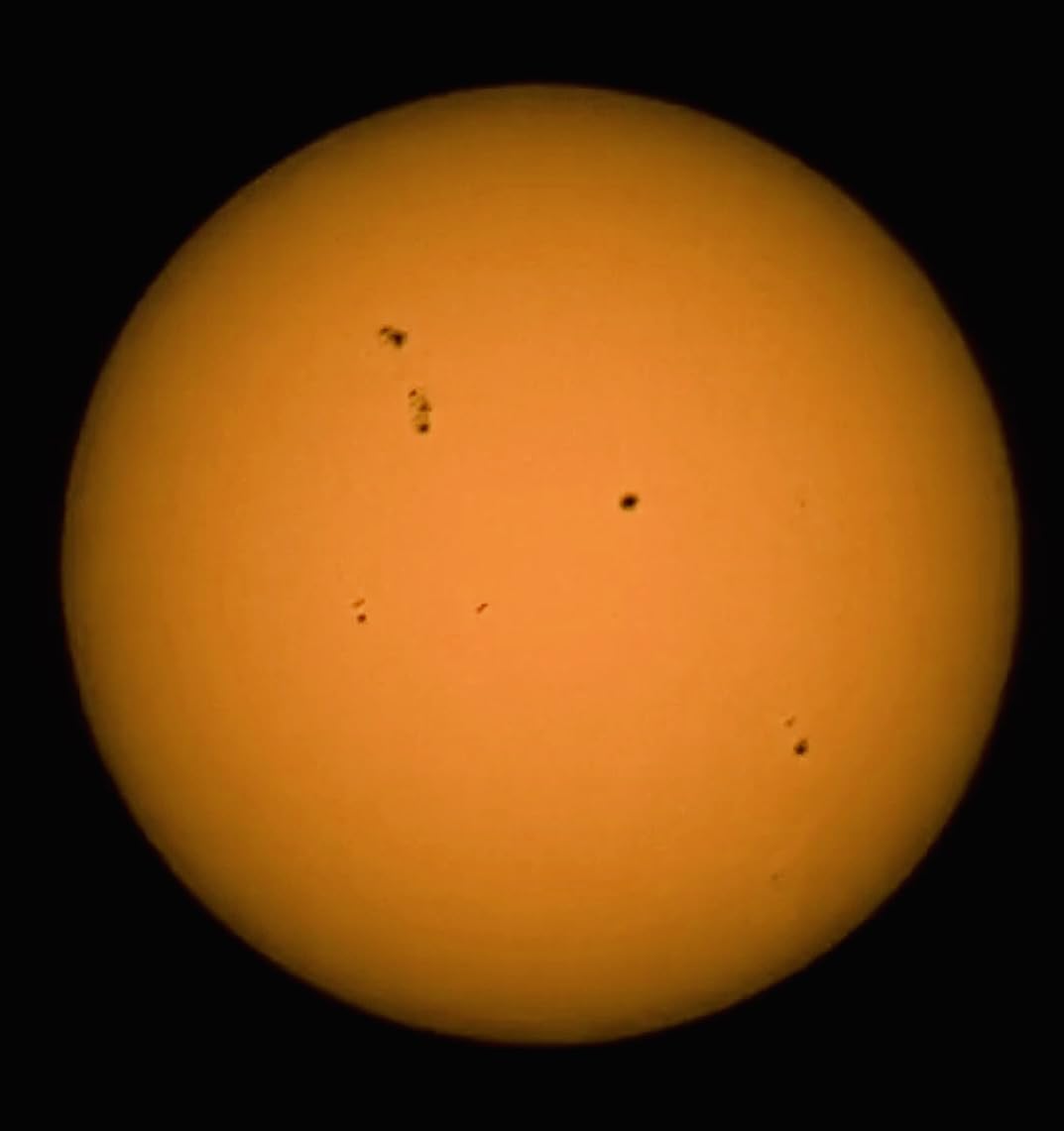
Live stacking is where the magic happens. The built-in camera captures short exposures, and the app stacks them in real time. Watch the Orion Nebula emerge from a black screen over 60 seconds, gaining structure and color with each added frame. AI noise reduction cleans up each successive frame, and by the five-minute mark you have an image that would have required hours of manual processing in the traditional workflow.
The critical limitation is planetary imaging. The Seestar S30’s 30mm aperture and short focal length mean planets appear as tiny disks with almost no surface detail. ZWO is transparent about this in their marketing, stating clearly that the S30 is for deep-sky, the Moon, and the Sun. If you want planetary views, buy a traditional scope instead.
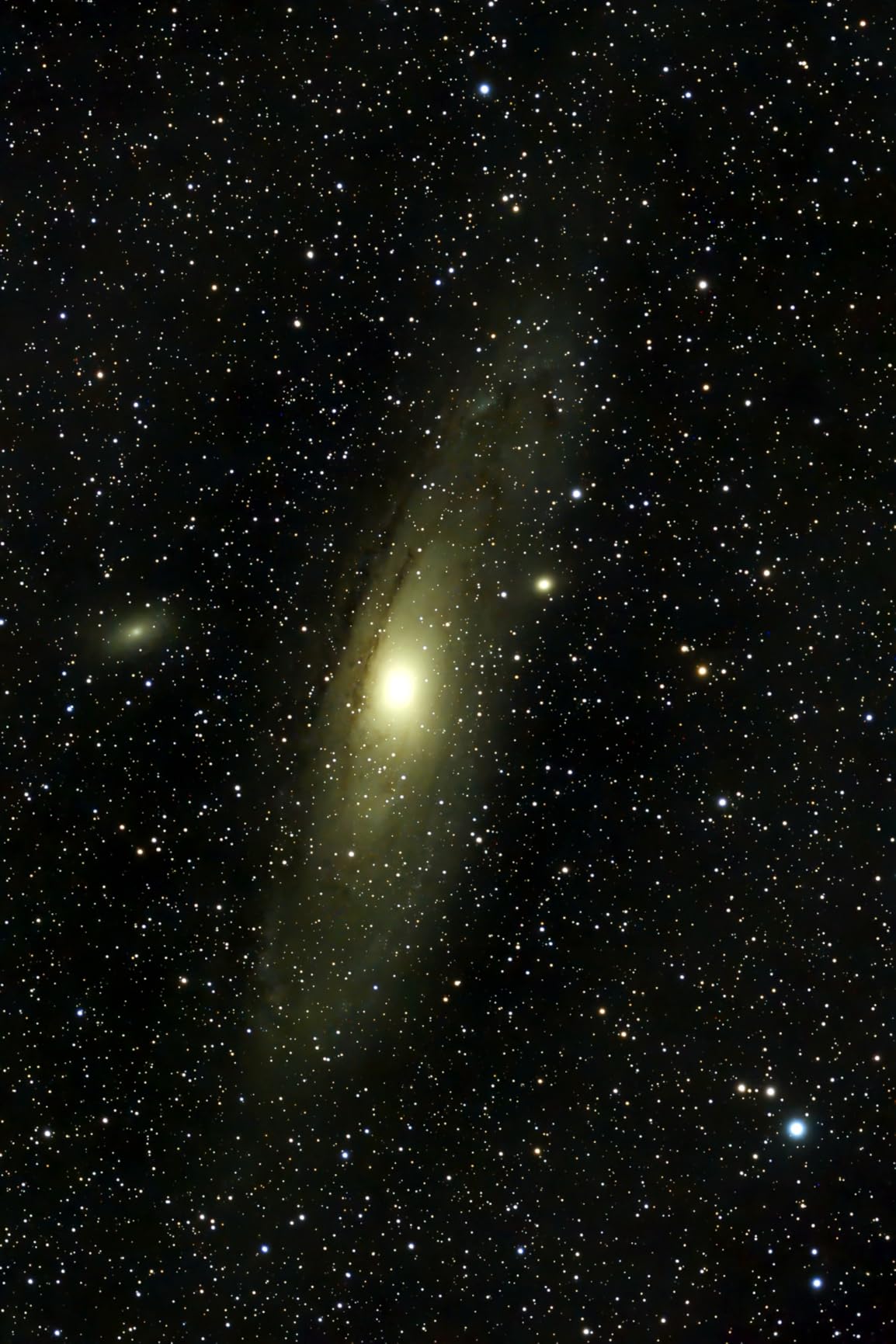
Is the Seestar S30 too small at 30mm aperture?
The 30mm aperture limits you to brighter deep-sky objects, but live stacking compensates impressively. Under Bortle 4 or darker skies, the S30 captures the Orion Nebula, Pleiades, Andromeda Galaxy, Cigar Galaxy, Whirlpool Galaxy, and dozens of emission nebulae. Under heavy light pollution, results are more limited but a dual-band filter helps significantly.
Can you look through the Seestar S30 with your eyes?
No. The Seestar S30 has no eyepiece and no visual capability. Everything is viewed on your phone or tablet screen through the app. This is true of all smart telescopes. If direct visual observation matters to you, choose a traditional GoTo scope like the NexStar 8SE or 130SLT instead.
9. Unistellar Odyssey – Premium Smart Telescope with Enhanced Vision
Pros
- Starts observing in under 2 minutes with auto alignment
- 85mm aperture with Enhanced Vision for deep sky
- RAW and FITS export for advanced processing
- NASA and SETI citizen science campaigns
- Works well even in light-polluted cities
Cons
- Expensive at 2
- 209 dollars
- No eyepiece for visual observation
- App lacks manual controls and sky map
- File transfer only via FTP over WiFi
The Unistellar Odyssey is the smart telescope that made me rethink what these devices can do. The 85mm aperture is nearly three times the light-gathering area of the Seestar S30, and the Enhanced Vision technology stacks hundreds of frames to produce deep-sky images that rival traditional astrophotography setups costing thousands more. Power it on, connect to the app, and you are observing in under two minutes with zero manual alignment.
The self-collimating optics and Stellar AutoFocus mean the scope is always perfectly focused and aligned. This is a genuine innovation. No other smart telescope at this price point handles both focus and optical alignment automatically. From my light-polluted backyard, the Odyssey pulled in the Whirlpool Galaxy’s spiral arms and the Cigar Galaxy with detail I did not expect from a suburban location.
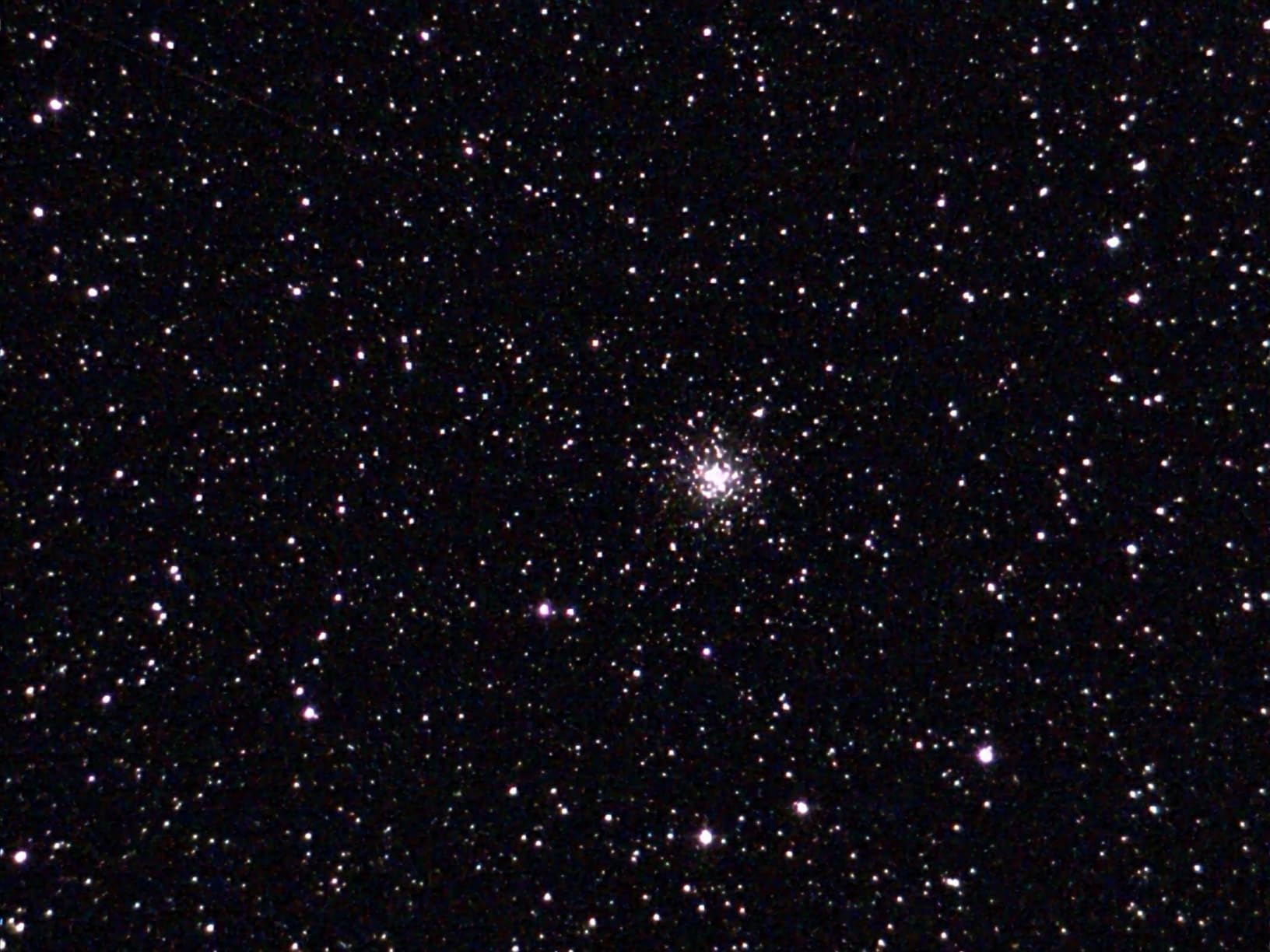
One of the most compelling features is the NASA and SETI citizen science program. Unistellar owners participate in real scientific campaigns, including exoplanet transit observations and asteroid occultations. Your observations contribute to actual research databases. For a backyard astronomer, that is a genuinely meaningful connection to professional science.
The app limitations are the main frustration. There is no sky map for browsing, no manual control mode, and file transfer is limited to FTP over WiFi with no USB-C option. You must connect directly to the telescope’s WiFi network, which means losing internet access on your device during sessions. These are software decisions that feel unnecessarily restrictive on a scope at this price.
How does Enhanced Vision actually work?
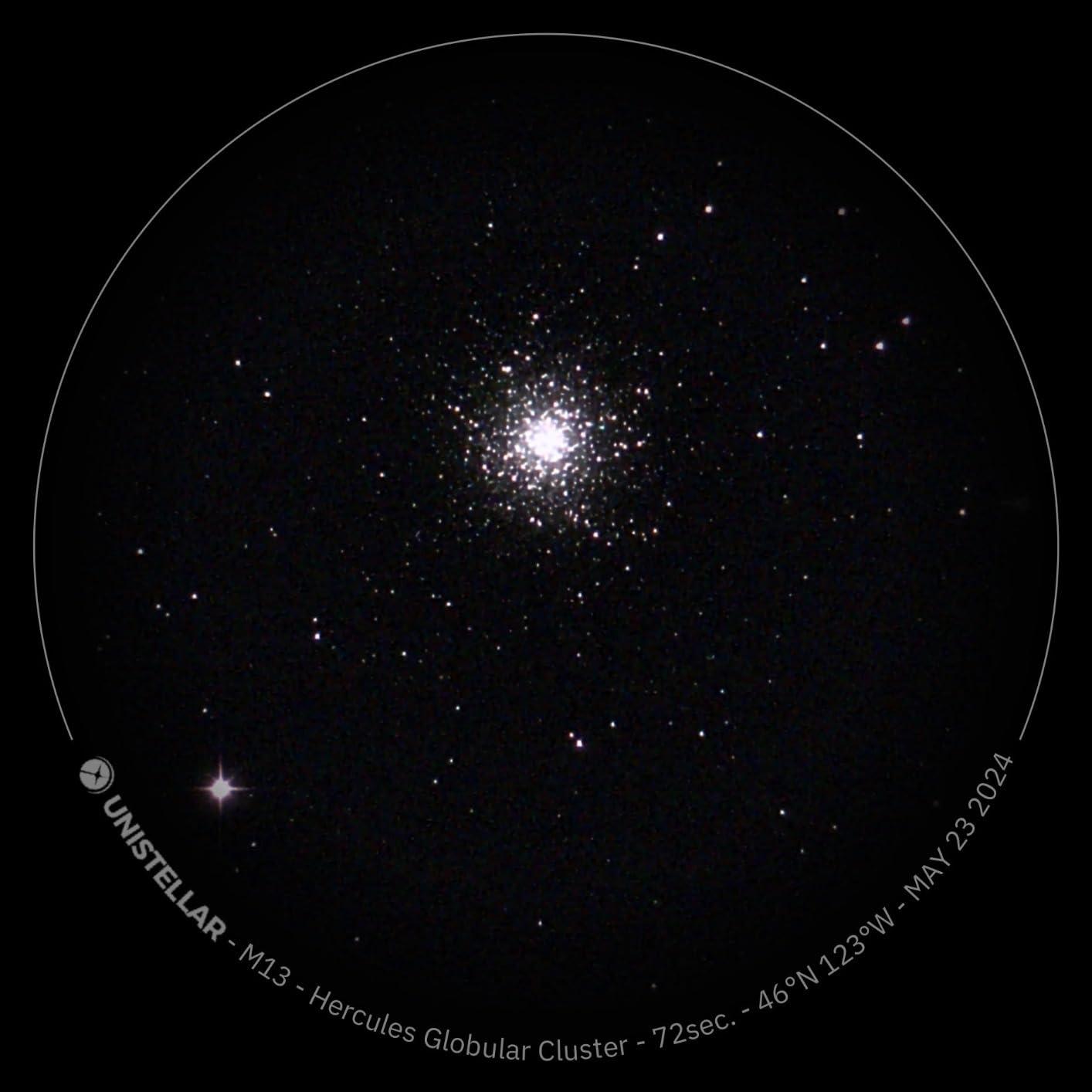
Enhanced Vision captures short exposures continuously and stacks them in real time using the onboard processor. The scope’s computer identifies and aligns stars in each frame, then combines them to build signal while averaging out noise. Over several minutes, faint deep-sky objects that are invisible to the eye become detailed color images on your screen.
Is the Odyssey worth it over the Seestar S30?
The Odyssey’s 85mm aperture gives it roughly 8 times the light-gathering power of the Seestar S30’s 30mm, which translates to significantly more detail on faint galaxies and nebulae. If budget allows and deep-sky imaging is your primary goal, the Odyssey is a substantial upgrade. If you are testing the smart telescope concept, start with the S30 and upgrade later.
10. Vaonis Vespera Pro – Advanced Deep-Sky Imaging Station
Pros
- Sony IMX676 sensor for high-resolution imaging
- CovalENS live panorama capture
- Observation Station for automated overnight sessions
- Automatic dark calibration for cleaner images
- Battery lasts entire night
Cons
- Very expensive at 2
- 990 dollars
- Useless for planetary observation
- Singularity app has usability issues
- No USB-C data transfer option
The Vaonis Vespera Pro represents the upper tier of consumer smart telescopes, combining the Sony IMX676 Starvis 2 sensor with CovalENS panorama technology and an Observation Station mode that runs automated imaging sessions overnight. This is a serious deep-sky imaging platform disguised as a consumer gadget, and the images it produces from light-polluted locations are remarkable.
The Sony IMX676 sensor is a significant step up from the sensors in budget smart telescopes. Higher resolution, better quantum efficiency, and lower read noise translate to cleaner stacked images with more detail in fewer frames. The automatic dark calibration further improves image quality by subtracting thermal noise from every frame.
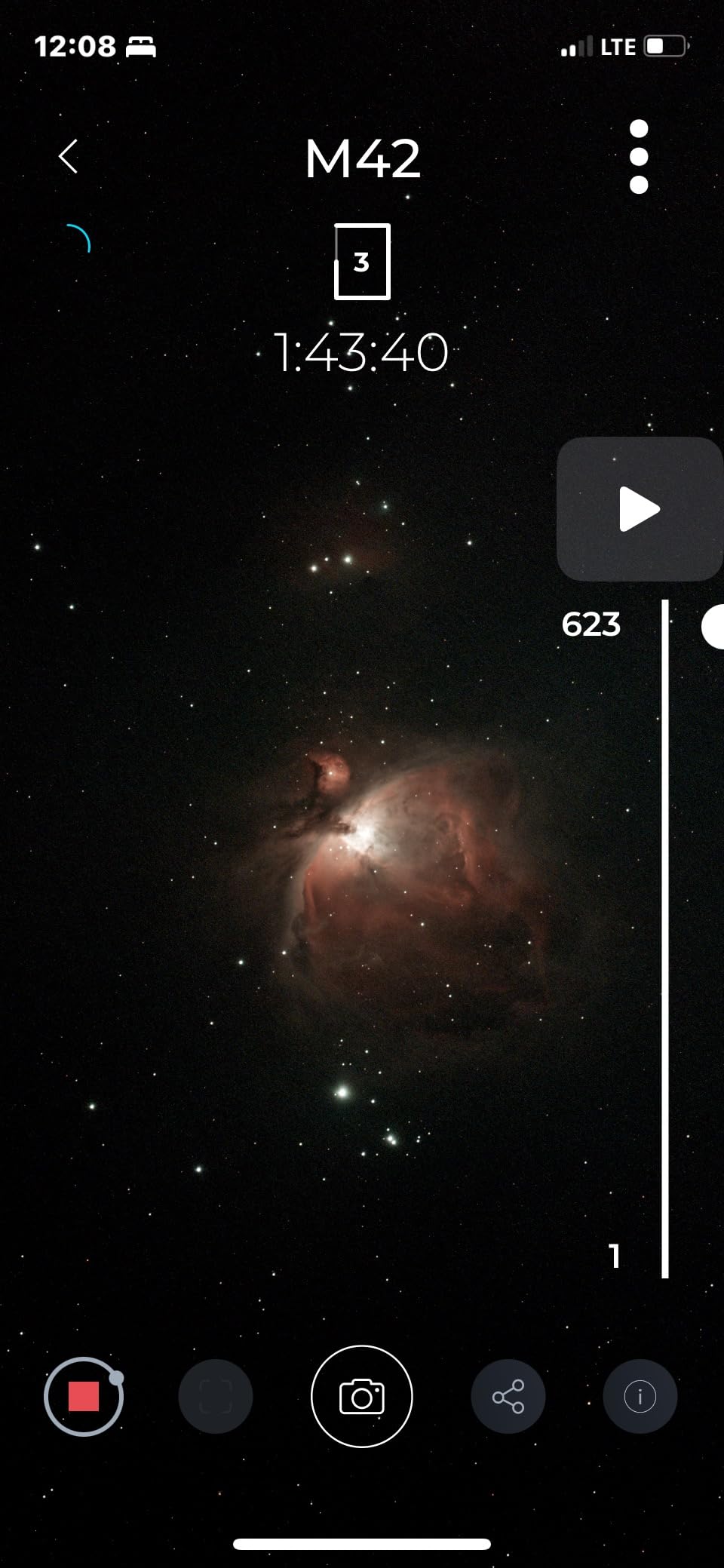
CovalENS is Vaonis’s exclusive mosaic technology, and it is the feature that sets this scope apart. Instead of being limited to the scope’s native field of view, CovalENS captures a grid of images and stitches them into a panorama in real time. You can capture wide-field views of large nebula complexes like the North America Nebula or the California Nebula that simply do not fit in a single frame.
The Observation Station mode lets you schedule overnight imaging sessions. Set up multiple targets, define exposure parameters, and the Vespera Pro works through your queue autonomously while you sleep. In the morning, your processed images are waiting. This is the closest thing to a fully automated personal observatory at the consumer level.
Why is the Vespera Pro bad at planetary imaging?
The short focal length and wide field of view that make the Vespera Pro excellent for large nebulae make it poorly suited for small targets like planets. Planets occupy a tiny fraction of the sensor, and the scope’s optics are optimized for wide-field deep-sky. Vaonis does not market this scope for planetary work, and buyers should understand this limitation before purchasing.
How does the Singularity app compare to other smart telescope apps?
The Singularity app is functional and handles automated imaging well, but it lacks a sky map for browsing and has usability quirks like past observations disappearing from the interface. The ZWO Seestar app is generally considered more polished, while the DWARFLAB app offers more advanced manual controls. Vaonis continues to update the app, but it is the weakest link in an otherwise impressive system.
11. Sky-Watcher Flextube 250 SynScan – 10-Inch GoTo Dobsonian
Pros
- Large 10-inch aperture for bright bold views
- Collapsible tube for portability
- Built-in WiFi for smartphone control
- 94 percent reflective multi-coated mirrors
- 42
- 000-plus object database
Cons
- Quality control issues reported by some buyers
- Base made from MDF not solid wood
- Power adapter only for cigarette lighter
- Heavy at 76 pounds assembled
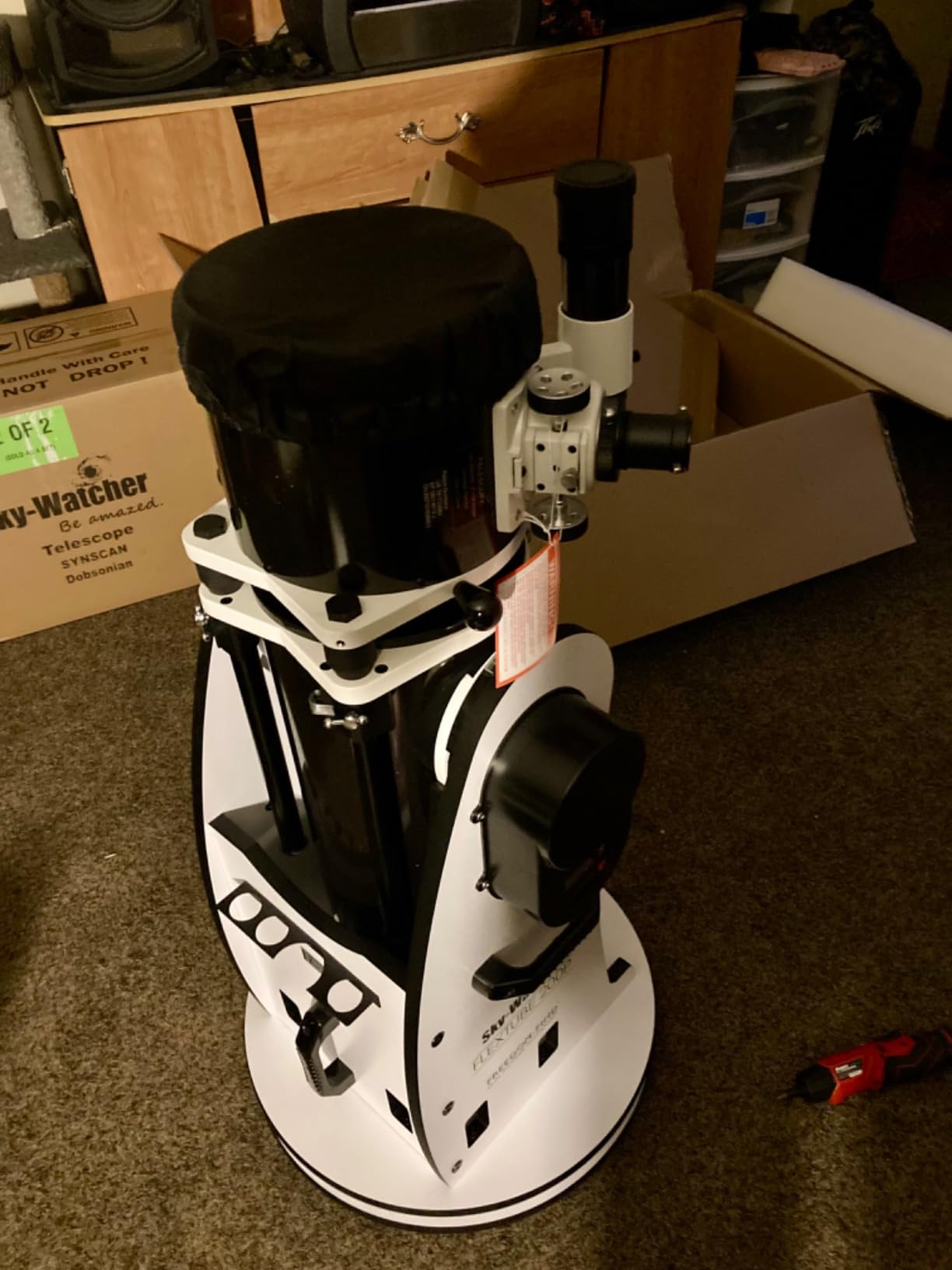
The Sky-Watcher Flextube 250 SynScan gives you more aperture per dollar than any other computerized telescope in this guide. Ten inches of mirror gathers 56 percent more light than an 8-inch scope, which means fainter galaxies, more nebula detail, and brighter views of every object. When it comes to pure visual performance, aperture is king, and this scope delivers a serious crown’s worth.
The collapsible Flextube design is what makes a 10-inch Dobsonian practical for transport. Instead of a single solid tube that barely fits in a car, the Flextube uses four struts that allow the upper section to slide down into the lower section. The collapsed scope fits in most vehicle back seats, and Sky-Watcher claims the design holds collimation well during transport.
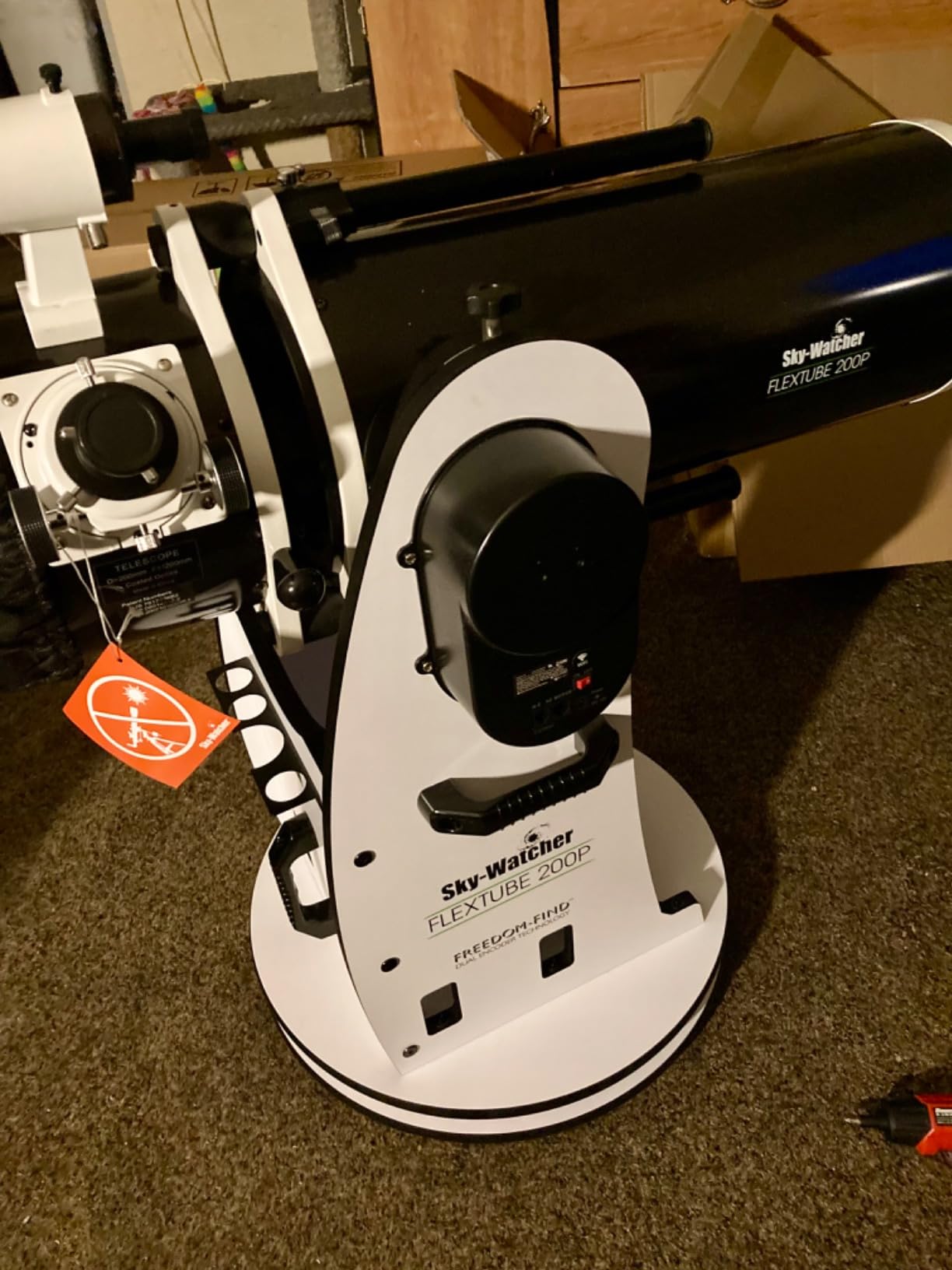
The SynScan GoTo system is robust, with a 42,000-plus object database and built-in WiFi for control from your smartphone or tablet. Alignment takes 2 to 4 minutes using the standard two-star process, and tracking is handled by all-metal gearing on DC servo motors. The scope includes quality accessories out of the box, including a 2-inch Crayford focuser and two super wide-angle eyepieces.
The concern with this scope is quality control. About 20 percent of Amazon reviews are one-star, with buyers reporting damaged secondary mirrors, seized adjustment screws, and drive mechanism failures. Sky-Watcher customer service is responsive and replaces defective units, but the risk of receiving a problematic scope is real. The MDF base is also a downgrade from solid wood construction found on premium Dobsonians.
Is the 10-inch aperture worth the weight and complexity?
If visual astronomy is your priority and you have space to store and transport a 76-pound telescope, the 10-inch aperture is transformative. Globular clusters resolve into thousands of individual stars, galaxies show spiral structure, and nebulae display filamentary detail invisible in smaller scopes. The trade-off is weight, setup effort, and the need for a sturdy surface or dedicated observing location.
How reliable is the SynScan GoTo system?
The SynScan hand controller is one of the most mature GoTo platforms on the market, with reliable alignment and accurate pointing once properly set up. The built-in WiFi module works well with the SynScan Pro app. Some experienced astronomers report minor alignment accuracy issues compared to Celestron’s SkyAlign, but the system is generally dependable when you follow the alignment procedure carefully.
12. Vaonis Vespera II X Edition – AI-Powered Next-Gen Smart Telescope
Pros
- Premium apochromatic quadruplet lens
- CovalENS mosaic imaging up to 24MP
- AI-powered observation guidance with LumENS
- Multi-night stacking with PerseverENS
- Integrated dew heater with humidity sensors
Cons
- No customer ratings yet
- Very high price at 2
- 290 dollars
- Smaller 50mm aperture for this price
- Limited stock availability
The Vaonis Vespera II X Edition is the newest entry in this guide and represents Vaonis’s latest attempt to push smart telescope technology forward. The headline features are a quadruplet apochromatic lens using S-FPL52 glass, CovalENS mosaic imaging capable of 24-megapixel output, and AI-powered observation guidance through the LumENS system. This is a next-generation device built for users who want maximum image quality in a fully automated package.
The apochromatic quadruplet lens is a significant optical upgrade over standard achromatic designs used in budget smart telescopes. Apochromatic glass corrects for chromatic aberration across the full color spectrum, meaning stars render as tight, color-free points even at the edges of the field. For deep-sky imaging where edge sharpness matters, this optical quality is a tangible advantage.
The ENS Technologies software suite is where the Vespera II X distinguishes itself. CovalENS captures and stitches mosaic images in real time, producing wide-field panoramas at up to 24 megapixels. PerseverENS allows multi-night stacking, so you can add data to the same target across multiple sessions for progressively deeper images. LumENS provides AI-guided target selection and imaging optimization.
The integrated dew heater with humidity sensors is a practical feature that addresses one of the most common smart telescope frustrations. Dew forming on the objective lens ends imaging sessions prematurely, and the automatic dew management system prevents this without manual intervention. The cast aluminum chassis with integrated counterweight provides stability that plastic-bodied competitors cannot match.
Why does the Vespera II X have no reviews yet?
As a very recent product release, the Vespera II X Edition has not accumulated customer reviews on Amazon. Based on the proven technology from the Vespera Pro and Vaonis’s track record with the original Vespera lineup, the optical and software platform is expected to perform well. Early buyers are paying a premium for the newest generation of features.
Should you wait for reviews or buy now?
If you need a smart telescope immediately and want proven reliability, the Vaonis Vespera Pro or Unistellar Odyssey have established track records. If you prioritize the latest optical and AI features and are comfortable being an early adopter, the Vespera II X Edition offers technology that no competitor currently matches, particularly the apochromatic optics and 24MP CovalENS mosaics.
Buying Guide: How to Choose the Best Computerized Telescope?
Choosing among the best computerized telescopes comes down to understanding what you actually want to do with it. Visual observing and astrophotography require very different tools, and the smart telescope versus traditional GoTo decision fundamentally shapes your experience. Here is how I think about the key factors after testing these 12 scopes extensively.
First, decide between visual observing and imaging. If you want to look through an eyepiece and see Saturn’s rings with your own eyes, you need a traditional telescope like the Celestron NexStar 8SE, 130SLT, or Sky-Watcher Flextube 250. If you want to capture deep-sky images on your phone without learning complex astrophotography workflows, a smart telescope like the ZWO Seestar S30, DWARFLAB Dwarf 3, or Unistellar Odyssey is the right choice. These are fundamentally different experiences, and no single scope does both well.
Aperture matters more than any other specification for visual observing. A larger mirror or lens gathers more light, which means brighter views and more detail on every object. The jump from 114mm to 130mm is noticeable. The jump from 130mm to 203mm is dramatic. The jump from 203mm to 254mm is transformative. Buy the largest aperture you can afford, transport, and set up without it becoming a chore.
For smart telescopes, sensor quality and processing software matter more than aperture alone. The Sony IMX676 sensor in the Vaonis Vespera Pro, the dual-lens system in the DWARFLAB Dwarf 3, and the Enhanced Vision technology in the Unistellar Odyssey all represent different approaches to extracting maximum image quality from modest apertures. Read the spec sheets but trust the sample images more than the numbers.
Mount type determines what you can do astrophotographically. Alt-azimuth mounts, which most consumer GoTo scopes use, are fine for visual work and short-exposure imaging. They introduce field rotation that limits single-exposure astrophotography to about 30 seconds. Equatorial mounts or EQ modes solve this problem by aligning the mount’s rotation axis with Earth’s polar axis. For serious deep-sky astrophotography with a traditional scope, you need an EQ mount or wedge.
Battery life and power management is the most overlooked factor in telescope buying. Traditional GoTo scopes from Celestron and Sky-Watcher will eat through eight AA batteries in under an hour of active slewing. Budget for a 12V power adapter for home use and a power tank for field use. Smart telescopes with built-in lithium batteries like the Celestron Evolution 8 (10 hours), Vaonis Vespera Pro (9 to 10 hours), and Unistellar Odyssey (5 hours) eliminate this headache entirely.
App quality varies dramatically between brands. The ZWO Seestar app is widely regarded as the most polished and intuitive. The DWARFLAB app offers advanced controls for experienced users. Celestron’s SkyPortal is functional but occasionally buggy. Vaonis’s Singularity app has the most limited feature set. Unistellar’s app is reliable but lacks manual controls. If app experience matters to you, test the app before committing to a scope.
Finally, consider light pollution honestly. If you observe from Bortle 7 or 8 urban skies, smart telescopes with narrowband filters will outperform any visual scope on deep-sky targets. Visual astronomy in heavy light pollution is limited to the Moon, planets, and the brightest star clusters. If you can travel to Bortle 4 or darker skies, both visual and smart telescopes perform dramatically better.
Frequently Asked Questions
Are computerized telescopes worth it?
Computerized telescopes are worth it for anyone who wants to find celestial objects quickly without learning star-hopping. GoTo and smart telescopes eliminate hours of searching and let beginners see deep-sky objects on their first night. The trade-off is higher cost, the need for power management, and potential alignment frustrations. For visual observers who enjoy the challenge of finding objects manually, a non-computerized Dobsonian offers better value.
Which telescope is best to see planets from home?
For planetary viewing from home, the Celestron NexStar 127SLT with its long 1500mm focal length Maksutov-Cassegrain optics is an excellent choice. The Celestron NexStar 8SE offers even better planetary performance with its 8-inch aperture. Both provide the high magnification needed for Saturn’s rings, Jupiter’s cloud bands, and lunar surface detail. Smart telescopes are not recommended for planetary observation due to their short focal lengths.
What are the highest rated telescopes?
The highest rated computerized telescopes based on Amazon reviews and expert testing include the Celestron NexStar 130SLT (4.4 stars, 2,174 reviews), DWARFLAB Dwarf 3 (4.6 stars), Celestron NexStar 8SE (4.3 stars, 1,553 reviews), and ZWO Seestar S30 (4.4 stars). These models consistently receive praise for optical quality, ease of use, and reliability.
What is the most advanced smart telescope?
The Vaonis Vespera II X Edition is the most advanced smart telescope currently available, featuring a quadruplet apochromatic lens, AI-guided imaging with LumENS, CovalENS mosaic capture up to 24 megapixels, and multi-night stacking with PerseverENS. The Vaonis Vespera Pro and Unistellar Odyssey are also highly advanced options with proven track records and extensive feature sets.
What is the difference between GoTo and PushTo telescopes?
GoTo telescopes use motorized mounts that automatically slew to any object you select, then track it as it moves across the sky. PushTo telescopes like the Celestron StarSense Explorer use a smartphone app to identify where the telescope is pointing and guide you to push it manually to the target. GoTo is fully automated but requires power and alignment. PushTo is simpler and more reliable but requires manual movement and lacks tracking.
Conclusion
The best computerized telescopes in 2026 cover an enormous range of prices, capabilities, and use cases. For visual astronomy with genuine GoTo convenience, the Celestron NexStar 8SE remains the gold standard, and the NexStar 130SLT offers the same experience at half the price. For smart telescope astrophotography, the ZWO Seestar S30 and DWARFLAB Dwarf 3 make deep-sky imaging accessible to anyone, while the Unistellar Odyssey and Vaonis Vespera Pro deliver premium performance for serious imagers.
My advice is to be honest about how you will actually use the scope. If you want to look through an eyepiece with your own eyes, buy a traditional GoTo telescope. If you want to capture shareable deep-sky images from your phone, buy a smart telescope. Either way, the models in this guide represent the best options available right now, tested and ranked to help you make the right choice on your first night under the stars.