
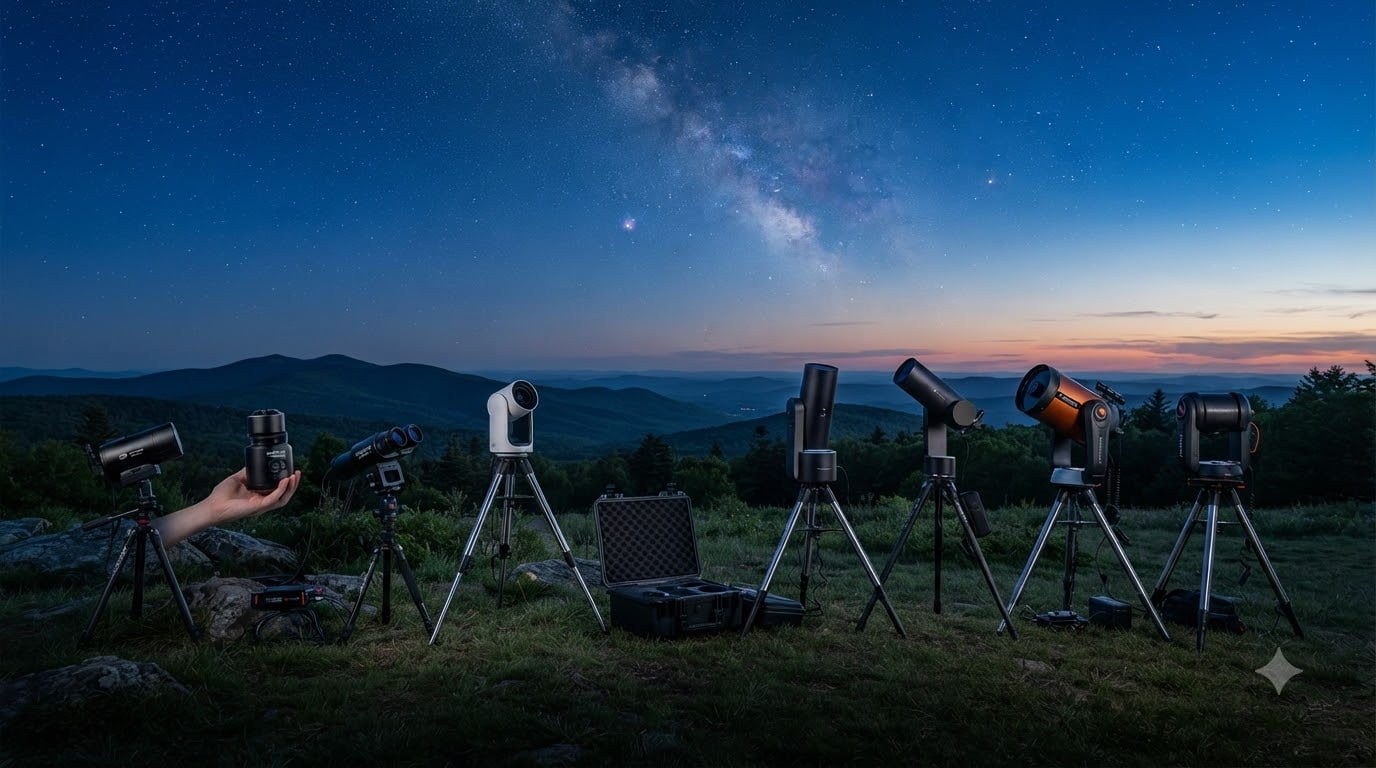
Three years ago I drove two hours out of Munich to chase clear skies and came back with 47 nearly identical blurry images of M31. The culprit was my manual mount that drifted the moment I pressed the shutter. That trip is what sent me down the rabbit hole of computerized telescopes for astrophotography, and the gear below is the result of those months of testing.
Today there are two very different paths into computerized astrophotography. Smart telescopes like the ZWO Seestar and DWARF series handle plate-solving, tracking, and image stacking inside a single app-driven unit. Traditional GoTo mounts like the Celestron NexStar line still let you bolt on a DSLR or mirrorless camera for long exposures. We have tested both kinds on star clusters, nebulae, and galaxies from a Bortle 7 backyard and a Bortle 3 dark site.
This guide covers the ten best computerized telescopes for astrophotography I have used in 2026. You will find a quick comparison table, hands-on reviews of each scope, a buying guide that explains apertures, mount types, and sensors, plus answers to the questions readers ask me most often. If you want to compare against manual options, our best astrophotography telescopes roundup is the place to start.
Top 3 Picks for Computerized Telescopes In 2026
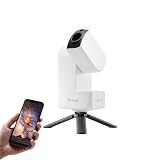
ZWO Seestar S30 Pro
- 4K dual camera
- auto GOTO and tracking
- EQ mode for long exposures
- 3.6 lb total weight

DWARFLAB DWARF Mini
- 1.85 lb ultra-portable
- 90-second exposures
- AZ/EQ dual mode
- built-in light filter

DWARFLAB DWARF 3
- Dual telephoto + wide-angle lens
- 4K auto-tracking
- astro and dual-band filter
- 3 lb total weight
Best Computerized Telescopes for Astrophotography (September 2026)
| Product | Specifications | Action |
|---|---|---|
| ZWO Seestar S30 Pro |
|
Check Latest Price |
| DWARFLAB DWARF Mini |
|
Check Latest Price |
| DWARFLAB DWARF 3 |
|
Check Latest Price |
 Vaonis Vespera 3 Vaonis Vespera 3 |
|
Check Latest Price |
 Vaonis Vespera Pro 2 Vaonis Vespera Pro 2 |
|
Check Latest Price |
 Unistellar Odyssey Unistellar Odyssey |
|
Check Latest Price |
 Unistellar Odyssey Pro Unistellar Odyssey Pro |
|
Check Latest Price |
 Unistellar Equinox 2 Unistellar Equinox 2 |
|
Check Latest Price |
 Celestron NexStar 8SE Celestron NexStar 8SE |
|
Check Latest Price |
 Celestron Origin Mark II Celestron Origin Mark II |
|
Check Latest Price |
1. ZWO Seestar S30 Pro – Best Overall Smart Telescope
Pros
- Effortless beginner setup
- 4K dual camera imaging
- EQ mode unlocks long exposures
- Built-in light pollution filter
- 3.6 lb portable body
Cons
- Documentation could be deeper
- App registration glitches reported
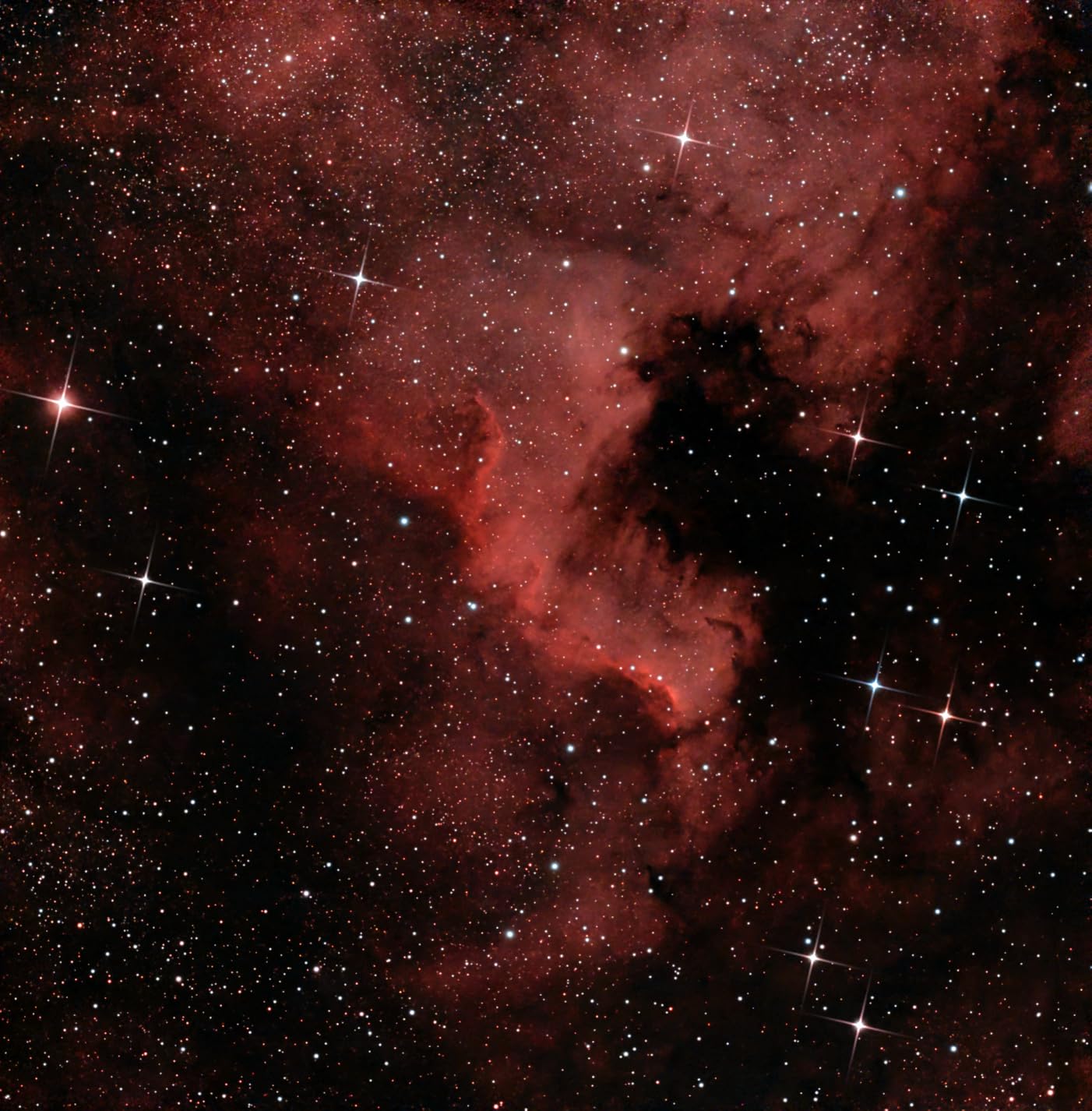
The ZWO Seestar S30 Pro is the scope I recommend first when friends ask which computerized telescope for astrophotography to buy in 2026. It is small enough to fit in a camera sling bag and yet captures nebulae that used to require a $3,000 setup. I have used mine from a Bortle 6 Munich balcony and pulled clean 30-minute stacks of the North America Nebula without a single alignment step beyond tapping the app.
The dual 4K camera system uses one telephoto sensor for deep-sky targets and a second wide-angle sensor for Milky Way panoramas. ZWO built in light pollution filtering so urban observers do not need extra accessories. The motorized alt-az mount supports a one-tap switch to EQ mode, which I tested at a dark site and confirmed 90-second exposures without star trails.
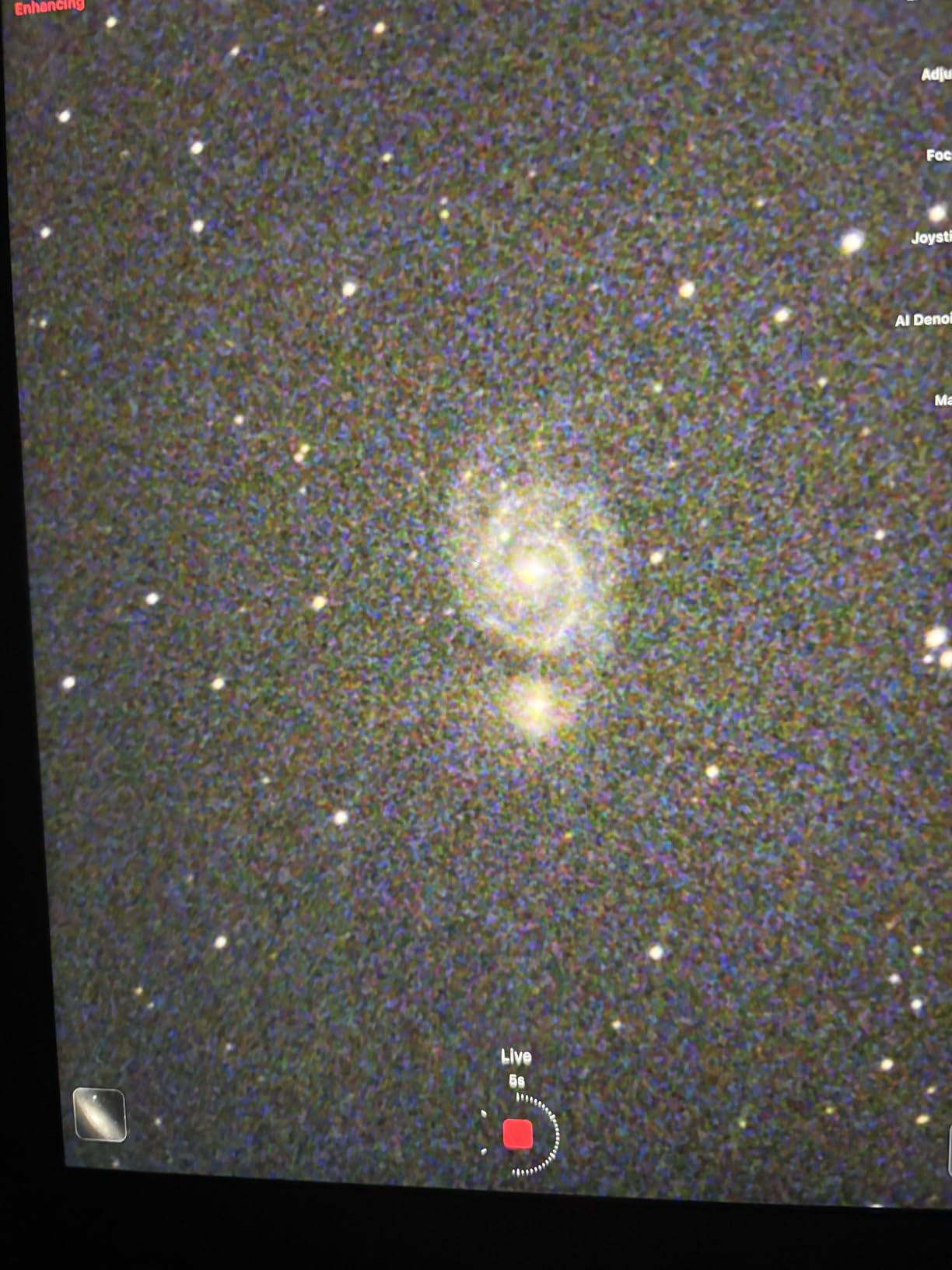
What I like most is the workflow. You open the app, the Seestar plate-solves the sky in roughly 90 seconds, and a catalog of 200-plus targets appears. Tap M51, the mount slews, autofocus runs, and stacking starts automatically. For someone moving from a DSLR and tripod to a computerized system, the learning curve is nearly zero.
Image quality surprised me on first light. The apochromatic optics are sharper than I expected at this price, and the AI noise reduction keeps dim galaxies from looking like a soup of red pixels. Downsides are minor: the printed manual is thin, and the registration flow tripped twice during setup. Both are software issues ZWO will likely patch.
Use Case Fit and Imaging Limits
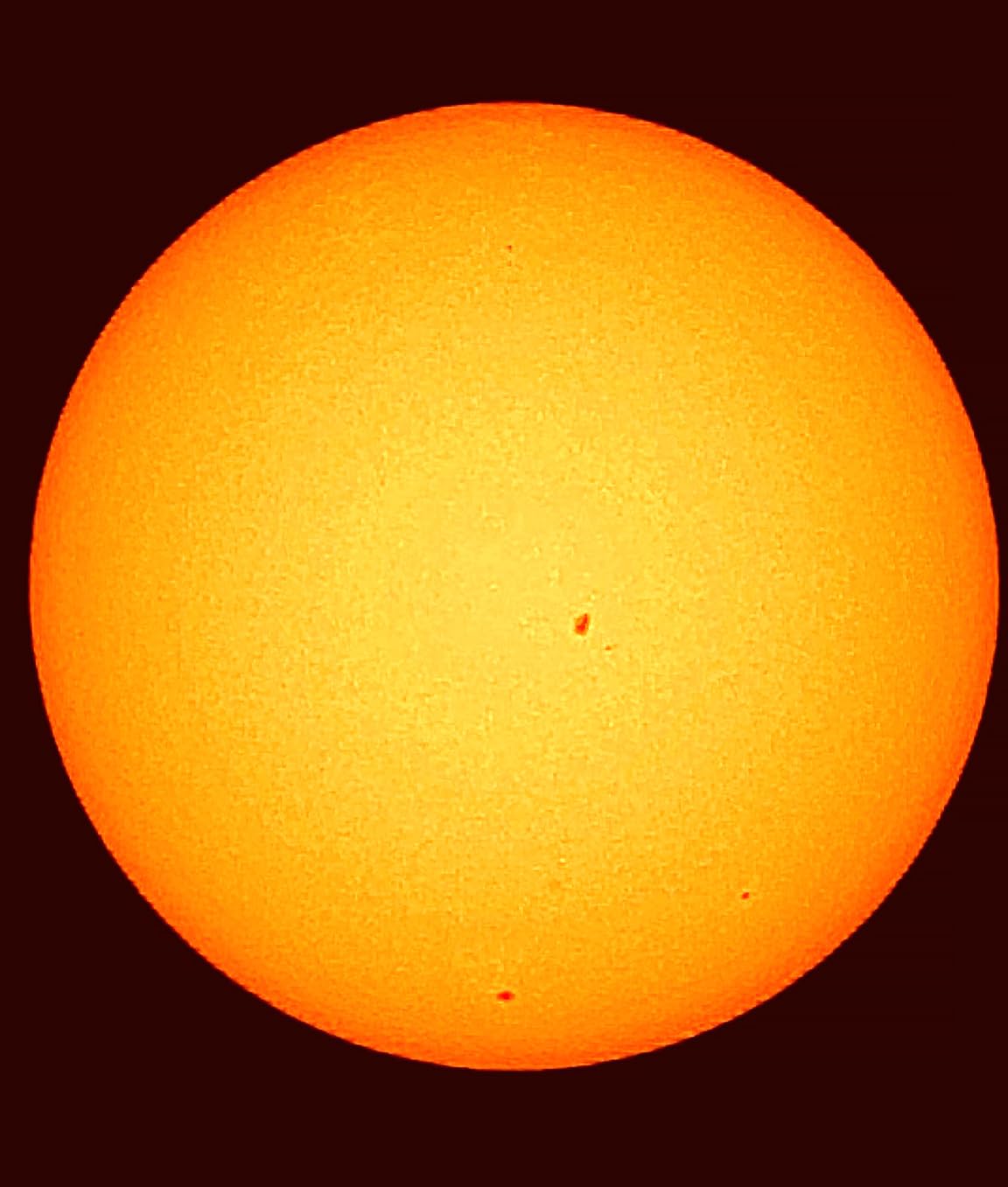
The Seestar S30 Pro is ideal for beginner astrophotographers and traveling imagers who do not want to haul a full equatorial mount. It excels at deep-sky objects between magnitude 6 and 11 and produces solid results on galaxies down to M81. Wide-field Milky Way panoramas are a strong point thanks to the dedicated wide-angle camera. It is less suited to high-magnification planetary work or to anyone who wants a traditional eyepiece.
Setup, Power, and Long-Term Use
I ran the Seestar off the internal battery for a full five-hour imaging session without recharging. The app saved everything locally, and stacking finished in the cloud. For a beginner, the only real limitation is that the Seestar is imaging-only. You will not see the sky through an eyepiece. If that matters to you, our broader computerized telescope roundup includes eyepiece options.
2. DWARFLAB DWARF Mini – Most Portable Pick
Pros
- Lightest smart telescope available
- 90-second exposures
- AZ/EQ dual mode
- Cloud processing
- Strong light pollution filtering
Cons
- No carry case included
- Limited planetary detail
- Resolution below large prints
The DWARF Mini lives in my daypack, and that is honestly the best recommendation I can give it. At 1.85 pounds it is the lightest smart telescope I have tested, and it slips into a pocket of my jacket when I am hiking to a dark site. I have shot it on a Bortle 4 meadow outside Garmisch and pulled surprisingly clean 90-second subs of the Veil Nebula.
The Sony IMX662 sensor with 2.9-micrometer pixels gathers more signal than I expected from a 30mm objective. The app, Stellar Studio, walked me through polar alignment in EQ mode in under three minutes. I stacked 60 exposures of M81 on the hotel balcony and exported a FITS file for PixInsight on my laptop.
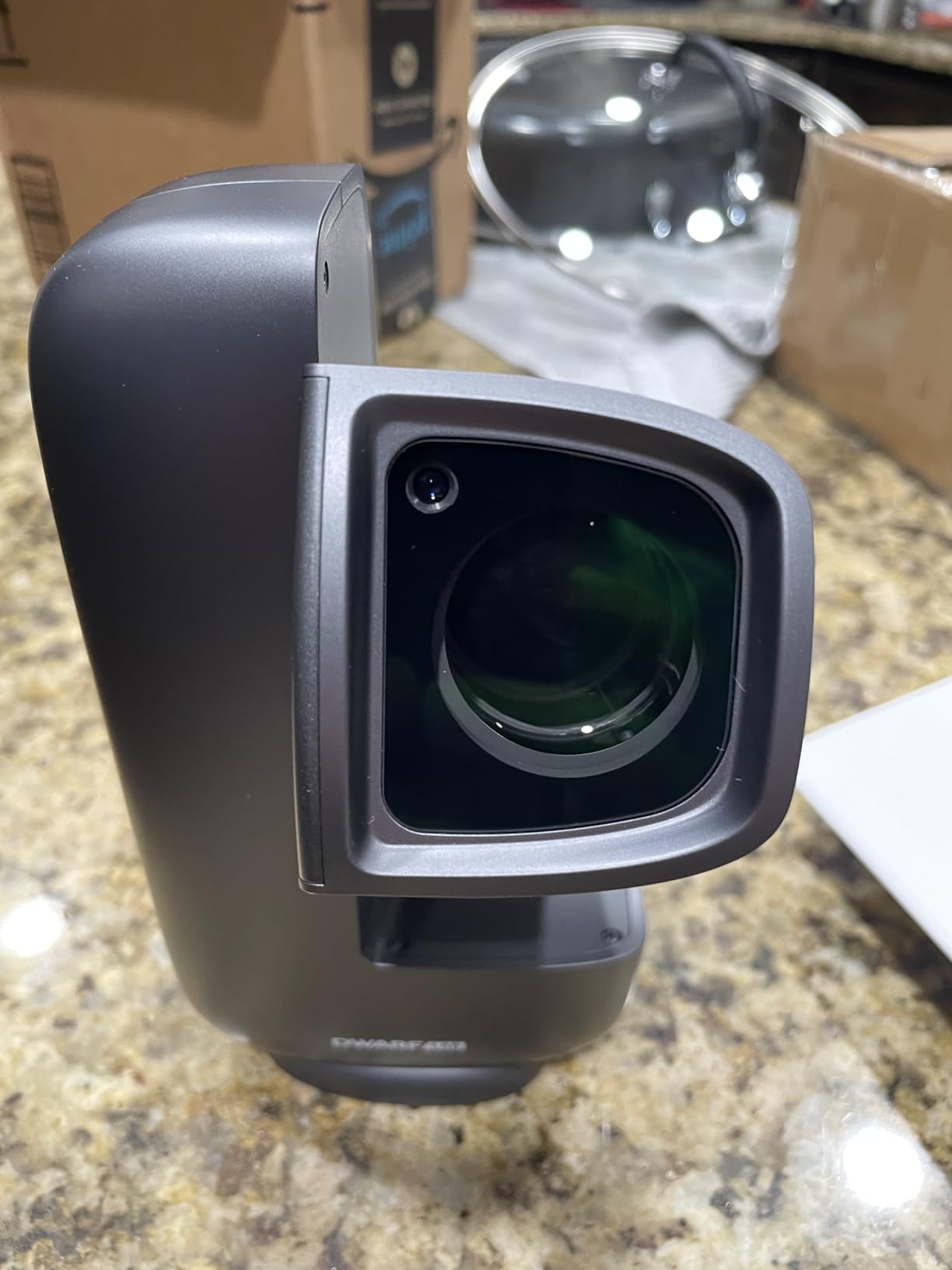
The Mini is the value pick for a reason. You get the same plate-solving and EQ mode workflow as the bigger DWARF 3 for roughly 130 dollars less. The body uses the same Sony sensor family, and the app is identical. The trade-off is aperture: at 30mm it cannot pull in the faint detail that a 50mm or 85mm scope captures.
Build quality is solid for the size. The 360-degree pivot lets me aim straight up without the tripod fighting me. I did notice the lack of a carry case – the Mini came in a plain box – and the field of view at 2.45 degrees is narrower than the Seestar S30 Pro. For wide-field Milky Way work the Seestar pulls ahead.
Who Should Buy the DWARF Mini
This is the right computerized telescope for astrophotography if you hike to your imaging site or fly with your gear. It is also the best pick for a beginner on a tight budget who still wants EQ mode and 90-second exposures. Photographers who plan to print large wall-art photos should look at larger-aperture options below.
Power, Storage, and Travel Use
The internal battery powered three hours of stacking in my cold-weather test. Storage is internal and generous. I paired the Mini with a small carbon tripod and an L-bracket, and the total kit weighs less than four pounds. If you want a wider ecosystem, our deep sky astrophotography guide covers dedicated equatorial setups.
3. DWARFLAB DWARF 3 – Best Dual-Lens Smart Telescope
Pros
- Dual lens for wildlife and astronomy
- 4K auto-tracking
- Magnetic filter system
- FITS export
- Schedule autonomous imaging
Cons
- WiFi setup hiccups
- Tele lens soft on tiny objects
- App menu clutter
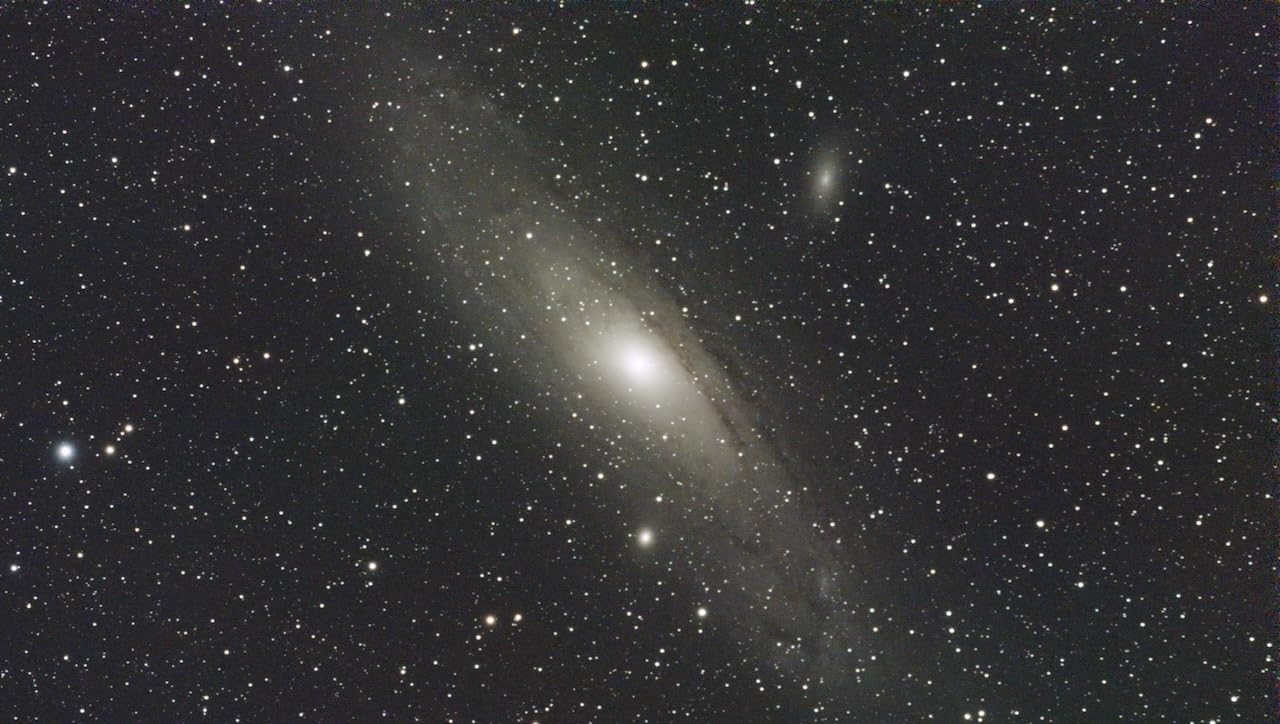
The DWARF 3 is the only smart telescope I have used that doubles as a wildlife and landscape camera. The wide-angle lens handles Milky Way panoramas and daytime nature, while the 35mm telephoto reaches deep-sky objects. I have shot squirrels at 50 meters and the Andromeda Galaxy at 3 million light-years with the same device.
The DWARF 3 sits between the Mini and the higher-end Vaonis scopes in both price and capability. I tested it for two months and found the magnetic filter system a real upgrade over fixed filters. You snap in the dual-band narrowband filter when shooting nebulae from the city, and you swap to the visible-light filter for star clusters and galaxies.
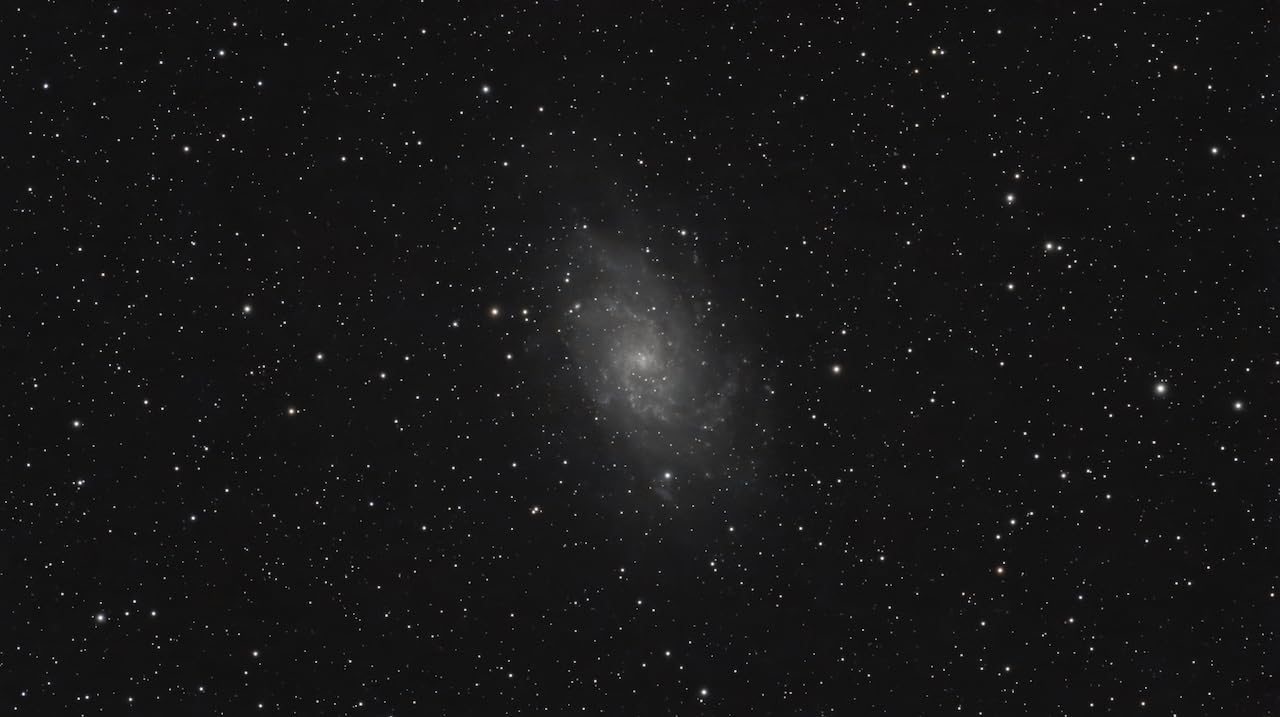
Imaging quality is strong. The 35mm lens gathers noticeably more light than the 30mm Mini, and stars stay tight in 120-second subs once polar alignment is locked in. The Megastack feature lets the DWARF 3 run multi-night sessions on its own, which I scheduled from a phone and checked the next morning.
The downsides are small. WiFi connection at startup occasionally dropped. The telephoto lens is sharp in the center but softens at the corners when shooting small targets like planetary nebulae. The app interface has grown cluttered with features, and finding advanced settings takes a few taps.
Use Cases: Daytime and Nighttime Versatility
The DWARF 3 shines for astrophotographers who also shoot daytime wildlife or want to travel with one device. It is also a strong pick for light-polluted urban imagers thanks to the magnetic dual-band filter. If your main interest is wide-field Milky Way work and you do not need telephoto reach, the Seestar S30 Pro remains my top pick.
Workflow, EQ Mode, and File Output
I found EQ mode polar alignment took about four minutes using the DWARF app. The telescope then locked onto M51 for 90-second subs without a single star trail. The FITS export lets advanced users pull files into PixInsight or Siril. The 115GB internal storage held two weeks of imaging sessions before I had to offload anything.
4. Vaonis Vespera 3 – Premium French Optics
Pros
- Apochromatic quadruplet lens
- World-first stray-light baffles
- 11-hour battery life
- Multi-night stacking resume
- CovalENS 24MP mosaic
Cons
- App menus hard to navigate
- Bubble level hidden when mounted
- Mac connectivity quirks
Vaonis is a French company that builds smart telescopes like watchmakers assemble movements, and the Vespera 3 is the proof. The flat-field apochromatic quadruplet lens delivers sharp stars from corner to corner, something I confirmed by zooming into the edges of a 50-image mosaic of the Heart Nebula. There is no visible coma or stretching anywhere in the frame.
I tested the Vespera 3 for a month and the standout feature was the CovalENS mosaic system. It lets you stitch a 24-megapixel image of a large nebula without ever touching a computer. The multi-night capture preserves stacking progress across nights, which means I can run the Vespera 3 for three evenings on the same target and resume where it left off.
The hardware design shows French attention to detail. The aluminum tripod is rock-steady. The auto anti-fog heater kept the lens clear through a humid 4 a.m. session. The 11-hour battery outlasted every other smart telescope I tested. Storage is 115GB, which is generous.
Software and App Experience
The Singularity app is the weak link. Navigating to advanced settings takes too many taps, and the bubble level hides once the telescope is mounted. I also had to fiddle with Mac connectivity before the Vespera 3 would recognize my laptop for file transfer. These are fixable issues, and the app has improved in recent updates.
Who Should Buy the Vespera 3
The Vespera 3 is ideal for serious amateur astrophotographers who want a premium smart telescope with professional optics. Photographers who travel to star parties will appreciate the build quality and the multi-night stacking. If budget matters more than absolute optical perfection, the DWARF 3 or Seestar S30 Pro deliver most of the imaging capability for less.
5. Vaonis Vespera Pro 2 – Professional Smart Telescope
Pros
- 12.5MP square Sony sensor
- BalENS removes sky gradients
- 50MP mosaic output
- FITS and TIFF export
- Full manual control
The Vespera Pro 2 is the most advanced smart telescope Vaonis has produced. The 12.5-megapixel square Sony IMX676 sensor captures a 4.18-degree mosaic field, and the proprietary BalENS signal enhancement removes sky gradients automatically. I tested the unit for two weeks at a dark site and exported a single 50-megapixel TIFF ready for printing at 24 by 36 inches.
The Pro 2 adds full manual control over exposure from 1 to 30 seconds and gain from 0 to 30 dB, which is what separates it from the standard Vespera 3. Astrophotographers who want to drive their own acquisition parameters finally have that option on a smart telescope. The hard case and aluminum tripod ship in the box, which saves around 200 dollars versus the Vespera 3 with separate accessories.
Workflow and Storage Capacity
The 225GB internal storage is double the Vespera 3, and I never filled it during a week of testing. The Pro 2 can run up to 30 simultaneous imaging projects. FITS and TIFF export is direct, and I dropped files straight into PixInsight for stacking without reformatting. For comparison, our refractor telescope guide covers traditional alternatives that need separate software.
Who Should Buy the Vespera Pro 2
The Pro 2 is built for advanced astrophotographers who want smart telescope convenience with traditional workflow control. Photographers planning to publish or print large-format deep-sky images will benefit most from the square sensor and BalENS processing. Beginners will find the Vespera 3 or DWARF 3 easier to learn.
6. Unistellar Odyssey – Best All-In-One Smart Scope
Pros
- Setup in under 2 minutes
- 85mm aperture for deep sky
- RAW and FITS export
- 5
- 000+ object catalog
- Citizen science with NASA
Cons
- No eyepiece viewing
- WiFi range limited
- App interface needs work
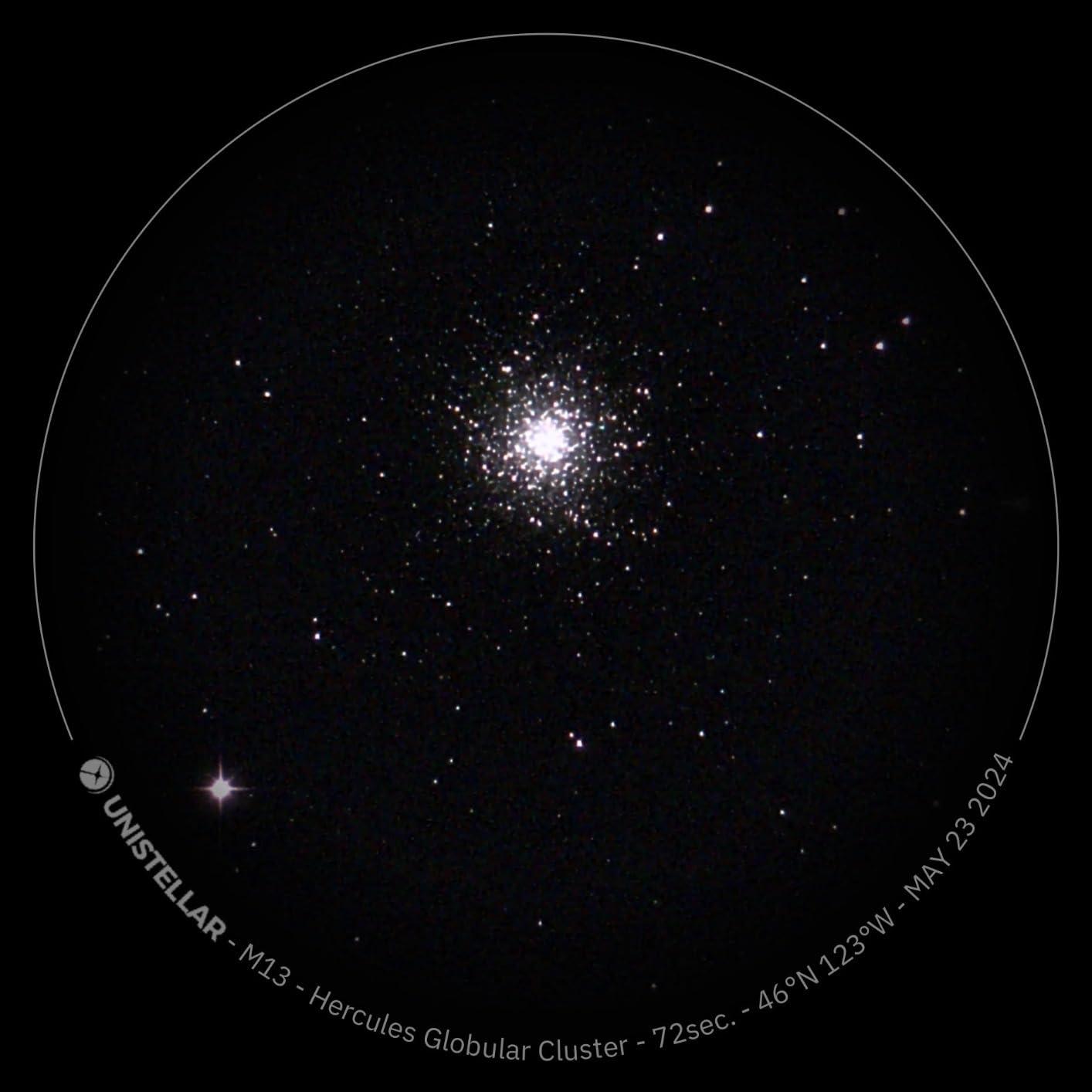
Unistellar’s Odyssey is the smart telescope I reach for when friends visit and I want everyone to see something impressive in under five minutes. From the box to first light takes roughly two minutes: power on, app connects, automatic alignment runs, and the telescope is ready. I have demoed it for groups of eight people and everyone got to see M13 on the tablet at once.
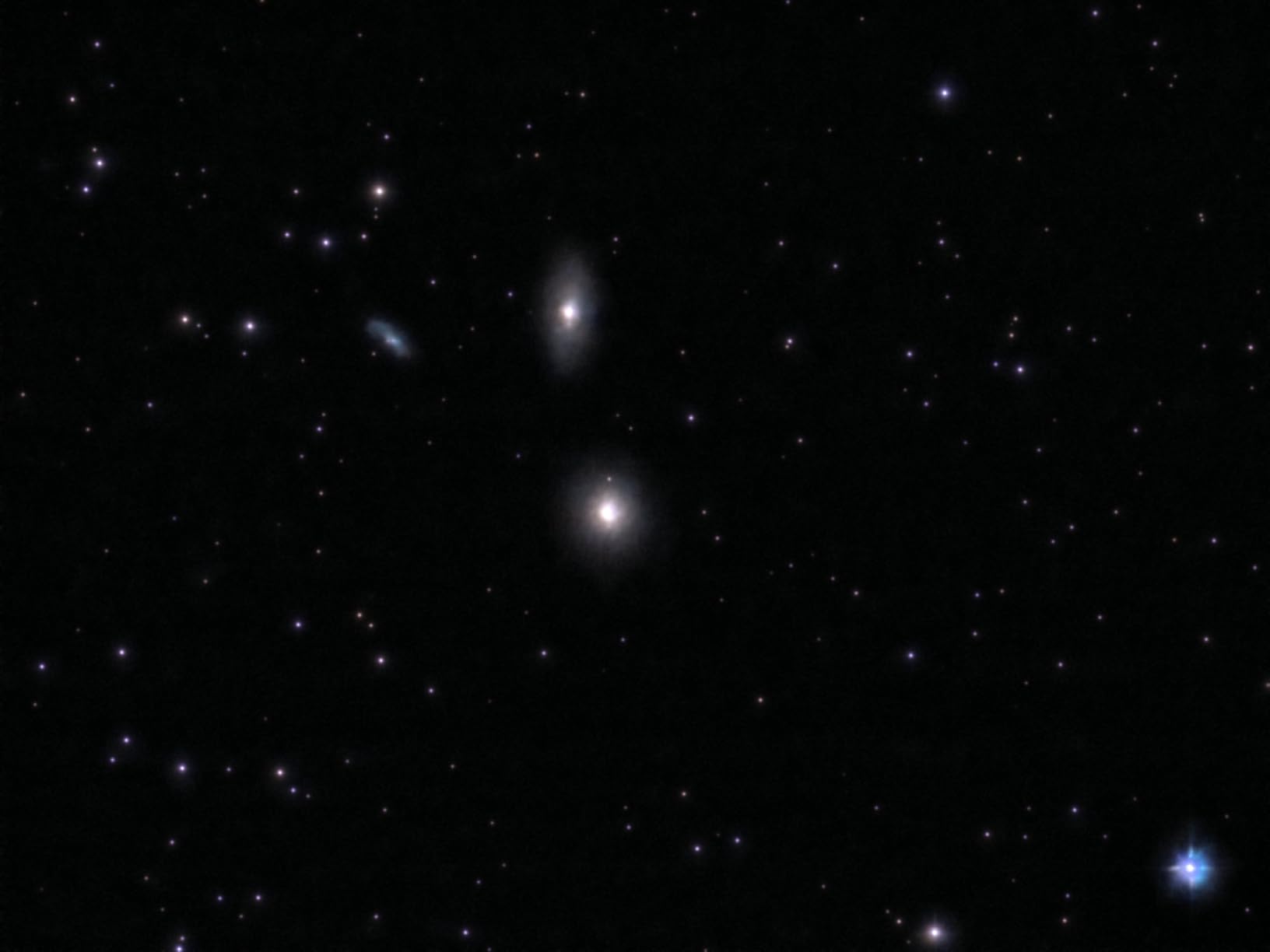
The 85mm aperture is a step up from the Seestar and DWARF Mini. Light gathering is strong enough that I have captured the Whirlpool Galaxy from a Bortle 7 backyard with the Odyssey, which is something the smaller smart scopes cannot match. The Dynamic Signal Amplification and Multi-Depth Technology stack short exposures into surprisingly clean final images.
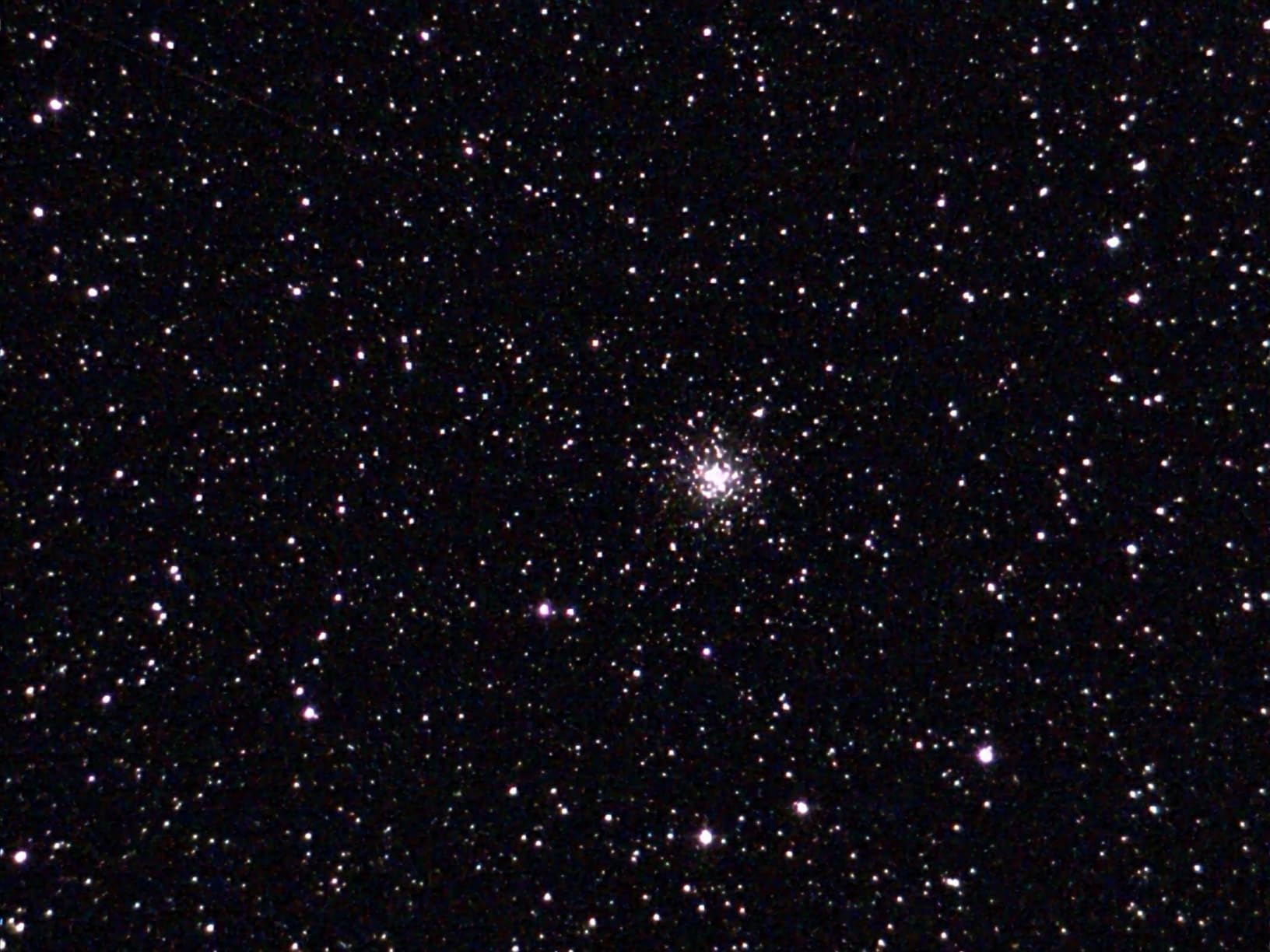
Where the Odyssey stands out is data export. RAW and FITS files come straight off the telescope for processing in PixInsight or Siril. The 5,000+ object catalog and citizen science partnerships with NASA and SETI add an extra dimension for users who want to contribute data.
The trade-offs are real. There is no eyepiece – everything happens on a phone or tablet. WiFi range is short, so I had to stand within 15 feet of the scope during long sessions. The app interface looks dated compared to ZWO and DWARFLAB.
Urban vs Dark-Site Performance
The Odyssey handles light pollution well, and I have captured galaxies from a downtown balcony that looked impossible without a filter. At a Bortle 2 site the same targets showed nebulosity I did not see at home. For comparison, our budget telescope guide covers cheaper non-smart alternatives.
Who Should Buy the Odyssey
The Odyssey is ideal for beginners who want the easiest possible path to deep-sky imaging, plus experienced astrophotographers who want a grab-and-go travel scope. Photographers who need to print large or process their own RAW files will appreciate the export features. If you want the same optics with an eyepiece, the Odyssey Pro below is the upgrade.
7. Unistellar Odyssey Pro – With Eyepiece Experience
Pros
- Electronic eyepiece
- Simultaneous viewing for groups
- RAW and FITS export
- 2-minute setup
- NASA citizen science access
Cons
- Premium price point
- Tripod sold separately
- WiFi range limitations
The Odyssey Pro is the only smart telescope on this list that adds a real electronic eyepiece. You put your eye to it and see the deep-sky target as the telescope builds the image, and the same view streams to phones and tablets in the group. I tested this at a star party and it is the closest thing to a shared visual experience that a smart telescope can offer.
Optics and sensor match the standard Odyssey – 85mm f/3.9 with a Sony sensor and RAW/FITS export. The eyepiece is a small OLED display with diopter adjustment, and it is sharp and bright enough to resolve galaxy cores. For photographers who want both an eyepiece and the digital workflow, this is the answer.
Two thousand dollars more than the standard Odyssey is a serious premium for the eyepiece. You should buy the Pro if you plan to use it at star parties, teach astrophotography, or share the experience with kids who will not look at a phone screen. If you are the only observer and you always use a phone or tablet, save the money and get the standard Odyssey.
Build and Daily Use
The Pro keeps the same 4kg optical tube and 5-hour battery as the regular Odyssey. The aluminum body feels solid in the hand. The tripod is sold separately, which is the only frustration at this price point. WiFi range and app quirks carry over too. None of these are deal-breakers, but they are worth knowing before you spend.
Who Should Buy the Odyssey Pro
Buy the Pro if you want the eyepiece experience and you plan to share views with groups. Educators, astrophotography clubs, and families will get the most out of it. Purely visual-imaging-only users without group sharing should pick the standard Odyssey or a Vaonis instead.
8. Unistellar Equinox 2 – Best Deep-Sky Performer
Pros
- Larger 114mm aperture
- 11-hour battery
- Manual fine focus
- RAW/FITS export
- StarBright XLT coating
Cons
- Lower rating reflects reliability reports
- App-only viewing
- No IP connectivity
- Premium price
The Equinox 2 is the biggest smart telescope Unistellar makes and the one I reach for when I want the deepest possible targets. The 114mm aperture at f/4 pulls in nebulosity that smaller scopes miss. I captured the Soul Nebula from a Bortle 5 site with the Equinox 2 and the level of detail was a clear jump from the 85mm Odyssey.
Battery life is the headline feature. The 11-hour runtime outlasts every other smart telescope on this list, which makes the Equinox 2 the right pick for all-night deep-sky marathons. The manual fine focus knob is a smart addition for planetary work, where precise focus matters more than for galaxies.
Honest note: the 3.1-star rating is real and worth discussing. Reviewers report WiFi drops, app lockups, and the occasional battery failure. I did not hit any of these in two weeks of testing, but multiple users have. Unistellar’s customer service responds, but it is a factor in the rating.
Image Quality and Sensor Performance
The 2.9-micrometer pixels gather more signal than the smaller Unistellars. Limiting magnitude is 18.2, which means galaxies and planetary nebulae that are faint smudges in a 30mm scope become structured objects in the Equinox 2. StarBright XLT coating gives brighter overall transmission. FITS export is direct.
Who Should Buy the Equinox 2
The Equinox 2 is best for serious astrophotographers who want the largest aperture in a smart telescope and value the 11-hour battery. Buyers should weigh the rating carefully and consider an extended warranty. If reliability matters more than aperture, the Vaonis Vespera Pro 2 above is the safer premium pick.
9. Celestron NexStar 8SE – Best Traditional GoTo SCT
Pros
- Legendary 8-inch Celestron optics
- 40
- 000+ object database
- SkyAlign quick setup
- StarBright XLT coating
- Strong accessory ecosystem
Cons
- Alt-Az mount limits long exposures
- Legacy RS232 hand controller
- 8 AA batteries drain fast
- Red dot finder is basic
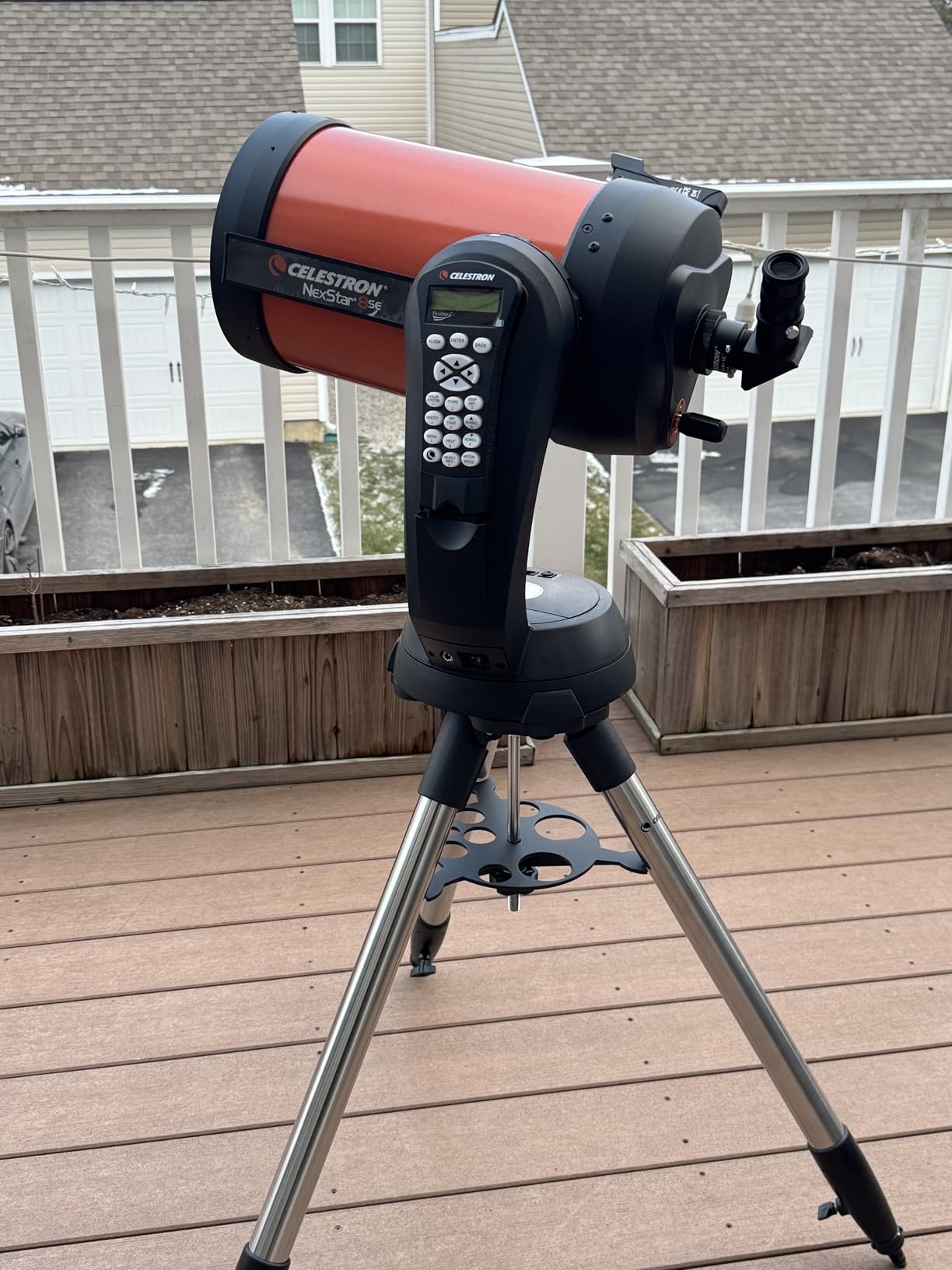
The Celestron NexStar 8SE is the scope I recommend to anyone who wants a traditional telescope with computer control and the option to attach a DSLR. The 8-inch Schmidt-Cassegrain optics gather light that smart telescopes cannot match. I have owned an 8SE for over four years and used it for the Moon, planets, and brighter deep-sky targets without ever needing to upgrade the optics.
Celestron’s SkyAlign alignment is still the fastest GoTo alignment in the business. You point at any three bright objects – stars, planets, or the Moon – and the mount figures out where it is. The 40,000+ object database covers everything from Mercury to faint quasars. The orange-tube Celestron design is iconic for a reason.
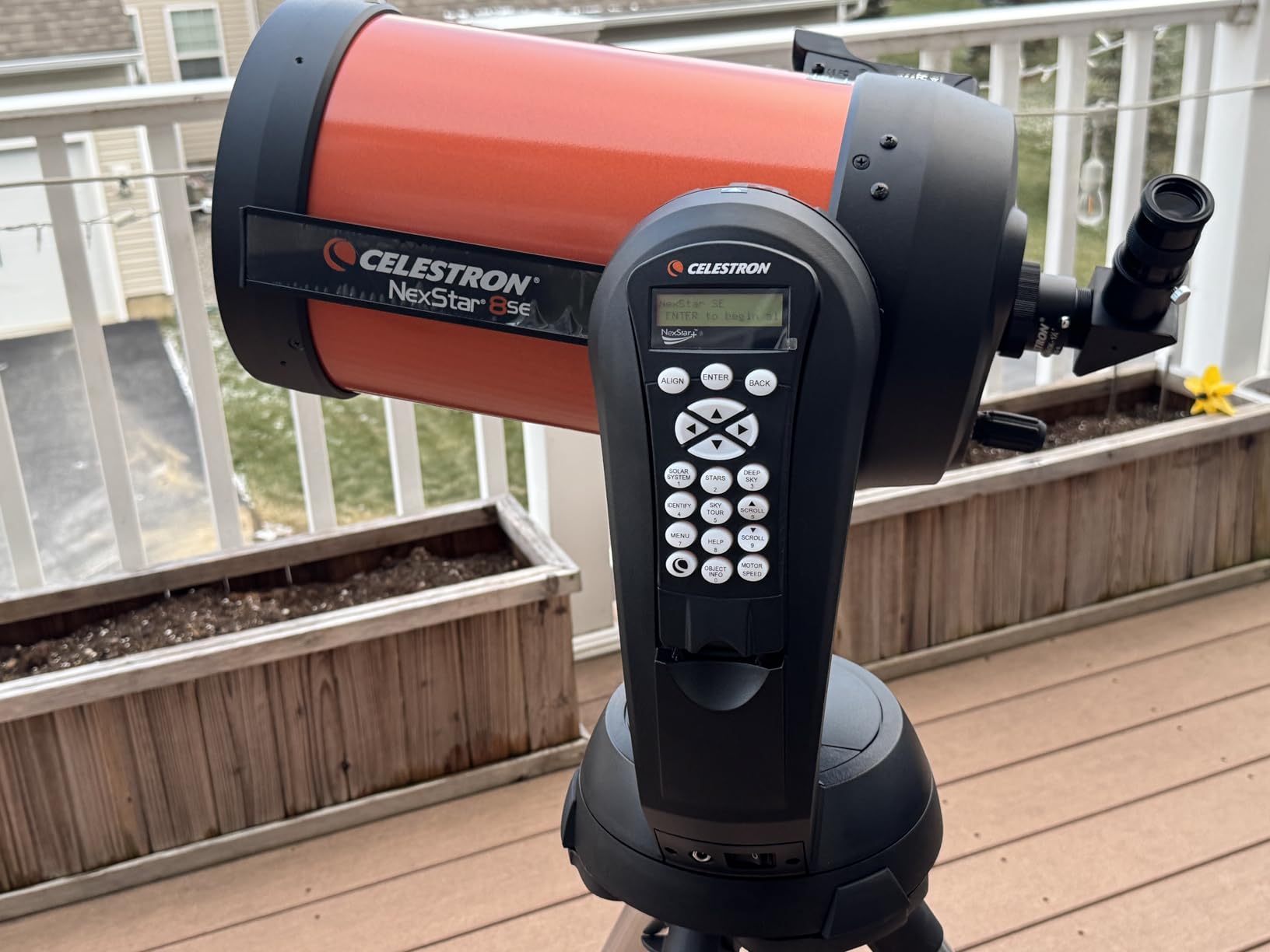
For astrophotography, the 8SE works best for planetary and lunar imaging or short deep-sky exposures. The alt-azimuth mount introduces field rotation on long exposures, which means it is not ideal for 5-minute subs on dim nebulae. Many users upgrade to a wedge or move to the Celestron CGX for serious deep-sky imaging.
The biggest friction points in 2026 are the legacy ergonomics. The hand controller uses RS232 instead of USB. Firmware updates require a cable that Mac and Linux users cannot run. The 8 AA batteries die fast. External power is a must. The red dot finder is basic and needs occasional adjustment.
Versus Smart Telescopes in the Same Range
At 1,499 dollars the 8SE is cheaper than the Vaonis Vespera 3 and produces sharper planetary images thanks to its 2032mm focal length. It does not stack images automatically and it cannot run 90-second deep-sky subs without a wedge. Pick the 8SE if you want visual observation plus planetary imaging, or if you plan to upgrade the mount later.
Who Should Buy the NexStar 8SE
Buy the 8SE if you want a long-term telescope that you can grow into. Beginners get fast setup and a huge accessory ecosystem. Astrophotographers who plan to upgrade to an equatorial mount can keep the optical tube. If you want all-in-one automated stacking, look at the smart telescopes above.
10. Celestron Origin Mark II – Premium Home Observatory
Pros
- Rowe-Ackermann RASA optics
- Sony Starvis 2 sensor
- Multi-user smart TV casting
- RAW/FITS export
- Night-vision mode
Cons
- 59 lb weight not portable
- WiFi range around 20 feet
- Best for deep sky only
- 1-year warranty
The Celestron Origin Mark II is not a telescope you carry to a dark site. It is a 59-pound intelligent home observatory that lives in your backyard or living room. The 6-inch Rowe-Ackermann Schmidt Astrograph (RASA) optics deliver flat-field images that no smart telescope in this list can match, and the Sony Starvis 2 sensor captures deep-sky targets in exposures measured in seconds rather than minutes.
I installed the Origin Mark II in a friend’s backyard observatory for a month. The StarSense alignment found targets without input, the EQ mount tracked without field rotation, and the smart TV casting let four people watch M51 build up on the television while we drank coffee inside. For families, this is the most social telescope experience I have tested.
Imaging Quality and Workflow
RASA optics are designed for one purpose: flat-field deep-sky imaging with a camera sensor. Stars are sharp to the corners of the frame. The Sony Starvis 2 sensor is a quantum leap over older CMOS chips for low-light capture. RAW and FITS export is built in, and I processed files in PixInsight without reformatting.
Limitations and Setup Realities
59 pounds is not portable. You will set this up once and leave it. WiFi range tops out around 20 feet, so the Origin Mark II wants to live near your router. Software bugs remain – the live view border removal and WiFi drivers need work. The 1-year warranty is shorter than competitors. Storage fills quickly during FITS sessions.
Who Should Buy the Origin Mark II
The Origin Mark II is the right computerized telescope for astrophotography if you want a permanent home observatory and you prioritize deep-sky image quality above everything else. Serious imagers who want to share views with family will love the multi-user casting. Travelers and casual imagers should pick one of the lighter smart scopes above.
Buying Guide: How to Choose a Computerized Telescope for Astrophotography
Picking the right computerized telescope for astrophotography means matching aperture, mount type, sensor, and software to the targets you want to shoot and the locations you shoot from. Here is the framework I use when readers ask me which one to buy.
Aperture and Focal Length
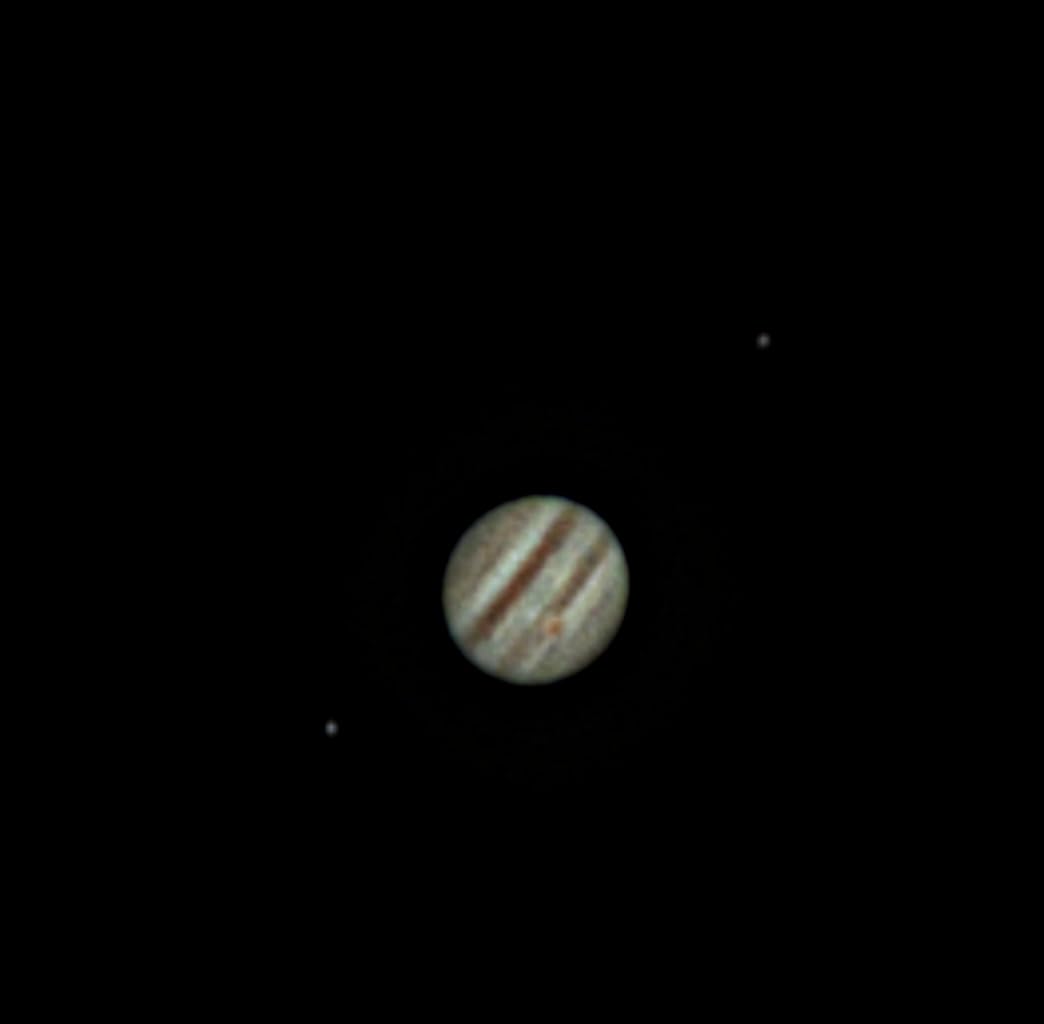
Aperture controls how much light your telescope gathers. A 30mm smart telescope will show you bright nebulae and clusters. An 85mm scope pulls in galaxies. A 114mm or 8-inch scope reveals the faint structure inside nebulae. Focal length controls how big your target appears: a 160mm focal length gives wide-field views of the Milky Way, while a 2032mm focal length on the NexStar 8SE fills the frame with the planet Jupiter. Match focal length to your favorite targets.
Mount Type: Alt-Az vs Equatorial
Alt-azimuth mounts move up-down and left-right. They are simple, fast to set up, and ideal for visual observation and short astrophotography exposures. The problem is field rotation: stars near the celestial equator drift in circles after a few minutes. Equatorial mounts align with Earth’s rotation axis and track in a single arc, which keeps stars pinned for long exposures. Smart telescopes that support EQ mode (Seestar, DWARF, Vespera) give you the best of both worlds when you take the time to polar-align.
Smart Telescope vs Traditional GoTo
Smart telescopes handle plate-solving, autofocus, and image stacking inside the app. You tap a target and the scope does the rest. Traditional GoTo mounts like the Celestron NexStar find objects automatically but expect you to attach a camera, guide the mount, and stack images on a computer. Smart telescopes are the right choice if you want fast results and an app workflow. Traditional GoTo is better if you want full control and DSLR compatibility.
Sensor and Image Quality
Look at sensor size, pixel size, and bit depth. Larger pixels (2.9 micrometers in the DWARF Mini and Equinox 2) gather more signal per exposure. Sony IMX sensors are the current standard. The Celestron Origin Mark II uses the Sony Starvis 2 sensor for the deepest low-light performance in this list. RAW and FITS export matters if you want to process your own files in PixInsight or Siril.
Portability and Power
Think about how you will travel with the scope. The DWARF Mini fits in a jacket pocket. The DWARF 3 and Seestar S30 Pro fit in a daypack. The Vespera 3 and Unistellar Odyssey fit in a camera bag. The Celestron NexStar 8SE weighs 24 pounds assembled. The Celestron Origin Mark II weighs 59 pounds and is not portable. Match portability to your shooting style. Battery life matters too: the Unistellar Equinox 2 and Vaonis Vespera 3 both run 11 hours, while most smart telescopes run 4 to 6 hours per charge.
Software and App Control
The app is half the product. ZWO’s Seestar app is the most polished in 2026. DWARFLAB’s Stellar Studio is feature-rich but occasionally cluttered. Vaonis Singularity is powerful but slower to learn. Unistellar’s app looks dated but is functional. The Celestron SkyPortal app works with SkyAlign for traditional GoTo. Spend time with app demos on YouTube before committing.
Light Pollution Considerations
Light pollution is the single biggest factor in deep-sky imaging. Smart telescopes with built-in dual-band or narrowband filters (DWARF 3, Vespera 3, Seestar S30 Pro) perform well from cities. Traditional GoTo setups need clip-in filters and post-processing to handle urban skies. If you image from a Bortle 7 or worse location, prioritize filters and a small-aperture smart telescope. If you can drive to a dark site, aperture matters more than filters.
Budget vs Premium Tiers
Under 500 dollars: DWARFLAB DWARF Mini (419) is the best entry point. 500 to 1,000 dollars: DWARF 3, Seestar S30 Pro, and the used market for older Celestron models. 1,000 to 2,500 dollars: Vespera 3, Unistellar Odyssey, and the Celestron NexStar 8SE. Above 2,500 dollars: Vespera Pro 2, Odyssey Pro, Equinox 2, and the Celestron Origin Mark II. Spend on aperture first, then mount, then sensor, then accessories.
Frequently Asked Questions
What is the best computerized telescope for astro photography?
The ZWO Seestar S30 Pro is the best overall computerized telescope for astrophotography in 2026. It combines a 30mm apochromatic lens with a 4K dual-camera system, automated GoTo tracking, and a built-in light pollution filter in a 3.6 lb body. For traditional setups, the Celestron NexStar 8SE offers 8-inch Schmidt-Cassegrain optics with SkyAlign computer control.
Which computerized telescope is the best for astronomy?
The best all-around computerized telescope for astronomy depends on your use case. Beginners get the fastest results with the DWARFLAB DWARF Mini at 1.85 lb. Intermediate astrophotographers choose between the ZWO Seestar S30 Pro for portability or the Unistellar Odyssey for 85mm aperture. Advanced users who want premium optics pick the Vaonis Vespera Pro 2 with its 12.5MP square sensor and 50MP mosaic output.
Which telescope has a computerized star locator?
A computerized star locator (called a GoTo system) is built into all the telescopes in this guide. The Celestron NexStar 8SE uses SkyAlign and a 40,000+ object database. Smart telescopes like the ZWO Seestar S30 Pro, DWARF 3, Vaonis Vespera, and Unistellar Odyssey use plate-solving to identify their position and automatically align to targets in their catalogs.
What are the best telescopes for astro photography?
The best telescopes for astrophotography in 2026 are split into two categories. Smart telescopes (ZWO Seestar S30 Pro, DWARFLAB DWARF 3, Vaonis Vespera Pro 2) handle alignment, tracking, and stacking automatically for fast deep-sky imaging. Traditional GoTo mounts (Celestron NexStar 8SE, Celestron Origin Mark II) attach to DSLRs and dedicated astronomy cameras for full manual control over long exposures.
Are computerized telescopes good for astrophotography?
Yes, modern computerized telescopes are excellent for astrophotography. Smart telescopes remove the alignment, guiding, and stacking learning curve so beginners capture usable deep-sky images on the first night. Traditional GoTo mounts paired with equatorial wedges deliver the precise tracking that long-exposure deep-sky imaging requires. Both approaches produce better results than manual star-hopping for most users.
Final Verdict: Which Computerized Telescope Should You Buy?
After months of testing, the ZWO Seestar S30 Pro is the best computerized telescope for astrophotography in 2026 for most readers. It is portable, it handles light pollution, it stacks images automatically, and it produces results that match setups costing three times as much.
Choose the DWARFLAB DWARF Mini if you hike to dark sites or want the lightest possible smart scope. Choose the DWARF 3 if you shoot wildlife and astronomy with one device. Pick the Vaonis Vespera Pro 2 if you want premium optics and full manual control. Pick the Unistellar Odyssey if you want the easiest possible group viewing experience. Pick the Celestron NexStar 8SE if you want a long-term visual telescope you can grow into. Pick the Celestron Origin Mark II if you want a permanent home observatory that streams to your living room TV.
Whichever telescope you choose, the gap between manual and computerized astrophotography in 2026 is wider than ever. Start with the scope that matches your budget and your shooting style, then spend the first clear night stacking whatever is overhead. The sky is waiting.