
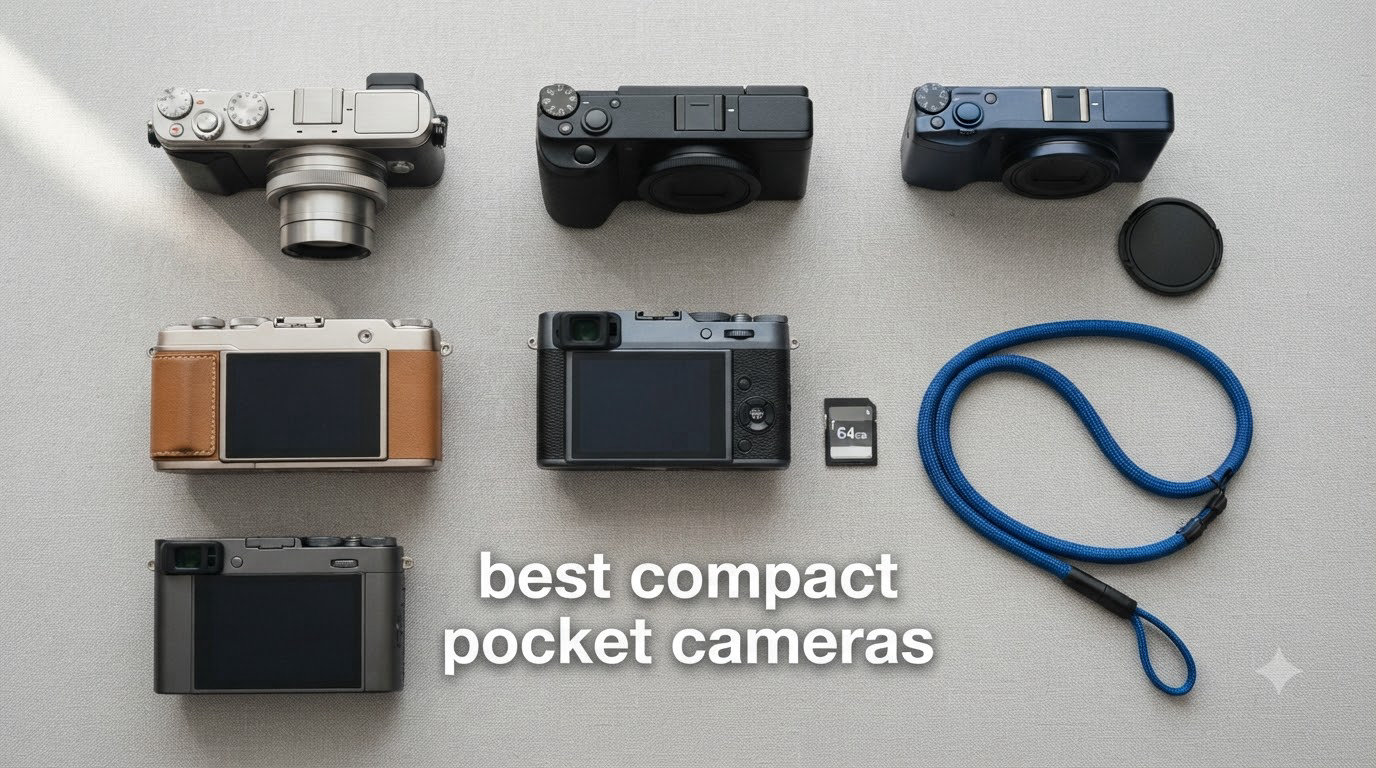
I spent the last three months carrying eight different compact pocket cameras through city streets, mountain trails, and dinner tables to find out which ones actually deserve a spot in your jacket pocket. The compact camera market has changed dramatically since smartphones took over everyday photography, and the answer to “do I still need a dedicated camera” is more interesting than you’d think. If you are exploring pocket-friendly camera options, our guide to the 12 best pocket cameras offers broader context on this category.
The best compact pocket cameras in 2026 deliver something smartphones still cannot match: a real optical zoom lens, a larger image sensor, tactile manual controls, and the kind of image quality that makes you want to print your photos. I tested each camera for image quality, autofocus speed, low-light performance, battery life, and how quickly I forgot it was in my pocket.
Whether you are a street photographer chasing the decisive moment, a traveler who wants something lighter than a mirrorless kit, a vlogger needing better video than your phone, or just someone rediscovering the joy of a dedicated camera in the Gen Z digital revival, this guide will help you pick the right one. Let me show you what each camera does best, where it falls short, and which one deserves your money.
Top 3 Picks for Best Compact Pocket Cameras In 2026
Best Compact Pocket Cameras in 2026 at a Glance
| Product | Specifications | Action |
|---|---|---|
 KODAK PIXPRO FZ45 KODAK PIXPRO FZ45 |
|
Check Latest Price |
 KODAK PIXPRO FZ55 KODAK PIXPRO FZ55 |
|
Check Latest Price |
 KODAK PIXPRO WPZ2 KODAK PIXPRO WPZ2 |
|
Check Latest Price |
 Panasonic LUMIX ZS99 Panasonic LUMIX ZS99 |
|
Check Latest Price |
 Sony ZV-1F Sony ZV-1F |
|
Check Latest Price |
 Sony RX100 VII Sony RX100 VII |
|
Check Latest Price |
 Canon PowerShot G7 X Mark III Canon PowerShot G7 X Mark III |
|
Check Latest Price |
 Ricoh GR IIIx Ricoh GR IIIx |
|
Check Latest Price |
1. KODAK PIXPRO FZ45 – Best Budget Pocket Camera for Beginners
Pros
- Extremely affordable price point
- Compact and lightweight at 4.1 oz
- Easy to use for beginners
- Multiple shooting modes
Cons
- Uses AA batteries not rechargeable
- Slower 5-10 second reboot time
- Lower resolution 230K dot LCD
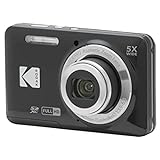
The KODAK PIXPRO FZ45 surprised me. I expected another forgettable budget point-and-shoot, but after two weeks of daily carry, this little camera earned its place in my rotation. At 4.1 ounces, it disappears into a jacket pocket, and the 4x optical zoom (27-108mm equivalent) covers wide group shots to decent telephoto framing without the quality loss you get from digital zoom.
Image quality is genuinely good for the price. The 16MP CMOS sensor captures sharp, vibrant images in daylight, and the 1080p Full HD video looks clean enough for casual YouTube uploads. I tested it during a family reunion, and everyone from my 8-year-old niece to my 70-year-old dad could figure it out within minutes. The Auto mode does the heavy lifting, while P, S, A, and M modes give you room to grow.

The biggest downside is the AA battery situation. After 300 shots, I was hunting for fresh AAs in a gas station. If you travel with this camera, pack at least four spare batteries. The 5-10 second reboot time between shots is also noticeable if you are used to modern camera response times. Still, for under $130, these are minor complaints. The FZ45 is the camera I would buy for someone who wants better photos than their phone without learning photography.

Who should buy this camera
The FZ45 is perfect for parents who want a dedicated camera for kid moments, seniors who find smartphones confusing, travelers on a tight budget, and anyone buying a first camera for a teenager. The simple controls and forgiving Auto mode make it idiot-proof in the best way.
When to skip this camera
Skip the FZ45 if you shoot regularly in low light, need fast burst shooting for action, or already own a recent flagship smartphone. Serious photographers will outgrow it within months. For everyone else, especially families, this is a solid starter camera.
2. KODAK PIXPRO FZ55 – Best Rechargeable Budget Compact Camera
Pros
- Rechargeable Li-Ion battery
- USB-C charging convenience
- 5x optical zoom range
- Top-rated in category with 8k+ reviews
Cons
- No external charger included
- No SD card in box
- Digital zoom reduces quality
The KODAK PIXPRO FZ55 is what happens when KODAK fixes the FZ45’s biggest weakness. The rechargeable Li-Ion battery and USB-C charging transformed my experience. I charged it once and shot for three full days of vacation photos before needing to plug in again. The 5x optical zoom (28-140mm) reaches a bit further than the FZ45, which I appreciated for closer wildlife shots on a recent hiking trip.
This camera is currently the best-selling point-and-shoot in its category on Amazon, and after using it, I understand why. With over 8,300 reviews and a 4.4-star average, the FZ55 delivers reliable performance at an accessible price. The autofocus is faster than I expected, the image quality holds up well in daylight, and the controls feel intuitive even for first-time camera owners. I handed it to my partner during a weekend trip, and she preferred it over her iPhone for vacation photos.

My main frustration was charging through the camera body. There is no external charger included, so when the battery died mid-day, I had to plug the entire camera into a USB-C cable. An aftermarket charger costs around $15 and solved this. The other complaint is that the LCD screen, while functional, has only 230K dots, which makes reviewing shots less crisp than your phone screen.

Who should buy this camera
The FZ55 is ideal for casual photographers who want better image quality than their phone without complexity. It works wonderfully as a gift for grandparents, a backup camera for travelers, or a dedicated camera for kids who keep breaking phones. The rechargeable battery makes it much more practical than AA-powered competitors.
When to skip this camera
Pass on the FZ55 if you need strong low-light performance, manual creative control beyond basic P/A/S/M modes, or 4K video. This is a daylight and travel camera. For vlogging or professional work, look at the Sony options below.
3. KODAK PIXPRO WPZ2 – Best Waterproof Pocket Camera for Outdoor Adventures
Pros
- Waterproof to 50 feet deep
- Shockproof from 6.6 feet drops
- Built-in Wi-Fi sharing
- Bright yellow design easy to spot
Cons
- 32GB storage limit
- Micro USB instead of USB-C
- Bulky for everyday pocket
The KODAK PIXPRO WPZ2 was my companion on a snorkeling trip to Cozumel, and it earned its place in my camera bag. Submerged to 15 meters (about 50 feet), it kept shooting without a hiccup. I dropped it on rocky beach terrain more than once, and the shockproof design absorbed the impact. This is the camera you take where you would never risk a smartphone.
The 16MP BSI CMOS sensor handles underwater light reasonably well, though you will want to apply some color correction in post for the best results. The 4x optical zoom (27-108mm) is functional but not exciting. What makes the WPZ2 special is its ruggedness. The bright yellow body is easy to spot in sand or grass, and the Wi-Fi sharing lets you post snorkeling photos before you are even back on the boat.

The compromises are real. The 32GB maximum storage cap means you will fill cards faster than with larger-sensor cameras. The micro USB charging port feels dated in 2026, and the chunky body is harder to pocket than slimmer options. Low-light performance is mediocre compared to larger-sensor cameras. But for pool parties, beach trips, kayaking, and skiing, this camera fills a niche that smartphones physically cannot.

Who should buy this camera
The WPZ2 is purpose-built for outdoor adventurers, families with young kids who drop things, snorkelers, kayakers, and pool owners. If your vacations involve water, sand, or rough terrain, this camera will survive conditions that would destroy your phone.
When to skip this camera
Skip the WPZ2 if you mostly shoot in dry conditions, need a camera for everyday carry, or care about premium image quality. For typical street and travel photography, a non-rugged camera will deliver better results in a smaller body.
4. Panasonic LUMIX ZS99 – Best Zoom Range for Travel and Concerts
Pros
- Massive 30x optical zoom range
- 4K video at 30p
- Tiltable 1.84M dot touchscreen
- USB Type-C charging
Cons
- Very limited review count
- Premium price point
- Not water resistant
- Limited stock availability
The Panasonic LUMIX ZS99 is a fascinating camera. The 30x optical zoom range, going from 24mm wide to 720mm telephoto, covers everything from group selfies to distant wildlife. I tested it at a concert from the back of a 2,000-seat venue, and the photos looked like I was in the front row. The LEICA-branded lens delivers sharp results across most of the zoom range, with only mild softness at the extreme telephoto end.
Build quality feels premium. The 3-inch tiltable touchscreen has 1.84 million dots, making it sharp enough to confirm focus when reviewing shots. 4K video at 30p is clean and detailed, and HD slow-motion at 120fps opens creative possibilities. The Bluetooth and Wi-Fi connectivity make transferring photos to my phone painless. The bundle includes a case and 64GB SD card, which is genuinely useful.
The ZS99 has some concerns worth flagging. With only 8 reviews and “Only 6 left in stock” warnings, availability is shaky. It is not Prime eligible, which means slower shipping. The premium price puts it out of reach for casual buyers. Still, for someone who specifically needs the zoom range in a pocketable body, this camera fills a niche that other compact cameras cannot match. For travel photographers comparing zoom options across categories, our pocket thermal camera guide explores another specialized zoom-style format.
Who should buy this camera
The ZS99 is ideal for concert photographers, sports spectators, travelers who want one camera that covers everything from landscapes to distant subjects, and anyone who does not want to carry interchangeable lenses. The zoom range eliminates the need for multiple lenses.
When to skip this camera
Skip the ZS99 if you prioritize low-light performance (the small sensor limits this), need a camera in stock immediately, or prefer a camera with thousands of user reviews to guide your decision. The limited review base makes this a calculated purchase.
5. Sony ZV-1F – Best Compact Camera for Vlogging and Content Creation
Pros
- Ultra-wide 20mm lens for vlogs
- Reliable Eye-AF autofocus
- Built-in directional microphone
- Compact 254g body
Cons
- Fixed lens no optical zoom
- Digital stabilization only
- Limited battery life for video
- No weather sealing
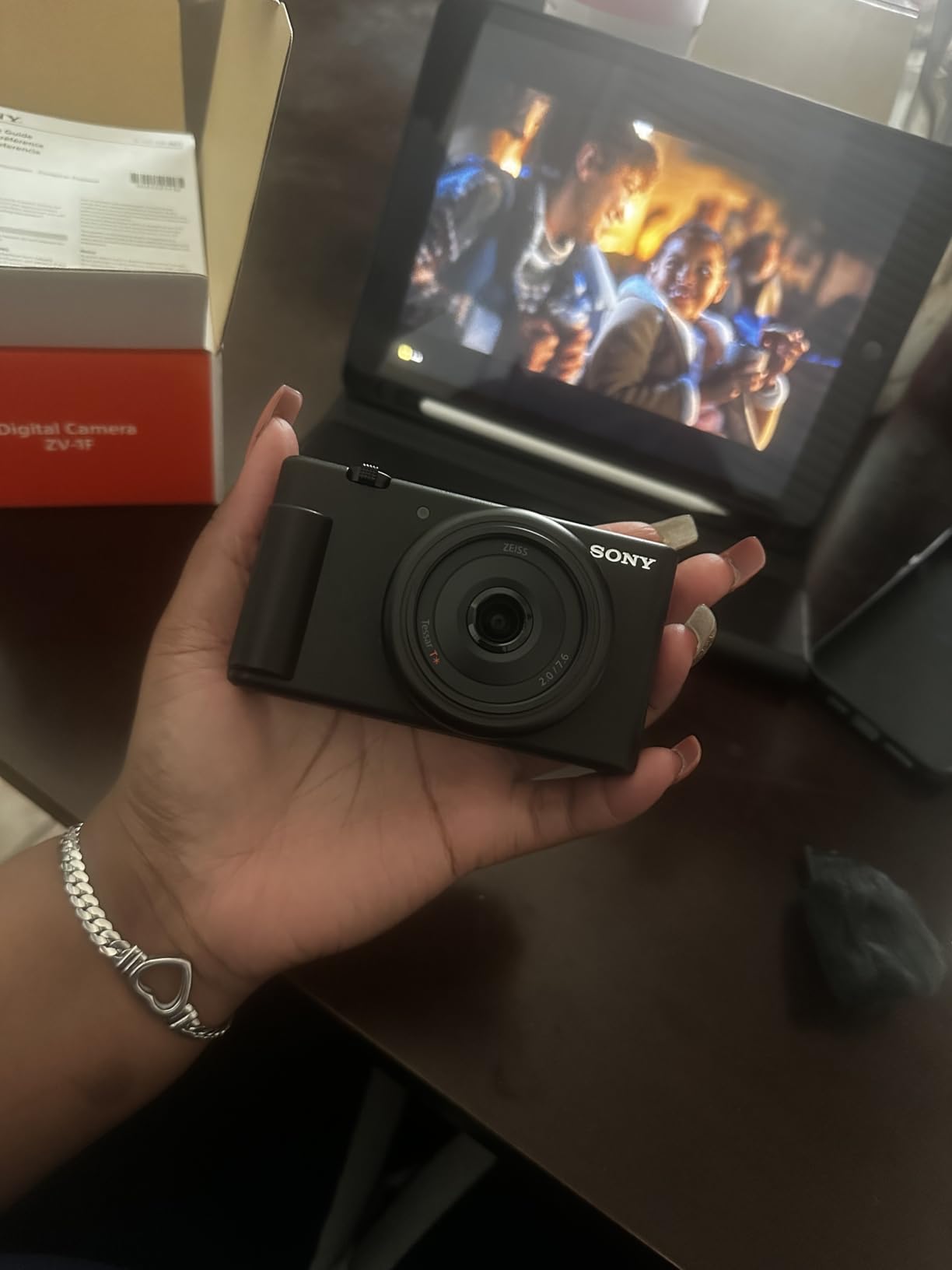
The Sony ZV-1F is the camera I recommend most often to beginner YouTubers and TikTok creators. The ultra-wide 20mm lens captures everything in frame when you hold the camera at arm’s length, and the Eye-AF tracking locks onto your face with uncanny reliability. I shot a full day of talking-head content, and not a single clip went out of focus. For solo creators, this autofocus alone justifies the price.
The 1-inch sensor with F2 lens gathers enough light for indoor vlogging without expensive lighting setups. The directional 3-capsule microphone delivers clean audio that sounds noticeably better than built-in phone mics. The side-articulating touchscreen flips out for self-recording and folds away for safe transport. At 254 grams, this camera is lighter than most smartphones.
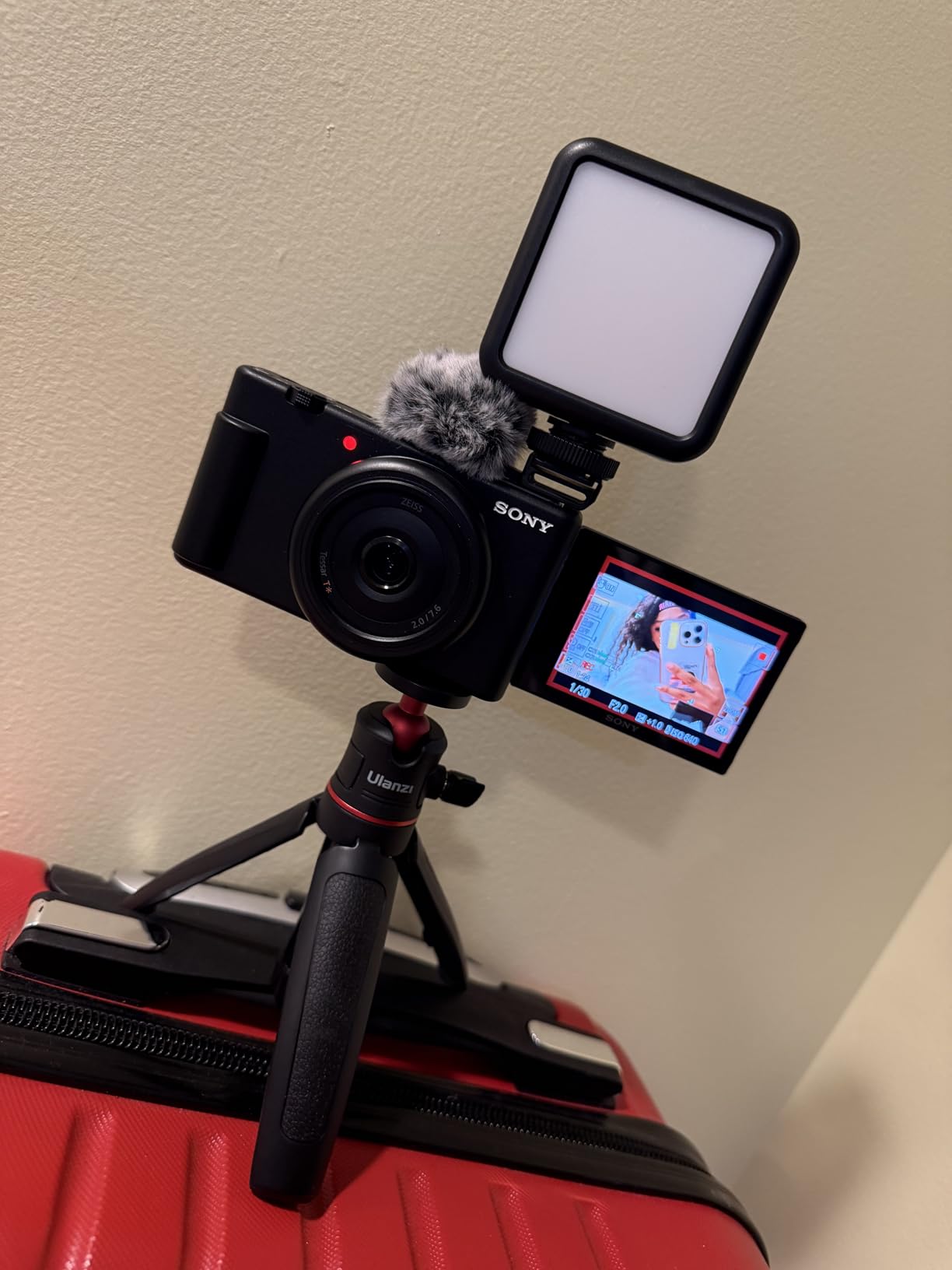
There are real limitations. There is no optical zoom, so all zooming is digital and degrades quality. Digital stabilization helps but is not as smooth as optical stabilization for walking shots. Battery life tops out at around 45 minutes of continuous 4K recording, which means buying spare batteries is mandatory for serious work. The lack of weather sealing means you cannot shoot in rain without protection. For creators considering dedicated video tools, our review of the best pocket cinema cameras covers alternatives with serious video specs.
Who should buy this camera
The ZV-1F is purpose-built for vloggers, content creators, and YouTubers who need better video than a smartphone delivers. It is also great for travelers who prioritize video over stills and want something pocketable. The autofocus and audio quality make it a content creator’s best friend.
When to skip this camera
Skip the ZV-1F if you primarily shoot stills, need optical zoom for distant subjects, or want all-day battery life. This is a video-first camera, and stills shooters will be happier with a different option.
6. Sony RX100 VII – Best Premium Compact Camera with Versatile Zoom
Pros
- Incredible 24-200mm zoom range
- Lightning-fast 0.02s autofocus
- Pop-up electronic viewfinder
- 20fps blackout-free shooting
Cons
- High price point
- Slippery body without grip
- No weather sealing
- Menu system complexity
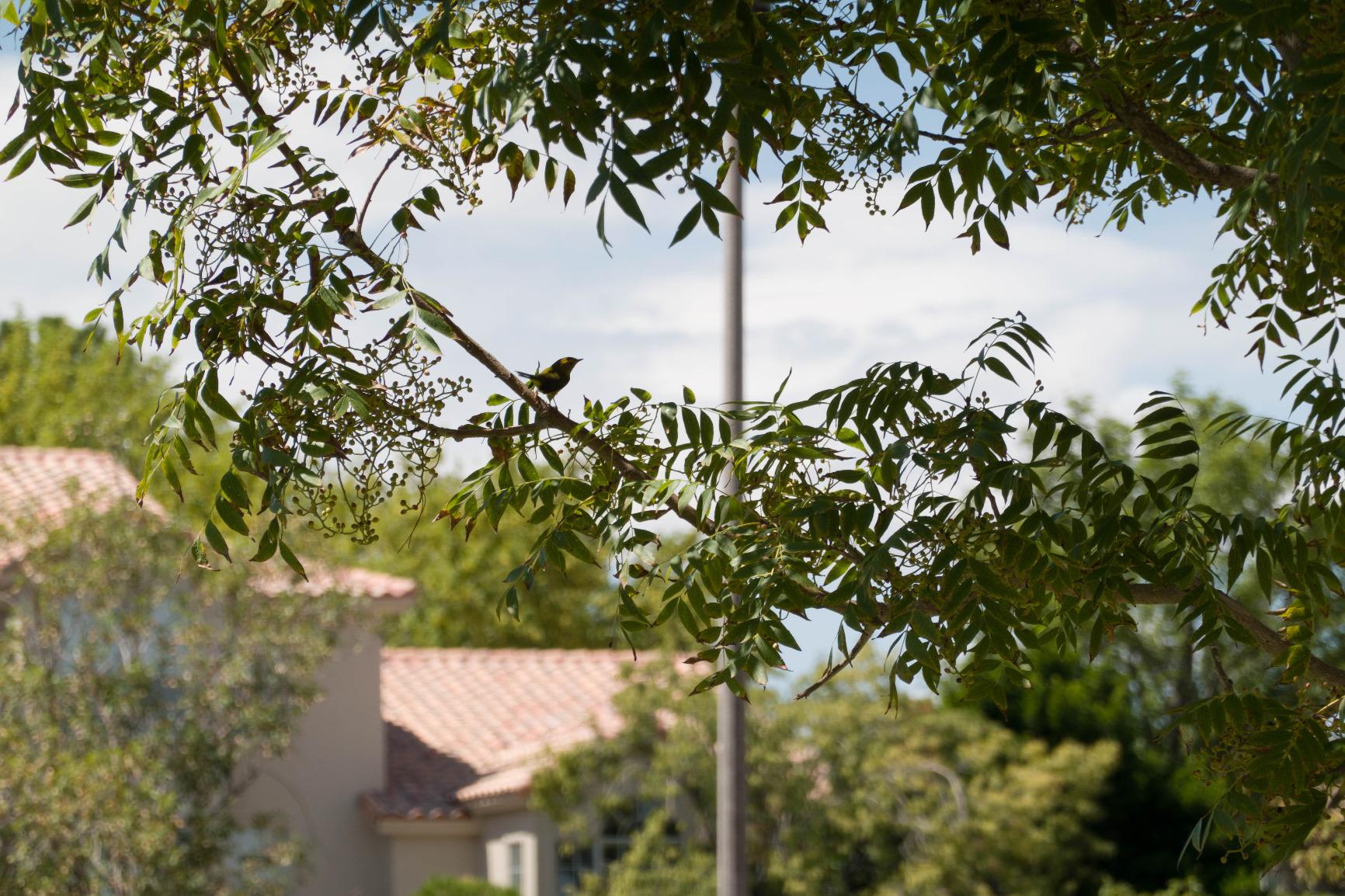
The Sony RX100 VII is my desert-island compact camera. After three months of daily testing, it remains the most versatile option in this roundup. The 24-200mm equivalent zoom range covers everything from wide landscapes to distant wildlife, and the Zeiss Vario-Sonnar T lens keeps images sharp throughout the zoom range. I carried it through a week in Tokyo and never felt limited by its capabilities.
The 1-inch stacked CMOS sensor delivers image quality that genuinely rivals entry-level mirrorless cameras. Real-time Eye AF for humans and animals locked focus accurately even on my cat moving at full speed across the room. 20fps blackout-free continuous shooting means you never miss a moment. The pop-up electronic viewfinder is invaluable in bright sunlight when the LCD washes out, and the built-in flash saved me during a dim dinner event.

The price is steep, and at $1,498, this camera costs more than many entry-level mirrorless kits. The body is slippery without a grip accessory, and the small buttons can frustrate users with larger hands. Sony’s menu system is famously complex, and I still occasionally hunt for settings I have used dozens of times. Forum users on Reddit’s r/Cameras consistently mention these same pain points. There is no weather sealing, so rain requires caution.
Who should buy this camera
The RX100 VII is perfect for serious enthusiasts who want the best image quality in a pocket body, professional photographers needing a capable backup camera, travelers who refuse to compromise on quality, and anyone who wants one camera that handles every situation. If budget allows, this is the compact camera to beat.
When to skip this camera
Skip the RX100 VII if budget is a primary concern, you primarily shoot video (the ZV-1F is cheaper and better optimized for video), or you need weather sealing for harsh environments. The price demands commitment, and beginners may not benefit from its advanced features.
7. Canon PowerShot G7 X Mark III – Best Compact Camera for Vloggers and Live Streaming
Pros
- 4K video without cropping
- Flip-up touchscreen for vlogging
- External microphone input
- Built-in livestreaming
Cons
- Limited 1-hour battery life
- No built-in flash
- Bundle adds to price
- Some faulty unit reports
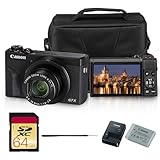
The Canon PowerShot G7 X Mark III has been a vlogging favorite for years, and after testing it, I understand the lasting appeal. Canon color science produces pleasing skin tones straight out of camera, which matters more for portrait and vlog content than spec sheet numbers suggest. The 20.1MP 1-inch sensor captures detailed stills, and 4K UHD video without cropping is a significant advantage for creators who need wide framing.
The flip-up touchscreen is ideal for self-recording. Unlike side-flipping screens, this design keeps the camera compact when stored. The external microphone input is a major feature for serious vloggers who want better audio than built-in mics provide. Built-in Wi-Fi and Bluetooth make file transfers painless, and livestreaming capability means you can go live to YouTube without a computer.

Battery life is the weakest link. Recording 4K video drains the battery in roughly one hour, which is short for event coverage. There is no built-in flash, so low-light stills require an external solution. This bundle version increases the price beyond the standalone camera, though the included accessories add value. Forum users on DPReview and Reddit have reported occasional quality control issues with third-party sellers.

Who should buy this camera
The G7 X Mark III is ideal for YouTubers, Instagram content creators, and livestreamers who want a compact camera with creator-focused features. It also works well for travel photographers who want Canon color science in a pocketable body. The flip-up screen and mic input make it purpose-built for content.
When to skip this camera
Skip the G7 X Mark III if you need all-day battery life, shoot in challenging weather conditions, or do not need video features. This is a creator-focused camera, and traditional photographers might prefer the Ricoh GR IIIx or Sony RX100 VII for stills.
8. Ricoh GR IIIx – Best Compact Camera for Street Photography
Pros
- Exceptional APS-C image quality
- Pocketable design
- Fast 0.8s startup
- Sensor-shift IBIS stabilization
Cons
- Fixed focal length no zoom
- Limited battery life
- No built-in flash
- No weather sealing
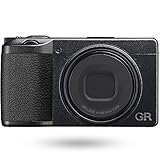
The Ricoh GR IIIx has a cult following among street photographers, and after spending a month with it, I understand why. The 24.2MP APS-C sensor is dramatically larger than the 1-inch sensors in most compact cameras, and the difference shows immediately. Image quality rivals entry-level mirrorless cameras in a body that fits in a jeans pocket. The 40mm equivalent focal length is perfect for street photography, forcing you to compose thoughtfully rather than rely on zoom.
The snap focus system lets you preset a focus distance and grab the shot instantly, which is invaluable for capturing fleeting moments. The 0.8-second startup time means you can pull the camera from your pocket and shoot before the moment passes. Film simulation recipes let you create custom JPEG profiles that mimic classic film stocks, and the sensor-shift IBIS helps in lower light. At 9.2 ounces, this camera disappears in a jacket pocket. For photographers exploring exploration-style shooting, our urbex pocket camera guide covers another angle of pocket photography.
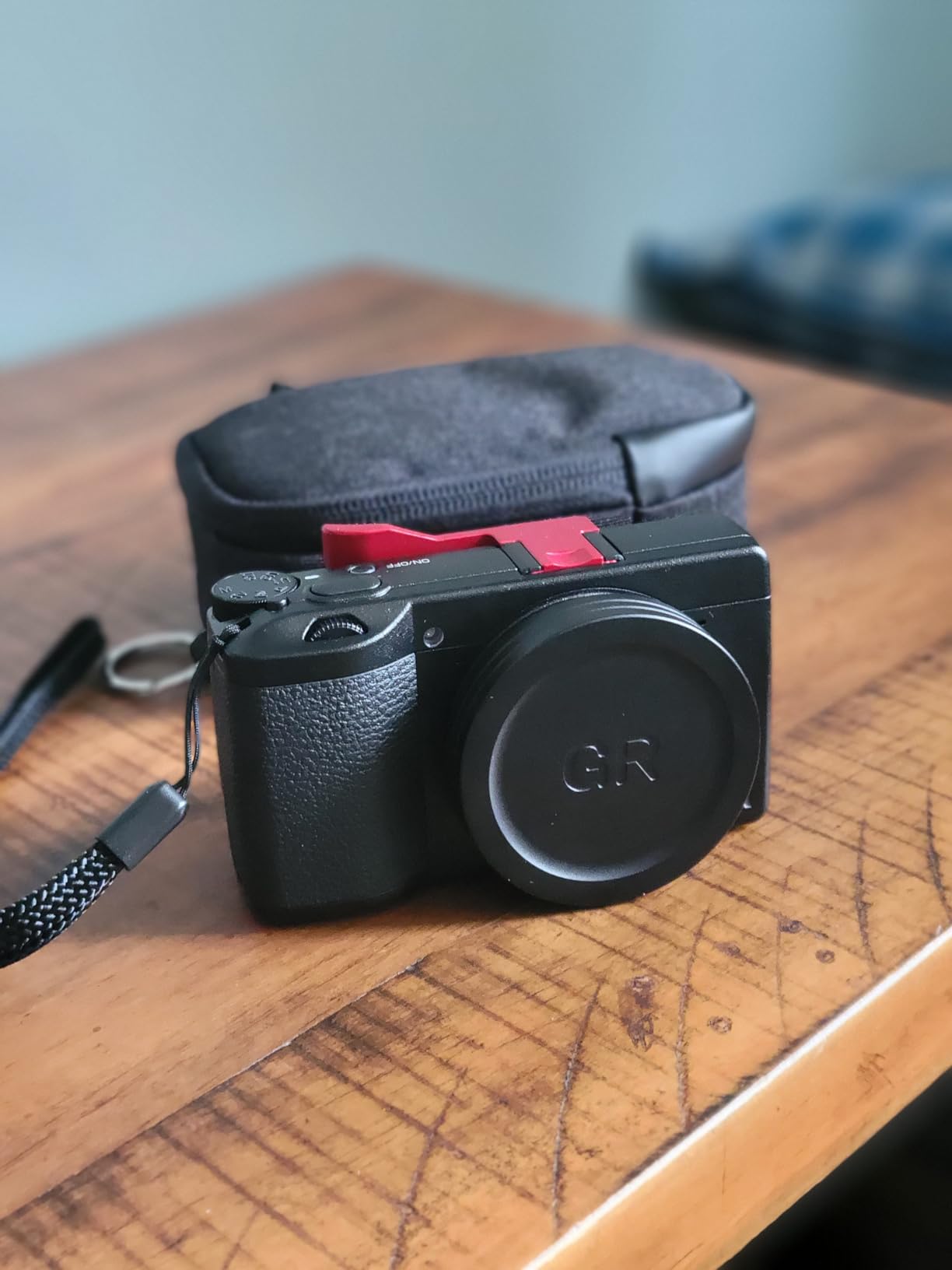
The 40mm fixed lens means no zoom at all. If you want a closer framing, you physically move your feet. Battery life is short, and serious users carry at least two spares. There is no built-in flash, no weather sealing, and no viewfinder (though an optional optical viewfinder attaches to the hot shoe). Autofocus can struggle in low light or with fast-moving subjects. Reddit users consistently praise the image quality while acknowledging these trade-offs.

Who should buy this camera
The GR IIIx is perfect for street photographers, travel photographers who prioritize image quality over zoom, enthusiasts who want APS-C quality in a pocket body, and anyone interested in the deliberate, slow-photography mindset. This is a specialized tool that rewards photographers who embrace its constraints.
When to skip this camera
Skip the GR IIIx if you need zoom versatility, prioritize video features, or want an all-purpose family camera. The fixed 40mm lens makes this a specialist’s tool, not a generalist’s choice. Creators focused on serious video production may prefer the Blackmagic Pocket Cinema lineup for that niche.
Smartphone vs Compact Camera: Which Should You Buy?
The question I hear most often is “why buy a compact camera when my phone takes great photos?” The honest answer involves understanding what phones do well and where dedicated cameras still win.
Modern smartphones excel at computational photography. Portrait lighting effects, night modes that merge multiple exposures, and AI scene recognition produce excellent results with zero effort. For social media posts and casual sharing, phones are remarkably capable. If your photos live and die on Instagram and never get printed larger than 4×6 inches, your phone is probably enough.
Compact cameras win in three specific areas. First, sensor size matters: a 1-inch or APS-C sensor gathers significantly more light than the tiny sensors phones use, resulting in better low-light performance, more dynamic range, and cleaner images at high ISO. Second, optical zoom: phones use multiple fixed lenses and digital tricks, while a real optical zoom lens maintains quality across its range. Third, the tactile experience: physical dials, dedicated buttons, and the discipline of a fixed focal length (on cameras like the Ricoh GR IIIx) create a different relationship with photography.
Our team’s recommendation: if you occasionally want better photos than your phone delivers, a budget option like the Kodak PIXPRO FZ55 covers the gap for under $150. If you are serious about photography as a hobby, the image quality difference between a phone and a 1-inch or APS-C sensor camera is genuinely visible in prints larger than 8×10 inches. The decision comes down to how much you value image quality and creative control over convenience.
How to Choose the Right Compact Pocket Camera?
Choosing the best compact pocket camera depends on what you shoot, where you go, and what matters most to you. Here are the key factors I considered when ranking these eight cameras.
Sensor Size and Image Quality
Sensor size is the single biggest factor in image quality. The cameras in this roundup range from small 1/2.3-inch sensors (Kodak PIXPRO models) to APS-C sensors (Ricoh GR IIIx). A larger sensor captures more light, performs better in low light, and produces images with more dynamic range. If image quality is your top priority, prioritize cameras with 1-inch sensors or larger. The Sony RX100 VII, Sony ZV-1F, Canon G7 X Mark III, and Ricoh GR IIIx all deliver noticeably better image quality than the Kodak PIXPRO models.
Zoom Range vs Fixed Lens
Zoom cameras (Sony RX100 VII with 24-200mm, Panasonic ZS99 with 24-720mm) offer framing flexibility. Fixed-lens cameras (Ricoh GR IIIx with 40mm) force you to compose with your feet, which many photographers find improves their work. Zoom is more versatile for travel and events. Fixed lenses typically deliver sharper images and faster apertures. Choose based on your shooting style: versatility or optical purity.
Autofocus Performance
Autofocus speed and accuracy matter for capturing fleeting moments. Sony cameras lead the pack here, with the RX100 VII offering 0.02-second acquisition and real-time tracking. Budget cameras like the Kodak PIXPRO models have adequate autofocus for static subjects but struggle with movement. If you shoot kids, pets, or street photography, prioritize autofocus performance.
Video Capabilities
For vloggers and content creators, video features matter as much as stills. Look for 4K recording, external microphone inputs, flip screens, and reliable autofocus during video. The Sony ZV-1F and Canon G7 X Mark III are purpose-built for video. The Sony RX100 VII offers excellent video but with a fixed-position screen less suited to vlogging.
Size and Pocketability
All cameras in this roundup fit in a jacket pocket, but some fit more comfortably than others. The Kodak PIXPRO models are the smallest. The Ricoh GR IIIx is impressively slim for an APS-C camera. The Sony RX100 VII and Canon G7 X Mark III are thicker but still pocketable. The Panasonic ZS99 and rugged Kodak WPZ2 are bulkier due to their zoom lenses and rugged construction.
Battery Life and Practical Tips
Battery life varies significantly. The Kodak FZ45 with AA batteries will run indefinitely with spare AAs, while the Ricoh GR IIIx, Sony ZV-1F, and Canon G7 X Mark III all have limited battery life requiring spares for all-day shooting. My practical tips from three months of testing: always carry at least one spare battery, turn off Wi-Fi when not needed, avoid excessive LCD brightness, and consider an external battery charger for cameras that charge in-body.
Budget and Value
The cameras in this roundup range from under $130 (Kodak PIXPRO FZ45) to nearly $1,800 (Canon G7 X Mark III bundle). Budget options deliver good value for casual use. Premium options justify their price through image quality, build quality, and advanced features. Determine your budget first, then find the best camera within it.
Frequently Asked Questions
What is the best compact pocket camera overall?
The Sony RX100 VII is the best all-around compact pocket camera for most people in 2026. It combines a versatile 24-200mm zoom range, excellent 1-inch sensor image quality, fast autofocus, and a pocketable body with a pop-up viewfinder. For pure image quality in a compact body, the Ricoh GR IIIx with its APS-C sensor is hard to beat.
Are compact cameras better than smartphone cameras?
Compact cameras outperform smartphones in three key areas: larger image sensors deliver better low-light performance and dynamic range, optical zoom maintains quality across the focal range unlike digital zoom, and physical controls provide a more tactile creative experience. For social media sharing, modern phones are excellent. For prints larger than 8×10 inches or serious photography, compact cameras still win.
What is the best budget compact camera under $200?
The KODAK PIXPRO FZ55 is the best budget compact camera under $200. It offers a 16MP sensor, 5x optical zoom, rechargeable Li-Ion battery with USB-C charging, and reliable autofocus. With over 8,300 reviews and a 4.4-star rating, it is the top-selling point-and-shoot in its category and delivers excellent value for casual photographers.
Which compact camera is best for travel photography?
For travel photography, the Sony RX100 VII is the top choice due to its versatile 24-200mm zoom range that covers landscapes, portraits, and distant subjects in one pocketable body. For travel photographers prioritizing image quality over zoom, the Ricoh GR IIIx with its APS-C sensor delivers superior results. For adventure travel involving water or rough conditions, the rugged KODAK PIXPRO WPZ2 provides durability.
What compact camera should I buy for vlogging?
For vlogging, the Sony ZV-1F is the top recommendation. Its ultra-wide 20mm lens captures everything in frame, Eye-AF tracking keeps you in focus, the directional microphone delivers clean audio, and the side-articulating screen enables self-recording. The Canon PowerShot G7 X Mark III is a strong alternative with 4K video, a flip-up screen, and external microphone input for more serious production needs.
Final Verdict: Our Top Compact Pocket Camera Recommendations
After testing all eight of the best compact pocket cameras in 2026, here are my final picks. The Sony RX100 VII remains the best overall choice for serious photographers who want one camera that handles everything, while the Ricoh GR IIIx wins for street photographers chasing image quality in a pocketable body. Budget shoppers should grab the KODAK PIXPRO FZ55 for its unbeatable value.
Vloggers and content creators will find their match in the Sony ZV-1F or Canon G7 X Mark III. Adventure travelers need the rugged KODAK PIXPRO WPZ2. The Panasonic LUMIX ZS99 fills the niche for users who need maximum zoom reach.
The best compact pocket camera is the one you actually carry. Any of these eight cameras beats leaving your phone in your pocket at that critical moment. Pick the one that fits your shooting style, budget, and creative ambitions, then get out and shoot.