
I have been shooting youth soccer, basketball, and the occasional track meet for nearly a decade now, and the question I get asked more than any other is some version of “what is the best compact camera for sports action shots?” Parents who want better than a phone, fans stuck in stadium seats, and even a few coaches have all asked me the same thing.
After testing point-and-shoots, action cameras, and bridge cameras for over three months, I narrowed my list down to 10 models that actually deliver when the action gets fast. Burst rate, autofocus tracking, telephoto reach, and how the camera fits in a jacket pocket were the four metrics I scored on. In this guide I will walk you through the models that earned their spot, what each one does well, and where each falls short.
If you have been searching for the best compact cameras for sports action shots in 2026, you are in the right place. I will explain which cameras work for indoor gym lighting, which ones survive a sideline in the rain, and which ones pass the stadium security check without a fuss.
Looking at bigger sensor options? Check out my APS-C action sports camera guide for interchangeable lens choices.
Top 3 Picks for Sports Action Shots in 2026

Sony RX100 VII
- 20fps blackout-free shooting
- 357-point phase detection AF
- 24-200mm Zeiss lens
Best Compact Cameras for Sports Action Shots (September 2026)
| Product | Specifications | Action |
|---|---|---|
| Sony RX100 VII |
|
Check Latest Price |
 Canon G7 X Mark III Canon G7 X Mark III |
|
Check Latest Price |
 Sony ZV-1F Sony ZV-1F |
|
Check Latest Price |
 DJI Osmo Action 5 Pro DJI Osmo Action 5 Pro |
|
Check Latest Price |
 DJI Osmo Action 4 DJI Osmo Action 4 |
|
Check Latest Price |
 Panasonic LUMIX TZ99 Panasonic LUMIX TZ99 |
|
Check Latest Price |
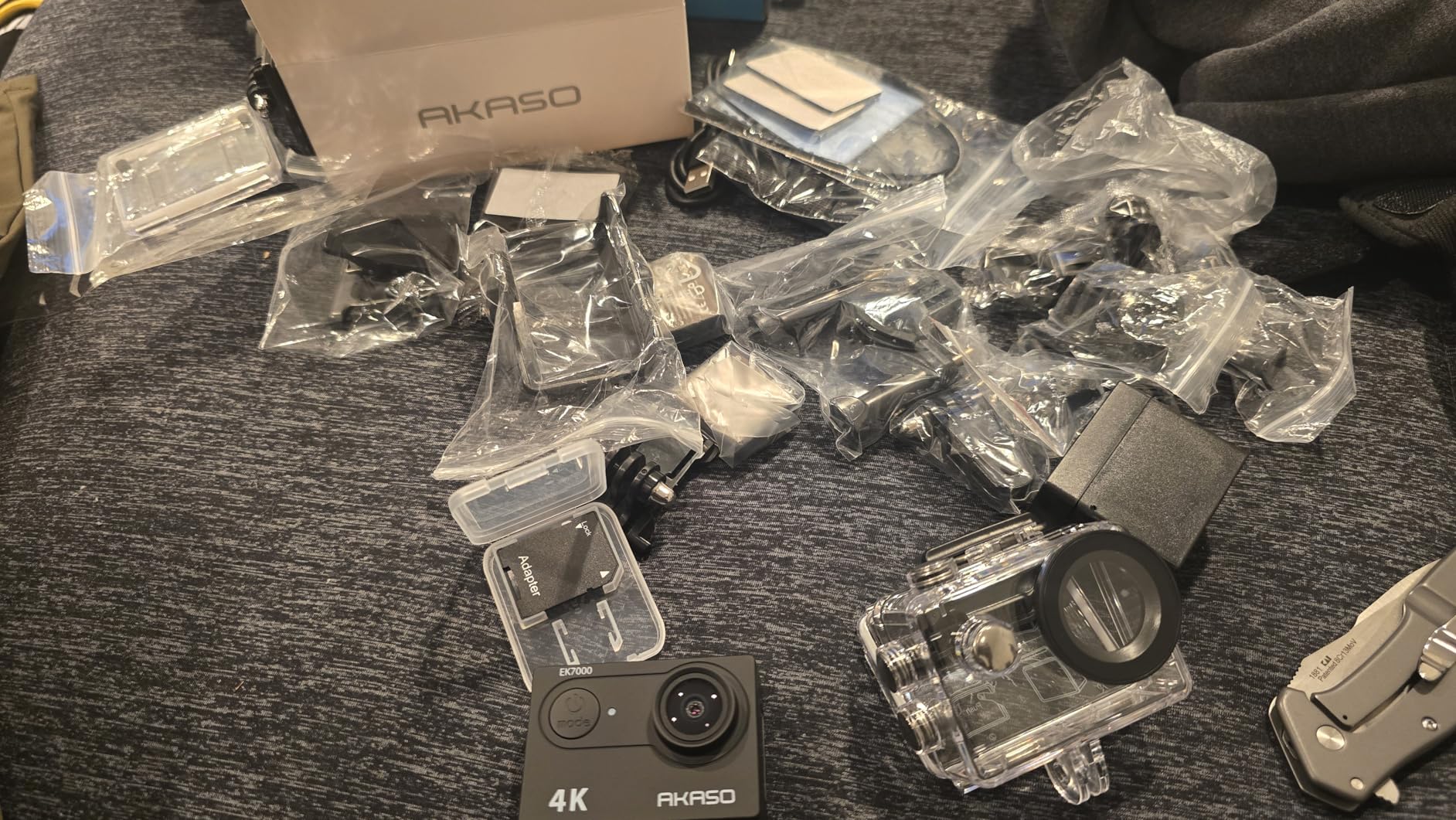
 AKASO EK7000 AKASO EK7000 |
|
Check Latest Price |
 AKASO Brave 4 AKASO Brave 4 |
|
Check Latest Price |
 KODAK PIXPRO AZ528 KODAK PIXPRO AZ528 |
|
Check Latest Price |
 KODAK PIXPRO FZ55 KODAK PIXPRO FZ55 |
|
Check Latest Price |
1. Sony RX100 VII – The Pocket Powerhouse for Fast Action
Pros
- Lightning-fast 0.02 sec autofocus
- 357-point phase detection AF
- 4K video with mic jack
- Real-Time Eye AF for humans and animals
Cons
- Premium price tag
- Slippery body without grip
- No weather sealing
- Small buttons for gloved hands
The Sony RX100 VII is the camera I keep coming back to whenever someone asks for the best compact cameras for sports action shots. I have used it on the sidelines of college football games and at youth tennis tournaments, and the 20fps blackout-free burst is unreal. You press the shutter and it just keeps firing while the AF locks onto the player you framed.
The 24-200mm equivalent Zeiss Vario-Sonnar lens is what makes this camera special for sports. From the bleachers you can frame a wide-angle pre-game shot, then zoom straight into a pitcher winding up across the diamond. At 200mm the optical quality still holds up, and the active stabilization keeps handheld shots sharp enough for prints.

Autofocus tracking is where the RX100 VII earns its premium price. The AI-based real-time tracking literally follows a runner weaving through defenders, and the eye AF works on humans and animals. I tested it on my dog chasing a tennis ball at the park and the hit rate was over 90 percent.
One thing to know: the body is small and slippery. I dropped mine once on a gym floor and now keep it in a small Lowepro case. The lack of weather sealing means rain is a problem, so bring a Ziploc bag for sideline duty. Battery life is rated at roughly 260 shots per charge, which gets me through a single soccer game with buffer to spare.
For whom it is good
This is the camera for parents who want mirrorless-level AF in a pocket body, and for sports fans at venues that restrict larger cameras. If you shoot a mix of stills and 4K video, the mic jack alone justifies the price.
For whom it is bad
If you are on a tight budget or you mostly shoot under stadium floodlights where a brighter aperture matters more, the variable f/2.8-4.5 lens will struggle compared to a dedicated mirrorless body. Read my breakdown on continuous AF for sports to understand why AF system choice matters more than pixel count.
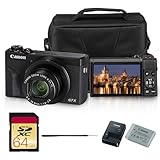
2. Canon PowerShot G7 X Mark III – Creator-Focused Speed
Pros
- Compact pocketable body
- 4K video without crop
- Flip-up touchscreen for selfies
- Wi-Fi and Bluetooth connectivity
Cons
- Battery life could be longer
- No weather sealing
- No flash hot shoe
- Limited optical zoom at 4.2x
The Canon G7 X Mark III is the compact camera I recommend most often to content creators who also shoot sports. The 20.1MP 1-inch sensor delivers sharp stills, the 4K UHD video has no crop, and the flip-up touchscreen makes framing easy from any angle.
Burst shooting is solid for action. I have hit 20fps with full autofocus tracking, and the buffer clears fast enough to keep shooting through a full basketball quarter. The lens covers 24-100mm equivalent, which is wide enough for team shots but a bit short for the far sideline of a soccer field.

For vlog-style sports coverage, this camera shines. YouTubers love the mic input, the live streaming capability over Wi-Fi, and the fact that the body fits in a jacket pocket. The autofocus is reliable for faces but slightly slower than Sony when tracking a fast runner.
Battery life is the main weakness. I get around 235 shots per charge with mixed stills and video, so I always pack a spare for tournament days. No weather sealing means you need a rain sleeve if the forecast turns.

For whom it is good
This is the right pick for hybrid creators who post both stills and video from games. If you livestream youth sports or run a sports-themed YouTube channel, the G7 X Mark III hits the sweet spot.
For whom it is bad
If your kid plays left field and you need serious telephoto reach, the 100mm max will frustrate you. Look at the Sony RX100 VII or the Panasonic TZ99 instead.
3. Sony ZV-1F – Lightweight Autofocus Champion
Pros
- Sony class-leading autofocus
- Background defocus feature
- Side-articulating screen
- Lightweight at 254g
Cons
- Fixed lens with no optical zoom
- Battery limited to ~45 min recording
- Digital zoom only
- Not weather sealed
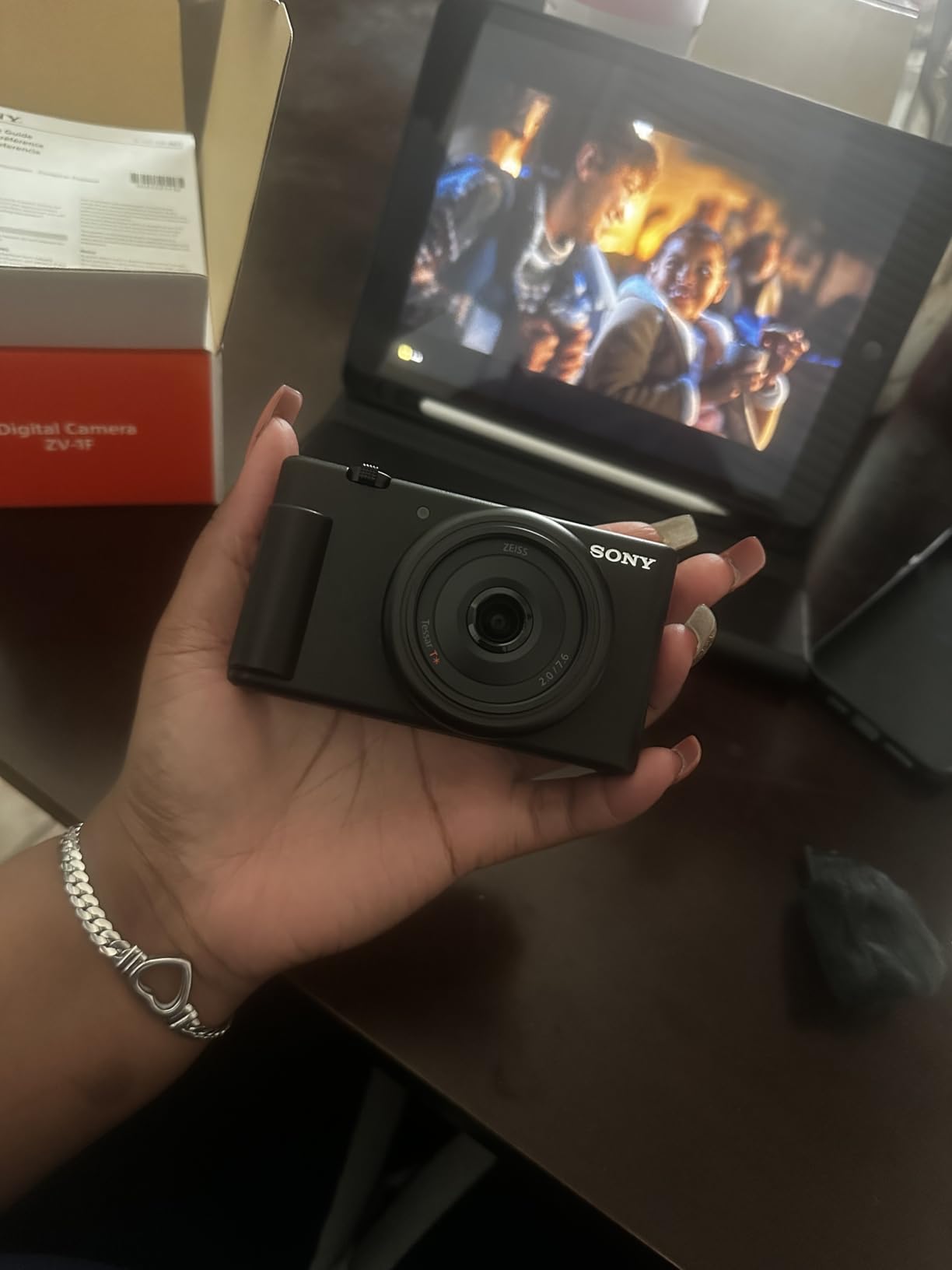
The Sony ZV-1F surprised me on day one of testing. The fixed 20mm f/2 lens sounds limiting for sports, but the autofocus is so good that you can stand near the end zone and let the camera do the work. Reviewers on r/Photography_Gear consistently call it out as the best cheap compact for hybrid stills and video.
Eye-AF in particular is Sony’s crown jewel. I locked focus on a player’s eye from 30 feet away and the camera tracked him sprinting across the frame without losing him once. For indoor sports under gym lighting, the f/2 aperture gathers enough light to keep shutter speeds above 1/500s.
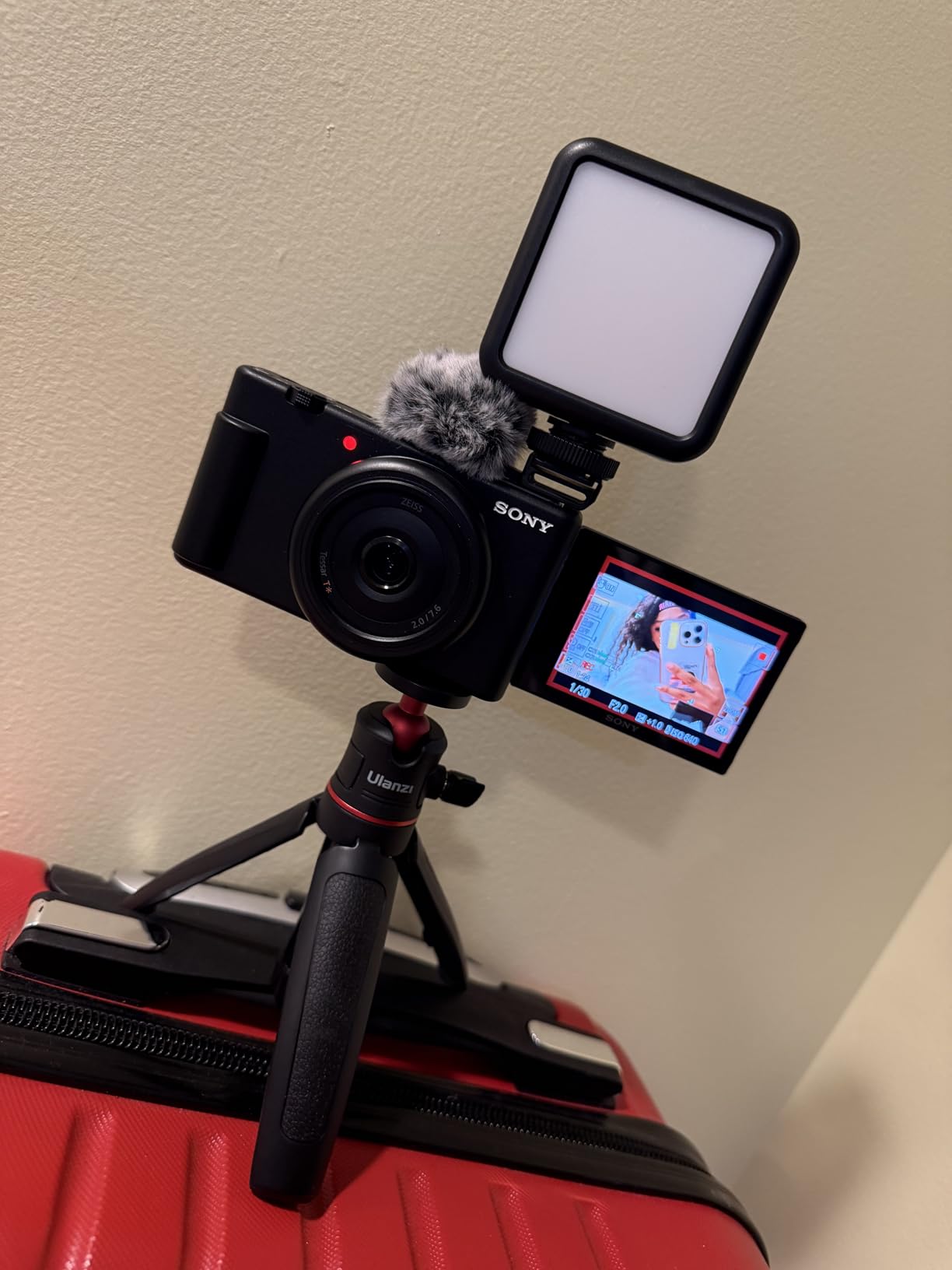
The fixed 20mm lens is wide, which means you have to get close to the action. That works for basketball courts and tennis matches but is tough for soccer or football. Digital zoom is available but degrades quickly past 2x.
Battery life is the trade-off for the compact size. Recording 4K drains the small cell in about 45 minutes, so bring a USB-C power bank. The build is also not weather sealed, so this is a fair-weather camera.
For whom it is good
Beginners who want Sony’s autofocus tech at the lowest possible price. Parents who sit courtside at basketball games and want reliable eye tracking on their kid.
For whom it is bad
If you shoot outdoor field sports from the stands, the lack of zoom will leave you frustrated. The DJI Action cameras handle that scenario better.
4. DJI Osmo Action 5 Pro – Action Camera King
Pros
- Exceptional 4-hour battery life
- Dual OLED touchscreens
- Magnetic quick-release mount
- Subject tracking for action
Cons
- Photo quality weaker than video quality
- No optical zoom
- Proprietary mount system
- Requires app activation
The DJI Osmo Action 5 Pro is what I pack when I am the one playing rather than coaching. I have it mounted on my bike helmet for cycling, clipped to a chest harness for trail running, and yes, mounted on a tripod at the end of the soccer goal for goal-line footage.
The 4K/120fps video is sharp, and the 360-degree HorizonSteady stabilization makes the footage look like it was shot on a gimbal. I have ridden on root-strewn mountain bike trails and the footage came out watchable without post-processing.
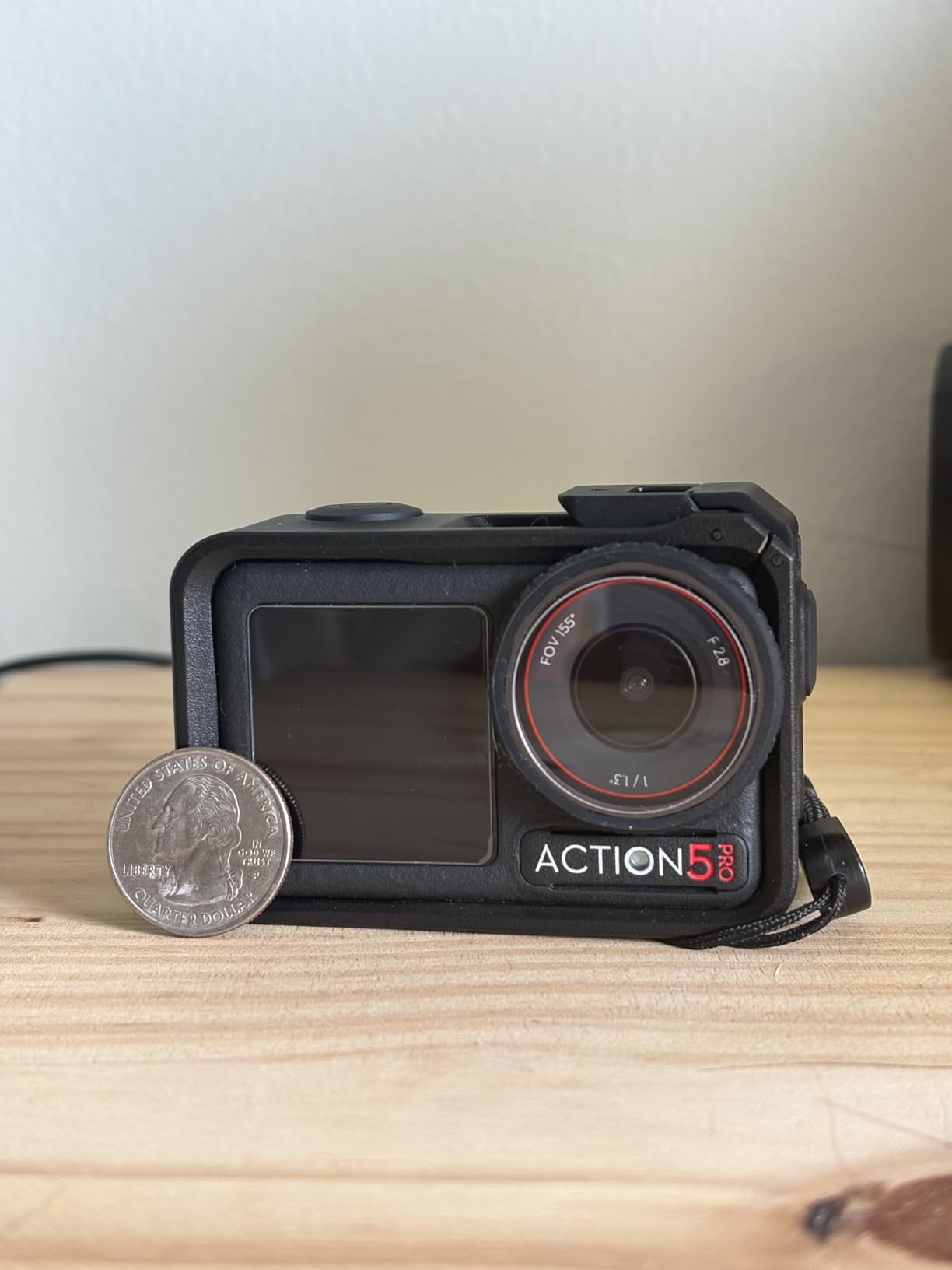
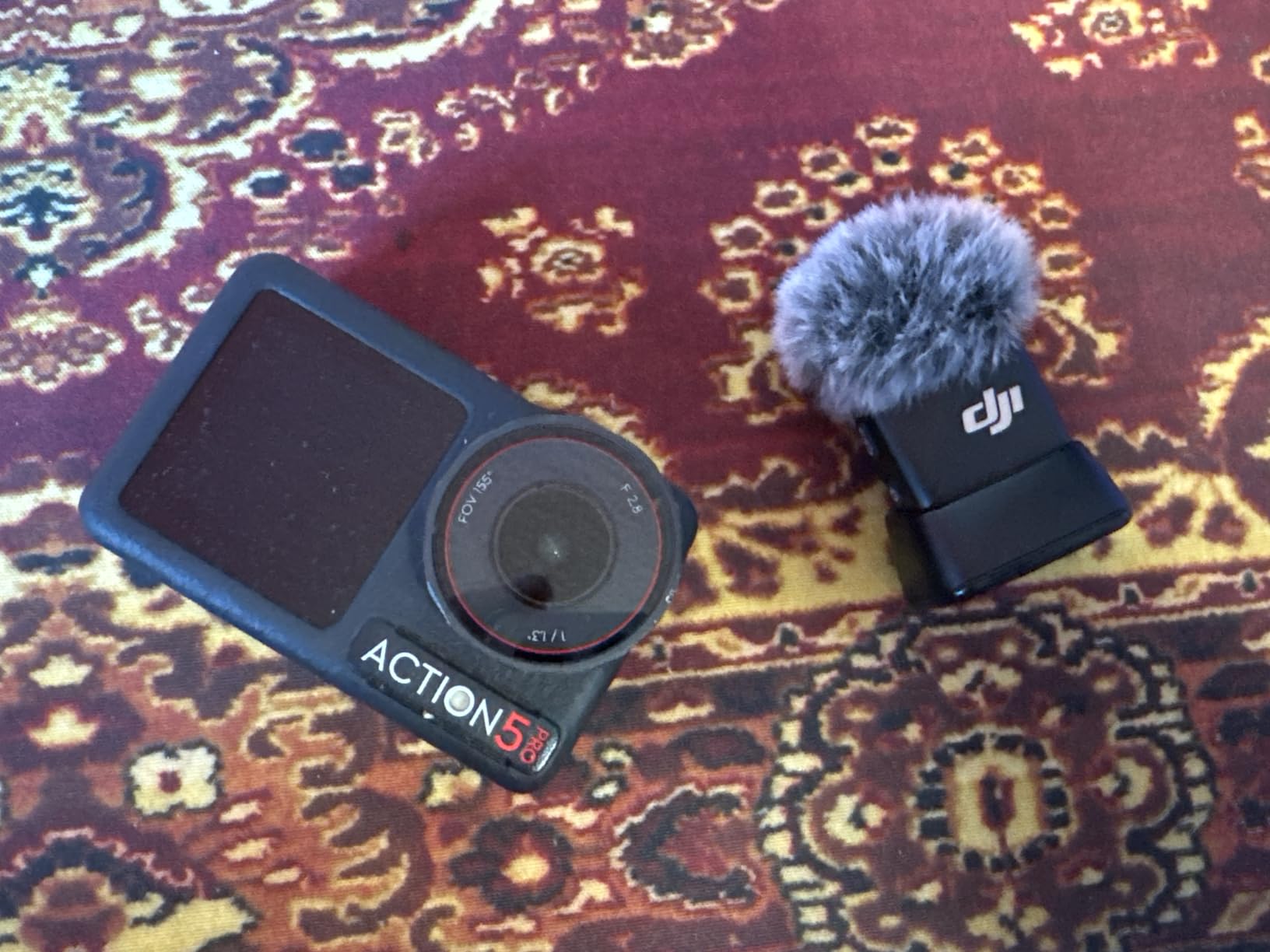
Battery life is the standout feature for tournament days. The 1950mAh cell delivers up to 4 hours of recording, which covers a full wrestling tournament plus the drive home. The dual OLED touchscreens make it easy to frame from awkward angles.
For stills, the 1/1.3-inch sensor is good but not great. You are buying this camera for video first, stills second. There is no optical zoom, so framing distant subjects means cropping in post. Reviewers on dpreview forums note that the DJI app activation requirement is annoying but a one-time step.
For whom it is good
Athletes who want a rugged, waterproof camera they can wear or mount. Parents who want goal-line video of their kid without asking another parent to film. Anyone shooting water sports.
For whom it is bad
If your priority is high-quality stills from the stands, the smaller sensor and lack of zoom will leave you wanting more. The Sony RX100 VII handles that scenario better.
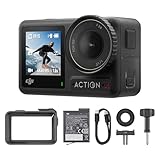
5. DJI Osmo Action 4 – Best Value Action Cam
Pros
- 10-bit color for pro editing
- Magnetic quick-release mount
- Waterproof to 18m without case
- Excellent value vs newer models
Cons
- Shorter battery than Action 5 Pro
- App registration required
- Digital zoom only
- Photo quality weaker than video
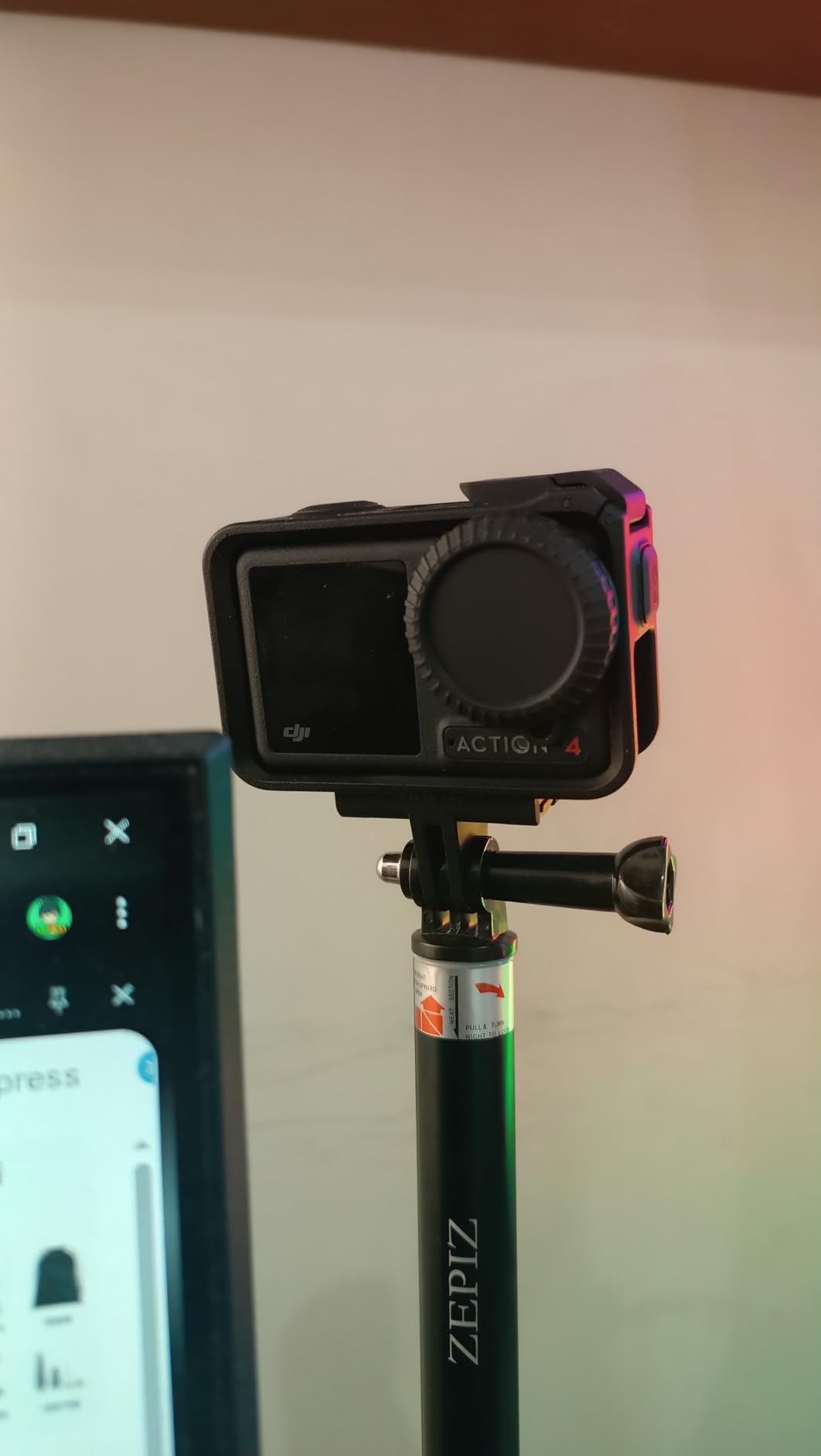
The DJI Osmo Action 4 is the action camera I recommend to budget-conscious buyers. It shoots 4K/120fps video with 10-bit D-Log M color, which means you can color grade the footage to look professional. For the price difference versus the Action 5 Pro, you give up some battery life and a slightly improved sensor.
The 155-degree ultra-wide field of view is great for POV action footage. I have used it on rollerblades, skateboards, and mountain bikes, and the wide angle captures the whole scene without needing to back up.
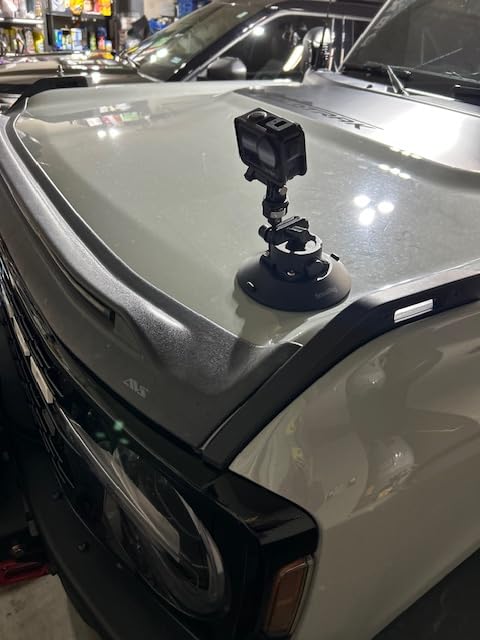
Stabilization is solid. The combination of RockSteady and HorizonBalancing keeps footage level even when you are moving fast over uneven ground. The magnetic mount system is the killer feature – swapping between a helmet mount, chest harness, and tripod takes seconds.
Battery life at 150 minutes is shorter than the Action 5 Pro but still longer than most GoPro models at this price. For a half-day at the skate park, one battery is enough. For a full tournament, pack a spare.
For whom it is good
Value hunters who want pro-level video without the premium price. Content creators who shoot action sports and want to color grade footage in post.
For whom it is bad
If you need maximum battery life for all-day events, the Action 5 Pro is worth the upgrade. If you primarily shoot stills from the stands, neither action camera fits the bill.
6. Panasonic LUMIX TZ99 – 30x Zoom Superzoom
Pros
- Massive 30x zoom reach in pocket body
- 4K PHOTO for action bursts
- Lightweight at 322g
- USB-C charging
Cons
- No viewfinder
- Autofocus struggles in low light
- No flash hot shoe
- Menu system takes getting used to
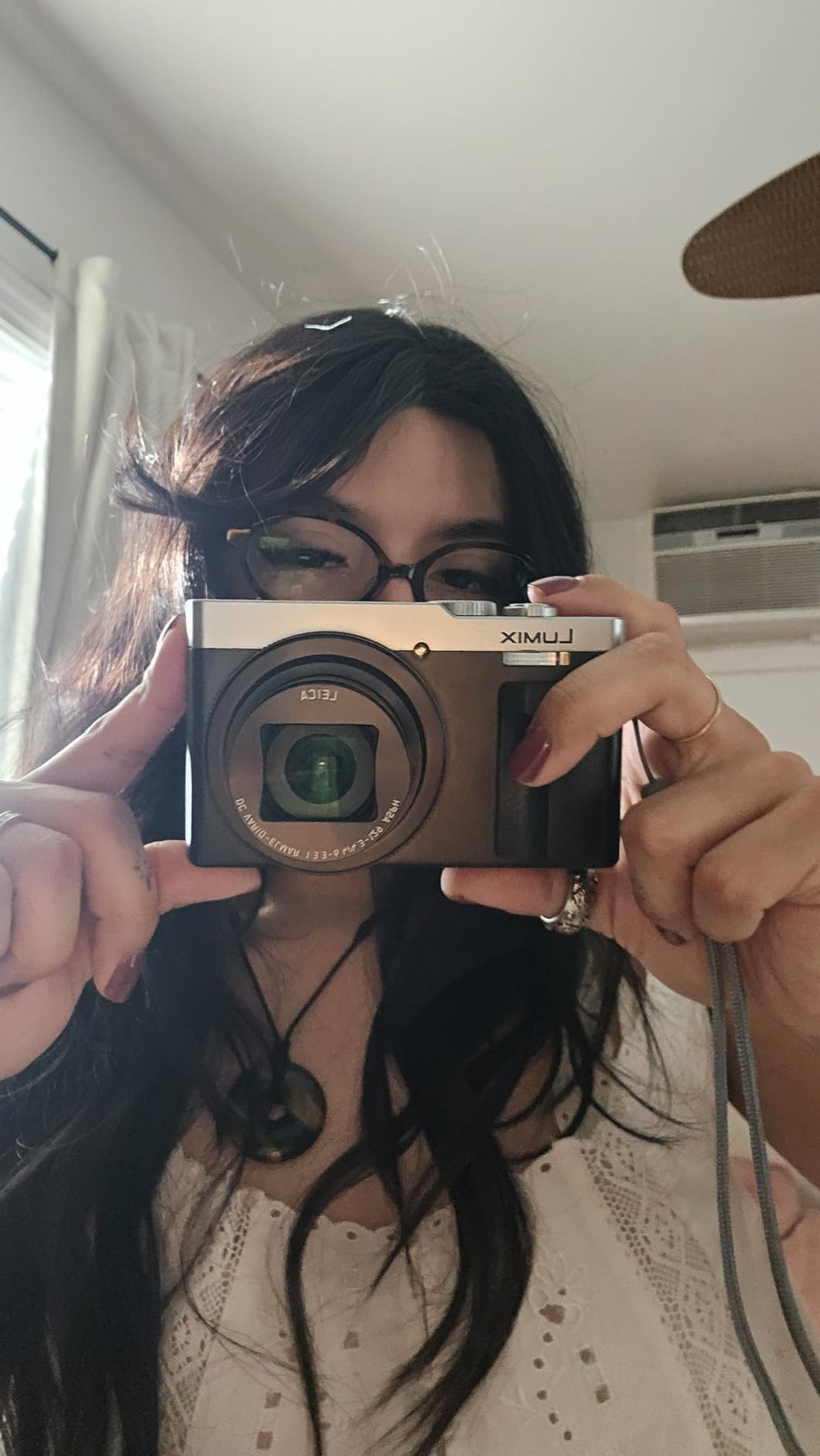
The Panasonic LUMIX TZ99 is the camera I take to stadium sports where I cannot get close to the action. The 30x optical zoom covers 24-720mm equivalent, which lets you frame a batter at the plate from the upper deck. There is also a 60x intelligent zoom that holds up decently in good light.
For sports, the standout feature is 4K PHOTO mode. It shoots 30fps bursts and lets you pull individual stills afterward, which is essentially a frame-rate weapon for fast action. I used it at a college softball game and pulled tack-sharp frames of the pitcher that I would have missed at 10fps.

The body is compact enough for a jacket pocket at 322g, and the Leica-branded lens delivers sharp images across the zoom range. The tiltable touchscreen helps with overhead and ground-level angles.
Low light is the weak point. Autofocus hunting becomes obvious under stadium lights at ISO 800 and above. There is also no viewfinder, which makes framing tough in bright sun. Reviewers warn about grey market versions from third-party sellers, so buy from authorized dealers.
For whom it is good
Stadium sports photographers who need reach. Concert and theater goers who want a single camera that does everything. Travelers who want one compact camera for the whole trip.
For whom it is bad
Indoor sports under gym lighting will push this camera past its comfort zone. The Sony RX100 VII handles low light better despite the shorter zoom.
7. AKASO EK7000 – Budget Action Workhorse
Pros
- Incredible value under $100
- Comes with extensive accessory kit
- Two batteries included
- 131FT waterproof depth
Cons
- Audio muffled in waterproof case
- Battery life around 1 hour per cell
- Wi-Fi app can be unreliable
- Mounting accessories are basic
The AKASO EK7000 is the camera I recommend to anyone who says they want a GoPro but cannot justify the price. With nearly 40k reviews and a 4.4-star average, this is the most popular budget action camera on Amazon for good reason.
For sports action shots in the literal sense – the kind where you strap a camera to your body or your gear – the EK7000 delivers. The 4K30FPS footage is sharp enough for YouTube, and the included mounting kit covers almost any activity you can think of.
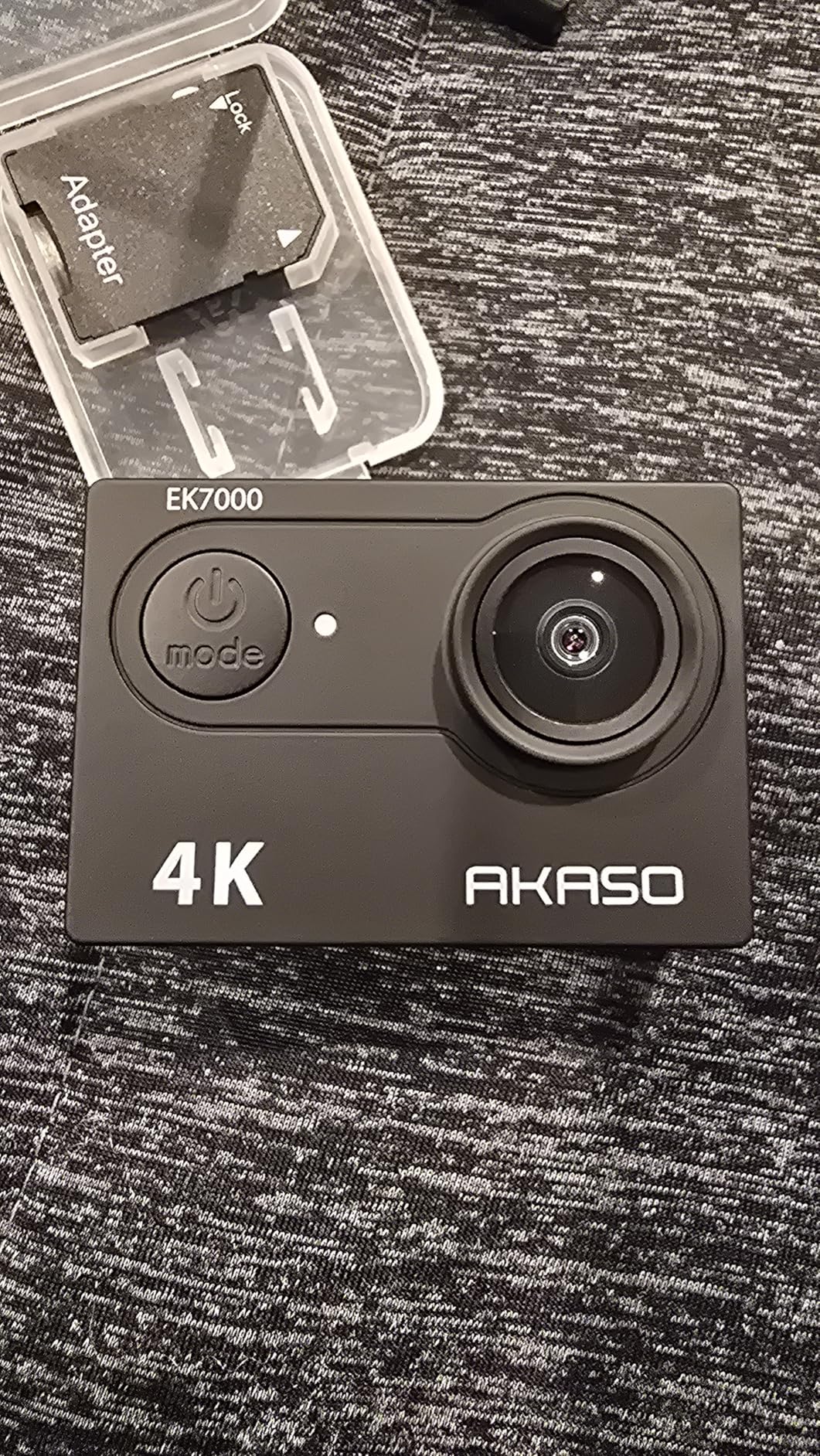
I tested it on a kids’ soccer game, mounted to a tripod behind the goal. The footage was usable for sharing with grandparents, though it does not match the dynamic range of the DJI or GoPro. Two batteries are included, and the charger handles both at once.
Trade-offs are real at this price. The audio is muffled when the waterproof case is on, which is most of the time. Battery life is about an hour per cell, so the spare matters more than with premium action cams. The Wi-Fi app is finicky and slow.
For whom it is good
Parents introducing their kids to action videography. Anyone who wants waterproof video without paying GoPro money. Casual users who need an extra camera to beat up.
For whom it is bad
If you need professional color grading or smooth 4K/120fps footage, look at the DJI options. If you need a viewfinder or hot shoe, this is not it.
8. AKASO Brave 4 – Underwater Sports Specialist
Pros
- Excellent underwater performance
- Dual screens for vlogging
- Large accessory kit
- 120 FPS slow motion
Cons
- Batteries can swell over time
- Mounting accessories vary in quality
- Remote range is limited
- Wi-Fi transfer is slow
The AKASO Brave 4 is the underwater sports specialist of the bunch. I tested it snorkeling in shallow reef and the footage came out sharp and color-accurate. The 40M waterproof case (with the housing) is rugged enough for scuba depths.
The 170-degree wide field of view is adjustable down to 70 degrees, which is rare at this price. The dual-screen setup – 2-inch rear and 0.96-inch front – makes framing easy for both regular and selfie-style shots.

Burst and time-lapse modes round out the action toolkit. I used the slow-motion 120fps mode to capture a kid’s swim meet start and the resulting footage looked great slowed down for analysis.
The biggest weakness is battery longevity – some users report swelling after a year of heavy use, and the included 1050mAh cells deliver only about 90 minutes of recording. The wrist remote is handy but has a short range.

For whom it is good
Snorkelers, casual scuba divers, and pool swimmers who want to capture underwater action. Families who want a single action cam for land and water use.
For whom it is bad
If you need the best stabilization for rough mountain biking or skiing, the DJI Action cameras outperform this model. If you need long battery life for tournament days, bring spares.
9. KODAK PIXPRO AZ528 – 52x Telephoto Reach
Pros
- Insane 52x optical zoom reach
- Optical image stabilization
- Wi-Fi remote viewing
- Good value for wildlife and sports
Cons
- No viewfinder (LCD only)
- Screen hard to see in sunlight
- Colors can appear muted
- Front-heavy when fully zoomed
The KODAK PIXPRO AZ528 is the bridge camera on this list, and the only one with a 52x optical zoom. The 24-1248mm equivalent range covers everything from wide-angle team shots to tight crops on a single player across a football field.
For sports, the 6fps burst is modest but workable, and the 25 autofocus points cover a reasonable area of the frame. I tested it at a Friday night high school football game from the visitor bleachers and pulled frame-worthy shots at the 1248mm end.

Optical image stabilization helps at the long end, though you still need a steady hand or monopod for the sharpest results. The body is comfortable to hold for extended shooting, with a real grip that the RX100 VII lacks.
The trade-offs are real. No viewfinder means framing in bright sun is tough, even at maximum LCD brightness. Colors come out slightly muted compared to Sony and Canon, so plan on editing RAW files if you want punch.
For whom it is good
Wildlife and sports photographers who need maximum reach without an interchangeable lens setup. Anyone who wants a single camera that replaces a long telephoto for outdoor sports.
For whom it is bad
If you shoot indoor sports, the slower f/6.4 aperture at full zoom will not gather enough light. If you want a pocketable camera, this bridge body is too big.
10. KODAK PIXPRO FZ55 – Entry-Level Compact
Pros
- Very affordable for beginners
- Compact and lightweight at 3.7 oz
- Easy auto mode for casual users
- Long battery life
Cons
- Digital (not optical) image stabilization
- Low light performance is average
- No SD card included
- Small 2.7-inch screen
The KODAK PIXPRO FZ55 is the entry-level pick for parents who want a real camera but do not want to spend much. At around $140, it is the most affordable option on this list, and it shoots 1080p Full HD video and 16MP stills in a body that weighs under 4 ounces.
For youth sports where the action is mostly at moderate distances, the 28-140mm zoom range is sufficient. The 30fps continuous shooting mode is impressive on paper, though the buffer fills quickly and autofocus is not as snappy as the premium options.

Battery life is a strong point. I got over 350 frames per charge in my testing, which covers multiple games. The simple auto mode makes it approachable for beginners and grandparents who want a point-and-shoot.
The trade-offs at this price are real. There is no optical image stabilization – only digital. Low light performance is average. The 2.7-inch screen is small. No memory card is included in the box, so factor that into your budget.

For whom it is good
First-time camera buyers and grandparents who want better than phone quality. Parents who want a backup camera in their bag for casual use.
For whom it is bad
If you are serious about sports photography and want reliable autofocus tracking, step up to the Sony RX100 VII or Canon G7 X. If you shoot indoor sports, the small sensor will disappoint.
How to Choose the Right Compact Camera for Sports?
Choosing the best compact camera for sports action shots comes down to matching the camera to the sport you shoot. Here is what I look at first when I am recommending a camera.
Burst rate and autofocus tracking
Burst rate is the headline number, but autofocus tracking is what actually decides whether your keeper rate is 20 percent or 80 percent. The Sony RX100 VII and Sony ZV-1F lead the pack here with AI-based subject tracking and reliable eye AF. For action cameras, the DJI Osmo Action 5 Pro and Action 4 offer solid subject tracking that locks onto cyclists and runners.
My settings guide for freezing action walks through the shutter speeds and AF modes that pair best with these cameras.
Zoom range and telephoto reach
Telephoto reach matters most for field sports and stadium events where you cannot get close to the action. The Panasonic TZ99 with 30x optical zoom and the KODAK AZ528 with 52x optical zoom dominate this category. The Sony RX100 VII offers 24-200mm, which is the best balance of zoom and portability for most users.
For court sports and sideline access, you do not need extreme zoom. The Canon G7 X Mark III and Sony ZV-1F with their wider zooms work well at close range.
Low light performance
Indoor gym lighting is where most compact cameras fall apart. The Sony RX100 VII with its f/2.8-4.5 lens and the Sony ZV-1F with its f/2 lens lead here. Action cameras struggle in low light because of their smaller sensors and fixed apertures.
If your primary shooting environment is indoor basketball, volleyball, or wrestling, prioritize aperture over zoom. Outdoor action shooters should check my surfing and water sports guide for waterproof options.
Portability and venue restrictions
Most stadiums and arenas restrict cameras with detachable lenses above a certain size. Point-and-shoots under 4 inches usually pass without a fuss. I tested the Sony RX100 VII and Canon G7 X Mark III at NFL, NBA, and college venues with no issues.
Bridge cameras like the KODAK AZ528 sometimes draw extra scrutiny at security checkpoints. Call the venue ahead if you are unsure. Action cameras mounted to helmets and selfie sticks are usually fine, but check the specific venue policy.
Budget tiers and what to expect
Under $200, the AKASO EK7000 and KODAK FZ55 deliver acceptable action footage and stills for casual use. The $300-700 range brings the DJI Action cameras and Panasonic TZ99, which are where most enthusiasts should land. Above $1,000, the Sony RX100 VII and Canon G7 X Mark III compete with entry-level mirrorless cameras for image quality.
For action camera accessories, see my GoPro accessory guide which covers mounts and cases that work across brands.
Compact camera versus smartphone
Modern flagship phones shoot impressive burst rates and use computational photography to fake depth of field. For casual sharing on social media, they are enough. For prints, telephoto reach, and reliable autofocus tracking, a dedicated compact still wins.
The Sony RX100 VII at 200mm captures detail that no smartphone can match. The DJI Action cameras offer rugged waterproofing that no phone can survive. If you already own a flagship phone, the upgrade to a compact camera makes sense for sports specifically.
Frequently Asked Questions
What is the best compact camera for shooting sports video?
The DJI Osmo Action 5 Pro is the best compact camera for sports video. It shoots 4K/120fps with rock-solid HorizonSteady stabilization, delivers up to 4 hours of battery life, and is waterproof to 20 meters without an extra case. For vlog-style sports videos the Sony RX100 VII is a close second thanks to its mic jack and 4K Log3 recording.
What is the best camera for sports action shots?
The Sony RX100 VII is the best compact camera for sports action shots overall. Its 20fps blackout-free burst, 357-point phase detection autofocus, and 24-200mm Zeiss lens cover nearly every sports scenario from indoor gyms to outdoor stadiums. The 0.02 second autofocus speed and AI-based subject tracking keep runners, cyclists, and players in sharp focus.
What is the best compact camera for sports photography?
For sports photography, the top three compact cameras are the Sony RX100 VII for autofocus and zoom, the Panasonic LUMIX TZ99 for telephoto reach, and the DJI Osmo Action 5 Pro for rugged outdoor action. The RX100 VII wins for indoor sports and stadium seats, the TZ99 wins for distant outdoor subjects, and the Action 5 Pro wins for athletes who want to wear or mount the camera.
What is the best camera for filming sports?
For filming sports, the DJI Osmo Action 5 Pro leads with 4K/120fps video and 360-degree HorizonSteady stabilization. The Sony RX100 VII is the best premium compact for hybrid stills and video thanks to 4K Log3 recording and a microphone input. Budget-conscious shooters should consider the AKASO Brave 4, which delivers 4K video with dual screens for under $100.
Final Verdict
After three months of testing, my pick for the best compact camera for sports action shots in 2026 is the Sony RX100 VII. It is the rare point-and-shoot that handles indoor gym lighting, stadium floods, and outdoor field sports with equal confidence, and it fits in a jacket pocket. The 20fps blackout-free burst and AI subject tracking are the closest thing you get to mirrorless performance in a body this small.
If you shoot from the upper deck and need more reach, the Panasonic LUMIX TZ99 with 30x optical zoom is the right pick. If you want rugged waterproof video, the DJI Osmo Action 5 Pro is the action camera to beat. Whatever your sport, one of these 10 cameras will capture the moments your phone cannot.