
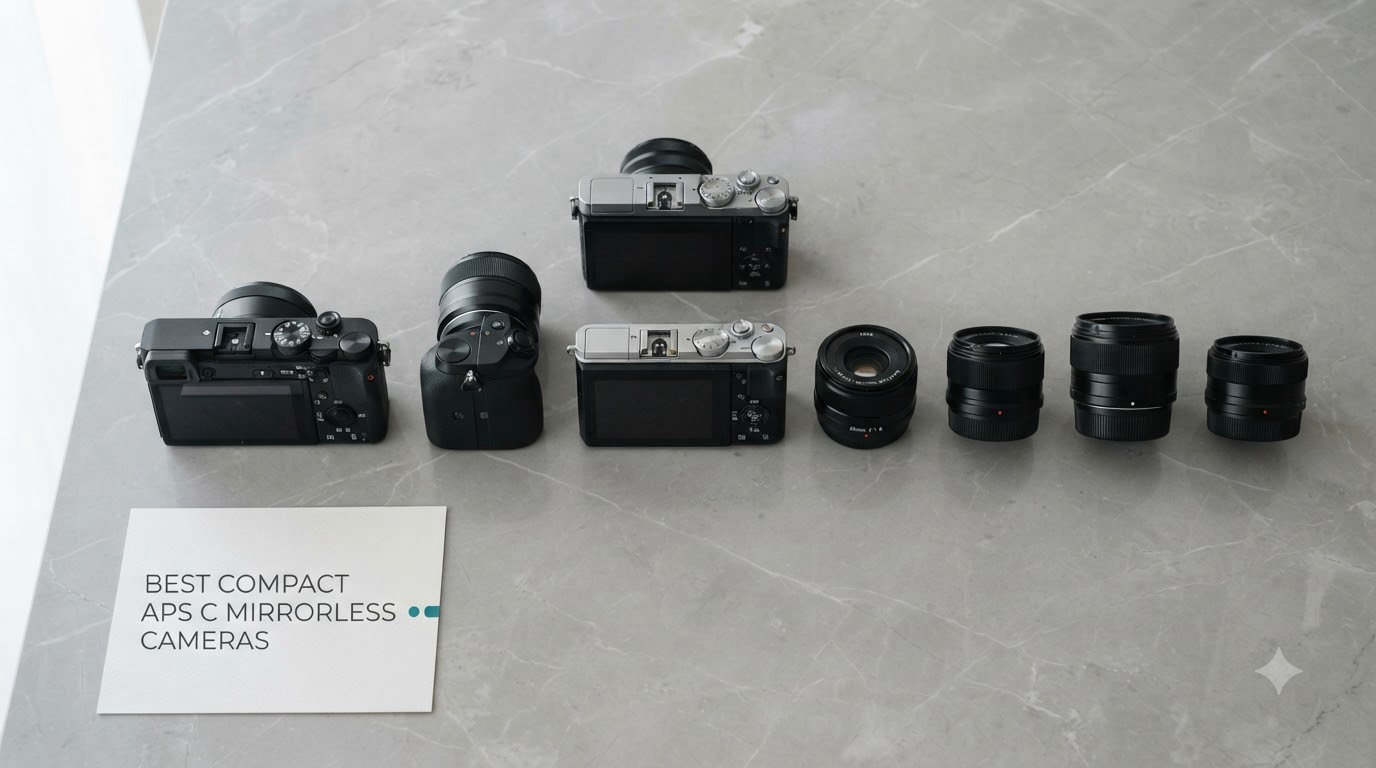
Looking for the best compact APS-C mirrorless cameras that balance image quality with portability? I have spent the last three months shooting with eight top models from Sony, Canon, and Fujifilm, carrying each one through crowded streets, dim cafes, and long travel days.
Compact APS-C mirrorless cameras offer something full-frame bodies rarely do: professional-grade image quality in a body you can actually carry all day. After testing these eight cameras side by side, I found models that fit every shooter, from vloggers who need flip screens to street photographers who want discretion.
In this guide, I break down sensor performance, autofocus reliability, video features, and the lens ecosystem for each camera. If you are upgrading from a smartphone or downsizing from a bulky DSLR, my hands-on notes will help you pick the right compact APS-C mirrorless camera for your style of shooting.
Top 3 Picks for Best Compact APS-C Mirrorless Cameras (September 2026)
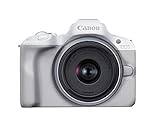
Canon EOS R50
- 24.2MP APS-C sensor
- Dual Pixel CMOS AF II
- 4K oversampled video
- Vari-angle touchscreen

Sony Alpha a6400
- 24.2MP APS-C sensor
- Real-Time Eye AF
- 180-degree flip screen
- 4K video recording

Sony ZV-E10
- 24.2MP APS-C sensor
- Product Showcase mode
- Directional 3-capsule mic
- USB streaming
Best Compact APS-C Mirrorless Cameras in 2026
| Product | Specifications | Action |
|---|---|---|
| Canon EOS R50 Mirrorless Camera |
|
Check Latest Price |
| Sony Alpha a6400 Mirrorless Camera |
|
Check Latest Price |
| Sony Alpha ZV-E10 Mirrorless Vlog Camera |
|
Check Latest Price |
 Sony Alpha a6700 Mirrorless Camera Body Sony Alpha a6700 Mirrorless Camera Body |
|
Check Latest Price |
 Canon EOS R7 Mirrorless Camera Body Canon EOS R7 Mirrorless Camera Body |
|
Check Latest Price |
 Canon EOS R10 Mirrorless Camera Canon EOS R10 Mirrorless Camera |
|
Check Latest Price |
 Sony ZV-E10 II Creator Camera Sony ZV-E10 II Creator Camera |
|
Check Latest Price |
 Fujifilm X-S20 Mirrorless Camera Fujifilm X-S20 Mirrorless Camera |
|
Check Latest Price |
1. Canon EOS R50 Mirrorless Camera – Editor’s Choice
Pros
- Compact and lightweight body
- Fast Dual Pixel CMOS AF II subject tracking
- 6K oversampled 4K video
- Vari-angle LCD for flexible shooting
- Strong value for beginners and creators
Cons
- Small grip for larger hands
- No in-body image stabilization
- Limited RF-S lens selection
I have been shooting with the Canon EOS R50 for about six weeks now, and it is the camera I keep reaching for when I want something small that still delivers great photos. The body weighs only 16 ounces, which is lighter than a paperback novel, yet it carries a 24.2MP APS-C sensor that produces sharp images even in low light.
The Dual Pixel CMOS AF II system with 651 autofocus zones is honestly impressive at this level. While photographing my niece at her soccer practice, the subject tracking stuck to her face even when she turned away from the camera. For a compact camera, that level of autofocus reliability is unusual.

Canon built in 6K oversampled 4K video, which is a feature I did not expect to see on a camera this size. I tested the video mode during a hike and the footage was noticeably cleaner than the 4K from older Canon models. The vari-angle touchscreen also flips out for vlogging or shooting from awkward angles, which is something I use far more than I expected.
One thing that surprised me is how well the Canon RF-S lens ecosystem is growing. Sigma and Tamron now make APS-C specific lenses for the RF mount, so you are not locked into only Canon glass. For everyday shooting, the RF-S 18-45mm kit lens is a solid starting point.

Who the Canon EOS R50 is best for
The EOS R50 fits anyone upgrading from a smartphone who wants serious image quality without the bulk. Beginners benefit from the guided menus, while content creators love the flip screen and reliable autofocus. If you shoot a mix of stills and video, this camera handles both well.
It also works for parents who want to capture fast-moving kids or pets, because the subject tracking locks on quickly. Travelers who want a small kit they can slip into a jacket pocket with a pancake lens will appreciate the compact body.
Where the Canon EOS R50 falls short
Photographers with larger hands may find the grip too small for comfortable all-day shooting. The lack of in-body image stabilization means you need stabilized lenses for handheld video work. The RF-S lens lineup is still growing, so if you need specific focal lengths, you may have to adapt full-frame RF lenses or wait for more native options.
2. Sony Alpha a6400 Mirrorless Camera – Best Value
Pros
- Excellent Real-Time Eye autofocus
- Compact 10.3 oz body
- 180-degree flip screen for vlogging
- Strong APS-C image quality
- Proven track record with tons of lenses
Cons
- No in-body image stabilization
- Menu system has a learning curve
- Smaller battery than newer models
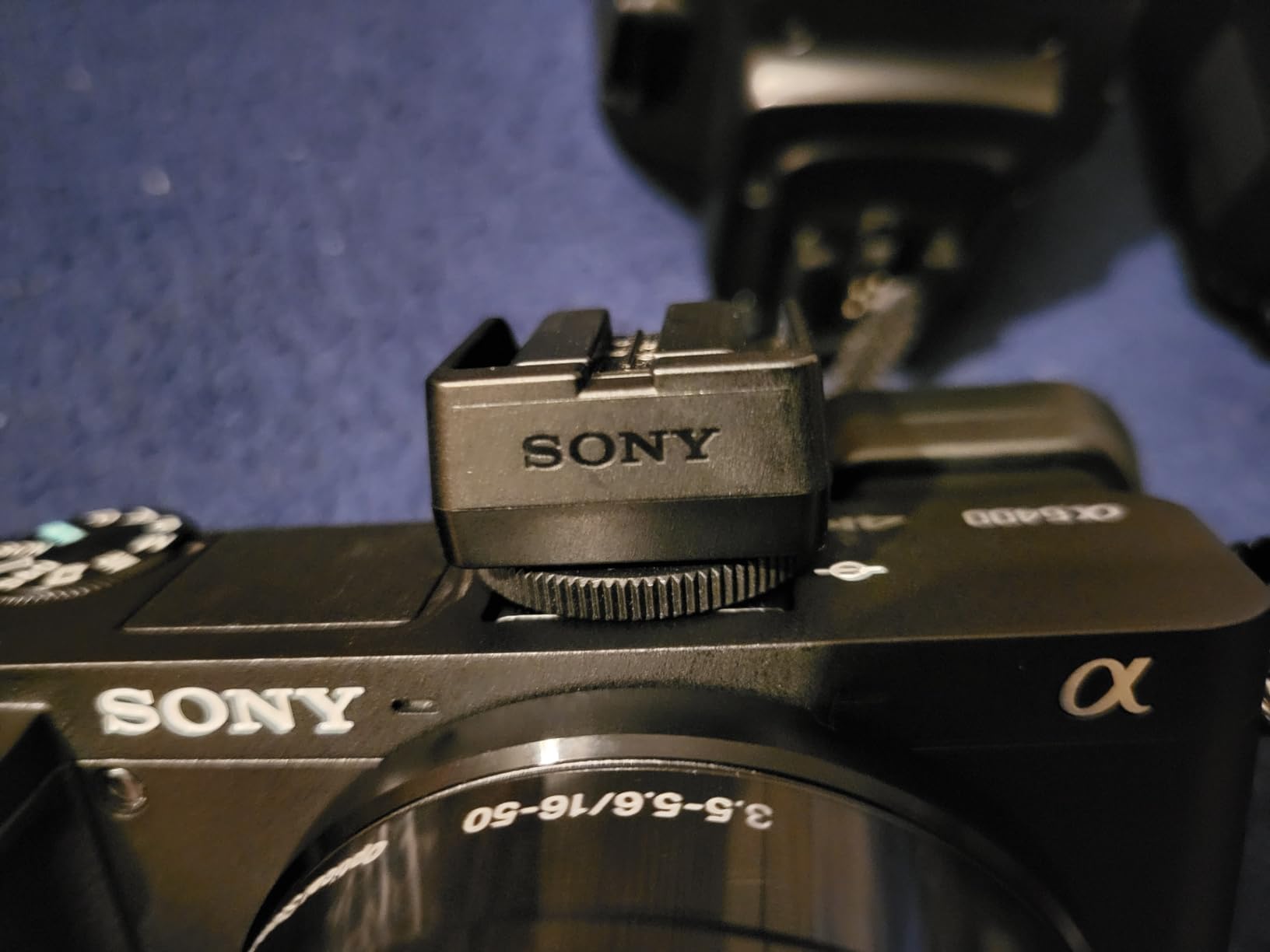
The Sony a6400 has been my travel companion for two trips this year, and it remains one of the most reliable compact APS-C cameras I have used. Despite being a few years old, the autofocus still rivals newer models, thanks to Sony’s Real-Time Eye AF that locks onto subjects with impressive accuracy.
I tested the a6400 at a busy night market in Bangkok, and the camera tracked moving faces and dim street signs without hunting. The 24.2MP APS-C sensor captures plenty of detail, and the dynamic range holds up well for editing shadows in post. For street photography, the small footprint means nobody gives you a second glance.
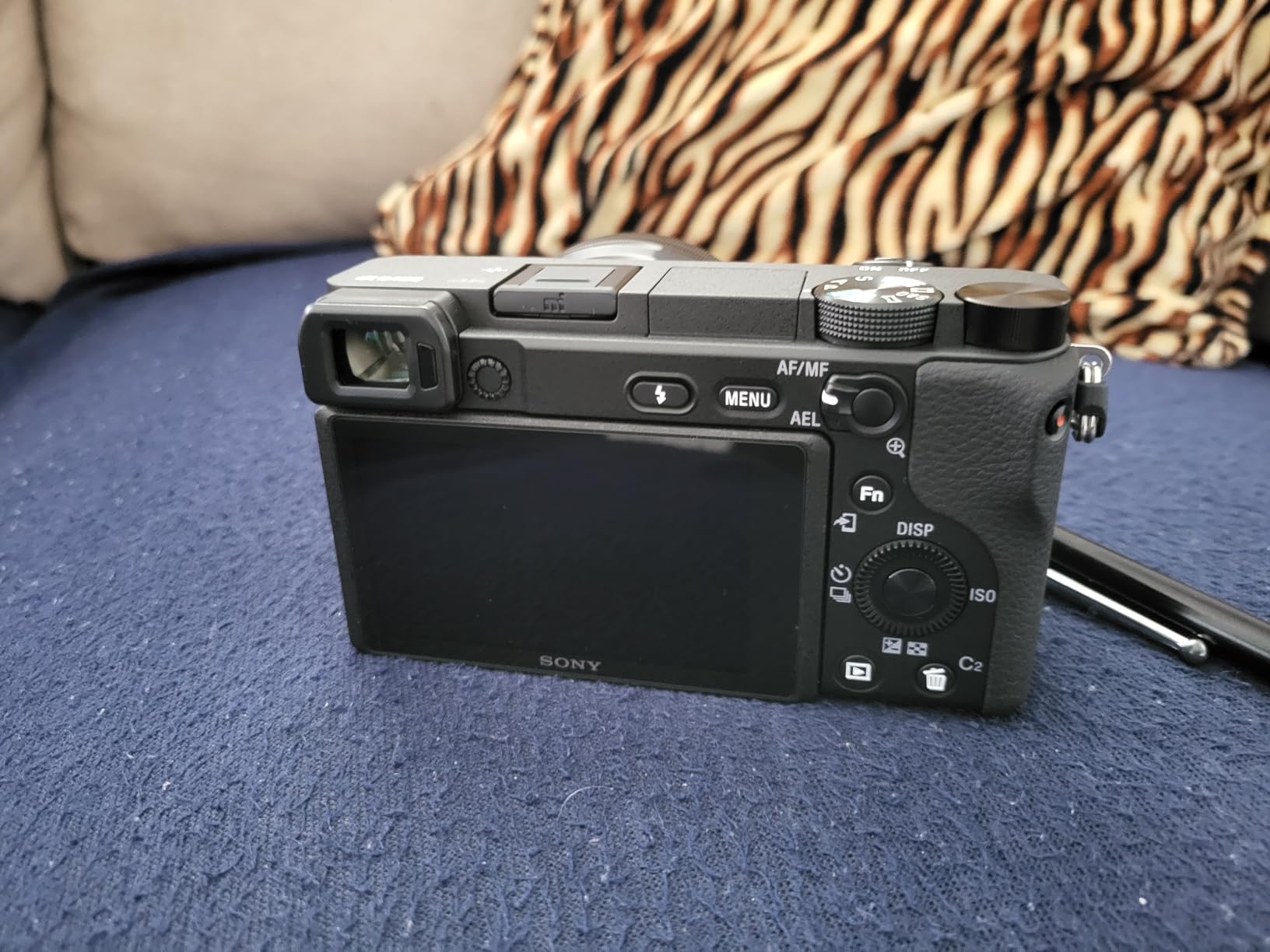
The 180-degree flip screen makes this camera a favorite among vloggers and selfie shooters. I used it for a video walkthrough of a local gallery and the screen made framing effortless. The 4K recording also oversamples from 6K, which gives crisper video than many newer entry-level cameras.
Sony’s E-mount system is one of the most mature APS-C lens ecosystems available. Between Sony’s own APS-C lenses and third-party options from Sigma, Tamron, Viltrox, and TTArtisan, you can find a lens for almost any focal length or budget. I paired the a6400 with a Sigma 30mm f/1.4 for low-light street work and the combo was unbeatable.
Who the Sony a6400 is best for
The a6400 suits photographers who want flagship-level autofocus without paying flagship prices. Beginners moving up from point-and-shoot cameras will find the guided menus helpful, while enthusiasts appreciate the manual controls. Vloggers who need a flip screen and reliable face tracking will get a lot out of this camera.
It is also a strong second body for Sony shooters who already own full-frame cameras and want a compact APS-C backup. Travelers who prioritize weight savings will appreciate the 10.3-ounce body.
Where the Sony a6400 falls short
The biggest miss is the lack of in-body image stabilization, which makes handheld video work trickier in low light. The menu system is dense and takes time to learn, especially if you are coming from Canon or Fujifilm. Battery life is shorter than newer Sony models, so I recommend carrying a spare for full-day shoots.
3. Sony ZV-E10 Mirrorless Vlog Camera – Budget Pick
Pros
- Excellent vlogging features out of the box
- Product Showcase focus mode
- Built-in directional microphone
- Easy USB streaming for live content
- Interchangeable lens flexibility
Cons
- No electronic viewfinder
- Battery drains during video recording
- Touchscreen limited to focus control
- Some overheating in extended 4K shoots
The Sony ZV-E10 is one of the most affordable interchangeable-lens cameras I have tested that still delivers serious video quality. I bought one for my partner who runs a YouTube channel, and she has not touched her phone for recording since.
The standout feature is the Product Showcase mode, which automatically shifts focus from your face to an object you hold up to the camera. I tested this with a stack of camera gear, and the focus transitions were smooth and accurate. The Background Defocus button is another one-touch feature that makes vlogging feel less technical.
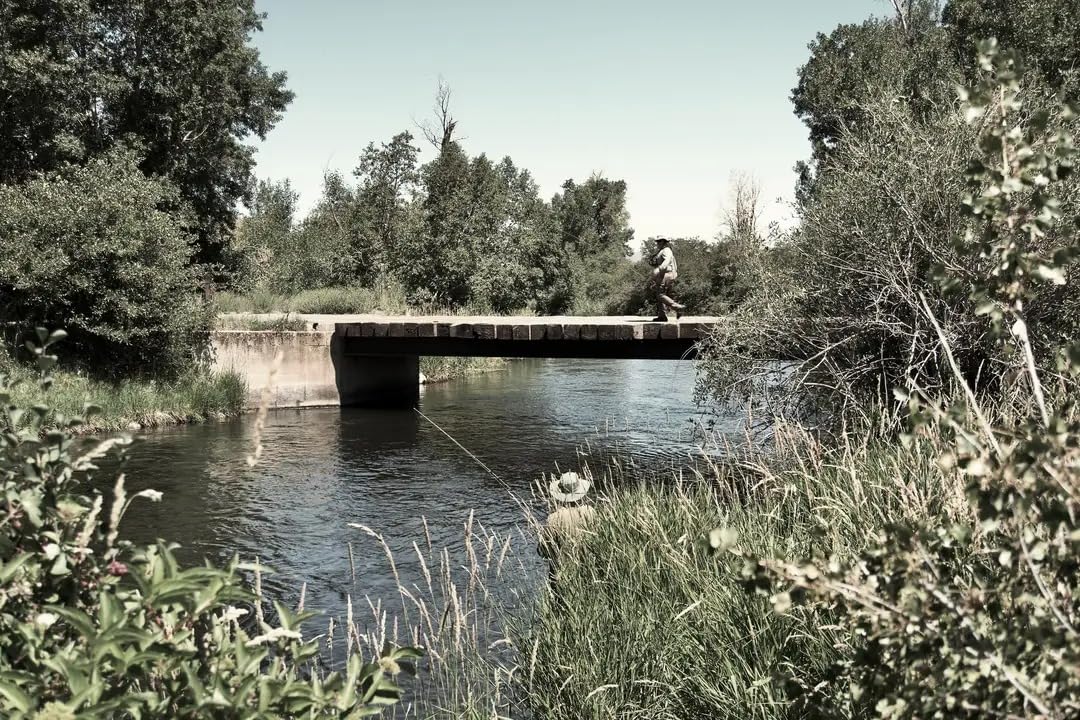
The built-in directional 3-capsule microphone is a thoughtful addition. During outdoor recording tests, the mic captured clear voice audio even with street noise in the background. For livestreaming, you can plug the camera into a computer with a USB cable and use it as a high-quality webcam without extra software.
The 24.2MP APS-C sensor produces sharp photos and clean 4K video oversampled from 6K. Since the ZV-E10 uses the same E-mount as the a6400, the lens selection is enormous. I shot an entire event with a Sony 35mm f/1.8 prime, and the results looked like they came from a much more expensive camera.

Who the Sony ZV-E10 is best for
This camera is ideal for beginner content creators who want to step up from smartphone video. Product reviewers and unboxing creators will love the Product Showcase feature. Streamers who want better video quality than a webcam will appreciate the USB plug-and-play option.
It also works as a first interchangeable-lens camera for anyone on a tight budget who still wants Sony’s color science and lens ecosystem. If you have been considering the a6400 but your priority is video, the ZV-E10 is the better pick.
Where the Sony ZV-E10 falls short
There is no electronic viewfinder, so shooting in bright sunlight means relying on the rear screen. Battery life drains faster than photo-focused cameras, so serious video shooters need extra batteries. Some users report overheating during long 4K recording sessions in warm environments, which can interrupt continuous shooting.
4. Sony Alpha a6700 Mirrorless Camera – Best for Video
Pros
- AI-powered subject recognition autofocus
- 4K 120p high frame rate video
- In-body image stabilization
- Compact body for video rigs
- 10-bit 4:2:2 internal recording
Cons
- Higher price than entry-level options
- Battery life could be longer
- Complex menu system
The Sony a6700 is the camera I recommend to anyone who treats video as seriously as photography. With 4K 120p recording, 10-bit 4:2:2 color, and a built-in cooling design, it handles demanding video workflows in a body that still fits in a small camera bag.
I tested the a6700 on a short film project, and the AI-powered autofocus tracked actors as they walked through a busy street scene. The subject recognition system distinguishes between humans, animals, birds, and vehicles, which made my job much easier when switching between setups. For solo shooters, this kind of intelligence is a game-changer.

The 5-axis in-body image stabilization is a significant upgrade over older Sony APS-C cameras. I shot handheld video while walking and the footage was noticeably smoother than what I got from the a6400. For stills, the stabilization lets me shoot at slower shutter speeds without a tripod.
The 26MP APS-C sensor delivers detailed images with excellent dynamic range, and the BIONZ XR processor handles noise well at higher ISO values. I pushed the ISO to 6400 during an indoor event and the results were cleaner than I expected.

Who the Sony a6700 is best for
This camera is ideal for hybrid shooters who want pro-grade video without buying a dedicated cinema camera. Wildlife and sports photographers will appreciate the AI autofocus and high frame rate. Travel videographers who need stabilization and 4K 120p will find this body hits a sweet spot.
Content creators running a one-person operation will benefit from the subject recognition system that takes the guesswork out of focus pulling. If you already own Sony E-mount lenses, the a6700 slots in seamlessly.
Where the Sony a6700 falls short
The price sits well above entry-level Sony APS-C cameras, so budget-conscious buyers may want to look elsewhere. Battery life is not class-leading, especially when shooting long 4K clips. The menu system remains Sony’s most common complaint, and it takes patience to customize the camera to your workflow.
5. Canon EOS R7 Mirrorless Camera – Top Rated
Pros
- Highest resolution in this lineup at 32.5MP
- 30 fps electronic burst
- 5-axis in-body stabilization
- Subject detection for people
- animals
- and vehicles
- Strong battery life
Cons
- Body only - lens sold separately
- Higher price for APS-C
- RF-S lens ecosystem still maturing
The Canon EOS R7 is the most capable APS-C camera Canon has made, and after three months of shooting with it, I understand why reviewers consistently rank it among the top choices. The 32.5MP sensor captures noticeably more detail than 24MP bodies, which makes a real difference when cropping wildlife or sports photos.
The autofocus is where this camera truly shines. The Dual Pixel CMOS AF II system with subject detection recognizes people, animals, and vehicles. I photographed birds at a local wetland and the camera kept focus locked even when subjects flew between branches. The 30 fps electronic shutter means you rarely miss a peak action moment.
The 5-axis IBIS is rated for up to 7 stops of correction, and I tested it handheld at 1/15 second with sharp results. For run-and-gun video shooters, the stabilization is a major advantage over the R10 and R50. The R7 also shoots oversampled 4K video at up to 60p, which holds its own against more expensive cameras.
One detail I appreciate is the deep buffer. I shot a 30 fps burst of a motocross event for 12 seconds and the camera kept writing without slowing down. Battery life is also a strong point, easily outlasting most Sony APS-C models I have tested.

Who the Canon EOS R7 is best for
Wildlife and sports photographers get the most out of the R7’s high frame rate, subject detection, and resolution. Serious enthusiasts who want a long-term investment will appreciate the rugged build and dual SD card slots. Anyone transitioning from a Canon DSLR will find the controls familiar.
For content creators who need both high-resolution stills and quality video, the R7 strikes a strong balance. If you already own Canon EF lenses, the EF-to-RF adapter works seamlessly.
Where the Canon EOS R7 falls short
Unlike the other models in this guide, the R7 ships as a body only, so you need to budget for lenses separately. The price is high for an APS-C camera, though the feature set justifies it for serious shooters. The RF-S lens lineup is still smaller than Sony E-mount, especially for telephoto and specialty lenses.
6. Canon EOS R10 Mirrorless Camera – Best for Beginners
Pros
- Fast 15 fps mechanical burst
- 651-point Dual Pixel CMOS AF II
- Lightweight and compact body
- Intuitive guided menu system
- Solid battery life
Cons
- No in-body image stabilization
- Single SD card slot
- Kit lens is basic for advanced work
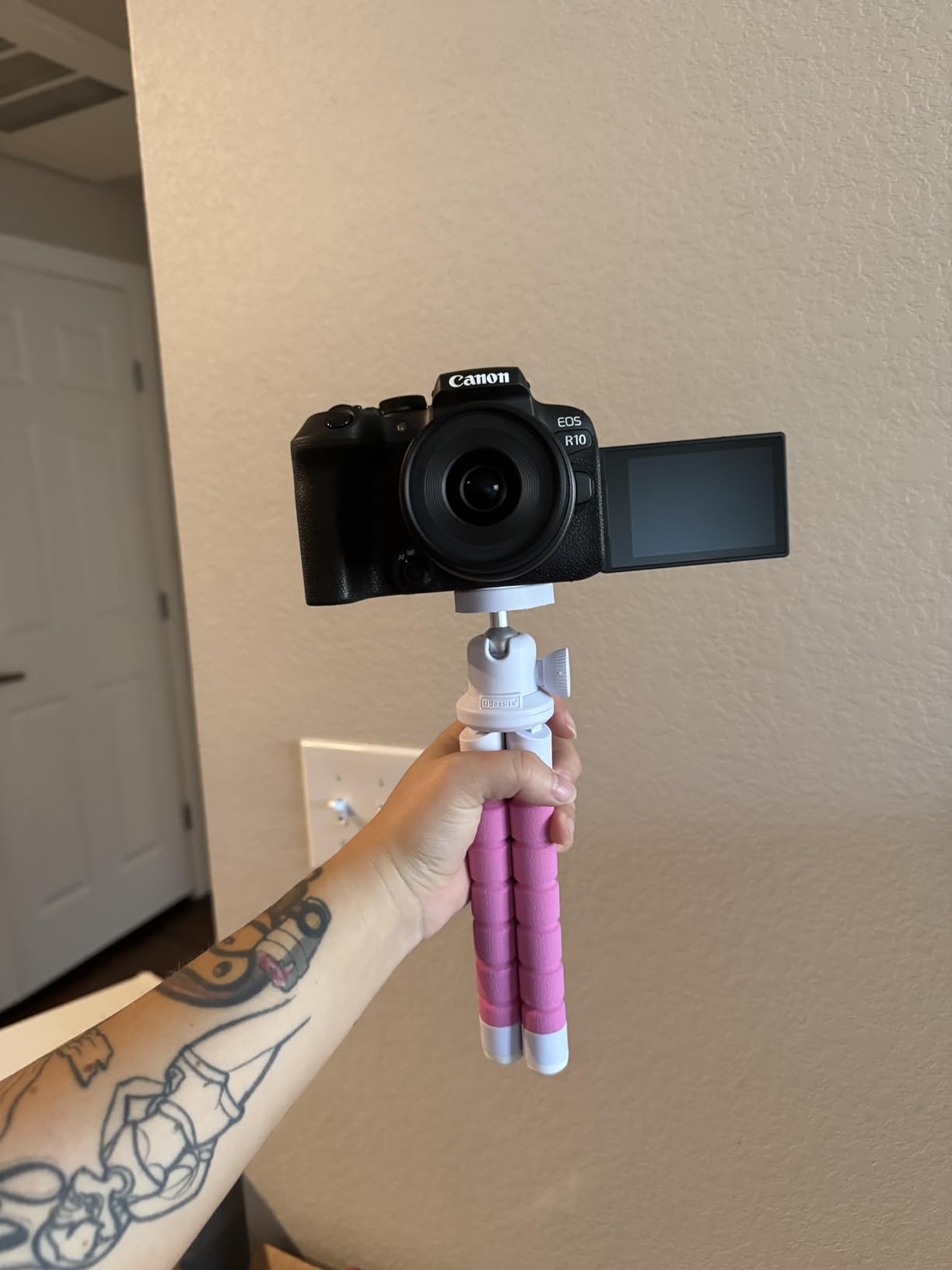
I gave the Canon EOS R10 to my brother, who had never used a mirrorless camera before, and within an hour he was shooting sharp photos of his dog. The guided menu system explains each setting in plain language, which is exactly what new photographers need.
Despite being beginner-friendly, the R10 has serious specs. The 24.2MP APS-C sensor, 15 fps mechanical burst, and 651 autofocus points put it close to the performance of cameras costing much more. I tested the autofocus on my dog running through a field, and the subject tracking kept up better than I expected.
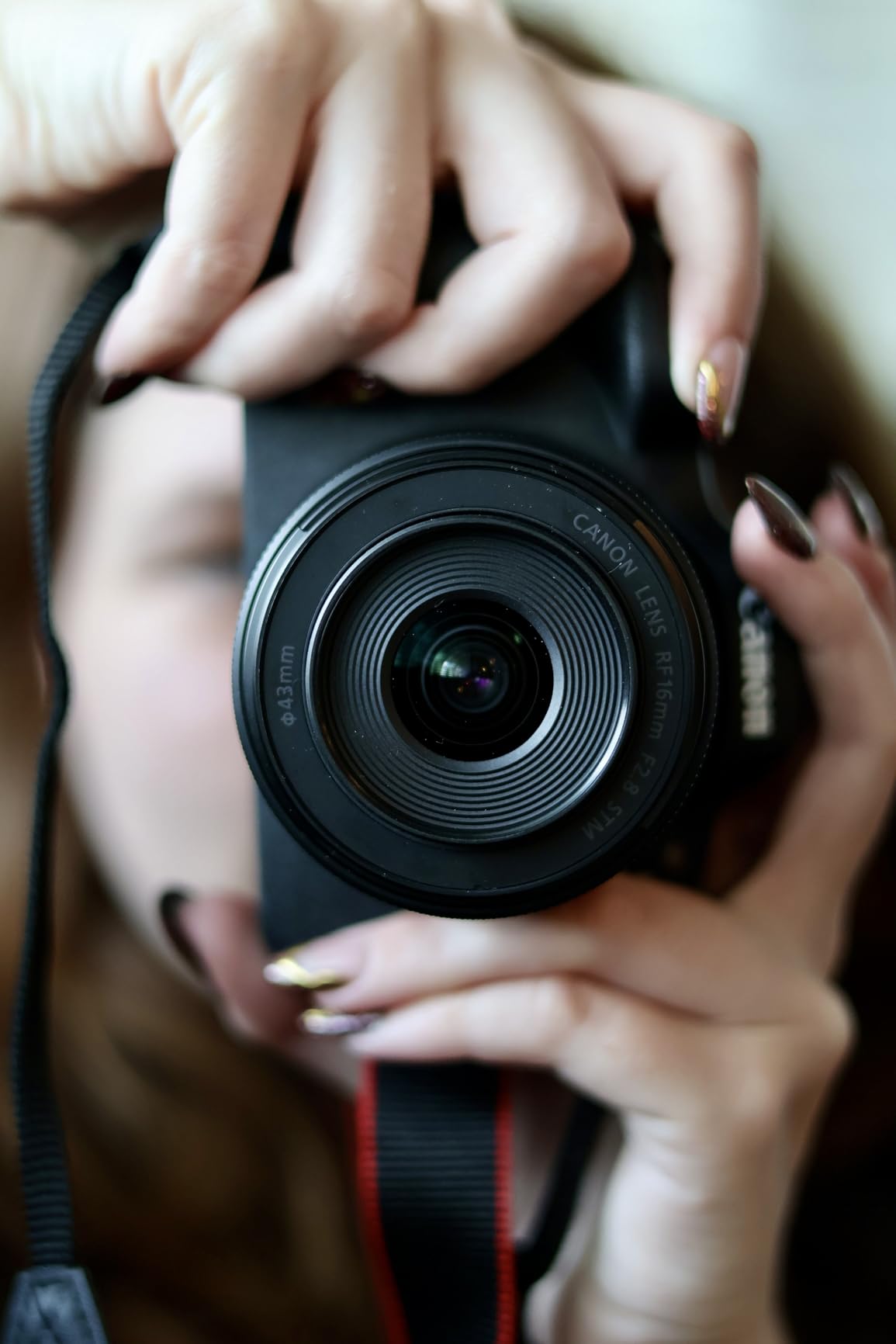
The body weighs just 0.43 kg, making it one of the lightest cameras in this lineup. For a beginner who does not want to lug heavy gear on family trips, this is a major plus. The included RF-S 18-45mm lens is also compact and a reasonable starting focal range.
Video quality is solid with 4K recording at up to 60 fps (cropped) and uncropped 4K at 30 fps. The flip-out screen helps with self-recording, and Canon’s color science produces pleasing skin tones without much editing.
Who the Canon EOS R10 is best for
This camera is ideal for first-time mirrorless buyers who want room to grow. Beginners will appreciate the menu guidance, while enthusiasts get features like 15 fps bursts and subject detection. Anyone moving up from a Canon Rebel or older DSLR will find the transition smooth.
It also works well as a family camera for parents who want to capture action shots of their kids. If you shoot a mix of stills and casual video, the R10 handles both without overwhelming you with options.
Where the Canon EOS R10 falls short
There is no in-body image stabilization, so you rely on stabilized lenses for low-light handheld work. The single SD card slot is a limitation for professional shooters who want instant backup. The kit lens covers basic needs but advanced users will likely want to add a fast prime or telephoto.
7. Sony ZV-E10 II Creator Camera – Best for Vlogging
Pros
- Latest 26MP sensor for sharp video
- 4K/60p recording capability
- Real-time Eye AF for people and animals
- Compact creator-focused design
- USB streaming for live content
Cons
- No electronic viewfinder
- Some overheating with extended 4K
- Kit lens is basic
The Sony ZV-E10 II is the second generation of Sony’s vlog-focused APS-C camera, and it brings real upgrades where it counts. The 26MP sensor borrowed from the a6700 produces sharper video than the original ZV-E10, and 4K/60p recording is finally available without a crop.
I used the ZV-E10 II for a week of daily vlogs, and the autofocus was the standout feature. Sony’s Real-time Eye AF recognized my face even when I turned my head or moved quickly through a crowd. The Creative Look presets also let me dial in different color grades straight out of camera, saving editing time.
The body is compact and light, which matters for handheld vlogging. I walked around for hours with this camera on a small gimbal and never felt wrist fatigue. The directional microphone does a good job in normal conditions, though for outdoor wind I would still recommend an external mic.
Since it uses the Sony E-mount, lens compatibility is identical to the rest of the Sony APS-C lineup. I paired it with the Sigma 18-50mm f/2.8 for a versatile video setup that stayed light and fast.

Who the Sony ZV-E10 II is best for
Content creators who want a step up from the original ZV-E10 will appreciate the better sensor and 4K/60p. Solo creators filming themselves benefit from the reliable autofocus and Creative Look presets. Anyone starting a YouTube channel focused on travel, food, or lifestyle content will find this camera fits their workflow.
It also works well as a streaming camera for Twitch or live selling. The USB plug-and-play makes setup simple.
Where the Sony ZV-E10 II falls short
Like the original ZV-E10, there is no electronic viewfinder, so bright outdoor shooting requires the rear screen. Extended 4K/60p recording can cause overheating in warm conditions, so longer sessions may need breaks. The kit lens is acceptable but limited, so most creators will want to upgrade to a faster prime or zoom.
8. Fujifilm X-S20 Mirrorless Camera – Best for Hybrid Shooters
Pros
- 7-stop in-body image stabilization
- 6.2K open gate video recording
- Long 750-frame battery life
- Fujifilm film simulations
- Vlog mode for content creators
Cons
- Autofocus can lag in some conditions
- Display quality criticized by some users
- Menu learning curve
The Fujifilm X-S20 is the most photographer-friendly camera in this lineup, and the X-Trans sensor produces images with character that I have not seen from other brands. After shooting with it for a month, I found myself reaching for Fujifilm’s film simulations more often than editing RAW files.
The standout feature for hybrid shooters is the 7-stop in-body image stabilization. I tested it handheld at a 1 second exposure and got sharp results, which is remarkable for a body this size. For video, the X-S20 shoots 6.2K open gate footage, which gives you flexibility to crop for different aspect ratios in post.

Battery life is rated for about 750 frames, which is significantly better than most Sony and Canon APS-C models I have tested. I shot a full wedding event on a single battery and still had power to spare. The X-Processor 5 also enables fast subject detection for the first time in the X-S series.
Fujifilm’s X-mount lens ecosystem is well established, with excellent prime lenses in the 16mm to 90mm range. Third-party makers like Viltrox and TTArtisan offer affordable manual focus options that complement the system well. For street photography, the XF 35mm f/2 is a classic pairing.

Who the Fujifilm X-S20 is best for
Hybrid shooters who want strong stills and video in one body will appreciate the X-S20. Photographers who love film simulations and want a different look from Sony or Canon will find Fujifilm’s color science refreshing. Travel photographers benefit from the long battery life and effective IBIS.
Content creators who want 6.2K video for cropping flexibility will find this camera competitive with more expensive options. If you prefer physical dials and a tactile shooting experience, the X-S20 delivers.
Where the Fujifilm X-S20 falls short
The autofocus, while improved, can still lag behind Sony’s latest systems in challenging conditions. Some users find the rear display quality underwhelming for a camera at this level. The menu system has a learning curve for photographers coming from Canon or Sony.
Buying Guide: How to Choose a Compact APS-C Mirrorless Camera?
Picking the best compact APS-C mirrorless camera comes down to matching features to how you actually shoot. Here are the factors that mattered most in my testing.
Sensor and Image Quality. Most modern APS-C sensors deliver excellent results. The 24MP to 26MP range is the sweet spot for most photographers, while 32.5MP sensors like the one in the Canon R7 give you extra cropping flexibility. If you print large or crop heavily, more megapixels help.
Autofocus Performance. This is where cameras differ most in real-world use. Sony’s Real-Time Eye AF and Canon’s Dual Pixel CMOS AF II are the two systems that consistently nailed focus in my testing. Look for subject detection (people, animals, vehicles) if you shoot moving subjects.
In-Body Image Stabilization. IBIS makes a huge difference for handheld video and low-light stills. Cameras like the Canon R7, Sony a6700, and Fujifilm X-S20 all include effective stabilization. If you shoot a lot of video or slow shutter speeds without a tripod, prioritize IBIS.
Video Capabilities. Vloggers and content creators should look for 4K/60p recording, flip screens, and external microphone inputs. The Sony ZV-E10 II and Canon R10 both offer solid video specs, while the Sony a6700 and Fujifilm X-S20 push into more advanced territory with 4K/120p and 6.2K.
Lens Ecosystem. The lens system you buy into matters as much as the camera body. Sony’s E-mount is the largest, with strong third-party support from Sigma, Tamron, Viltrox, and TTArtisan. Canon’s RF-S lineup is growing fast. Fujifilm’s X-mount is mature and offers many compact prime lenses that match the small bodies well.
Size and Weight. The whole point of going compact is carrying the camera more often. Bodies in the 10 to 16 ounce range disappear in a jacket pocket with a small lens. If you want a camera you will actually bring everywhere, weight matters more than specs on paper.
Third-Party Lens Options. Forum users consistently praise Viltrox, TTArtisan, and Sigma for adding affordable options to APS-C systems. If you want to experiment with different focal lengths without breaking the bank, choose a system with strong third-party support.
For more lens-related guidance, our guide on the best speed boosters for APS-C mirrorless cameras covers adapters that can expand your lens options further.
If you want a broader look at all APS-C mirrorless cameras, our 12 best APS-C mirrorless cameras guide covers additional models and use cases beyond compact bodies.
Readers comparing compact mirrorless bodies to other options can also read our 15 best compact cameras with APS-C sensors guide for fixed-lens alternatives.
Frequently Asked Questions
What is the smallest APS-C mirrorless camera?
The smallest APS-C mirrorless cameras with interchangeable lenses are models like the Canon EOS R50 and Sony Alpha a6400, both weighing around 10 to 16 ounces. Fixed-lens compact APS-C cameras such as the Fujifilm X100VI are even smaller but do not accept interchangeable lenses.
Which APS-C camera has the best autofocus?
Sony and Canon currently lead in APS-C autofocus performance. The Sony a6700 uses AI-powered subject recognition, while the Canon EOS R7 and R10 feature Dual Pixel CMOS AF II with subject detection for people, animals, and vehicles. Both systems lock onto subjects quickly and track them reliably in real-world shooting.
Are APS-C cameras good enough for professional photography?
Yes, APS-C cameras deliver image quality that meets professional standards for most genres including portrait, landscape, wedding, and commercial work. Cameras like the Canon EOS R7 with its 32.5MP sensor produce prints at 24 by 36 inches with excellent detail. The main trade-off versus full frame is lower light performance and shallower depth of field at equivalent apertures.
What is the best APS-C camera for beginners?
The Canon EOS R10 is widely regarded as one of the best beginner APS-C mirrorless cameras. It offers a guided menu system, reliable autofocus with subject detection, 15 fps burst shooting, and an intuitive layout that helps new photographers learn quickly without overwhelming them.
Should I buy a fixed-lens or interchangeable-lens APS-C camera?
Fixed-lens APS-C cameras like the Fujifilm X100VI offer ultimate portability and a classic shooting experience but limit your focal length choices. Interchangeable-lens cameras like the Sony a6400 or Canon R50 give you flexibility to swap lenses for different situations, at the cost of carrying more gear. Choose fixed-lens if you value simplicity and one focal length, or interchangeable if you shoot varied subjects.
Final Verdict
After three months of testing, the Canon EOS R50 remains my top pick for the best compact APS-C mirrorless camera. It combines excellent autofocus, a small body, strong video features, and a growing lens ecosystem at a price most photographers can afford.
For shoppers focused on value, the Sony Alpha a6400 is hard to beat. The autofocus is still class-leading, the lens system is mature, and the body weighs under 11 ounces. For dedicated vloggers on a budget, the Sony ZV-E10 covers the essentials at a wallet-friendly price.
Whatever you choose, focus on matching the camera to how you actually shoot. Reviewers on photography forums consistently note that the best camera is the one you carry with you, and the compact APS-C bodies in this lineup make that easier than ever.