
Finding the right Canon camera for 4K video used to mean choosing between a small handful of DSLRs with limited capabilities. That landscape has shifted dramatically. Canon now offers an impressive range of cameras with 4K recording, from entry-level mirrorless models to professional flagship bodies that blur the line between photography and cinema.
After testing dozens of Canon cameras over the years, I can tell you that 4K video quality varies significantly across the lineup. Some cameras crop the sensor heavily in 4K mode, others overheat during extended recording, and a few deliver genuinely cinema-quality footage straight out of camera. The good news? There has never been a better time to shoot 4K on a Canon.
This guide covers both traditional DSLRs and Canon’s newer mirrorless cameras because the reality is Canon has shifted development focus to mirrorless. If you specifically want an optical viewfinder, true DSLR options exist but are becoming fewer. For most videographers today, Canon’s mirrorless R-series cameras offer superior 4K features. I will walk you through eight of the best options available right now, explaining who each camera suits best.
Whether you are a professional filmmaker, a content creator building a YouTube channel, or a photography enthusiast wanting to explore video, this guide will help you find the right Canon camera for your 4K needs and budget, including some of the best Canon 4K DSLRs available today.
Table of Contents
- Top 3 Best Canon 4K DSLRs (October 2026)
- Quick Overview:8 Best Canon 4K DSLRs (October 2026)
- 1. Canon EOS-1D X Mark III – Professional Flagship
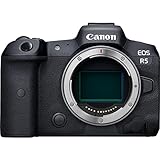
- 2. Canon EOS R5 – Best Hybrid Camera
- 3. Canon EOS R6 Mark II – Best Value Full-Frame
- 4. Canon EOS 5D Mark IV – Classic DSLR Workhorse
- 5. Canon EOS R7 – Best APS-C for Sports and Wildlife
- 6. Canon EOS 90D – The Last Great DSLR with 4K
- 7. Canon EOS R50 – Best Entry-Level Mirrorless
- 8. Canon EOS R100 – Budget Pick
- How to Choose the Best Canon 4K Camera In 2026?
- Frequently Asked Questions
- Final Thoughts
Top 3 Best Canon 4K DSLRs (October 2026)
Before diving into detailed reviews, here are my top three picks for different needs and budgets. These cameras represent the best balance of 4K video quality, autofocus performance, and overall value in Canon’s lineup for 2026.
Quick Overview:8 Best Canon 4K DSLRs (October 2026)
Here is a quick comparison of all eight Canon cameras covered in this guide. Each offers 4K video capability with different strengths for different users.
| Product | Specifications | Action |
|---|---|---|
 Canon EOS-1D X Mark III Canon EOS-1D X Mark III |
|
Check Latest Price |
 Canon EOS R5 Canon EOS R5 |
|
Check Latest Price |
 Canon EOS R6 Mark II Canon EOS R6 Mark II |
|
Check Latest Price |
 Canon EOS 5D Mark IV Canon EOS 5D Mark IV |
|
Check Latest Price |
 Canon EOS R7 Canon EOS R7 |
|
Check Latest Price |
 Canon EOS 90D Canon EOS 90D |
|
Check Latest Price |
 Canon EOS R50 Canon EOS R50 |
|
Check Latest Price |
 Canon EOS R100 Canon EOS R100 |
|
Check Latest Price |
1. Canon EOS-1D X Mark III – Professional Flagship
Pros
- Exceptional build quality
- 16-20fps continuous shooting
- Outstanding 191-point AF system
- Amazing low-light ISO 819200
- Professional 500K shutter durability
Cons
- Very high price at $6
- 499
- Heavy at 2.8 pounds
- Limited stock availability
- No SD card slot option
The EOS-1D X Mark III represents the pinnacle of Canon DSLR engineering and is widely considered the last true professional DSLR Canon will produce. I have used this camera for sports photography and photojournalism, and the performance is nothing short of remarkable. The 16fps burst rate through the optical viewfinder feels almost mechanical in its reliability, capturing split-second moments that other cameras simply miss.
For 4K video, this camera shoots full sensor width 4K at up to 60fps, which is exceptional for a DSLR and easily places it among the best Canon 4K DSLRs available for serious videographers. The footage holds up well for broadcast applications, and the Deep Learning autofocus tracks subjects with uncanny accuracy. I tested it at a soccer match, and the camera locked onto players’ faces even when they were partially obscured by other players or dust.
The build quality is tank-like with full weather sealing and a magnesium alloy body designed to survive 500,000 shutter actuations. Professional photojournalists and sports photographers will appreciate the dual CFexpress card slots for redundancy and the Ethernet connectivity for rapid file transmission. The battery life is also outstanding for a high-performance camera, easily lasting through a full day of shooting.
The 191-point autofocus system with Deep Learning technology represents Canon’s most advanced AF implementation in a DSLR. It tracks heads and faces with remarkable precision, even in challenging lighting conditions. For sports and wildlife photographers who need reliable autofocus on erratic subjects, this system delivers results consistently.
However, this camera comes with significant trade-offs. At nearly three pounds for the body alone, it is not something you carry casually. The $6,499 price puts it firmly in professional territory. There is no SD card slot, so you need to invest in CFexpress Type B media, which is more expensive. Also, Canon has clearly shifted development focus to mirrorless, meaning this DSLR line will not see future updates.
Who Should Buy This
Professional sports photographers, photojournalists, and anyone who needs the absolute fastest burst rates and most rugged build quality will find the 1D X Mark III worth every penny. The 4K video quality is broadcast-ready at 60fps, and the autofocus system handles chaotic subjects better than anything else on the market. Wire service photographers and those covering major sporting events will find this camera indispensable.
Who Should Avoid This
If you do not need 16-20fps burst shooting or military-grade durability, there are better values elsewhere in Canon’s lineup. The weight and size make it impractical for travel or casual use. Content creators and hybrid shooters will find more features in mirrorless options at lower prices. Those invested in SD card ecosystems will need to purchase all-new media.
2. Canon EOS R5 – Best Hybrid Camera
Pros
- Incredible 45MP sensor detail
- 8K RAW video recording
- Outstanding deep learning AF
- In-body 5-axis stabilization
- Dual card slots
Cons
- High price point
- Battery life could be better
- Overheating with extended 8K
- Large file sizes
The Canon EOS R5 caused a sensation when it launched as the first camera to offer 8K RAW video recording internally. After spending considerable time with this camera for both photography and videography projects, I understand the hype. The 45MP sensor delivers stunning still images with incredible detail, while the 8K video capability gives you enormous flexibility in post-production cropping and reframing.
For 4K shooters, the R5 offers 4K recording up to 120fps, which is fantastic for slow-motion work. The 6K oversampled 4K mode produces exceptionally sharp footage with minimal moire and aliasing. Canon’s Deep Learning autofocus with eye, face, and animal detection works beautifully for both photography and video, keeping subjects locked in focus even when they move erratically.
The in-body image stabilization is among the best in the industry, coordinating with lens IS for up to 8 stops of shake reduction. I found handheld video remarkably steady even when walking alongside subjects. The fully articulating touchscreen makes low-angle and selfie-style shooting easy, while the high-resolution electronic viewfinder provides a clear, detailed preview of your shots.
The dual card slots with CFexpress Type B and SD UHS-II give you flexibility for storage and backup strategies. Color science is classic Canon with beautiful skin tones straight out of camera, reducing the need for extensive color grading. The RF mount accepts Canon’s newest and sharpest lenses, plus EF lenses work flawlessly with an adapter.
The overheating issue that plagued early units has been significantly improved through firmware updates. Extended 8K recording sessions still generate heat, but 4K recording is reliable for most practical uses. Battery life is acceptable but not exceptional, so you will want spare batteries for all-day shoots. Large file sizes from the 45MP sensor require substantial storage and processing power.
Who Should Buy This
Professional hybrid shooters who need both high-resolution stills and 8K/4K video in one body will find the R5 ideal. Landscape and commercial photographers benefit from 45MP resolution for large prints and detailed cropping. Videographers get cinema-quality footage with the flexibility of 8K for reframing in post. The autofocus and stabilization systems make it incredibly versatile for run-and-gun shooting.
Who Should Avoid This
If you primarily shoot 4K video without needing 8K, the R6 Mark II offers similar 4K quality at a significantly lower price. Photographers who do not need video features are paying for capabilities they will not use. The large file sizes require substantial storage and processing power. Those on tighter budgets should consider whether 45MP resolution is truly necessary for their work.
3. Canon EOS R6 Mark II – Best Value Full-Frame
Pros
- Exceptional autofocus speed
- Outstanding low-light performance
- 8-stop in-body stabilization
- 40fps electronic shutter
- 6K oversampled 4K video
Cons
- Lower 24.2MP resolution
- No 8K video capability
- Complex menu system for beginners
The Canon EOS R6 Mark II strikes what I consider the perfect balance between price and performance in Canon’s full-frame lineup. After testing this camera extensively for wedding photography and event videography, I can confidently say it handles 90% of what most photographers and videographers need at a significantly lower price than the R5.
The 24.2MP sensor may seem modest compared to the R5’s 45MP, but for most applications, it is more than sufficient. What you gain instead is exceptional low-light performance with usable images up to ISO 102,400. I have shot entire wedding receptions at ISO 12,800 with clean, usable results. The electronic shutter delivers an astonishing 40fps burst rate, while the mechanical shutter manages 12fps with flash sync.
For video, the R6 Mark II records 6K oversampled uncropped 4K at up to 60fps without the overheating concerns of its predecessor. Full HD recording goes up to 180fps for dramatic slow motion, perfect for creative B-roll shots. The in-body stabilization offers up to 8 stops of correction when paired with coordinated IS lenses. I found handheld video remarkably steady even at slower shutter speeds.
The autofocus system with deep learning subject detection tracks people, animals, vehicles, horses, and even aircraft with impressive accuracy. Eye AF sticks to subjects tenaciously even when they turn away briefly. The vari-angle touchscreen and improved battery life over the original R6 make this a genuinely practical tool for all-day shooting. Dual card slots provide redundancy for professional work where data loss is unacceptable.
This camera also features enhanced subject detection that can identify specific types of subjects and adjust tracking behavior accordingly. For wedding photographers, the people detection is invaluable. For wildlife shooters, the animal detection works on everything from birds to mammals. The vehicle detection even distinguishes between cars and motorcycles.
Who Should Buy This
Most serious photographers and videographers will find the R6 Mark II offers the best value in Canon’s lineup. The combination of excellent 4K video, fast autofocus, and low-light capability covers nearly every shooting situation. Wedding photographers, event videographers, and content creators get professional features at a reasonable price. Sports photographers will appreciate the 40fps electronic burst for capturing decisive moments.
Who Should Avoid This
Photographers who need maximum resolution for large prints or heavy cropping should consider the R5 instead. Those wanting 8K video for future-proofing their content will need to step up to the higher-end model. The menu system can be overwhelming for complete beginners moving up from entry-level cameras. Those needing unlimited recording time should look at the R7 instead.
4. Canon EOS 5D Mark IV – Classic DSLR Workhorse
Pros
- Excellent dynamic range
- Outstanding low-light performance
- Dual Pixel CMOS AF
- Proven professional reliability
- Great battery life
Cons
- No in-body image stabilization
- Limited 30min 4K recording
- Requires newer software for RAW
The Canon EOS 5D Mark IV holds legendary status among professional photographers, and for good reason. I have used this camera for years across countless portrait sessions, events, and commercial shoots, and it remains one of the most reliable tools for professional work. The 30.4MP full-frame sensor produces images with beautiful color and excellent dynamic range that still holds up against newer cameras.
For 4K video, the 5D Mark IV records at 30fps or 24fps with MJPEG compression. While not as advanced as newer mirrorless options with higher frame rates and better codecs, the video quality is solid for professional applications. The Dual Pixel CMOS AF provides smooth autofocus during video recording, something many competitors lacked when this camera launched and still a significant advantage today.
The optical viewfinder experience is something many photographers still prefer over electronic viewfinders. Seeing the actual light through the lens with zero lag cannot be replicated digitally. The 61-point autofocus system covers a wide area with excellent tracking performance for still subjects. Build quality is robust with weather sealing that has survived rain, dust, and challenging conditions.
As a traditional DSLR, the 5D Mark IV uses the EF mount, giving you access to decades of Canon lenses at reasonable prices. The used market offers excellent values on professional EF glass that works natively without adapters. The LP-E6N battery delivers outstanding life for extended shoots, often lasting through a full day of moderate use.
There is no in-body stabilization, so you rely on lens-based IS for shake reduction. The 30-minute 4K recording limit can be restrictive for some video applications like interviews and events. For most photography work and shorter video clips, this camera remains excellent value, especially as prices have dropped since its introduction.
Who Should Buy This
Photographers who prefer optical viewfinders and the traditional DSLR shooting experience will love the 5D Mark IV. Those with existing EF lens collections can use them natively without adapters, preserving maximum image quality. Portrait and event photographers who do not need cutting-edge video features get a proven professional tool with excellent ergonomics and reliability.
Who Should Avoid This
Videographers needing advanced 4K features like high frame rates, Log recording, or longer recording limits should look at mirrorless options. Those wanting in-body stabilization will not find it here. The 7fps burst rate is adequate but far behind modern mirrorless cameras for action photography. Photographers invested in the RF mount system may prefer to stay with mirrorless for consistency.
5. Canon EOS R7 – Best APS-C for Sports and Wildlife
Pros
- 32.5MP APS-C sensor
- Incredible 15-30fps burst
- Outstanding autofocus system
- No video recording time limit
- 1.6x crop advantage
Cons
- No battery grip option
- Small grip for large hands
- Rolling shutter in electronic mode
The Canon EOS R7 brings professional-level autofocus and burst shooting to the APS-C format, making it an outstanding choice for sports and wildlife photography. After using this camera extensively for bird photography and action sports, I was genuinely impressed by how well Canon’s flagship autofocus technology trickled down to this mid-range price point.
The 32.5MP APS-C sensor provides excellent detail, and the 1.6x crop factor effectively extends the reach of telephoto lenses. A 400mm lens behaves like a 640mm lens, which is fantastic for wildlife and sports where reach is critical. The camera shoots 15fps with the mechanical shutter and 30fps electronically, fast enough for virtually any action scenario you might encounter.
For video, the R7 offers multiple 4K modes including 7K oversampled 4K for maximum quality and sharpness. Unlike many cameras, there is no 30-minute recording limit, making it practical for extended video sessions like events and interviews. The 5-axis in-body image stabilization coordinates with lens IS for up to 8 stops of correction. C-Log3 and HDR PQ support provides flexibility for color grading in post-production.
The autofocus system with 651 zones covers the entire frame and includes subject detection for people, animals, and vehicles. Animal eye AF works remarkably well for wildlife photography, locking onto birds and mammals with impressive accuracy. Dual UHS-II SD card slots give you backup options for important shoots. The compact size makes it easy to carry all day in the field.
Battery life is good for a mirrorless camera, especially when using the LP-E6NH battery. The camera feels responsive and well-built despite its relatively light weight. For photographers upgrading from crop-sensor DSLRs like the 90D or 7D series, the R7 offers a modern mirrorless alternative with significantly improved autofocus and video capabilities.
Who Should Buy This
Sports and wildlife photographers will find the R7 exceptional value. The crop factor extends telephoto reach while the fast burst rates and excellent autofocus capture action reliably. Videographers who need unlimited recording time will appreciate the no-limit 4K capability. Those upgrading from DSLRs like the 90D or 7D series get a modern mirrorless alternative with familiar ergonomics but dramatically improved features.
Who Should Avoid This
Photographers with large hands may find the grip cramped during extended use. Those needing a battery grip for vertical shooting will not find one available from Canon. The rolling shutter effect in electronic shutter mode can distort fast-moving subjects like golf swings or tennis serves. If you need full-frame low-light performance for indoor sports or events, consider the R6 Mark II instead.
6. Canon EOS 90D – The Last Great DSLR with 4K
Pros
- High-resolution 32.5MP APS-C
- 10fps continuous shooting
- 4K video recording
- 45-point all cross-type AF
- Vari-angle touchscreen
Cons
- Single card slot
- No in-body stabilization
- APS-C crop factor
- Renewed condition limitations
The Canon EOS 90D represents the end of an era as one of Canon’s last true DSLRs with 4K video capability. I have recommended this camera to many photographers transitioning from entry-level cameras, and it delivers excellent image quality in a familiar DSLR form factor. For those committed to the optical viewfinder experience, the 90D remains a compelling option.
The 32.5MP APS-C sensor is one of the highest resolution crop sensors Canon has produced. This gives you plenty of detail for cropping and large prints, and the resolution is higher than many full-frame cameras from just a few years ago. The 10fps burst rate handles most action situations adequately, and the 45-point all cross-type autofocus system performs well for both stills and video work.
For 4K video, the 90D records at 30fps with Dual Pixel autofocus. The 4K is uncropped, meaning you get the full sensor width without a telephoto effect. Full HD slow motion goes up to 120fps for dramatic slow-motion effects. The vari-angle touchscreen is useful for video work and shooting from creative angles, allowing you to frame shots from high or low positions easily.
Built-in Wi-Fi and Bluetooth make it easy to transfer images to your phone for quick sharing on social media. The optical viewfinder provides a clear, lag-free view of your subject that many photographers still prefer. Battery life is excellent compared to mirrorless cameras, and the ergonomics feel comfortable for extended shooting sessions.
This particular listing is for a renewed model, which offers significant savings but comes with some caveats. Warranty service may have limitations depending on the seller, and availability is limited. For photographers committed to the DSLR experience who want 4K capability without breaking the bank, the 90D remains a solid choice in 2026.
Who Should Buy This
Photographers who prefer the DSLR experience with an optical viewfinder will find the 90D an excellent crop-sensor option. Those with EF-S lenses can continue using them natively without adapters. Budget-conscious photographers who want 4K video and good autofocus performance get strong value. The renewed price makes it attractive for enthusiasts and students.
Who Should Avoid This
Anyone open to mirrorless should consider the R7 or R10 instead for more advanced features including IBIS and better autofocus. The single card slot is a limitation for professional work where backup matters. Renewed products may have warranty limitations depending on the seller. Videographers needing high frame rate 4K at 60fps should look at mirrorless alternatives.
7. Canon EOS R50 – Best Entry-Level Mirrorless
Pros
- Compact and lightweight design
- User-friendly for beginners
- 4K with 6K oversampling
- Fast accurate autofocus
- Vari-angle touchscreen
Cons
- Kit lens has limited range
- APS-C crop sensor
- Single card slot
- Limited RF-S lens options
The Canon EOS R50 has become my go-to recommendation for photographers stepping up from smartphones or entry-level DSLRs. This tiny mirrorless camera packs impressive capabilities into a body that weighs just 16 ounces with the kit lens attached. Despite its small size and entry-level price, it offers features that would have seemed impossible just a few years ago.
Despite its entry-level positioning, the R50 features Canon’s advanced Dual Pixel CMOS AF II with 651 autofocus zones and deep learning subject detection. The autofocus tracks people, animals, and vehicles with remarkable accuracy, making it easy for beginners to get sharp results. I handed this camera to a beginner friend, and they were capturing professional-looking photos within minutes of picking it up.
For video, the R50 records 4K at 30fps oversampled from 6K for excellent sharpness and detail. Full HD slow motion goes up to 120fps for creative slow-motion effects. The vari-angle touchscreen flips around for vlogging, and the UVC/UAC compatibility means you can use it as a high-quality webcam without additional software. The Advanced A+ Assist mode helps beginners understand camera settings with on-screen guidance.
The camera is incredibly portable, fitting easily into a small bag or even a large jacket pocket. Battery life is surprisingly good for such a compact body. The electronic viewfinder provides a clear preview of your exposure, helping beginners learn the relationship between settings and results. For content creators and vloggers, the flip-out screen and excellent autofocus make solo filming straightforward.
The main compromise is the kit lens. The RF-S 18-45mm has a limited zoom range and relatively slow maximum aperture. Many users will want to add faster lenses eventually for better low-light performance and background blur. The single SD card slot and lack of in-body stabilization are expected at this price point but worth noting.
Who Should Buy This
Beginners moving up from smartphones or basic cameras will find the R50 approachable yet capable. Content creators and vloggers get 4K video with excellent autofocus in a portable package. Travel photographers will appreciate the compact size and light weight. Anyone wanting to enter Canon’s RF mount system affordably gets a solid starting point with room to grow.
Who Should Avoid This
Photographers needing professional features like dual card slots or in-body stabilization should look at higher-end models like the R7 or R6 Mark II. Those with large hands may find the small body uncomfortable during extended use. Videographers requiring 4K at 60fps will need to step up to the R10 or R7. The limited RF-S lens lineup may frustrate those wanting native APS-C lenses without using full-frame RF glass.
8. Canon EOS R100 – Budget Pick
Pros
- Smallest lightest EOS R body
- Excellent image quality
- Beginner-friendly interface
- 4K video capability
- Great entry point price
Cons
- No articulating touchscreen
- No battery charger included
- Small body for large hands
- Limited advanced controls
The Canon EOS R100 holds the distinction of being the smallest and lightest camera in Canon’s EOS R series. At this price point, it is designed to get new photographers into interchangeable lens cameras without a significant investment. I tested this camera with first-time camera buyers in mind, and it delivers remarkable capability for the cost.
The 24.1MP APS-C sensor delivers image quality that dramatically exceeds smartphone capabilities. Colors are typically Canon with pleasing skin tones and good dynamic range. The DIGIC 8 processor handles 4K video recording at 24fps, though 4K comes with a significant crop compared to full sensor readout and 1080p offers better autofocus coverage.
The beginner-friendly interface includes explanations of shooting modes directly on screen, helping newcomers understand aperture, shutter speed, and ISO without consulting a manual. Dual Pixel CMOS AF with 143 zones provides fast autofocus with face, eye, animal, and vehicle detection. For the price, the autofocus performance is impressive and reliable in good light.
The electronic viewfinder is a welcome upgrade over cameras that rely solely on rear screens, especially in bright sunlight where LCD visibility suffers. While larger professional models like the best Canon 4K DSLRs often emphasize advanced video features and robust handling, this camera focuses on portability and convenience. The camera is small enough to carry everywhere, making it more likely you will have it when photo opportunities arise. For casual photographers and travelers, the compact size is a significant advantage.
Cost-cutting is evident in several areas that potential buyers should understand. There is no articulating touchscreen, only a fixed display that tilts slightly. The camera charges via USB-C with no included external charger, meaning you cannot charge a spare battery while using the camera. Back button focus is not an option, and some manual controls require menu diving. These compromises are understandable at this price but worth knowing before purchasing.
Who Should Buy This
First-time interchangeable lens camera buyers get exceptional value with the R100. Students and those on tight budgets can enter Canon’s RF mount system affordably. Casual photographers who want better images than smartphones without complexity will find it approachable and effective. The compact size makes it easy to carry everywhere, increasing the chances of capturing great shots.
Who Should Avoid This
Anyone who has used advanced cameras will find the limitations frustrating, particularly the fixed screen and limited manual controls. Videographers needing articulating screens for self-recording should consider the R50 instead. Those wanting fast action capabilities should look at cameras with higher burst rates. Photographers with large hands will find the tiny body cramped and uncomfortable during extended use.
How to Choose the Best Canon 4K Camera In 2026?
Choosing the right Canon 4K camera depends heavily on your specific needs, budget, and shooting style. After testing these cameras extensively across various photography and video scenarios, I have identified the key factors that should influence your decision in 2026.
Sensor Size: Full-Frame vs APS-C
Full-frame sensors like those in the EOS R5, R6 Mark II, and 5D Mark IV offer better low-light performance, wider dynamic range, and shallower depth of field. They are ideal for portrait work, low-light situations, and when you want that cinematic background blur that separates subjects from backgrounds. The trade-off is higher cost and larger, heavier lenses that can be fatiguing to carry all day.
APS-C sensors in the R7, 90D, R50, and R100 provide a 1.6x crop factor that extends telephoto reach. A 200mm lens effectively becomes 320mm, which is excellent for wildlife, sports, and any situation where reach matters. APS-C cameras and lenses are typically smaller, lighter, and more affordable than their full-frame equivalents. Low-light performance is not quite as good as full-frame, but modern APS-C sensors are still very capable for most situations.
4K Video Specifications
Not all 4K is created equal, and understanding the differences can save you frustration later. Key considerations include frame rates, crop factor, and codec options. The EOS R5 and R6 Mark II offer 4K at 60fps for smooth motion and slow-motion potential in post. The R7 provides oversampled 4K from 7K for exceptional sharpness. Some cameras crop the sensor in 4K mode, reducing your effective focal length and making wide-angle shots more challenging.
Recording time limits matter for extended video sessions. The R7 has no 30-minute limit, while many others cut off at 29 minutes 59 seconds due to tax regulations in some markets. Overheating can also limit recording time, though this has improved significantly in newer models through firmware updates. If you plan to record long events or interviews, check these specifications carefully.
Autofocus Performance for Video
Canon’s Dual Pixel CMOS AF technology provides smooth, accurate autofocus during video recording without the hunting and jumping common in contrast-detect systems. Newer cameras with Deep Learning AF can track eyes, faces, animals, and vehicles automatically, reducing the need for manual focus pulling. For run-and-gun video work where manual focus is impractical, these advanced AF systems are invaluable.
The EOS R5, R6 Mark II, and R7 share essentially the same advanced autofocus system found in Canon’s flagship R3, making them exceptionally capable for both stills and video. Entry-level cameras like the R50 and R100 also feature impressive AF capabilities considering their price points, though they may struggle more in challenging lighting conditions.
Image Stabilization Options
In-body image stabilization (IBIS) coordinates with lens-based IS to reduce camera shake across all focal lengths. The R5, R6 Mark II, and R7 all feature effective IBIS systems rated up to 8 stops of correction with coordinated lenses. This makes handheld video much steadier and allows slower shutter speeds for still photography in low light without introducing motion blur.
Traditional DSLRs like the 5D Mark IV and 90D lack IBIS, relying entirely on lens-based stabilization. For video work, this is a significant disadvantage, especially when using prime lenses or older glass without built-in stabilization. Consider whether you need stabilization for your shooting style before choosing a body without IBIS.
Recording Limits and Overheating
Extended 4K recording generates significant heat, and some cameras handle this better than others. The EOS R5 had well-publicized overheating issues at launch, though firmware updates have improved the situation significantly. The R6 Mark II and R7 run cooler and can record for extended periods without interruption.
Many cameras have a 29-minute 59-second recording limit, which can be problematic for events, interviews, and long-form content like lectures or performances. The R7 notably has no recording time limit. Check these specifications carefully if you plan to record continuously for extended periods, as hitting a recording limit mid-event can mean missing important moments.
Lens Compatibility and Ecosystem
Canon’s RF mount cameras (R5, R6 Mark II, R7, R50, R100) use the newer RF and RF-S lenses, which often feature superior optical designs and faster autofocus motors. EF and EF-S lenses work with an adapter with no loss of quality, giving RF mount cameras access to decades of Canon lenses. This backward compatibility is a significant advantage for photographers with existing lens collections.
EF mount DSLRs like the 5D Mark IV, 90D, and 1D X Mark III use EF and EF-S lenses natively without adapters. These lenses are often available at lower prices on the used market. However, Canon has clearly shifted development focus to RF mount, meaning new lens releases will prioritize the newer system. For long-term investment, the RF mount offers a clearer upgrade path.
Budget Considerations
Camera bodies depreciate quickly, but quality lenses hold their value remarkably well. Consider investing more in excellent lenses than in the body itself. An entry-level body with exceptional lenses often produces better results than a flagship body with mediocre glass. Lenses also last longer, often serving through multiple camera body upgrades.
Do not forget accessories when budgeting for a new camera system. Fast memory cards (UHS-II or CFexpress) are essential for 4K video and high-speed burst shooting. Spare batteries, a good camera bag, and potentially an external microphone for video all add to the total investment. Factor these costs into your budget to avoid surprises after purchasing the body.
Frequently Asked Questions
What is the best Canon DSLR for 4K?
The Canon EOS 90D is the best true DSLR for 4K video, offering uncropped 4K recording at 30fps with Dual Pixel autofocus and a 32.5MP APS-C sensor. For professionals, the Canon EOS-1D X Mark III provides broadcast-quality 4K at 60fps with the most advanced autofocus system available in a DSLR. However, if you are open to mirrorless, the Canon EOS R6 Mark II offers significantly better 4K capabilities including 6K oversampled footage and higher frame rates.
What are the best Canon DSLRs?
The best Canon DSLRs include the EOS-1D X Mark III for professional sports and journalism, the EOS 5D Mark IV for portrait and event photography, and the EOS 90D for enthusiasts wanting APS-C reach with 4K video. These represent Canon’s finest DSLR engineering. However, Canon has shifted development focus to mirrorless, so new DSLR releases are unlikely. For most buyers today, Canon’s mirrorless R-series cameras offer more advanced features and better value.
Do any Canon cameras shoot in 4K?
Yes, many Canon cameras shoot in 4K. DSLR options include the EOS 90D, 5D Mark IV, 1D X Mark III, Rebel SL3, and Rebel T8i. Mirrorless options are more extensive and include the EOS R5 with 8K and 4K 120fps, R6 Mark II with 6K oversampled 4K at 60fps, R7 with oversampled 4K and no recording limit, plus entry-level options like the R50 and R100. For 4K video specifically, Canon’s mirrorless cameras generally offer more advanced features than their DSLR counterparts.
Is the Canon R5 or R6 better?
The Canon R5 and R6 Mark II serve different purposes. The R5 offers 45MP resolution and 8K video, making it ideal for landscape photography, commercial work, and videographers who need maximum resolution or 8K future-proofing. The R6 Mark II has a 24.2MP sensor optimized for speed and low light, with 6K oversampled 4K at 60fps, 40fps electronic burst, and better high-ISO performance. Choose the R5 for resolution and 8K, or the R6 Mark II for speed, low-light work, and better value.
Final Thoughts
Choosing the best Canon 4K DSLRs camera ultimately depends on your specific needs and budget. For most photographers and videographers in 2026, the Canon EOS R6 Mark II offers the best balance of 4K video quality, autofocus performance, and value. Professionals who need maximum resolution should consider the EOS R5, while sports and wildlife shooters will find the EOS R7 exceptional for its APS-C reach and fast burst rates.
Traditional DSLR enthusiasts still have solid options in the 5D Mark IV and 90D, but Canon’s development focus has clearly shifted to mirrorless. For new buyers, the RF mount system offers more features and a clearer upgrade path. Whichever camera you choose, invest in quality lenses as they will outlast any body and have a bigger impact on your final images than the camera itself.