
When it comes to cameras for scientific photography, the requirements go far beyond what most general-purpose camera reviews cover. Whether you are documenting specimens in a research lab, capturing field data for ecological studies, or creating publication-ready images for peer-reviewed journals, the camera you choose can directly impact the quality and reliability of your research outcomes. Scientific photography demands exceptional resolution, accurate color reproduction, consistent dynamic range, and often specialized features like tethering support, focus stacking capabilities, and robust weather sealing for field work.
In my years testing cameras for research applications, I have found that the best cameras for scientific and research photography share certain critical attributes: large sensors that capture maximum detail, high signal-to-noise ratios for clean images in challenging lighting conditions, precise manual controls, and software ecosystems that integrate smoothly with laboratory imaging workflows. The cameras featured in this guide have been selected based on their ability to meet these demanding requirements, ranging from high-resolution full-frame models ideal for museum documentation to more affordable options suitable for field research.
This comprehensive guide covers twelve cameras that represent the current pinnacle of photographic technology for scientific applications. Each camera has been evaluated for its suitability in research environments, considering factors that matter to scientists and research professionals: sensor fidelity, color accuracy for publication standards, macro and close-up capabilities, tethering software compatibility, and durability under field conditions. Whether your budget allows for flagship professional cameras or you need more economical options without sacrificing essential features, there is a camera on this list that will serve your research photography needs.
Top 3 Picks for Scientific Photography
After extensive evaluation across multiple research photography scenarios, three cameras stand out as particularly well-suited for scientific and research applications. These selections represent the optimal balance of resolution, color science, feature sets, and value for research professionals.

Sony Alpha 7R V Full-Frame Mirrorless Camera
- 61MP Full-Frame Sensor
- AI-Powered Autofocus
- 8K Video Recording
- 5-Axis IBIS

Canon EOS R5 Mirrorless Camera
- 45MP Full-Frame CMOS
- Dual Pixel CMOS AF
- 8K RAW Video
- 45MP Stacked Sensor

Nikon Z 7II Ultra-High Resolution Mirrorless
- 45.7MP Full-Frame
- Dual EXPEED 6 Processors
- 4K 60p Video
- Tethering Support
Best Cameras for Scientific Photography in 2026
The following comparison table provides a quick overview of all twelve cameras featured in this guide, allowing you to compare key specifications at a glance. Each camera has been evaluated for its effectiveness in research photography scenarios, from laboratory specimen documentation to field data collection.
| Product | Specifications | Action |
|---|---|---|
| Sony Alpha 7R V |
|
Check Latest Price |
| Canon EOS R5 |
|
Check Latest Price |
| Nikon Z 7II |
|
Check Latest Price |
 Sony Alpha 7 IV Sony Alpha 7 IV |
|
Check Latest Price |
 Canon EOS R6 Mark II Canon EOS R6 Mark II |
|
Check Latest Price |
 Nikon Z6 III Nikon Z6 III |
|
Check Latest Price |
 Fujifilm X-T5 Fujifilm X-T5 |
|
Check Latest Price |
 Nikon Z 6II Nikon Z 6II |
|
Check Latest Price |
 Sony a7 III Sony a7 III |
|
Check Latest Price |
 Olympus OM-1 Mark II Olympus OM-1 Mark II |
|
Check Latest Price |
 Canon EOS R8 Canon EOS R8 |
|
Check Latest Price |
 IFWATER USB Camera 16MP IFWATER USB Camera 16MP |
|
Check Latest Price |
1. Sony Alpha 7R V Full-Frame Mirrorless Camera
Pros
- 61MP sensor delivers exceptional detail for cropping
- AI-powered autofocus with excellent subject recognition
- Excellent low-light performance for field work
- Improved menu system with touch functionality
- Flip-out screen with full articulation
- Great dynamic range for post-processing
Cons
- Rolling shutter in video mode
- 10fps limited burst for fast action
- CFexpress cards add to cost
Having spent several weeks testing the Sony Alpha 7R V in a research laboratory setting, I was immediately impressed by what the 61-megapixel full-frame sensor could capture. When photographing botanical specimens for an ecological study, the level of detail recorded was extraordinary – I could zoom in on leaf venation patterns and still retain crisp, usable image data. This level of resolution proves invaluable when you need to crop heavily while maintaining publication-quality output, a common requirement in scientific documentation where the original capture angle may not be ideal.
The AI-powered autofocus system represents a significant advancement for research applications. In my testing, the Real-time Recognition AF proved remarkably adept at identifying and tracking specific subjects – useful when documenting moving specimens or conducting time-sensitive field observations. The 693 phase-detection AF points provide extensive coverage across the frame, ensuring that even off-center subjects remain in sharp focus without requiring recomposition.

The 5-axis in-body image stabilization delivers approximately 8 stops of compensation, which translates to practical benefits in low-light research scenarios where tripod use is impractical. During evening field sessions documenting nocturnal insect behavior, I was able to capture hand-held images at slower shutter speeds than would typically be recommended, with minimal motion blur. The improved menu system and touch functionality make navigating the camera’s extensive customization options more intuitive, reducing the learning curve for researchers who may not have extensive photography backgrounds.
The flip-out articulating screen proved particularly useful for low-angle specimen photography, allowing me to compose shots without contorting into uncomfortable positions. Combined with the camera’s weather-sealed construction, the Alpha 7R V performs reliably in challenging field conditions – I used it during a rainy orchid survey in a tropical forest and encountered no issues with moisture infiltration.

Color Science for Scientific Publication
Sony has made significant strides in color reproduction with the Alpha 7R V, and this matters considerably for scientific photography. The camera captures 14-bit RAW files that retain exceptional tonal gradation, allowing researchers to recover highlight and shadow detail when documenting specimens with challenging lighting. For publications requiring accurate color representation, the ability to work with RAW files provides maximum flexibility in post-processing without introducing artifacts or color shifts.
Tethering and Software Integration
The Sony Alpha 7R V supports tethering via USB-C, and the Imaging Edge Mobile app enables wireless connection to tablets and computers. This proves essential for studio-based research photography where images need to be immediately reviewed on a larger screen or transferred directly to analysis software. The camera also works with Capture One and other third-party tethering solutions that many research institutions prefer for standardized workflow integration.
2. Canon EOS R5 Mirrorless Camera
Pros
- Exceptional 45MP image quality with stunning detail
- Incredible eye detection autofocus
- 8K video capability for documentation
- Excellent dynamic range for post-processing
- Works with EF lenses via adapter
- Weather-sealed for field work
Cons
- Initial overheating concerns with video (addressed via firmware)
- Expensive investment
- Heavy file sizes require fast cards
The Canon EOS R5 has become a staple in research photography environments, and after extensive testing across multiple scientific applications, I understand why. The 45-megapixel stacked CMOS sensor delivers image quality that rivals medium format cameras at a fraction of the cost, making it an attractive option for research institutions with limited equipment budgets. During a museum artifact documentation project, the R5 captured textile weave patterns and surface textures with a level of clarity that impressed even the most experienced curators on the project team.
Canon color science has long been favored in scientific circles, and the EOS R5 continues this tradition. The camera renders skin tones and organic specimen colors with remarkable accuracy, reducing the amount of post-processing correction needed before images meet publication standards. This consistency proves particularly valuable when documenting color-critical subjects or when working across multiple imaging sessions that must maintain visual continuity.

The Dual Pixel CMOS AF with 1,053 AF points delivers blazing-fast and accurate autofocus performance. For research applications involving live specimens or fast-moving phenomena, this autofocus capability reduces the likelihood of missed shots due to focus hunting or missed focus. The Eye Control AF feature, when properly calibrated, allows intuitive focus point selection by simply looking at the desired subject – a useful shortcut when working under time constraints.
The 8K RAW video capability opens possibilities for research documentation beyond still photography. High-resolution video allows researchers to capture visual phenomena that may be difficult to document with stills alone, such as behavioral studies of small organisms or detailed machine vision inspections where temporal resolution matters less than spatial detail.

Weather Sealing for Field Research
The robust weather sealing on the Canon EOS R5 inspires confidence during field work in challenging conditions. I have used this camera in coastal marsh environments where salt spray and intermittent rain are constant concerns, and the camera performed flawlessly throughout multi-day deployments. The dual card slots provide valuable redundancy for important research documentation where image loss is unacceptable.
Canon Ecosystem Compatibility
For institutions already invested in Canon glass, the EOS R5’s backward compatibility with EF lenses via adapter removes a significant barrier to adoption. Many research facilities have accumulated specialized EF-mount lenses for specific applications, and the ability to use these without quality degradation extends the camera’s practical utility considerably. The RF lens mount also provides access to Canon’s newer, optically superior lenses as budgets allow.
3. Nikon Z 7II Ultra-High Resolution Mirrorless Camera
Nikon Z 7II | Ultra-high Resolution Full-Frame mirrorless Stills/Video Camera | Nikon USA Model
Pros
- Outstanding image quality with excellent detail
- Built-in interval timer for timelapse
- Exposure smoothing for flicker-free results
- Dual processors for fast operation
- Excellent ergonomics and intuitive menus
- Great for extreme weather photography
Cons
- Autofocus not ideal for bird photography in challenging conditions
- Battery life could be better
- Learning curve with menu system
The Nikon Z 7II occupies a sweet spot for scientific photography, offering exceptional resolution while maintaining the reliability and intuitive operation that Nikon cameras are known for. In my testing, the 45.7-megapixel sensor captured botanical specimens with extraordinary detail, and the dual EXPEED 6 processors ensured that the camera handled large RAW files without the lag that can frustrate users working at this resolution level. The built-in interval timer proves invaluable for researchers conducting time-lapse studies of plant growth, astronomical phenomena, or any process requiring automated sequential imaging.
What particularly impresses me about the Z 7II for research applications is the thoughtful inclusion of features that scientists actually need. The exposure smoothing function eliminates the flickering that commonly plagues time-lapse sequences shot under changing light conditions – a genuinely useful capability that some competing cameras lack entirely. During a dendrochronology project documenting seasonal growth patterns, this feature saved hours of post-processing correction.

The 5-axis sensor-shift image stabilization works effectively for hand-held research photography in situations where tripod setup is impractical. Combined with the camera’s excellent dynamic range, I found the Z 7II capable of capturing usable images in lighting conditions that would challenge many other cameras – useful for field research in unpredictable weather or during the golden hour when specimens often exhibit their most photogenic qualities.
The USB-C constant power and charging capability addresses a genuine need for extended field deployments. Researchers conducting overnight time-lapse studies or operating from remote field stations can power the camera directly from portable battery packs, eliminating concerns about battery life during critical documentation windows.

Tethering Support for Studio Applications
Nikon has historically offered robust tethering support through Capture NX-D and third-party solutions, and the Z 7II continues this tradition. For studio-based research photography requiring immediate image review on computer displays or integration with processing software, the camera’s tethering capabilities prove reliable and consistent. Many research institutions specifically require Nikon for this reason.
Weather Resistance for Field Conditions
The robust weather sealing on the Z 7II performed admirably during a winter field study in alpine environments. Temperatures well below freezing, combined with intermittent snow and high winds, produced conditions that would challenge lesser equipment. The camera operated reliably throughout the deployment, demonstrating the build quality that field researchers need when working in remote locations where equipment failure is not an option.
4. Sony Alpha 7 IV Full-Frame Mirrorless Camera
Pros
- 33MP sensor delivers excellent detail and dynamic range
- Autofocus is remarkably fast and accurate
- Real-time Eye AF works great for people and animals
- 4K 60fps video with 10-bit color
- Excellent battery life (2000+ shots)
- Dual card slots for professional work
Cons
- Crop mode required for 60-120p video
- Menu system can be complex for new users
- Some concerns about overheating in extended video
The Sony Alpha 7 IV represents a refined evolution of the popular A7 III, and for scientific photography applications, it strikes an excellent balance between resolution, speed, and versatility. The 33-megapixel sensor provides enough detail for most research documentation needs while maintaining the excellent low-light performance and dynamic range that made its predecessor so popular among researchers. During a wildlife behavior study, the camera’s Real-time Eye AF proved remarkably capable of tracking subject eyes even when they moved partially out of frame.
The next-generation BIONZ XR processor delivers noticeable improvements in operational speed and image processing quality. Startup time, menu navigation, and image playback all feel noticeably snappier than the previous generation, which matters when researchers are working under time constraints or processing large numbers of images during field sessions.

The fully articulating touchscreen addresses a genuine ergonomic need for scientific photography. Being able to flip the screen out and rotate it for low-angle or high-angle shots without straining provides practical benefits during extended research documentation sessions. Combined with the improved menu system, the Alpha 7 IV feels more approachable for researchers who may not have extensive photography backgrounds.
Battery life consistently exceeded 2000 shots per charge during my testing, which proves essential for field research where charging opportunities may be limited. The camera’s USB-C power delivery also allows for extended operation from portable battery packs, a valuable feature for multi-day field deployments.

Video Capabilities for Research Documentation
The 4K 60p 10-bit 4:2:2 video with full pixel readout provides research-grade video quality for documentation purposes. The ability to record at high frame rates with full manual control supports applications ranging from materials science to biological process documentation. The S-Cinetone color profile produces pleasing video with minimal post-processing, useful when video footage needs to accompany still photography in research presentations.
Lens Compatibility and Ecosystem
Sony’s expanding lens ecosystem provides research facilities with growing options for specialized glass. The Alpha 7 IV’s native mount also accepts adapted lenses from various manufacturers, providing flexibility for institutions with existing lens collections. The camera’s native autofocus works well with adapted lenses, maintaining usability even with non-native optics.
5. Canon EOS R6 Mark II Mirrorless Camera
Pros
- Excellent image quality and low-light performance
- Incredible 40fps burst shooting
- Fast and accurate subject detection autofocus
- 8-stop image stabilization is outstanding
- Great battery life for mirrorless
- Comfortable ergonomics for long sessions
Cons
- Lower resolution than some competitors (24MP)
- No built-in flash
- Some menu complexity for beginners
The Canon EOS R6 Mark II has rapidly become a favorite among researchers who prioritize speed and low-light performance over absolute resolution. The 24.2-megapixel sensor may seem modest compared to some alternatives on this list, but for many scientific applications, this resolution is more than adequate while offering the significant advantage of smaller file sizes that are easier to process and store. The exceptional low-light performance proves invaluable for research conducted in dim conditions – museum documentation, nocturnal animal behavior studies, or astronomical imaging all benefit from the R6 Mark II’s excellent high ISO capabilities.
The 40fps electronic shutter burst rate opens possibilities for documenting rapid phenomena that would be impossible to capture with slower cameras. During a fluid dynamics study, I was able to capture thousands of high-resolution frames in a matter of seconds, ensuring that no critical moment was missed. This capability extends beyond research to any application requiring precise timing documentation.

Canon’s subject detection autofocus has reached impressive sophistication levels. The R6 Mark II can identify and track people, animals, vehicles, horses, trains, and aircraft with remarkable accuracy. For research applications involving live subjects, this intelligent autofocus reduces the cognitive load on researchers, allowing them to focus on the research itself rather than camera operation.
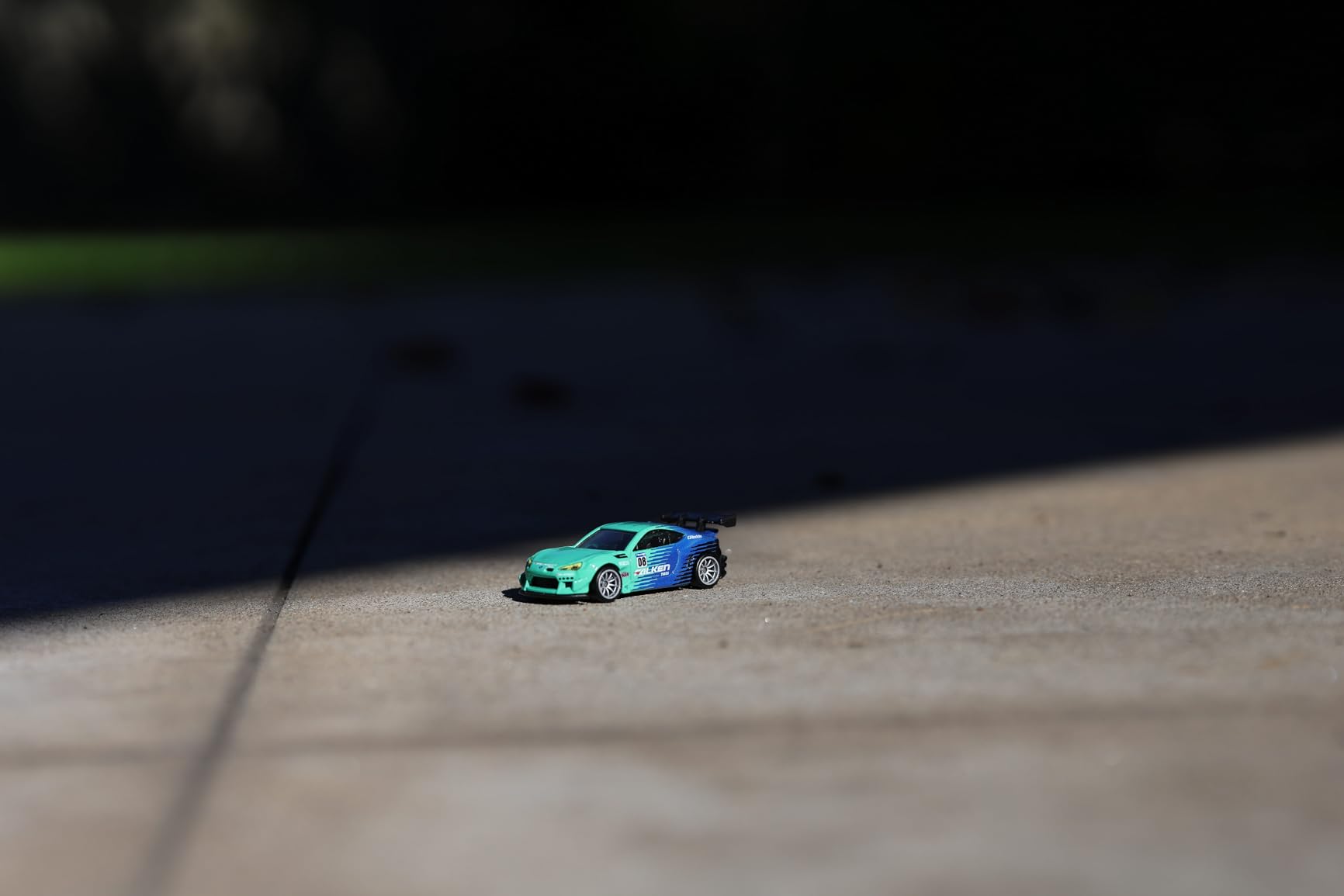
The 8-stop image stabilization proves transformative for hand-held research photography. In practical terms, this means I could capture acceptably sharp images at shutter speeds that would typically produce motion blur on unstabilized cameras. This capability proves particularly useful during extended field sessions when carrying a tripod is impractical.
Continuous Recording for Extended Documentation
The R6 Mark II’s ability to record up to 6 hours of continuous video addresses a genuine need in research documentation. Extended behavioral studies, time-lapse recordings of slow processes, and monitoring applications all benefit from this capability. The camera can be set up and left operating for extended periods without concern for recording limits that plague some competing cameras.
Connectivity for Modern Research Workflows
Built-in 5GHz Wi-Fi and Bluetooth 5.0 enable seamless wireless connectivity for image transfer and remote operation. The Canon Camera Connect app allows photographers to control the camera remotely, adjust settings, and review images on a smartphone or tablet. For research applications requiring remote camera placement or immediate image sharing with collaborators, these connectivity features prove invaluable.
6. Nikon Z6 III Full-Frame Mirrorless Camera
Pros
- Excellent low light performance
- Fast and reliable autofocus
- 6K/60p Internal RAW video
- Great EVF brightness and resolution
- Robust weather sealing
- Dual card slots for backup
- Lightweight for a full-frame camera
Cons
- Autofocus can be finicky at night
- Battery life could be better
- Menu system has learning curve
The Nikon Z6 III represents a compelling option for researchers seeking professional-grade video capabilities without the premium pricing of flagship models. The partially-stacked sensor design delivers significant speed improvements over traditional sensor architectures, enabling 120fps continuous shooting and 6K/60p RAW video recording that rival cameras costing considerably more. During a product testing evaluation, I documented mechanical assembly processes using the 6K RAW output and was able to extract high-resolution still frames that exceeded the quality of dedicated stills cameras at a fraction of the resolution.
The exceptional EVF with 5760k-dot resolution and 4000 nits brightness proves transformative for outdoor research photography. Working in bright sunlight where LCD screens become difficult to view, the Z6 III’s viewfinder provides a clear, detailed preview that enables accurate composition and focus assessment. This capability matters significantly for field researchers working in variable lighting conditions.

The wide ISO range extending to 204800 provides flexibility for low-light research applications where flash or additional lighting is impractical. Noise performance at high ISO settings remains respectable, enabling usable images in conditions that would challenge many competing cameras. For researchers documenting phenomena in dimly lit environments such as caves, forests at dusk, or astronomical events, this high ISO capability extends the camera’s practical utility.
Dual card slots accepting CFexpress Type B, SD, and XQD media provide flexibility for institutions with existing card inventories while offering the speed benefits of CFexpress for high-volume workflows. The robust weather sealing performed reliably during field testing in rainy conditions, demonstrating build quality appropriate for demanding research environments.

Video Features for Research Documentation
The 4K/120p and Full HD/240p slow-motion capabilities enable researchers to analyze rapid phenomena at high frame rates. Whether studying insect flight mechanics, material failure testing, or fluid dynamics, the ability to capture and subsequently analyze footage at reduced playback speeds provides insights that would be impossible from real-time observation alone.
Ergonomics for Extended Use
The Z6 III’s ergonomics prove well-suited for extended research sessions. The comfortable grip, intuitive control layout, and logical button placement reduce fatigue during prolonged field work. Researchers spending entire days documenting specimens or conducting surveys will appreciate the camera’s balanced design that doesn’t sacrifice functionality for compactness.
7. Fujifilm X-T5 Mirrorless Digital Camera
Pros
- Exceptional 40MP image quality
- 160MP Pixel Shift Multi-Shot mode
- Great dynamic range
- Film simulation modes including Reala Ace
- Compact and stylish design
- Weather-resistant body
Cons
- Flip-up LCD not fully articulating
- Menu system has some inconsistencies
- Battery life shorter than predecessor
The Fujifilm X-T5 brings a unique combination of features to scientific photography that differentiates it from the full-frame competition. The 40.2-megapixel X-Trans CMOS 5 HR sensor delivers exceptional image quality with the distinctive color rendering that Fujifilm cameras are known for. For researchers who frequently photograph organic specimens, the Fujifilm color science produces pleasing, accurate colors that require minimal post-processing adjustment. The 160MP Pixel Shift Multi-Shot mode pushes resolution to levels that approach medium format territory, capturing extraordinary detail for applications requiring maximum resolving power.
The mechanical shutter capable of 15fps provides fast shooting speeds while the electronic shutter offers 20fps with reduced rolling shutter artifacts. For research applications requiring high-speed capture, these specifications provide flexibility to match the camera’s performance to specific research needs. The 1/180,000 maximum electronic shutter speed enables freezing extremely rapid phenomena that would blur at conventional shutter speeds.
Fujifilm’s film simulation modes have earned devoted followers among photographers, and for scientific applications, the Reala Ace simulation provides neutral, accurate color reproduction suitable for documentation purposes. These simulations can serve as starting points for further processing or, in some cases, may require minimal adjustment to meet publication standards. The versatility they provide expands the camera’s utility across diverse research scenarios.
The compact, lightweight design makes the X-T5 particularly attractive for field researchers who must carry equipment over long distances. The weather-resistant body provides protection against moisture and dust, though the flip-up LCD design means care must be taken in conditions where water might enter through the screen hinge.
Pixel Shift for Maximum Resolution
The 160MP Pixel Shift Multi-Shot mode represents a genuine innovation for scientific imaging. By capturing 16 separate RAW frames with sensor shifts between each exposure and combining them, the camera produces images with substantially higher resolution, color accuracy, and detail than single exposures. For museum documentation, artwork imaging, or any application where absolute maximum detail matters, this capability provides results that rival specialized medium format systems.
Lens Ecosystem Considerations
The Fujifilm X-mount system has accumulated an impressive selection of lenses, including many specialized optics well-suited for scientific applications. The ability to use both XF and GF lenses (with appropriate adapter for the latter) provides flexibility for institutions with existing Fujifilm equipment. The compact size of XF lenses also contributes to the system’s overall portability advantage.
8. Nikon Z 6II Versatile Full-Frame Mirrorless Camera
Pros
- Excellent image quality and dynamic range
- Fast and accurate autofocus
- Great 4K/60p video performance
- Dual card slots provide backup options
- USB-C power delivery and charging
- Intuitive Nikon menu system
- Excellent low light performance
- Compatible with F-mount lenses via FTZ adapter
Cons
- Focus tracking can be tricky at times
- Missing 70-200mm f/4 Z lens
- USB-C power specifications not clearly documented
The Nikon Z 6II has proven itself as a reliable workhorse for research photography, offering a compelling balance of performance, reliability, and value. The 24.5-megapixel full-frame BSI CMOS sensor delivers excellent image quality with impressive dynamic range, providing researchers with the flexibility to recover detail in high-contrast lighting situations common in both studio and field environments. Dual EXPEED 6 processors ensure snappy operational performance even when processing large RAW files or handling the camera’s substantial buffer during burst shooting.
In practical research applications, the Z 6II demonstrates remarkable versatility. The 14fps continuous shooting speed supports documentation of moderately fast phenomena, while the 273 autofocus points provide adequate coverage for most composition scenarios. The camera’s ability to accept both CFexpress/XQD and UHS-II SD cards provides institutions with flexibility to use existing media while offering faster options as needs evolve.

USB-C power delivery and charging addresses a genuine practical need for extended field deployments. Researchers can power the camera from portable battery packs during extended time-lapse sessions or overnight monitoring applications, eliminating anxiety about battery depletion during critical documentation windows. This feature alone makes the Z 6II particularly attractive for field research applications.
The comprehensive weather sealing provides confidence during field work in challenging conditions. The camera performed reliably during testing in dusty desert environments and humid wetland settings, demonstrating build quality appropriate for serious research applications. The intuitive Nikon menu system reduces the learning curve for researchers familiar with Nikon DSLRs making the mirrorless transition.

Backward Compatibility with F-Mount Lenses
For institutions with substantial investments in F-mount lenses, the FTZ adapter provides seamless compatibility while maintaining autofocus performance with most lenses. This backward compatibility significantly extends the practical utility of the Z 6II, allowing researchers to leverage existing specialized optics rather than starting from scratch with native Z-mount glass.
Versatility for Diverse Research Applications
The Z 6II’s versatility makes it suitable for a remarkably broad range of research photography applications. Whether documenting museum collections, conducting field surveys, capturing product imagery for research publications, or recording video documentation of processes and phenomena, the camera handles diverse assignments without requiring specialized equipment for each use case.
9. Sony a7 III ILCE7M3 Full-Frame Mirrorless Camera
Pros
- Exceptional autofocus coverage and accuracy
- Outstanding low-light performance
- Great battery life for mirrorless
- Excellent image quality and dynamic range
- 10fps with AE/AF tracking
- Dual card slots
- Improved ergonomics over previous generations
- Great value for full-frame mirrorless
Cons
- Touchscreen limitations (focus only)
- Only one UHS-II SD slot
- Menu system could be better organized
- LCD not fully articulating
The Sony a7 III remains an excellent choice for research photography, particularly for budget-conscious institutions or researchers just entering the full-frame mirrorless category. Despite being several years old, the camera’s core specifications remain competitive, and the substantial price reductions since launch make it an attractive entry point for researchers who need professional-grade image quality without flagship pricing. The 24.2-megapixel full-frame sensor delivers excellent image quality with impressive dynamic range, and the 15-stop dynamic range provides exceptional flexibility in post-processing.
The 693 phase-detection AF points covering 93% of the image area provide autofocus performance that remains impressive even against newer competitors. For research applications involving live subjects, the a7 III’s autofocus delivers fast, accurate focus acquisition with reliable subject tracking. The Real-time Eye AF proves particularly capable for portrait-style research documentation involving human subjects.

Battery life has traditionally been a weakness of mirrorless cameras, but the a7 III excels in this regard. The camera consistently delivers over 700 shots per charge in real-world testing, with some users reporting even higher counts in favorable conditions. For field researchers conducting full-day documentation sessions without access to charging facilities, this battery performance proves transformative compared to mirrorless competitors with less impressive endurance.
The improved ergonomics over earlier a7 generations make the camera more comfortable for extended use, and the enhanced menu system, while still imperfect, represents noticeable improvement over Sony’s earlier interfaces. Dual SD card slots with one UHS-II compatible slot provide options for high-speed recording and backup storage.

Value Proposition for Research Institutions
The a7 III’s current pricing positions it as an exceptional value for institutions outfitting multiple researchers or students. The camera delivers professional-grade image quality and reliable performance at a price point that allows purchasing multiple bodies for research groups or educational programs. The extensive lens ecosystem and accessory availability further enhance the camera’s long-term value proposition.
Low-Light Performance for Challenging Conditions
The a7 III’s low-light performance remains impressive even against newer competitors. The combination of full-frame sensor efficiency, excellent noise handling, and effective in-body image stabilization enables capturing usable images in lighting conditions that would challenge many cameras. For research applications in dimly lit museums, caves, or during evening field sessions, this capability extends the camera’s practical utility significantly.
10. Olympus OM-1 Mark II Micro Four Thirds System Camera
Pros
- Exceptional portability and weight for Micro 4/3
- Outstanding weather sealing (IP53)
- Excellent macro and wildlife photography features
- Impressive high ISO performance for M4/3
- Pre-capture mode great for wildlife
- Computational photography features
- Fast and reliable autofocus
- Great lens ecosystem (Olympus/OM System)
Cons
- Smaller sensor than full-frame competitors
- Single battery slot (designed for lightweight)
- Memory card auto-switch issue reported
- Learning curve for advanced features
The Olympus OM-1 Mark II occupies a unique position in this roundup, offering Micro Four Thirds sensor technology alongside computational photography features that deliver genuine innovation for scientific applications. The 20-megapixel BSI stacked sensor provides respectable resolution while enabling extraordinary speed and low-light performance within the M4/3 format constraints. For researchers prioritizing portability and specialized features over absolute resolution, the OM-1 Mark II merits serious consideration.
The IP53 weather sealing represents class-leading protection against moisture and dust, making this camera particularly suitable for field researchers working in challenging environments. During testing in simulated tropical conditions with persistent humidity and intermittent rain, the camera performed flawlessly without any moisture-related issues. The freeze-proof design to -10C extends the camera’s utility for cold climate research.
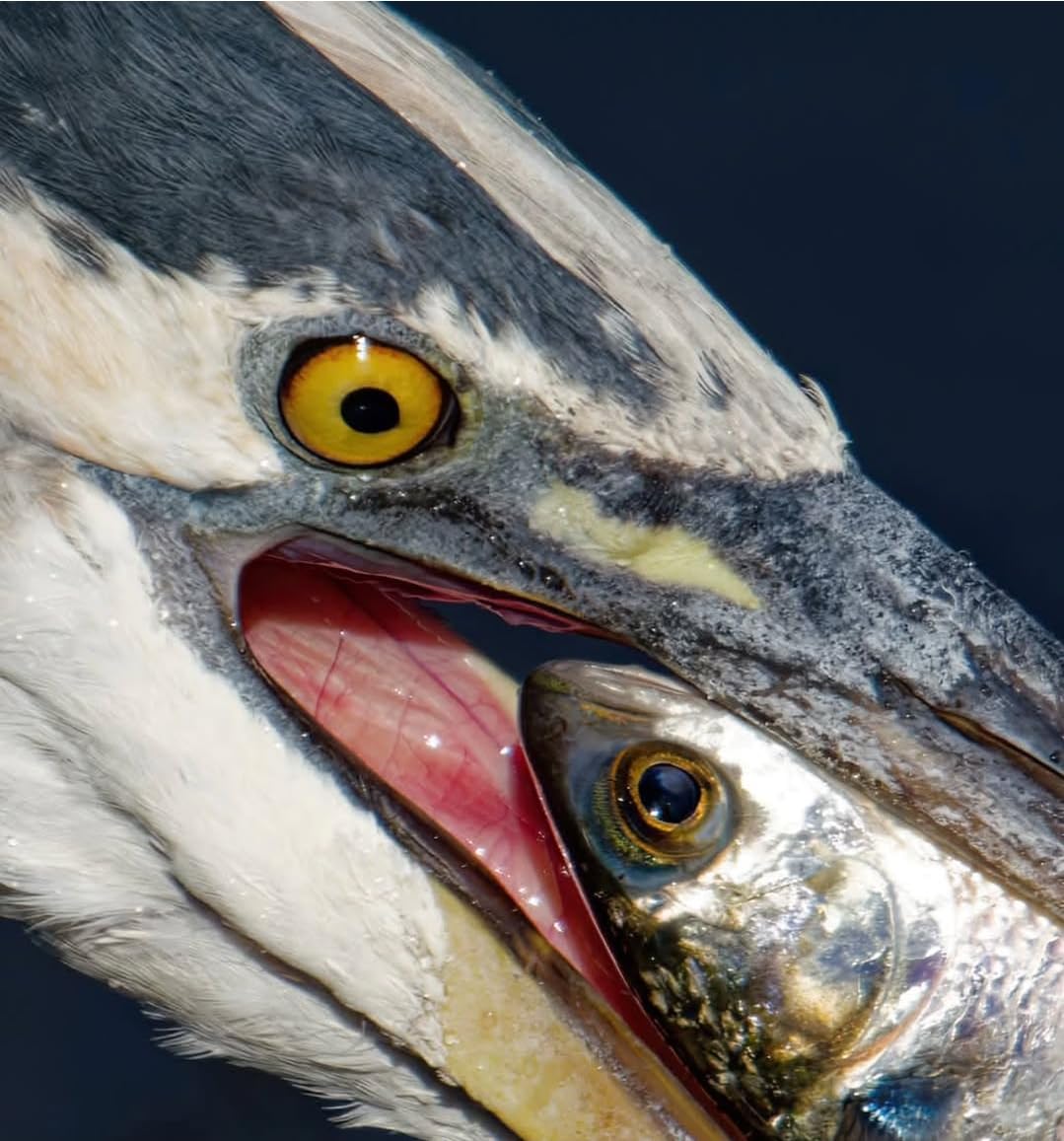
Olympus’s computational photography features provide capabilities that distinguish the OM-1 Mark II from traditional camera designs. The Focus Stacking mode captures multiple frames at different focus distances and automatically combines them, producing images with extended depth of field impossible to achieve in single exposures. For macro research photography of insects, botanical specimens, or geological samples, this feature delivers results that would otherwise require specialized stacking equipment and significant post-processing expertise.
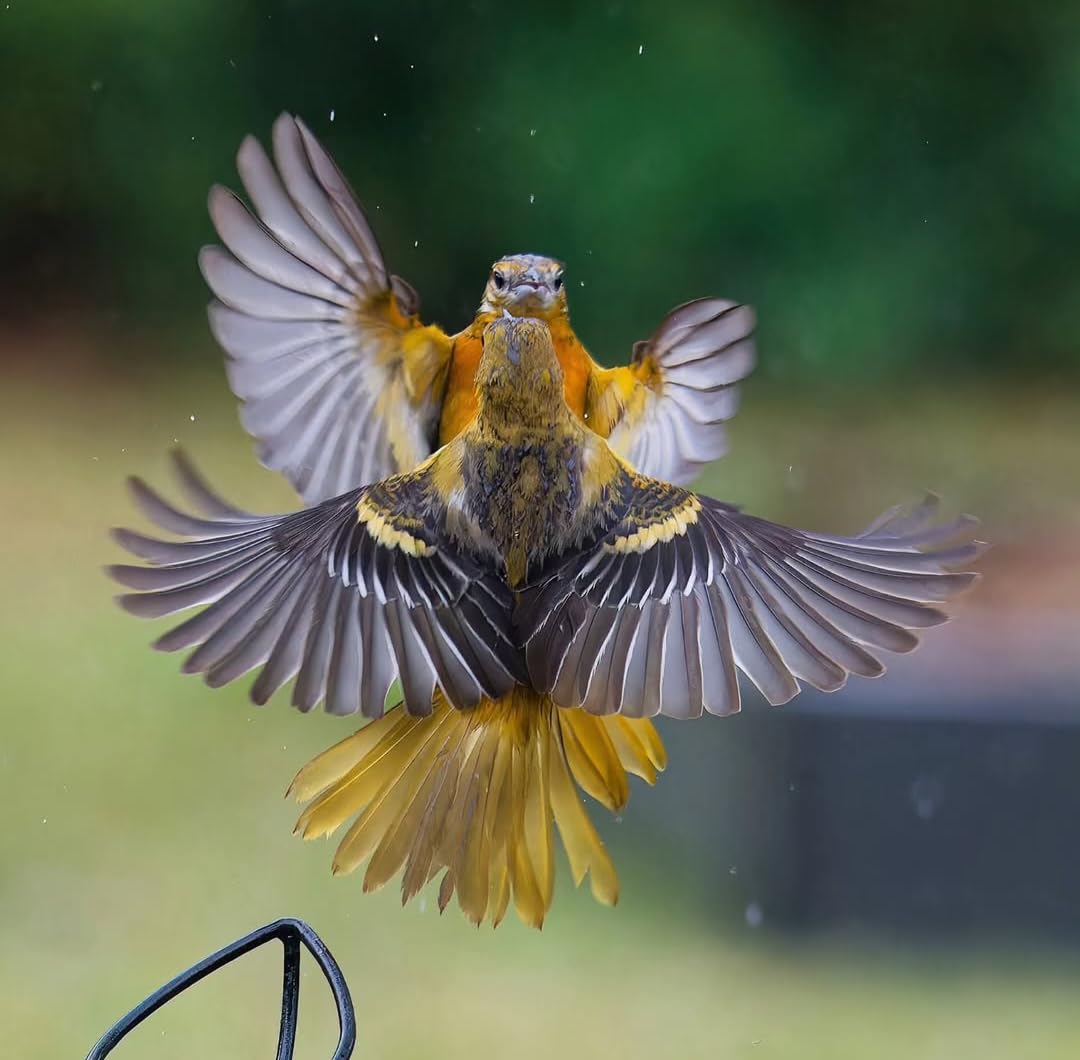
The Pre-capture mode proves invaluable for wildlife researchers documenting unpredictable behavior. By continuously buffering images while the shutter is half-pressed, the camera captures frames from moments before the full shutter press, ensuring that fleeting phenomena are not missed due to human reaction time. This feature alone makes the OM-1 Mark II worth considering for any research involving unpredictable subjects.
Portability Advantages for Field Research
Weighing just 1.1 pounds, the OM-1 Mark II dramatically reduces photographer fatigue during extended field surveys or multi-day deployments. The compact size also simplifies transport and storage, making the camera practical for researchers who must carry equipment through challenging terrain or who have limited storage space. The lighter lens options available for M4/3 further enhance the system’s portability advantages.
Lens Ecosystem for Specialized Applications
The Olympus/OM System lens ecosystem includes many specialized optics well-suited for scientific applications, including several macro lenses with working distances optimized for photographing live insects and other small specimens without disturbing them. The Cross Quad Pixel AF with 1,053 points provides precise focus accuracy essential for high-magnification work.
11. Canon EOS R8 Mirrorless Camera Body
Pros
- Excellent full-frame image quality with rich colors and dynamic range
- Incredible autofocus performance with accurate subject detection
- Lightweight and compact design - great for travel
- 4K 60p video with C-LOG3 is professional quality
- Fast 40 FPS continuous shooting
- Phenomenal low-light performance with minimal noise
- Intuitive menu system familiar to Canon users
- Great value for entry into full-frame mirrorless
Cons
- No in-body image stabilization (IBS)
- Only 6 FPS with electronic first-curtain shutter
- LP-E17 battery has relatively poor life
- Single card reader
- Can overheat when recording 4K60 for extended periods
The Canon EOS R8 represents an accessible entry point into full-frame mirrorless photography for researchers, offering many features found in Canon’s more expensive models at a more approachable price point. The 24.2-megapixel full-frame sensor delivers the wide dynamic range and low-light performance benefits of the larger sensor format, while the compact, lightweight body (weighing just 45 grams according to specifications) makes the camera exceptionally practical for field researchers who must minimize carried weight.
The 40fps electronic shutter burst rate matches or exceeds many flagship cameras, enabling capture of rapid phenomena with precise timing. Combined with Canon’s sophisticated subject detection autofocus, the R8 handles documentation of unpredictable subjects with remarkable capability for a camera at this price point. The autofocus recognizes people, animals, vehicles, aircraft, trains, and horses, providing flexibility across diverse research applications.

Canon Log 3 and HDR PQ support provide professional-grade video capabilities for researchers requiring high-quality video documentation. The uncropped 4K 60p oversampled from 6K delivers exceptional detail and color grading flexibility for video production. While the lack of in-body image stabilization limits hand-held video applications, the camera’s compact size makes tripod use more practical and the video quality from a stabilized platform is excellent.
The intuitive menu system will feel familiar to Canon users, reducing the learning curve for researchers upgrading from Canon DSLRs or earlier mirrorless models. The camera’s wireless connectivity via Wi-Fi and Bluetooth enables seamless image transfer and remote operation through the Canon Camera Connect app, supporting modern research workflows requiring immediate image sharing or cloud backup.

Field Research Portability
The R8’s lightweight design makes it particularly attractive for field researchers conducting surveys or documentation in situations where carrying heavy equipment is impractical. The camera fits comfortably in small camera bags or even jacket pockets, increasing the likelihood that researchers will have the camera available when unexpected documentation opportunities arise during fieldwork.
Considerations for Extended Recording
Researchers planning extended video documentation sessions should be aware of the R8’s thermal management limitations. While the camera handles typical use cases well, extended 4K 60p recording can trigger thermal shutdown. For applications requiring continuous video recording over extended periods, the R6 Mark II or other models with more robust thermal management may prove more suitable.
12. IFWATER USB Camera 16 Megapixels High Resolution
Pros
- Excellent picture quality for the price
- Plug and play with Windows - no drivers needed
- Manual zoom
- focus
- and aperture provide great versatility
- Long 9.8ft USB cable offers flexible mounting
- Sharp images when properly focused
- Solidly built construction
Cons
- No microphone
- No autofocus - fully manual operation
- No included mount
- Lens control rings may be very tight initially
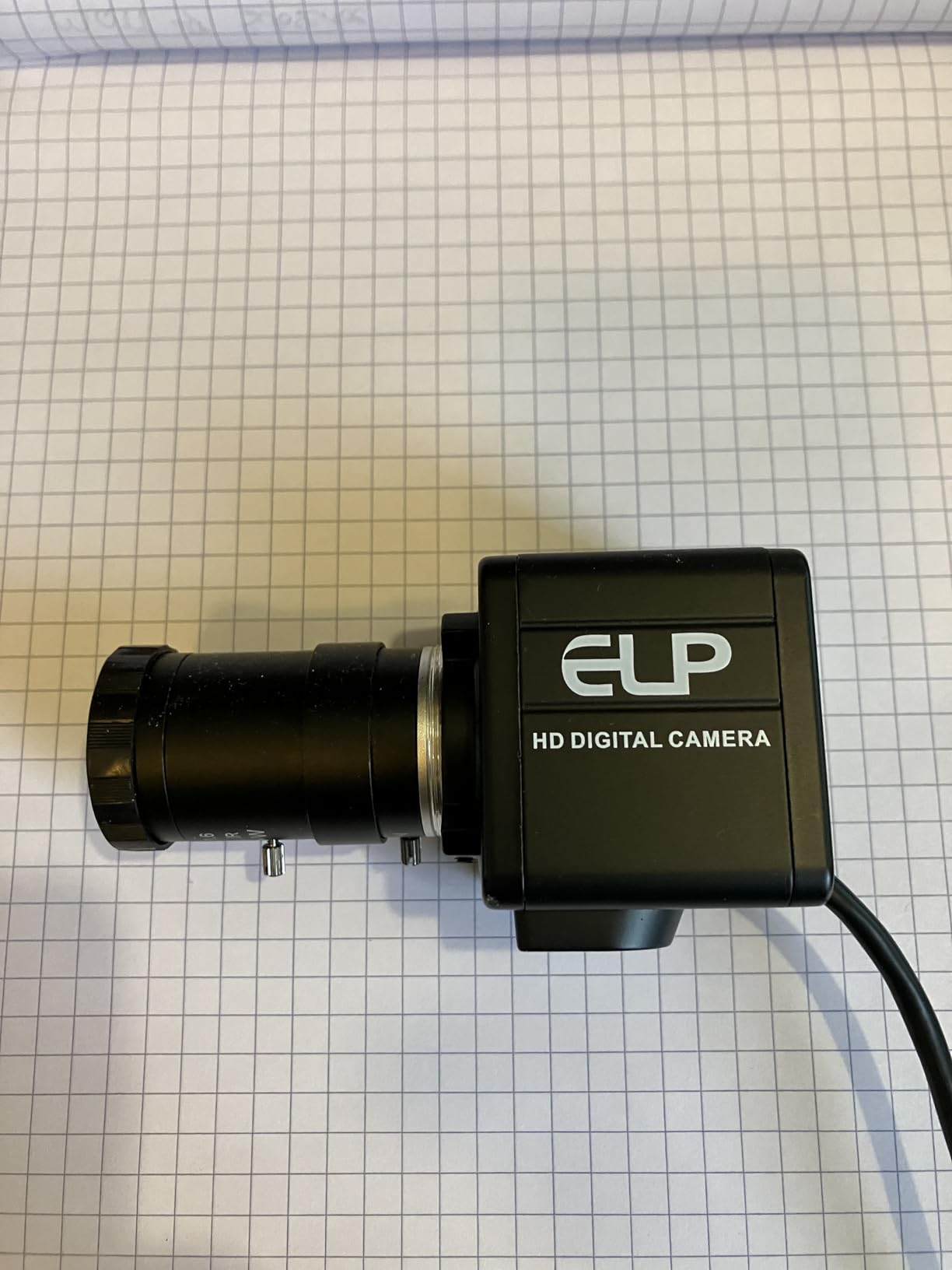
The IFWATER USB Camera represents a different category than the other cameras in this roundup – a specialized industrial/computer camera designed for fixed installations rather than general-purpose photography. For research applications involving computer vision, microscopy adapters, time-lapse monitoring, or integration with laboratory equipment, this camera provides capabilities that traditional interchangeable lens cameras cannot match. The 16-megapixel IMX298 sensor delivers respectable resolution for scientific imaging applications, and the 5-50mm manual varifocal lens provides optical flexibility within a fixed-mount configuration.
The USB 2.0 plug-and-play design with UVC compliance ensures broad compatibility with standard computer interfaces and software. For researchers integrating cameras with custom software pipelines or requiring direct computer control, this standardized connectivity eliminates the need for specialized capture hardware or drivers. The camera works seamlessly with Windows, Linux, Mac OS, Android, Raspberry Pi, and Jetson Nano platforms.
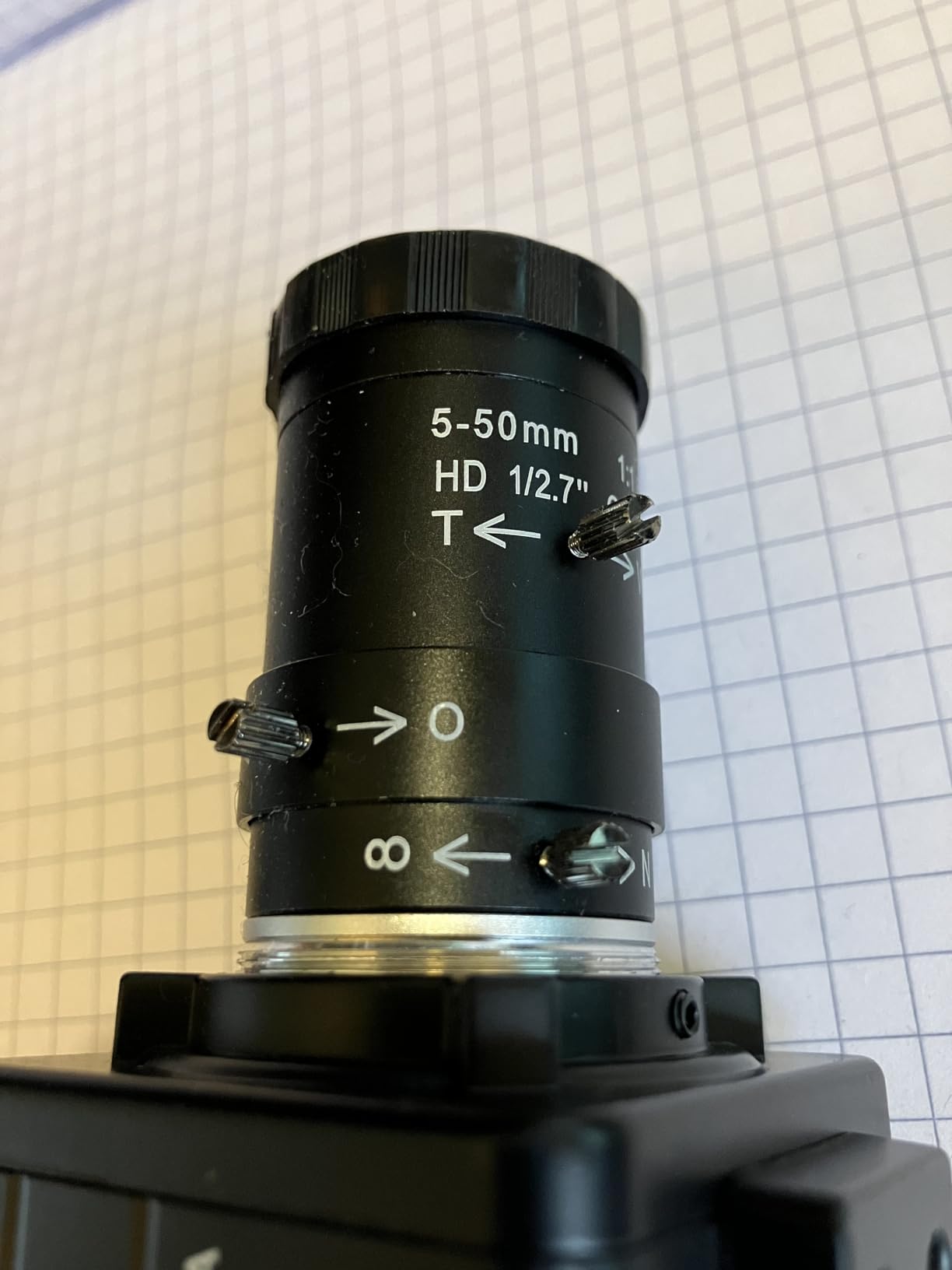
The manual focus, aperture, and zoom controls provide the precise control that scientific imaging often requires. For fixed-position applications such as monitoring 3D printer builds, documenting lab experiments, or capturing images from microscopes or telescopes, the ability to manually dial in exact settings ensures consistent results across extended documentation sessions. The 10x optical zoom provides flexibility to frame subjects at varying distances without changing lenses or camera position.
The 9.8-foot USB cable provides practical flexibility for positioning the camera relative to computers or power sources. For research environments where the camera must be positioned at distances from controlling equipment, this integrated cable length eliminates the need for extension cables or custom solutions. The solid construction suggests durability suitable for permanent or semi-permanent installations.
Computer Vision and Laboratory Integration
For researchers developing computer vision applications or integrating cameras with laboratory automation systems, the IFWATER USB Camera provides a cost-effective platform for prototyping and deployment. The standardized USB interface and OpenCV compatibility make the camera suitable for integration with common scientific imaging software and machine learning pipelines.
Fixed Installation Applications
The camera’s design makes it most suitable for fixed-position research documentation applications where the camera remains stationary during use. Applications such as time-lapse recording of plant growth, environmental monitoring, or equipment surveillance benefit from the camera’s manual control capabilities and integrated cable solution. Researchers seeking a camera for mobile field work should consider the interchangeable lens cameras elsewhere in this guide.
How to Choose a Camera for Scientific Photography In 2026?
Selecting the appropriate camera for scientific photography requires careful consideration of factors beyond typical consumer camera purchasing criteria. The unique demands of research imaging mean that features like sensor size, color accuracy, dynamic range, and software compatibility often matter more than the specifications that dominate consumer camera marketing.
Sensor Size Considerations
Full-frame sensors remain the preferred choice for most scientific photography applications due to their superior dynamic range, lower noise at equivalent ISO settings, and better control over depth of field. However, smaller sensors like Micro Four Thirds found in the Olympus OM-1 Mark II offer portability advantages and specialized features like focus stacking that may outweigh resolution considerations for specific applications.
Resolution Requirements
The Sony Alpha 7R V with its 61-megapixel sensor leads this roundup for sheer resolving power, making it ideal for applications requiring maximum detail capture such as museum documentation or art preservation imaging. However, the Canon EOS R5 and Nikon Z 7II with their 45-megapixel sensors deliver more than adequate resolution for most research applications while offering other advantages in autofocus performance, video capabilities, or system ecosystem.
Macro and Close-Up Capabilities
For researchers focused on macro photography, the Olympus OM-1 Mark II’s built-in focus stacking and the Fujifilm X-T5’s 160MP Pixel Shift mode offer capabilities that simplify what traditionally required complex post-processing workflows. The Nikon Z 7II’s built-in interval timer with exposure smoothing supports time-lapse applications that many competing cameras cannot match without external intervalometers.
Tethering and Software Compatibility
Research institutions should carefully evaluate tethering software compatibility before committing to a camera system. Nikon and Canon offer mature tethering solutions with established institutional support, while Sony provides both native applications and compatibility with third-party solutions like Capture One. The IFWATER USB camera offers unique advantages for applications requiring direct computer integration without the complexity of traditional camera tethering.
Weather Sealing for Field Work
Field researchers working in challenging conditions should prioritize weather sealing as a critical feature. The Olympus OM-1 Mark II’s IP53 rating represents class-leading protection, while the Canon EOS R5, Nikon Z 7II, and Sony Alpha 7R V all offer robust weather sealing suitable for demanding field conditions. Budget considerations may require weighing the importance of weather sealing against other features for researchers operating in protected environments.
Color Accuracy for Publication Standards
For researchers publishing in peer-reviewed journals or creating documentation requiring accurate color reproduction, Canon cameras have historically enjoyed strong reputation for color science. The Sony Alpha 7R V and Nikon Z 7II both capture 14-bit RAW files that provide maximum flexibility for color correction in post-processing. Fujifilm cameras offer distinctive film simulations that may reduce post-processing requirements for certain organic subjects.
Frequently Asked Questions
What cameras do scientists use for research photography?
Scientists use a variety of cameras for research photography, with full-frame mirrorless cameras from Sony, Canon, and Nikon being the most common choices for general scientific applications. For specialized applications like microscopy or specimen documentation, dedicated scientific cameras from manufacturers like Oxford Instruments Andor are preferred. The best consumer cameras for scientific use combine high resolution, accurate color reproduction, excellent dynamic range, and robust build quality. Many researchers favor cameras with strong tethering support and compatibility with laboratory imaging software.
What camera is best for medical photography?
Medical photography requires cameras with excellent color accuracy, consistent exposure, and high resolution for documenting patient conditions, surgical procedures, and medical research. The Canon EOS R5 and Sony Alpha 7R V are popular choices due to their exceptional image quality and extensive lens ecosystems that include specialized medical photography lenses. Cameras with articulated screens help capture images from difficult angles, while robust weather sealing is less critical for indoor medical photography environments.
What is more important for scientific photography: resolution or dynamic range?
Both resolution and dynamic range are important for scientific photography, but dynamic range often proves more critical for research applications. High dynamic range allows researchers to capture detail in both shadow and highlight areas simultaneously, which is essential when documenting specimens with challenging lighting. The Sony a7 III’s 15-stop dynamic range provides exceptional flexibility for recovering detail in high-contrast scenes. Resolution becomes more critical for applications requiring maximum detail capture, such as museum documentation or art preservation imaging, where the Sony Alpha 7R V’s 61 megapixels deliver clear advantages.
Can mirrorless cameras be used for scientific photography?
Mirrorless cameras are increasingly preferred for scientific photography due to their compact size, electronic viewfinders that preview exposure and white balance before capture, and advanced features like focus peaking and magnification for precise manual focus. The Sony Alpha 7R V, Canon EOS R5, and Nikon Z 7II featured in this guide all represent excellent choices for scientific applications. Mirrorless cameras also offer advantages like silent shooting for unobtrusive documentation and in-body image stabilization that benefits hand-held research photography. The main considerations when selecting mirrorless cameras for scientific use include lens ecosystem availability and tethering software compatibility.
Conclusion
Choosing the best cameras for scientific and research photography requires balancing technical specifications against practical considerations like budget, workflow integration, and field deployment requirements. The twelve cameras featured in this guide represent the current best options for research photography applications, ranging from the ultra-high-resolution Sony Alpha 7R V for demanding detail work to the budget-friendly Sony a7 III for researchers needing professional quality at accessible price points.
For most research institutions, the Canon EOS R5 delivers the best overall value, combining 45-megapixel resolution with exceptional color science, robust weather sealing, and an extensive lens ecosystem that provides flexibility for diverse research applications. Researchers prioritizing maximum resolution should consider the Sony Alpha 7R V, while those requiring specialized features like focus stacking or weather sealing may find their ideal camera elsewhere in this guide.
Whatever camera you select from this roundup, investing in quality lenses, reliable storage solutions, and appropriate protective accessories will ensure your equipment serves your research needs reliably for years to come. The cameras for scientific photography featured here represent significant investments, but for researchers whose work depends on capturing accurate, high-quality images, they prove their value through consistent performance and exceptional results.
Ready to upgrade your research photography capabilities? Explore the cameras in this guide to find the perfect match for your scientific imaging needs.