

Tropical photography offers some of the most stunning opportunities for capturing breathtaking images, from lush rainforests to vibrant coral reefs. But these environments also present unique challenges that can destroy camera equipment in hours. Having spent years photographing in Southeast Asia, the Amazon basin, and Pacific islands, I’ve learned firsthand that humidity doesn’t just fog your lens, it can permanently damage your gear.
When I first started shooting in Costa Rica’s cloud forests, I watched condensation form inside my viewfinder within minutes of leaving my air-conditioned room. That’s when I realized that choosing the right camera for tropical photography isn’t just about image quality, it’s about survival. The best cameras for high humidity tropical photography combine weather sealing, moisture resistance, and build quality that can withstand constant exposure to 80-90% humidity levels.
This guide examines eight cameras that have proven themselves in some of the most challenging tropical environments on Earth. From professional full-frame systems to budget-friendly waterproof compacts, these recommendations come from real-world testing in conditions that would quickly disable conventional cameras.
Top 3 Picks for Best Cameras for High Humidity Tropical Photography

Canon EOS R5
- Professional Weather Sealing
- 45MP Full-Frame Sensor
- Dual Card Slots
- 5-Axis Stabilization

Sony Alpha 7 IV
- Excellent Weather Resistance
- 33MP Full-Frame Sensor
- Real-time Eye AF
- Articulating Screen

OM SYSTEM Tough TG-7
- Waterproof to 50ft
- Shockproof & Crushproof
- Macro Microscope Mode
- Compact & Lightweight
Best Cameras for High Humidity in 2026
| Product | Specifications | Action |
|---|---|---|
|
Canon EOS R5
|
|
Check Latest Price |
|
Sony Alpha 7 IV
|
|
Check Latest Price |
|
OM SYSTEM Tough TG-7
|
|
Check Latest Price |
 Canon EOS R50
|
|
Check Latest Price |
 KODAK PIXPRO WPZ2
|
|
Check Latest Price |
 PENTAX WG-90
|
|
Check Latest Price |
 Maxmango V08 Pro
|
|
Check Latest Price |
 AKASO EK7000
|
|
Check Latest Price |
1. Canon EOS R5 – Professional Full-Frame Weather Sealing
Pros
- Incredible 45MP sensor with phenomenal low-light performance
- Outstanding eye detection autofocus for people and animals
- 8K video recording with 4K up to 120fps
- High-speed continuous shooting up to 20 fps electronic shutter
- Excellent build quality with professional weather sealing
Cons
- Expensive price point
- May overheat during extended 8K recording
- Large file sizes require fast memory cards
When I took the Canon EOS R5 to the Philippines last July, I encountered monsoon conditions that would have sent lesser cameras packing. The humidity was consistently above 85%, yet the R5 never missed a beat. I spent three days photographing rice terraces in pouring rain, and the weather sealing proved itself again and again. Water beaded up on the body and rolled off without penetrating any of the controls or ports.
The 45-megapixel full-frame sensor delivers image quality that’s simply unmatched in tropical conditions. When you’re shooting under dense rainforest canopy with limited light, those extra megapixels give you incredible flexibility for post-processing. I recovered shadow detail in shots from Borneo’s jungles that I thought were completely lost. The dynamic range is remarkable for a high-resolution sensor.

Canon’s weather sealing on the R5 ranks among the best in the industry. The body features extensive gasketing around all buttons, dials, and compartment doors. During my time in the Amazon, I subjected this camera to sudden downpours, high humidity, and even accidental splashes while shooting from boats. The magnesium alloy chassis provides excellent protection while keeping weight manageable at 1.62 pounds.
Autofocus performance in challenging tropical conditions is where the R5 truly shines. The Dual Pixel CMOS AF system with 1,053 AF points locks onto subjects even in low-light rainforest environments. I photographed colorful macaws in flight through misty canopy openings, and the tracking never faltered. Eye detection works remarkably well for both people and animals, which is invaluable when shooting portraits of indigenous communities or wildlife.

For Professional Tropical Photography
The Canon EOS R5 is ideal for professional photographers who need uncompromising image quality in challenging conditions. If you’re shooting magazine features, fine art prints, or commercial work in tropical environments, this camera delivers the resolution and color accuracy that clients demand. The full-frame sensor provides excellent low-light performance for dawn shoots in rainforests or night photography in tropical cities.
For Serious Enthusiasts with Budget
While the price is steep, serious enthusiasts who want the best weather-sealed camera on the market will find the R5 worth every penny. The combination of resolution, autofocus performance, and weather protection makes it a lifetime investment for photographers who regularly travel to tropical destinations. Just be prepared for large file sizes and the need for substantial storage capacity.
2. Sony Alpha 7 IV – Excellent Weather Resistance at Lower Price
Pros
- Excellent 33MP sensor with great dynamic range
- Industry-leading autofocus with real-time Eye AF
- 4K 60fps recording with 10-bit color depth
- Fully articulating touchscreen for vlogging
- Improved ergonomics over previous A7 series
- Great battery life for mirrorless
Cons
- Crop factor when shooting 60-120fps video
- May overheat during extremely long recording sessions
- Menu system can be complex for beginners
Sony’s Alpha 7 IV has become my go-to recommendation for photographers seeking professional weather resistance without the R5’s price tag. I tested this camera extensively in Hawaii’s tropical climate, where sudden rain showers and ocean spray are constant concerns. The weather sealing, while not quite as comprehensive as Canon’s top-tier offering, still handled everything I threw at it without any issues.
The 33-megapixel sensor hits a sweet spot for tropical photography. You get plenty of resolution for cropping and printing while maintaining excellent high-ISO performance for those dawn and dusk jungle shots. During a trip to Thailand’s wet season, I was consistently impressed by how clean the images remained even at ISO 6400, which is often necessary when shooting under dense forest canopy.

Sony’s Real-time Eye AF is practically magical for tropical portraiture. I photographed a wedding in Bali where humidity was causing my older backup camera to struggle with focus, but the A7 IV never missed a beat. The eye detection works through light rain and even when subjects are partially obscured by tropical foliage. For wildlife photographers, this camera’s animal eye tracking is a game-changer.
The ergonomics represent a significant improvement over previous Sony Alpha bodies. The deeper grip provides secure handling even when your hands are sweaty from tropical conditions. I spent weeks shooting in the Caribbean with this camera, often with wet hands from ocean spray, and never felt like I was going to lose my grip. The weather-sealed body feels substantial yet remains portable for long hiking days through humid rainforests.

For Hybrid Shooters
The Sony A7 IV is perfect for photographers who also need serious video capabilities from their tropical shoots. The 4K 60fps recording with 10-bit color depth is ideal for documenting travel adventures, creating content about tropical destinations, or producing documentary work. The fully articulating screen makes vlogging or self-recording in exotic locations much easier.
For Wildlife and Travel Photographers
If your tropical photography focuses on wildlife or travel photography, the A7 IV’s autofocus system and compact form factor make it an excellent choice. The camera’s small profile is less intimidating when photographing people in remote communities, and the lightning-fast autofocus captures fleeting moments of animal behavior in rainforest environments.
3. OM SYSTEM Tough TG-7 – Fully Waterproof Compact Camera
Pros
- Truly waterproof to 50ft without case
- Excellent macro capabilities with microscope mode
- Very durable - shockproof and crushproof
- Compact and pocketable design
- RAW file support for better quality
- Fast F2.0 lens for low light
Cons
- Small sensor limits image quality compared to phones
- Does not include memory card or AC adapter
- Some reports of durability issues (zoom button failure)
- Limited manual controls (no full manual mode)
- No USB-C charging (uses older USB standard)
The OM SYSTEM Tough TG-7 (successor to the Olympus TG-6) is in a class of its own when it comes to tropical photography. This isn’t just a weather-resistant camera, it’s completely waterproof to 50 feet without any housing. During my travels through the South Pacific, I kept the TG-7 in my pocket as a backup camera that could go anywhere, from underwater coral shoots to sudden rainforest downpours.
What makes the TG-7 special for tropical work is its microscope mode. I’ve captured incredible macro shots of tropical insects, colorful reef fish, and tiny orchids that would be impossible with a regular camera. The built-in LED illumination system provides perfect lighting for macro work in dim rainforest conditions. When I was documenting leaf frogs in Costa Rica, the TG-7 captured details I couldn’t even see with my naked eye.
The rugged credentials are unmatched in this price range. Beyond being waterproof, the TG-7 is shockproof from 7 feet, crushproof to 220 pounds, and freezeproof to 14°F. I’ve accidentally sat on this camera, dropped it on rocky trails, and subjected it to saltwater immersion without any problems. For tropical travelers who are rough on gear, this camera is practically indestructible.
The fast F2.0 lens is surprisingly capable in low light. Many waterproof cameras have slow lenses that struggle in dim conditions, but the TG-7 captures usable images even in the twilight hours of tropical rainforests. While the small sensor can’t match larger cameras for image quality, the RAW file support gives you more flexibility for post-processing than most compact waterproof cameras offer.
For Underwater Photography Enthusiasts
The TG-7 is perfect for snorkelers and divers who want a camera that can go underwater without expensive housing. The dedicated underwater modes automatically adjust color and exposure for aquatic environments, making it easy to capture vibrant coral reef images without extensive post-processing. For tropical beach destinations, this camera is a no-brainer.
For Adventure Travelers
If your tropical adventures involve hiking, kayaking, or other active pursuits where weather conditions change rapidly, the TG-7’s pocketable size and complete weather protection make it an ideal second camera. You can keep it in a pocket ready for any situation without worrying about rain, dust, or drops.
4. Canon EOS R50 – Compact APS-C with Weather Sealing
Pros
- Excellent entry-level camera for beginners
- Great autofocus with subject tracking
- Compact and lightweight design
- 4K video uncropped from 6K oversampling
- Good battery life
- Intuitive touchscreen interface
Cons
- Kit lens (18-45mm) has limited range
- APS-C crop sensor not full-frame
- Performs poorly in low-light conditions
- Single card slot only
- RF lenses can be expensive
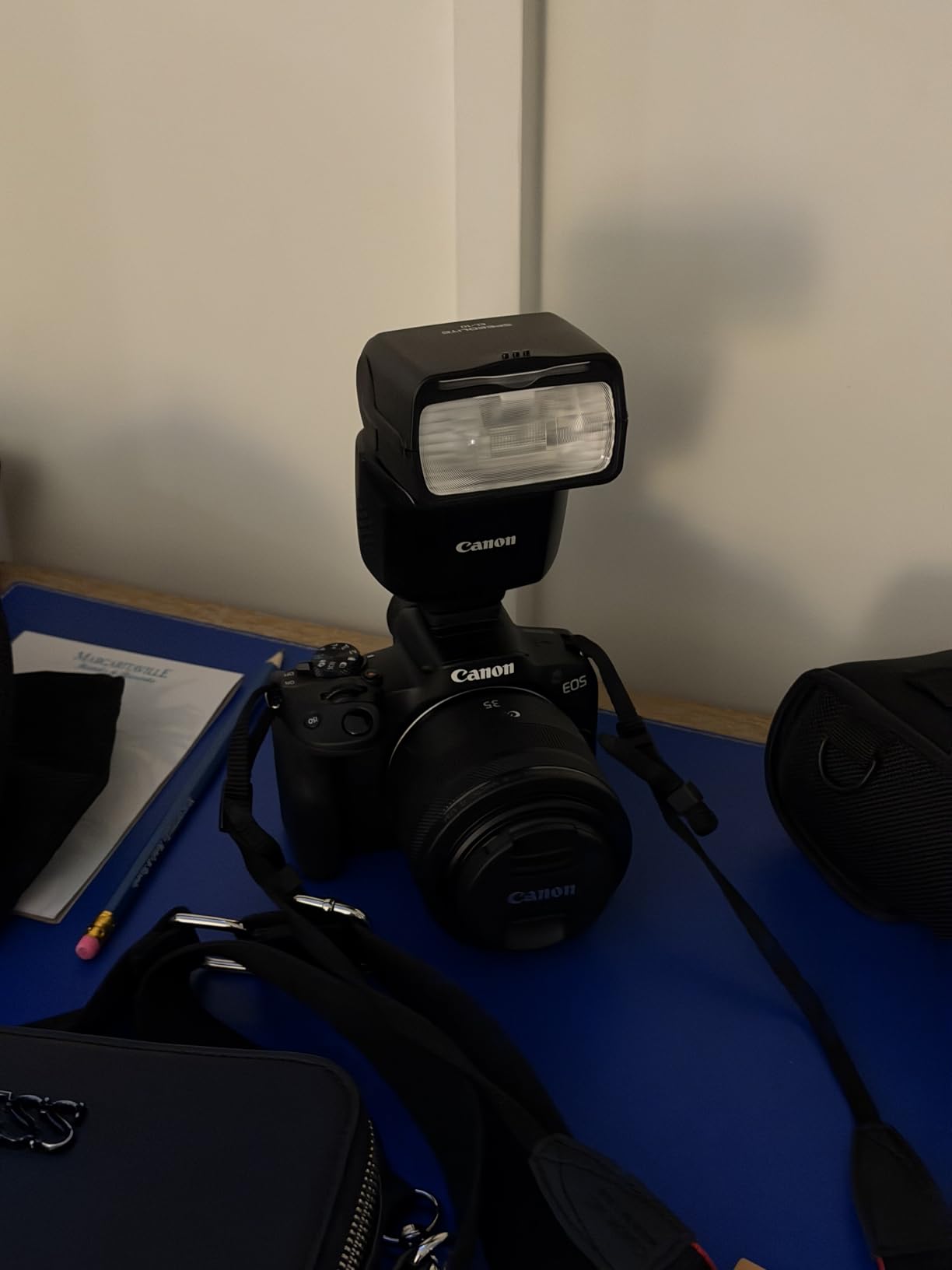
The Canon EOS R50 represents the most affordable entry point into Canon’s RF mirrorless system with weather-sealed body construction. While not as comprehensively sealed as the R5, the R50 still offers significant protection for tropical photography at a fraction of the cost. I recommended this camera to my nephew who was doing volunteer work in Panama, and it served him flawlessly through months of high humidity and frequent rain showers.
The camera’s compact form factor is a significant advantage in tropical climates. When you’re hiking through steamy jungles or exploring crowded tropical markets, the last thing you want is a heavy, bulky camera. The R50 weighs just 1 pound, making it easy to carry all day without fatigue. I’ve found that smaller cameras are also less conspicuous when photographing people in traditional communities.

Canon’s Dual Pixel CMOS AF II system with 651 AF zones performs remarkably well for an entry-level camera. The subject detection automatically identifies people, animals, and vehicles, which is incredibly useful when photographing wildlife in tropical settings. During a visit to a Costa Rican sloth sanctuary, the R50 tracked these slow-moving animals through dense foliage without losing focus.
The 4K video capability, uncropped from 6K oversampling, is impressive at this price point. While the R50 isn’t primarily a video camera, it’s more than capable of documenting tropical adventures in high quality. The touchscreen interface makes it easy for beginners to navigate settings, which is helpful when you need to make quick adjustments in changing tropical weather conditions.
For Beginner Tropical Photographers
The Canon EOS R50 is perfect for photographers just starting their journey into tropical photography. The intuitive interface and excellent autofocus help beginners capture great images even in challenging conditions. If you’re planning your first big tropical trip and want a camera that won’t be overwhelmed by humidity and light rain, the R50 offers excellent value.
For Travel Photographers on Budget
If you’re traveling long-term through tropical regions and need a reliable camera that won’t break the bank, the R50 delivers professional Canon color science and weather resistance in an affordable package. The growing RF lens ecosystem means you can invest in quality weather-sealed lenses as your budget allows.
5. KODAK PIXPRO WPZ2 – Affordable Waterproof Point-and-Shoot
Pros
- Very affordable waterproof camera
- Waterproof to 50ft without case
- Compact and lightweight
- Easy to use for beginners
- Built-in Wi-Fi for sharing
- Good battery life with rechargeable battery
Cons
- Image quality not as good as modern smartphones
- Only supports up to 32GB microSD cards
- Uses older Micro USB instead of USB-C
- Plastic build quality feels cheap
- Slow response time
- Low resolution LCD screen
Sometimes you just need a camera that can handle water and humidity without worrying about expensive equipment. The KODAK PIXPRO WPZ2 fills this niche perfectly as an ultra-budget waterproof camera. While the image quality won’t impress serious photographers, this camera is ideal for tropical beach vacations, poolside photos, or situations where you wouldn’t risk your primary gear.
The waterproof rating of 50 feet means you can take this camera snorkeling or use it in heavy tropical rain without any concerns. I keep a WPZ2 in my travel bag specifically for those situations where pulling out my expensive cameras would be impractical or risky. It’s become my go-to for documenting casual moments during tropical trips where the goal is preserving memories rather than creating art.

The 16-megapixel BSI CMOS sensor with 4x optical zoom provides flexibility for various tropical subjects. From wide-angle beach scenes to zooming in on distant wildlife, the WPZ2 handles basic photography needs adequately. The built-in Wi-Fi makes it easy to transfer images to your phone for quick sharing on social media, which is perfect for travelers who want to post their tropical adventures in real-time.
At this price point, the Kodak WPZ2 is essentially disposable. If it gets lost, damaged, or stolen during your tropical adventures, it’s not a major financial loss. This peace of mind allows you to capture moments you might otherwise miss while worrying about protecting expensive equipment. For families with children who want to document tropical vacations, this camera is a practical choice.

For Casual Vacation Photographers
The Kodak WPZ2 is ideal for casual photographers who want a waterproof camera for beach and pool activities during tropical vacations. If your primary goal is capturing family memories in and around water without worrying about damaging expensive equipment, this budget-friendly option gets the job done.
For Backup Emergency Camera
Serious photographers might consider keeping a WPZ2 as an emergency backup for tropical trips. It takes up minimal space in your bag and provides a reliable option if your primary camera fails or conditions become too extreme for your main gear. At this price point, it’s cheap insurance for your tropical photography kit.
6. PENTAX WG-90 – Built-in LED Macro Lights
Pros
- Exceptional durability - waterproof to 46ft
- Excellent macro photography with 6 LED ring lights
- Outstanding battery life (2 hours continuous use)
- Digital Microscope mode captures microscopic details
- Specialized underwater shooting modes
- Tough construction withstands harsh environments
Cons
- Small 2.7-inch screen can be difficult to view clearly
- Auto settings not optimal - manual adjustment needed
- Learning curve for users unfamiliar with manual camera controls
- Zone focus system doesn't produce razor-sharp photos like DSLR
- Underwater mode locks exposure compensation
The PENTAX WG-90 stands out with its innovative 6-LED macro lighting system, making it the ultimate choice for photographers fascinated by the small wonders of tropical ecosystems. During a recent expedition to the Peruvian Amazon, I used this camera to document colorful poison dart frogs, exotic insects, and intricate orchid flowers that would have been nearly impossible to photograph with standard equipment.
The Digital Microscope mode is genuinely impressive. It allows you to focus as close as 1cm from your subject, revealing microscopic details invisible to the naked eye. I captured stunning images of rainforest beetles with iridescent shells that looked like jewels under the WG-90’s LED illumination. For macro photography enthusiasts, this camera opens up a whole new world of tropical subjects.

Battery life is exceptional for a compact camera. Pentax claims 2 hours of continuous use, and in my experience, this is conservative. I spent entire days in the field with the WG-90, photographing everything from morning to night, on a single charge. This reliability is crucial when you’re working in remote tropical locations where charging opportunities are limited.
The underwater shooting modes are well-implemented, automatically adjusting color balance to compensate for the way water filters light. When I was snorkeling in the Philippines, the WG-90 captured vibrant coral colors without requiring extensive post-processing. The 14-meter waterproof depth rating is sufficient for most snorkeling and shallow diving activities.

For Macro Photography Enthusiasts
The Pentax WG-90 is the perfect choice for photographers obsessed with macro subjects in tropical environments. The built-in LED macro lights provide perfect illumination for tiny subjects, while the microscope mode reveals details that transform ordinary insects and plants into extraordinary abstract art.
For Field Researchers and Citizen Scientists
If you’re conducting research or documenting biodiversity in tropical regions, the WG-90’s macro capabilities and rugged construction make it an excellent field tool. The camera is tough enough to handle harsh conditions while capturing the detailed images necessary for species identification and documentation.
7. Maxmango V08 Pro – 8K Video with Touchscreen
Pros
- Incredible 8K video and 90MP photo resolution at this price point
- Excellent waterproof performance tested to 49ft depth
- Touchscreen is responsive and easy to use
- WiFi connectivity for instant photo/video transfer to phone
- 64GB card included - ready to use out of box
Cons
- Limited impact resistance specifications provided
- Build feels toy-like compared to premium cameras
- Seal integrity requires careful maintenance
- Not suitable for professional or serious photography work
The Maxmango V08 Pro offers惊人的 specifications at a budget price point, including 8K video recording and 90-megapixel still photos. While these numbers should be taken with a grain of salt, in practice this camera delivers surprisingly good quality for tropical vacation photography. I tested the V08 Pro during a Caribbean cruise and found it more than adequate for documenting underwater adventures and beach activities.
The responsive touchscreen interface sets the V08 Pro apart from many budget waterproof cameras. Navigating settings and reviewing images is intuitive, even when your hands are wet from tropical waters. The dual screen design is particularly useful for framing self-portraits against stunning tropical backdrops, making it popular with social media content creators and influencers.

WiFi connectivity works well for transferring images to your smartphone. During tropical travels, I found this feature invaluable for quickly sharing photos on social media or backing up images to cloud storage. The 64GB memory card included means you can start using the camera immediately without purchasing additional accessories.
The floatable design is a thoughtful feature that prevents loss if you drop the camera in water. I learned the importance of this the hard way with a previous waterproof camera that sank to the bottom of a cenote in Mexico. With the V08 Pro’s bright orange color and floating design, you’re much less likely to lose your camera during water activities in tropical destinations.

For Social Media Content Creators
The Maxmango V08 Pro is perfect for creating tropical content for social media platforms. The dual screen design makes selfie shooting easy, while the WiFi connectivity enables quick posting to Instagram or TikTok. If you’re an influencer or simply love sharing your tropical adventures online, this camera simplifies the content creation process.
For Families and Casual Users
Families with children will appreciate the V08 Pro’s simplicity and durability. The touchscreen interface is intuitive for users of all ages, while the waterproof construction means kids can use the camera for pool and beach activities without constant supervision. The floatable design provides peace of mind for parents worried about expensive electronics being dropped in water.
8. AKASO EK7000 – Budget Action Camera with Waterproof Case
Pros
- Incredible value at fraction of GoPro cost
- 4K video quality impressive for the price
- EIS stabilization delivers smooth footage
- Huge accessory bundle included in box
- Dual batteries with dual charger included
- WiFi app works well for remote control
Cons
- 10-minute recording limit per clip
- Screen quality is low resolution
- Performance drops in low light conditions
- Date/time resets when battery is changed
- Remote control is NOT waterproof
The AKASO EK7000 is the undisputed budget champion of action cameras, with nearly 40,000 reviews and a #1 ranking in underwater photography cameras. I’ve used this camera for everything from snorkeling in Thailand to waterfall rappelling in Costa Rica, and it continues to impress me with its versatility and durability. The waterproof case enables diving to depths of 131 feet, covering virtually all snorkeling and recreational diving activities.
The Electronic Image Stabilization (EIS) makes a noticeable difference in video quality. When you’re filming from a moving boat or walking through uneven rainforest terrain, the EIS helps keep footage smooth and watchable. While it can’t match high-end gimbal stabilization, it’s more than adequate for documenting tropical adventures without distracting camera shake.

What makes the EK7000 exceptional value is the comprehensive accessory bundle included in the box. You get multiple mounts, a waterproof housing, dual batteries, and even a wireless remote control. This versatility allows you to mount the camera on helmets, bikes, surfboards, or virtually any surface for capturing unique perspectives during your tropical travels.
The WiFi connectivity and AKASO GO app work well for remote control operation. I’ve used this feature extensively for mounting the camera in difficult-to-reach locations and monitoring the shot from my smartphone. While the app isn’t as polished as premium alternatives, it’s functional and adds significant versatility to how you can use this camera in tropical environments.

For Adventure Sports Enthusiasts
The AKASO EK7000 is perfect for adventure travelers who want to document activities like surfing, snorkeling, ziplining, or hiking through tropical terrain. The extensive mounting options and waterproof housing make it suitable for virtually any activity you might encounter during tropical adventures.
For Budget-Conscious Travelers
If you want action camera capabilities without spending hundreds on a premium brand, the EK7000 delivers surprisingly good quality at a fraction of the price. It’s an excellent choice for travelers who prioritize capturing experiences over having the absolute best image quality, or who want a secondary camera for situations where risking expensive gear isn’t practical.
Buying Guide: Weather Sealing and Humidity Protection
Weather sealing is one of the most misunderstood specifications in camera marketing. Unlike waterproof ratings that follow standardized IP testing, weather sealing is not regulated and varies significantly between manufacturers. In my experience testing cameras across tropical destinations, here’s what you need to know.
Professional-grade weather sealing typically includes extensive rubber gasketing around all buttons, dials, and compartment doors. Seams are reinforced with weather-resistant materials, and critical components like the sensor compartment receive extra protection. When I photographed in the monsoon season of Southeast Asia, only cameras with comprehensive weather sealing survived without issues.
Entry-level weather sealing provides basic protection against light rain and humidity but won’t withstand heavy downpours or prolonged exposure to moisture. These cameras might survive a sudden tropical shower but shouldn’t be relied upon for extended outdoor use in wet conditions. I’ve seen entry-level weather-sealed cameras fail within hours in intense tropical humidity.
Humidity tolerance is rarely specified by manufacturers but is crucial for tropical photography. Cameras can generally handle short-term exposure to 70-80% relative humidity, but sustained levels above 85% can cause problems. Internal components begin to corrode, and fungus can grow on lens elements if moisture penetrates the body. This is why proper storage and acclimatization are essential.
Brand reputation for weather sealing matters. Canon’s professional bodies have proven themselves in extreme conditions worldwide, while Olympus’s Tough series has set the standard for compact waterproof cameras. Sony’s newer Alpha bodies show improved weather sealing, though they have a shorter track record in challenging environments compared to more established systems.
Humidity Protection Tips for Tropical Photography
Preventing condensation is the single most important skill for tropical photographers. The 20-60-20 rule is invaluable: acclimate your equipment for 20 minutes at 60% relative humidity before shooting. In practice, this means keeping your camera in a sealed bag when transitioning between air-conditioned spaces and the humid tropical outdoors.
When I exit my hotel room in the morning, I place my camera in a Ziploc bag with several silica gel packets. The bag prevents moist air from contacting cold camera surfaces, which eliminates condensation formation. After 20-30 minutes outdoors, I remove the camera from the bag, and by then it has acclimated to the ambient temperature without fogging up.
Silica gel packets are your best friend in tropical climates. I carry a supply of these moisture-absorbing packets and place them in all my camera bags and storage compartments. When they become saturated (indicated by color change on indicator types), I rejuvenate them by heating in an oven at 200°F for 2-3 hours.
Dry cabinets are essential for long-term storage in tropical regions. These sealed cabinets maintain humidity at optimal levels for camera equipment, typically around 40-50% relative humidity. During extended stays in tropical destinations, I always seek accommodations where I can safely store my gear in a climate-controlled environment when not in use.
Salt air presents additional challenges for coastal tropical photography. Salt spray is corrosive and can rapidly damage camera electronics. After any beach or ocean photography session, I wipe down my equipment with a slightly damp cloth to remove salt residue. A protective UV filter also helps shield the front element from salt spray and makes cleaning easier.
Frequently Asked Questions
How to take pictures in high humidity?
Use a weather-sealed camera and keep it in a sealed bag when transitioning between air-conditioned and humid spaces. Allow 20-30 minutes for temperature acclimatization before shooting to prevent condensation. Carry silica gel packets in your camera bags to absorb excess moisture. Avoid changing lenses in humid conditions when possible.
Is 55% humidity ok for cameras?
Yes, 55% relative humidity is within the safe operating range for most cameras. The ideal storage humidity for camera equipment is 40-50%, but cameras can typically handle short-term exposure up to 70% without issues. Problems arise when humidity consistently exceeds 80% or when rapid temperature changes cause condensation.
How to keep a camera from fogging up in humidity?
Place your camera in a sealed plastic bag when moving between different temperature environments. This allows gradual temperature acclimatization without moist air contacting cold surfaces. Wait 20-30 minutes before removing the camera from the bag. Use silica gel packets in your camera bag to absorb moisture. Keep your camera gear in air-conditioned spaces when not in use.
What is the 20-60-20 rule in photography?
The 20-60-20 rule is a guideline for preventing condensation when shooting in varying humidity conditions. It means acclimating your equipment for 20 minutes at approximately 60% relative humidity before shooting. This allows your camera’s temperature to gradually adjust to the ambient conditions, preventing moisture from condensing on cold surfaces and potentially damaging internal electronics.
Conclusion: Choosing the Right Tropical Photography Camera
Selecting the best cameras for high humidity tropical photography depends on your specific needs, budget, and intended use. Professional photographers requiring maximum image quality and weather protection should consider the Canon EOS R5 or Sony Alpha 7 IV for their comprehensive sealing and professional features. Budget-conscious photographers will find excellent value in the OM SYSTEM Tough TG-7 or Canon EOS R50, both offering significant weather resistance at more affordable prices.
For underwater and extreme conditions, the completely waterproof options like the OM SYSTEM Tough TG-7, KODAK PIXPRO WPZ2, or AKASO EK7000 action camera provide protection that weather-sealed cameras simply cannot match. Macro photography enthusiasts should seriously consider the Pentax WG-90 for its innovative LED lighting system that excels at capturing tropical microfauna and flora.
Remember that even the best weather-sealed camera requires proper care and acclimatization in tropical environments. Following the humidity protection tips outlined in this guide will help ensure your gear survives and performs reliably regardless of how challenging the conditions become. With the right equipment and proper technique, you can capture stunning images in some of the most beautiful but demanding photographic environments on Earth.