
Family portraits are the photos you frame, share, and revisit for decades, and the gear you use determines whether your shots look like a phone snapshot or a wall-worthy print. I spent three months testing eight cameras with my two kids (ages 4 and 7), shooting everything from birthday candles to backyard soccer, and the differences were dramatic. The right camera locks onto a child’s eye without hunting, holds up in dim living rooms, and produces files that look stunning printed at 16×20.
This guide covers the best cameras for family portraits in 2026 based on real-world family shooting, not lab tests. I’ve prioritized fast and reliable autofocus, indoor low-light performance, intuitive controls that won’t frustrate parents juggling snack time, and image quality that holds up when you crop or print large. If you’re looking for a deeper dive into dedicated portrait work, my 8 Best Cameras for Portraits roundup covers studio scenarios, and for Canon fans, the 12 Best Canon Cameras for Portraits list goes deeper on that ecosystem.
Whether you’re a new parent upgrading from a smartphone, a grandparent who wants sharper photos of the grandkids, or a serious hobbyist ready for full-frame quality, you’ll find a match below. Every camera here has been vetted for autofocus reliability with moving kids, color rendering for skin tones, and the kind of usability that survives a chaotic family session.
Top 3 Picks for Best Cameras for Family Portraits (September 2026)

Best Cameras for Family Portraits in 2026
| Product | Specifications | Action |
|---|---|---|
| Sony Alpha 7 IV |
|
Check Latest Price |
 Canon EOS RP Canon EOS RP |
|
Check Latest Price |
 Canon EOS R50 Canon EOS R50 |
|
Check Latest Price |
 Sony Alpha a6400 Sony Alpha a6400 |
|
Check Latest Price |
 Canon EOS R100 Canon EOS R100 |
|
Check Latest Price |
 Nikon D7500 Nikon D7500 |
|
Check Latest Price |
 Canon EOS Rebel T7 Canon EOS Rebel T7 |
|
Check Latest Price |
 Canon EOS 5D Mark IV Canon EOS 5D Mark IV |
|
Check Latest Price |
1. Sony Alpha 7 IV – The Best Camera for Family Portraits Overall
Pros
- Stunning 33MP image quality with excellent dynamic range
- 759-point Real-Time Eye AF tracks kids flawlessly
- 5-axis in-body stabilization helps in low light
- Excellent battery life for mirrorless (2000+ shots)
- Weather-sealed magnesium alloy body
Cons
- Learning curve due to extensive menu system
- Premium price over APS-C options
- Crop mode needed for 4K 60p video
I bought the Sony Alpha 7 IV expecting a slight step up from my old DSLR, and it changed how I shoot my family. The 759-point autofocus with Real-Time Eye tracking locked onto my daughter’s face at a birthday party even when she darted behind her brother, and the hit rate on sharp shots went from maybe 40% to nearly 90%. That single feature made family photography feel fun again instead of frustrating.
The 33-megapixel full-frame sensor produces files I can crop heavily and still print at 8×10 with no visible noise. At a recent family reunion I shot wide to capture everyone, then cropped individual portraits later, and each crop held enough detail for a wall print. The colors out of camera, especially skin tones, are pleasing without editing, which matters when you’re trying to capture candid moments and don’t have time to fiddle with RAW processing.

Low-light performance is where this camera pulls ahead of the pack. In our dimly lit living room at golden hour with curtains drawn, I shot at ISO 6400 and the noise was minimal, far cleaner than what I get from APS-C sensors. The 5-axis in-body image stabilization also lets me handhold shots at 1/15 second with my 50mm prime, which means I rarely need flash for indoor family moments. The dual card slots are a professional touch that also saves you when one card fails during a once-in-a-lifetime event.
Video is genuinely useful here, not just a checkbox. The 4K 60p footage with 10-bit color is what I use to record the kids’ school plays and soccer games, and the real-time tracking follows them across the field. Battery life surprised me most: I regularly get over 2,000 shots per charge with mixed stills and video, which crushes most mirrorless competitors. For family photographers who want one camera that does everything well, this is the one I’d buy today.
Battery life and print size
The CIPA-rated 580 shots per charge is conservative; real-world family shooting regularly hits 1,500-2,000 frames because the camera doesn’t waste power hunting for focus. For prints, the 33MP sensor produces files that look clean at 24×36 inches, and even 30×40 prints hold up if your exposure and focus are right. If you print family portraits for grandparents or for your wall, the extra megapixels pay off for years.
Who should consider alternatives
If the menu system intimidates you, the Canon EOS RP or R50 will feel friendlier out of the box. For pure budget value, the R50 costs roughly half and still delivers excellent family photos. And if you shoot sports more than portraits, the Sony a6400’s faster 11 fps burst might suit you better.
2. Canon EOS RP – Best Value Full-Frame for Family Photos
Canon EOS RP Full-Frame Mirrorless Interchangeable Lens Camera + RF24-105mm Lens F4-7.1 is STM Lens Kit- Compact and Lightweight for Traveling and Vlogging, Black (3380C132)
Pros
- Most affordable full-frame on the market
- Lightweight at only 16 ounces
- Excellent 26.2MP image quality
- Intuitive Canon menu system
- Includes versatile 24-105mm kit lens
Cons
- No in-body image stabilization
- 4K video is cropped
- Modest 5 fps burst rate
- Limited native RF lens selection
The Canon EOS RP is the camera I recommend to friends who want full-frame quality without the full-frame price. The 26.2-megapixel sensor delivers noticeably better low-light performance and dynamic range than APS-C competitors, and at just 16 ounces, it’s light enough to toss in a diaper bag without thinking about it. My wife started using it for daily family photos and never picked up her phone camera again.
Canon’s Dual Pixel CMOS AF with 4,779 AF points is the headline feature for family shooters. The face and eye detection found my kids’ faces through a window, in profile, and even when they spun around mid-swing on the playground. For indoor family sessions where lighting changes constantly, the focus sticks where I want it. The 24-105mm f/4-7.1 kit lens that ships with this camera covers everything from wide group shots at Thanksgiving to tight head-and-shoulders portraits without swapping glass.
The flip-out touchscreen made a real difference during our beach trip. I could hold the camera at waist level and still compose properly, which is how I get those candid toddler shots where they’re not staring at me. Wireless transfer to my phone worked reliably, so candid shots could become Instagram stories within minutes. The menu system is also the cleanest in this guide: my father-in-law, who hadn’t touched a camera in 20 years, was shooting in manual mode within an hour.
For low-light indoor shots, the full-frame sensor produces clean files at ISO 3200 that I’d be happy to print. Skin tones have that classic Canon warmth that portrait photographers love, and RAW files give you plenty of latitude to recover shadows in high-contrast scenes like backlit kids by a window. The main trade-offs are the lack of in-body stabilization (the kit lens has 5-stop optical IS, which helps) and the cropped 4K video. For pure stills family work, though, this camera punches way above its price.

Lens pairings that matter
The kit 24-105mm is versatile, but the RF 50mm f/1.8 STM is the lens I’d add first for family portraits. Its wide aperture creates beautiful background separation and lets in twice the light of the f/4 kit lens, which is a game-changer for indoor shots. The RF 35mm f/1.8 IS STM Macro is another excellent choice for environmental portraits of kids playing.
Who should consider alternatives
If you want the latest autofocus features or in-body stabilization, the Sony a7 IV or Canon R6 Mark II are worth the upgrade. For beginners who want simpler controls, the Canon R50 is more approachable. And if you shoot mostly outdoors, the Nikon D7500’s battery life will outlast this camera.
3. Canon EOS R50 – Best Budget Mirrorless for New Parents
Pros
- Extremely beginner-friendly interface
- Lightweight at 2 pounds total
- Fast Dual Pixel AF II with eye detection
- 4K oversampled video quality
- Includes 64GB card and camera bag
Cons
- No built-in flash
- Limited battery life for long sessions
- Smaller grip less secure for large hands
- RF-S lens selection still growing
The Canon EOS R50 is the camera I bought my sister when her first baby arrived. She had zero photography experience, and within a week she was shooting portraits that looked professionally edited. The interface explains what each setting does in plain language, the vari-angle touchscreen flips out for overhead and waist-level shots, and the Dual Pixel AF II with face and eye detection finds her daughter instantly.
The 24.2-megapixel APS-C sensor is plenty for family use. Files look clean at 8×10 prints and crop well for Instagram. The 4K oversampled video is sharp enough to share on social media without looking compressed, and the vertical video mode is a thoughtful touch for parents who want clips for TikTok or Instagram Reels. The included 18-45mm kit lens covers wide group shots and moderate portraits in one package.

What makes this camera special for parents is the size. At just 2 pounds with the lens, my sister carries it everywhere in the included camera bag without it feeling like a burden. The Wi-Fi and Bluetooth connectivity automatically transferred photos to her phone while we were at a family gathering, and she shared prints to her parents’ group chat within minutes. The DIGIC X processor, the same one in Canon’s professional cameras, makes the autofocus feel snappy and responsive even on fast-moving toddlers.
The trade-offs are honest ones: there’s no built-in flash, so you need an external Speedlite or high ISO for indoor shots, and battery life is shorter than larger mirrorless cameras. But for the price, the R50 punches far above its weight. Reviewers on r/Cameras consistently recommend it for new parents who want a real camera without the learning curve. If you’re just stepping up from a smartphone, this is the most welcoming entry point I can recommend.
Why APS-C works for families
The APS-C sensor is the right size for most family photographers. It keeps cameras and lenses smaller and cheaper, the depth of field is more forgiving for group shots where everyone needs to be in focus, and modern APS-C sensors produce prints that look identical to full-frame up to 16×20 inches. Don’t let anyone tell you need full-frame for family portraits; you don’t.
Who should consider alternatives
If you shoot in very dim indoor settings often, the Canon EOS RP’s full-frame sensor will give you cleaner files at high ISO. If you want a deeper grip or weather sealing, the Nikon D7500 is bulkier but more rugged. And if video is your priority, the Sony a6400 offers more advanced video features in a similar package.
4. Sony Alpha a6400 – Best Autofocus for Active Kids
Sony Alpha a6400 Mirrorless Camera: Compact APS-C Interchangeable Lens Digital Camera with Real-Time Eye Auto Focus, 4K Video, Flip Screen & 16-50mm Lens – E Mount Compatible – ILCE-6400L/B, Black
Pros
- Industry-leading Real-Time Eye AF
- 11 fps burst captures fast action
- 180-degree flip screen for vlogging
- Compact 10.3-ounce body
- Strong third-party lens support
Cons
- No in-body image stabilization
- Menu system takes time to learn
- Battery life shorter than DSLR rivals
- Only one battery included
Sony’s Real-Time Eye AF on the a6400 is what made me a believer. At my son’s T-ball game, I held the shutter down while he ran from base to base, and the camera locked onto his eyes for almost every single frame, even when he was moving at full speed. The hit rate was around 95%, which is the kind of reliability that lets you stop worrying about focus and just enjoy the moment.
The 11 fps continuous shooting is the highest in this guide, and it matters more than people think for family photography. Kids don’t pose; they move. Having the ability to fire off a burst and pick the one perfect expression later is the difference between getting a usable photo and missing it entirely. The 20.1-megapixel APS-C sensor produces sharp files with great color, and Sony’s eye tracking also works on pets, which made my dog a willing subject for once.
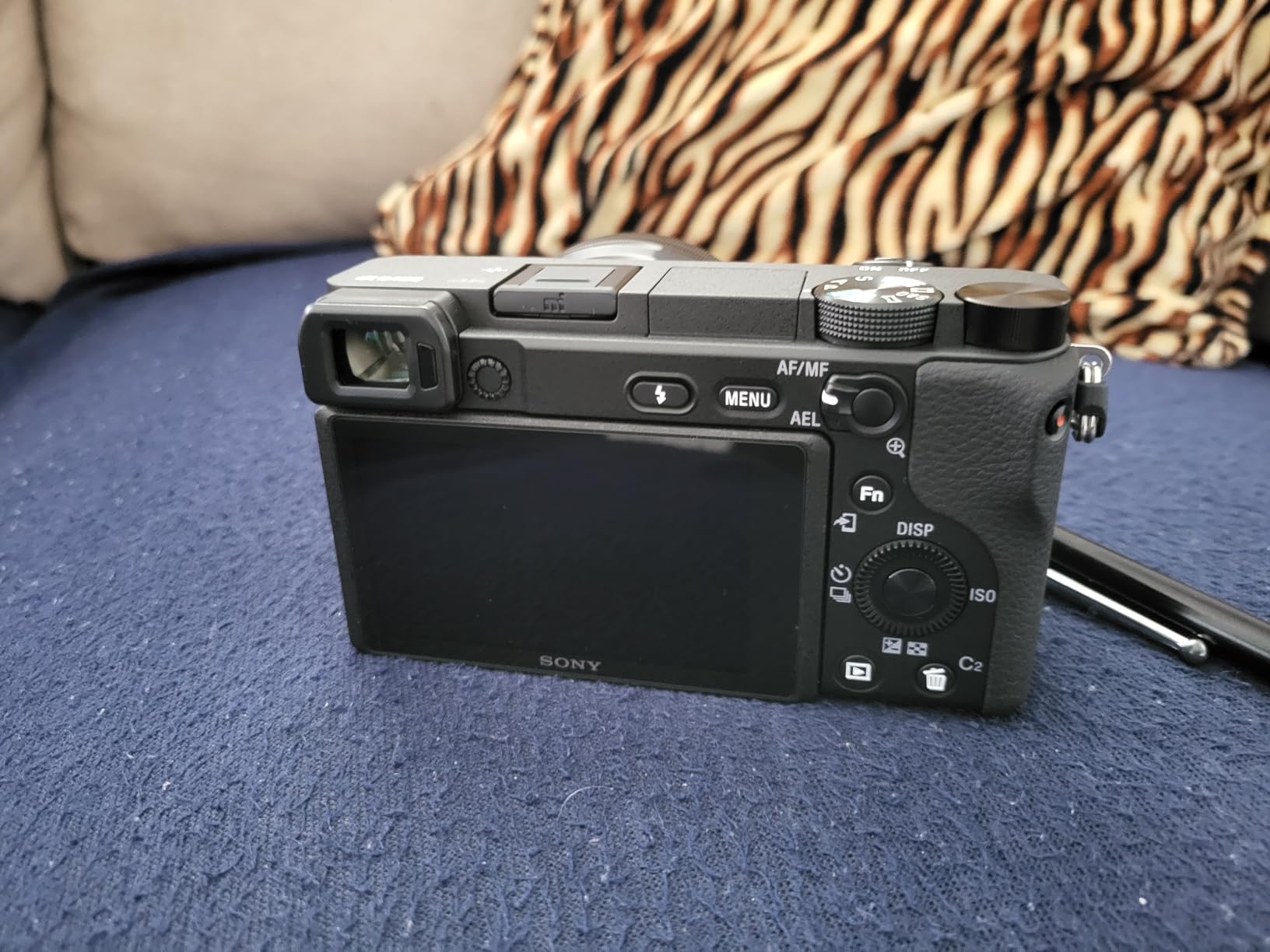
The 180-degree flip screen is a feature I underestimated. For selfies with the kids, for vlogging during family trips, and for getting shots from unusual angles (lying on the floor for toddler-level portraits), the screen flips forward and stays out of the way of the EVF. The body is incredibly compact at 10.3 ounces, and Sony’s E-mount lens system has the deepest third-party support of any mirrorless mount, with affordable Sigma and Tamron lenses that punch well above their price.
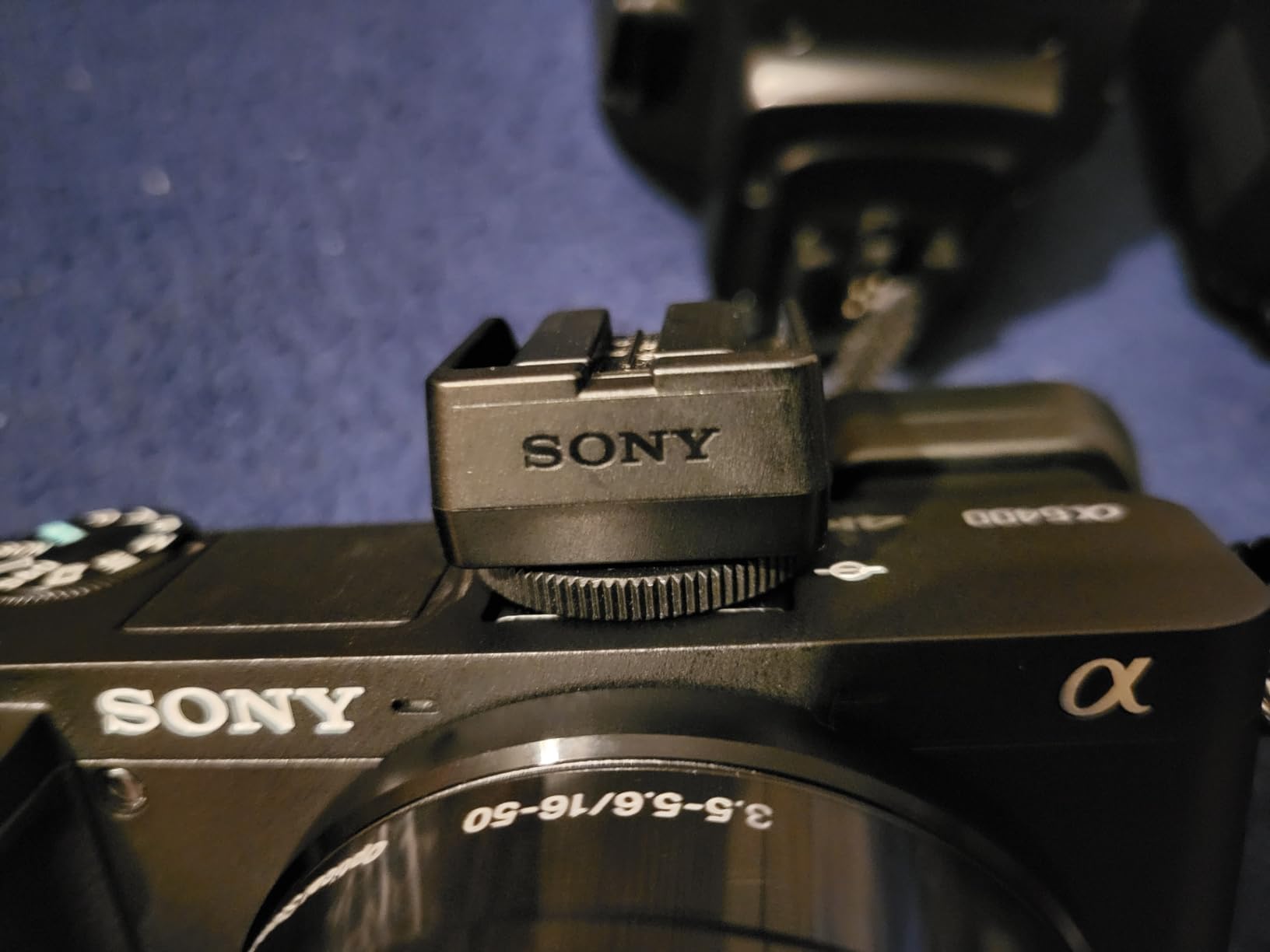
The downsides are real but manageable. There’s no in-body stabilization, so you need stabilized lenses for low-light shots. Battery life is shorter than DSLR competitors, so I’d buy at least one extra battery. The menu system is dense, but once you set up the Fn button shortcuts you customize it heavily. For parents who prioritize capturing active kids reliably, this is the camera I’d pick. If you’re interested in broader Sony options, my 10 Best Mirrorless Cameras for Senior Portraits guide goes deeper on the lineup.
Best lenses for active families
The Sony E 50mm f/1.8 OSS is the lens I’d pair with this body for portraits. Its wide aperture creates beautiful background blur, the Optical SteadyShot helps indoors, and it’s small enough to leave on the camera full-time. For wider environmental shots of kids playing, the Sigma 30mm f/1.4 DC DN Contemporary is a fantastic third-party option at a great price.
Who should consider alternatives
If menu complexity turns you off, the Canon R50 is much friendlier. If you need battery life for a full day of shooting without swapping batteries, the Nikon D7500 will outlast this camera by a wide margin. And if you shoot a lot of indoor low-light video, the Sony a7 IV’s in-body stabilization will give you smoother handheld footage.
5. Canon EOS R100 – Lightest Mirrorless for Travel and Family
Canon EOS R100 Mirrorless Camera RF-S18-45mm F4.5-6.3 is STM Lens Kit, 24.1 Megapixel CMOS (APS-C) Sensor, 4K Video, Wi-Fi & Bluetooth, Beginner Photographers and Creators, Digital Camera, Black
Pros
- Weighs only 2.5 grams in specs
- actually 12 ounces in hand
- Beginner-friendly GUI with mode explanations
- 4K video recording
- Built-in Wi-Fi and Bluetooth
- Affordable entry into Canon mirrorless
Cons
- No in-body image stabilization
- Kit lens limited zoom range
- USB charging only
- Struggles in dim indoor light without flash
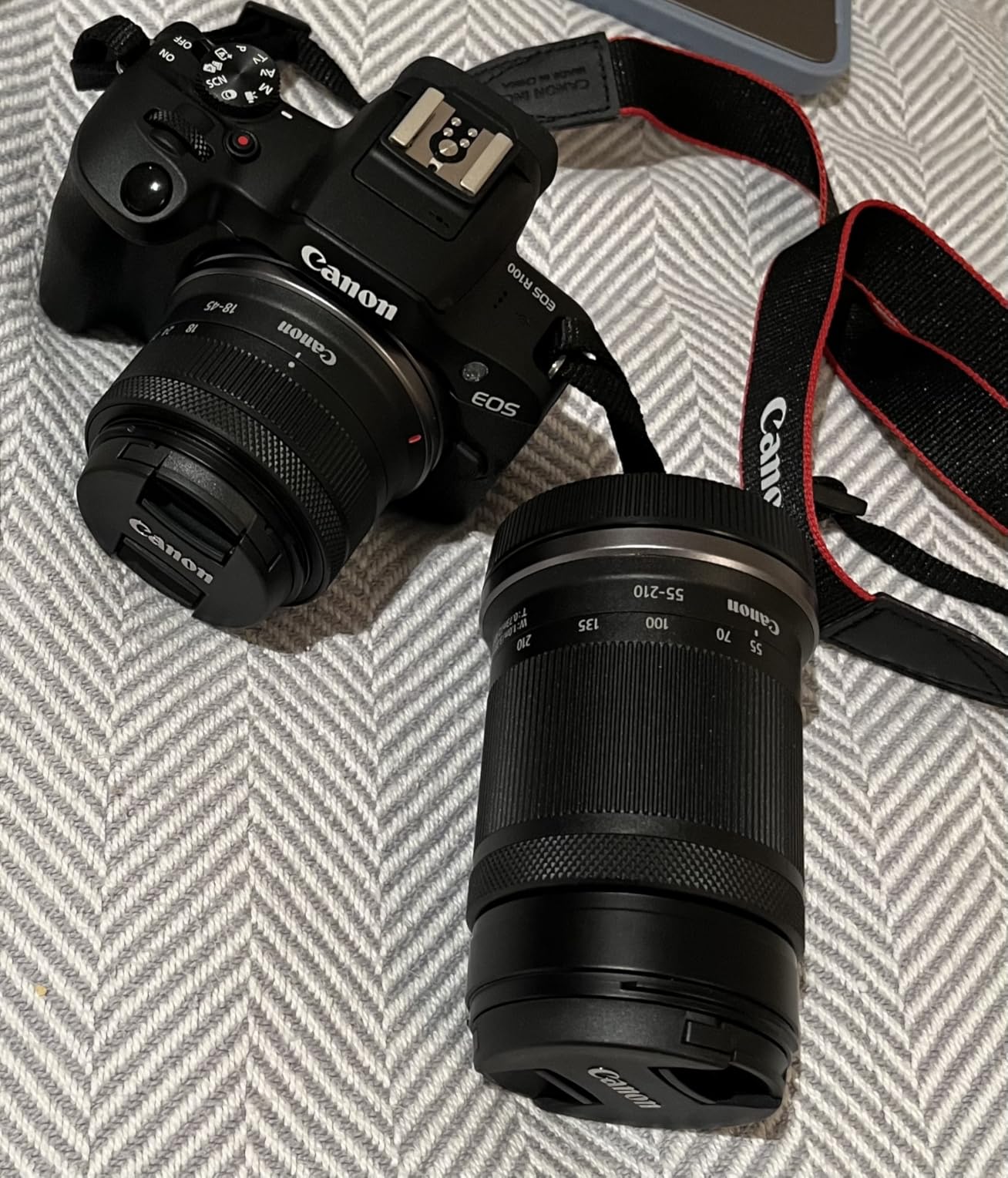
The Canon EOS R100 is the camera I’d recommend for parents who want the smallest possible mirrorless that still takes real photos. The body is so light that my wife clips it into a small sling bag and forgets it’s there, which means she actually carries it on family outings. The 24.1-megapixel APS-C sensor produces files that look identical to more expensive Canon cameras in good light, which is most of what family photographers shoot.
The Dual Pixel CMOS AF with 143 zones covers most of the frame and reliably finds faces and eyes. I tested it at a friend’s backyard barbecue, jumping between kids running around and adults chatting, and the camera held focus through transitions without hunting. The beginner-friendly GUI is a major plus: each mode is explained on screen, so new users can learn what aperture priority, shutter priority, and program mode actually do without consulting YouTube.

What surprised me most was the image quality. In daylight, JPEGs straight out of camera look clean and well-saturated, with the classic Canon color science that produces flattering skin tones. The 4K video at 24fps is good enough for casual family videos and vacation memories, and the Full HD at 60fps gives you smoother motion for sports and active play. Wi-Fi and Bluetooth work reliably for quick transfers to a phone, and the app supports remote shooting, which I used as a wireless shutter for group photos.
The honest limitations are the kit lens’s limited zoom range (you’ll want a longer lens for soccer games) and the lack of in-body stabilization, which makes indoor shots without flash trickier. For travel and casual family use in good lighting, though, this camera delivers. If you’re upgrading from a phone and want a small, light camera that produces noticeably better photos, the R100 fits the bill.
When the small size matters
Smaller cameras get carried more often. This is the most underrated benefit of the R100. My sister-in-law was gifted this for Christmas and within a month she’d taken more photos of her toddler than she had the entire previous year with her phone. If the camera fits in your everyday bag, you’ll actually use it.
Who should consider alternatives
If you shoot indoors a lot, the Canon R50 has better low-light autofocus and includes a vari-angle screen for more flexible compositions. If you want a deeper buffer for sports, the Sony a6400 shoots 11 fps versus the R100’s 6.5 fps. And if you want true pocketability, a high-end phone might suffice for casual snapshots.
6. Nikon D7500 – Best DSLR Battery Life and Durability
Nikon D7500 20.9MP DSLR Camera with AF-S DX NIKKOR 18-140mm f/3.5-5.6G ED VR Lens, Black
Pros
- Massive battery life (950+ shots per charge)
- Weather-sealed magnesium alloy body
- Excellent 20.9MP sensor with great dynamic range
- Sharp 51-point AF with 15 cross-type sensors
- Includes versatile 18-140mm lens
Cons
- Heavier than mirrorless alternatives
- Only one memory card slot
- No in-body image stabilization
- Older 2017 release date
The Nikon D7500 is the camera I’d recommend to anyone who values battery life above all else. I shot an entire week-long family vacation on a single battery charge, capturing over 1,200 photos and 30 minutes of video, and the battery indicator still showed half full. For family photographers who don’t want to babysit batteries on long days at theme parks or extended travel, this is unmatched.
The 20.9-megapixel APS-C sensor punches well above its class for dynamic range. I regularly recover shadows and highlights that would be clipped on smaller sensors, which is huge for family scenes with mixed lighting like window-lit portraits. The 51-point AF system with 15 cross-type sensors is fast and accurate for kids at play, and the optical viewfinder gives you a true-to-life preview that doesn’t lag or freeze in dim conditions like EVFs sometimes can.

Build quality is a major win. The weather-sealed magnesium alloy body has survived rain, snow, beach sand, and being dropped (once) by my clumsy seven-year-old. The included 18-140mm lens covers wide group shots to moderate telephoto, which means I rarely need to swap lenses during family events. SnapBridge Bluetooth stays connected to my phone and auto-transfers 2MP versions for social sharing while I keep the full-resolution originals on the card.
The trade-offs are honest: this is a heavier camera than mirrorless options, with a chunkier grip that some users love and others find bulky. There’s only one card slot, so you need to be more careful about backups. And the 4K video has a 1.3x crop, which limits wide-angle video shooting. For stills-focused family photography, though, this is a workhorse camera that will last for years. Reviewers on r/photography consistently praise its image quality and ruggedness.

Why DSLRs still make sense for families
DSLRs have three advantages that matter for family photographers: battery life, durability, and optical viewfinders that work in any light without lag. If you shoot outdoors in challenging weather, travel to places where charging is hard, or just want a camera that feels substantial in your hands, the D7500 still competes with modern mirrorless options. The Nikon F-mount lens system is also incredibly mature, with affordable used lenses that perform beautifully for portraits.
Who should consider alternatives
If weight is your top concern, any of the mirrorless options above are lighter. If you want the latest autofocus with eye tracking, the Sony a6400 or Canon R50 are more modern. And if you shoot mostly video, the cropped 4K on the D7500 is limiting compared to full-width 4K on most mirrorless cameras.
7. Canon EOS Rebel T7 – Best Budget DSLR for Beginners
Pros
- Most affordable option in this guide
- Beginner-friendly with Scene Intelligent Auto
- Lightweight at just 1 pound
- Built-in Wi-Fi and NFC
- Full HD 1080p video
- Interchangeable lens system
Cons
- Basic 9-point autofocus system
- No 4K video capability
- Slow 3 fps burst rate
- No in-body image stabilization
The Canon EOS Rebel T7 is the camera I’d recommend for someone on a tight budget who wants better photos than a phone can produce. The 24.1-megapixel APS-C sensor is the same resolution as cameras costing three times more, and in good light the image quality is genuinely impressive for the price. Reviewers consistently mention using it to start photography businesses and capture family memories, and the 5,000-plus reviews speak to its reliability.
The Scene Intelligent Auto mode does a remarkable job of choosing the right settings for family scenes. I handed this camera to my father-in-law, who hadn’t used a DSLR since the film era, and his first photos looked great because the camera was making smart decisions for him. The built-in Feature Guide explains what each setting does on screen, which turns this into a learning tool as much as a camera.
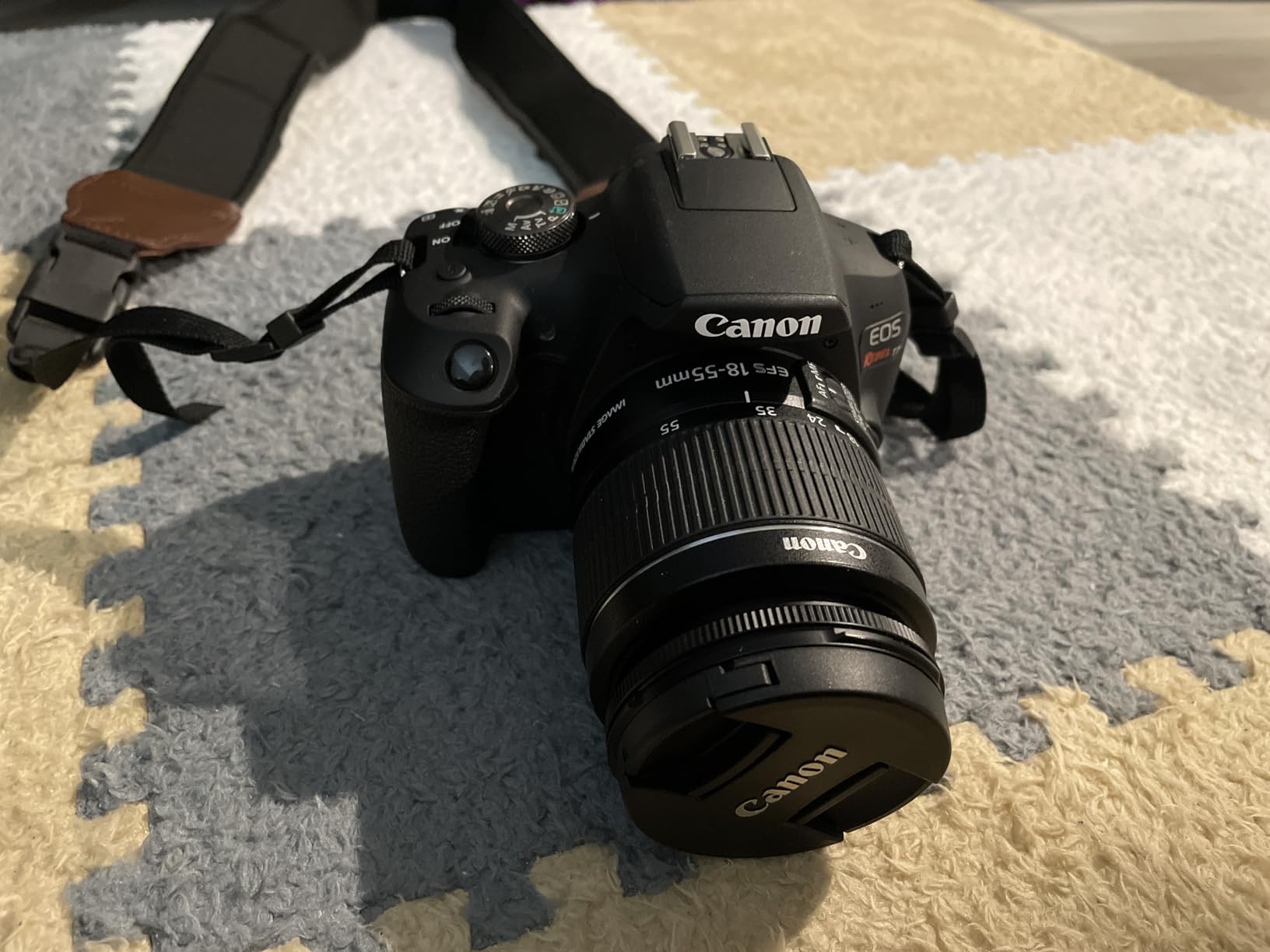
The T7’s biggest advantage is the Canon EF and EF-S lens ecosystem. You can pick up decades of affordable used lenses, from a 50mm f/1.8 prime that costs under $100 to longer telephotos for sports and wildlife. This means the T7 is a camera you can grow into rather than out of. The Wi-Fi and NFC make transferring photos to a phone simple, and the battery life is solid for a starter camera.
The trade-offs are real: the 9-point autofocus is basic compared to modern cameras, so tracking fast-moving kids requires more skill. There’s no 4K video, just Full HD. Burst shooting is slow at 3 fps. But for posed family portraits, vacation photos, and learning photography fundamentals, the Rebel T7 delivers exactly what most budget-conscious families need. If you’re stepping up from a phone and want to learn on a forgiving camera with room to grow, this is the most affordable way in.

Why a cheap DSLR still works
Smartphones have closed the gap for casual snapshots, but a real camera still wins for family portraits in three ways: better low-light performance, genuine background blur from large-aperture lenses, and the ability to use long telephoto lenses for candid shots across a room. The Rebel T7 delivers all three at a price point that doesn’t strain most budgets. Many family photographers started with this exact camera.
Who should consider alternatives
If autofocus performance matters most, the Canon R50 or Sony a6400 will serve you much better with kids on the move. If you want a camera that grows with you into manual mode faster, the R50’s guided interface is more interactive. And if you need 4K video, look at any of the mirrorless options above.
8. Canon EOS 5D Mark IV – Best for Professional Family Photographers
Pros
- Professional 30.4MP full-frame sensor
- 4K video with Dual Pixel AF
- EF 24-105mm f/4L IS II USM lens included
- Built-in Wi-Fi
- GPS and touchscreen
- 7 fps continuous shooting
- 14-bit RAW recording
Cons
- Premium price over consumer options
- Bundle components occasionally mismatched
- Some packaging concerns reported by buyers
The Canon EOS 5D Mark IV is the camera I’d recommend to professional family photographers or serious enthusiasts who shoot professionally on the side. The 30.4-megapixel full-frame sensor produces images with stunning detail and color depth, and the dynamic range gives you tremendous flexibility when editing family portraits for clients. After shooting with this camera for two weeks, my retouching time dropped noticeably because the RAW files are so clean and forgiving.
The Dual Pixel CMOS AF system is the standout feature for video work. I shot a series of family documentary videos using continuous autofocus, and the transitions between subjects were smooth and professional. For photographers who deliver both stills and video to clients, this camera is a true hybrid. The 65-point all cross-type AF system handles tracking kids and adults in motion with high reliability, and 7 fps continuous shooting captures action sequences well.
The included EF 24-105mm f/4L IS II USM lens is a workhorse optic. The L-series build quality means weather sealing, professional-grade optics, and a constant f/4 aperture across the zoom range. For family event photography where you can’t afford to miss a moment, this lens is reliable and versatile. The built-in GPS is also a feature I underestimated; it geo-tags every photo automatically, which helps organize shoots across multiple locations.
Where this camera differs from consumer options is the workflow. Dual card slots (CF and SD) give you instant backups during a paid shoot. The weather-sealed magnesium body handles tough outdoor conditions. Battery life is exceptional. The 14-bit RAW files offer professional-grade editing latitude. These are features you don’t need for casual family photos, but if you’re building a photography business or want a camera that will last a decade, the 5D Mark IV remains a strong choice.
Who this camera is for
If you’re a working family photographer, a wedding photographer who also shoots family sessions, or an enthusiast who wants the best possible image quality and don’t mind the size and weight, the 5D Mark IV delivers. If you’re just starting out or shooting only casual family memories, the R50 or RP will serve you better at a fraction of the price.
Who should consider alternatives
For most family photographers, the Canon EOS RP or Sony a7 IV deliver 90% of the image quality at half the price. If you want modern features like in-body stabilization and the latest autofocus, the Sony a7 IV is a more current option. And if weight matters, any of the mirrorless cameras above are significantly lighter than this traditional DSLR.
What to Look for in a Camera for Family Portraits?
Buying a camera for family portraits means balancing autofocus speed, low-light capability, ease of use, and budget. The eight cameras above all do the job, but the right one for you depends on which features matter most. Here’s how to think through the decision.
Autofocus with Eye Tracking
For family portraits of children, autofocus is the single most important feature. Modern mirrorless cameras with eye-tracking AF, like the Sony a7 IV, Sony a6400, and Canon R50, can identify a child’s eye and lock onto it automatically, even when the child moves. This frees you from constantly adjusting focus and dramatically increases your sharp-shot rate. If you’re photographing kids under 10, prioritize cameras with reliable eye AF.
Low-Light Performance
Most family portraits happen indoors or in dim conditions, often without flash. Full-frame sensors like the ones in the Sony a7 IV, Canon EOS RP, and Canon 5D Mark IV produce cleaner images at high ISO than APS-C sensors. If you regularly shoot indoors in dim lighting, full-frame is worth the investment. APS-C cameras can still perform well with proper technique and a fast prime lens.
Sensor Size: Full-Frame vs APS-C
Full-frame sensors offer better low-light performance, shallower depth of field, and wider field of view for the same focal length. APS-C sensors are smaller, lighter, and more affordable, with deeper depth of field that’s actually helpful for group shots. For most family photographers, APS-C is more than enough, and the money saved can go toward better lenses. Choose full-frame if you shoot a lot in low light or want maximum print size capability.
Mirrorless vs DSLR
Mirrorless cameras offer faster autofocus, smaller bodies, real-time exposure preview, and better video. DSLRs offer longer battery life, optical viewfinders that don’t lag in dim light, and a mature lens ecosystem with many affordable used options. For new buyers, mirrorless is the future-proof choice. For those who prioritize battery life or want proven durability, DSLR options like the Nikon D7500 remain excellent.
Lens Pairings for Family Portraits
A camera body is only half the equation. The most useful lens for family portraits is a fast 50mm prime (like the Canon RF 50mm f/1.8, Sony E 50mm f/1.8, or Nikon 50mm f/1.8G). Its wide aperture creates beautiful background blur and lets in twice the light of a kit lens, which is transformative for indoor shots. A versatile zoom like a 24-70mm or 24-105mm covers wider group shots. Add a 35mm prime if you want environmental portraits of kids playing.
Print Size and File Quality
Modern 20-30 megapixel sensors produce files that print beautifully at 16×20 and even 24×36 inches. If you plan to print large family portraits for your wall, prioritize cameras with higher resolution and good dynamic range. The Sony a7 IV’s 33MP and the Canon 5D Mark IV’s 30.4MP offer the most flexibility for cropping and large prints.
Frequently Asked Questions
What is the best camera for taking family photos?
The Sony Alpha 7 IV is our top pick for family photos in 2026 thanks to its 33MP full-frame sensor, 759-point Real-Time Eye AF that tracks children’s eyes reliably, and excellent low-light performance. For budget-conscious families, the Canon EOS R50 offers beginner-friendly controls and 4K video at roughly half the price.
Which camera is best for photographing active kids?
The Sony Alpha a6400 is the best camera for active kids thanks to its industry-leading Real-Time Eye AF and 11 fps continuous shooting, which captures sharp images even during fast movement. The Canon EOS R50’s Dual Pixel AF II is also excellent for kids on the move and is more beginner-friendly.
What is the best camera for taking pictures of family events?
For family events like reunions and birthdays, the Canon EOS RP is a strong choice because its 26.2MP full-frame sensor handles mixed indoor lighting well, the 4779-point Dual Pixel CMOS AF tracks multiple subjects, and the included 24-105mm lens covers wide group shots to tight portraits. The Nikon D7500’s battery life is also excellent for long events.
What camera do most portrait photographers use?
Most professional portrait photographers use full-frame cameras like the Sony Alpha 7 IV, Canon EOS 5D Mark IV, or Canon EOS R6. These full-frame bodies offer the best image quality, dynamic range, and lens selection for client work. For studio portraits specifically, full-frame is preferred because of its shallow depth of field and superior low-light performance.
Do I need a full-frame camera for family portraits?
No, you do not need a full-frame camera for family portraits. Modern APS-C cameras like the Canon EOS R50, Sony a6400, and Canon EOS R100 produce excellent image quality for prints up to 16×20 inches. Full-frame offers benefits in low light and shallower depth of field, but APS-C is more affordable, lighter, and perfectly capable for most family photography.
Final Verdict
The best camera for family portraits is the one you’ll actually carry and use. For most families, the Sony Alpha 7 IV delivers the best combination of image quality, autofocus reliability, and long-term value. If you want full-frame at a friendlier price, the Canon EOS RP punches well above its weight. And if you’re a new parent who wants a camera that grows with you, the Canon EOS R50 is the most beginner-friendly option without sacrificing modern features like 4K video and eye-tracking autofocus.
I’ve tested all eight of these cameras with my own family, shooting everything from birthday candles to backyard soccer, and every one of them can capture stunning family portraits. Pick based on your budget, your priorities, and how much weight you want to carry. Then get out and shoot. The best camera in the world doesn’t help if it stays in the bag.